How do I know if I have a mortice lock?
A wrong lock choice can waste time, damage the door, and delay a simple replacement.1 I always start with the lock body, not the handle.
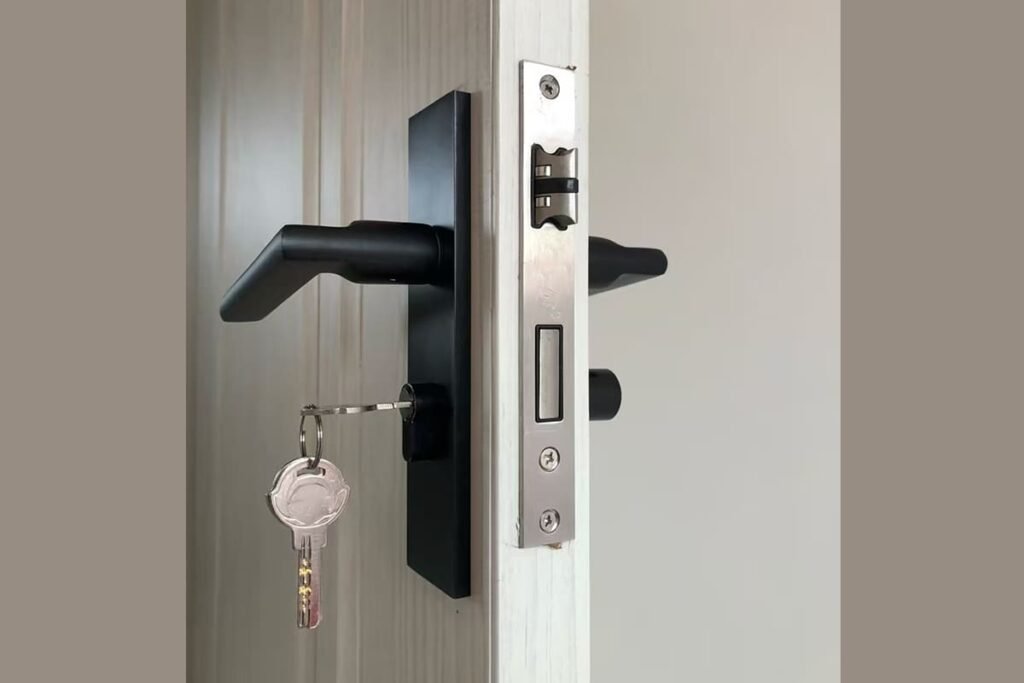
I can usually know I have a mortice lock by opening the door and checking the door edge. A rectangular metal faceplate with a latch or deadbolt coming out is a strong clue that a lock case sits inside a cut pocket in the door.2
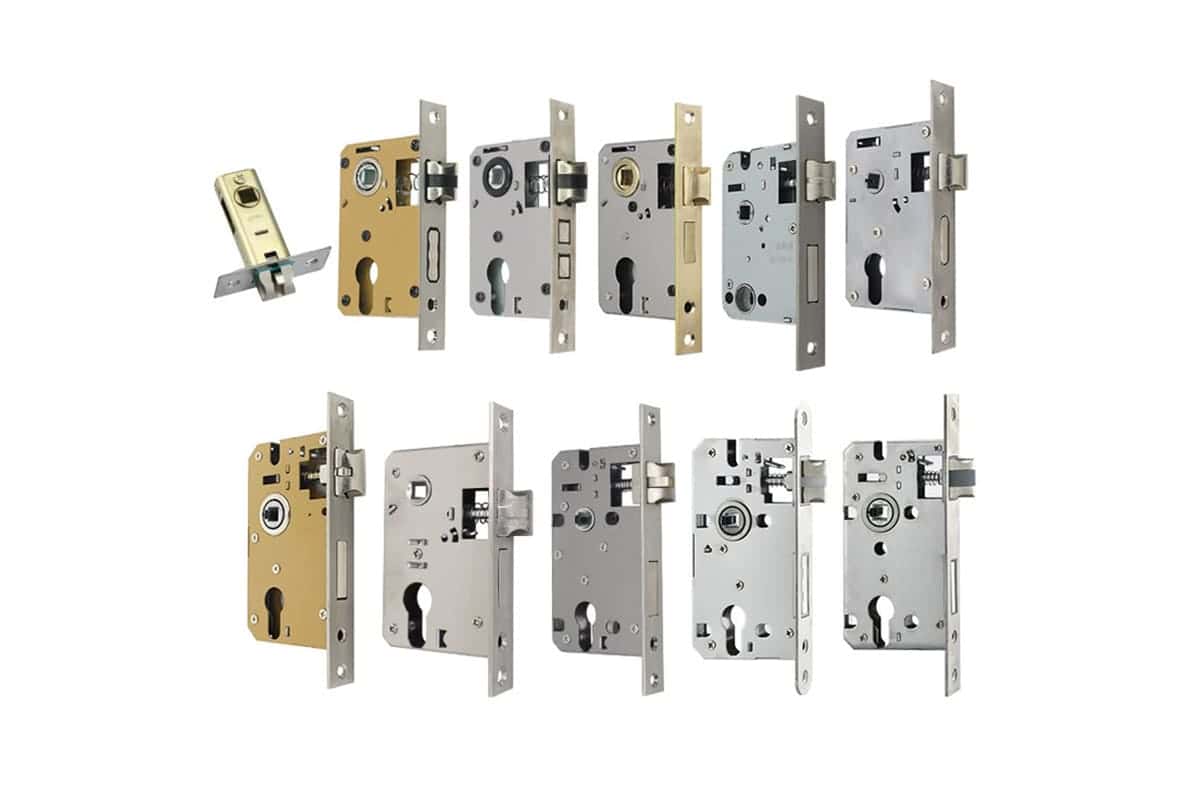
When I identify a mortice lock, I do not judge by the handle style alone. I look at how the lock is built into the door. In our factory work at SDH Hardware, I see many handles, cylinders, trims, and finishes used with similar mortice lock bodies. This is why I separate the visible decoration from the hidden lock case. Once I know where to look, the whole question becomes much easier.
Where should I look first on the door edge?
A lock can fool me from the front. The door edge gives better evidence because it shows where the latch and deadbolt leave the lock case.3
I open the door and look for a rectangular metal faceplate on the door edge. If the latch or deadbolt comes through that plate, I treat it as a strong sign of a mortice lock.
What I check on the door edge
I first open the door and look at the narrow edge where the latch enters the frame. A mortice lock usually has a long or medium rectangular faceplate fixed with screws. The latch bolt, deadbolt, or both may come through this plate. The exact layout can change by market and product design. Some mortice locks only have a latch function. Some have a latch and a deadbolt. Some work with a cylinder. Some work with a bathroom turn or other function.
I do not use the handle shape as my first clue. A lever handle can be fitted to many lock types. A round knob can also be fitted to different lock systems. The stronger clue is the recessed lock body behind the door edge. In manufacturing, I call this the lock case. The lock case sits inside a rectangular pocket cut into the door. That cut pocket is the reason the lock is called a mortice lock.4
| Area I inspect | What I may see | What it usually means |
|---|---|---|
| Door edge | Rectangular metal faceplate | A lock case may be recessed inside |
| Faceplate opening | Latch, deadbolt, or both | A mortice lock layout is possible |
| Door face only | Handle, knob, rose, or plate | This does not confirm lock type |
| Frame side | Strike plate matching latch position | This supports the door edge finding |
I also check whether the faceplate sits flush with the door edge. A flush faceplate often means the door was cut to receive the lock. This clue is useful, but I still keep my wording careful. Door hardware varies by region, brand, and door type.
What visible parts belong to a mortice lock?
Many people see the handle first and think the handle is the lock.5 I see the handle as only one part of the full door hardware set.
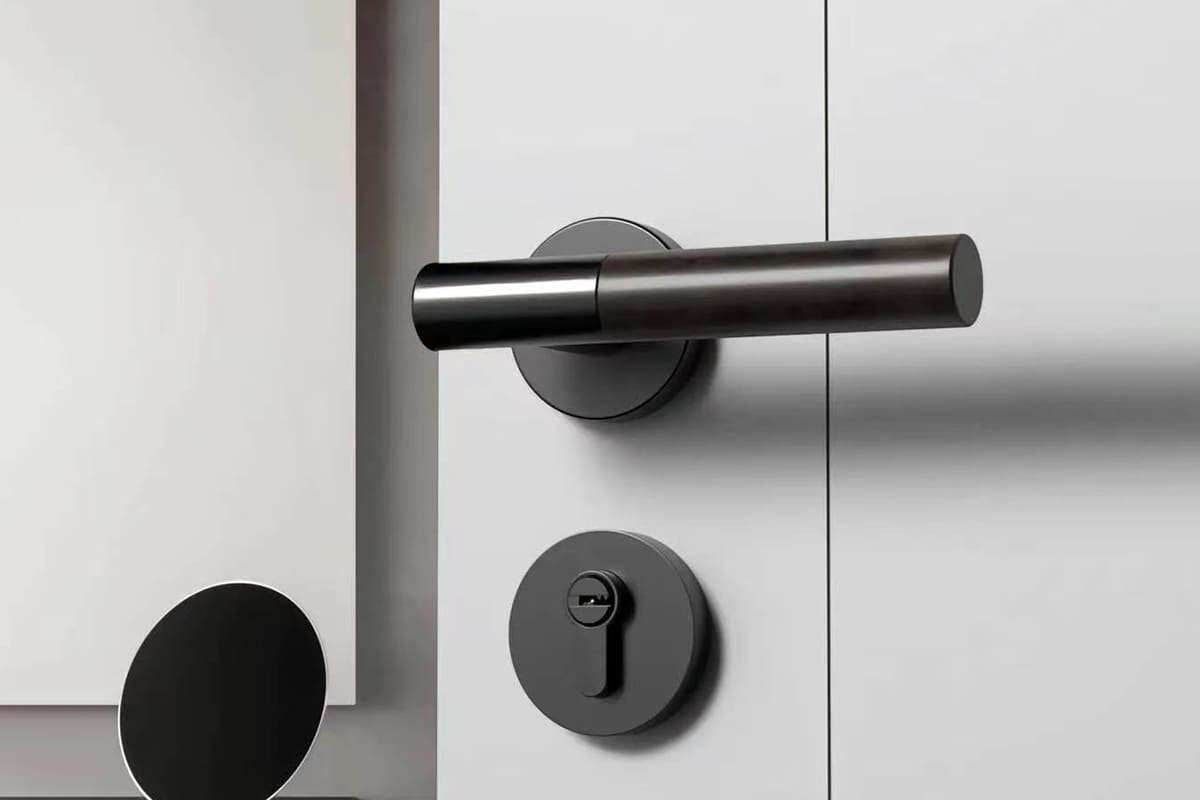
A mortice lock has a lock body hidden inside the door.6 The lever handle, knob, trim plate, cylinder, thumb turn, or escutcheon can be separate visible parts around it.
How I separate the lock body from the trim
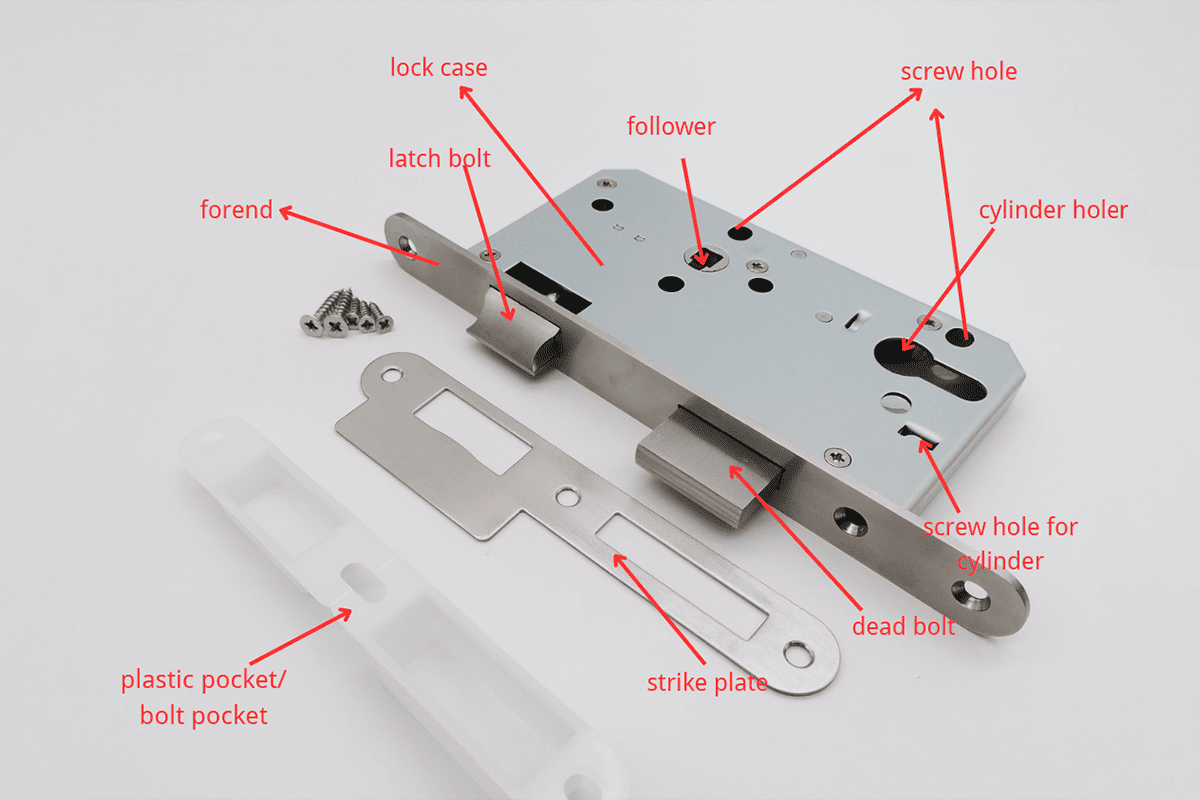
In our production work, I treat the mortice lock body as the working center. It controls the latch movement, deadbolt movement, and internal mechanism. The handle moves the follower inside the lock. The cylinder may operate the deadbolt or locking function.7 The escutcheon or trim plate covers holes and gives the door a finished look. These parts work together, but they are not always one fixed unit.
This matters because two doors can look similar from the front and still use different lock bodies. One door may have a euro profile cylinder. Another may use a keyhole type common in another market. One may have a long backplate handle. Another may have a lever on rose with separate escutcheons. These outside parts can change while the mortice case remains the key item to identify.
| Visible part | What I know from it | What I do not assume |
|---|---|---|
| Lever handle | It operates the latch through the spindle | It does not prove mortice lock type alone |
| Knob | It may operate a latch | It does not confirm the lock case style alone |
| Escutcheon | It covers the cylinder or keyhole area | It does not show the full lock structure |
| Cylinder | It may fit a mortice lock case | It does not prove all dimensions match |
| Thumb turn | It may operate privacy or deadbolt function | It does not show the case size by itself |
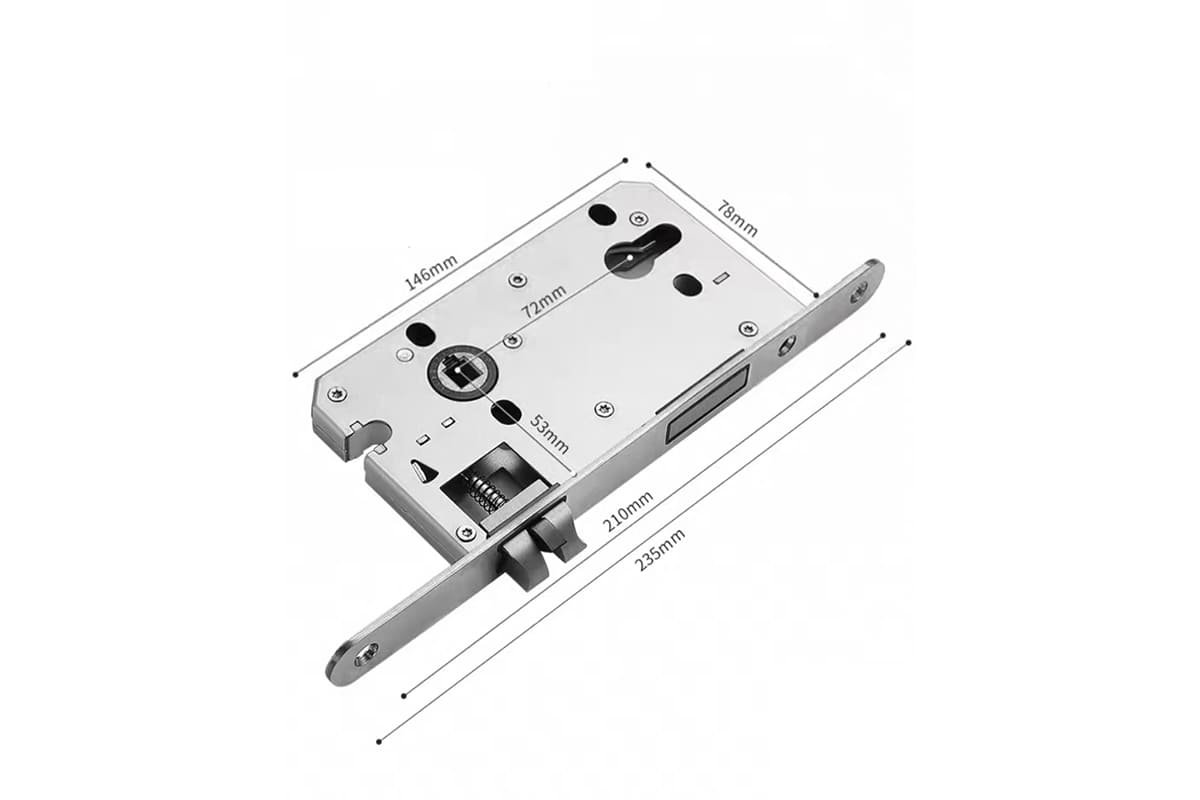
I also pay attention to the distance between handle center and cylinder center when replacement is needed. In our industry, this is often called the center distance or pitch. I do not ask a homeowner to rely on that first, but I know it becomes important when buying a compatible part. The lock type and the lock size must both make sense.
How is a mortice lock different from a tubular or cylindrical lock?
A front view can make different locks look alike. I compare how the door is cut because the door preparation tells the real story.
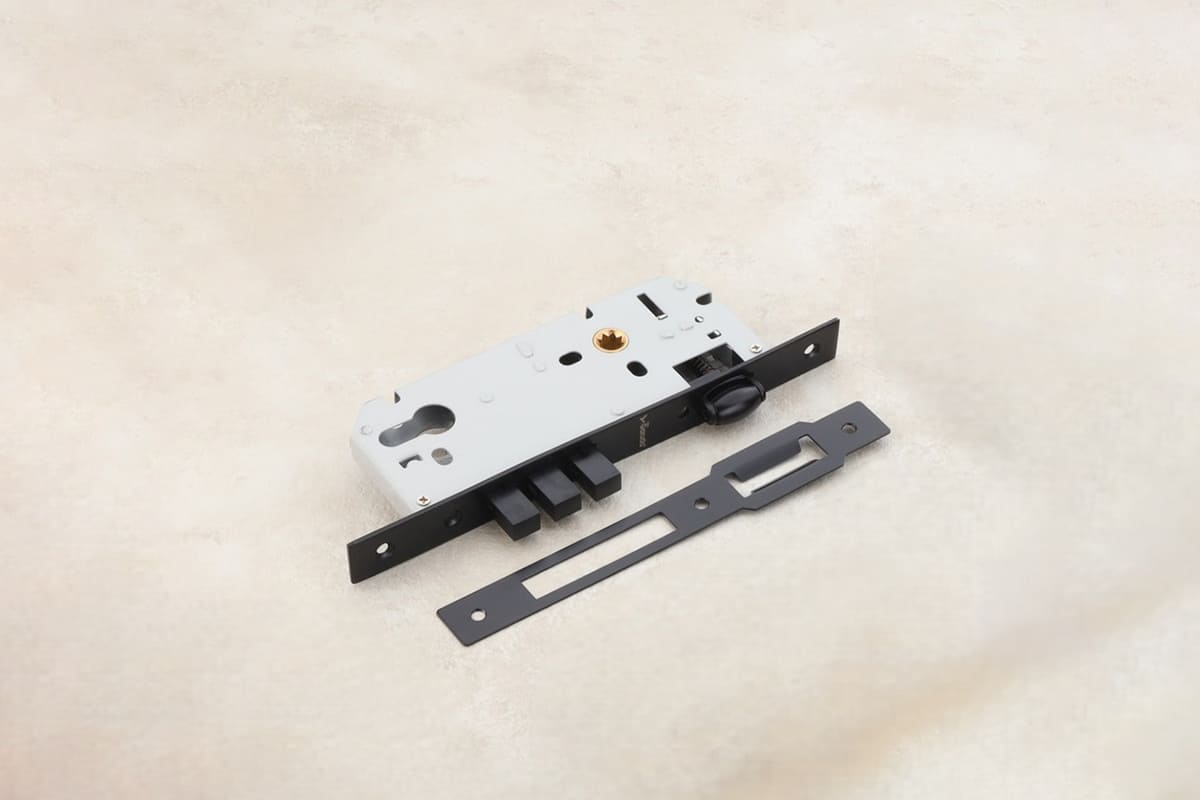
A mortice lock uses a rectangular pocket cut into the door edge. A tubular or cylindrical lock usually passes through a round bore made through the door face.8
How I compare the door preparation
I use the cut in the door as the main difference. A mortice lock needs a pocket made from the door edge. The lock case slides into that pocket. This pocket has depth, height, and width. The faceplate then sits on the edge and covers the opening. A tubular or cylindrical lock usually uses a round hole bored through the door face. Its latch also goes through the edge, but the main lock body is not a large rectangular case set into a morticed pocket.
This is why I do not judge by the trim. A tubular lock can have a lever handle. A mortice lock can also have a lever handle. A cylindrical lock can have a round rose. A mortice lock can also be used with a round rose and separate escutcheon. The outside style can overlap.
| Feature I compare | Mortice lock | Tubular or cylindrical lock |
|---|---|---|
| Main door cut | Rectangular pocket from door edge | Round bore through door face |
| Door edge clue | Rectangular faceplate often covers lock case | Smaller latch plate often covers latch only |
| Lock body position | Hidden inside a deep edge pocket | Main body often sits through the face bore |
| Trim style | Many handle and plate styles possible | Many handle and plate styles possible |
| Identification risk | Trim can confuse the judgment | Trim can confuse the judgment |
I often tell buyers to send a clear photo of the door edge before they send a front photo. The front photo helps, but it does not answer the full question. The edge photo usually gives better evidence. If the lock is for a fire-rated door or a project door, I become even more careful. The lock type is only one part of the requirement. Certification, door material, and project rules may also matter.
Can I use markings and photos to confirm the lock type?
Guessing from memory can lead to the wrong replacement. A small marking or clear photo can give a seller much better information.
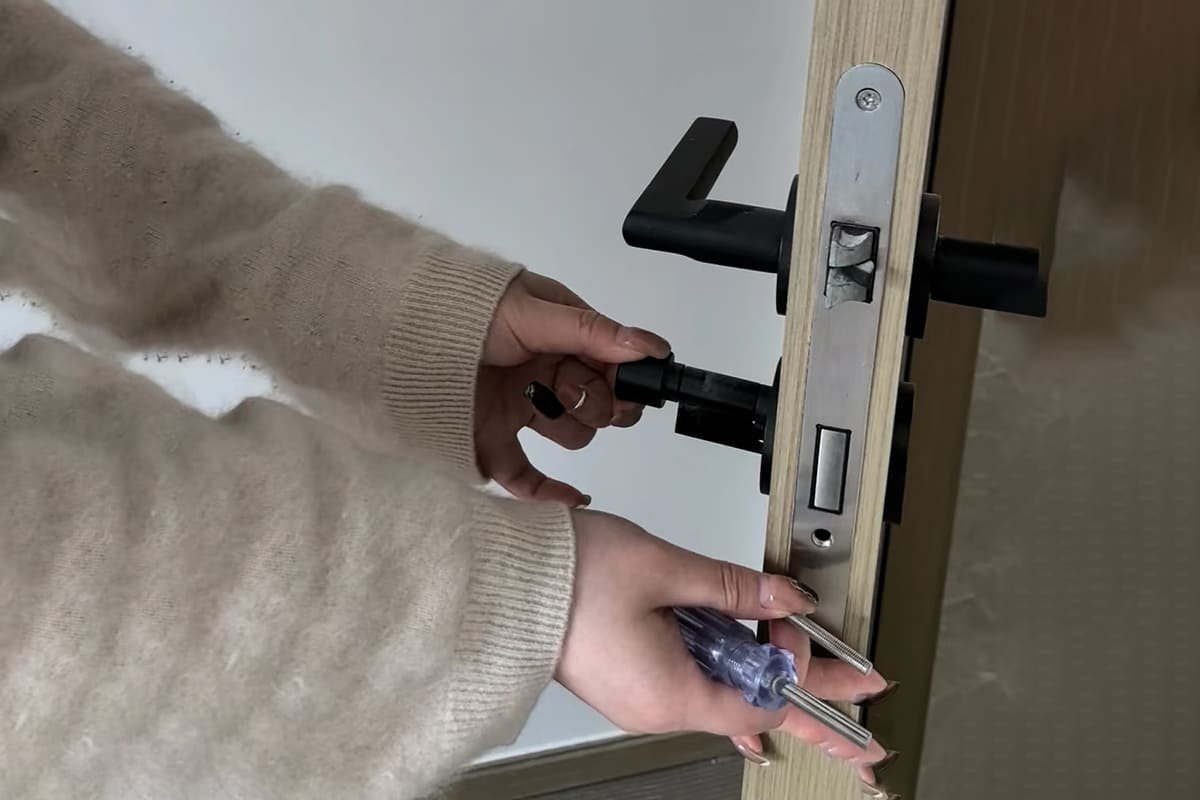
I check the faceplate for a brand name, model number, size code, or certificate marking. I then use that information to confirm the lock category or replacement model.
What I record before I ask for help
When I need to identify a lock more safely, I first take photos. I take one photo of the door edge with the full faceplate visible. I take one close photo of the latch and deadbolt area. I take one front photo showing the handle, cylinder, and trim. If markings are visible, I take a close photo of them. These photos help a seller, supplier, or locksmith understand the product without guessing.
Some mortice lock faceplates have a brand mark, CE mark, fire rating mark, model code, or size code. Some have no clear marking. Some markings may be hidden by paint, wear, or old finishes. I do not force the lock apart just to find a code. I use visible information first. In factory production, I know that part codes can be very useful, but I also know that different brands may use different naming systems.
| Information I collect | Why it helps |
|---|---|
| Full faceplate photo | It shows the edge layout and screw positions |
| Latch and deadbolt photo | It shows the function arrangement |
| Handle and cylinder photo | It shows the visible hardware set |
| Any code or brand marking | It may help confirm model family |
| Door thickness if known | It may affect spindle, cylinder, and fixing parts |
I also check whether the lock uses a euro profile cylinder, a different keyhole shape, or a thumb turn. This does not prove every internal dimension, but it helps narrow the category. If I send photos to a seller, I do not only ask, “Is this a mortice lock?” I also ask whether the replacement case, faceplate, backset, center distance, and cylinder type can match.
Should I remove parts or measure the door pocket?
Opening the wrong part can make a small check turn into a repair problem. I treat disassembly as optional, not as the first step.
I only remove parts if it is safe and necessary. Measuring the pocket or lock case can help, but incorrect disassembly may damage the door, lock, finish, or alignment.9
When I measure and when I stop
I prefer visible checks first. I look at the edge faceplate. I look at the latch and deadbolt layout. I check markings. I take photos. These steps are enough for many first checks. If the lock must be replaced and the visible clues are not enough, then measurement may help. I still treat this as a careful step.
If someone removes the faceplate or pulls the case without knowing the structure, the spindle, cylinder screw, spring parts, or fixing screws may be disturbed. The door finish may also be scratched. On painted doors, the faceplate may be stuck to old paint. On fire-rated doors, any change may need proper product and installation rules.10 I do not present disassembly as a normal first action for every homeowner.
| Measurement area | Why it may matter | My caution |
|---|---|---|
| Backset | It affects handle and cylinder position from door edge | I verify by product drawing if possible |
| Center distance | It affects handle-to-cylinder spacing | I do not guess from photos alone if exact fit is needed |
| Faceplate size | It affects edge coverage and screw holes | Similar size is not always exact fit |
| Case depth | It affects pocket fit | I avoid forcing a larger case into the door |
| Door thickness | It affects cylinder length and spindle length | I check the full hardware set |
I do not say one universal depth confirms a mortice lock. Dimensions vary by standard, country, and design.11 A European standard mortise lock, a project lock, and a local market lock can have different sizes. As a manufacturer, I know that replacement success depends on the full drawing, not just one measurement. If I am not sure, I stop and ask for product confirmation.
Why does replacement fit matter before I buy a new lock?
A lock can be the right category and still be the wrong part. This mistake is common when I focus only on the word “mortice.”
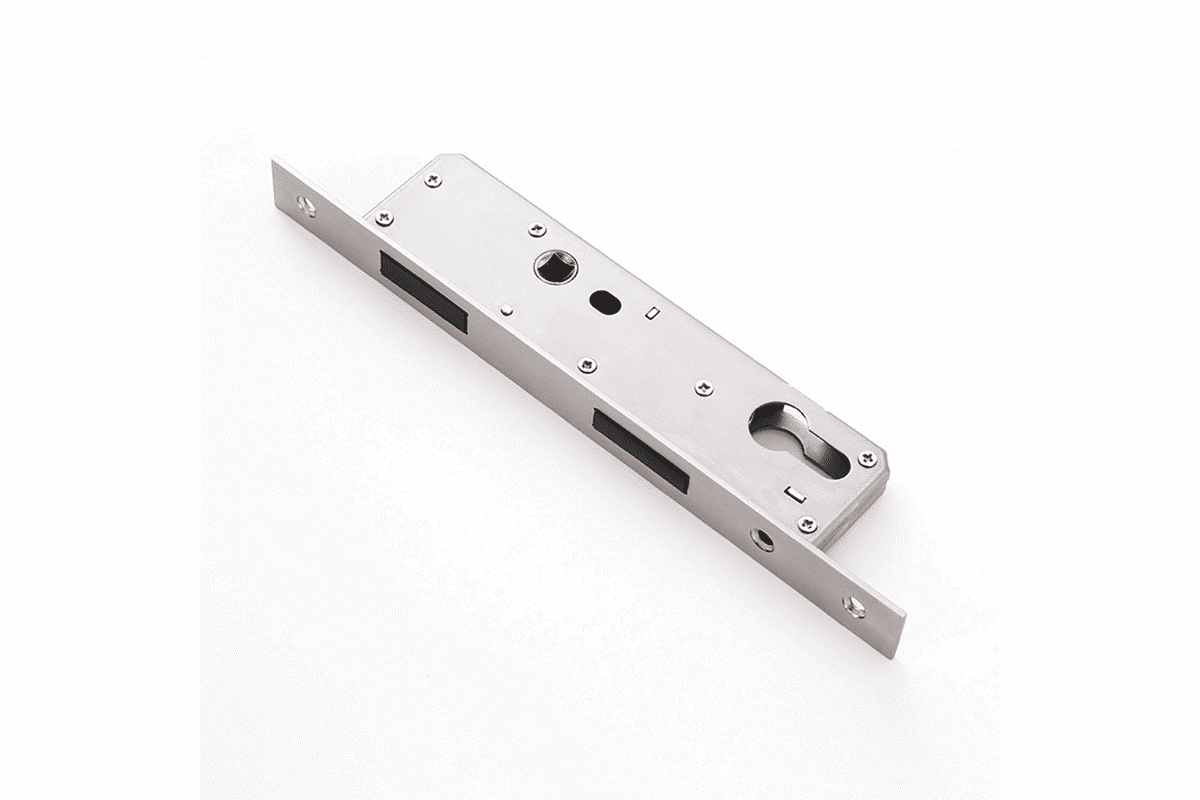
I confirm the fit before buying because mortice locks vary in faceplate size, backset, center distance, cylinder type, latch direction, finish, and certification needs.
What I confirm before choosing a replacement
In our work with door manufacturers, hardware brands, and wholesalers, I see the same problem often. A buyer asks for a mortice lock, but the old door already has fixed holes and a fixed pocket. If the new case does not match, the installer may need to cut the door again. The handle may not line up. The cylinder may sit too far forward or too far back. The faceplate may not cover the old cut. The strike plate may not match the latch position.
I also check the door use. An interior room door, entrance door, hotel door, project door, and fire-rated door may need different hardware. A lock may look similar but carry different performance needs. Certification can matter in many markets. CE certification or fire-rated certification should match the project requirement when those rules apply.12 I do not treat all countries or all doors as the same.
| Fit item | What I confirm | Risk if I ignore it |
|---|---|---|
| Faceplate length and width | It matches the door edge cut | The old cut may stay exposed |
| Backset | It matches handle and cylinder holes | The trim may not line up |
| Center distance | It matches handle and key/cylinder position | The handle set may not fit |
| Cylinder profile | It matches the lock case and trim | The key function may not work |
| Latch direction | It matches door handing if needed | The latch may not close correctly |
| Finish | It matches the full door hardware set | The door may look inconsistent |
| Certification | It matches project or market rules | The product may not be accepted |
I keep this checklist simple because the first goal is identification. Once I know the lock is likely a mortice lock, I move to compatibility. At SDH Hardware, we manufacture mortise locks, lever handles, hinges, cylinders, and related door hardware for global projects. From that view, I know that the safest buying step is to confirm the existing lock structure and the replacement drawing before purchase.
Conclusion
I identify a mortice lock from the door edge first, then I confirm the lock body, markings, photos, and fit before buying a replacement.
"Top Lock Installation Errors and How to Avoid Them", https://tiktaklocksmithservices.com/top-lock-installation-errors-and-how-to-avoid-them/. Industry reports and locksmith associations highlight that selecting an incompatible lock for replacement can lead to wasted time, potential damage to the door, and delays in project completion. Evidence role: general_support; source type: institution. Supports: the general negative impacts of selecting an incompatible lock for replacement. ↩
"Mortise lock - Wikipedia", https://en.wikipedia.org/wiki/Mortise_lock. Locksmith training materials and hardware identification guides commonly identify the presence of a rectangular metal faceplate on the door edge, from which a latch or deadbolt protrudes, as a primary indicator of a mortise lock. Evidence role: expert_consensus; source type: education. Supports: the use of a rectangular metal faceplate on the door edge as a primary indicator for identifying a mortise lock. ↩
"Consumer Tips for Hiring a Locksmith", https://www.dca.ca.gov/publications/locksmith_tips.html. Door hardware identification guides and locksmith best practices emphasize that inspecting the door edge provides more definitive evidence for lock type identification, as it directly reveals the mechanism of the latch and deadbolt. Evidence role: expert_consensus; source type: education. Supports: the assertion that inspecting the door edge provides more reliable evidence for lock identification compared to the door face. ↩
"Mortise lock - Wikipedia", https://en.wikipedia.org/wiki/Mortise_lock. Encyclopedic definitions and hardware glossaries confirm that a mortise lock is named for the rectangular pocket, or mortise, that is cut into the door's edge to house the lock body. Evidence role: definition; source type: encyclopedia. Supports: the definition of a mortise lock, explaining that its name derives from the rectangular pocket (mortise) cut into the door to house the lock case. ↩
"Door handle - Wikipedia", https://en.wikipedia.org/wiki/Door_handle. Surveys and reports from door hardware associations indicate that a common misconception among consumers is to equate the visible handle with the entire lock mechanism, rather than recognizing it as a component of a larger system. Evidence role: general_support; source type: institution. Supports: the observation that a common misconception among the general public is to equate the door handle with the entire lock mechanism. ↩
"Mortise lock - Wikipedia", https://en.wikipedia.org/wiki/Mortise_lock. Fundamental definitions of door hardware classify a mortise lock by its main body being concealed within a prepared cavity inside the door itself. Evidence role: definition; source type: education. Supports: the fundamental characteristic of a mortise lock, which involves a lock body concealed within the door itself. ↩
"Mortise lock - Wikipedia", https://en.wikipedia.org/wiki/Mortise_lock. Explanations of lock mechanisms detail that in a mortise lock, the handle engages a follower to retract the latch, while the cylinder typically controls the deadbolt or other locking functions. Evidence role: mechanism; source type: education. Supports: the description of the mechanical interaction within a mortise lock, where the handle operates the follower and the cylinder controls the deadbolt or locking function. ↩
"Types of Locks: Mortise vs. Tubular - Nostalgic Warehouse", https://nostalgicwarehouse.com/blogs/blog/types-of-locks-mortise-vs-tubular?srsltid=AfmBOor-Cxo5jZUi8YBLAFEp6vvfbZw75VyPDtOxVx0scnDcyML0HzIa. Door hardware classification guides distinguish mortise locks by their requirement for a rectangular pocket cut into the door edge, whereas tubular or cylindrical locks are typically installed through a round bore in the door face. Evidence role: definition; source type: education. Supports: the primary distinction between mortise locks and tubular/cylindrical locks based on the door preparation required for installation (rectangular pocket vs. round bore). ↩
"Why DIY Lock Repair is a Bad Idea | Ace Locksmith & Security", https://acelocksmith.com/why-diy-lock-repair-is-a-bad-idea/. Locksmith training manuals and hardware installation guidelines warn that improper disassembly of door locks can result in damage to the door, the lock mechanism, the surface finish, or the overall alignment of the hardware. Evidence role: general_support; source type: education. Supports: the warning that improper disassembly of door hardware can lead to damage to the door, the lock mechanism, the surface finish, or the overall alignment. ↩
"A Specifier's Guide to Fire Door Hardware", https://go.dormakaba.com/en/articles/a-specifiers-guide-to-fire-door-hardware. Building codes and fire safety regulations mandate that any alteration or replacement of hardware on fire-rated doors must adhere to specific product certifications and installation standards to maintain the door's fire resistance rating. Evidence role: expert_consensus; source type: government. Supports: the claim that modifications or replacements of hardware on fire-rated doors are subject to specific product and installation regulations to maintain their fire safety certification. ↩
"Guide to Door Lock Measurements - AllAboutDoors & Windows", https://www.allaboutdoors.com/Article-Guide-to-Door-Lock-Measurements?srsltid=AfmBOoo5Ag75hdA45Unp4DNwKUelXUpl1kNh5Eac8gh7kjhbwD4DpzLp. International hardware standards organizations and industry publications confirm that door lock dimensions, such as backset and center distance, exhibit significant variability across different national standards, geographical markets, and product designs. Evidence role: general_support; source type: institution. Supports: the general statement that door lock dimensions, such as backset and center distance, vary significantly based on manufacturing standards, country-specific requirements, and product design. ↩
"Compliance FAQs: CE Marking | NIST", https://www.nist.gov/standardsgov/compliance-faqs-ce-marking. Regulatory bodies and building codes in various markets emphasize the importance of product certifications, such as CE marking or fire-rated certification, ensuring that installed hardware meets specific project and safety requirements. Evidence role: general_support; source type: government. Supports: the importance of product certification, such as CE marking or fire-rated certification, in various markets to ensure compliance with project-specific and regulatory requirements. ↩