Guide to Selecting European Hinges?
A wrong hinge can make a good door fail. I have seen doors sag, rub, and return to the factory because selection started with price.
I select European hinges by matching EN1935 grade, door weight, door thickness, hinge size, material grade, mortise structure, and project environment. I do not choose by appearance alone, because two similar hinges can perform very differently after batch installation.
I have worked with door factories, hardware brands, and project buyers who all ask the same first question: “What size is popular?” I understand this question, because size looks easy to compare. But I usually start somewhere else. I start with the door, the project, and the risk after installation. A European hinge is a small part, but it carries the door every day. If I choose it badly, the cost does not stay in the hinge box. It moves to the workshop, the job site, the installer, the dealer, and the after-sales team. So I treat hinge selection as a performance-matching job, not a catalog-picking job.
Why Should I Start With EN1935 Before I Look At Appearance?
A hinge can look strong and still fail early. I have seen buyers approve samples by surface finish, then face sagging doors after real use.
I start with EN1935 because it gives me a performance reference for durability, load, safety, and use grade1. I still check the actual certificate or test report before I connect any hinge to a project requirement.
I use EN1935 as the first filter
EN1935 is the European standard that classifies single-axis hinges.2 I use it because it helps me move the discussion away from guesswork. A hinge may have the same size, same finish, and same stainless steel color as another hinge. But the internal structure, material thickness, pin strength, washer design, and production tolerance can be different. These differences matter when the door is heavy, used often, or installed in a commercial building.
I do not tell a buyer that one grade fits every door. I first ask about door weight, door size, fire rating needs, use frequency, and building type3. I also ask if the buyer needs CE documents or fire-rated documents4. I do this before I quote, because the cheapest hinge may not match the grade target.
| What I check first | Why I check it | What I ask the buyer |
|---|---|---|
| I check door weight | The hinge must carry the full door load | I ask for the door leaf weight |
| I check use frequency | Busy doors need better durability | I ask if the door is residential, hotel, office, or public use |
| I check required documents | Some markets need CE or fire-rated proof | I ask which certificates the project accepts |
| I check hinge grade | EN1935 grade helps define performance level | I ask for the project specification if it exists |
| I check sample history | Old samples may not reflect bulk production | I ask if the buyer tested the same batch design |
I avoid visual selection only
I have handled many hinge samples that looked similar on a table. The surface was clean. The size looked normal. The packaging looked acceptable. But when I checked the pin, knuckle fit, opening feel, and leaf flatness, the real difference appeared. This is why I do not approve a European hinge only because it looks like a known model. I need the hinge to match the actual door and the actual market requirement.
How Do I Match Hinge Size, Thickness, And Door Structure?
A popular hinge size can still be wrong. If the door thickness, mortise depth, and frame design do not match, the installer pays the price.
I match hinge size and thickness to door thickness, door weight, mortise position, and frame structure. Common European hinge patterns include 3 mm thickness and sizes like 4×3 inch, 4×4 inch, and 5×3 inch5, but I never treat them as universal.
I connect size with the real door
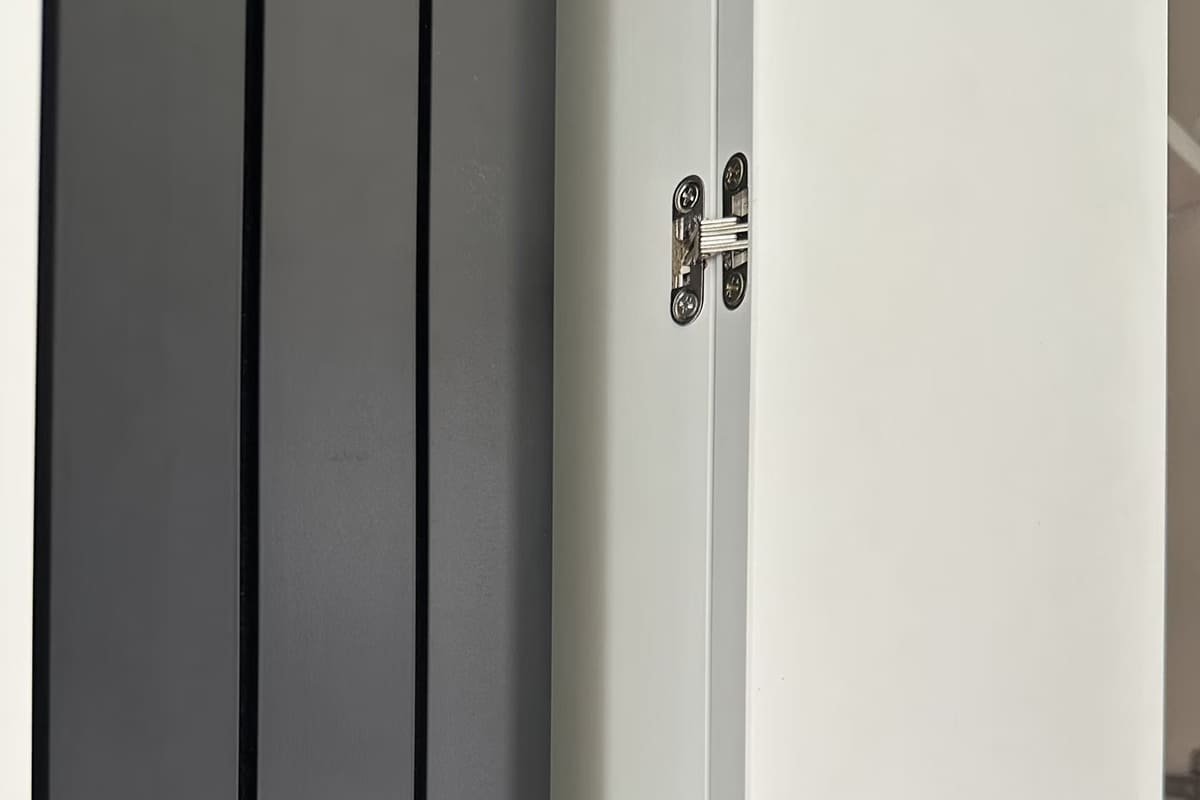
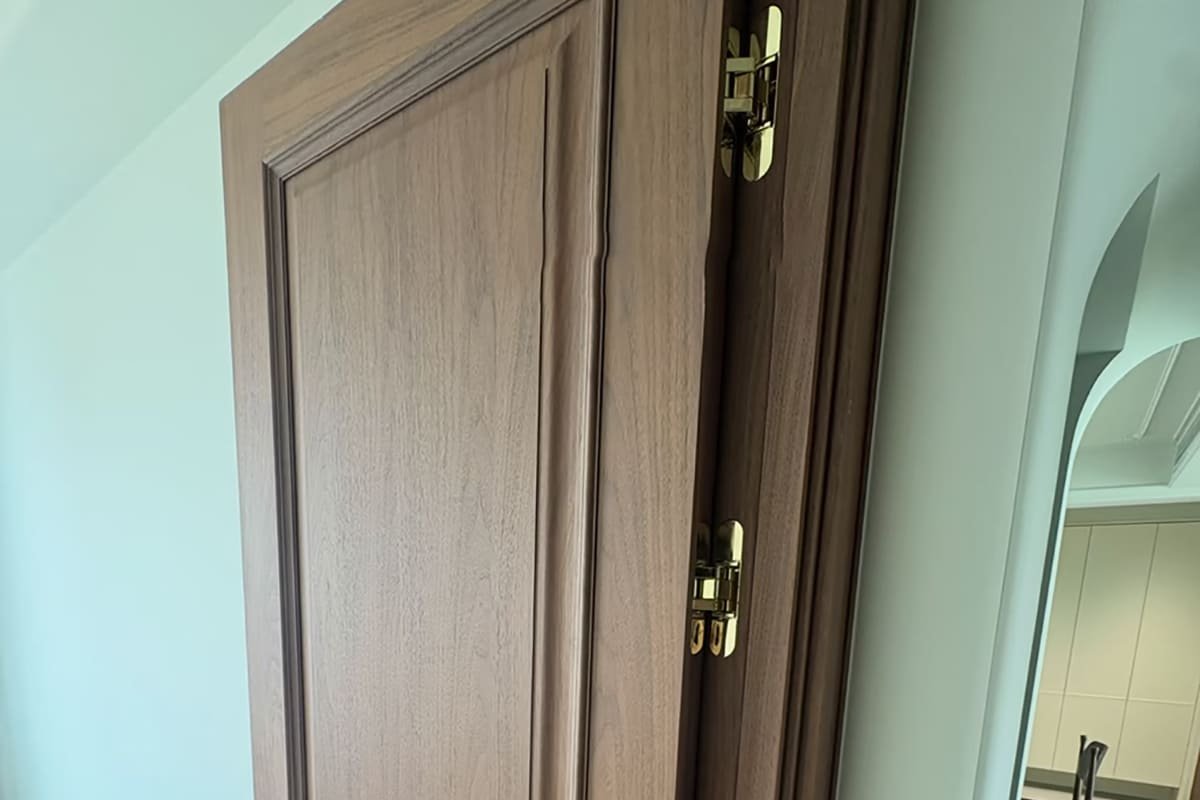
European hinges are usually mortised into both the door leaf and the frame.6 This installation method makes size accuracy very important. If the hinge leaf is too wide, the door may not sit well. If the hinge leaf is too narrow, the load may not spread well. If the thickness does not match the mortise depth, the door may bind or leave a gap.7 I have seen a door factory lose time because the sample hinge worked on one door model, but the bulk hinge did not fit another door thickness.
I usually review the full installation condition before I confirm the hinge. I ask for the door thickness, frame detail, opening direction, door weight, screw position, and the number of hinges per door. A 4×3 inch hinge may suit one internal door, while a 4×4 inch or 5×3 inch hinge may fit another structure better. I also check if the buyer uses two hinges, three hinges, or more on taller or heavier doors.
| Hinge factor I check | Common market pattern | My selection logic |
|---|---|---|
| I check hinge thickness | Many European hinges use about 3 mm | I match it with mortise depth and load need |
| I check hinge size | 4×3, 4×4, and 5×3 inch are common | I match it with door width, height, and weight |
| I check screw holes | Hole pattern must fit production tooling | I confirm it before bulk order |
| I check leaf flatness | Poor flatness affects door closing | I inspect samples and bulk goods |
| I check knuckle alignment | Bad alignment creates noise and rough movement | I check opening feel and pin fit |
I do not copy a size from another project blindly
A buyer sometimes sends me one old hinge and says, “Make it the same.” I can do that, but I still ask where the new hinge will be used. A hotel room door, a villa entrance door, a school door, and an apartment interior door do not share the same use condition. The same hinge size may be acceptable in one case and weak in another. So I prefer to use the old sample as a reference, not as the final answer.
I also care about dimensional consistency in bulk orders. If the hinge size changes slightly between batches, the door factory may need to adjust tooling or workers may spend more time during assembly. This small variation can become a big cost in large production.
Which Stainless Steel Grade Should I Choose For European Hinges?
Stainless steel hinges can look almost the same. But the wrong grade can rust, stain, or fail the project image in a humid market.
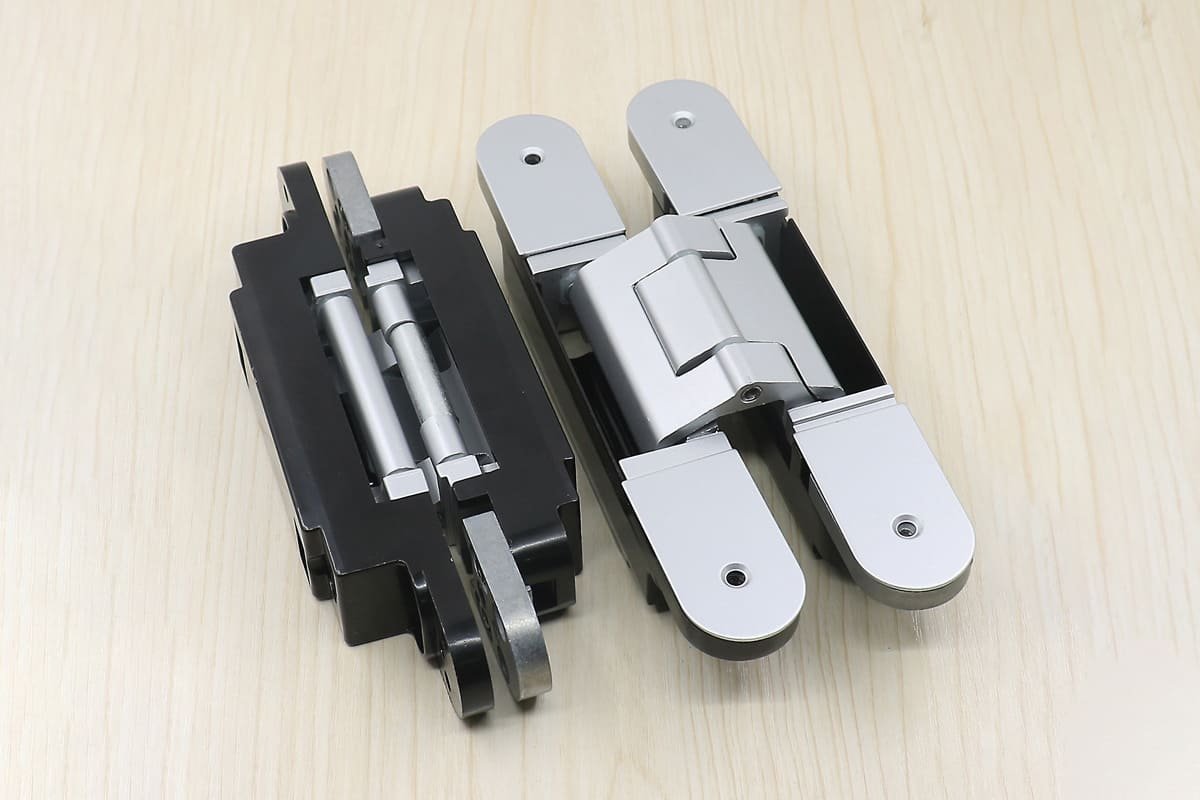
I choose 316, 304, or 201 stainless steel according to corrosion risk, project level, and budget. 316 and 304 usually offer better corrosion resistance than 2018, so I do not treat these grades as the same.
I match material with the environment
Material choice is not only a price decision. I often see 201, 304, and 316 stainless steel hinges placed side by side. They may all look bright after polishing or satin finishing. But I know the real difference appears after time, moisture, cleaning chemicals, salt air, or heavy daily use. This is why I ask where the hinge will be installed before I suggest the material.
For coastal areas, humid markets, higher-end projects, and commercial buildings, I usually give more attention to 304 or 316 stainless steel. 316 stainless steel has better corrosion resistance in more demanding environments.9 304 stainless steel is also a strong choice for many architectural door hardware applications. 201 stainless steel can be used in some cost-sensitive indoor cases, but I do not suggest it for every project. I also tell buyers that surface finish cannot replace material grade10. A polished hinge is not automatically a better hinge.
| Material I consider | My usual view | Where I use caution |
|---|---|---|
| I consider 316 stainless steel | I use it for stronger corrosion resistance needs | I check if the buyer accepts the higher cost |
| I consider 304 stainless steel | I use it for many standard and better projects | I still check environment and certificate needs |
| I consider 201 stainless steel | I use it for price-sensitive indoor needs | I avoid it in humid, coastal, or higher-spec projects |
| I check surface finish | I use finish to match market demand | I do not use finish as proof of material grade |
| I check test needs | I support documents when available | I avoid making claims without verified reports |
I do not rely on color or shine
I have received samples where the buyer said, “This looks like 304.” I understand the feeling, because many stainless steel hinges look similar. But I do not select stainless steel by color. I need material confirmation from the factory process, supplier records, or test method when the order requires it. If the project has strict requirements, I suggest that the buyer keeps clear material standards in the purchase order.
I also look at screw quality and accessory material. A stainless steel hinge with poor screws can still cause trouble. If screws rust first, the whole door set looks low quality. So I review the hinge as a complete installation part, not only as two metal leaves and one pin.
When Should I Consider Oil-Free European Hinges?
A standard hinge may be enough for many doors. But some premium projects need a cleaner structure, better pin security, and a different opening feel.
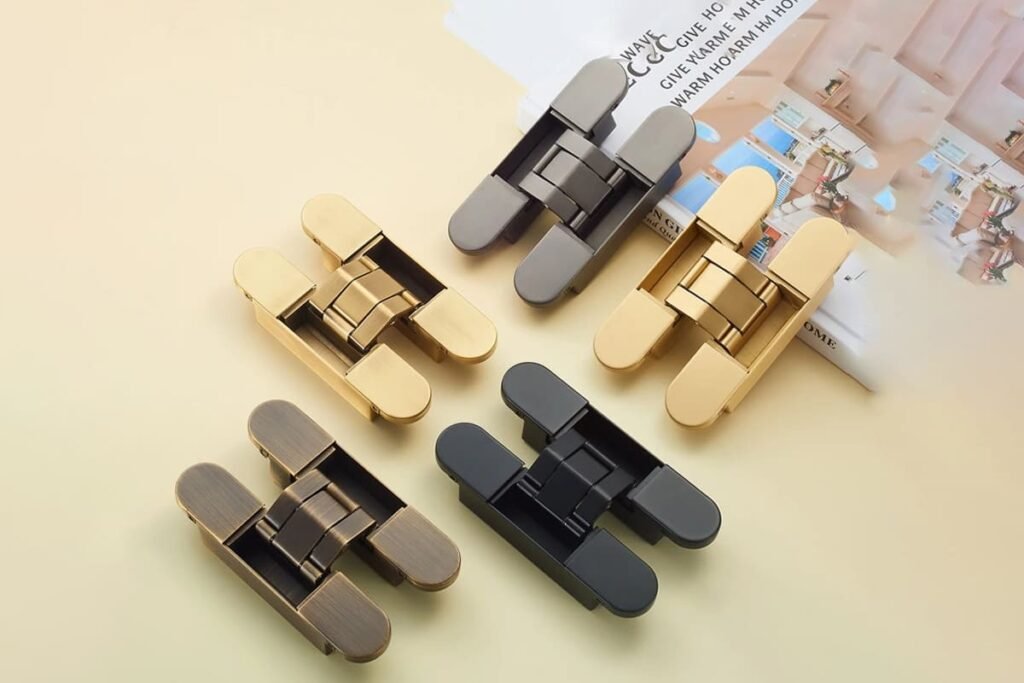
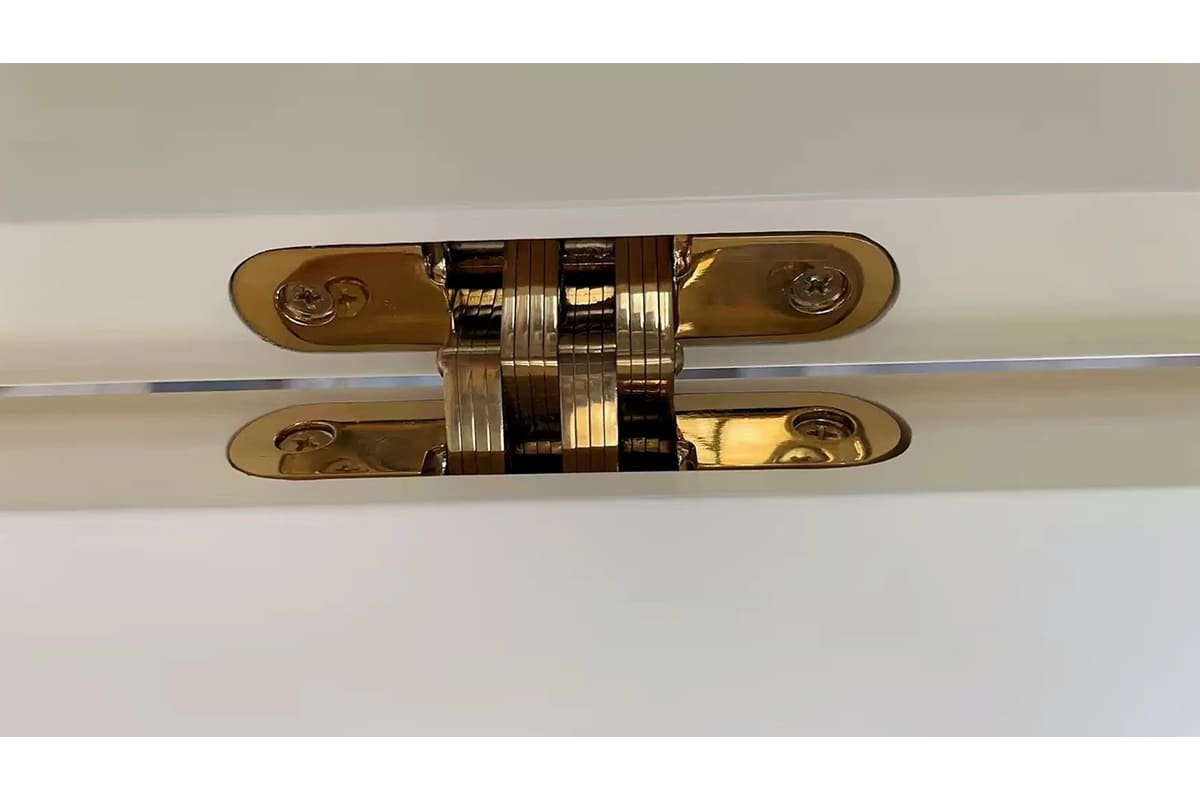
I consider oil-free European hinges for higher-end or project-specific doors. They share similar dimensions with ordinary European hinges, but their structure does not rely on bearing-assisted opening, and welded sealing can help prevent pin detachment.
I treat oil-free hinges as an upgrade option
I do not push oil-free hinges as a must for every buyer. Many standard European hinges can work well when the grade, size, material, and installation all match the door. But I do discuss oil-free hinges when the project needs a higher product image, a more controlled structure, or a different long-term use plan. Some buyers like them because the hinge does not depend on the same bearing-assisted design used in many ordinary hinges. The welded sealing at both ends can also help reduce the risk of hinge pin detachment.11
I still check the same basic factors. I check door weight, hinge size, material grade, EN1935 requirement if applicable, finish, screw configuration, and installation method. Oil-free design does not remove the need for proper matching. A premium hinge in the wrong size can still create installation trouble.
| Item I compare | Ordinary European hinge | Oil-free European hinge |
|---|---|---|
| I compare dimensions | Common sizes are available | Similar common dimensions may be available |
| I compare opening structure | Some use bearing-assisted movement | The design does not rely on bearing-assisted opening |
| I compare pin security | Structure depends on design and process | Welded sealing can help prevent pin detachment |
| I compare project fit | It suits many standard doors | It suits selected higher-end projects |
| I compare buyer need | Price and performance both matter | Image, structure, and risk control matter more |
I ask if the market can explain the upgrade
A product upgrade only works if the buyer can sell or use the value. If a hardware brand sells to a market that cares mainly about low price, oil-free hinges may be harder to position. If a door factory supplies villas, hotels, or branded projects, the upgrade may make more sense. I always connect the product choice to the buyer’s market story. I want the buyer to know why the hinge is chosen, how it should be installed, and what benefit the end customer can understand.
I also check production consistency. A premium hinge needs stable welding, stable finish, stable size, and stable packaging. If the buyer orders in bulk, I make sure the factory process can repeat the sample quality.
How Do Low-Price Hinge Decisions Create Higher Downstream Cost?
A cheap hinge can look profitable at purchase time. But it can become expensive after door sagging, noise, rework, and customer complaints appear.
I treat hinge cost as total cost, not unit price only. A wrong grade, weak material, poor size control, or unstable structure can create higher installation and after-sales costs than the money saved at purchase.
I calculate the risk beyond the purchase order
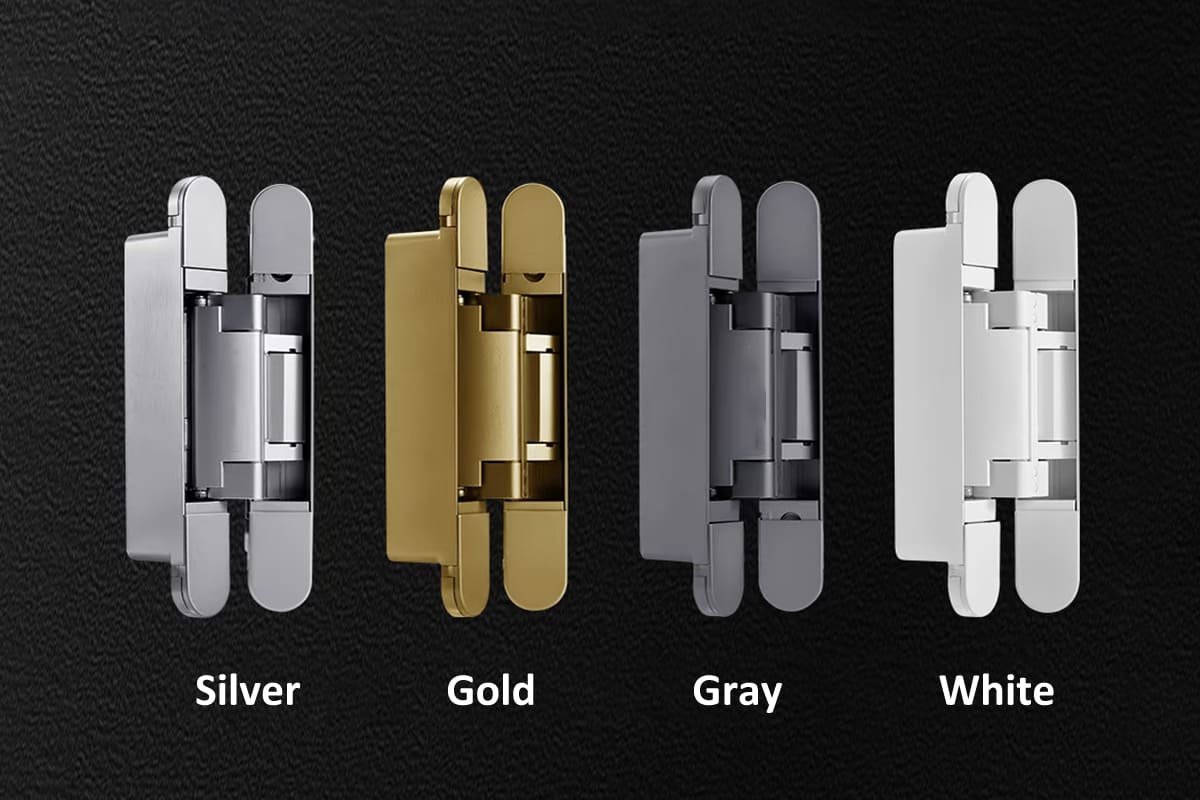
I know buyers must control cost. I work with buyers every day, so I respect target prices and market pressure. But I also see what happens when the hinge is selected only by price. The door may sag after use. The opening and closing may feel rough. The hinge may make noise. The finish may become inconsistent between batches. The installer may need to adjust the mortise. The dealer may return goods. The brand may lose trust.
A hinge is not a decorative item. It carries weight and movement. So I compare the unit price with the risk of rework. If a project uses thousands of doors, even a small defect rate can create a large service cost. A small saving on each hinge can disappear quickly when workers need to repair doors on site.12
| Low-price risk I watch | What may happen later | How I reduce it |
|---|---|---|
| I watch wrong EN1935 matching | The hinge may not carry the intended use | I confirm grade needs before order |
| I watch weak material choice | Rust or staining may appear | I match material with environment |
| I watch unstable dimensions | Mortise fitting may fail | I control drawings and bulk inspection |
| I watch poor knuckle structure | Noise or loose movement may appear | I check sample and production process |
| I watch bad finish control | Batch color may not match | I define finish standard before production |
I use samples to test fit, not only appearance
When I send or review samples, I want the buyer to install them on the real door if possible. A table inspection is useful, but it is not enough. The hinge must fit the mortise. The screws must sit well. The door must open and close smoothly. The gap must stay correct. The finish must match the rest of the hardware, such as lever handles, lock bodies, cylinders, and other accessories.
For bulk buyers, I also suggest clear order details. I include material grade, size, thickness, finish, screw type, packaging, certificate request, and inspection standard. This helps avoid unclear responsibility later. In my factory work, I have learned that many disputes start from a small missing detail. So I prefer to make the hinge standard clear before production starts.
How Do I Prepare A Bulk European Hinge Order With Less Risk?
A good sample does not always mean a smooth bulk order. If the order details are unclear, the factory and buyer may understand the hinge differently.
I prepare a bulk hinge order by confirming drawings, material, finish, EN1935 requirement, door application, packing, inspection points, and delivery plan. I also keep the approved sample as the reference for production and final checking.
I lock the details before production
Bulk hinge purchasing needs more control than sample selection. A product manager may care about performance. A buyer may care about price. A warehouse team may care about packing. A door factory may care about installation speed. I need to connect all these needs before production starts. This is why I like to use a clear checklist for every hinge order.
I first confirm the door application. I then confirm the hinge drawing, size, thickness, hole distance, corner shape, pin structure, material grade, finish, screws, and packaging. If the order needs CE or fire-rated documents, I confirm that early. I do not add this topic at the end, because documents can affect product choice and lead time.
| Bulk order point I confirm | My reason | My preferred action |
|---|---|---|
| I confirm drawing | It avoids size misunderstanding | I ask both sides to approve the drawing |
| I confirm approved sample | It sets the physical reference | I keep one sample for comparison |
| I confirm finish standard | It reduces color disputes | I use finish samples or clear photos |
| I confirm packaging | It protects the hinge in shipping | I match packing with export needs |
| I confirm inspection points | It reduces after-sales risk | I check size, finish, movement, and quantity |
I look at the whole door hardware set
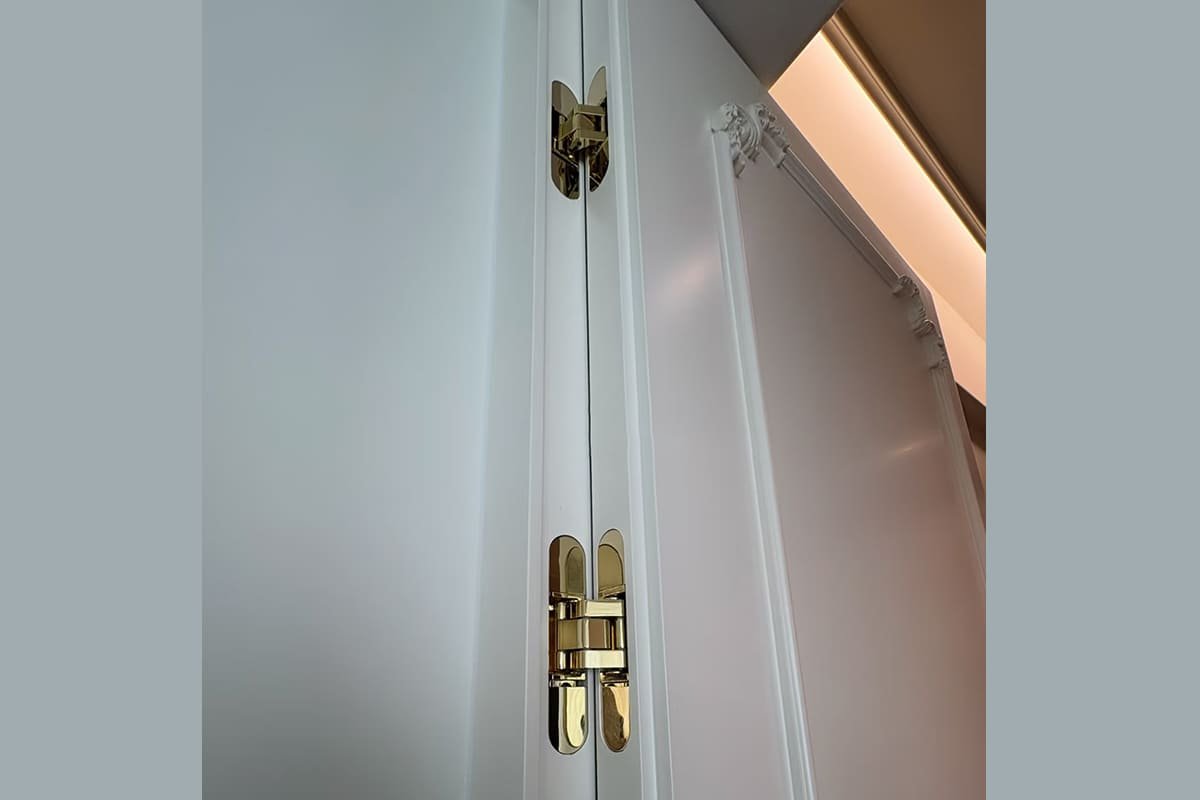
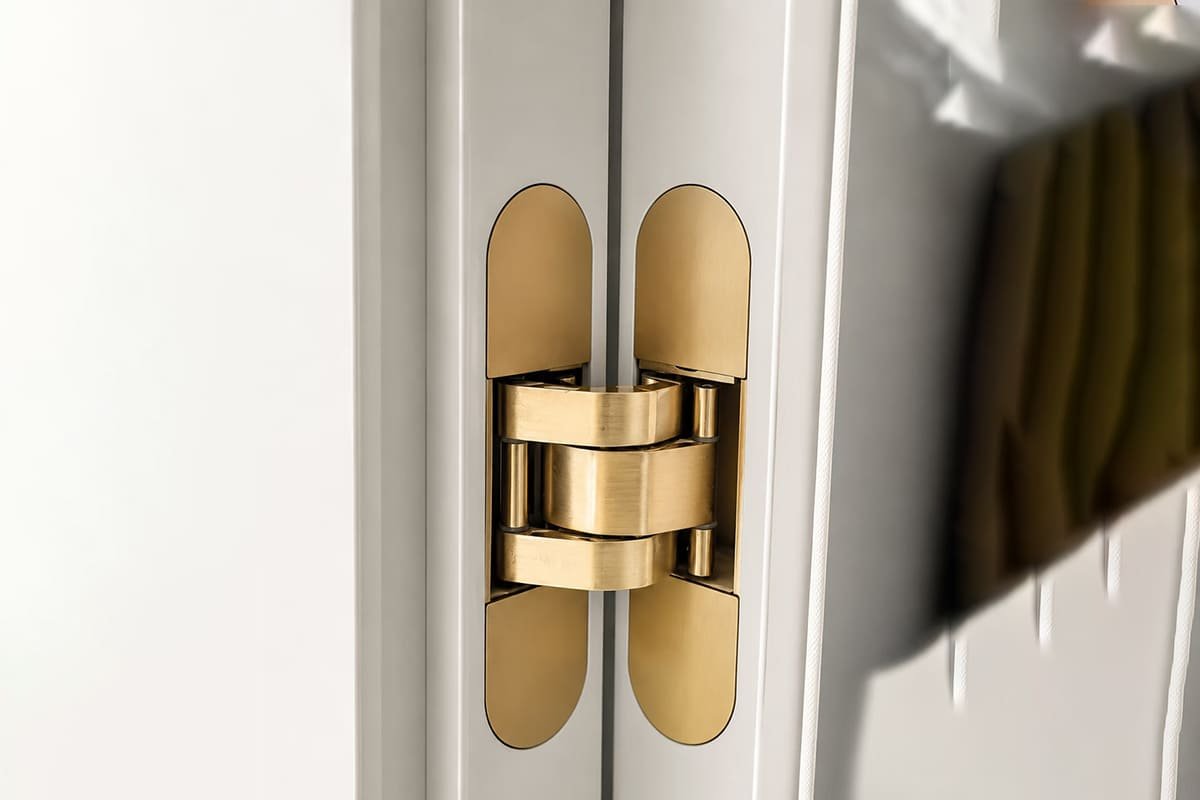
Many buyers do not buy hinges alone. They also buy mortise locks, lever handles, cylinders, butt hinges, concealed hinges, and other door hardware. I work with complete door hardware sets, so I often remind buyers to check finish matching across the full set. A satin stainless steel hinge, handle, and lock plate should look consistent after installation. If the hinge finish is different, the whole door can look cheaper.
I also care about delivery stability. Door factories often arrange production lines based on hardware arrival time. If hinges arrive late, the door assembly line may stop. If part of the order has a different hole position, workers may lose time. So I treat delivery, inspection, and repeat production as part of the hinge selection decision. A stable factory, clear standard, and correct product match can reduce many hidden costs.
Conclusion
I select European hinges by matching performance, size, material, structure, and bulk control. I do not let appearance or low price make the decision for me.
"Understanding BS EN 1935:2002 single-axis hinge grades", https://uk.sfs.com/resources/article/understanding-bs-en-1935. Technical summaries of EN 1935 describe a multi-digit classification system that includes durability, door mass, safety, and grade-of-use related criteria. Evidence role: general_support; source type: institution. Supports: The source should explain that EN 1935 classification includes performance categories such as durability, door mass, safety, and grade of use.. Scope note: This supports the standard's classification categories, not the suitability of any individual hinge model. ↩
"Understanding BS EN 1935:2002 single-axis hinge grades", https://uk.sfs.com/resources/article/understanding-bs-en-1935. A standards body description of EN 1935 identifies it as the European standard specifying requirements and classification for building hardware single-axis hinges. Evidence role: definition; source type: institution. Supports: The source should identify EN 1935 as the European standard for building hardware single-axis hinges and describe its classification purpose.. ↩
"[PDF] DOOR HARDWARE (SCHEDULED BY DESCRIBING PRODUCTS)", https://fpm.usc.edu/wp-content/uploads/2021/11/087102-USC-HSC-door-hardware-Guide-Specification_1.pdf. Architectural hardware guidance commonly treats door mass, dimensions, frequency of use, fire rating, and building application as core inputs for hinge specification. Evidence role: expert_consensus; source type: institution. Supports: The source should show that hinge specification depends on door mass, usage conditions, dimensions, fire requirements, and application context.. Scope note: Such guidance provides specification principles rather than a single universal formula for hinge choice. ↩
"CE Marking for Construction Products - Intertek", https://www.intertek.com/building/ce-marking/. Government and standards guidance on construction-product conformity and fire-door hardware indicates that documented compliance may be required where hinges form part of regulated door assemblies. Evidence role: general_support; source type: government. Supports: The source should support that construction products and fire-door hardware may require documented conformity or performance evidence in regulated markets.. Scope note: Documentation requirements vary by jurisdiction, building type, and the specific door assembly. ↩
"PBB Architectural [BB514040800] Stainless Steel Door Butt Hinge", https://www.martellhardware.com/door-hardware/hinges/pbb-architectural-bb514040800-stainless-steel-door-butt-hinge-ball-bearing-full-mortise-standard-weight-square-corner-black-finish-each-4-h-4-w.aspx?srsltid=AfmBOor2w5kD-53jOLD6ewUXQZn4LnQ3kQylKqCA0Kpitc60Uu-OuS_s. Architectural hardware references list butt hinges in standard dimensions corresponding to common patterns such as approximately 4×3, 4×4, and 5×3 inches. Evidence role: general_support; source type: institution. Supports: The source should show that these inch or metric-equivalent dimensions are standard or commonly listed architectural butt-hinge sizes.. Scope note: This supports the availability of these size patterns, not their suitability for every door or their market share. ↩
"How to Install a Butt Hinge Mortise - YouTube",
Joinery and building-construction references describe butt hinges as commonly recessed, or mortised, into both the door edge and the frame or jamb. Evidence role: definition; source type: education. Supports: The source should describe mortised butt-hinge installation into the edge of the door and the corresponding frame or jamb.. Scope note: This supports the general installation method; specific European hinge products may use different mounting details. ↩"Made a front door…a 1/4 inch too skinny. Best resolution? It's hard to ...", https://www.reddit.com/r/Carpentry/comments/11ld2r3/made_a_front_doora_14_inch_too_skinny_best/. Door-installation guidance explains that hinge leaves must sit correctly in their mortises because excessive or insufficient recess depth can alter clearances and cause binding or uneven gaps. Evidence role: mechanism; source type: education. Supports: The source should explain how incorrect hinge mortise depth affects door clearance, alignment, or binding.. Scope note: The source would support the installation mechanism, not quantify the frequency of the problem in production. ↩
"Stainless steel - Wikipedia", https://en.wikipedia.org/wiki/Stainless_steel. Metallurgical references generally distinguish 304 and 316 austenitic stainless steels from lower-nickel 201 grades and associate the former with stronger corrosion resistance in many service environments. Evidence role: expert_consensus; source type: research. Supports: The source should compare the corrosion resistance of 201, 304, and 316 stainless steels or explain the alloying differences that affect corrosion resistance.. Scope note: Actual corrosion performance depends on environment, surface condition, fabrication, and maintenance. ↩
"[PDF] Measurements of thermophysical properties of solid and liquid NIST ...", https://tsapps.nist.gov/publication/get_pdf.cfm?pub_id=928362. Corrosion studies attribute the improved performance of 316 stainless steel in chloride-containing environments to its molybdenum alloying, which increases resistance to localized corrosion compared with less alloyed grades. Evidence role: mechanism; source type: paper. Supports: The source should explain that 316 stainless steel's molybdenum content improves resistance to pitting or crevice corrosion, especially in chloride-containing environments.. Scope note: This supports material behavior in corrosive environments, not a guarantee that a particular hinge will not corrode. ↩
"Stainless steel - Wikipedia", https://en.wikipedia.org/wiki/Stainless_steel. Materials references explain that stainless-steel corrosion resistance depends principally on alloy composition and surface condition, so visual finish alone cannot establish the performance associated with a specific grade. Evidence role: mechanism; source type: research. Supports: The source should explain that stainless steel corrosion resistance is governed by alloy chemistry and surface condition, and that appearance alone does not establish grade.. Scope note: This supports the principle; formal grade verification still requires documentation or testing. ↩
"Hinges and Hardware 101 - How to Retain a Hinge Pin - Guden", https://www.guden.com/blog/490/hinges-and-hardware-101-how-to-retain-a-hinge-pin. Technical descriptions of retained-pin hinge constructions indicate that mechanically closed or welded ends can limit axial movement of the pin and thereby reduce the likelihood of pin removal or detachment. Evidence role: mechanism; source type: other. Supports: The source should describe retained-pin or welded-end hinge constructions and how physical end retention can inhibit pin removal or detachment.. Scope note: This is contextual mechanical support and does not prove the performance of the article's specific oil-free hinge design. ↩
"[PDF] The Economic Impacts of Inadequate Infrastructure for Software ...", https://www.nist.gov/document/report02-3pdf. Research on the cost of poor quality shows that defects and rework can impose substantial downstream labor and service costs, supporting total-cost evaluation rather than unit-price evaluation alone. Evidence role: general_support; source type: research. Supports: The source should show that rework, defects, and field service can create costs that exceed initial procurement savings.. Scope note: The evidence is general to manufacturing or construction quality costs and may not quantify hinge-specific savings or losses. ↩