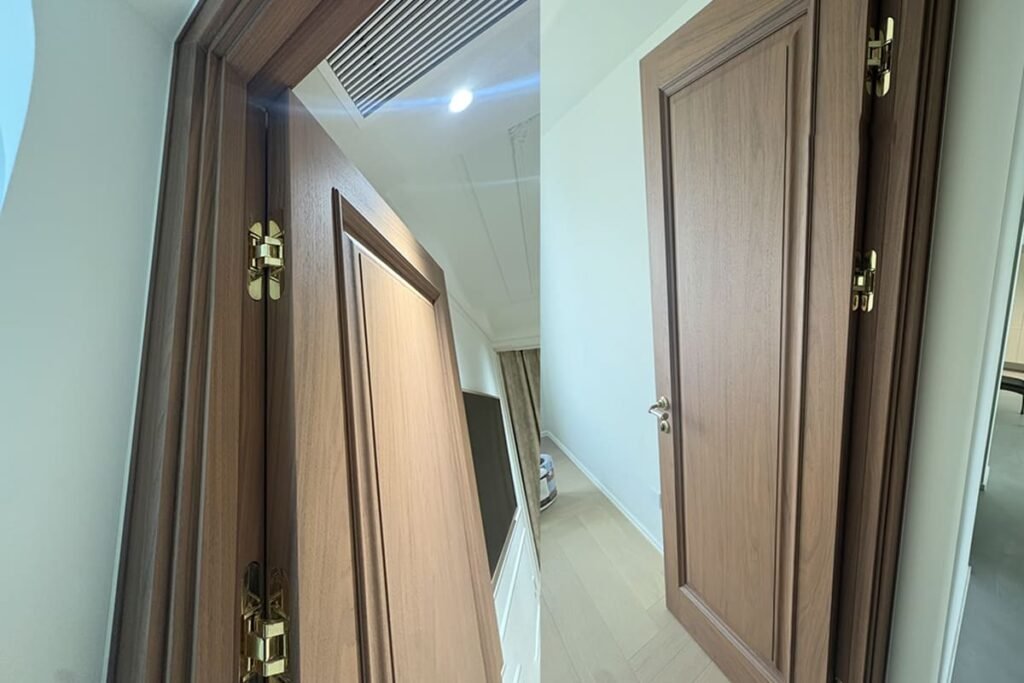
What Are 4 Inch Antique Brass Door Hinges?
Many buyers like the color first, then face problems with size, material, strength, hole position, and bulk finish difference.
A 4 inch antique brass door hinge is a hinge about 101.6 mm long with an antique brass color finish. I judge it by size, material, thickness, door weight, finish process, hole pattern, and batch color control, not by color name alone.
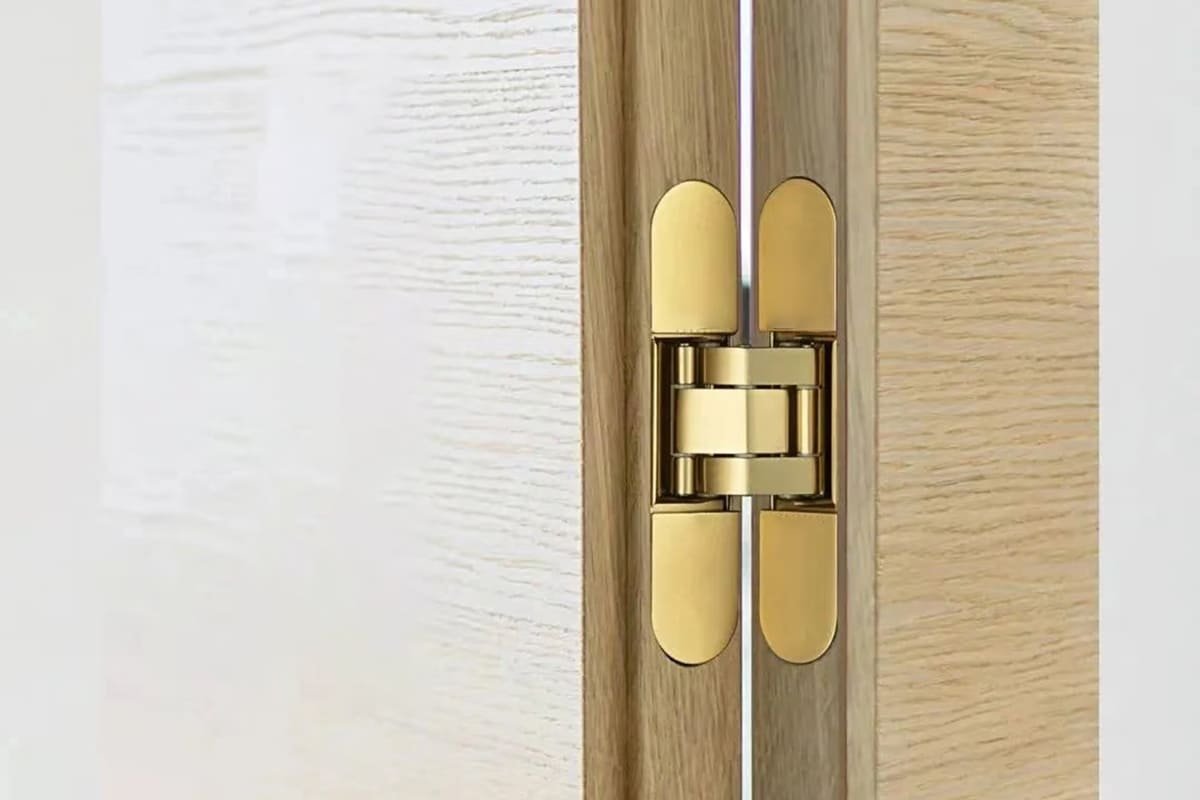
I often receive overseas inquiries that say only one line: “Please quote 4 inch antique brass hinges.” I understand why buyers write this way. The product sounds simple. The size is clear. The color sounds clear. But in real production, this short request still leaves many open points. I need to know the door type, door weight, door thickness, market standard, hinge thickness, screw type, packing way, and color sample. If I skip these details, the hinge may look correct in the photo but fail in the order. This is why I treat a 4 inch antique brass hinge as a specification decision, not only as a decorative item.
What Does 4 Inch Mean In A Door Hinge?
A small size mistake can create a big supply problem. I have seen buyers reorder hinges because the door factory could not match the leaf size.
A 4 inch hinge usually means the hinge height is about 101.6 mm.1 I still check width, thickness, knuckle type, hole pattern, and screw size before I confirm if it fits the door.
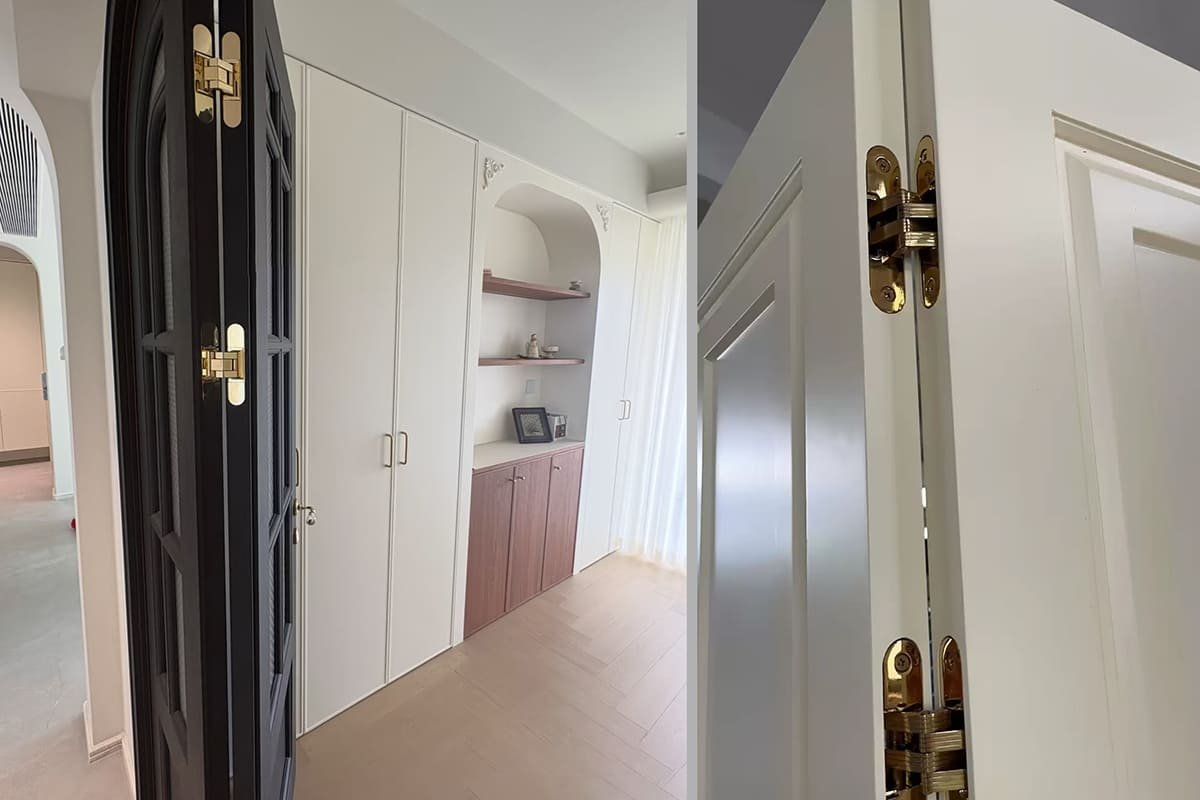
Size is more than height
When I talk about a 4 inch butt hinge, I normally start with the height. Four inches equals about 101.6 mm. This size is common for many interior wooden doors, bedroom doors, and light to medium use doors. But I never treat the height as the full specification. The width also matters. A hinge may be 4 inch by 3 inch, 4 inch by 3.5 inch, or 4 inch by 4 inch. The hinge thickness also matters because it affects strength, door gap, and mortise depth.2
| Item I Check | Why I Check It | Buyer Risk If Ignored |
|---|---|---|
| Hinge height | It shows the main size class | The hinge may not match the door cutout |
| Open width | It affects door position and frame clearance | The door may rub or sit wrong |
| Leaf thickness | It affects load support and strength | The hinge may bend or feel weak |
| Hole pattern | It affects factory assembly | Existing screw holes may not match |
| Screw size | It affects fixing strength | The hinge may loosen in use |
I also ask about the number of hinges per door. Some doors use two hinges. Some use three. Some heavier doors may need stronger hinges or a different size.3 I do not say one 4 inch hinge fits all indoor doors. I match the hinge with door weight, door thickness, door height, and opening frequency. A bedroom door in a hotel has a different use condition from a low-use home storage room. I need these details before I recommend a safe and stable option.
Does Antique Brass Mean The Hinge Is Made Of Brass?
Color names can mislead buyers. I have met many buyers who thought antique brass always meant solid brass, then found different materials in the market.
Antique brass is a surface color effect. It does not prove that the hinge body is made from solid brass.4 The base material may be stainless steel, steel, brass, or another suitable material.
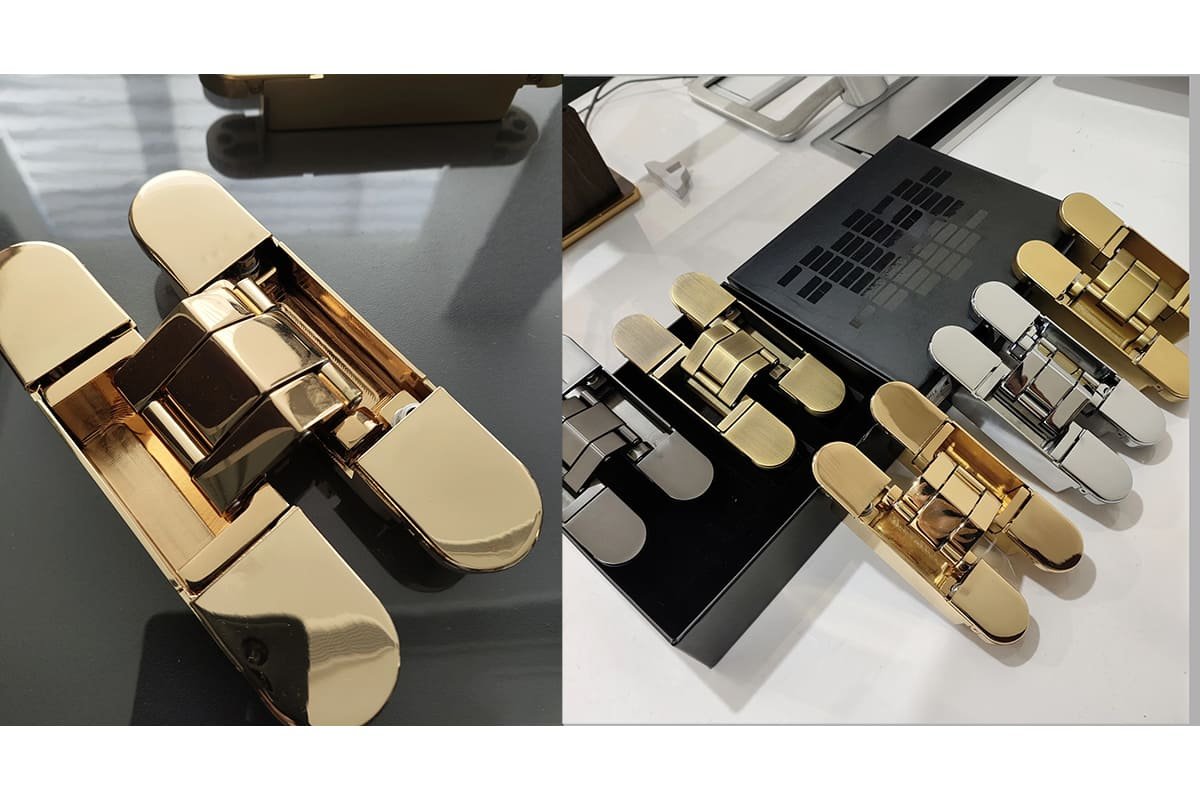
Antique brass is a finish, not a material promise
In my daily work, I separate two questions. The first question is the base material. The second question is the surface finish. Antique brass answers the second question only. It describes a warm yellow-brown, aged, classic look. It can be made on different base materials, depending on the supplier, product grade, cost target, and market need.
Some buyers ask for “yellow antique brass.” Some ask for “AB finish.” Some send photos from a retail package. These words can point to similar color families, but they are not always the same. One factory’s antique brass can look more yellow. Another factory’s antique brass can look darker. A brushed antique brass can look different from a polished antique brass.
| Term | What It Usually Means | What I Still Need To Confirm |
|---|---|---|
| Antique brass | Aged brass color effect | Material, finish method, sample color |
| Yellow antique brass | Warmer and more yellow antique tone | Gloss level and darkness |
| Antique copper | Reddish aged copper tone | Red level and surface texture |
| Antique bronze | Darker brown or deep bronze tone | Darkness and matching hardware set |
Finish process should be confirmed
Antique brass may be made through electroplating, PVD, or other surface treatment methods.5 The right choice depends on the base material, target price, order quantity, and performance need. I do not tell buyers that all antique brass finishes are equal. They are not. The finish quality depends on pretreatment, surface cleaning, plating or coating control, drying, inspection, and packing protection.
For B2B orders, I always prefer a physical color sample or approved sample. A screen photo is useful at the start, but it is not enough for bulk color approval. Different phones, lighting, and editing can change the color.6 If the buyer has matching handles, locks, cylinders, door viewers, or other hardware, I ask for the target finish standard early. This saves time and reduces dispute risk after production.
Where Are 4 Inch Antique Brass Hinges Usually Used?
A hinge can look perfect in a catalog and still be wrong for the door. I see this when buyers choose by color only.
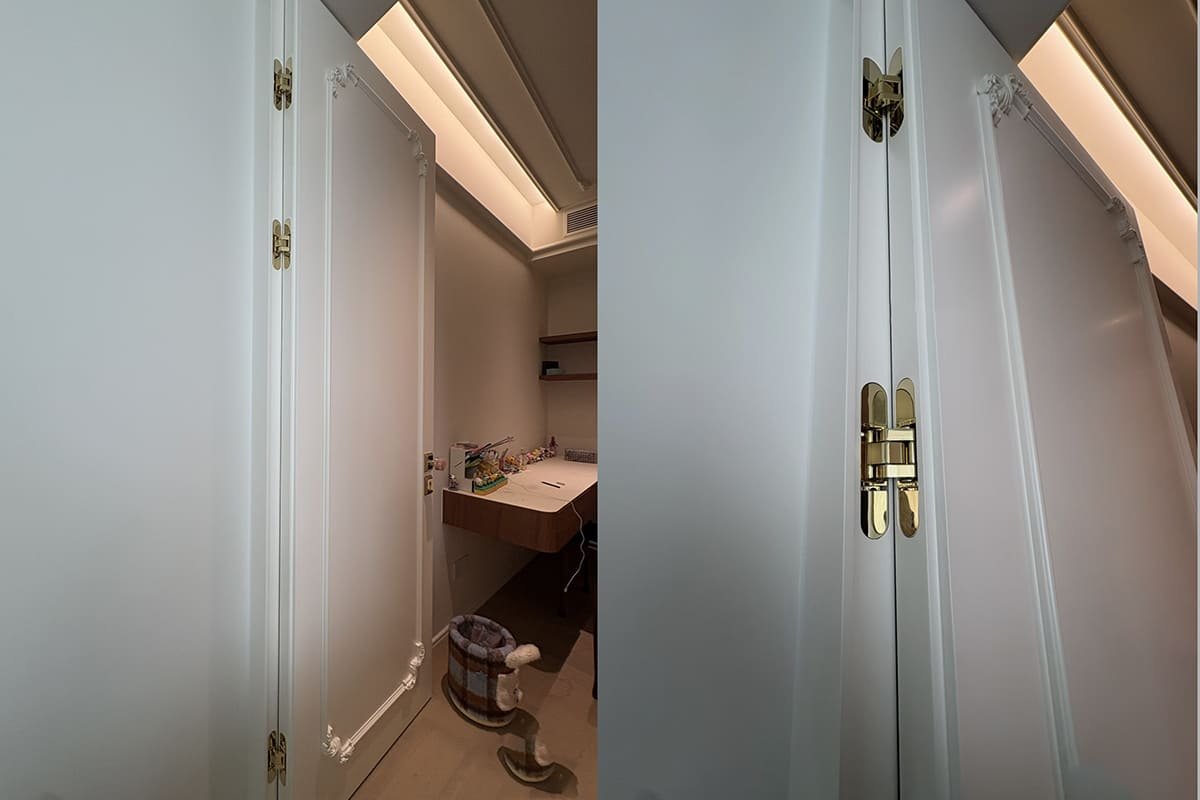
I usually see 4 inch antique brass hinges used on interior wooden doors, bedroom doors, and classic style door sets. I still match them with door weight, thickness, and use frequency.
Common door applications
In many overseas orders, 4 inch antique brass butt hinges are requested for interior wooden doors. These doors may be used in homes, apartments, hotels, office interiors, and light commercial spaces. The antique brass color gives the door a classic and warm look. It is often used with antique brass lever handles, mortise locks, strike plates, and other matching hardware.
But I do not place every indoor door into one group. A light bedroom door is different from a solid wooden door. A hotel room door is different from a home study door. A high-use rental apartment door is different from a showroom sample door. The size may be the same, but the service condition may be different.
| Door Type | 4 Inch Hinge Use | What I Confirm First |
|---|---|---|
| Bedroom door | Often suitable | Door weight and thickness |
| Interior wooden door | Common use | Door core and opening frequency |
| Apartment door | Possible use | Use level and hinge strength |
| Hotel interior door | Possible use | Traffic and project standard |
| Heavy solid door | Must check carefully | Load, quantity, and hinge grade |
Style is only one part of selection
Antique brass is popular because it works with retro, classic, and light-luxury interiors. It gives a softer look than bright gold. It is warmer than stainless steel silver. It is less dark than antique bronze. Many wholesalers choose it for retail lines because customers can match it with vintage handles and locks.
Still, I remind buyers that style cannot replace function. A hinge must carry the door and keep stable movement. It must also match the frame and door preparation. If the door factory has already opened hinge pockets, the hinge size and screw holes must match. If the buyer changes the hinge without checking the drawing, the assembly line may stop. This is why I ask for drawings, samples, or at least clear size photos when a buyer wants to switch from one supplier to another.
Matching with other hardware
A door set looks more professional when the hinge, handle, lock faceplate, cylinder, and screws have a close finish. But “close” needs a clear standard. I often tell buyers to approve a complete hardware finish board, not only one hinge. A hinge may look darker because of its flat leaf area. A lever handle may look brighter because of its curved surface. The same finish process can also look different on different materials.7 This is a normal production reality, so I prefer early comparison before mass production.
How Should Buyers Check Material, Finish, And Service Conditions?
A low price can hide a high risk. I have seen buyers lose more money on complaints than they saved on hinge cost.
I check base material, thickness, finish method, corrosion exposure, humidity, ventilation, door weight, and opening frequency before I suggest a hinge for a market or project.
Base material affects strength and use
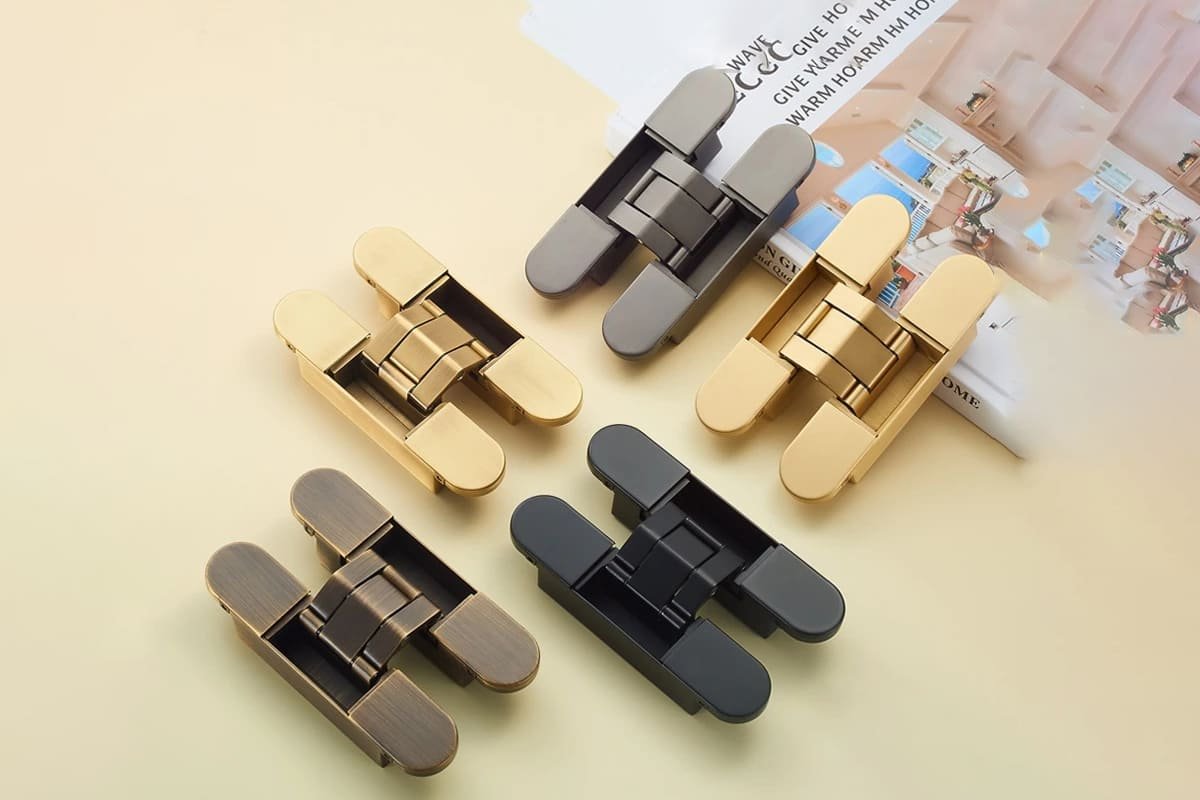
A 4 inch antique brass hinge can be made from different materials. Stainless steel is common for better corrosion resistance in many use cases.8 Steel may be used for cost-sensitive markets with proper surface treatment. Brass may be used for certain product lines, but buyers should not assume it from the color name. Zinc alloy is more common in handles than in butt hinge leaves, so I confirm material clearly before production.
| Base Material | Common Reason To Choose It | What I Watch Carefully |
|---|---|---|
| Stainless steel | Better corrosion resistance in many normal settings | Grade, thickness, and finish adhesion |
| Steel | Lower cost for some markets | Rust protection and coating quality |
| Brass | Premium material for selected designs | Cost and strength requirements |
| Other material | Special market or design need | Test data and buyer standard |
I do not make broad claims like “rust-proof” or “non-fading” without limits. Door hardware lives in real environments. Humidity, sea air, cleaning chemicals, poor ventilation, and high use can affect the finish and body.9 Even a good hinge can perform badly if it is used in the wrong place. This is why I ask if the hinge will be used in dry interiors, humid areas, coastal markets, or project sites with strict standards.
Finish durability needs real conditions
The antique brass finish must be judged by the process and the use condition. Surface preparation is important. If the base surface is not clean, the finish may not hold well. If packing is poor, the hinge can be scratched before it reaches the buyer. If the buyer stores goods in a wet warehouse, surface marks may appear faster.
I prefer to talk with buyers about test needs before the order. Some buyers require CE-related documents or fire-rated project support for door hardware systems.10 Some require salt spray testing for surface performance.11 Some ask only for a commercial sample and bulk color match. These are different levels of control. I speak as a manufacturer and supplier, not as a testing lab. If the buyer needs test data, I ask for the exact standard and report requirement.
Door load must match hinge choice
The hinge must work with the door. A thicker hinge may support better than a thin hinge, but the whole design still matters. The number of hinges also matters. The screw material and length matter. The door frame material matters too. I ask for the door weight and thickness because these details help me avoid a wrong recommendation.
For example, a buyer may want a 4 inch by 3 inch hinge for a solid wood door because the old supplier used that size. I still ask for the door weight. If the door is heavy or used often, I may suggest a stronger thickness, a wider hinge, or three hinges per door. I keep this advice practical. I do not give universal lifetime promises because performance depends on real use and verified testing.
How Can Bulk Buyers Keep Antique Brass Hinges Consistent?
One good sample is not enough. I have seen bulk orders fail because the color standard was not fixed before production.
Bulk buyers should approve a physical antique brass sample, confirm material and finish process, lock drawings, define inspection rules, and keep batch color control clear before mass production.
Sample approval protects both sides
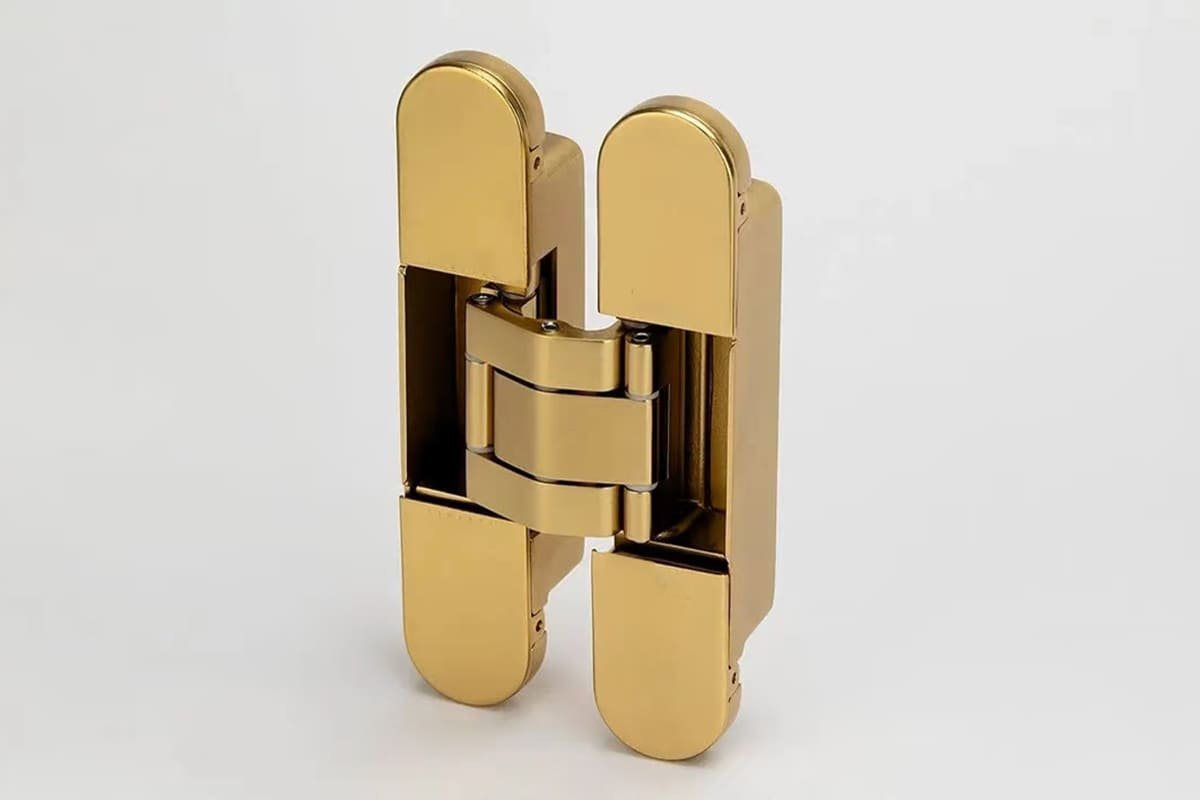
For overseas buyers, the sample stage is not only for looking at the color. It is also the time to confirm size, thickness, hole pattern, knuckle shape, pin type, screw package, logo, packing, and carton mark. I often prepare samples based on buyer drawings or target market requirements. If the buyer only approves a photo, the risk stays high.
| Sample Item | What I Ask Buyer To Approve | Why It Matters |
|---|---|---|
| Color sample | Antique brass tone and gloss | It controls bulk finish expectation |
| Drawing | Size, holes, thickness | It prevents assembly mismatch |
| Material | Stainless steel, steel, brass, or other | It affects cost and performance |
| Screws | Size, color, quantity | It affects installation and retail value |
| Packing | Bag, box, label, carton | It affects damage and resale |
| Standard | CE, fire-rated, or market need | It affects project access |
When I handle repeat orders, I also try to keep the approved sample or color panel as a reference. This helps the factory compare new production with the old standard. Antique finishes can have natural shade variation, but the variation must stay within an agreed range. If the buyer sells a branded product line, this point becomes more important. A customer may buy hinges this month and handles next month. If the finish looks too different, the brand image suffers.
Batch control is a procurement issue
Bulk buyers care about price, but they also care about stable supply. A hinge that changes color from batch to batch can create returns, complaints, and mixed inventory.12 I have seen this problem in markets where wholesalers sell the same SKU for years. The customer expects the same look each time. If the tone shifts too much, the wholesaler must explain the difference to every dealer.
To reduce this risk, I suggest clear production documents. The document should show base material, surface process, finish code, approved sample date, tolerance expectation, packaging method, and inspection method. If the buyer needs the same finish across hinges, handles, and lock faceplates, this should be stated before production. Different products may use different base materials, so the finish team must know the matching target early.
Communication should be more exact than the product name
The phrase “4 inch antique brass hinge” is a starting point. It is not enough for a professional order. I often ask buyers to send door details first. I also ask for target market and application. A distributor in the Middle East may need different corrosion concern from a distributor in a dry inland market. A European door factory may care more about exact drawings and certification documents. A Southeast Asian wholesaler may need strong packing and stable repeat supply because humidity and long shipping time can affect the goods.
I can work faster when the buyer sends a clear inquiry sheet. I need the door type, door weight, door thickness, preferred material, hinge size, hinge thickness, hole pattern, screw needs, finish sample, finish process requirement, certification requirement, packing way, and estimated quantity. With this information, I can suggest a better hinge specification and quote with fewer revisions.
What Should I Ask Before Ordering 4 Inch Antique Brass Hinges?
A fast order can become slow when key details are missing. I prefer one clear inquiry instead of many small corrections later.
Before ordering, I ask for door type, door weight, thickness, target market, base material, antique brass sample, finish process, hole pattern, screws, packing, and order quantity.
A simple buyer checklist
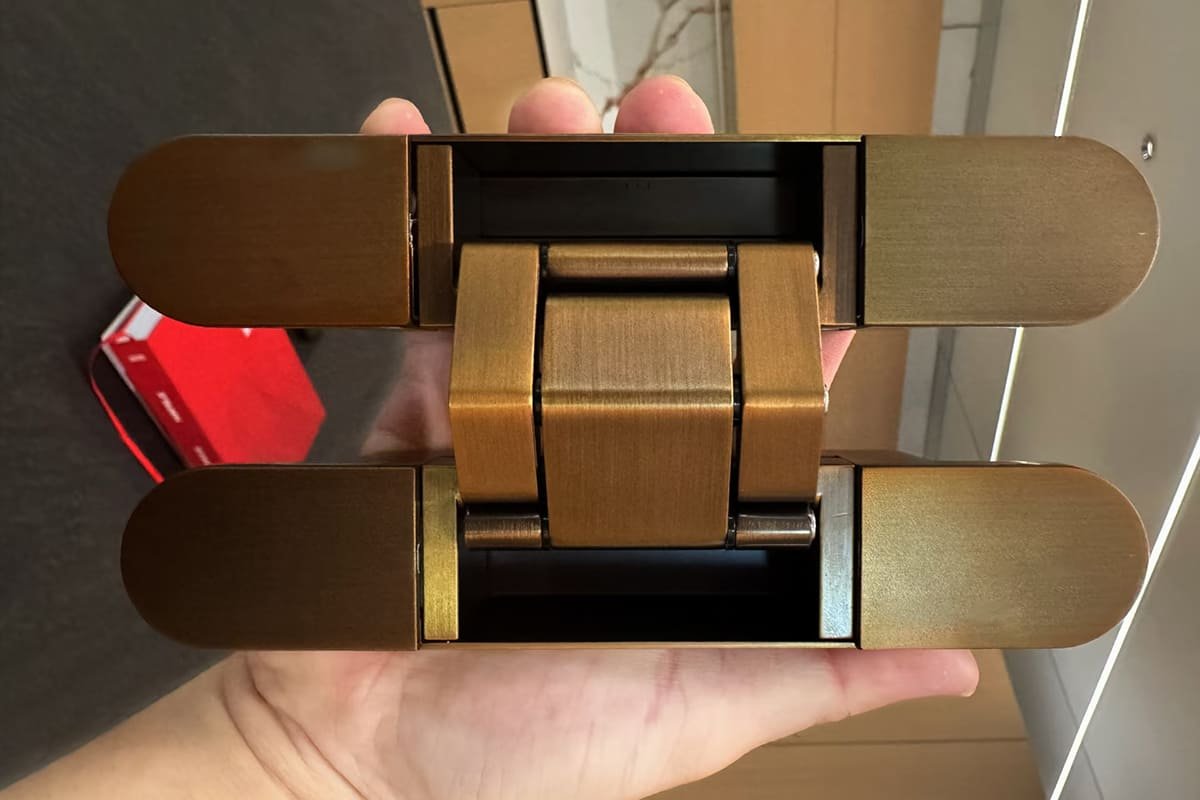
When I support overseas buyers, I try to turn a vague request into a clear order file. This helps the buyer compare offers from different suppliers. It also helps the factory keep production stable. If two suppliers quote “4 inch antique brass hinge” without the same material, thickness, and finish standard, the price comparison is not fair. One price may be lower because the hinge is thinner. Another may be higher because the finish process is stronger or the screws are included.
| Question I Ask | Example Answer From Buyer | Why I Need It |
|---|---|---|
| What door type? | Interior wooden bedroom door | I match normal application |
| What door weight? | 28 kg per door | I check load suitability |
| What door thickness? | 40 mm | I check width and screw use |
| What material? | Stainless steel | I plan production and cost |
| What finish? | Approved yellow antique brass sample | I control color target |
| What hole pattern? | Same as old supplier sample | I prevent assembly problems |
| What screws? | Matching color screws, 8 pcs | I confirm accessories |
| What quantity? | 20,000 pcs | I plan batch and price |
A better question leads to a better hinge
The real question is not only “What is a 4 inch antique brass hinge?” The better question is “Which specification and finish standard will fit my door type, target market, and repeat bulk supply needs?” This question changes the buying process. It moves the focus from a product name to a working door hardware solution.
I say this because I have handled many sample inquiries where the first request was too simple. After we checked the details, the final hinge changed. The buyer may choose thicker stainless steel. The buyer may adjust the hole pattern. The buyer may change from antique brass to antique bronze after comparing with the handle. The buyer may request stronger packing for long sea shipment. These changes are normal. They are not problems when they happen before mass production. They become expensive when they happen after the goods are finished.
If you are preparing a purchase plan, I suggest you send the full details at the start. I can review your door type, door weight and thickness, target market, preferred material, antique brass color sample, finish process requirement, hole pattern, screw and accessory needs, and estimated order quantity. Then I can recommend a suitable 4 inch antique brass hinge specification for your line or project.
Conclusion
I treat 4 inch antique brass hinges as size, material, finish, door use, and batch control decisions, not only as retro-colored hardware.
"NIST Guide to the SI, Appendix B: Conversion Factors", https://www.nist.gov/pml/special-publication-811/nist-guide-si-appendix-b-conversion-factors. NIST conversion guidance defines the inch as 25.4 millimeters, which makes a four-inch dimension equal to 101.6 millimeters. Evidence role: definition; source type: government. Supports: The source should confirm that one inch equals exactly 25.4 millimeters, making four inches equal to 101.6 millimeters.. ↩
"A156.1 - 2025 Butts and Hinges", https://buildershardware.com/ANSI-BHMA-Standards/Hardware-Highlights/A1561-2021-Butts-and-Hinges. Architectural hardware standards and installation references treat hinge leaf thickness as a dimensional specification relevant to door clearance and mortise preparation. Evidence role: expert_consensus; source type: institution. Supports: The source should show that hinge specifications include leaf thickness and that this dimension affects installation clearances and mortising.. Scope note: The source may support the general installation relationship rather than testing this specific antique-brass hinge. ↩
"[PDF] SECTION 08 71 00 – DOOR HARDWARE", https://design.missouristate.edu/_Files/Standards/Division8/087100DoorHardware.pdf. Door-hardware hinge standards classify hinges by performance factors such as door mass and use category, supporting the need to match hinge quantity and strength to the door application. Evidence role: expert_consensus; source type: institution. Supports: The source should support that hinge selection is classified by factors such as door mass, frequency of use, and hinge grade.. Scope note: The source would provide a general selection framework, not a load calculation for the article's example hinge. ↩
"Special Metal Finishes - James Gilbert & Son", https://www.jamesgilbertandson.com/metal-finishes-l-19.html. Technical literature on decorative metal finishing distinguishes the substrate from the applied finish, supporting the point that an antique-brass appearance does not by itself identify the hinge body as solid brass. Evidence role: definition; source type: research. Supports: The source should explain that decorative metal finishes can imitate brass or aged brass appearances on substrates other than solid brass.. Scope note: The source may describe decorative finishing generally rather than the labeling practices of every hinge supplier. ↩
"PVD for Decorative Applications: A Review - PMC - NIH", https://pmc.ncbi.nlm.nih.gov/articles/PMC10381906/. Research on decorative metallic coatings identifies electroplating and physical vapor deposition as established surface-treatment methods capable of producing metallic decorative finishes. Evidence role: mechanism; source type: paper. Supports: The source should document electroplating and physical vapor deposition as established methods for producing decorative metallic coatings or colors.. Scope note: The source would substantiate the process options generally, not verify the process used by a particular hinge factory. ↩
"The effect of illumination cues on color constancy in ... - PMC", https://pmc.ncbi.nlm.nih.gov/articles/PMC12063707/. Color-science references from CIE and related standards bodies explain that color appearance varies with illumination, viewing conditions, and device reproduction characteristics. Evidence role: mechanism; source type: institution. Supports: The source should explain that color appearance depends on illumination, viewing conditions, and device reproduction.. Scope note: This supports the general mechanism of color variation, not the specific magnitude of variation for antique-brass hinge photos. ↩
"Color Stability, Surface Gloss, Surface Roughness, and Wettability of ...", https://pmc.ncbi.nlm.nih.gov/articles/PMC12110306/. Surface-engineering studies report that substrate material and preparation can influence coating adhesion and optical appearance, supporting the need to compare finishes across different hardware substrates. Evidence role: mechanism; source type: paper. Supports: The source should support that substrate material and surface preparation can influence coating appearance, gloss, adhesion, or final optical properties.. Scope note: The source would be contextual unless it tests the exact antique-brass finish and hinge materials discussed. ↩
"Revealing the Corrosion Resistance of 316 L Stainless Steel by an ...", https://pmc.ncbi.nlm.nih.gov/articles/PMC9920300/. Metallurgical references explain that stainless steel's chromium-rich passive film provides corrosion resistance in many ordinary service environments. Evidence role: mechanism; source type: education. Supports: The source should explain that chromium in stainless steel forms a passive oxide layer that improves corrosion resistance in many environments.. Scope note: The source does not imply that all stainless-steel grades or finishes are suitable for every corrosive environment. ↩
"Marine Atmospheric Corrosion of Carbon Steel: A Review - PMC", https://pmc.ncbi.nlm.nih.gov/articles/PMC5506973/. Corrosion research shows that humidity, chloride contamination from marine atmospheres, and chemical exposure can accelerate corrosion and surface degradation of metals. Evidence role: mechanism; source type: paper. Supports: The source should show that humidity, chlorides from marine air, chemicals, and exposure conditions can accelerate corrosion or surface degradation.. Scope note: The source would support the environmental mechanism generally, not predict service life for a specific hinge product. ↩
"CE Marking for Construction Products - Intertek", https://www.intertek.com/building/ce-marking/. European construction-product guidance and harmonized door-hardware standards link CE documentation to regulated product performance, including hardware used in fire or smoke door assemblies. Evidence role: historical_context; source type: government. Supports: The source should show that construction products and certain door hardware in Europe can be subject to CE-marking or harmonized-standard documentation, especially when used in fire or smoke door assemblies.. Scope note: This supports the regulatory context; the exact documentation required depends on the product category, market, and project specification. ↩
"Salt spray test - Wikipedia", https://en.wikipedia.org/wiki/Salt_spray_test. ISO 9227 and ASTM B117 describe neutral salt spray or salt fog methods used to expose metallic and coated specimens for comparative corrosion evaluation. Evidence role: definition; source type: institution. Supports: The source should define salt spray testing as a standardized corrosion test for metals or coated specimens.. Scope note: Salt spray results are comparative laboratory data and do not by themselves prove real-world service life. ↩
"What is Product Non Conformance in Quality Management?", https://www.compliancequest.com/bloglet/product-non-conformance/. Quality-management standards emphasize control of product requirements, process outputs, and nonconforming goods, supporting the need to manage batch-to-batch finish consistency in bulk supply. Evidence role: general_support; source type: institution. Supports: The source should support that controlling product specifications and nonconforming outputs is part of quality management and helps reduce customer complaints or returns.. Scope note: The source supports the quality-control principle rather than providing return-rate data for antique-brass hinges. ↩