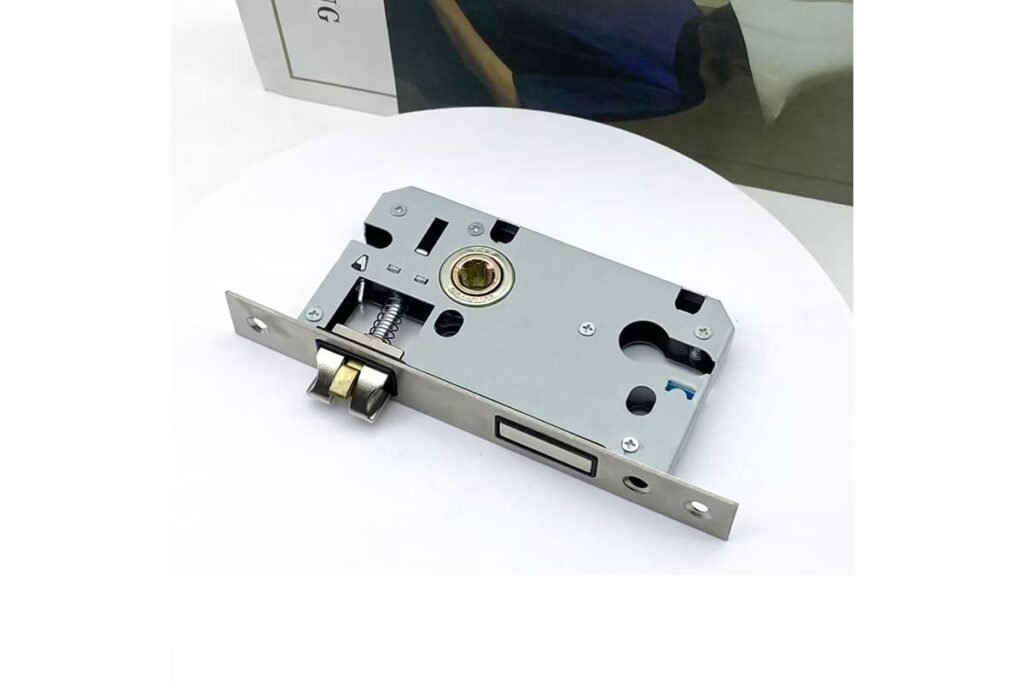
what are the top mortise lock manufacturers in 2026?
Many buyers search for a famous lock name, then face wrong sizes, weak support, late delivery, and project complaints.
The top mortise lock manufacturers for B2B buyers in 2026 include ASSA ABLOY, dormakaba, DOMUS, HOPPE, SDH Hardware, MOTTURA, CISA, KFV, Häfele, and Bonaiti1, but the best choice depends on lock function, certification, customization, price, and supply risk.
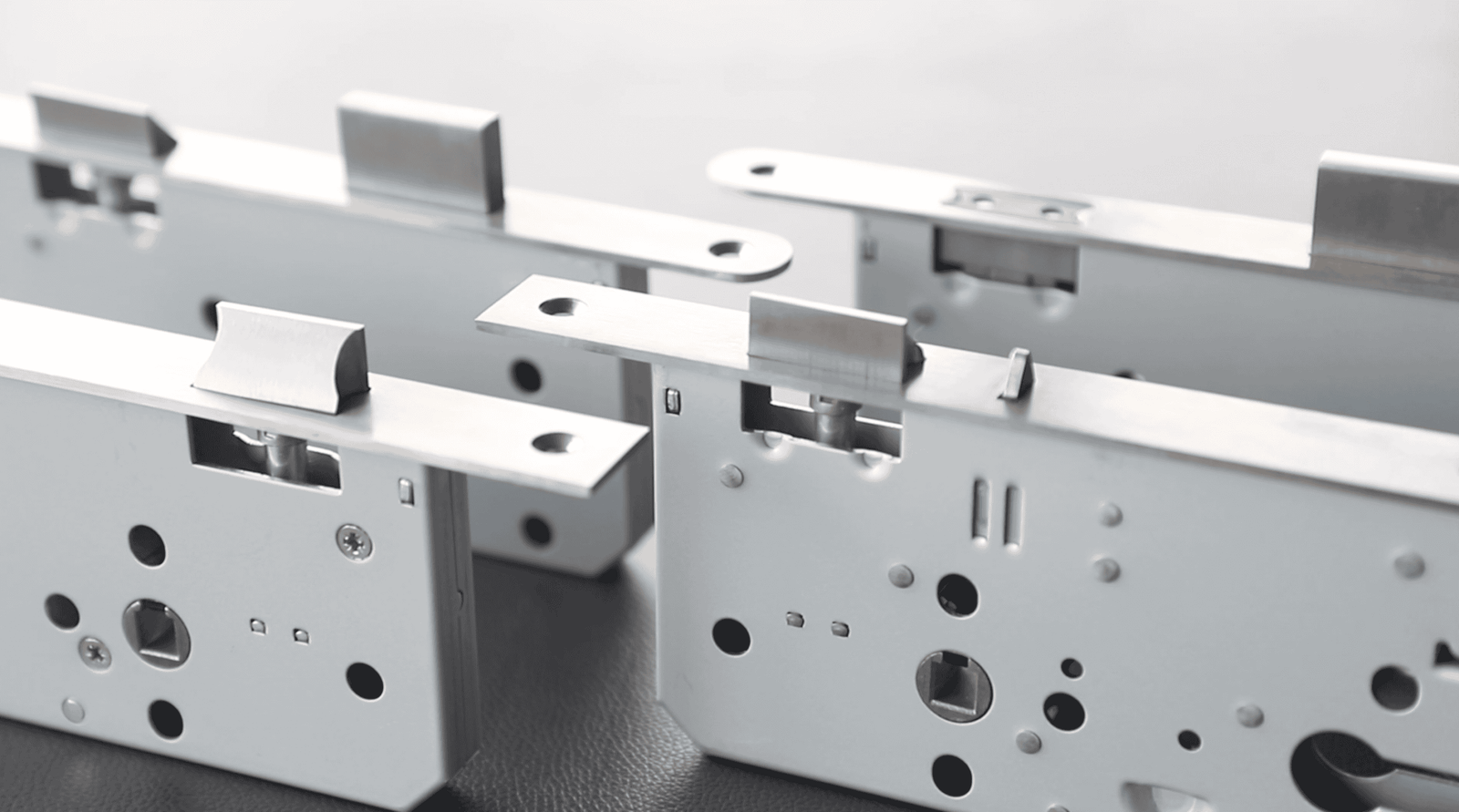
I have worked with mortise locks from the factory side for many years. I know one simple thing. A “top manufacturer” is not always the most famous one. It is the one that fits your door, your market, your certificate need, your budget, and your delivery plan. If you buy for a door factory, a hardware brand, a wholesaler, or a project, you need more than a brand list. You need a clear way to reduce risk before you place a bulk order.
Which Mortise Lock Manufacturers Should Buyers Watch In 2026?
Many buyers ask for a top 10 list, but a blind list can lead them to the wrong supplier and wasted sampling time.
The 2026 reference list can include ASSA ABLOY, dormakaba, DOMUS, HOPPE, SDH Hardware, MOTTURA, CISA, KFV, Häfele, and Bonaiti. I treat this as a practical B2B selection list, not a verified global ranking.
A practical list, not a fixed ranking
I do not like to call any list an absolute world ranking unless I have verified market data. In real procurement, I have seen buyers lose time because they treated brand fame as the only proof2. A large international group may be a strong choice for access control systems and large projects. A European lock specialist may fit buyers who need a certain standard lock body or high-end local market trust. A China-based OEM/ODM factory may fit buyers who need flexible design, private label packing, custom functions, or better cost control.3
| Manufacturer | Common buyer reason to consider it | Main fit for B2B buyers |
|---|---|---|
| ASSA ABLOY | Strong global name and broad access solution range | Large projects, system buyers, brand-driven markets |
| dormakaba | Strong door access and security background | Project supply, commercial buildings, access systems |
| DOMUS | European lock and hardware background | Buyers focused on European-style door hardware |
| HOPPE | Strong architectural hardware brand image | Buyers needing matched handle and hardware ranges |
| SDH Hardware | OEM/ODM factory support and custom mortise lock production | Importers, wholesalers, brands, door factories |
| MOTTURA | Known lock specialist in security applications | Buyers needing lock-focused product lines |
| CISA | Known lock and door security brand | Projects and channels needing brand trust |
| KFV | Door lock and multi-point lock focus | Door system buyers and European-style projects |
| Häfele | Broad hardware distribution and project support | Buyers needing one-stop hardware sourcing |
| Bonaiti | Italian lock and hardware background | Buyers needing design-driven lock solutions |
I use this list as a starting point. I still ask every buyer to confirm lock type, lock case size, backset, center distance, forend size, strike plate, cylinder type, handle compatibility, door material4, fire rating need, and packaging. These details decide whether a supplier is “top” for your order.
How Should I Compare Global Groups, European Specialists, Brands, And OEM Factories?
Many buyers compare suppliers as if they are the same type, then they get confused by price gaps, lead times, and support style.
I compare mortise lock manufacturers by supplier type first. Global groups, European specialists, architectural hardware brands, and OEM/ODM factories solve different problems for buyers.5
Supplier type changes the buying result
I have seen one buyer choose a famous brand for a price-sensitive wholesale line. The product quality was strong, but the cost made the channel hard to grow. I have also seen another buyer choose a very cheap supplier for a fire-rated door project. The sample looked fine, but the certificate and lock function did not match the project requirement6. Both buyers made the same mistake. They did not match the supplier type with the buying purpose.
| Supplier type | Strength | Possible limit | Best buyer fit |
|---|---|---|---|
| Global access-control group | Strong brand, broad system, project trust | Higher cost, less flexible small customization | Large projects, system integrators, premium channels |
| European lock specialist | Strong lock know-how and local standard fit | Cost and lead time may be higher | Buyers serving European markets or high-standard projects |
| Architectural hardware brand | Good product range and channel image | Not always the direct manufacturer for every item | Distributors and brands needing full catalog support |
| China OEM/ODM factory | Flexible design, cost control, custom molds, private label | Buyer must audit quality and compliance carefully | Importers, door factories, wholesalers, private brands |
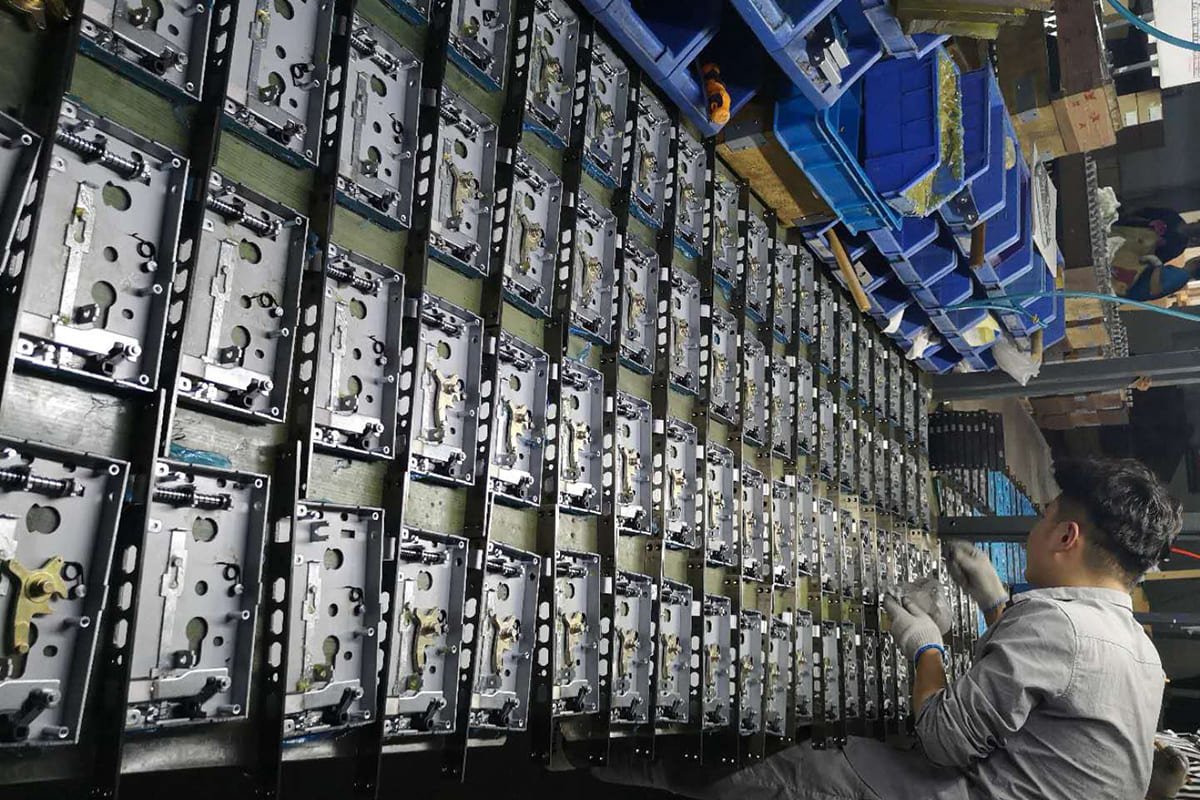
I place SDH Hardware in the China OEM/ODM factory group. We are not trying to replace every global brand. We serve buyers who need direct factory communication, mortise lock customization, stable finish control, and batch production support. In my daily work, the best results come when the buyer sends clear drawings, target market standards, finish samples, door thickness, and target price. Then our technical team can check what is possible before mass production.
What Makes SDH Hardware A Practical Mortise Lock Manufacturer Option?
Some buyers think Chinese factories only compete on price, so they miss the value of technical support, molds, and flexible product development.
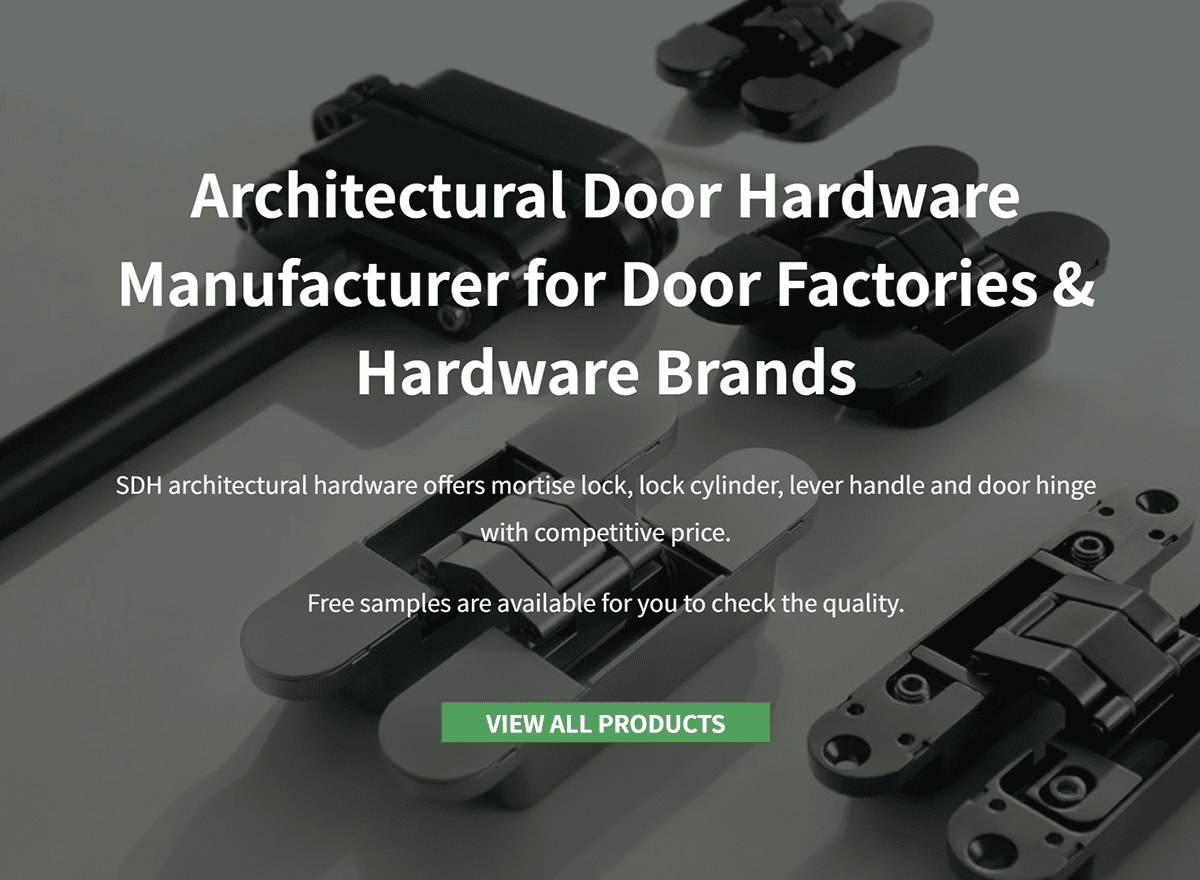
SDH Hardware is a China-based architectural door hardware manufacturer with more than 10 years of mortise lock manufacturing experience.7 I see it as a practical option for buyers needing OEM/ODM support, custom molds, and flexible lock coverage.
What I can support from the factory side
I write from the view of SDH Hardware. We manufacture architectural door hardware in China, and we work with overseas buyers in markets such as the Middle East, Europe, and Southeast Asia. Our mortise lock work is not only about selling a standard item. Many buyers ask us to adjust lock body sizes, forend styles, latch functions, finishes, packaging, and accessories. Some buyers need custom molds because their local market uses a special lock body or a certain door structure.
| SDH mortise lock type | Common use | Buyer concern to confirm |
|---|---|---|
| Sash lock | Door with handle and key cylinder | Backset, center distance, cylinder type |
| Passage lock | Internal door without key locking | Latch direction and handle compatibility |
| Deadbolt lock | Extra locking security | Bolt throw, strike plate, door material |
| Bathroom lock | Privacy door use | Indicator, emergency release, spindle size |
| Night latch lock | Added door control | Function, handing, local habit |
| Anti-panic lock | Emergency exit door | Certificate need and project standard8 |
| Classroom lock | School and public building doors | Key function and management need |
| Magnetic lock | Quiet closing and modern doors | Magnet force and door fit |
| Narrow lock | Aluminum or narrow stile doors | Case width and profile size |
| X-ray room lock | Special room application | Door weight, shielding door structure, accessories |
I do not claim that SDH is better than ASSA ABLOY, dormakaba, CISA, or other international names. That would not be a fair way to guide buyers. I only say that SDH can be a strong option when the buyer needs factory-direct OEM/ODM service, custom development, cost control, and flexible specification matching. In many orders, the real value is not one single lock body. The real value is stable supply, correct details, matched accessories, and clear technical communication before production starts.
What Selection Criteria Should I Use Before Choosing A Mortise Lock Manufacturer?
Many procurement problems start before the order is placed, because the buyer checks price first and checks risk too late.
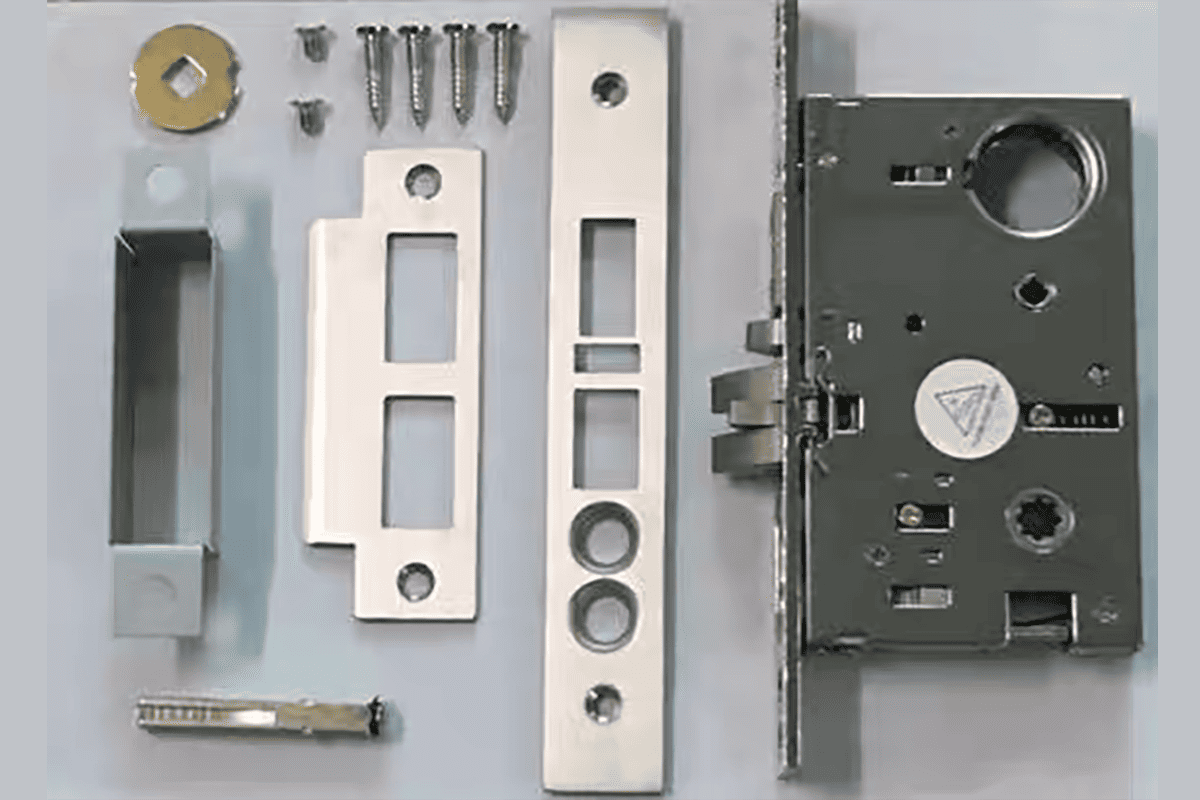
I use risk reduction as the main selection method. I check quality stability, lock type, door compatibility, certificate fit, production capacity, technical communication, customization ability, and after-sales responsibility.
A buyer should check details before price
I understand why buyers ask for price first. Every wholesaler and brand owner has margin pressure. Every door factory needs cost control. But I have learned that the lowest quote can become the highest total cost9 if the lock does not fit the door, the finish changes between batches, or the certificate does not apply to the exact product. A good supplier should help the buyer check the order before the buyer pays for mass production.
| Check point | What I ask the buyer to confirm | Why it matters |
|---|---|---|
| Lock function | Sash, passage, deadbolt, bathroom, panic, magnetic, or special lock | Wrong function causes market complaints |
| Dimensions | Backset, center distance, case size, forend, strike plate | Wrong size blocks installation |
| Door type | Wooden door, steel door, aluminum door, fire door, special door | Door structure changes lock choice |
| Certification | CE, fire-rated need, local project documents | Certificate must match market and product use10 |
| Material and finish | Steel, stainless steel, zinc parts, plating, satin, black, PVD, other finishes | Finish consistency affects brand image11 |
| Batch control | Sample approval, inspection standard, packaging standard | Bulk orders must match approved sample |
| Customization | OEM label, ODM design, custom mold, accessory change | Private brand buyers need product control |
| Delivery plan | Lead time, production schedule, order forecast | Stable supply protects sales channels |
I also ask buyers to share the target market. A lock for a European project may need different documents and dimensions than a lock for a Middle East wholesale channel.12 A lock for a hotel door may need different quietness, finish, and cylinder requirements than a lock for an apartment door. When I know the use case, I can help the buyer reduce mistakes before the first sample.
What Common Mistakes Should Buyers Avoid When Sourcing Mortise Locks?
Many buyers lose money not because they choose a bad supplier, but because they choose with incomplete information.
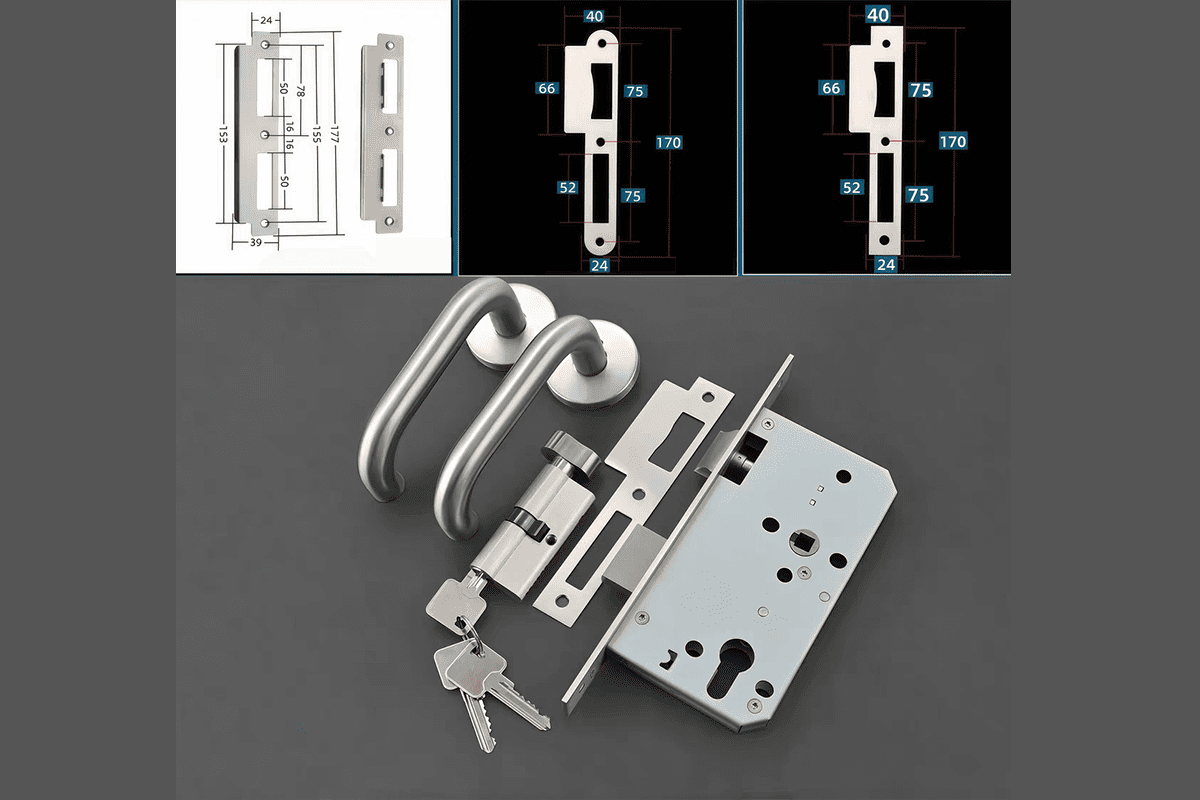
I see four common mistakes: choosing only by famous brand, choosing only by lowest price, ignoring certificate scope, and failing to confirm dimensions, accessories, door type, and local market rules.
Mistakes are easier to prevent than fix
I once handled a case where the buyer liked the sample finish and approved it fast. The price was good, and the order was urgent. But the buyer did not confirm the strike plate type for the final door frame. When the goods arrived, the lock body was correct, but the installation work became harder. This kind of problem is not rare. It is not always a quality failure. It is often a detail failure.
| Mistake | What can happen | How I prevent it |
|---|---|---|
| Choosing only by famous brand | Cost may not fit the sales channel | I match brand level with buyer margin and market position |
| Choosing only by lowest price | Quality, finish, and service risk may rise | I compare total cost, not only unit price |
| Ignoring certificate scope | Product may not pass project review | I check whether the certificate applies to the lock type and usage |
| Skipping dimension checks | Lock may not fit door preparation | I confirm drawings, sample, and key sizes before production |
| Forgetting accessories | Cylinder, strike, screws, spindle, and escutcheon may not match | I prepare a complete hardware checklist |
| Ignoring local habits | End users may reject the function or appearance | I ask about market preference and existing product style |
I believe the best sourcing process is simple. The buyer should send drawings or samples. The supplier should confirm the lock function and installation details. Both sides should agree on material, finish, certificate need, packaging, inspection standard, and delivery time. Then the buyer should approve a final sample before bulk production. This process looks basic, but it saves many disputes.
How Can I Choose The Best Mortise Lock Manufacturer For My Own Market?
Many buyers want one answer, but their market, door system, budget, and customer promise all point to different suppliers.
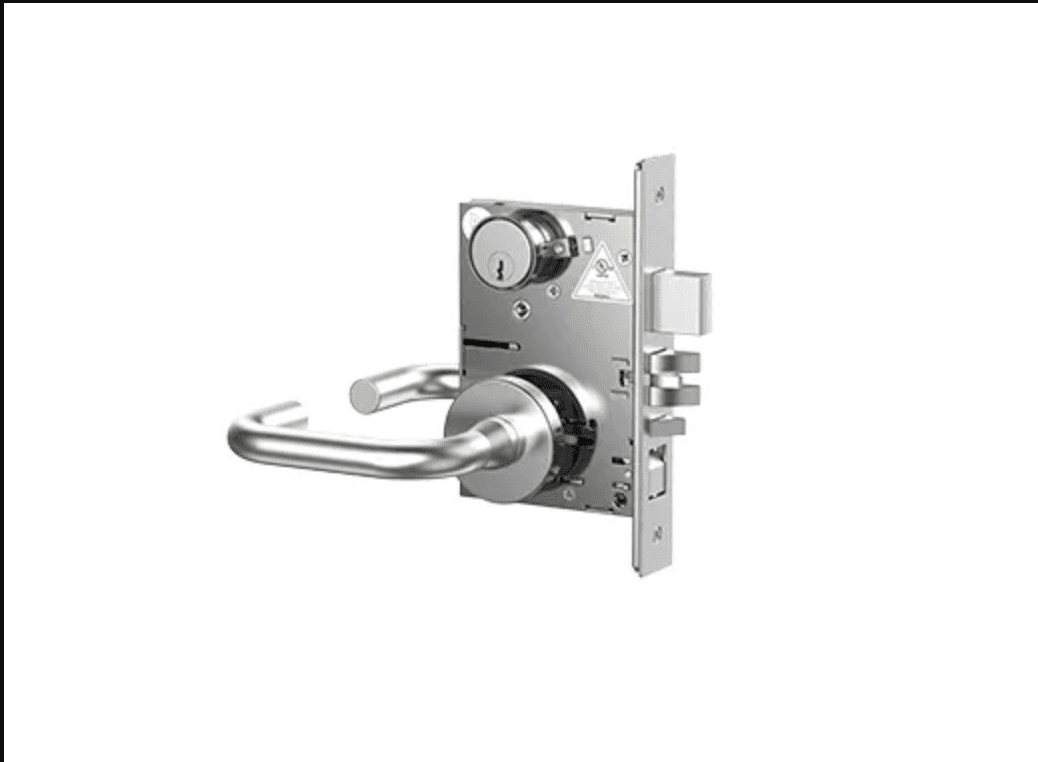
I choose the best mortise lock manufacturer by matching the supplier to the order purpose. A premium project, a private label line, a wholesale channel, and a door factory program need different support.
A simple decision map for buyers
I always ask one question before I suggest a lock supplier type: what problem must this order solve first? If the buyer needs project confidence and a global brand name, an international group may be suitable. If the buyer needs a certain European lock standard, a European specialist may be better. If the buyer needs a complete hardware catalog with known channel support, an architectural hardware brand can help. If the buyer needs private label supply, custom lock cases, cost control, and flexible changes, a factory like SDH Hardware may fit the buying plan.
| Buyer situation | Better supplier direction | Main reason |
|---|---|---|
| Large premium project | Global access-control group or known project brand | Brand trust and system support matter more |
| European standard replacement range | European lock specialist | Standard fit and local acceptance matter more |
| Hardware retail or distribution catalog | Architectural hardware brand or broad supplier | Product range and sales support matter more |
| Door factory batch supply | OEM/ODM factory | Stable specs, cost, and delivery matter more |
| Private label mortise lock line | OEM/ODM factory with mold and packing support | Product control and brand ownership matter more |
| Special lock body development | Technical factory with custom mold ability | Engineering support matters more |
From my side, I prefer to start with a clear product sheet. I need the buyer to confirm lock body size, backset, center distance, forend, latch direction, cylinder type, door thickness, finish, packing, logo, test need, and target order quantity. If the buyer has an old lock sample, I also ask for photos, videos, and physical samples when needed. This direct work helps both sides save time. It also helps me decide whether a standard SDH product can work, or whether we need an ODM change or a custom mold.
Conclusion
I choose top mortise lock manufacturers by fit, not fame. The right supplier reduces risk, supports the market, and keeps bulk orders stable.
"Mortise Locks - Assa Abloy", https://www.assaabloy.com/lt/en/solutions/products/mortise-locks. Encyclopedic and institutional company profiles identify several of the named firms as established participants in locks, door hardware, or access-control markets, supporting their inclusion as an industry reference set rather than a verified 2026 ranking. Evidence role: general_support; source type: encyclopedia. Supports: A neutral company-profile or encyclopedia source should establish that several named companies operate in locks, door hardware, or access-control markets.. Scope note: This would support industry relevance, not prove that the list is complete, ranked, or based on 2026 global market-share data. ↩
"Assessing the Best Supplier Selection Criteria in Supply Chain ...", https://pmc.ncbi.nlm.nih.gov/articles/PMC9102987/. Research on supplier selection describes procurement decisions as multi-criteria evaluations involving cost, quality, delivery, service, and risk factors, which contextualizes why brand reputation alone is not adequate evidence of supplier fit. Evidence role: expert_consensus; source type: paper. Supports: A procurement or supply-chain paper should show that supplier selection is generally evaluated through multiple criteria rather than brand recognition alone.. Scope note: This support is general procurement evidence and may not address mortise lock purchasing specifically. ↩
"What is ODM vs OEM? Manufacturing Models Explained for ... - Sourcy", https://www.sourcy.ai/blogs/what-is-odm-oem. Manufacturing literature describes OEM and ODM arrangements as supplier models that can provide buyer-specified production, private-label output, and product-development support, offering context for the use of such factories in customized hardware sourcing. Evidence role: mechanism; source type: paper. Supports: A manufacturing or supply-chain source should explain how OEM/ODM arrangements can support private-label production, customization, and cost management.. Scope note: This would explain the OEM/ODM model generally and would not independently verify the capabilities of any individual factory. ↩
"Door Knobs & Backset Explained: Sizes & Measuring", https://www.suffolklatchcompany.com/blogs/news/door-knobs-and-backset-explained?srsltid=AfmBOorLzGC6VYcirh8UmCClbpEYM-Zk3YwNJzMzSxMqDmoGWMv1D0bT. Technical standards and hardware guides for locks and latches define dimensional and compatibility parameters such as backset, case dimensions, forend, strike, cylinder, and door preparation, supporting their use as core checks before procurement. Evidence role: definition; source type: institution. Supports: A standards or technical source should define mortise lock specification parameters such as backset, lock case, forend, strike, cylinder, and door compatibility.. Scope note: The source would validate the relevance of these parameters generally; exact acceptable dimensions vary by product line and regional standard. ↩
"Refining Inputs for Kraljic Matrix Yields Objective ...", https://www.academia.edu/24761491/The_Procurement_Process_Refining_Inputs_for_Kraljic_Matrix_Yields_Objective_Purchasing_Portfolios_and_Strategies. Procurement research on supplier segmentation and portfolio models supports classifying suppliers by purchasing risk, capability, strategic importance, and buyer need, which provides context for comparing global groups, specialists, brands, and OEM/ODM factories differently. Evidence role: expert_consensus; source type: paper. Supports: A procurement source should support the idea that suppliers are segmented by strategic role, risk, capability, and purchasing need.. Scope note: The evidence would support the selection framework conceptually, not the specific categorization of each named lock manufacturer. ↩
"Fire Doors and NFPA 80 FAQs", https://www.nfpa.org/news-blogs-and-articles/blogs/2025/04/11/fire-doors-faqs. Fire-door standards and certification guidance generally require locks, latches, and related hardware to be suitable for the rated door assembly and its intended use, supporting the need to match certificate scope and lock function to project requirements. Evidence role: mechanism; source type: institution. Supports: A fire-door standard or certification body should show that door hardware must be listed, approved, or suitable for the specific fire-door application.. Scope note: The cited standard would support the compliance principle, not the specific anecdotal case described in the article. ↩
"SDH hardware- China professional door hardware supplier", https://sdhhardware.com/. A business registration record or independently hosted company profile should be cited to document SDH Hardware’s China-based status and claimed operating history in architectural door hardware or mortise lock production. Evidence role: case_reference; source type: other. Supports: A business registry, audited company profile, or company documentation should verify SDH Hardware’s location and claimed operating history.. Scope note: A company profile may rely on self-reported information; stronger support would come from registry data, audited records, or third-party verification. ↩
"Panic and Fire Exit Hardware | Fire and Rescue - Fairfax County", https://www.fairfaxcounty.gov/fire-ems/fire-marshal/panic-and-fire-exit-hardware. Emergency-exit and panic-hardware standards such as EN 179 and EN 1125 specify performance and application requirements for exit devices, supporting the need to verify certification and project standards for anti-panic lock applications. Evidence role: definition; source type: institution. Supports: A standards body or institutional source should define panic and emergency-exit hardware standards and their relevance to exit-door projects.. Scope note: The standards establish compliance requirements in relevant jurisdictions, but actual project requirements depend on local codes and contract specifications. ↩
"(PDF) Total Cost Of Ownership - Academia.edu", https://www.academia.edu/25629804/Total_Cost_Of_Ownership. Total-cost-of-ownership research in procurement treats purchase price as only one cost element and includes quality failures, delivery problems, service, and compliance costs, supporting the caution that the lowest quote may not produce the lowest overall cost. Evidence role: mechanism; source type: paper. Supports: A procurement paper should explain total cost of ownership and why the lowest purchase price can be outweighed by quality, delivery, service, or compliance costs.. Scope note: This is general purchasing evidence and does not quantify total-cost differences for mortise locks specifically. ↩
"General Certificate of Conformity", https://www.cpsc.gov/Business--Manufacturing/Testing-Certification/General-Certificate-of-Conformity. Official conformity-assessment guidance explains that product markings and certificates apply according to the relevant regulation, harmonised standard, intended use, and market, supporting the need to match certification to the lock’s actual application. Evidence role: definition; source type: government. Supports: Government or official conformity-assessment guidance should support that product compliance depends on the applicable regulation, intended use, and market.. Scope note: This supports the compliance principle; specific lock certification requirements depend on the jurisdiction, product type, and project specification. ↩
"Package design as a branding tool in the cosmetic industry - PMC", https://pmc.ncbi.nlm.nih.gov/articles/PMC9123395/. Research on perceived product quality and visual appearance indicates that surface finish, visible defects, and consistency can influence customer judgments of quality and brand evaluation, providing context for treating finish control as a brand-related procurement issue. Evidence role: general_support; source type: paper. Supports: A consumer-perception or product-design paper should support that visible product quality and appearance influence perceived quality and brand evaluation.. Scope note: The evidence would be contextual and may not be specific to door hardware or mortise locks. ↩
"EN 12209:2024 - Mechanical Locks Standards Testing Methods Guide", https://standards.iteh.ai/catalog/standards/cen/fc7b1983-f0a1-4242-98d9-ce3eb2a6d389/en-12209-2024?srsltid=AfmBOordwSnPgO3FtT2216-zd9MUXvKSHDRgMpnLBKPGD_pE92jJs0lo. Regional building-hardware standards, including European standards for mechanically operated locks and latches, demonstrate that lock specifications and conformity documents are tied to jurisdiction and intended application, supporting the need to verify requirements by market. Evidence role: historical_context; source type: institution. Supports: A standards source should show that European lock and latch requirements are governed by specific standards, while other markets may use different approval documents or project specifications.. Scope note: This would establish regional standards variation generally; it would not provide a complete comparison between Europe and every Middle Eastern market. ↩