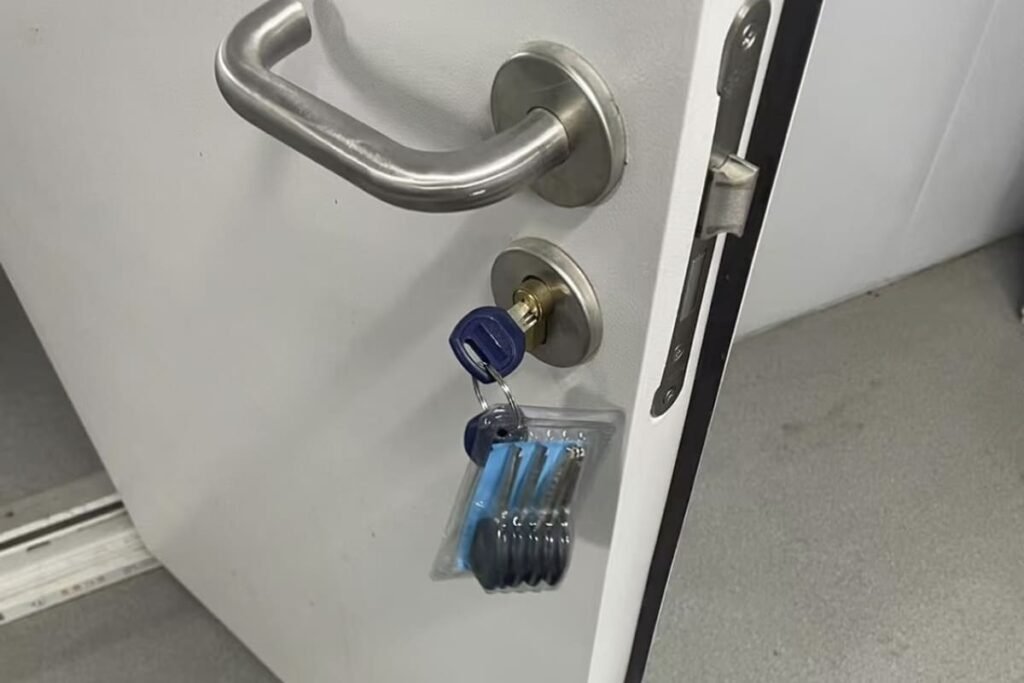
What is the world's favorite lock?
Many buyers ask this question. They want one clear answer. They often risk wrong sourcing when they ignore standards, doors, budgets, and projects.
I do not believe the world has one favorite lock. I see American-standard locks and Euro-standard mortise locks as two mature global systems1. The right choice depends on the country, door type, budget, fire rating, lock function, and long-term supply plan.
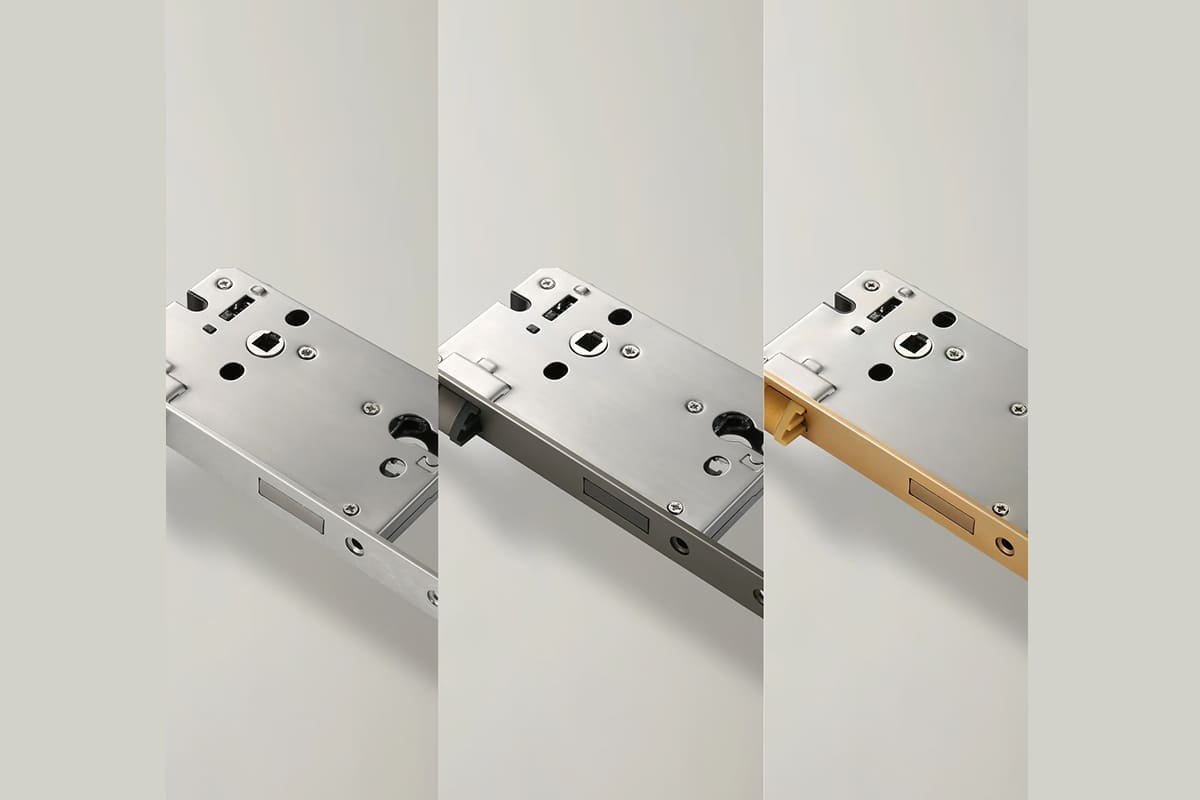
I have worked with door factories, hardware brands, wholesalers, and project buyers in different regions. I see the same question many times. A buyer asks me which lock is most popular in the world. I always answer carefully. A lock is not only a product. It is part of a standard system. It must match the door, frame, handle, cylinder, fire test, and user habit.2 If I choose only by global popularity, I may create a hidden problem for the whole project. So I prefer to compare lock systems by market, standard, and usage.
Why do I avoid naming one world favorite lock?
Many buyers want a fast ranking. They may buy the wrong lock body when they treat all markets as the same market.
I avoid naming one world favorite lock because each region follows different standards and habits. I look at local acceptance, door structure, project rules, lock function, fire needs, and price level before I recommend any lock system.
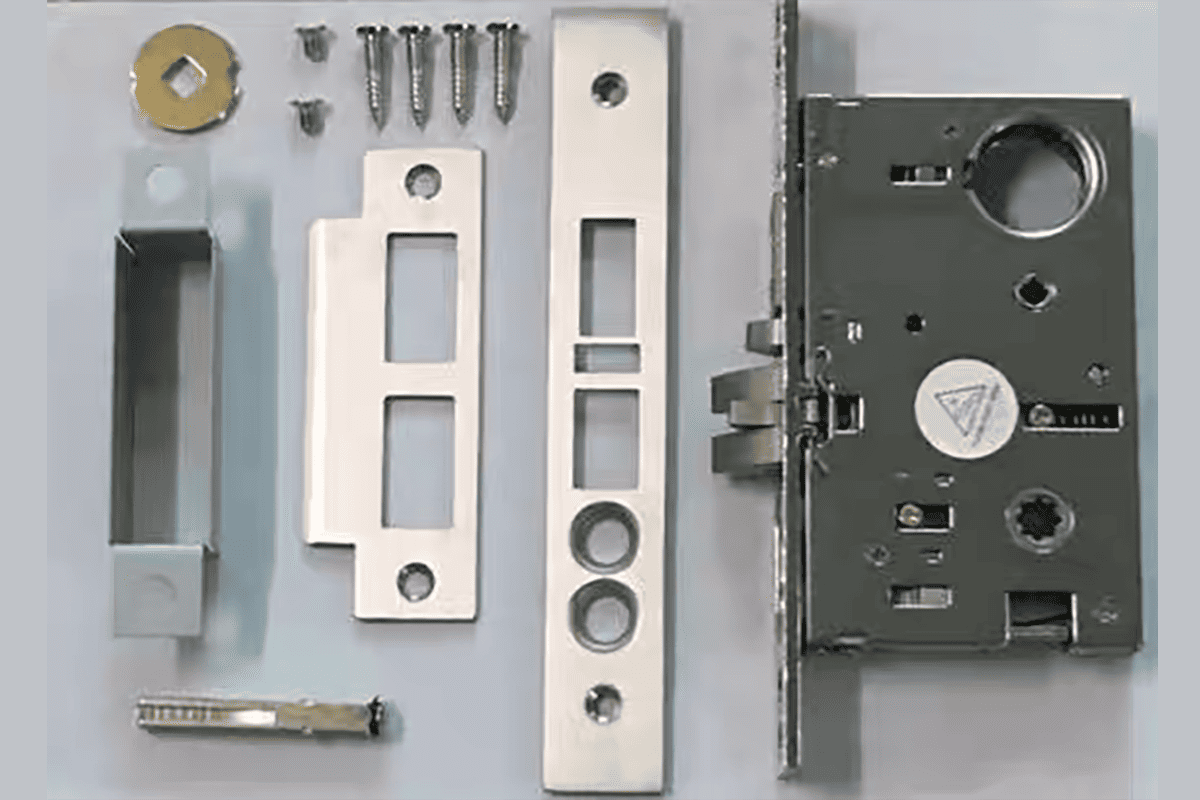
I work as a Chinese architectural door hardware manufacturer, so I see orders from different markets. I produce and supply Euro-standard mortise locks, American-standard locks, Chinese-standard locks, lever handles, cylinders, hinges, and full project hardware sets. From this work, I learned one simple thing. A lock becomes “favorite” only inside a real market condition.
A hotel project, a fire door factory, a villa door brand, and a public building contractor may all ask for different lock bodies. They may even work in the same country.3 I have seen buyers change from one lock system to another because the door thickness changed. I have also seen a project change because the fire certificate requirement changed.
| What I check first | Why I check it | What I may recommend |
|---|---|---|
| I check the country standard | The lock must fit local rules | American, Euro, or local standard |
| I check the door type | Wood, steel, aluminum, and fire doors need different details | Mortise lock, tubular latch, or fire-rated lock |
| I check the project level | A public project needs stronger performance | Grade lock or certified lock |
| I check the budget | The buyer must protect profit | Standard series or premium series |
| I check the supply plan | The buyer needs repeat orders | Stable factory model |
I often tell buyers that the safest question is not “Which lock is the world’s favorite?” The safer question is “Which lock system is most accepted in my target market and my project type?” This question leads to better sourcing. It also reduces after-sales problems.
Why are American-standard locks so widely accepted in some projects?
A buyer may choose a cheap lock for a high-traffic door. The lock may fail fast, and the whole project may blame the supplier.
I see American-standard locks used often in markets and projects that value ANSI grades, clear commercial functions, and strong public building performance. They are common for entrance doors, commercial areas, schools, offices, and high-use doors.
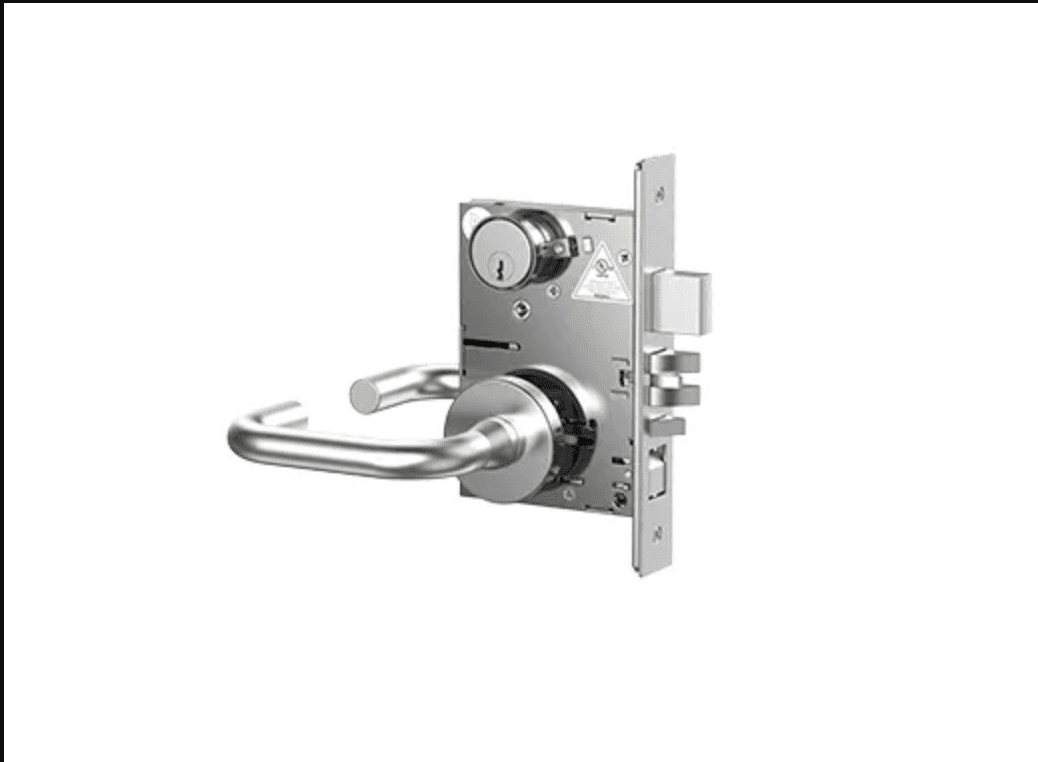
In my overseas B2B work, American-standard locks usually mean a more function-based and grade-based buying logic. Buyers often talk about ANSI Grade 1, Grade 2, or Grade 34. They also talk about lock functions. These functions include entrance, passage, privacy, classroom, storeroom, office, deadbolt5, and other commercial uses. This language is very useful for project procurement because it tells me how the door will be used.
In the United States, entrance doors may use heavy mortise locks, especially when the buyer wants ANSI Grade 1 performance. Interior doors may use simpler three-bar latches or knob locks. Commercial public areas often use ANSI mortise locks and lever trim because the doors face high daily traffic.6 The handle style is also more standardized in many cases. Stainless steel lever handles are common because they are durable and easy to match with commercial buildings.
| American-standard point I discuss | What it means in real sourcing |
|---|---|
| I discuss ANSI grade | I need to match the traffic level |
| I discuss lock function | I need to match the room purpose |
| I discuss backset and case size | I need to match door preparation |
| I discuss lever trim | I need to match project design and durability |
| I discuss certification | I need to support project approval |
I do not say American-standard locks are best for every country. I only say they are a mature and widely used system in many commercial and high-performance projects. Global brands such as Allegion, ASSA ABLOY, and dormakaba are often used as reference names in this field. I use these references to understand buyer expectations, not to claim a global ranking.
Why are Euro-standard mortise locks common in many markets?
A buyer may ignore DIN and EN details. The lock may look correct, but it may not pass project review or door matching.
I see Euro-standard mortise locks as one of the most accepted lock systems in Europe and many export markets. Buyers often focus on DIN 18251, EN 12209, profile cylinders, lever handles, and fire-rated needs.
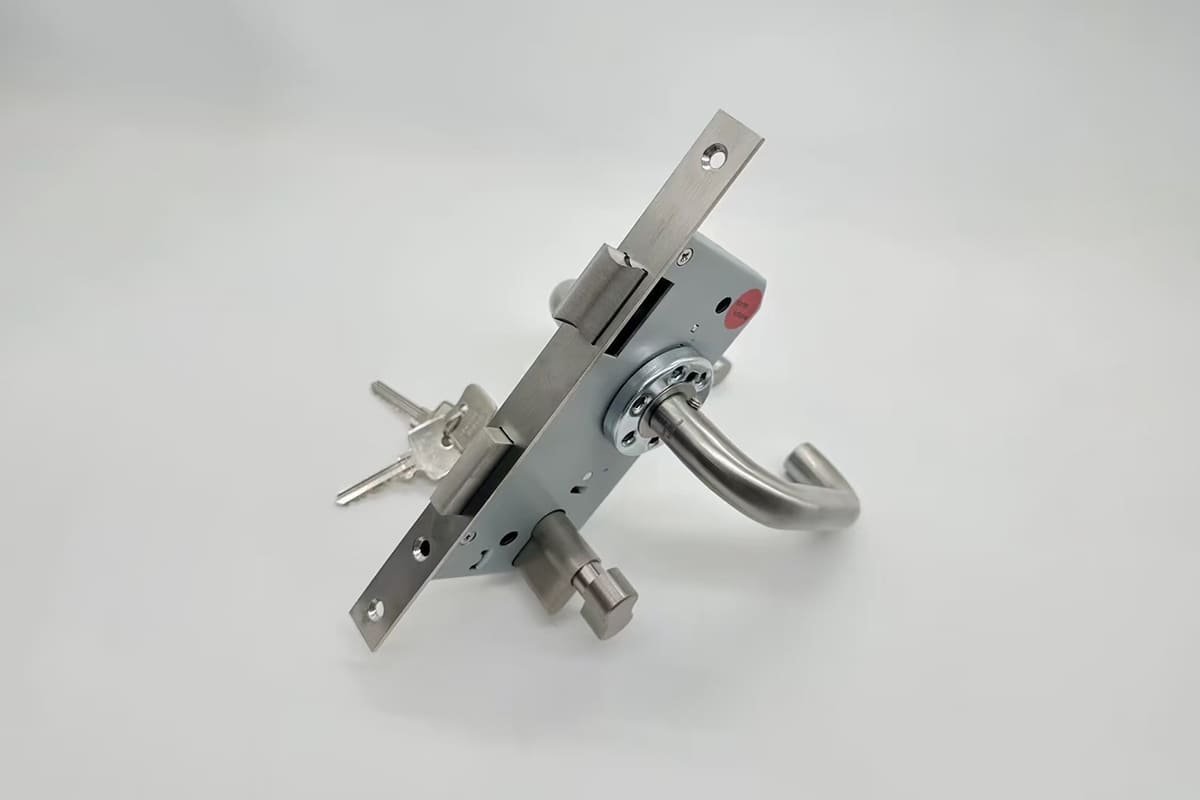
Euro-standard mortise locks are very familiar to my factory because many of our customers use this system. The lock body works with a Euro profile cylinder. The handle usually follows a spindle system. The door preparation is clear and repeatable. This makes Euro-standard products good for door factories, wholesalers, and hardware brands that need stable bulk supply.
In Europe, DIN 18251 lock bodies are common7. EN 12209 is also important because it relates to mechanical lock testing.8 Fire doors may need hardware that supports fire-rated door sets, and EN 1634 may become relevant when the complete door assembly is tested.9 I always remind buyers that a lock certificate alone is not the same as a full door fire test10. The buyer should check the real project requirement before placing the order.
European handles also show more design range. U-shaped lever handles are very common because they are practical and safe for many public uses. At the same time, European buyers often care about design language, surface finish, and matching accessories.
| Euro-standard point I check | My practical reason |
|---|---|
| I check DIN dimension | The lock must fit the prepared door |
| I check EN 12209 class | The lock must meet performance expectation |
| I check cylinder type | The profile cylinder must match local use |
| I check fire requirement | The project may need fire-rated hardware |
| I check finish consistency | The buyer may sell full hardware sets |
I often recommend Euro-standard locks when the buyer needs a balanced mix of function, cost, and international acceptance. Brands such as ASSA ABLOY, dormakaba, Häfele, and Siegenia are known reference points in many markets. I still focus on the exact specification, because a famous brand reference does not replace correct project matching.
Why does the Middle East often compare Euro-standard and American-standard locks?
A buyer in the Middle East may follow price only. The product may win one order, but it may fail in a public project.
I see the Middle East as a mixed market. Euro-standard products often have strong acceptance because they offer function and cost balance. Large public projects may choose American-standard hardware when budgets and performance needs are higher.
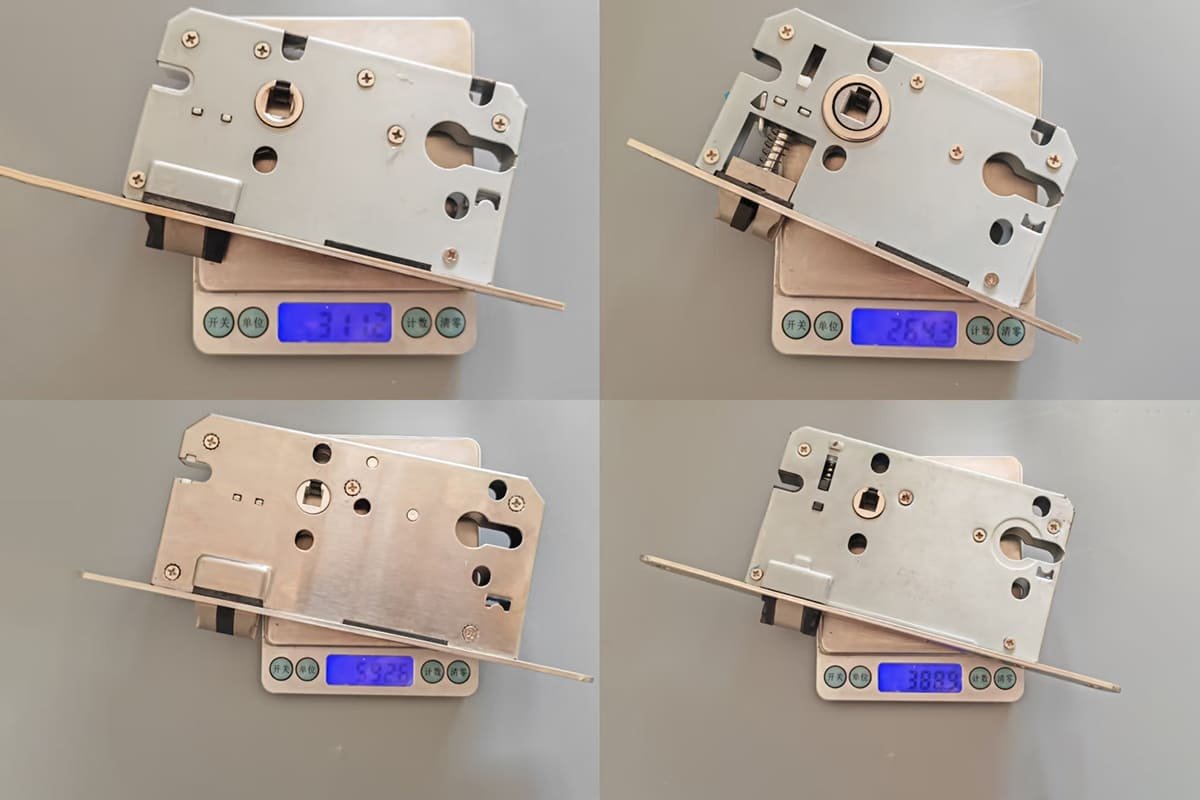
The Middle East is one of the most important overseas markets for many Chinese door hardware factories, including my own business. I see a strong need for complete door hardware sets. Buyers often ask for mortise locks, profile cylinders, lever handles, hinges, door closers, and accessories in one procurement plan. Price matters a lot, but project approval also matters.
Euro-standard mortise locks are common in many Middle East orders. I think this happens for several practical reasons. The products are familiar to many contractors. The cost is easier to control. The supply chain is flexible. The region also has strong business links with European specifications and styles. For wholesalers and door factories, Euro-standard products can cover many daily sales needs.
At the same time, I also see American-standard locks in higher-level public projects. Airports, metro systems, hospitals, schools, and large commercial buildings may request ANSI-style lock functions and stronger hardware sets. These projects often have clear specifications from consultants. In such cases, a low-cost general lock may not be accepted.
| Middle East project type I see | Lock system I often discuss | Main reason |
|---|---|---|
| I see residential doors | Euro-standard mortise lock | Good cost and easy matching |
| I see hotel doors | Euro-standard or project-specific lock | Design and function both matter |
| I see airport projects | American-standard or certified system | High traffic and strict approval |
| I see metro projects | American-standard or heavy-duty hardware | Public safety and durability matter |
| I see wholesale channels | Euro-standard product range | Fast sales and stable stock |
I do not treat the Middle East as one single market. Saudi Arabia, UAE, Qatar, Kuwait, Oman, and other markets may have different project habits.11 I ask the buyer about target customers before I quote. A wholesale buyer may need a fast-moving lock series. A project buyer may need full certificates, fire-rated solutions, and detailed technical files.
Why does China use several lock systems at the same time?
A buyer may think China uses only one local standard. That idea may hide many real project and export needs.
I see China using Chinese-standard hardware widely for interior doors and fire doors. I also see Euro-standard and American-standard hardware in large commercial buildings, public projects, export doors, and high-end project supply.
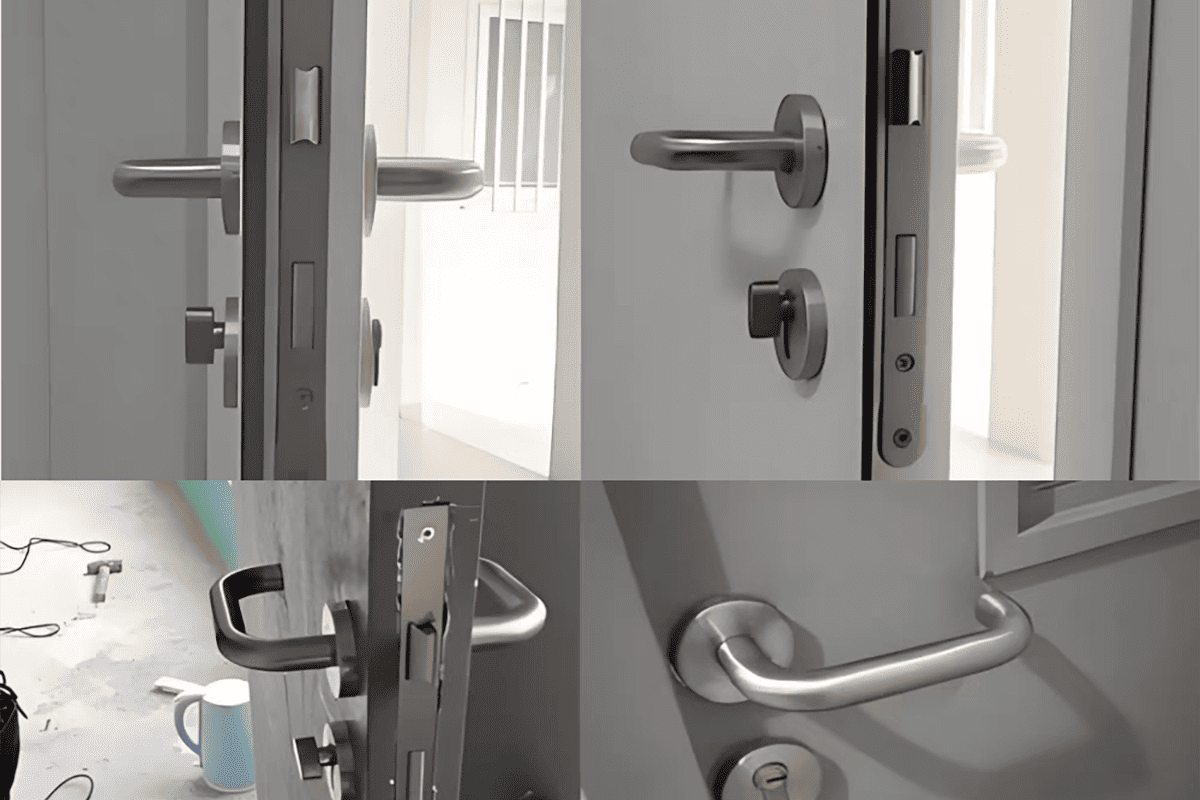
China is a large manufacturing base and a large use market.12 So the lock systems are not simple. Chinese-standard door hardware is still widely used in interior doors, steel doors, fire doors, and many local building projects. Local factories know these sizes well. Local installers also understand the door preparation. This makes Chinese-standard hardware practical in many domestic orders.
At the same time, China also produces many Euro-standard and American-standard locks for export. My factory often works with overseas buyers who need EU-style mortise locks, stainless steel handles, brass profile cylinders, concealed hinges, butt hinges, and customized accessories. Some large buildings in China also use international-standard hardware because architects, consultants, or owners request it. This is common in hotels, office towers, airports, hospitals, and mixed-use buildings.
| China-related demand I handle | Standard system I may supply | Buyer purpose |
|---|---|---|
| I handle domestic interior doors | Chinese-standard hardware | Local use and cost control |
| I handle fire door projects | Chinese-standard or certified sets | Project approval and safety |
| I handle export door factories | Euro-standard or American-standard | Match destination market |
| I handle brand customers | Customized standard products | Build product line |
| I handle public projects | International-standard hardware | Meet consultant specification |
My China factory background helps me understand the gap between drawings and production. A buyer may send a sample. I still need to confirm the center distance, backset, forend size, follower size, latch direction, cylinder type, screw position, and finish. Small differences can cause big assembly problems. I prefer to solve these details before mass production, not after shipping.
How do I help buyers choose the right lock system?
A buyer may copy a competitor’s lock choice. The lock may sell slowly if it does not match the local door and customer habit.
I help buyers choose by checking local standards, door type, user traffic, fire rating, budget, design, certification, and repeat supply. I choose the lock that fits the market, not the lock that sounds most popular.
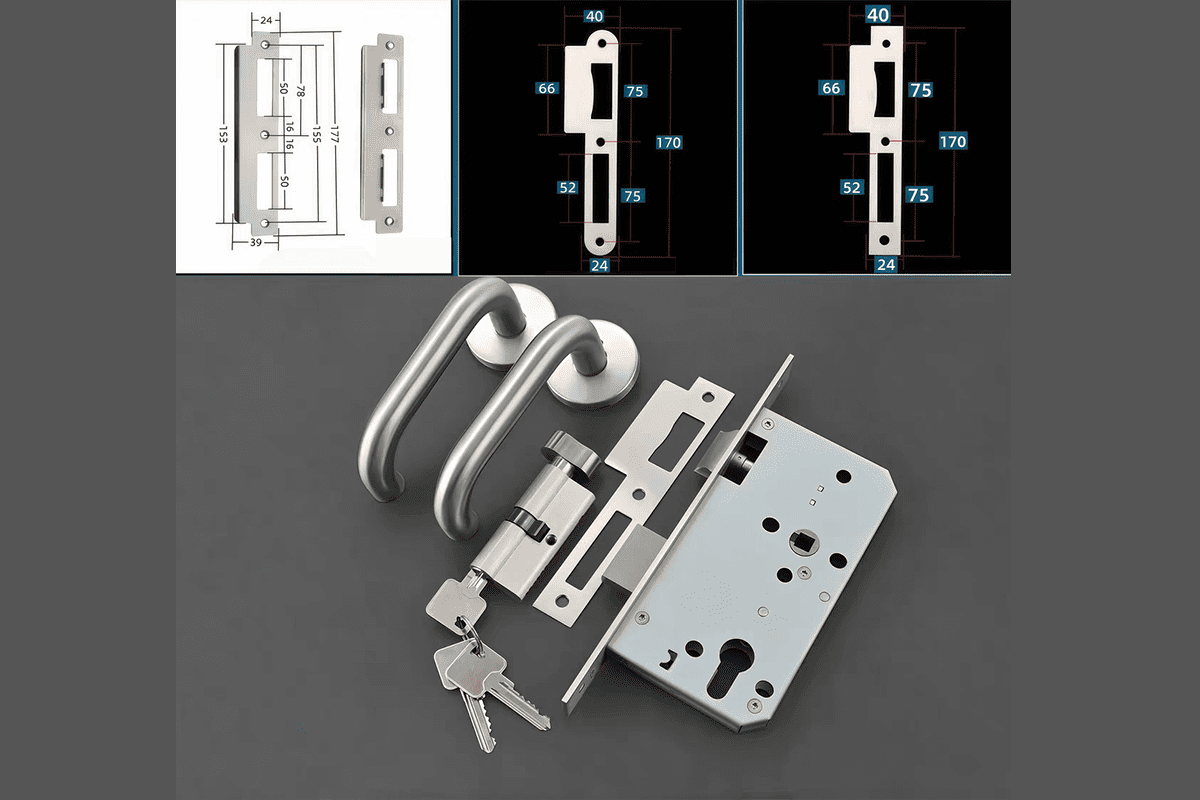
When a buyer asks me for the “best” lock, I first ask about the market. I need to know if the target country accepts American-standard, Euro-standard, Chinese-standard, or another local system. Then I ask about the door. A wooden interior door does not need the same lock as a steel fire door. A hotel guest room does not need the same function as a school classroom. A private villa door does not face the same traffic as a metro station door.
I also ask about the buyer’s business model. A door factory needs stable assembly. A hardware brand needs consistent appearance and packaging. A wholesaler needs fast-moving sizes and finishes. A project procurement team needs certificates, technical files, and delivery control. These needs change the best product choice.
| My decision step | My question to the buyer | My sourcing action |
|---|---|---|
| I check the market | Which country will use the lock? | I match the local standard |
| I check the door | What material and thickness is the door? | I confirm dimensions and accessories |
| I check traffic | How often will users open the door? | I choose the proper performance level |
| I check fire need | Does the door need fire rating? | I prepare certified or tested options |
| I check budget | What price level must the market accept? | I balance cost and durability |
| I check supply | Will the buyer reorder often? | I keep stable tooling and finish control |
In my own factory work, I care a lot about repeatability. A first order is important, but a stable second and third order show the real value of a supplier. I need the lock body to keep the same size. I need the handle finish to stay consistent. I need the cylinder key system to follow the buyer’s plan. I need the packaging and carton marks to support warehouse work. These small things decide whether a B2B buyer can build a long-term product line.
I also remind buyers to avoid three common mistakes. The first mistake is choosing by price only. The second mistake is choosing by appearance only. The third mistake is choosing by one famous standard name without checking the real project document. A good lock choice must match the whole door set and the whole sales plan.
Conclusion
I choose locks by market standards, project needs, budget, door type, and supply stability, not by one simple global popularity ranking.
"ANSI/BHMA Standards - Product Grade Levels", https://buildershardware.com/ANSI-BHMA-Standards/Product-Grade-Levels. Standards documentation from ANSI/BHMA and European standards bodies describes graded American lock standards and EN/DIN mortise-lock standards, supporting the characterization of these as mature standardized systems; these sources do not prove that either system is globally preferred. Evidence role: general_support; source type: institution. Supports: American and European lock systems are organized around established technical standards such as ANSI/BHMA and EN/DIN standards.. Scope note: Contextual support for standard maturity, not direct evidence of worldwide market share. ↩
"[PDF] DOOR HARDWARE (SCHEDULED BY DESCRIBING PRODUCTS)", https://fpm.usc.edu/wp-content/uploads/2021/11/087102-USC-HSC-door-hardware-Guide-Specification_1.pdf. Fire-door and hardware standards such as NFPA 80 treat latches, locks, frames, and related hardware as components of the door assembly, supporting the need to match lock hardware to the door and frame; they do not address buyer habits except indirectly through intended use. Evidence role: mechanism; source type: institution. Supports: Door hardware is part of a tested and compatible door assembly, especially for fire-rated doors.. Scope note: Directly supports assembly compatibility and fire-door requirements; user habit is only contextual. ↩
"CHAPTER 10 MEANS OF EGRESS - ICC Digital Codes", https://codes.iccsafe.org/content/IBC2021P2/chapter-10-means-of-egress. Building-code and life-safety provisions commonly vary door and locking-hardware requirements by occupancy, egress function, and fire rating, supporting the article’s point that projects within the same country may require different lock specifications; such codes do not identify specific commercial product preferences. Evidence role: general_support; source type: government. Supports: Door and hardware requirements vary according to building use, occupancy, egress, and fire-safety requirements.. Scope note: Supports regulatory variation, not the author’s specific market observations. ↩
"ANSI/BHMA Standards - Product Grade Levels", https://buildershardware.com/ANSI-BHMA-Standards/Product-Grade-Levels. ANSI/BHMA lock standards define performance grades, including Grade 1, Grade 2, and Grade 3 categories, supporting the article’s use of grade-based terminology in American-standard lock procurement; the standards define performance classes rather than prescribing which grade a buyer should select. Evidence role: definition; source type: institution. Supports: ANSI/BHMA standards use Grade 1, Grade 2, and Grade 3 classifications for lock and hardware performance.. Scope note: Defines grading terminology but does not prove purchasing frequency. ↩
"[PDF] Understanding Lock Functions", https://lockdontblock.org/wp-content/uploads/2017/07/Understanding-Lock-Functions-DH-May-2015.pdf. ANSI/BHMA lock standards and associated hardware function classifications identify functions such as passage, privacy, classroom, storeroom, office, entrance, and deadbolt, supporting the article’s description of function-based American lock specification; the source explains terminology rather than market demand. Evidence role: definition; source type: institution. Supports: American lock standards and hardware glossaries categorize locks by function, including common commercial and residential functions.. Scope note: Terminology support only; not evidence of popularity. ↩
"A156.13 - 2022 Mortise Locks", https://buildershardware.com/ANSI-BHMA-Standards/Hardware-Highlights/A15613-2022-Mortise-Locks. ANSI/BHMA A156.13 covers mortise locks and includes graded performance requirements, supporting the connection between commercial door hardware selection and high-use performance needs; it does not by itself establish that public areas ‘often’ use a particular lock configuration. Evidence role: mechanism; source type: institution. Supports: ANSI/BHMA mortise-lock standards specify performance testing and grading relevant to high-use commercial doors.. Scope note: Supports performance rationale, not a frequency statistic. ↩
"DIN standards", https://www.sullus.com/glossary/din-standards/. DIN 18251 is a standard covering mortise locks and related lock specifications, supporting the article’s reference to DIN-based Euro-style lock bodies; the standard’s existence does not quantify how common these locks are in every European market. Evidence role: definition; source type: institution. Supports: DIN 18251 is a German standard for mortise locks and related lock dimensions/types.. Scope note: Supports standard relevance, not market prevalence. ↩
"EN 12209:2024 - Mechanical Locks Standards Testing Methods Guide", https://standards.iteh.ai/catalog/standards/cen/fc7b1983-f0a1-4242-98d9-ce3eb2a6d389/en-12209-2024?srsltid=AfmBOop2ZmrQqcjqrsYqPcaD0hwWqCppRGRTy-aQROAO3EgpEvtNz0Tv. EN 12209 specifies requirements and test methods for mechanically operated locks, latches, and locking plates, supporting the article’s statement that the standard concerns mechanical lock testing; it does not determine whether a product is suitable for a particular project without the project specification. Evidence role: definition; source type: institution. Supports: EN 12209 specifies requirements and test methods for mechanically operated locks, latches, and locking plates.. Scope note: Defines the standard’s scope, not project suitability. ↩
"EN 1634-1:2014 - Fire resistance and smoke control tests for door and", https://standards.iteh.ai/catalog/standards/cen/968c3638-cfad-47fb-a190-8ac700fd9139/en-1634-1-2014?srsltid=AfmBOoposopoX-uHlvMGiNZk5amQn9FyBkC4nW0wXwdSVd1MP6HQuqla. EN 1634 addresses fire-resistance and smoke-control testing of door and shutter assemblies, supporting the article’s statement that the standard becomes relevant when the complete door assembly is tested; it does not certify an individual lock independently of the tested assembly. Evidence role: definition; source type: institution. Supports: EN 1634 concerns fire-resistance and smoke-control testing for door, shutter, and openable-window assemblies and their hardware.. Scope note: Supports the role of assembly testing, not certification of any specific product. ↩
"Fire Doors and NFPA 80 FAQs", https://www.nfpa.org/news-blogs-and-articles/blogs/2025/04/11/fire-doors-faqs. Fire-door standards and certification guidance treat the fire rating as applying to a tested or listed door assembly with appropriate components, supporting the article’s caution that a lock certificate alone is not equivalent to a complete door fire test; exact compliance depends on the applicable jurisdiction and listing. Evidence role: mechanism; source type: institution. Supports: Fire-door ratings are based on tested or listed assemblies and compatible components, not merely on a single hardware certificate.. Scope note: Directly supports the compliance principle but not every local approval process. ↩
"Gulf Cooperation Council - Wikipedia", https://en.wikipedia.org/wiki/Gulf_Cooperation_Council. National building and fire-safety codes in Gulf countries, such as Saudi, UAE, Qatari, Kuwaiti, and Omani frameworks, show that project requirements are governed by country-specific rules, supporting the article’s caution against treating the Middle East as a single uniform market; these sources do not specifically measure lock buying habits. Evidence role: historical_context; source type: government. Supports: Countries in the Gulf region maintain distinct building-code and approval frameworks that can affect project specifications.. Scope note: Supports regulatory diversity, not direct lock-market behavior. ↩
"Manufacturing, value added (current US$) - World Bank Open Data", https://data.worldbank.org/indicator/NV.IND.MANF.CD. Official economic and trade statistics identify China as one of the world’s largest manufacturing economies and a major construction market, supporting the article’s description of China as both a manufacturing base and a use market; such statistics do not isolate architectural locks unless a specialized dataset is used. Evidence role: statistic; source type: government. Supports: China has very large manufacturing output and a large construction/building market, making it both a production base and domestic demand market.. Scope note: Supports the macroeconomic context, not lock-specific volume. ↩