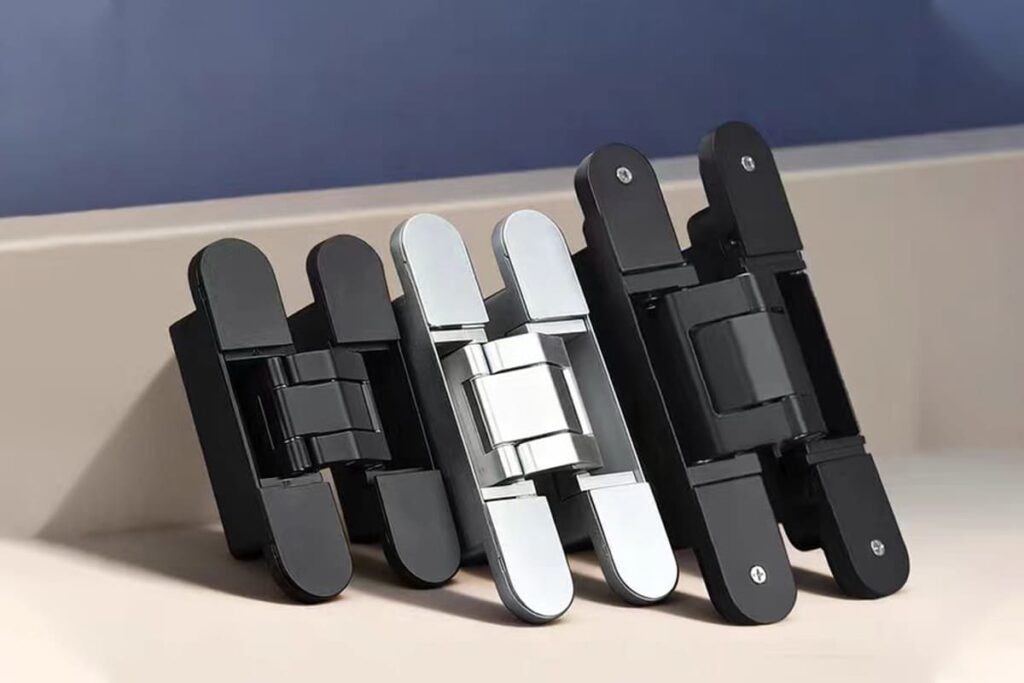
Why Are Soft Close Hinges Not Working?
A soft-close door that slams, stops, or squeaks can waste time fast. I see buyers lose orders, projects, and patience when one small hinge acts wrong.
Soft-close hinges may stop working because the hydraulic damper, screw fixing, door alignment, damping setting, lubrication, door weight, or environment no longer matches the real door use. I always check installation, adjustment, cleanliness, specification, and actual product condition before I judge the hinge as failed.

I often receive one simple message from customers: “The soft-close hinge is not working.” I never treat this as one single problem. I ask what the door does. I ask if it slams. I ask if it cannot close. I ask if it squeaks. I ask if one hinge has the issue or the whole batch has the issue. The answer changes the direction of the check. A soft-close hinge is a small part, but it works with the door, the frame, the screws, the damper, and the project site. If one part of that system changes, the closing action can change too.
Is The Hydraulic Damper Still Controlling The Door Correctly?
A soft-close hinge feels simple from outside, but I know the hidden damper does the hard work. When that damper loses control, the door becomes unpredictable.
The hydraulic damper slows the door by absorbing closing force and releasing resistance in a controlled way.1 I usually check whether the damping force, oil movement, hinge travel, and door alignment still work together before I confirm real hinge failure.
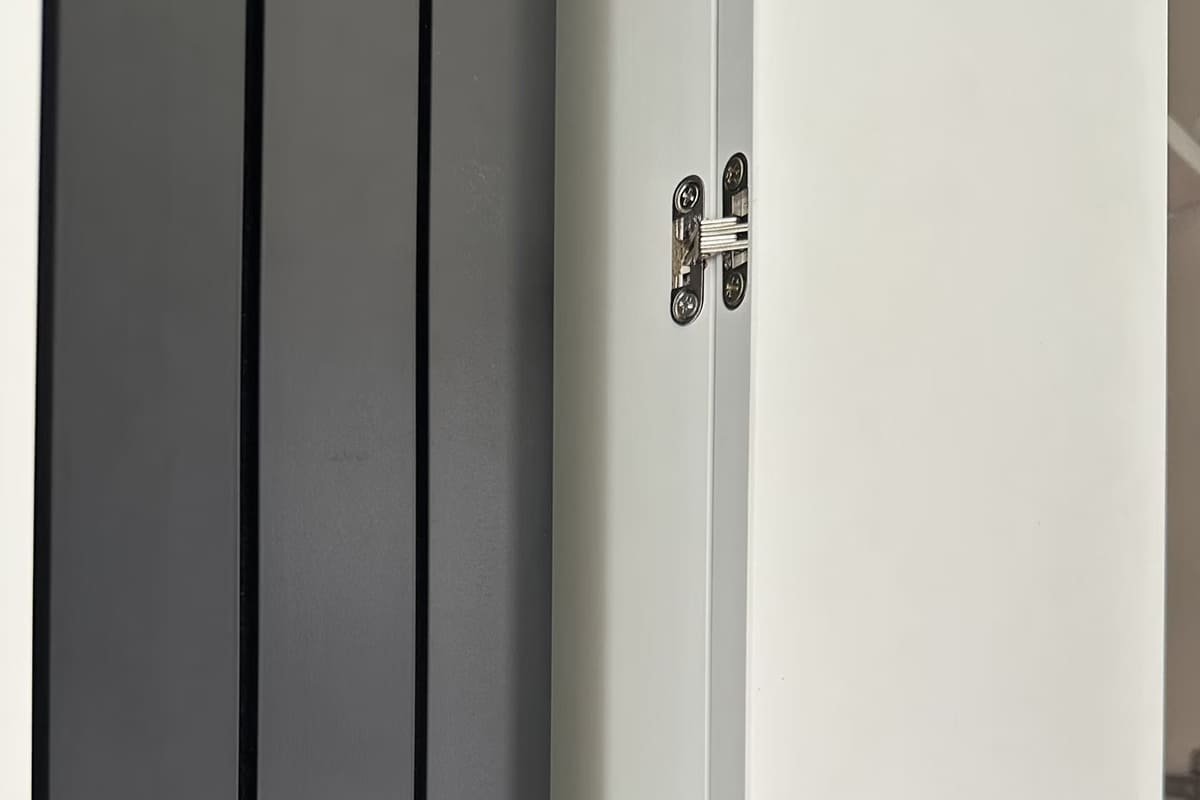
How I Read Damper-Related Symptoms
I do not ask customers to open a sealed hydraulic damper unless the product design and supplier instructions allow it. I treat the damper as a controlled part. I check its behavior from the closing action.
| Symptom I See | Possible Cause I Check | What I Do First |
|---|---|---|
| Door slams shut | Damper has weak effect, wrong adjustment, damaged part, or poor movement | I test closing speed and check the adjustment setting |
| Door closes too slowly | Damping may be too strong, oil flow may react to cold, or hinge force may be low | I compare with another hinge and check the site temperature |
| Door stops before closing | Damping may be too heavy, door may be misaligned, or hinge force may not match door weight | I check gaps, screws, and door size |
| Closing changes each time | Damper may be unstable, hinge may be bent, or frame may be moving | I ask for a video and inspect fixing points |
Why The Damper Is Not The Only Answer
I see many people call every soft-close issue “hydraulic oil shortage.” I avoid that quick judgment. Some hinge designs do not allow visual oil inspection. Some problems look like weak damping, but the real cause is friction from a crooked door.2 Some problems look like strong damping, but the real cause is an over-heavy door with too few hinges.
In my manufacturer-side checks, I first separate the hinge action from the door action. I ask the customer to test the door movement slowly by hand. I ask if the hinge catches at one angle. I ask if the soft-close starts at the normal closing range. I also ask if the same model works well on another door. This simple comparison often shows whether the problem sits inside one hinge, inside the installation, or inside the product selection.
Are The Screws, Fixing Points, And Door Alignment Correct?
A small screw problem can look like a hinge problem. I have seen one loose fixing point create slamming, rubbing, squeaking, and incomplete closing.
I check screws, fixing points, door gaps, frame straightness, and hinge alignment before I adjust the damper. If the hinge is not sitting straight, the soft-close system cannot work in a stable way.
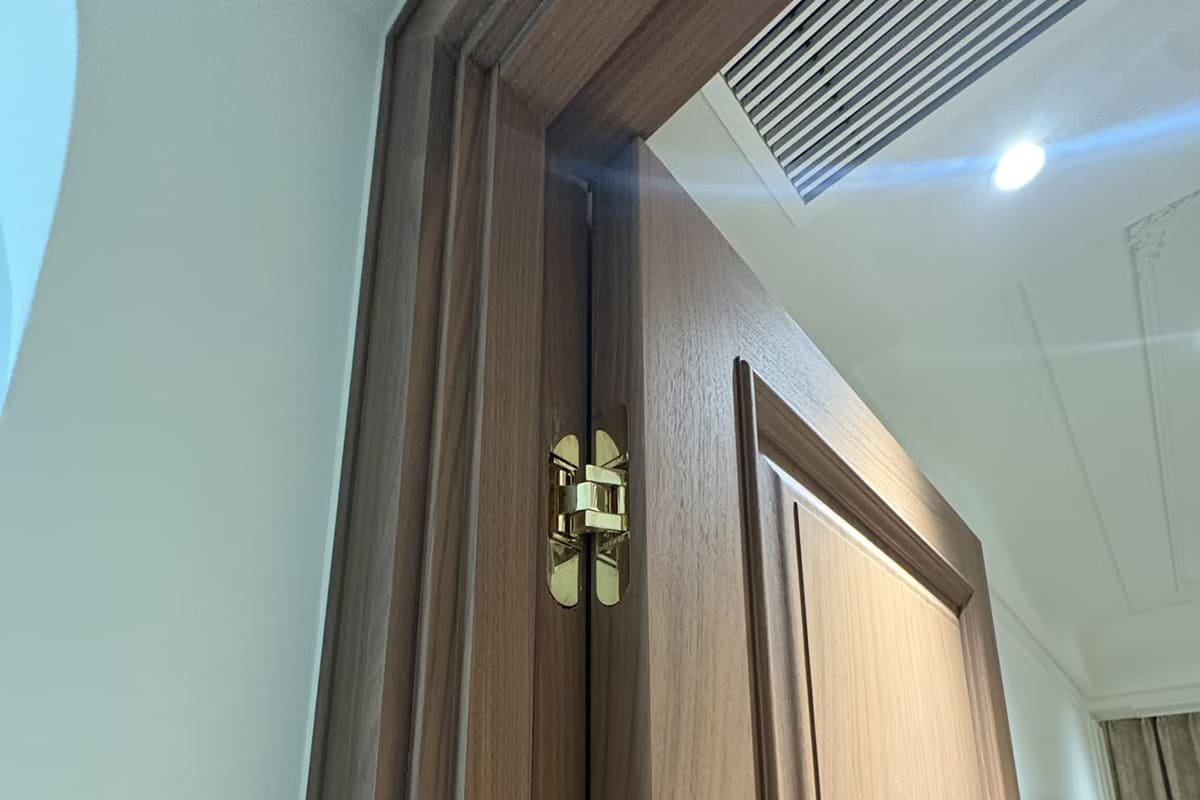
My First Installation Check
I always start with the easiest checks because they reduce wrong returns. I check whether the hinge cup, hinge arm, mounting plate, or concealed hinge body sits tight. I check whether the screws bite into strong material. I check whether the door has sagged after use. I also check whether the frame has moved after painting, site work, or humidity change.
| Check Point | What I Look For | Why It Matters |
|---|---|---|
| Screws | Loose, tilted, stripped, or too short screws | The hinge may shift during closing |
| Door gap | Uneven top, side, or bottom gap | The door may rub before the damper finishes |
| Frame | Twisted frame or weak fixing base | The hinge axis may not stay straight |
| Hinge position | Wrong distance, wrong depth, or mixed hinge models | The closing force may not match the design |
| Door leaf | Warped, swollen, or too heavy door | The hinge may work outside its stable range |
Why Alignment Changes Soft-Close Feeling
I once handled a case where a customer said the hinges in one room were “bad.” I asked for photos from the side and from the top gap. The hinge was fine in hand. The door panel was slightly twisted after site storage. The soft-close action failed because the door touched the frame before the damper could finish the closing movement.
I use this example often because it shows a practical point. A soft-close hinge needs free and smooth movement. If the door rubs, the damper must fight friction. If the hinge screws are loose, the hinge changes angle during every closing cycle.3 If the frame is not square, the door loads the hinge unevenly. In these cases, adjustment may help for a short time, but the problem comes back. I prefer to correct the door position first. Then I adjust the hinge. Then I judge the soft-close result.
Is The Damping Adjustment Set Too Light Or Too Heavy?
Many soft-close hinges include a switch, screw, or plus-minus control. I see many failures happen because the setting does not match the door weight or user need.
If the model supports adjustment, I set the damping force step by step. A light setting may allow slamming. A heavy setting may stop the door before full closing, mainly on light or poorly aligned doors.4
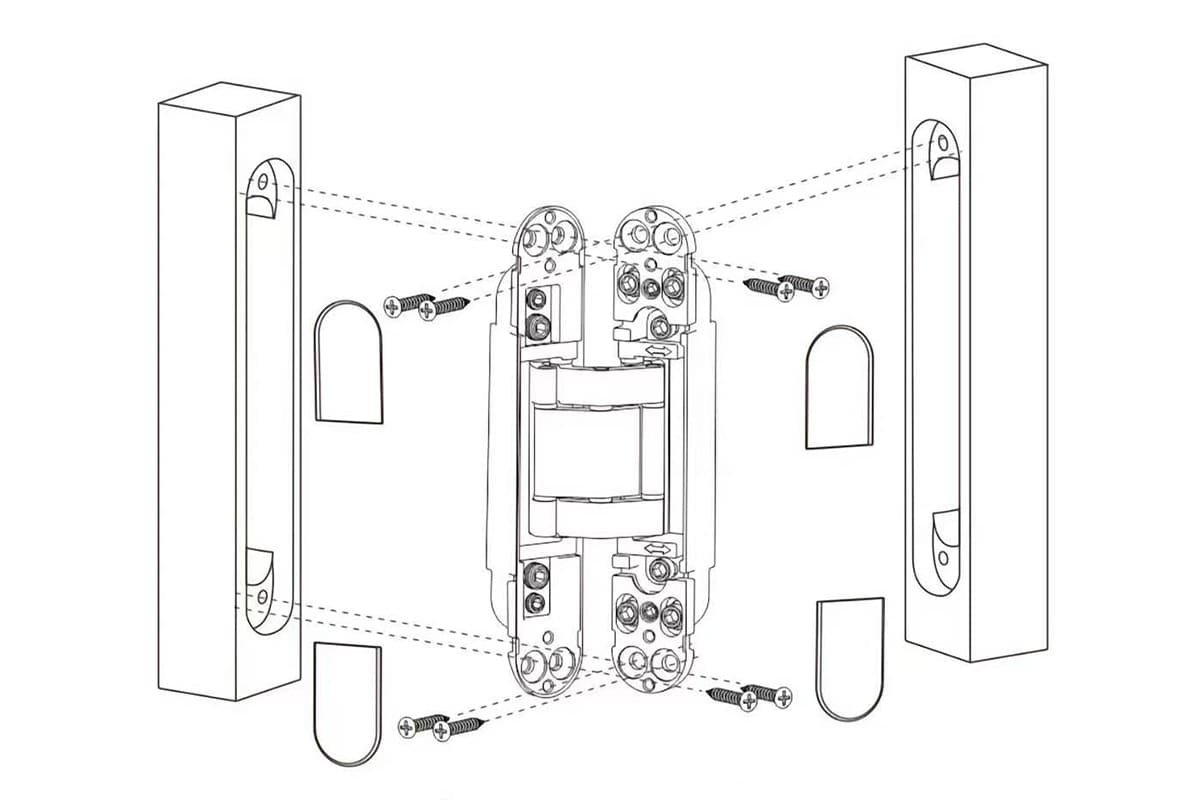
How I Adjust Without Guessing
I do not turn every adjustment to the maximum. I adjust one point at a time. I close the door after each change. I watch where the soft-close starts. I listen for impact. I check whether the latch or door edge reaches the final position.
| Adjustment Result | What It May Mean | My Next Step |
|---|---|---|
| Door still slams | Damping may be too light, damper may be weak, or hinge quantity may be wrong | I increase damping if possible and check specification |
| Door stops short | Damping may be too heavy, hinge force may be low, or door may rub | I reduce damping and inspect alignment |
| Door closes well once, then fails | Fixing point may move, damper may be unstable, or user force may vary | I test repeated closing and check screws |
| Door closes only when pushed | Door weight, hinge type, or latch resistance may not match | I review the door and hardware set |
Why Adjustment Is A Specification Issue Too
I often tell buyers that adjustment cannot solve every mismatch. A soft-close hinge has a working range.5 The range depends on the model, the door size, the door weight, the hinge quantity, and the opening frequency. If the hinge is designed for a smaller or lighter door, a strong adjustment setting may not make it suitable for a heavier door. If the door is very light, a strong damper may feel too slow or may stop the door.
I also check how users close the door. Some users push the door hard. Some users let it drift from a small angle. Some public projects have high opening frequency. These details matter. A sample test should copy the real project as much as possible. I prefer to test the hinge on the real door material, real door thickness, and real frame structure. This is more useful than testing the hinge only in hand.
Could Dirt, Friction, Or Lubrication Cause The Problem?
A clean hinge moves better than a dirty hinge. I see dust, paint powder, sawdust, and site debris change the feeling of soft closing.
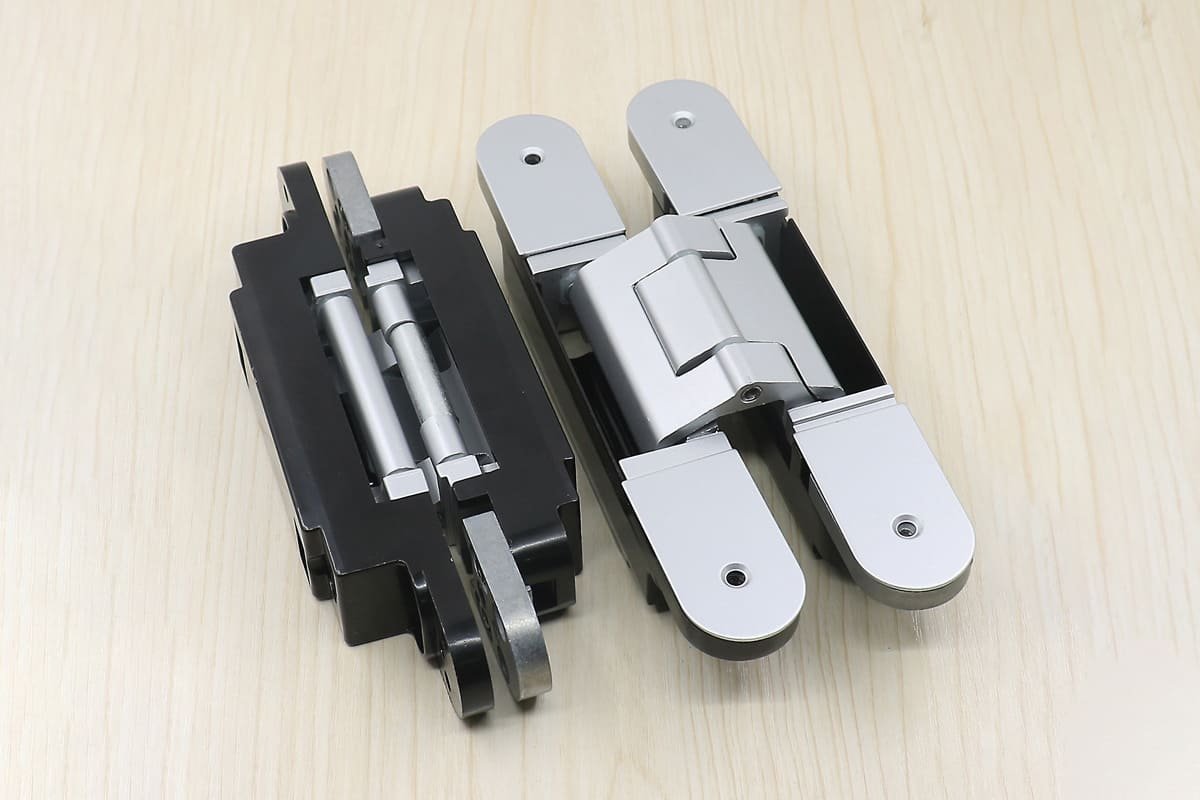
Dirt and friction may cause squeaking, uneven movement, or incomplete closing.6 I clean visible debris and apply suitable lubrication only where the hinge design allows it, because sealed dampers should not be opened casually.
What I Clean And What I Avoid
I usually ask customers to inspect the visible hinge area first. I look for wood dust inside the hinge cup area. I look for paint buildup around the moving arm. I look for metal rubbing marks. I also check whether the hinge cover or decorative cap touches another part.
| Issue | Common Sign | Safe First Action |
|---|---|---|
| Dust or debris | Rough movement or grinding sound | I wipe visible parts and remove loose debris |
| Paint buildup | Door feels tight after finishing work | I clean the contact area without forcing parts |
| Dry friction | Squeaking or rough hinge travel | I lubricate only approved pivot/contact points |
| Wrong lubricant | Sticky dirt collection or damaged finish | I follow supplier advice and avoid random oil |
| Sealed damper issue | Soft-close force changes with no visible cause | I contact the supplier instead of opening the damper |
Why Squeaking Is Not Always A Damper Failure
When I hear a squeak in a customer video, I do not assume the damper has failed. Squeaking often comes from friction, misalignment, loose screws, or dirt. The sound may happen at the hinge pivot. It may happen when the door edge rubs the frame. It may also happen when a screw head or cover touches a moving part.
I ask for a slow closing video with sound. I ask the customer to record the top gap, middle gap, and bottom gap. I ask if the sound started after painting, cleaning, or site installation. I also ask if the hinge was stored in a dusty area before installation. These small details help me find the real source.
Lubrication can help in some cases, but I use it carefully. I do not add oil into sealed hydraulic parts unless the supplier design allows that service. Wrong oil may attract more dirt. Wrong oil may also affect finishes or plastic parts.7 I prefer a controlled cleaning and approved lubricant method. This keeps the product safer and keeps the warranty discussion clearer.
Does The Door Specification Match The Soft-Close Hinge?
A correct hinge on the wrong door can still fail. I see this often in bulk orders when buyers focus only on price and finish.
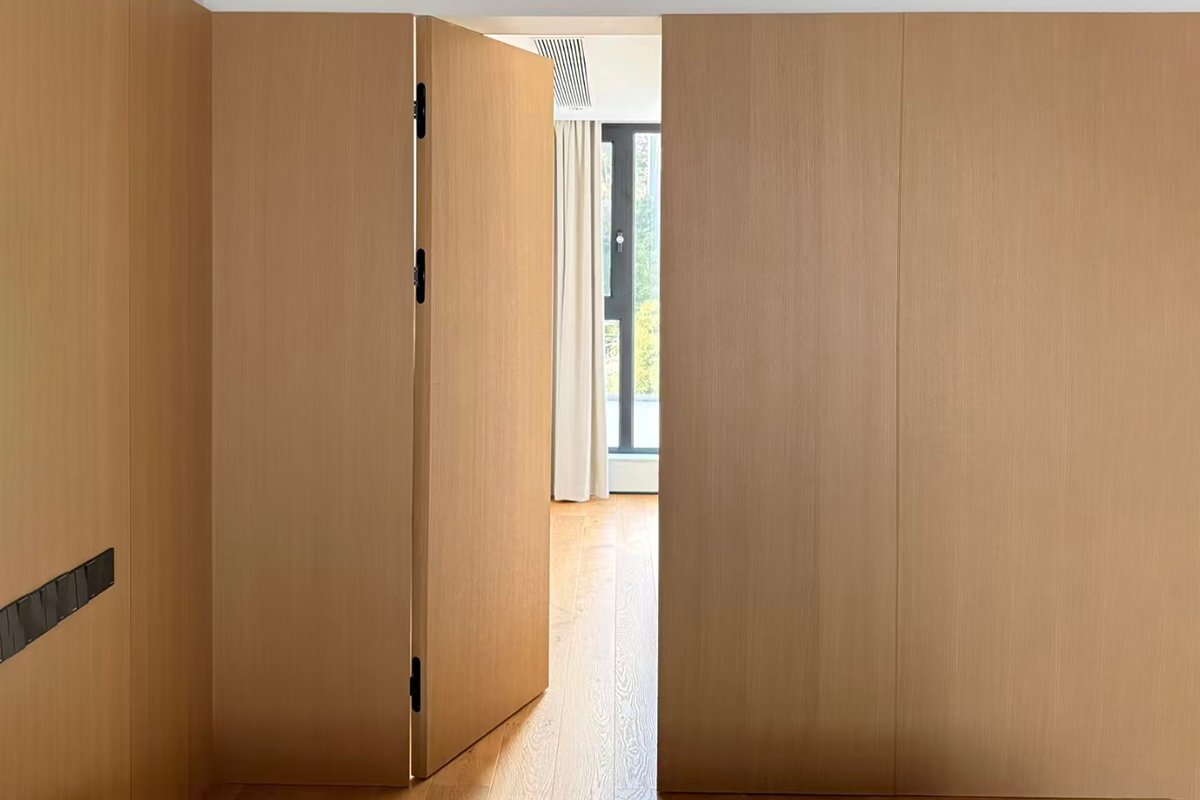
I match soft-close hinges with door weight, door size, door material, hinge number, use frequency, and project conditions.8 A mismatch may cause slamming, stopping, fast wear, or batch complaints.
What I Confirm Before Bulk Orders
For B2B orders, I prefer to check the door data before production. This reduces rework, wrong returns, and customer complaints. I do not want the buyer to discover the mismatch only after hundreds or thousands of doors are assembled.
| Buyer Information I Need | Why I Need It | Risk If It Is Missing |
|---|---|---|
| Door weight | I need to match load capacity | Hinge may sag or close poorly |
| Door height and width | I need to judge leverage and force | Door may stress the hinge |
| Door material | Wood, metal, aluminum, or composite behave differently | Screws and movement may change |
| Number of hinges | Load and closing force depend on hinge count | One hinge may work too hard |
| Opening frequency | Home, hotel, office, and public use differ | Damper may wear faster |
| Finish and environment | Humidity, salt air, heat, or cold matter | Corrosion or movement changes may appear |
| Certification need | CE or fire-rated needs must match project | Market access or project approval may fail |
Why Bulk Buyers Need A Real Use Check
I work with door factories, hardware brands, and wholesalers. I see that one sample may work well on a test board, but the same hinge may behave differently on a heavy door, a wide door, or a project frame. This does not always mean the hinge is poor. It may mean the sample test did not copy the real use.
I ask buyers to send door drawings, weights, finishes, and market requirements. I also ask if the project needs CE certification, fire-rated certification, or special finish consistency. If a customer serves the Middle East, Europe, or Southeast Asia, I ask about temperature, humidity, salt air, and installation habits. I also ask whether local installers use standard screws and whether the frame material gives enough screw holding strength.
A soft-close hinge should be selected as part of the full hardware system. The lock, latch, door seal, closer force, hinge spacing, and frame quality can all change the closing feeling.9 I prefer to solve the specification issue before mass production because this is much cheaper than solving complaints after installation.
Can Temperature, Altitude, Or Site Conditions Change Soft-Close Performance?
A hinge may work well in one warehouse and feel different on another site. I see environment create confusion, mainly when buyers compare countries or seasons.
Temperature, altitude, humidity, dust, and site storage may affect soft-close behavior depending on the hinge model. I treat fixed limits as product-specific and check technical data before I promise performance in special conditions.
How I Treat Environmental Questions
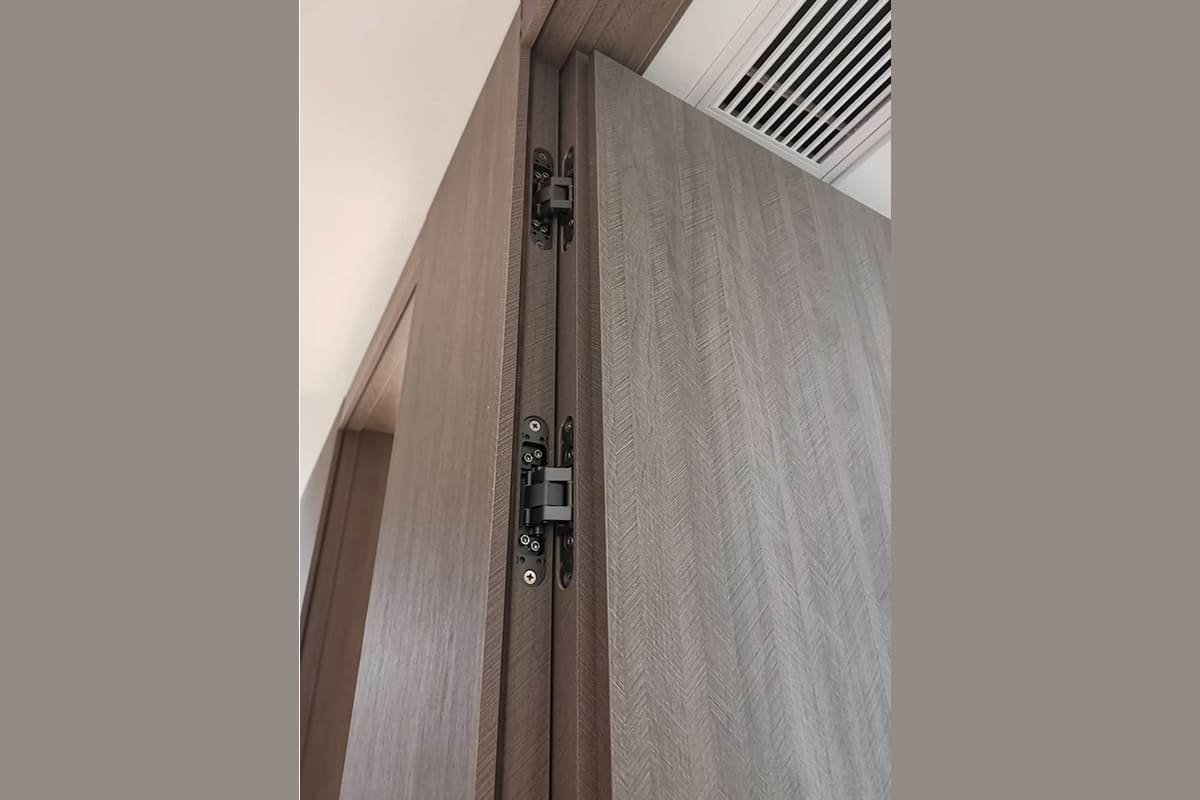
I do not use one universal number for all soft-close hinges. Low temperature may make hydraulic oil move more slowly.10 High heat may change material behavior. High-altitude sites may affect some hinge behavior because air pressure changes.11 Humidity and salt air may increase corrosion risk if the finish and material are not matched well.12
| Site Condition | Possible Effect I Check | Information I Ask For |
|---|---|---|
| Cold area | Slower closing or stronger damping feel | Lowest site temperature and test video |
| Hot area | Different closing speed or material expansion | Highest site temperature and door material |
| High altitude | Possible behavior change depending on design | Project altitude and product model |
| Humid site | Corrosion risk or wood swelling | Humidity level and finish requirement |
| Dusty site | Friction, noise, or blocked movement | Installation stage and cleaning method |
| Coastal area | Surface corrosion risk | Salt exposure and material requirement |
Why I Ask For Product-Specific Data
When a customer asks if a hinge can work below a certain temperature or above a certain altitude, I avoid a fast answer unless I have product test data for that model. Different dampers, seals, oils, materials, and hinge designs can respond differently. A fixed threshold should come from technical documentation, not from guesswork.
I also ask how the product was stored before installation. A hinge stored in a very cold place may behave differently when first used. A hinge stored with dust or moisture may need cleaning before testing. A door installed on a site with fresh paint, wet timber, or moving frames may also change after a few days.
For project buyers, I suggest a small pilot test under real site conditions before full shipment when the environment is special. I also suggest recording the door closing action in the morning and afternoon if temperature changes a lot. This gives the technical team better proof. It also protects the buyer, the supplier, and the installer from unclear blame.
What Troubleshooting Order Should I Follow Before I Return The Hinges?
A random check wastes time. I see better results when buyers follow one clear order and collect useful proof before making a claim.
I first check screws, fixing points, alignment, adjustment, cleanliness, and allowed lubrication. Then I compare units and contact the supplier with door data, photos, videos, hinge model, quantity affected, and site conditions.
My Practical Check Order
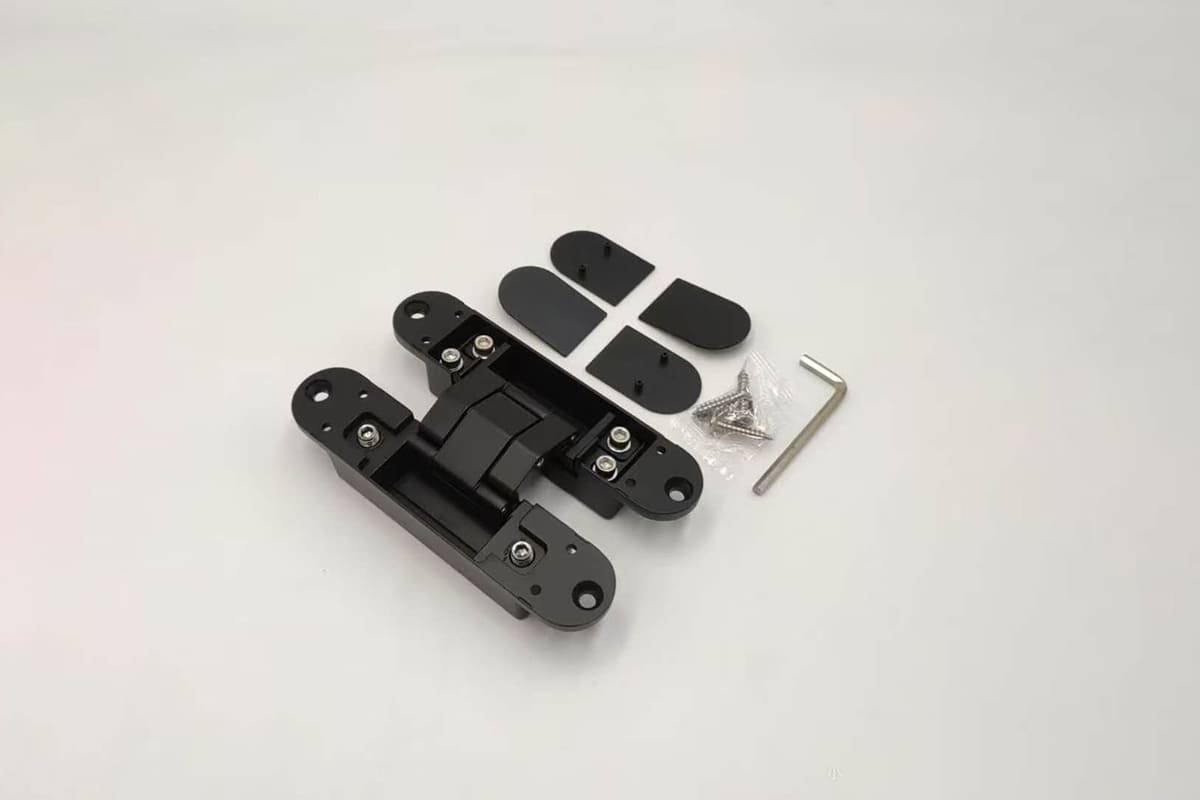
I use this order because it starts with visible and low-cost checks. It also gives the supplier clear information if the problem remains.
| Step | What I Do | What Result I Want |
|---|---|---|
| 1 | I tighten and inspect screws and fixing plates | I confirm the hinge is stable |
| 2 | I check door gaps and frame shape | I confirm the door is not rubbing |
| 3 | I test the closing action slowly | I find the angle where the issue starts |
| 4 | I adjust the damping if the model supports it | I match the setting to the door |
| 5 | I clean visible dust and debris | I remove friction sources |
| 6 | I lubricate only approved points | I reduce noise without harming the damper |
| 7 | I compare with another hinge or another door | I separate product issue from installation issue |
| 8 | I contact the supplier with proof | I help the technical team judge faster |
What I Send To The Supplier
When the issue remains, I do not send only one sentence. I send clear information. I include the door weight, door height, door width, door material, hinge model, number of hinges per door, installation photos, and a short video. I also include the opening frequency, site temperature, altitude if relevant, and whether the problem affects one unit, several units, or the whole batch.
This information changes the speed of the answer. If one unit has the problem, I may suspect damage, abnormal installation, or a single product defect. If the whole batch has the same problem on one door type, I may suspect specification mismatch, adjustment method, or environmental condition. If the same batch works on one project but fails on another, I look at door structure, installer method, and site condition.
As a manufacturer, I want the buyer to reduce wrong returns. I also want the end user to receive stable door hardware. A clear troubleshooting process makes that possible. It keeps the discussion practical. It also helps me decide whether to replace, adjust, reselect, or improve the specification for the next order.
Conclusion
I treat soft-close hinge failure as a system issue. I check the damper, installation, adjustment, door specification, and site condition before I judge quality.
"Shock absorber", https://en.wikipedia.org/wiki/Shock_absorber. A technical overview of hydraulic dampers explains that viscous fluid resistance dissipates kinetic energy and thereby slows mechanical motion, supporting the description of the soft-close hinge damper as a controlled resistance element. Evidence role: mechanism; source type: encyclopedia. Supports: The source should explain that hydraulic or viscous dampers resist motion by forcing fluid through restricted passages, dissipating kinetic energy and slowing movement.. ↩
"Fix ANY Door Problems With These 7 Magic Tricks - YouTube",
. Building-maintenance guidance on door binding notes that misalignment, warping, or rubbing against the frame can impede normal door movement; this supports the article's point that apparent damping failure may instead be caused by friction, although it does not test soft-close hinges specifically. Evidence role: mechanism; source type: education. Supports: The source should show that misaligned or warped doors can bind against the frame and create friction during closing.. Scope note: Contextual support: the source may address door binding generally rather than soft-close hinge diagnostics. ↩"Easy Fix For Sagging Doors - YouTube",
. Door-repair guidance identifies loose hinge screws as a common cause of door sagging and misalignment, supporting the article's statement that unstable fixing points can change the hinge angle during repeated closing. Evidence role: general_support; source type: education. Supports: The source should document that loose hinge screws or fasteners can cause door sagging, shifting, or misalignment.. ↩"Damping behavior of adaptable shoe under torsional loading at ...", https://pmc.ncbi.nlm.nih.gov/articles/PMC13083974/. Educational material on damping explains that increasing damping resistance reduces motion speed and can prevent completion of motion when the available driving force is insufficient; this supports the article's adjustment logic, though the source may describe mechanical damping generally rather than a specific hinge model. Evidence role: mechanism; source type: education. Supports: The source should explain that damping level affects motion speed and that excessive resistance can prevent a mechanism from completing travel if the driving force is insufficient.. Scope note: Contextual support: the principle applies to damping systems broadly and should not be treated as product-specific performance data. ↩
"A156.1 - 2025 Butts and Hinges", https://buildershardware.com/ANSI-BHMA-Standards/Hardware-Highlights/A1561-2021-Butts-and-Hinges. Door-hardware standards and selection guides classify hinges by dimensions, load, grade, and cycle requirements, supporting the article's statement that a soft-close hinge operates within a defined application range. Evidence role: expert_consensus; source type: institution. Supports: The source should show that door hardware or hinge standards classify hinges by load, size, grade, or cycle performance and that selection depends on application conditions.. ↩
"[PDF] Tribology Needs for Future Space and Aeronautical Systems", https://ntrs.nasa.gov/api/citations/19920005973/downloads/19920005973.pdf. Tribology references describe how friction and particulate contamination in moving contacts can increase resistance, wear, and noise, supporting the article's link between dirt, squeaking, uneven travel, and incomplete closing. Evidence role: mechanism; source type: research. Supports: The source should explain that friction and particulate contamination can increase resistance, wear, and noise in moving mechanical contacts.. ↩
"[PDF] Contamination Control Engineering Design Guidelines for the ...", https://ntrs.nasa.gov/api/citations/19960044619/downloads/19960044619.pdf. Technical guidance on lubrication emphasizes both material compatibility and contamination control, supporting the article's caution that an unsuitable oil may collect debris or affect plastics, seals, or finishes; the evidence is general rather than specific to every soft-close hinge. Evidence role: mechanism; source type: government. Supports: The source should support that lubricants must be selected for material compatibility and that contamination by dust or particles can impair lubricated mechanisms.. Scope note: Contextual support: lubricant compatibility depends on the exact oil, finish, seal, and plastic formulation. ↩
"How to Choose a Commercial Door Hinge | McKinney", https://www.mckinneyhinge.com/content/mckinney/us/en/resource-library/knowledge-center/blog/blog-post.aehdynamic-how-to-choose-a-commercial-door-hinge-633c8974d5c7b1003db5d8e9_mckinney.html. Architectural-hardware guidance states that hinge selection depends on door size, weight, material, hinge quantity, duty level, and environmental exposure, supporting the article's specification-based approach to soft-close hinge matching. Evidence role: expert_consensus; source type: institution. Supports: The source should show that hinge selection is based on door size, weight, material, number of hinges, duty level, and environmental or project requirements.. ↩
"087100 – DOOR HARDWARE - Facilities and Campus Services", https://fcs.cornell.edu/087100-door-hardware. Building-design guidance treats door operation as a system involving hinges, frames, latches, seals, and closing devices, supporting the article's statement that these components can collectively alter closing feel. Evidence role: general_support; source type: government. Supports: The source should describe door operation as affected by hardware components such as hinges, closers, latches, seals, and frame alignment.. ↩
"Fluid Viscosity Selection Criteria for Hydraulic Pumps and Motors ...", https://www.academia.edu/43407639/Fluid_Viscosity_Selection_Criteria_for_Hydraulic_Pumps_and_Motors_Technical_Paper_Series_Presented_at_the_International_Exposition_for_Power_Transmission_and_Technical_Conference_4_6_April_2000. Fluid-mechanics references explain that oil viscosity rises as temperature falls, reducing flow rate through restrictions and supporting the article's claim that low temperature can make a hydraulic damper move more slowly. Evidence role: mechanism; source type: education. Supports: The source should explain that liquid viscosity generally increases as temperature decreases and that this affects hydraulic fluid flow.. ↩
"Atmospheric pressure - Wikipedia", https://en.wikipedia.org/wiki/Atmospheric_pressure. Atmospheric-science sources show that air pressure decreases with altitude, providing contextual support for considering altitude in sealed or pressure-sensitive hinge designs; this does not by itself prove that all soft-close hinges are altitude-sensitive. Evidence role: general_support; source type: government. Supports: The source should establish that atmospheric pressure decreases with altitude and, ideally, discuss how pressure differences can matter for sealed or pressure-sensitive mechanical components.. Scope note: Contextual support: pressure variation with altitude is well established, but hinge-specific effects require product test data. ↩
"[PDF] Corrosion Protection for Metal Connectors and Fasteners in Coastal ...", https://www.fema.gov/sites/default/files/2020-07/tb8-corrosion_protection_metal_connectors_coastal_areas.pdf. Corrosion-science guidance identifies moisture and chloride salts as major accelerants of metal corrosion and notes that material and coating selection affect resistance, supporting the article's warning about humid or coastal environments. Evidence role: mechanism; source type: government. Supports: The source should show that moisture and chloride salts accelerate corrosion of metals and that protective coatings or material selection affect corrosion resistance.. ↩