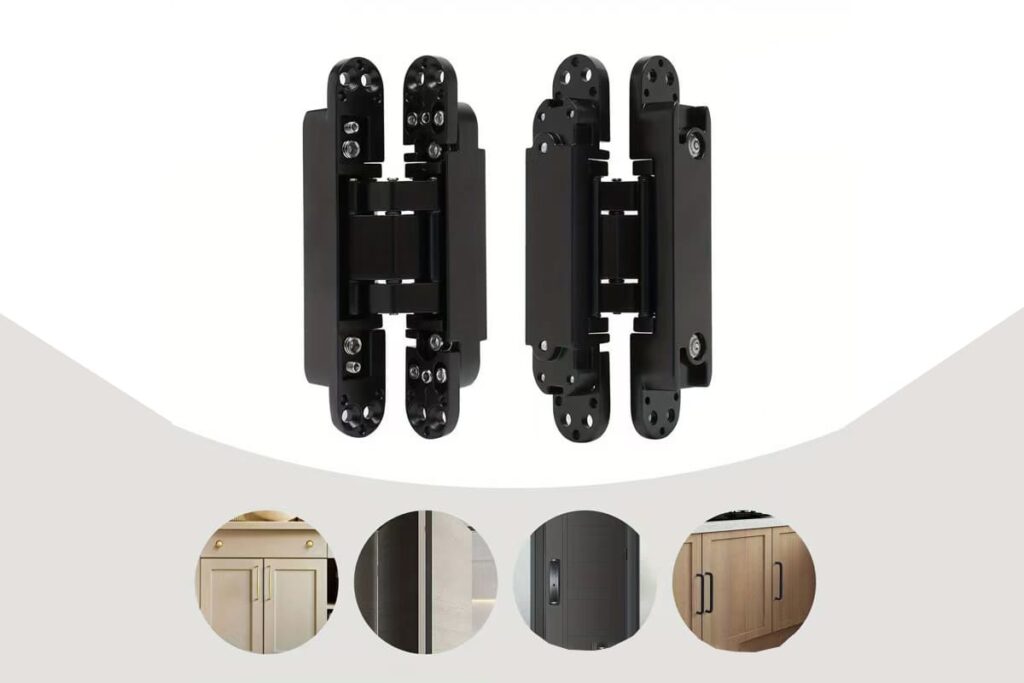
6 Most Common Types of Hinges?
I see many buyers lose time because they ask for a hinge name first, but the door weight, frame, and opening method stay unclear.
The 6 most common architectural door hinge types are butt hinges, concealed hinges, flag or lift-off hinges, pivot hinges, hydraulic hinges, and spring hinges.1 I choose between them by checking door weight, door material, frame structure, opening method, appearance needs, usage frequency, and bulk order risks.
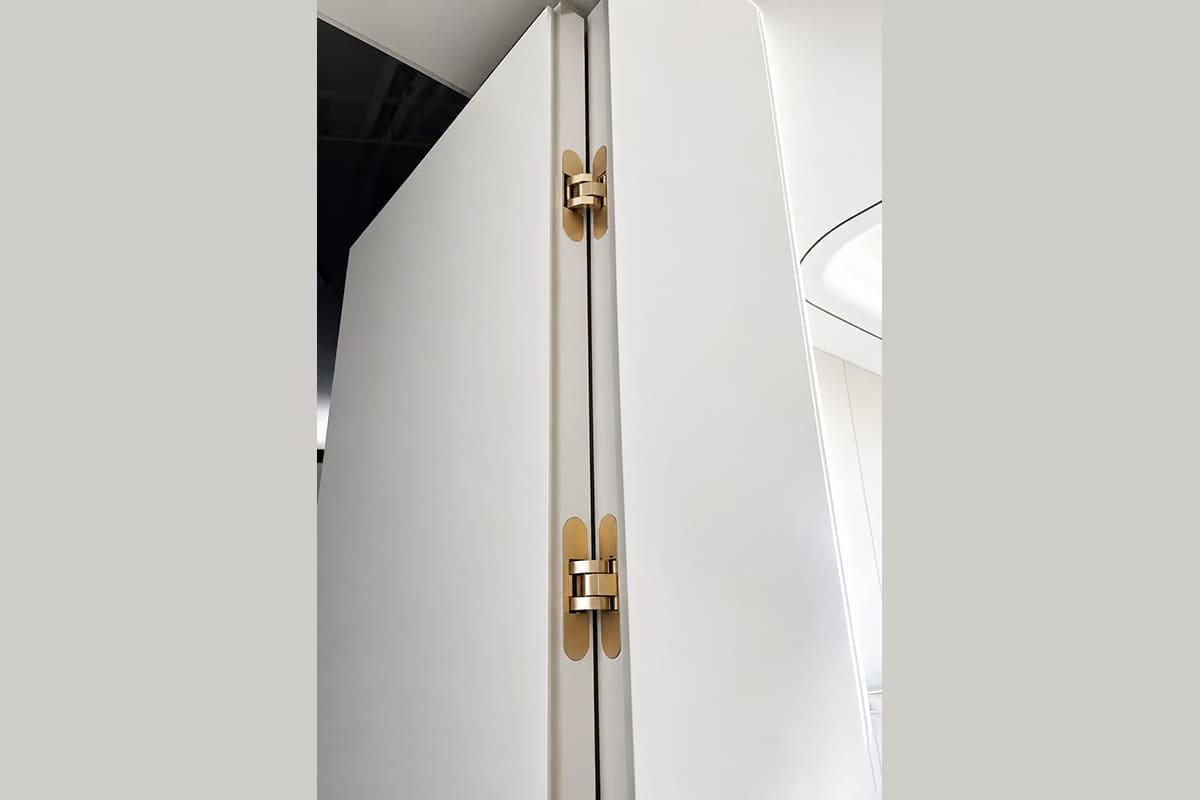
Before asking which hinge is best, I first ask what door it must support. In my factory work, I often receive hinge inquiries with only a photo, a size, or a target price. That is not enough. A hinge is a small part, but it decides door alignment, movement, noise, appearance, and later complaints2. I do not treat hinge selection as a simple list. I treat it as a door-application decision. If the hinge does not match the door, the buyer may face sagging, installation mismatch, finish difference, poor durability, and high after-sales cost. That is why I always compare the hinge type with the full door condition before I recommend one.
What Is a Butt Hinge and When Should I Use It?
I see butt hinges used everywhere, but I also see many wrong orders because similar size looks too safe.
Butt hinges, also called ordinary hinges, are common two-leaf hinges fixed between the door leaf and frame.3 I use them for many wooden, steel, and interior doors when the frame structure, screw position, thickness, finish, and door weight are clear.
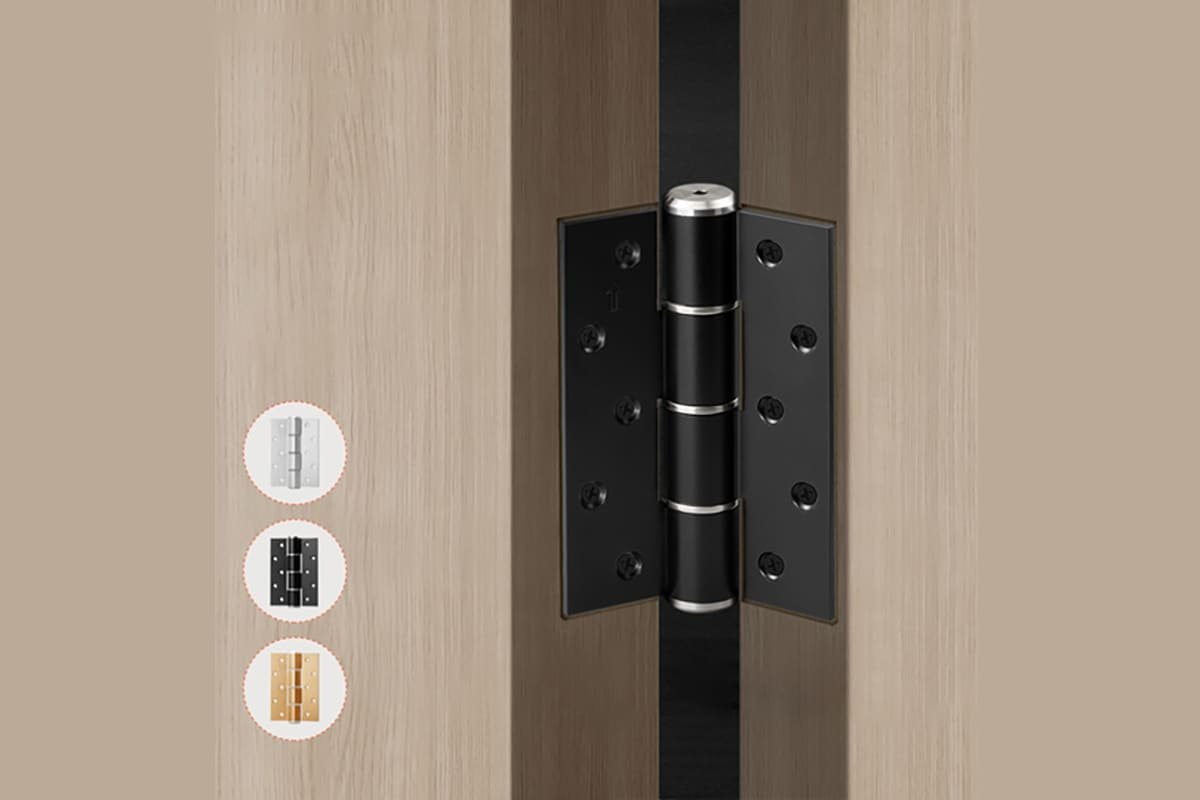
A butt hinge is the most familiar hinge type in architectural door hardware. It has two plates, a center pin, and knuckles. One plate fixes to the door. The other plate fixes to the frame. I see it often in door factories because it is simple to produce, easy to understand, and flexible for many standard doors.
The problem it solves is basic door rotation with stable support. It is a practical choice when the door design does not require a hidden hinge or a special opening function. Still, I never judge it only by length and width. A 4-inch hinge from one supplier may not match another 4-inch hinge in thickness, hole position, pin size, knuckle shape, or load performance.4
| I Check Before Bulk Order | Why It Matters |
|---|---|
| Door weight and height | I need to decide hinge quantity and hinge thickness. |
| Door and frame material | Screws and fixing strength change with wood, steel, or aluminum. |
| Hinge thickness | Wrong thickness can cause rubbing or poor door gap. |
| Hole position | Small changes can stop fast assembly in the door factory. |
| Finish and batch color | Mixed finish can create visible quality complaints. |
I usually recommend butt hinges when the buyer needs a cost-effective, standard, and easy-to-install solution. I also remind buyers that low price is not always low total cost. If the pin is loose, the finish is unstable, or the leaf plate bends, the door may sag and create complaints. For bulk orders, I ask for drawings, samples, screw details, door weight, and finish requirements before I confirm production.
What Is a Concealed Hinge and When Should I Use It?
I meet buyers who want a cleaner door look, but hidden appearance alone cannot decide concealed hinge suitability.
A concealed hinge is hidden inside the door and frame when the door is closed.5 I use it when the project needs a clean appearance, flush door design, or higher design value, but I first confirm door thickness, frame structure, opening angle, and load needs.
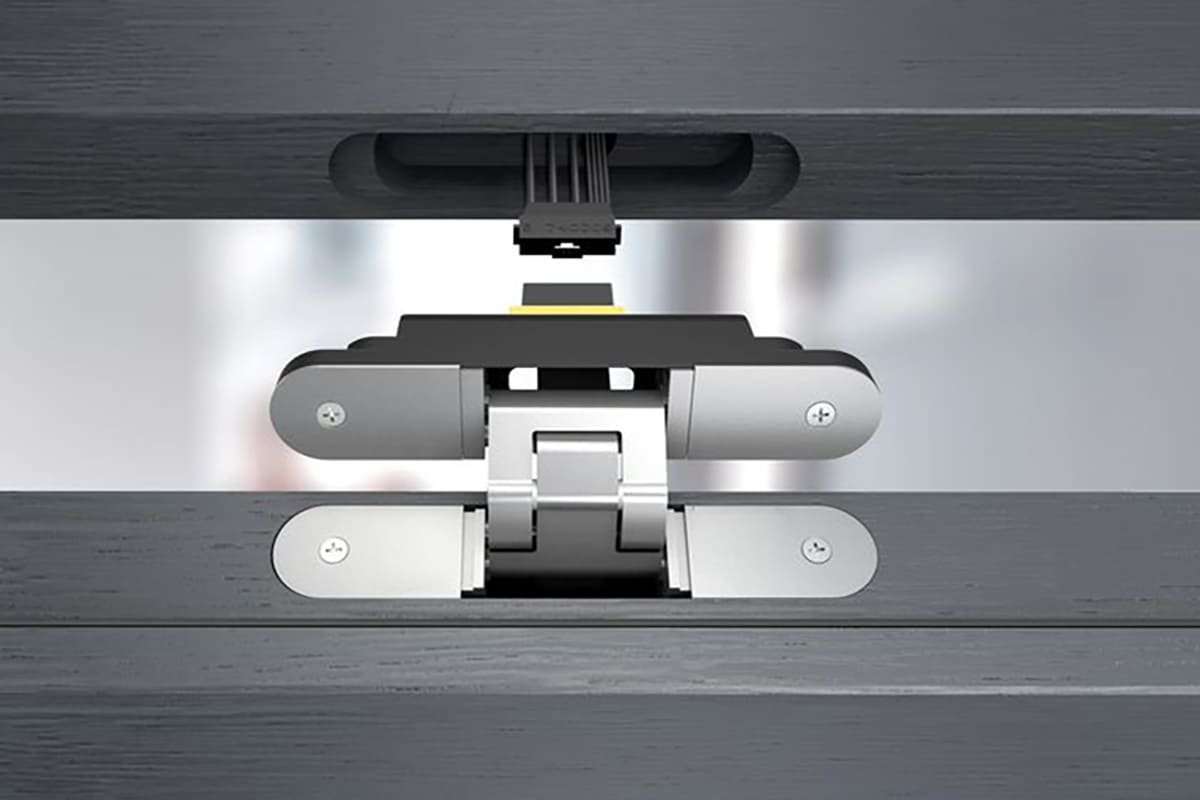
A concealed hinge is more complex than an ordinary butt hinge. It usually has a multi-axis structure, and the hinge body sits inside routed or machined pockets.6 When the door closes, the hinge is not visible from the outside face. I see this hinge used in high-end interior doors, hotel doors, office doors, and modern flush door systems.
The main problem it solves is appearance. It helps the door surface look clean and simple. It also supports hidden hardware design. But I do not tell buyers that every concealed hinge is more secure or stronger. That depends on product structure, installation quality, door system design, and project requirements.
| I Check Before Bulk Order | Why It Matters |
|---|---|
| Door thickness | The hinge body needs enough space inside the door. |
| Frame structure | The frame must allow accurate pocket machining. |
| Opening angle | Some concealed hinges open wider than others. |
| Door weight | The hinge model must match the load and quantity. |
| Machining tolerance | Small cutting errors can make installation very hard. |
| Finish visibility | Some parts may still be visible when the door is open. |
In real inquiries, buyers often send me a concealed hinge photo and ask for the same one. I then ask about door material, door thickness, door weight, and frame section. This is needed because concealed hinges are not easy to replace after the door is produced. A wrong body size or wrong opening curve can cause the door to hit the frame. A poor hinge can also create noise, looseness, or after-sales work. For brands and door factories, I suggest sample testing with the real door structure before bulk production.
What Is a Flag Hinge or Lift-Off Hinge and When Should I Use It?
I see flag hinges ordered for convenience, but convenience can turn into risk if the door movement is not checked.
A flag hinge, often called a lift-off hinge, allows the door leaf to be lifted away from the frame after installation. I use it when quick door removal, maintenance access, or special assembly flow is important, and when the opening direction is clearly confirmed.
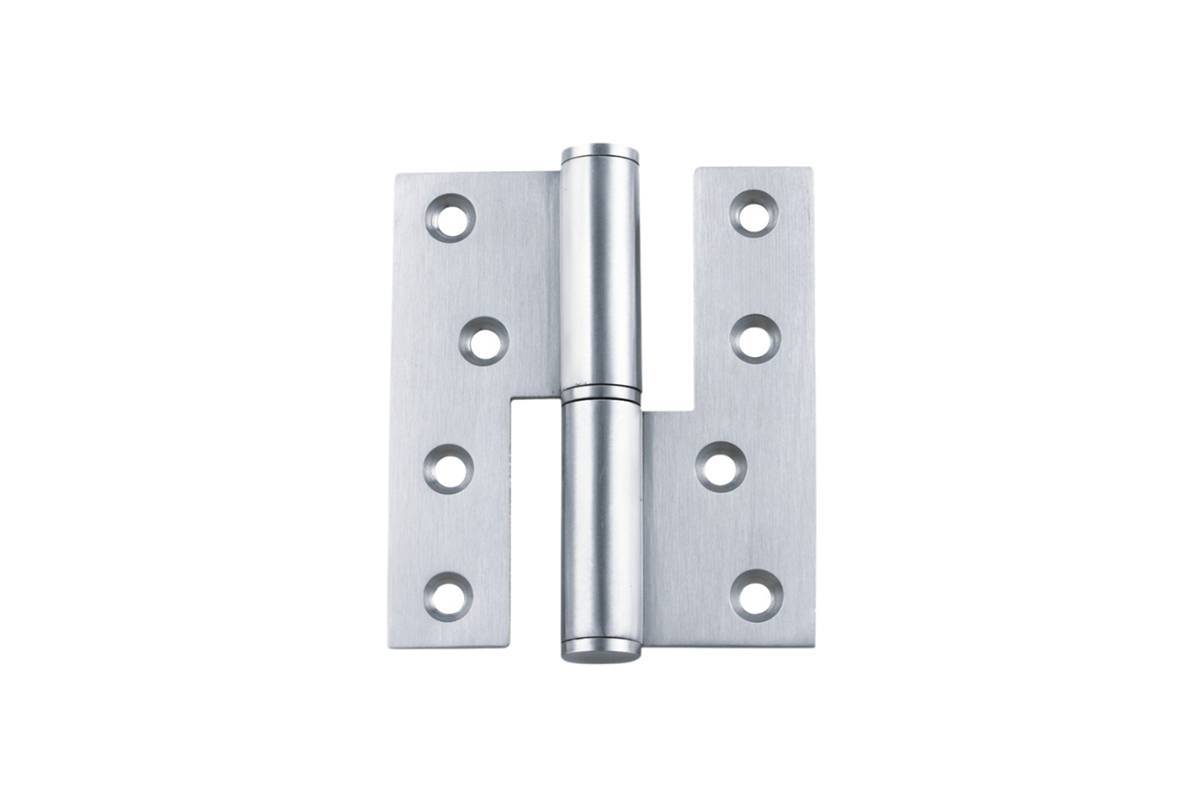
A flag hinge has two parts that connect through a vertical pin or sleeve structure. In many designs, the door can be lifted off without unscrewing the hinge from the door or frame. I see it used in some steel doors, equipment room doors, service doors, and doors that need faster removal during installation or maintenance.
The main problem it solves is access. If workers need to remove the door leaf often, a lift-off function can save time. It can also help door factories during assembly and painting. But I always remind buyers that left-hand and right-hand direction matters. Some flag hinges are handed. Some are not. A wrong hand can stop installation.7
| I Check Before Bulk Order | Why It Matters |
|---|---|
| Door opening direction | Handed hinges must match the door swing. |
| Lift-off clearance | The door needs enough space to be lifted upward. |
| Frame design | The hinge must sit correctly on the frame surface or rebate. |
| Door weight | The pin and sleeve must support long-term movement. |
| Usage environment | Dust, moisture, and heavy use can affect rotation. |
I also check whether the buyer wants a removable door for maintenance or only wants a similar hinge shape. These are different needs. Some buyers choose flag hinges because the price looks attractive or the installation looks simple. But if the door is heavy, tall, or used often, the hinge structure must be strong enough. If the pin wears quickly, the door may shake or make noise. If the finish is poor, the hinge may look cheap on a visible door. For bulk orders, I ask for door drawings and opening direction before I produce.
What Is a Pivot Hinge and When Should I Use It?
I receive many pivot hinge questions for modern doors, but pivot movement needs more planning than normal side hinges.
A pivot hinge supports door rotation from a pivot point near the top and bottom, not only from the side edge.8 I use it for special door designs, wide doors, or clean visual concepts when the floor, header, frame, and weight support are planned together.

A pivot hinge changes how a door carries its load. Instead of several hinges fixed along the side edge, pivot hardware usually supports the door from the top and bottom. The pivot point may sit near the door edge or move inward, depending on the design. I see pivot hinges used in wide entrance doors, modern interior doors, glass or metal framed systems, and special architectural projects.
The problem it solves is design and load distribution for some door concepts. It can create a strong visual effect. It can also help with large or heavy door leaves when the whole system is designed for it. But I do not treat a pivot hinge as a simple replacement for a butt hinge. The floor, ceiling, frame, and door core must be considered.
| I Check Before Bulk Order | Why It Matters |
|---|---|
| Door width and height | Pivot doors often create different force on the structure. |
| Door weight | Top and bottom supports must match the real load. |
| Pivot point position | The swing path and clear opening width will change. |
| Floor and header strength | The support points need stable fixing. |
| Installation method | Poor alignment can cause rubbing and hard movement. |
I often tell buyers that a pivot hinge is a system decision. It is not only a hinge item. If the project has no clear floor fixing condition or no accurate door weight, I cannot safely recommend a model. A pivot door can look very good, but the procurement risk is also higher if details are missing. Wrong pivot position can reduce passage space.9 Weak fixing can create sagging. Finish mismatch can affect the visible hardware quality. Before bulk order, I prefer to review drawings, door section, and installation condition.
What Is a Hydraulic Hinge and When Should I Use It?
I see buyers expect hydraulic hinges to solve every closing problem, but the real function depends on product design.
A hydraulic hinge includes a damping or closing control structure in the hinge body.10 I use it when the door needs controlled closing, softer movement, or reduced slamming, but I first check door size, weight, closing speed needs, and project rules.
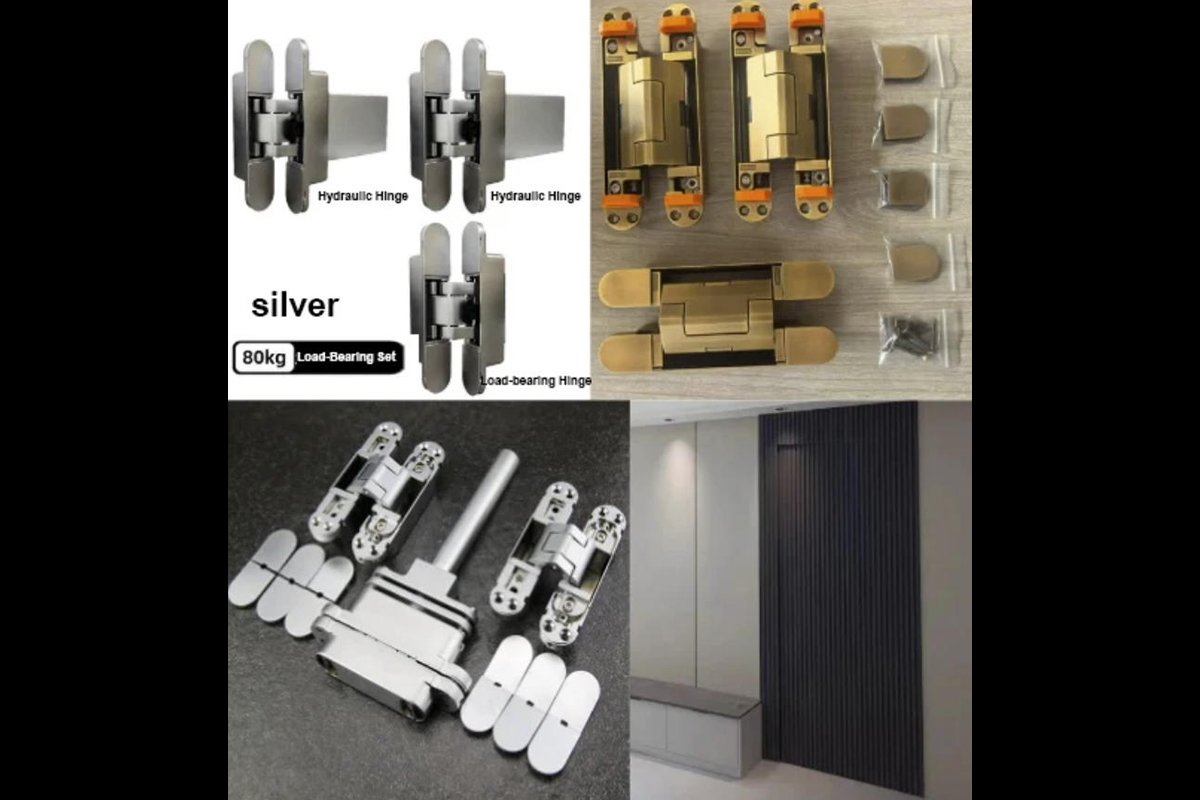
A hydraulic hinge is made to control movement more than a basic hinge. Some designs include damping. Some designs include self-closing force. Some designs combine both. I see these hinges used in commercial doors, public space doors, apartment doors, and some interior doors where people want smoother closing.
The problem it solves is uncontrolled door movement. A normal hinge lets the door swing freely. A hydraulic hinge can help slow the door or bring it toward closing, depending on the product structure. But I avoid saying it can always replace a door closer. Some project doors still need a certified door closer because of fire, safety, or access rules.11 The hinge must match the requirement.
| I Check Before Bulk Order | Why It Matters |
|---|---|
| Door weight range | A weak hydraulic unit may fail or close poorly. |
| Door width | Wider doors create more force during swing. |
| Closing speed need | Some products allow adjustment, and some do not. |
| Usage frequency | High-traffic doors need better durability planning. |
| Temperature and environment | Oil or damping behavior may change in some conditions. |
| Project compliance | Fire or safety doors may require specific certified hardware. |
I often hear buyers ask for a hydraulic hinge because their customers complain about door slamming. That is a real problem. Still, I ask whether the door is light or heavy, interior or exterior, public or private, and fire-rated or not. I also ask whether the buyer expects soft closing, self closing, or both. These words sound similar, but the hardware can be different. In bulk procurement, unclear function leads to wrong expectations. The result may be slow closing, fast closing, noise, oil leakage risk, or return claims. I prefer to confirm samples under real door conditions before mass supply.
What Is a Spring Hinge and When Should I Use It?
I see spring hinges chosen for self-closing needs, but spring force can also create noise and user complaints.
A spring hinge has an internal spring that helps return the door toward the closed position.12 I use it for light to medium doors, service areas, and simple self-closing needs when the door weight, swing frequency, and closing force are suitable.
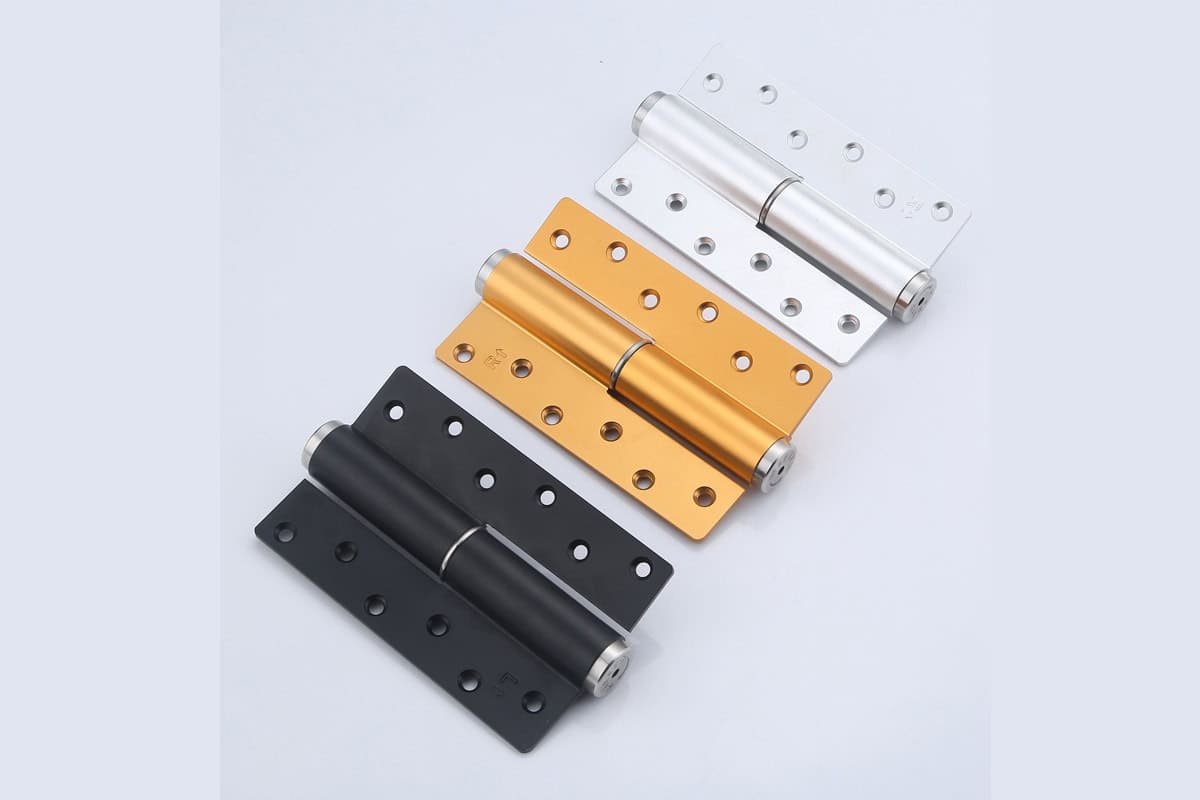
A spring hinge looks close to a butt hinge in many cases, but it has a spring mechanism inside the barrel or hinge body. The spring stores force when the door opens. It then pushes the door back when released. I see spring hinges used on internal doors, small commercial doors, utility areas, and some doors where a simple return action is needed.
The problem it solves is basic self-closing without adding a separate overhead closer. It can be cost-effective and easy to install. But I do not recommend it only because it is cheaper. A spring hinge may close too hard, too weak, or too fast if the door condition does not match. It may also need adjustment after installation.
| I Check Before Bulk Order | Why It Matters |
|---|---|
| Door weight | The spring must have enough force but not too much force. |
| Door width | Wider doors need more control. |
| Number of hinges | The hinge count affects support and closing action. |
| Adjustment method | Installers need clear ways to set tension. |
| Noise concern | Strong spring action can create slamming if not controlled. |
| User group | Children, elderly users, or public users may need safer closing behavior. |
I often see spring hinge inquiries from buyers who want a low-cost self-closing solution. I understand this need. But I also explain that a spring hinge is not the same as a controlled door closer. It can help the door return, but it may not give smooth speed control unless the product has that design. If the door is heavy or used all day, the spring may lose performance faster. If the finish is not stable, visible hinge barrels may look different across a project. For bulk orders, I ask for the door use scene, expected closing feeling, and installation details before I confirm the hinge.
Conclusion
I choose hinges by door condition, not by name. I need door material, weight, size, opening method, frame structure, finish, and project requirements first.
"Hinge - Wikipedia", https://en.wikipedia.org/wiki/Hinge. A general reference on hinges recognizes butt, concealed, lift-off, pivot, hydraulic or self-closing, and spring mechanisms as established hinge or door-hardware categories, supporting the taxonomy used here. Evidence role: general_support; source type: encyclopedia. Supports: A neutral reference should verify that these named hinge categories are recognized architectural or door-hardware hinge types.. Scope note: Such a source may confirm that the categories are recognized, but it may not directly prove that they are the six most common across all markets. ↩
"How To Fix a Sagging Door that's Rubbing or Won't Close!!! - YouTube",
. Door-hardware maintenance guidance links hinge condition, alignment, and load support with common service problems such as sagging, rubbing, difficult operation, and noise. Evidence role: mechanism; source type: institution. Supports: A source should explain how hinge condition, installation, and load capacity affect door alignment, sagging, smooth operation, and noise.. Scope note: The source would support the mechanism and typical maintenance consequences, not the author's specific after-sales experience. ↩"Hinge - Wikipedia", https://en.wikipedia.org/wiki/Hinge. Reference descriptions of butt hinges define them as two leaves joined by a pin or knuckle assembly and attached to the mating edges of a door and frame. Evidence role: definition; source type: encyclopedia. Supports: A source should define a butt hinge as a hinge with two leaves joined by a pin and mounted to a door and frame.. ↩
"A156.7 - 2022 Template Hinge Dimensions", https://buildershardware.com/ANSI-BHMA-Standards/Hardware-Highlights/A1567-2016-Template-Hinge-Dimensions. Architectural-hardware standards specify hinge characteristics such as template dimensions, leaf thickness, screw-hole pattern, and performance grading, indicating that nominal length alone does not establish interchangeability. Evidence role: general_support; source type: institution. Supports: A standards or institutional source should show that hinge specifications include more than nominal length, including thickness, screw pattern, template dimensions, and performance grade.. Scope note: Standards demonstrate the relevant specification variables, but they do not compare every supplier's 4-inch hinge. ↩
"Concealed hinge jig - Wikipedia", https://en.wikipedia.org/wiki/Concealed_hinge_jig. Hardware references describe concealed hinges as hinges installed so that the hinge mechanism is not visible on the closed door face, typically by recessing the hardware into the door and frame. Evidence role: definition; source type: encyclopedia. Supports: A source should define concealed hinges as hinges not visible when the door is in the closed position.. ↩
"HES Concealed Hinge Series | Furniture, Architectural, Marine ...", https://global.sugatsune.com/global/en/arch/genre/series/HES_Series. Technical descriptions of concealed door hinges commonly identify multi-link or multi-axis kinematics and recessed installation pockets as features that allow the hinge to remain hidden while permitting door rotation. Evidence role: mechanism; source type: research. Supports: A technical source should explain that concealed hinges often use multi-link or multi-axis geometry and are installed in recessed pockets.. Scope note: The evidence would support common design principles, not every concealed hinge model. ↩
"How to Determine Door Handing: A Comprehensive Guide", https://special-lite.com/how-to-determine-door-handing-a-comprehensive-guide/. Door-hardware handing conventions distinguish left- and right-hand swing conditions, and handed hinge designs must match that orientation for proper installation and operation. Evidence role: definition; source type: institution. Supports: A source should explain door-hardware handing and show that some hinge products depend on left-hand or right-hand swing orientation.. Scope note: The source would explain the handing principle; it may not list every flag-hinge design as handed or non-handed. ↩
"Door - Wikipedia", https://en.wikipedia.org/wiki/Door. References on door pivots describe pivot hinges as hardware that carries and rotates a door around top and bottom pivot points rather than along a continuous side-edge hinge line. Evidence role: definition; source type: encyclopedia. Supports: A source should define pivot hinges as hardware that rotates a door about pivot points, often at the top and bottom of the door.. ↩
"[PDF] REQUIREMENT 3 - Usable Doors - Fair Housing Act Design Manual", https://www.huduser.gov/portal/publications/pdf/fairhousing/fairch3.pdf. Accessibility and door-design guidance measures usable passage by clear opening width, and pivot or offset hardware can alter that opening by changing the door leaf's position and swing path. Evidence role: mechanism; source type: government. Supports: A source should explain that door swing geometry and hardware placement influence clear opening width, especially for offset or pivoted doors.. Scope note: The source may support the geometric principle rather than provide a pivot-hinge-specific procurement rule. ↩
"Door closer", https://en.wikipedia.org/wiki/Door_closer. Engineering literature on hydraulic damping describes how fluid resistance is used to regulate rotational motion, providing the operating principle for hydraulic door hinges and related closing-control hardware. Evidence role: mechanism; source type: paper. Supports: A source should explain how hydraulic damping or fluid resistance can control door-closing motion within hinge or closer mechanisms.. Scope note: The source may establish the damping mechanism generally rather than verify the construction of a specific commercial hinge. ↩
"Chapter 4: Entrances, Doors, and Gates - Access-Board.gov", https://www.access-board.gov/ada/guides/chapter-4-entrances-doors-and-gates/. Building, fire, and accessibility regulations commonly impose requirements for self-closing devices, closing speed, or listed hardware on specified doors, so hinge-integrated closing hardware does not automatically satisfy every project condition. Evidence role: expert_consensus; source type: government. Supports: A source should show that fire-rated, egress, or accessible doors can be subject to self-closing, closing-speed, or certified-hardware requirements.. Scope note: Applicable requirements vary by jurisdiction, door rating, occupancy, and adopted code edition. ↩
"Door closer - Wikipedia", https://en.wikipedia.org/wiki/Door_closer. Reference descriptions of spring hinges state that an internal spring stores energy during opening and applies torque that returns the door toward the closed position. Evidence role: definition; source type: encyclopedia. Supports: A source should define spring hinges as hinges with spring mechanisms that bias a door toward the closed position.. ↩