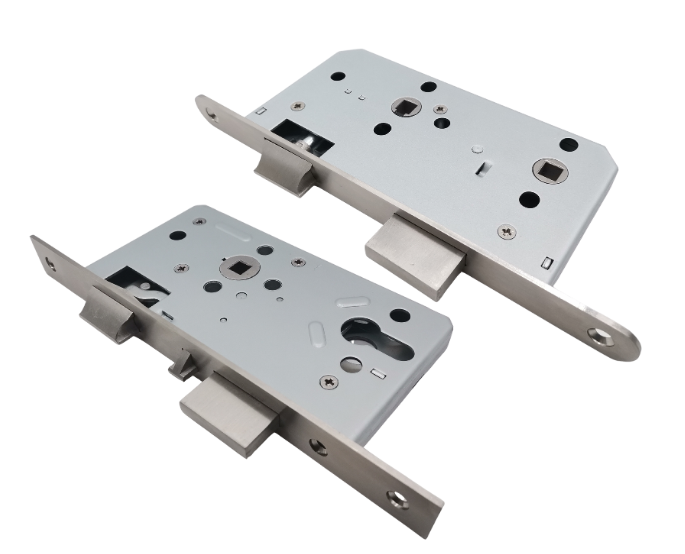
Are all mortise locks interchangeable?
I often get asked if one mortise lock can simply replace another. Many buyers face this confusion. You might think all locks are similar, but choosing the wrong one causes serious problems.
No, mortise locks are generally not interchangeable1. They must precisely match many specifications like regional standard, dimensions, function, and surrounding hardware to fit the existing door cutout and work correctly. This prevents machining errors and ensures proper operation.
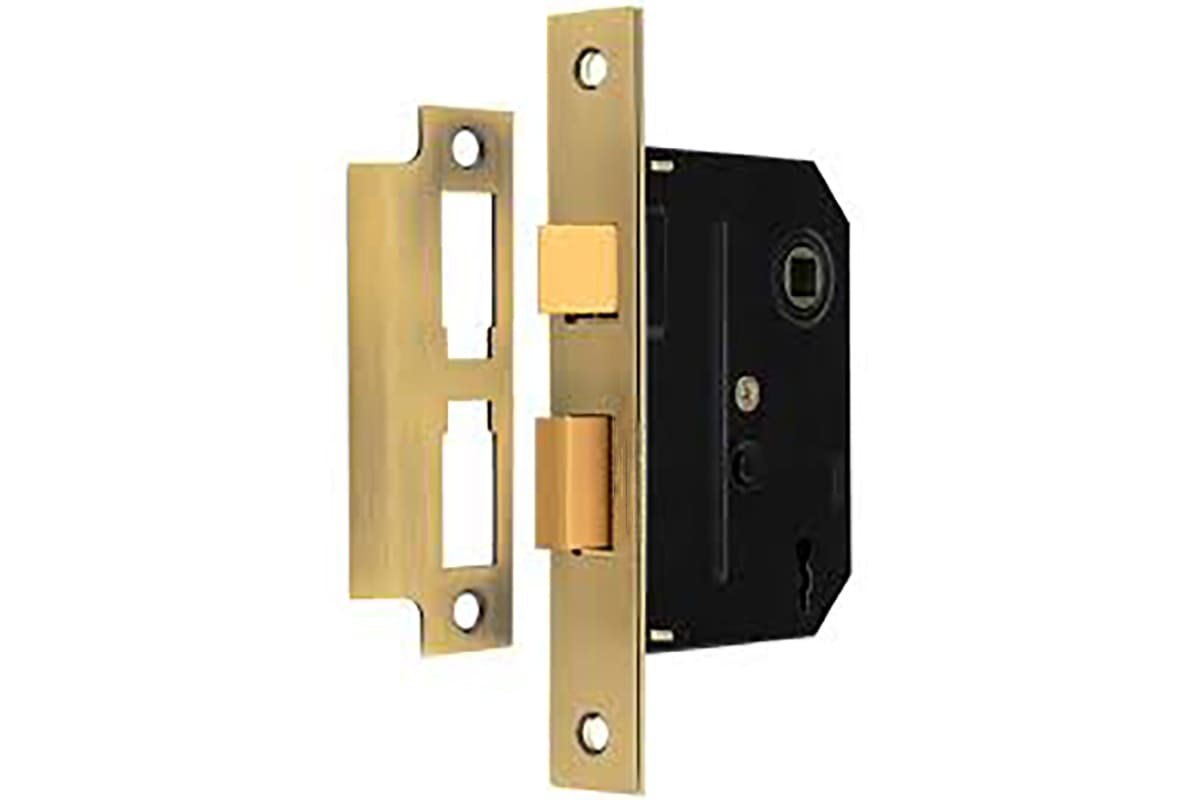
As a manufacturer who helps many door factories and hardware brands, I see this question all the time. It is important to understand why you cannot just swap out any mortise lock. We need to look closely at what makes them different.
Do regional standards really make a difference for mortise locks?
Are you having trouble finding a mortise lock that fits? This problem often comes from different regional standards. Ignoring these standards can lead to wrong parts and wasted time.
Yes, regional standards make a huge difference for mortise locks. Locks made to different standards, like EU/EN or ANSI, have unique dimensions, functions, and compatibility requirements.2 Always identify the regional standard first to ensure a correct match.
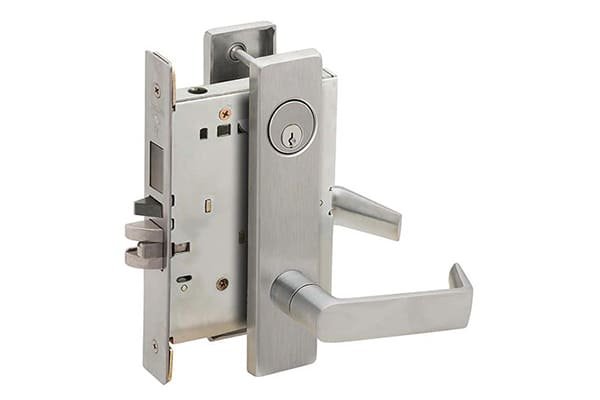
I have helped many customers who thought a lock from one market would fit a door meant for another. This is a common mistake. Each region has its own way of making door hardware. These standards dictate not only the lock's size but also its function, quality, and how it works with other parts. For instance, a "mortise lock" in Europe often has different specifications than one called a "mortise lock" in North America or Italy. They might look similar from the outside, but their internal workings and exact measurements are very different. At SDH Hardware, we always ask our customers about the target market's standards first. This is crucial for us to confirm if a lock can replace an existing one or if it will fit a new door design. Trying to force a lock from one standard into a door prepared for another often leads to costly machining errors. This also causes delays. We always emphasize checking the standard first, not just the product name. This helps prevent many issues down the line. We make sure our products meet specific regional demands, such as CE certification for the European market3. This ensures compliance and proper function.
Understanding Key Standard Differences
Different regional standards define many aspects of a mortise lock. These include main dimensions, spindle sizes, and how the lock operates.
| Standard Type | Common Region | Typical PZ Distance4 | Typical Spindle Size | Certifications |
|---|---|---|---|---|
| EU / EN | Europe | 72 mm, 92 mm | 8x8 mm | EN 12209, CE |
| ANSI | North America | 85.7 mm (3-3/8") | 8x8 mm | ANSI/BHMA |
| Italian | Italy | 85 mm | 8x8 mm | EN 12209 |
| Brazilian | Brazil | 70 mm | 8x8 mm | ABNT NBR |
| Chinese | China | Various | 8x8 mm, 7x7 mm | GA |
As you can see, the basic values change. This means that a lock designed for one standard usually cannot just fit into a door prepared for another. We need to confirm the exact standard a customer is working with. Then we can advise on the right product.
Does lock body size matter for interchangeability?
Are you struggling to get a new mortise lock to fit the old door cutout? Many buyers face this problem. Even small differences in size can cause big headaches.
Yes, lock body size matters greatly for interchangeability. Every dimension—like lock case length, backset, PZ distance, and forend size—must precisely match the existing door pocket. Small measurement differences mean the new lock will not fit.
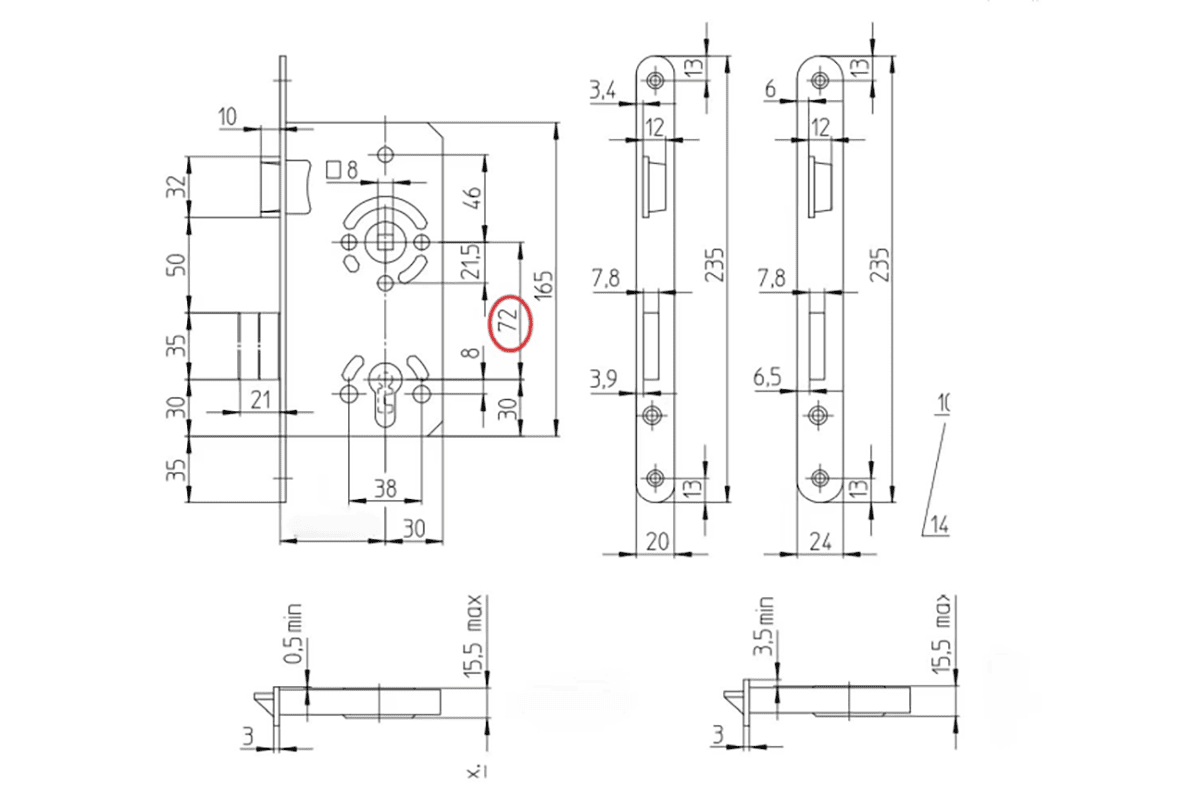
I have seen many cases where a buyer orders a lock they think will fit, only to find out it is off by a few millimeters. Those small differences become huge problems when trying to install the lock. The door's mortise pocket, the cutout where the lock body sits, is precision-machined for a specific size. If the new lock body is even slightly too wide, too long, or too deep, it will not fit.5 If it is too small, it will move around inside the door, causing issues with alignment and function. This is why checking every single dimension is critical. For instance, the PZ center distance, which is the measurement between the center of the cylinder hole and the center of the handle follower, is a key dimension. European locks often use 72 mm PZ distance, while some Italian locks might use 85 mm. ANSI locks often use around 85.7 mm.6 These are common values, but they are not universal. The backset, which is the distance from the edge of the door to the center of the handle spindle, also varies widely. The forend length and width, along with the screw hole positions, also need to match exactly. These measurements ensure the lock faceplate sits flush with the door edge and the screws align. We always ask for detailed drawings, samples, or precise dimension tables from customers. This helps us confirm if a specific mortise lock can truly replace another. We want to avoid any machining errors for our customers.
Key Dimensions for Mortise Lock Matching
To ensure a mortise lock is interchangeable, you must compare these critical dimensions:
| Dimension | Description | Why it matters |
|---|---|---|
| Lock Case Size | Length, width, and depth of the main lock body. | Must fit the door's mortise pocket precisely. |
| PZ Center Distance | Distance from cylinder center to handle spindle center. | Ensures the handle and cylinder align correctly on the door. |
| Backset | Distance from door edge to handle spindle center. | Determines how far the handle and lock sit from the door's edge. |
| Forend Dimensions | Length and width of the visible plate on the door edge. | Must cover the mortise cutout and align with screw holes. |
| Screw Hole Position | Location of mounting screws on the forend. | Ensures the lock can be securely fastened to the door. |
| Latch/Deadbolt Pos. | Positions of the latch and deadbolt bolts on the forend. | Must align with the strike plate on the door frame for proper locking. |
These numbers are not just suggestions. They are exact requirements for a successful lock replacement.
Can I use any mortise lock function on my door?
Are you thinking of swapping a simple lock for a more complex one? This choice can lead to big problems. Choosing the wrong function makes a door unusable for its purpose.
No, you cannot use any mortise lock function on your door. Even if the lock fits dimensionally, its specific function—like passage, deadbolt, or escape—must match the door’s use and required operation. Using the wrong function can create safety or access issues.

I often see buyers focus only on size, thinking "if it fits, it works." But this is not true for lock functions. Every mortise lock is designed for a specific purpose. A lock that is physically the same size as another might have a totally different internal mechanism. For example, a "passage lock" allows free entry and exit at all times. It is ideal for interior doors where no locking is needed. However, you would not use this on an exterior entrance. For an entrance, you would need an "entrance sashlock" or "deadbolt lock." These provide security by locking from both sides, often with a key. An "escape lock" is different again. It always allows exit from the inside, even if locked from the outside.7 This is a critical safety feature for emergency exits. A "classroom lock" allows free entry with a key from the outside and free exit from the inside. It can be locked from the outside. These are used in schools to manage access. If you put a passage lock on an exterior door, it offers no security. If you put a deadbolt lock on an emergency exit, it creates a serious safety hazard.8 At SDH Hardware, we always confirm the required function before recommending any lock. This ensures the lock not only fits but also performs its intended role safely and effectively for the end-user.
Common Mortise Lock Functions and Their Uses
Understanding the function is as important as knowing the dimensions. Here are some examples:
| Function Type | Description | Typical Use Case | Security Level |
|---|---|---|---|
| Passage Lock | Latches the door shut; no locking mechanism. | Interior doors where privacy or security is not needed. | None |
| Deadbolt Lock | Provides high security with a separate deadbolt throw; often key-operated. | Exterior doors, high-security interior rooms. | High |
| Sashlock | Combines a latch and deadbolt in one unit; handle operates latch, key operates deadbolt. | Entrance doors, office doors needing locking. | Medium to High |
| Escape Lock | Always allows free exit from the inside, even if locked from outside. | Emergency exits, fire doors. | Exit Safety |
| Classroom Lock | Keyed entry from outside; always free exit from inside. Can be locked from outside. | Classrooms, utility rooms. | Controlled |
| Night Latch Lock | Spring-loaded latch that can be snibbed or locked from outside. | Apartment doors, back entrance doors. | Medium |
Selecting the correct function is vital. It defines how the door will operate and its security.
Are mortise locks standalone, or do they need matching hardware?
Do you find your new lock does not work well with your existing handles or cylinders? This is a common issue. Mortise locks are not isolated components; they are part of a larger system.
No, mortise locks are not standalone. They need compatible surrounding hardware. You must match the spindle follower size for handles, ensure cylinder compatibility, check for suitable door thickness, and consider the strike plate and handle set. All parts must work together.
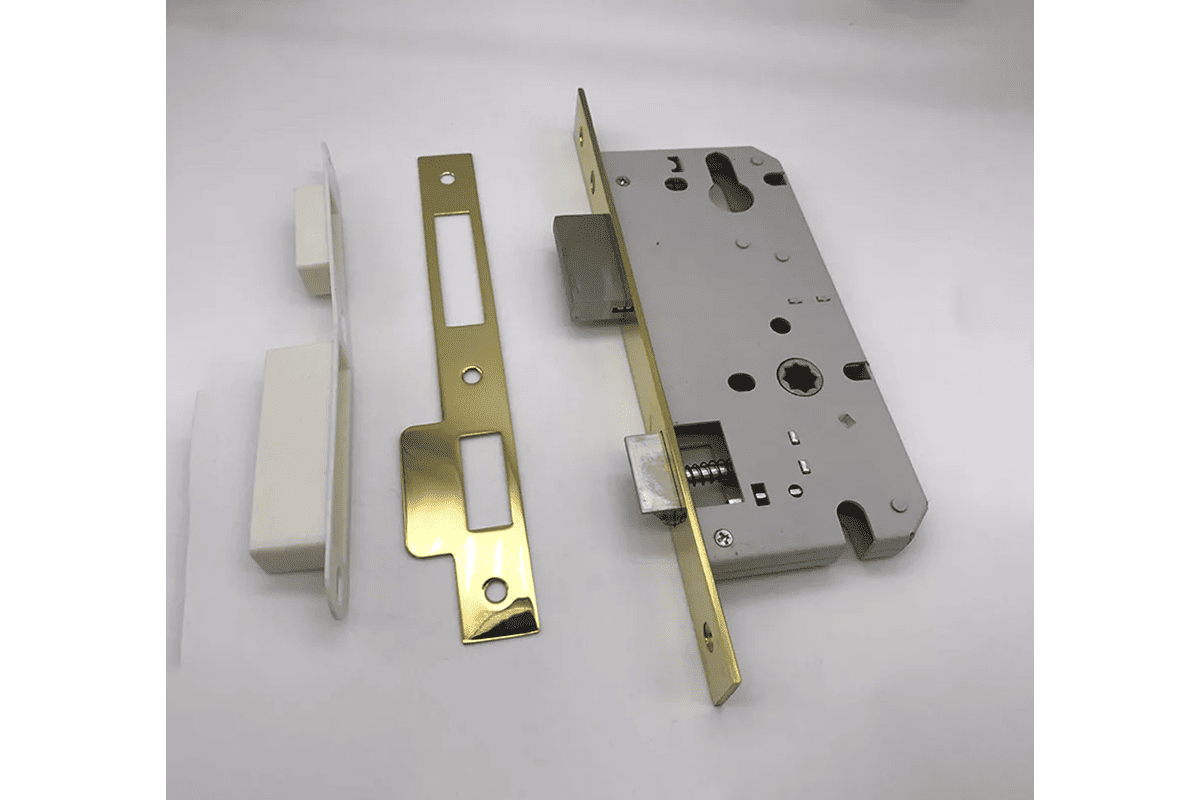
Many buyers focus on the lock body itself, but a mortise lock is like the engine of a car; it needs compatible parts around it to function. I have seen situations where a customer bought a perfectly sized mortise lock, but then their existing handles would not fit because the spindle follower size was wrong. Most commonly, spindle followers are 8x8 mm, but some older systems or specific regional standards might use 7x7 mm or even 9x9 mm.9 If your handle spindle does not match the lock's follower, the handle will not turn the latch. The same goes for the cylinder. There are different cylinder types, like Euro profile, ANSI, or Scandinavian, and they must be compatible with the lock body's cylinder slot.10 Also, the lock body itself is designed for a certain door thickness. If the door is too thin or too thick, the lock might not fit properly, or the cylinder might not extend correctly. The strike plate on the door frame also needs to align perfectly with the new lock's latch and deadbolt. If it does not, the door will not latch or lock securely. At SDH Hardware, we often advise on the full hardware package. This ensures that every component—the lock, the handle set, the cylinder, and the strike plate—works together seamlessly. We prevent mismatch issues by considering the entire system from the start.
Essential Matching Hardware Components
For successful mortise lock installation and function, these components must match:
| Component | Why it must match | Common variations |
|---|---|---|
| Spindle Follower | Connects the door handle to the lock's internal mechanism. | 8x8 mm (most common), 7x7 mm, 9x9 mm |
| Cylinder | Operates the locking mechanism. | Euro profile, ANSI, Scandinavian, Oval profile |
| Door Thickness | The thickness of the door itself. | 35-50 mm, 50-65 mm (varies greatly by region and door type) |
| Strike Plate | Plate fitted to the door frame where the latch and deadbolt enter. | Must align perfectly with latch and deadbolt positions and size |
| Handle Set | The lever handles or knobs that operate the latch. | Must have the correct spindle and mounting screws. |
| Escutcheon/Roses | Trim plates around the cylinder and spindle. | Must fit the lock's design and cover holes. |
Considering all these parts together helps prevent unforeseen compatibility issues.
Do special door requirements affect mortise lock choices?
Are you sourcing locks for a fire door or a specific project with strict rules? Many buyers overlook this crucial detail. Using the wrong lock can have serious safety and legal consequences.
Yes, special door requirements greatly affect mortise lock choices. For fire doors or regulated projects, the replacement lock must possess the exact same fire-rated or other required certifications. A dimensionally fitting lock is insufficient; it must comply with all relevant safety standards to be acceptable.
I have often received inquiries from customers needing locks for fire doors or public buildings. They sometimes assume that any lock that fits the cutout will be fine. This is a very dangerous assumption. A fire door is designed to slow the spread of fire and smoke. Every component on that door, including the mortise lock, must meet specific fire-rated standards.11 If you install a non-certified lock, even if it fits perfectly, it can compromise the door's fire integrity. This can lead to severe safety risks and legal liabilities. The lock itself must be tested and certified, often to standards like EN 12209 or specific national fire codes. These certifications ensure the lock can withstand high temperatures and continue to function during a fire, allowing safe escape. It is not just about fire doors. Some projects might require locks with specific security ratings (e.g., for high-security areas), or accessibility standards (e.g., for disabled access). At SDH Hardware, we produce core products that comply with EU standard specifications and are available with authoritative CE certification and fire-rated certification. We can provide the compliant products, but it is the buyer's responsibility to ensure the door assembly with all its components meets the overall project and market demands. We can advise on the lock's certification, but we do not certify the entire door unit or act as a testing laboratory for final installations. Always confirm the required certification for any special door application.
Certification Requirements for Mortise Locks
For specific applications, beyond basic function and fit, certifications are mandatory:
| Requirement | Description | Why it matters | How we help |
|---|---|---|---|
| Fire-Rated Doors | Locks must be tested and certified to withstand fire for a specific duration. | Ensures the door maintains its integrity during a fire, allowing escape. | We provide locks with fire-rated certificates (e.g., up to 120 minutes). |
| CE Certification | Indicates compliance with European health, safety, and environmental standards. | Essential for legal sale and use of hardware within the European Economic Area. | All our core products meet CE standards. |
| Security Ratings | Locks tested for resistance to forced entry. | Provides confidence in the lock's ability to protect against intruders. | Our locks meet relevant security performance grades (e.g., EN 12209 grades). |
| Accessibility Std. | Locks designed for ease of use by people with disabilities. | Ensures compliance with building codes for public access. | We offer lever handles and locks that can meet these needs. |
Always confirm the specific certifications needed for your project before purchasing.
Conclusion
In summary, mortise locks are rarely interchangeable. Successful replacement depends on matching every detail: standard, dimensions, function, surrounding hardware, and certifications. Always verify all specifications to avoid issues.
"Lockset - Wikipedia", https://en.wikipedia.org/wiki/Lockset. A general reference on mortise locks describes them as locksets installed into a cut pocket in the door and defined by dimensions and operating components such as the lock body, spindle, and cylinder, supporting the point that interchangeability depends on matching specifications rather than on the product name alone. Evidence role: general_support; source type: encyclopedia. Supports: A neutral source should explain that mortise locks are built into a mortise pocket and have specific dimensional and functional features, making direct replacement dependent on matching those features.. Scope note: This would provide contextual support for non-interchangeability, not empirical data on failure rates from mismatched replacements. ↩
"How to measure and choose the right mortise lock size - BlueID", https://www.blue-id.com/en/blog/mortise-lock-mass. EN 12209 and ANSI/BHMA A156.13 are separate lock standards that classify mechanically operated locks or mortise locks by criteria such as application, durability, security, and operation, supporting the article’s statement that regional standards impose different compatibility requirements. Evidence role: expert_consensus; source type: institution. Supports: A standards-body or institutional source should show that EN 12209 and ANSI/BHMA A156.13 are distinct standards for mechanically operated locks and mortise locks with performance and classification requirements.. Scope note: Standards summaries may confirm differences in scope and classification without listing every dimensional variation used by manufacturers. ↩
"CE marking", https://en.wikipedia.org/wiki/CE_marking. European Commission guidance states that CE marking indicates a manufacturer’s declaration that a product conforms to applicable EU requirements, supporting the article’s use of CE certification as a compliance consideration for products sold in the European market. Evidence role: definition; source type: government. Supports: An EU source should define CE marking as the manufacturer’s declaration that a product complies with applicable EU legislation and can circulate in the European Economic Area when CE marking is required.. Scope note: CE marking applies only where relevant EU legislation requires it; the source would not by itself prove that every mortise lock model requires CE marking. ↩
"How to Measure a Door's PZ - YouTube",
. Technical lock specifications commonly define PZ distance as the center-to-center distance between the cylinder aperture and the handle follower, supporting the article’s treatment of PZ as a key dimension for comparing mortise locks. Evidence role: definition; source type: institution. Supports: A technical or standards-related source should define PZ distance as the distance between the cylinder center and handle follower/spindle center and show that values such as 72 mm and 92 mm are common in European lock specifications.. Scope note: A general specification source may document common values but not prove that those values apply universally across all European or regional products. ↩"Commercial Door Preparations Explained: Preps for Locks, Hinges ...", https://www.cdfdistributors.com/blog/post/commercial-door-preparations-reference. Architectural hardware installation guidance identifies lock case height, depth, thickness, faceplate size, and backset as measurements that must correspond to the door preparation, supporting the statement that dimensional deviations can prevent proper fit. Evidence role: mechanism; source type: institution. Supports: An architectural hardware or installation guide should state that mortise lock replacement requires measuring the case height, depth, thickness, faceplate, and backset to match the existing door preparation.. Scope note: The source may support the need for matching dimensions without specifying the exact millimeter tolerance at which installation fails. ↩
"Mortise Lock, 3-7/8 in. Mounting Holes On Center, ...", https://www.primelineparts.com/mortise-lock-3-7-8-in-mounting-holes-on-center-aluminum-housing-45-degree-keyway-round-faceplate-single-pack/. Standards-related mortise-lock references identify 3-3/8 inches, approximately 85.7 mm, as a relevant spacing in ANSI mortise lock preparations, supporting the article’s numerical comparison with European PZ dimensions. Evidence role: general_support; source type: institution. Supports: A standards-related or institutional hardware reference should confirm that 3-3/8 inches equals 85.7 mm and is used as a relevant center spacing in ANSI-type mortise lock layouts.. Scope note: This would support the common ANSI preparation value but not establish that all ANSI mortise locks use the same spacing. ↩
"Means of Egress (EXIT) Hardware Requirements", https://www.brightonny.gov/DocumentCenter/View/4580/Means-of-Egress-EXIT-Hardware-Requirements. Model building and fire codes generally require egress doors to be openable from the egress side without a key or special knowledge, supporting the article’s explanation that escape-type lock functions preserve inside exit even when outside entry is restricted. Evidence role: expert_consensus; source type: government. Supports: A building-code or fire-code source should state that egress doors generally must be openable from the egress side without a key, special knowledge, or effort.. Scope note: Code requirements vary by occupancy, jurisdiction, and door type, so the source would support the safety principle rather than every product marketed as an escape lock. ↩
"1010.2 Door Operations - UpCodes", https://up.codes/s/door-operations. Egress provisions in model building and life-safety codes require exit doors to be readily openable from the egress side, supporting the article’s warning that an unsuitable deadbolt on an emergency exit can obstruct safe evacuation. Evidence role: expert_consensus; source type: government. Supports: A code source should support that egress doors must be readily openable from the egress side and that locking arrangements that require keys or multiple operations can be prohibited or restricted.. Scope note: Some codes allow specific deadbolt arrangements in limited occupancies, so the citation should be framed as support for the general safety risk, not an absolute ban in all situations. ↩
"M METERXITY 2-Pack Door Knob Spindle, 4 x 0.3 Inch - Amazon.com", https://www.amazon.com/METERXITY-2-Pack-Spindle-Replacement-Handles/dp/B0F29DKX49. Architectural hardware references specify handle spindles and lock followers by square cross-section size, commonly 8 mm in many metric systems, supporting the article’s point that follower size must match the handle spindle. Evidence role: general_support; source type: institution. Supports: A neutral architectural-hardware or standards-related source should document that lock followers and handle spindles are specified by square spindle size and that common sizes include 8 mm with regional or legacy variations.. Scope note: A single reference may not verify every listed variation, particularly legacy or country-specific 7 mm and 9 mm systems. ↩
"Linus Compatibility Checker", https://www.yalehome.com/hr/en/support/product-support/smart-locks/yale-linus/getting-started/linus-compatibility-checker. Reference materials on cylinder locks distinguish profile formats such as Euro-profile and Scandinavian-style cylinders, supporting the article’s claim that the cylinder type must match the lock body’s cylinder preparation. Evidence role: definition; source type: encyclopedia. Supports: A reference source should identify different lock cylinder formats, such as Euro profile and Scandinavian oval, and explain that cylinder shape and mounting must correspond to the lock case.. Scope note: A general reference can define cylinder types but may not cover proprietary ANSI mortise cylinder arrangements in detail. ↩
"Fire Doors and NFPA 80 FAQs", https://www.nfpa.org/news-blogs-and-articles/blogs/2025/04/11/fire-doors-faqs. Fire-door standards and listing guidance treat the door, frame, and hardware as components of a rated assembly, supporting the article’s statement that locks used on fire doors must satisfy applicable fire-rated hardware requirements. Evidence role: expert_consensus; source type: institution. Supports: A fire-safety standards or certification source should state that fire door assemblies include doors, frames, and hardware and that hardware installed on rated doors must be listed, labeled, or otherwise suitable for the fire rating.. Scope note: The citation would support the general assembly requirement; exact compliance depends on the jurisdiction, the listed door assembly, and the specific hardware listing. ↩