What Are the Essential Parts of a Door, and Why Do They Matter for Hardware Sourcing?
leading paragraph: Are you struggling to describe specific door parts for hardware orders? Do miscommunications lead to incorrect product deliveries? I understand this frustration.
snippet paragraph: Understanding the core components of a door – the door leaf, door frame, and the various hardware pieces – is vital for B2B buyers. It ensures accurate communication, correct product selection, and efficient hardware package assembly, which prevents costly errors and delays in your supply chain.
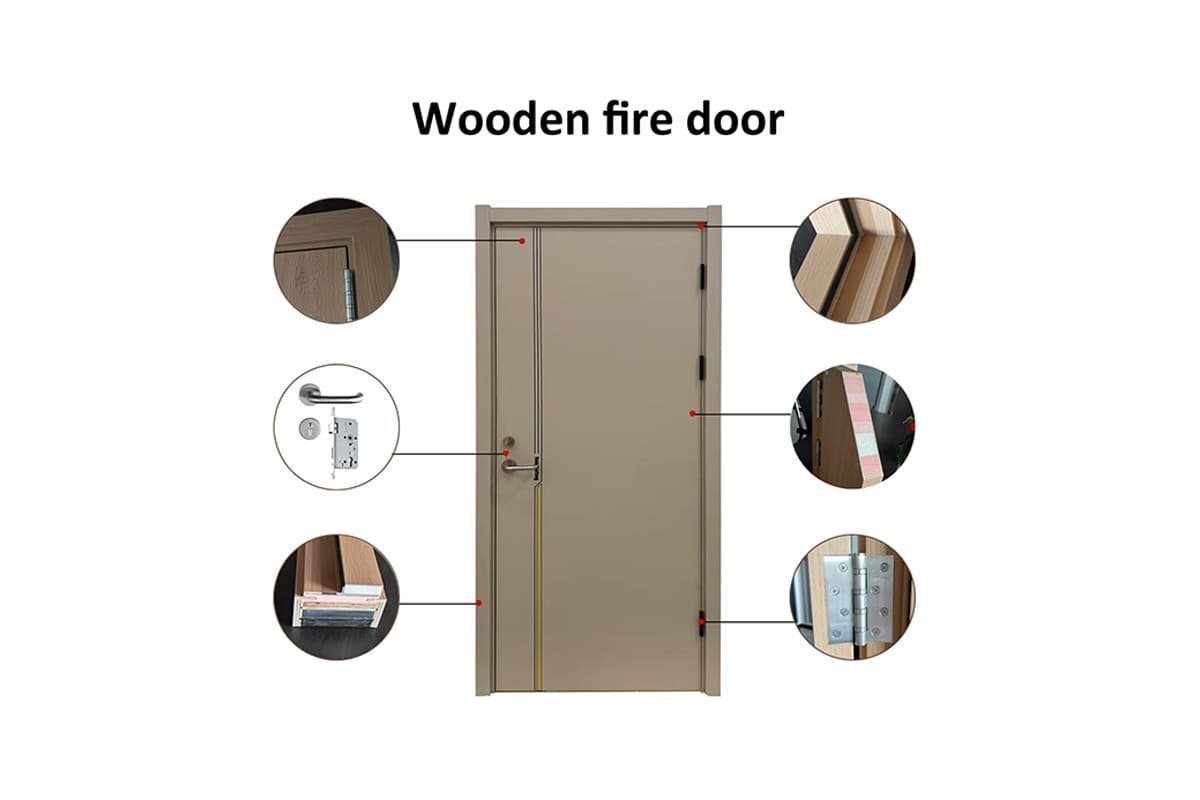
Transition Paragraph: As an experienced hardware manufacturer, I have seen many projects succeed or fail based on how well the door components were understood from the start. Let me guide you through the essential parts of a door and explain why each one is important for your business.
Door Leaf vs. Door Frame: Why is This Distinction Important for Hardware Selection?
leading paragraph: Confusing the door leaf with the door frame can cause major issues when ordering hardware. This basic misunderstanding often leads to incompatible product choices.
snippet paragraph: The door leaf is the movable main body of the door that opens and closes, while the door frame is the fixed structure installed into the wall that supports the leaf.1 This fundamental distinction helps determine where specific hardware items like hinges, locks, and strike plates are installed, guiding correct product selection.
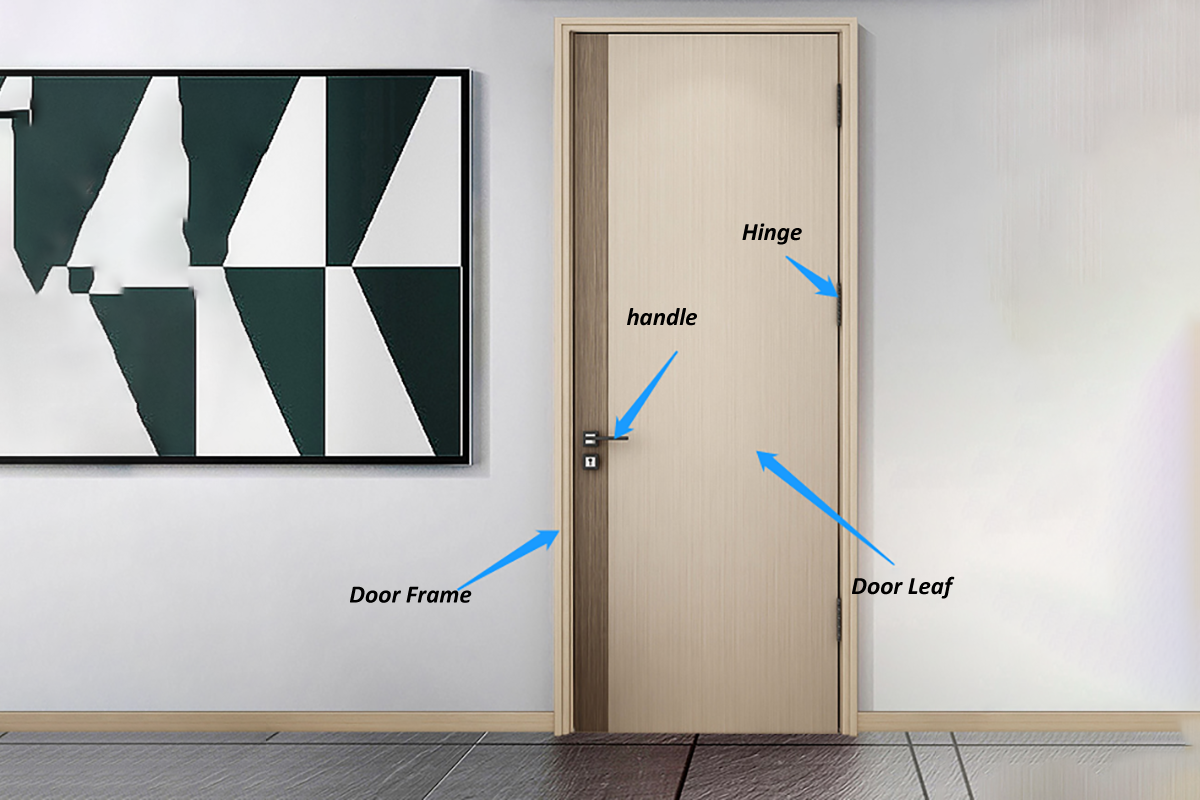
Dive deeper Paragraph: I always start by explaining these two main parts because they are the foundation of any door system. The door leaf is what most people think of as the door itself. It is the part that swings open and shut. My team and I work with door leaves made from various materials, like wood, metal, or composite. The material and thickness of the door leaf directly impact what kind of hardware you can use.2 For example, a heavy solid wood door needs stronger hinges than a light hollow-core door. Also, the door leaf must have specific preparations, like mortises or bores, for locks and handles. This is where the hardware is physically attached.
The door frame, on the other hand, is the stationary structure that is fixed into the wall opening. It holds the door leaf in place. The frame includes the door jambs (the vertical sides) and the head (the horizontal top piece). Hinges attach to one side of the frame, and the strike plate for the lock bolts into the opposite jamb. Knowing the frame's material and construction is also important. Some frames are wood, some are metal. This affects how hardware is mounted. For instance, metal frames often need different screws or reinforcement for heavy-duty hardware. My experience shows that clear communication about both the leaf and the frame is essential for accurate hardware specifications and successful installation. Without this clear understanding, you risk ordering parts that simply do not fit together.
How Do Mortise Locks and Door Handles Work Together to Secure a Door?
leading paragraph: Selecting a door handle without considering the lock inside is a common mistake. This can result in mismatched parts or even complete security failures.
snippet paragraph: A mortise lock is a robust locking mechanism housed within the door leaf's edge, offering various functions.3 A door handle, typically a lever or knob, operates this internal mortise lock to engage or disengage the latch or bolt. These two components work as a unified system, essential for both security and functionality, and are often sourced as compatible sets.
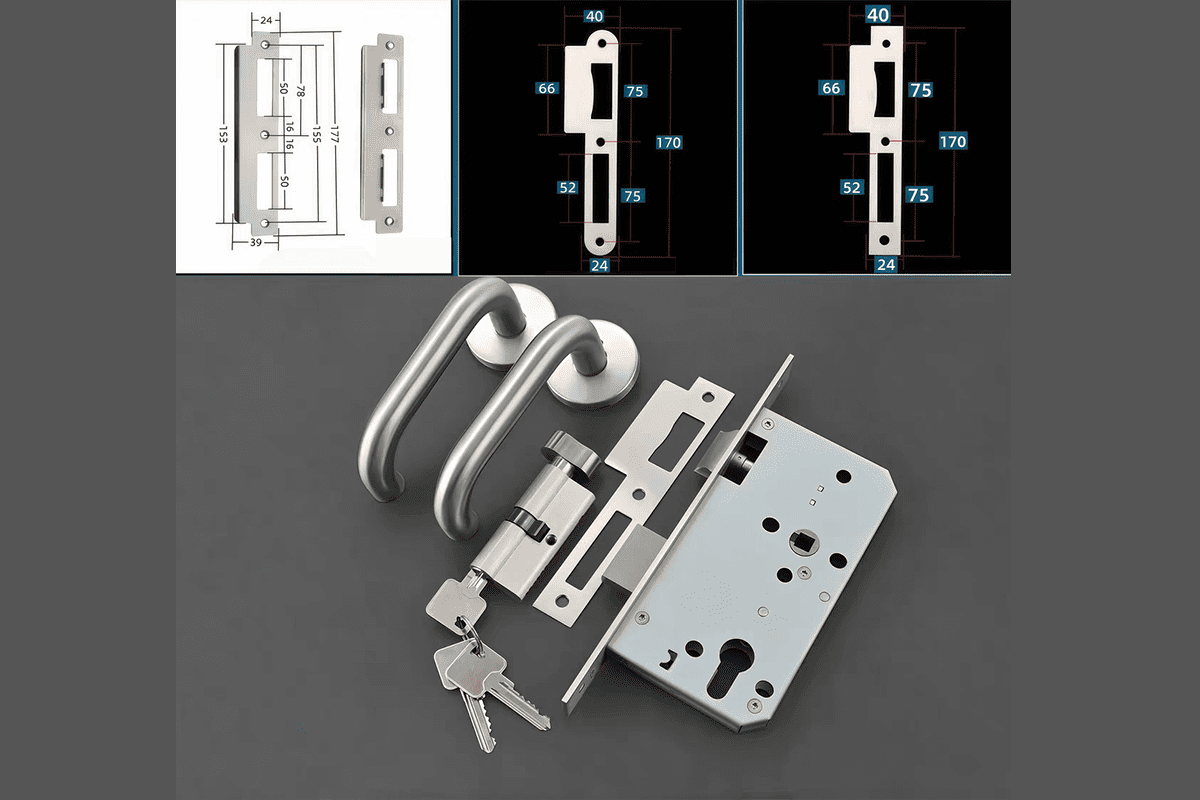
Dive deeper Paragraph: When I talk to clients about locking systems, I explain that the mortise lock is the "brain" of the operation. It is a complex mechanism installed inside a deep pocket, or "mortise," cut into the edge of the door leaf. These locks come in many variations. For example, a "passage" function mortise lock has only a latch, allowing the door to open and close without locking. A "privacy" function includes a turn-button on one side for locking, commonly used in bathrooms. Then there are "security" function mortise locks with a bolt operated by a key cylinder, offering greater protection. The choice depends on the door's purpose.
The door handle is the external part you interact with to operate the door. It is usually a lever handle or a knob. My company manufactures handles from various materials, such as durable stainless steel, lightweight aluminum alloy, or robust zinc alloy. The handle is mounted on the door leaf's surface and connects to the internal mechanisms of the mortise lock. When you press the lever, it retracts the mortise lock's latch, allowing the door to open.4 If the lock has a security bolt, the handle does not operate it directly; the key cylinder does. Therefore, the handle and the mortise lock must be compatible in terms of their spindle size, screw-hole spacing, and backset. I always advise my customers to consider these two items as a single, interdependent unit. This ensures smooth operation and reliable security. This also helps in maintaining a consistent aesthetic across all doors in a project.
Which Hinge Types Best Suit Different Door Applications and Installation Needs?
leading paragraph: Choosing the wrong hinge type can lead to saggy doors or difficult installations. My experience shows that not all hinges are created equal for every door.
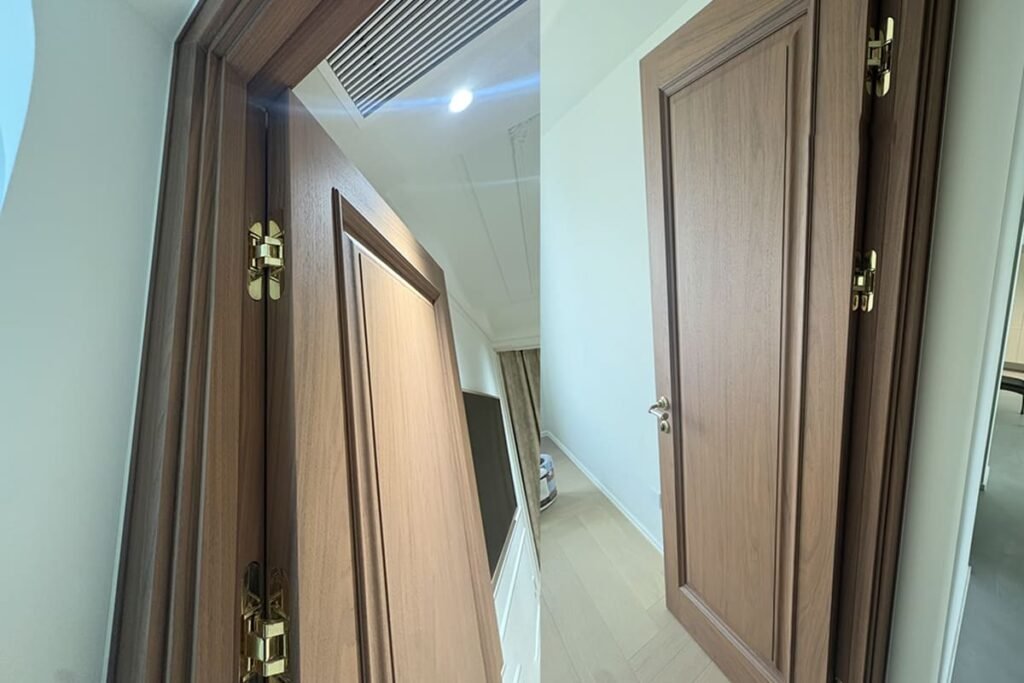
snippet paragraph: Hinges are critical for door movement and support, with various types suited for different applications.5 Butt hinges require mortising, flush hinges offer easier installation without mortising, 3D adjustable concealed hinges allow precise adjustments after installation, and adjustable oil-free hinges are designed for heavy metal doors, each fulfilling specific functional and aesthetic demands.
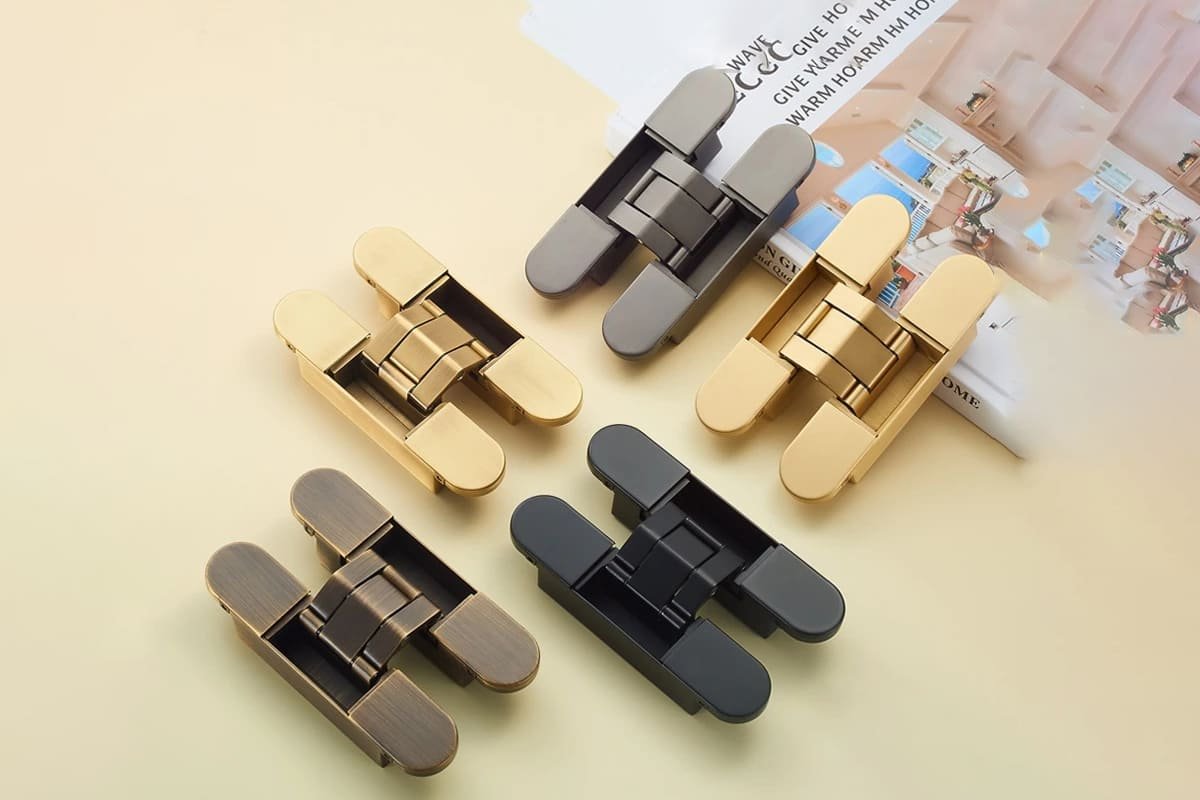
Dive deeper Paragraph: My team and I know hinges are not just simple pivot points; they are engineered components that support the door's weight and control its movement. I often explain to our clients that the correct hinge choice is paramount for door longevity and performance.
We commonly encounter several hinge types:
- Butt Hinges: These are very traditional. They need a shallow recess, or mortise, cut into both the edge of the door leaf and the door frame.6 This allows the hinge leaves to sit flush, creating a tight gap between the door and frame. Some butt hinges include security pins. These pins prevent the door from being easily removed if the hinge pin is taken out, which is an important feature for outward-opening doors.7 My company produces many butt hinges that meet EU standards and fire-rated certifications.
- Flush/Butterfly Hinges: These hinges do not require mortising. One leaf nests within the other when the door is closed. This makes them easier and faster to install. They are often used for lighter doors or where aesthetic preferences allow for a slightly larger gap.
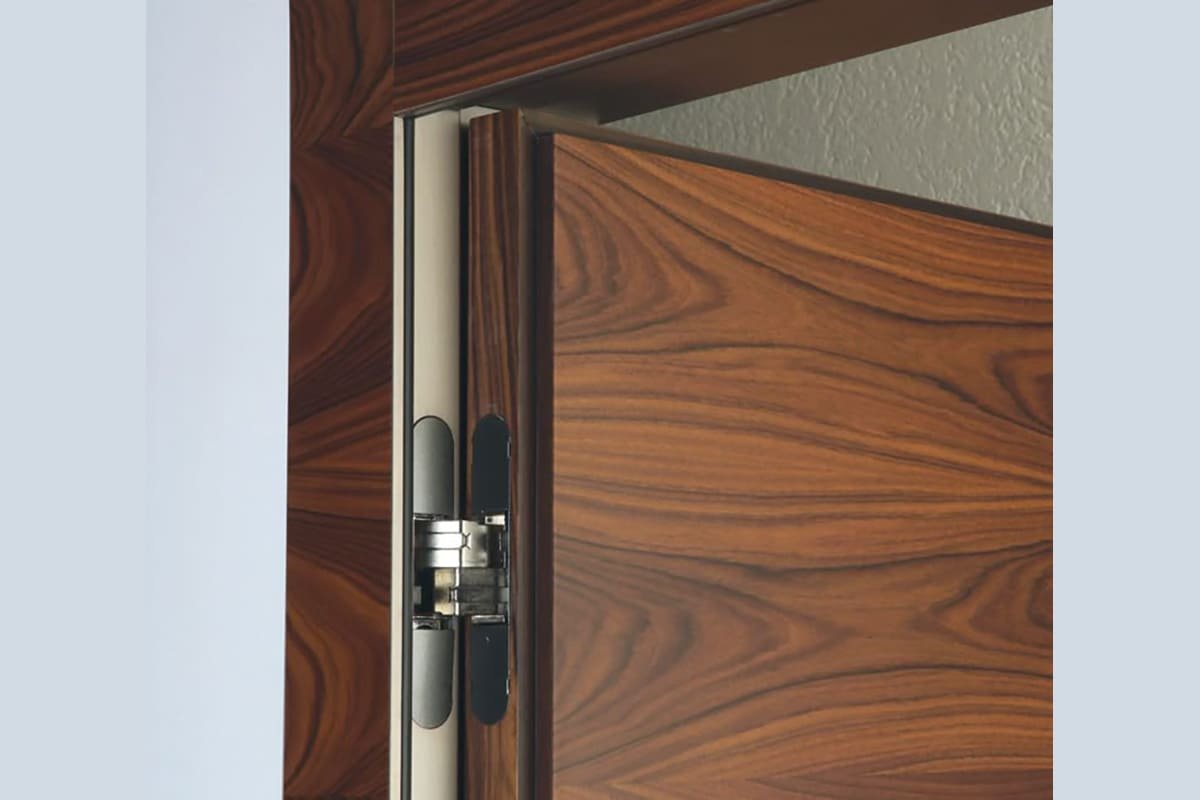
- 3D Adjustable Concealed Hinges: These hinges are quite advanced. They require routing a pocket into both the door leaf and the frame. Once installed, they are invisible when the door is closed, offering a very clean look. The "3D adjustable" part means you can fine-tune the door's position—up/down, left/right, and in/out—even after it is installed.8 This is incredibly helpful for achieving perfect alignment in high-end projects.
- Adjustable Oil-Free Hinges: These are specifically designed for very heavy metal doors. They often come with an adjustment box, allowing for precise weight distribution and long-term stability. Their oil-free design ensures maintenance is minimal, which is key for industrial or heavy-use environments.
The selection of a hinge depends on the door's weight, its material, the desired aesthetic, and the required security level. It also depends on whether the installation process needs to be quick or if fine-tuning is a priority. My role is to help you match the right hinge to your specific door project requirements.
What Protective and Control Accessories Enhance Door Functionality and Longevity?
leading paragraph: Overlooking smaller accessories like door stops and closers can lead to premature door damage or failure to meet safety codes. These are not minor details.
snippet paragraph: Protective and control accessories like door stops and door closers play a critical role in enhancing door functionality and extending its lifespan. Door stops prevent damage to walls and doors, while door closers ensure fire-rated doors remain closed for safety and aid in access control, contributing significantly to a door system's overall performance.
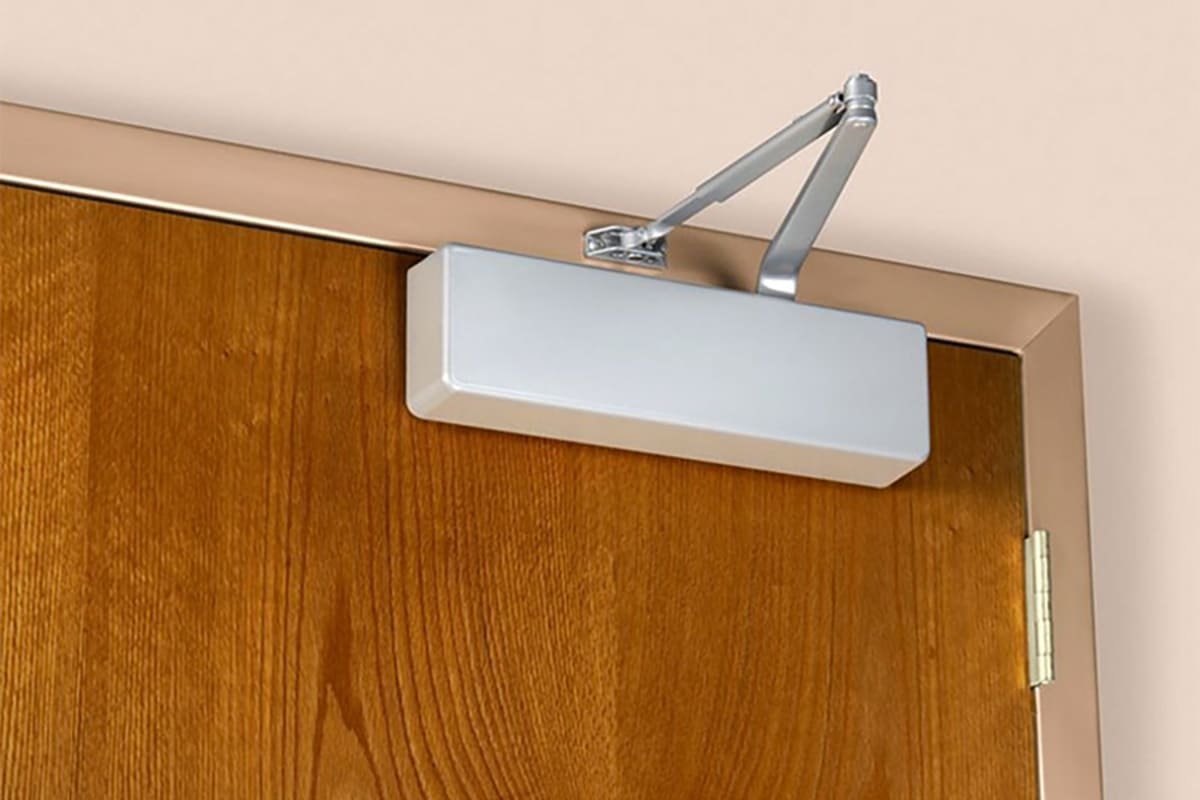
Dive deeper Paragraph: From my perspective as a hardware supplier, the functionality and longevity of a door system go beyond just the main components. Door stops are a prime example of an often-underestimated accessory. They are simple devices, but they perform a crucial job: preventing the door from swinging too wide and hitting the adjacent wall or furniture. This protects both the door leaf's finish and the wall surface from damage. You can find door stops that mount on the floor or directly on the wall. The choice depends on the floor material, wall construction, and aesthetic preference. For instance, in areas with heavy foot traffic, a robust floor-mounted stop might be more appropriate.
Door closers are another essential accessory, especially for public buildings, commercial spaces, and doors requiring fire-rated certifications. A door closer is a mechanical device that automatically closes a door after it has been opened. For fire doors, this function is critical because it ensures the door remains shut, containing smoke and flames in the event of a fire.9 Many door closers also offer adjustable closing speeds and latching speeds, which can improve user convenience.10 Some models include a "hold-open" feature, allowing the door to stay open at a certain angle until it is manually closed or released. This can be useful for moving goods or temporary access. My customers often ask for door closers that comply with specific international standards, especially for safety-critical applications. Selecting the right closer involves considering the door's weight, its width, and the required closing force, as well as any certification needs. These accessories may seem small, but they contribute significantly to the door's daily operation, safety compliance, and overall maintenance costs.
Why Are Flush Bolts and Dust-Proof Sockets Critical for Double Door Systems?
leading paragraph: Managing double doors effectively requires specialized hardware. Without flush bolts and dust-proof sockets, one door leaf can become unstable or difficult to secure.
snippet paragraph: Flush bolts and dust-proof sockets are indispensable for double door systems; flush bolts secure the inactive door leaf, keeping it firmly in place at the top and bottom.11 Dust-proof sockets are floor-mounted receptacles for these bolts, protecting the bolt mechanism from debris and ensuring smooth, reliable operation12, which allows the active door leaf to lock correctly and maintain overall door stability.
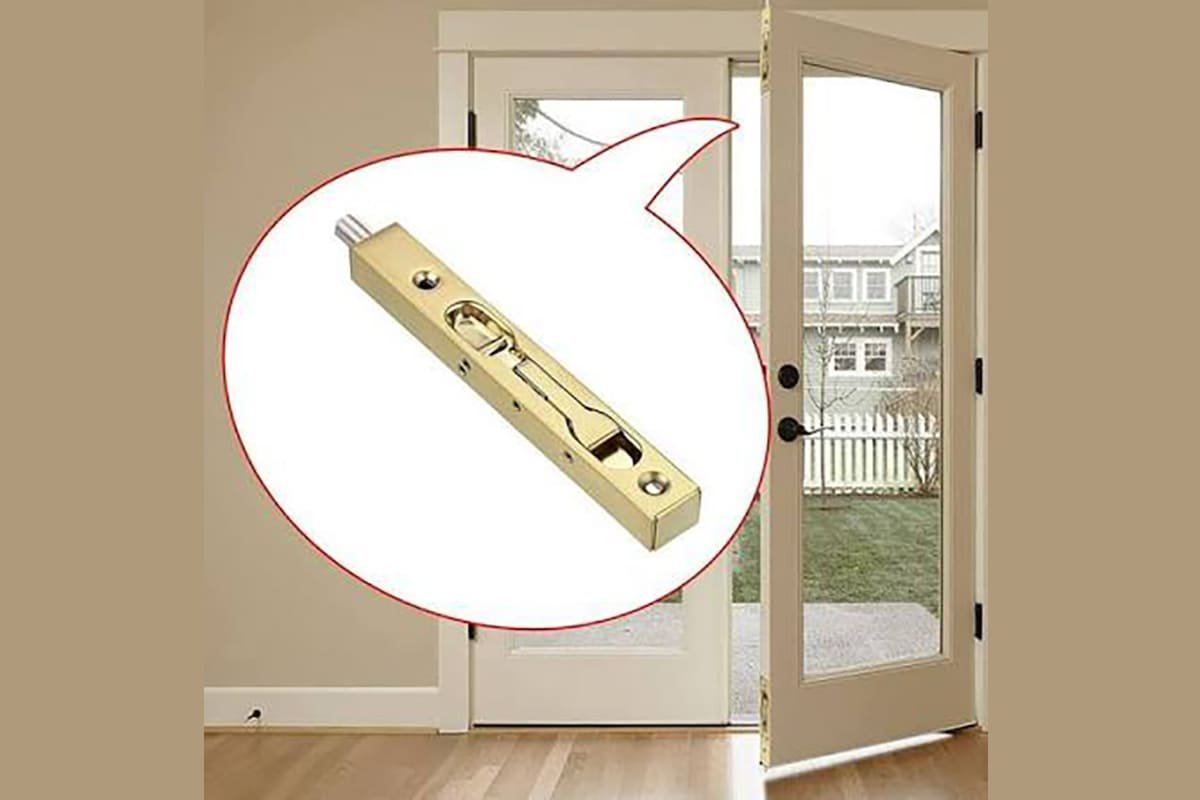
Dive deeper Paragraph: In my experience, double doors present unique challenges for hardware integration. This is where flush bolts and dust-proof sockets become absolutely critical. A double door system typically has two door leaves. One is the "active" leaf, which is used for regular entry and exit. The other is the "inactive" leaf, which remains stationary most of the time. The flush bolt's job is to secure this inactive leaf.
A flush bolt is a rod that slides into a strike plate in the door frame at the top and into a dust-proof socket in the floor at the bottom. When these bolts are engaged, the inactive leaf becomes fixed. This stability is essential for the active leaf. Without the inactive leaf being securely held, the active leaf cannot properly latch or lock into the frame, as there would be nothing for its lock bolt to engage with. The flush bolt itself is typically recessed into the edge of the door leaf, making it "flush" with the door's surface when not in use. This design maintains a clean appearance.
The dust-proof socket is a small, spring-loaded cup installed in the floor directly beneath where the bottom flush bolt extends. Its main purpose is twofold. First, it provides a clean, secure hole for the flush bolt to drop into, ensuring a solid connection. Second, and equally important, its spring-loaded mechanism helps prevent dust, dirt, and debris from accumulating in the bolt hole when the flush bolt is disengaged. This keeps the mechanism clean and ensures the bolt can always extend smoothly without obstruction. In my line of work, I emphasize that these components, while seemingly small, are fundamental for the correct function, security, and longevity of any double door setup. They prevent rattling, improve security, and ensure the entire door system operates as intended.
Your Buyer Checklist: What to Confirm Before Requesting a Door Hardware Quotation?
leading paragraph: Getting a precise hardware quotation means providing exact details. Missing key information can lead to inaccurate quotes and project delays.
snippet paragraph: Before requesting a hardware quotation, always confirm the door type, door leaf thickness, frame condition, and opening direction. Specify hinge type, lock function, handle material, and if a closer is needed. Also, clarify if the door is single or double, and list all required accessories like door stops, flush bolts, dust-proof sockets, screws, strike plates, and adjustment boxes to ensure a comprehensive quote.
Dive deeper Paragraph: From my many years of experience working with door factories and hardware buyers, I know that a detailed initial inquiry saves everyone time and money. When you contact me for a quotation, having this checklist ready makes the process very efficient.
First, identify the door type. Is it a fire door? A security door? A standard interior door? This influences certification requirements. Next, measure the door leaf thickness. This is critical for choosing compatible hardware like mortise locks and hinges. Confirm the frame condition—is it a new installation or a renovation? What material is the frame? Understanding the opening direction (left-hand or right-hand, inswing or outswing) is also essential for ordering correct handing for specific hardware items.
For hinges, specify the hinge type (e.g., butt, concealed, flush) and any special features like security pins. For the lock system, what lock function do you need (passage, privacy, security)? What handle material do you prefer (stainless steel, zinc alloy)? Does it need a key cylinder? Confirm if a door closer is required, especially for fire-rated applications. Finally, determine if the door is single or double leaf. If it is a double door, then specific accessories become necessary. Always list all needed accessories: door stops (floor or wall mounted?), flush bolts, and their corresponding dust-proof sockets. Do you need screws? Will you require strike plates? For specialized hinges, do you need adjustment boxes? By answering these questions upfront, I can provide you with an accurate, comprehensive quotation quickly, reducing back-and-forth communication and ensuring you receive the exact hardware package for your project needs. This proactive approach prevents costly mistakes down the line.
Conclusion
Understanding each door part is not just about vocabulary. It helps you specify correct hardware, avoid compatibility issues, and ensures smooth project execution. My goal is to help you get the right products every time.
---"Door frame - Wikipedia", https://en.wikipedia.org/wiki/Door_frame. An architectural or door-industry reference defines the door leaf as the movable panel of a door assembly and the frame as the fixed assembly set in the opening to support and receive that panel. Evidence role: definition; source type: institution. Supports: The source should define a door leaf as the movable panel and a door frame as the fixed surrounding structure that supports or receives the door.. ↩
"[PDF] SECTION 087111 - DOOR HARDWARE (SCHEDULED BY ...", https://fpm.usc.edu/wp-content/uploads/2021/11/087101-USC-UPC-door-hardware-Guide-Specification_1.pdf. Technical door-hardware guidance treats door thickness and door construction as specification variables for locksets, hinges, and hardware preparations, supporting the need to match hardware to the door leaf rather than selecting components in isolation. Evidence role: general_support; source type: institution. Supports: The source should show that door thickness, construction, and material are used to determine compatible locks, hinges, and hardware preparations.. Scope note: This would support the general specification principle, not every possible hardware product or material combination. ↩
"Mortise lock - Wikipedia", https://en.wikipedia.org/wiki/Mortise_lock. A lock-hardware standard or technical reference describes a mortise lock as a lock body installed in a mortise cut into the door and classifies mortise locksets by operating function, such as passage, privacy, or keyed security functions. Evidence role: definition; source type: institution. Supports: The source should define mortise locks as lock bodies fitted into a mortise in the door and describe that mortise locksets are categorized by function.. ↩
"Latch Not Fully Retracting? - YouTube",
. Technical descriptions of lockset operation explain that lever-handle movement actuates the lock hub or spindle to retract the latchbolt, permitting the door to open. Evidence role: mechanism; source type: institution. Supports: The source should explain that turning or depressing a lever rotates a spindle or hub that withdraws the latchbolt in a lockset.. Scope note: This supports the typical latch operation of lever-operated locksets; special electrified or panic hardware may use additional mechanisms. ↩"A156.1 - 2025 Butts and Hinges", https://buildershardware.com/ANSI-BHMA-Standards/Hardware-Highlights/A1561-2021-Butts-and-Hinges. Door-hardware standards and institutional guides describe hinges as load-bearing pivot components and identify door weight, size, frequency of use, and application conditions as factors in hinge selection. Evidence role: expert_consensus; source type: institution. Supports: The source should indicate that hinges carry door weight, permit swinging movement, and are specified based on door size, weight, usage, and application.. ↩
"Hinge - Wikipedia", https://en.wikipedia.org/wiki/Hinge. A construction reference describes butt hinges as hinge leaves commonly let into shallow mortises in the door edge and frame, allowing the closed door and frame surfaces to meet with a controlled clearance. Evidence role: definition; source type: encyclopedia. Supports: The source should describe butt hinges and explain that their leaves are generally recessed into mortises in the door and frame so the hinge sits flush.. Scope note: This describes standard butt-hinge installation; some surface-mounted or specialty butt hinges may be installed differently. ↩
"Non Removable Pin Hinges", https://closerhinge.com/collections/non-removable-pin-hinges?srsltid=AfmBOopMBRrWMbNBL56svJ7S1hmQQRKZlCokdOT41m_CDTXFWU2u-8Dp. Security-hardware guidance notes that outward-swinging doors can leave hinge pins accessible and that non-removable pins or security studs are used to prevent the door leaf from being lifted away after pin removal. Evidence role: mechanism; source type: institution. Supports: The source should explain that outward-opening doors may expose hinge pins and that security studs, set pins, or non-removable pins help prevent door removal.. Scope note: This supports the security purpose of the feature; actual resistance depends on the hinge grade, door construction, frame anchorage, and installation quality. ↩
"Why 3D Adjustable Concealed Hinges are the Game-Changer", https://www.assaabloy.com/ae/en/stories/access-stories/why-3d-adjustable-concealed-hinges-are-the-game-changer-your-doors-need. Technical literature on adjustable concealed door hinges describes three-axis adjustment mechanisms that permit vertical, horizontal, and depth corrections after the hinge has been installed. Evidence role: mechanism; source type: research. Supports: The source should describe concealed door hinges with three-axis adjustment, typically vertical, horizontal, and depth adjustment after installation.. Scope note: This supports the mechanism generally; the adjustment range and method vary by hinge design and manufacturer. ↩
"Fire Doors and NFPA 80 FAQs", https://www.nfpa.org/news-blogs-and-articles/blogs/2025/04/11/fire-doors-faqs. Fire-safety codes and government guidance require many fire-door assemblies to be self-closing or automatic-closing because the closed door is part of the rated barrier intended to limit the spread of fire and smoke. Evidence role: expert_consensus; source type: government. Supports: The source should state that fire doors are required to be self-closing or automatic-closing and that closed fire doors help restrict the passage of fire and smoke.. Scope note: This supports the safety rationale; performance depends on the full rated assembly, correct installation, intact seals, and whether the door is unobstructed. ↩
"ANSI/BHMA A156.4-2024: Door Closers And Pivots", https://blog.ansi.org/ansi/ansi-bhma-a156-4-2024-door-closers-and-pivots/. Door-closer standards and technical guides identify separate adjustment controls for the main closing sweep and final latch speed, showing that regulated closing behavior is a normal design feature of many closers. Evidence role: mechanism; source type: institution. Supports: The source should describe door-closer controls for sweep/closing speed and latch speed adjustment.. Scope note: This supports common closer functionality; not all closer types or economy models provide the same adjustments. ↩
"Decoded: Flush Bolts and Coordinators - iDigHardware", https://idighardware.com/2016/12/decoded-flush-bolts-and-coordinators-january-2017/. Door-hardware references define flush bolts as recessed bolts used on the inactive leaf of paired doors, engaging the frame head and sill or floor to hold that leaf fixed when the active leaf is operated. Evidence role: definition; source type: institution. Supports: The source should define flush bolts and explain their use in securing the inactive leaf of a pair of doors into the frame head and sill or floor.. ↩
"Dust Proof Strikes - Rockwood", https://www.rockwoodmfg.com/en/Products/Latching-and-Coordinating-Hardware/Dust-Proof-Strikes. Door-hardware glossaries describe dust-proof sockets as floor receptacles for bottom bolts that incorporate a covered or spring-loaded opening to reduce debris accumulation in the bolt hole. Evidence role: definition; source type: institution. Supports: The source should define a dust-proof socket as a floor strike or receptacle for a bottom bolt with a cover or spring mechanism that limits dirt accumulation.. Scope note: This supports the intended function; actual reliability depends on floor conditions, cleaning practices, and installation alignment. ↩