How to convert a mortise lock?
A wrong mortise lock conversion can turn a good door into a daily problem. I see this risk when one small mismatch becomes a batch issue.
To convert a mortise lock, I first define the exact conversion type, then check lock handing, cylinder standard, door cutout, handle alignment, strike position, smart-lock needs, and fire-door rules before any change. A safe conversion depends on compatibility, not force.
I do not treat mortise lock conversion as a simple cutting or drilling job. I treat it as a matching decision between the lock body, the door, the accessories, and the project rule. If I check these points early, I reduce failed installation, return claims, and shipment loss.
What does mortise lock conversion really mean?
Many buyers say “convert the lock,” but they may mean five different things. I slow down first, because each meaning has a different risk.
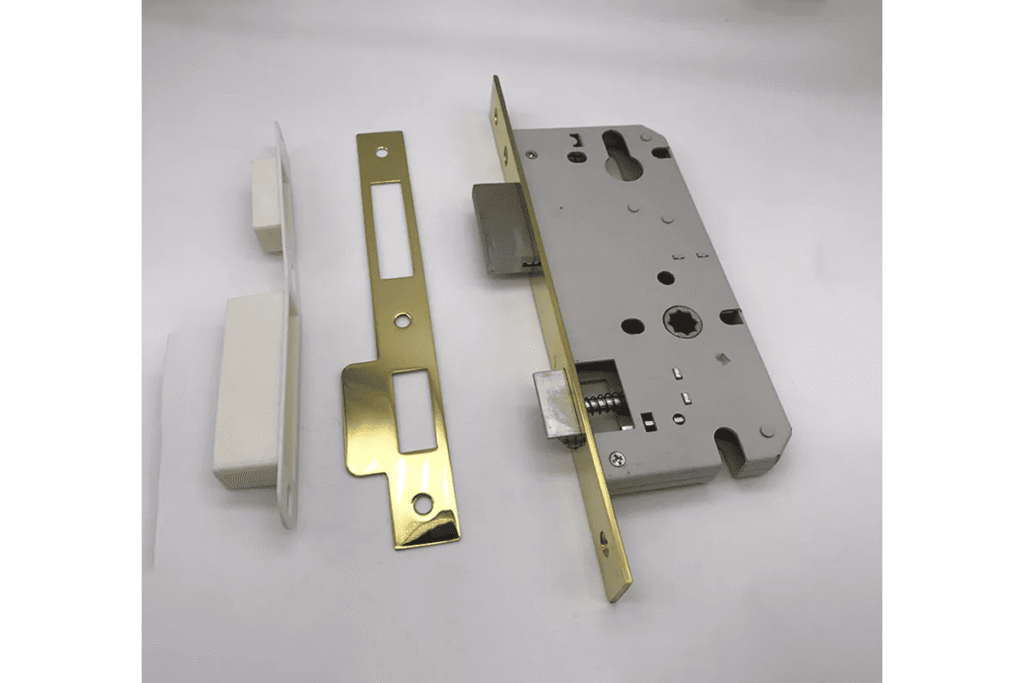
Mortise lock conversion can mean reversing the latch, changing the cylinder standard, replacing the lock body, adapting to a smart lock, or changing hardware on a fire-rated door.1 I must identify the real request before I suggest any product or change.
I usually start with one simple question. I ask what problem the buyer wants to solve. A left-opening door may need latch reversal. A brand owner may want a Euro profile cylinder for a new product line. A door factory may want to replace an old lock case with a new size. A project buyer may want a smart handle set on an existing door. A contractor may ask about a lock on a fire-rated door. These requests sound similar, but they are not the same.
| Conversion request | Main check | Main risk |
|---|---|---|
| Latch reversal | Lock handing and latch design | Latch spring failure |
| Cylinder change | Cylinder hole and lock case | Cylinder cannot fit or turn |
| Lock body replacement | Case size and cutout | Door preparation mismatch |
| Smart-lock retrofit | CTC, spindle, tailpiece, power | System mismatch |
| Fire-door change | Certification and approval | Fire compliance risk |
I always ask for basic information before I judge the conversion. I ask for backset, center distance, case size, forend size, faceplate type, door thickness, existing cutout, strike plate position, cylinder type, handle set, and project rules. This process may feel slow, but it protects the buyer from a wrong bulk order. In my work as a door hardware manufacturer, I have seen many problems start from one missing dimension.
Can I reverse the latch direction safely?
A reversible latch looks simple, but a wrong spring position can ruin the lock feel. I see this problem when the latch stops returning.
Many mortise locks allow latch reversal, but I only treat it as safe when the manufacturer design supports it.2 I record the original latch and spring structure before adjustment, because incorrect reassembly may cause weak return, jamming, or latch failure.3
I do not say every mortise lock can be reversed. Some lock bodies have a latch that can rotate or be removed and turned. Some need a small retaining part to be released. Some are handed and should not be changed in the field. I always check the product drawing or the manufacturer instruction first. If the lock is part of a project order, I prefer to confirm handing before production. This avoids extra handling after delivery.
| Item to check | Why I check it | What can go wrong |
|---|---|---|
| Latch shape | The bevel must face the strike | Door cannot close smoothly |
| Spring position | The latch must return fully | Latch feels loose or fails |
| Retaining part | The latch must stay locked in place | Latch may move or fall out |
| Handle direction | The lever must work with the latch | Handle action feels wrong |
| Lock model | Some models are not reversible | Forced conversion damages parts |
When I guide a buyer, I ask them to record the original structure before any adjustment. A photo helps. A short video helps more. The latch spring can look small, but it controls the return feel. If a worker places it in the wrong direction, the lock may pass a quick hand test and fail after repeated use. This is why I prefer a manufacturer-guided process. I also remind buyers not to mix latch parts between different models. Similar parts may have different spring force, size, or contact angle.
Can I convert to a Euro profile cylinder?
A cylinder upgrade can look attractive, but the lock case must already match the cylinder standard. I see trouble when the hole looks close but not correct.
I can convert to a Euro profile cylinder only when the mortise lock case, cylinder hole, handle set, door preparation, and escutcheon layout match the Euro profile standard.4 The Euro profile can support future cylinder replacement, but only under correct compatibility.5
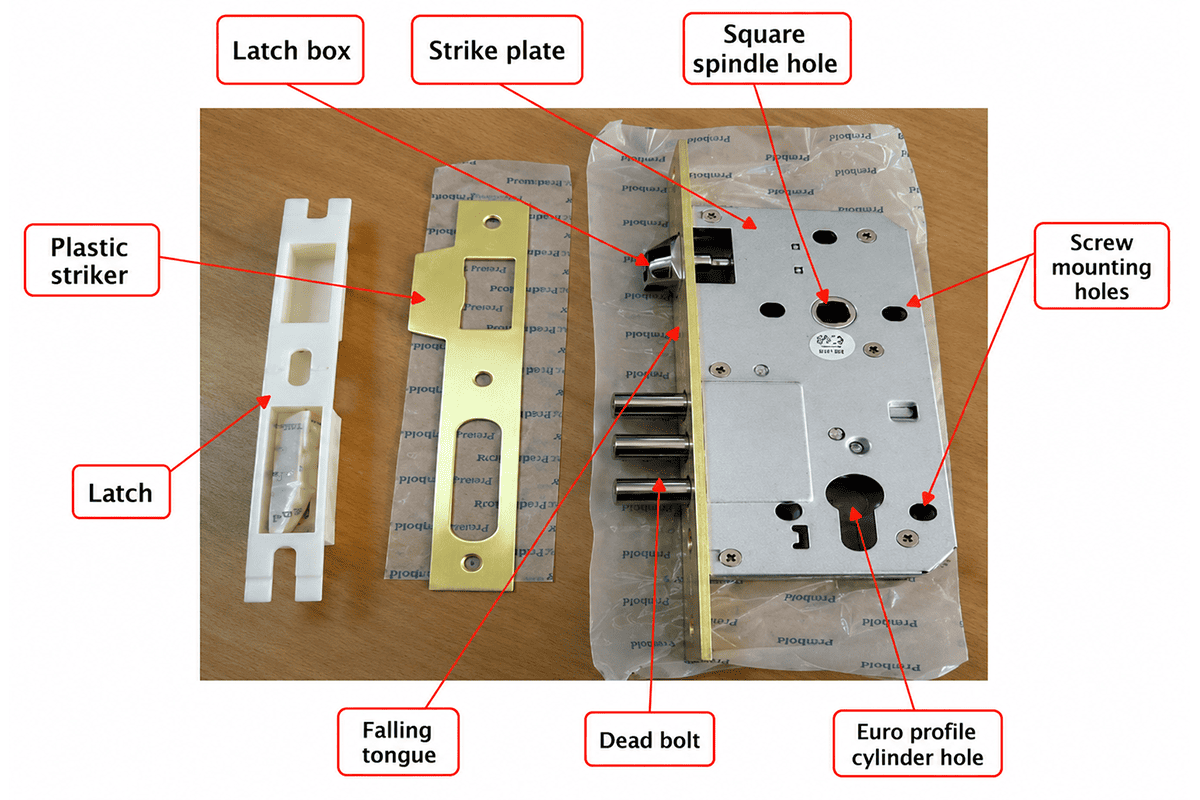
I do not describe a Euro profile cylinder as automatically better for every market. I see it as a standardization choice. It can help a hardware brand build one lock platform and later change cylinder grades. It can help a door factory keep the same lock body and use different cylinder lengths for different door thicknesses. It can also help wholesalers manage inventory if their market already accepts this standard.
| Check point | What I confirm | Why it matters |
|---|---|---|
| Cylinder hole | Euro profile shape and position | The cylinder must pass through the lock |
| Lock case | Cam and screw position | The cylinder must operate the bolt |
| Door thickness | Correct cylinder length | Cylinder should not sit too short or too long |
| Handle set | Escutcheon or plate opening | The trim must match the cylinder |
| Door cutout | Existing hole size | Extra cutting may create poor finish |
I usually ask for the current lock drawing or a sample. I also ask for the cylinder length requirement. Door thickness is not the only factor. The handle plate thickness and escutcheon thickness also affect the final cylinder length. If the cylinder projects too much, the door may look poor and may create a security issue.6 If it sits too deep, the key may be hard to use. I also check the fixing screw location. A Euro profile cylinder usually needs a side fixing screw through the lock face.7 If the old lock and door do not support that layout, the conversion becomes more than a simple part change.
Can I replace one mortise lock body with another?
A new lock body may look close to the old one, but mortise locks have low tolerance. I see small shifts create large complaints.
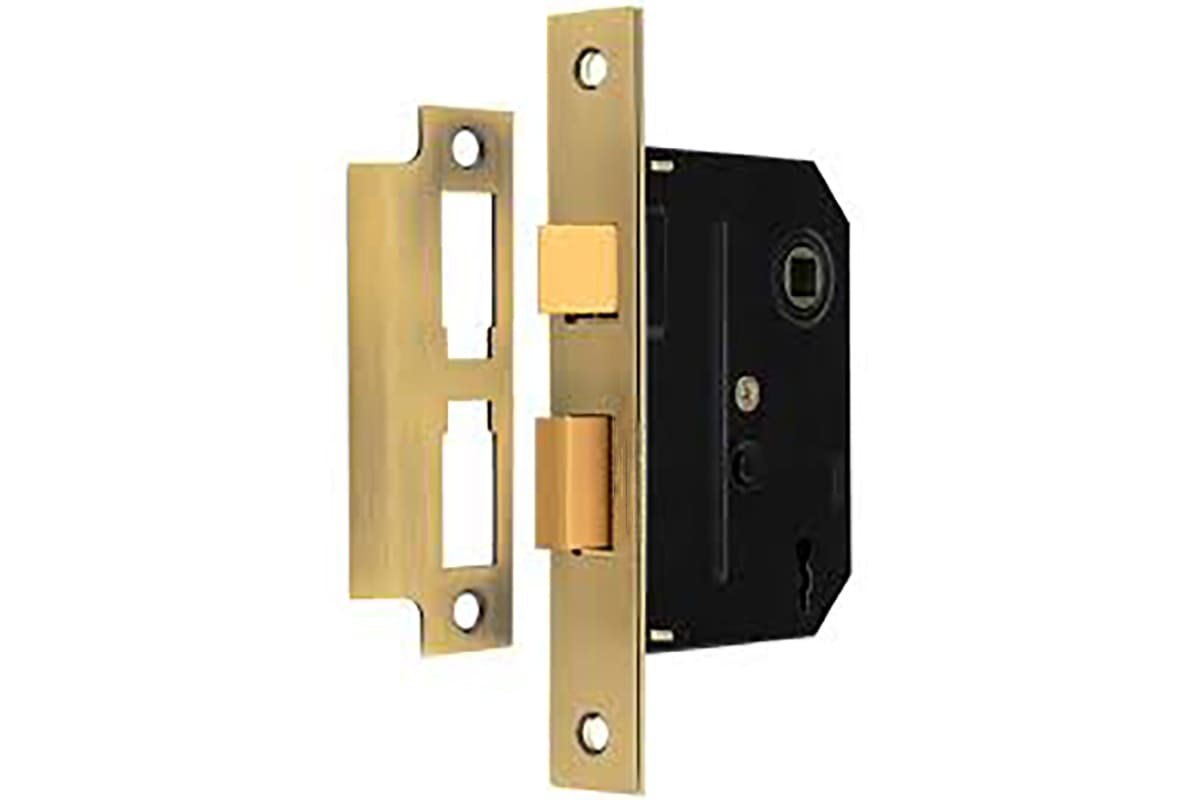
I can replace one mortise lock with another only when the faceplate, strike plate, latch, deadbolt, handle spindle, cylinder position, backset, CTC, and door cutout align.8 If these points do not match, the door may bind or fail to latch.9

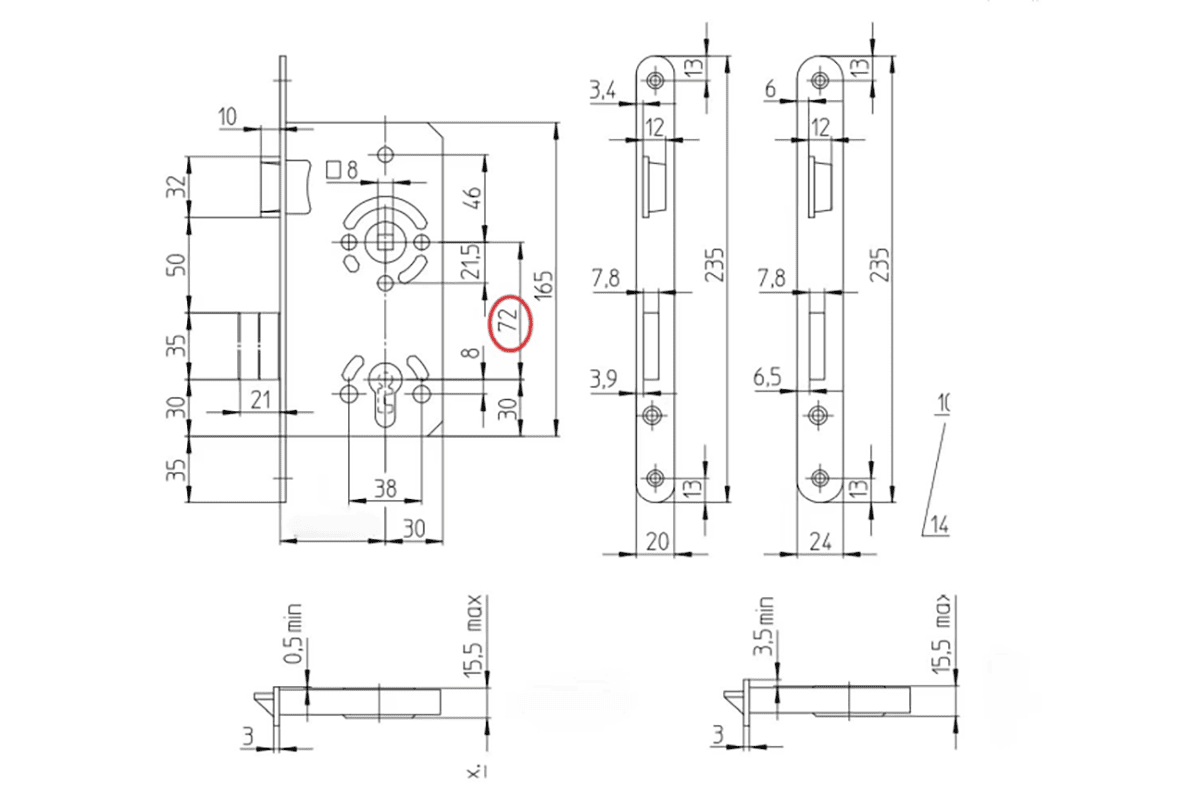
Mortise lock replacement is often the most common “conversion” request from door manufacturers and wholesalers. A buyer may want a lower-cost lock body, a certified lock body, or a lock case from a new supplier. The drawing may show similar outside dimensions, but the installation result depends on details. I pay close attention to the center distance between the handle follower and cylinder. I also check the backset and the forend size. A small change in these areas can require a new door preparation.
| Dimension or part | What I compare | Possible problem |
|---|---|---|
| Backset | Door edge to handle center | Handle hole does not match |
| CTC distance | Handle center to cylinder center | Trim plate cannot fit |
| Case depth | Lock body depth | Case hits inside the door |
| Faceplate size | Width, length, radius, screw holes | Faceplate leaves gaps |
| Strike plate | Latch and bolt pocket position | Door cannot latch or lock |
I also ask about the strike plate, not only the lock body. A lock may fit the door edge, but the latch and deadbolt may not meet the strike. This causes a defective feeling during use. The door may need force to close. The key may be hard to turn. The buyer may blame the lock quality, but the real cause may be alignment. In bulk supply, this detail matters. If one sample is tested without the final strike plate, the mass order can create many site complaints. I prefer to confirm the lock body, strike plate, handle set, and cylinder together.
Can I convert a mechanical mortise lock to a smart lock?
A smart-lock retrofit sounds modern, but electronics do not solve mechanical mismatch. I see many smart plans fail at the spindle or tailpiece.
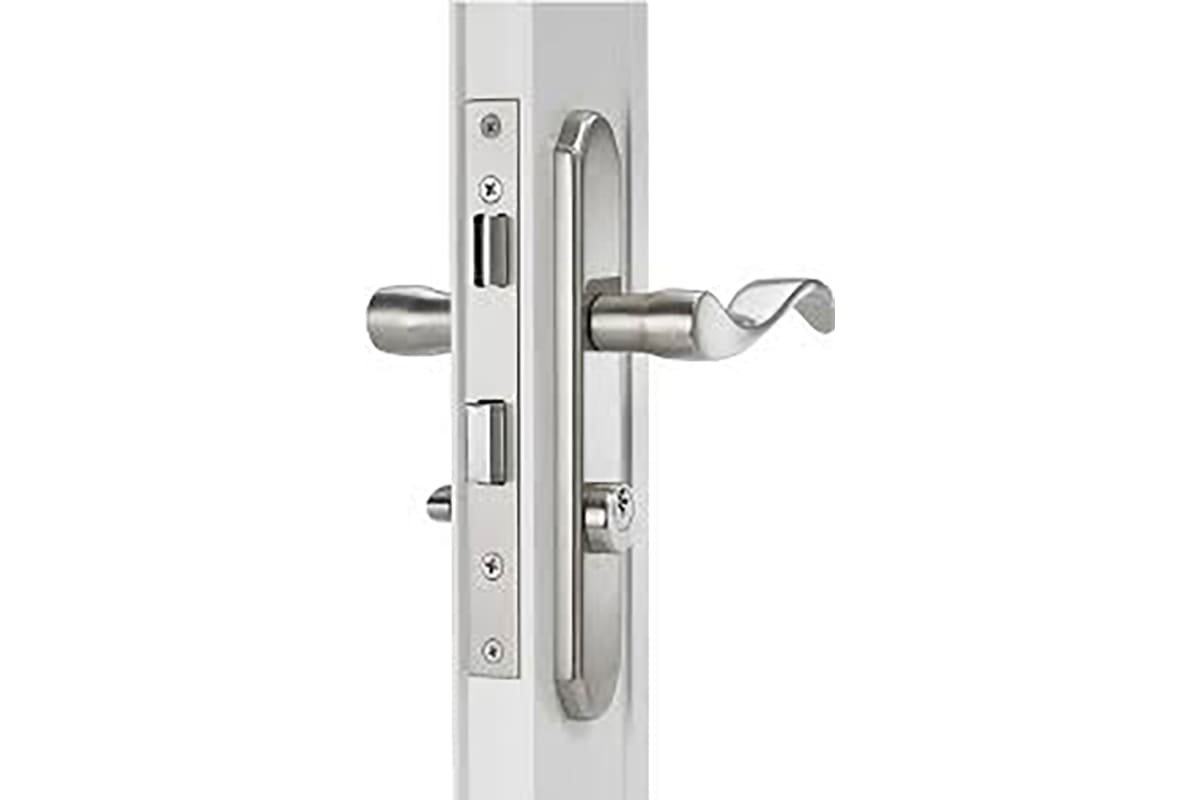
I treat mechanical-to-smart conversion as a full system match.10 I confirm CTC distance, spindle or follower type, tailpiece, conversion plate, handle direction, door thickness, lock case function, and power or wiring needs before I choose a smart retrofit kit.
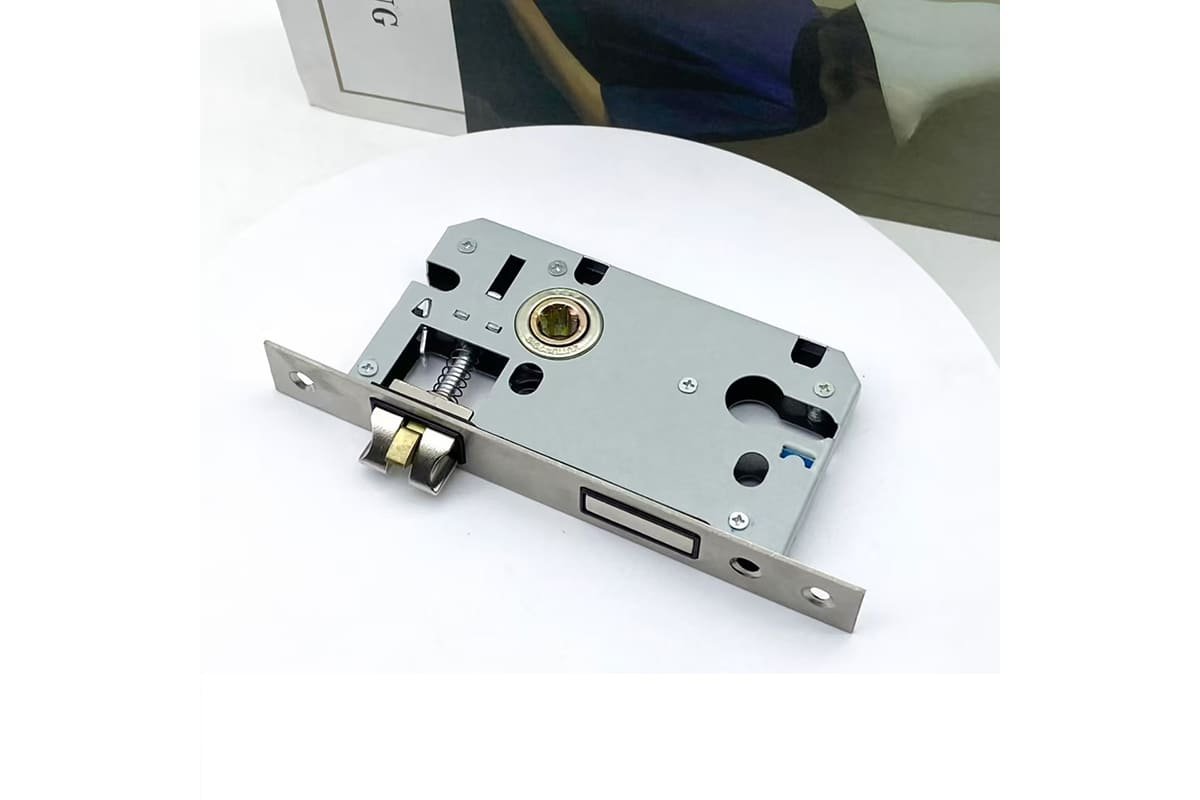
I do not see a smart lock as only an electronic part. It still depends on the mortise lock body. The motor, clutch, handle, spindle, and tailpiece must work with the existing lock. If the smart trim cannot drive the follower or cylinder cam correctly, the door will not lock in a stable way.11 If the door thickness is outside the allowed range, the spindle may be too short or too long. If the handle direction is wrong, the user may feel poor operation from day one.
| Smart retrofit check | What I look for | Why it matters |
|---|---|---|
| CTC distance | Handle to cylinder or thumb turn center | Smart plate holes must align |
| Follower type | Square spindle size and design | Handle must drive the lock |
| Tailpiece | Shape, length, and direction | Motor must turn the locking part |
| Door thickness | Full door and trim stack | Screws and spindle must fit |
| Power need | Battery, wiring, or cable route | Door structure must support it |
I also ask if the smart lock needs a mechanical key override. Many projects still need emergency access. I check whether the cylinder standard supports the required override plan. I also ask about indoor and outdoor trim thickness. A conversion plate may hide old holes, but it must not block the handle movement or cylinder access. I keep the discussion practical. I am not a smart-lock engineer. I am a hardware manufacturer that checks whether the lock body and door preparation can support the chosen system. This early check saves time for door factories, brand teams, and project buyers.
Can I convert a mortise lock on a fire-rated door?
A fire-rated door is not a normal door in this decision. I see high risk when someone treats it like a regular replacement.
I only consider fire-door mortise lock conversion after certification and project approval are verified. Any drilling, wiring, lock replacement, faceplate change, or accessory change may affect fire integrity, so compatible certified components must be confirmed.
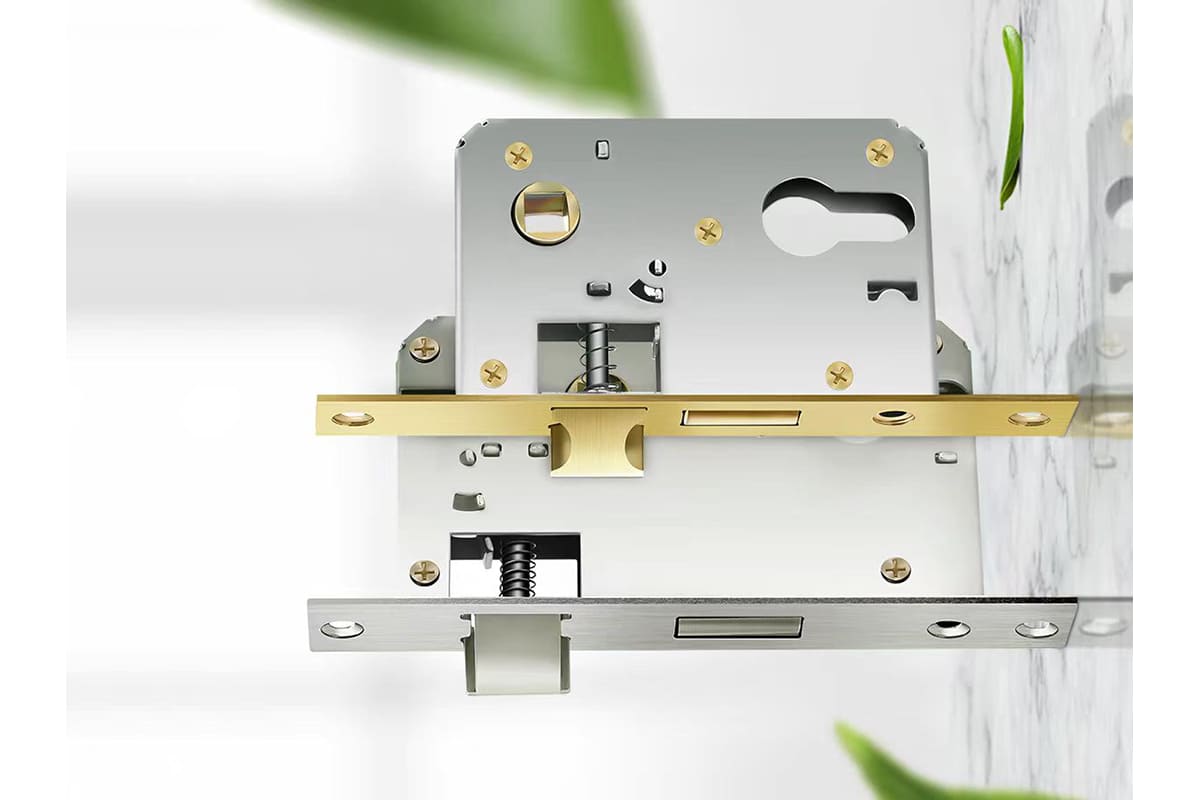
I use a much stricter approach for fire-rated doors. A normal door may allow more hardware changes if the structure still works. A fire-rated door depends on the tested door leaf, frame, lock, hinge, closer, seal, and accessories as a system.12 If a buyer changes the lock case, enlarges the cutout, adds wiring, or changes the faceplate, the tested condition may no longer apply. I do not give field approval for this. I ask the buyer to check the project requirement, certification scope, and local code process.
| Fire-door item | What I ask for | Why I ask |
|---|---|---|
| Certificate scope | Approved lock type and size | The replacement must be covered |
| Door rating | Fire time and door material | Hardware must match the rating |
| Cutout change | Any new drilling or routing | Structure may be weakened |
| Wiring plan | Cable hole and route | Fire integrity may be affected |
| Project approval | Consultant or authority rule | Site acceptance depends on it |
In our factory work, CE and fire-rated requirements are part of many project discussions. I still avoid broad claims. A lock may have a certificate, but that does not mean it fits every fire door. The door set and hardware combination matter. I also check the finish and accessory configuration, because project buyers often need one approved product set for many doors. If the project needs a different cylinder, handle, strike, or smart trim, I recommend checking the approval before ordering. This protects the buyer from a costly mistake after the goods arrive.
What information should I prepare before asking a supplier?
A supplier cannot judge conversion from a photo alone. I see delays when key dimensions are missing at the first inquiry.
Before I review a mortise lock conversion, I prepare backset, CTC, case size, forend size, faceplate type, door thickness, existing cutout, strike position, cylinder type, handle set, and compliance needs. These details allow a clear compatibility check.
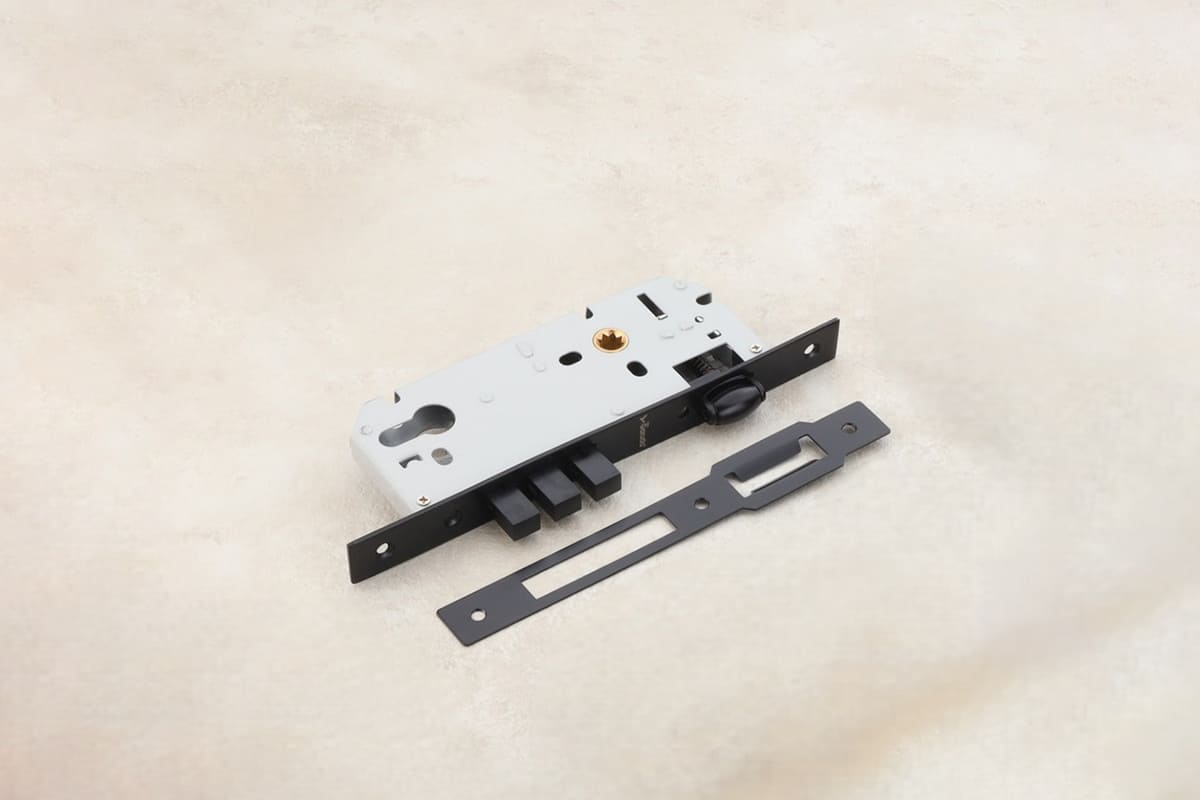
I like simple and complete information. A photo is useful, but a photo without dimensions can mislead the discussion. A drawing is better. A sample is best when the order is large or the project has strict requirements. I often ask buyers to mark the door edge, handle center, cylinder center, and strike position. I also ask if the door is wood, steel, aluminum, or fire-rated. The door material changes how much room exists inside the door and how the faceplate sits on the edge.
| Information | Example detail | Supplier use |
|---|---|---|
| Backset | 45 mm, 50 mm, 55 mm | Match handle center position |
| CTC | 72 mm, 85 mm, 92 mm | Match trim and cylinder layout |
| Case size | Height and depth | Check door cavity fit |
| Forend size | Width, length, radius | Check door edge finish |
| Door thickness | 38 mm, 45 mm, 55 mm | Select spindle and cylinder length |
| Cylinder type | Euro profile, oval, other | Check lock case operation |
| Compliance | CE, fire-rated, project rule | Avoid market or project risk |
I also ask the buyer to explain the business goal. A door factory may need fast assembly. A brand may need a standard product range. A wholesaler may need one model that covers common doors in the local market. These goals affect the best choice. A technically possible conversion may still be a poor business choice if it creates too many variations. In many cases, I suggest a matched lock body, cylinder, handle, strike, and accessory set. This gives better control over quality, finish, and delivery.
Conclusion
I convert a mortise lock only after I confirm compatibility, alignment, accessories, smart needs, and compliance. A careful check prevents expensive hardware mistakes.
"How to Identify a Commercial Mortise Lock - PDQ Locks", https://www.pdqlocks.com/blog/how-to-identify-a-mortise-lock. Architectural-hardware guidance describes mortise locks as assemblies whose handing, cylinder format, lock case, trim, and rated-door use are separate specification variables, supporting the article's use of “conversion” as a category covering several distinct changes. Evidence role: definition; source type: institution. Supports: A neutral architectural-hardware source should support that mortise locks are configured through handing, cylinder type, lock case, trim, and rated-door hardware requirements.. Scope note: This would support the technical framing of the term rather than establish a single universal definition of “mortise lock conversion.” ↩
"How to Reverse a Mortise Lockset Handing | Step-by-Step Guide",
. Architectural-hardware installation guidance supports that latch handing or latch reversal is model-dependent and should be performed according to the lock manufacturer’s design and instructions. Evidence role: general_support; source type: institution. Supports: A technical hardware guide should confirm that some mortise locks have reversible latches and that reversal should follow the lock’s intended design or instructions.. Scope note: Such a source would provide general installation context and would not prove that any specific lock model in the article is reversible. ↩"How to repair an old mortise lock with a broken return spring?", https://www.facebook.com/groups/1706748102970911/posts/3725539791091722/. Technical training material on lock mechanisms explains that latch return depends on correct spring orientation and component assembly, supporting the claim that misassembly can lead to weak return, binding, or latch malfunction. Evidence role: mechanism; source type: education. Supports: A technical or training source should explain that latch return depends on correct spring and component placement, and that misassembly can impair return or cause binding.. Scope note: The support would be mechanistic and general, not a failure analysis of the particular products discussed in the article. ↩
"Mortise Door Lock with European Cylinder Hole - No. H22. ...", https://affdoorhardware.com/mortise-door-lock-with-european-cylinder-hole-no-h22-1085-007/?srsltid=AfmBOorn-LXprfnAejb70SGmMvAiKkFDKU4wdPxdbUYKmzHYPcf1Ddvl. Standards-based descriptions of Euro profile cylinders define the cylinder profile and related lock-interface requirements, supporting the claim that conversion requires matching the lock case, door preparation, and trim layout. Evidence role: definition; source type: institution. Supports: A standards or institutional source should document that Euro profile cylinders have defined geometry and must match the lock case and trim arrangement.. Scope note: The source would establish dimensional and interface context, not certify compatibility for a particular lock and door combination. ↩
"Pin tumbler lock - Wikipedia", https://en.wikipedia.org/wiki/Pin_tumbler_lock. Reference descriptions of Euro cylinder locks identify them as standardized removable cylinders used with compatible lock cases, supporting the article’s statement that the format can facilitate later cylinder replacement. Evidence role: general_support; source type: encyclopedia. Supports: A neutral reference should support that Euro cylinders are standardized removable lock cylinders commonly used in compatible door locks.. Scope note: This supports the general replaceability of the format and does not show that replacement will be possible in every installation. ↩
"How to Correct a Protruding Euro Cylinder Locks - YouTube",
. Public security guidance on cylinder locks notes that cylinders should be properly sized and protected because excessive projection can increase vulnerability to physical attack. Evidence role: expert_consensus; source type: government. Supports: A public safety or security guidance source should support that protruding lock cylinders can be more vulnerable to attack, such as gripping or snapping.. Scope note: The support would address security risk in general and may focus on particular attack methods or jurisdictions. ↩"How to change a euro lock cylinder - YouTube",
. Technical descriptions of Euro profile cylinder installation state that the cylinder is commonly retained by a fixing screw through the lock case face, supporting the article’s compatibility concern. Evidence role: mechanism; source type: institution. Supports: A technical source should show that Euro profile cylinders are typically secured in the lock case by a retaining screw accessed from the lock face or forend.. Scope note: The wording should allow for variations among lock designs and should not imply that every cylinder installation uses the identical arrangement. ↩"How to measure and choose the right mortise lock size", https://www.blue-id.com/en/blog/mortise-lock-mass. Architectural-hardware installation references identify backset, case dimensions, trim centers, faceplate, strike, and door preparation as key variables in mortise lock fitting, supporting the article’s replacement-compatibility claim. Evidence role: general_support; source type: institution. Supports: A technical architectural-hardware source should support that mortise lock replacement depends on matching the lock case dimensions, backset, trim centers, faceplate, strike, and door preparation.. Scope note: The source would support the categories of required checks, while exact tolerances remain product-specific. ↩
"How to Fix a Misaligned Door Latch (Latch doesn't Align with Strike ...",
. Door-hardware troubleshooting guidance explains that misalignment between a latch or bolt and its strike can cause binding, hard operation, or failure to latch. Evidence role: mechanism; source type: education. Supports: A building-maintenance or technical source should explain that latch and strike misalignment can prevent smooth closing, latching, or locking.. Scope note: This provides general mechanical support and does not diagnose any specific installation described by the article. ↩"So, You Have a Mortise Lock, And Want a Smart Lock…", https://www.reddit.com/r/Locksmith/comments/1fncfl1/so_you_have_a_mortise_lock_and_want_a_smart_lock/. Research and technical guidance on smart door locks describe them as electromechanical systems that must mechanically interface with the existing lock, spindle or actuator, door thickness, and power arrangement, supporting the article’s system-compatibility framing. Evidence role: general_support; source type: research. Supports: A neutral smart-lock or building-systems source should support that smart locks must interface correctly with existing mechanical lock components and door preparation.. Scope note: The support would be contextual because retrofit details vary widely by lock model and smart-lock design. ↩
"Lockset with motorized system for locking and unlocking", https://patents.google.com/patent/WO1998002630A1/en. Technical literature on electromechanical door locks describes reliable operation as dependent on the actuator’s mechanical coupling to the lock mechanism, supporting the claim that an incompatible follower, cam, or tailpiece interface can prevent stable locking. Evidence role: mechanism; source type: paper. Supports: A paper or technical report should support that electromechanical locks depend on an actuator or trim correctly transferring motion to the mechanical locking mechanism.. Scope note: The source would support the operating principle and not necessarily test the exact retrofit components mentioned in the article. ↩
"Important Tips for Specifying Fire Door Assemblies", https://steeldoor.org/tips-for-specifying-fire-door-assemblies/. Fire-safety codes and guidance describe a fire door as a tested assembly comprising the door leaf, frame, hardware, seals, and other listed components, supporting the article’s system-based compliance statement. Evidence role: expert_consensus; source type: government. Supports: A code or fire-safety source should support that a fire door is evaluated as an assembly of the door, frame, hardware, seals, and related components.. Scope note: Specific component lists and approval procedures vary by jurisdiction and certification scheme. ↩