Master Keying System: How Does It Work?
I often see buyers order cylinders first, then ask for master keys later. This creates cost, delay, and confusion on real door projects.
I explain a master keying system as a planned key-and-cylinder coding system1. It lets different keys open different assigned doors. The result depends on door grouping, permission levels, compatible cylinders, and accurate key records.
I have handled many lock cylinder inquiries where the buyer says, “I need one key to open many doors.” I always slow the discussion down at that point. A master keying system is not only a key request. It is a project access plan. If I understand the door list, user roles, floor areas, and future reorder needs, I can help the buyer avoid wrong cylinder coding. If I do not get that information, the order may look correct on paper and still fail during installation.
What Is a Master Keying System in a Real Building Project?
I see many project teams struggle when every door has a different key. The site becomes messy, users complain, and the buyer loses control.
I define a master keying system as an access hierarchy2. One key can open a planned group of doors, another key can open a smaller group, and one user key can open one specific door.
I usually explain the idea with a simple building example. A building owner may want a general master key for the whole building. A floor manager may need a key for one floor. A department leader may need access to one department area. A staff member may only need one room. Each key is useful only inside its planned level. This is why I do not describe the system as “one key opens all doors.” That wording is too simple, and it can mislead the buyer.
| Access Level | Example User | Example Access |
|---|---|---|
| Master key | Building owner or main manager | All assigned doors in the planned system |
| Group key | Floor manager | Doors on one floor |
| Sub-group key | Department leader | Doors in one department |
| Change key | Staff member | One office, one storage room, or one door |
I ask the buyer to think from the door side first. I ask which doors should be grouped together. I ask who should open each group. I ask whether some doors need to stay outside the system. These questions look simple, but they protect the order. In most project procurement cases, the biggest mistake is not a technical mistake. The biggest mistake is unclear access planning before the cylinders are produced.
How Does the Key and Cylinder Coding Work?
I often hear buyers ask for “a special master key.” That phrase can hide the real work inside the cylinder and the order record.
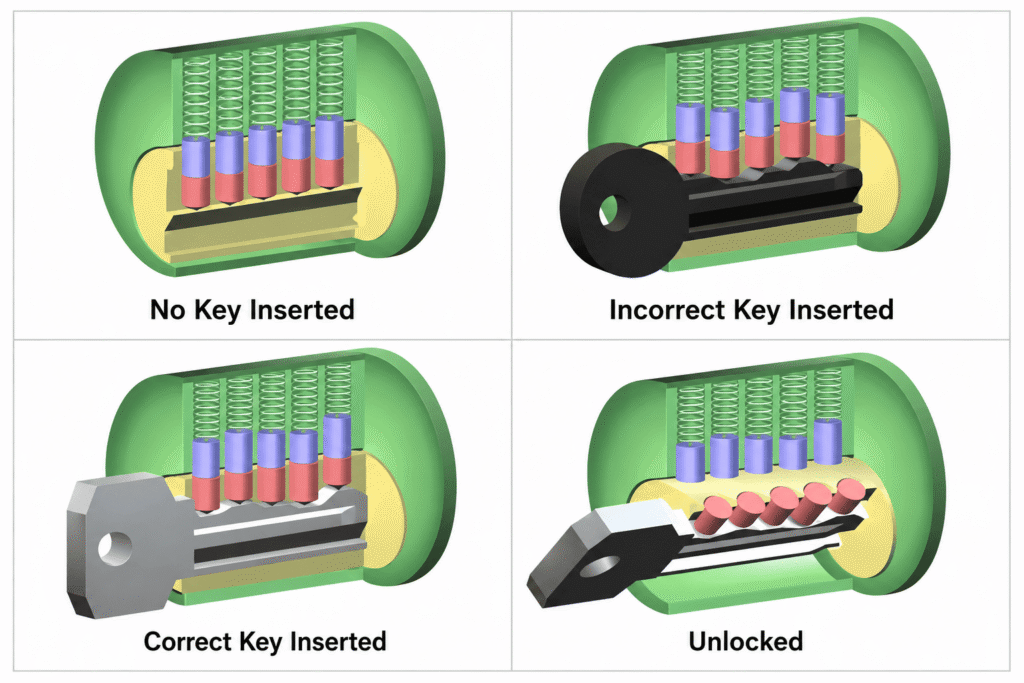
I explain the working principle as matched coding between keys and cylinders. Different key cuts or coding arrangements allow planned keys to operate selected cylinders inside the same master keying system.3
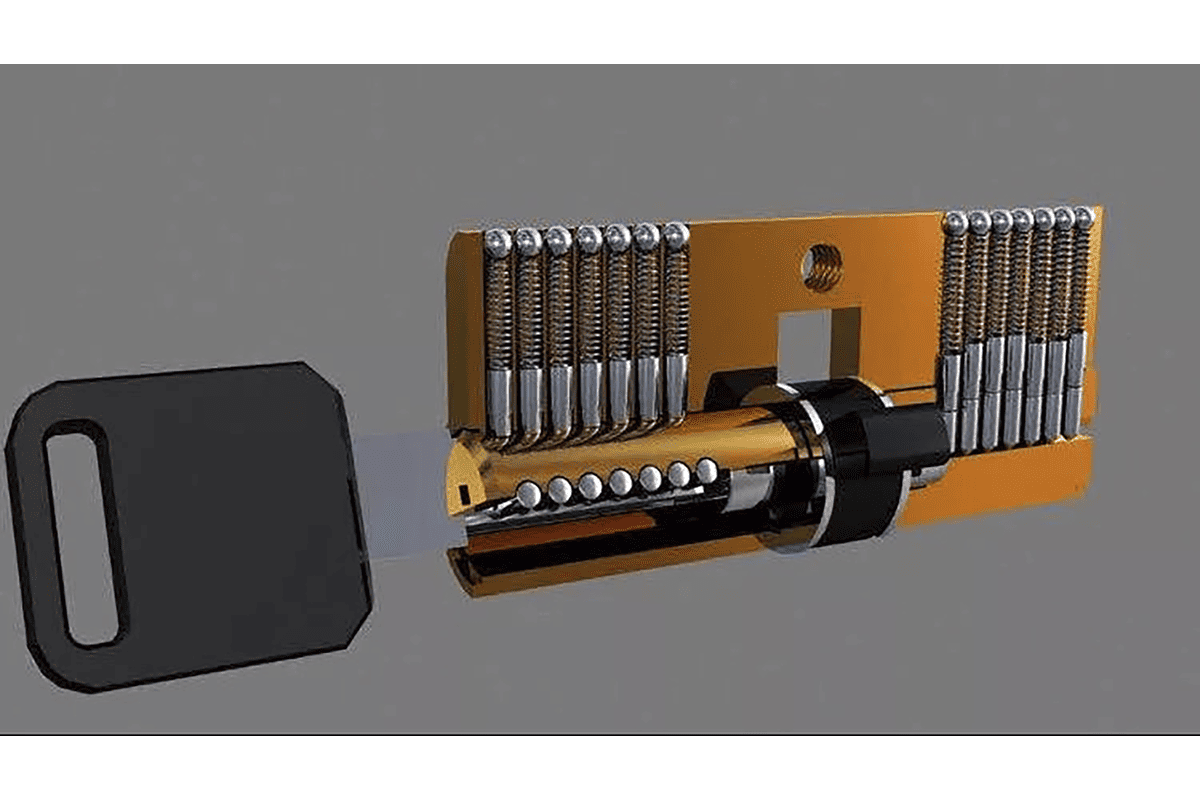
I keep the technical explanation simple when I speak with door manufacturers and wholesalers. The key has a cut pattern. The cylinder has an internal coding arrangement. In a normal keyed-different cylinder, only one matching key should operate that cylinder. In a master keyed cylinder, the coding is planned so more than one assigned key can operate it. One key may work for only one door. Another key may work for a group of doors. The master key may work across the planned group.
| Item | Simple Meaning | Why I Check It |
|---|---|---|
| Key cut | The physical shape or code of the key | It decides which cylinder can turn |
| Cylinder coding | The internal matching plan | It decides which keys the cylinder accepts |
| System chart | The written access plan | It helps production and future reorders |
| Key level | The permission level | It stops the wrong user from receiving wide access |
I do not need to explain deep lock mechanics to every buyer. The buyer mainly needs to know that the system must be designed before production. The supplier also needs the correct system chart. If the buyer adds doors later, the old chart matters. If the chart is lost, future additions become difficult. In some cases, the supplier may need to rebuild the system or create a new plan. That depends on the cylinder type, the old key codes, and the original design.
Why Should the System Be Planned Before Ordering Cylinders?
I have seen buyers try to convert ordinary stock cylinders after purchase. This request often creates disappointment, extra work, and unstable delivery timing.
I recommend planning master keying before ordering. Not every stock cylinder can be converted later4, and future additions need accurate records from the original keying plan5.
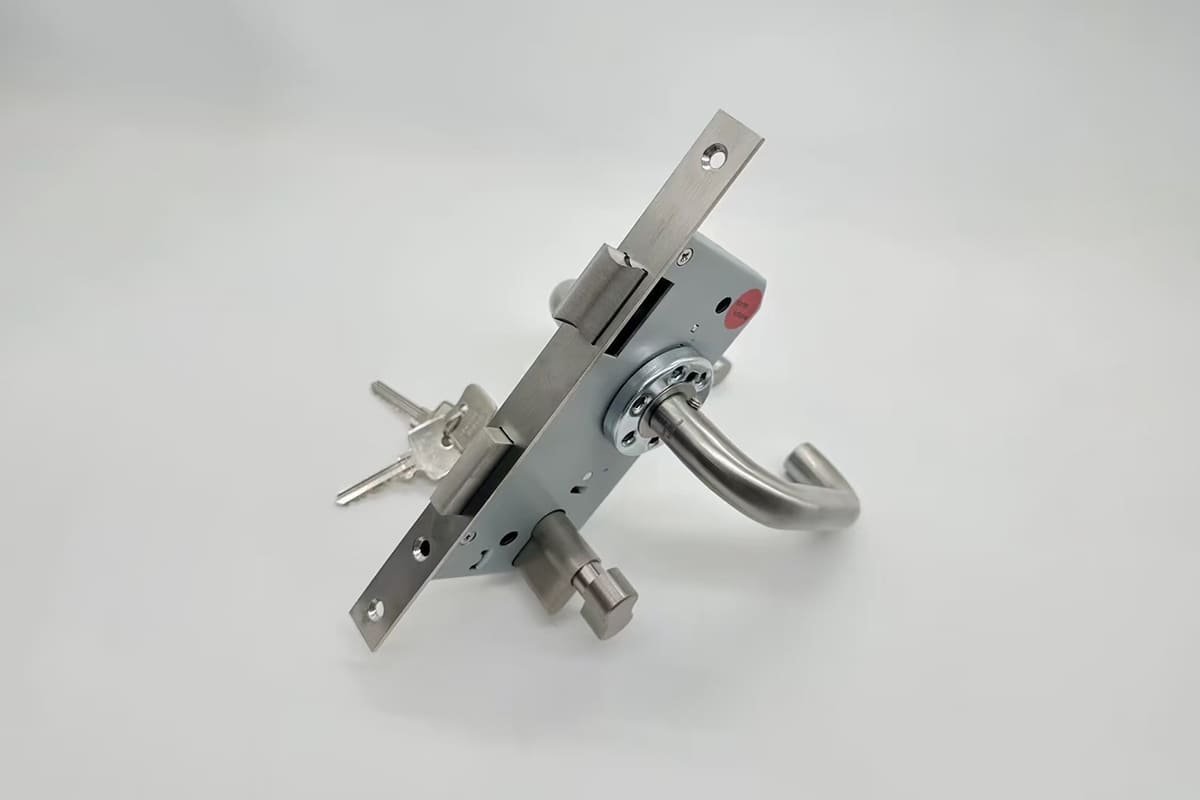
I treat master keying as a production configuration item, not as a simple packing request. When a buyer orders ordinary cylinders from stock, those cylinders may already be keyed alike, keyed different, or packed under a standard key plan. They may not be suitable for the requested master system. Some cylinder types support master keying. Some do not.6 Some can support a simple level. Some can support a more structured hierarchy. The answer should be confirmed with the supplier before the purchase order is placed.
| Buyer Request | Possible Risk | What I Ask First |
|---|---|---|
| “Use these stock cylinders for master keying.” | The cylinders may not support the system. | What cylinder type and key profile are being used? |
| “Add master keys after delivery.” | The original coding may not allow it. | Was the system designed for later expansion? |
| “Add 50 more doors next month.” | The system chart may be missing. | Do we have the original key records? |
| “Use one key plan for all projects.” | Different sites may need different permissions. | Are the buildings connected or separate? |
I ask for the door list early. I ask for door marks, room names, quantities, and user groups. I also ask for key quantity per level. This helps me check whether the system is realistic. It also helps the buyer avoid rework at the job site. A clear plan gives the factory a clear production path. It gives the installer a clear labeling path. It gives the buyer a better chance to reorder the same system later.
What Information Should a Buyer Prepare for a Master Keying Inquiry?
I receive many short inquiries that only say “send price for master key cylinders.” I cannot give a safe plan from that sentence.
I ask every buyer to prepare the door list, door groups, permission levels, cylinder type, finish, key quantities, and future addition needs before requesting a master keying solution.
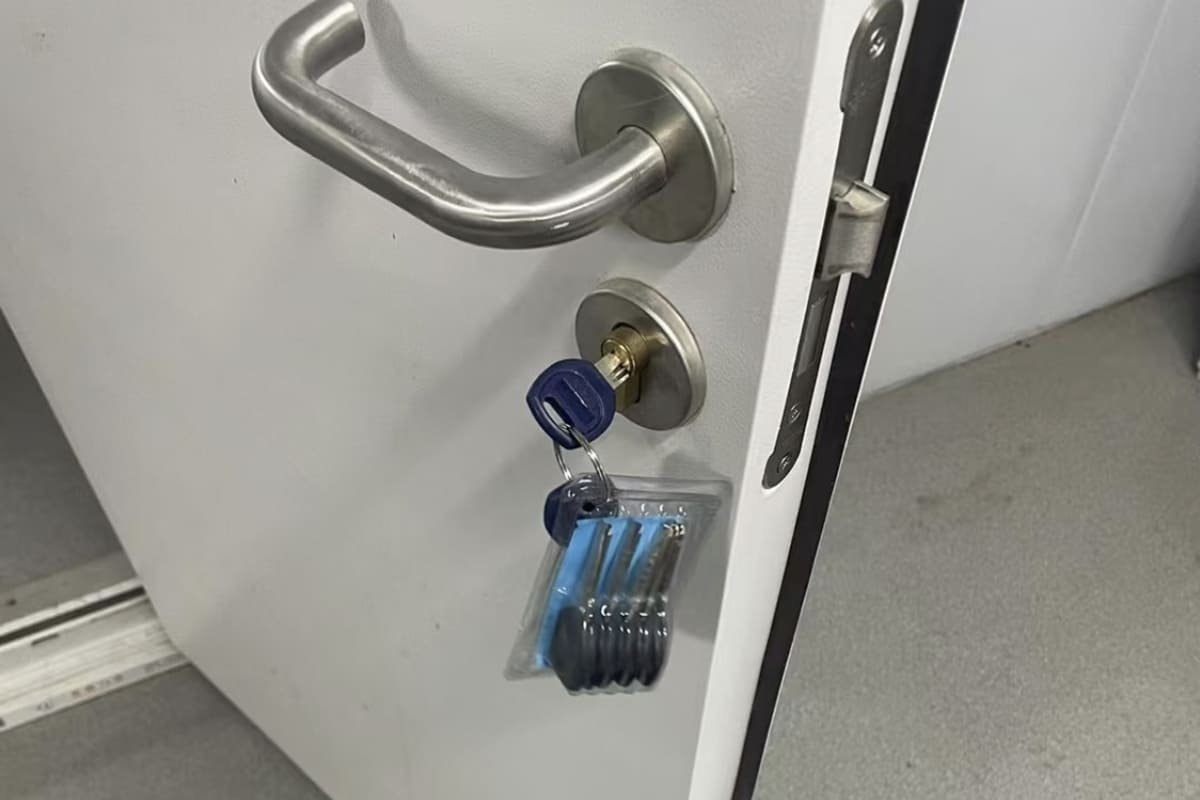
I use a simple checklist when I discuss master keying with door factories, brand operators, and wholesalers. The checklist does not need to be complex. It needs to be complete enough for production. A clear door list helps me understand the physical project. A clear permission plan helps me understand user access. A clear cylinder specification helps me check compatibility.7 A clear future plan helps me avoid a system that becomes hard to expand.
| Information Needed | Example | Why I Need It |
|---|---|---|
| Door list | D01 to D120 | I need to match each cylinder to one door. |
| Door group | Floor 1, Floor 2, Office Area | I need to plan group keys. |
| Permission level | Master, group, user | I need to set the access hierarchy. |
| Cylinder type | Euro profile cylinder, single, double, thumbturn | I need to check product compatibility. |
| Key quantity | 3 user keys, 2 group keys, 1 master key | I need to prepare packing and records. |
| Finish and size | Satin nickel, brass, 70mm | I need to match door hardware and door thickness. |
| Future additions | More rooms in phase two | I need to keep the plan open where possible. |
I also ask how the buyer wants the cylinders packed. Some buyers want each door set packed with the lock body, handle, hinges, and cylinder. Some buyers want cylinders packed by floor or by building. Some buyers need labels on boxes. These details matter because the installer may not understand the keying chart. If the packing is unclear, the installer may place the correct cylinder on the wrong door.8 Then the master key system looks wrong, even when production was correct.
What Procurement Risks Come From a Poor Master Keying Plan?
I have seen a small keying mistake create a large site problem. The lock price may be small, but the correction cost can be high.
Poor master keying planning can cause wrong access, installation confusion, missing records, difficult reorders, and after-sales disputes.9 I reduce these risks by confirming the system before production.
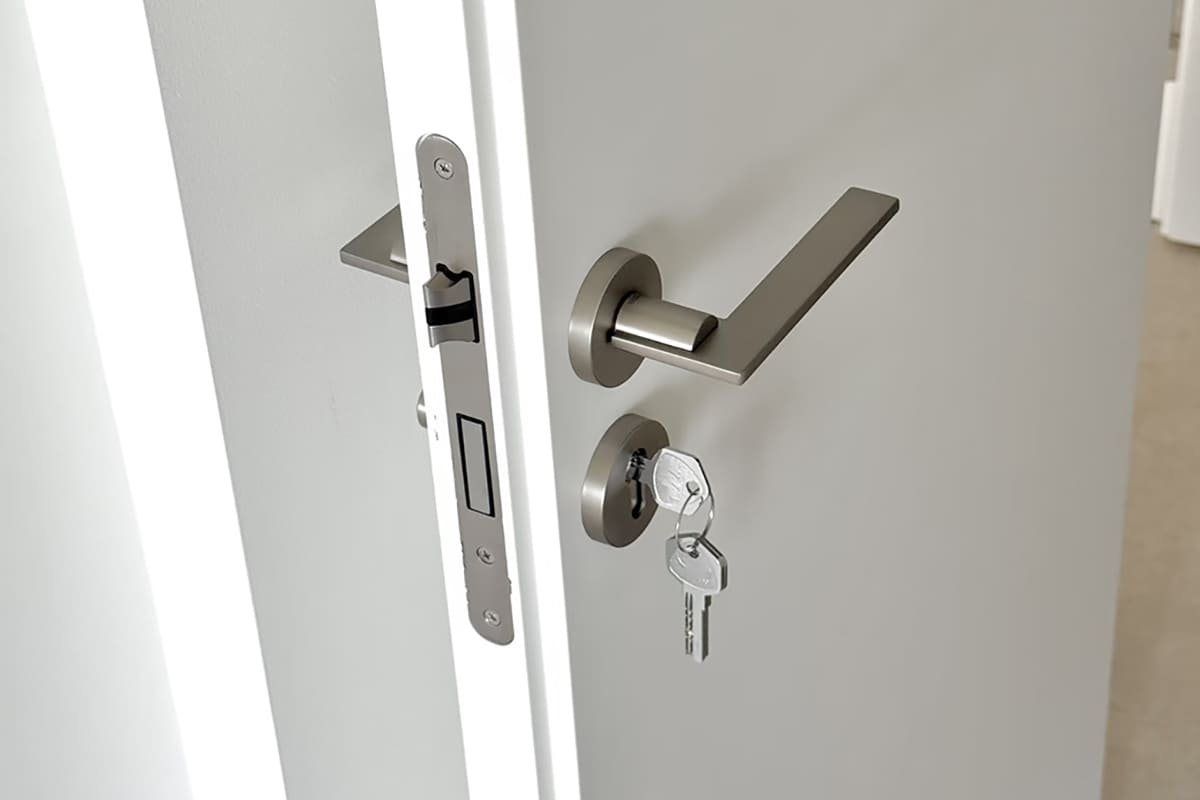
I look at master keying from the buyer’s risk side. A door manufacturer may lose time if the cylinders arrive with unclear labels. A wholesaler may receive customer complaints if key quantities are wrong. A hardware brand may damage its reputation if later reorders cannot match the old system. A project buyer may face site delays if department keys open the wrong area. These problems are not always caused by bad product quality. They are often caused by incomplete information before production.
| Risk Area | Common Problem | Practical Control |
|---|---|---|
| Door grouping | The wrong doors are placed in the same group. | I confirm the door list and group names before production. |
| Permission level | A user key has too much or too little access. | I confirm who should open each door group. |
| Key records | The original chart is missing. | I keep clear system references for future orders. |
| Packing | Cylinders are installed on the wrong doors. | I use labels, door marks, and packing lists. |
| Future reorder | New cylinders cannot match the old system. | I check the old system code before accepting the reorder. |
| Supplier ability | The factory cannot produce the planned hierarchy. | I confirm cylinder compatibility and keying capacity first. |
I do not claim that a master keying system is always safe or unsafe. The security level depends on the cylinder grade, key profile, system design, project use, and key control.10 A better plan can reduce management problems. It cannot replace good site control. The buyer still needs to manage who receives master keys. The buyer also needs to record lost keys, staff changes, and replacement cylinders.11 In B2B supply, I see the best result when the buyer and supplier treat the keying chart as a controlled project document, not as a casual note in a chat message.
How Can I Explain Master Keying to My Customers Clearly?
I know many buyers need to explain this topic to their own customers. A poor explanation can make the customer expect the wrong result.
I explain master keying as a planned access map. The lock cylinder, key cuts, door groups, and user permissions must match one system chart before production starts.
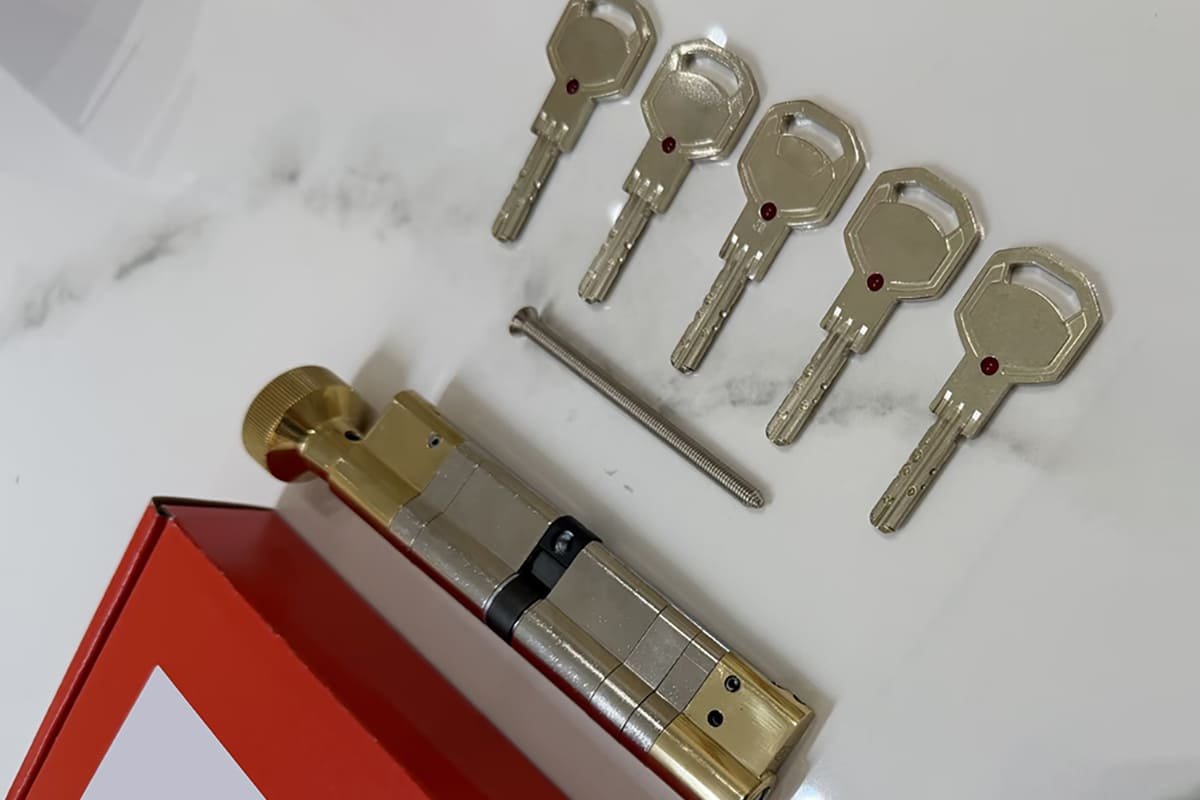
I suggest a very simple way to explain it. First, I ask the customer to imagine a building. Second, I divide the building into floors, departments, and rooms. Third, I assign people to each level. Fourth, I match keys to doors through the cylinder coding plan. This explanation is easy for non-technical customers to understand. It also helps the customer give better order information.
| Customer Question | Simple Answer I Use |
|---|---|
| Can one key open many doors? | Yes, if those doors are planned under that key level. |
| Can every cylinder become master keyed later? | No, it depends on the cylinder type and original coding. |
| Can we add doors in the future? | Usually it is possible only when the system record supports it. |
| Is it the same as keyed alike? | No, keyed alike means the same key opens a set, while master keying has levels.12 |
| Do we need a drawing? | A door list and access table are usually enough for many procurement cases. |
I often tell buyers to avoid vague words like “all,” “some,” and “manager key” unless those words are tied to exact doors. I prefer door marks. I prefer group names. I prefer clear key quantities. I prefer written approval before production. This is not because I want to make the process slow. I do it because the factory cannot guess the customer’s access rules. A master keying system works well when the plan is clear before the cylinders are made.
Conclusion
I recommend preparing door lists, groups, permissions, key quantities, cylinder details, and future needs before requesting any master keying solution.
"Master keying", https://en.wikipedia.org/wiki/Master_keying. A general reference on master keying defines it as a lock-and-key arrangement in which selected keys operate selected cylinders according to a planned keying scheme. Evidence role: definition; source type: encyclopedia. Supports: The source should define master keying as a system in which keys are arranged to operate different locks according to a planned scheme.. Scope note: The source may define the technical concept without addressing the article's procurement workflow. ↩
"[PDF] Campus Master Key Control Policy University of Wisconsin-Madison", https://uwpd.wisc.edu/content/uploads/2014/01/Master_Key_Policy_Final.pdf. Institutional descriptions of master-key systems commonly present them as hierarchical keying structures, with higher-level keys operating multiple lower-level cylinders and change keys operating individual openings. Evidence role: definition; source type: institution. Supports: The source should explain that master key systems are organized into levels such as master keys, sub-master keys, and individual change keys.. Scope note: Terminology varies by institution and lock manufacturer. ↩
"Master keying", https://en.wikipedia.org/wiki/Master_keying. Technical explanations of pin-tumbler master keying describe how key cuts and cylinder pinning create multiple valid shear-line combinations, allowing designated keys to operate designated cylinders. Evidence role: mechanism; source type: encyclopedia. Supports: The source should describe how key cuts interact with cylinder pinning or coding to permit selected keys to operate selected locks.. Scope note: This mechanism directly applies to pin-tumbler systems and may not describe all cylinder technologies. ↩
"[PDF] Dictionary - CDSE", https://www.cdse.edu/Portals/124/Documents/glossary/PY104-glossary.pdf. Educational lock-technology materials note that master keying depends on compatible cylinder design, keyway, and coding capacity, which means that later conversion is not automatic for all stock cylinders. Evidence role: general_support; source type: education. Supports: The source should support that master keying depends on cylinder construction, keyway, and pinning or coding capacity, so not all cylinders can simply be converted later.. Scope note: The source may give general technical conditions rather than confirming the capability of a specific product line. ↩
"[PDF] Key and Lock Control Standards - Oklahoma.gov", https://oklahoma.gov/content/dam/ok/en/doc/documents/policy/section-04/op040105.pdf. Government key-control guidance treats key records, lock locations, and issuance histories as controlled information needed to administer keys and maintain physical access controls over time. Evidence role: general_support; source type: government. Supports: The source should show that key-control programs require records of issued keys, key codes, lock locations, and changes to support administration and future changes.. Scope note: Such guidance supports the importance of records generally and may not address commercial cylinder reorders directly. ↩
"What is a Master Key System and How Does it Work? - Anderson Lock", https://www.andersonlock.com/blog/what-is-a-master-key-system-and-how-does-it-work/. Institutional lock references explain that master-key capability depends on the cylinder and key system, including the mechanism, keyway, and available coding combinations. Evidence role: general_support; source type: institution. Supports: The source should support that not all cylinder mechanisms or key systems have the same ability to support master keying levels.. Scope note: The source may discuss categories of cylinders rather than listing every compatible model. ↩
"[DOC] 087100", https://online2.ogs.ny.gov/dnc/masterspec24/docs/Division08Openings/087100.0DoorHardware.docx. Architectural hardware and keying-schedule guidance identifies door openings, hardware specifications, and keying requirements as core project information for coordinating lock and key systems. Evidence role: general_support; source type: institution. Supports: The source should support that door hardware or keying schedules document openings, hardware, keying groups, and access requirements.. Scope note: The source supports the planning logic but may use construction-document terminology rather than procurement terminology. ↩
"[PDF] OPENINGS Section 08 71 00 – Door Hardware PART 1", https://digitalcommons.imsa.edu/cgi/viewcontent.cgi?article=1016&context=facility_in2_manuals. Construction documentation guidance treats door marks, hardware schedules, and labeling as coordination tools that connect specified hardware to specific openings during installation. Evidence role: general_support; source type: education. Supports: The source should support the role of door marks, schedules, and labeling in coordinating door hardware installation and reducing placement errors.. Scope note: The source supports the general coordination risk and may not specifically study master-key cylinder misplacement. ↩
"Rule 3337-44-50 | Physical Access Control. - Ohio Laws", https://codes.ohio.gov/ohio-administrative-code/rule-3337-44-50. Physical-security key-control policies emphasize that poor control of keys, records, and lock assignments can undermine authorized-access boundaries and complicate administration. Evidence role: general_support; source type: government. Supports: The source should support that inadequate key-control planning and records can create unauthorized access risks and administrative problems.. Scope note: The source supports the security and administrative parts of the claim, while after-sales disputes are a commercial consequence inferred from those problems. ↩
"Keys, Locks, and Locking Devices | U.S. Fish & Wildlife Service", https://www.fws.gov/policy-library/432fw3. Lock and physical-security standards treat mechanical resistance, key-control features, and administrative control of issued keys as related factors in overall lock-system security. Evidence role: expert_consensus; source type: institution. Supports: The source should support that lock security is evaluated through both hardware characteristics and administrative key-control practices.. Scope note: The source may address lock security generally rather than measuring the security of one specific master keying design. ↩
"Key Policy | Kansas Department of Administration", https://admin.ks.gov/offices/facilities-property-management/building-rules-and-information/key-policy. Formal key-control policies commonly require records of key issuance and return, reporting of lost keys, action after personnel changes, and documentation of lock or cylinder replacement. Evidence role: general_support; source type: government. Supports: The source should support that key-control programs track issued keys, lost keys, personnel status changes, and lock or cylinder replacements.. Scope note: The source supports administrative key-control practice generally and may not be written specifically for B2B hardware procurement. ↩
"Master keying - Wikipedia", https://en.wikipedia.org/wiki/Master_keying. Reference definitions distinguish keyed-alike locks, which are operated by the same key, from master-keyed systems, which organize locks and keys into broader and narrower access levels. Evidence role: definition; source type: encyclopedia. Supports: The source should define keyed alike and master keyed arrangements and distinguish a single shared key from hierarchical access levels.. ↩