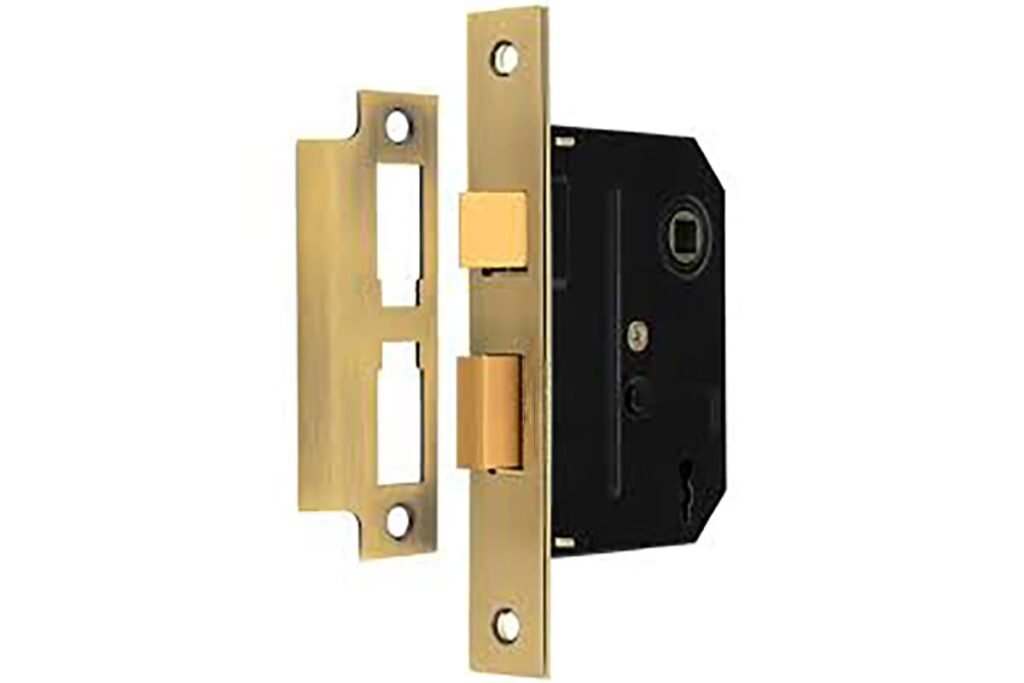
What Is a Mortise Lock Europa?
I often see buyers ask for “Europa” locks, but the name alone can hide wrong sizes, wrong functions, and costly door rework.
A mortise lock Europa usually means a European-style mortise lock setup, not one fixed lock model.1 I treat it as a lock body configuration that must be checked by function, backset, center distance, faceplate, cylinder type, handle set, door thickness, and project requirements before purchase.
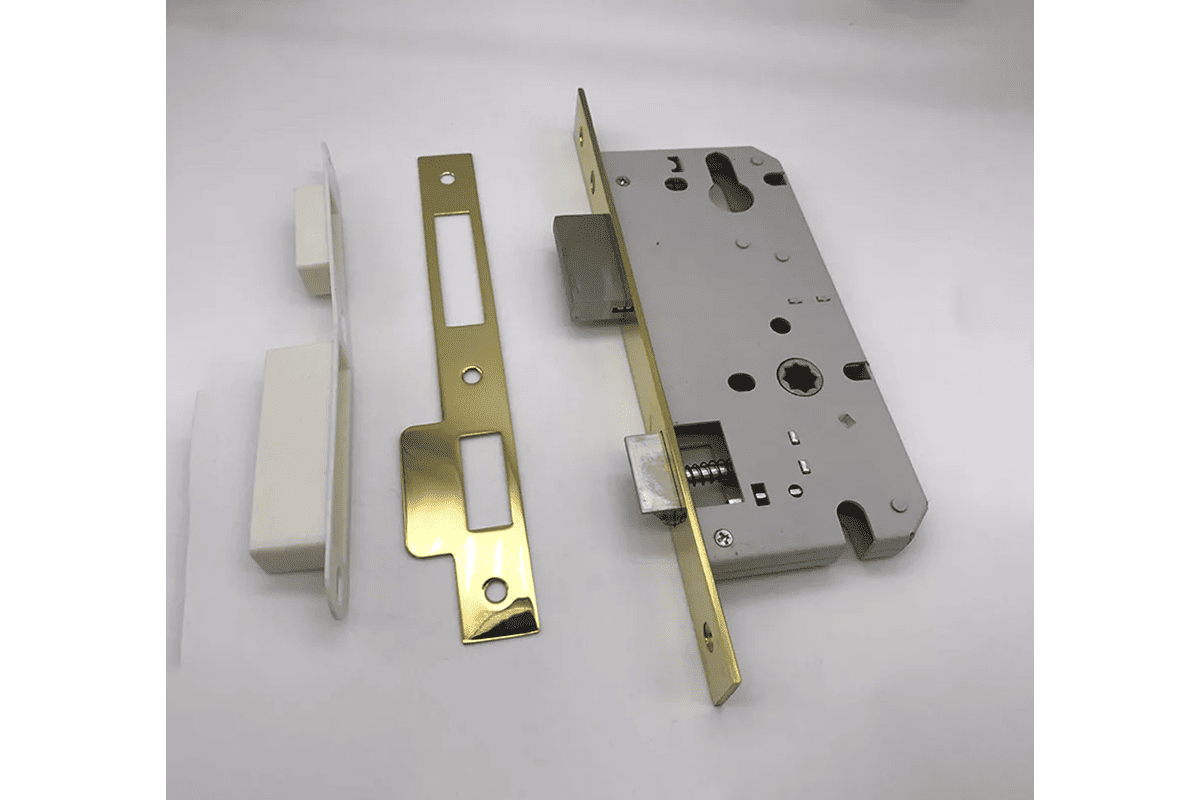
I have handled many inquiries where the buyer only wrote “mortise lock Europa” in the first message. I understand the reason. The buyer wants a quick quote. The buyer may already have a door drawing, an old lock sample, or a local market reference. But I also know that one short name cannot protect a bulk order from mismatch. I usually need to slow the conversation down and ask for drawings, dimensions, door type, handle details, and cylinder details. If I skip this step, I may quote a lock that looks close but does not fit the door cut-out. This is why I never treat “Europa” as the final answer. I treat it as the starting point. If you buy for a door factory or a hardware brand, this small shift can save you sample time, tooling cost, and after-sales pressure. Keep reading, because I will explain how I check it in factory order work.
Is “Europa” One Fixed Mortise Lock Model?
I have seen buyers lose time because they think “Europa” is a complete model name, but the real lock may still be undefined.
A “mortise lock Europa” is not one universal product. I understand it as a European-style mortise lock context. I still need to confirm the lock function, case size, backset, center distance, faceplate, cylinder hole, handle follower, and matching door hardware.
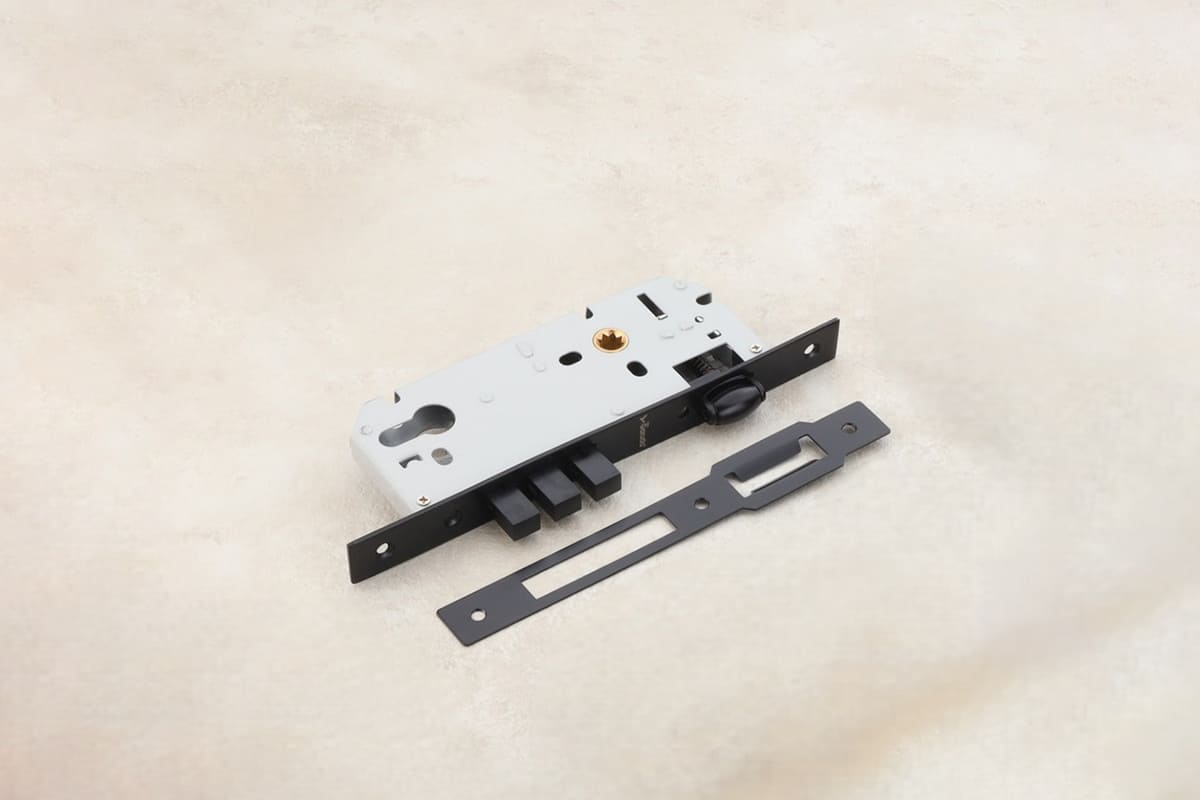
I treat the word as a market clue, not a drawing
In my factory work, the word “Europa” usually tells me the buyer is thinking about a European-style door lock system. It may mean a lock body for a Euro profile cylinder2. It may also mean a lock that is used with lever handles and separate escutcheons. It may point to a common configuration in the buyer’s local market. But I cannot use the word alone to cut metal, pack goods, or confirm a container order.
I usually ask the buyer for one of four things. I ask for a technical drawing, a physical sample, a door preparation drawing, or clear dimension photos. I do this because two locks can both be called “Europa” in a market conversation, but they can have different backsets, faceplates, followers, and centers.
| Item I confirm | Why I confirm it | Risk if I do not confirm it |
|---|---|---|
| Lock function | I need to know if it is bathroom, entrance, passage, or deadlock style | The latch and bolt may not meet the door use |
| Center distance3 | I need the distance between handle center and cylinder center | The handle and escutcheon may not align |
| Backset4 | I need the distance from faceplate edge to spindle center | The lock may not match the door cut-out |
| Faceplate | I need length, width, shape, and screw position | The lock may not sit flush on the door |
| Cylinder hole | I need to know if it uses Euro profile cylinder | The buyer may order the wrong cylinder set |
I often tell buyers that the name is useful for the first search, but the drawing is useful for production. This is a simple rule. I use it because bulk door hardware is not bought like a retail lock from a shelf. A door factory needs stable fit. A hardware brand needs stable repeat orders. A wholesaler needs fewer complaints from installers. The word “Europa” can open the discussion, but it cannot replace technical confirmation.
Which Parts Should I Separate From The Mortise Lock Body?
I often receive full hardware set requests where the buyer says “lock,” but the buyer may mean the lock body, cylinder, handle, spindle, and escutcheon together.
A mortise lock body is the lock case installed inside the door.5 I separate it from the Euro profile cylinder, lever handle, spindle, escutcheon, strike plate, and fixing screws because each part has its own size, function, finish, and standard.
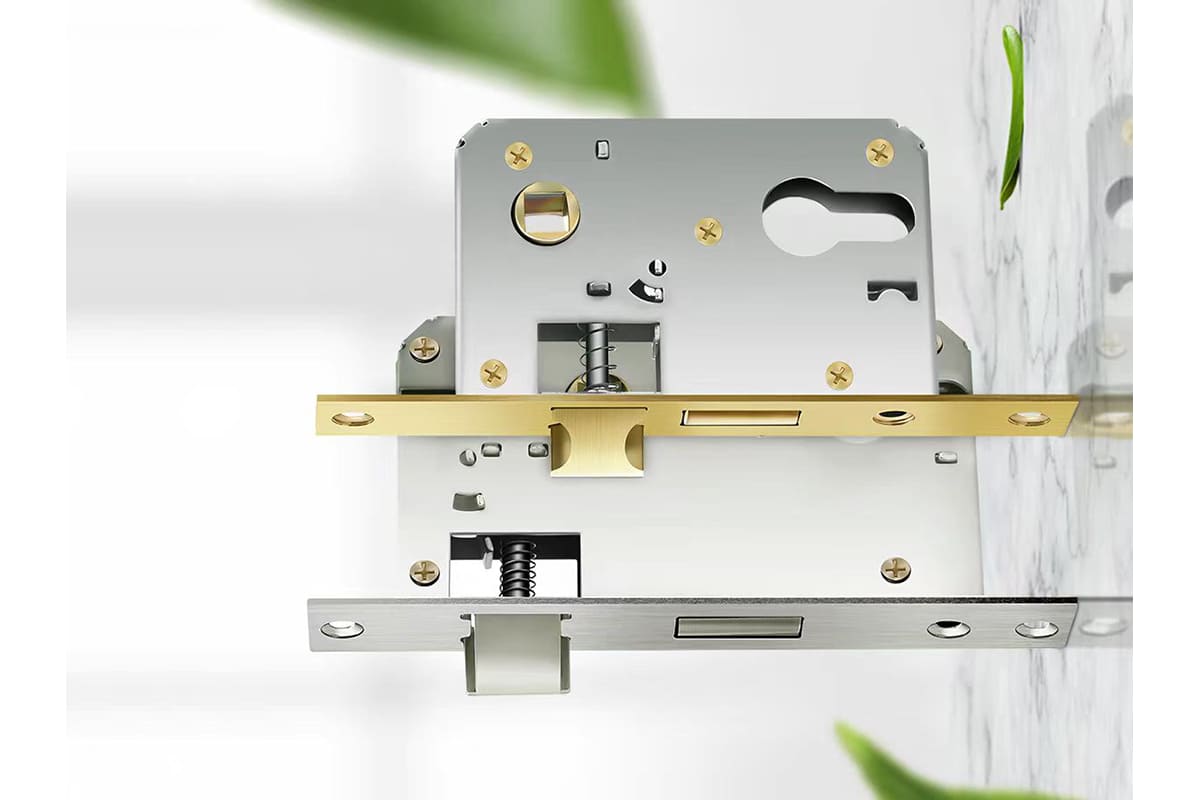
I define the lock body before I match the set
In production and sample confirmation, I first define the mortise lock body. This lock body sits inside the door pocket. It contains the latch, deadbolt, follower, spring parts, and the case structure. It is not the same thing as the Euro profile cylinder. The cylinder is the removable key part.6 The handle is the operating part. The spindle connects the handles through the follower.7 The escutcheon or plate covers the visible holes on the door surface.
This separation matters because one wrong matching part can make a good lock body look like a bad product. I have seen this in sample work. A buyer sends a complaint that the handle does not return well. After checking, the spindle length or handle spring may not match the door thickness. Another buyer says the cylinder is loose. After checking, the cylinder length may not match the door thickness and escutcheon thickness. The lock body was not the only factor.
| Component | My simple definition | Main details I check |
|---|---|---|
| Mortise lock body | The case inside the door | Function, backset, center distance, faceplate, follower |
| Euro profile cylinder | The key cylinder fitted through the lock | Length, cam type, finish, key system |
| Lever handle | The part users hold and press | Material, finish, spindle size, spring support |
| Spindle | The square bar through the follower | Size, length, strength |
| Escutcheon or plate | The cover around handle or cylinder hole | Shape, thickness, screw position, finish |
| Strike plate | The frame-side receiving plate | Size, lip length, screw holes, finish |
I suggest that door factories check the whole hardware set before they confirm the lock. A lock body may match the door cut-out, but the handle set may not match the follower size. A cylinder may fit the lock, but it may be too short for the actual door thickness. A faceplate may match the door edge, but the finish may not match the handle finish in mass production. I always try to bring these parts into one discussion because procurement risk often hides between the parts, not inside one part only.
What Dimensions Should I Confirm Before I Buy?
I know the fastest way to get a quote is to send only a name, but I also know the safest way is to send dimensions first.
Before I quote or confirm a mortise lock Europa order, I usually check function, backset, center distance, case size, faceplate size, follower size, cylinder hole, door thickness, door material, opening direction, strike plate, and existing cut-out.
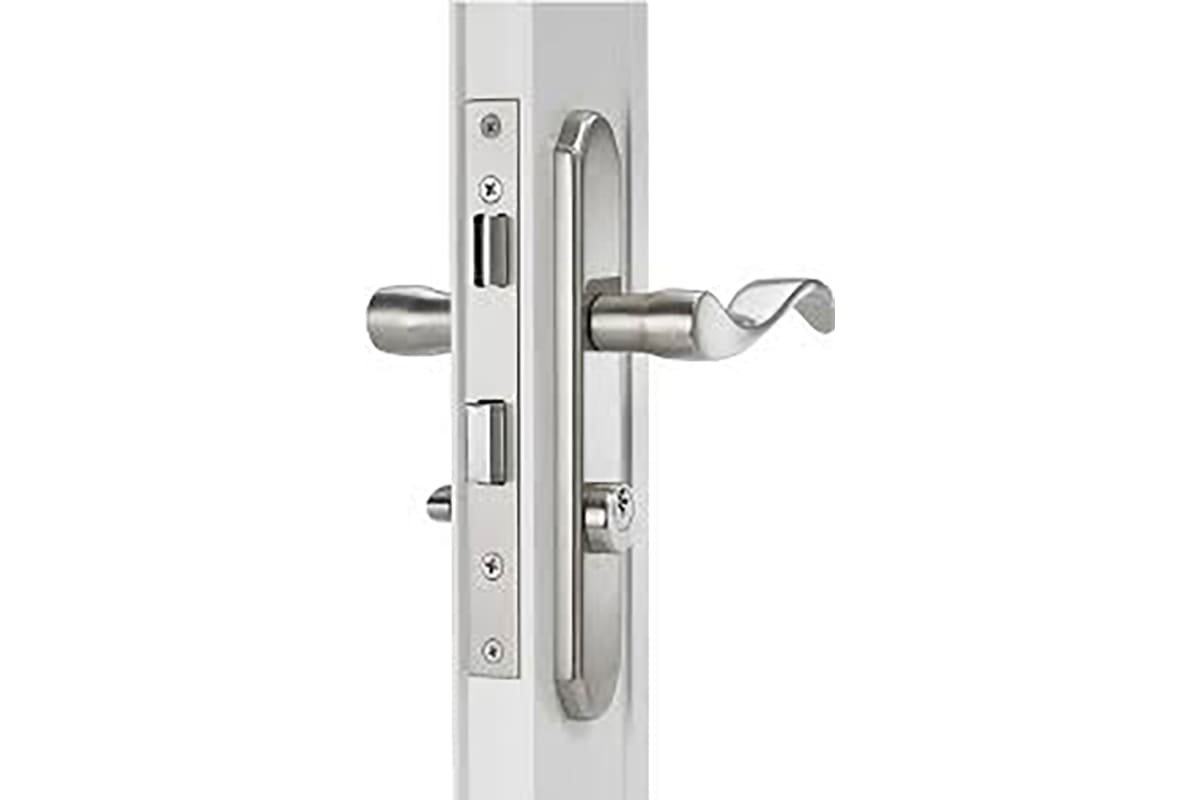
I use dimensions to protect the door preparation
A door manufacturer cannot treat a mortise lock as a loose accessory. The lock and the door preparation must work as one system.8 The lock pocket, edge routing, handle hole, cylinder hole, and strike position must match. If the lock changes after the door has been prepared, the cost can be high.9 I have seen buyers spend more time fixing door routing than checking the lock drawing at the beginning.
I usually ask for the existing lock drawing if the buyer wants replacement supply. If the buyer is developing a new door line, I ask for the door thickness, door material, and preferred hardware style. I also ask whether the lock needs CE certification, fire-rated certification, or a specific project document10. I do not assume these points from the word “Europa.” I treat them as project-specific requirements that must be checked.
| Measurement | What I ask the buyer to provide | Why it matters |
|---|---|---|
| Backset | Example: 45 mm, 50 mm, 55 mm, or project size | It controls handle and cylinder position from door edge |
| Center distance | Distance between follower center and cylinder center | It controls handle and cylinder alignment |
| Faceplate size | Length, width, thickness, radius or square end | It controls fit on the door edge |
| Case size | Lock case height, depth, and thickness | It controls the mortise pocket size |
| Follower size | Common square size, such as 8 mm11 or project size | It controls spindle and handle matching |
| Door thickness | Full finished door thickness | It controls cylinder and spindle length |
| Strike plate | Size, lip, and screw holes | It controls frame-side closing fit |
I also check the lock function
The same outer style can hide different internal functions. I may supply a latch lock, bathroom lock, cylinder lock, passage lock, or deadlock type under a European-style mortise lock family. Each one serves a different use. A hotel room door, apartment entrance door, bathroom door, and internal office door do not need the same lock function.12
| Function type | My common use reference | Buyer check point |
|---|---|---|
| Entrance function | Apartment, room, or main door use | Cylinder operation and deadbolt security |
| Bathroom function | Toilet or private internal room | Emergency release and privacy turn |
| Passage function | Internal passage door | Latch operation without key locking |
| Deadlock function | Higher locking need or special door set | Bolt throw and cylinder operation |
| Project function | Hotel, public building, or fire door use | Certification and test report requirements |
I do not say one function is better in every case. I ask what the door must do. This question sounds simple, but it changes the product. It also changes the bill of materials. It changes the sample. It changes the price. It may also change lead time if the buyer needs special material, special faceplate, special finish, or certification documents.
Why Is Name-Only Purchasing Risky In Bulk Orders?
I have seen many first inquiries start with a simple product name, but I have never trusted a simple name for mass production confirmation.
Name-only purchasing is risky because the same “mortise lock Europa” wording can hide different lock bodies, door cut-outs, cylinder types, handle followers, faceplates, finishes, and certifications. I always return to drawings, samples, and matching hardware details before bulk production.
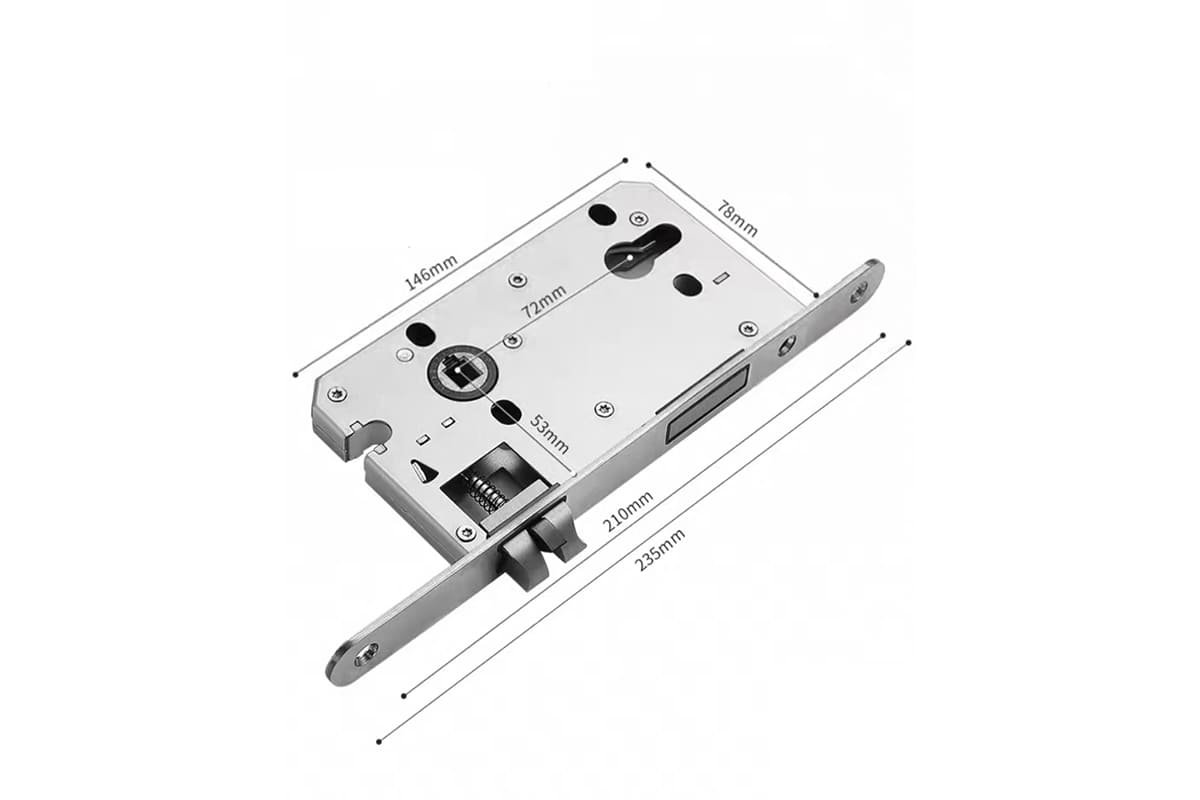
I use sample confirmation before mass production
In bulk order discussions, I often receive photos from a phone, a short description, or a previous supplier’s catalog code. These details help me start, but they are not enough for final production. I usually build the process around sample confirmation. I confirm the lock drawing. I confirm the material and finish. I confirm the faceplate. I confirm the follower. I confirm the cylinder hole. I confirm the packaging. I also confirm whether the buyer needs the lock supplied alone or supplied as a full hardware set.
I like sample confirmation because it turns a name into a physical reference. The buyer can test the lock in the real door. The buyer can check the handle return feel. The buyer can check the cylinder fit. The buyer can check the finish under local light. The buyer can check the strike plate against the frame. This step may feel slow at the start, but it usually saves time before bulk order.
| Stage | What I confirm | What the buyer gains |
|---|---|---|
| Inquiry | Name, market, photos, drawings | Clear first direction |
| Technical check | Dimensions, function, door type | Lower mismatch risk |
| Sample order | Real lock body and matching parts | Physical fit test |
| Sample feedback | Door installation result | Corrected details before bulk |
| Bulk order | Final drawing, finish, packing, documents | Stable repeatable supply |
I connect price with specification
I also remind buyers that price comparison is not fair if the specification is unclear. One supplier may quote a lower price with a thinner faceplate, different internal parts, or a different finish process. Another supplier may include the cylinder, strike plate, screws, and special packing. The two prices may look different, but the products may not be equal.
As a China-based architectural door hardware manufacturer, I work with door factories, hardware brands, and wholesalers who care about stable quality and cost. I understand price pressure. I also know that the cheapest quote can become expensive if the product causes door rework or customer claims. This is why I prefer to compare price after the specification is fixed. I usually tell buyers to confirm the same drawing, same function, same finish, same accessory list, same certification requirement, and same packing before comparing quotes.
This approach is not complicated. It is just disciplined. It helps both sides avoid assumptions. It also helps my factory control raw material, production steps, finish consistency, inspection, and delivery schedule.
How Should I Prepare A Quote Request For A Mortise Lock Europa?
I know many buyers want a fast answer, and I can answer faster when the first message includes the right technical points.
For a proper quote request, I suggest sending the lock drawing or sample photos, function, backset, center distance, faceplate size, door thickness, finish, quantity, matching cylinder and handle details, packaging need, certification need, and target delivery time.

I prefer a checklist instead of a vague product name
I do not need a perfect engineering file for every first inquiry. I can start with clear photos and basic measurements. But I do need enough information to avoid guessing. A good inquiry helps me understand whether the buyer needs a standard item, a modified standard item, or an ODM customized product. It also helps me decide whether I should quote only the lock body or the full hardware set.
I usually suggest this simple inquiry structure:
| Quote information | Example of what I need | My reason |
|---|---|---|
| Product use | Interior door, entrance door, bathroom door, fire-rated door | I need to select the right function |
| Door details | Wood door, steel door, aluminum door, door thickness | I need to judge fit and accessory length |
| Lock dimensions | Backset, center, faceplate, case size | I need to match the door cut-out |
| Matching parts | Cylinder, handle, spindle, escutcheon, strike plate | I need to check the full set |
| Finish | Satin stainless steel, polished chrome, black, brass tone | I need to control batch appearance |
| Quantity | Sample quantity and bulk order quantity | I need to plan price and production |
| Certificates | CE, fire-rated, or project document request | I need to check exact available documents |
| Packing | Bulk packing, brand box, neutral box, barcode | I need to calculate cost and work steps |
I ask buyers to share the real problem
Sometimes the buyer is not only looking for a lock. The buyer may be solving a fit problem with an old supplier. The buyer may need a lower cost version for a tender. The buyer may need a better finish match with handles. The buyer may need faster delivery for repeated projects. I can give a better answer when I understand the real problem.
For example, if a door factory already has door cut-outs, I focus on replacement fit. If a hardware brand wants a new product line, I focus on appearance, packaging, and repeatable production. If a wholesaler sells into several markets, I focus on common sizes and clear product labeling. If a project buyer asks about fire-rated use, I do not assume anything from the product name. I check the required test report, door type, hardware combination, and project conditions.
I believe this is the practical meaning of “mortise lock Europa” in procurement work. It is not just a word in a catalog. It is a door hardware configuration that must be confirmed as a system.
Conclusion
I treat “mortise lock Europa” as a European-style configuration, not one fixed model, and I always confirm drawings, dimensions, function, and matching hardware first.
"Mortise lock", https://en.wikipedia.org/wiki/Mortise_lock. European lock standards and technical descriptions classify mechanically operated locks by attributes such as function, dimensions, operation, and cylinder compatibility, supporting the treatment of “Europa” as a configuration context rather than a fixed model. Evidence role: general_support; source type: institution. Supports: European mortise locks are generally specified by function, dimensions, cylinder interface, and related hardware rather than by a single informal product name.. Scope note: The source may not discuss the market term “Europa” directly; it supports the broader standards-based reason why the term alone is insufficient. ↩
"Pin tumbler lock", https://en.wikipedia.org/wiki/Pin_tumbler_lock. Reference descriptions of Euro cylinders identify them as a standardized cylinder form used with compatible lock cases, supporting the need to confirm cylinder type when specifying a mortise lock. Evidence role: definition; source type: encyclopedia. Supports: A Euro profile cylinder is a common cylinder format used in compatible lock cases and door hardware systems.. ↩
"How to measure and choose the right mortise lock size - BlueID", https://www.blue-id.com/en/blog/mortise-lock-mass. Lock-dimension references describe the centre measurement as the spacing between the handle follower and the cylinder or keyhole center, supporting the article’s emphasis on confirming center distance before purchase. Evidence role: definition; source type: institution. Supports: Mortise lock specifications commonly use a centre or centres measurement between the handle follower and cylinder or keyhole center.. ↩
"Door Knobs & Backset Explained: Sizes & Measuring", https://www.suffolklatchcompany.com/blogs/news/door-knobs-and-backset-explained?srsltid=AfmBOopyowkJgN4fs4LFyhAFee_LtCcKPdhjohYLvC4qt7_Lm1uX9BZc. Door-hardware terminology sources define backset as the distance from the door edge or lock face to the relevant operating centerline, supporting its use as a critical lock-ordering dimension. Evidence role: definition; source type: education. Supports: Backset is the distance from the door edge or lock face to the centerline of the spindle, keyway, or bore depending on lock type.. ↩
"Mortise lock", https://en.wikipedia.org/wiki/Mortise_lock. General technical references define a mortise lock as a lock installed in a mortise or pocket cut into the door, supporting the article’s distinction between the lock body and surface-mounted hardware. Evidence role: definition; source type: encyclopedia. Supports: A mortise lock is installed into a mortise pocket cut into the edge of a door.. ↩
"Locksmith Terminology – A Dictionary of Locksmith & Security Terms", https://www.locksmiths.co.uk/locksmith-terminology-parts-of-locks/. Technical standards for lock cylinders treat the cylinder as a distinct key-operated component, supporting the article’s separation of the cylinder from the mortise lock body. Evidence role: definition; source type: institution. Supports: Lock cylinders are key-operated components that can be specified separately from the lock case.. ↩
"What is a Spindle and what kind do I need? - Our Blog - More Handles", https://www.morehandles.co.uk/blog/more-handles-technical-guides-what-is-spindle-and-how-do-i-know-what-kind-i-need/. Technical descriptions of lever-handle hardware describe the spindle as the bar that passes through the lock follower to transmit handle rotation to the latch mechanism. Evidence role: mechanism; source type: institution. Supports: Lever handles operate the latch through a spindle that engages the lock follower.. ↩
"087100", https://online2.ogs.ny.gov/dnc/masterspec24/docs/Division08Openings/087100.0DoorHardware.docx. Door and hardware installation guidance treats the door, frame preparation, lock case, and strike as coordinated components, supporting the article’s statement that the lock and door preparation must function as a system. Evidence role: general_support; source type: institution. Supports: Door hardware installation depends on coordinated door preparation, lock dimensions, and frame-side hardware.. Scope note: Such sources typically support coordination principles generally, not the author’s specific factory examples. ↩
"FireDOC Search", https://firedoc.nist.gov/article/nHcyXYQBWEcjUZEYo6tQ. Studies of construction and manufacturing rework report that late specification changes can increase cost and delay schedules, providing contextual support for the risk of changing lock requirements after door preparation. Evidence role: general_support; source type: paper. Supports: Late changes and rework in construction or manufacturing projects are associated with added cost and schedule impacts.. Scope note: The evidence is likely to address rework costs broadly rather than mortise locks specifically. ↩
"CE Marking for Construction Products - Intertek", https://www.intertek.com/building/ce-marking/. Official construction-product and fire-door guidance explains that regulated door hardware may need conformity documentation or fire-performance evidence, supporting the article’s warning that certification requirements must be confirmed by project. Evidence role: general_support; source type: government. Supports: Door hardware used in regulated construction contexts may require conformity documentation such as CE marking or fire-performance evidence.. Scope note: Requirements vary by jurisdiction, door assembly, and intended use, so the source supports the need to check requirements rather than a universal certification rule. ↩
"Standard Door Handle / Knob Square Spindle 8mm / Bundle", https://affdoorhardware.com/standard-door-handle-knob-square-spindle-8mm-bundle/?srsltid=AfmBOorBtCAw8cREJLs1CWBOfjbdTAXtdfPlepdLV4Etaf_Rx14oCkIU. Lever-handle standards and technical references describe square spindle interfaces and commonly used sizes, supporting the article’s example of an 8 mm follower or spindle dimension. Evidence role: general_support; source type: institution. Supports: European lever-handle hardware commonly uses square spindles, including 8 mm sizes, depending on the lock and handle specification.. Scope note: The source may show common practice or standard interface requirements rather than proving that 8 mm is universal. ↩
"Lock Functions Lesson by Gordon Malczewski | Schlage", https://allegion.ca/en/resources/education/leading-the-industry/back-to-basics/lock-functions.html. Architectural hardware standards and guides classify locks by function, including passage, privacy, entrance, and other application-specific types, supporting the claim that different door uses require different lock functions. Evidence role: definition; source type: institution. Supports: Locksets are classified into functions such as passage, privacy, entrance, and other application-specific functions.. ↩