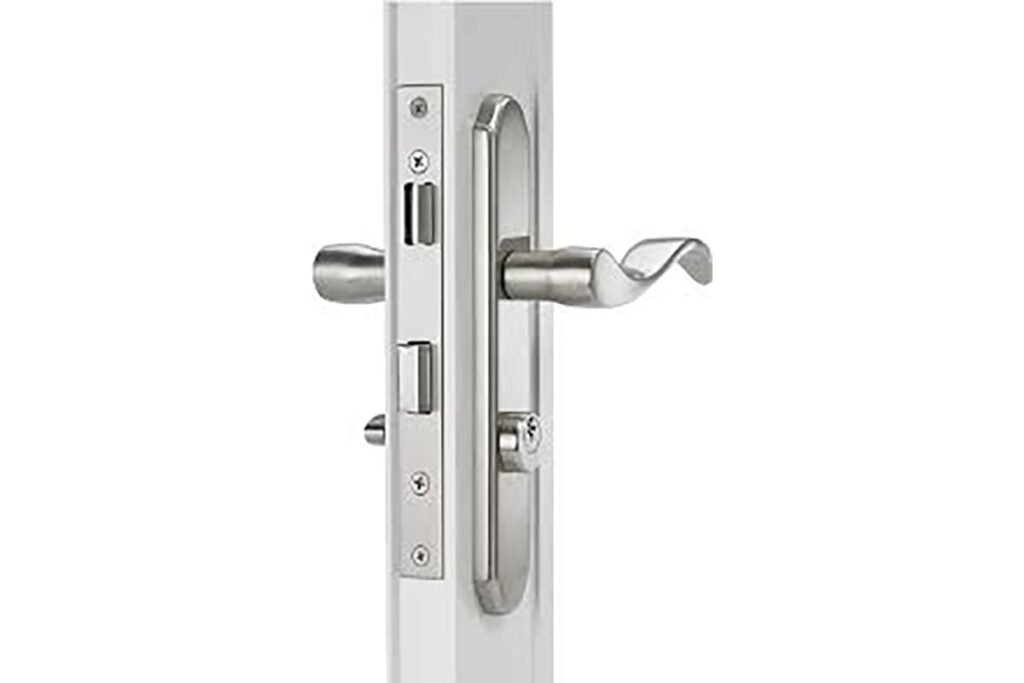
What Are the Components of a Mortise Door Lock?
A wrong mortise lock sample wastes time, blocks door testing, and creates buyer pressure. I see this problem often when small components are not confirmed early.
A mortise door lock usually includes a lock body, forend, dead bolt, latch bolt, follower, springs, strike box, strike plate, and matching accessories.1 Buyers should confirm material, finish, direction, backset, center distance, spindle size, door thickness, latch type, and whether they need a full lock set or only the lock body.
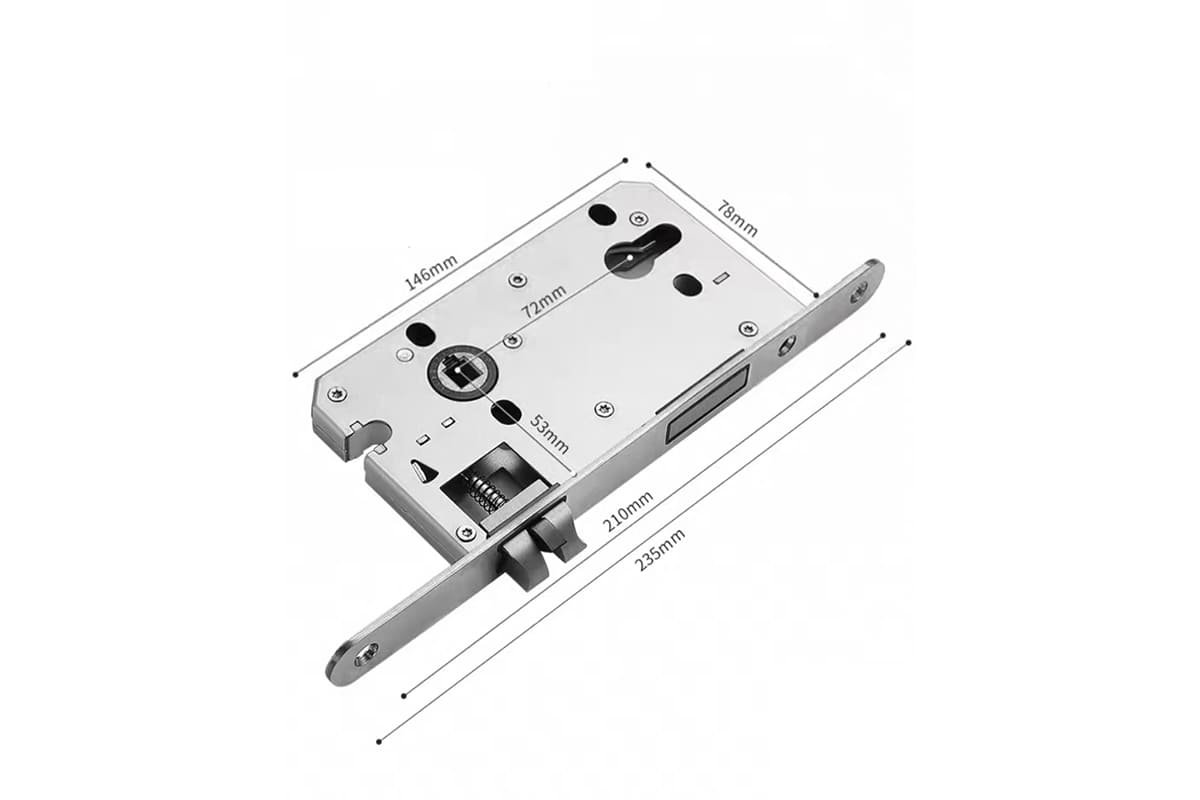
I work with door factories, hardware brands, and wholesalers on mortise lock configuration. I have learned that a component guide is useful only when it helps a buyer avoid wrong samples, missing parts, and poor door matching. A mortise lock is not only a box inside the door. It is a set of visible parts, working parts, frame-side parts, and matching accessories. Each part affects installation, appearance, cost, and delivery. I usually start the discussion with one simple question: are you buying only the lock body, or are you buying the full matching set?
What Parts Make Up the Lock Body?
If I only name the parts, I do not solve the buyer’s problem. A lock body looks simple, but one small mismatch can make the whole door set unusable.
A mortise lock body normally includes the case, forend, dead bolt, latch bolt, follower, internal plates, springs, screws, and related moving parts.2 These parts work together inside the door leaf, so the buyer must confirm both the visible design and the functional dimensions before sampling.

How I Look at the Lock Body in Factory Configuration
In factory configuration discussions, I usually separate the lock body into three groups. The first group is the visible group. This includes the forend and the screw heads on the door edge. The second group is the operating group. This includes the latch bolt, dead bolt, follower, and internal drive parts. The third group is the matching group. This includes the strike plate, strike box, screws, cylinder, handle, and spindle when the buyer needs a complete set.
This method helps me avoid a common mistake. Some buyers send only one photo and ask for “the same lock.” A photo may show the forend finish, but it may not show backset, center distance, spindle size, latch direction, or strike matching. I must confirm those details before I make a sample.
| Component area | What I check first | Why it matters to the buyer |
|---|---|---|
| Visible parts | Forend material, finish, screw position | It affects the door edge appearance |
| Operating parts | Dead bolt, latch bolt, follower, spindle size | It affects locking and handle operation |
| Matching parts | Strike plate, strike box, screws, cylinder | It affects installation on the frame |
| Door matching | Door thickness, backset, center distance | It affects whether the lock fits the door cutout |
Why Does the Forend Matter More Than Many Buyers Expect?
A buyer may focus on the lock function first, but the user sees the forend every day. A poor finish can make a good lock look cheap.
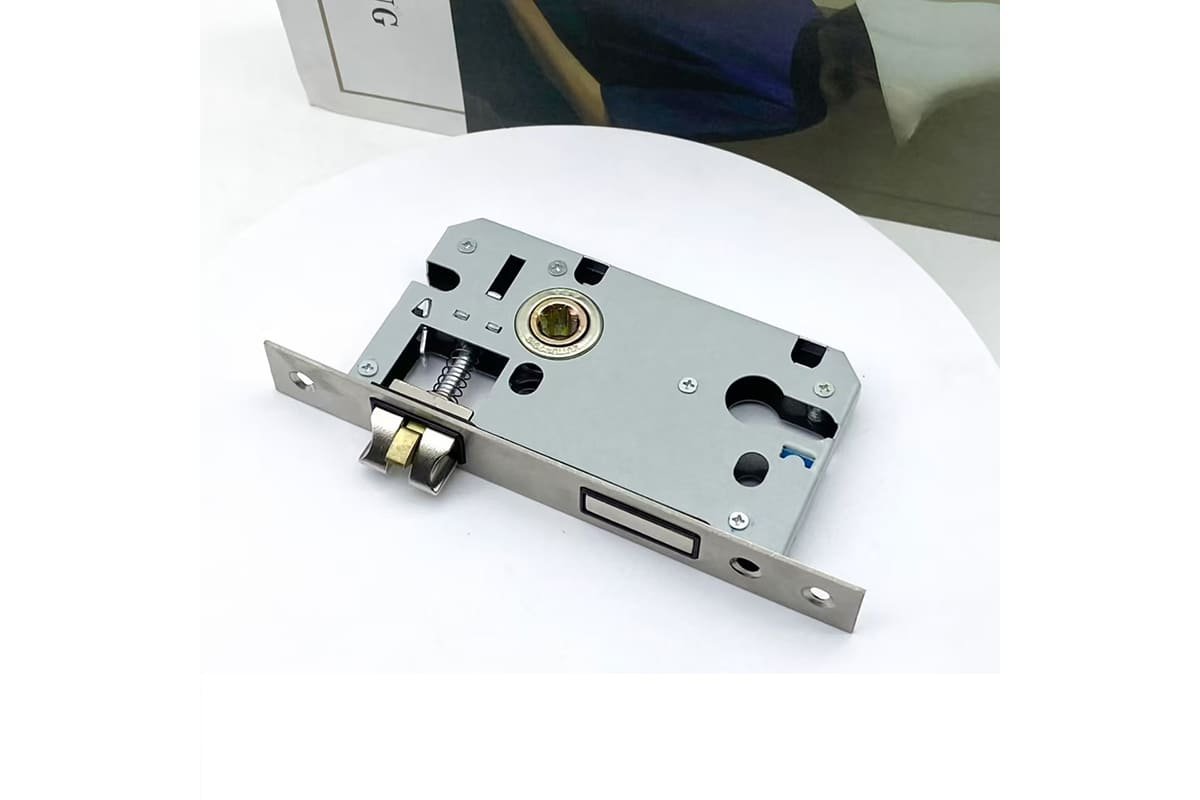
The forend is the exposed plate on the door edge of a mortise lock.3 It covers the lock body opening, supports fixing screws, and affects the visible finish. Common materials include brass, stainless steel, and iron, with polishing, electroplating, brushing, or painting.4
How I Confirm Forend Details Before Sampling
I always ask about the forend because it is both a technical part and an appearance part. The forend must match the lock case, the door edge preparation, and the expected market style. A stainless steel brushed forend may be suitable for many modern doors. A polished brass or electroplated finish may be needed for a higher decorative style. A painted iron forend may be used in some cost-sensitive projects, but the buyer should confirm corrosion needs and finish stability.
The buyer should not only say “silver” or “gold.” I need a real finish code, sample, or clear reference. The same finish name can look different between factories. I have seen bulk orders delayed because the lock body finish did not match the handle finish. I also check screw position, forend length, forend width, edge shape, and corner style.
| Forend detail | What I ask the buyer | Procurement risk if ignored |
|---|---|---|
| Material | Do you need brass, stainless steel, or iron? | The cost and corrosion behavior may change |
| Finish | Do you need polishing, plating, brushing, or painting? | The lock may not match the handle or door |
| Size | What are length, width, and thickness? | The lock may not fit the prepared door edge |
| Corner shape | Do you need square or round corners? | The installer may need extra processing |
| Screw holes | Do you have a fixed screw position? | The lock may not match old door preparation |
What Do the Dead Bolt and Latch Bolt Do?
A lock can close the door and still fail the buyer’s needs. I see this when the latch works but the dead bolt or latch type is not correct.
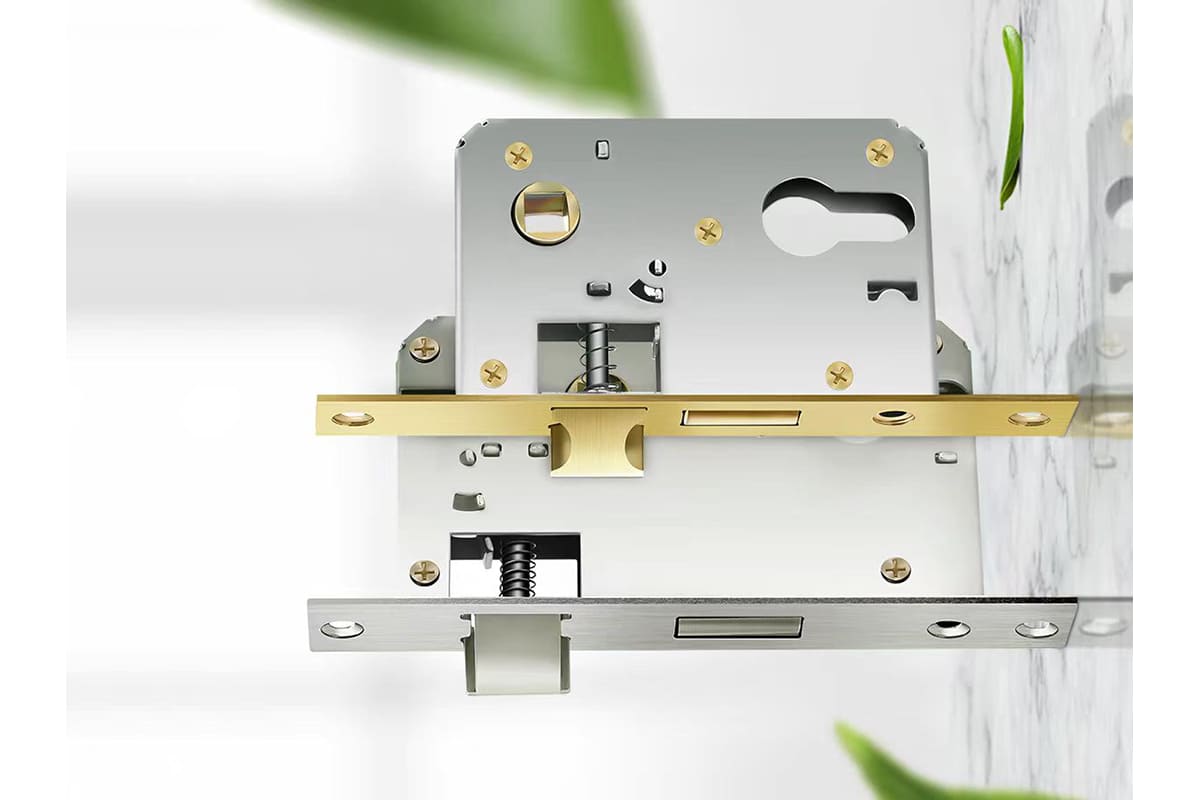
The dead bolt provides the main locking action, while the latch bolt supports daily door closing.5 Dead bolts may have square, cylindrical, or non-standard shapes. Latch bolts are commonly made from stainless steel, brass, or zinc alloy, based on project needs and market positioning.
How I Separate Locking Function From Door-Closing Function
I explain the dead bolt first because many buyers connect it with security. A longer throw can improve engagement with the frame in many designs, but I do not treat any throw length as a universal security claim.6 If a buyer asks for 20 mm, 24 mm, anti-saw sleeve, reinforced insert, or a special grade, I ask for the required standard, test data, or market specification. This is safer than making a general claim.
The latch bolt has a different job. It helps the door close during normal use. It must move smoothly and return well. It also needs the correct direction or reversible design. Some markets prefer a silent latch or a magnetic latch, but those choices depend on the door type and the buyer’s product line.
| Part | Main job | Common material options | What I confirm |
|---|---|---|---|
| Dead bolt | It locks into the frame | Brass, stainless steel, iron, zinc alloy | Shape, throw, material, grade requirement |
| Latch bolt | It keeps the door closed before locking | Stainless steel, brass, zinc alloy | Direction, bevel, reversibility, noise need |
| Anti-saw feature | It may support higher protection in some designs | Market-dependent | I confirm test basis before using claims |
| Latch style | It affects closing feel | Standard, silent, magnetic in some ranges | I confirm door type and market demand |
I also check the strike box and strike plate at this stage. The dead bolt and latch bolt must enter the frame-side parts cleanly. A strong lock body with the wrong strike plate still creates a poor installation result.
Why Is the Follower and Spindle Size So Important?
A door handle can look correct and still fail after installation. I see this when the follower and spindle size do not match.
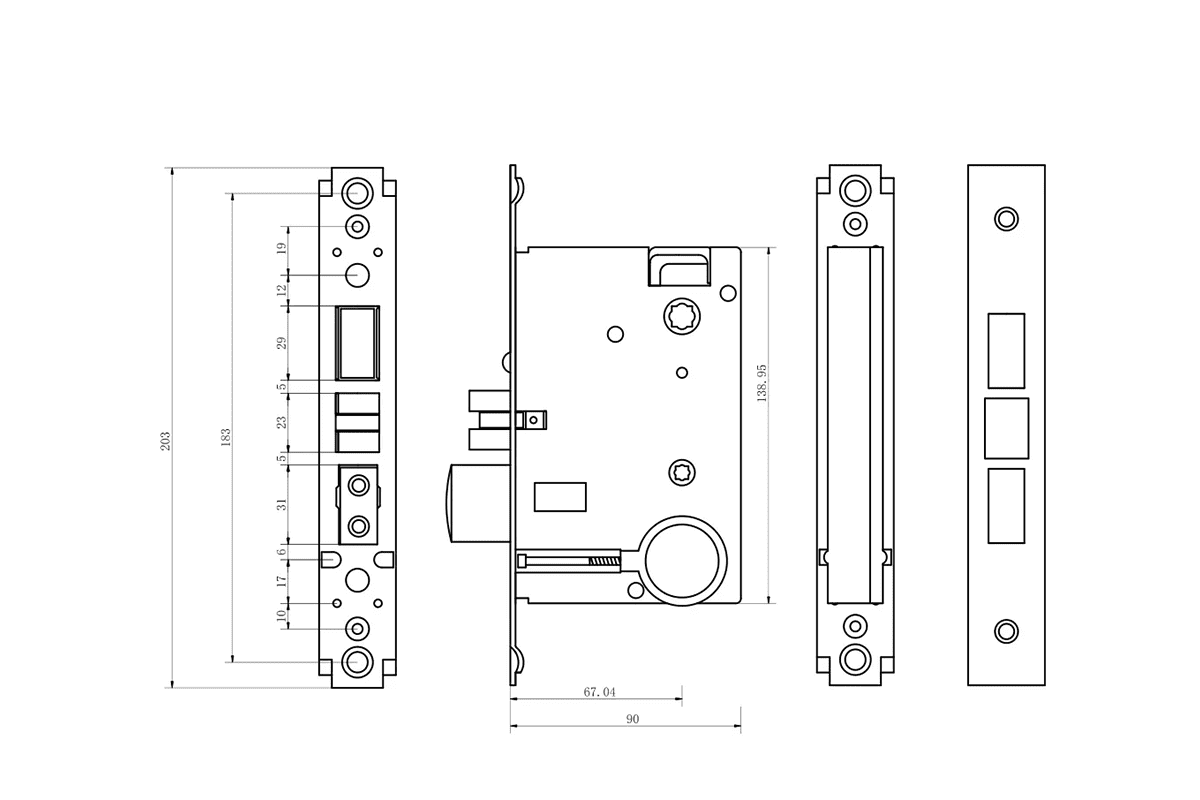
The follower is the square drive part inside the mortise lock that connects to the handle spindle.7 Common spindle sizes include 8×8 mm, 7×7 mm for some French applications, and 9×9 mm for some fire-rated lock applications, but the required size depends on the market specification.8
How I Confirm Handle Compatibility
I treat the follower as a small part with a large risk. The handle spindle passes through it. When the user presses the handle, the spindle turns the follower, and the follower moves the latch mechanism. If the spindle is too small, the handle may feel loose. If it is too large, it may not enter the lock. If the lock is made for one market and the handle is made for another, the buyer may find the issue only after receiving samples.
The most common size I handle is 8×8 mm. Some French applications may use 7×7 mm. Some fire-rated lock applications may use 9×9 mm. I always mark these as market-dependent and project-dependent. I do not assume the size from the handle photo. I ask the buyer for handle drawing, spindle size, door thickness, and any fire-rated or certification requirement.
| Item | What I confirm | Why I confirm it |
|---|---|---|
| Follower size | 8×8 mm, 7×7 mm, 9×9 mm, or other | It must match the handle spindle |
| Door thickness | The door leaf thickness and trim thickness | It affects spindle length and screw length |
| Handle type | Lever handle, knob, or special handle | It affects operating force and movement |
| Fire-rated need | Required certificate or project standard | It may affect spindle size and lock selection |
| Spring support | Handle return need | It affects the user feel and durability target |
I also check whether the handle has its own return spring. Some lock bodies support handle return more strongly than others. Some handles depend more on the lock spring. This detail matters when the buyer wants a stable handle feel in bulk supply.
What Role Do Springs and Internal Parts Play?
A lock may pass a quick hand test but fail in long use if the internal movement is weak. I pay attention to springs because they control daily function.
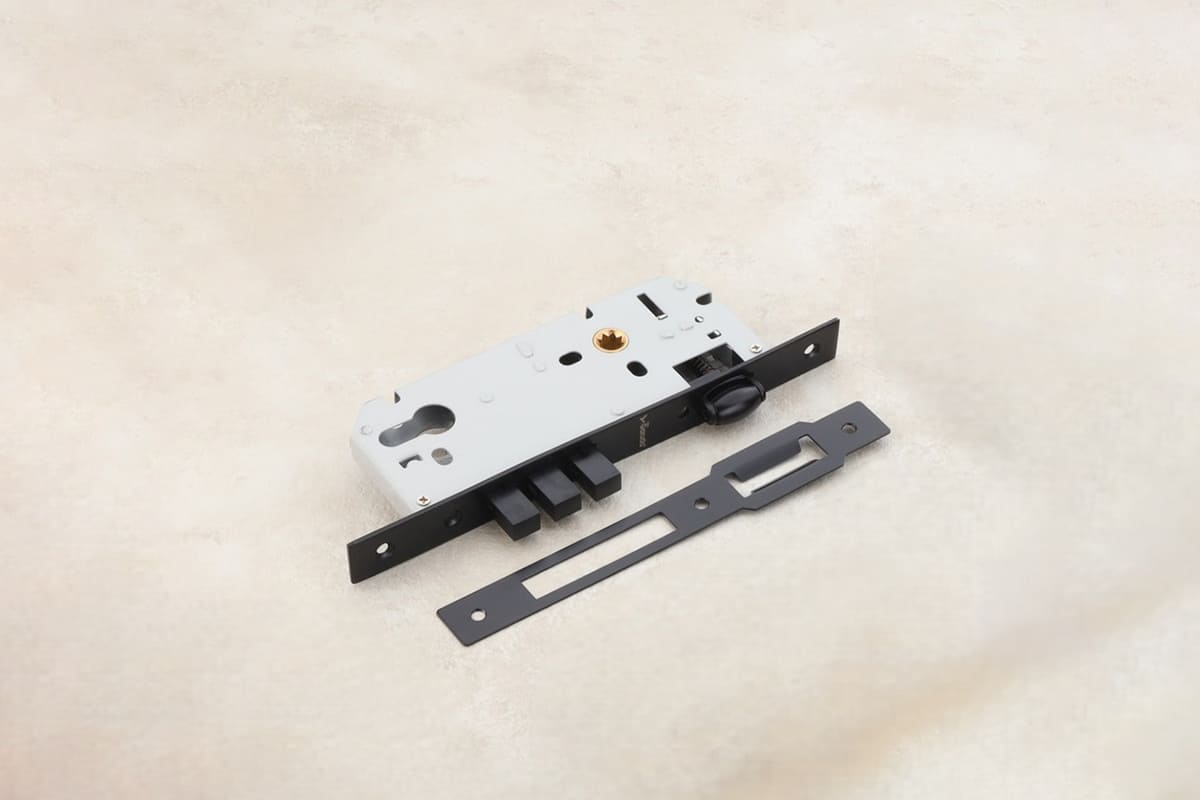
Springs inside a mortise lock support latch movement, handle return, locking plate movement, and latch reversal.9 Common spring types include compression springs, extension springs, and torsion springs.10 Buyers do not need to select every spring, but they should care about smooth action and stable return.
How I Explain Internal Parts Without Turning It Into a Repair Manual
I do not ask most buyers to approve every spring drawing. That would slow the project and create confusion. I focus on the result that the buyer can test. The latch should move smoothly. The handle should return correctly. The key or cylinder operation should feel stable. The latch reversal should work if the lock is designed to be reversible. The internal plates should not create rough movement or abnormal noise.
In production, spring material, wire diameter, heat treatment, and installation position can affect performance.11 These details are part of factory control. For B2B selection, I ask the buyer to confirm the function they expect. I also ask whether the lock will be used on high-frequency doors, apartment doors, hotel doors, or project doors. The use case helps me suggest a suitable structure.
| Internal part | What it supports | What the buyer should test |
|---|---|---|
| Compression spring | Pushing parts back into position | Smooth return and stable pressure |
| Extension spring | Pulling movement in some mechanisms | No weak return after operation |
| Torsion spring | Rotational return, often linked with handle action | Handle return and latch movement |
| Internal plate | Movement transfer and locking action | No rough feeling or jamming |
| Latch reversal part | Left and right door direction adjustment | Easy reversal and correct final direction |
I also avoid overpromising cycle life or durability unless the lock has tested data. A buyer may need a specific test standard. I prefer to confirm the test requirement first, then match the structure and material.
How Do Strike Plate and Strike Box Affect Installation?
A buyer can approve the lock body and still face site complaints. I see this when the strike part does not match the frame preparation.
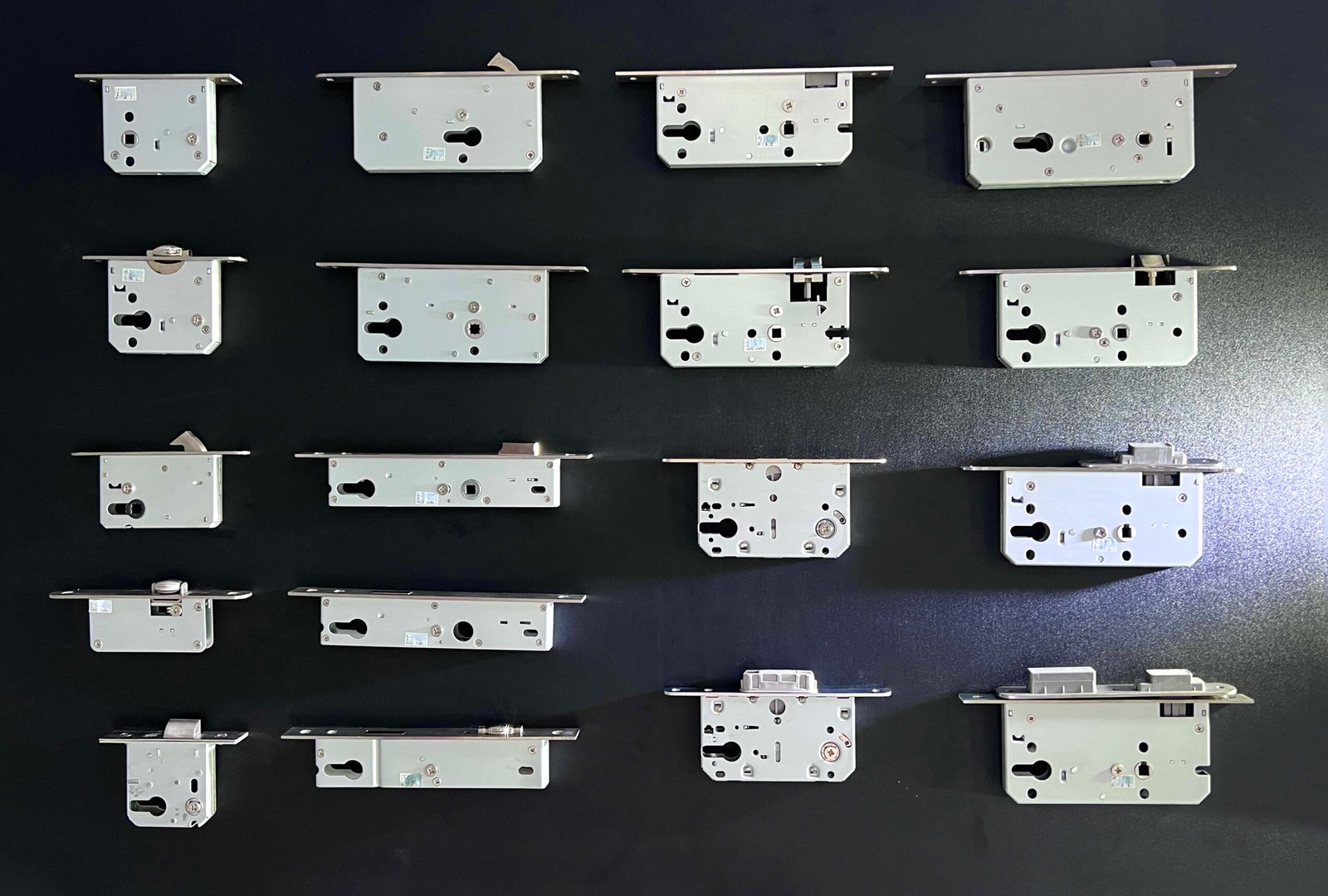
The strike box sits inside the door frame and receives the dead bolt and latch bolt.12 The strike plate covers the frame opening and improves appearance. These parts must match the lock body, bolt position, frame material, and door installation direction.
How I Match Frame-Side Parts With the Lock Body
I always ask whether the buyer needs the strike plate and strike box together with the lock body. Some buyers source the frame-side parts locally. Some door factories need the full set packed with each lock. Some wholesalers sell the lock body, cylinder, handle, and strike parts as one complete package. These different supply styles change the quotation and packing method.
The strike plate must align with the latch bolt and dead bolt. The strike box must have enough space to receive the bolts. If the bolt position is wrong, the door may not close smoothly. If the strike plate finish is different from the forend, the set may look unprofessional. If the frame material is metal, wood, or composite, the fixing method may also change.
| Strike part | Main function | What I confirm |
|---|---|---|
| Strike plate | It covers the frame opening | Finish, size, screw holes, corner shape |
| Strike box | It receives bolts inside the frame | Depth, width, bolt clearance |
| Screw set | It fixes the plate and lock | Screw size, color, head type |
| Frame condition | It affects installation | Wood frame, steel frame, aluminum frame |
| Packing need | It affects supply | Full set packing or lock body only |
I also ask for door drawings when the project is large. A drawing prevents guessing. It helps me match backset, center distance, forend, strike position, and door thickness before I make samples.
What Specifications Must Buyers Confirm Before Ordering?
A cheap mistake can become expensive in bulk orders. I have seen orders stop because one dimension was assumed instead of confirmed.
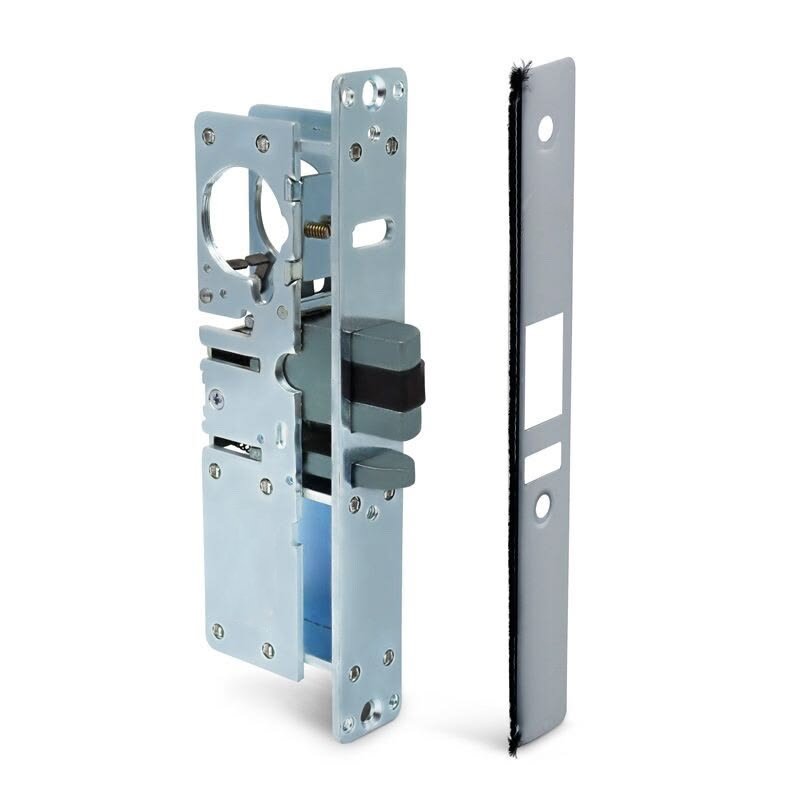
Before ordering a mortise door lock, buyers should confirm material, finish, lock direction, door thickness, backset, center distance, spindle size, latch type, strike plate and box matching, cylinder type, handle matching, certificates, and whether the order is for a lock body or a full set.
How I Build a Practical Confirmation List
I use a confirmation list because it protects both the buyer and the factory. It also makes quotation faster. If the buyer only sends a target price, I cannot know the correct lock. If the buyer sends a drawing, finish sample, door thickness, handle spindle size, and required certificate, I can prepare a much more accurate offer.
Backset and center distance are two key dimensions. The backset is the distance from the door edge to the key or handle center, based on the lock design. The center distance is the distance between the handle follower center and the cylinder or keyhole center. These dimensions are not globally the same. They depend on lock standard, market habit, and door preparation.
| Specification | What I ask | Why it matters |
|---|---|---|
| Door thickness | What is the door thickness range? | It affects lock, spindle, cylinder, and screws |
| Backset | What backset do you need? | It must match the door cutout |
| Center distance | What handle-to-cylinder distance do you need? | It must match handle plate or escutcheon |
| Spindle size | What follower size is required? | It must match the handle |
| Lock direction | Left, right, or reversible? | It affects latch direction and installation |
| Latch type | Standard, silent, magnetic, or other? | It affects closing feel and cost |
| Finish | What finish code or sample is required? | It affects appearance consistency |
| Certification | CE, fire-rated, or market-specific? | It must be verified by valid documents |
| Packing scope | Lock body only or full set? | It affects price, accessories, and delivery |
I also tell buyers to confirm the first sample carefully before bulk order. A sample is not only a product. It is a specification agreement.
Conclusion
A mortise lock includes many connected parts. I confirm each part by function, fit, finish, and supply scope before I quote, sample, or produce.
"Mortise Lock (EN12209) - DIROCK Door Hardware", https://www.dirock.com/Mortise-Lock-EN12209-pl40667787.html. A technical hardware reference describes mortise locks as assemblies that include a recessed case, face or forend plate, latch and dead bolts, operating hub or follower, and corresponding strike hardware, supporting the component terminology used here. Evidence role: definition; source type: education. Supports: A neutral architectural hardware or locksmithing reference should identify the common parts of a mortise lock and distinguish the lock body from frame-side strike components.. ↩
"Mortise Lock & Latch Replacement Parts", https://www.houseofantiquehardware.com/shop-by-type/antique-door-hardware/locksets/door-knob-parts/door-latch?srsltid=AfmBOooHTh8HrDkOQUPcIRVh4ax_9X-UGSRYV7hUUTZKmkcQuj2XXqb7. Architectural hardware references define the mortise lock case as the recessed mechanism containing the latch, bolt, hub or follower, springs, and related operating parts, with a faceplate fixed at the door edge. Evidence role: definition; source type: institution. Supports: An architectural hardware institute, standards body, or training glossary should support the terminology and normal placement of these lock-body parts.. ↩
"Mortise lock - Wikipedia", https://en.wikipedia.org/wiki/Mortise_lock. Lock hardware glossaries generally define the forend, also called the faceplate, as the visible plate on the edge of the door through which the latch and bolt project. Evidence role: definition; source type: encyclopedia. Supports: A lock or architectural hardware glossary should define the forend/faceplate as the exposed edge plate of a mortise lock.. ↩
"Commercial Door Hardware Finish Charts", https://www.trudoor.com/pages/hardware-finishes?srsltid=AfmBOoolCI9syXts8D4mBeivrTAH9mkNJsBbSUjvdxhlB8iAeeoXCRIE. Materials and architectural-hardware references identify brass, stainless steel, and ferrous metals as common hardware substrates and describe polishing, electroplating, brushing, and painting as standard surface-finishing methods. Evidence role: general_support; source type: education. Supports: A materials or architectural hardware source should show that brass, stainless steel, and ferrous metals are common hardware materials and that polishing, plating, brushing, and painting are established metal finishing methods.. Scope note: Such sources support the general material and finish categories, but may not verify their frequency for every mortise-lock forend market. ↩
"Door Hardware Glossary", https://www.homesteadhardware.com/glossary. Architectural hardware definitions distinguish a dead bolt, which is projected or withdrawn for locking, from a latch bolt, which automatically engages a strike to hold a door closed during ordinary use. Evidence role: definition; source type: institution. Supports: A building-hardware glossary should define dead bolts and latch bolts and explain their different functions.. ↩
"What is Bolt Throw, and Why Does it Matter?", https://goldcoastsmartlocks.com.au/blog/what-is-bolt-throw-and-why-does-it-matter/. Lock-performance standards treat bolt projection or throw as one measurable feature among several criteria, indicating that greater engagement can matter mechanically but does not by itself establish a complete security rating. Evidence role: mechanism; source type: institution. Supports: A lock-performance standard or security reference should show that bolt projection is one tested or specified attribute, while overall security depends on multiple construction and installation factors.. Scope note: This supports the design principle contextually; it does not prove that any particular 20 mm or 24 mm throw is secure without product-specific testing. ↩
"What is a Spindle and what kind do I need? - Our Blog - More Handles", https://www.morehandles.co.uk/blog/more-handles-technical-guides-what-is-spindle-and-how-do-i-know-what-kind-i-need/. Architectural hardware glossaries describe the follower or hub of a lock as the part that accepts the spindle and transmits lever or knob rotation to the latch mechanism. Evidence role: definition; source type: institution. Supports: A locksmithing or architectural hardware glossary should define the follower or hub as the part operated by the spindle.. ↩
"Square spindle, Startec, spindle 9 mm, for fire resistant doors - Häfele", https://www.hafele.si/en/product/square-spindle-startec-spindle-9-mm-for-fire-resistant-doors/P-01487448/. Technical hardware references document that square spindle dimensions are not universal and may vary by national practice, handle set, and fire-door hardware specification. Evidence role: general_support; source type: institution. Supports: A hardware standard, fire-door guidance document, or educational technical reference should confirm that square spindle dimensions differ across lock and handle applications.. Scope note: The source may support dimensional variability and common sizes generally, but individual projects still require confirmation against the specified lock and certification documents. ↩
"How to fix a broken mortise latch spring in an old door?", https://www.facebook.com/groups/1706748102970911/posts/3843219892657044/. Mechanical door-lock references explain that springs store and release energy to return latch, hub, and related moving components to their resting positions after operation. Evidence role: mechanism; source type: education. Supports: A mechanical or locksmithing reference should explain how springs return latch and handle components to their rest positions in door locks.. Scope note: This supports the general mechanism; exact spring functions vary by mortise-lock design. ↩
"Spring End Types: Compression, Extension & Torsion", https://www.centuryspring.com/resources/spring-end-types?srsltid=AfmBOorb5hLfhQNIH2DWPPE4j8EfiAnCrrhWPeiZ3XxkAEFCPJkmr4mz. Engineering references classify mechanical springs into standard types such as compression springs, extension springs, and torsion springs, according to whether they resist compressive, tensile, or rotational loading. Evidence role: definition; source type: education. Supports: An engineering education source should define compression, extension, and torsion springs as standard spring types.. ↩
"Heat Treating Springs: Enhancing Spring Performance", https://orlandoprecision.com/heat-treating-springs-enhancing-spring-performance/. Spring-design literature shows that spring force, fatigue behavior, and durability depend on material properties, wire diameter, heat treatment, and service or installation conditions. Evidence role: mechanism; source type: paper. Supports: A mechanical engineering paper or spring-design handbook should support that geometry, material properties, heat treatment, and installation conditions influence spring force, fatigue life, and reliability.. Scope note: This supports the engineering principle broadly and does not provide test results for the specific lock springs described in the article. ↩
"Parts of a door lock and door hardware terms defined. - Schlage", https://www.schlage.com/en/blog/product_updates/door-hardware-terms-and-parts-of-a-door-lock.html. Door-hardware references describe the strike box or strike pocket as the frame-side recess or box into which the latch bolt and dead bolt are received when the door is closed or locked. Evidence role: definition; source type: institution. Supports: A door-hardware glossary should define a strike box or strike pocket as the frame-side recess that receives lock bolts.. ↩