Guide to Barrel Locks: Types and Applications?
Barrel locks can look simple at first, but choosing the wrong one can create loose installation, poor access control, or early failure. I often see buyers focus only on size and price. That creates risk when the lock must fit furniture, cabinets, industrial panels, vending machines, or compact door systems. The better solution is to match the lock to the mechanism, application, and usage conditions.
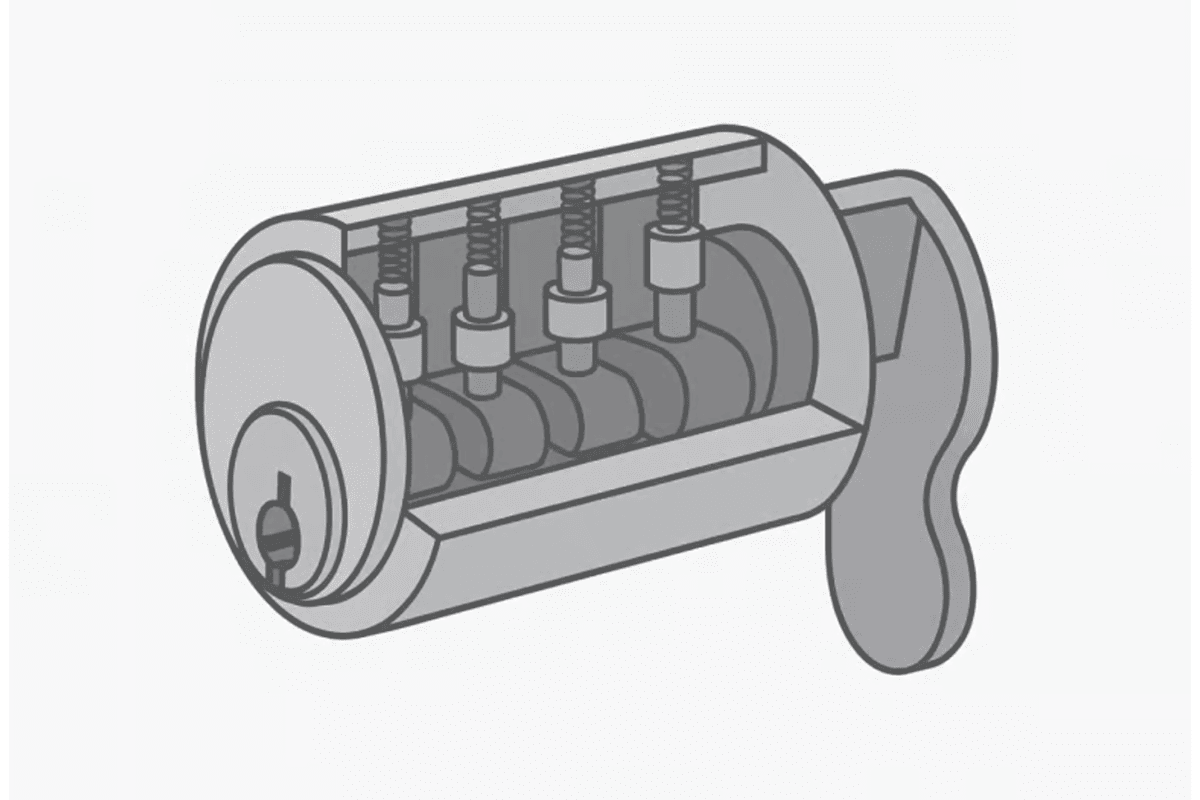
Barrel locks are compact mechanical locks with a cylindrical core that rotates when the correct key is inserted1. That rotation drives a cam, latch, bolt, or connected locking part to secure or release an object. Buyers should select them based on lock type, panel thickness, security needs, operating frequency, and installation space.
In my work with door and architectural hardware buyers, I treat a barrel lock as a small component with a big responsibility. It may not be the most expensive item in a product assembly, but it can directly affect user experience, maintenance cost, and product reliability.
What Are Barrel Locks and How Do They Work?
Many buyers use the term barrel locks loosely, and that can cause confusion during sourcing. Some markets use it for cam locks, some use it for tubular locks, and some use it for compact cylindrical locking systems. If the definition is unclear, the selected lock may not fit the product or the security requirement.
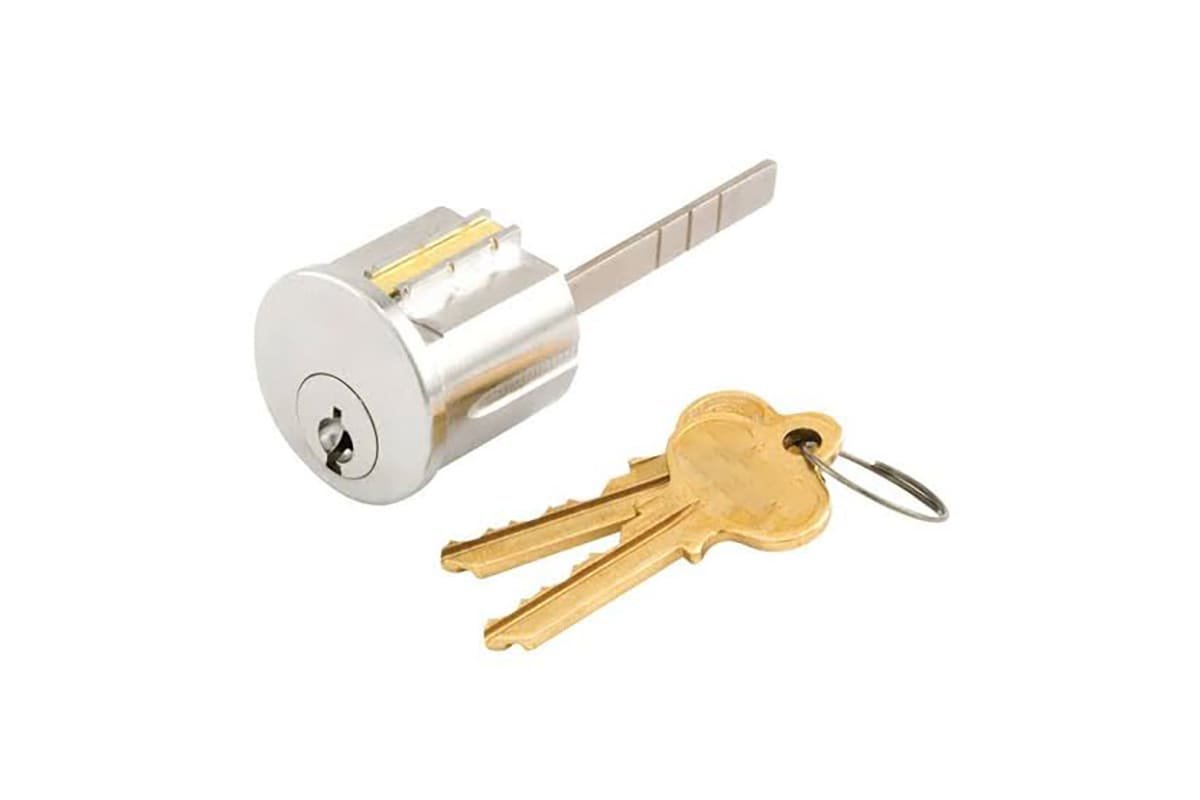
Barrel locks usually refer to mechanical locks with a cylindrical or barrel-shaped core. When the correct key enters the keyway, internal pins, wafers, or discs align2. The plug can then rotate, and that rotation moves a cam, latch, bolt, or connected locking mechanism to lock or unlock the application.
A Practical Definition for Buyers
I define a barrel lock as a compact mechanical locking component built around a round rotating core. The key point is not only the shape. The key point is what the core does after it turns.
In most designs, the core rotation transfers motion to one of these parts:
- Cam plate for cabinets, lockers, and access panels
- Latch tongue for furniture or compact enclosures
- Bolt for stronger mechanical engagement
- Linkage mechanism for equipment panels or controlled compartments
That is why I do not recommend selecting barrel locks only by outside diameter. Two locks may both look cylindrical, but one may use a flat cam while another may operate a tubular locking interface or a connected latch system.
I usually ask buyers one simple question first: “What must move when the key turns?”
That question often solves half of the selection problem.
How the Internal Mechanism Works
Most barrel locks follow a simple mechanical logic:
- The user inserts the correct key.
- The key aligns the internal elements.
- The plug or core becomes free to rotate.
- The rotating core drives the locking part.
- The cam, latch, or bolt opens or closes the secured object.
The internal elements may vary by product design. A lower-cost cabinet lock may use a simple wafer structure. A tubular lock may use a circular pin arrangement. A more specialized design may use discs or other internal blocking parts.
The appearance alone does not prove security level. I always remind buyers that anti-pick performance, key control, drilling resistance, and durability depend on the specific design, material, tolerance, and test standard3. A cylindrical shape does not automatically mean high security.
Barrel Locks vs. Door Lock Cylinders
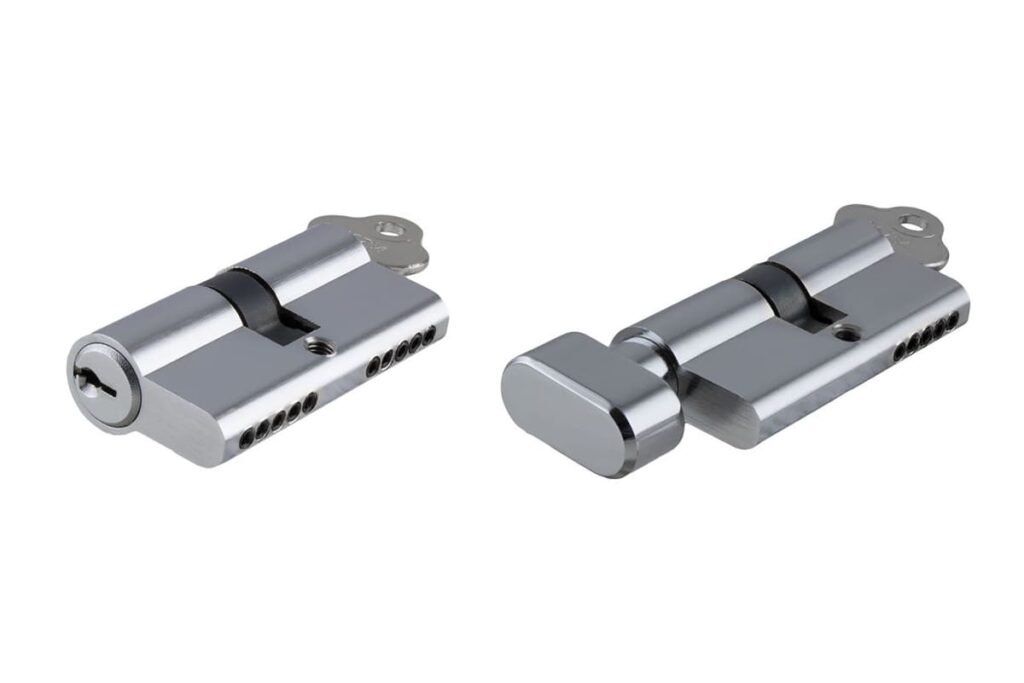
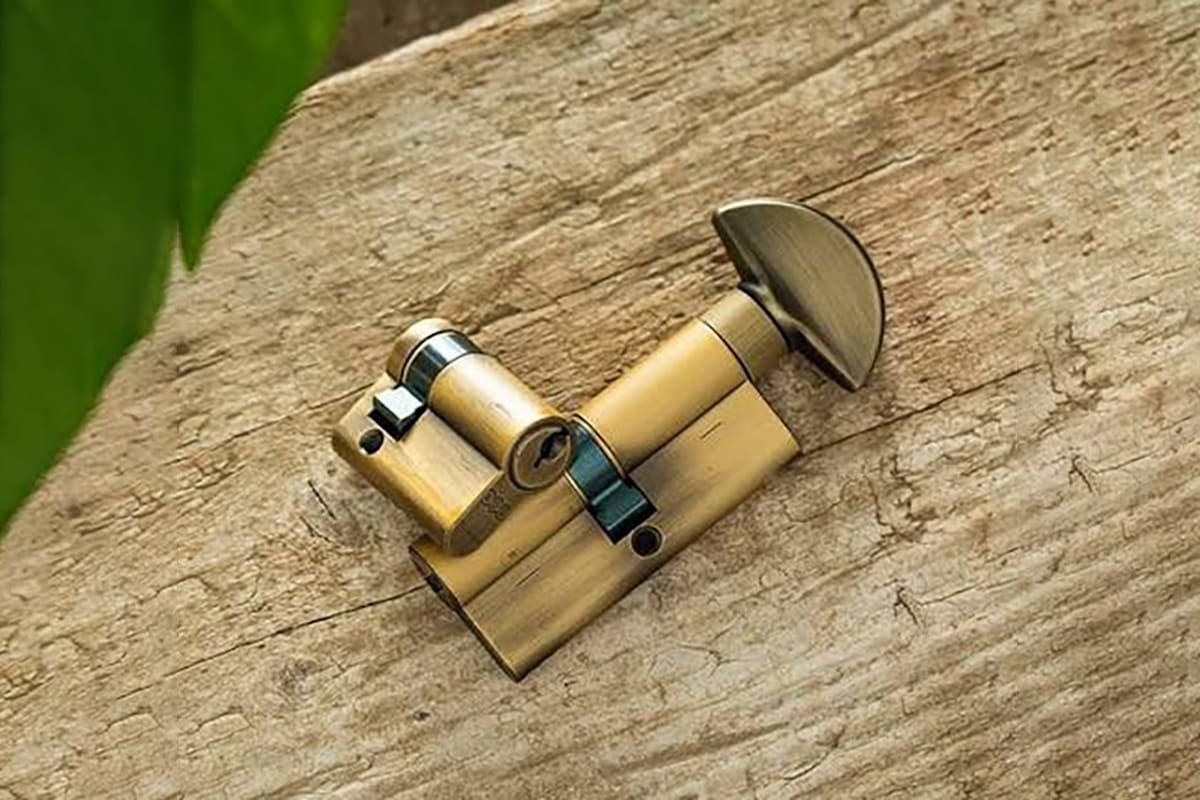
Barrel locks should not be confused with all door lock cylinders. A euro profile cylinder, oval cylinder, or rim cylinder may also contain a rotating plug, but those products belong to door lock cylinder systems. They usually operate mortise locks, panic hardware, or other door locking bodies.
Here is a simple comparison:
| Item | Typical Barrel Lock | Door Lock Cylinder |
|---|---|---|
| Main use | Cabinets, panels, vending machines, equipment | Entrance doors, interior doors, fire doors |
| Size | Compact | Larger and standardized |
| Output motion | Cam, latch, bolt, linkage | Lock case mechanism |
| Selection focus | Panel thickness, cam length, rotation angle | Cylinder length, profile, key system, certification |
| Security range | Low to high, depending on design | Medium to high, depending on standard and grade |
In my experience, this distinction helps buyers avoid specification mistakes. If a customer says “barrel lock,” I always confirm the application before quoting dimensions or keying options.
What Types of Barrel Locks Should Buyers Compare?
The market offers many barrel locks, and the names are not always consistent between regions. That creates a common buying problem. A product manager may request a “barrel lock,” while the factory may assume a cam lock, and the end user may expect a tubular locking system.
Buyers should compare barrel locks by mechanism, mounting style, key type, and output motion. The most common practical types include cam locks, tubular barrel locks, plunger-style locks, furniture locks, and equipment panel locks. Each type serves different needs for space, strength, access control, and operating frequency.
Cam Barrel Locks
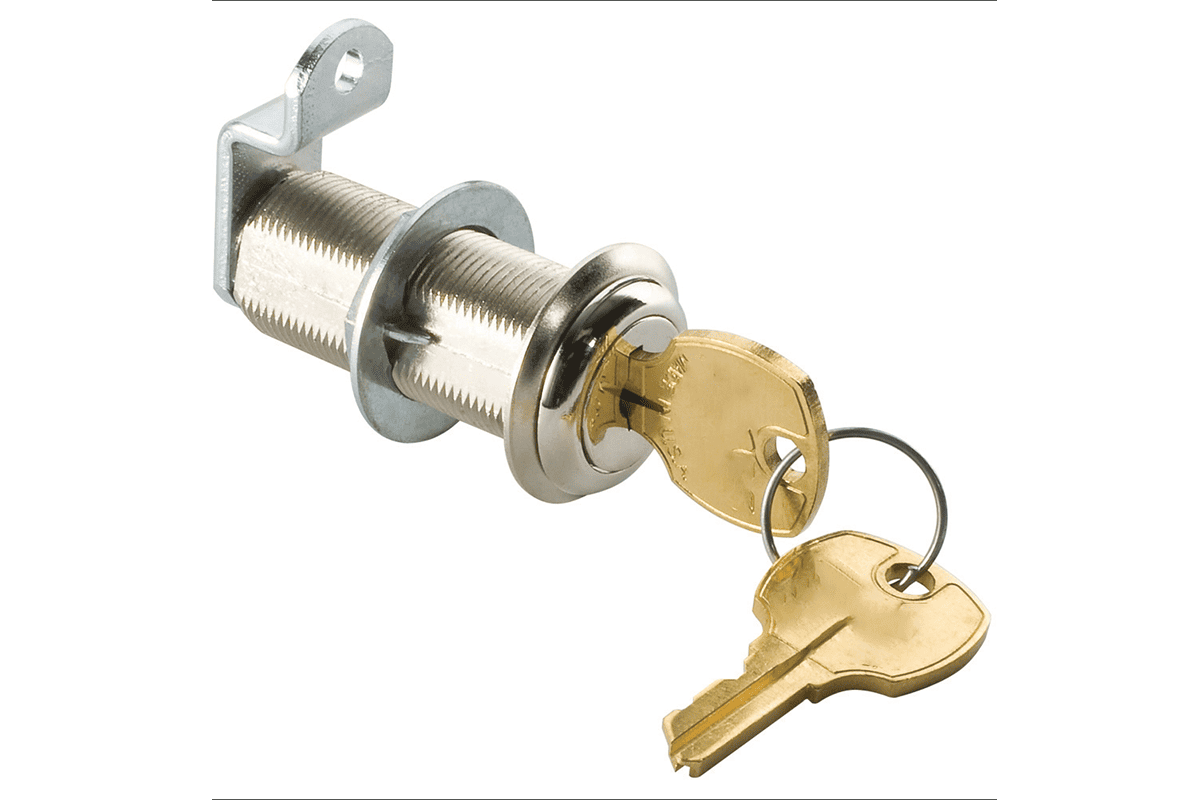
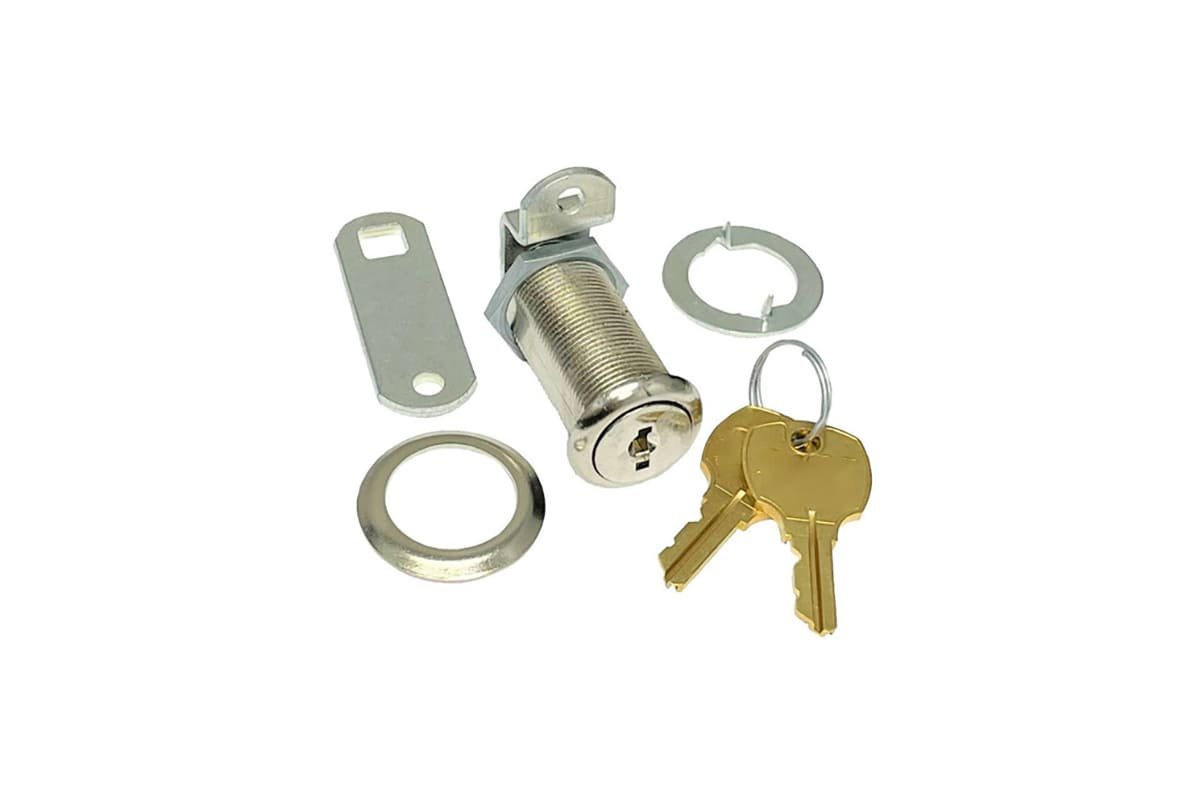
Cam locks are probably the most common type buyers mean when they ask for barrel locks. They use a cylindrical body and a rotating cam on the back4. When the key turns, the cam rotates behind the panel and blocks or releases the opening.
I often recommend cam locks for:
- Metal cabinets
- Wooden furniture
- Mailboxes
- Lockers
- Electrical enclosures
- Display cases
- Access panels
They are popular because they are compact, economical, and easy to install. A simple hole in the panel is often enough, although the hole shape and anti-rotation design must match the lock body.
Important cam lock specifications include:
| Specification | Why It Matters |
|---|---|
| Body diameter | It must fit the mounting hole |
| Body length | It must match panel thickness |
| Cam length | It must reach the locking edge |
| Cam offset | It affects compression and closing force |
| Rotation angle | It controls the open/close position |
| Keying option | It affects access management |
| Finish | It affects corrosion resistance and appearance |
A cam lock is not always the highest-security option, but it is often the most efficient solution for light to medium-duty applications.
Tubular Barrel Locks
Tubular barrel locks use a circular keyway and a tubular key5. Many buyers recognize them from vending machines, coin boxes, equipment covers, and controlled-access compartments. The circular keyway can provide better resistance than very basic flat-key locks, but the actual security depends on the design and test performance.6
Tubular barrel locks are often better suited for:
- Vending machines
- Gaming or coin-operated equipment
- Parking payment machines
- Utility cabinets
- Higher-use access panels
- Shared commercial equipment
Their main advantage is controlled access in compact spaces. They also offer a recognizable key system that helps prevent casual operation by unauthorized users.
However, I avoid saying that all tubular barrel locks are “high security.” Some designs are strong and durable. Some low-grade versions are not. Buyers should check:
- Pin count or internal design
- Key combination range
- Material strength
- Anti-drill features, if required
- Cycle testing
- Corrosion resistance
- Supplier quality control
Plunger and Push Barrel Locks
Some barrel locks use a push-to-lock or plunger movement. In this design, the user may push the cylinder to lock it and use the key to release it. This style is common where fast operation matters.
Typical applications include:
- Sliding drawers
- Toolboxes
- Filing cabinets
- Retail display fixtures
- Light equipment covers
The selection logic is different from a normal cam lock. A plunger lock must match the stroke length and the receiving hole. If the stroke is too short, the product may not lock securely. If it is too long, the user may feel rough operation or misalignment.
Furniture and Cabinet Barrel Locks
Furniture barrel locks often focus on compact size, clean appearance, and easy installation. They may not need heavy-duty security, but they need smooth operation and consistent finish. For furniture manufacturers, appearance can be as important as mechanical function.
In bulk production, I pay attention to finish consistency. A small color difference between lock bodies can make a furniture set look inconsistent. Common finishes include:
- Chrome plated
- Nickel plated
- Black coated
- Brass color
- Stainless steel appearance
For wholesalers and furniture brands, stable finish control helps reduce customer complaints and return rates.
Where Are Barrel Locks Commonly Used?
A lock must fit the object being secured. I have seen many failures happen because buyers selected a lock that looked correct but did not match real application conditions. A lock for a wardrobe does not face the same pressure, frequency, or tamper risk as a vending machine lock.
Barrel locks are commonly used in furniture, cabinets, lockers, industrial equipment, vending machines, utility compartments, display units, and some access-control-related door systems.7 The best application match depends on installation space, user frequency, required durability, key control, and the value of the secured contents.
Furniture and Cabinet Applications
Furniture and cabinet applications usually require compact dimensions and easy assembly. The lock must fit thin panels, wood boards, metal sheets, or composite materials. A clean front appearance also matters because the lock is visible to the end user.
Common furniture uses include:
- Office desks
- Filing cabinets
- Wardrobes
- Storage cabinets
- Drawer units
- Retail counters
- Display cabinets
For these applications, I normally focus on five factors:
- Panel thickness
- Body length
- Cam reach
- Finish appearance
- Keying convenience
For example, a cabinet manufacturer may use panels from 16 mm to 25 mm thick. If the lock body is too short, the nut cannot fasten correctly. If the body is too long, the inside may interfere with drawer movement or shelf space.
Industrial Equipment Applications
Industrial equipment places different pressure on barrel locks. The lock may face dust, vibration, repeated opening, and rough handling. In this case, I do not treat the lock as a decorative component. I treat it as part of the equipment’s operating system.
Typical industrial uses include:
- Electrical control boxes
- Machinery covers
- Tool cabinets
- Service access doors
- Generator panels
- HVAC equipment
- Metal enclosures
For these uses, buyers should check durability more carefully. A lock that works well in a wooden cabinet may loosen on a vibrating machine.8 A cam that is too thin may bend after repeated operation. A weak plating layer may corrode in humid environments.9
Useful industrial selection points include:
| Requirement | Recommended Focus |
|---|---|
| Vibration | Anti-loosening nut, stable cam engagement |
| Outdoor use | Corrosion-resistant finish or stainless material |
| Frequent maintenance | Smooth key operation and high cycle life |
| Tamper concern | Stronger body, better key system, anti-drill design if tested |
| Thick panel | Longer body and correct mounting hardware |
I often advise equipment buyers to test the lock on the actual panel before confirming mass production. A sample test can prevent costly assembly problems later.
Vending Machine and Payment Equipment Applications
Vending machines and payment equipment need reliable frequent-use performance. The operator may open the same machine many times per week. The lock must resist wear and maintain access control over time.
These applications often need:
- Better key control
- Higher cycle reliability
- Stronger lock body
- Stable anti-rotation mounting
- Smooth operation after repeated use
- Optional master key or keyed-alike systems
Tubular barrel locks are common here because they provide compact access control and convenient key operation. However, the locking system must be matched with the machine design. The cam shape, cam thickness, and locking position must align with the internal door frame.
A vending machine lock also needs practical serviceability. If a lock jams, the operator may lose access to cash, products, or the control panel. That creates downtime. In high-frequency commercial equipment, I prefer a slightly better lock over the cheapest option because the maintenance cost can exceed the saving.
Access-Control-Related Door Systems
Some compact door systems or service doors may use barrel-style locks, especially for panels, cabinet doors, or restricted technical compartments. However, I do not classify all door cylinders as barrel locks. This distinction matters because fire-rated doors, commercial doors, and entrance doors often require standardized mortise locks, cylinders, hinges, and certified hardware systems10.
For door-related applications, buyers should confirm:
- Whether the lock is for the main door leaf or a service panel
- Whether fire-rated certification is required
- Whether the lock must work with a mortise lock body
- Whether a euro profile cylinder is actually needed
- Whether local building codes apply
As a door hardware manufacturer, I always separate compact barrel-style components from standardized architectural door cylinders. That helps customers avoid compliance problems.
How Should You Select Barrel Locks for a Project?
A wrong lock can pass the first visual inspection and still fail during installation or daily use. I have seen buyers approve a sample only by front appearance, then discover that the cam cannot reach the locking point. That mistake delays production and increases cost.
You should select barrel locks by matching the lock mechanism, panel thickness, cam or latch movement, security requirement, operating frequency, material environment, and keying plan. The best lock is not always the strongest or most expensive one. The best lock is the one that fits the product and works reliably.
Start With the Object Being Secured
I always start with the application. The object tells me what the lock must do.
Ask these questions first:
- Is the lock for wood, steel, aluminum, or plastic?
- Is the panel thin or thick?
- Is the lock visible to the customer?
- Does the product stay indoors or outdoors?
- Will the user open it daily, weekly, or rarely?
- Does the lock protect low-value items or valuable contents?
- Does the buyer need one key for many locks?
The answers quickly narrow the options.
For example, a retail display cabinet may need a neat finish and simple keyed-alike convenience. An industrial enclosure may need stronger material and better vibration resistance. A vending machine may need controlled key access and higher cycle life.
Match Security Level to Real Risk
Security level should be selected realistically. A barrel lock can provide basic access restriction, organized key control, or stronger tamper resistance depending on the design. However, I never recommend choosing based only on appearance.
Security-related factors may include:
- Key profile complexity
- Number of key combinations
- Internal pin, wafer, or disc structure
- Body material
- Cam strength
- Anti-drill features
- Anti-pick design
- Certified test results, if available
Any claims about anti-pick performance or forced-entry resistance should depend on specific product construction and recognized test standards. A supplier should not simply say “high security” without evidence.
A practical risk-based approach looks like this:
| Application | Typical Risk | Selection Priority |
|---|---|---|
| Home furniture | Low | Cost, appearance, simple operation |
| Office cabinet | Low to medium | Key control, finish, durability |
| Industrial panel | Medium | Strength, vibration resistance, corrosion resistance |
| Vending machine | Medium to high | Key control, cycle life, tamper resistance |
| Public utility box | Medium to high | Durability, controlled access, tested security features |
Choose the Right Keying Option
Keying can affect both convenience and risk. Many buyers overlook this point until after delivery.
Common options include:
- Keyed different: Each lock has its own key.
- Keyed alike: Many locks use the same key.
- Master keyed: One master key opens multiple lock groups.
- Restricted keyway: Key duplication is controlled, depending on supplier system.
For furniture, keyed-alike locks may simplify user experience. For commercial equipment, master key systems may help service teams. For higher-control applications, restricted key systems may reduce unauthorized duplication11, but they require stricter management.
Consider Cost Beyond Unit Price
A very cheap lock may look attractive in bulk sourcing, but hidden costs can appear later. Poor tolerances may slow assembly. Weak finish may cause corrosion claims. Inconsistent keys may create customer complaints. A loose cam may require field service.
I prefer to compare total cost by looking at:
- Purchase price
- Assembly time
- Defect rate
- Finish consistency
- Key management
- Maintenance risk
- Replacement availability
For wholesalers, consistent quality also protects brand reputation. A lock is small, but it is one of the few parts the end user touches directly.
What Installation Details Affect Barrel Locks Performance?
Installation details can decide whether barrel locks feel reliable or cheap. A well-made lock can perform poorly if the panel hole is wrong, the cam is too short, or the rotation direction does not match the door swing. These are small details, but they matter in mass production.
The most important installation details for barrel locks are panel thickness, mounting hole size, lock body length, cam length, cam offset, rotation angle, stop position, nut tightening, and key removal position. Buyers should confirm these dimensions with drawings or samples before mass orders.
Panel Thickness and Body Length
Panel thickness is one of the first measurements I request. If the lock body does not match the panel, the installation will not be stable.
For example:
- A thin metal cabinet may need a short body and anti-rotation plate.
- A wooden cabinet may need a longer body and wider fixing nut.
- A double-layer panel may need special mounting hardware.
- A plastic panel may need reinforcement to prevent cracking.
The lock should sit firmly without wobbling. The fixing nut should have enough thread engagement. The front face should align cleanly with the surface.
Cam Length, Cam Shape, and Cam Offset
The cam is the working arm behind many barrel locks. If the cam is wrong, the lock will not secure the product.
Key cam dimensions include:
| Cam Feature | Function |
|---|---|
| Cam length | Determines reach to the frame or locking point |
| Cam width | Affects strength and contact area |
| Cam thickness | Affects bending resistance |
| Cam offset | Controls compression or clearance |
| Cam hole shape | Must match the lock output shaft |
| Cam angle | Determines lock and unlock positions |
A straight cam may work for a simple cabinet. An offset cam may be better when the door needs compression. A custom cam may be required for equipment panels.
I often tell buyers that the lock body is only half the product. The cam completes the function.
Rotation Angle and Key Removal Position
Many barrel locks rotate 90 degrees or 180 degrees, but not all models work the same way. Some allow key removal in both locked and unlocked positions. Some allow key removal only in one position.
This detail affects user behavior. For example:
- A vending machine may require the key to stay inserted while open.
- A cabinet may allow key removal in both positions.
- A service panel may need a fixed open/close indicator.
- A shared equipment box may need stricter key control.
If the rotation angle is wrong, the cam may stop before fully engaging. If the key removal position is wrong, the user may leave equipment unlocked unintentionally.
Mounting Hole and Anti-Rotation Design
A round lock in a round hole may rotate if the nut loosens. Many cam locks use flat sides, locating tabs, or anti-rotation washers to prevent this problem.
Buyers should confirm:
- Hole diameter
- Hole shape
- Flat-to-flat dimension
- Front head diameter
- Back nut size
- Required washer
- Panel reinforcement
For metal panels, the hole can be punched accurately during production. For wood panels, drilling tolerance may vary. For plastic panels, material deformation may happen if the nut is overtightened.
Operating Frequency and Cycle Life
A lock on a home cabinet may open a few times per week. A vending machine lock may open many times per day across years of service. The required durability is completely different.
For high-frequency use, I focus on:
- Smooth key insertion
- Wear-resistant internal parts
- Strong spring performance
- Stable plating
- Proper lubrication
- Tested cycle life
- Reliable key duplication quality
A cycle test result is useful when available.12 If no formal test is available, I recommend sample testing under real use conditions before bulk approval.
Frequently Asked Questions
Are barrel locks the same as cam locks?
Not always. Many cam locks are barrel locks because they use a cylindrical body and rotating core, but the term barrel lock can also refer to tubular locks, plunger locks, or other compact cylindrical locking mechanisms. I always confirm the application before treating both terms as the same.
Are tubular barrel locks more secure than standard cam locks?
Tubular barrel locks can offer better access control than very simple flat-key cam locks, but security depends on the specific design. Internal structure, material, key combination range, anti-drill features, and test standards matter more than the circular appearance alone.
What information should I provide when sourcing barrel locks?
You should provide panel thickness, mounting hole size, lock body length, required cam length, rotation angle, finish, material preference, keying option, application, and expected usage frequency. A drawing or sample is very helpful because small dimensional differences can affect installation.
Can barrel locks be customized for OEM or ODM projects?
Yes. Many barrel locks can be customized with different body lengths, cams, finishes, keys, logos, and packaging. Customization depends on order quantity, tooling requirements, and the lock structure. I recommend confirming samples and drawings before mass production.
Do barrel locks need certification?
Some barrel locks for furniture or cabinets may not need formal certification. However, equipment, public access, fire-rated door systems, or regulated projects may require specific standards. Certification requirements depend on the application, market, and product design, so buyers should confirm local rules early.
Conclusion
Barrel locks are compact, practical locking components, but they should never be selected only by their cylindrical shape. I recommend choosing them according to mechanism, installation space, panel thickness, cam movement, security needs, operating frequency, and the object being secured. Cam locks may fit cabinets and furniture, while tubular barrel locks may suit vending machines and controlled equipment better. If you need stable bulk supply, customized specifications, or door hardware support for overseas markets, contact SDH Hardware to discuss a fit-for-use solution for your project.
"Lock and key - Wikipedia", https://en.wikipedia.org/wiki/Lock_and_key. A general lock reference describes cylinder locks as mechanisms in which insertion of the correct key permits a cylindrical plug or core to rotate, supporting the article's functional definition of barrel locks. Evidence role: definition; source type: encyclopedia. Supports: A neutral reference should define cylinder-based mechanical locks and explain that the key permits rotation of the plug or core.. Scope note: Terminology for “barrel lock” varies by market, so the source may support the cylinder-lock mechanism more directly than the commercial label. ↩
"Pin tumbler lock - Wikipedia", https://en.wikipedia.org/wiki/Pin_tumbler_lock. References on pin tumbler, wafer tumbler, and disc detainer locks explain that internal elements must be positioned correctly by the key before the plug can rotate. Evidence role: mechanism; source type: encyclopedia. Supports: A source should explain how pin tumbler, wafer tumbler, and disc detainer mechanisms block or permit plug rotation.. ↩
"Technical guide to information security testing and assessment", https://nvlpubs.nist.gov/nistpubs/legacy/sp/nistspecialpublication800-115.pdf. Lock-performance standards such as UL 437 and ANSI/BHMA standards evaluate resistance to picking, drilling, operation, and durability through specified tests, supporting the point that security depends on design and testing rather than exterior form alone. Evidence role: expert_consensus; source type: institution. Supports: A standards source should show that lock security and durability are evaluated by construction, resistance tests, and performance criteria.. Scope note: Such standards establish evaluation criteria but do not prove that any specific barrel lock meets a particular grade unless that product has been tested. ↩
"Latch", https://en.wikipedia.org/wiki/Latch. A technical definition of cam locks describes a rotating cam attached to the lock body that engages or disengages the frame, supporting the article's description of cam barrel-lock operation. Evidence role: definition; source type: encyclopedia. Supports: A source should define cam locks as locks or latches that secure an opening by rotating a cam.. ↩
"Tubular pin tumbler lock - Wikipedia", https://en.wikipedia.org/wiki/Tubular_pin_tumbler_lock. A reference on tubular pin tumbler locks identifies the circular keyway and tubular key as defining features of the mechanism. Evidence role: definition; source type: encyclopedia. Supports: A source should define tubular pin tumbler locks as locks using a circular keyway and tubular key.. ↩
"Tubular pin tumbler lock - Wikipedia", https://en.wikipedia.org/wiki/Tubular_pin_tumbler_lock. Lock-security literature notes that resistance to manipulation varies with mechanism design, tolerances, and testing, providing contextual support for distinguishing tubular designs from simpler flat-key locks. Evidence role: general_support; source type: research. Supports: A source should discuss how tubular lock security depends on mechanism design and resistance testing, with any comparison to simpler flat-key mechanisms treated cautiously.. Scope note: The evidence may support the design-dependent nature of security more strongly than a universal ranking of tubular locks over flat-key locks. ↩
"The Hidden Security Solution for Cabinets, Lockers, and Enclosures", https://www.makelocks.com/news/understanding-cam-locks-the-hidden-security-solution-for-cabinets-lockers-and-enclosures.html. Hardware standards and technical references for cabinet and cam locks identify cabinets, lockers, equipment enclosures, and similar compartments as common applications for compact keyed locking devices. Evidence role: general_support; source type: institution. Supports: A source should document common application categories for cam locks, tubular locks, or compact cylinder locks.. Scope note: The source may support several listed applications rather than every item in the article's full application list. ↩
"Fastener Design Manual", https://ntrs.nasa.gov/api/citations/19900009424/downloads/19900009424.pdf. Engineering studies on vibration-induced loosening of threaded fasteners show that cyclic transverse motion can reduce clamping force and loosen assemblies, supporting the concern for locks mounted on vibrating equipment. Evidence role: mechanism; source type: paper. Supports: A source should explain that vibration can cause threaded fasteners or mounted components to loosen over time.. Scope note: The evidence concerns fastened assemblies generally and is contextual rather than a direct test of barrel locks. ↩
"Effects of Ambient Temperature and State of Galvanized Layer on ...", https://pmc.ncbi.nlm.nih.gov/articles/PMC10220731/. Government corrosion-control guidance describes moisture and humidity as major contributors to metallic corrosion and notes that protective coatings reduce exposure of the substrate. Evidence role: mechanism; source type: government. Supports: A source should explain how humidity promotes corrosion and how protective coatings or plating affect corrosion resistance.. Scope note: The source supports the corrosion mechanism generally and does not evaluate a specific lock finish. ↩
"Fire-Rated Solutions", https://us.allegion.com/en/solutions/by-requirement/fire-rated-solutions.html. Fire-door standards such as NFPA 80 treat doors, frames, hinges, latching hardware, and related components as parts of a listed assembly, supporting the need to distinguish compact barrel-style locks from certified architectural door hardware. Evidence role: general_support; source type: institution. Supports: A source should show that fire-door assemblies and related hardware are governed by standards or listing requirements.. Scope note: Requirements vary by jurisdiction, door rating, and occupancy, so the source provides regulatory context rather than project-specific legal advice. ↩
"[PDF] Recommendation for Key Management: Part 1 - General", https://nvlpubs.nist.gov/nistpubs/specialpublications/nist.sp.800-57pt1r5.pdf. Government physical-security guidance treats control of key issuance, duplication, and accountability as a core measure for limiting unauthorized access. Evidence role: general_support; source type: government. Supports: A source should explain that key-control procedures and controlled duplication reduce unauthorized access risk.. Scope note: The source may support key-control principles generally rather than the effectiveness of a particular restricted-keyway product. ↩
"A156.11 - 2024 Cabinet Locks", https://buildershardware.com/ANSI-BHMA-Standards/Hardware-Highlights/A15611-2024-Cabinet-Locks. ANSI/BHMA lock and builders-hardware standards use repeated operational cycling as a durability criterion, supporting the relevance of cycle-test results for high-frequency lock applications. Evidence role: general_support; source type: institution. Supports: A source should show that lock and hardware durability standards use operational cycling as a performance measure.. Scope note: A cycle-test standard indicates how durability can be assessed but does not predict service life unless the specific product has been tested under comparable conditions. ↩