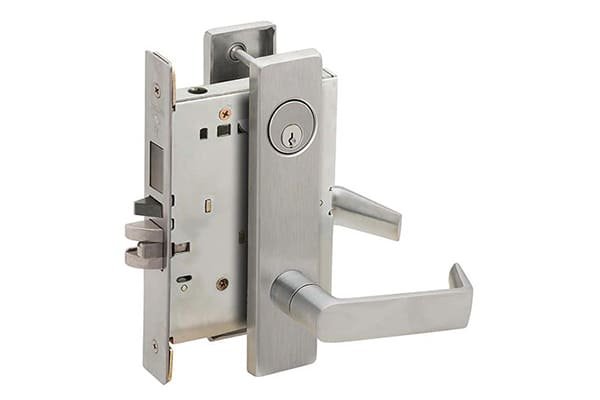
Are there door knobs that lock on both sides?
Door knobs that lock on both sides sound simple until you try to quote, stock, or install the right product. Many buyers use the same phrase for different lock functions. That confusion can lead to wrong samples, unsafe applications, or delayed projects. I usually solve this by separating the knob, lock body, cylinder, and inside operation.
Yes, there are door knobs that lock on both sides, but the phrase has two meanings. It may mean a double-keyed lock1 with keyholes on both sides, or it may mean a key-outside lock with an inside thumbturn, button, or privacy function2. The correct choice depends on safety, access, door type, and local code requirements.
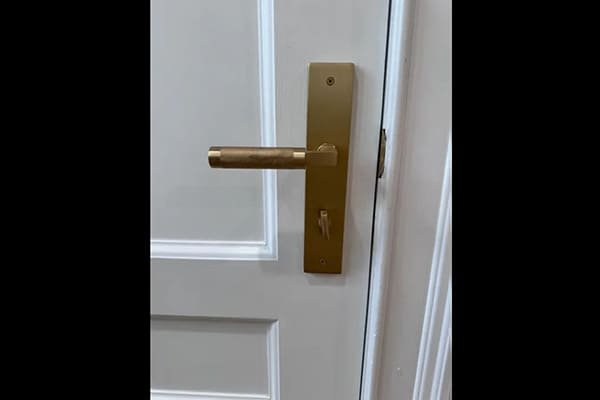
I have answered this question many times for overseas buyers. In practice, the product name is less important than the lock function. Once I know how each side of the door should operate, I can help classify the hardware correctly.
What do door knobs that lock on both sides actually mean?
Many buyers ask for one product name, but they may describe three different functions. That creates pressure during sourcing because the supplier may quote the wrong lock. The problem becomes worse when a buyer mixes terms like knob, handle, cylinder, latch, privacy lock, and mortise lock.
Door knobs that lock on both sides usually mean either double-keyed access or inside/outside controlled locking. A double-keyed lock uses a key on both sides. A more common entrance or privacy function may use a key outside and a thumbturn, push button, or emergency release inside.
The phrase usually has two meanings
When I speak with hardware buyers, I first ask what they mean by “both sides.” Their answer normally falls into one of these categories:
Keyhole on both sides
- The outside has a key cylinder.
- The inside also has a key cylinder.
- A user needs a key to lock or unlock from either side.
- This is often called a double-keyed lock or double-cylinder lock.
Lockable from inside and accessible from outside
- The outside may use a key.
- The inside may use a thumbturn, push button, turn button, or privacy snib.
- The outside key may or may not override the inside lock, depending on the design.
- This is common for entrance locks, office locks, and some privacy locks.
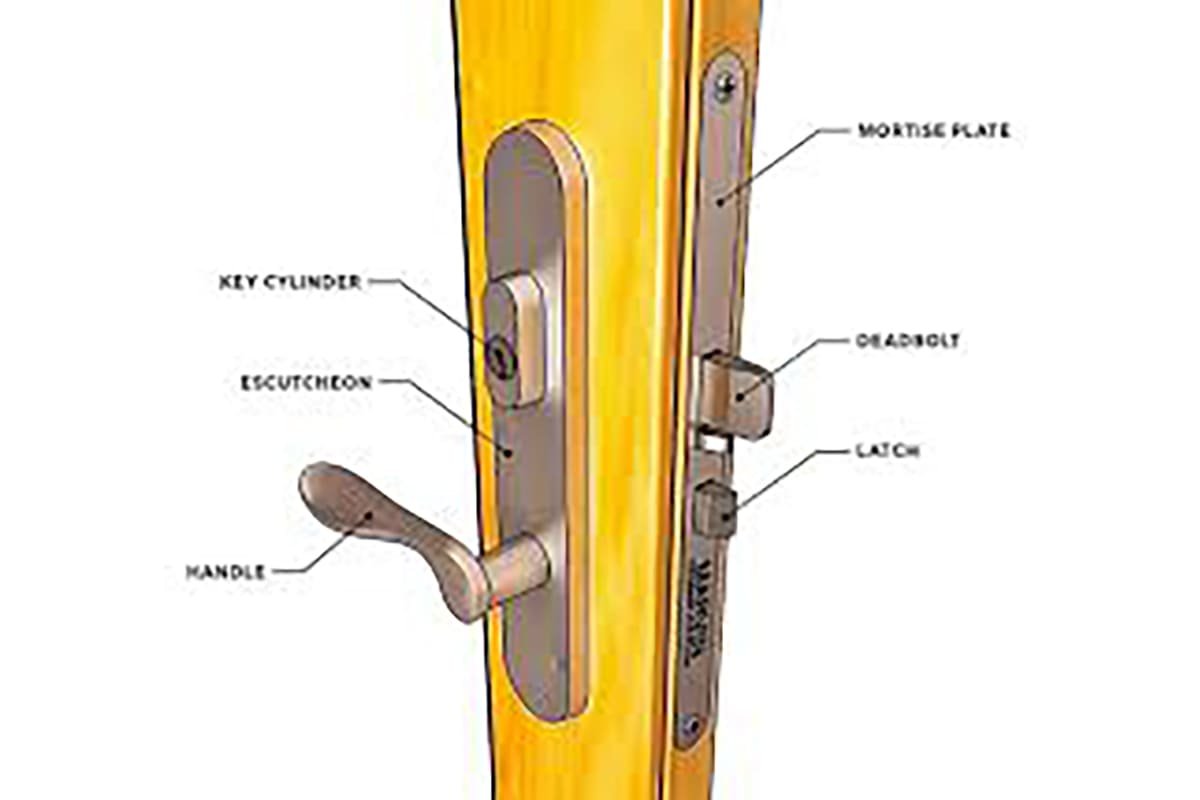
This distinction matters because the visible knob is only one part of the system. A lock set may include several components:
| Component | What it does | Why it matters |
|---|---|---|
| Knob or lever handle | Lets the user operate the latch | It is the visible operating part, not always the locking part |
| Latch or lock body | Holds the door closed and controls locking function | It defines much of the mechanical behavior |
| Cylinder | Accepts the key | It decides key operation, keying system, and security level |
| Thumbturn or button | Allows inside locking or unlocking | It affects convenience and emergency escape |
| Strike plate | Receives the latch or bolt | It affects alignment and holding strength |
Why the wording causes sourcing mistakes
A door factory may ask me for “double-sided locking knobs” when they actually need a mortise lock with a profile cylinder and lever handle set. A wholesaler may ask for the same phrase when they need a privacy knob for bedrooms and bathrooms. These are not the same product.
I usually ask five quick questions before recommending anything:
- Is the door residential, commercial, hotel, school, office, or apartment?
- Should the inside open freely, or should it require a key?
- Should the outside key override the inside locking action?
- Is this a cylindrical lock, tubular lock, or mortise lock application?
- Are there local fire, egress, or project requirements?
My practical rule is simple: never quote only from the phrase “locks on both sides.” I always confirm the function first.
For B2B buyers, this approach reduces sample errors. It also helps compare quotations fairly because one supplier may quote a simple privacy knob while another quotes a double-cylinder entrance lock. The two prices cannot be compared directly.
Are door knobs that lock on both sides safe for residential or commercial doors?
Safety is the main reason this question should not be treated as a simple product search. A wrong lock function can create an escape problem.3 That risk becomes serious in apartments, schools, hotels, offices, and public buildings where people must exit quickly during an emergency.
Door knobs that lock on both sides can be safe only when the function matches the door application and local requirements. Double-keyed locks may increase control, but they can delay emergency escape if a key is missing.4 Buyers should verify fire, egress, and building regulations before specifying them.
Double-keyed locks can create escape risk
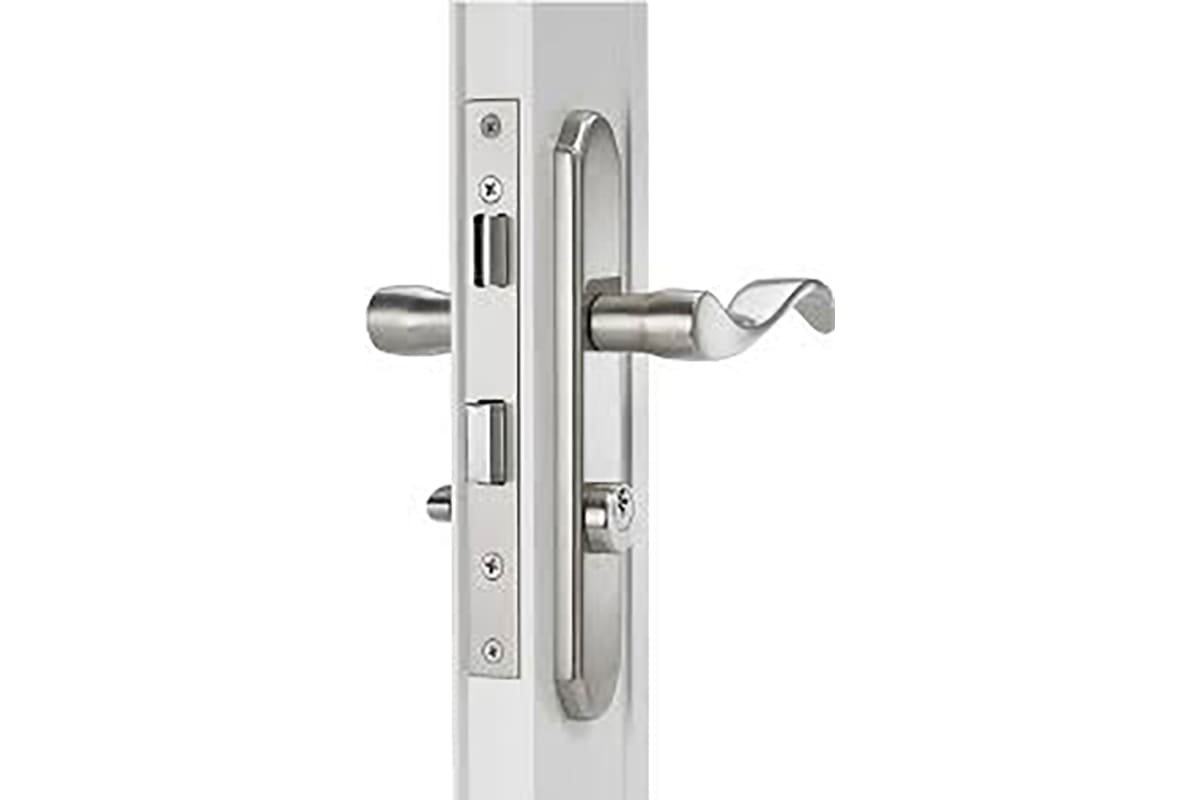
A double-keyed lock requires a key from both sides. This function may be useful in certain security situations, but it is not a casual choice for normal residential interior doors. If a person is inside and cannot find the key, the door may not open quickly.
I avoid making broad legal claims because regulations vary by country, city, building type, and project. However, I always remind buyers to check requirements for:
- Fire-rated doors5
- Emergency egress doors
- School buildings
- Hotel guest rooms
- Apartment entry doors
- Commercial escape routes
- Public access buildings
- Local insurance or project specifications
In some markets, double-cylinder deadbolts or double-keyed functions may be restricted on certain exit doors.6 In other markets, they may be allowed only under specific conditions. The safest answer is not “yes” or “no.” The safest answer is: confirm the application and code requirement before purchase.
Common safety comparison
| Lock function | Inside operation | Typical concern | Common use case |
|---|---|---|---|
| Double-keyed lock | Key required inside | May delay emergency exit | Special security doors, controlled access areas |
| Key outside + thumbturn inside | Thumbturn opens inside | More convenient for escape | Entrance doors, apartment doors, office doors |
| Privacy button/thumbturn | Inside locks; outside emergency release | Not high security | Bedrooms, bathrooms, private rooms |
| Passage knob/lever | No locking | No privacy or security | Hallways, closets, common rooms |
| Mortise lock with cylinder | Depends on lock case and cylinder | Must confirm function | Commercial, project, fire-rated, and high-use doors |
The outside key may not always override the inside lock
This is one of the most important details. Many buyers assume that if a lock has an outside key, the key can always unlock the door from outside. That is not always true.
The actual behavior depends on the design of:
- The lock body
- The cylinder type
- The inside thumbturn
- The button mechanism
- The privacy or entrance function
- The anti-panic or escape function, if any
For example, one lock may allow the outside key to retract the latch even if the inside button is pressed. Another lock may keep the outside locked until the inside button is released. A mortise lock may behave differently again, depending on the lock case function and cylinder configuration.
I always recommend asking the supplier for an operation description such as:
- Outside unlocked, inside unlocked.
- Outside locked, inside can exit.
- Inside button or thumbturn locked, outside key behavior.
- Emergency release behavior.
- Deadbolt or latch retraction behavior.
This small checklist prevents costly misunderstanding, especially when buyers order thousands of pieces for a door factory or distribution channel.
How do door knobs that lock on both sides differ from privacy and entrance locks?
Many buyers use “lock on both sides” when they actually mean “private from inside but accessible in an emergency.” This is common for bedrooms, bathrooms, changing rooms, and small office rooms. If the buyer orders a double-keyed lock instead, the result may be inconvenient or unsafe.
Door knobs that lock on both sides differ from privacy and entrance locks by their access method. A privacy lock usually locks from inside and has limited outside emergency access. An entrance lock usually has an outside key and inside thumbturn or button. A double-keyed lock uses keys on both sides.
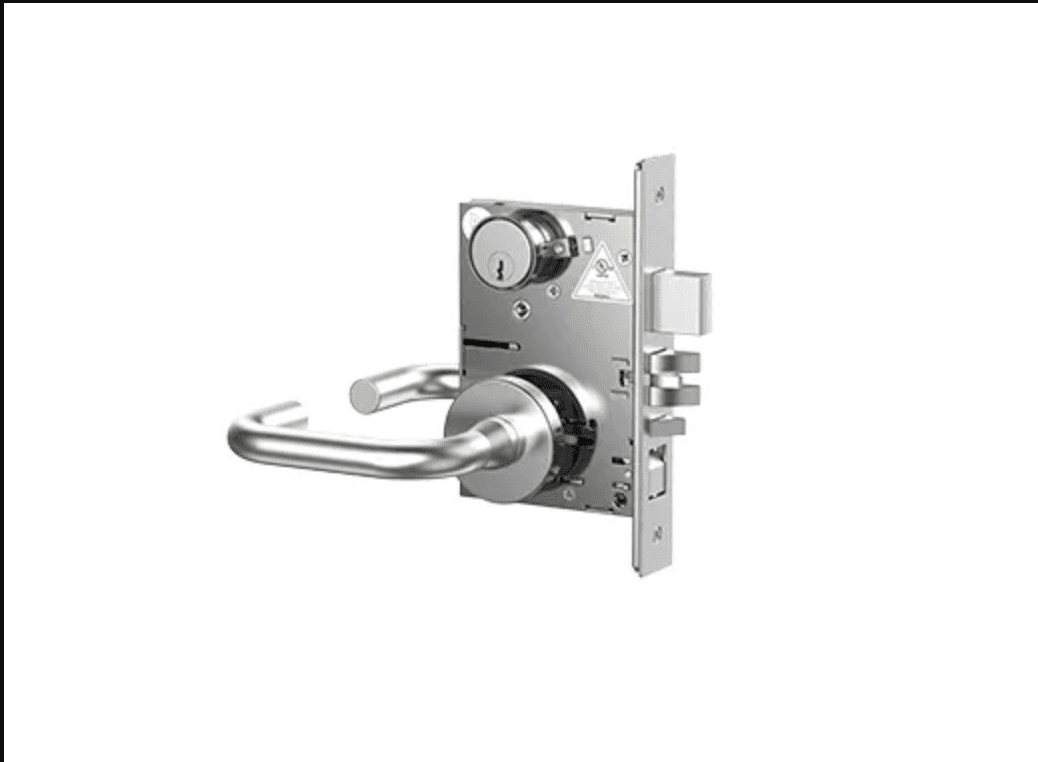
Privacy locks are not double-keyed locks7
A privacy lock is designed for privacy, not strong security. It is usually used for:
- Bedrooms
- Bathrooms
- Restrooms
- Changing rooms
- Staff rooms
- Interior private spaces
The inside user can lock the door with a push button, turn button, or thumbturn. The outside usually has a small emergency release hole or slot. A coin, pin, or emergency tool may open it.
A privacy lock normally does not need a full key cylinder outside. It also does not need keyholes on both sides. So when a buyer says, “I want a knob that locks from both sides for bathroom doors,” I usually explain that a privacy function is the better category.
Entrance locks are different again
An entrance lock is commonly used for main entry doors, office doors, and apartment doors. It usually has a key cylinder outside and an inside thumbturn or button. But there is one detail that must be checked: the outside key behavior.
Some entrance functions allow the outside key to unlock the door even when the inside button is engaged. Some may have lockout features. Some may automatically release the inside button when the door is opened from inside. The function depends on the design.
This is why I prefer to specify the function in plain language instead of relying on product names. A buyer can write:
“We need an entrance lock for apartment doors. Outside uses key. Inside uses thumbturn. Inside must always allow exit without key. Please confirm whether outside key can unlock when inside thumbturn is locked.”
That sentence is much clearer than “double-sided locking knob.”
Mortise lock sets add another layer8
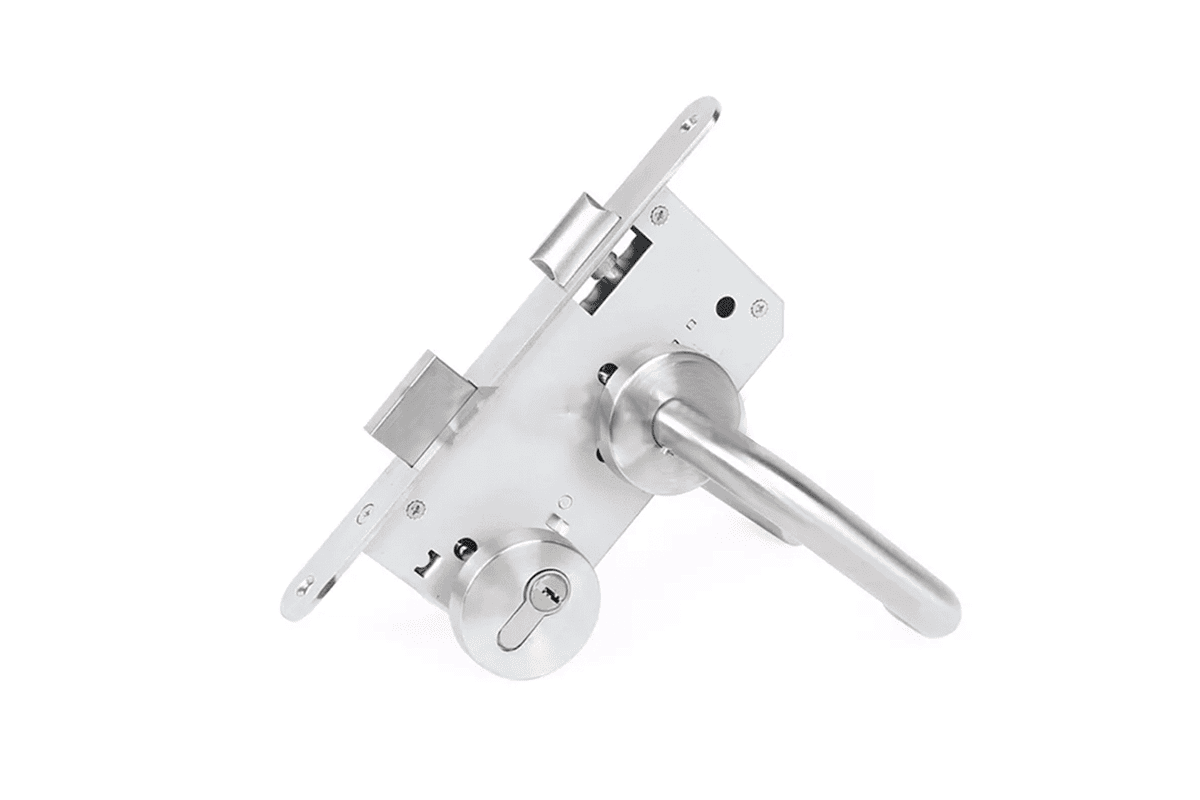
In architectural projects, many buyers do not use round knobs. They use lever handles with mortise lock bodies and profile cylinders. In that case, the lock function depends on a complete system:
- Mortise lock case
- Euro profile cylinder9
- Lever handle or pull handle
- Escutcheon or rosette
- Thumbturn cylinder or double cylinder
- Strike plate
- Door thickness and handing
For example, a European-standard door may use a mortise lock + euro profile cylinder + stainless steel lever handle. The same handle design can be paired with different cylinder types:
| Cylinder configuration | Inside side | Outside side | Typical purpose |
|---|---|---|---|
| Single cylinder + thumbturn | Thumbturn | Key | Convenient exit and controlled entry |
| Double cylinder | Key | Key | Higher control, but escape risk must be checked |
| Half cylinder | No inside operation | Key on one side | Cabinets, shutters, special doors |
| Classroom or special function cylinder | Function varies | Function varies | Schools, offices, controlled rooms |
As a manufacturer, I see many quotation errors happen when the buyer sends only a handle photo. The handle photo does not define the lock function. The lock case and cylinder must be specified too.
How should buyers specify door knobs that lock on both sides for sourcing?
Sourcing becomes difficult when buyers ask for a product name instead of a function. Suppliers may guess based on regional habits, and that guess may be wrong. This creates repeated sample revisions, price disputes, and installation problems on the final door.
Buyers should specify door knobs that lock on both sides by describing the door application, inside operation, outside operation, emergency access, lock body type, cylinder type, finish, certification needs, and door thickness. Clear functional language gives suppliers enough detail to quote correctly.
A practical sourcing checklist
When a buyer asks me for samples, I prefer to receive a short technical brief. It does not need to be complicated. It should answer the real use case.
Use this checklist before asking for a quotation:
Door application
- Residential entrance door
- Apartment door
- Hotel door
- School door
- Office door
- Bathroom or bedroom door
- Fire-rated door
- Special security door
Door material and thickness
- Wooden door
- Steel door
- Aluminum door
- Composite door
- Common thickness such as 35 mm, 40 mm, 45 mm, or project-specific sizes
Inside operation
- Key
- Thumbturn
- Push button
- Turn button
- Free egress lever
- Emergency release
Outside operation
- Key
- Coin release
- Emergency tool
- Always locked
- Always unlocked unless locked from inside
Locking behavior
- Can the inside always open without a key?
- Can the outside key override inside locking?
- Does the latch retract by key?
- Is there a deadbolt?
- Does the inside button release automatically?
Hardware structure
- Cylindrical knob lock
- Tubular lock
- Mortise lock
- Lever handle set
- Euro profile cylinder
- Double cylinder
- Thumbturn cylinder
Compliance and market requirements
- CE certification10
- Fire-rated certification
- Salt spray test requirement
- Cycle test requirement11
- Regional standard
- Project specification
Sample specification formats
A clear specification can be short. Here are examples I would understand immediately.
| Buyer need | Better specification |
|---|---|
| “Need knobs that lock both sides.” | “Need double-keyed cylindrical knob lock, key operation inside and outside, for storeroom security door. Please confirm local egress suitability.” |
| “Need bathroom lock.” | “Need privacy knob or lever, inside turn button, outside emergency release, no key cylinder.” |
| “Need apartment entrance lock.” | “Need entrance lock, key outside, thumbturn inside, inside must allow exit without key, confirm outside key override.” |
| “Need European door lock.” | “Need euro mortise lock body, lever handle set, profile cylinder with thumbturn inside and key outside, CE certificate required.” |
Why B2B buyers should classify by function
For door factories and wholesalers, product classification affects inventory, packaging, catalogs, and after-sales service. If a distributor stocks the wrong function, local installers may reject the product even if the finish and size are correct.
I recommend that buyers create separate SKUs for:
- Passage function
- Privacy function
- Entrance function
- Double-cylinder function
- Classroom or office function
- Fire-rated project function
- Mortise lock + cylinder + handle sets
This structure helps sales teams avoid wrong promises. It also helps purchasing teams compare suppliers based on equal specifications.
Finish and certification also matter
Function is the first step, but it is not the only step. Bulk buyers also need stable appearance and compliance. For example, I often discuss:
- Stainless steel grade
- Zinc alloy or brass components
- Satin stainless steel, polished chrome, matte black, PVD, antique brass, or custom finishes
- Finish consistency across batches
- CE certificates
- Fire-rated test reports
- Packaging requirements
- Spare key quantity
- Master keying or keyed-alike options
- Delivery schedule
In my experience, a buyer saves the most time when they send the door drawing, lock function, target market, and certification requirement together. The supplier can then confirm whether a standard model works or whether an ODM adjustment is needed.
Frequently Asked Questions
Can a door knob have keyholes on both sides?
Yes. A door knob or lock set can use a double-keyed or double-cylinder function with keyholes on both sides. However, this function can create emergency escape concerns if a person inside cannot find the key. Buyers should check local fire, egress, and project requirements before using it.
Is a privacy door knob the same as a double-sided locking knob?
No. A privacy door knob usually locks from the inside and has limited outside emergency access. It is common for bedrooms and bathrooms. A double-sided locking knob often means key operation from both sides, which is a different function and should not be specified casually.
Can an outside key unlock a door locked from the inside?
Sometimes, but not always. The answer depends on the lock body, cylinder, thumbturn, button mechanism, and lock function. Buyers should ask the supplier to confirm the exact operation before ordering samples or bulk quantities.
Are double-keyed locks suitable for apartment doors?
They may be suitable in some special cases, but they should be checked carefully. Apartment doors often need safe and fast exit from inside. Local building, fire, and egress rules may restrict or define acceptable lock functions. I recommend confirming requirements before specifying double-keyed hardware.
What information should I send to a supplier before asking for a quote?
You should send the door type, door thickness, market, application, inside operation, outside operation, emergency access requirement, lock body type, cylinder type, finish, quantity, and certification needs. This helps the supplier quote the correct lock function instead of guessing from a product name.
Conclusion
Door knobs that lock on both sides do exist, but the real question is about lock function and safety, not only the knob shape. The phrase may mean a double-keyed lock, an entrance lock, a privacy lock, or a mortise lock set with a specific cylinder. I always recommend confirming inside operation, outside access, emergency escape, door type, and local requirements before buying. If you source architectural door hardware in bulk, send your function brief and project details to a qualified manufacturer before requesting samples.
"Deadbolt", https://en.wikipedia.org/wiki/Deadbolt. An architectural-hardware glossary or standards source defines a double-cylinder lock as a keyed locking device operated by a key from both sides, supporting the article's use of “double-keyed lock” for this function. Evidence role: definition; source type: institution. Supports: A neutral hardware glossary or standards body should define a double-cylinder or double-keyed lock as requiring a key on both sides.. Scope note: Terminology may vary by product category and market, so the source supports the general definition rather than every manufacturer's naming practice. ↩
"Lock Function Chart", https://www.hagerco.com/Files/Files/Files/bhma_lock_functions_rev_2_26_2021.pdf. ANSI/BHMA lock-function descriptions distinguish entrance and privacy functions from double-cylinder keyed functions, documenting that inside operation may be by thumbturn, push button, or emergency release rather than by a second key cylinder. Evidence role: definition; source type: institution. Supports: A lock-function reference should show that privacy and entrance functions commonly use inside buttons, thumbturns, or emergency release features rather than double-keyed operation.. Scope note: The citation would support common standardized functions, while individual products can differ in detailed operation. ↩
"Sensor release of electrically locked egress doors", https://dps.mn.gov/divisions/sfm/fire-code/fire-code-information-topic/sensor-release-electrically-locked-egress-doors. Fire and building-code guidance commonly requires egress doors to be openable from the egress side without a key, tool, or special knowledge, supporting the article's statement that an unsuitable lock function can create an escape problem. Evidence role: general_support; source type: institution. Supports: A fire-code or building-code source should establish that exit doors generally must permit egress without keys, tools, or special knowledge.. Scope note: The rule depends on jurisdiction, occupancy type, and door use, so the source provides general code context rather than a determination for a specific installation. ↩
"What is the purpose of double keyed deadbolts?", https://www.facebook.com/groups/thedullclub/posts/2852739034931197/. Fire-safety guidance on egress hardware notes that locks requiring a key to open from the inside can impede emergency exit, providing support for the article's caution about double-keyed locks when the key is unavailable. Evidence role: mechanism; source type: institution. Supports: A fire-safety or code source should explain that locks requiring a key from the egress side can impede rapid exit.. Scope note: Such sources generally address egress principles and code compliance, not measured escape-delay times for every double-keyed product. ↩
"Fire Door Latching", https://idighardware.com/2025/10/fire-door-latching-2/. Fire-door standards such as NFPA 80 treat doors, frames, and hardware as part of a rated assembly and specify requirements for latching and related hardware, supporting the article's inclusion of fire-rated doors as a separate specification concern. Evidence role: general_support; source type: institution. Supports: A fire-door standard should show that fire door assemblies include regulated hardware such as latching and locking devices.. Scope note: The source provides code and standards context; approval of any specific lock requires testing, listing, and local authority acceptance. ↩
"International Building Code (IBC) Requirements", https://www.indicatordeadbolt.com/international-building-code/. Model building and life-safety codes regulate locking arrangements on egress doors and generally require exit operation without a key, supporting the article's statement that double-cylinder or double-keyed functions may be restricted on some exit doors. Evidence role: general_support; source type: institution. Supports: A model building or life-safety code source should show that egress-side locking hardware is regulated and often cannot require a key for exit.. Scope note: Because enforceable requirements are adopted and amended locally, the source provides model-code context rather than a universal legal rule. ↩
"Lock Function Chart", https://www.hagerco.com/Files/Files/Files/bhma_lock_functions_rev_2_26_2021.pdf. Hardware function references describe privacy locks as interior privacy devices, typically with inside locking and outside emergency release, distinguishing them from double-cylinder locks that use keyed operation on both sides. Evidence role: definition; source type: institution. Supports: A lock-function standard or glossary should define privacy locks as interior privacy hardware with emergency access, distinct from double-cylinder keyed locks.. Scope note: The source supports standard functional categories; individual products may combine features or use nonstandard marketing names. ↩
"Mortise lock", https://en.wikipedia.org/wiki/Mortise_lock. Reference descriptions of mortise locks identify them as lock bodies fitted into a pocket in the door and used with separate trim and keying components, supporting the article's point that a mortise lock set is defined by more than the visible handle. Evidence role: definition; source type: encyclopedia. Supports: A neutral reference should define a mortise lock as a lock installed in a mortise in the door and composed of a lock body with associated trim and cylinder or key operation.. Scope note: The source would define the general construction, while exact component combinations vary by regional standards and project specifications. ↩
"Euro Profile Cylinder", https://www.yalehome.com/in/en/products/mechanical-products/euro-profile-cylinder. European cylinder-lock standards and technical references describe profile cylinders as standardized removable cylinders used in compatible lock cases, supporting the article's discussion of Euro profile cylinders in mortise lock assemblies. Evidence role: definition; source type: institution. Supports: A standards or technical reference should define profile cylinders and their use in lock assemblies.. Scope note: The citation supports the general component type and standardization context, not the suitability of a particular cylinder for a specific door. ↩
"CE Marking for Construction Products", https://www.intertek.com/building/ce-marking/. European Commission guidance on CE marking under the Construction Products Regulation explains that construction products covered by harmonised standards must provide declared performance and bear CE marking, giving context for the article's reference to CE certification for some door-hardware projects. Evidence role: general_support; source type: government. Supports: An EU source should explain CE marking for construction products and its connection to harmonised standards where applicable.. Scope note: The support is contextual because CE applicability depends on the product type, intended use, and relevant harmonised standard. ↩
"ANSI/BHMA Standards", https://buildershardware.com/ANSI-BHMA-Standards. Door-hardware standards such as ANSI/BHMA and European lock standards include durability testing by repeated operating cycles, supporting the article's statement that cycle-test requirements can be relevant in bulk hardware specifications. Evidence role: general_support; source type: institution. Supports: A hardware standard should show that locks and related door hardware are tested for durability through repeated operating cycles.. Scope note: The source supports the existence and purpose of cycle testing, while required cycle counts vary by standard, grade, product category, and project specification. ↩