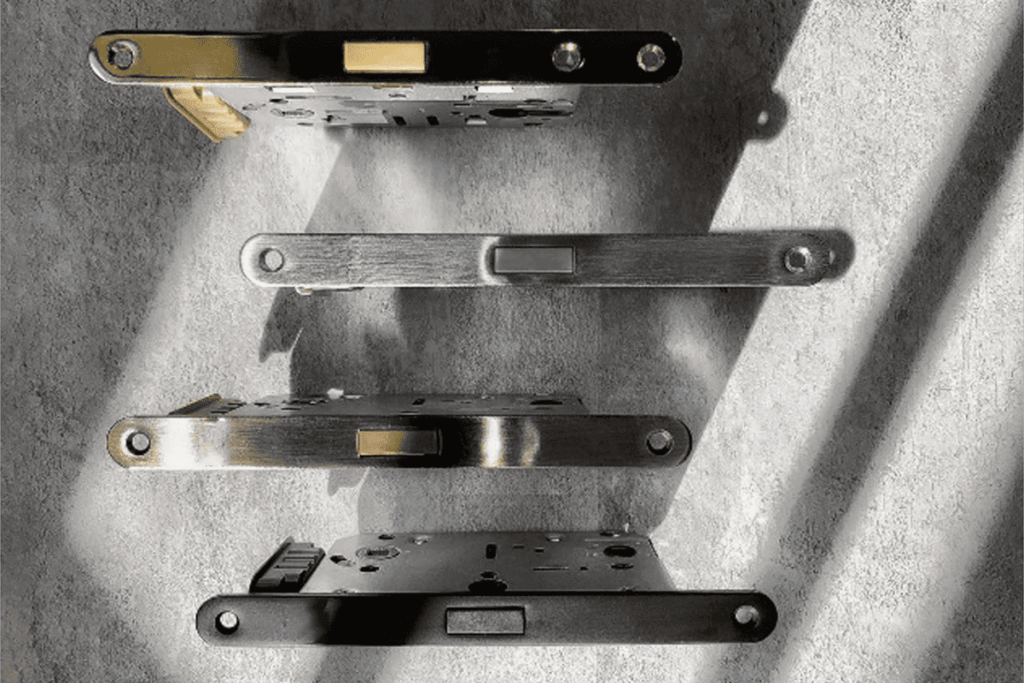
How Many Types of European Mortise Locks Are There?
European mortise locks can feel confusing because buyers often ask for “one standard type,” but the market does not work that way. If you classify them too simply, you may choose the wrong lock body, miss a project requirement, or create slow-moving inventory. The practical solution is to classify by function first, then by lock structure, and then verify dimensions and accessories.
There is no single fixed number of European mortise lock types.1 In B2B sourcing, I usually classify them by use case first, such as sash locks, fire-rated exit locks, anti-thrust exit locks, electromechanical locks, and special-purpose locks. Then I check latch and bolt structure, dimensions, accessories, certification documents, and project requirements.
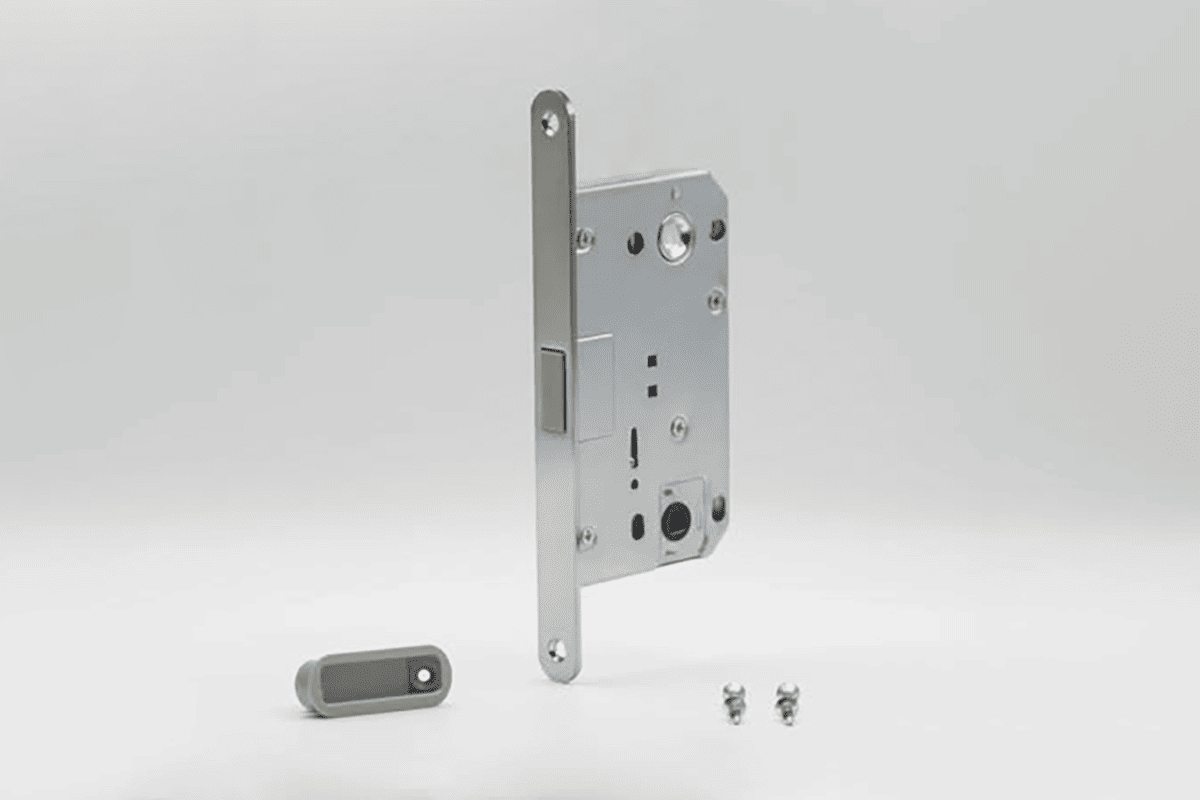
The better question is not only “how many types are there?” The better question is: which lock type fits my door, market, and procurement plan? I have seen many sampling delays happen because the buyer chose the function correctly but missed the backset, center distance, faceplate, or matching cylinder.
How Should Buyers Classify European Mortise Locks by Function?
A buyer may feel pressure to build a complete product list quickly, but a flat list of lock names can create confusion. If you mix function, cylinder type, handle type, and accessories together, the classification becomes hard to use. I always start with the door’s purpose.
The best way to classify European mortise locks is by function or application.2 Common functional types include sash locks, fire-rated exit locks, exit locks with anti-thrust, electromechanical mortise locks, and special-purpose locks for classrooms, medical doors, bathrooms, storage rooms, pipe shafts, passage doors, and connecting doors.
Why function comes first
In manufacturing and sampling, function determines the basic design direction. A lock for a bathroom door does not need the same internal logic as a fire-rated escape door lock. A lock for a classroom may need different control behavior from a lock for a pipe shaft or storage room.
When I receive an inquiry from a door factory, I rarely begin by asking, “Do you need a single latch or double bolt?” I usually ask:
- What door is this lock for?
- Is it for a residential, commercial, hospital, school, hotel, or utility application?
- Does the door require fire-rated or escape-door performance?
- Will it connect with access control or an electric strike?
- Is the lock for daily high-frequency use or low-frequency service access?
These questions help separate use case from mechanical structure.
Common functional classifications
| Functional type | Typical application | Buyer concern |
|---|---|---|
| Sash lock | Interior or entrance doors with lever handle and cylinder | Fast-moving SKU, common installation |
| Fire-rated exit lock | Fire-rated doors and escape routes | Verified fire test documents and project compliance |
| Exit lock with anti-thrust | Escape doors needing added latch security | Anti-thrust function and strike compatibility |
| Electromechanical mortise lock | Access-control doors | Voltage, wiring, fail-safe/fail-secure logic |
| Classroom lock | Schools and training facilities | Inside/outside control behavior |
| Medical door lock | Hospitals and clinics | Smooth operation, hygiene-friendly hardware matching |
| Pipe shaft lock | Maintenance doors and utility shafts | Restricted access and simple operation |
| Storage room lock | Warehouses and back rooms | Security and key control |
| Passage lock | Non-locking passage doors | Convenience and low cost |
| Bathroom lock | WC and private rooms | Privacy function and emergency release |
Do not mix function with accessories
A lock cylinder is not a mortise lock type by itself.3 A lever handle is not a lock body type. A strike plate is also not the lock type. These parts are essential, but they belong to the matching system.
For example, one sash lock may be matched with:
- A profile cylinder
- A lever handle set
- A standard strike plate
- A stainless steel or plated faceplate
- A specific spindle size
The same function can also appear in different structures. A fire-rated exit lock may have a latch-only structure or a latch-and-bolt structure depending on project design and verified certification.4 This is why I avoid giving buyers one absolute number without explaining the classification dimension.
In my factory experience, the biggest sourcing mistakes happen when a buyer asks for a “European lock” but does not define the door function. The lock may look correct in photos, but the installation or project use may be wrong.
Which European Mortise Locks Are Most Common for Door Factories and Wholesalers?
Door factories and wholesalers need practical product lines, not theoretical catalogs with hundreds of slow-moving models. If the range is too narrow, they miss project orders. If it is too wide, they freeze cash in inventory. So the core selection should match common doors first.
The most common European mortise locks for B2B buyers are sash locks for regular doors, bathroom or privacy locks, passage locks, fire-rated exit locks, anti-thrust exit locks, electromechanical mortise locks, and special-purpose locks5 for classrooms, hospitals, utility rooms, storage rooms, and service doors.
Core fast-moving lock types
For hardware brands and wholesalers, I usually separate the product range into fast-moving standard items and project-specific items. This helps the buyer plan stock without treating every special lock as a normal inventory SKU.
Fast-moving types often include:
- Sash locks for common timber, steel, or composite doors
- Bathroom locks with privacy function
- Passage locks for non-locking interior doors
- Cylinder mortise locks for apartment, office, or commercial doors
- Standard latch lock bodies for economical door sets
Project-specific types often include:
- Fire-rated exit locks
- Anti-thrust exit locks
- Electromechanical mortise locks
- Classroom locks
- Medical door locks
- Pipe shaft and utility room locks
- High-security room locks
Example sourcing logic
A door factory may need one lock family for a residential project. In that case, the buyer may choose several models with the same faceplate finish and similar installation dimensions. This keeps assembly easier and reduces training for workers.
A hardware brand may need a broader range. The brand may need a standard sash lock for distribution channels, plus a fire-rated exit lock for project bidding, plus an electromechanical option for access-control partners.
A wholesaler may care most about rotation speed. They often need reliable models that fit common regional door preparations. They may also need customized packaging, logo marking, and stable surface finish across batches.
Practical product grouping
| Buyer type | Recommended product focus | Risk to control |
|---|---|---|
| Door factory | Standardized locks matching door cut-outs | Installation mismatch and assembly delay |
| Hardware brand | Complete series with unified finish and packaging | Inconsistent appearance and weak SKU logic |
| Wholesaler | Fast-moving common models plus selected project locks | Overstocking rare lock bodies |
| Project supplier | Fire-rated, exit, access-control, or special-purpose locks | Missing certification or project approval |
| Importer | Stable specifications for regional demand | Model changes without notice |
What I ask before recommending models
When a buyer sends a drawing or sample, I normally check these points before suggesting a model:
- Door material: timber, steel, aluminum, composite, or fire door
- Door thickness: because the spindle, cylinder, screws, and accessories must fit
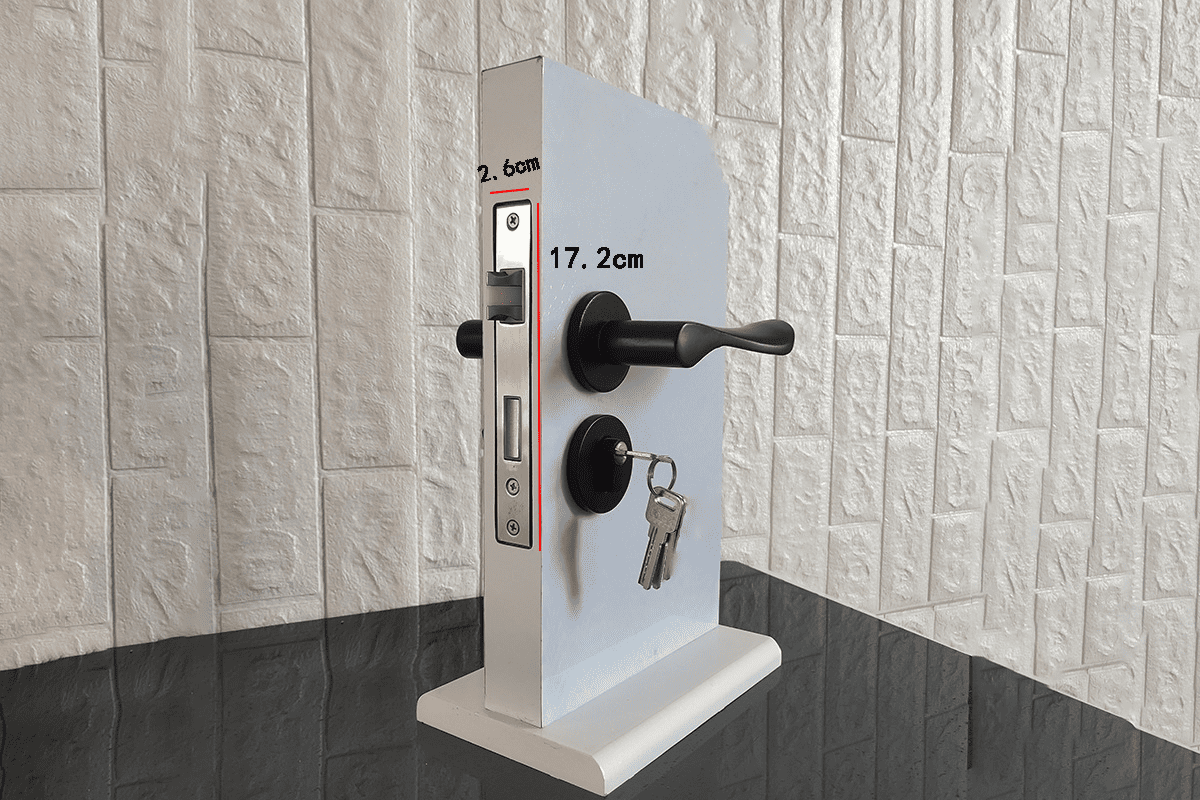
- Backset: the distance from the faceplate to the spindle or cylinder center6
- Center distance: the spacing between handle follower and cylinder center
- Faceplate size: width, length, thickness, radius, or square edge
- Latch direction: left/right, reversible, or project-specific
- Deadbolt requirement: with or without locking bolt
- Certification need: CE, fire-rated, escape-door, or market-specific documents
- Matching hardware: cylinder, lever handle, escutcheon, strike plate, screws
I do not treat certificates as decoration. Buyers should verify the document scope, model coverage, test standard, issuing body, validity, and project acceptance. Fire-rated and exit-door requirements are especially project- and market-dependent, so a qualified professional should review application-specific compliance.
How Do Latch and Bolt Structures Change European Mortise Locks?
A buyer may choose the correct door function and still face compatibility problems if the lock body structure is wrong. The latch and bolt arrangement affects convenience, security, installation, handle operation, and matching strike plates. So structure is the second classification layer.
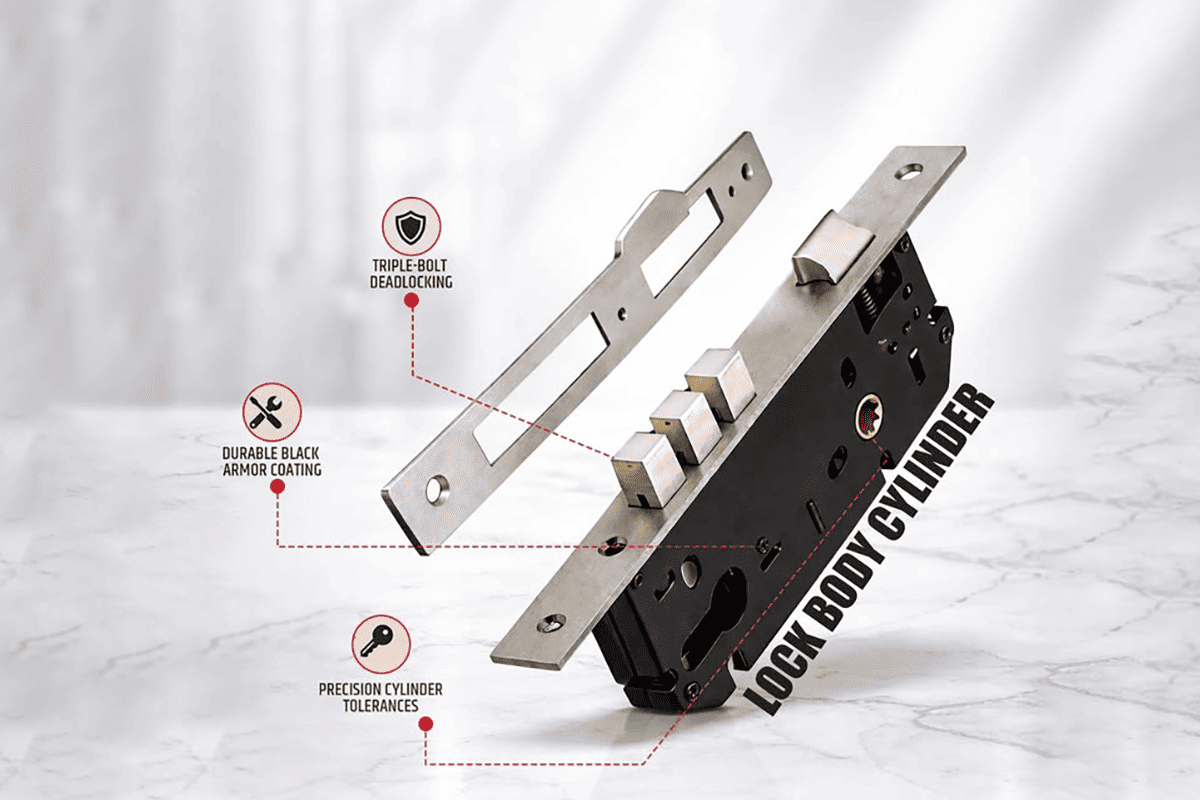
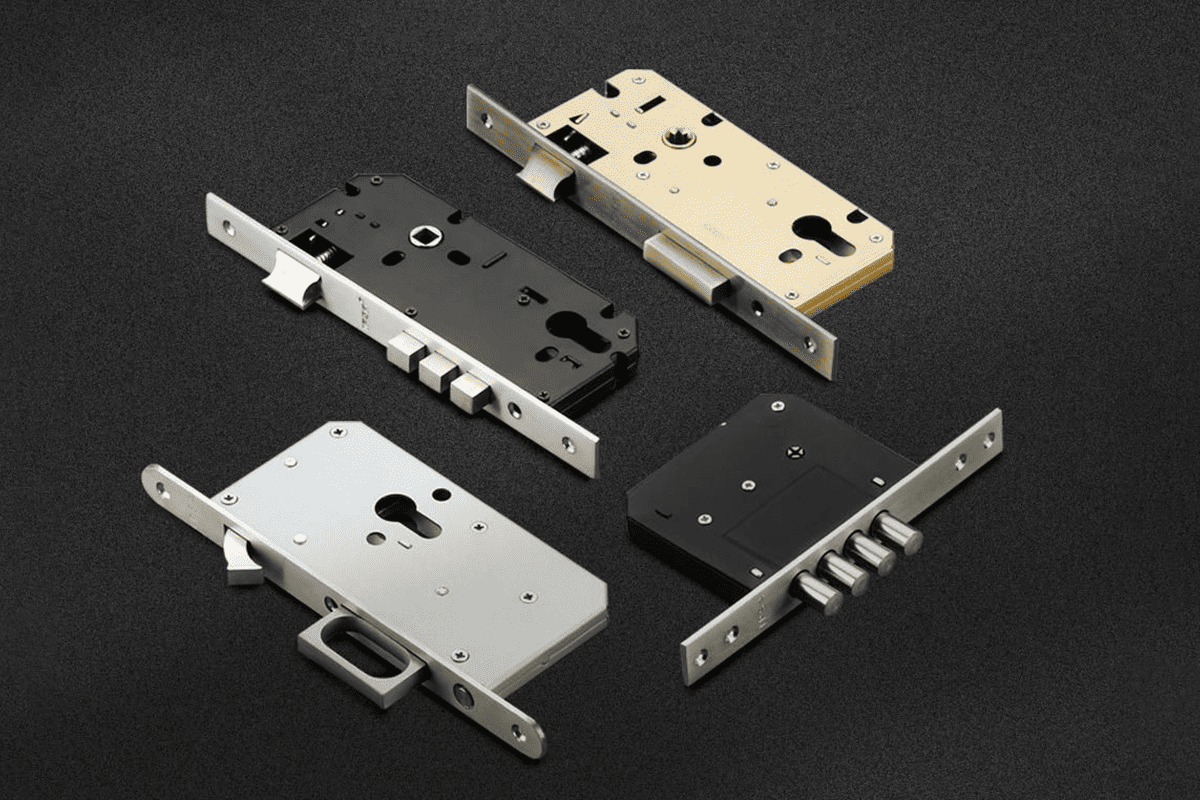
European mortise locks can also be classified by lock body structure, mainly single-latch lock bodies, latch-and-deadbolt lock bodies, and multi-bolt lock bodies.7 This structural classification is separate from function because the same application type may use different latch or bolt configurations.
Single-latch lock bodies
A single-latch lock body usually has one spring latch. The lever handle retracts the latch. This structure is common where convenience matters more than locking security.
Typical uses include:
- Passage doors
- Interior office doors
- Some classroom or service applications
- Doors controlled by an external access-control device, depending on design
The main advantage is simple operation. The installation can also be easier because the strike cut-out is simpler. However, the security level may be lower if there is no deadbolt or cylinder-controlled locking function.
Latch-and-deadbolt lock bodies
A latch-and-deadbolt lock body has a latch for daily closing and a deadbolt for locking. This is one of the most common structures for sash locks and cylinder mortise locks.8
This structure is popular because it balances:
- Daily convenience
- Basic locking security
- Common handle and cylinder compatibility
- Wide market acceptance
- Standardized door preparation in many regions
However, dimensions still vary by model and market. Buyers should never assume all European-style lock bodies share identical backset, center distance, or faceplate size.
Multi-bolt lock bodies
Multi-bolt lock bodies provide more locking points or stronger bolt engagement.9 These models may be used for higher-security doors or specific project requirements.
They can improve security perception and door stability, but they also create more sourcing checks:
- The door must accept the lock case size.
- The frame and strike plate must match.
- The cylinder and handle operation must be compatible.
- The installer must understand the adjustment requirements.
- The project may require test reports or approvals.
Structure affects universality
Here is a simple way to compare structures:
| Structure | Main benefit | Main limitation | Common buyer use |
|---|---|---|---|
| Single latch | Easy operation and lower cost | Limited locking security | Passage and simple interior doors |
| Latch + deadbolt | Balanced convenience and security | More dimensions to confirm | Common sash lock applications |
| Multi-bolt | Higher security and stronger engagement | More complex installation | Project or security-focused doors |
Function and structure must stay separate
This point is important. A fire-rated exit lock is a functional category. A single-latch or latch-and-deadbolt design is a structural category. An electromechanical lock is also a functional or operating category, but it may still have different latch and bolt designs.
If these categories are mixed, the buyer may create a confusing product list such as:
- Fire lock
- Cylinder lock
- Handle lock
- Stainless steel lock
- Deadbolt lock
- Electric lock
This list is not wrong in daily conversation, but it is weak for procurement. It mixes function, matching hardware, material, structure, and operation. For professional sourcing, I prefer a layered description:
“European standard sash lock, latch-and-deadbolt structure, 72 mm center distance, 55 mm backset, stainless steel faceplate, profile cylinder type, with matching strike plate.”
That sentence is much more useful than “European lock.” It gives the factory enough information to check drawings, tooling, production, and sampling.
What Dimensions and Accessories Should I Confirm Before Sourcing European Mortise Locks?
Many sampling problems are not caused by poor manufacturing. They are caused by incomplete specifications. A lock body can be well made and still fail on the door if one dimension or accessory is wrong. This is why confirmation work matters before bulk orders.
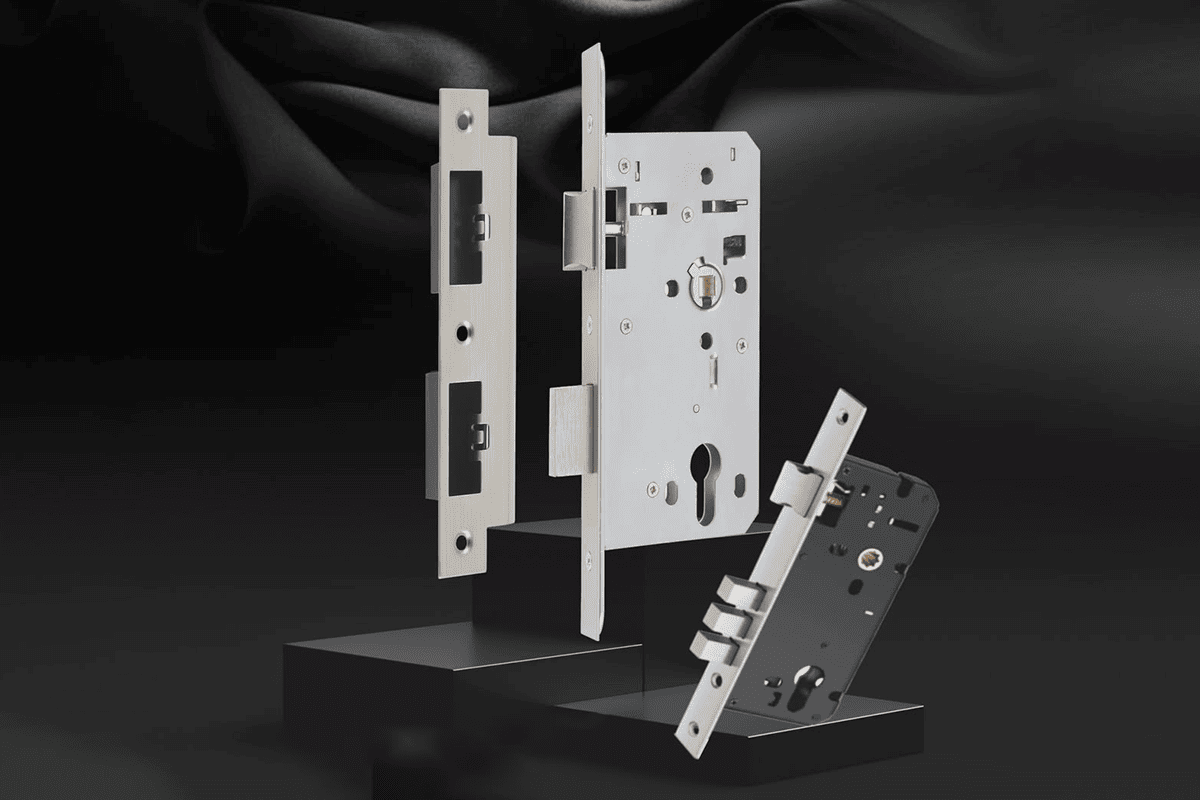
Before sourcing European mortise locks, buyers should confirm door material, door thickness, cut-out size, backset, center distance, faceplate size, latch and deadbolt configuration, cylinder type, lever handle compatibility, spindle size, strike plate, screw positions, finish, and any fire-rated, exit, anti-thrust, or access-control requirement.
Key dimensions to verify
The most common dimension checks include:
Backset
This affects handle position and lock case placement. A wrong backset can make the lock unusable for an existing door cut-out.Center distance
This is often the distance between the handle follower center and cylinder center. Buyers must match it with the handle plate or escutcheon design.Faceplate width and length
Faceplate mismatch can affect both appearance and installation. Square edge and radius edge details also matter.Lock case depth and height
Door stiles may not have enough internal space for deeper lock cases.Follower size
The handle spindle must match the follower. Common spindle systems differ by market and product family.Cylinder profile and length
The cylinder must fit door thickness and trim design. A profile cylinder is common in many European applications10, but length selection still depends on the door and hardware set.Strike plate design
The latch and bolt must enter the strike correctly. Fire-rated or anti-thrust applications may need specific strike designs.
Accessory matching is not optional
A mortise lock body does not work alone. It is part of a door hardware system. In our production discussions, I often remind buyers to check the full set:
- Mortise lock body
- Lever handle
- Cylinder
- Escutcheon or plate
- Strike plate
- Screws
- Spindle
- Thumbturn, if required
- Emergency release, if required
- Electric accessory, if required
A beautiful lock body can create complaints if the finish does not match the lever handle. For wholesale orders, surface consistency is important. A satin stainless steel faceplate should match the handle finish as closely as possible across batches.
Compliance and certification checks
For CE, fire-rated, exit-door, anti-thrust, or electromechanical claims, buyers should verify documents carefully. A document may apply only to certain models, sizes, materials, door assemblies, or test conditions.11
A responsible buyer should check:
| Verification item | Why it matters |
|---|---|
| Model number coverage | The certificate may not cover every lock body |
| Test standard | Different markets may request different standards |
| Validity period | Expired documents may not support tenders |
| Door assembly condition | Fire tests may depend on full door set design |
| Hardware combination | Cylinder, handle, and strike can affect approval |
| Local acceptance | Country or project rules may differ |
I can explain what we produce and what documents are available for a model, but I do not treat that as a full legal answer for every country. For fire-rated doors, escape routes, hospitals, schools, or public buildings, the buyer should involve the project consultant, door manufacturer, certification body, or qualified compliance professional.
Sample before bulk order
For customized or project-specific European mortise locks, I recommend sample testing before mass production. A sample can confirm:
- Door machining compatibility
- Handle and cylinder fit
- Latch smoothness
- Deadbolt throw
- Strike alignment
- Finish appearance
- Packaging requirements
- Installation instructions
This step saves time. I have seen buyers avoid large losses simply by testing two or three sample locks on the real door before confirming a container order.
How Should Brands Plan SKUs for European Mortise Locks Without Overstocking?
A product manager may want to cover every possible lock type, but inventory costs can grow quickly. Too many models create slow stock, mixed accessories, and warehouse confusion.12 A better SKU plan starts with common demand and leaves room for project customization.
Brands should plan European mortise locks by separating core stock SKUs from project-based SKUs. Core SKUs should cover common sash, bathroom, passage, and standard cylinder locks. Project SKUs can include fire-rated exit, anti-thrust, electromechanical, classroom, hospital, utility, hotel, apartment, and high-security lock bodies.
Build a core range first
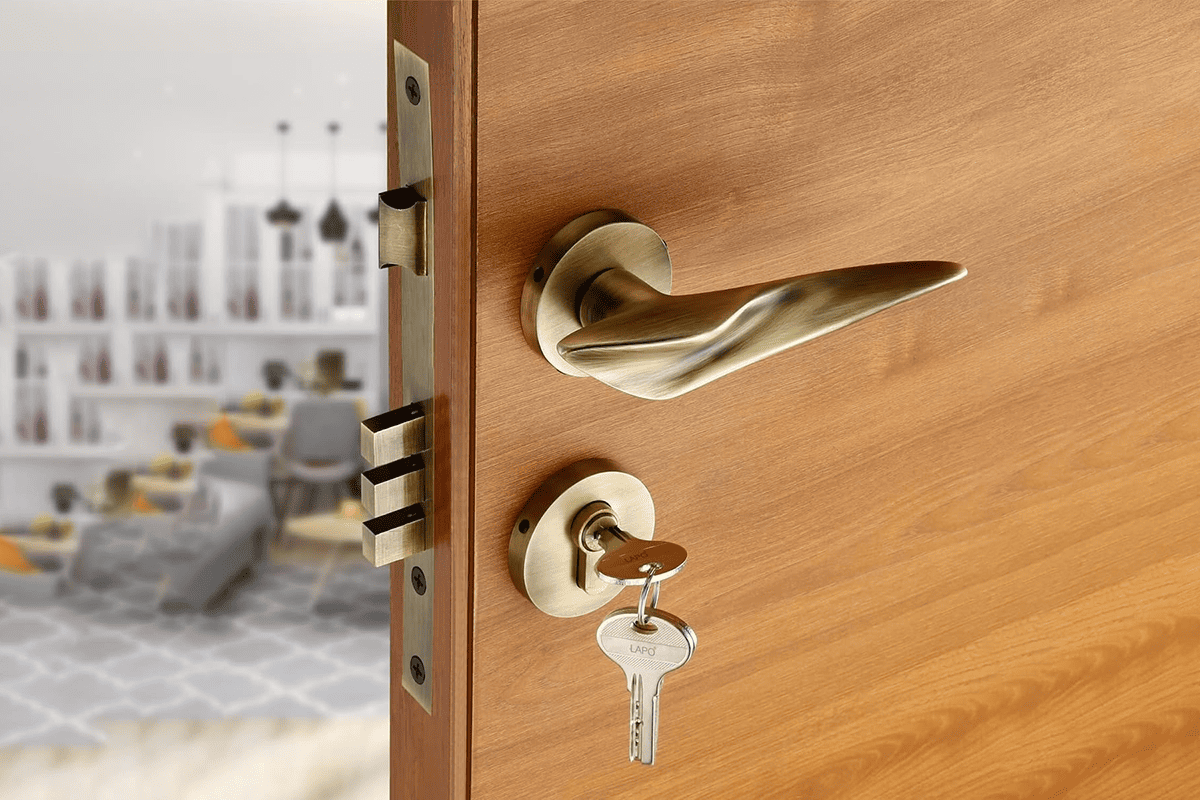
For many wholesalers and brand operators, the first layer should be a simple, reliable core range. This may include:
- 1–2 popular backsets
- 1–2 common center distances
- A standard faceplate size
- Common finishes such as satin stainless steel, polished brass, matte black, or regional favorites
- Matching strike plates
- Compatible cylinders and lever handles
The goal is not to show the largest catalog. The goal is to sell products that match the buyer’s market and reduce after-sales problems.
Add project-specific models carefully
Project locks are important, but they should not always be stocked in large quantities. Fire-rated exit locks, electromechanical mortise locks, and special-purpose locks often depend on project drawings, door types, and certification requirements.
For these models, I suggest a different procurement method:
- Keep technical drawings ready.
- Keep sample sets available.
- Confirm certification documents by model.
- Confirm project requirements before quotation.
- Produce bulk quantities after approval.
This protects cash flow and reduces dead stock.
SKU planning table
| SKU layer | Product examples | Stock strategy |
|---|---|---|
| Core stock | Sash locks, bathroom locks, passage locks | Keep regular inventory |
| Extended stock | Less common backsets, finishes, or faceplates | Stock moderate quantity |
| Project stock | Fire-rated exit, anti-thrust, electromechanical | Produce or reserve after project confirmation |
| Custom stock | Special hospital, classroom, hotel, or utility designs | Sample first, then batch produce |
| Accessory stock | Cylinders, handles, strike plates, screws | Match by lock family |
Use families instead of random models
A lock family gives the buyer better control. For example, a brand may build one family with the same faceplate style and finish, then offer different functions inside that family:
- Sash lock
- Bathroom lock
- Passage lock
- Cylinder lock
- Fire-rated version, if verified
- Project-specific version, if available
This makes the catalog easier to understand. It also helps installers because the appearance and installation logic remain more consistent.
Think about regional markets
European standard mortise lock demand is not identical in every market. The Middle East, Europe, and Southeast Asia may request different finishes, packaging, door thicknesses, and certification documents. Some buyers care strongly about fire-rated documents. Others care more about cost-effective bulk supply for residential doors.
In my experience working with door factories and wholesalers, the best SKU plan comes from three sources:
- Historical sales data
- Common project door drawings
- Local installer feedback
If a buyer has no historical data, I usually recommend starting with a narrow but complete range. Then the buyer can expand based on real demand instead of guessing.
Frequently Asked Questions
Are all European mortise locks the same size?
No. European-style lock bodies may look similar, but dimensions can vary by model, market, and project. Buyers should confirm backset, center distance, faceplate size, lock case depth, follower size, cylinder type, strike plate, and screw positions before sampling or bulk ordering.
Is a fire-rated mortise lock a separate lock structure?
A fire-rated mortise lock is better understood as a functional and compliance-related category, not only a latch structure. It may have different latch or bolt configurations. Buyers should verify the fire-rated certificate, model coverage, door assembly conditions, and project acceptance before use.
Can one mortise lock model fit timber, steel, and fire doors?
Sometimes one model may be used across several door types, but buyers should not assume universal compatibility. Door material, thickness, cut-out, frame design, strike plate, and certification requirements can change the correct choice. Real-door sample testing is strongly recommended.
What information should I send to a manufacturer for quotation?
You should send door material, door thickness, backset, center distance, faceplate size, lock case drawing, latch and deadbolt requirement, cylinder type, handle type, finish, quantity, packaging needs, and any CE, fire-rated, exit, anti-thrust, or access-control requirements.
Should wholesalers stock electromechanical mortise locks?
Wholesalers can stock electromechanical mortise locks if local demand is stable. However, these locks often require confirmation of voltage, wiring, fail-safe or fail-secure function, access-control compatibility, and project standards. I suggest keeping samples and technical data before stocking large quantities.
Conclusion
European mortise locks do not have one fixed “type count” unless you define the classification method. For sourcing, I recommend classifying them first by function, then by latch and bolt structure, and finally by dimensions, accessories, finish, and certification requirements. This approach helps buyers avoid incompatible lock bodies, weak SKU planning, and project approval risks. If you are planning a new lock range or need customized bulk supply, SDH Hardware can help review drawings, samples, finishes, and production options for your market.
"BS EN 12209:2016 Mechanically operated locks, latches and ...", https://www.acornironmongery.com/2022Standards/GAI-Guide-to-standards-8-BSEN12209-2016-22-final%20(1).pdf. EN 12209 classifies mechanically operated locks and latches through multiple performance and use characteristics, supporting the view that European mortise locks are better treated as a multi-dimensional category than as a fixed numbered list. Evidence role: definition; source type: institution. Supports: European lock standards classify locks by performance, use, durability, security, and construction features rather than by one fixed list of commercial type names.. Scope note: This supports the classification approach contextually; it does not quantify all commercial product types available in the market. ↩
"Understanding Lock Functions", https://lockdontblock.org/wp-content/uploads/2017/07/Understanding-Lock-Functions-DH-May-2015.pdf. Architectural hardware references and lock standards commonly organize lock selection around function, category of use, and required door performance, which supports using application as an initial classification layer. Evidence role: expert_consensus; source type: institution. Supports: Architectural hardware guidance and lock standards commonly classify locksets by function, use category, and required door performance.. Scope note: This is contextual support for the article's sourcing method, not proof that function-first classification is universally the only best method. ↩
"Lockset", https://en.wikipedia.org/wiki/Lockset. A lock cylinder is described as the key-operated component of a lock mechanism, supporting the distinction between a cylinder and the mortise lock body with which it may be used. Evidence role: definition; source type: encyclopedia. Supports: A lock cylinder is the key-operated component of a lock mechanism and is distinct from the mortise lock case or body.. ↩
"EN 1634 Fire Door Testing: What Happens to Hinges and Locks ...", https://www.dndhardware.com/amp/en-1634-fire-door-testing-what-happens-to-hinges-and-locks-during-the-test.html. Fire-door and emergency-exit hardware standards evaluate locks and latches in specified configurations and assemblies, supporting the article's statement that fire-rated exit-lock structure depends on project design and verified certification. Evidence role: general_support; source type: institution. Supports: Fire-door and exit-device standards evaluate hardware in defined configurations, so acceptable lock structures depend on tested or certified assemblies.. Scope note: The source would support the principle of tested configurations, but not every possible latch-only or latch-and-bolt product variant. ↩
"Understanding Lock Functions", https://lockdontblock.org/wp-content/uploads/2017/07/Understanding-Lock-Functions-DH-May-2015.pdf. Architectural hardware references recognize functional lock categories such as passage, privacy, classroom, storeroom, exit, and electromechanical functions, providing contextual support for the article's list of common B2B mortise-lock categories. Evidence role: general_support; source type: institution. Supports: Sash, passage, privacy, classroom, storeroom, fire-exit, and electromechanical lock functions are recognized categories in architectural hardware practice.. Scope note: This supports recognition of the categories, not their exact sales volume or ranking among European B2B buyers. ↩
"Door Knobs & Backset Explained: Sizes & Measuring", https://www.suffolklatchcompany.com/blogs/news/door-knobs-and-backset-explained?srsltid=AfmBOoqMl9GwCBcyZighNhZzu6F8XriVzMeuKIJF5Ie-uxqShYT9XyKa. Technical lock references define backset as the distance from the door edge or lock face to the centerline of the lock mechanism, supporting the article's measurement definition. Evidence role: definition; source type: encyclopedia. Supports: Backset is the measurement from the door edge or lock face to the centerline of the keyhole, cylinder, or spindle.. ↩
"Mortise lock", https://en.wikipedia.org/wiki/Mortise_lock. Technical descriptions of lock mechanisms distinguish latch bolts, deadbolts, and multi-point locking arrangements, supporting the article's structural classification of mortise lock bodies. Evidence role: definition; source type: encyclopedia. Supports: Lock mechanisms are commonly described by their latch bolts, deadbolts, and multi-point or multi-bolt locking arrangements.. Scope note: This supports the structural categories generally; it does not establish that these are the only possible structural variants. ↩
"Mortise lock", https://en.wikipedia.org/wiki/Mortise_lock. Definitions of a sash lock commonly describe a mortise lock combining a spring latch with a deadbolt, supporting the article's statement that latch-and-deadbolt construction is typical for sash-lock applications. Evidence role: definition; source type: encyclopedia. Supports: Sash locks are commonly defined as mortise locks that combine a latch operated by a handle with a deadbolt operated by a key or cylinder.. Scope note: This supports typical construction, not a quantified market share for all European cylinder mortise locks. ↩
"Multi-Point Lock Systems", https://www.betterdoor.com/product-category/locks-and-hardware/multi-point-lock-systems/?srsltid=AfmBOooAhDgGLdGG25G32Oc5zAWQHGhxzW-U_SM9GfJ61zYxYK26X03j. Descriptions of multi-point locking systems explain that several bolts or locking points engage the frame, supporting the article's mechanism claim that multi-bolt lock bodies provide additional engagement. Evidence role: mechanism; source type: research. Supports: Multi-point locking systems secure a door through multiple bolts or locking points engaging the frame.. Scope note: This supports the mechanical principle; it does not prove that every multi-bolt product has higher tested security than every single-bolt product. ↩
"Pin tumbler lock", https://en.wikipedia.org/wiki/Pin_tumbler_lock. Reference sources describe the Euro profile cylinder as a widely used cylinder format in European lock applications, supporting the article's statement about its common regional use. Evidence role: historical_context; source type: encyclopedia. Supports: The Euro profile cylinder is a common cylinder format used in European door locks.. Scope note: This supports general European prevalence, not usage rates in every individual country or market segment. ↩
"Doors, Windows and Related Hardware Application Guide", https://www.ul.com/thecodeauthority/knowledge/ul-fire-rated-doors-guide. Government and certification guidance on construction-product compliance explains that test reports and certificates apply only within their stated product scope, tested assembly, materials, and conditions, supporting the article's caution about document coverage. Evidence role: general_support; source type: government. Supports: Product compliance documents and fire-door test evidence are limited by the tested product, assembly, materials, and conditions stated in the documentation.. Scope note: The source would support the general compliance principle; individual certificate scope must still be checked case by case. ↩
"The impact of SKU and network complexity on inventory ...", https://dspace.mit.edu/entities/publication/ce32eddc-ed66-45a2-acc7-bed0ace31cf8. Operations-management research on product variety and SKU proliferation finds that larger assortments can increase inventory complexity and carrying-cost exposure, supporting the article's warning about excessive lock-body models. Evidence role: general_support; source type: paper. Supports: Operations-management research links product variety or SKU proliferation with higher inventory complexity, carrying costs, and slow-moving stock risk.. Scope note: This supports the inventory principle generally and is not specific to European mortise locks. ↩