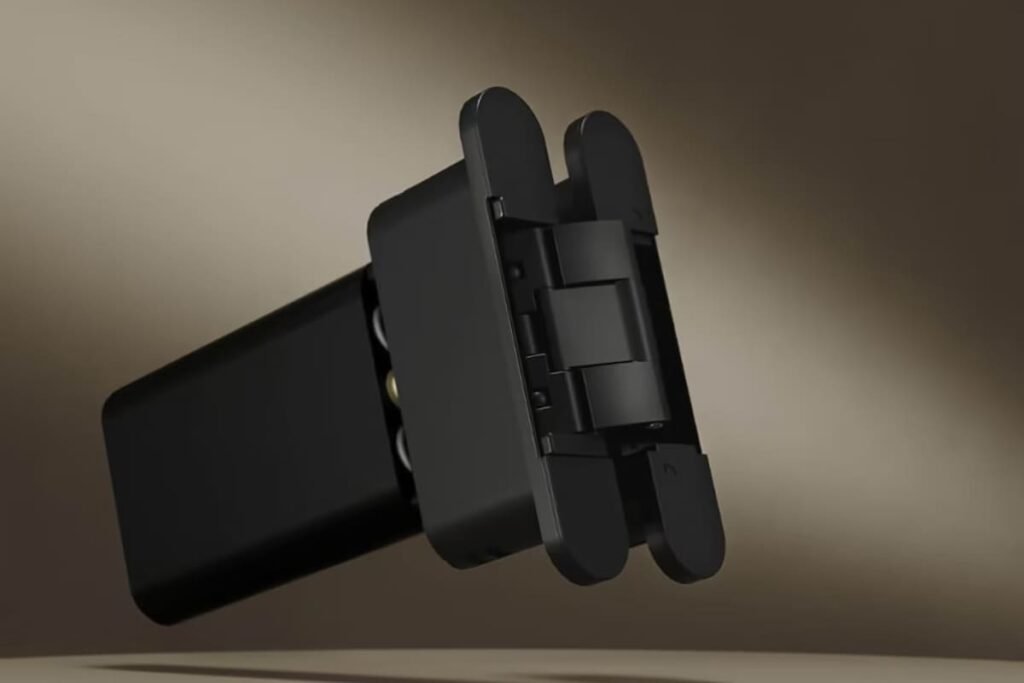
What Is a Spring Hinge?
A spring hinge can look simple in a catalog, but it can create real procurement risk when buyers choose it only by size and price. If the closing force, damping, material, or installation type does not match the door, the result can be noise, unstable return, or customer complaints. I treat it as a door-control component, not just a hinge.
A spring hinge is a hinge with an internal spring system that stores energy when the door opens and releases that energy to pull the door back toward the closed position.1 Some models only provide spring return, while others add hydraulic damping for softer closing or a 90-degree hold-open function for positioning.
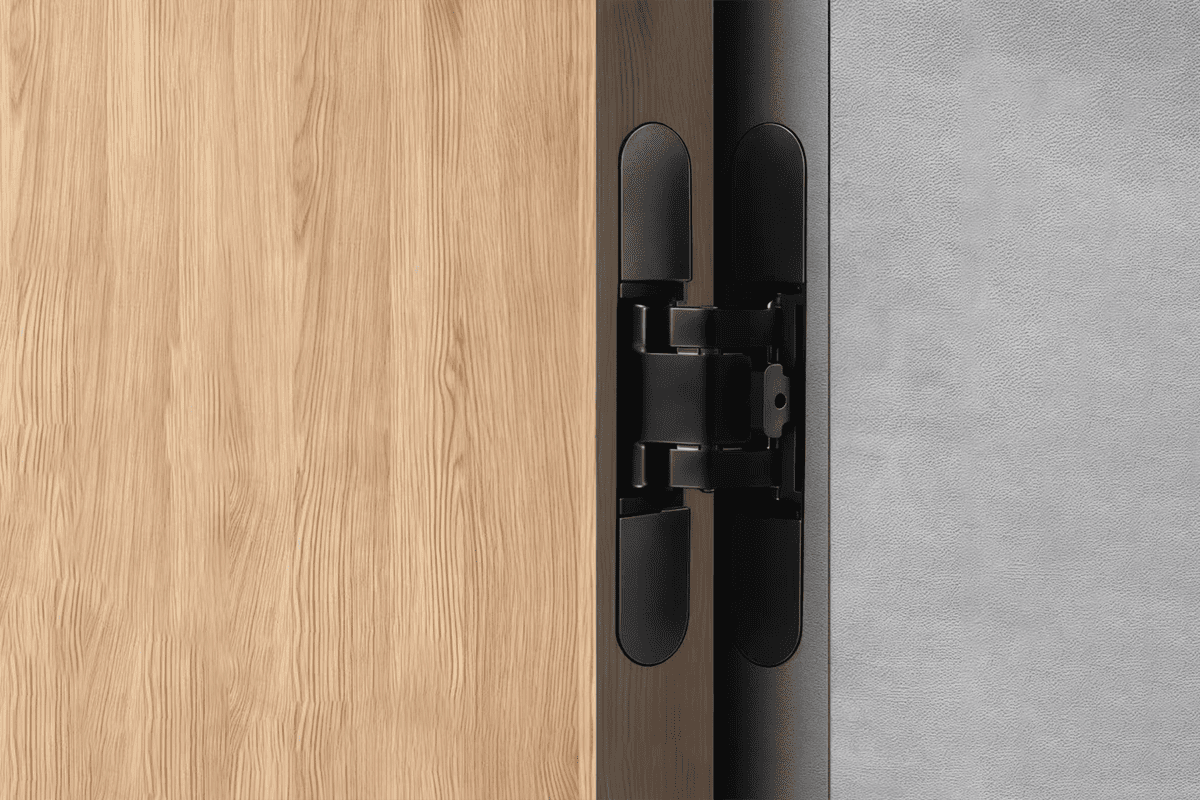
In factory discussions, I often see buyers ask for a fast quotation first. That is understandable. However, the right selection usually starts with door weight, door width, usage frequency, closing behavior, finish, and installation method. These details decide whether the product works smoothly after bulk delivery.
What Is a Spring Hinge and How Does It Work?
A buyer may think a spring hinge is only a hinge with extra force. That simple view can cause mismatched orders. If the internal spring structure does not suit the door, the hinge may close too fast, too weakly, or with too much noise.
A spring hinge works by using an internal spring mechanism to store mechanical energy when the door is opened. When the user releases the door, the spring releases that energy and pulls the door back toward the closed position. The hinge provides automatic return, but closing quality depends on structure, tension, damping, and installation.
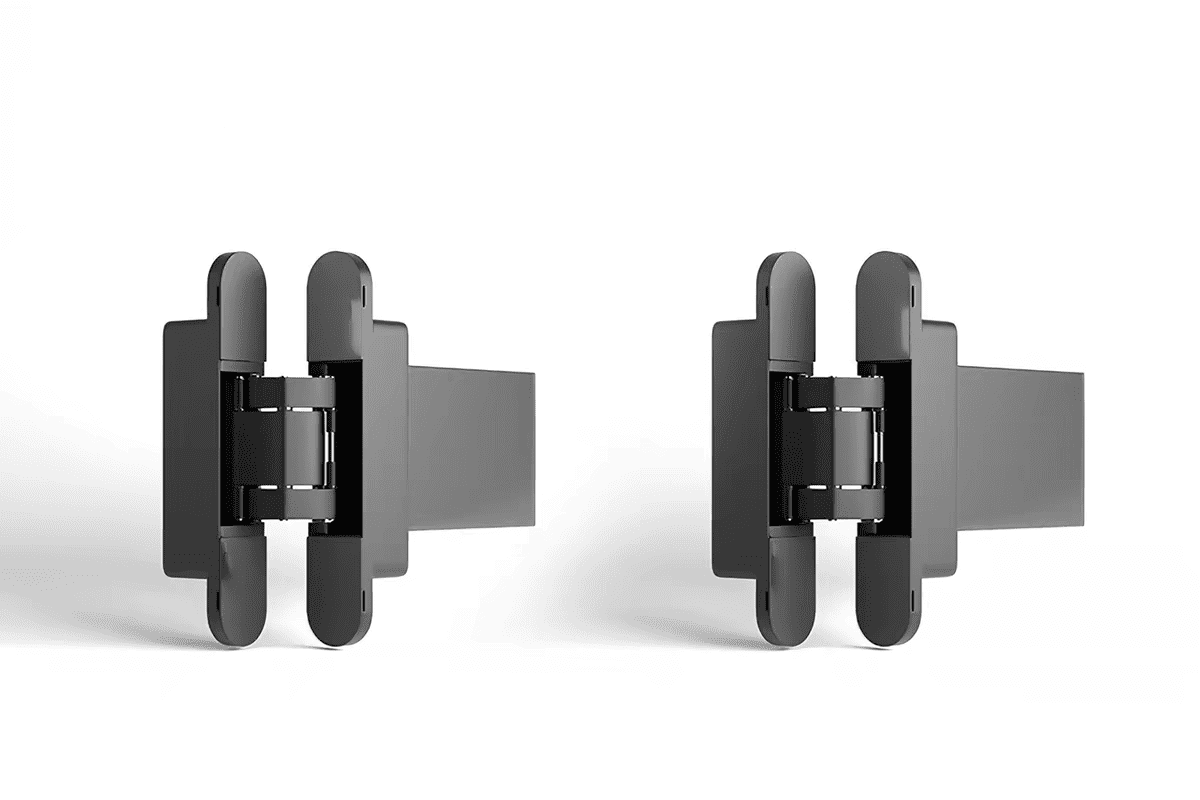
The basic working principle
In simple terms, the hinge leaf connects the door and frame, while the built-in spring creates return force. When the door swings open, the spring twists or compresses depending on the structure. When the door is released, the stored energy pushes the hinge back toward its original position.
For B2B buyers, the important point is this: the spring creates force, but it does not automatically create controlled closing2. A basic spring hinge may return the door, but it can also close quickly if the door is light or the spring force is high. A more advanced model may include damping to slow the movement.
I usually separate the function into three parts:
Return force
The spring pulls the door toward the closed position.Movement control
Hydraulic damping, if included, controls speed and reduces slamming.3Positioning function
Some designs can hold the door at 90 degrees, depending on the hinge structure.
Spring return is not the same as soft closing
This distinction matters in purchasing. When a customer tells me, “I need a self-closing hinge,” I usually ask what kind of closing feeling they expect. Some doors only need automatic return. Other doors need quiet closing for kitchens, offices, apartments, or hotel-related spaces.
| Function | What it means | Buyer risk if misunderstood |
|---|---|---|
| Spring return | Door returns after opening | Door may close too fast or too slowly |
| Hydraulic damping | Closing speed is controlled | Buyer may expect soft closing from a basic model |
| 90-degree hold-open | Door can stay at 90 degrees | Wrong model may swing freely |
| Stronger door control | More controlled movement for heavier use | A hinge may not replace a door closer |
In my experience, a short product description is not enough for serious orders. Buyers should confirm the closing angle, adjustment method, damping structure, and tested door conditions for the selected model. A product that works well on one light interior door may not perform the same way on a wider or heavier door.
I do not recommend treating every spring hinge as a universal replacement for a door closer. The door closer and the hinge solve overlapping but different control problems.
For procurement teams, the first definition should be practical: a spring hinge is a self-closing hinge. The second definition should be commercial: it is a risk-matching product that must fit door size, door weight, usage frequency, finish requirements, and installation conditions.
How Is a Spring Hinge Different From a Door Closer?
Many buyers compare a spring hinge with a door closer because both can help a door return. That comparison is useful, but it can also mislead. If the project needs stronger speed control, latching control, or higher traffic performance, the hinge alone may not be enough.
A spring hinge is built into the hinge position and mainly provides automatic return force. A door closer is a separate door-control device designed to manage closing speed and force more precisely. Some damped spring hinge models improve comfort, but buyers should not assume every hinge can replace a closer.
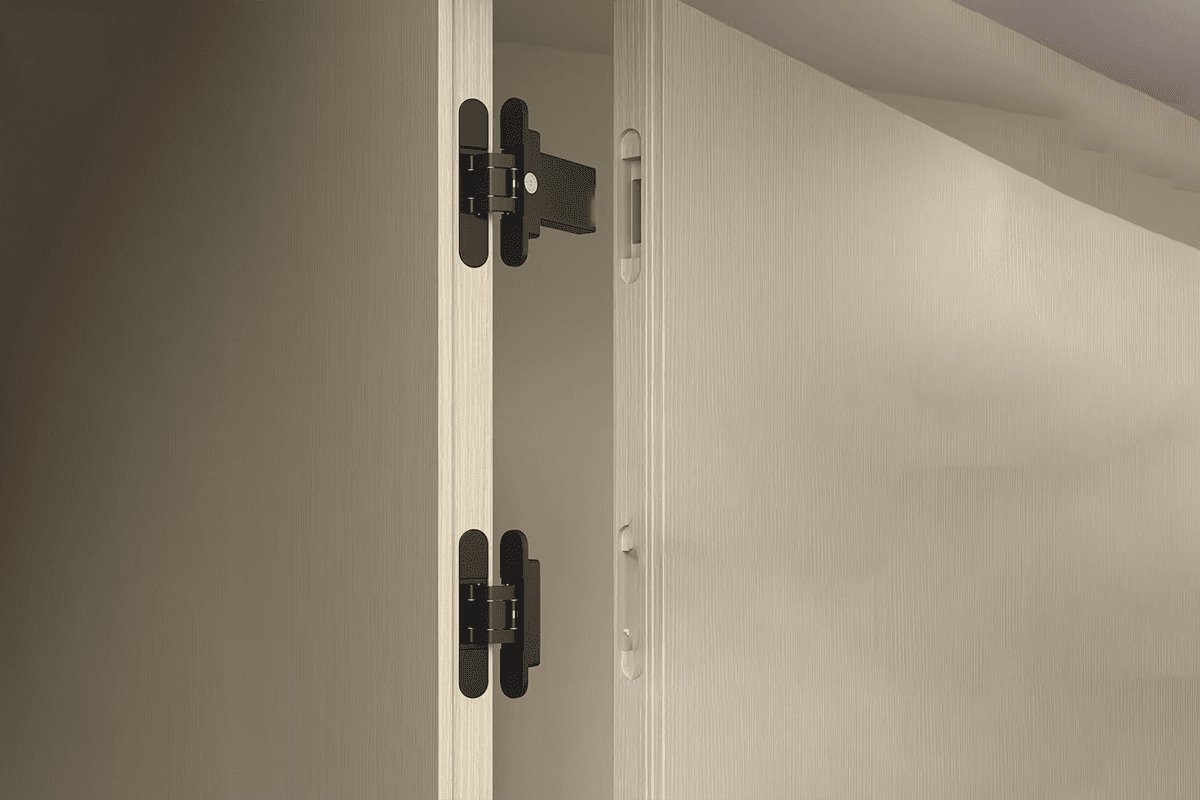
The main difference is control range
A door closer usually offers a wider range of adjustment.4 It may control sweep speed, latch speed, backcheck, or delayed action depending on the model.5 A basic spring hinge has a narrower job. It pulls the door back. Some versions add damping, but the total control range is usually more limited.
This matters for buyers who sell to different markets. For example, a hardware wholesaler may want one product to serve many doors. That can work for simple residential or light commercial use, but it becomes risky when the door is heavy, wide, exposed to wind pressure, or used very frequently.
When a spring hinge may be suitable
A spring hinge may be a good choice when the door needs:
- Simple automatic return
- Cleaner appearance than an exposed closer
- Cost-effective self-closing function
- Moderate door-control performance
- Easy installation, depending on the model
- Optional damping or 90-degree positioning
For example, some buyers use these hinges on interior wooden doors, kitchen doors, light commercial doors, or doors where a bulky door closer is not preferred. However, the final choice should always depend on the tested model and the real door condition.
When a door closer may be safer
A door closer may be more appropriate when the door requires:
- Stronger closing control
- Adjustable sweep and latch speed
- High-traffic performance
- Compliance with specific project requirements
- More predictable closing under difficult site conditions
- Door control for heavier or wider doors
| Buying question | Spring hinge | Door closer |
|---|---|---|
| Is the product hidden in the hinge area? | Usually yes | Usually no |
| Does it provide automatic return? | Yes | Yes |
| Does it offer broad speed control? | Limited or model-dependent | Usually stronger |
| Is it ideal for heavy-duty traffic? | Model-dependent | Often better suited |
| Can it improve appearance? | Yes | Less discreet |
| Should certification be verified? | Yes, by model | Yes, by model |
I often tell customers that the correct question is not, “Which one is better?” The better question is, “What closing behavior does the door need?” A low-cost hinge can become expensive if it creates after-sales claims. At the same time, an oversized door-control solution can increase cost when a simpler hinge would work.
For projects with fire-rated doors, accessibility requirements, or high-traffic commercial use, buyers should request model-specific test reports, certification documents, and professional evaluation.6 I can discuss factory production and quality control, but project compliance should always be checked against the actual door assembly and local requirements.
Which Spring Hinge Design Fits Your Door Function?
A buyer may choose the wrong spring hinge when the function is not defined before quotation. The problem becomes worse in bulk orders because one wrong assumption is repeated across hundreds or thousands of sets. Function should lead the selection, not only size and finish.
The right spring hinge design depends on whether the door needs simple self-closing, quiet soft closing, 90-degree hold-open positioning, or stronger control. Buyers should confirm the expected closing behavior first, then match the spring structure, damping design, material, finish, and installation type to the door.
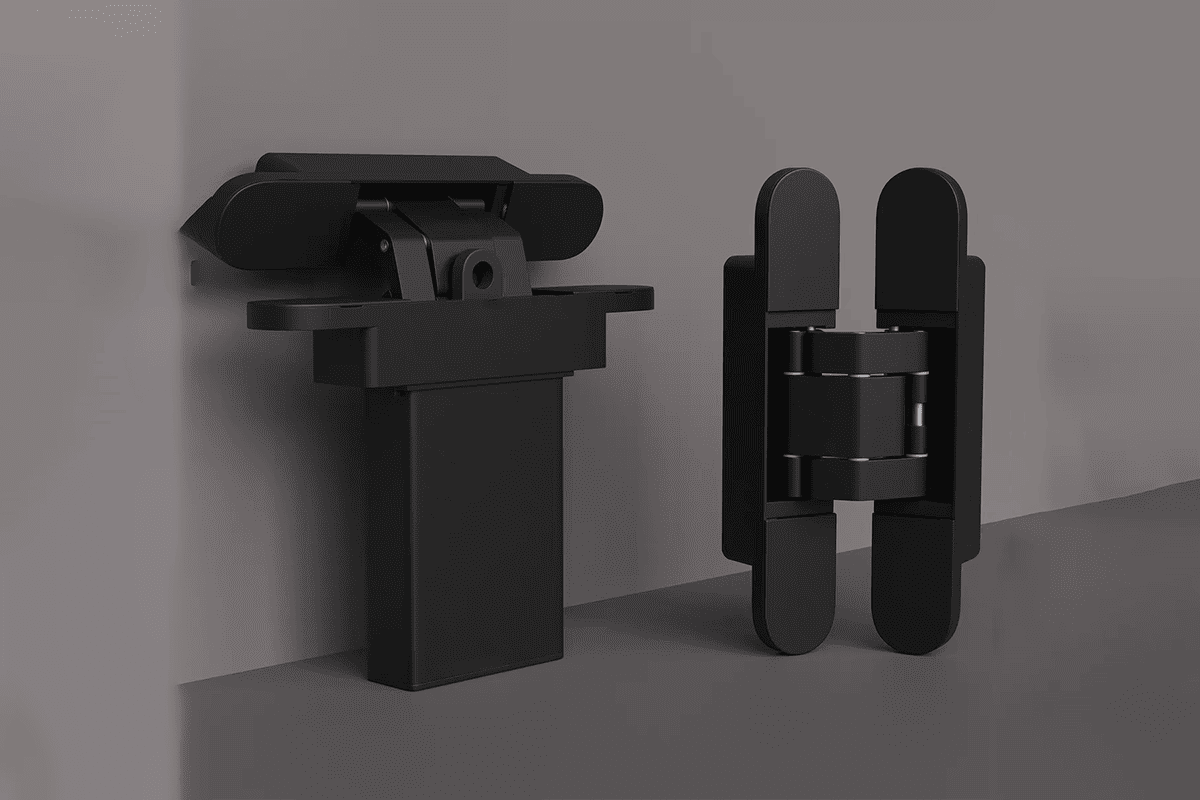
Start with the task, not the catalog photo
When I receive an inquiry, the first message often says something like, “Please quote 4-inch spring hinge, satin nickel finish.” That gives me a starting point, but it does not tell me enough. I still need to understand the door and the user expectation.
Before comparing prices, I recommend asking these questions:
Does the door only need automatic return?
A basic spring-return model may be enough.Does the door need quieter closing?
A hydraulic damping design may be needed.Does the door need to stay open at 90 degrees?
A hold-open design should be confirmed.Is the door used frequently?
Higher usage frequency increases the importance of spring stability and movement smoothness.7Is the door exposed to moisture or kitchen conditions?
Stainless steel or a stronger surface treatment may be better.Does the buyer need mortise or non-mortise installation?
This affects appearance, labor, and door compatibility.
Common design choices
| Design requirement | Possible hinge direction | What buyers should confirm |
|---|---|---|
| Basic self-closing | Spring-return hinge | Spring tension, door size range, closing angle |
| Quieter closing | Damped spring hinge | Hydraulic damping smoothness and consistency |
| 90-degree positioning | Hold-open spring hinge | Hold angle, release feeling, installation limits |
| Better corrosion resistance | Stainless steel model | Grade, finish, and environment suitability |
| Cost-effective product line | Zinc alloy or mixed-material option | Strength, finish quality, and batch consistency |
| Easier installation | Non-mortise design | Door gap, visual appearance, and compatibility |
Damping changes the user experience
Hydraulic damping is important when the buyer wants a more refined closing feel. The spring still provides the return force, but the damping structure slows down the closing movement. This can reduce impact noise and improve perceived quality.
However, damping quality is not only a brochure feature. In production and inspection, buyers should care about:
- Whether the closing movement is smooth
- Whether the damping feels consistent between pieces
- Whether oil leakage risk is controlled by the design
- Whether the hinge performs consistently across the tested angle
- Whether the closing speed matches the target door
A damped spring hinge can feel premium when it is well made. It can feel cheap when damping is unstable. That is why samples should be tested on a real or simulated door before bulk confirmation.
90-degree hold-open is a separate function
Some buyers ask for a hinge that closes automatically but also stays at 90 degrees. This can be useful for doors that need temporary access, such as service areas or internal passages. Still, buyers should confirm how the hold-open function works.
Important questions include:
- Does the door stay open exactly at 90 degrees or around that angle?
- How much force is needed to release the door?
- Does the hold-open function affect closing smoothness?
- Is the function suitable for the door weight and usage frequency?
- Does the market accept hold-open behavior for this application?
A spring hinge with 90-degree hold-open should not be selected only because the feature sounds attractive. It should be matched to the user behavior. In some projects, hold-open is helpful. In other projects, it may create confusion or safety concerns.
What Quality Factors Should Buyers Check Before Ordering Spring Hinges?
A low unit price can make a spring hinge order look attractive, but poor quality can quickly erase that saving. If the rebound is unstable, the finish is inconsistent, or the damping is rough, wholesalers and brands may face returns, complaints, and damaged reputation.
Buyers should check spring tension stability, smooth movement, material thickness, finish consistency, damping quality, screw and accessory fit, and batch consistency before ordering spring hinges. Sample approval should include real door testing where possible, and certification or test documents should be verified for the exact selected model.8
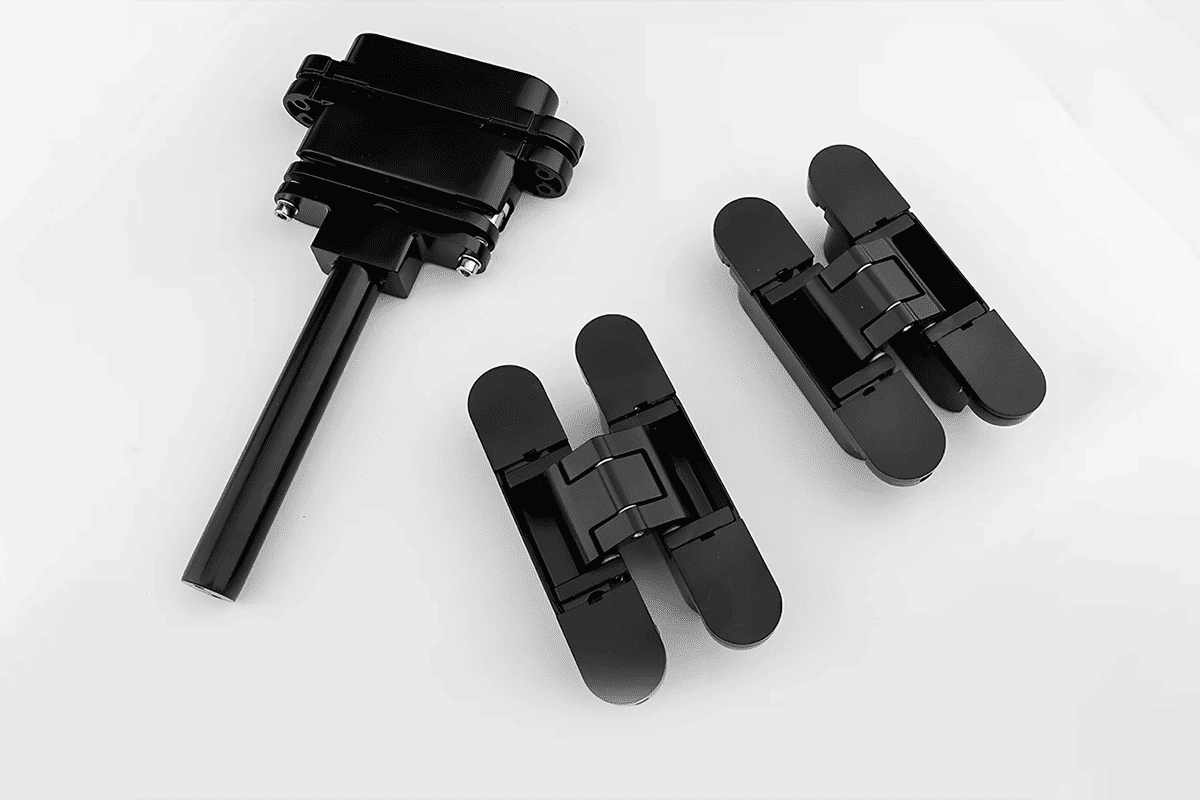
Why batch consistency matters
In B2B supply, one good sample is not enough. A buyer needs stable quality across cartons, pallets, and repeat orders. From a factory point of view, quality control must cover raw material, stamping or casting, machining, spring assembly, surface finishing, functional testing, packaging, and shipment inspection.
For a hardware brand or wholesaler, inconsistent hinges create several problems:
- The installer may need more time to adjust doors.
- The door may close differently from one unit to another.
- The surface finish may not match other hardware items.
- The buyer may receive complaints from downstream customers.
- The brand may lose trust in a competitive market.
Practical inspection points
I recommend buyers create a simple inspection checklist before confirming bulk orders.
| QC item | What to check | Why it matters |
|---|---|---|
| Spring rebound | Door returns consistently | Prevents weak or aggressive closing |
| Movement smoothness | No rough points or sticking | Improves user experience |
| Damping effect | Closing speed is controlled | Reduces slamming and noise |
| Material thickness | Matches agreed specification | Supports structural reliability |
| Surface finish | Color and texture are consistent | Protects brand appearance |
| Screw quality | Screws fit and match finish | Reduces installation issues |
| Packaging | Pieces are protected | Prevents scratches during shipping |
| Batch marking | Order traceability is possible | Supports after-sales handling |
Material and structure should match the market
A spring hinge sold into a humid region should not be evaluated the same way as one sold into a dry interior market. Stainless steel usually offers stronger corrosion resistance, especially for kitchens, humid environments, or coastal markets.9 Zinc alloy may be more cost-effective for price-sensitive product lines, but the buyer should confirm strength, finish, and application suitability.10
Surface treatment also matters. A satin, polished, black, antique, or PVD-like finish may look acceptable in a photo, but bulk order consistency is the real test. Door hardware buyers often sell complete matching sets, including lever handles, mortise locks, cylinders, butt hinges, and concealed hinges. If the hinge finish looks different from the handle finish, the whole set can feel inconsistent.
Do not rely only on certificates
Certificates can be important, especially for buyers serving Europe, the Middle East, Southeast Asia, or project channels. However, documents should be verified carefully. Buyers should check:
- Is the certificate for the exact model?
- Is the test standard relevant to the target market?
- Is the report still valid or accepted by the buyer’s customer?
- Does the certificate cover the complete door assembly or only hardware?
- Does the supplier provide traceable production records?
At SDH Hardware, we work with architectural door hardware where CE and fire-rated documents may be requested for specific products. Still, I always prefer careful wording: buyers should verify documents for the selected model and ask qualified professionals when the project has application-specific compliance requirements.
Shipment quality is part of product quality
For export orders, packaging is not a small detail. Hinges can scratch each other if the inner packing is weak. Moisture can affect cartons during long-distance transport. Mixed accessories can slow installation or create claims.
For bulk procurement, buyers should confirm:
- Inner box or polybag method
- Carton strength
- Pallet requirements
- Label information
- Accessory packing
- Finish protection
- Shipment inspection method
A strong spring hinge order is not only about the hinge. It is about the complete purchasing result from sample to container loading.
How Should You Compare Spring Hinge Materials and Installation Types?
A buyer may like the function of a spring hinge, but the wrong material or installation type can still cause problems. Stainless steel, zinc alloy, mortise, and non-mortise designs each solve different purchasing needs. The best choice depends on environment, cost target, appearance, and door construction.
Buyers should compare spring hinge materials by corrosion resistance, strength, finish quality, and price level. They should compare installation types by appearance, labor needs, door gap, and compatibility. Stainless steel usually suits humid or higher-end applications, while zinc alloy can support cost-effective product lines when specifications are properly verified.
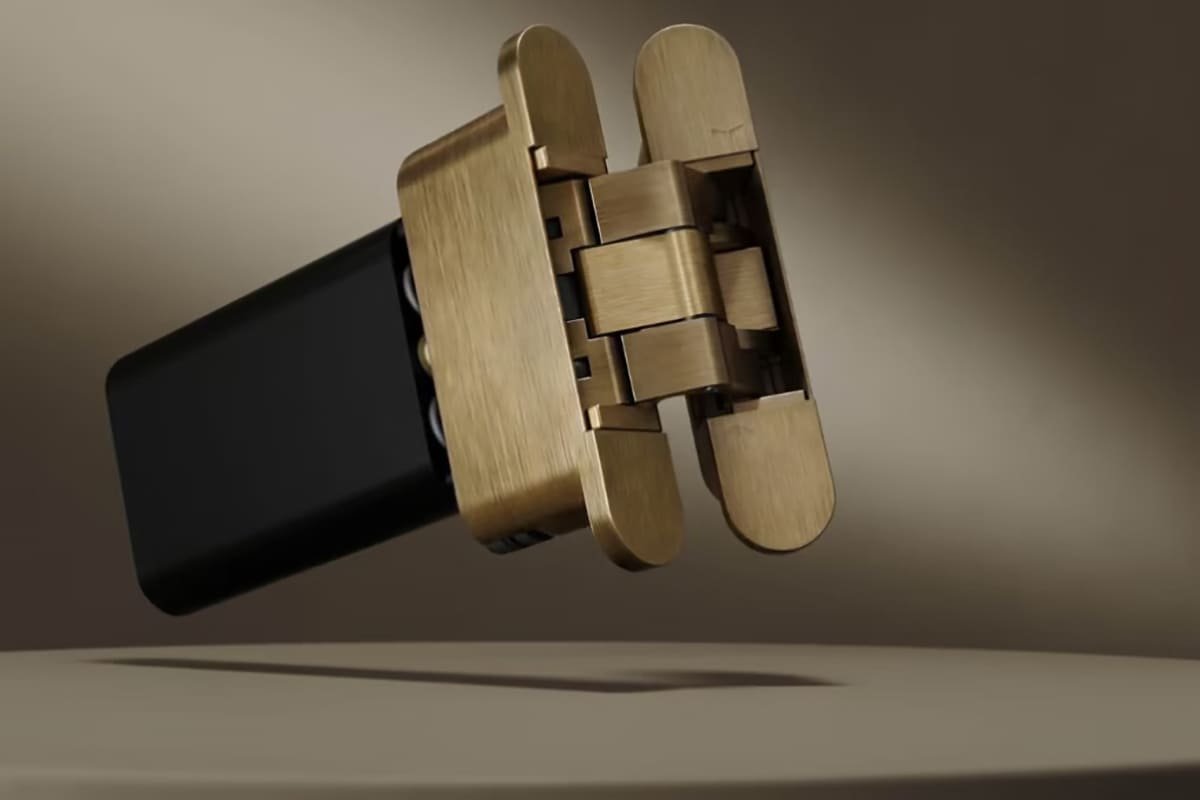
Stainless steel versus zinc alloy
Material selection is one of the most common discussions in door hardware sourcing. Stainless steel is often preferred when corrosion resistance and durable appearance are priorities. It is commonly used in humid environments, kitchens, public areas, or markets where buyers expect stronger material positioning.
Zinc alloy can be attractive when the buyer needs more cost control, flexible shapes, or a competitive product line. It may work well in suitable indoor applications, but buyers should not choose it blindly. They should confirm the hinge structure, surface treatment, and target usage.
| Material option | Main advantage | Common concern | Suitable buying logic |
|---|---|---|---|
| Stainless steel | Better corrosion resistance | Higher cost | Humid areas, premium lines, kitchen-type environments |
| Zinc alloy | Cost-effective and flexible | Needs careful strength and finish review | Price-sensitive indoor applications |
| Mixed structures | Balance between cost and function | Must confirm component materials | Customized product programs |
Mortise versus non-mortise installation
Installation type affects both appearance and production work at the door factory. A mortise hinge usually needs a recessed cut in the door and frame.11 This can create a cleaner fitted look, but it requires more processing accuracy. A non-mortise hinge can reduce installation work because it does not require the same recessed preparation, but it may affect door gap and visual style.12
For door manufacturers, this is not only a technical issue. It affects production speed, labor cost, packaging, and customer instructions.
| Installation type | Advantage | Limitation | Buyer should confirm |
|---|---|---|---|
| Mortise / recessed | Cleaner appearance, traditional fit | More machining work | Door thickness, recess depth, screw position |
| Non-mortise / easy-install | Faster installation in many cases | May affect gap and appearance | Clearance, alignment, visual acceptance |
| Customized installation | Fits special door programs | Requires sample testing | Drawing, tolerance, MOQ, lead time |
Door conditions guide the final choice
When customers ask me to recommend a spring hinge, I usually ask for these door details:
- Door material: wood, metal, composite, aluminum, or other
- Door thickness
- Door weight
- Door width and height
- Opening angle
- Expected closing behavior
- Usage frequency
- Indoor or semi-exposed environment
- Required finish
- Installation type
- Market or project requirement
These details help the supplier avoid guessing. A hinge that looks correct in a catalog may not have enough return force for a wider door. Another hinge may have too much closing force for a light door. A damped model may feel excellent on a sample board but behave differently on the actual door.
Surface finish affects brand consistency
For hardware brands, finish matching is critical. Buyers may combine a spring hinge with lever handles, mortise locks, cylinders, butt hinges, and other accessories. If the finish color shifts between batches, the product line looks unprofessional.
Common finish concerns include:
- Color difference between batches
- Uneven polishing
- Rough edges near screw holes
- Scratches from packing
- Coating thickness inconsistency
- Salt spray performance, if required by the buyer
I recommend that buyers keep approved finish samples and define acceptable color tolerance. For larger projects, the buyer can also request pre-shipment photos, inspection reports, or third-party inspection depending on order value and risk level.
Customization should be controlled
ODM customization can help buyers build a differentiated product line. However, customization should be managed with drawings, samples, and test confirmation. A small change in spring force, leaf thickness, screw position, or damping structure can change the closing effect.
A good customization process should include:
- Requirement confirmation
- Drawing or sample review
- Material and finish confirmation
- Prototype or sample production
- Functional testing
- Buyer approval
- Bulk production control
- Pre-shipment inspection
This process takes more time than buying a standard item, but it reduces risk. For serious buyers, controlled customization is often better than chasing the lowest ready-made price.
Frequently Asked Questions
Can a spring hinge replace a door closer?
A spring hinge can provide automatic return, but it should not be treated as a universal door closer replacement. A door closer usually offers stronger and more adjustable closing control. Buyers should compare door weight, width, traffic level, closing speed needs, and project requirements before choosing.
What is the difference between a spring hinge and a soft-close hinge?
A spring hinge uses spring force to pull the door closed. A soft-close version adds damping, often hydraulic, to slow the closing movement and reduce slamming. Buyers should confirm whether damping is included because basic spring-return hinges may not provide quiet controlled closing.
Is stainless steel better than zinc alloy for spring hinges?
Stainless steel usually offers better corrosion resistance and is often preferred for humid, kitchen-type, or higher-end applications. Zinc alloy can be more cost-effective for suitable indoor doors. Buyers should compare material thickness, finish quality, strength requirements, and the actual application before deciding.
What should I confirm before buying spring hinges in bulk?
Before bulk ordering, confirm door material, door weight, width, thickness, usage frequency, desired closing effect, damping need, hold-open need, material, surface finish, installation type, packaging, and model-specific test or certification documents if required by your market or project.
Do spring hinges need professional evaluation?
For simple interior applications, supplier sample testing may be enough for initial selection. For fire-rated doors, commercial projects, accessibility requirements, or high-traffic doors, buyers should request model-specific documents and consult qualified professionals to confirm suitability for the complete door assembly.
Conclusion
A spring hinge is more than a hinge with a built-in spring. It is a door-function product that must match closing force, damping needs, door conditions, material, finish, and installation method. Before buying, I recommend confirming door material, weight, width, usage frequency, desired closing effect, need for damping or 90-degree hold, hinge material, surface finish, mortise or non-mortise installation, and relevant test or certification documents for the selected model. If you are evaluating spring hinges for bulk supply, SDH Hardware can help review your specifications and prepare suitable samples for comparison.
"Hinge - Wikipedia", https://en.wikipedia.org/wiki/Hinge. A general reference on self-closing or spring hinges defines the device as a hinge incorporating a spring that stores elastic energy during opening and uses that energy to return the door toward the closed position. Evidence role: definition; source type: encyclopedia. Supports: A neutral reference should define a spring or self-closing hinge as a hinge that uses spring force to return a door or panel toward a closed position.. ↩
"Joints with angle dependent damping can help to reduce ...", https://pmc.ncbi.nlm.nih.gov/articles/PMC12325609/. Mechanical references distinguish elastic spring force, which stores and releases energy, from damping, which dissipates energy and controls motion; this supports the article’s separation of automatic return from controlled closing. Evidence role: mechanism; source type: research. Supports: A mechanics source should explain that springs store and release energy while damping elements dissipate energy and regulate motion.. Scope note: This is contextual mechanical support and does not prove the performance of any specific spring hinge model. ↩
"Door closer - Wikipedia", https://en.wikipedia.org/wiki/Door_closer. Engineering literature on hydraulic or viscous damping explains that fluid resistance dissipates kinetic energy and moderates movement, supporting the use of damping to slow door closing and reduce impact noise. Evidence role: mechanism; source type: research. Supports: A source should explain that hydraulic or viscous damping resists motion and can reduce closing speed and impact.. Scope note: The source would support the mechanism generally rather than verify a particular hinge’s damping quality. ↩
"Commercial Door Closer Automatic Heavy Duty High Traffic Adjustable ...", https://www.amazon.com/Commercial-Automatic-Adjustable-Compliant-Hydraulic/dp/B0DFY6KJPQ. Door-hardware standards and institutional references describe door closers as devices that may provide adjustable closing phases and auxiliary controls, supporting the article’s claim that they generally offer a broader control range than basic spring hinges. Evidence role: general_support; source type: institution. Supports: An institutional door-hardware reference should describe door closers as devices with adjustable closing functions such as sweep, latch, backcheck, or delayed action.. Scope note: The comparison is general and remains model-dependent. ↩
"Backcheck, latching speed and closing delay – what does it all ...", https://www.assaabloy.com/uk/en/knowledge-centre/door-controls/backcheck-latching-speed-closing-delay-what-does-it-all-mean. Institutional door-hardware guidance identifies sweep speed, latch speed, backcheck, and delayed action as recognized door-closer functions, although their availability depends on the specific closer model. Evidence role: definition; source type: institution. Supports: A door-hardware institution or standard should identify sweep speed, latch speed, backcheck, and delayed action as common door-closer functions or options.. Scope note: This supports the terminology and function list, not the suitability of any particular closer for a given door. ↩
"Chapter 4: Entrances, Doors, and Gates", https://www.access-board.gov/ada/guides/chapter-4-entrances-doors-and-gates/. Fire-door standards and government accessibility guidance treat door hardware performance as part of a regulated door assembly or accessible route, supporting the need for model-specific documentation and qualified review in such projects. Evidence role: expert_consensus; source type: government. Supports: Government accessibility rules and fire-door standards should show that door hardware performance and compliance depend on the specific assembly, listed components, and applicable use conditions.. Scope note: Requirements vary by jurisdiction, building type, and complete door assembly. ↩
"Fatigue Reliability Characterisation of Effective Strain Damage ...", https://pmc.ncbi.nlm.nih.gov/articles/PMC9822308/. Research on mechanical spring fatigue and cyclic loading shows that repeated operation can affect component reliability and force stability, supporting the article’s emphasis on spring stability and smooth movement in high-use applications. Evidence role: mechanism; source type: paper. Supports: A mechanical engineering source should explain that repeated cyclic loading can affect springs and moving components through fatigue, wear, or loss of performance.. Scope note: The evidence is based on general fatigue mechanics unless a source specifically tests spring hinges. ↩
"[DOC] EQA_Exh5.docx - DOE Office of Science", https://science.osti.gov/-/media/SCMS/Management-Systems/QUAL/EQA/EQA_Exh5.docx. Quality-management and conformity-assessment guidance emphasizes verifying that tested or certified products correspond to the specified product configuration, supporting model-specific document checks and realistic sample evaluation. Evidence role: general_support; source type: institution. Supports: A quality-management or conformity-assessment source should support verifying product conformity against specified requirements and maintaining traceability to the exact product or model.. Scope note: This supports procurement process control generally and does not prescribe a spring-hinge-specific inspection protocol. ↩
"Atmospheric Corrosion Resistance of Stainless Steel - Academia.edu", https://www.academia.edu/79486797/Atmospheric_Corrosion_Resistance_of_Stainless_Steel_Results_of_a_Field_Exposure_Program_in_the_Middle_East. Materials-science references explain that stainless steel derives corrosion resistance from a chromium-rich passive film, supporting its common use in humid or kitchen-type environments. Evidence role: mechanism; source type: education. Supports: A materials source should explain that stainless steel’s chromium-rich passive film gives it improved corrosion resistance, while chloride and coastal environments can still affect performance depending on grade.. Scope note: Corrosion resistance is grade- and environment-dependent, and coastal chloride exposure can still require specific alloy selection. ↩
"The Processes and Advantages of Zinc Die Casting", https://www.iqsdirectory.com/articles/die-casting/zinc-die-castings.html. Materials references on zinc die casting describe zinc alloys as useful for economical production of shaped components, while noting that strength and surface performance depend on alloy choice and processing. Evidence role: general_support; source type: institution. Supports: A materials or industry institution source should describe zinc alloys as suitable for economical die-cast components while noting that mechanical properties and finishing depend on alloy and process.. Scope note: This provides general material context rather than confirming suitability for any specific hinge design. ↩
"Hinge", https://en.wikipedia.org/wiki/Hinge. General hardware references define a mortise hinge as a hinge fitted into a recess, or mortise, cut into the door edge and frame. Evidence role: definition; source type: encyclopedia. Supports: A reference should define a mortise hinge as one installed into a mortise or recess cut into the door and frame.. ↩
"No-Mortise Hinge Buying Guide", https://www.rockler.com/learn/no-mortise-hinge-buying-guide. Hardware references describe non-mortise hinges as hinges installed without cutting a recessed mortise, supporting the article’s claim that they can reduce preparation work while changing the hinge’s visible fit and clearance. Evidence role: definition; source type: other. Supports: A neutral construction or hardware reference should explain that non-mortise hinges are designed to install without cutting a mortise, which can affect how the hinge sits between the door and frame.. Scope note: The effect on labor, door gap, and appearance depends on the exact hinge geometry and door construction. ↩