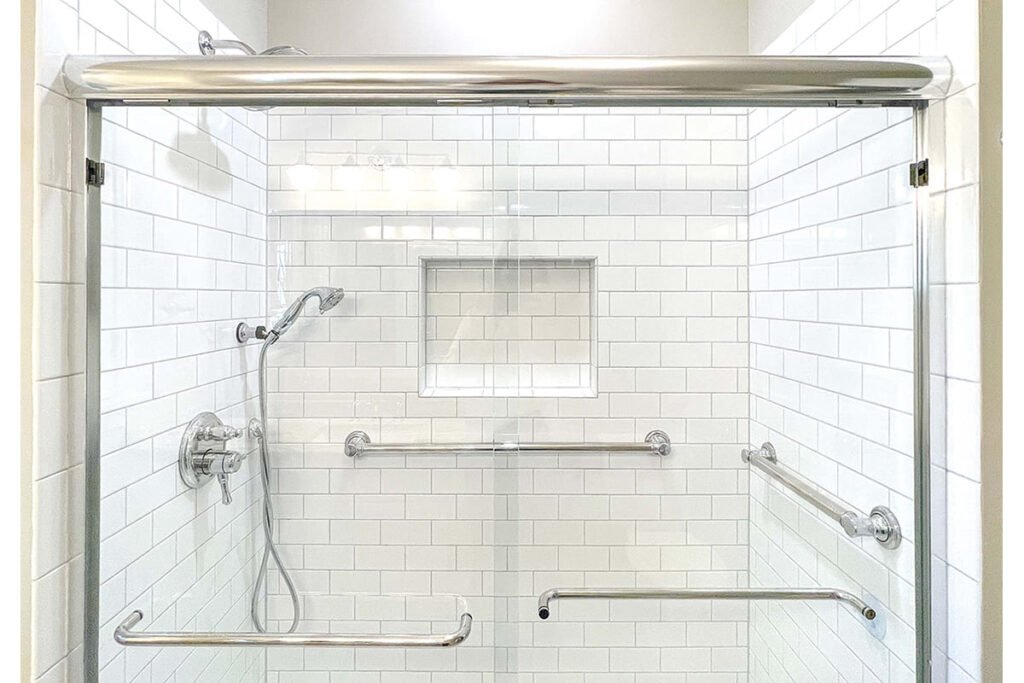
Best Shower Handles for Bathrooms?
Shower handles can prevent a simple bathroom slip from becoming a costly safety problem1, but many buyers still treat them like ordinary decorative hardware. That creates risk in wet areas where grip, mounting strength, material, and user needs matter. The better solution is to select shower grab bars as safety hardware, not just bathroom accessories.
The best shower handles for bathrooms are anti-slip grab bars selected according to user need, wall condition, corrosion environment, bar size, material, shape, and compliance requirements2. A 24-inch stainless steel grab bar is often versatile, but it is not always the best choice for every bathroom layout, elderly-care project, hotel, or accessible bathroom.
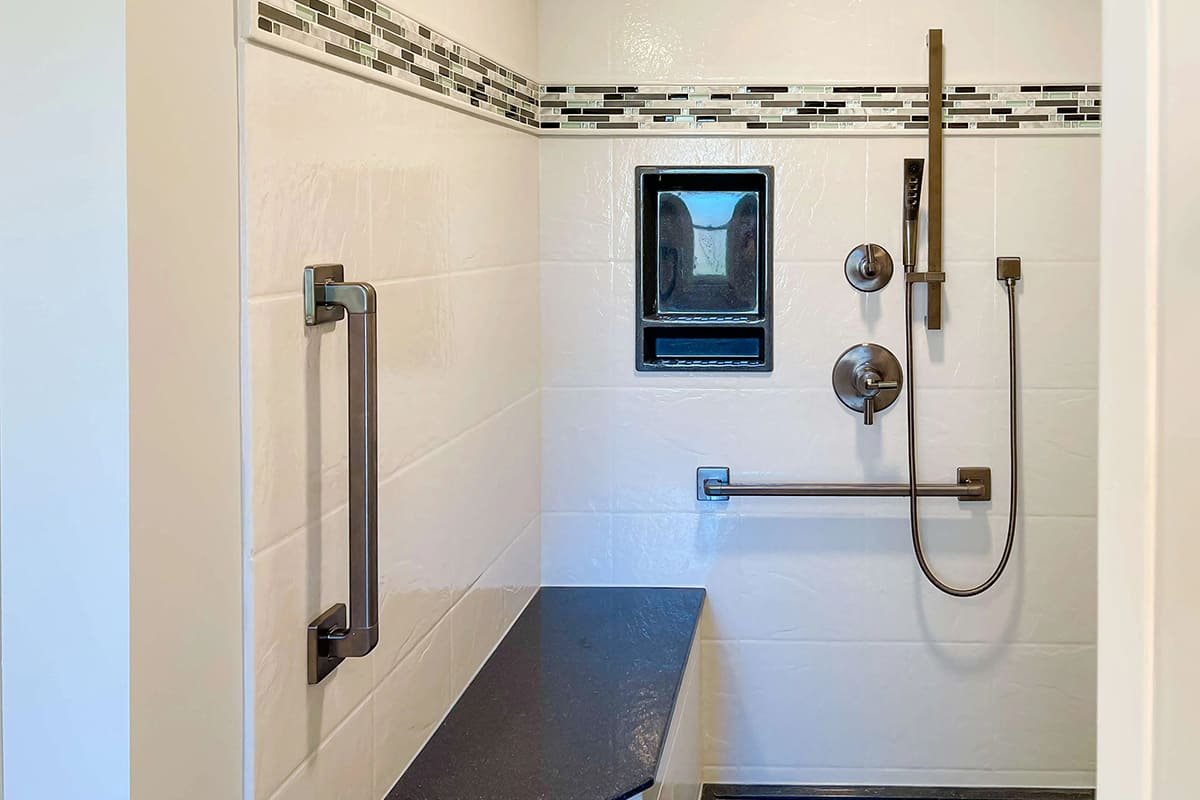
When I speak with buyers, I usually start by clarifying one point: in this article, “shower handles” means shower grab bars or safety handrails3. I do not mean faucet handles, shower glass door pulls, or ordinary bathroom door handles. That distinction changes the whole purchasing decision.
What Are Shower Handles for Bathrooms?
Many sourcing problems start with unclear product names. A buyer may request shower handles, while the supplier may quote faucet parts, glass door pulls, or decorative bathroom hardware. This creates wasted sampling time, wrong specifications, and possible project delays.
Shower handles for bathrooms are anti-slip grab bars or safety handrails installed in shower areas to provide support for standing, sitting, balancing, or transferring4. They are selected for grip, mounting, material strength, corrosion resistance, size, and intended user group, not only for appearance.
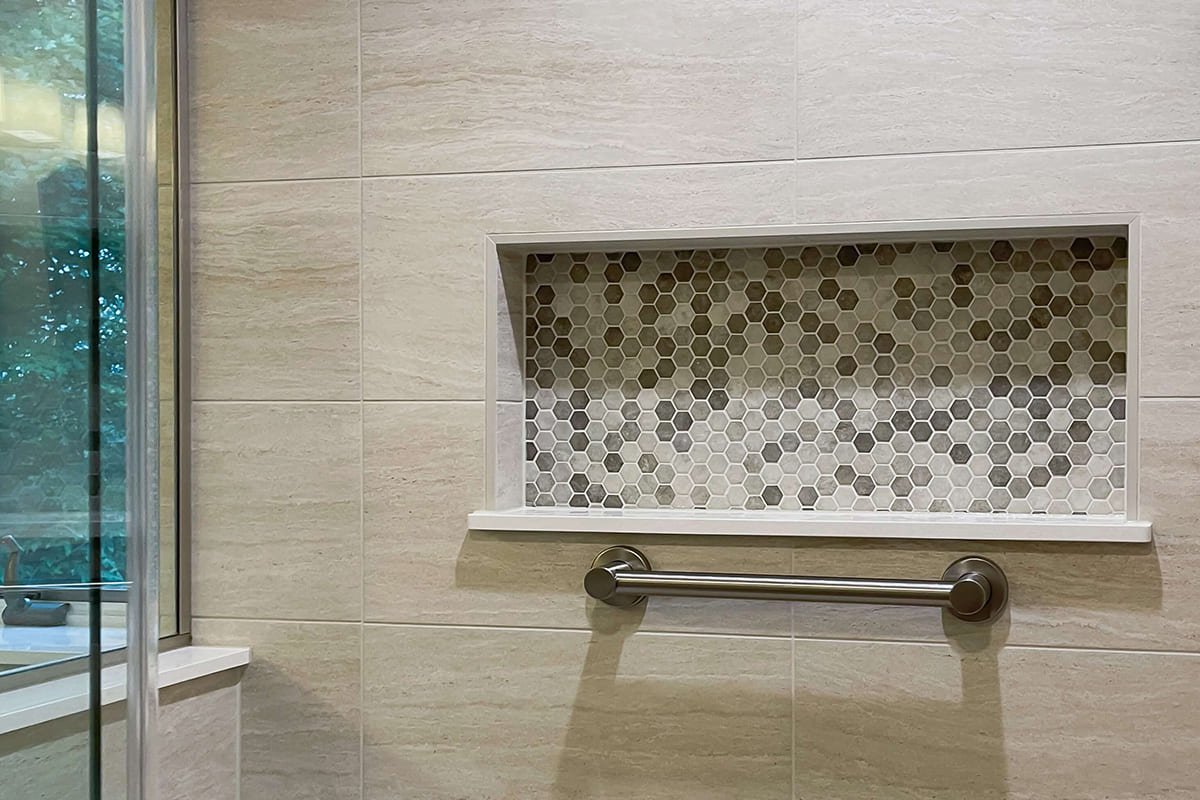
Shower handles are safety hardware, not decorative trim
In procurement, I prefer to define the product early because the word “handle” is too broad. In a bathroom project, it may refer to at least four different products:
| Product name buyers may use | Correct product category | Main function |
|---|---|---|
| Shower handles | Shower grab bars / safety handrails | Anti-slip support |
| Shower faucet handles | Faucet control parts | Water flow and temperature control |
| Shower glass door handles | Glass door pull handles | Opening and closing shower doors |
| Bathroom door handles | Door lever handles or knobs | Room access control |
For this article, shower handles are grab bars used near bathtubs, shower walls, shower seats, or accessible toilet and bathing areas. In my hardware manufacturing work, I have seen that this definition helps buyers avoid three common mistakes:
Selecting only by appearance
A polished bar may look clean in a catalog, but the grip, wall fixing, and corrosion resistance still decide its real performance.Ignoring the user group
A hotel bathroom, elderly-care bathroom, hospital bathroom, and standard apartment bathroom may all need different bar lengths and placements.Assuming all stainless steel is the same
Stainless steel grade, tube thickness, surface treatment, welding, and packaging can all affect long-term performance in wet environments.
Typical use scenarios
B2B buyers usually source shower grab bars for:
- Elderly-care bathrooms
- Disabled-access bathrooms
- Hospitals and clinics
- Hotels and serviced apartments
- Residential bathroom upgrades
- Public facilities
- Accessible bathroom projects
- Bathroom hardware retail programs
Each project has different priorities. A wholesaler may need a balanced product range with good packaging and competitive cost. A hotel project may care more about finish consistency and corrosion complaints. An accessible bathroom project may require verified compliance documents and professional installation review.
I always recommend buyers treat accessibility-related claims as project-specific. If a market refers to standards such as EN ISO 17966, the buyer should verify the exact product, installation, and project requirements with qualified professionals or the relevant authority.
Why the definition matters for supplier communication
When sending an inquiry, buyers should avoid vague requests such as “send your best shower handles.” A better request includes:
- Product type: straight grab bar, angled grab bar, folding bar, or towel-bar-style support
- Length: 12, 16, 18, 24, 32, or 36 inches
- Material: 304 stainless steel, 316 stainless steel, brass, aluminum, or other
- Surface finish: brushed, polished, matte black, white powder coating, PVD, etc.
- Tube diameter and wall thickness
- Mounting type and fixing accessories
- Target market and certification needs
- Packaging requirements
- Expected order quantity
This makes the conversation more technical and reduces misquotations. It also helps the supplier check whether their production capability matches the project.
Which Shower Handles Are Best for Safety Use Cases?
A bathroom support bar can fail commercially even when it looks acceptable in a showroom. The problem appears later through user complaints, rust marks, loose installation, or mismatch with local accessibility expectations. That is why the safety use case should come first.
The best shower handles for safety use cases depend on the user and installation condition. Elderly users may need longer support and easier grip. Disabled-access bathrooms may need verified layout and compliance review. Hotels often need corrosion resistance, consistent finish, and simple maintenance across many rooms.
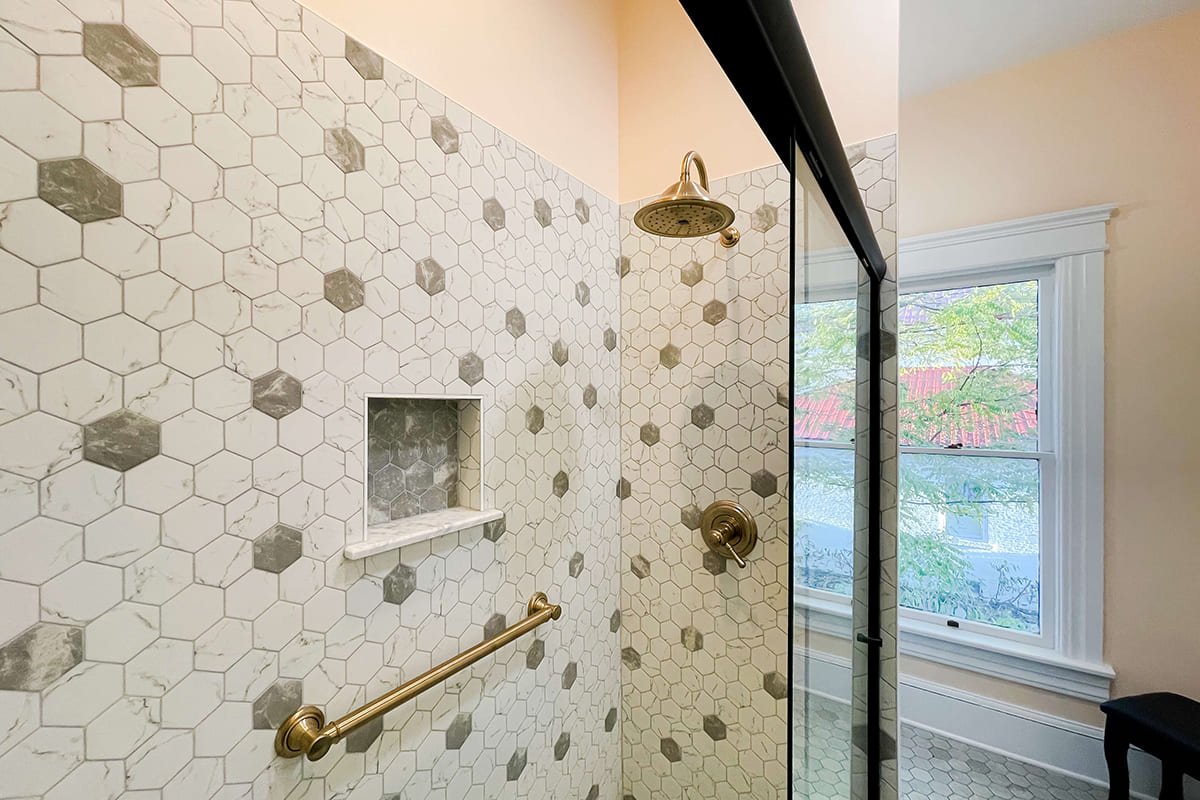
Start with the user, not the catalog
A buyer can choose a better grab bar when they first ask, “Who will use this bathroom, and how will they use the support?”
Common user groups include:
- Elderly people who need balance support
- Disabled users who may need transfer support
- Hotel guests with different mobility levels
- Hospital or care facility users
- General residential users who want anti-slip protection
- Public restroom users in accessible areas
These groups do not create the same specification. A short bar may be enough for general hand support beside a shower entrance. A longer horizontal bar may be better near a shower seat. A vertical bar may help a user enter or exit the shower. An angled bar may support both rising and standing movement, but it also needs careful placement.
Practical selection by application
| Application | Common concern | Practical selection focus |
|---|---|---|
| Residential bathroom | Slip prevention and appearance | 12–24 inch bars, easy cleaning, finish match |
| Elderly-care bathroom | Balance and daily support | Longer bars, comfortable grip, secure fixing |
| Hotel bathroom | Durability and maintenance | 304/316 stainless steel, consistent finish, standard packaging |
| Hospital or clinic | Hygiene and reliability | Easy-clean surface, strong mounting, documented quality |
| Disabled-access bathroom | Compliance and user transfer | Verified layout, professional review, suitable bar position |
| Wholesale retail range | Market coverage | Multiple lengths, finishes, packaging options |
Do not judge safety only by product photos
Product photos are useful, but they cannot prove installation safety. In my experience, many after-sales issues happen because buyers evaluate the bar but ignore the wall. A grab bar mounted into weak wall material may loosen even if the bar itself is well made.5
Key installation questions include:
What is the wall structure?
Concrete, brick, tile over cement board, timber frame, and lightweight partition walls need different fixing solutions.Is backing support available?
Many safety handrails need solid backing or proper anchors. Buyers should confirm this with installers.Will the bar be used for balance only or body-weight support?
These are different use conditions. Load claims should be supported by test data, installation method, and project requirements.Is the environment highly humid or coastal?
Material grade and surface finish become more important in these areas.Does the project require accessibility compliance?
If yes, buyers should not rely on supplier wording alone. They should verify drawings, product documents, and local regulations.
Buyer checklist for safety-focused sourcing
Before confirming bulk production, I suggest buyers request or confirm:
- Product drawings with dimensions
- Material grade declaration
- Surface finish sample
- Tube diameter and wall thickness
- Mounting hole position
- Screw and anchor specification
- Salt spray or corrosion test information, if available
- Load test information, if claimed
- Packaging drop protection for export
- Installation instructions
- Compliance documents where relevant
This checklist does not replace a qualified project evaluation, but it makes supplier comparison more reliable. It also reduces the chance that the cheapest quotation becomes the most expensive after-sales problem.
What Size Shower Handles Should Buyers Choose?
Many buyers ask for one “standard” size because they want fast procurement. The risk is that a single bar length may not fit every wall, user, or project layout. A size that works in one bathroom can feel awkward or unsafe in another.
Common shower handles are available in 12, 16, 18, 24, 32, and 36 inches.6 A 24-inch grab bar is a versatile general option for many bathrooms, but the best size depends on wall space, user movement, mounting points, local requirements, and whether the bar is used vertically, horizontally, or diagonally.
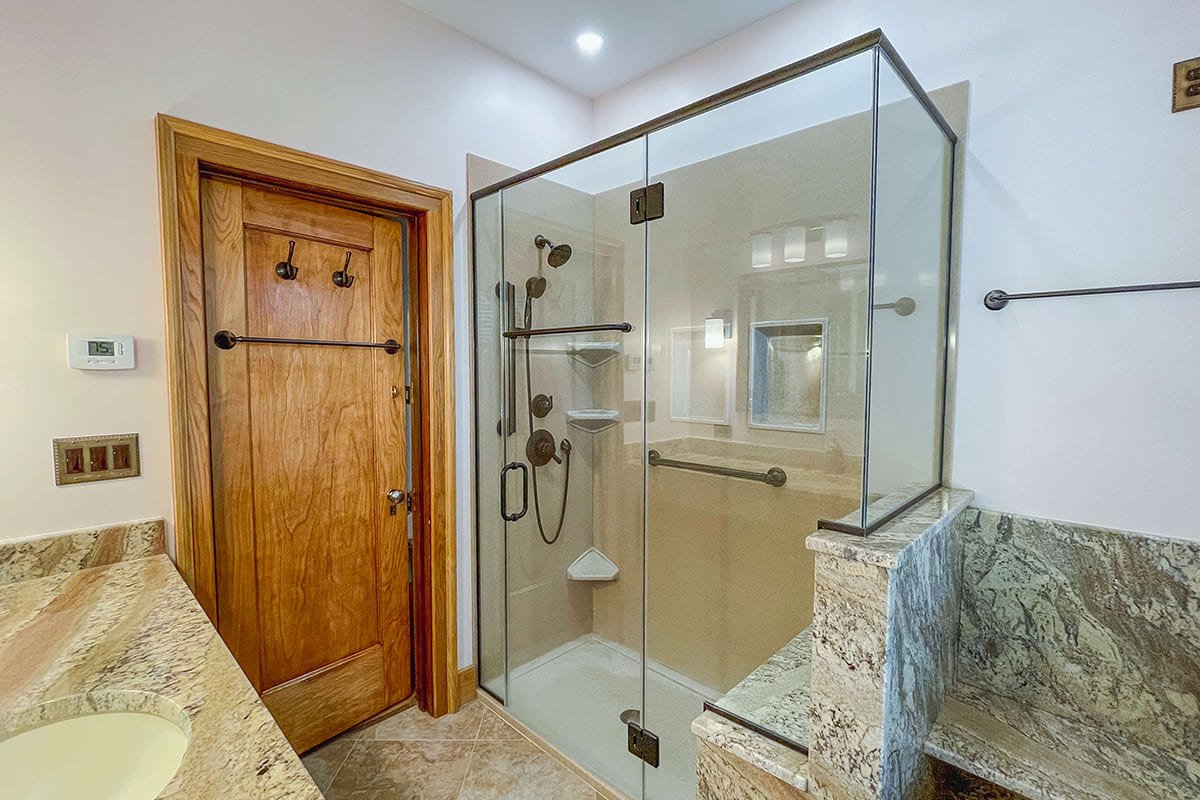
Common grab bar lengths
The most common sizes include:
| Length | Typical use | Buyer note |
|---|---|---|
| 12 inch | Small support point, compact wall area | Useful where space is limited |
| 16 inch | Residential and light support use | Often fits between common stud spacing in some markets |
| 18 inch | General bathroom support | Balanced between compact and practical |
| 24 inch | Versatile shower or bathtub support | Popular, but not universal |
| 32 inch | Larger wall support area | Useful for wider shower zones |
| 36 inch | Long horizontal support | Needs enough wall space and strong fixing |
A 24-inch model is often popular because it gives more hand movement than shorter bars and still fits many bathroom layouts. However, I avoid saying it is “the best” for every buyer. A compact shower stall may need a shorter bar. A care facility may need longer support. An accessible bathroom may need a specific layout based on local regulations and user transfer requirements.
Horizontal, vertical, or angled placement
The same length can perform differently depending on installation direction.
Horizontal installation
A horizontal bar can support a user while standing, turning, or moving along a wall.7 It is common near bathtubs and shower seats. Buyers should check wall length and mounting structure.
Vertical installation
A vertical bar can help a user enter or exit the shower. It gives a natural handhold when stepping over a threshold or moving through a shower opening.
Angled installation
An angled bar may support both standing and rising motions. However, the angle and position should be reviewed carefully. It should not be selected only because it looks modern.
Size selection by project type
For B2B programs, I often recommend a range rather than a single size. A distributor may build a better shower grab bar category with a mix like:
- 12 inch for compact residential support
- 16 or 18 inch for general retail demand
- 24 inch for versatile shower wall use
- 32 or 36 inch for hotel, care, or accessible bathroom projects
This range helps cover different customer needs while keeping inventory manageable.
Important specification details beyond length
Length is only one part of the product. Buyers should also compare:
- Tube diameter: A comfortable grip size is important for wet hands.
- Wall thickness: Thicker tube walls may improve rigidity, depending on design.
- Flange size: Larger flanges may distribute mounting force better.
- Cover plate design: Concealed screw covers improve appearance and cleaning.
- Distance from wall: Enough clearance is needed for fingers.
- Surface texture: Smooth surfaces clean easily, while textured areas may improve grip but may collect residue.
- End design: Rounded and closed designs may reduce snagging risk.
Sample testing before bulk orders
For large orders, I prefer buyers to test samples in a real bathroom mock-up. A catalog size may look correct, but the user experience may feel different after installation. Buyers can ask internal teams or project clients to evaluate:
- Can the hand wrap around the bar comfortably?
- Does the bar position match the user’s natural movement?
- Is there enough distance from nearby fixtures?
- Does the finish match other bathroom hardware?
- Does the mounting method suit the wall?
- Is the packaging strong enough for export and jobsite handling?
This simple review can prevent costly changes after mass production.
Which Materials and Finishes Work Best for Shower Handles?
Bathrooms expose hardware to water, cleaning chemicals, humidity, and skin contact. A poor material choice can create rust marks, finish peeling, weak structure, or inconsistent appearance. These problems hurt distributors, hotel suppliers, and brand owners because complaints often appear after installation.
For most wet bathroom environments, 304 stainless steel is a common material for shower handles because it balances corrosion resistance, strength, cost, and appearance.8 316 stainless steel is more suitable for coastal, high-humidity, or more corrosive environments. Brass, aluminum, and plastic may work in some designs, but each has trade-offs.
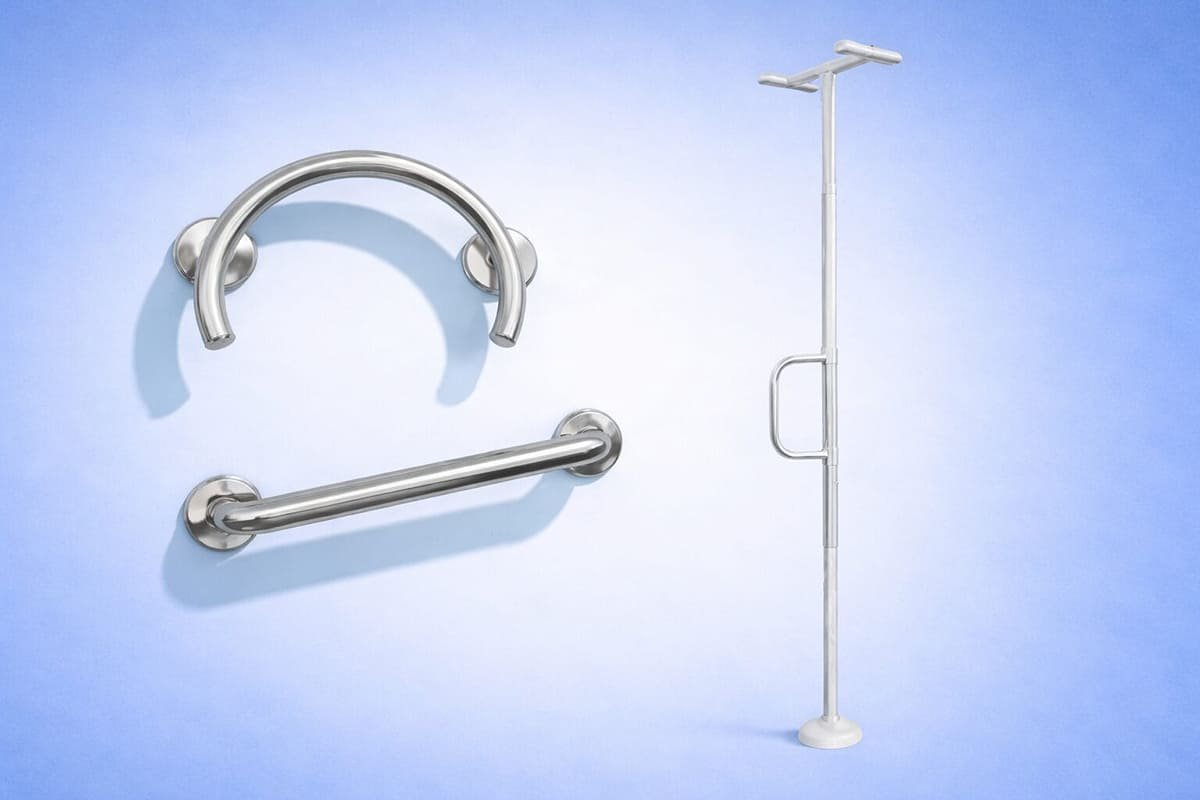
Material comparison for bathroom grab bars
| Material | Strength | Corrosion resistance | Cost level | Common use |
|---|---|---|---|---|
| 304 stainless steel | High | Good | Medium | General bathroom grab bars |
| 316 stainless steel | High | Better in harsh environments | Higher | Coastal, humid, premium projects |
| Brass | Good | Good with proper finish | Medium-high | Decorative premium hardware |
| Aluminum | Medium | Depends on treatment | Medium | Lightweight applications |
| Plastic / nylon coated | Varies | Good surface feel, depends on core | Varies | Care facilities, warm-touch bars |
304 stainless steel
304 stainless steel is widely used for shower grab bars because it offers a good balance between performance and cost. It is suitable for many residential, hotel, and commercial bathrooms when the environment is not extremely corrosive.
Buyers should still verify:
- Actual material grade
- Tube wall thickness
- Welding quality
- Surface finishing process
- Packaging protection
- Cleaning and maintenance guidance
A stainless steel product is not automatically free from corrosion complaints. Poor polishing, contamination during production, harsh cleaning chemicals, or coastal exposure can still cause surface issues.
316 stainless steel
316 stainless steel contains molybdenum, which improves resistance to certain corrosive environments.9 It is often considered for:
- Coastal hotels
- High-humidity bathrooms
- Spa facilities
- Marine-adjacent buildings
- Premium projects with stronger corrosion expectations
The cost is usually higher than 304 stainless steel. For this reason, buyers should match 316 to the project risk instead of using it blindly for every order.
Brass, aluminum, and plastic options
Brass can provide a premium appearance and good corrosion resistance when finished correctly. However, it may increase cost and weight. It may be preferred where the design must match other brass bathroom hardware.
Aluminum is lighter and can be cost-effective, but buyers should review strength, coating quality, and long-term durability. It may not be the first choice for heavy-duty support unless the design and test data support the application.
Plastic or nylon-coated grab bars can feel warmer and may offer better visual contrast in care environments. However, the buyer should understand the core material, coating adhesion, cleaning resistance, and load-related documentation.
Finish selection matters
Common finishes include:
- Brushed stainless steel
- Polished stainless steel
- Matte black
- White powder coating
- Satin nickel
- Chrome finish
- PVD color finishes
For bulk procurement, finish consistency is one of the biggest concerns. I have seen buyers reject shipments not because the function was wrong, but because the finish color varied between batches. This matters especially when the grab bar must match hinges, lever handles, lock cylinders, shower fittings, or other bathroom accessories.
Finish evaluation checklist
For sourcing shower handles, buyers should review:
- Color consistency between samples and mass production
- Scratch resistance for packaging and installation
- Cleaning chemical resistance
- Surface smoothness around welded areas
- Edge treatment and burr removal
- Visible defects under bathroom lighting
- Long-term availability of the same finish
A supplier with stable finishing control can reduce market complaints. This is especially important for wholesalers and brand owners who sell the same model for several years.
How Should Buyers Compare Shower Handles by Shape and Function?
A grab bar shape may look simple, but the user feels every detail when the bathroom floor is wet. A bar that is hard to grip, difficult to clean, or poorly positioned can fail in real use even if it looks acceptable in a product photo.
Buyers should compare shower handles by grip comfort, anti-slip performance, cleaning needs, installation method, wall clearance, and user movement. C-shaped, D-shaped, round, square, towel-bar-style, and finger-pull designs all have different strengths, but none should be chosen by appearance alone.
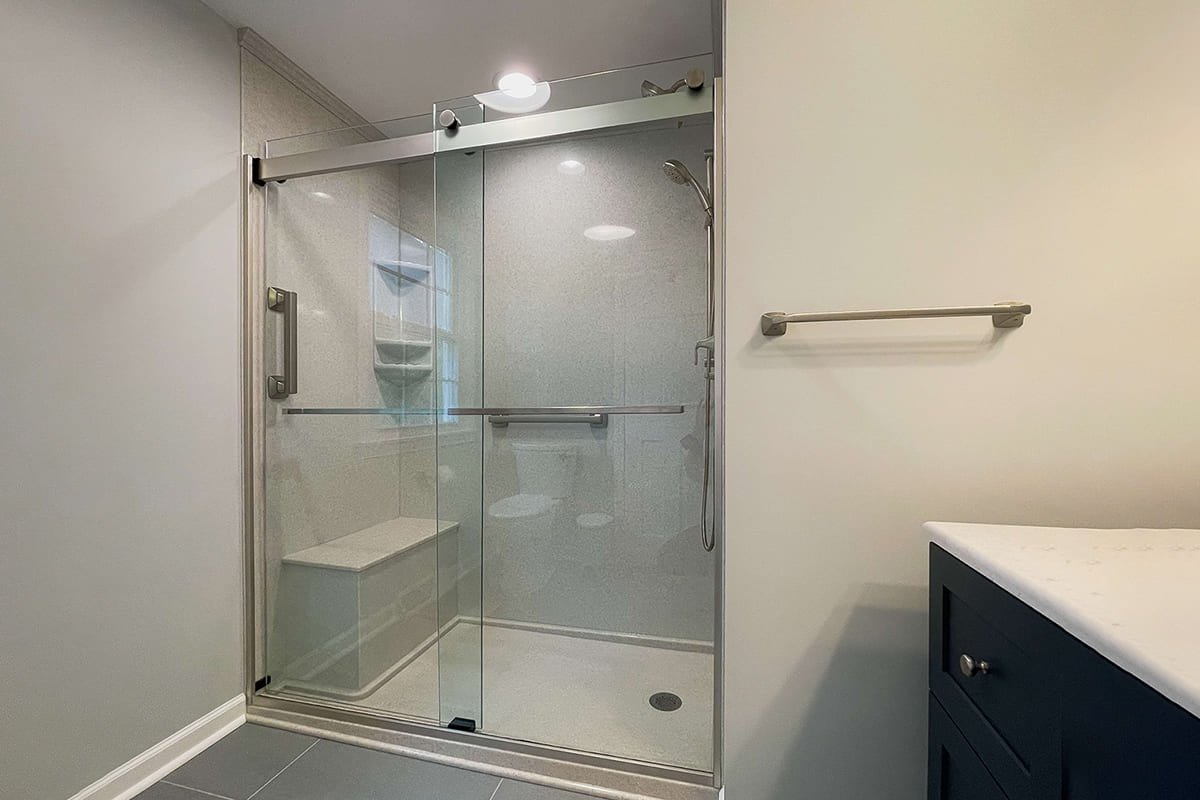
Common shapes and their trade-offs
| Shape or design | Advantages | Watch points |
|---|---|---|
| C-shaped / D-shaped handle | Easy to recognize, simple support point | May be shorter and less flexible |
| Straight round grab bar | Comfortable grip, common standard style | Needs correct wall clearance |
| Square grab bar | Modern appearance | Corners may feel less comfortable for some users |
| Towel-bar-style support | Blends with bathroom design | Must not be confused with weak towel bars |
| Angled grab bar | Supports different movement directions | Placement needs careful review |
| Finger-pull style | Compact and discreet | Usually not suitable as main safety support |
Round grab bars
Round bars are common because they are easy to grip from different angles. A circular tube also feels familiar to users. For wet bathroom areas, the diameter and surface finish matter. Too large a tube may be hard for some users to hold. Too small a tube may feel less stable.
Square grab bars
Square or rectangular bars can match modern bathroom design. However, buyers should test hand comfort. A sharp-edged square profile may look premium but feel less comfortable under load. Good edge rounding and surface finishing are important.
C-shaped and D-shaped handles
C-shaped or D-shaped handles can work well as short support points near shower entrances, bathtubs, or toilet areas. They are easy to identify visually and may suit compact spaces. However, buyers should confirm whether the length and mounting pattern provide enough support for the target user.
Towel-bar-style support
Some products look like towel bars but are designed as grab bars. This category requires careful communication. A normal towel bar should not be used as a safety grab bar unless it is designed, tested, and installed for support use.10 In catalogs, buyers should clearly request “grab bar function,” not simply “towel bar appearance.”
Anti-slip surface: helpful, but not magic
Some shower grab bars use knurled, textured, ribbed, or coated surfaces. These may improve grip feeling, especially in wet conditions. However, buyers should avoid unverified claims. Anti-slip performance depends on:
- Surface geometry
- User hand strength
- Water and soap conditions
- Cleaning residue
- Installation angle
- Actual testing method
Textured surfaces may also collect soap or dirt more easily.11 For hotels and hospitals, cleaning teams may prefer smoother surfaces. The best choice depends on the project.
Cleaning and hygiene
A good bathroom safety bar should be easy to clean. Buyers should inspect:
- Welded joints
- Screw cover gaps
- End caps
- Corners
- Coating edges
- Areas behind flanges
Conclusion
The best shower handles for bathrooms are selected as safety grab bars, not decorative accessories. Buyers should start with the user, then check size, material, shape, finish, wall condition, installation method, and compliance requirements. A 24-inch stainless steel bar may work well in many cases, but every project deserves proper evaluation. If you are sourcing bathroom safety handrails for wholesale, hotel, elderly-care, or accessible bathroom projects, contact SDH Hardware to discuss material options, finish consistency, customization, and bulk supply support.
"Preventing Falls at Home: Room by Room", https://www.nia.nih.gov/health/falls-and-falls-prevention/preventing-falls-home-room-room. Government fall-prevention guidance identifies bathroom falls as a significant injury concern and lists grab bars among recommended home modifications to reduce fall risk. Evidence role: general_support; source type: government. Supports: Bathroom falls are a recognized injury risk, especially for older adults, and environmental modifications such as grab bars are commonly recommended to reduce fall risk.. Scope note: Such guidance supports risk reduction generally, but it does not prove that any particular grab bar model prevents a specific fall. ↩
"Chapter 6: Bathing Rooms", https://www.access-board.gov/ada/guides/chapter-6-bathing-rooms/. Accessibility standards for bathing facilities specify grab-bar dimensions and locations, supporting the view that shower handles should be selected as safety components according to user and installation requirements. Evidence role: expert_consensus; source type: government. Supports: Accessibility standards and installation guidance treat grab bar selection and placement as dependent on dimensions, location, user transfer needs, and secure installation.. Scope note: Standards address regulated accessible designs and may not cover every residential or commercial project condition. ↩
"Grab bar", https://en.wikipedia.org/wiki/Grab_bar. Reference definitions describe grab bars as safety rails installed in bathrooms or similar locations to provide support and stability for users. Evidence role: definition; source type: encyclopedia. Supports: Grab bars are recognized as safety devices installed in bathrooms to help users maintain balance or support body movement.. Scope note: The source supports the technical meaning of grab bars, while the article's use of the phrase 'shower handles' remains a terminology choice. ↩
"Chapter 6: Bathing Rooms", https://www.access-board.gov/ada/guides/chapter-6-bathing-rooms/. Accessibility and aging-in-place guidance identifies bathroom grab bars as support devices used to improve stability and assist movement or transfers in bathing areas. Evidence role: definition; source type: government. Supports: Grab bars in bathing areas are intended to assist users with balance, support, and transfers.. Scope note: The source supports the general function of grab bars, not the performance of a particular product or installation. ↩
"Improperly installed ADA grab bar fails under minimal weight", https://www.facebook.com/groups/2502328646536341/posts/8255078907927924/. Accessibility standards require grab bars and their mounting devices to withstand specified loads, indicating that wall structure and anchoring are integral to safe performance. Evidence role: mechanism; source type: government. Supports: Grab bars require secure mounting and structural support because the wall and fasteners must resist applied loads.. Scope note: Load requirements vary by standard and jurisdiction, and compliance still depends on the actual installation. ↩
"Chapter 6: Bathing Rooms", https://www.access-board.gov/ada/guides/chapter-6-bathing-rooms/. Public accessibility and procurement documents commonly specify bathroom grab bars in standardized inch lengths, supporting the article's description of typical size ranges. Evidence role: general_support; source type: government. Supports: Public design or procurement references commonly specify grab bars in standard inch lengths, including several of the sizes listed.. Scope note: Such documents may confirm common specified sizes but may not establish a complete market-wide list. ↩
"Chapter 6: Bathing Rooms", https://www.access-board.gov/ada/guides/chapter-6-bathing-rooms/. Accessibility design guidance specifies horizontal grab bars in bathing and toilet compartments, indicating their role in providing continuous hand support during movement and transfer. Evidence role: mechanism; source type: government. Supports: Horizontal grab bars are used in bathing and toilet areas to provide support across a movement path or transfer zone.. Scope note: The guidance supports intended use by placement; individual benefit depends on user ability and installation position. ↩
"SAE 304 stainless steel - Wikipedia", https://en.wikipedia.org/wiki/SAE_304_stainless_steel. Stainless-steel industry references describe grade 304 as a widely used austenitic stainless steel with good general corrosion resistance and broad applicability, supporting its use as a common bathroom-hardware material. Evidence role: general_support; source type: institution. Supports: 304 stainless steel is a widely used austenitic stainless steel grade with good corrosion resistance and broad suitability for general applications.. Scope note: The source supports general material suitability rather than proving that 304 is optimal for every wet bathroom environment. ↩
"Measurements of thermophysical properties of solid and ...", https://tsapps.nist.gov/publication/get_pdf.cfm?pub_id=928362. Materials references explain that 316 stainless steel includes molybdenum, which improves resistance to localized corrosion, especially in chloride-containing environments, compared with common 304 stainless steel. Evidence role: mechanism; source type: research. Supports: Molybdenum in 316 stainless steel increases resistance to pitting and crevice corrosion in chloride-containing or otherwise corrosive environments.. Scope note: Actual corrosion performance also depends on surface finish, cleaning chemicals, exposure conditions, and manufacturing quality. ↩
"Efficacy of Installation of Temporary Bathing Transfer Aids by ...", https://pmc.ncbi.nlm.nih.gov/articles/PMC10938608/. Government home-safety guidance recommends installing grab bars for bathroom support rather than relying on ordinary bathroom fixtures such as towel racks. Evidence role: expert_consensus; source type: government. Supports: Bathroom safety guidance distinguishes grab bars from towel racks or ordinary accessories and recommends using properly installed grab bars for support.. Scope note: The source supports the safety distinction generally and may not address every reinforced towel-bar-style product. ↩
"Cleaning Hospital Room Surfaces to Prevent Health Care–Associated ...", https://pmc.ncbi.nlm.nih.gov/articles/PMC4812669/. Studies of surface roughness and cleanability report that rougher or more textured surfaces can retain residues or microorganisms more readily than smoother surfaces, providing a hygiene rationale for cleaning concerns. Evidence role: mechanism; source type: paper. Supports: Surface roughness and texture can affect soil retention, microbial retention, and cleanability.. Scope note: The evidence is typically based on controlled surface studies and may not directly test specific shower grab-bar textures in bathroom use. ↩