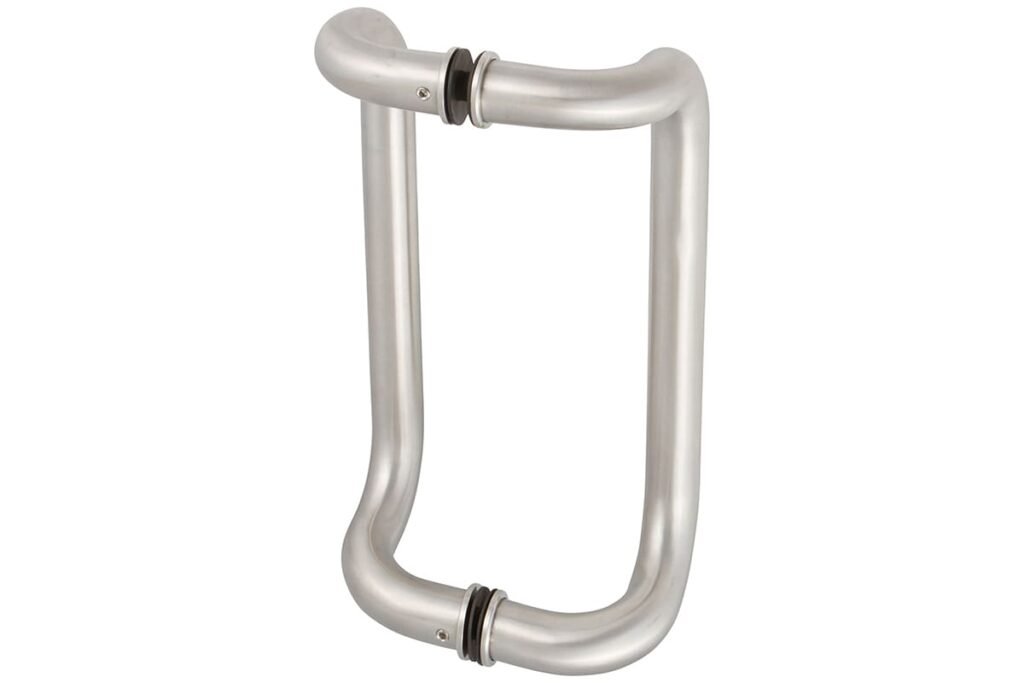
Door Handle for Medical Institutions: How Should Buyers Choose the Right System?
A door handle for medical institutions can look simple, but the wrong choice can create hygiene, safety, installation, and after-sales problems. Buyers may focus only on material names or “medical-grade” claims, then discover mismatched locks, poor finish consistency, or difficult cleaning. I prefer a clearer method: evaluate use area, design, material, compatibility, and supplier execution together.
A door handle for medical institutions should be selected by function, not by material name alone. Buyers should check infection-control needs, patient safety, accessibility, cleaning frequency, lock-body compatibility, door thickness, finish durability, certification documents, batch consistency, packaging, and delivery stability before confirming bulk orders.
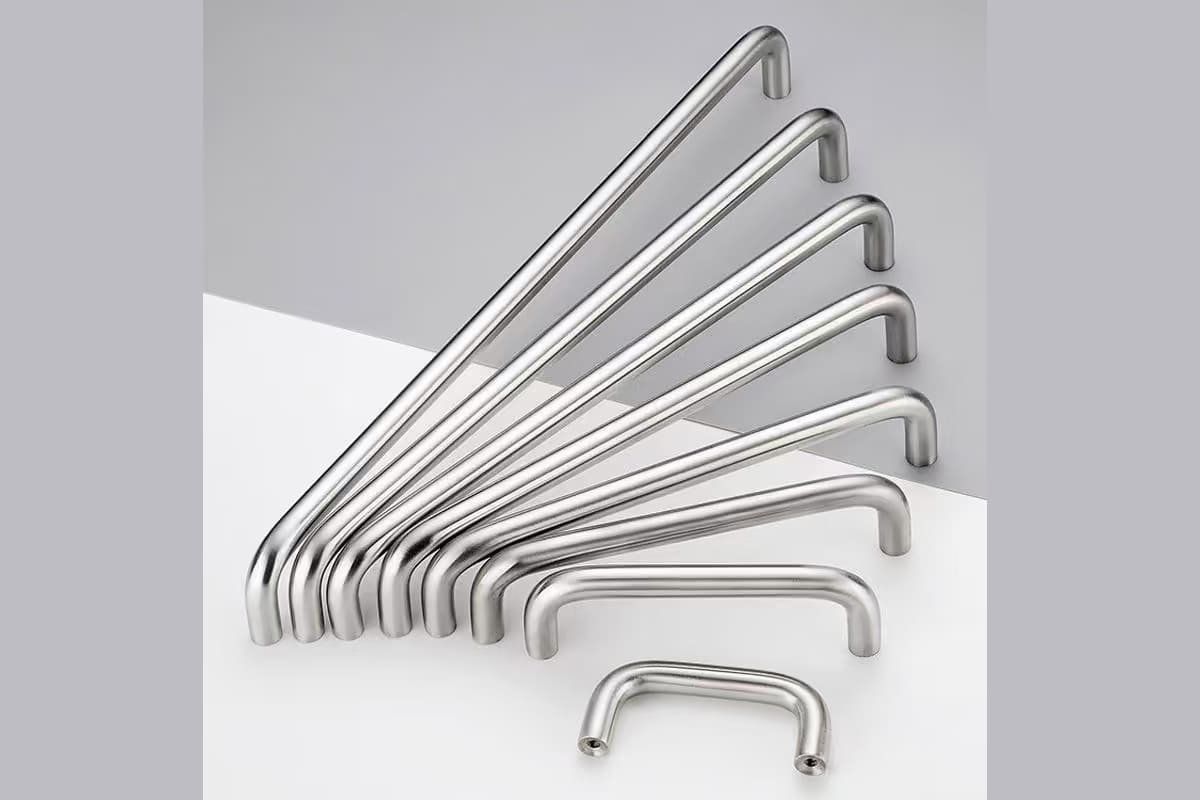
A hospital, clinic, or care home has many door types. A consulting room is not the same as an ICU, pediatric ward, operating area, or emergency exit. So the best decision starts with the door’s real use, then moves into material, structure, testing, and procurement control.
What should a door handle for medical institutions achieve first?
A door handle for medical institutions should not be treated as a normal decorative accessory. If the handle is hard to clean, uncomfortable to grip, or unstable after frequent use, the problem can spread from one door to an entire project. Buyers need a practical selection logic before comparing prices.
A suitable handle should support infection control, patient safety, and barrier-free access1. It should be easy to clean, safe to touch, durable under high-frequency use, compatible with the lock and door, and appropriate for the medical area where it will be installed.

The three goals I use when discussing medical door hardware
When I talk with door factories, hardware brands, and importers, I usually start with three questions:
Who will use this door?
Doctors, nurses, patients, elderly people, children, cleaners, visitors, or emergency staff may all use the same handle.How often will the handle be touched and cleaned?
A high-traffic ward corridor needs different performance from a low-use office door.What could go wrong after installation?
Loose handles, sharp edges, weak return springs, finish discoloration, corrosion, poor lock matching, and damaged packaging can all create hidden cost.
These questions help buyers avoid a common mistake: choosing a door handle for medical institutions only because the catalog says stainless steel, nylon, copper alloy, antibacterial, or fire-rated. Those words may matter, but they are not enough by themselves.
Why infection control is only one part of the decision
Medical buildings usually require hardware that supports cleaning and hygiene routines.2 However, I do not advise buyers to accept vague “antibacterial” claims without documents. If a supplier says a handle has antibacterial or antimicrobial performance, buyers should request:
- Test report name and test method
- Tested material or coating scope
- Effective organism list, if applicable
- Test conditions and durability limits
- Batch traceability or supplier declaration
- Validity and relationship to the actual ordered product
I speak here as a hardware manufacturer, not as an infection-control authority. Hospitals and project teams should verify hygiene requirements with qualified professionals and local standards.
Patient safety and accessibility also matter
A handle should not create a risk for weak hands, elderly users, children, or patients moving with limited strength. In many projects, lever handles are easier to operate than knobs3 because users can press down with a hand, elbow, or forearm. Rounded edges and smooth surfaces also reduce injury risk.
Some project references may mention values such as:
| Item | Common project reference | Important note |
|---|---|---|
| Lever length | Not less than 150 mm | Must be verified against local accessibility rules |
| Installation height | Around 850–900 mm | Project and code dependent |
| Opening force | Not exceeding 50 N4 | Must be checked against door closer, latch, seal, and local code |
| Edge design | Rounded and smooth | Should be checked by sample inspection |
These figures can be useful during design discussion, but they are not universal global rules. Buyers should confirm local accessibility standards, fire regulations, and hospital project specifications before final approval.
Which material is best for a door handle for medical institutions?
A door handle for medical institutions should not be selected only by asking, “Which material is best?” That question can lead to overbuying, underperforming products, or unsupported marketing claims. Material selection should match cleaning method, corrosion risk, budget, safety requirements, and project standards.
There is no single best material for every medical door handle. SUS304, SUS316, nylon, and copper alloy can each be suitable in different areas. Buyers should compare corrosion resistance, touch comfort, cleaning compatibility, strength, finish stability, documentation, and total project cost.
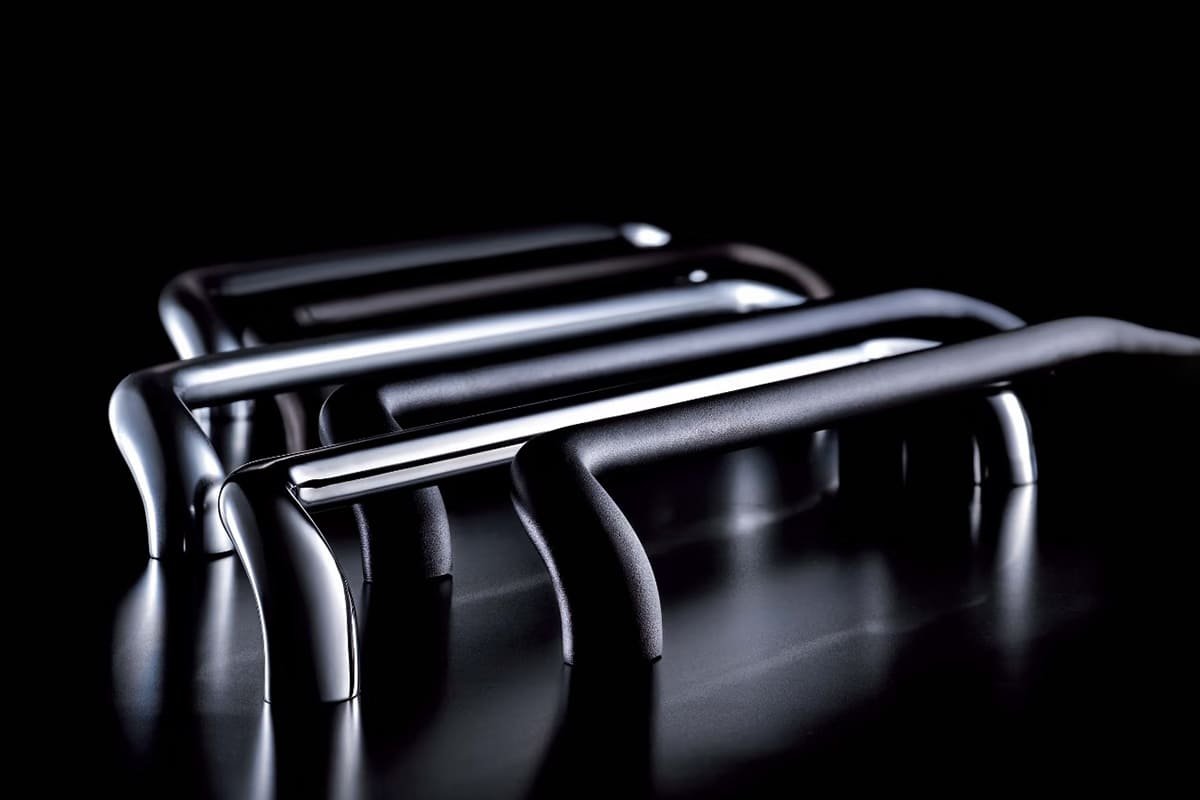
Material choice should follow function
In our manufacturing discussions, I often see buyers start with a material name. They ask for “SUS304 hospital handle” or “antibacterial nylon handle” before defining the use area. I understand why this happens. Material is easy to compare. But in real procurement, material is only one part of performance.
A door handle for medical institutions may need to resist disinfectant cleaning, humid air, sweat, scratches, frequent pressing, and repeated installation torque. It may also need to match fire-rated doors, mortise locks, cylinders, rosettes, escutcheons, and special screw systems.
Common material options
| Material | Possible strengths | Points buyers should verify |
|---|---|---|
| SUS304 stainless steel | Good corrosion resistance, strong structure, clean appearance, common for architectural hardware | Material grade document, surface finish, salt spray expectation, cleaning chemical compatibility |
| SUS316 stainless steel | Higher corrosion resistance than SUS304 in harsher environments | Actual grade, cost impact, availability, whether the environment really requires it |
| Nylon | Warm touch, color options, possible antibacterial formulations, softer contact feeling | Test reports for antibacterial claims, UV resistance, wear resistance, strength, color consistency |
| Copper alloy | Natural antimicrobial potential, good corrosion resistance, premium appearance | Alloy composition, surface treatment, test data, oxidation behavior, maintenance expectations |
| Zinc alloy | Flexible design, cost-effective for some components | Coating durability, corrosion resistance, load strength, cleaning compatibility |
Stainless steel: practical, but still needs verification
SUS304 stainless steel is widely used because it offers a strong balance of durability, corrosion resistance, and clean appearance. SUS316 may be considered for more aggressive environments, such as coastal areas or spaces with stronger corrosion exposure.5 However, buyers should not assume that every stainless steel handle is equal.
They should check:
- Material certificate or supplier declaration
- Tube or casting thickness, depending on handle structure
- Weld quality, if the design includes welding
- Brushed, satin, polished, PVD, or other finish consistency
- Surface roughness and cleanability
- Corrosion test expectations, such as salt spray requirements
- Compatibility with disinfectants used in the project
A stainless steel door handle for medical institutions can perform well only when the grade, production process, and finish control match the project requirement.
Nylon and copper alloy: useful, but claims must be documented
Nylon handles may suit areas where warm touch, color recognition, or safer contact is important. Pediatric departments, elderly care areas, and special zones may benefit from color-coded or softer-feeling handles. If the nylon is promoted as antibacterial, buyers should request test data for the exact material or coating.
Copper alloy can be considered where its natural antimicrobial properties are valued.6 However, buyers should verify alloy composition, surface treatment, cleaning rules, and appearance changes over time. Some copper surfaces may oxidize or change color7, which may or may not be acceptable for a project.
The best material decision is rarely the most expensive one. It is the one that fits the medical area, cleaning plan, technical documents, and procurement budget.
How does handle design affect accessibility and patient safety?
A handle can have good material and still fail in daily use. If the shape is hard to grip, the edge is sharp, or the return feels weak, users notice the problem quickly. In medical institutions, design affects safety, comfort, accessibility, and long-term maintenance.
Lever handles are generally more accessible than knobs because many users can operate them with less hand strength. A safe design should have rounded edges, stable return, suitable grip space, smooth surfaces, and project-verified dimensions for local healthcare and accessibility requirements.
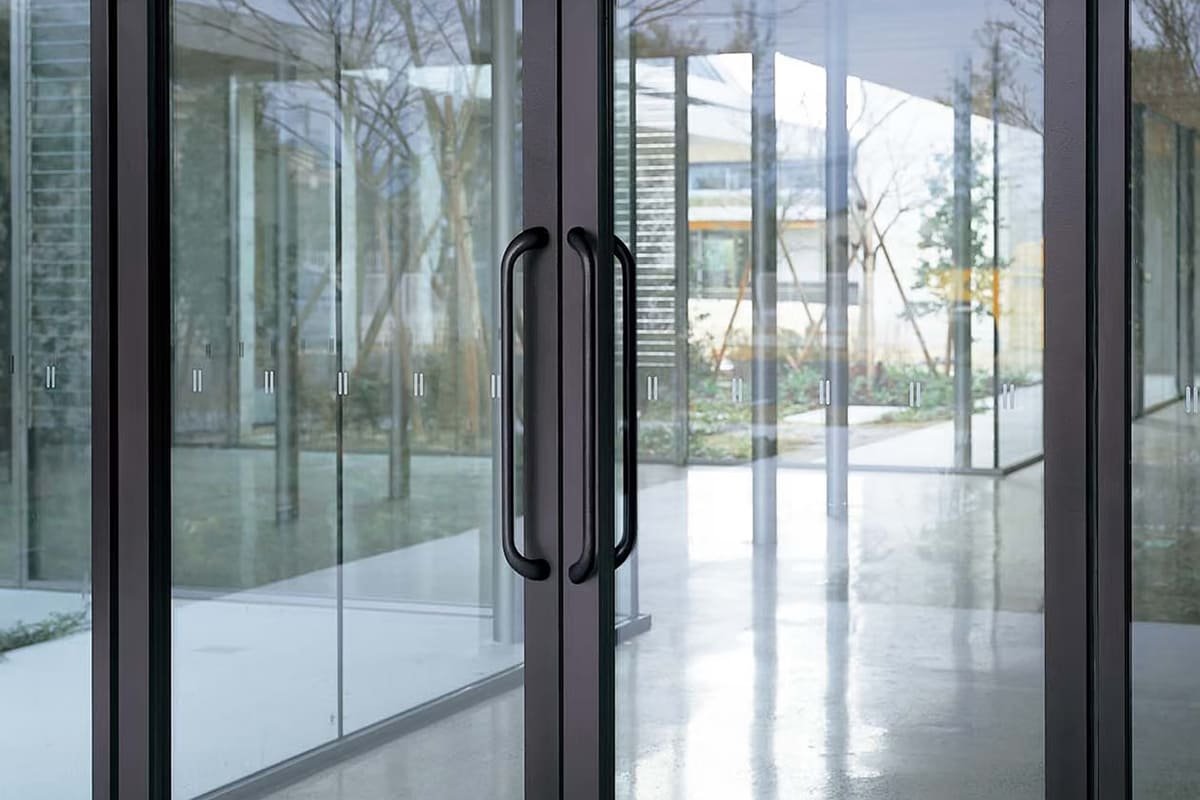
Lever handle, knob, or pull handle?
For most medical areas, lever handles are easier to operate than round knobs. Patients may have limited grip strength. Nurses may carry trays, supplies, or documents. Elderly users may need to open a door without twisting their wrists. A lever handle can reduce effort when the lock and door closer are also correctly selected.
However, buyers should still match the handle type to the door function.
| Door area | Possible handle solution | Buyer focus |
|---|---|---|
| Consulting room | Lever lockset | Smooth finish, quiet operation, privacy function |
| Ward room | Lever handle with proper lock function | Easy cleaning, grip comfort, durability |
| ICU or high-cleanliness area | Low-touch or touchless solution may be considered | Electrical compatibility, cleaning protocol, access control |
| Pediatric area | Rounded, anti-injury, color-recognition design | Edge safety, child-safe dimensions, visual guidance |
| Public toilet | Lever or pull handle with suitable lock indicator | Corrosion resistance, cleaning, emergency release |
| Emergency exit | Panic bar or emergency push hardware | Local fire and evacuation code verification |
Patient safety includes details buyers may overlook
A door handle for medical institutions should be evaluated by touch, not only by catalog photo. I always prefer physical samples before bulk orders because the hand can detect what a picture hides.
Buyers should inspect:
- Whether the grip has sharp corners
- Whether the handle end can catch clothing, tubes, or bags
- Whether the handle returns smoothly to the horizontal position
- Whether the spring feels stable after repeated operation
- Whether the rosette or escutcheon sits flat on the door
- Whether screws remain hidden or protected
- Whether the finish feels smooth and easy to wipe
Anti-injury and anti-self-harm considerations
Some medical environments, such as psychiatric care areas or secure treatment zones, may require special anti-ligature or anti-self-harm hardware.8 A normal lever handle may not be suitable there. I do not recommend making assumptions in those cases. Buyers should request project-specific guidance from qualified safety consultants, facility managers, and local authorities.
For general hospital and clinic areas, rounded lever ends and smooth profiles can reduce ordinary contact injuries. For pediatric spaces, color recognition can help children identify rooms or functions, but the coating or plastic material should still be checked for wear resistance and cleaning compatibility.
Design and opening force work as a system
A handle does not decide opening force alone.9 The lock body, latch spring, door closer, sealing strip, hinge alignment, and door weight all affect user effort. A buyer may order a good handle but still receive complaints if the full door system is too heavy.
That is why I recommend testing a complete mock-up when possible. The mock-up should include:
- Door leaf thickness and material
- Mortise lock or tubular latch
- Hinges or concealed hinges
- Door closer, if used
- Seals and drop-down seal, if used
- Handle, spindle, screws, rosettes, and accessories
This approach helps buyers evaluate the full user experience before mass production.
How should a door handle for medical institutions match locks, doors, and project standards?
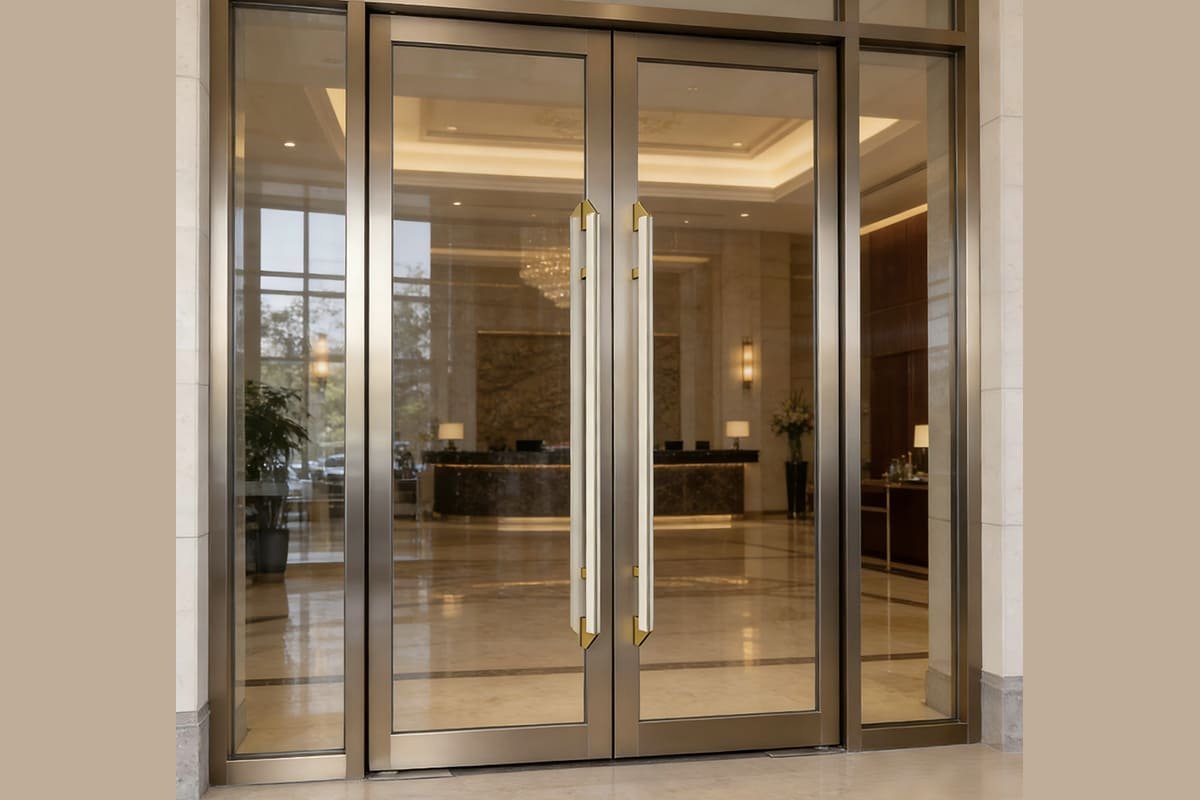
A door handle for medical institutions can fail at the installation stage even when the material and finish look correct. Wrong spindle size, incorrect hole position, unsuitable screws, or mismatch with the mortise lock can cause rework. Procurement teams should check compatibility before production.
A medical door handle should match the lock body, cylinder, door thickness, backset, center distance, spindle size, screw position, fire-door requirement, and project standard.10 Buyers should approve drawings, samples, and installation tests before confirming bulk supply.
Compatibility is where many hidden costs appear
In factory-direct supply, I see that installation problems often come from small details rather than big design mistakes. A buyer may confirm the handle style but forget to confirm the lock center distance. A door factory may use a different door thickness than the hardware supplier expected. A project may require fire-rated doors, but the hardware set may not have the correct certification scope.
These problems are expensive because they appear late. Workers are already on site. Doors may already be drilled. Buyers may need urgent replacement parts, and the supplier may need to remake accessories.
Key matching points before ordering
Buyers should confirm these details in writing:
| Matching item | What to check | Why it matters |
|---|---|---|
| Door thickness | 35 mm, 40 mm, 45 mm, 50 mm, or custom | Screw length and spindle length depend on it |
| Lock body type | Mortise lock, tubular latch, magnetic lock, access control lock | Handle movement must match lock mechanism |
| Backset | Distance from door edge to spindle center | Wrong backset causes wrong drilling |
| Center distance | Handle spindle to cylinder center | Important for plates and escutcheons |
| Spindle size | Common examples include 8 mm, but project varies | Wrong spindle creates loose or impossible assembly |
| Handing | Left, right, reversible | Incorrect handing delays installation |
| Fire requirement | Door and hardware certification scope | Must be verified by valid documents |
| Accessories | Screws, through bolts, rosettes, indicators | Missing parts create site delays |
Fire-rated and emergency hardware need document control
Some medical buildings include fire-rated doors, smoke-control doors, and emergency exits. Buyers should not rely on a simple statement like “fire-rated handle.”11 They should ask for documents that show the scope of certification and whether the tested hardware matches the ordered configuration.
Important questions include:
- Does the certificate apply to the handle only or the full door hardware set?
- Does the document cover the door type and fire rating duration required by the project?
- Does the lock body also have relevant documents?
- Does the panic bar or emergency exit device meet the local evacuation code?
- Does the finish or component change affect the certification scope?
A door handle for medical institutions may be part of a regulated door assembly. The project team should verify final compliance with qualified professionals and local authorities.
Drawings and samples reduce risk
For bulk orders, I recommend a simple but strict approval process:
Confirm product drawings
The drawing should show dimensions, hole positions, spindle size, plate size, screw positions, and accessories.Confirm physical samples
The buyer should check grip, finish, return force, lock matching, and packaging.Test installation on real door sample
The door factory should install the handle with the selected lock body and door thickness.Freeze approved specification
The supplier and buyer should agree that mass production must follow the approved sample and drawing.Keep a golden sample
The supplier and buyer can use the approved sample for finish, structure, and assembly comparison.
This process is simple, but it prevents many expensive mistakes.
What procurement risks should buyers check before bulk ordering a door handle for medical institutions?
A door handle for medical institutions is often purchased in large quantities, so small defects can become large losses. One inconsistent finish or wrong accessory pack may affect hundreds of doors. Buyers should evaluate not only the product but also the supplier’s batch execution ability.
Before bulk ordering, buyers should check material documents, finish consistency, corrosion expectations, lock matching, screw quality, packaging strength, labeling, QC procedure, lead time, sample approval, and repeat-order stability. These checks reduce installation rework, complaints, and after-sales cost.

Batch consistency is the real B2B test
A showroom sample can look excellent. The harder question is whether the 1,000th piece looks and performs like the first one.12 For door factories, brands, wholesalers, and project procurement teams, batch stability affects installation speed, brand reputation, and profit margin.
At SDH Hardware, our manufacturing work focuses on door hardware production, finish selection, lock/body matching, quality control, packaging, and delivery coordination. From that perspective, I believe buyers should inspect both product and process.
Common hidden risks in bulk orders
Buyers should watch for these issues:
- Finish inconsistency between batches or components
- Wrong hole position compared with approved drawings
- Mismatched lock body or cylinder escutcheon
- Unstable handle return after repeated pressing
- Weak screws or missing accessories
- Unsuitable spindle length for actual door thickness
- Sharp edges around rosettes or lever ends
- Packaging damage during sea freight or warehouse handling
- Labeling confusion between left/right or different models
- Delayed delivery that affects door factory production plans
These risks are not exciting marketing topics, but they decide whether a project runs smoothly.
Suggested QC checklist for buyers
| QC stage | Inspection focus | Practical action |
|---|---|---|
| Raw material | Grade, thickness, supplier document | Request material declaration or report |
| Production | Dimension, machining, welding, polishing | Use in-process inspection records |
| Surface finish | Color, gloss, brushing direction, coating adhesion | Compare with approved sample |
| Assembly | Return spring, spindle fit, screw alignment | Operate sample repeatedly |
| Lock matching | Latch movement, handle angle, cylinder clearance | Install on test door |
| Packaging | Inner bag, foam, carton strength, labels | Run drop or transport simulation if needed |
| Final inspection | AQL level, quantity, accessories | Confirm before shipment |
Packaging and labeling matter more than many buyers expect
Medical projects often involve many door types. A single shipment may include ward handles, bathroom indicators, office locks, emergency hardware, cylinders, hinges, and accessories. If packaging is unclear, installers waste time sorting parts on site.
A good packaging plan should include:
- Model number
- Finish code
- Door thickness range
- Left/right marking, if not reversible
- Accessory list
- Carton quantity
- Project or customer reference
- Installation instruction, when needed
For importers and wholesalers, clear labeling also supports warehouse management and repeat sales.
Total procurement cost is not only unit price
A low unit price can become expensive if it creates rework. Buyers should compare total cost, including:
- Sampling time
- Drawing confirmation
- Defect rate
- Installation labor
- Replacement parts
- Customer complaints
- Return shipment or urgent air freight
- Project delay penalties
- Brand reputation risk
A reliable door handle for medical institutions should help the buyer reduce total risk, not only reduce the purchase price.
How should different medical areas use different handle solutions?
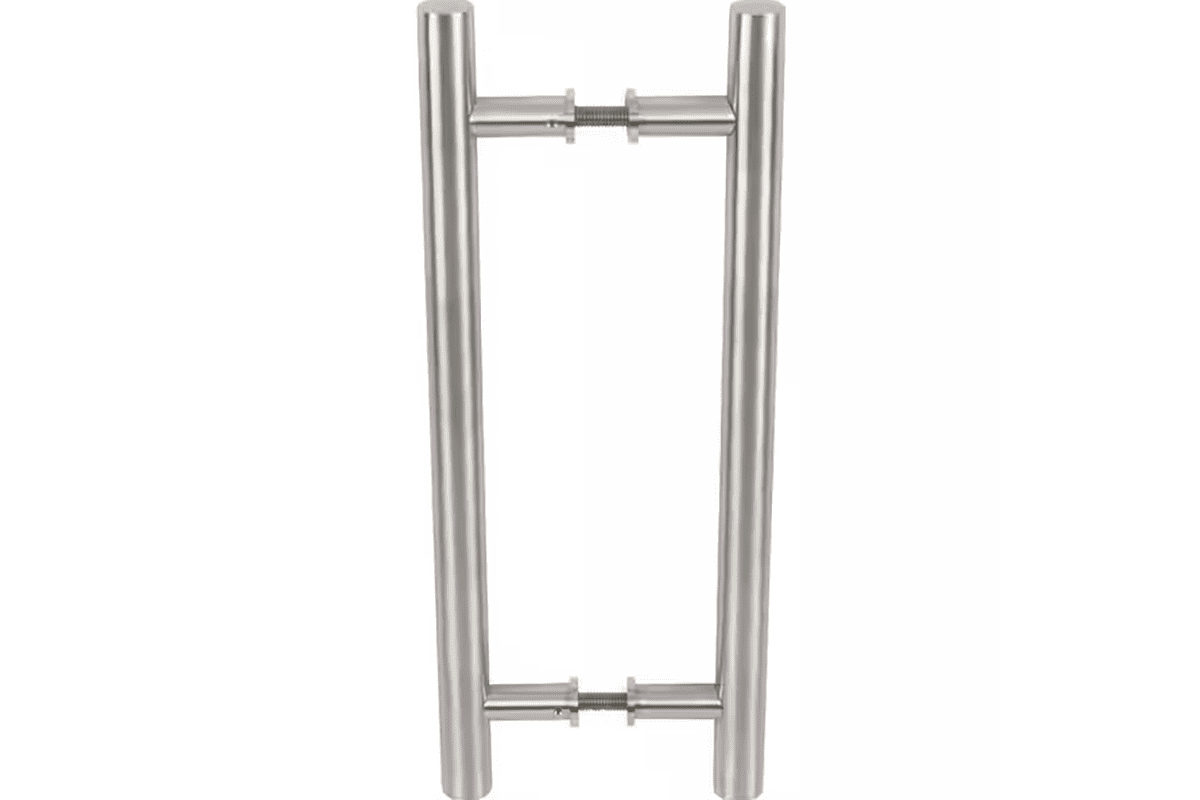
A single door handle for medical institutions specification may not fit every department. Hospitals, clinics, and care homes include clean areas, public areas, patient rooms, staff-only rooms, pediatric spaces, and emergency routes. Each area has different traffic, safety, cleaning, and access-control needs.
Different medical areas should use different handle solutions. General rooms may use easy-clean lever locksets. High-cleanliness areas may consider low-touch or touchless systems. Pediatric areas need rounded and child-safe designs. Emergency exits require locally compliant panic or push hardware.
Area-based selection is more practical than one-size-fits-all
When buyers ask for one standard handle for an entire hospital project, I usually suggest dividing the project first. This does not always mean many product styles. It means the hardware schedule should respect the function of each door.
A good door hardware schedule may separate:
- Patient wards
- Consulting rooms
- Nurse stations
- Public toilets
- Staff rooms
- Storage rooms
- Operating-related areas
- ICU-related areas
- Pediatric areas
- Emergency exits
- Fire-rated doors
- Access-control doors
Conclusion
A door handle for medical institutions is a procurement decision that connects hygiene, safety, accessibility, compatibility, and batch execution. Buyers should avoid choosing by material name or unsupported “medical-grade” claims alone. They should verify documents, inspect samples, test lock and door matching, and control packaging and delivery details. If you source door hardware for hospitals, clinics, care homes, or medical projects, I can help you review specifications and develop a stable bulk supply solution through SDH Hardware.
"Chapter 4: Entrances, Doors, and Gates", https://www.access-board.gov/ada/guides/chapter-4-entrances-doors-and-gates/. Healthcare infection-prevention guidance treats frequently touched environmental surfaces as part of cleaning programs, while accessibility standards specify requirements for operable door hardware, supporting the relevance of hygiene, safety, and barrier-free use in medical door-hardware selection. Evidence role: general_support; source type: institution. Supports: Healthcare environmental guidance and accessibility standards recognize frequently touched surfaces, operable hardware, and accessible use as relevant design considerations in healthcare settings.. Scope note: Such sources support the design priorities generally; they may not prescribe a single door-handle specification for all medical institutions. ↩
"Environmental Cleaning Procedures | HAIs", https://www.cdc.gov/healthcare-associated-infections/hcp/cleaning-global/procedures.html. Guidance on environmental infection control in healthcare facilities identifies frequently touched surfaces as targets for routine cleaning and disinfection, which supports selecting door hardware that can withstand and facilitate hygiene routines. Evidence role: general_support; source type: government. Supports: Public-health guidance identifies high-touch surfaces in healthcare environments as needing routine cleaning and disinfection.. Scope note: The guidance supports the cleaning rationale but does not evaluate specific commercial handle materials or designs. ↩
"Chapter 4: Entrances, Doors, and Gates", https://www.access-board.gov/ada/guides/chapter-4-entrances-doors-and-gates/. The ADA Standards require accessible door hardware to be operable with one hand and without tight grasping, pinching, or twisting of the wrist, providing standards-based support for preferring lever-type handles over knobs in accessible settings. Evidence role: expert_consensus; source type: government. Supports: Accessibility standards require door hardware to be operable without tight grasping, pinching, or twisting of the wrist, a criterion commonly satisfied by lever-type hardware more readily than round knobs.. Scope note: The standard states performance requirements rather than declaring every lever handle superior to every knob. ↩
"Chapter 4: Entrances, Doors, and Gates", https://www.access-board.gov/ada/guides/chapter-4-entrances-doors-and-gates/. Accessibility standards such as ISO 21542 and related national guidance discuss maximum forces for opening accessible doors, providing context for using values around 50 N in design review. Evidence role: statistic; source type: institution. Supports: Accessibility standards in some jurisdictions or international guidance specify maximum opening-force values for accessible doors, often expressed in newtons.. Scope note: Opening-force limits vary by jurisdiction, door type, fire rating, and whether the door is interior or exterior; the cited value should not be treated as a universal rule. ↩
"Corrosion Behavior of Sensitized AISI 304 Stainless Steel in ...", https://pmc.ncbi.nlm.nih.gov/articles/PMC9740934/. Metallurgical references attribute the improved chloride-pitting resistance of 316 stainless steel relative to 304 stainless steel largely to its molybdenum content, supporting its consideration in coastal or otherwise corrosive environments. Evidence role: mechanism; source type: education. Supports: Technical references explain that 316 stainless steel contains molybdenum and generally has improved resistance to chloride-induced pitting compared with 304 stainless steel.. Scope note: Actual performance depends on alloy verification, surface finish, maintenance, and the specific chemical exposure. ↩
"The antimicrobial efficacy of copper alloy furnishing in the ... - PubMed", https://pubmed.ncbi.nlm.nih.gov/22173515/. Peer-reviewed research has reported antimicrobial activity on copper and copper-alloy touch surfaces, supporting the statement that copper alloys may be considered where antimicrobial surface properties are valued. Evidence role: general_support; source type: paper. Supports: Peer-reviewed studies report antimicrobial activity of copper and copper-alloy surfaces against microorganisms under controlled conditions, and some healthcare studies examine copper touch surfaces.. Scope note: Laboratory antimicrobial activity does not by itself prove reduced infection risk for every installed handle; cleaning practices, alloy composition, surface condition, and exposure time remain important. ↩
"43629", https://mci.si.edu/node/1298491. Chemistry and conservation sources describe copper oxidation and patina formation as reactions with oxygen, moisture, and environmental contaminants, supporting the caution that copper surfaces may change color during use. Evidence role: mechanism; source type: education. Supports: Educational chemistry and conservation sources explain that copper reacts with oxygen, moisture, and environmental compounds to form oxides and patinas that alter surface appearance.. Scope note: The rate and appearance of change depend on alloy composition, surface treatment, cleaning chemistry, and indoor environmental conditions. ↩
"Mental Health Environment of Care Checklist", https://www.patientsafety.va.gov/docs/MHEOCC.xls. Behavioral-health environment-of-care guidance identifies ligature-resistant design as a safety concern in psychiatric settings, supporting the need for specialized door hardware in areas where self-harm risk is present. Evidence role: expert_consensus; source type: institution. Supports: Behavioral-health safety guidance identifies ligature risks in the built environment and recommends selecting fixtures and hardware that reduce self-harm opportunities.. Scope note: Specific product acceptability is project- and authority-dependent and requires review by qualified clinical, safety, and code professionals. ↩
"Chapter 4: Entrances, Doors, and Gates", https://www.access-board.gov/ada/guides/chapter-4-entrances-doors-and-gates/. Accessibility and door-hardware guidance treats opening force as a characteristic of the complete door assembly, including closers, latches, seals, hinges, and installation adjustment, supporting the article’s system-level framing. Evidence role: mechanism; source type: institution. Supports: Accessibility and building guidance discuss door opening force as a property affected by closers, latches, seals, hinges, and installation conditions.. Scope note: Such guidance is contextual and does not quantify the contribution of each component for a specific project door. ↩
"087100 – DOOR HARDWARE - Facilities and Campus Services", https://fcs.cornell.edu/087100-door-hardware. Architectural hardware standards and specification guidance define door-hardware compatibility in terms of door thickness, lock function, backset, spindle or hub dimensions, fasteners, and fire-rating requirements, supporting the need to coordinate these items before procurement. Evidence role: general_support; source type: institution. Supports: Architectural hardware standards and specification guides define dimensions and compatibility factors such as backset, door thickness, lock function, and fire-rated hardware requirements.. Scope note: Standards provide dimensional and performance frameworks; the exact checklist depends on the selected lockset, door construction, and local code. ↩
"Fire Doors and NFPA 80 FAQs", https://www.nfpa.org/news-blogs-and-articles/blogs/2025/04/11/fire-doors-faqs. Fire-door standards such as NFPA 80 require fire-door assemblies and their hardware to comply with applicable listing, labeling, and installation requirements, supporting verification of certification scope rather than reliance on a generic “fire-rated” claim. Evidence role: expert_consensus; source type: institution. Supports: Fire-door standards require doors and hardware to be evaluated, labeled, or listed within applicable fire-door assembly requirements.. Scope note: Applicable requirements vary by jurisdiction, door type, rating duration, and the authority having jurisdiction. ↩
"6.2.1. What is Acceptance Sampling? - Information Technology Laboratory", https://www.itl.nist.gov/div898/handbook/pmc/section2/pmc21.htm. Acceptance-sampling standards such as ISO 2859 provide methods for inspecting production lots by attributes, supporting the article’s emphasis that bulk-order quality must be assessed at batch level rather than inferred from a single showroom sample. Evidence role: general_support; source type: institution. Supports: Acceptance-sampling standards and quality-control frameworks address lot-by-lot inspection and batch consistency in production.. Scope note: Sampling standards help manage inspection risk but do not guarantee that every individual unit in a shipment is defect-free. ↩