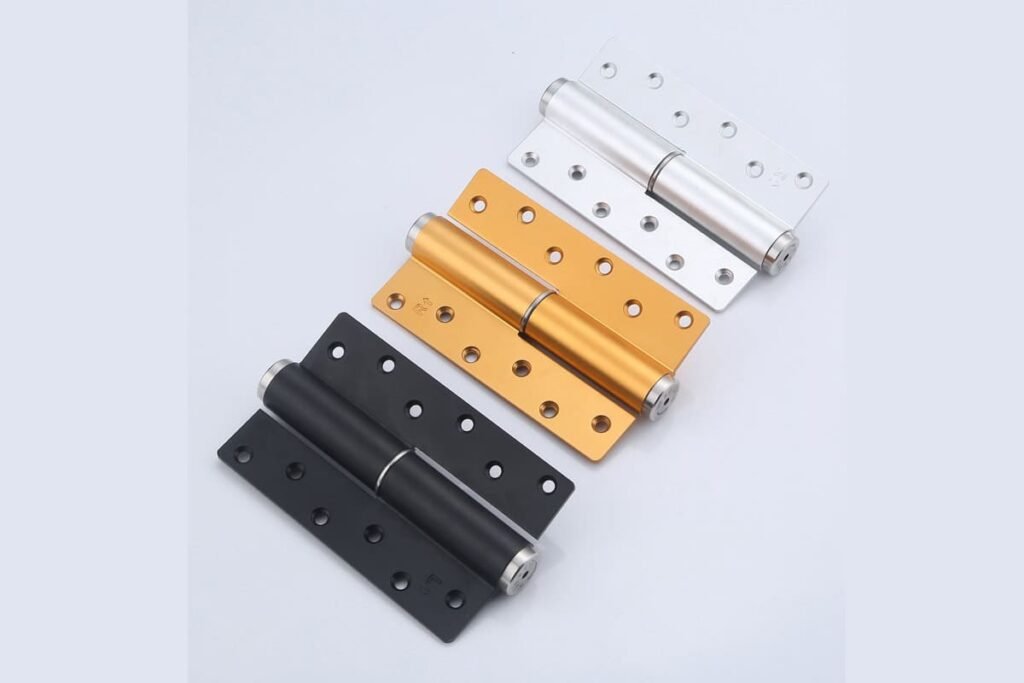
What Should I Know About 270 Degree Hinges? Features, Benefits, and Applications Explained
270 degree hinges can solve a real access problem, but they can also create trouble when buyers choose them only because the opening angle sounds impressive. If the panel thickness, frame clearance, door weight, or installation method does not match, the hinge may not perform as expected. I usually treat them as a structure-driven hardware choice, not a universal upgrade.
270 degree hinges are special hinges that allow a door or panel to open much wider than a standard hinge, sometimes up to 270° when the structure and clearance allow it. They are useful for corner cabinets, display cabinets, inspection doors, equipment doors, and custom furniture where wider access, space saving, and cleaner appearance matter.
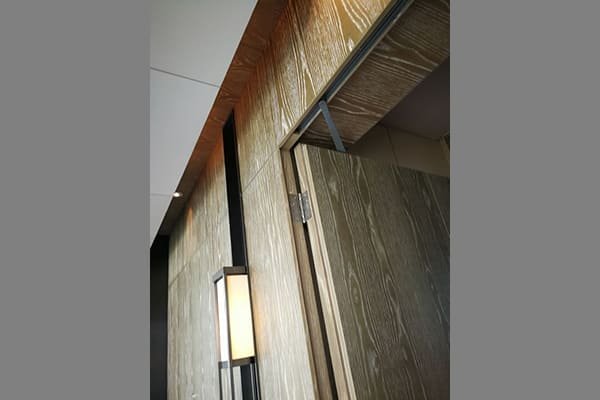
Many buyers first ask me, “Do you have 270 degree hinges?” My first answer is usually another question: “What is the panel thickness, door weight, frame structure, and opening space?” Those details decide whether the hinge is suitable.
What Are 270 Degree Hinges?
A buyer may see the term online and assume every model opens exactly the same way. That assumption can cause selection mistakes. A 270° opening depends on the hinge design, panel position, frame layout, and side clearance. The product name is only the starting point.
270 degree hinges are hinge mechanisms designed to let a door, cabinet panel, or access panel swing much farther than conventional 90° or 180° hinges. In suitable installations, some models allow the panel to fold back close to 270°, which improves access and reduces obstruction around the opening.
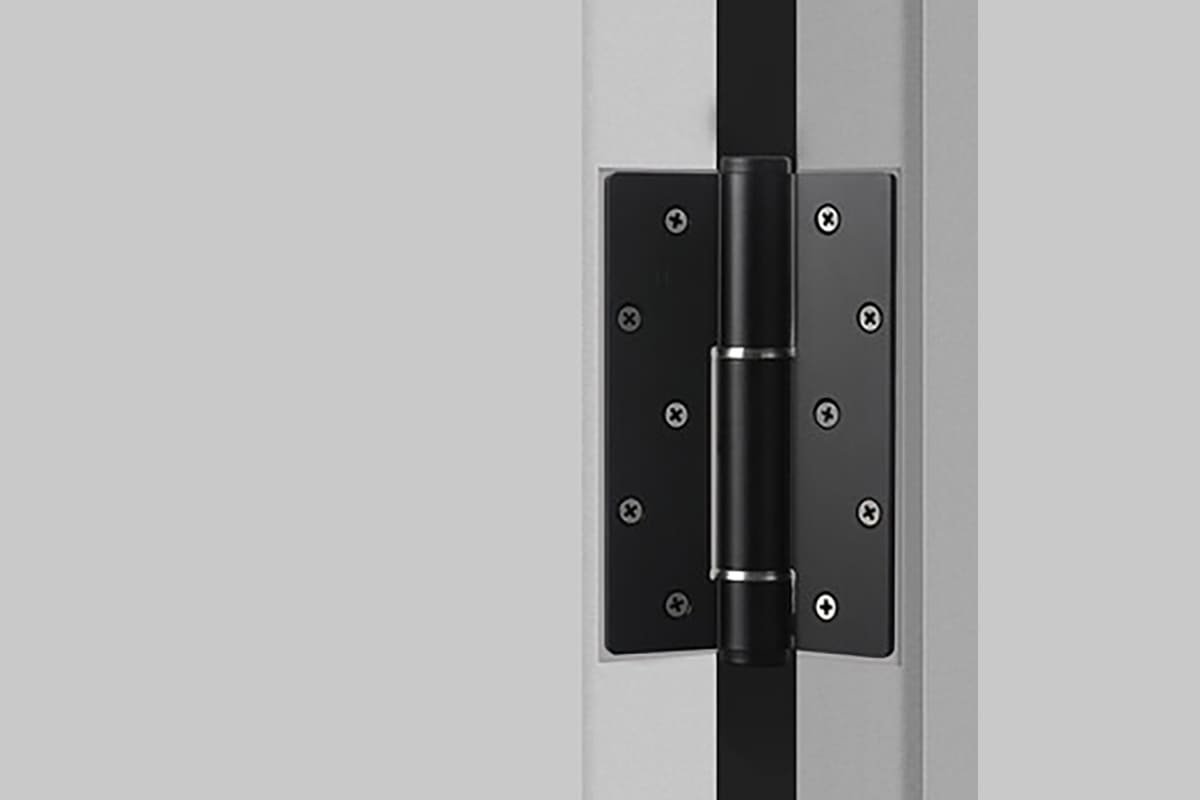
The basic definition
In simple terms, 270 degree hinges are hinges designed for wide-angle opening1. They may appear in different forms, including:
- Pin-style hinges
- Concealed or semi-concealed wide-opening hinges
- Glass door hinges
- Aluminum-frame cabinet hinges
- Special equipment door hinges
- Custom furniture hinges
The key point is that the hinge geometry allows the door to rotate much farther than a normal butt hinge or cabinet hinge.
However, I always remind buyers that the advertised angle is not the only thing to check. The final opening angle depends on how the hinge is mounted and whether the door can physically clear the cabinet side, wall, adjacent panel, handle, seal, or frame lip.2
270° does not always mean 270° in the field
A hinge may be described as a 270° hinge, but the real installed angle may be smaller. This can happen because of:
Frame interference
The door edge may hit the frame before the hinge reaches its full movement.Panel thickness
A thick panel needs more clearance during rotation.Handle projection
A large pull handle may hit the side wall or cabinet body.Wall or corner limits
Corner cabinets and built-in furniture often have restricted space.Hinge offset and mounting position
Small changes in drilling or mounting can reduce movement.
In supplier-side discussions, I often ask for drawings or photos before confirming a wide-opening hinge. This simple step prevents many wrong purchases.
How 270 degree hinges compare with common hinge angles
| Hinge Type | Typical Opening Range | Common Use | Main Limitation |
|---|---|---|---|
| 90° hinge | Around 90° | Basic cabinet doors, small panels | Limited access |
| 110° hinge | Around 105–110° | Standard furniture cabinets | Door remains in the working space |
| 180° hinge | Around 180° | Access panels, some cabinets | May still block nearby access |
| 270 degree hinges | Up to around 270° in suitable conditions | Corner cabinets, display units, inspection doors, equipment panels | Needs correct clearance and structure |
The difference is not only the angle. The real difference is how the open door behaves in the space. A 270° opening can let the panel fold farther back, making the opening cleaner and easier to use.
When Should Buyers Choose 270 Degree Hinges?
Many buyers want a wider opening because it sounds more convenient. But a wide-angle hinge is not always the right choice. If a normal hinge already provides enough access, a 270° model may increase cost, installation complexity, or alignment risk without adding real value.
Buyers should choose 270 degree hinges when the door must fold farther back to save space, improve access, increase visibility, or avoid blocking the user. They are most useful when the panel structure, door weight, clearance, and installation method support a true wide-opening design.
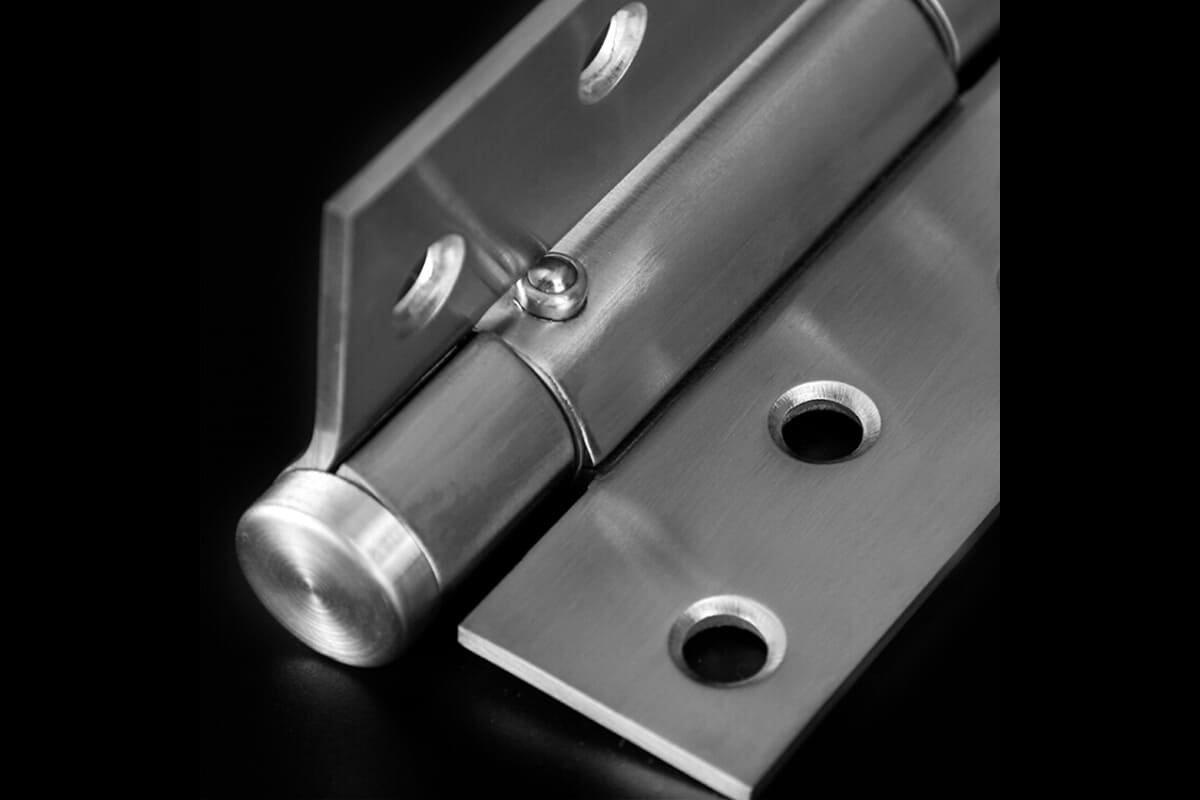
The practical reason behind the wide angle
The main value of 270 degree hinges is not simply “a bigger angle.” The real value is solving a layout problem.
For example, a door may need to open wide because:
- A technician needs both hands inside an equipment compartment.
- A cabinet door must fold away from a narrow aisle.
- A display case needs full visibility from the front and side.
- A corner cabinet door must not block nearby storage.
- A furniture brand wants a cleaner, more minimalist open position.
In these cases, the hinge supports the function of the product.
Selection logic before benefits
Before I recommend this hinge type, I usually check the project conditions first. This is especially important for B2B buyers, because a wrong hinge can affect hundreds or thousands of units.
A basic selection checklist includes:
Door or panel thickness
Thin glass, aluminum-frame panels, MDF panels, and solid wood panels behave differently.Door weight
The hinge must match the load. Heavy panels need stronger hinge bodies, correct screw fixing, and sometimes more hinge pieces.3Door width and height
Tall or wide panels create leverage. This can cause sagging if the hinge is underspecified.4Material type
Glass doors, aluminum frames, steel panels, and wooden cabinet doors require different fixing methods.Frame structure
The side panel, post, cabinet wall, or equipment frame must allow the hinge to rotate.Opening direction
Left-hand and right-hand requirements should be confirmed for some designs.Clearance around the door
The door needs room to swing without hitting walls, adjacent doors, or handles.Mortise or non-mortise installation
Some hinges need cutouts, while others install on the surface.
When a 270° hinge may not be necessary
A buyer should not use 270 degree hinges just because they look advanced. In many standard cabinet doors, a 110° or 165° cabinet hinge may already meet the user need. In some door structures, a 270° hinge may even create problems.
Possible issues include:
- More difficult alignment during assembly
- Higher tolerance requirements
- Reduced stability on weak panels
- Increased hardware cost
- Visible hinge parts if the design requires concealed hardware
- Interference with wall-mounted cabinets or corner structures
For bulk procurement, I suggest testing a sample on the real door structure before confirming mass production. A drawing is helpful, but a physical trial is better when the opening clearance is tight.
What Features Should I Check in 270 Degree Hinges?
It is easy to focus on finish, price, or catalog photos first. That can lead to poor decisions. A hinge may look suitable but fail in assembly because the screw hole pattern, fixing method, or load capacity does not match the door design.
Buyers should check hinge material, load rating, mounting type, panel thickness range, opening angle, screw fixing, finish consistency, and optional functions. Some 270 degree hinges may include hold-position, damping, or soft-closing features, but these functions are model-specific and should be verified before ordering.
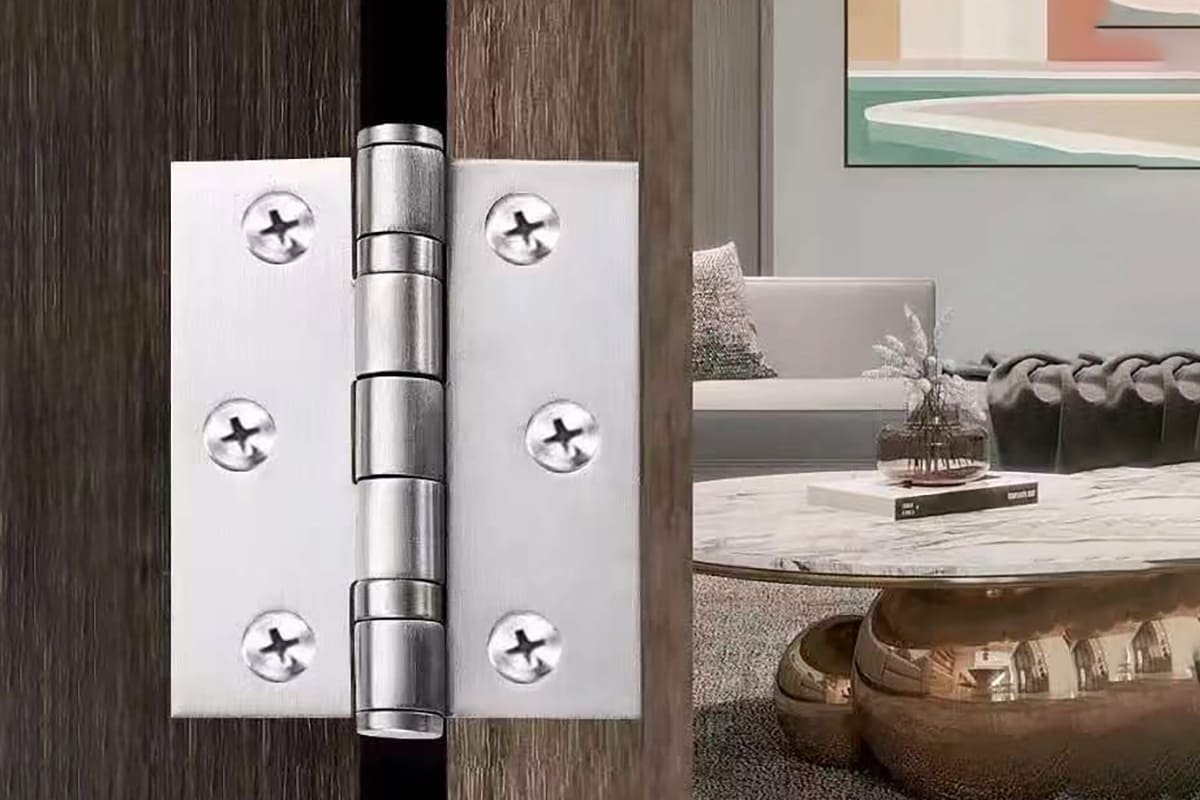
Core specifications to confirm
For procurement evaluation, I like to separate hinge features into two groups: must-check specifications and optional functions.
The must-check specifications include:
| Feature | Why It Matters | Buyer Check |
|---|---|---|
| Material | Affects strength, finish, and application suitability | Ask for material grade or product specification |
| Opening angle | Determines access space | Confirm actual angle with the door structure |
| Load rating | Prevents sagging or failure | Match rating with panel weight and size |
| Panel thickness range | Ensures correct fixing and movement | Check minimum and maximum thickness |
| Mounting method | Affects production process | Confirm mortise, surface, clamp, or frame fixing |
| Finish | Affects appearance and batch consistency | Request finish samples for bulk orders |
| Screw type and hole position | Affects assembly speed | Match with factory drilling process |
| Handing | Affects left/right installation | Confirm if the hinge is reversible |
These checks are practical. They help buyers avoid expensive mistakes during trial assembly or final production.
Material and finish considerations
Different applications may need different materials. Common hinge materials can include stainless steel, zinc alloy, brass, aluminum alloy, or steel, depending on the product type. I do not recommend choosing material only by price. The material should match the application environment, load requirement, and appearance target.
For example:
- Stainless steel is often preferred where a clean surface and stronger corrosion resistance are desired, but buyers should still verify the exact grade and finish.
- Zinc alloy can support decorative designs and cost-effective production for furniture hardware.
- Brass may be used in certain premium or specific hardware applications.
- Aluminum alloy may suit aluminum-frame door systems or lightweight structures.
Finish consistency is also important in B2B supply. A furniture brand or hardware wholesaler usually cannot accept visible color differences across a bulk order. I have seen buyers care more about finish uniformity than many suppliers expect, especially for black, satin nickel, brushed stainless steel, and champagne finishes.
Optional functions are not standard
Some buyers ask whether 270 degree hinges have soft-close or damping. The correct answer is: some models may, but not all.
Optional functions can include:
- Hold-position function
- Damping
- Soft-closing
- Self-closing
- Detachable pin design
- Adjustable fixing
- Glass clamp design
- Decorative cover caps
These features depend on the hinge model. A pin-style hinge for an equipment door may not have damping. A furniture hinge may offer soft-close in one version but not in another. A glass hinge may need a special clamp structure rather than screws through the panel.
For this reason, buyers should never assume. They should ask for:
- Technical drawing
- Product photos from multiple angles
- Installation instructions
- Material and finish description
- Load or application guidance
- Sample confirmation
- Available test or compliance documents, where relevant
For project or safety-critical applications, I recommend a qualified professional evaluation. A hinge supplier can provide product data, but the final decision should consider the full door system, structure, and application environment.
Where Are 270 Degree Hinges Commonly Used?
A wide-opening hinge sounds attractive in many products, but it fits only certain use cases. If the door does not need to fold back or clear the working area, another hinge may be simpler and more economical. Application fit should guide selection.
270 degree hinges are commonly used in corner cabinets, display cabinets, glass doors, aluminum-frame doors, high-end custom furniture, inspection doors, equipment doors, and special access panels. They are chosen when the door needs wider access, better visibility, or a flatter open position.
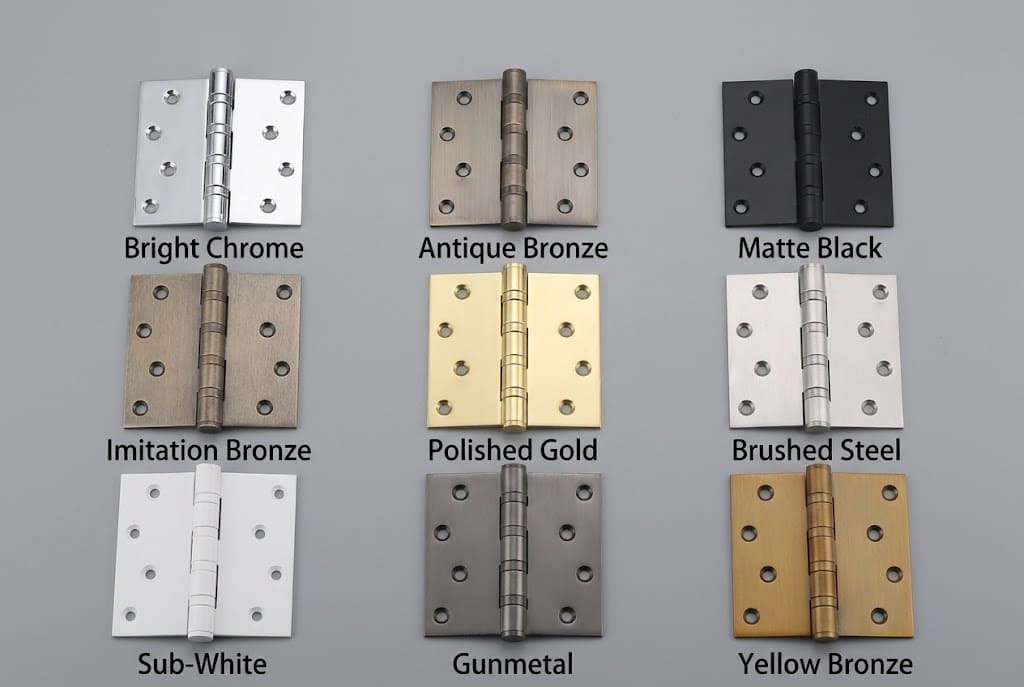
Cabinet and furniture applications
In cabinet and furniture production, 270 degree hinges often appear where the door must move out of the way. This can be useful for:
- Corner cabinets
- Wardrobe side panels
- Display cabinets
- Luxury custom furniture
- Hidden storage panels
- Fold-back doors
- Service access doors
Corner cabinets are a good example. A normal 90° opening may block the adjacent area. A wider hinge can allow the door to fold farther, which improves access to the inside space.
Display cabinets also benefit from wide openings. Retail or showroom staff may need to place products inside without the door blocking their movement. A wider opening can also improve visibility during loading, cleaning, and maintenance.
Glass and aluminum-frame doors
Glass doors and aluminum-frame doors require extra attention. The hinge fixing method must match the panel structure. A glass door may need clamp-style fixing or drilled glass holes, depending on the hinge.5 An aluminum-frame door may need screws into the frame profile.
Important checks include:
- Glass thickness
- Aluminum profile width
- Frame wall thickness
- Screw holding strength
- Gasket or pad requirement
- Door weight
- Edge clearance
- Opening direction
I always suggest checking a sample with the actual glass or aluminum profile before bulk ordering. Small differences in frame thickness can affect installation.
Equipment doors and inspection panels
Industrial cabinets, inspection doors, and equipment enclosures may use 270 degree hinges because technicians need easy access.6 In these cases, the benefit is practical. The door can fold away from the work area, which helps during inspection, wiring, cleaning, or maintenance.
However, equipment doors may also need stronger fixing, special materials, or environmental resistance. A buyer should confirm these points with technical drawings and product specifications. If the equipment has safety, fire, electrical, or regulatory requirements, the hinge decision should be reviewed as part of the whole assembly.7
Application comparison table
| Application | Why 270° Opening Helps | Key Selection Risk |
|---|---|---|
| Corner cabinet | Door folds away from storage opening | Side clearance may be limited |
| Display cabinet | Better access and visibility | Glass thickness and fixing method |
| Aluminum-frame door | Clean look with wide opening | Profile strength and screw position |
| Custom furniture | Premium function and space saving | Finish consistency and alignment |
| Inspection door | Easier maintenance access | Load rating and frame strength |
| Equipment door | Door stays out of working area | Environment and safety requirements |
The best use case is one where the hinge solves a real access or layout problem. If the use case is weak, a conventional hinge may be more stable and cost-effective.
How Should B2B Buyers Evaluate 270 Degree Hinges Before Bulk Orders?
Bulk buyers face a different risk from retail users. A single wrong hinge is annoying. A wrong hinge across 5,000 sets can become a costly production issue. That is why buyers should evaluate both the product and the supplier before placing large orders.
B2B buyers should evaluate 270 degree hinges by checking drawings, samples, load suitability, panel compatibility, finish consistency, packaging, production capacity, lead time, and supplier quality control.8 They should also test the hinge on the actual door structure before confirming bulk procurement.
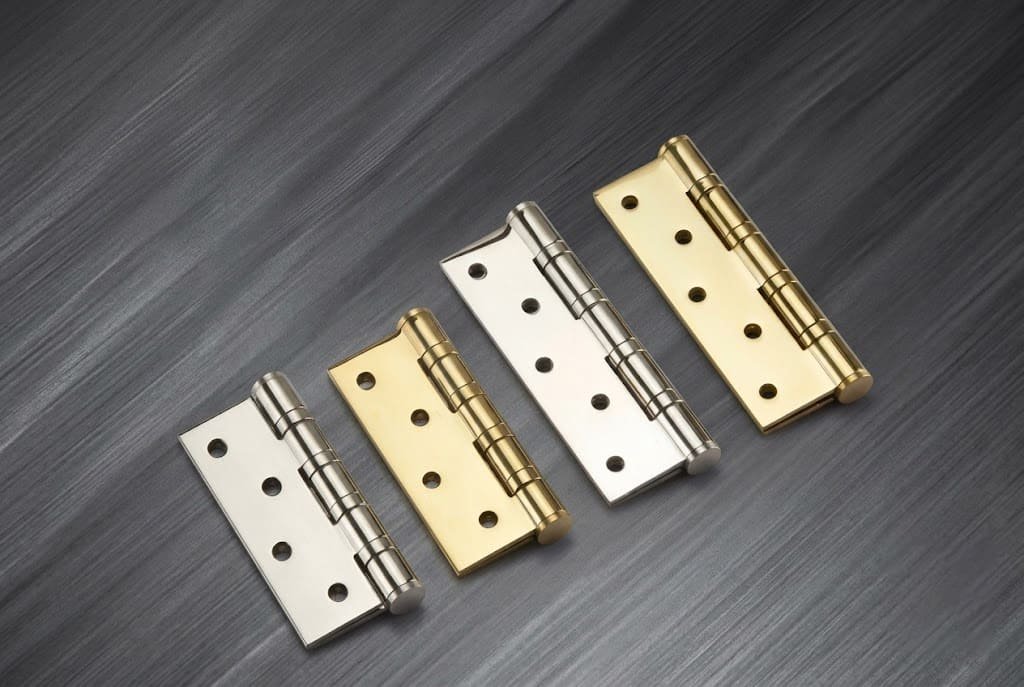
Start with a real application brief
When I discuss hinge selection with door manufacturers, furniture brands, or hardware wholesalers, I prefer to start with a short but complete application brief. This saves time and avoids wrong recommendations.
A useful brief includes:
- Door or panel material
- Door thickness
- Door size
- Door weight
- Frame material
- Opening direction
- Required opening angle
- Installation drawing or photo
- Finish requirement
- Quantity and delivery schedule
- Packaging requirement
- Market or project standard, if any
This information allows the supplier to match the hinge more accurately. It also helps identify whether a 270° model is suitable or whether another hinge type would be better.
Sample testing before mass production
For 270 degree hinges, sample testing is especially important. The buyer should install the hinge on the actual door or a production-equivalent mock-up. A catalog drawing cannot reveal every interference issue.9
During sample testing, buyers should check:
- Does the door open to the required angle?
- Does the door hit the frame, wall, handle, or adjacent panel?
- Does the panel sag after repeated opening?
- Are the screws strong enough in the chosen material?
- Is the door easy to align?
- Is the finish acceptable under real lighting?
- Does the hinge feel stable during operation?
- Does the packaging protect the finish during transport?
If possible, buyers should test more than one sample. A single sample may not show batch variation.10
Supplier evaluation matters
For B2B buyers, the hinge itself is only part of the decision. Supplier reliability also matters. A good supplier should support:
- Clear product drawings
- Stable material sourcing
- Consistent surface finish
- Batch inspection
- Customization options
- Reasonable lead time
- Export packaging
- After-sales communication
- Sample and pre-production confirmation
At SDH Hardware, our business context is architectural door hardware manufacturing and bulk supply. In my own customer discussions, I find that buyers often care about three things after price: stable quality, finish consistency, and delivery reliability. These points are not glamorous, but they decide whether a supplier can support long-term orders.
Quality control documents buyers can request
Buyers should request documents according to the application. Not every hinge needs the same paperwork. However, for commercial procurement, these documents can reduce risk:
| Document | Purpose |
|---|---|
| Product drawing | Confirms dimensions and installation |
| Material specification | Helps verify base material |
| Finish sample or finish code | Controls appearance consistency |
| Inspection report | Shows batch quality checks |
| Packaging specification | Reduces shipping damage |
| Test report, if available | Supports performance evaluation |
| Certification documents, if relevant | Should be verified for the specific product and market |
I do not recommend relying only on a sales description. Buyers should verify documents and test samples, especially for projects with strict performance or compliance requirements.
What Benefits Do 270 Degree Hinges Offer?
Benefits can sound simple: wider opening, better access, and improved appearance. But buyers need to connect those benefits to measurable product value. If the hinge does not improve assembly, usability, maintenance, or sales appeal, the benefit may not justify the added selection effort.
270 degree hinges offer benefits such as space optimization, wider access, improved visibility, cleaner open positioning, and better usability in special structures. These benefits are strongest when the door layout requires the panel to fold back farther than standard hinge systems allow.
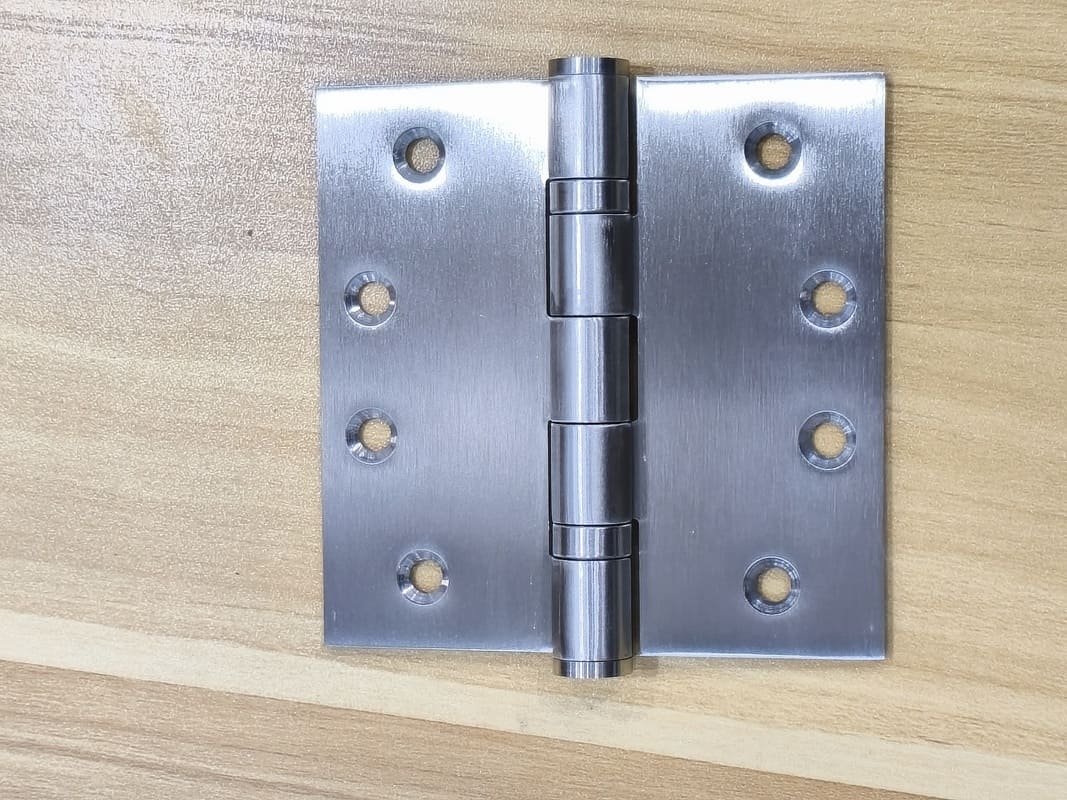
Space optimization
The biggest benefit of 270 degree hinges is space optimization. When the door folds farther back, it can reduce obstruction in narrow areas. This matters in kitchens, retail displays, compact furniture, equipment rooms, and service cabinets.
For example, a cabinet in a narrow aisle may become difficult to use if the door stops at 90°. A wider-opening hinge can help the door move away from the user’s working area. This can improve the user experience without changing the full cabinet design.
Better access and visibility
A wider opening can make the inside space easier to reach. This is useful when users need to:
- Load products into a display case
- Clean the inside of a cabinet
- Inspect wiring or equipment
- Reach deep storage areas
- Replace parts in a service compartment
Conclusion
270 degree hinges are valuable when a door or panel truly needs a wide-opening, space-saving, and access-friendly solution. They should not be selected only because the angle sounds better. I recommend checking panel thickness, door weight, frame structure, clearance, mounting method, finish, and supplier quality control before bulk purchase. If you are sourcing hinges for cabinets, display doors, equipment panels, or custom furniture, contact SDH Hardware with your drawings or samples. I can help review the selection points and support stable bulk supply.
"Hinge", https://en.wikipedia.org/wiki/Hinge. A general reference on hinges defines them as rotational joints or bearings and explains that hinge designs differ by movement range, supporting the description of 270-degree hinges as wide-angle opening hardware. Evidence role: definition; source type: encyclopedia. Supports: A hinge is a mechanical joint that allows relative rotation, and hinge designs can be characterized by their permitted range of angular movement.. Scope note: The source would support the general hinge concept rather than verifying the specifications of any specific 270-degree hinge model. ↩
"Revolute joint", https://en.wikipedia.org/wiki/Revolute_joint. Mechanical-design teaching materials on rotational joints and clearance show that the achievable range of motion depends on joint geometry and interference with neighboring parts, providing contextual support for the installed-angle limitation described here. Evidence role: mechanism; source type: education. Supports: Rotational mechanisms can be constrained by joint placement, component geometry, and interference with adjacent structures.. Scope note: The source would explain the mechanism generally and may not discuss cabinet hinges specifically. ↩
"Selecting Full Sized Door Hinges - HardwareSource", https://www.hardwaresource.com/a/blog/post/selecting-full-sized-door-hinges. Architectural hardware standards and technical guidance connect hinge selection with door weight, door size, fastening conditions, and the number of hinges required, supporting the load-matching guidance in the article. Evidence role: expert_consensus; source type: institution. Supports: Industry standards and hardware guidance relate hinge selection to door size, weight, fastener conditions, and hinge quantity.. Scope note: The source may address architectural door hinges broadly rather than 270-degree cabinet or equipment hinges specifically. ↩
"28.18 -- Open door to demonstration preparation area - UCSB Physics", https://web.physics.ucsb.edu/~lecturedemonstrations/Composer/Pages/28.18.html. Statics references explain that moment equals force multiplied by perpendicular distance from the pivot, supporting the claim that taller or wider panels can increase hinge loading and contribute to sag when hardware is underspecified. Evidence role: mechanism; source type: education. Supports: Moment and torque increase with force and distance from the pivot, explaining why larger panels place higher loads on hinges.. Scope note: The source would support the mechanical principle rather than provide a specific allowable size for 270-degree hinges. ↩
"GLAZE Hardware Glassware Company – Glaze Hardware", https://glazehardware.com/. Architectural glass hardware references describe both clamp-mounted and through-glass drilled fittings for glass doors, supporting the claim that hinge attachment depends on the selected glass-door hinge system. Evidence role: general_support; source type: institution. Supports: Glass door hardware commonly uses either clamped fittings or through-glass drilled fittings, depending on the design and load path.. Scope note: The source would support common attachment methods and should not be read as approving any particular glass thickness or drilling pattern. ↩
"1926.403 - General requirements. | Occupational Safety and Health ...", https://www.osha.gov/laws-regs/regulations/standardnumber/1926/1926.403. Government and occupational-safety guidance on machinery and equipment maintenance emphasizes adequate access and unobstructed working space for servicing, providing contextual support for using wide-opening doors on inspection and equipment enclosures. Evidence role: general_support; source type: government. Supports: Maintenance and equipment-access guidance emphasizes the need for adequate access openings and unobstructed working space for inspection and servicing.. Scope note: The source would support the access requirement generally, not prove that a 270-degree hinge is required in every enclosure. ↩
"Manufacturing Best Practices | CPSC.gov", https://www.cpsc.gov/business--manufacturing/business-education/business-guidance/BestPractices. Product-safety and conformity-assessment guidance treats components as part of the final assembly and intended use conditions, supporting the article’s warning that hinge selection for regulated equipment should be reviewed at the system level. Evidence role: expert_consensus; source type: institution. Supports: Product safety and conformity-assessment frameworks commonly evaluate components in the context of the final assembled product and its intended environment.. Scope note: The source would support the compliance principle and would not determine whether a specific hinge satisfies a particular fire, electrical, or safety standard. ↩
"Assessing the Best Supplier Selection Criteria in Supply ...", https://pmc.ncbi.nlm.nih.gov/articles/PMC9102987/. Quality-management standards such as ISO 9001 require organizations to control externally supplied products and evaluate suppliers according to their ability to meet specified requirements, supporting the article’s broader procurement checklist. Evidence role: expert_consensus; source type: institution. Supports: Quality-management frameworks require control of externally provided products and supplier evaluation based on capability, conformity, and performance.. Scope note: The source would support supplier-evaluation principles generally rather than prescribe this exact hinge-specific checklist. ↩
"Product Design, Prototyping, and Testing", https://product.umd.edu/certificates/courses/product-design-prototyping-and-testing. Engineering design literature describes prototyping and assembly validation as methods for identifying fit, clearance, and interference problems that may not be apparent from design documentation alone. Evidence role: general_support; source type: education. Supports: Design validation and prototyping are used to reveal fit, clearance, and assembly issues not fully captured by drawings or models.. Scope note: The source would support the general value of prototyping and may not discuss hinge catalogs specifically. ↩
"Comparison of statistical methods and the use of quality control samples ...", https://pmc.ncbi.nlm.nih.gov/articles/PMC6117018/. Statistical quality-control references explain that production lots can vary and that sampling plans are used to estimate lot conformity more reliably than inspection of a single unit. Evidence role: mechanism; source type: government. Supports: Statistical sampling and lot-inspection principles recognize that one unit may not represent the variability of an entire production batch.. Scope note: The source would support the sampling principle and would not specify the correct sample size for a particular hinge order. ↩