What Does 3 Hinge Position Mean on Doors?
A 3 hinge position note can confuse buyers because it looks like a hinge model, a product code, or a special hinge type. That confusion can delay drawings, machining, and quotations. I usually explain it simply: it describes how many hinge locations are prepared on the door leaf and frame.1
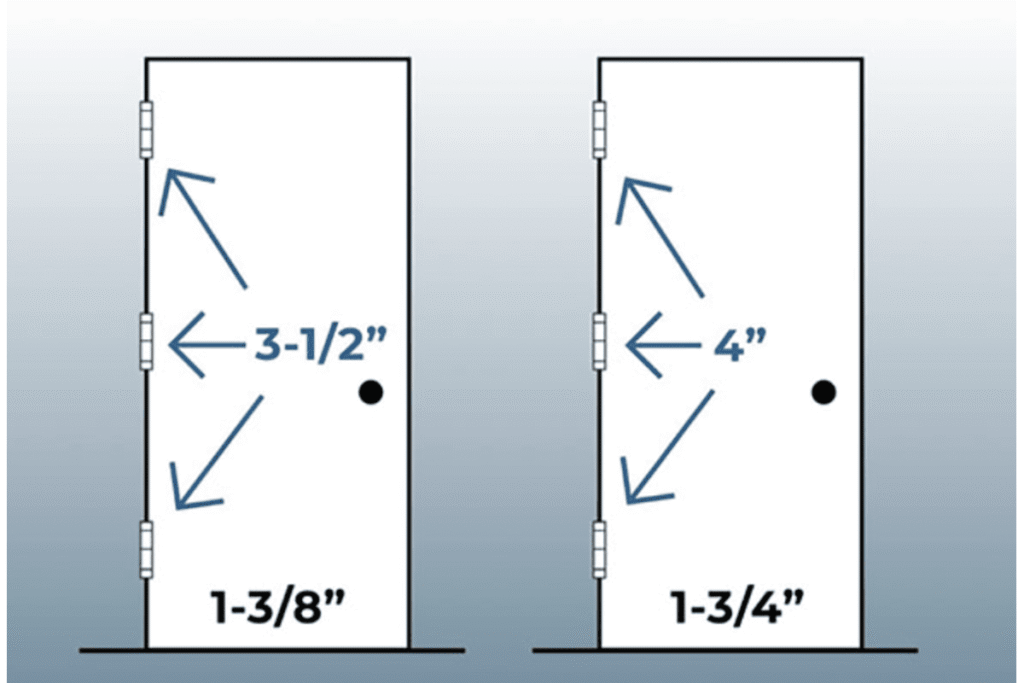
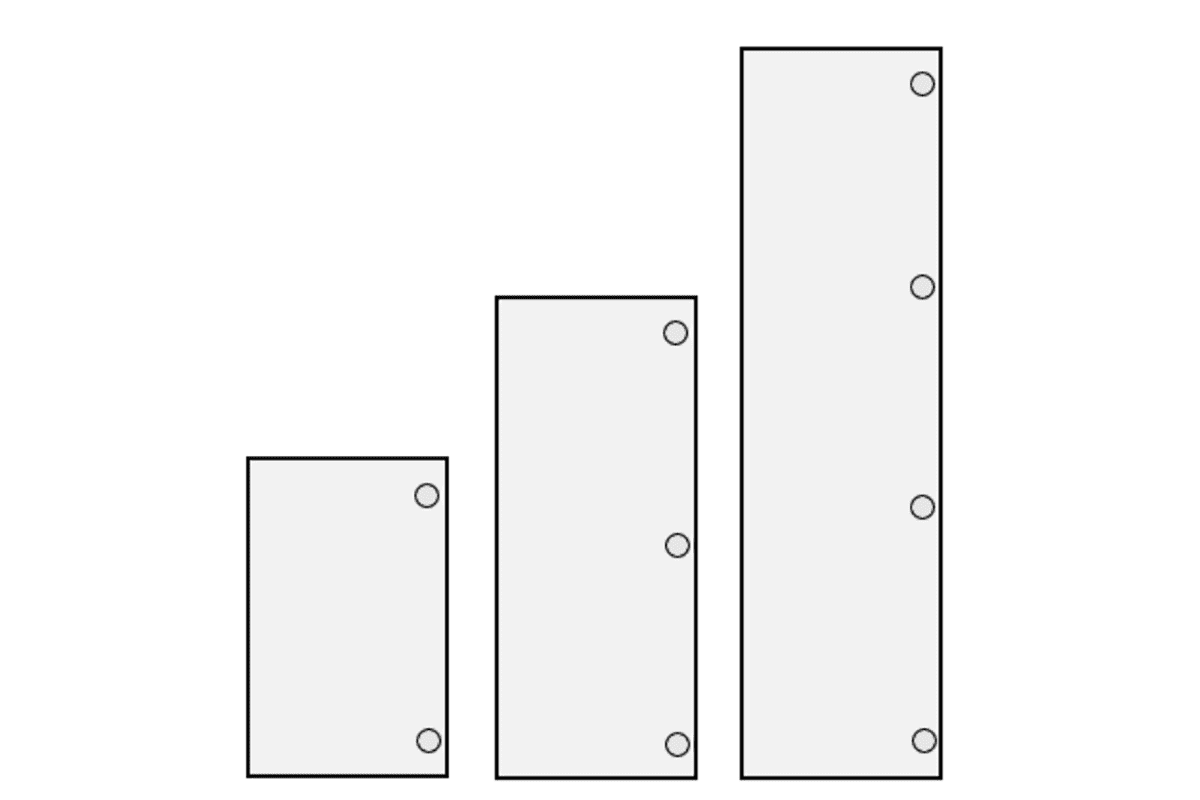
A 3 hinge position on doors means the door is prepared with three hinge locations, not that it requires a special hinge model. Buyers usually choose three hinge positions when door height, door weight, material, or anti-sag requirements make two hinges less suitable for that application. Final placement should match drawings, hinge type, and project requirements.
I often discuss this topic with door factories and hardware buyers before quotation. The main point is clear: hinge quantity, hinge position, hinge type, and hinge load rating are different decisions2. When buyers separate these details early, they reduce mistakes in production and sourcing.
What Does 3 Hinge Position Mean on Doors?
A 3 hinge position note becomes a problem when a buyer treats it as a hinge specification. The mistake can lead to wrong samples, wrong machining drawings, or mismatched hardware. I prefer to define the term first before discussing hinge size, finish, certificate, or load rating.
A 3 hinge position means the door leaf and door frame are designed or machined for three hinge installation points. It does not describe whether the hinge is a butt hinge, concealed hinge, fire-rated hinge, stainless steel hinge, or any other hinge model. It only describes quantity and placement.
Dive Deeper: Separate Quantity, Position, Type, and Specification
In pre-sales communication, I often see one short phrase create several different assumptions. A customer may write, “We need 3 hinge position,” while the factory team asks whether that means three butt hinges, three concealed hinges, or a specific hinge size. This is why I always separate the terms.
Here is the practical difference:
| Term | What It Means | Buyer Risk If Confused |
|---|---|---|
| Hinge quantity | How many hinges are used on one door | Buyer may order too few or too many hinges |
| Hinge position | Where the hinge locations are placed on the door and frame | Door machining may not match the frame |
| Hinge type | Butt hinge, concealed hinge, flag hinge, etc. | Door preparation may be completely wrong |
| Hinge specification | Size, material, thickness, finish, bearing, fire rating, load data | Product may not meet performance or market needs |
A 3 hinge position door usually means three hinge mortises, cutouts, or fixing areas are prepared. The exact preparation depends on the hinge type. For example:
- A butt hinge may require visible mortise preparation on the door edge and frame.
- A concealed hinge may require deeper body machining and accurate routing.
- A fire-rated door set may need hinge positions that follow certified system drawings.
- A project door may require the hinge layout already approved by the architect or contractor.
I do not treat three hinges as a universal upgrade. In many normal cases, two hinges are enough. Also, many butt hinges and concealed hinges are tested for load capacity under two-hinge installation conditions3. So, when a buyer asks me whether three hinges are better, I usually answer: “It depends on the door.”
The better procurement question is not only:
“Where should the third hinge go?”
The better question is:
“Does this door size, weight, material, hinge type, and project requirement need three hinge positions?”
That question helps buyers avoid a common mistake: adding a third hinge without confirming whether the door and frame are machined correctly, whether all hinges share load properly, and whether the project drawing allows that layout.
When Should Buyers Specify a 3 Hinge Position?
A 3 hinge position becomes important when the door goes beyond normal size, weight, or performance expectations.4 If the door is taller, heavier, wider, or more likely to deform, two hinges may not provide the support margin that the buyer wants. Still, the decision should be based on door data.
Buyers should consider a 3 hinge position when the door exceeds common standard dimensions, such as around 2100 mm × 900 mm5, or when the door’s weight, material, usage frequency, or anti-sag requirement creates extra stress. The third hinge can help distribute support when properly specified.
Dive Deeper: Two Hinges Are Often Normal, Three Hinges Are Conditional
In many standard residential or light commercial doors, two hinges are common. This is especially true when the door leaf is within normal height and width, the weight is moderate, and the door is not exposed to heavy traffic. In hardware manufacturing discussions, I usually remind buyers that two hinges are not automatically weak.
For many hinge products, including butt hinges and concealed hinges, load testing is often based on installation with two hinges. That matters because a published hinge capacity may not automatically triple or scale perfectly when a third hinge is added. Real performance depends on:
- Door leaf material
- Door weight
- Door height and width
- Hinge size and structure
- Frame strength
- Screw fixing strength
- Machining accuracy
- Installation alignment
- Opening frequency
- Environmental conditions
A practical baseline I often use in communication is this: when a door exceeds a common standard size such as 2100 mm high × 900 mm wide, buyers should review whether three hinges are needed. This does not mean every door under that size must use two hinges or every door above that size must use three. It means the door has crossed a point where review becomes important.
Common Situations Where Three Hinges May Be Considered
| Door Condition | Why Buyers Review Three Hinges |
|---|---|
| Door height above about 2100 mm | More leverage can increase sag risk6 |
| Door width above about 900 mm | More width can increase hinge-side stress |
| Heavy solid-core door | More load acts on hinge screws and frame |
| Fire-rated or certified door set | Hinges may need to follow certified system documentation |
| High-frequency commercial door | Repeated cycles may demand more support margin |
| Soft or unstable door material | Third hinge may help reduce deformation risk |
| Concealed hinge system | Machining accuracy and load matching become more critical |
I also tell buyers not to treat three hinges as a cure for every problem. If the hinge is too small, the frame is weak, or the machining is inaccurate, three hinges may not solve the issue. In some cases, a stronger hinge, better screw fixing, improved frame reinforcement, or a different hinge type may matter more.
For procurement, the key is matching. A 3 hinge position should be selected because the door application needs it, not because it sounds safer in a catalogue. This is especially important for wholesalers and brand buyers who purchase for many markets. A door hardware set for Europe, the Middle East, or Southeast Asia may face different door structures, project standards, and customer expectations.
When fire doors or engineering projects are involved, I recommend that buyers verify approved drawings, local standards, and certificate documents. As a manufacturer, I can provide product specifications and compliance documents for buyers to review, but final application decisions should follow qualified project requirements.
Where Should the 3 Hinge Position Be Placed?
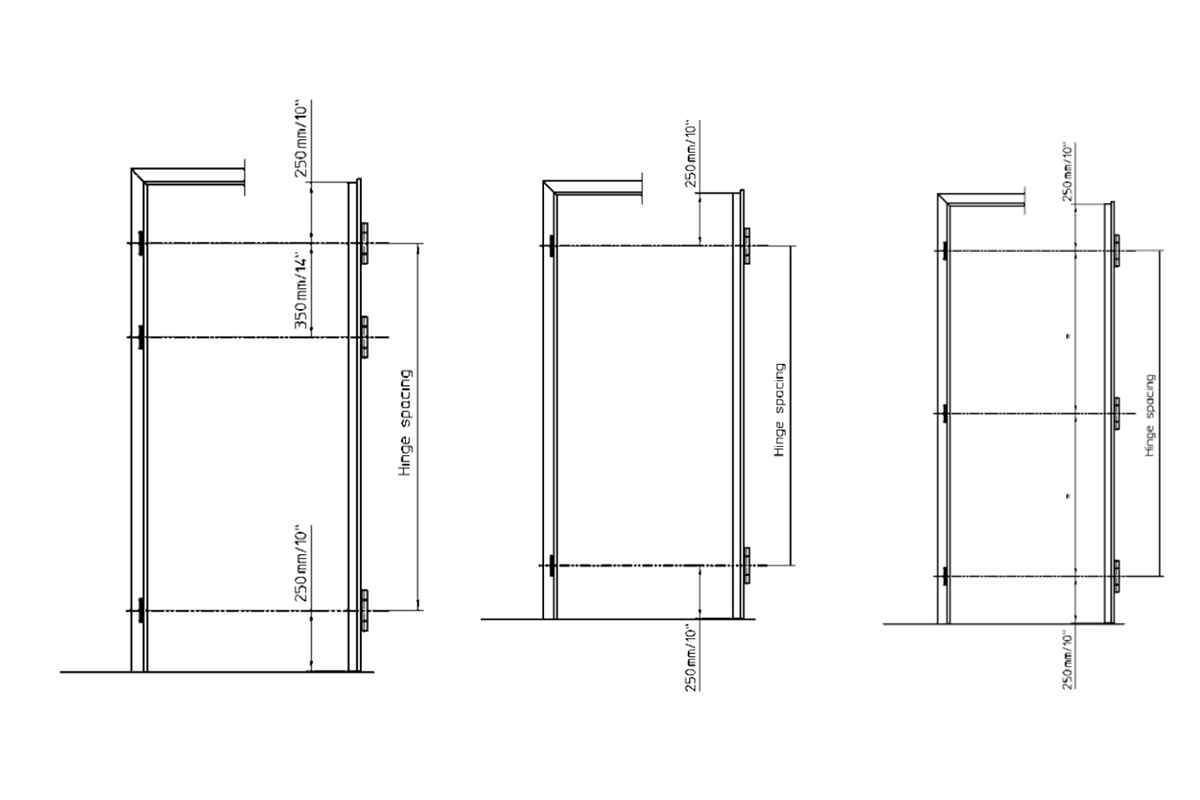
A 3 hinge position layout should match the door’s height, weight, and purpose. The third hinge is not always placed in the exact center. For lighter doors, it may sit near the middle to reduce deformation. For heavier doors, it is often moved upward to better support load.
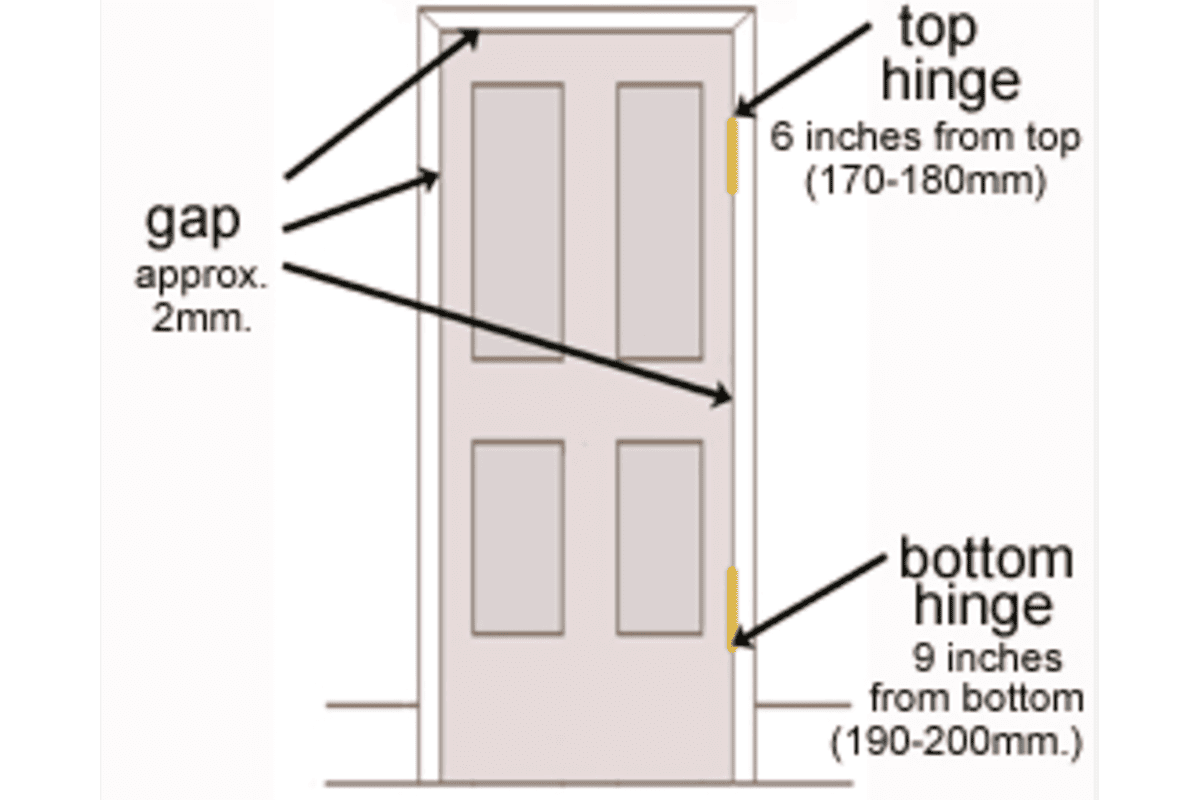
For two hinges, many factory layouts place hinge centers about 250 mm from the top and bottom7 of the door leaf. For three hinges, lighter doors may use a middle third hinge, while heavier doors often place the third hinge above center, around 600 mm from the top8, subject to drawings and standards.
Dive Deeper: Practical Placement Logic, Not One Global Rule
I do not recommend one fixed hinge-position dimension for all doors. Door height, hinge model, frame design, machining method, and project documents can all change the layout. Still, buyers need a practical starting point before they confirm drawings.
A common two-hinge layout is:
| Hinge Quantity | Common Placement Logic |
|---|---|
| 2 hinges | Top hinge center about 250 mm from door top; bottom hinge center about 250 mm from door bottom |
| 3 hinges, lighter door | Top and bottom hinges near the ends; third hinge near the middle |
| 3 hinges, heavier door | Top and bottom hinges near the ends; third hinge above center, often around 600 mm from the top |
These numbers are useful for discussion, but they are not a global building rule. They are practical reference values that should be checked against drawings and hinge specifications.
Why a Lighter Door May Use a Middle Third Hinge
For a lighter door leaf, the third hinge is often placed closer to the middle. This layout can help reduce the risk of door leaf deformation, especially on taller doors or doors with materials that may bend over time.
A middle third hinge can be useful when:
- The door is tall but not very heavy.
- The door material may deform.
- The buyer wants more balanced support along the height.
- The design goal is better shape stability.
- The frame and door preparation are accurate enough for three aligned hinges.
This does not mean the middle hinge “guarantees” no deformation. It only helps reduce the risk when the door, frame, and hinge system are suitable.
Why a Heavier Door Often Places the Third Hinge Higher
For a heavier door, the stress is usually more serious near the top hinge area. When a door starts to sag, the top hinge side often receives heavy pulling force. That is why the third hinge is commonly moved upward, sometimes around 600 mm from the door top or within a similar upper-middle zone.
This upper third hinge can help:
- Share load near the top hinge area
- Reduce sagging risk
- Support heavier door leaves
- Improve long-term stability under repeated opening
- Reduce pressure on a single top hinge
However, buyers should not use the same location blindly for every heavy door. The correct position depends on the door system. A concealed hinge with a large body may require specific spacing for routing. A fire-rated door may require certified hinge locations. A custom metal door may have internal reinforcement only at certain points.
Simple Placement Sketch in Words
For buyers reviewing drawings, I usually describe the layout this way:
Two-hinge door
- Top hinge center: about 250 mm below the top
- Bottom hinge center: about 250 mm above the bottom
Three-hinge lighter door
- Top hinge near the upper end
- Bottom hinge near the lower end
- Third hinge near the middle area
Three-hinge heavier door
- Top hinge near the upper end
- Bottom hinge near the lower end
- Third hinge in the upper-middle area, often around 600 mm from the top
The most important point is alignment. Three hinge positions require accurate machining on both the door leaf and frame. If the cutouts are not aligned, the door may bind, twist, or place uneven load on one hinge.9 So, before production, I always ask buyers to confirm the hinge drawing, door drawing, and frame preparation together.
What Should Buyers Confirm Before Ordering a 3 Hinge Position Door?
A 3 hinge position order needs more than a hinge quantity request. If the buyer only says “three hinges,” the supplier may still lack the information needed for accurate quotation, machining, and packaging. I always ask for door data before confirming hinge solutions.
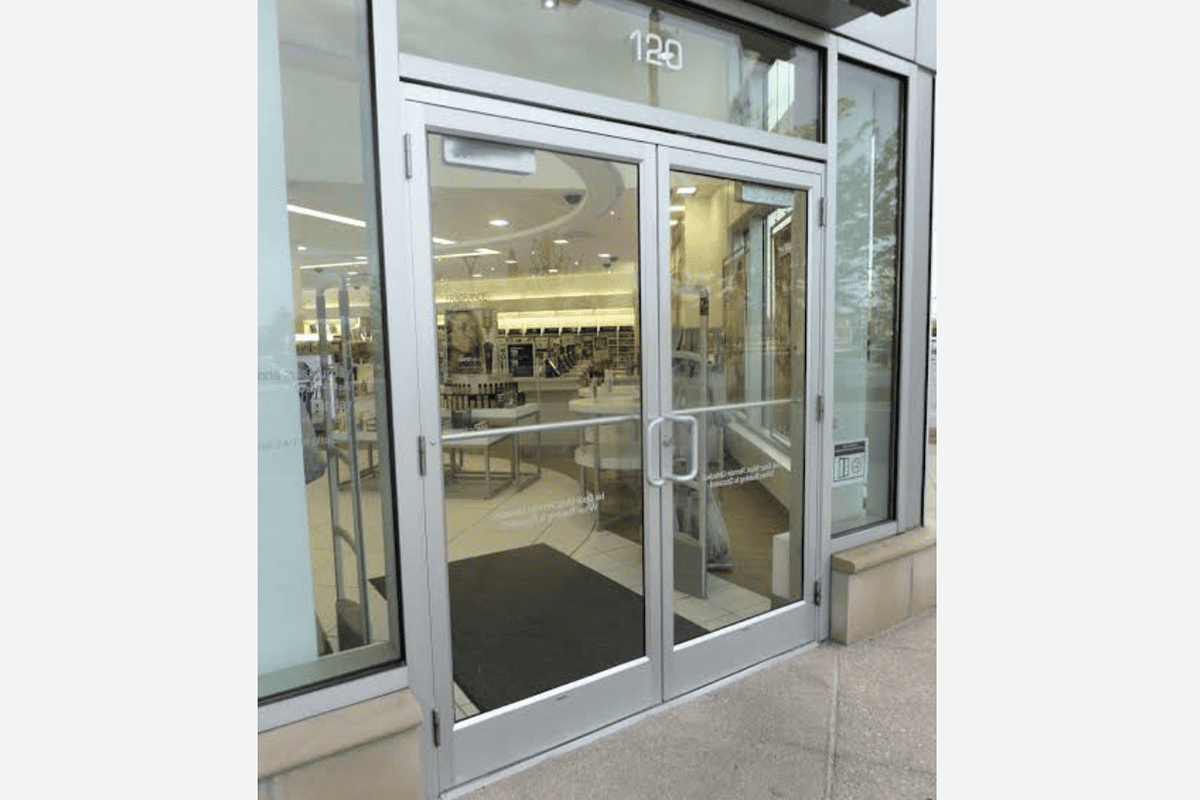
Before ordering a 3 hinge position door or hinge set, buyers should confirm door size, door weight, door material, door type, hinge type, hinge quantity, opening direction, machining drawings, frame preparation, project standards, finish requirements, and certification documents where applicable.
Dive Deeper: Procurement Checklist for Door Factories and Hardware Buyers
In my experience, many mistakes happen before production starts. The buyer may know the market requirement, but the supplier needs technical details. When those details are missing, the first sample or first batch can require rework. For a 3 hinge position, that risk becomes higher because three hinge points must match the door and frame.
Here is the checklist I recommend before quotation or production.
1. Door Size
Buyers should confirm:
- Door height
- Door width
- Door thickness
- Frame size
- Clearance requirements
A door above 2100 mm × 900 mm deserves special review. Taller or wider doors create different load behavior from standard doors.
2. Door Weight
Door weight is one of the most important factors. A hollow-core wooden door, solid-core wooden door, steel door, aluminum door, and fire-rated door can have very different weights even if the size is similar.
Buyers should provide the actual weight when possible. If the exact weight is not available, the material structure should be described clearly.
3. Door Material and Door Type
Different materials hold screws and machining differently.10 A zinc alloy handle, stainless steel hinge, or concealed hinge may perform well, but the fixing base must also be strong.
Buyers should clarify whether the door is:
- Wooden door
- Steel door
- Aluminum door
- Fire-rated door
- Interior door
- Exterior door
- Hotel door
- Apartment door
- Engineering project door
4. Hinge Type
A 3 hinge position does not tell the supplier whether the buyer needs butt hinges or concealed hinges. The hinge type changes everything:
| Hinge Type | Key Procurement Point |
|---|---|
| Butt hinge | Size, thickness, bearing type, pin structure, finish, screw pattern |
| Concealed hinge | Body depth, opening angle, adjustment range, machining template |
| Fire-rated hinge | Certificate documents, tested door system compatibility, approved usage |
| Stainless steel hinge | Grade, surface finish, corrosion resistance, thickness |
At SDH Hardware, we manufacture several door hardware categories, including butt hinges, concealed hinges, mortise locks, lever handles, and cylinders. When I review hinge requirements, I try to match the hinge with the whole door hardware set, not as an isolated product.
5. Opening Direction and Handing
The opening direction matters for some hardware combinations. The buyer should confirm left opening, right opening, inward opening, or outward opening where relevant. Some hinges are non-handed, but the whole door set may not be.
6. Machining and Drawing Requirements
For a three-hinge door, drawings are essential. Buyers should confirm:
- Hinge centerline dimensions
- Hinge mortise size
- Hinge depth
- Screw hole positions
- Door edge preparation
- Frame preparation
- Tolerance requirements
A supplier can only produce accurately when the door factory and hardware supplier work from the same dimensional standard.
7. Certifications and Project Requirements
For CE, fire-rated, or engineering projects, buyers should verify documentation before placing bulk orders. I recommend checking:
- Certificate validity
- Product model coverage
- Test standard
- Tested configuration
- Applicable door type
- Project drawing requirements
As a manufacturer, I can provide product documents for buyer review. However, certified door systems and local code compliance should be confirmed by qualified professionals, project engineers, or certification bodies where required.11
8. Finish and Batch Consistency
For wholesalers and brand buyers, finish consistency matters a lot. A hinge may be technically correct but commercially unacceptable if the surface finish varies across batches.
Buyers should define:
- Satin stainless steel
- Polished stainless steel
- PVD finish
- Powder coating
- Electroplating color
- Salt spray requirement, if needed
- Packaging and labeling
This is especially important when the hinges must match lever handles, lock bodies, cylinders, and other door hardware in one complete set.
Is a 3 Hinge Position Always Better Than Two Hinges?
A 3 hinge position sounds stronger, so many buyers assume it must be better. That assumption can create unnecessary cost, extra machining, and installation complexity. I prefer to say that three hinges are useful only when the door condition requires them and the system is prepared correctly.
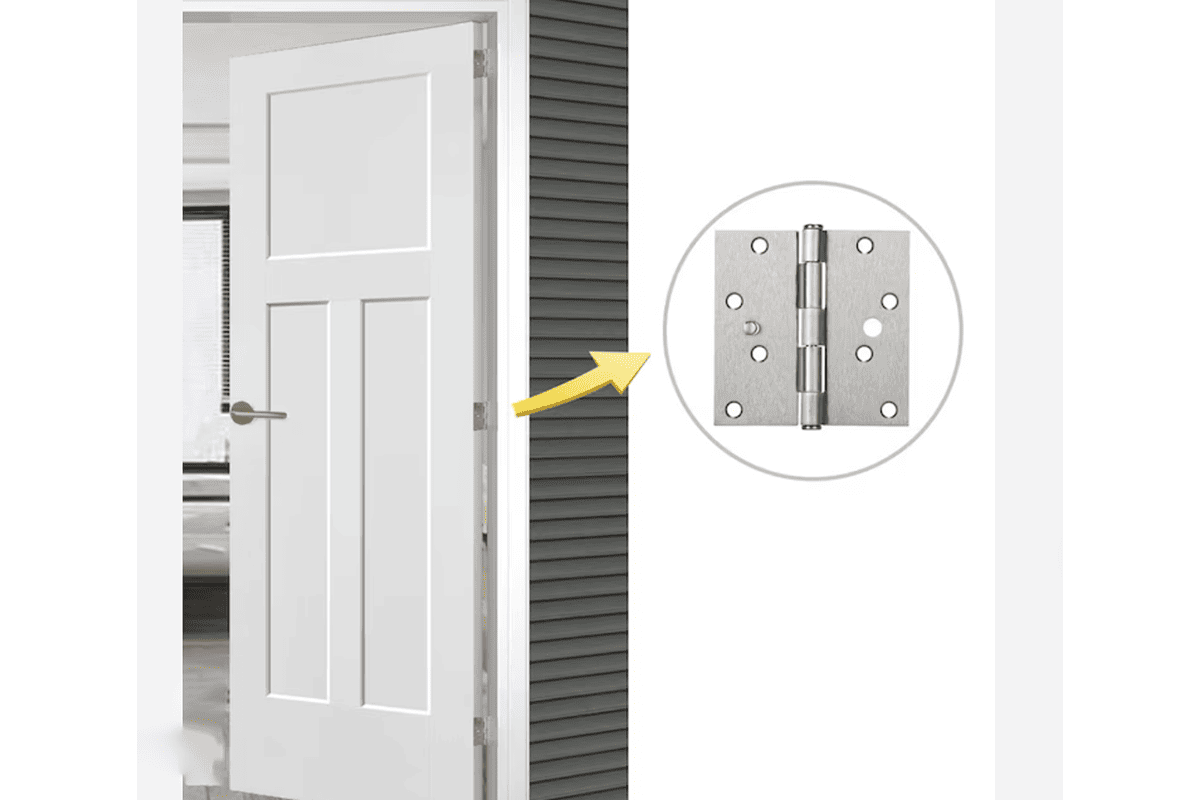
A 3 hinge position is not always better than two hinges.12 Two hinges can be correct for many standard doors. Three hinges may help taller, heavier, or more deformation-sensitive doors, but only when hinge selection, placement, frame strength, and machining accuracy are properly matched.
Dive Deeper: Better Matching Matters More Than More Hinges
I often tell buyers that adding one more hinge does not automatically create a stronger door system. The door system works as a combination of parts. The hinge, screw, frame, door leaf, machining tolerance, and installation alignment all affect performance.
A three-hinge layout can create benefits in the right conditions:
- It can distribute support along a taller door.
- It can reduce load concentration near the top hinge.
- It can reduce deformation risk for some lighter tall doors.
- It can improve buyer confidence for heavier applications.
- It can match project drawings that require three hinges.
But it can also create problems if poorly planned:
- The third hinge can increase machining cost.
- Poor alignment can cause binding.
- Wrong spacing can create uneven load sharing.
- Extra hinge positions can slow production.
- A mismatched hinge may still fail under heavy use.
Cost and Production Impact
For door factories, a 3 hinge position affects more than the hinge purchase price. It also affects door machining, frame preparation, packaging, assembly, and inspection. If the project uses concealed hinges, the machining cost and tolerance requirements may increase further.
Here is a simple comparison:
| Item | Two Hinges | Three Hinges |
|---|---|---|
| Hinge cost | Lower | Higher |
| Machining time | Lower | Higher |
| Alignment difficulty | Lower | Higher |
| Support distribution | Normal for standard doors | Better for suitable taller/heavier doors |
| Best use | Standard size and moderate weight | Taller, heavier, or special requirement doors |
This is why I do not recommend three hinges as a default for every door. I recommend it as a matching decision.
Supplier Selection Points
When buyers source hinges for three-position doors, they should evaluate suppliers carefully. A good supplier should help clarify:
- Whether the requested hinge type suits the door weight
- Whether the hinge size matches door thickness
- Whether the finish can stay consistent in bulk orders
- Whether CE or fire-rated documents are available for verification
- Whether the supplier can support customized machining drawings
- Whether the factory can deliver stable quality over repeat orders
For B2B buyers, supplier stability matters. One accurate sample is not enough. Bulk orders require consistent size, surface finish, packaging, and delivery. At SDH Hardware, this is where I often focus our customer discussions: not only “Can we make this hinge?” but also “Can we support the buyer’s door series and long-term market supply?”
Frequently Asked Questions
Does 3 hinge position mean I need a special hinge model?
No. A 3 hinge position means the door and frame are prepared for three hinge locations. It does not define the hinge model. You still need to confirm hinge type, size, material, finish, load data, machining dimensions, and any certificate requirements.
When should a door use three hinges instead of two?
A door may use three hinges when it is taller, wider, heavier, or more likely to deform. As a practical reference, doors above about 2100 mm × 900 mm should be reviewed for three-hinge use. Final decisions should follow drawings, standards, and hinge specifications.
Where should the third hinge go on a door?
For lighter doors, the third hinge is often placed near the middle to help reduce deformation risk. For heavier doors, it is often placed above center, around 600 mm from the top, to better support load. Project drawings should always be checked.
Are butt hinges and concealed hinges both suitable for 3 hinge position doors?
Yes, both can be used on three-position doors if the hinge model, door structure, machining, and load requirements match. However, concealed hinges usually require more accurate routing and deeper preparation, so drawings and templates are especially important.
Do fire doors always need three hinges?
Not always. Fire-rated doors must follow the tested and approved door system requirements. Buyers should verify certificate documents, project drawings, local standards, and qualified professional guidance before changing hinge quantity or hinge position.
Conclusion
A 3 hinge position on doors means the door leaf and frame are prepared for three hinge locations. It is not a special hinge type or model. In many standard doors, two hinges are enough. Three hinges become useful when door height, weight, material, or project requirements demand extra support or deformation control. Before production, I recommend confirming door size, weight, hinge type, drawings, machining positions, finish, and certification documents. If you need factory support for butt hinges, concealed hinges, or complete door hardware matching, SDH Hardware can help review your requirements before quotation.
"SECTION 087111 - DOOR HARDWARE (SCHEDULED BY ...", https://fpm.usc.edu/wp-content/uploads/2021/11/087102-USC-HSC-door-hardware-Guide-Specification_1.pdf. An architectural door hardware or hollow-metal door standard describes hinge locations as dimensional preparation points on the door and frame, supporting the interpretation of “3 hinge position” as a location/count note rather than a hinge model designation. Evidence role: definition; source type: institution. Supports: A technical door or hardware scheduling source should show that hinge positions are specified as prepared locations on the door and frame, separate from hinge model selection.. Scope note: Terminology may vary by market and supplier documentation. ↩
"[PDF] DOOR HARDWARE (SCHEDULED BY DESCRIBING PRODUCTS)", https://fpm.usc.edu/wp-content/uploads/2021/11/087102-USC-HSC-door-hardware-Guide-Specification_1.pdf. Door hardware specification guidance treats hinge quantity, location, type, dimensions, and performance characteristics as distinct scheduling variables, supporting the article’s recommendation to separate these decisions during procurement. Evidence role: general_support; source type: institution. Supports: A hardware scheduling or specification source should distinguish hinge count, placement, hinge type, and performance rating as separate specification fields.. Scope note: Such guidance supports specification practice generally, not any one project’s required hinge layout. ↩
"EN 1935:2002 - Single-Axis Hinges Requirements and Test Methods", https://standards.iteh.ai/catalog/standards/cen/24d3a5ba-2cb5-478c-920b-681ab2fe3e60/en-1935-2002. Hinge performance standards such as EN 1935 and ANSI/BHMA hinge test methods evaluate hinges under defined installation and cycling conditions, which supports caution against assuming that published load ratings scale linearly when an additional hinge is added. Evidence role: mechanism; source type: institution. Supports: A hinge testing standard should indicate the installation configuration used when evaluating hinge load or durability performance.. Scope note: The cited standard may not cover every concealed hinge design or every manufacturer’s test configuration. ↩
"Everything you need to know about Commercial Door Hinges", https://www.mckinneyhinge.com/en/resource-library/knowledge-center/blog/blog-post.aehdynamic-everything-you-need-to-know-about-commercial-door-hinges-top-10-commercial-contractors-hinge-installation-questions-633f18001fa7df003d7c229b_mckinney.html. Architectural hardware guidance commonly bases hinge quantity and specification on door height, width, weight, and expected use, supporting the article’s view that three hinge positions are conditional rather than automatic. Evidence role: expert_consensus; source type: institution. Supports: A door hardware guideline should show that hinge quantity is selected based on door height, weight, width, and duty level.. Scope note: This supports the selection factors but does not prescribe a universal threshold for all door systems. ↩
"🏠 STANDARD DOOR SIZES EVERY CIVIL ENGINEER ...", https://www.facebook.com/civiltechtime/posts/-standard-door-sizes-every-civil-engineer-should-knowdoor-dimensions-are-an-impo/1408767264715285/. Public building and housing design guidance in metric jurisdictions lists common door leaf or opening dimensions in the approximate 2.0–2.1 m height and 0.8–0.9 m width range, providing contextual support for using 2100 mm × 900 mm as a practical review benchmark. Evidence role: general_support; source type: government. Supports: A building regulation, public housing standard, or government accessibility/design guide should show typical metric door dimensions near this range.. Scope note: Door sizes differ by jurisdiction, accessibility requirement, and door type; the source would not make 2100 mm × 900 mm a universal standard. ↩
"Hinge Mechanism Explained: How It Works, Parts, Diagram ...", https://www.firgelliauto.com/blogs/mechanisms/hinge?srsltid. Engineering mechanics texts define moment or torque as the product of force and perpendicular distance from the pivot, providing a mechanical basis for why wider or heavier hinged doors can impose greater sag-producing loads on hinge fixings. Evidence role: mechanism; source type: education. Supports: A mechanics or engineering source should explain that torque increases with force and distance from the pivot, which is relevant to wider or heavier doors.. Scope note: This is contextual mechanical support and does not quantify sag for a specific door, frame, or hinge model. ↩
"How to Fit Perfect Door Hinges - YouTube",
. Door installation and detailing guides often specify hinge locations by measuring set distances from the top and bottom of the door, supporting the article’s use of approximately 250 mm as a practical factory-layout reference. Evidence role: general_support; source type: institution. Supports: A door installation or architectural detailing source should document common hinge centerline placement near the top and bottom of a door.. Scope note: The exact dimension varies by jurisdiction, door type, manufacturer, and project drawing. ↩"For heavy doors, it's generally better to position three hinges ...", https://www.instagram.com/reel/DBPNkIvR6rv/?hl=en. Architectural door-hardware installation guidance commonly places the intermediate hinge on three-hinge doors above the geometric center to assist the upper hinge area, supporting the article’s statement that heavy-door layouts may use an upper-middle third hinge position. Evidence role: general_support; source type: institution. Supports: A door hardware or installation guide should show that the third hinge on taller or heavier doors may be located nearer the upper hinge rather than exactly at mid-height.. Scope note: The 600 mm figure should be treated as a contextual layout convention, not a universal requirement. ↩
"Why is my interior door binding after hinge replacement?", https://www.facebook.com/groups/woodworkingforbeginner/posts/3397682640386337/. Door installation guidance identifies hinge alignment, mortise accuracy, and frame squareness as factors affecting smooth swing and binding, supporting the article’s warning that misaligned hinge preparations can distort load sharing. Evidence role: mechanism; source type: institution. Supports: A door installation or technical maintenance guide should explain that inaccurate hinge alignment can cause binding and uneven movement.. Scope note: The source would support the mechanism generally; actual failure depends on tolerances, door weight, frame stiffness, and hinge design. ↩
"Screw Withdrawal Resistance from WPC Profiles Used ...", https://pubmed.ncbi.nlm.nih.gov/41976639/. Research on screw withdrawal and fastener pull-out resistance shows that holding strength depends on substrate material, density, geometry, and fastening conditions, supporting the article’s point that door material affects hinge fixing performance. Evidence role: mechanism; source type: paper. Supports: A materials or fastener study should show that screw withdrawal strength and fixing performance vary by substrate material and structure.. Scope note: Fastener studies provide general material behavior and may not test the exact door constructions or hinge screws used in a given project. ↩
"Fire Doors and NFPA 80 FAQs", https://www.nfpa.org/news-blogs-and-articles/blogs/2025/04/11/fire-doors-faqs. Fire-door and building-code guidance requires listed door assemblies to be installed, modified, and maintained in accordance with their listings and applicable authority requirements, supporting the article’s instruction to verify certified systems through qualified or authorized parties. Evidence role: expert_consensus; source type: government. Supports: A building-code or fire-door authority should state that listed fire-door assemblies must be installed and maintained according to approved listings and applicable code requirements.. Scope note: Specific approval processes and responsible authorities differ by country, code regime, and project type. ↩
"How to Choose the Right Door Hinges for My Home", https://www.todaysdesignhouse.com/blog/how-do-i-select-the-right-door-hinges-for-my-home?srsltid=AfmBOorjh6-E9P4HlPsu-B2R0m67hUv9hoB4VYugXONfYbvDBmB3reuP. Door hardware selection guidance bases the number of hinges on door height, width, weight, construction, and duty level, supporting the article’s conclusion that three hinge positions are appropriate only when the application requires them. Evidence role: expert_consensus; source type: institution. Supports: A door hardware guide should state that hinge quantity depends on door dimensions, weight, construction, and usage rather than a universal rule favoring more hinges.. Scope note: This supports the decision principle but does not determine the correct hinge count for a specific door without project data. ↩