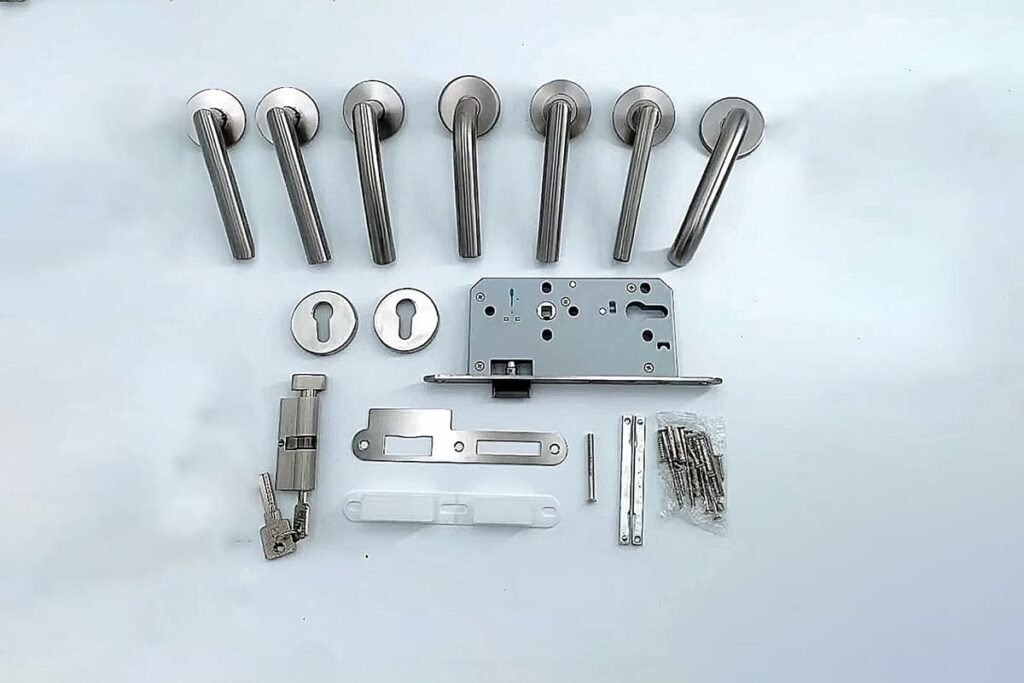
Can You Mix Brands of Door Hardware?
You can mix brands of door hardware, but the real problem starts when buyers treat “similar size” or “same style” as proof of compatibility. A lock may fit the cutout but fail performance checks. A handle may look right but loosen after installation. The safer solution is to verify the complete hardware set before bulk ordering.
Yes, you can mix brands of door hardware if the products match in standard, dimensions, installation method, performance grade, finish, and project compliance. Buyers should check each component as part of a complete door system1, not as separate items. Brand mixing is practical, but only after technical samples, certificates, and installation conditions are verified.
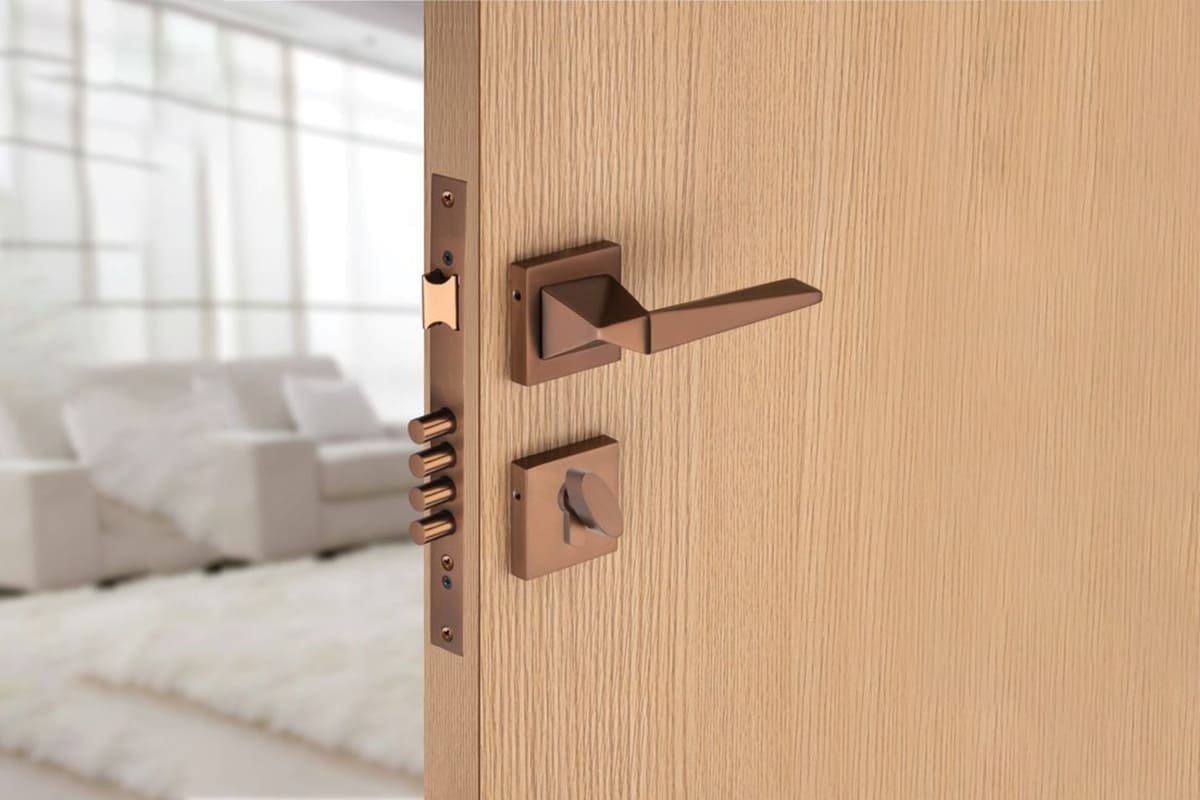
In my daily work with door factories, hardware brands, and wholesalers, I often see one question behind many sampling discussions: “Can this part work with another supplier’s product?” The short answer is yes. The useful answer is more detailed, because compatibility depends on measurable factors.
When Can You Mix Brands of Door Hardware Safely?
Many buyers want to mix brands of door hardware because one supplier has a better lock, another has a better handle, and another offers a lower price. That sounds efficient. However, one wrong assumption can create installation delays, complaints, and extra coordination cost.
You can safely mix different brands when the products share the correct standard reference, dimensions, fixing positions, operating function, finish requirement, and certification scope. A mixed-brand set should be tested like one complete door hardware solution before mass production, especially for projects, fire-rated doors, and export markets.

The Compatibility Rule I Use With Buyers
When a customer asks me whether our mortise lock can work with another supplier’s lever handle or cylinder, I do not answer by brand name first. I ask for drawings, dimensions, door type, and installation photos. This saves time because hardware compatibility is not emotional. It is technical.
I usually divide the question into six checks:
- Standard compatibility
- Dimensional compatibility
- Installation compatibility
- Performance compatibility
- Finish and appearance consistency
- Compliance and after-sales responsibility
If any one of these is unclear, I treat the mixed configuration as unconfirmed.
Why “Same Category” Is Not Enough
Two products can both be called “Euro standard mortise locks,” but they may still differ in important ways. For example:
| Component | Common Compatibility Point | Risk If Ignored |
|---|---|---|
| Mortise lock | Backset, center distance, case size | Lock does not fit door preparation |
| Lever handle | Spindle size, rose fixing holes | Handle shakes or cannot operate latch |
| Cylinder | Length, cam position, profile type | Key operation fails or cylinder projects too far |
| Hinge | Load rating, size, screw pattern | Door drops, rubs, or becomes unsafe |
| Door closer | Power size, arm type, mounting method | Door does not close reliably |
In B2B orders, the problem becomes bigger because one small mismatch repeats across hundreds or thousands of doors. A sample may be adjusted by hand, but a bulk shipment needs stable interchangeability.
Practical Buyer Checklist Before Mixing Brands
Before I suggest approval for a mixed-brand configuration, I prefer to see:
- Technical drawings from each supplier
- Physical samples for assembly testing
- Door thickness and material details
- Frame structure and fixing method
- Required EN standard references, where applicable
- Finish sample boards for color comparison
- Certificate copies with scope, not only certificate numbers
- Clear warranty responsibility between suppliers
I always remind buyers that a brand name does not install the product. The dimensions, fixing method, and tested performance do.
For normal interior doors, brand mixing can be manageable if the hardware is standardized. For hotel projects, commercial buildings, fire-rated doors, and high-frequency use areas, the verification work should be stricter. A mixed set may still be acceptable, but it should be approved as a system.
How Do You Mix Brands of Door Hardware by Component?
Buyers often ask if they can mix brands of door hardware after they already choose one lock body, one handle design, and one cylinder source. The pressure is real because purchasing teams must balance price, delivery, and market preference. Still, each component has different compatibility risks.
You should check mixed-brand door hardware component by component. Mortise locks, hinges, lever handles, cylinders, and door closers each follow different dimensional and performance rules. A correct match requires checking product standards, fixing dimensions, load requirements, operation function, and installation conditions before confirming the supplier combination.
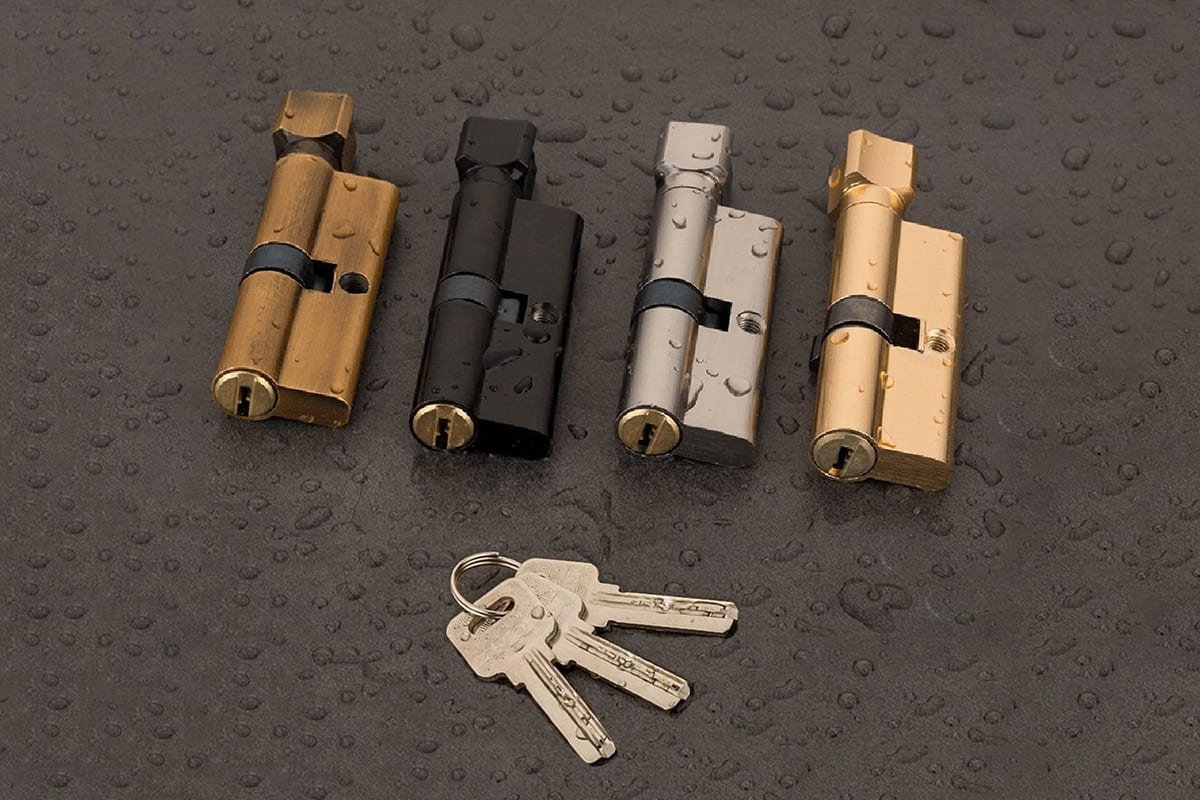
Mortise Lock and Lock Body Checks
For a mortise lock, I usually start with EN 122092 as a reference point when the buyer targets European-style markets. However, I do not treat a standard reference as automatic compatibility. The actual lock drawing matters more during matching.
Key points include:
- Lock case size
- Backset
- Center distance
- Follower size, often 8 mm in many common applications3
- Cylinder type
- Faceplate length and width
- Strike plate size
- Fixing screw positions
- Latch direction and reversible function
- Deadbolt projection
Here is a simple example:
| Mortise Lock Item | What Buyer Should Confirm | Why It Matters |
|---|---|---|
| Backset | 50 mm, 55 mm, 60 mm, etc. | Determines handle and cylinder position from door edge |
| Center distance | Commonly 72 mm, 85 mm, etc. | Affects handle-cylinder alignment |
| Follower | Square hole size and position | Controls lever handle operation |
| Faceplate | Radius/square end, size, finish | Affects routing and visible appearance |
| Strike plate | Latch and deadbolt alignment | Affects closing and locking smoothness |
A lock body from one factory may work with a handle from another factory, but only if the spindle, fixing holes, and lever movement match the lock follower.
Lever Handle Checks
For lever handles, EN 19064 is often used as a performance reference in European-style procurement. Buyers should verify the actual grade, use category, corrosion resistance, and test scope.
Important checks include:
- Spindle size
- Spindle length
- Rose or plate fixing distance
- Screw-through positions
- Return spring strength
- Handle projection
- Compatibility with lock follower
- Door thickness range
A handle can look beautiful but still fail in the field if the spindle is loose in the lock follower. This creates movement, noise, and customer complaints.
Cylinder Checks
For cylinders, EN 13035 is a common reference. Still, the buyer should check the actual cylinder type and lock body design.
Critical points include:
- Euro profile or other profile
- Cylinder total length
- Inside/outside length split, such as 30/30 or 35/45
- Cam position
- Cam shape
- Screw fixing position
- Key function, such as key-key or thumbturn
- Security grade required
A cylinder that is too long may project from the door surface. A cylinder that is too short may be hard to operate or difficult to install with escutcheons.
Hinge Checks
For hinges, EN 19356 helps buyers compare load capacity and durability. But the door itself decides much of the real requirement.
Buyers should confirm:
- Door weight
- Door height and width
- Door thickness
- Hinge size
- Hinge material
- Bearing type
- Screw pattern
- Frame material
- Number of hinges
- Opening frequency
A 40 kg residential door and a 90 kg commercial door should not use the same hinge assumption. If the hinge brand changes, the buyer should check load capacity again.
Door Closer Checks
For door closers, EN 11547 is a useful reference for controlled door closing devices. Important checks include:
- Power size
- Door width
- Door weight
- Mounting method
- Arm type
- Hold-open function, if allowed
- Backcheck and delayed action
- Fire door suitability, where required
A closer can be installed but still perform badly if the power size is wrong. In that case, the door may slam, fail to latch, or become difficult to open8.
What Are the Main Risks When You Mix Brands of Door Hardware?
Many buyers think the main risk when they mix brands of door hardware is simple installation failure. That is only part of the issue. In my experience, the bigger problems often appear later, after delivery, assembly, sales, or project handover.
The main risks of mixed-brand door hardware include dimensional mismatch, unstable operation, finish inconsistency, unclear warranty responsibility, delayed replenishment, higher sampling cost, and uncertain compliance scope. These risks can be controlled, but buyers need a written approval process and supplier coordination before placing bulk orders.
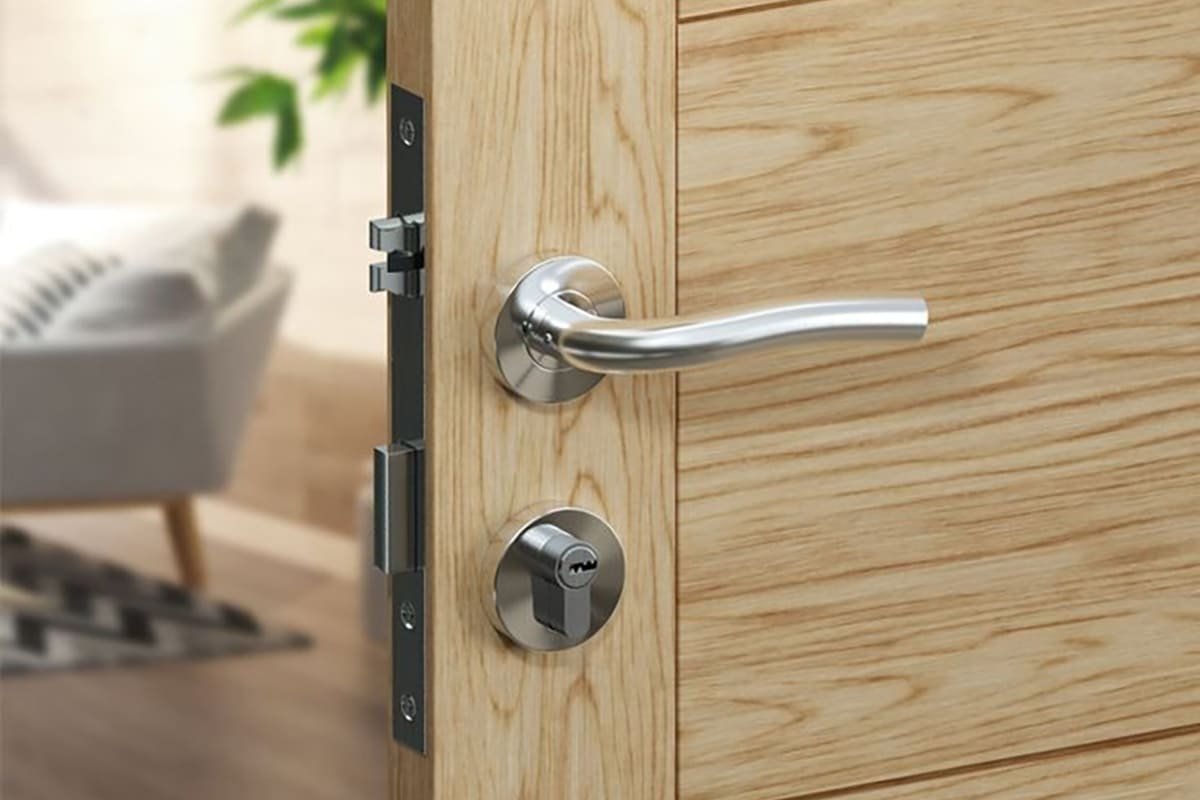
Risk 1: Installation Looks Possible, But Performance Is Weak
A product may fit into the door, but fitting is not the same as working well. I have seen buyers focus only on whether a handle can turn the latch. That first test is useful, but it is too basic.
A proper check should include:
- Smooth latch retraction
- Stable spring return
- No handle sagging
- No cylinder binding
- No rubbing between faceplate and strike
- No unusual sound during operation
- Door closing and latching under real conditions
For door manufacturers, this matters because assembly-line workers need repeatable installation. If each door requires adjustment, the hidden labor cost increases.
Risk 2: Finish Inconsistency Across Brands
Finish consistency is one of the most underestimated risks. A buyer may order stainless steel lever handles from one supplier, hinges from another, and lock faceplates from a third. Every supplier may describe the finish as “satin stainless steel,” but the visual result may not match.
Common differences include:
- Brushing direction
- Gloss level
- Color tone
- PVD shade
- Plating thickness
- Edge polishing
- Fingerprint resistance
- Batch-to-batch stability
For wholesalers and hardware brands, finish mismatch can damage shelf presentation. For project buyers, it can cause rejection during inspection.
I recommend comparing physical samples under the same lighting. Photos are not enough. A gold PVD finish, for example, may look warm in one factory’s production and slightly green in another factory’s production.
Risk 3: After-Sales Responsibility Becomes Unclear
When a complete set comes from one coordinated source, the responsibility path is easier. When the lock, handle, cylinder, hinge, and closer come from different brands, the buyer may face a familiar problem: every supplier says the other part caused the failure.
This risk is common in these complaints:
| Complaint | Possible Supplier Response |
|---|---|
| Handle is loose | Handle supplier says lock follower tolerance is wrong |
| Key is hard to turn | Cylinder supplier says lock case alignment is wrong |
| Door does not close | Closer supplier says hinge alignment is wrong |
| Latch does not catch | Lock supplier says door frame or strike is incorrect |
This does not mean mixed brands are bad. It means the buyer must define responsibility before bulk purchasing.
Risk 4: Replenishment Becomes Complicated
Bulk buyers rarely buy only once. They need repeat orders, replacement parts, and market continuity. If a mixed configuration depends on three or four suppliers, the buyer needs to manage all of them over time.
Problems may include:
- One supplier changes a mold
- One supplier changes finish process
- One supplier discontinues an item
- One supplier has longer lead time
- One component cannot match the previous batch
- One certificate expires or changes scope
For brand operators, this affects catalog stability. For door factories, this affects production planning. For wholesalers, this affects stock management.
Risk 5: Coordination Cost Reduces the Price Advantage
Sometimes buyers mix brands to reduce cost. This can work. However, I suggest calculating the full cost, not only unit price.
The full cost may include:
- Extra sample freight
- Extra engineering time
- Assembly testing
- Finish approval
- Multiple payment terms
- Multiple inspection trips
- Higher communication time
- Split shipment cost
- Higher after-sales handling
If the saving is small, a coordinated supply solution may be more economical in the long run. This is especially true for standardized product lines and repeat project orders.
Can You Mix Brands of Door Hardware for Fire-Rated Doors?
Many buyers ask if they can mix brands of door hardware for fire doors because fire-rated hardware is often more expensive and project schedules are tight. This is where I become more cautious. Fire-rated applications should never be approved only by appearance, size, or ordinary installation testing.
You may mix brands on fire-rated doors only when the selected hardware, door type, and complete assembly meet the required fire-rating evidence for the project. Buyers should verify certificate scope, test reports, door construction, installation method, and local authority requirements before approval. Professional project evaluation is strongly recommended.
Why Fire-Rated Doors Need Extra Care
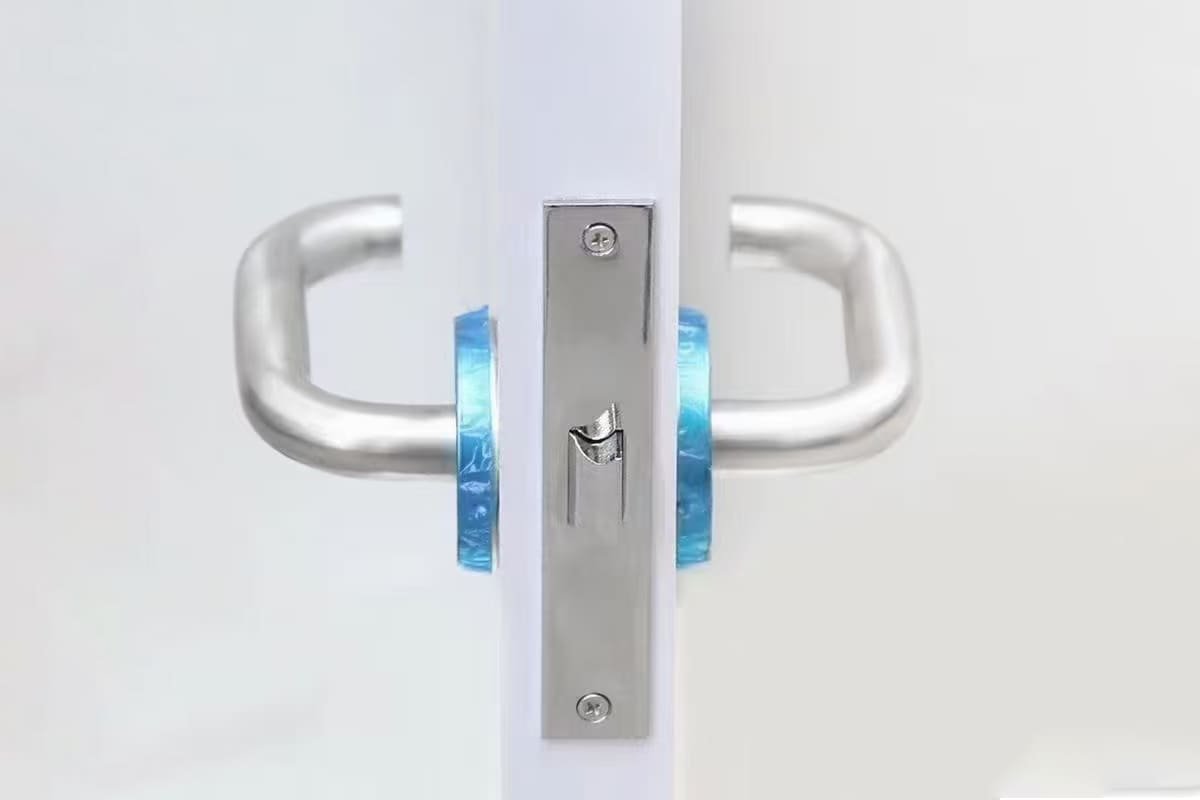
Fire-rated doors are not only doors with stronger materials. They are tested assemblies.9 The lock, hinges, closer, seals, door leaf, frame, and installation method all affect performance.
EN 163410 is a series of fire-resistance test standards. EN 1634-111 mainly applies to fire resistance testing of doors and door assemblies. This means buyers should not assume that a single fire-rated component automatically approves every mixed configuration.
A fire-rated hinge from one supplier and a fire-rated lock from another supplier may both have documents. Still, the project may require proof that the components are suitable for the specific door assembly and fire rating.
What Buyers Should Verify
For fire-rated projects, I recommend checking these items before confirming mixed brands:
- Required fire rating, such as 30, 60, 90, or 120 minutes
- Door leaf material and structure
- Frame material and profile
- Hardware type and model
- Exact tested configuration
- Certificate holder and scope
- Test standard and issuing body
- Installation method
- Intumescent protection requirement
- Local project authority acceptance
A certificate should be treated as a document to verify, not a marketing phrase. Buyers should request the full document when needed and confirm whether the model, size, and installation method match the project.
Fire Door Hardware Items That Need Careful Matching
| Hardware Item | Fire-Rated Check Point | Why It Matters |
|---|---|---|
| Hinges | Load, material, bearing, fire rating | Door must remain supported during fire exposure |
| Mortise lock | Fire test scope, latch function, material | Door must stay closed as required |
| Door closer | EN 1154 grade, fire door suitability | Door must self-close reliably |
| Cylinder | Compatibility with lock and escutcheon | Locking function must remain suitable |
| Seals | Intumescent placement and size | Gaps must be protected |
| Handles | Material and fixing method | Operation must remain safe and compliant |
My Practical Position on Fire-Rated Mixing
I do not tell buyers that fire-rated brand mixing is impossible. It may be possible. But I do tell them that the approval basis must be stronger.
For normal doors, a sample installation and functional test may be enough for many commercial decisions. For fire-rated doors, the buyer should involve the door manufacturer, project consultant, certification body, or qualified local authority when required.
This is especially important for export markets because acceptance rules differ. A Middle East project, a European project, and a Southeast Asian project may request different documentation even when the hardware looks similar.
A Sensible Fire Door Approval Process
I suggest this process for procurement teams:
- Confirm the required fire rating and local standard.
- Collect hardware certificates and test reports.
- Check whether the exact model is covered.
- Confirm whether the complete door assembly is tested or accepted.
- Install a sample door using the final hardware list.
- Record installation details with photos and drawings.
- Get written approval from the responsible project party.
- Control bulk production against the approved sample.
This process reduces risk because it treats fire-rated hardware as part of a complete safety system.
How Should B2B Buyers Evaluate Mixed-Brand Door Hardware Suppliers?
Buyers often want to mix brands of door hardware to improve price, design choice, or delivery flexibility. That is reasonable. However, supplier selection becomes more important because one weak supplier can affect the whole set and create problems for the door factory, brand owner, or wholesaler.
B2B buyers should evaluate mixed-brand suppliers by checking technical documentation, sample support, production stability, finish control, certification scope, communication speed, and after-sales responsibility. The best supplier is not always the cheapest one. It is the supplier that helps reduce total procurement risk.
Start With Technical Transparency
A reliable hardware supplier should provide clear information before asking for the order. In my own customer communication, I prefer to exchange drawings early because it prevents misunderstanding.
Buyers should request:
- Product drawings with tolerances
- Material specifications
- Finish options
- Standard references
- Test reports or certificates, where applicable
- Installation instructions
- Packaging details
- MOQ and lead time
- Replacement part policy
If a supplier cannot provide basic dimensions, the buyer should be careful. Mixed-brand purchasing depends on accuracy.
Evaluate Factory Capability, Not Only Product Price
For bulk buyers, production consistency matters as much as sample quality. A good first sample is helpful, but the factory must repeat that quality across batches.
Important factory checks include:
| Evaluation Area | What I Suggest Buyers Check |
|---|---|
| Production capacity | Monthly output, key machines, bottleneck process |
| Quality control | Incoming material, in-process inspection, final inspection |
| Finish control | Color sample management, batch comparison, salt spray test if needed |
| Customization | Drawing adjustment, logo, packaging, surface treatment |
| Documentation | CE, fire-rated documents, EN test references |
| Delivery stability | Lead time history, raw material planning, export experience |
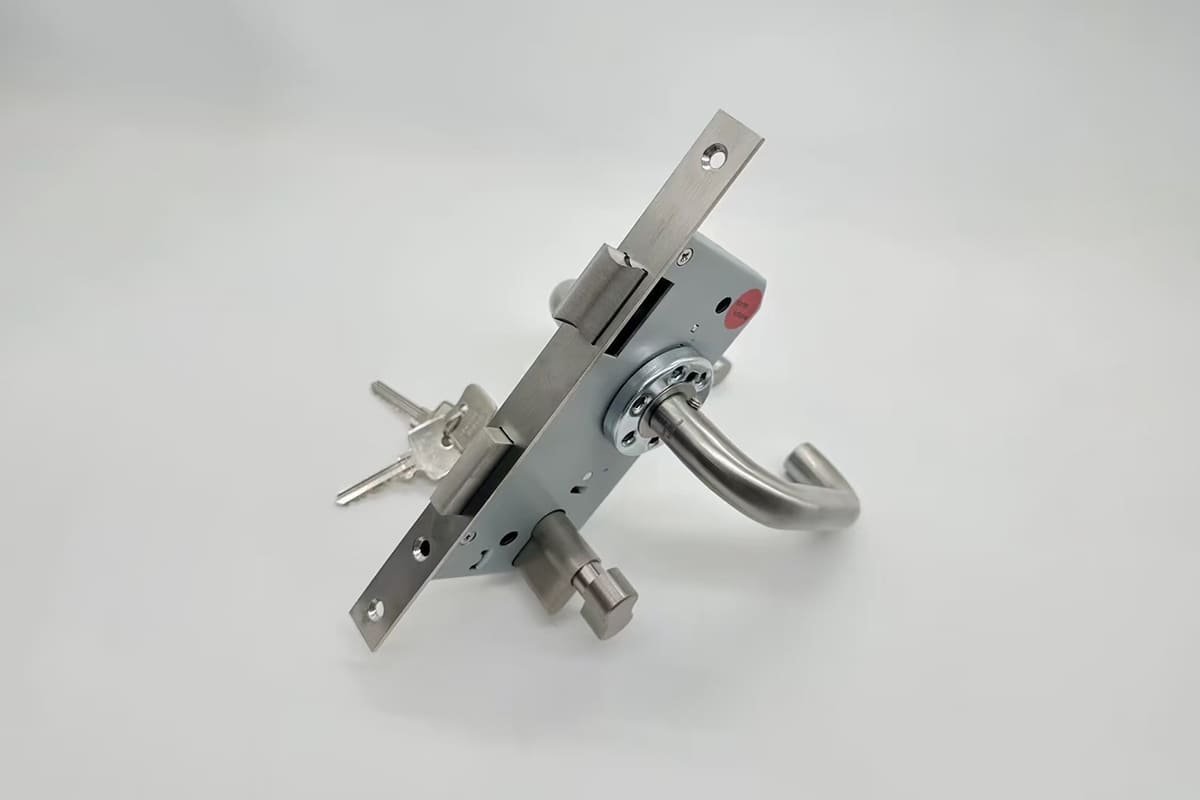
At SDH Hardware, our work usually involves mortise locks, stainless steel lever handles, butt hinges, concealed hinges, and brass profile cylinders. From a manufacturer’s viewpoint, I know that matching parts across categories requires internal coordination. When buyers split suppliers, they should make sure someone still owns that coordination work.
Use Samples Like a Procurement Tool
Samples should not be treated as decoration. They are decision tools.
A good sample evaluation should test:
- Installation fit
- Operation smoothness
- Door closing and latching
- Handle return
- Cylinder operation
- Hinge movement
- Screw strength
- Finish match
- Packaging protection
- Inspector feedback
For door factories, I suggest installing the sample on the same type of door used in production. A test on a loose board may miss real frame and alignment issues.
Define Responsibility Before Bulk Orders
Mixed-brand procurement can work well when the buyer creates a clear responsibility map.
For example:
- Lock supplier confirms lock body dimensions and function.
- Handle supplier confirms spindle and fixing compatibility.
- Cylinder supplier confirms cam and length.
- Hinge supplier confirms door weight suitability.
- Door closer supplier confirms door size and closer power.
- Buyer or door manufacturer confirms final assembly.
This avoids confusion later. It also helps when replacements are needed.
When Coordinated Supply Makes Sense
I do not believe every buyer must use one supplier for everything. Many professional buyers build strong multi-supplier systems. However, coordinated supply can reduce risk when:
- The order is large
- The finish must match across categories
- The buyer needs custom packaging
- The project has strict delivery dates
- The market needs continuous replenishment
- The door assembly requires compliance documents
- The buyer wants fewer after-sales disputes
For many wholesalers and brand operators, a hybrid model works well. They may use one main manufacturer for core standardized hardware and add special items from other suppliers after compatibility approval.
Frequently Asked Questions
Can I use one brand of mortise lock with another brand of lever handle?
Yes, you can, if the spindle size, follower hole, fixing dimensions, door thickness range, and handle movement match the lock body. I recommend testing physical samples together before bulk orders because similar appearance does not guarantee smooth operation or long-term stability.
Does CE or EN certification mean mixed-brand hardware is automatically approved?
No. CE, EN, or fire-rated documents should be verified by model, scope, standard, and application. A certified component does not automatically approve every mixed-brand door assembly.12 Buyers should check the certificate details and confirm project requirements with qualified professionals when needed.
Is finish matching difficult when using different hardware suppliers?
Yes, finish matching can be difficult, especially for satin stainless steel, PVD gold, black, antique, and custom colors. Different factories may use different polishing, plating, or coating processes. Buyers should compare physical samples under the same lighting and approve batch control standards.
Should wholesalers avoid mixed-brand door hardware?
Wholesalers do not need to avoid it, but they should manage it carefully. Mixed-brand sourcing can improve pricing and product variety. However, wholesalers should confirm compatibility, stock continuity, finish consistency, replacement availability, and after-sales responsibility before building a long-term product line.
How many hinges should be used when changing hinge brands?
The number of hinges depends on door height, door weight, hinge grade, frame structure, and usage frequency. Buyers should not copy the old quantity blindly. They should check the hinge supplier’s load data, EN 1935 reference where applicable, and the door manufacturer’s installation requirements.
Conclusion
You can mix brands of door hardware, but you should treat the decision as a complete selection process, not a simple brand comparison. Check standards, dimensions, installation method, performance, finish, supply stability, and compliance scope before approval. For fire-rated doors, verify the full assembly requirements with qualified parties. If you need support matching mortise locks, lever handles, hinges, cylinders, or concealed hinges for bulk orders, SDH Hardware can help review specifications and prepare samples for evaluation.
"087100 – DOOR HARDWARE - Facilities and Campus Services", https://fcs.cornell.edu/087100-door-hardware. Institutional guidance on door and fire-door assemblies treats hardware as part of an assembled door set whose performance depends on the interaction of the door leaf, frame, hardware, and installation conditions. Evidence role: general_support; source type: institution. Supports: Door performance and compliance can depend on the interaction of the door leaf, frame, locks, hinges, closers, seals, and installation conditions.. Scope note: This supports the system-level evaluation principle but may not address every non-fire-rated commercial door application directly. ↩
"EN 12209: Building Hardware - Requirements and test methods", https://www.intertek.com/building/standards/en-12209/. EN 12209 specifies requirements and classification for mechanically operated locks, latches, and locking plates, providing a recognized reference for evaluating mortise lock performance and classification in European building-hardware contexts. Evidence role: definition; source type: institution. Supports: EN 12209 specifies requirements and classification for mechanically operated locks, latches, and locking plates used in building hardware.. Scope note: The standard supports performance classification, not automatic dimensional interchangeability between products from different manufacturers. ↩
"Amazon.com: M METERXITY 2-Pack Door Knob Spindle, 3 x 0.3 Inch", https://www.amazon.com/clp/B0F29FDTGC. Technical descriptions of lever furniture and mortise-lock interfaces commonly identify an 8 mm square spindle or follower as a widely used configuration for operating latch mechanisms. Evidence role: general_support; source type: institution. Supports: Technical references for lever furniture and mortise locks commonly identify 8 mm square spindles or followers as a common configuration.. Scope note: This is contextual support for common practice and does not prove that 8 mm applies to all markets, lock types, or security grades. ↩
"BS EN 1906 – Lever Handle and Knob Furniture - HOPPE", https://www.hoppe.com/gb-en/contacts-service/standards/bs-en-1906/. EN 1906 defines requirements and classification for lever handles and knob furniture, including performance characteristics such as category of use, durability, safety, and corrosion resistance. Evidence role: definition; source type: institution. Supports: EN 1906 covers lever handles and knob furniture and classifies performance characteristics such as durability, corrosion resistance, and category of use.. Scope note: The standard provides performance categories but does not by itself establish compatibility with a particular lock body. ↩
"EN 1303:2026 - Cylinders and Master-Key-Systems for ...", https://standards.iteh.ai/catalog/standards/cen/bff2e636-92e6-474b-a6e0-fa3f5c0ce3ec/en-1303-2026?srsltid=AfmBOopiyNMctQBCcyYUSsmoo1pGdcebjqLreybju-qKHinafuqxma5i. EN 1303 specifies requirements and classification for cylinders for locks, making it a recognized reference for assessing lock-cylinder performance characteristics. Evidence role: definition; source type: institution. Supports: EN 1303 specifies requirements and classification for cylinders used with locks, including durability and security-related categories.. Scope note: The standard supports cylinder classification but does not confirm that a given cylinder length, cam, or escutcheon combination will fit a specific lock and door. ↩
"Understanding BS EN 1935:2002 single-axis hinge grades - SFS", https://uk.sfs.com/resources/article/understanding-bs-en-1935. EN 1935 classifies single-axis hinges for building hardware and includes criteria related to durability, door mass, safety, and corrosion resistance, which are relevant to comparing hinge suitability. Evidence role: definition; source type: institution. Supports: EN 1935 classifies single-axis hinges for building hardware according to characteristics such as durability, door mass, safety, and corrosion resistance.. Scope note: The standard gives classification data, while final hinge suitability also depends on the door construction, frame, installation method, and usage conditions. ↩
"EN 1154:1996 - Controlled door closing devices", https://standards.iteh.ai/catalog/standards/cen/00f1b7c2-9cd5-4ba3-be93-e05fde567005/en-1154-1996?srsltid=AfmBOop8AoJqHeOYCkMyfVJscBu6YBIu9Uby42cBTosCkVrDWX-bmJre. EN 1154 specifies requirements and classification for controlled door closing devices, providing a recognized framework for evaluating door closer performance. Evidence role: definition; source type: institution. Supports: EN 1154 specifies requirements and classification for controlled door closing devices, including performance categories relevant to door closers.. Scope note: The standard supports closer classification but does not determine correct installation for every door width, weight, mounting condition, or project requirement. ↩
"Door Closer Adjustment Guide: Fix Slamming, Poor Latching and ...", https://akada-hardware.com/door-closer-adjustment-guide-fix-slamming-poor-latching-and-heavy-opening/. Technical guidance on controlled door closers explains that closer power, adjustment, mounting, and door size influence closing speed, latching action, and opening force, which can lead to slamming, poor latching, or difficult operation when mismatched. Evidence role: mechanism; source type: institution. Supports: Door closer power, adjustment, and installation affect closing speed, latching action, and opening force.. Scope note: This supports the mechanism generally; diagnosing a specific door requires site conditions and product data. ↩
"Doors, Windows and Related Hardware Application Guide", https://www.ul.com/thecodeauthority/knowledge/ul-fire-rated-doors-guide. Fire-door guidance from standards and testing organizations describes a fire door as an assembly whose rating depends on the tested combination of the door leaf, frame, hardware, seals, and installation details. Evidence role: expert_consensus; source type: institution. Supports: Fire doors are commonly evaluated as assemblies including the door leaf, frame, hardware, seals, and installation conditions.. Scope note: This supports the general assembly principle; the exact approval route varies by jurisdiction and certification scheme. ↩
"EN 1634-1:2014 - Fire resistance and smoke control tests for door and", https://standards.iteh.ai/catalog/standards/cen/968c3638-cfad-47fb-a190-8ac700fd9139/en-1634-1-2014?srsltid=AfmBOor7VvxSkgGxMH-_LHhXJX9f9B2ZE5m7NB_qZ7JbN9xZ4AtkZRe_. The EN 1634 standards series addresses fire resistance and smoke control testing for door, shutter, and openable-window assemblies and related building-hardware elements. Evidence role: definition; source type: institution. Supports: EN 1634 is a European standards series covering fire resistance and smoke control testing for doors, shutters, openable windows, and related hardware elements.. Scope note: This establishes the standards context but does not validate any specific hardware combination or fire rating. ↩
"BS EN 1634-1 - Assessing the fire resistance of door and shutter ...", https://www.uktestcert.com/post/bs-en-1634-1-faqs. EN 1634-1 specifies fire resistance test methods for doors, shutters, and openable windows, including their assembled configurations in fire-separating applications. Evidence role: definition; source type: institution. Supports: EN 1634-1 covers fire resistance testing for doors, shutters, and openable windows, including relevant assemblies.. Scope note: The standard’s scope supports the article’s point, but access to the full standard may be required to determine detailed applicability to a particular product set. ↩
"Doors, Windows and Related Hardware Application Guide", https://www.ul.com/thecodeauthority/knowledge/ul-fire-rated-doors-guide. Certification and listing guidance for fire-door products generally limits approval to the models, configurations, assemblies, and installation conditions described in the certificate or test evidence, so an individually certified component does not automatically certify every mixed-brand assembly. Evidence role: expert_consensus; source type: institution. Supports: Product certification and test reports are limited by their stated scope, including tested models, configurations, installation methods, and assemblies.. Scope note: This is a general conformity-assessment principle; project acceptance depends on the applicable local code, certification body, and authority having jurisdiction. ↩