What is the warranty period of hydraulic door hinges?
Hydraulic door hinges often create confusion during bulk procurement because buyers need a clear warranty promise before they sell, assemble, or specify them for projects. The problem grows when function, finish, installation, and environment are mixed together. In my experience as a manufacturer, the best answer separates functional warranty from surface finish durability.
For our hydraulic door hinges, the functional warranty period is 5 years, supported by 200,000 opening-and-closing cycle testing. This warranty applies to the hydraulic self-closing function under agreed door weight, correct installation, and normal use. Surface finish durability is evaluated separately through salt spray testing and real application conditions.
That direct answer is useful, but it is only the starting point. A buyer still needs to know what “hydraulic door hinge” means, what the 5-year warranty covers, what it does not cover, and how to explain finish expectations to downstream customers without creating unnecessary risk.
What does “hydraulic door hinges” mean in a warranty discussion?
Many buyers ask about hydraulic door hinges, but they do not always mean the same product. This creates procurement risk. If a supplier is talking about one hinge type and the buyer is thinking about another, the warranty discussion becomes unclear before the order even begins.
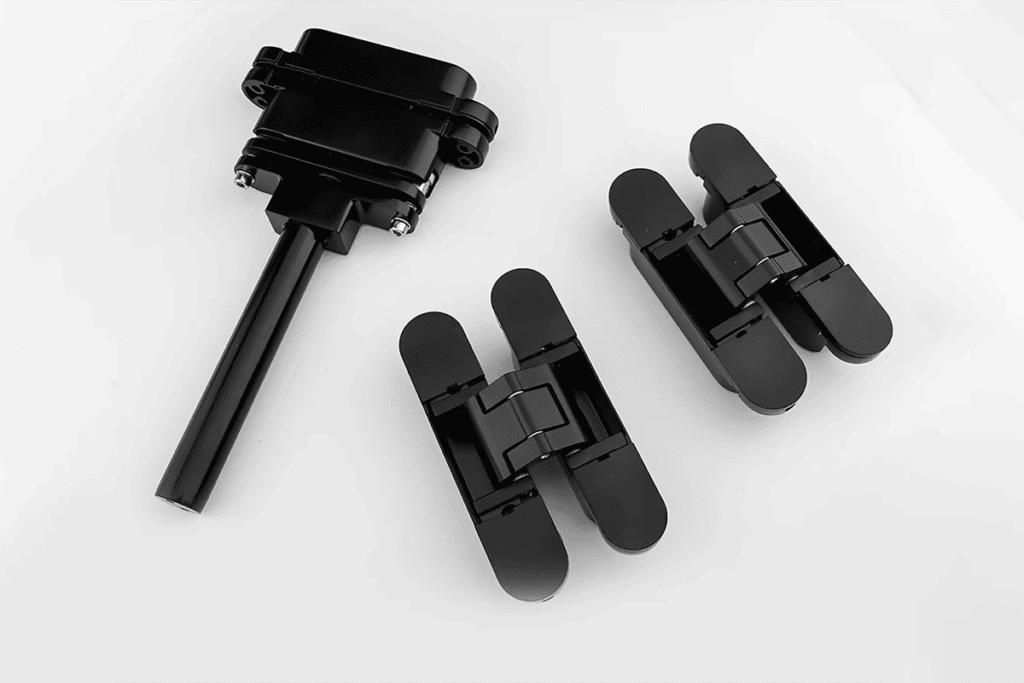
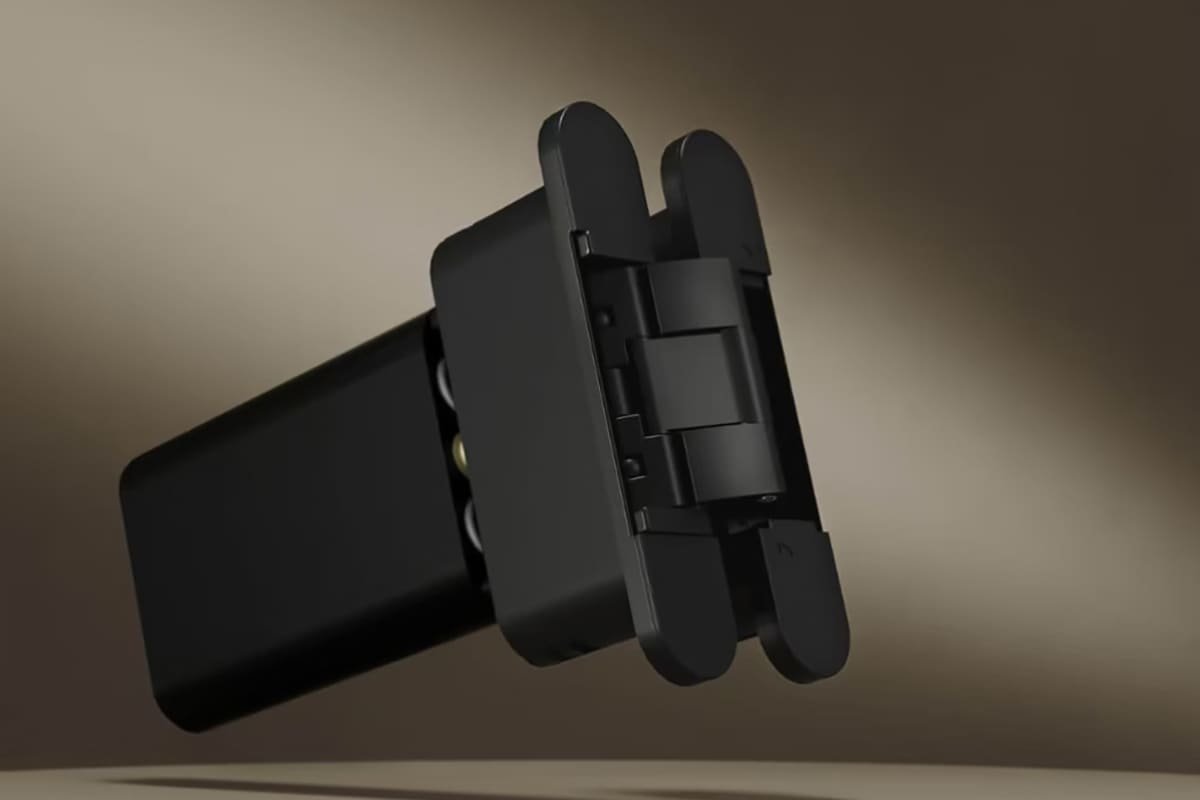
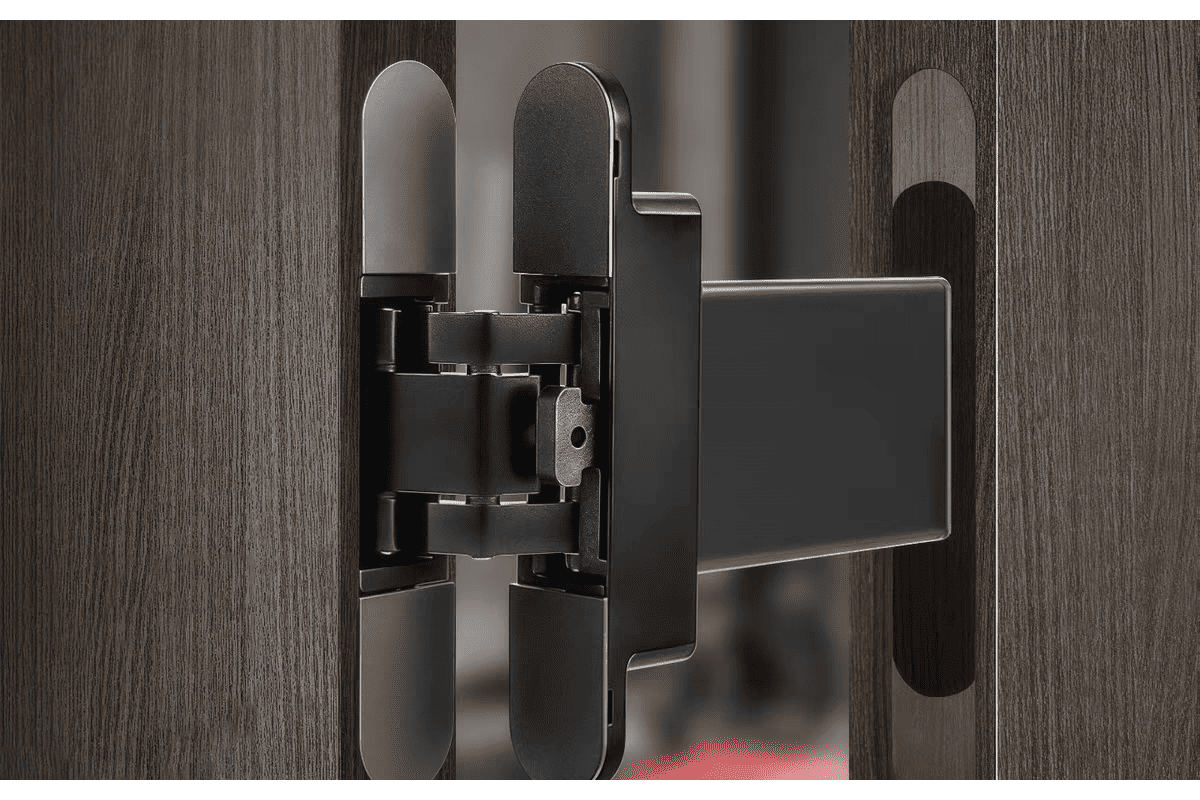
Hydraulic door hinges in this article refer to self-closing hinges with a built-in hydraulic mechanism1. They are not normal butt hinges, and they are not separate overhead door closers. The warranty should be discussed based on the hydraulic closing structure, cycle performance, suitable door weight, installation method, and intended use environment.
Why the product definition matters
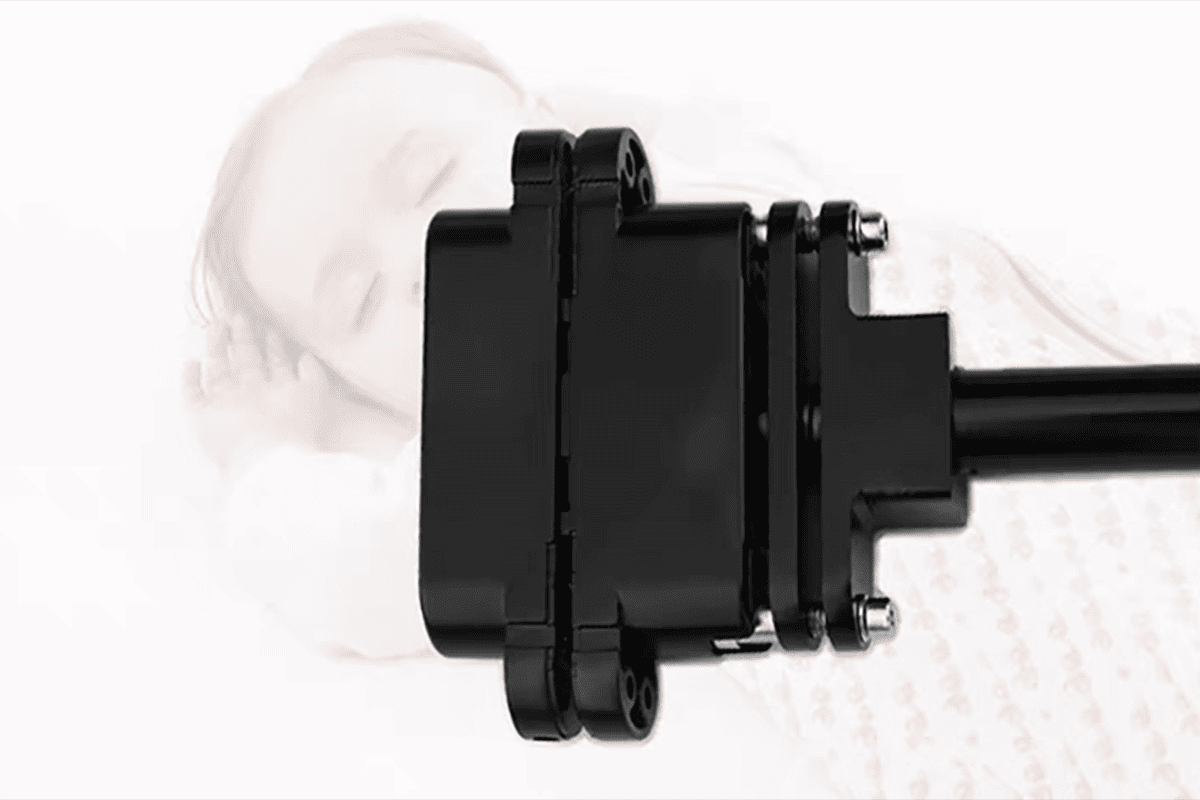
I have seen buyers compare three different products under one name: a standard butt hinge, a spring hinge, and a hydraulic self-closing hinge. The prices, performance expectations, and warranty risks are completely different. A normal butt hinge mainly carries door weight and allows rotation.2 A spring hinge provides closing force through spring tension.3 A hydraulic self-closing hinge adds controlled closing through a hydraulic damping mechanism.4
That built-in mechanism is the main reason the warranty question matters. A hydraulic hinge is expected to do more than support the door. It must close smoothly, control speed, and maintain performance through repeated daily use.
Practical comparison for buyers
| Product type | Main function | Closing control | Typical warranty focus | Buyer risk |
|---|---|---|---|---|
| Butt hinge | Door rotation and load support | No | Material, load, finish | Low if correctly specified |
| Spring hinge | Self-closing force | Limited | Spring fatigue, adjustment | Medium |
| Hydraulic self-closing hinge | Self-closing and controlled damping | Yes | Hydraulic function and cycle life | Higher if door weight or installation is wrong |
| Door closer + hinge | Separate closing device | Yes | Closer body, arm, hinge set | Depends on system matching |
What I confirm before quoting
When I discuss hydraulic door hinges with B2B buyers, I usually confirm a few details first:
- Door type: wooden door, metal door, aluminum door, or fire-rated door system.
- Door weight and size: the hinge must match the actual door load.
- Opening frequency: residential, commercial, hotel, office, or public building.
- Installation method: correct mortise depth, alignment, screw fixing, and door frame strength.
- Market requirements: CE documents, fire-rated documents, or project-specific test reports.
- Finish requirement: satin stainless steel, PVD color, painted finish, electroplated finish, or other treatment.
A warranty is only useful when the product specification is correct from the beginning.
For door factory buyers, this means the hinge should be evaluated as part of the full door assembly. For hardware brand buyers, the product definition must also be clear in catalogues and warranty statements. For wholesalers, the product name should not create unrealistic expectations in different markets.
What is the functional warranty period of hydraulic door hinges?
Buyers often need one clear number for downstream sales and project bidding. The problem is that some suppliers answer vaguely, while others mix cycle testing and finish claims together. That makes it hard for procurement teams to compare offers fairly.
For our hydraulic door hinges, the functional warranty period is 5 years. This warranty is supported by 200,000 opening-and-closing cycle testing for the hydraulic self-closing function. It applies under agreed product specifications, correct installation, suitable door weight, and normal use conditions.
What the 5-year functional warranty means
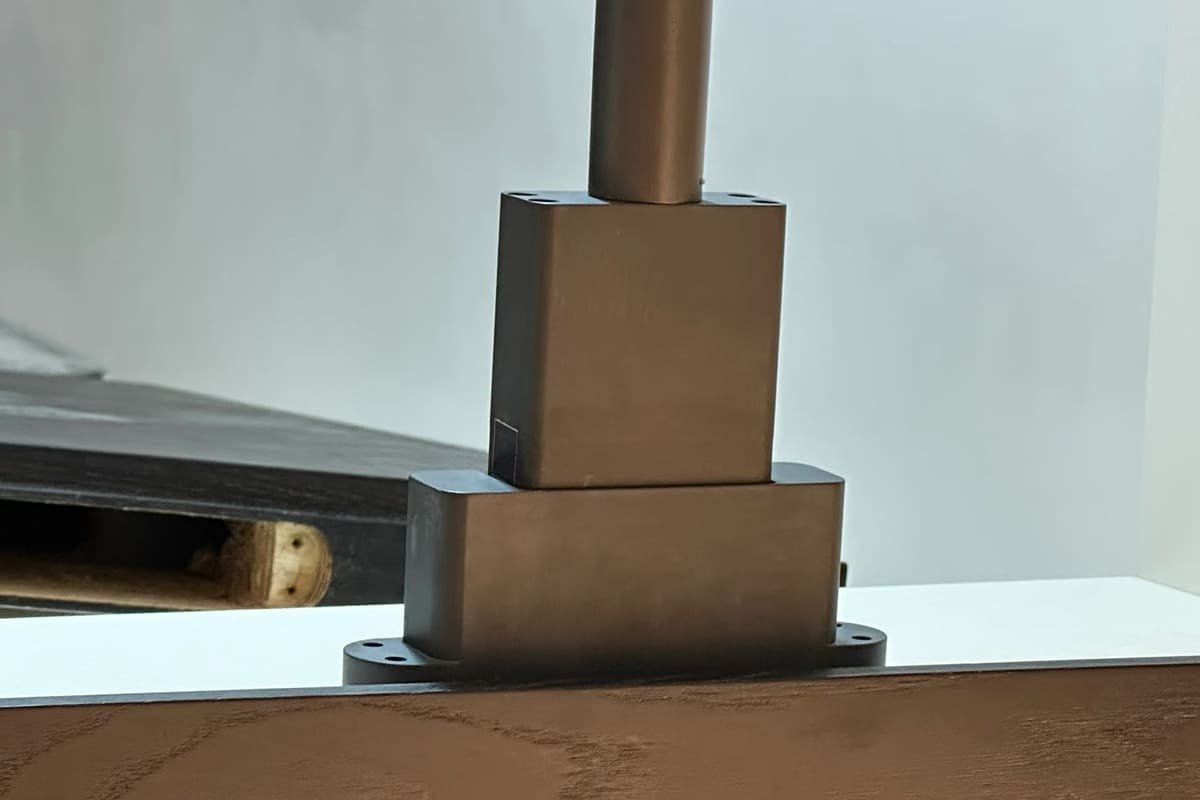
When I explain the warranty to buyers, I first clarify that the 5-year period is about function, not appearance. In practical terms, the hydraulic self-closing hinge should continue to close the door in a controlled way during the warranty period, as long as the product is used within the agreed conditions.
The functional warranty usually relates to issues such as:
- The hydraulic closing function fails under normal use.
- The hinge loses controlled closing performance without misuse.
- The internal hydraulic mechanism has a quality-related defect.
- The hinge cannot complete its expected self-closing action under correct installation.
However, the warranty does not mean the hinge can be used on any door, in any climate, with any installation quality. I always remind buyers that a hinge is a mechanical product. Its performance depends on matching and installation.
Why 200,000 cycles matter
Cycle testing gives buyers a more practical way to evaluate hydraulic door hinges than a verbal promise alone. A 200,000-cycle test means the hinge has been tested through repeated opening and closing actions under controlled conditions.5 This helps demonstrate functional durability.
For example, if a door is opened and closed 50 times per day, 200,000 cycles equals about 4,000 days of use in simple arithmetic. That is more than 10 years mathematically. But I do not use that calculation as a real-world warranty promise, because actual use includes installation quality, door weight, user behavior, temperature, and maintenance6.
How I suggest buyers read cycle test data
| Test item | What it helps verify | What it does not guarantee |
|---|---|---|
| 200,000 opening-and-closing cycles | Repeated functional durability | Exact service life in every building |
| Hydraulic closing performance | Damping and self-closing stability | Performance after misuse or overload |
| Load matching | Suitability for specified door weight | Suitability for unknown door structures |
| Inspection after testing | Visible function and structure status | Finish lifespan in corrosive environments |
Warranty documents buyers should request
Before placing bulk orders, I suggest buyers request and review:
- Product specification sheet
- Cycle test information
- Installation instructions
- Warranty terms
- Applicable certification documents
- Finish test results, if appearance performance matters
At SDH Hardware, we manufacture architectural door hardware for door manufacturers, hardware brands, and wholesalers. Based on that experience, I prefer warranty conversations that are specific. A buyer should know the hinge model, door weight range, finish type, packing method, and test basis before confirming the warranty terms.
This approach protects both sides. The buyer can make a realistic downstream promise. The supplier can stand behind a clearly defined product.
Why should hydraulic door hinges separate function warranty from surface finish?
This is the part that causes the most misunderstanding. A buyer may hear “5-year warranty” and assume it applies to every part of the product, including the color, plating, or corrosion resistance. That assumption can create after-sales disputes later.
Hydraulic door hinges should separate functional warranty from surface finish durability because they are affected by different factors. The hydraulic mechanism can be cycle-tested and covered by a defined functional warranty. The surface finish depends heavily on environment, finish type, cleaning chemicals, humidity, salinity, and maintenance.7
Function and finish fail for different reasons
A hydraulic mechanism is an internal performance system. It can be evaluated through cycle testing, assembly inspection, leakage control, adjustment checks, and closing performance tests. A surface finish is different. It is exposed to air, moisture, salt, fingerprints, cleaners, dust, and sometimes outdoor weather.
I have handled buyer questions where the hinge function worked perfectly, but the buyer was worried about small finish marks after installation. These are different quality topics. They should not be put under one simple warranty sentence.
Common surface treatments for hydraulic door hinges
Different markets prefer different finishes. The Middle East may require strong corrosion awareness due to coastal or high-humidity conditions. Europe may focus more on consistent finish, CE documentation, and project specification. Southeast Asia may need good resistance to humidity and frequent cleaning.
Common finishes include:
- Satin stainless steel
- Polished stainless steel
- PVD color finishes
- Electroplated finishes
- Powder coated finishes
- Painted finishes
- Antique or decorative finishes
Each finish has its own test performance and real-use limitations.
Why salt spray testing helps but does not equal years
Neutral salt spray testing is useful for comparing surface treatment quality under controlled laboratory conditions.8 Some hydraulic hinge finishes may pass 72-hour neutral salt spray testing, while others may pass 96-hour neutral salt spray testing, depending on the material and treatment process.
However, I do not recommend translating 72 hours or 96 hours into a fixed number of years in real use.9 The test is a controlled accelerated corrosion reference. A real building is not controlled.
| Factor | Why it affects finish durability |
|---|---|
| Humidity | High moisture increases corrosion risk |
| Salinity | Coastal air can attack exposed surfaces faster |
| Cleaning chemicals | Acidic or alkaline cleaners may damage finishes |
| Indoor or outdoor exposure | Outdoor environments are less predictable |
| Fingerprints and dirt | Residue may stain or weaken finish over time |
| Maintenance frequency | Proper cleaning can extend appearance stability |
| Installation damage | Scratches can break protective layers |
How I explain finish expectations to buyers
I prefer a restrained explanation:
“The hydraulic function has a defined warranty. The surface finish is controlled through material selection, surface treatment process, and salt spray testing. Actual finish durability depends on the environment and maintenance conditions.”
This sentence is not as flashy as “rust-proof for 10 years,” but it is more responsible. It also helps buyers avoid unrealistic warranty claims in their own markets.
What buyers should confirm before ordering
For finish-sensitive projects, I suggest confirming:
- Exact finish code and sample approval
- Base material
- Surface treatment process
- Salt spray test duration and standard
- Packing protection
- Installation handling requirements
- Cleaning and maintenance guidance
- Whether the product is indoor or outdoor
Bulk buyers should also keep approved samples. When there is a later dispute, the approved sample helps compare finish color, gloss, and surface texture. I have found this simple step very useful, especially when a brand buyer orders multiple batches over time.
What conditions can void the warranty of hydraulic door hinges?
A warranty looks simple on paper, but real after-sales cases often involve installation, door weight, frame strength, or misuse. If these boundaries are not clear, a buyer may promise too much to customers and then face pressure when a problem appears.
The warranty of hydraulic door hinges may not apply when failure is caused by wrong installation, unsuitable door weight, misuse, impact damage, unauthorized modification, harsh environments, improper cleaning, or use outside the agreed specification. Buyers should confirm warranty boundaries before placing bulk orders.
Installation is a major warranty factor
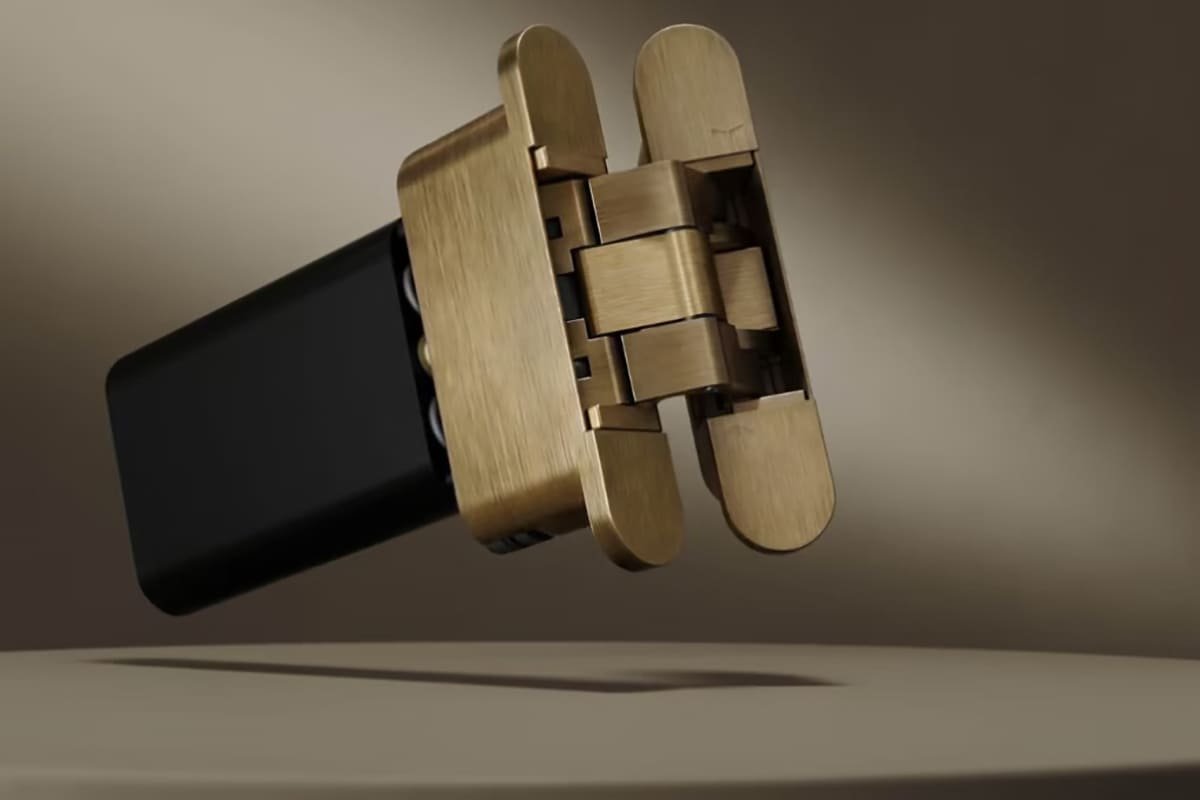
Hydraulic self-closing hinges need correct alignment. If the hinge is installed with poor vertical alignment, uneven mortise depth, weak screws, or a distorted door frame, the internal mechanism may face abnormal stress.10 The product may still work at first, but performance can decline faster.
I have seen cases where the hinge was blamed, but the real issue was door sagging or incorrect screw fixing. This is why I always recommend installation testing during the sample approval stage.
Common situations outside warranty coverage
Most professional suppliers will define exclusions. These exclusions are not meant to avoid responsibility. They help separate product defects from application problems.
Common exclusions include:
- Door weight exceeds the approved range.
- Door size creates excessive leverage on the hinge.
- The hinge quantity is not enough for the door.
- The hinge is installed out of alignment.
- Screws are loose or fixed into weak material.
- The product is used in a corrosive environment without suitable finish selection.
- Cleaning chemicals damage the surface.
- The hinge is hit, forced, modified, or disassembled.
- The product is used outdoors when it was specified for indoor use.
- The buyer changes accessories without supplier approval.
Basic matching table for procurement review
| Review point | Buyer question | Why it matters |
|---|---|---|
| Door weight | Is the hinge rated for this door? | Overload reduces service life |
| Door width and height | Does the door create high leverage? | Larger doors stress hinges more11 |
| Hinge quantity | Are enough hinges installed? | Too few hinges increase load per hinge |
| Frame material | Can the frame hold screws firmly? | Weak fixing causes sagging |
| Usage frequency | Is the site high traffic? | More cycles need stronger evaluation |
| Environment | Is the site humid, coastal, or chemical-exposed? | Finish and mechanism risk increase |
| Installation team | Can they follow instructions? | Poor installation causes many failures |
Sample testing before bulk orders
For B2B buyers, I usually recommend a sample test before mass purchase. The buyer can install hydraulic door hinges on the actual door structure or a close equivalent. This test should check:
- Opening angle
- Closing speed
- Latching reliability
- Door weight support
- Screw holding strength
- Clearance after installation
- Noise during operation
- Adjustment convenience
- Finish appearance after handling
This process is especially important for door factories. A hinge may perform well in a supplier test fixture, but the buyer’s door design may create different stress. A short trial can prevent large after-sales costs later.
Why written warranty terms protect both sides
I recommend putting warranty terms into the quotation, purchase agreement, or technical confirmation sheet. A short but clear warranty statement is better than a long informal chat history.
A useful warranty statement should include:
- Warranty period for hydraulic function
- Cycle test reference
- Product model and specification
- Door weight or application limits
- Installation requirements
- Finish test information
- Warranty exclusions
- Claim process and evidence requirements
For evidence, buyers may need photos, videos, installation details, batch numbers, and usage information. A professional supplier should also help analyze whether the issue is caused by product quality, installation, or application mismatch.
How should buyers evaluate hydraulic door hinges before bulk procurement?
A low price can look attractive, but hydraulic door hinges are not simple commodity items. If the hinge fails after installation, the cost includes replacement labor, customer complaints, project delays, and brand damage. Procurement should look beyond unit price.
Buyers should evaluate hydraulic door hinges by checking functional warranty, 200,000-cycle testing, suitable door weight, finish test results, installation requirements, supplier production capacity, certification documents, and after-sales response. A qualified supplier should provide clear technical data, stable quality control, and realistic warranty boundaries.
Start with supplier capability
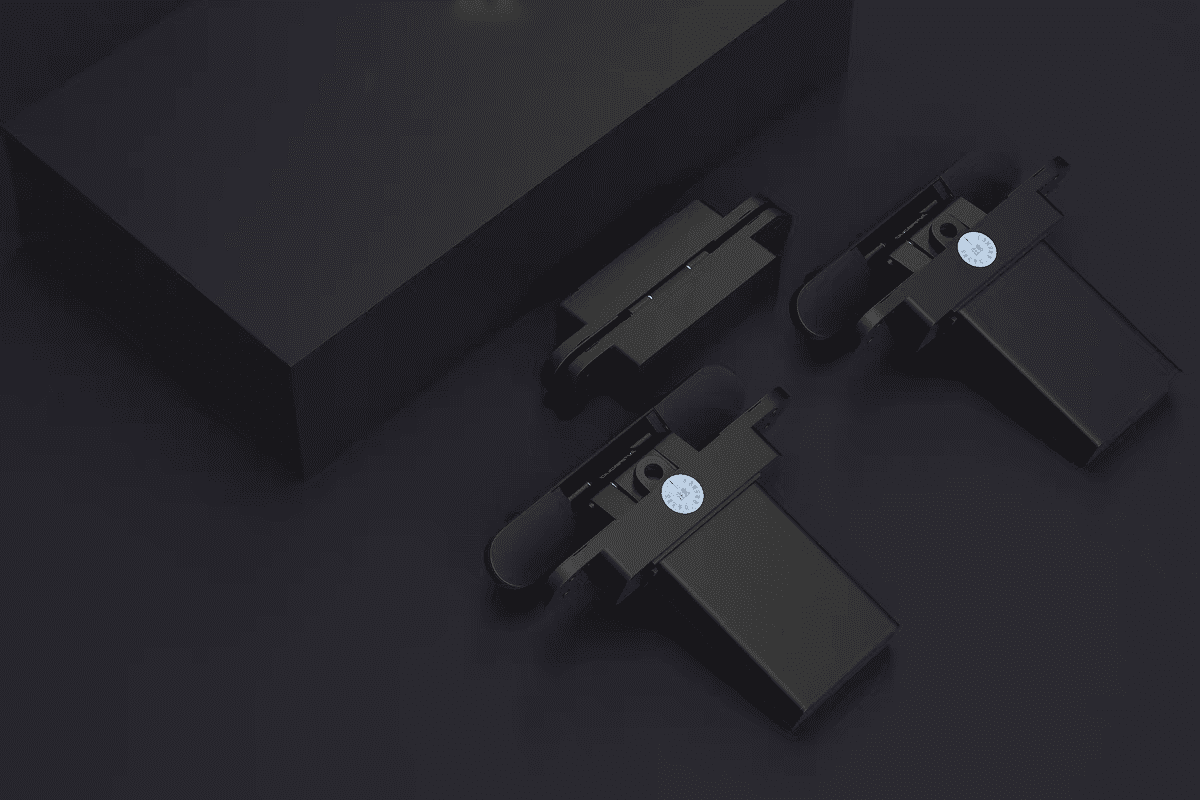
A hydraulic hinge warranty is only as reliable as the supplier behind it. Buyers should ask whether the supplier has real production control or only trading access. In my view, factory capability matters because warranty consistency depends on material control, machining accuracy, assembly process, and inspection discipline.
At SDH Hardware, our business focuses on architectural door hardware manufacturing, including concealed hinges, mortise locks, butt hinges, lever handles, cylinders, and related door hardware. For hydraulic self-closing hinges, I prefer buyers to evaluate not only the hinge sample, but also the supplier’s quality-control process.
Procurement checklist
Here is a practical checklist I would use if I were buying for a door factory or hardware brand:
| Evaluation item | What to request | Why it matters |
|---|---|---|
| Functional warranty | Written 5-year function warranty terms, if buying from us | Avoids vague promises |
| Cycle testing | 200,000-cycle test reference | Supports durability evaluation |
| Product definition | Hydraulic self-closing hinge specification | Prevents product mismatch |
| Door weight range | Load recommendation | Reduces failure risk |
| Finish test | 72/96-hour neutral salt spray test result where applicable | Helps compare surface treatment |
| Certification | CE or fire-rated documents where required | Supports market access and project review |
| Installation guide | Drawings, fixing instructions, adjustment method | Reduces after-sales problems |
| Batch consistency | Approved sample and finish control | Protects brand presentation |
| Packaging | Individual protection, carton strength | Reduces transport scratches |
| Supplier response | Claim procedure and technical support | Helps solve problems quickly |
Certification should be verified
For international buyers, certifications are important. But buyers should treat certificates as documents to verify, not slogans. If CE certification or fire-rated documentation is required for a project, the buyer should check:
- Certificate holder name
- Product model coverage
- Test standard
- Validity period
- Issuing body
- Whether the supplied product matches the certified product
- Any application limits in the report
This is especially important for fire-rated doors. A hinge may be part of a larger tested door assembly.12 Buyers should consult qualified professionals or project authorities when making application-specific decisions.
Total cost is more important than unit price
A cheaper hydraulic hinge can become expensive if it causes field problems. Buyers should calculate the broader cost:
- Replacement hinge cost
- Installer labor cost
- Transport and return cost
- Customer service time
- Project delay penalties
- Brand reputation loss
- Inventory risk if the batch is inconsistent
A reliable hydraulic hinge with clear warranty terms may support better long-term margins than a very low-cost option with uncertain test data.
My practical recommendation
For first orders, I usually suggest a controlled procurement process:
- Confirm product specification.
- Request samples.
- Test on the real door or project-style mockup.
- Approve finish sample.
- Review warranty terms.
- Verify documents.
- Place a pilot order.
- Evaluate batch consistency.
- Scale to larger orders.
This process takes more time at the beginning, but it reduces risk for door factories, wholesalers, and hardware brands. In my experience, the best long-term customers are not only looking for the lowest price. They want stable product quality, clear communication, and predictable after-sales responsibility.
Frequently Asked Questions
Do all hydraulic door hinges have a 5-year warranty?
No. A 5-year functional warranty is our supplier-specific warranty for qualified hydraulic self-closing hinges that meet our stated conditions and 200,000-cycle testing. Other suppliers may offer different warranty periods, test standards, coverage limits, or exclusions.
Does the 5-year warranty include the surface finish?
No. The 5-year warranty refers to the hydraulic self-closing function under agreed use conditions. Surface finish durability should be evaluated separately through finish type, salt spray testing, environment, cleaning method, and maintenance. I do not recommend turning salt spray hours into a fixed real-world year promise.
What does 200,000-cycle testing mean for hydraulic door hinges?
It means the hinge has been tested through 200,000 opening-and-closing actions under controlled conditions to evaluate functional durability. It supports the functional warranty, but it should not be treated as an exact prediction of service life in every building or environment.
Can hydraulic door hinges be used outdoors?
Some hydraulic door hinges may be suitable for certain exposed or semi-exposed applications, but the finish, material, installation, and environment must be reviewed first. Coastal air, rain, cleaning chemicals, and high humidity can affect both appearance and long-term performance. Buyers should confirm specifications before ordering.
What information should I provide before asking for a warranty confirmation?
You should provide door weight, door size, door material, usage frequency, installation location, required finish, target market, certification requirements, and expected order quantity. These details help the supplier confirm whether the hinge model and warranty terms are suitable for your application.
Conclusion
The warranty period of hydraulic door hinges should be understood in two parts. For our hydraulic self-closing hinges, the functional warranty is 5 years, supported by 200,000 opening-and-closing cycle testing. Surface finish durability is different and depends on finish type, salt spray test results, environment, cleaning, and maintenance. If you are sourcing for a door factory, hardware brand, or wholesale channel, I recommend reviewing samples, test data, installation conditions, and written warranty terms before bulk ordering. Contact SDH Hardware to discuss your hinge specification and project requirements.
"Door closer - Wikipedia", https://en.wikipedia.org/wiki/Door_closer. An architectural-hardware terminology source defines self-closing hinges as hinge devices that return a door toward the closed position and distinguishes mechanisms with hydraulic damping from ordinary hinge rotation. Evidence role: definition; source type: institution. Supports: A neutral architectural-hardware source should define self-closing hinges and describe hydraulic damping or hydraulic closing mechanisms as distinct from ordinary hinge rotation.. Scope note: The source may describe self-closing or hydraulic damping generally rather than this manufacturer's exact hinge design. ↩
"Hinge", https://en.wikipedia.org/wiki/Hinge. A general reference on hinges describes butt hinges as paired leaves joined by a pin that fasten a door to a frame and permit swinging rotation while supporting the door. Evidence role: definition; source type: encyclopedia. Supports: A reference source should explain that butt hinges are common door hinges used to connect a door to a frame and allow rotational movement.. ↩
"Spring loaded hinges and Solid Brass Hinges - HingeOutlet", https://www.hingeoutlet.com/collections/spring_hinges_residential?srsltid=AfmBOopPPVYe5h-enKxZupW1nNy6gbuOxyIK0YCx7CDdGkpQiJE1wLLt. An architectural-hardware reference explains that spring hinges incorporate a spring element that applies closing force to return a door toward the closed position. Evidence role: mechanism; source type: institution. Supports: A neutral source should describe spring hinges as hinges that use a spring to apply closing torque to a door.. ↩
"Door closer - Wikipedia", https://en.wikipedia.org/wiki/Door_closer. Engineering references on hydraulic damping describe controlled motion as the result of fluid resistance through restricted flow paths, which supports the explanation that hydraulic closing devices regulate door-closing speed. Evidence role: mechanism; source type: education. Supports: A source should explain that hydraulic damping controls motion by forcing fluid through restricted passages, a principle used in controlled door-closing devices.. Scope note: This supports the mechanism in principle and may discuss hydraulic dampers or door closers generally rather than hydraulic hinges specifically. ↩
"SECTION 087111 - DOOR HARDWARE (SCHEDULED BY ...", https://fpm.usc.edu/wp-content/uploads/2021/11/087102-USC-HSC-door-hardware-Guide-Specification_1.pdf. Door-hardware durability standards use repeated operating cycles under defined test conditions to assess hinge performance, supporting the interpretation of cycle counts as laboratory durability evidence. Evidence role: general_support; source type: institution. Supports: A door-hardware standard should show that hinge durability is assessed through repeated operating cycles under specified test conditions.. Scope note: The standard may specify different grades or cycle counts and would not by itself verify this product's claimed 200,000-cycle result. ↩
"Integration and Test > Accelerated Life Testing - S3VI - NASA", https://s3vi.ndc.nasa.gov/ssri-kb/topics/38/. Reliability-engineering literature treats accelerated or controlled durability testing as evidence of comparative performance, while cautioning that field life depends on load, environment, installation, use patterns, and maintenance. Evidence role: expert_consensus; source type: research. Supports: A reliability or accelerated-life-testing source should explain that controlled tests are useful for comparison but do not exactly predict field life when operating conditions vary.. Scope note: This is contextual support from reliability testing generally, not direct evidence about hydraulic door hinges. ↩
"Marine Atmospheric Corrosion of Carbon Steel: A Review - PMC - NIH", https://pmc.ncbi.nlm.nih.gov/articles/PMC5506973/. Corrosion and coatings literature identifies humidity, chloride exposure, chemical contact, coating system, and maintenance practices as major variables affecting the durability of metal surface finishes. Evidence role: mechanism; source type: research. Supports: A corrosion or coatings source should identify humidity, chlorides, chemicals, coating type, and maintenance as factors affecting surface degradation.. ↩
"Salt spray test - Wikipedia", https://en.wikipedia.org/wiki/Salt_spray_test. Salt spray test standards describe neutral salt spray exposure as a controlled laboratory corrosion procedure used to evaluate or compare the corrosion behavior of metallic materials and surface coatings. Evidence role: definition; source type: institution. Supports: A standard such as ISO 9227 or ASTM B117 should define neutral salt spray testing as a controlled corrosion test for coated or metallic specimens.. ↩
"ASTM B117 vs. ISO 12944: Which Corrosion Test Matters?", https://www.heresite.com/astm-b-117-salt-spray-test-does-not-correlate-to-real-world-environments/. Corrosion-testing guidance notes that salt spray results are controlled accelerated exposures and should not be converted directly into precise years of service in natural environments. Evidence role: expert_consensus; source type: institution. Supports: A corrosion-testing source should state that salt spray exposure is an accelerated laboratory test and does not reliably translate into exact field service duration.. Scope note: This supports the caution about interpretation, not any specific 72-hour or 96-hour finish result for the product. ↩
"Architecture - Wikipedia", https://en.wikipedia.org/wiki/Architecture. Door-hardware installation guidance emphasizes accurate hinge alignment, proper mortising, secure fasteners, and sound frame construction as conditions for reliable door operation and load transfer. Evidence role: mechanism; source type: institution. Supports: A door-hardware installation source should explain that correct hinge alignment, fixing, and frame preparation are necessary for proper operation and load distribution.. Scope note: The source may address door hinges generally rather than hydraulic self-closing hinges specifically. ↩
"28.18 -- Open door to demonstration preparation area", https://web.physics.ucsb.edu/~lecturedemonstrations/Composer/Pages/28.18.html. Basic mechanics of moments show that force applied farther from a pivot produces greater torque, supporting the claim that wider or larger doors can increase stress on hinges. Evidence role: mechanism; source type: education. Supports: An engineering source should explain that increasing distance from the hinge line increases moment or torque, which can increase hinge stress for larger or wider doors.. Scope note: This is a general mechanical principle and does not quantify the stress for any specific hinge model. ↩
"Important Tips for Specifying Fire Door Assemblies", https://steeldoor.org/tips-for-specifying-fire-door-assemblies/. Fire-door standards treat the door, frame, and hardware as components of a fire door assembly, supporting the caution that a hinge's suitability may depend on the tested or listed assembly configuration. Evidence role: general_support; source type: institution. Supports: A fire-door standard or code source should state that fire doors are assemblies with hardware components that must comply with the listing or tested configuration.. Scope note: The source supports fire-door assembly principles but does not determine whether a particular hydraulic hinge is approved for a specific project. ↩