Reasons Why You Need Deadbolts For Your Front Door?
Deadbolts for your front door matter because a basic latch often feels too light for an entrance door. Buyers may lose confidence when a lockset looks weak, performs poorly, or does not match local habits. A better locking configuration helps door factories, wholesalers, and project teams choose front-door hardware with stronger market acceptance.
You need deadbolts for your front door because they add a stronger locking point than a simple latch and improve perceived entrance security. However, the right solution may be a single deadbolt, multipoint lock, auto-lock system, smart lock, or regional-standard lock body, depending on the door type, market expectations, and project requirements.
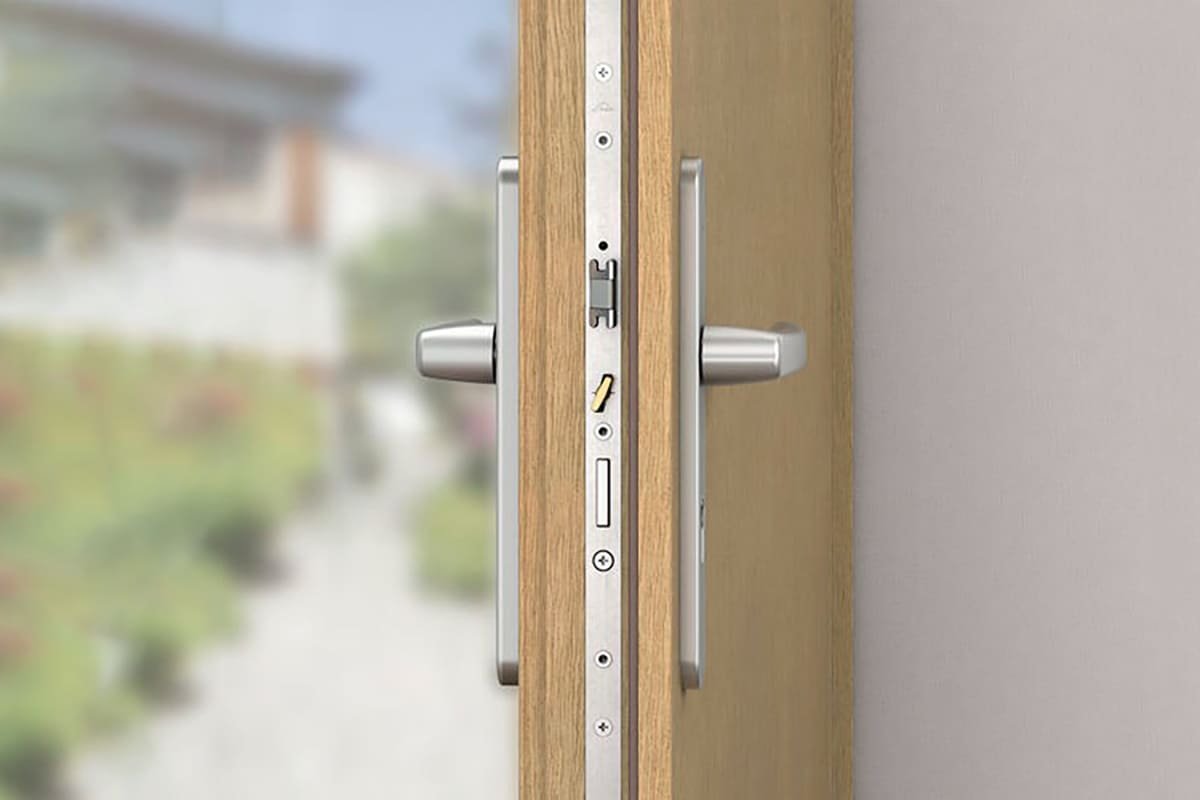
A front-door lock decision is rarely about one product alone. In my work with global door hardware buyers, I often see the same question become more practical: Which locking system will fit this market, this door structure, and this end user?
Why Do Deadbolts For Your Front Door Improve Perceived Security?
A front door creates the first security impression for any building. If the lock feels thin, loose, or easy to bypass, users may question the whole door system. That concern becomes more serious for B2B buyers because poor lock selection can lead to complaints, returns, or lost confidence in the brand.
Deadbolts for your front door improve perceived security because they use a solid bolt that extends deeper into the door frame than a spring latch1. They do not guarantee complete protection, but they usually provide a stronger mechanical locking point and a more reassuring user experience for entrance doors.
What a deadbolt adds beyond a latch
A latch bolt is mainly designed to keep the door closed during normal use. A deadbolt is designed to lock the door more firmly.2 This difference sounds simple, but it affects how buyers evaluate the entire door set.
A typical latch is spring-loaded. It retracts when the handle turns. A deadbolt usually uses a key, thumb turn, cylinder, or lock body mechanism to extend a solid bolt into the frame. This extra locking point makes the front door feel more secure to the user.
For procurement teams, the important point is not to claim that one deadbolt stops every attack. No responsible manufacturer should make that promise. The real point is that a front entrance door normally needs more than a passage-style latch.
Why this matters in B2B purchasing
When I review lock requirements with customers, I usually see three practical concerns:
- The end user wants visible security. A front door without a strong lock may feel incomplete.
- The door factory wants fewer complaints. A weak-feeling lock can damage the perceived quality of the whole door.
- The wholesaler wants marketable hardware. Buyers often compare locking points, cylinder types, finish quality, and certifications before placing repeat orders.
A deadbolt or deadbolt-equivalent solution can support these goals. It gives the door a clearer “entrance-grade” configuration.
Deadbolt, latch, and multipoint comparison
| Locking option | Typical function | Best use case | Procurement note |
|---|---|---|---|
| Basic latch lock | Keeps door closed | Interior doors, light-duty doors | Usually not enough for a main entrance |
| Single deadbolt | Adds one solid locking point | Many residential front doors | Common in American-standard configurations |
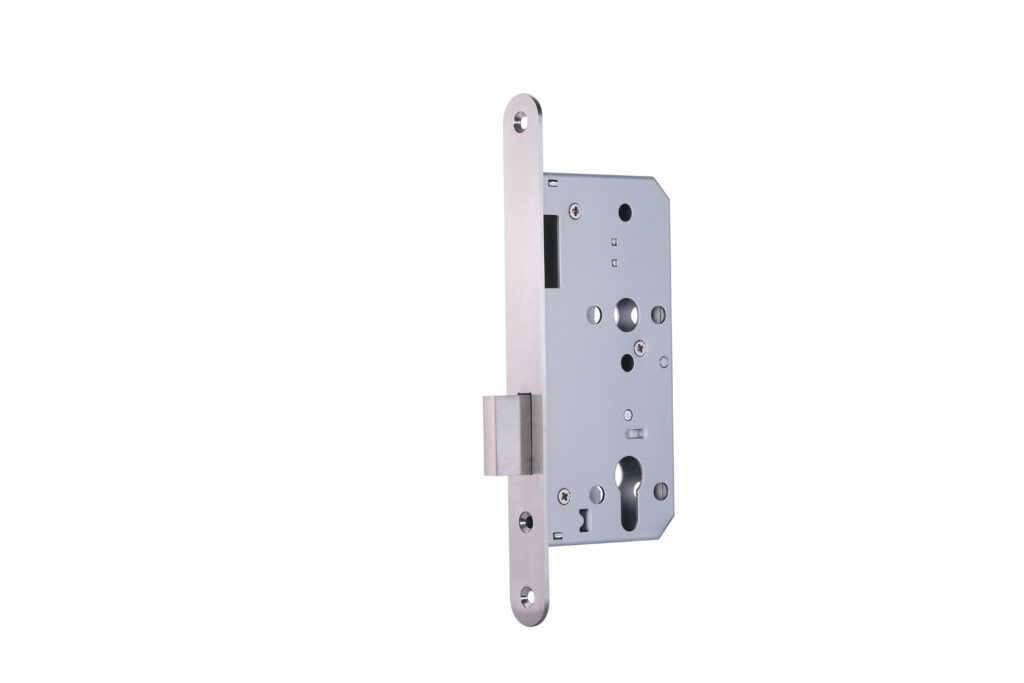
| Mortise lock with deadbolt | Combines latch and deadbolt in lock body | Apartment, villa, and project doors | Often used with lever handles and cylinders |
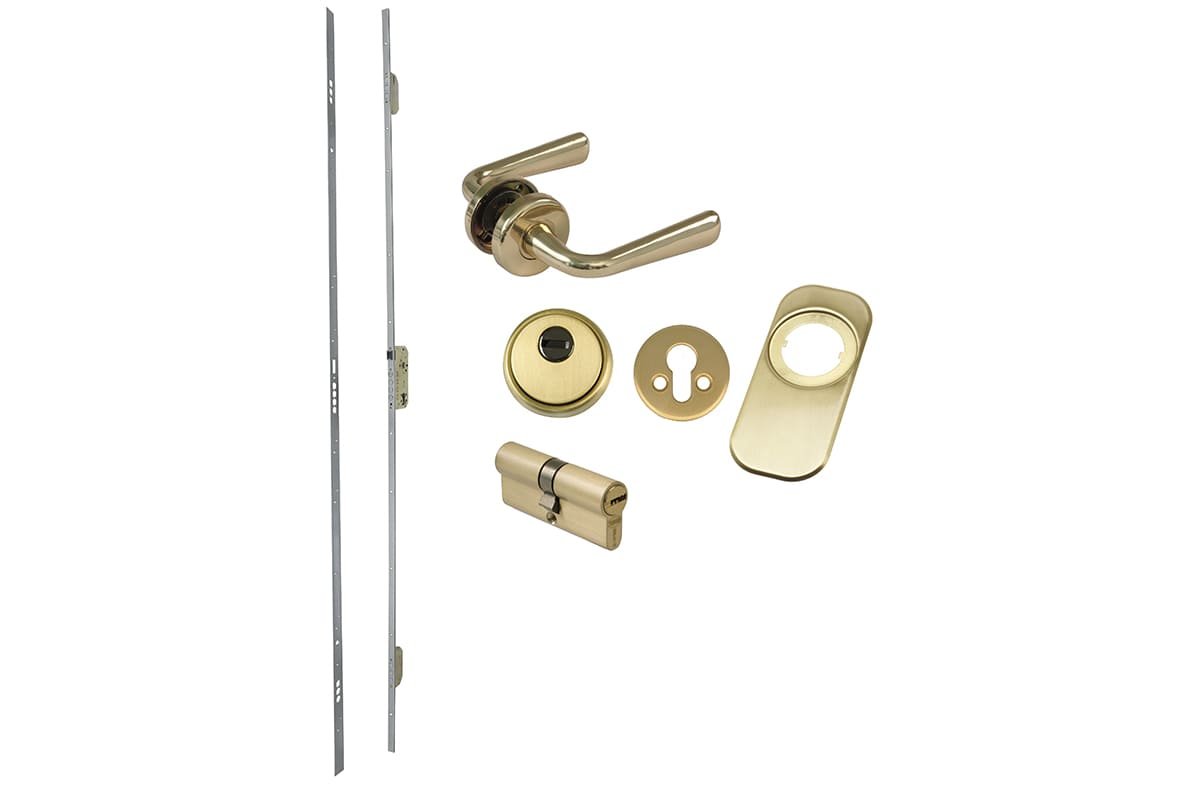
| Multipoint lock | Locks at several points along the door edge | Entrance doors needing better sealing and security perception | Common in many European and Asian markets |
| Smart lock with mechanical bolt | Adds electronic access control | Apartments, modern homes, hospitality projects | Mechanical compatibility must be checked carefully |
The frame matters as much as the lock
A strong bolt needs a suitable frame and strike plate. If the strike plate is thin, the screws are short, or the frame material is weak, the lock cannot perform as intended3. This is why I prefer to evaluate the door, frame, lock body, cylinder, handles, hinges, and accessories as one system.
A buyer should check:
- Door material: steel, timber, aluminum, composite, or armored door.
- Door thickness: many lock bodies require specific backset and center distance.
- Frame structure: the strike plate must seat correctly.
- Cylinder protection: exposed cylinders may need guards or escutcheons.
- Hinge strength: a strong lock on weak hinges creates an unbalanced door system.
Deadbolts for your front door are useful, but they should not be treated as a magic add-on. They work best when the full entrance door configuration supports them.
When Are Multipoint Locks Better Than Deadbolts For Your Front Door?
A single lock can be technically usable but commercially mismatched. This happens often when buyers apply one market’s habits to another market. A product may work mechanically, yet still fail because local users expect a different locking experience.
Multipoint locks can be better than deadbolts for your front door when the target market expects several locking points, tighter door compression, or European-style entrance hardware. In many cases, the correct comparison is not “deadbolt versus no deadbolt,” but “single-point locking versus multipoint locking.”
Multipoint locking is common in many regions
In European entrance-door markets, many buyers expect a multipoint lock.4 These systems often lock at the center and at additional points near the top and bottom of the door edge. Some designs use hooks, rollers, mushroom cams, or shoot bolts.
In China and Southeast Asia, multipoint systems are also common, especially on steel doors, security doors, and higher-end apartment entrance doors. Smart locks are becoming more popular in these regions too, so buyers often need to combine electronic access with mechanical locking strength.
That point is important. A smart lock does not remove the need for mechanical evaluation. The electronic part controls access. The mechanical part still locks the door.5
Why multipoint locks may fit better
A multipoint lock can offer several practical advantages:
- More locking points along the door height
- Better door compression against seals
- A stronger visual and tactile security impression
- Better fit for tall doors or flexible door slabs
- Compatibility with many European-style cylinders and handles
- Options for auto-locking functions in selected systems
However, multipoint systems also bring more complexity. They require accurate machining, correct keeps, stable door alignment, and careful installation. A buyer should not choose them only because they look stronger. The door factory must be able to prepare the door consistently.
Single deadbolt versus multipoint lock
| Evaluation factor | Single deadbolt | Multipoint lock |
|---|---|---|
| Locking points | Usually one main bolt | Multiple points along door edge |
| Installation complexity | Lower | Higher |
| Door machining demand | Moderate | Higher precision required |
| Common market fit | U.S.-style residential doors, selected export markets | Europe, China, Southeast Asia, higher-spec entrance doors |
| Maintenance need | Usually simpler | Alignment and adjustment matter more |
| User habit | Key or thumb turn operation | Handle lift, key turn, auto-lock, or electronic control depending on design |
Auto-lock systems need extra attention
Some entrance doors use auto-lock systems. These locks can automatically engage locking points when the door closes. This function may be attractive for apartments, rental properties, and modern residential projects because users do not always remember to lock the door.
But auto-lock systems require careful specification. I usually ask buyers several questions before recommending this direction:
- Will the door be used by families, tenants, staff, or guests?
- Will the market accept automatic locking, or will users find it inconvenient?
- Does the project require emergency exit functions?
- Will the lock need a panic function, fire-rated documentation, or specific regional compliance?
- Can the installer adjust the door accurately on site?
These questions protect the buyer from choosing a lock that looks advanced but creates after-sales problems.
The better question for buyers
The better question is not always, “Should I buy deadbolts for your front door product line?” The better question is:
“Which front-door locking configuration matches the door construction, regional standard, user habit, and project specification?”
For some American-standard doors, a single deadbolt may be the expected solution. For many European-style entrance doors, a multipoint lock may be more acceptable. For modern Southeast Asian apartments, a smart lock with a reliable mechanical lock body may be the right fit.
How Do Deadbolts For Your Front Door Affect Regional Market Fit?
A lock can pass an internal inspection and still be wrong for the target market. That mismatch creates inventory risk. It also creates brand risk because customers may compare the product with local expectations, not only with the catalog description.
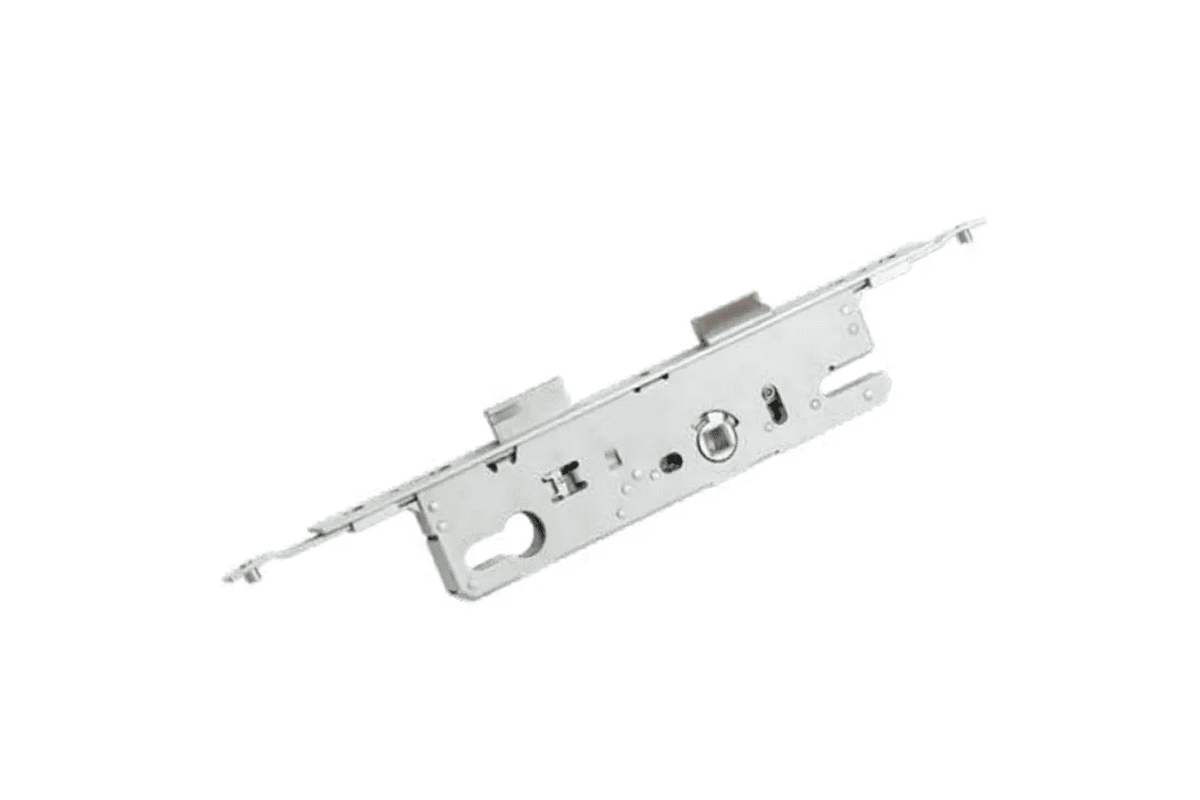
Deadbolts for your front door affect regional market fit because different markets expect different locking systems, standards, dimensions, and user operations. U.S. buyers may ask about American-standard locksets, while European buyers may prefer mortise or multipoint systems. Middle East projects may use either style depending on specifications.
United States: deadbolts are familiar
In the U.S. market, front doors often use a cylindrical lockset with a separate deadbolt above it.6 Buyers may also ask about UL-listed lock bodies or locksets for specific projects. Any UL claim should be verified against the exact product model, test scope, and documentation.
The American-style expectation is important for suppliers. A European mortise lock may be mechanically strong, but it may not match U.S. door preparation, cylinder formats, or retail buyer habits. In this case, the deadbolt is not just a security item. It is also a market language that customers understand.
Europe: multipoint and mortise systems are common
In many European markets, entrance doors often use mortise locks, Euro profile cylinders, and multipoint locking systems.7 Buyers may ask for CE documentation, fire-rated documentation, or other compliance records depending on the project. These documents must be checked product by product.
At SDH Hardware, we manufacture Euro mortise locks, lever handles, hinges, cylinders, and door accessories for global B2B buyers. From a manufacturer-side view, I see that European buyers often care about:
- Backset and center distance
- Lock case dimensions
- Cylinder type and length
- Handle spring performance
- Finish consistency
- Salt spray resistance for certain environments
- Fire-rated or CE documents where applicable and verified
- Packing and labeling for wholesale distribution
This is why a generic deadbolt discussion does not fully answer European front-door needs.
Middle East: mixed standards appear often
The Middle East can include both American-standard and European-standard lock systems. Project specifications may follow consultant requirements, supplier background, contractor habits, or the door system already selected. A villa project may use one configuration, while a hotel or apartment project may use another.
For this region, I recommend that buyers confirm:
- Door origin and preparation standard
- Lock body dimensions
- Cylinder type
- Lever handle compatibility
- Finish durability for climate conditions
- Project documentation requirements
- Packaging and branding requirements for distribution
This step prevents a buyer from ordering a good lock that simply does not fit the door or the project standard.
Southeast Asia and China: smart locks are rising
China and Southeast Asia show strong interest in electronic smart locks.8 Many users like fingerprint, keypad, card, app, or mechanical key backup functions. However, the lock body still matters. A smart front-door lock usually depends on a mechanical structure inside the door.
Procurement teams should check:
- Mechanical lock body compatibility
- Door thickness range
- Spindle and handle direction
- Battery access
- Emergency mechanical key access
- Weather exposure
- After-sales service expectations
- Local user habits
A smart lock with poor mechanical compatibility can create more risk than a simpler lock that fits correctly.
Regional selection guide
| Target market | Common front-door expectation | Practical buyer focus |
|---|---|---|
| United States | Separate deadbolt and handle lock, American-standard dimensions | Verify lock grading, listing documents, dimensions, and packaging |
| Europe | Mortise locks, Euro cylinders, multipoint systems | Confirm CE/fire documents where applicable, lock case specs, cylinder compatibility |
| Middle East | Mixed American and European systems | Match project specification and local preference before ordering |
| Southeast Asia | Multipoint systems and smart locks | Check electronics, mechanical lock body, door thickness, and user habits |
| China | Security doors, multipoint locks, smart locks | Focus on lock body structure, handle direction, finish, and electronic integration |
Deadbolts for your front door can be the correct solution in one market and the wrong default in another. This is why regional market fit should come before product selection.
What Should B2B Buyers Check Before Sourcing A Front-Door Locking System?
A front-door lock order can look simple on a quotation sheet. Problems often appear later, when the lock does not fit the door, the cylinder length is wrong, or the end user expects a different operation. These issues can reduce margins quickly.
B2B buyers should check door structure, regional standard, lock body dimensions, certification documents, finish durability, packaging needs, and supplier quality control before sourcing a front-door locking system. The goal is to choose a configuration that is technically compatible, commercially acceptable, and practical for after-sales support.
Start with the door, not the lock
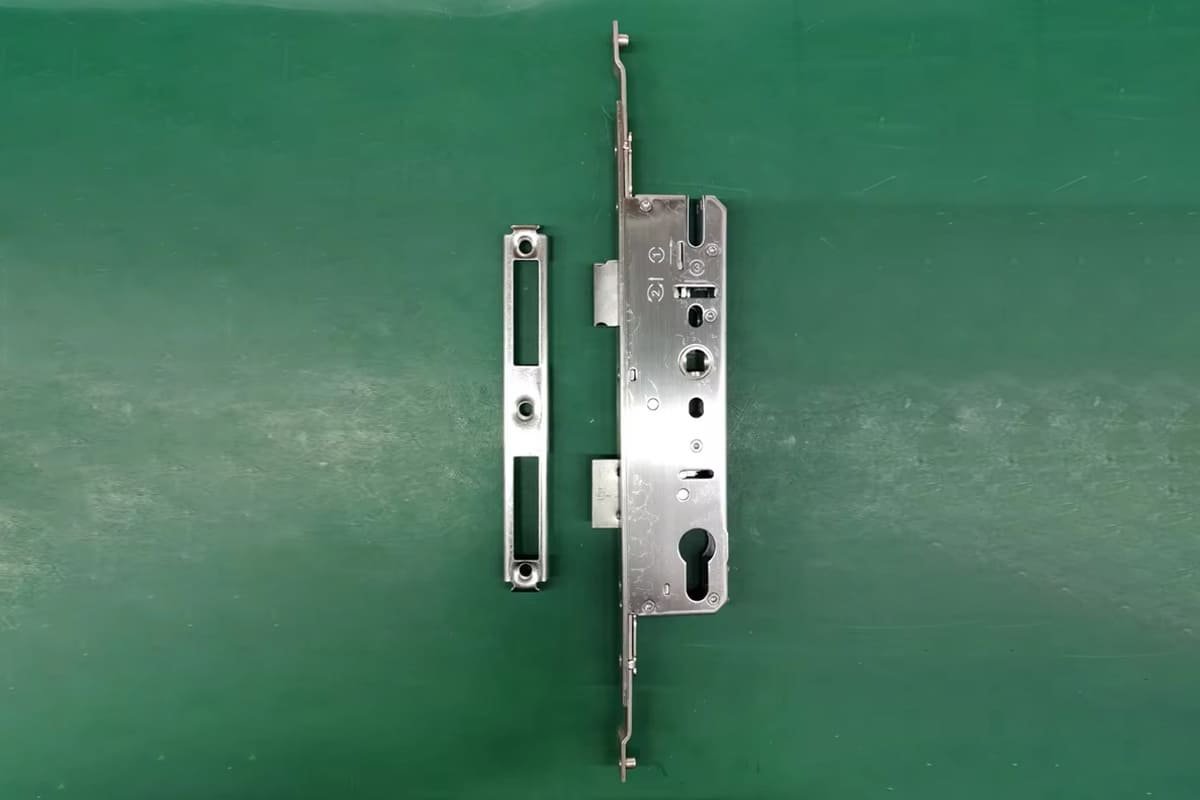
I always prefer to start with the door drawing. The lock should support the door system, not force the door factory to make risky changes.
A buyer should collect these details before asking for a quotation:
- Door material
- Door thickness
- Door height and width
- Door handing and opening direction
- Backset
- Center distance
- Lock case size
- Faceplate size
- Strike plate design
- Cylinder type and length
- Handle rose or plate design
- Required finish
- Quantity and packing method
- Market or project destination
These details help the supplier recommend the right lock family. They also reduce sample revision time.
Match the locking system to the customer promise
A wholesaler may sell to many installers. A door factory may supply complete doors to developers. A hardware brand may need private packaging and consistent finish across multiple product lines. Each business model changes the lock selection.
For example:
- A door factory needs stable dimensions, machining accuracy, and batch consistency.
- A hardware brand needs branding, finish consistency, and product line continuity.
- A wholesaler needs flexible stock options, reliable packing, and clear compatibility.
- A project procurement team needs documents, drawings, samples, and inspection records.
At SDH Hardware, our B2B work often includes OEM/ODM support, customer stamping or laser logos, custom color packaging, drawings after order confirmation, and finished product inspection service. These services matter because a front-door lock is not purchased in isolation. It usually belongs to a full hardware package.
Verify documents carefully
Certifications and test reports should never be assumed. A product may have one certificate for one version, one size, one material, or one application.9 A buyer should verify the exact scope.
Important documents may include:
| Document type | Why buyers ask for it | What to verify |
|---|---|---|
| CE-related documentation | European market or project requirements | Product model, standard scope, issuing body, validity |
| Fire-rated documentation | Fire door projects | Door assembly scope, lock model, test conditions |
| UL listing or grading documents | U.S. or specified projects | Exact product, listing scope, standard, manufacturer identity |
| Material or finish reports | Corrosion or durability concerns | Test method, hours, sample finish, laboratory details |
| Inspection reports | Batch quality control | Quantity, defect criteria, photos, measurements |
This careful verification protects both sides. It helps the buyer avoid overstating compliance and helps the supplier present accurate product information.
Evaluate supplier manufacturing control
A front-door lock must be repeatable. A perfect sample is not enough if mass production varies.
A buyer should ask suppliers about:
- Raw material control
- Machining process
- Assembly procedure
- Function testing
- Finish inspection
- Salt spray or corrosion testing where relevant
- Cylinder and key testing
- Packaging drop resistance
- Final random inspection
- Traceability for batch issues
As a manufacturer, I believe this step is where good sourcing decisions become clear. A low price can look attractive at first. However, inconsistent dimensions, weak springs, rough keys, poor plating, or unstable packing can cost more than the initial saving.
Consider the full hardware set
A front-door locking system works with other hardware. The lever handle, cylinder, escutcheon, hinge, door closer, viewer, chain, stopper, and accessories can all affect user experience.
For example, a heavy entrance door may need stronger butt hinges or concealed hinges. A fire-rated door may require hardware that fits the approved door assembly.10 A coastal project may need improved corrosion resistance. A luxury apartment may require matching finishes across locks, handles, hinges, and accessories.
This is why one-stop sourcing can reduce risk. When the same supplier understands the full hardware package, the buyer can coordinate finish, dimensions, packing, and inspection more easily.
Frequently Asked Questions
Are deadbolts always necessary for a front door?
A front door usually needs a stronger locking mechanism than a basic latch, but that mechanism does not always need to be a single deadbolt. Depending on the market and door type, a multipoint lock, mortise lock with deadbolt, auto-lock system, or smart lock body may be more suitable.
Are multipoint locks more secure than single deadbolts?
Multipoint locks provide several locking points, so they often create a stronger security impression and better door compression. However, performance depends on door structure, installation accuracy, frame strength, and product quality. Buyers should evaluate the complete door system instead of judging by locking points alone.
Can smart locks replace deadbolts for your front door?
A smart lock can replace or control a deadbolt-equivalent mechanism if the mechanical lock body is suitable. Buyers should check door thickness, lock body dimensions, emergency key access, battery design, weather exposure, and user habits before choosing a smart front-door lock.
What should wholesalers check before importing front-door locks?
Wholesalers should check market standard, lock dimensions, finish quality, packaging, spare parts, certifications where required, and supplier inspection procedures. They should also confirm whether customers expect American-style deadbolts, European mortise locks, multipoint systems, or smart lock configurations.
Do front-door locks need CE, UL, or fire-rated certification?
Some projects or markets may request CE, UL, fire-rated, or other documents. Buyers should verify the exact product model, test scope, standard, and validity before making claims. A certificate for one lock version may not apply to every size, finish, or door application.
Conclusion
Deadbolts for your front door can improve entrance security perception and provide a stronger locking point than a basic latch. However, buyers should treat them as one option within a wider front-door locking strategy. The best choice may be a single deadbolt, mortise deadbolt, multipoint lock, auto-lock system, smart lock, or regional-standard configuration. If you need factory-direct support for lock selection, drawings, customization, or complete door hardware sourcing, I welcome you to discuss your target market and project requirements with SDH Hardware.
"Door Strike Plate: Types, Sizes, and How to Fix Common ...", https://titanfloridadoors.com/blog/door-strike-plate-guide/. Technical descriptions of residential locksets identify the deadbolt as a projecting bolt that engages the strike and frame, unlike a spring latch; this supports the mechanism described here, while actual resistance depends on the door, frame, strike, and installation. Evidence role: mechanism; source type: institution. Supports: A standards or technical source should describe deadbolt bolt projection, strike engagement, and how this differs from spring latch operation.. Scope note: Contextual support only; it does not establish that every deadbolt is stronger in every door assembly. ↩
"Deadbolt - Wikipedia", https://en.wikipedia.org/wiki/Deadbolt. A general lock-hardware reference distinguishes a spring latch, which retracts by handle operation, from a deadbolt, which projects a bolt into the frame as a locking element; this supports the article’s functional distinction, though it does not evaluate any specific product’s security performance. Evidence role: definition; source type: encyclopedia. Supports: A neutral source should define deadbolts and latch bolts and distinguish a spring latch from a deadbolt used for locking.. Scope note: Contextual support only; definitions do not prove performance for a particular lock installation. ↩
"MyDMV Alabama", https://mydmv.revenue.alabama.gov/TAP/_/. Home-security guidance from public agencies commonly notes that deadbolts require secure strike plates and adequately anchored screws in a sound frame to resist forced entry; this supports the article’s system-level point, although it does not test the specific hardware discussed. Evidence role: mechanism; source type: government. Supports: A neutral source should explain that door-frame reinforcement, strike plates, and screw anchoring affect forced-entry resistance.. Scope note: Contextual support only; installation quality and door construction vary. ↩
"The Doors", https://en.wikipedia.org/wiki/The_Doors. European door-hardware references describe multipoint locks and Euro-profile cylinder systems as common configurations for entrance doors, supporting the article’s regional-context claim while not proving buyer expectations in every European country. Evidence role: historical_context; source type: institution. Supports: A neutral European standards, trade, or technical source should show that multipoint locking systems are widely used in European entrance doors.. Scope note: Contextual support only; European practices vary by country, building type, and price segment. ↩
"Electronic Door Locks", https://commercial.schlage.com/en/products/electronic-locks.html. Research on smart-lock systems generally describes them as electronic authentication and actuation layers applied to a mechanical locking mechanism; this supports the distinction between access control and physical locking, though designs differ across products. Evidence role: mechanism; source type: paper. Supports: A research paper or technical source should explain that smart locks combine electronic authentication/control with a mechanical locking actuator or bolt.. Scope note: Contextual support only; it does not validate the reliability of a particular smart lock body. ↩
"Doors and locks - King County, Washington", https://kingcounty.gov/en/dept/sheriff/courts-jails-legal-system/crime-prevention-safety/home-security/door-locks. U.S. residential door-security guidance commonly discusses exterior doors as using a latch or knob/lever lock together with a separate deadbolt, supporting the article’s description of a familiar American configuration while not establishing prevalence by exact percentage. Evidence role: historical_context; source type: institution. Supports: A standards or public home-security source should show that deadbolts are commonly paired with knob or lever locksets on U.S. exterior residential doors.. Scope note: Contextual support only; configurations vary by region, building age, and door manufacturer. ↩
"Europe", https://en.wikipedia.org/wiki/Europe. European lock standards and technical references recognize Euro-profile cylinders, mortise lock cases, and multipoint locking systems as established door-hardware categories, supporting the article’s regional description while not showing uniform use across all European markets. Evidence role: general_support; source type: institution. Supports: A European standards or technical source should identify Euro-profile cylinders, mortise lock cases, and multipoint locks as established entrance-door hardware categories.. Scope note: Contextual support only; local market expectations and regulations differ. ↩
"Imposing Duties To Address the Synthetic Opioid Supply ...", https://www.federalregister.gov/documents/2025/02/07/2025-02408/imposing-duties-to-address-the-synthetic-opioid-supply-chain-in-the-peoples-republic-of-china. Market and technology-adoption research reports indicate growth in smart-lock demand across China and parts of the Asia-Pacific region, supporting the article’s trend claim; however, such data may aggregate countries and may not directly measure all Southeast Asian markets separately. Evidence role: statistic; source type: research. Supports: A market research or academic source should document growth, adoption, or consumer interest in smart locks in China and Southeast Asia or the wider Asia-Pacific region.. Scope note: Contextual support only; regional aggregation may obscure country-level differences. ↩
"Compliance FAQs: CE Marking", https://www.nist.gov/standardsgov/compliance-faqs-ce-marking. Certification-body guidance treats listings and test reports as applying to specified products, assemblies, standards, and conditions, supporting the article’s warning that documentation for one version may not automatically cover other variants. Evidence role: expert_consensus; source type: institution. Supports: A certification or standards source should explain that listings, declarations, and test reports are tied to defined models, assemblies, standards, and test conditions.. Scope note: Directly supportive in principle, but the exact limitation depends on the certification scheme and test standard. ↩
"Fire Doors and NFPA 80 FAQs", https://www.nfpa.org/news-blogs-and-articles/blogs/2025/04/11/fire-doors-faqs. Fire-door standards and certification guidance define fire doors as rated assemblies whose hardware must be compatible with the tested or listed configuration, supporting the article’s compliance point while not determining whether any particular lock is acceptable for a given project. Evidence role: expert_consensus; source type: institution. Supports: A fire-safety standard or certification source should state that fire doors are evaluated as assemblies and that hardware must be compatible with the approved listing or test evidence.. Scope note: Direct support for the compliance principle; project approval depends on the relevant code, listing, and authority having jurisdiction. ↩