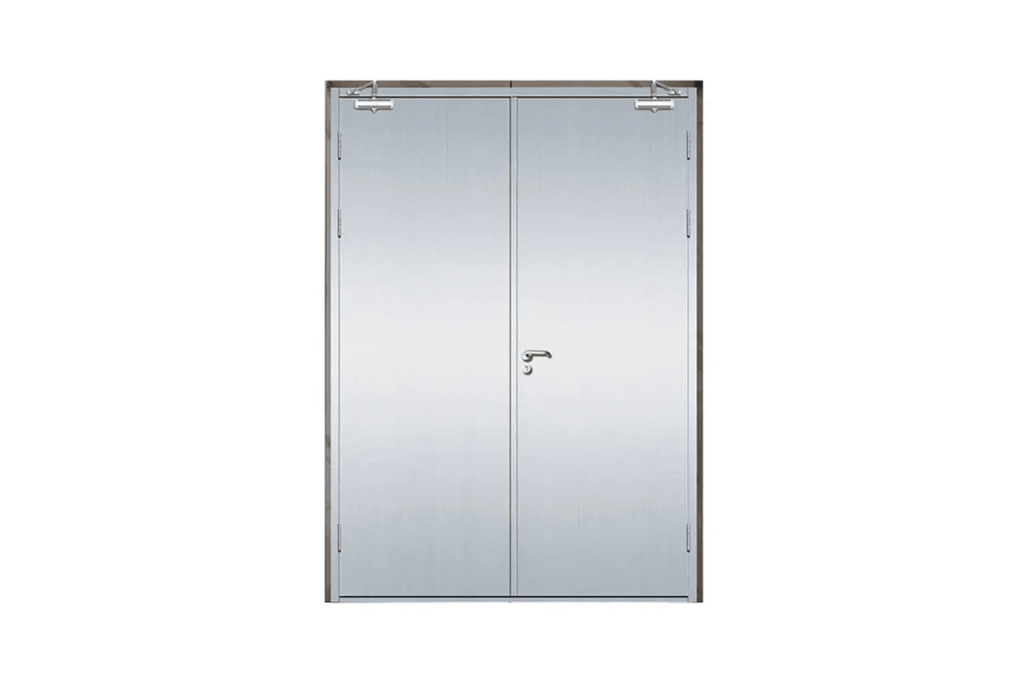
Securing Safety: The Importance Of Panic Exit Devices And Exit Device Trims?
Panic exit devices are often requested as “panic bars,” but that simple name can hide serious configuration risks. I often see buyers focus on price first, while trim function, latch type, door structure, opening direction, and fire requirements come later. A better approach is to treat the device and trim as one complete exit-door hardware system.
Panic exit devices are safety hardware systems that allow people to open an exit door from the inside with one pushing action, without keys, tools, or special knowledge1. Exit device trims control how the same door works from the outside, so buyers must match the device, trim, lock type, door structure, fire rating, and applicable standard before ordering.

I work with door manufacturers, hardware brands, and bulk buyers who need reliable exit-door solutions for real projects. In my experience, the safest decisions come from asking practical configuration questions before confirming the order.
What Are Panic Exit Devices And Why Do They Matter?
Panic exit devices solve a simple but critical problem. People must be able to leave a building quickly during an emergency. If the hardware is confusing, blocked by access control, or mismatched with the door, the exit can fail when it matters most.
Panic exit devices are mechanical or electromechanical exit-door hardware systems designed for fast, tool-free egress. Their core principle is asymmetrical operation: the inside must allow free exit, while the outside can remain locked, restricted, or controlled through the correct trim function.
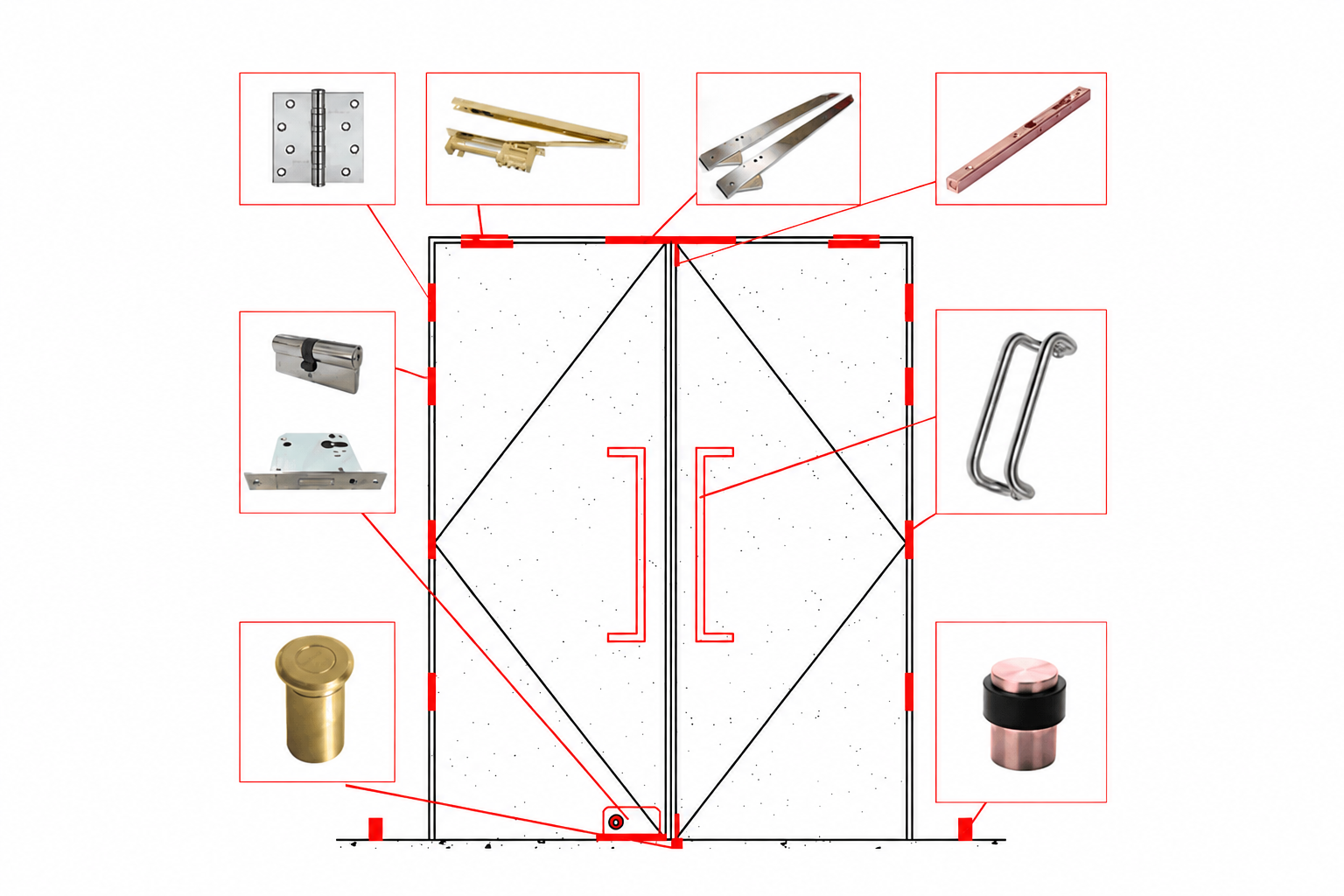
The Basic Safety Logic
I usually explain panic exit devices with one sentence:
The inside must let people out easily, and the outside must only let authorized people in.
That is the real reason these products are different from ordinary locks. A normal lock focuses on securing a door. A panic exit device must secure the door and release quickly under pressure. This matters in places where many people may move toward the same exit at the same time.
Typical applications include:
- Escape-route doors
- Corridor doors
- Stairwell doors
- Exterior exit doors
- High-occupancy rooms2
- Certain electrical or service rooms3
- Public buildings and transport facilities
Common project examples include hotels, hospitals, airports, shopping malls, offices, factories, banks, government buildings, schools, and community facilities. However, I always recommend verifying the actual requirement with the local code authority, project consultant, or qualified fire-safety professional. One market may reference ANSI/BHMA, UL, or IBC-related requirements. Another may focus on EN 1125, EN 179, CE/CPR, or local fire-door regulations.
The Three Main Parts Buyers Should Understand
A complete system normally includes three functional elements:
| Component | Main Role | Buyer Evaluation Point |
|---|---|---|
| Latch or bolt | Secures the door to the frame or floor/header | Match with door type, frame condition, and required security level |
| Push bar or touch bar | Allows inside egress by pushing | Check operation feel, length, durability, and standard requirement |
| Outside trim | Controls outside access | Select lever, pull, keyed trim, night latch, classroom function, or other option |
The push bar or touch bar is the visible part most people recognize. In many standards and product designs, the operating bar covers a large portion of the door width4. Buyers often hear that it should cover at least two-thirds of the door width, but I treat this as standard-dependent because exact requirements can vary by market and certification scope.
Why Configuration Matters More Than the Name
I have seen buyers send a short message like, “Please quote panic bar.” That request is not enough for accurate selection. A manufacturer needs to know:
- Is the door single-leaf or double-leaf?
- Is it timber, steel, aluminum, or fire-rated?
- Is outside access required?
- Should the outside trim be locked, passage, dummy, or key-controlled?
- Is the door left-hand or right-hand?
- Is rim, mortise, surface vertical rod, or concealed vertical rod structure needed?
- Does the project require EN, UL, CE, fire-rated, or another documented standard?
These questions are not just technical details. They affect installation, after-sales risk, compliance documentation, and daily building management. For B2B buyers, the goal is not only to buy hardware. The goal is to supply a door system that works safely and consistently after installation.
How Do Panic Exit Devices Work With Exit Device Trims?
Panic exit devices handle free egress from the inside, but exit device trims decide how people enter from the outside. If the trim is wrong, the door may still open from inside, but the building manager may face security gaps, user complaints, or expensive replacement work.
Exit device trims are functional access-control hardware, not decorative accessories. The trim determines whether the outside face is exit-only, dummy pull, lever-operated, key-controlled, night latch, classroom function, thumbpiece, or keyed lever trim. This is where security policy becomes hardware.
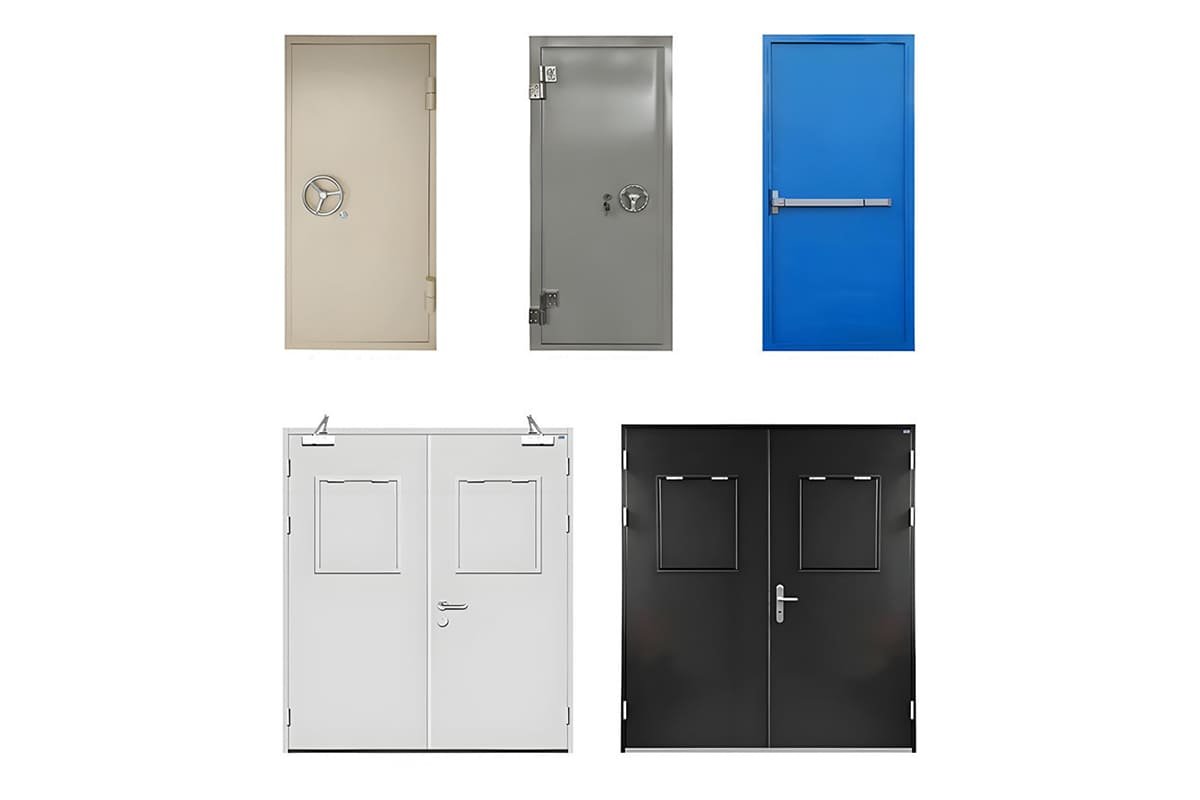
Why Trim Function Is a Security Decision
I often remind buyers that the outside trim is the “management side” of the exit door. The panic device protects escape from the inside. The trim controls re-entry from the outside.
For example, two doors may use similar panic exit devices on the inside, but their outside trim can create totally different access behavior:
| Outside Trim Type | Outside Operation | Common Use Case |
|---|---|---|
| No outside trim | Exit-only door | Restricted service exit or emergency-only exit |
| Dummy pull trim | Pull handle only, no latch retraction | Door opened only when unlocked from another system |
| Lever trim | Lever retracts latch when permitted | Offices, corridors, commercial doors |
| Keyed lever trim | Key controls lever access | Staff-only doors, controlled rooms |
| Night latch trim | Key retracts latch from outside | Exterior exits requiring controlled entry |
| Classroom function trim | Key can lock or unlock outside lever | Schools, training rooms, public facilities |
| Thumbpiece trim | Thumb operation retracts latch | Commercial entrance style doors |
This is why I do not treat trim as an afterthought. A buyer may choose a strong exit device, but if the trim function does not match the site management policy, the project can still fail.
Common Trim Questions I Ask Before Quoting
When I support configuration discussions, I normally ask simple but important questions:
- Should the outside always be locked?
- Should staff enter with a key?
- Should the outside lever remain unlocked during business hours?
- Should the door be exit-only?
- Is the trim exposed to rain, sun, or coastal air?
- Does the buyer need stainless steel, aluminum, zinc alloy, or another material?
- Does the surface finish need to match lever handles, hinges, and cylinders?
These questions help prevent mismatched orders. They also help buyers build a consistent hardware schedule for complete door sets.
Trim Selection And Long-Term Use
In daily use, trim quality affects more than appearance. It affects operation feel, wear resistance, and maintenance frequency. B2B buyers should check:
Material stability
Stainless steel trims may be preferred for higher corrosion resistance. Zinc alloy or aluminum trims may suit other cost and design requirements.Surface treatment
Satin stainless steel, polished stainless steel, PVD, powder coating, black finish, and customized finishes should be checked against project exposure and cleaning conditions.Cylinder compatibility
Some trims require Euro profile cylinders. Others may use different cylinder systems. Door thickness and spindle length must be confirmed.Handing and reversibility
Some trims are reversible. Others require left-hand or right-hand confirmation.Packaging and labeling
Bulk buyers should consider item labels, installation instructions, screw packs, and trim-device matching to reduce warehouse and installation errors.
At SDH Hardware, I have seen many overseas buyers improve order accuracy simply by creating a trim function table before purchase. That table does not need to be complex. It only needs to connect each door number with inside device type, outside trim type, finish, cylinder requirement, door thickness, and certification document requirement.
Which Types Of Panic Exit Devices Should Buyers Compare?
Panic exit devices come in different operating styles and installation structures. If buyers compare only the visible push bar, they may miss the mechanical difference that determines door compatibility. I prefer to classify the device by both operation and structure.
Buyers should compare panic exit devices by push operation, latch structure, door type, security need, and installation condition. The main structures include rim devices, mortise devices, surface vertical rod devices, and concealed vertical rod devices. Each type solves a different door and frame problem.
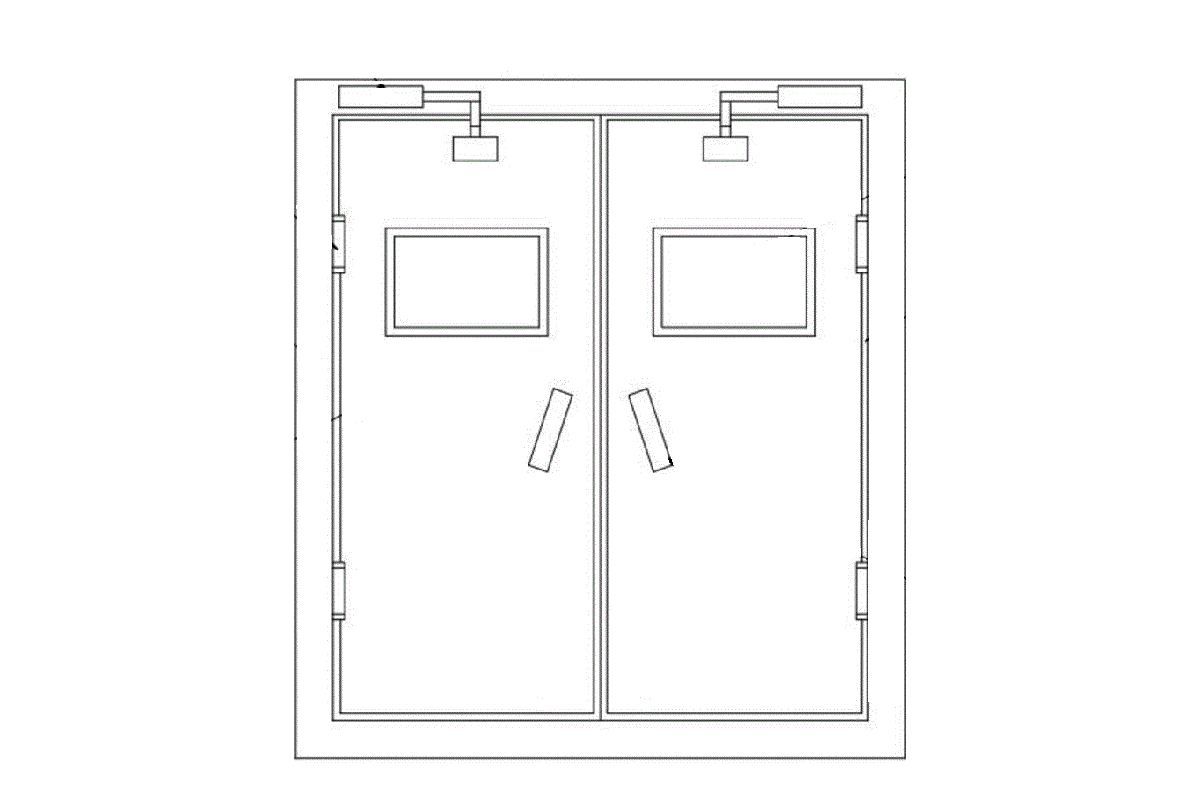
Operation Style: Press-Down Or Push-Type
Different markets use different names, but buyers generally see two broad operating concepts:
- Press-down type: The user presses the bar downward or inward to retract the latch.
- Push-type or touch-bar type: The user pushes the active bar surface to release the latch.
Both designs can support fast egress when properly certified and installed. The best choice depends on the target standard, project preference, door design, and expected traffic level. For public or high-use doors, buyers should pay attention to the strength of springs, dogging options where allowed, cycle testing, and operation consistency.
Structure Type: Matching The Door And Frame
The device structure matters because it determines where the door locks and how the latch engages.
| Device Type | How It Secures The Door | Typical Selection Logic |
|---|---|---|
| Rim panic exit device | Latch locks into surface-mounted strike on frame | Common for single doors; simpler installation |
| Mortise panic exit device | Mortise lock body sits inside door edge | Cleaner appearance; suitable where mortise preparation is planned |
| Surface vertical rod device | Top and bottom rods secure door to header/floor | Common for double doors without center mullion |
| Concealed vertical rod device | Rods hidden inside the door | Cleaner design; requires accurate door preparation |
Rim Devices
Rim devices are often the first option buyers consider. They are usually easier to understand and install because the latch projects into a surface-mounted strike. For single-leaf commercial doors, a rim device can be a practical and economical solution.
However, buyers still need to check:
- Door width and height
- Door thickness
- Strike position
- Frame material
- Trim compatibility
- Fire-rating requirements
- Required finish and corrosion resistance
Mortise Devices
Mortise panic exit devices use a lock body inside the door. They can offer a more integrated appearance and may suit projects where the door already has mortise preparation. They also require more precise machining.
I recommend mortise devices when the buyer can control door preparation accurately. Door factories usually handle this better than general distributors because they can coordinate hardware drawings, cutouts, and assembly before shipment.
Surface Vertical Rod Devices
Surface vertical rod devices are common on double doors where there is no fixed mullion in the center. The rods secure the active leaf at the top and bottom. They are visible on the door face, which can make inspection and service easier.
However, rod alignment matters. If the rods are poorly adjusted, the latch may not engage correctly. Floor strikes can also collect dust or become damaged in high-traffic areas. For factories, warehouses, and public entrances, buyers should consider maintenance access and cleaning conditions.
Concealed Vertical Rod Devices
Concealed vertical rod devices hide the rods inside the door. This creates a cleaner appearance and reduces exposed components. They are often used where design and tamper resistance matter.
The trade-off is preparation accuracy. The door manufacturer must prepare internal channels, latch positions, and access points correctly. I normally suggest concealed rod systems only when the buyer can provide complete door drawings or confirm factory preparation details.
My Practical Selection Rule
I use a simple rule when reviewing options with buyers:
- Start with the door structure.
- Confirm the required egress standard.
- Choose the latch structure.
- Select the outside trim.
- Verify fire and certification documents.
- Confirm finish, packing, and inspection criteria.
This sequence keeps the decision practical. It also reduces the risk of choosing a product that looks right in a catalog but does not fit the actual door.
When Do Panic Exit Devices Need Fire-Rated Certification?
Panic exit devices are often used on emergency exits, but not every device is automatically fire-rated. This point creates confusion in procurement. A buyer may ask for a “panic bar with CE” or “fire-rated panic hardware,” but the actual door assembly requirement must be checked first.
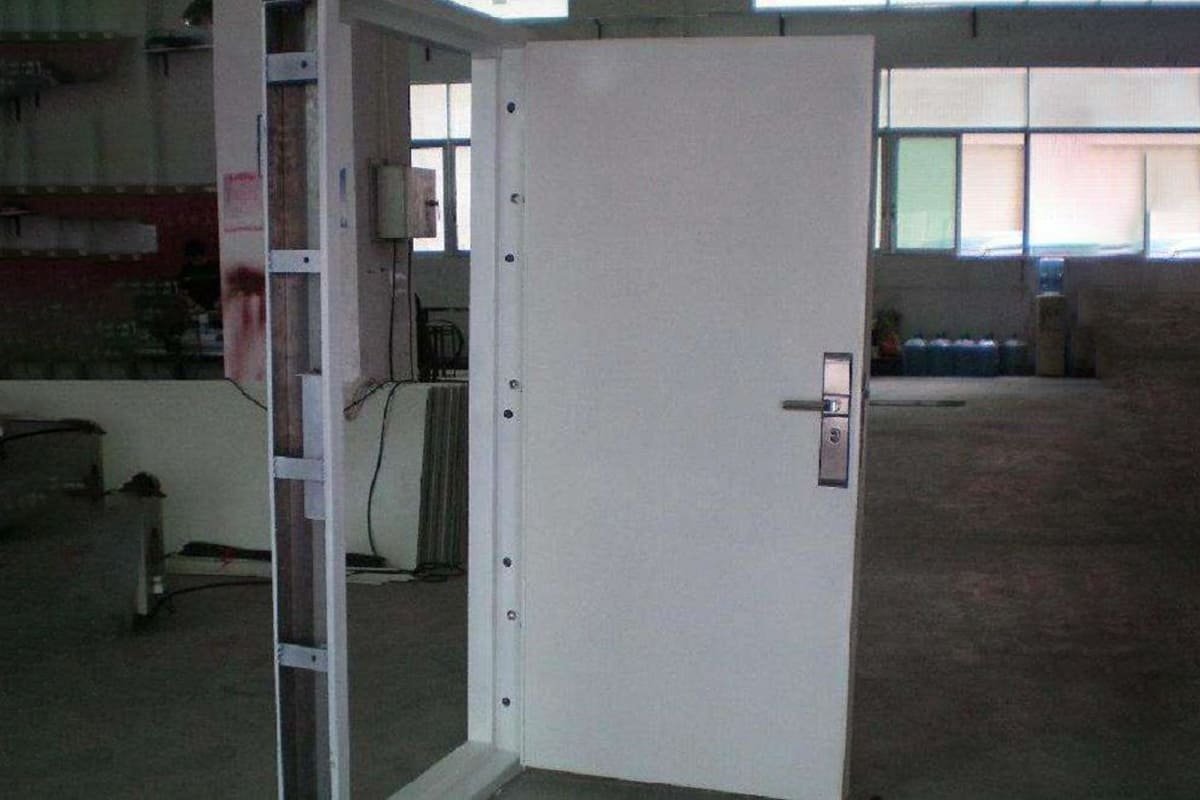
Panic exit devices need fire-rated certification when they are installed on fire-rated door assemblies that require listed fire exit hardware.5 Fire-rated exit devices must allow the door to re-latch after closing6 and must not depend on hold-open behavior that would compromise the fire-door function.
Panic Function And Fire Function Are Different
I like to separate the two functions clearly:
- Panic function focuses on fast egress.
- Fire-rated function focuses on maintaining the fire-door barrier after the door closes.
A panic device can allow safe escape without being fire-rated. A fire-rated exit device must do more. It must support the fire-door assembly’s ability to close, latch, and resist fire spread for the rated period when tested as required.
This is why a buyer should not assume that one certificate covers every use. The project may require proof under a specific standard or testing program.
Standards Buyers May Need To Verify
Relevant references may include:
| Standard / Reference | General Area | Buyer Note |
|---|---|---|
| ANSI/BHMA A156.37 | Exit devices | Common reference in North American hardware specifications |
| UL 3058 | Panic hardware | Often connected with panic hardware listing |
| UL 10C / UL 10B | Fire door testing | Relevant to fire-door assemblies and positive/neutral pressure testing |
| EN 1125 | Panic exit devices | For escape routes where users may not be familiar with the exit |
| EN 179 | Emergency exit devices | For situations where users are familiar with the exit |
| CE / CPR | European construction product documentation | Scope should be checked against declared performance |
| GB12955-2008 | Fire doors in China | May be relevant in Chinese fire-door contexts |
| ETL | Product testing/listing route | Scope must be verified by document and listing details |
These references are not interchangeable. EN 1125 and EN 179 are especially important to distinguish. EN 1125 is generally associated with panic situations where the public may use the exit and may not know the building.9 EN 179 is generally associated with emergency exits used by trained or familiar occupants.10 Buyers should verify the exact standard required for each project.
Fire-Rated Hardware Must Re-Latch
One key point deserves special attention. A fire-rated exit door must close and latch properly.11 Hardware that leaves the door held open or prevents re-latching can damage the fire-door function.
For this reason, fire-rated exit devices often have restrictions on dogging functions. Mechanical dogging may be allowed on some non-fire-rated panic devices, but it is generally not suitable for fire-rated doors if it prevents positive latching.12 Buyers should verify the device design and listing scope.
Documentation Buyers Should Request
For B2B procurement, I suggest requesting documents before mass production or shipment. The document list may include:
- Product data sheet
- Installation drawing
- Certificate copy
- Test report summary where available
- Declaration of performance where required
- Fire-rated door assembly compatibility information
- Labeling or marking details
- Packing list and item code mapping
At SDH Hardware, I treat certificates as documents buyers should verify, not as marketing slogans. A certificate should match the product model, configuration, standard, size range, and intended application. If the project has strict compliance requirements, the buyer should involve the project consultant, local code professional, or accredited testing body.
How Should B2B Buyers Specify Panic Exit Devices Before Ordering?
Panic exit devices should be specified as part of a complete door hardware schedule. If the buyer orders only by product photo, the risk of mismatch increases. I prefer to confirm door details, trim function, certificate scope, and packaging requirements before the order is locked.
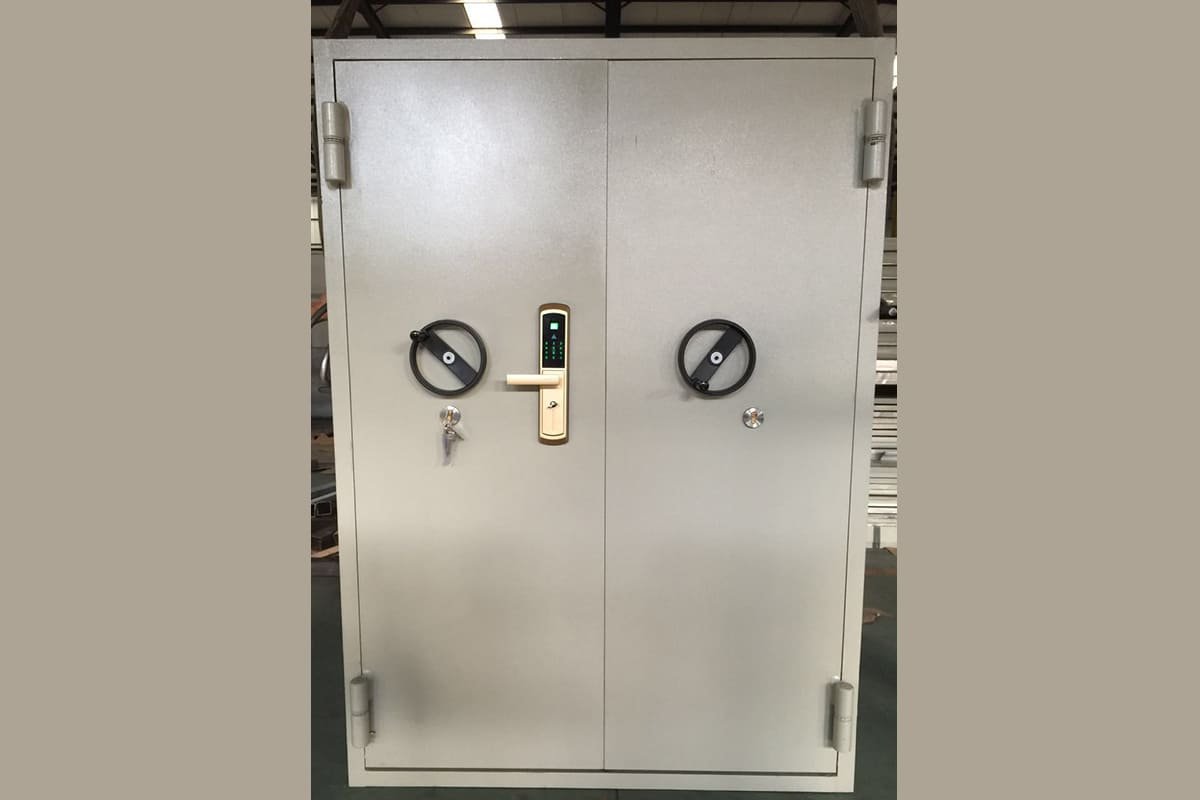
B2B buyers should specify panic exit devices by door type, opening direction, device structure, outside trim function, finish, door thickness, fire requirement, standard reference, cylinder type, accessories, and inspection criteria. A clear specification reduces installation errors, compliance confusion, and after-sales disputes.
A Practical Specification Checklist
I recommend using a checklist like this for each door or item code:
| Specification Item | What To Confirm |
|---|---|
| Door type | Single leaf, double leaf, active/inactive leaf |
| Door material | Steel, timber, aluminum, fire-rated door, hollow metal |
| Door size | Width, height, thickness |
| Opening direction | Left hand, right hand, inward/outward where relevant |
| Device type | Rim, mortise, surface vertical rod, concealed vertical rod |
| Inside operation | Push bar, touch bar, press-down style |
| Outside trim | Dummy pull, lever, keyed lever, night latch, classroom, thumbpiece |
| Cylinder | Euro profile, rim cylinder, other system |
| Finish | SS, PSS, PVD, black, powder coating, custom color |
| Standard | EN 1125, EN 179, ANSI/BHMA, UL, CE, project-specific |
| Fire requirement | Non-fire-rated or fire-rated assembly requirement |
| Accessories | Strikes, rods, end caps, screws, spindles, dogging key if allowed |
| Branding | Logo stamping, laser logo, color box, customer label |
| Inspection | Function test, finish check, packaging check, quantity check |
This table may seem detailed, but it saves time. In one order discussion, I remember a buyer asking for a standard rim panic device for a double-door application without a mullion. After checking the door structure, the correct solution moved toward a vertical rod system. That small clarification prevented a serious site problem.
Manufacturing Quality Points Buyers Can Evaluate
A good configuration still needs stable production. Buyers should evaluate manufacturing quality in several areas.
1. Raw material control
The housing, latch, springs, rods, screws, and trim components must be made from suitable materials. Material choice affects strength, corrosion resistance, and long-term operation.
2. Machining accuracy
Exit devices rely on moving parts. Poor tolerances can cause heavy operation, latch sticking, or inconsistent release.
3. Surface treatment consistency
Commercial buyers often need finish matching across handles, hinges, cylinders, and door accessories. Surface treatment should be consistent from batch to batch.
4. Assembly stability
Springs, pivots, latch mechanisms, and end caps must be assembled correctly. A device may look fine outside but feel unstable during operation if assembly control is weak.
5. Final inspection
Function testing, visual inspection, accessory checking, and packaging inspection are important before shipment. For bulk wholesalers and hardware brands, wrong screws or missing strikes can create large after-sales costs.
Supplier Selection Factors
For panic exit devices and exit device trims, I suggest evaluating the supplier, not just the item price.
A qualified supplier should be able to provide:
- Clear product drawings
- Trim function guidance
- Finish options
- Door thickness compatibility
- Sample support
- ODM/OEM discussion
- Certificate documents for verification
- Quality inspection process
- Packaging and labeling options
- Stable batch supply
SDH Hardware operates as a factory-direct architectural door hardware manufacturer in China, with experience in Euro mortise locks, lever handles, hinges, cylinders, accessories, and exit-door hardware matching. I mention this not to replace project compliance review, but to explain why I view panic hardware as part of a complete door hardware system. For door factories and hardware brands, that system thinking is usually more valuable than a single low quotation.
Frequently Asked Questions
Are panic exit devices the same as ordinary panic bars?
Panic exit devices are often called panic bars, but the full device includes more than the visible bar. A complete system includes the inside operating bar, latch or bolt mechanism, strikes, and often an outside trim that controls entry from the exterior side.
Do all panic exit devices need to be fire-rated?
No. Panic exit devices do not always need fire-rated certification. Fire-rated exit hardware is required when the device is used on a fire-rated door assembly that requires listed hardware. Buyers should verify the project standard, door label, and certificate scope before ordering.
What is the difference between EN 1125 and EN 179?
EN 1125 generally applies to panic exit devices for routes where users may not be familiar with the building, such as public spaces. EN 179 generally applies to emergency exit devices where users are trained or familiar with the exit. Buyers should verify which standard the project requires.
Is exit device trim only for appearance?
No. Exit device trim is access-control hardware. It decides whether the outside face works as exit-only, dummy pull, lever access, keyed access, night latch, classroom function, or thumbpiece operation. The trim affects security, convenience, and building management policy.
What information should I provide when requesting a quotation?
You should provide door type, door size, door thickness, opening direction, device structure, outside trim function, finish, cylinder type, fire requirement, target standard, quantity, packaging needs, and any branding requirements. These details help the supplier recommend a correct configuration.
Conclusion
Panic exit devices are not just simple push bars. They are asymmetric exit-door systems that must allow free egress from inside while controlling outside access through the correct exit device trim. Buyers should evaluate device type, trim function, door structure, fire-rated needs, standards, materials, finish, and inspection process before ordering. If you are sourcing panic exit devices for commercial doors, public projects, or brand supply, I recommend starting with a complete door hardware schedule and asking SDH Hardware for configuration support before confirming production.
"CHAPTER 10 MEANS OF EGRESS - ICC Digital Codes", https://codes.iccsafe.org/content/IBC2021P2/chapter-10-means-of-egress. The International Building Code and comparable life-safety codes require many egress doors to be openable from the egress side without a key, tool, or special knowledge, supporting the article's description of the intended egress function. Evidence role: definition; source type: institution. Supports: An adopted building or life-safety code defines egress-door operation as openable from the egress side without keys, tools, or special knowledge.. Scope note: Code requirements vary by jurisdiction, occupancy, and adopted edition. ↩
"Decoded: Panic Hardware on Doors Serving Assembly Occupancies", https://idighardware.com/2023/09/decoded-panic-hardware-on-doors-serving-assembly-occupancies/. Model building codes require panic or fire exit hardware for doors serving certain assembly, educational, and high-hazard occupancies once specified occupant-load thresholds are met, providing code context for high-occupancy rooms as common applications. Evidence role: general_support; source type: institution. Supports: Building codes require panic or fire exit hardware for doors serving specified occupancies and occupant-load thresholds.. Scope note: The source would support the general category, not a requirement for every high-occupancy room. ↩
"110.26(C)(3) Personnel Doors. - Electrical License Renewal", https://www.electricallicenserenewal.com/Electrical-Continuing-Education-Courses/NEC-Content.php?sectionID=802. NFPA 70, National Electrical Code, includes provisions requiring listed panic hardware or listed fire exit hardware for doors serving working spaces around specified large electrical equipment, supporting the article's reference to certain electrical rooms. Evidence role: general_support; source type: institution. Supports: Electrical codes require listed panic or fire exit hardware on doors serving working spaces for certain large electrical equipment.. Scope note: The requirement applies only under defined equipment, rating, and door-location conditions. ↩
"Commercial Panic Door Hardware Parts: How Should Buyers Select ...", https://sdhhardware.com/2026/08/11/commercial-panic-door-hardware-parts-how-should-buyers-select-the-right-system/. Panic-exit-device standards such as EN 1125 and ANSI/BHMA A156.3 specify requirements for horizontal operating members, supporting the article's statement that the bar normally occupies a substantial part of the door width. Evidence role: definition; source type: institution. Supports: Panic-exit-device standards specify dimensional and operational requirements for horizontal operating bars.. Scope note: The precise required proportion depends on the standard, device type, and certified configuration. ↩
"Panic and Fire Exit Hardware | Fire and Rescue - Fairfax County", https://www.fairfaxcounty.gov/fire-ems/fire-marshal/panic-and-fire-exit-hardware. Fire-door and building-code provisions require hardware on rated door assemblies to be listed or approved for the assembly's fire-protection function, supporting the article's statement that panic hardware on such doors may need fire-exit-hardware certification. Evidence role: general_support; source type: institution. Supports: Fire-door standards and building codes require listed hardware appropriate to the fire-rated assembly when exit hardware is used.. Scope note: The specific listing requirement depends on the assembly label, local code, and adopted standard. ↩
"What Are the Fire Door Hinge Placement ... - SDH hardware", https://sdhhardware.com/2026/08/13/what-are-the-fire-door-hinge-placement-requirements-for-commercial-buildings/. NFPA 80 treats closing and latching as essential functions of swinging fire-door assemblies, supporting the article's statement that fire-rated exit hardware must permit re-latching after the door closes. Evidence role: mechanism; source type: institution. Supports: Fire-door standards require swinging fire doors to close and latch so the door assembly can maintain its fire barrier function.. Scope note: The citation supports the fire-door function generally; individual devices must still be checked against their listing. ↩
"Commercial Panic Door Hardware Parts: How Should Buyers Select ...", https://sdhhardware.com/2026/08/11/commercial-panic-door-hardware-parts-how-should-buyers-select-the-right-system/. The Builders Hardware Manufacturers Association identifies ANSI/BHMA A156.3 as the standard for exit devices, supporting the article's inclusion of it among relevant exit-device references. Evidence role: definition; source type: institution. Supports: ANSI/BHMA A156.3 is the Builders Hardware Manufacturers Association standard covering exit devices.. Scope note: The standard's detailed testing requirements may require access to the full standard. ↩
"Commercial Panic Door Hardware Parts: How Should Buyers Select ...", https://sdhhardware.com/2026/08/11/commercial-panic-door-hardware-parts-how-should-buyers-select-the-right-system/. UL Solutions identifies UL 305 as the Standard for Panic Hardware, supporting the article's statement that UL 305 is connected with panic-hardware listing. Evidence role: definition; source type: institution. Supports: UL 305 is a UL standard for panic hardware.. Scope note: The standard title does not confirm that any particular product is UL listed. ↩
"What Type of Fire Exit Hardware Do We Use on Fire Exits? - SDH ...", https://sdhhardware.com/2026/08/07/what-type-of-fire-exit-hardware-do-we-use-on-fire-exits/. Institutional summaries of EN 1125 describe it as covering panic exit devices for escape routes where panic may occur, including locations used by the public or by persons unfamiliar with the premises. Evidence role: definition; source type: institution. Supports: EN 1125 concerns panic exit devices for escape routes in situations where panic may occur and users may be unfamiliar with the exit.. Scope note: Public summaries may not reproduce the full copyrighted standard text. ↩
"What Type of Fire Exit Hardware Do We Use on Fire Exits? - SDH ...", https://sdhhardware.com/2026/08/07/what-type-of-fire-exit-hardware-do-we-use-on-fire-exits/. Institutional descriptions of EN 179 identify it with emergency exit devices for premises where occupants are familiar with the exit route and a panic situation is not expected, supporting the article's distinction from EN 1125. Evidence role: definition; source type: institution. Supports: EN 179 is scoped to emergency exit devices in contexts where users are expected to know the exit route and panic is less likely.. Scope note: The source supports the general scope distinction and not the correct standard for any specific project. ↩
"What Are the Fire Door Hinge Placement Requirements for ...", https://sdhhardware.com/2026/08/13/what-are-the-fire-door-hinge-placement-requirements-for-commercial-buildings/. Fire-door standards such as NFPA 80 require swinging fire doors to be maintained so that they close and latch, supporting the article's explanation of why latching is critical to the rated assembly. Evidence role: mechanism; source type: institution. Supports: Fire-rated swinging doors must be able to close and latch as part of the fire-door assembly's protective function.. Scope note: Maintenance and inspection details differ by occupancy, authority having jurisdiction, and adopted edition. ↩
"Commercial Panic Door Hardware Parts: How Should Buyers Select ...", https://sdhhardware.com/2026/08/11/commercial-panic-door-hardware-parts-how-should-buyers-select-the-right-system/. Fire-door and fire-exit-hardware requirements emphasize positive latching and generally do not permit mechanical dogging that holds the latch retracted on rated openings, supporting the article's caution about dogging on fire-rated doors. Evidence role: mechanism; source type: institution. Supports: Fire-rated exit hardware must not be held in a condition that prevents the latch from securing the door after closing.. Scope note: Some electrified or listed functions may be permitted under specific listings and code conditions. ↩