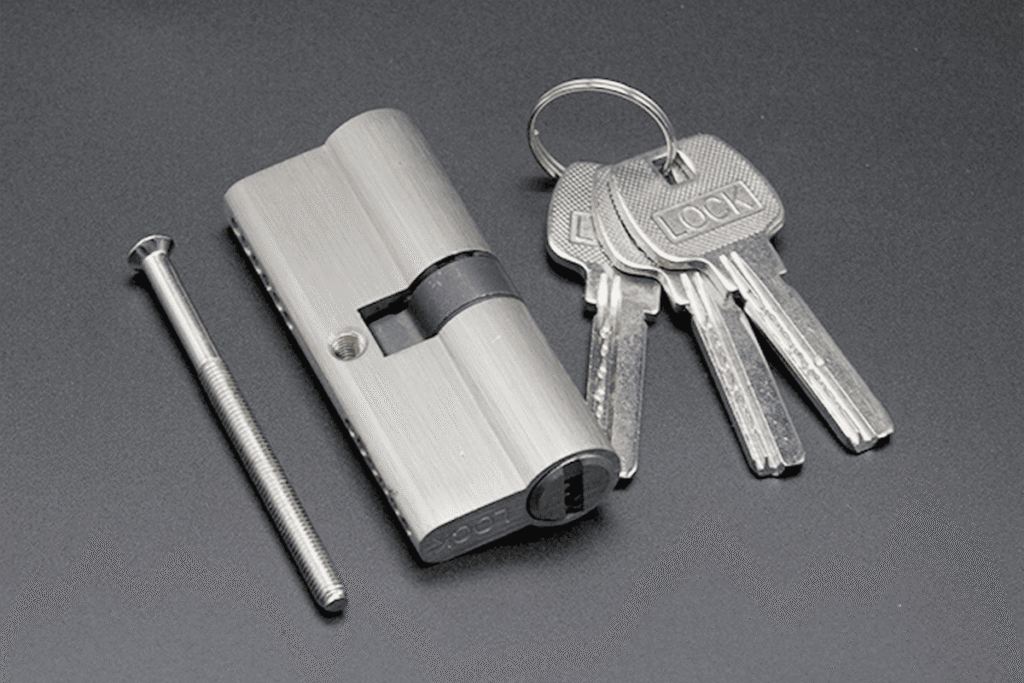
The Best Euro Cylinder Upgrades for uPVC Doors in 2026?
Euro cylinder upgrades for uPVC doors can quickly become confusing when every option claims stronger security. Buyers often compare only price or one feature, then face projection issues, handle mismatch, corrosion complaints, or weak surrounding hardware. The better solution is to select the cylinder and protective hardware as one matched door system.
The best Euro cylinder upgrades for uPVC doors in 2026 combine an EN1303-certified cylinder with practical anti-snap, anti-drill, anti-bump, and anti-pry resistance, then pair it with protective hardware such as stainless steel lever handles, reinforced escutcheons, cylinder guards, or security handle sets.1 Compatibility matters as much as security features.
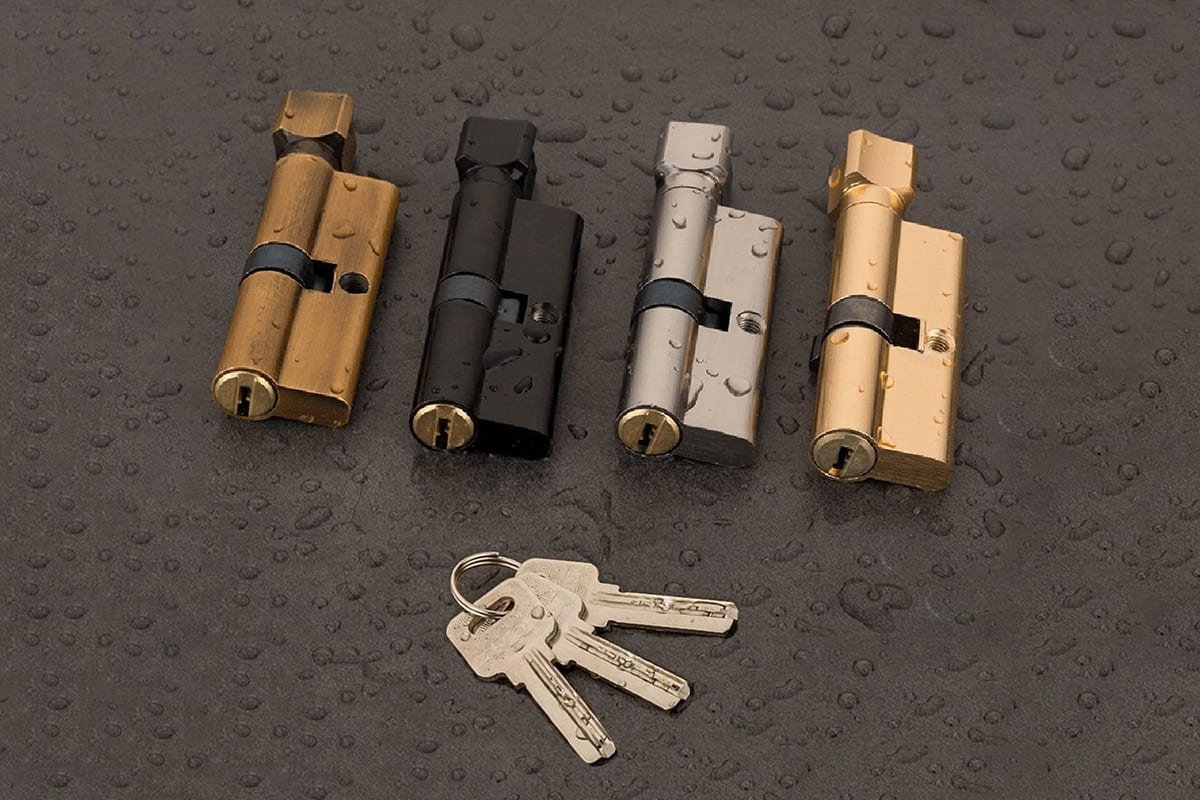
In my daily work as a door hardware manufacturer and supplier, I see the same pattern often. A buyer asks for a “better cylinder,” but the real requirement is usually a better security package for the full uPVC door system. Let’s break that down clearly.
What makes Euro cylinder upgrades for uPVC doors different in 2026?
uPVC doors are not heavy timber or steel door systems, so the upgrade logic is different. If buyers treat the cylinder as an isolated commodity part, they may improve one point while leaving other weak points exposed. That creates cost without enough real system improvement.
Euro cylinder upgrades for uPVC doors in 2026 should focus on the most common weak attack points: cylinder snapping, drilling, bumping, and levering around the handle area. A higher-security cylinder works best when its length, projection, lock case, handle set, and protective accessories are configured together.
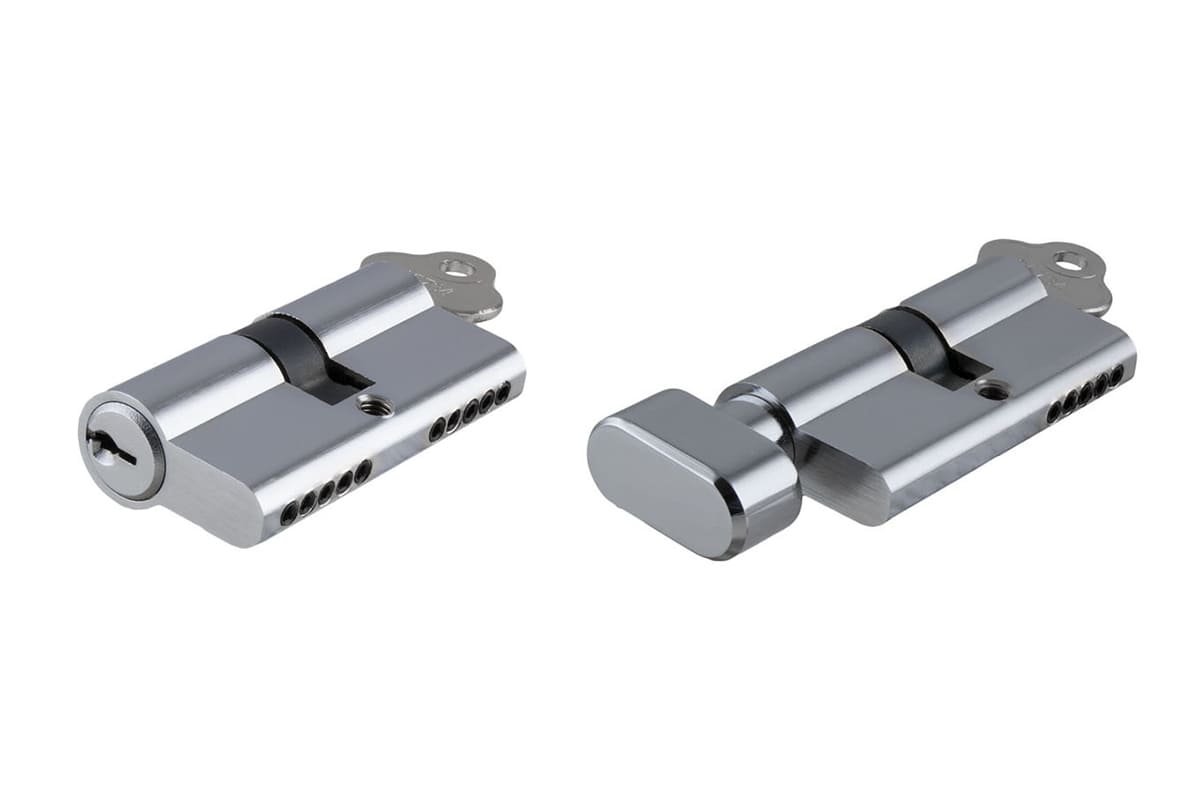
Why uPVC profile doors need system thinking
A uPVC door usually uses a profile-based structure with a multi-point lock, Euro profile cylinder, lever handle set, and sometimes additional escutcheons or cylinder protection. The door panel and frame can perform well when properly specified, but the hardware area still deserves close attention.
From the manufacturer side, I often receive inquiries that start with a short request like:
“Please quote an anti-snap Euro cylinder for uPVC doors.”
That request is a good starting point, but it is not enough for a reliable B2B order. I usually need to ask follow-up questions:
- What is the cylinder size, such as 30/30, 35/35, 40/40, or offset sizes?
- What is the door thickness and profile design?
- How far does the cylinder project from the handle or escutcheon?
- Does the lock case use a standard Euro profile opening?
- Is the handle plate designed with any cylinder protection?
- What finish is needed for the cylinder, handle, and accessories?
- Is the order for replacement, new door production, or a project specification?
The 2026 buyer’s real challenge
In 2026, many door manufacturers and hardware importers want to increase perceived security value without creating installation problems. That means the best upgrade is not always the most expensive cylinder. It is the best-matched package.
| Buyer concern | Poor upgrade approach | Better upgrade approach |
|---|---|---|
| Security perception | Buy only a “high-security” cylinder | Combine cylinder and protective hardware |
| Installation success | Ignore cylinder length | Confirm door thickness and projection |
| After-sales risk | Mix random finishes and parts | Control batch consistency and accessories |
| Corrosion concerns | Select only by price | Verify material, plating, and certification documents |
| Product line value | Promote one feature only | Explain anti-snap, anti-drill, anti-bump, and anti-pry resistance clearly |
The key point is simple: uPVC doors need balanced protection around the lock area2. A strong cylinder can still be poorly installed if it projects too far beyond the handle. A quality handle can still fail to protect the cylinder if it has no reinforced design. A cylinder guard can help, but it must match the door style and fixing method.
As a supplier, I prefer to discuss the complete configuration before quoting. This reduces later problems with installation, packaging, and customer complaints.
Which security features matter most in Euro cylinder upgrades for uPVC doors?
Security terms can sound similar, and buyers can easily focus on one feature while missing others. If a customer asks only for “anti-snap,” I still ask about drill resistance, bump resistance, and protection around the cylinder face. Each feature addresses a different practical risk.
The most relevant features in Euro cylinder upgrades for uPVC doors are anti-snap, anti-drill, anti-bump, and anti-pry resistance. These features do not make a door burglary-proof, but they can improve resistance against common forced-entry methods when combined with the right handle, escutcheon, and door configuration.
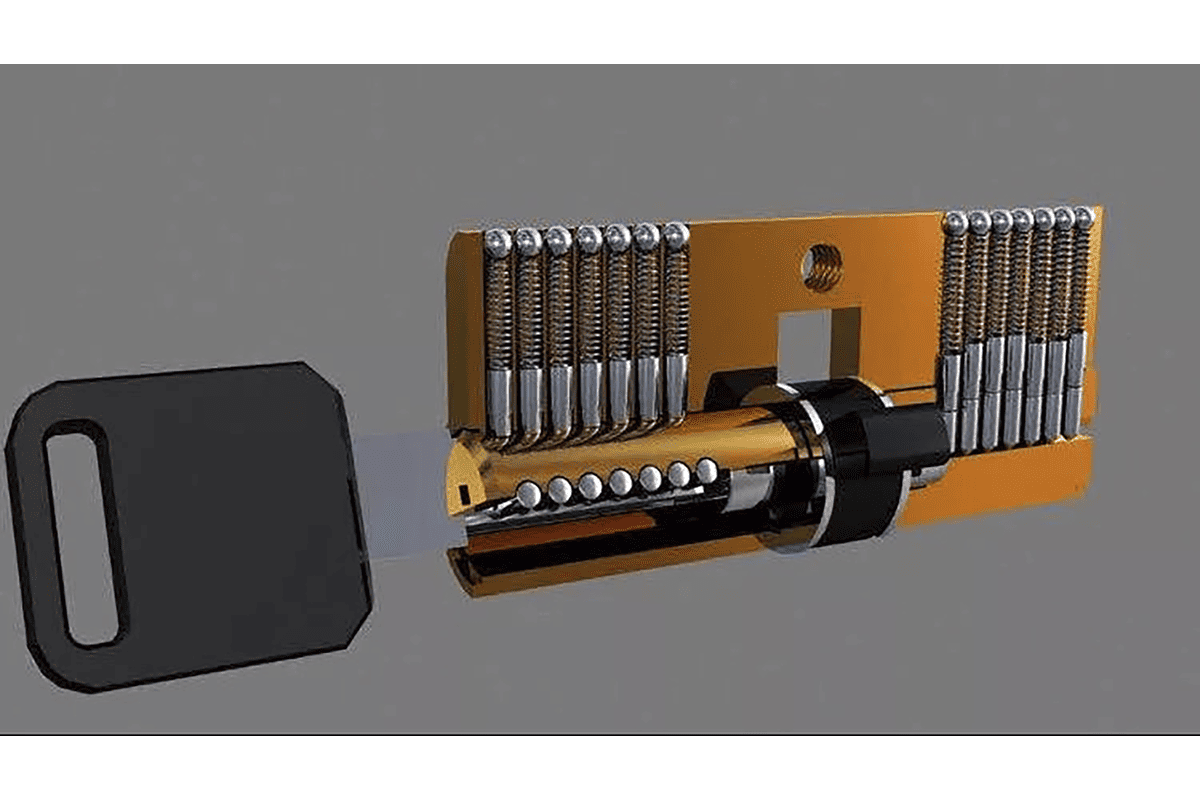
Anti-snap resistance
Cylinder snapping is a major reason many buyers ask for upgrades.3 In simple terms, anti-snap design aims to prevent or reduce the effectiveness of force applied to the exposed cylinder body.
For uPVC doors, projection is especially important. If the cylinder extends too far beyond the handle plate or escutcheon, it becomes easier to grip.4 I always recommend checking the installed projection instead of only checking the nominal cylinder size.
Practical buyer checks:
- Confirm the door thickness and handle depth.
- Select a cylinder length that avoids excessive projection.
- Pair the cylinder with a reinforced handle or cylinder protector.
- Request drawings or samples before mass order approval.
Anti-drill resistance
Anti-drill features are designed to resist drilling attempts at vulnerable points. Manufacturers may use hardened pins, hardened inserts, or other reinforced internal components depending on the design.5
For procurement teams, the important point is not just the claim. Buyers should ask for:
- Product drawings or technical descriptions
- Certification documents where applicable
- Model-specific confirmation
- Sample testing before large orders
- Consistent production control across batches
Anti-bump resistance
Lock bumping relates to manipulation of the pin mechanism.6 Anti-bump cylinder designs aim to make this method harder. However, buyers should avoid treating “anti-bump” as an absolute guarantee.
In B2B product discussions, I usually explain anti-bump as one part of a wider resistance profile. It works best when the cylinder also has suitable key control, machining accuracy, and stable internal tolerances.
Anti-pry protection
Anti-pry protection is often overlooked because it is not always a cylinder-only feature. In many cases, it depends on surrounding hardware.
For Euro cylinder upgrades for uPVC doors, anti-pry thinking should include:
- Security escutcheons
- Reinforced handle backplates
- Cylinder guards
- Stronger fixing screws
- Better handle-to-lock alignment
- Reduced exposed cylinder length
| Feature | Main purpose | Buyer mistake to avoid |
|---|---|---|
| Anti-snap | Reduces snapping vulnerability | Ignoring cylinder projection |
| Anti-drill | Resists drilling attacks | Accepting vague claims without documents |
| Anti-bump | Resists bump-style manipulation | Treating it as the only security feature |
| Anti-pry | Protects the surrounding lock area | Upgrading cylinder but keeping weak handles |
In my experience, the best discussions happen when buyers ask, “What combination should we use for this door series?” instead of “What is your strongest cylinder?” The second question sounds simple, but the first question leads to a more reliable product.
Why should EN1303 certification guide Euro cylinder upgrades for uPVC doors?
Many buyers see certification marks in catalogs, but they do not always know what to verify. This creates risk. A certificate may relate to one model, one size, one finish, or one production condition. Buyers should treat certification as a document to check, not just a logo to copy into marketing.
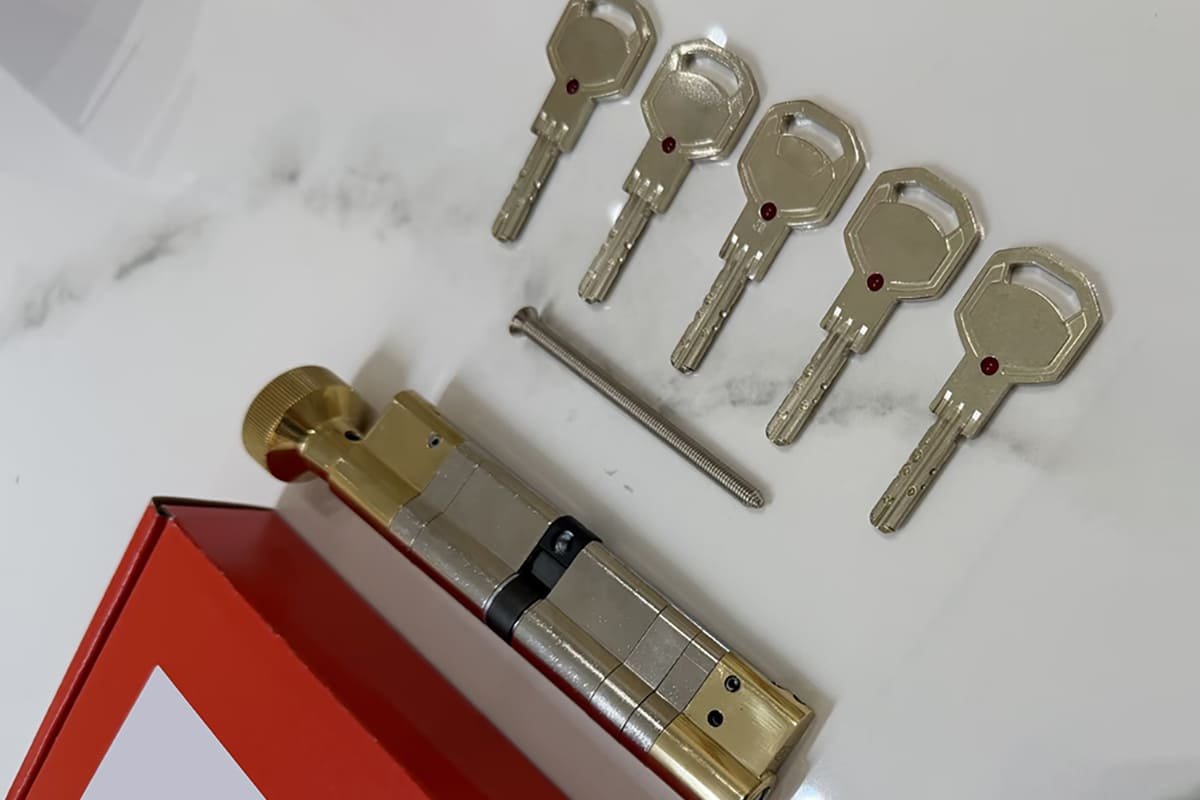
EN1303 certification should guide Euro cylinder upgrades for uPVC doors because the standard relates to important performance areas such as durability, key-related security, attack resistance categories, and corrosion resistance7. Buyers should verify the exact certificate details, tested model, grade information, issuing body, and validity before publication or procurement approval.
What EN1303 means for buyers
EN1303 is a European standard for cylinders for locks.8 For B2B buyers, it provides a common reference point when comparing products from different suppliers. It can help procurement teams avoid vague claims and focus on documented performance.
However, I always remind customers that standards must be read carefully. A general statement like “EN1303 cylinder” is not enough for a serious project or product line.
Buyers should verify:
- The specific cylinder model covered by the certificate
- The tested size or configuration, where relevant
- The certification body or test laboratory
- The date and validity of the document
- The grades shown on the certificate
- Whether the supplied product matches the tested product
- Whether the finish and material are included or separately controlled
I will not invent grade numbers or test values here because those details must be checked against the actual certificate. That is the correct procurement approach.
Why certification is only the baseline
EN1303 can support supplier evaluation, but it does not replace full application review. A certified cylinder can still be unsuitable if it is too long, paired with a weak handle, or installed into a poor-quality door system.
I usually explain it this way:
Certification helps confirm product performance under defined test conditions.9 Compatibility confirms whether the product fits the door system. Both are necessary.
Supplier evaluation checklist
For Euro cylinder upgrades for uPVC doors, I suggest buyers request a practical documentation package before confirming a bulk order.
| Document or sample | Why it matters |
|---|---|
| EN1303 certificate | Supports performance verification |
| Technical drawing | Confirms dimensions and configuration |
| Finish sample | Reduces color mismatch risk |
| Key sample | Confirms keyway, logo, and operation feel |
| Packaging mock-up | Supports retail or brand presentation |
| Inspection report | Confirms batch quality before shipment |
| Installation sample set | Checks compatibility with handle and lock case |
SDH Hardware’s manufacturer-side view
At SDH Hardware, we manufacture and supply architectural door hardware for door factories, hardware brands, and bulk wholesalers. Our Euro brass cylinders, locks, handles, hinges, and accessories are used in different regional markets, including Europe, the Middle East, and Southeast Asia.
Because we handle OEM and ODM configurations, I often see how small specification details affect after-sales risk. For example, two cylinders may look similar in a photo, but their cam design, finish, key system, length, and packaging requirements may differ. If the buyer does not confirm these details early, the order can become difficult later.
That is why I recommend using EN1303 as a baseline, then building a full specification around the real door system.
How should protective hardware support Euro cylinder upgrades for uPVC doors?
A strong cylinder can still be exposed if the surrounding handle or escutcheon is weak. This is one of the most common upgrade mistakes I see. Buyers spend more on the cylinder but keep the same basic handle set, which limits the value of the improvement.
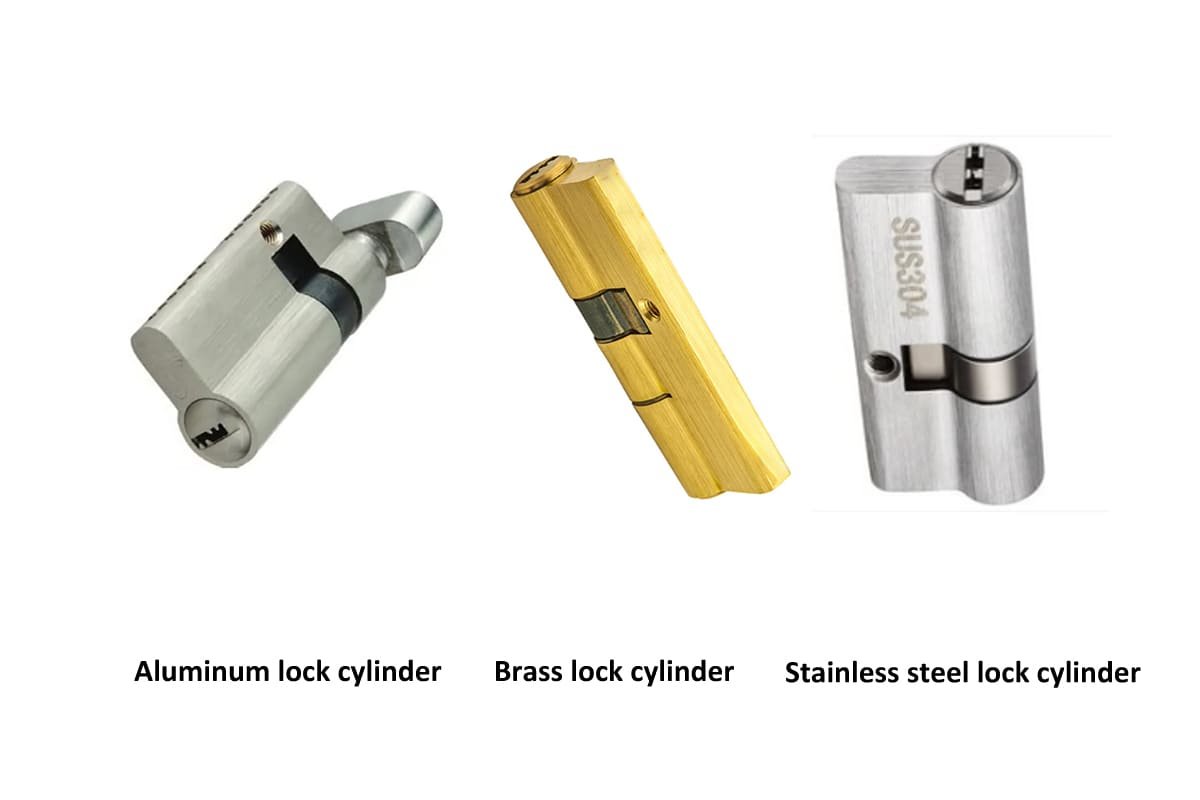
Protective hardware should support Euro cylinder upgrades for uPVC doors by reducing exposed cylinder length, shielding the cylinder face, strengthening the handle area, and improving resistance against levering or prying.10 Stainless steel lever handles, security escutcheons, cylinder protectors, and reinforced handle sets are common supporting options.
Why the handle area matters
On many uPVC doors, the handle plate surrounds the cylinder opening. If this area is thin, weak, or poorly fixed, it may not provide enough support. A better cylinder needs a better environment.
In product selection discussions, I often compare the cylinder to an engine part. A better engine performs poorly if the surrounding system is not suitable. The same idea applies here. The cylinder, handle, lock case, screws, escutcheon, and door profile must work together.
Common protective hardware options
Buyers can consider several hardware combinations depending on the target market and price level.
| Hardware option | Main function | Suitable use case |
|---|---|---|
| Stainless steel lever handle | Improves durability and corrosion resistance | Mid-to-high door lines |
| Reinforced handle set | Strengthens handle and cylinder area | Security-focused uPVC doors |
| Security escutcheon | Shields cylinder opening | Doors needing extra visual and physical protection |
| Cylinder guard | Protects exposed cylinder face | Higher-security configurations |
| Longer fixing screws | Improves fixing strength where appropriate | Matched handle and lock designs |
| Matching finish set | Improves appearance and brand consistency | Retail and project supply |
Stainless steel handles as part of the upgrade
Stainless steel lever handles are often selected for durability, corrosion resistance, and appearance.11 For coastal regions, humid markets, or high-traffic projects, material and finish stability matter. Buyers should still verify the specific stainless steel grade, surface treatment, and test documents where needed.
At SDH Hardware, we often configure cylinder solutions together with stainless steel lever handles and door accessories. This allows better control over finish matching, packaging, and hardware compatibility.
Security escutcheons and cylinder protectors
Security escutcheons and cylinder protectors can reduce direct access to the cylinder. They can also improve the perceived value of the door. However, they must fit the door profile, handle design, and cylinder projection correctly.
Before bulk ordering, buyers should check:
- Does the escutcheon cover the cylinder properly?
- Does the cylinder sit flush or near-flush after installation?
- Do the screws align with the lock case and handle design?
- Does the protector interfere with key operation?
- Does the finish match other visible hardware?
- Does the packaging protect the surface during transport?
Avoiding over-specification
Not every uPVC door line needs the same hardware package. A project door, retail replacement set, and OEM door factory series may have different cost targets. The best decision balances security perception, test documents, installation needs, and price.
For B2B buyers, I recommend building two or three upgrade tiers:
Standard certified package
EN1303-certified cylinder, standard matching handle, controlled finish.Enhanced security package
Anti-snap cylinder, stainless steel handle, improved escutcheon, better projection control.Premium protective package
Higher-security cylinder configuration, reinforced handle set, cylinder protector, branded packaging, and stricter inspection.
This tiered approach helps importers and door system suppliers sell to different market segments without creating too many SKUs.
What should B2B buyers check before ordering Euro cylinder upgrades for uPVC doors?
Bulk hardware orders fail most often because of small details, not because the product category is wrong. A cylinder may be well made, but if the length, cam, finish, key system, or packaging does not match the buyer’s requirement, the order still creates problems.
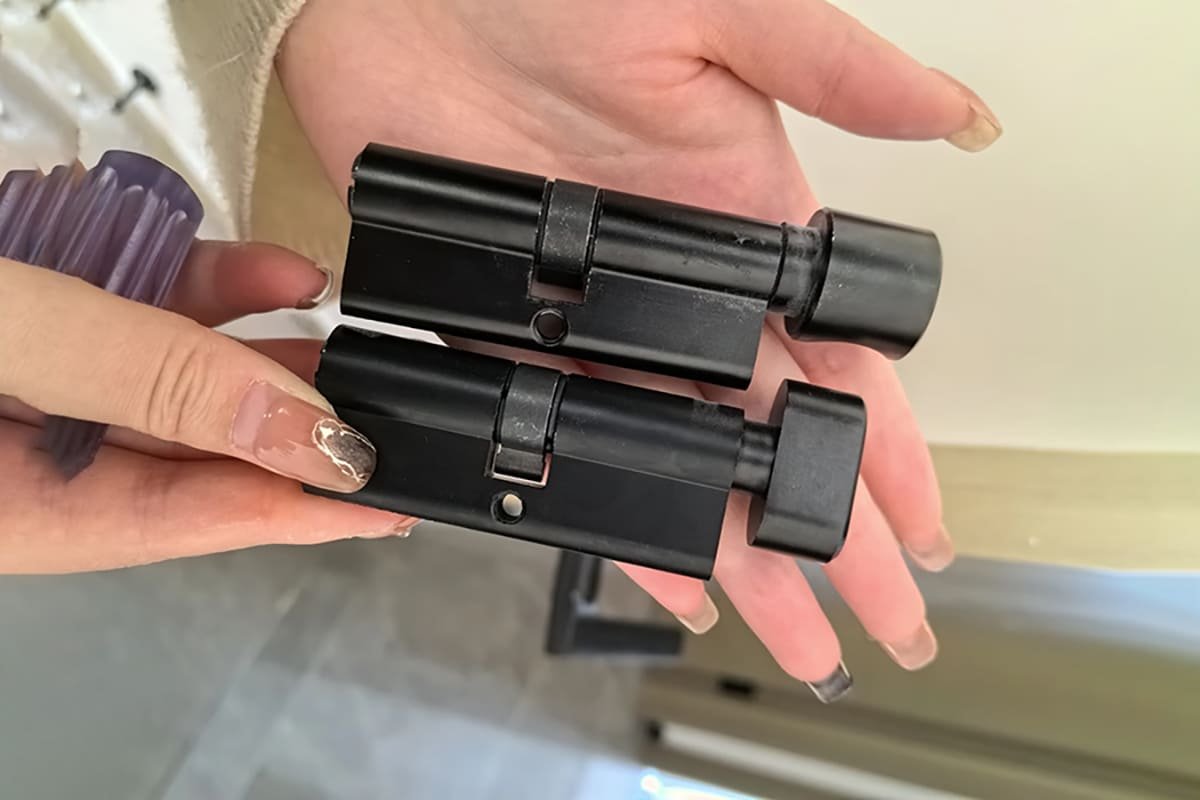
Before ordering Euro cylinder upgrades for uPVC doors, B2B buyers should check cylinder length, projection, cam type, lock case compatibility, handle or escutcheon design, finish, keying requirements, certification documents, packaging, inspection process, and batch consistency. A sample approval process is strongly recommended before mass production.
1. Cylinder length and projection
Cylinder length is one of the most important details. A common mistake is selecting a size only from habit. For example, buyers may request 30/30 or 35/35 without confirming the final installed position.
Projection should be checked after the cylinder is installed with the actual handle or escutcheon. If the cylinder projects too much, the upgrade may lose part of its value.
A simple sample test can prevent this issue.
2. Lock case and cam compatibility
Euro cylinders must match the lock case.12 The cam design and operation angle should be suitable for the lock body. This matters especially for uPVC profile doors using multi-point locking systems.
Buyers should confirm:
- Cam type and position
- Cylinder operation direction
- Key turn feel
- Compatibility with the lock case
- Any thumbturn or double-key requirement
3. Keying and market requirements
Different markets prefer different key systems and packaging formats. A wholesaler may need keyed-different stock. A project buyer may request keyed-alike sets. A brand customer may need logo keys, laser marking, or custom packaging.
Common options include:
- Keyed different
- Keyed alike
- Master key systems, where available and properly specified
- Double cylinder
- Thumbturn cylinder
- Emergency function, if required and supported
- Custom key head or logo service
4. Finish and corrosion concerns
Finish matching matters for visible hardware. A cylinder in satin nickel, polished brass, black, or other finishes should match the handle and accessories.
For humid, coastal, or high-use environments, corrosion resistance is also important. Buyers should ask for relevant test documents and confirm whether the finish is suitable for the target market. If exact corrosion data is needed, it should come from verified supplier reports or laboratory documents.
5. Packaging and brand presentation
In B2B supply, packaging is not only cosmetic. It affects transport protection, warehouse handling, retail display, and customer perception.
At SDH Hardware, we support customer stamping or laser logos, custom color packaging, product drawings after order confirmation, and inspection service after order completion. These details can help brand enterprises and wholesalers create a more complete product line.
6. Batch consistency and inspection
Batch consistency is essential for importers and door factories. One good sample is not enough. Buyers should discuss inspection points before mass production.
Useful inspection points include:
| Inspection point | What to confirm |
|---|---|
| Dimensions | Length, cam, screw hole, body size |
| Operation | Smooth key insertion and turning |
| Finish | Color consistency and surface defects |
| Keys | Quantity, logo, cutting accuracy |
| Packaging | Label, barcode, carton protection |
| Documents | Certificate, drawing, inspection report |
| Fit test | Compatibility with handle and lock case |
My practical recommendation
When a buyer asks me how to start a 2026 cylinder upgrade project, I usually suggest this sequence:
- Send the door profile, lock case, handle, and current cylinder details.
- Confirm the target market and security positioning.
- Select the cylinder feature level.
- Match the handle, escutcheon, or cylinder guard.
- Approve drawings and samples.
- Verify certificates and documents.
- Confirm packaging and logo requirements.
- Start mass production after sample approval.
This process is slower than asking for a quick price, but it reduces risk. In B2B hardware supply, fewer surprises usually mean better profit.
Frequently Asked Questions
Are anti-snap cylinders enough for uPVC door upgrades?
Anti-snap cylinders are important, but they are not enough by themselves. A good upgrade should also consider anti-drill, anti-bump, and anti-pry resistance. Buyers should also check cylinder projection and pair the cylinder with protective handles, escutcheons, or cylinder guards.
What certification should buyers check for Euro cylinders?
Buyers often use EN1303 as a baseline for Euro cylinders because it relates to cylinder performance areas such as durability and corrosion resistance. Buyers should verify the actual certificate, tested model, grade details, issuing body, and validity before using the claim in procurement or marketing.
How do I choose the correct Euro cylinder length for a uPVC door?
You should measure the full door and hardware assembly, not only the old cylinder. Check the door thickness, lock case position, handle or escutcheon depth, and final cylinder projection. For bulk orders, I recommend sample installation before confirming mass production.
Should I upgrade the handle when I upgrade the cylinder?
Yes, in many cases. A better cylinder performs best when the surrounding hardware also supports security. Stainless steel lever handles, reinforced handle sets, security escutcheons, and cylinder protectors can reduce exposed weak points and improve the overall value of the uPVC door.
Can any Euro cylinder make a uPVC door burglar-proof?
No cylinder should be described as completely burglar-proof. Security features improve resistance under certain conditions, but real performance depends on the full door system, installation quality, hardware matching, and application environment. For project-specific security decisions, buyers should seek qualified professional evaluation.
Conclusion
The best Euro cylinder upgrades for uPVC doors in 2026 are not single-part upgrades. They are matched hardware packages built around an EN1303-certified cylinder, practical anti-snap, anti-drill, anti-bump, and anti-pry resistance, and protective parts such as stainless steel handles, security escutcheons, and cylinder guards. For B2B buyers, compatibility and batch control matter as much as the security label. If you are planning a 2026 uPVC door hardware line, contact SDH Hardware to discuss cylinder, handle, accessory, OEM packaging, and sample approval options.
"Standards - BS EN 1303", https://www.aldridgesecurity.co.uk/standards-bs-en-1303. European cylinder standards and police-backed door-security guidance treat cylinder performance, attack resistance, and protective door furniture as related elements of lock security rather than as wholly separate purchasing decisions. Evidence role: general_support; source type: institution. Supports: A source should support that Euro cylinder security is assessed through standardised cylinder performance criteria and that protective hardware can be part of resistance against common attacks.. Scope note: This would support the general principle of a matched security package, not prove that the listed combination is universally the best upgrade for every uPVC door. ↩
"5 Quick Tips to Secure your uPVC Door", https://www.locksmiths.co.uk/faq/upvc-door-security/. Door-security guidance from police or standards-linked bodies identifies the lock cylinder and adjacent protective furniture as parts of the same forced-entry resistance system. Evidence role: expert_consensus; source type: institution. Supports: A source should support that the cylinder, handle, escutcheon, and surrounding door furniture all influence resistance to forced entry.. Scope note: The source may address external doors generally rather than uPVC profile doors specifically. ↩
"What is Lock Snapping with Prevention Tips (Expert Advice)", https://www.locksmiths.co.uk/faq/lock-snapping/. Police-linked burglary-prevention guidance recognises Euro cylinder snapping as a known forced-entry risk and recommends cylinders or protective measures designed to resist that attack. Evidence role: general_support; source type: institution. Supports: A source should support that lock or cylinder snapping is a recognised forced-entry method addressed in door-security advice.. Scope note: Such guidance supports the security relevance of snapping, but may not quantify buyer demand. ↩
"What Should I Know About European Cylinder Locks? | AKADA", https://akada-hardware.com/what-should-i-know-about-european-cylinder-locks/. Installation and burglary-prevention guidance commonly warns that a Euro cylinder projecting beyond the handle or escutcheon is more exposed to gripping and snapping tools. Evidence role: mechanism; source type: institution. Supports: A source should support that protruding Euro cylinders are more exposed to gripping or snapping attacks and should sit flush or be protected.. Scope note: The source may state the installation principle without testing every cylinder and handle combination. ↩
"Is anti-drill useless? : r/lockpicking", https://www.reddit.com/r/lockpicking/comments/mtx05d/is_antidrill_useless/. Technical descriptions of drill-resistant lock cylinders describe the use of hardened steel pins, inserts, or similar reinforced elements to impede drilling through vulnerable cylinder components. Evidence role: mechanism; source type: research. Supports: A source should support that hardened components are used in lock cylinders to resist drilling attacks.. Scope note: This supports the general mechanism of drill resistance, not the construction of any specific supplier’s model. ↩
"Lock bumping", https://en.wikipedia.org/wiki/Lock_bumping. Lock bumping is described as an attack on pin-tumbler locks in which a specially cut key and impact force are used to move the pins momentarily into an opening position. Evidence role: definition; source type: encyclopedia. Supports: A source should define lock bumping and explain its relationship to pin-tumbler lock mechanisms.. ↩
"Standards and patent protection for mechanical cylinders", https://www.assaabloy.com/it/en/stories/blog/standards-and-patent-protection-for-mechanical-cylinders. Standards summaries for EN 1303 describe cylinder classification across performance areas such as durability, corrosion resistance, key-related security, and resistance to attack. Evidence role: definition; source type: institution. Supports: A source should support that EN1303 classifies cylinders using criteria including durability, corrosion resistance, key-related security, and attack resistance.. Scope note: A public standards summary may not reproduce the full technical test procedures contained in the paid standard. ↩
"BS EN 1303 – Cylinders", https://www.hoppe.com/in-en/contacts-service/standards/bs-en-1303/. EN 1303 is the European standard that specifies requirements and test methods for cylinders for locks, including classification of cylinder performance characteristics. Evidence role: definition; source type: institution. Supports: A source should identify EN 1303 as the European standard specifying requirements and test methods for lock cylinders.. ↩
"Conformity Assessment Basics", https://www.nist.gov/standardsgov/conformity-assessment-basics. Conformity-assessment principles define product certification as evidence that a product meets specified requirements under the applicable assessment scheme, not as a guarantee of suitability in every installation context. Evidence role: expert_consensus; source type: institution. Supports: A source should support that product certification demonstrates conformity to specified requirements rather than guaranteeing all real-world performance outcomes.. Scope note: This supports the general meaning and limits of certification rather than the details of EN1303 alone. ↩
"Understanding Cylinder Security Standards, Tests and ...", https://www.duffells.com/blog/products/understanding_cylinder_security_standards_tests_and_certifications/. Door-security guidance describes security escutcheons, cylinder guards, and reinforced door furniture as measures that restrict access to the cylinder and can improve resistance to physical attacks on the lock area. Evidence role: mechanism; source type: institution. Supports: A source should support that security escutcheons, guards, and reinforced door furniture can limit access to the cylinder and improve resistance to physical attack.. Scope note: The source may support the protective mechanism generally, while actual performance depends on the tested product and installation. ↩
"Revealing the Corrosion Resistance of 316 L Stainless Steel ...", https://pmc.ncbi.nlm.nih.gov/articles/PMC9920300/. Materials-science references explain that stainless steels owe their corrosion resistance to chromium-rich passive films, which is why they are widely used where durability and surface appearance are important. Evidence role: general_support; source type: education. Supports: A source should support that stainless steels are generally valued for corrosion resistance and durability due to their alloy composition and passive surface film.. Scope note: This supports stainless steel as a material class; it does not verify the grade, finish quality, or corrosion performance of a particular handle. ↩
"Euro Profile - Cylinders", https://www.abloy.com/gb/en/products/mechanical-locking/cylinders/euro-profile. Technical standards and installation guidance for profile cylinders indicate that cylinder dimensions and cam operation must correspond to the receiving lock case for correct locking function. Evidence role: mechanism; source type: institution. Supports: A source should support that Euro profile cylinders have dimensional and cam-operation requirements that must correspond to the lock case.. Scope note: The source may establish the compatibility principle without covering every proprietary multi-point lock design. ↩