Types of Fire Door Locks: Which One Is Right for Your Building?
Types of fire door locks can look similar in a catalog, but choosing the wrong one can create compliance risk, poor daily operation, and costly rework1. I often see buyers compare price first, then discover the lock does not match the door rating or exit function. The better solution is to match the lock to the building, door position, traffic level, and certified fire door assembly.
The right fire door lock depends on the building use, door location, required fire rating, traffic level, local standard, and full hardware compatibility. Fire-rated mortise locks, cylindrical locks, panic exit devices, and electromagnetic locks all serve different purposes. Buyers should verify the tested fire-rating scope and ensure the lock works with the door leaf, frame, hinges, closer, cylinder, and handles.
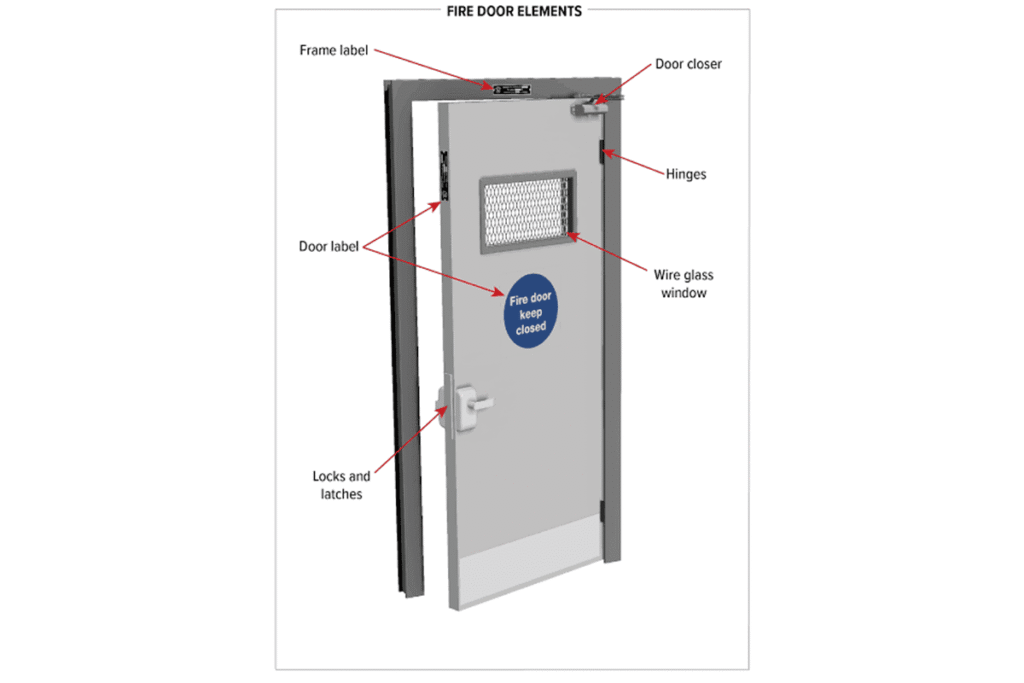
A fire door lock is not just a locking product. It is one part of a tested safety system.2 In my factory discussions with door manufacturers and project buyers, the real question is rarely “Which lock is cheapest?” It is usually “Which lock can meet the project requirement without creating risk later?”
What Are the Main Types of Fire Door Locks?
Many buyers start with the types of fire door locks because the product names are easy to compare. The problem is that names alone do not explain function, durability, escape safety, or certification scope. A simple list can mislead procurement teams if they ignore the door’s real working conditions.
The main types of fire door locks include fire-rated mortise locks, fire-rated cylindrical locks, panic exit devices, and electromagnetic locks used with fire-rated access control systems3. Each type fits different door positions and building uses. The correct choice depends on fire-rating compatibility, local regulations, traffic level, access control needs, and the complete door hardware assembly.
Fire-Rated Mortise Locks
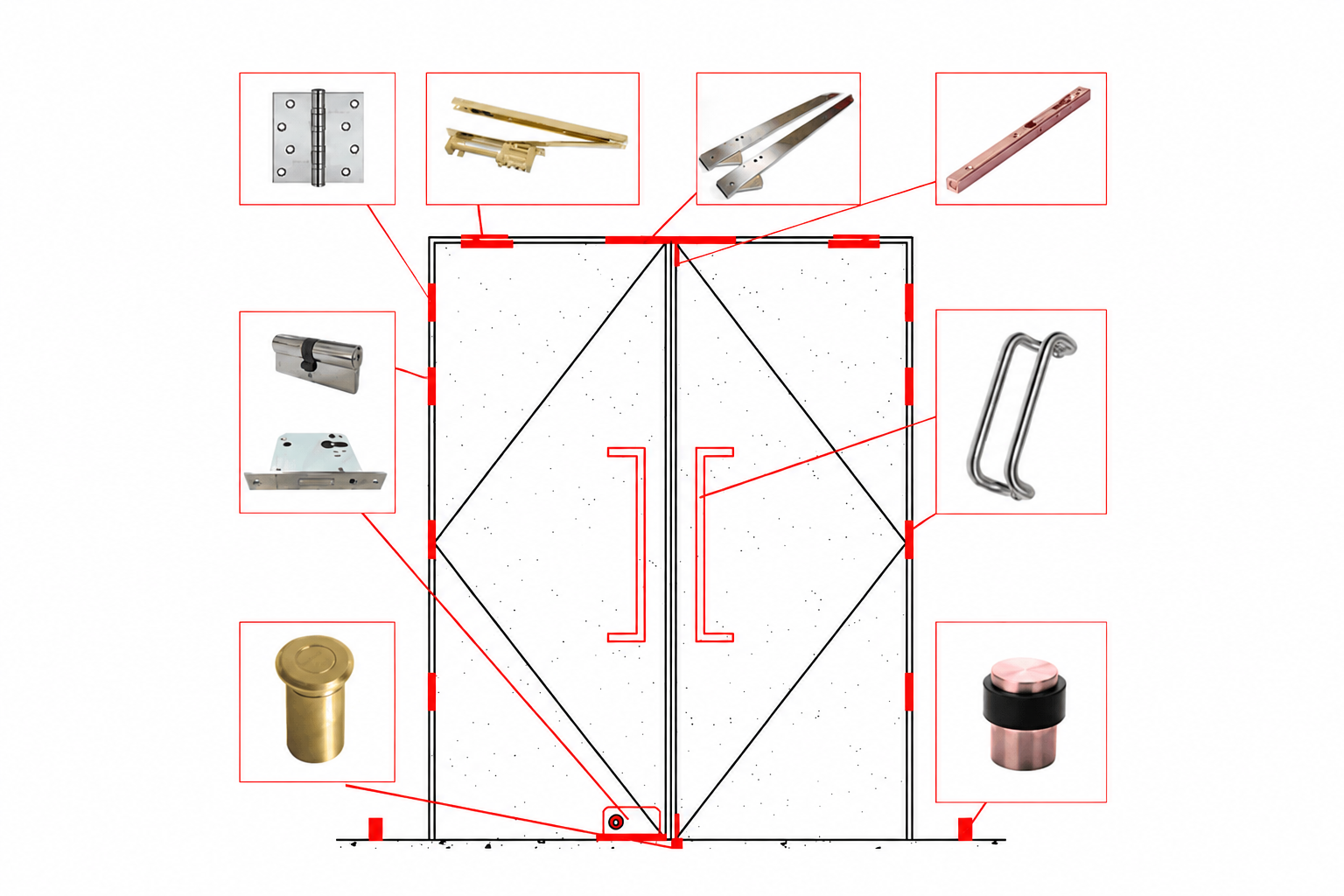
Fire-rated mortise locks are widely used on commercial and higher-duty doors. The lock body is installed inside a mortise pocket cut into the door edge. This design usually supports stronger mechanical construction, multiple functions, and better compatibility with lever handles, cylinders, and project hardware schedules.
In many SDH Hardware customer inquiries, door factories ask for Euro profile mortise locks for hotel rooms, offices, apartment entrance doors, schools, hospitals, and mixed-use buildings. These projects often require a balance of durability, standardization, and fire-rated compatibility.
Common advantages include:
- Stronger lock body structure than many light-duty options
- Wide range of backsets, center distances, and functions
- Compatibility with Euro cylinders and stainless steel lever handles
- Good fit for commercial door hardware schedules
- Suitable for many 30-minute, 60-minute, or 90-minute rated door applications when tested and approved as part of the required assembly
However, a mortise lock is not automatically suitable for every fire door. The lock body size, latch material, faceplate, strike plate, cylinder type, lever spindle, and fixing screws should be checked against the tested configuration.
Fire-Rated Cylindrical Locks
Fire-rated cylindrical locks are common in residential, light commercial, and lower-traffic applications. They are usually easier to install than mortise locks because the door preparation is simpler. Buyers often consider them when cost control, fast installation, and simple operation are priorities.
These locks may work well for:
- Apartment internal fire-rated doors
- Residential corridor doors
- Utility rooms with lower traffic
- Small offices
- Projects where cylindrical lock preparation is standard
The main limitation is duty level. A cylindrical lock can be suitable in the right setting, but it may not provide the same configuration flexibility as a mortise lock. Buyers should also verify cycle performance, latch durability, trim strength, and the specific fire-rated test evidence.
Panic Exit Devices
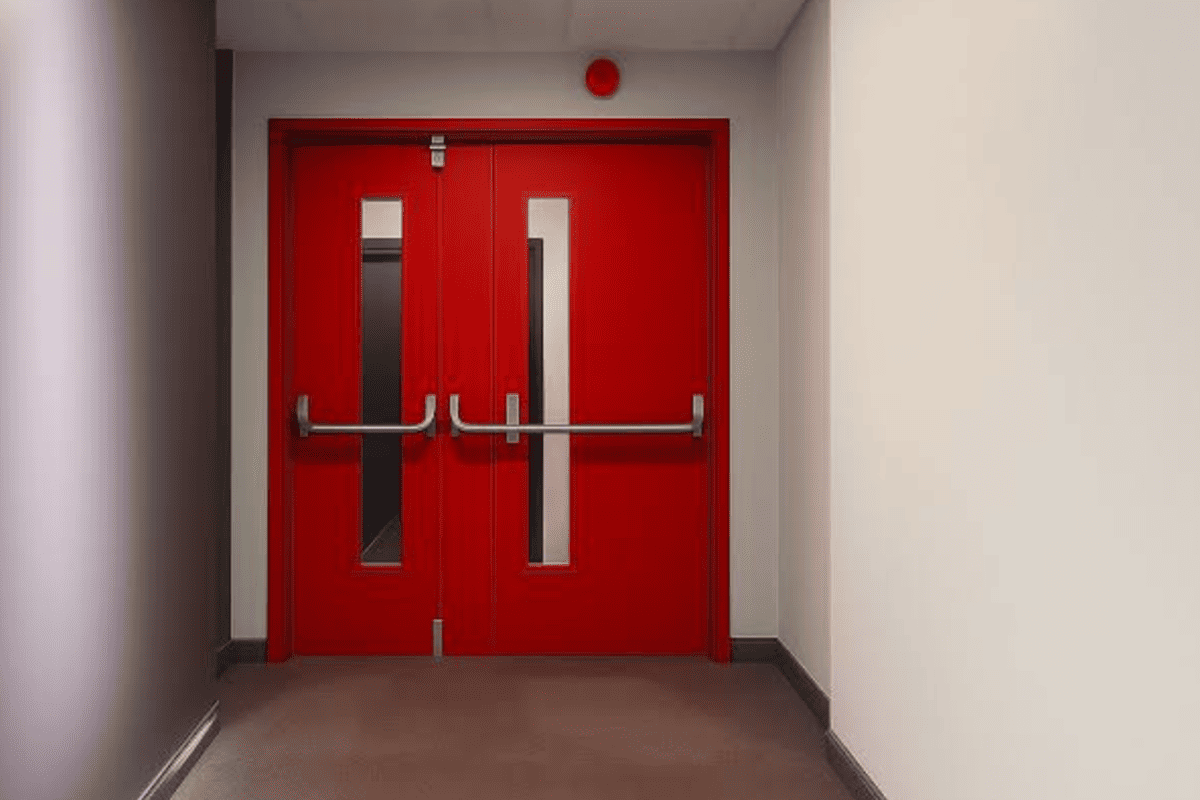
Panic exit devices, also called panic bars or exit devices, are not selected only for locking. They are selected for safe emergency egress. On public exits and escape routes, people must be able to open the door quickly without special knowledge, keys, or complicated operation.4
Panic exit devices often appear in:
- Shopping malls
- Schools
- Hospitals
- Public buildings
- Cinemas
- Transport facilities
- Factory exits
- Stairwell escape routes
For these doors, daily locking convenience is secondary to life safety and compliant escape performance. Buyers should check whether the device is fire-rated, whether it is suitable for single or double doors, and whether it matches the door width, door material, frame, and required latching points.
Electromagnetic Locks
Electromagnetic locks are common in access control systems. They use magnetic force to hold the door closed. On fire doors, they require extra caution because safe release during fire alarm activation, power failure, or emergency exit conditions must be addressed according to local code and project requirements.5
An electromagnetic lock may be considered where:
- Access control is required
- Security monitoring is needed
- A fail-safe locking method is specified
- The door is part of a controlled building system
- Approved release devices and alarm integration are included
I always advise buyers not to treat an electromagnetic lock as a simple substitute for a mechanical fire lock. It must be reviewed as part of an access control and egress system.
| Lock Type | Common Building Use | Main Strength | Key Buyer Check |
|---|---|---|---|
| Fire-rated mortise lock | Commercial, hotel, office, apartment entrance | Durable and configurable | Fire rating, lock function, door prep |
| Fire-rated cylindrical lock | Residential and lower-traffic areas | Cost-effective and simple | Duty level and tested scope |
| Panic exit device | Public exits and escape routes | Fast emergency egress | Fire-rated approval and exit compliance |
| Electromagnetic lock | Access-controlled doors | Electronic control | Fail-safe release and local approval |
How Should Types of Fire Door Locks Match Building Use?
A building may have many fire doors, but those doors do not all perform the same job. The problem begins when one lock type is applied everywhere for convenience. That can create over-specification in some areas and unsafe under-specification in others.
Types of fire door locks should match the building’s function, door location, user behavior, and escape requirements. Residential doors may use fire-rated mortise or cylindrical locks. Commercial doors often need durable mortise locks. Public exits should prioritize panic exit devices. Electronically controlled doors may use electromagnetic locks only when fire safety and emergency release requirements are properly verified.
Residential Buildings
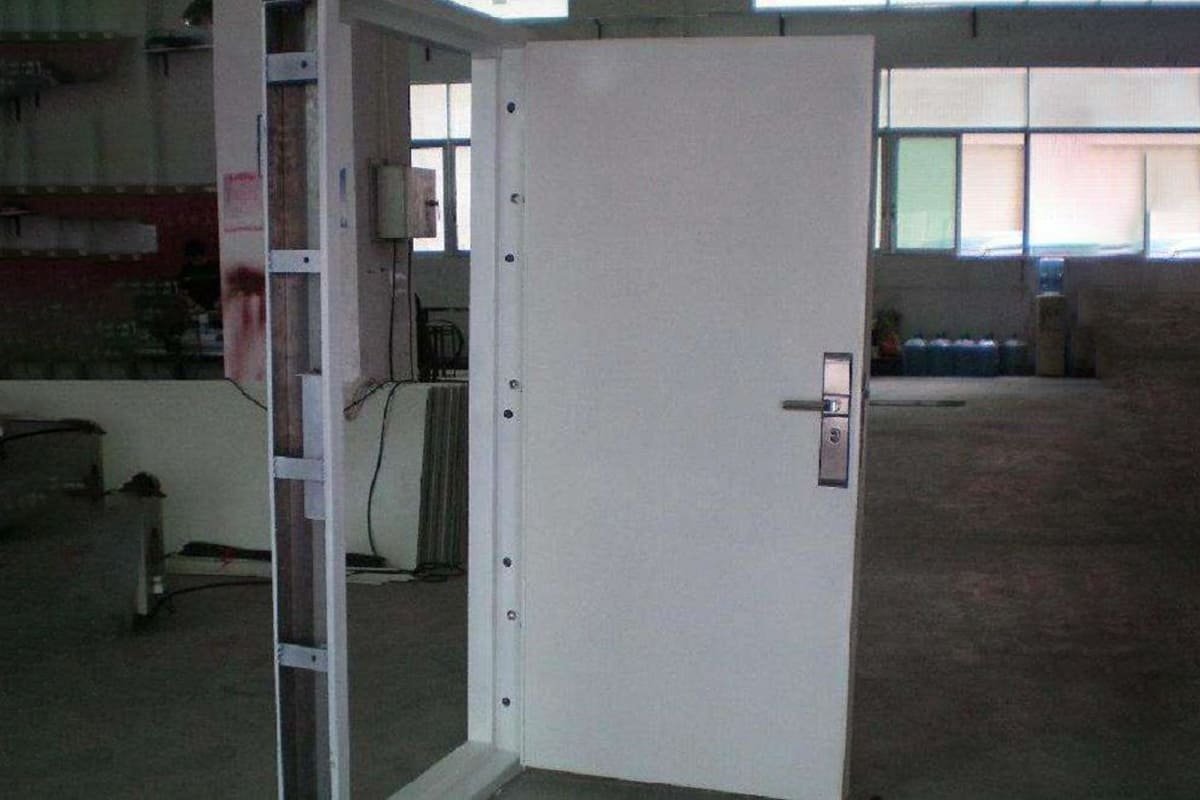
In residential buildings, buyers often care about cost, convenience, noise control, appearance, and basic security. Fire-rated apartment entrance doors may use mortise locks or cylindrical locks depending on the market standard and door design.
For example, a door factory supplying apartment projects may ask us for a Euro mortise lock with a matching Euro brass cylinder and stainless steel lever handle. Another buyer may ask for a cylindrical lock because the door preparation and local installation habit are based on tubular or cylindrical products.
Good evaluation points include:
Door location
Is the door an apartment entrance, stairwell door, utility room door, or internal corridor door?Required rating
Does the door require 30-minute, 60-minute, or 90-minute resistance?User profile
Will residents, maintenance staff, or visitors use the door daily?Security expectation
Does the door need a cylinder, thumbturn, deadlocking latch, or privacy function?Closer compatibility
Will the door self-close and latch reliably after each use?
Commercial Buildings
Commercial buildings usually have higher traffic and stricter project documentation. Offices, hotels, hospitals, schools, and retail buildings may require stronger hardware and consistent product series across many door openings.
Fire-rated mortise locks are often a practical choice for these projects because they can support different functions:
- Passage function
- Cylinder function
- Bathroom/privacy function
- Classroom function
- Storeroom function
- Escape-related functions, depending on system design
However, the lock must still match the tested fire door system. In manufacturing, I see that even small hardware changes can matter. A different strike plate, different spindle, or non-approved trim may fall outside the certificate scope.6
Public Egress Routes
Public exit doors are a different category. These doors are about safe escape first. A panic exit device is often the correct direction when the door is on a public escape route and must allow fast opening under pressure.
When reviewing panic hardware, buyers should consider:
- Door width and height
- Single leaf or double leaf configuration
- Rim, mortise, or vertical rod device type
- Fire-rated label or certificate scope
- Outside access trim requirement
- Compatibility with door closer and coordinator
- Local egress code requirements
Electronically Controlled Doors
Access control doors can be more complex. A project may ask for electromagnetic locks, electric strikes, motor locks, or other electronic hardware. For fire doors, buyers should not evaluate the lock alone.
A proper review should include:
- Fire alarm interface
- Emergency release device
- Power failure behavior
- Manual override requirements
- Door closer function
- Access control wiring method
- Local approval documents
I usually tell buyers that access control on a fire door is not only a hardware purchase. It is a system decision.
Why Is Fire-Rating Compatibility More Important Than Lock Appearance?
A polished handle and a heavy lock body can look reliable, but appearance does not prove fire performance. The risk is that procurement teams may choose a good-looking lock that has not been tested with the intended door system. This can affect approval, installation, and long-term safety.
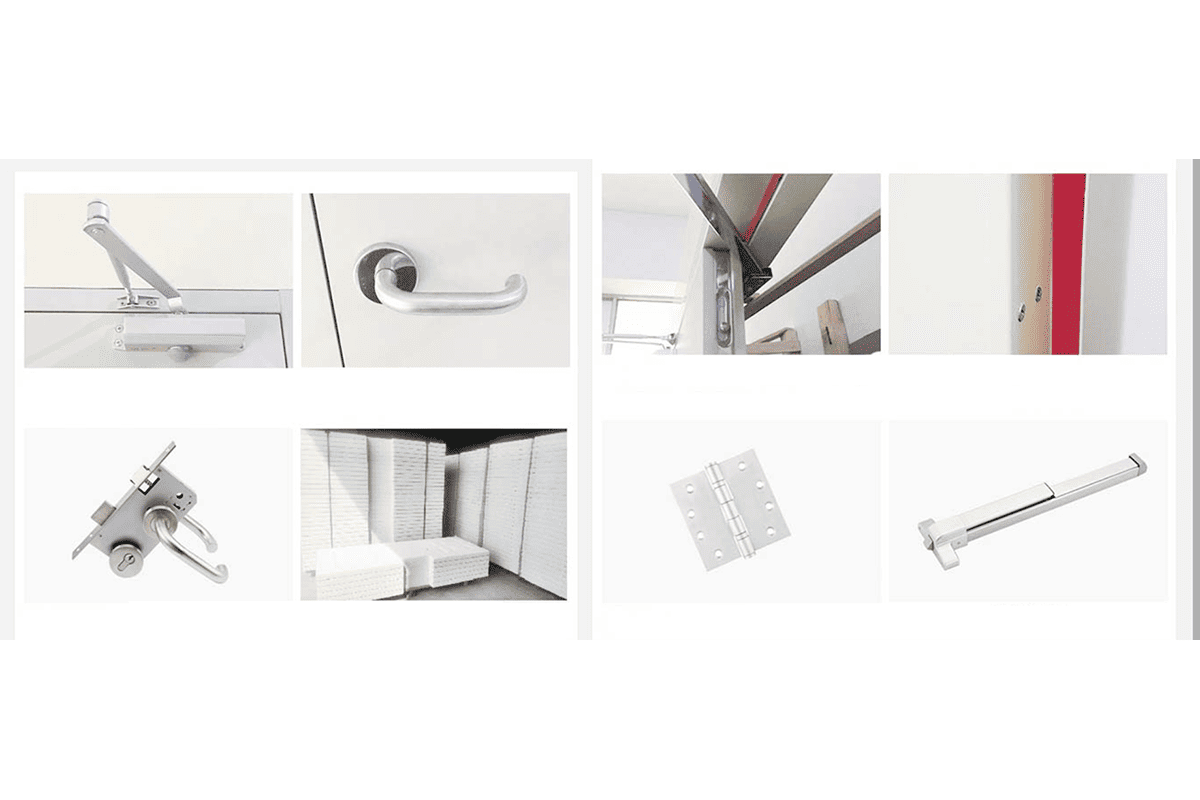
Fire-rating compatibility is more important than lock appearance because a fire door works as a complete assembly.7 The lock must match the required rating, such as 30, 60, or 90 minutes, and must be covered by valid test evidence or certification for the relevant door type, hardware combination, and market standard.
What Fire Ratings Usually Mean
Fire ratings are commonly expressed in time periods. These ratings indicate how long a tested door assembly resisted fire under specific test conditions.8 Common ratings include:
| Fire Rating | Common Project Meaning | Buyer Concern |
|---|---|---|
| 30 minutes | Basic compartmentation in some residential or internal areas | Check door and lock certificate scope |
| 60 minutes | Higher-risk areas or commercial zones | Verify hardware compatibility carefully |
| 90 minutes | More demanding fire separation requirements | Avoid untested substitutions |
These numbers do not mean that any lock marked “fire-rated” can be used on any 30-, 60-, or 90-minute door. The details matter.
Certificate Scope Matters
A certificate or test report should be treated as a document to verify, not a marketing sentence to accept blindly. Buyers should review whether the certificate covers:
- The lock model or product family
- The door material, such as timber, steel, or composite
- The door thickness
- The fire-rating duration
- The latch or bolt configuration
- The strike plate
- The handle or trim
- The cylinder type
- Single or double door application
- The relevant market standard
At SDH Hardware, we manufacture Euro mortise locks, lever handles, cylinders, hinges, and accessories for B2B buyers. When a customer asks whether one item is suitable for a fire door, I prefer to ask for the door type, project market, and required rating first. This avoids a common mistake: selecting one certified component while ignoring whether the complete door assembly is acceptable.
Standards Are Market-Specific
Different markets may refer to different standards, approval systems, or inspection habits.9 European projects may focus on CE-related documentation and EN standards. Middle East projects may request specific civil defense approvals or fire test reports. Southeast Asian projects may follow local versions of international standards.
Because of this, buyers should avoid universal assumptions such as:
- “CE means it is approved everywhere.”
- “A 60-minute lock works on every 60-minute door.”
- “A fire-rated cylinder makes the whole door fire-rated.”
- “The same hardware can be used on timber and steel doors without checking.”
A more careful approach is better:
- Start with the project specification.
- Confirm the door leaf and frame rating.
- Select hardware within the tested scope.
- Confirm lock function and user operation.
- Keep certificates and drawings for review.
- Ask qualified professionals to evaluate application-specific compliance.
Material and Construction Checks
For fire-rated locks, buyers should also check construction details. These details may influence durability and suitability:
- Lock case material and thickness
- Latchbolt material
- Forend and strike plate material
- Spring strength and cycle performance
- Spindle follower quality
- Cylinder protection
- Screw fixing method
- Corrosion resistance finish
- Door thickness compatibility
The best lock on paper can fail in daily use if the door is heavy, the traffic is high, or the latch cannot engage reliably. Fire safety depends on the door closing and latching as designed.10
Which Types of Fire Door Locks Work Best for High-Traffic Doors?
High-traffic doors expose weak hardware quickly.11 A lock may pass a basic sample inspection but still perform poorly after thousands of daily cycles. The problem is worse in schools, hospitals, hotels, offices, and public buildings where doors are used heavily and roughly.
For high-traffic fire-rated doors, buyers often consider fire-rated mortise locks or panic exit devices, depending on the door function. Mortise locks suit many commercial rooms and corridors, while panic exit devices suit public escape routes. The best choice should be based on duty cycle, user flow, door weight, latch reliability, and tested fire-rating compatibility.
Traffic Changes the Hardware Requirement
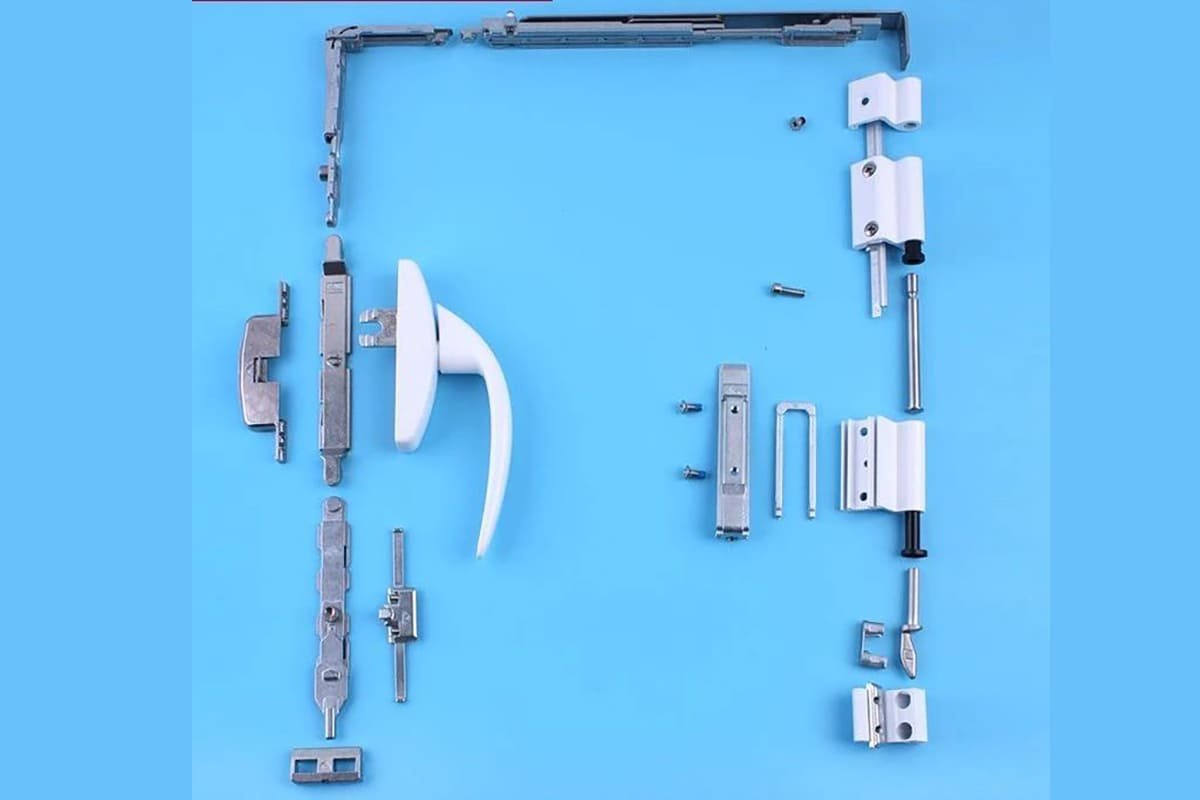
Traffic level affects almost every part of the fire door hardware system. A door opened 20 times per day is different from a door opened 800 times per day. The lock latch, handle spring, spindle, cylinder cam, hinges, and door closer all experience repeated stress.
For high-traffic buildings, I usually focus on these questions:
- How many users pass through the door each day?
- Is the door used by trained staff or the general public?
- Will people carry luggage, carts, tools, or hospital equipment?
- Is the door exposed to abuse or forced operation?
- Does the door need controlled access?
- Does the door need free egress at all times?
- Is the door internal, external, or semi-exposed?
Mortise Locks for Heavy Commercial Use
A good fire-rated mortise lock can be a strong solution for many high-traffic commercial doors. Buyers should look beyond the surface finish and review the lock’s internal design.
Important details include:
| Feature | Why It Matters |
|---|---|
| Strong latchbolt | Helps maintain reliable latching |
| Stable follower | Reduces handle sag and operation failure |
| Quality springs | Improves long-term handle return |
| Correct backset | Matches door design and user comfort |
| Proper strike plate | Supports accurate latch engagement |
| Compatible cylinder | Ensures smooth locking and unlocking |
| Fire-rated evidence | Confirms suitability within tested scope |
When SDH Hardware discusses mortise lock configurations with door factories, we often confirm center distance, backset, forend size, door thickness, cylinder type, handle spindle, and strike plate. These details sound basic, but they prevent installation problems.
Panic Exit Devices for Public Flow
High-traffic exit doors often need panic devices rather than ordinary locking sets. A panic bar allows people to push and exit quickly. This is especially important when users may panic, crowd, or be unfamiliar with the building.
Buyers should specify:
- Rim panic device for single doors where suitable
- Mortise panic device where a mortise lock function is required
- Vertical rod device for some double door applications
- Fire-rated latch type where required
- Outside trim if authorized entry is needed
- Dogging function only where allowed and not on fire-rated applications if prohibited by the product or code12
- Door coordinator for double fire doors where needed
Panic hardware should never be selected only by bar length or finish. The opening width, active leaf, inactive leaf, frame condition, and exit route requirement all matter.
Durability Is a Procurement Issue
Durability problems become procurement problems when buyers select only by unit price. A cheaper lock may increase later costs through complaints, replacement, site labor, and project delays.
A more balanced evaluation includes:
- Initial hardware cost
- Installation time
- Failure risk
- Replacement availability
- Finish consistency
- Compatibility with other hardware
- Certificate and document readiness
- Supplier production capacity
For B2B buyers, the supplier’s ability to maintain consistent production is also important. A project may need hundreds or thousands of door sets. The hardware should not vary from batch to batch in critical dimensions.
How Should Buyers Evaluate a Fire Door Lock Supplier?
Even the correct lock type can cause problems if the supplier cannot control dimensions, materials, testing documents, packaging, and delivery. The challenge for importers, door factories, and wholesalers is that a sample may look acceptable, but mass production must remain consistent.
Buyers should evaluate a fire door lock supplier by checking manufacturing capability, quality control process, product range, customization support, certificate documents, inspection procedures, and experience with project hardware configuration. A reliable supplier should help match the lock to the door system rather than simply sell one item by price.
Factory Capability
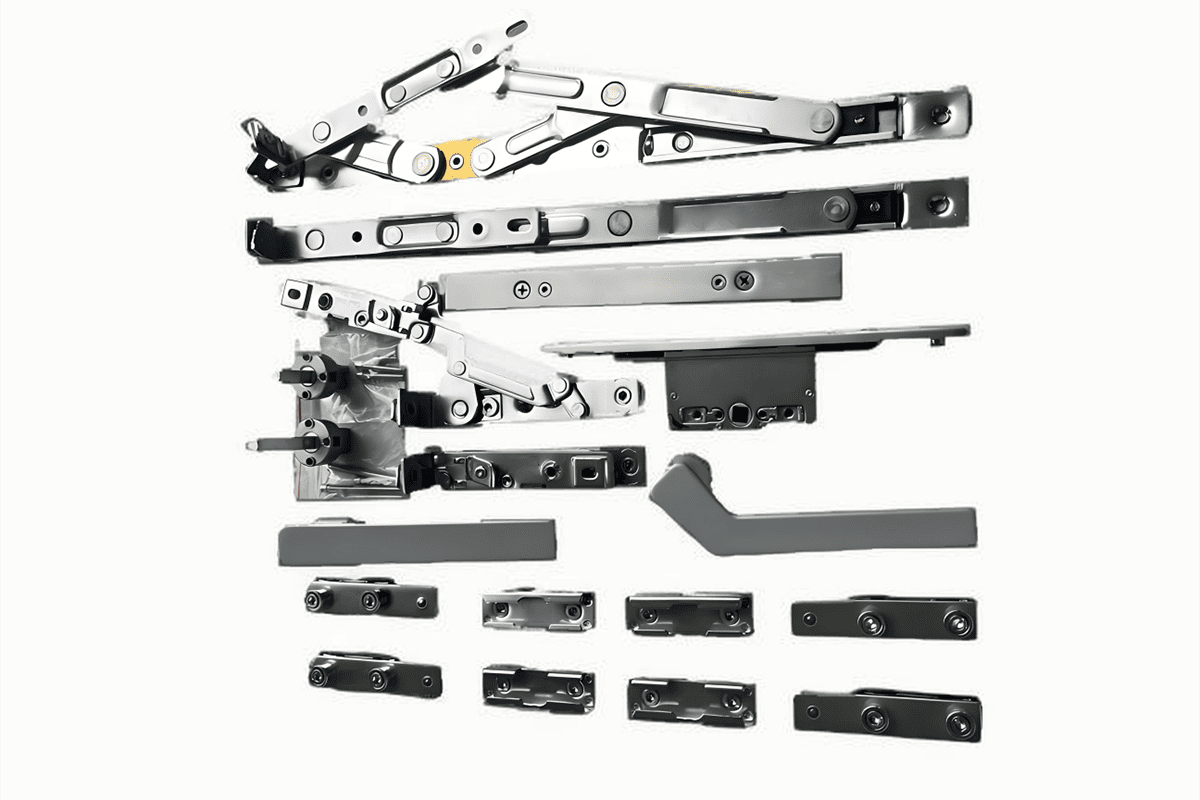
A fire door lock supplier should understand production, not only trading. As a China-based architectural door hardware manufacturer, we see that project buyers often need stable dimensions, repeatable finishes, and coordinated hardware packages.
Useful supplier questions include:
- Does the supplier operate its own production lines?
- Can the supplier support OEM or ODM requirements?
- Can the supplier provide drawings after order confirmation?
- Can the supplier match locks, handles, cylinders, hinges, and accessories?
- Can the supplier maintain finish consistency across product categories?
- Can the supplier provide pre-shipment inspection support?
- Can the supplier explain product configuration limits clearly?
SDH Hardware works with door manufacturers, hardware brand enterprises, and bulk wholesalers. Our product range includes Euro mortise locks, stainless steel lever handles, butt hinges, concealed door hinges, Euro brass cylinders, and door accessories. This full-category structure helps buyers coordinate fire door hardware packages, although each project still requires document verification.
Quality Control Process
Quality control should cover the full process. Buyers should not rely only on final visual inspection. A strong process includes:
Raw material screening
The supplier checks material quality before production.In-process supervision
The supplier controls machining, stamping, assembly, and finishing.Functional testing
The supplier checks latch movement, handle operation, cylinder function, and fitting accuracy.Dimension inspection
The supplier verifies backset, center distance, forend size, strike size, and screw holes.Finish inspection
The supplier checks color, surface defects, corrosion resistance requirements, and packaging protection.Final product inspection
The supplier confirms order quantity, labeling, accessories, and carton packing.
For fire-rated hardware, buyers should also request relevant certificates or test documents and check whether the specific ordered product is included.
Documentation and Communication
Good communication reduces risk. Many project problems begin with incomplete information. A buyer may send only a photo and ask for a price. That is not enough for fire-rated doors.
A better inquiry includes:
| Information Needed | Example |
|---|---|
| Door type | Timber fire door, steel fire door, composite fire door |
| Required rating | 30, 60, or 90 minutes |
| Market | Europe, Middle East, Southeast Asia |
| Lock function | Passage, cylinder, privacy, storeroom, escape |
| Door thickness | 40 mm, 45 mm, 50 mm, or project-specific |
| Backset | 55 mm, 60 mm, 65 mm, etc. |
| Center distance | 72 mm, 85 mm, 92 mm, etc. |
| Finish | SS304 satin, polished, PVD, powder coating |
| Quantity | Sample, trial order, bulk project |
| Certificate need | CE, fire-rated test report, local approval documents |
When buyers share complete data early, the supplier can provide a more accurate recommendation. This is especially important when comparing types of fire door locks across different buildings or regional standards.
Customization Limits
Customization is useful, but it must be controlled. SDH Hardware supports product specifications, surface treatments, accessory configurations, logo stamping, laser marking, color packaging, and product drawings. However, buyers should be careful when customizing fire-rated products.
Conclusion
Choosing among the types of fire door locks is really about matching hardware to the building, door function, fire rating, traffic level, and full door assembly. Fire-rated mortise locks, cylindrical locks, panic exit devices, and electromagnetic locks each have a proper place. None is universal. If you are sourcing for a project, I recommend preparing your door details, rating requirement, market standard, and hardware schedule first. SDH Hardware can help B2B buyers review product configurations and supply coordinated architectural door hardware for fire-rated door projects.
"Panic and Fire Exit Hardware | Fire and Rescue", https://www.fairfaxcounty.gov/fire-ems/fire-marshal/panic-and-fire-exit-hardware. A fire-door standard or building-code source supports that locks and latches are compliance-relevant components of a fire door assembly and that improper hardware selection or installation may require correction to meet inspection requirements. Evidence role: general_support; source type: institution. Supports: A standards or code source should support that fire door hardware must be installed, inspected, and maintained according to the approved fire door assembly and applicable requirements.. Scope note: This would support the compliance and rework risk in general; it may not quantify the frequency or cost of rework. ↩
"Fire Doors and NFPA 80 FAQs", https://www.nfpa.org/news-blogs-and-articles/blogs/2025/04/11/fire-doors-faqs. Fire-door standards and listing practices treat locks and latches as components of a rated fire door assembly, supporting the view that lock selection must be assessed within the tested system rather than as a stand-alone product. Evidence role: expert_consensus; source type: institution. Supports: A standards or certification source should state that fire doors are evaluated as assemblies including the door, frame, glazing, anchors, and hardware such as locks and latches.. ↩
"Lock the Door Standards Set", https://buildershardware.com/News/BHMA-Blog/lock-the-door-standards-set. Architectural hardware standards classify mortise locks, cylindrical locks, exit devices, and electromagnetic locks as distinct door-hardware categories, providing context for treating them as separate fire-door locking options. Evidence role: definition; source type: institution. Supports: An industry standards body should identify mortise locks, cylindrical locks, exit devices, and electromagnetic locks as recognized architectural door hardware categories.. Scope note: The source would support the category distinction, but it may not state that these are the only or exhaustive fire-door lock types. ↩
"Means of Egress (EXIT) Hardware Requirements", https://www.brightonny.gov/DocumentCenter/View/4580/Means-of-Egress-EXIT-Hardware-Requirements. Building and life-safety codes generally require egress doors to be readily openable from the egress side without keys, tools, or special knowledge, supporting the article’s emphasis on simple and rapid operation for escape routes. Evidence role: expert_consensus; source type: institution. Supports: A building or life-safety code should support that egress doors must be readily openable from the egress side without keys, tools, or special knowledge.. Scope note: Exact wording and exceptions vary by jurisdiction and occupancy. ↩
"Sensor release of electrically locked egress doors", https://dps.mn.gov/divisions/sfm/fire-code/fire-code-information-topic/sensor-release-electrically-locked-egress-doors. Code provisions for electromagnetic and access-controlled egress doors support that such locks must be integrated with approved release and egress arrangements, including behavior during power loss and emergency conditions. Evidence role: expert_consensus; source type: institution. Supports: A building or life-safety code should support that electromagnetic or access-control locking arrangements must release under specified egress, fire alarm, or power-loss conditions.. Scope note: The exact required release method depends on the adopted code edition, occupancy, and local authority interpretation. ↩
"FDAI: Inspection Criteria 11", https://idighardware.com/2026/01/fdai-inspection-criteria-11/. Fire-door standards and listing guidance support that rated assemblies rely on approved hardware configurations; substituting components such as strikes or trim may exceed the scope of the tested assembly. Evidence role: expert_consensus; source type: institution. Supports: A fire-door installation or certification source should support that listed assemblies specify approved hardware and that unauthorized substitutions can invalidate or exceed the listing scope.. Scope note: Whether a specific substitution is allowed depends on the product listing, certificate, and authority having jurisdiction. ↩
"Doors, Windows and Related Hardware Application Guide", https://www.ul.com/thecodeauthority/knowledge/ul-fire-rated-doors-guide. Fire-door listing and installation standards support that rated performance is assigned to an assembly of compatible components, not to the visual appearance of individual hardware, making compatibility central to fire-rating compliance. Evidence role: mechanism; source type: institution. Supports: A standards or certification source should explain that fire doors are tested and listed as assemblies and that hardware compatibility affects the validity of the rating.. ↩
"Common Misconceptions about Fire Door Assemblies | SDI", https://steeldoor.org/articles/01-11/. Standard fire-door test methods assign ratings based on performance during prescribed fire-exposure tests, supporting the statement that minute ratings describe tested resistance under specified laboratory conditions. Evidence role: definition; source type: institution. Supports: A fire-test standard or certification body should define fire door ratings as time-based results from standardized fire-exposure tests.. Scope note: A test rating does not guarantee identical performance in every real fire scenario. ↩
"EN 16034", https://en.wikipedia.org/wiki/EN_16034. Official regulatory sources show that fire-door products are governed through jurisdiction-specific approval frameworks, supporting the article’s point that documentation and inspection expectations differ across markets. Evidence role: historical_context; source type: government. Supports: Government or official regulatory sources should show that different jurisdictions use different fire-door approval frameworks, such as EU CE marking rules or local civil defense approvals.. Scope note: This would provide contextual support through examples rather than proving every market-specific practice mentioned in the article. ↩
"Self-Closing Doors - HPD", https://www.nyc.gov/site/hpd/services-and-information/self-closing-doors.page. Fire-door standards require rated fire doors to close and latch properly, supporting the mechanism that fire protection depends on the door returning to its intended closed and latched condition. Evidence role: mechanism; source type: institution. Supports: A fire-door standard should support that fire doors must close and latch to perform their compartmentation function.. ↩
"A156.13 - 2022 Mortise Locks", https://buildershardware.com/ANSI-BHMA-Standards/Hardware-Highlights/A15613-2022-Mortise-Locks. Architectural hardware standards use cycle testing and grading to evaluate lock and exit-device durability, providing support for the claim that higher traffic places greater demands on hardware performance. Evidence role: general_support; source type: institution. Supports: An architectural hardware standard should support that locks and exit devices are evaluated by cycle testing and graded for durability, which relates to high-traffic use.. Scope note: Cycle-test standards support the durability principle but may not directly measure failure rates in a specific building type. ↩
"Panic and Fire Exit Hardware | Fire and Rescue", https://www.fairfaxcounty.gov/fire-ems/fire-marshal/panic-and-fire-exit-hardware. Fire-door and egress standards restrict the use of dogging on fire exit hardware where it would prevent required latching, supporting the article’s caution that dogging must be verified against the product listing and applicable code. Evidence role: expert_consensus; source type: institution. Supports: A fire-door or egress code source should support restrictions on dogging for fire exit hardware on rated openings.. Scope note: Permitted configurations depend on the exact hardware type, listing, and local code adoption. ↩