
Door Lock Case Torque: Why It Matters for Lock Performance and Door Hardware Quality?
Door lock case torque can quietly decide whether a lever handle feels smooth, returns fully, or starts sagging after repeated use. When buyers ignore it, they may see complaints, rework, and even security risk under forced rotation. The better solution is to separate daily operational torque from destructive security torque1 and test both with clear conditions.
Door lock case torque matters because it affects two different performance areas: daily operation and forced-rotation resistance. Engineers should control the operational torque window for smooth handle return and low wear, while separately verifying the destructive follower torque required by standards such as EN 12209. Higher torque alone does not mean better lock quality.
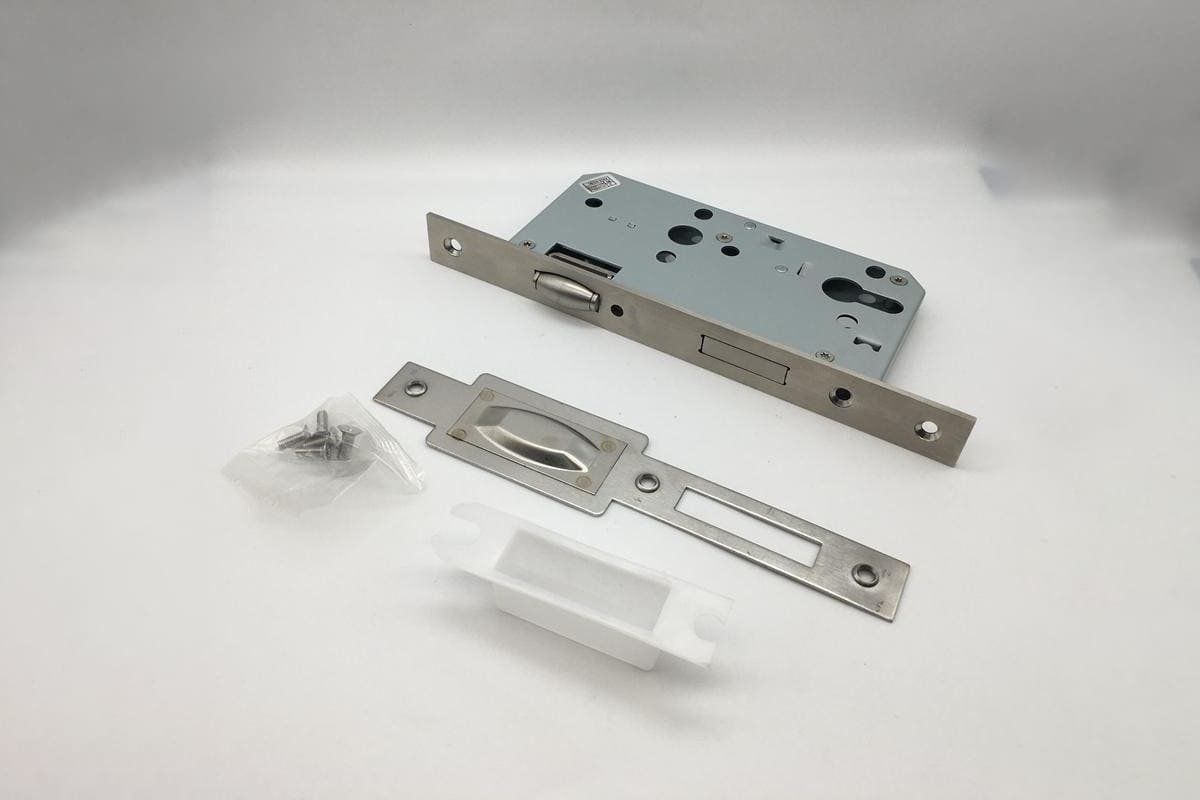
I have seen this issue many times in lock case testing. A lock body can pass a simple hand check and still fail after endurance cycling2. It can also feel “strong” at first but overload the handle spring. That is why I treat torque as a measured system specification, not a vague quality feeling.
What Is Door Lock Case Torque, and Which Two Torque Specs Matter?
Door lock case torque sounds simple, but many quality problems start when teams use one number to describe two different risks. If engineers mix daily operating torque with forced-rotation torque, they may approve a lock that feels poor, wears fast, or lacks enough security strength.
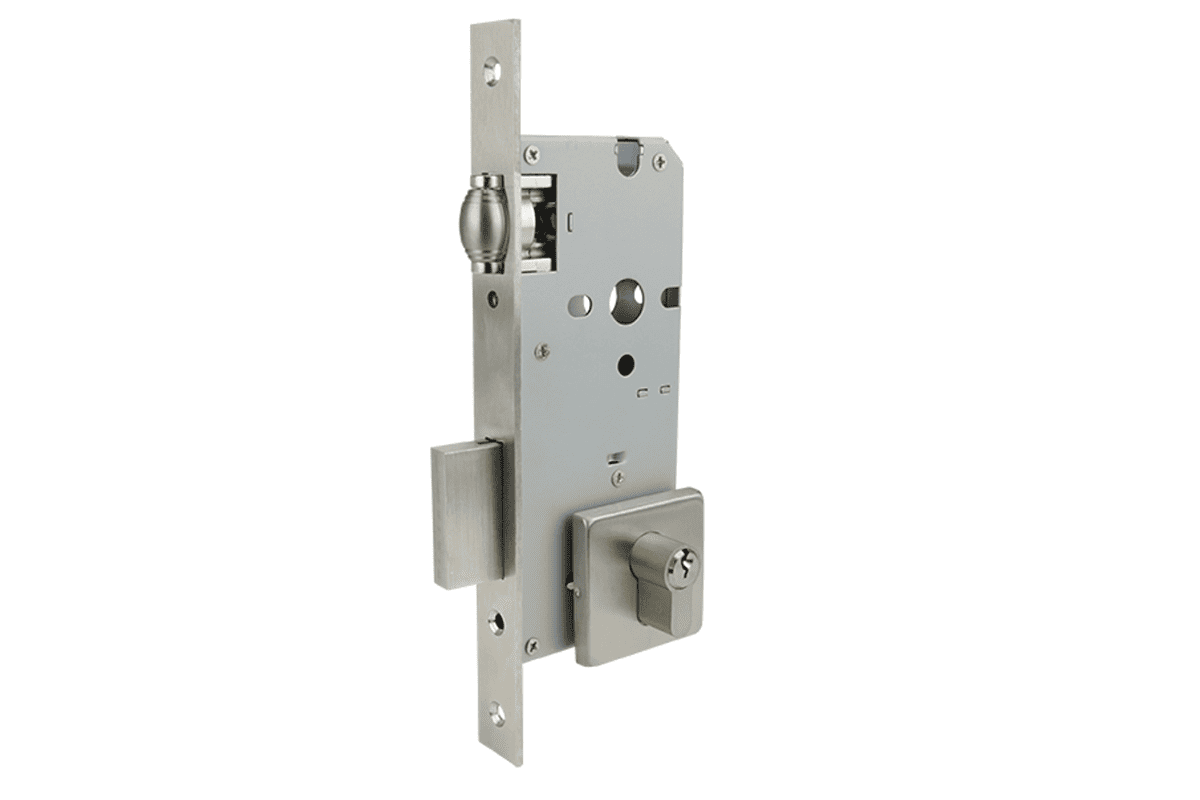
Door lock case torque should be split into operational torque and destructive security torque. Operational torque covers breakaway and running torque during normal lever movement. Destructive torque checks whether the follower and cam system resist forced rotation. These values need different fixtures, methods, and acceptance criteria.
Operational torque is about usability
In daily use, the lever handle rotates the spindle, the spindle drives the follower, and the lock case retracts the latch. The user does not think about torque, but the hand feels it immediately.
For operational testing, I usually separate two values:
- Breakaway torque: the torque needed to start movement from rest.
- Running torque: the torque needed to continue movement through the test angle.
- Return behavior: the ability of the handle and lock case to return fully without delay or sag.
- Torque drift: the change in torque after cycling, temperature exposure, or lubrication aging.
A lock with excessive breakaway torque may feel stiff. A lock with unstable running torque may feel rough. A lock with too little return margin may leave the lever slightly below horizontal after repeated use.
Destructive torque is about security resistance
Destructive follower torque is different. It is not a comfort test. It checks whether the follower, cam, hub, or connected components deform or break under abnormal forced rotation.
For example, EN 12209 includes follower torque security testing3, and a commonly discussed Grade 3 requirement is 60 Nm. Buyers should always verify the exact clause, edition, grade, and certification documents with a qualified test laboratory or certification body. I treat this value as a security baseline, not as a daily operating target.
A lock case should not feel like it needs 60 Nm in normal use. That would be unusable. The 60 Nm figure belongs to destructive resistance, not hand feel.
The two-torque framework
| Torque type | Main purpose | Typical question | Test character | Buyer risk if ignored |
|---|---|---|---|---|
| Operational torque | Smooth use and full return | “Will the handle return without sag?” | Repeated, measured, non-destructive | Complaints, wear, poor feel |
| Destructive follower torque | Forced-rotation resistance | “Will the follower survive abnormal torque?” | High-load security test | Security failure, deformation |
| Torque drift | Stability over life | “Will torque stay in range after cycling?” | Endurance blocks | Early field failures |
| Spring matching | System compatibility | “Can the handle spring overcome the lock case?” | Assembly-level test | Handle sag or slow return |
In my own lab notes, I never accept a torque value unless the test conditions are attached. A number without conditions can mislead a buyer. I want to know the rotation angle, speed, lubrication state, temperature, sample life stage, and fixture design. This is especially important for OEM projects, where a door factory may pair one lock body with several lever handle designs.
For SDH Hardware’s B2B customers, I normally suggest a practical rule: define an operational torque window for the lock-and-handle system, then verify the destructive security floor separately. This gives engineering teams a clearer way to compare suppliers and reduce handle-sag complaints.
How Does Door Lock Case Torque Affect Handle Sag and Daily Feel?
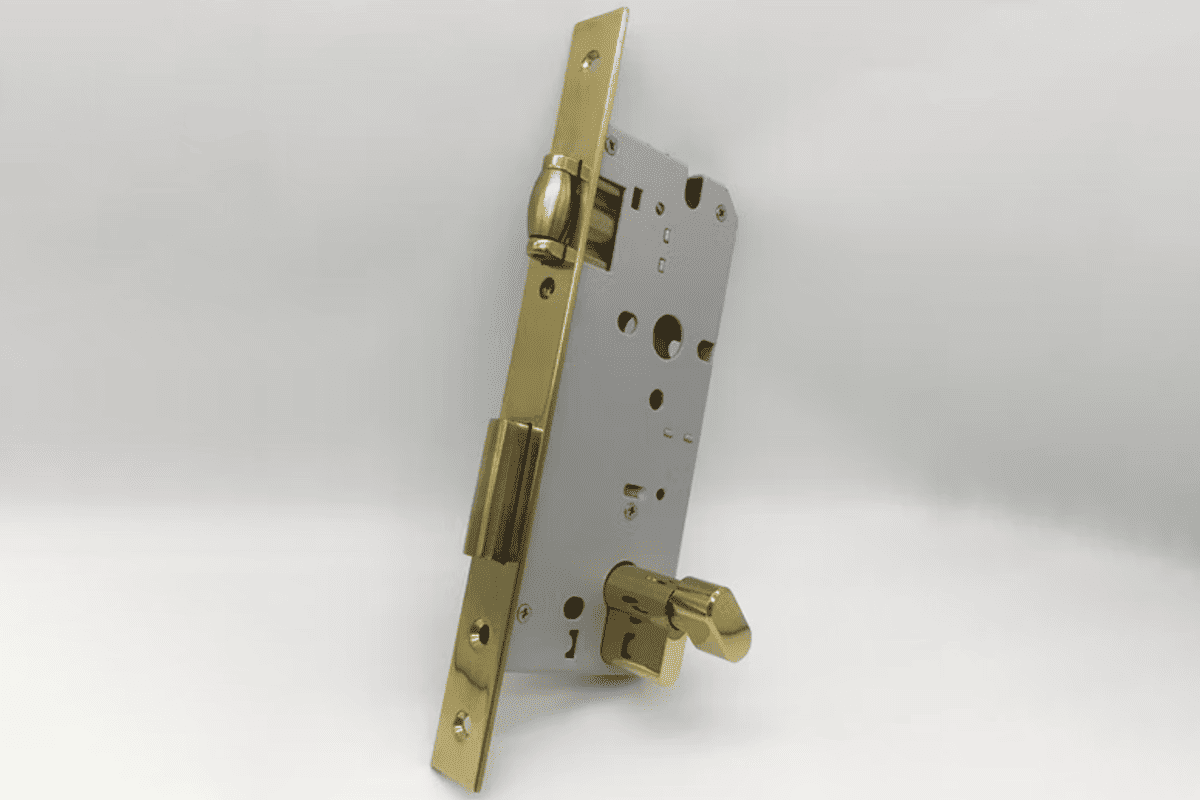
Door lock case torque can create handle sag when the case resistance is poorly matched with the lever handle return spring. The problem often appears slowly. A sample may look acceptable at incoming inspection, but after cycling, spring stress, pawl wear, and friction drift can expose the mismatch.
Door lock case torque affects handle feel through resistance, return speed, and spring margin. If operational torque is too high, the handle spring may fatigue or fail.4 If torque is unstable or too low in the wrong areas, the mechanism may not return cleanly. Proper matching prevents sag and improves user perception.
What I see when torque is too high
When operational torque is too high, the user usually notices stiffness first. Later, the quality team may see more serious symptoms.
Common signs include:
- Lever handle returns slowly.
- Handle stops slightly below horizontal.
- Follower edge shows polishing or wear.
- Spring legs show overstress marks.
- Pawl or cam contact surfaces deform.
- Grease becomes displaced from high-contact areas.
- Return spring breaks earlier than expected.
In one anonymized endurance comparison, I tested similar lock case structures under the same fixture conditions: 8 mm spindle, 35° rotation, 20 ± 2°C, standard lubrication, and 60 cycles per minute. The samples with higher initial breakaway torque showed faster return-margin loss after repeated cycling. I will not publish the customer model details, but the pattern was clear enough for engineering review: the lock did not fail because it was “weak.” It failed because the spring-case matching was wrong.
What I see when torque is too low
Low torque is not automatically good either. If the latch retraction system has weak engagement, loose component control, or poor geometry, the handle may feel light but imprecise. The issue may show up as free play, incomplete return, or early pawl damage.
A very low running torque can also hide poor component support. During endurance testing, parts may settle, burrs may break off, and internal clearances may increase. Then the handle starts to feel loose. This is why I do not approve a lock case only because it feels easy to turn during a short manual check.
Handle sag is usually a system failure
Handle sag is often blamed on the lock body alone or the handle alone. In practice, it is usually a system-level mismatch.
The return spring must overcome:
- Lock case breakaway torque.
- Lock case running torque.
- Latch spring resistance.
- Internal friction after aging.
- Temperature-related grease changes.
- Wear and clearance growth after cycling.
- Door installation misalignment.
For procurement teams, this matters because a supplier may provide a lock case that works well with one lever design but performs poorly with another. A long, heavy lever puts more stress on the return system. A decorative handle with a weaker spring may need a lower case operating torque. A fire-rated door set may have additional requirements that must be checked through proper project testing.
Practical evaluation checklist
| Evaluation item | Why it matters | Suggested buyer action |
|---|---|---|
| Initial breakaway torque | Shows first-movement resistance | Measure before endurance |
| Post-cycling torque | Shows drift and wear | Measure after defined cycle blocks |
| Return angle | Shows sag risk | Check under installed handle mass |
| Temperature condition | Grease and plastic parts change behavior | Test cold, room, and warm conditions |
| Lubrication state | Friction changes over life | Compare normal and reduced-lubrication samples |
| Handle spring torque | Defines return margin | Measure at the spindle, not only by hand |
For B2B door hardware quality control, I believe the most useful question is not, “Is the lock strong?” The better question is, “Does the lock stay inside the correct torque window after realistic use?”
How Should Engineers Build the Right Door Lock Case Torque Window?
Door lock case torque becomes useful only when engineers define an acceptable window. Without a window, inspectors may reject good parts or approve risky ones. The window must leave enough return-spring margin under cold, dry, and aged conditions, while avoiding a loose or weak hand feel.
Engineers should build a door lock case torque window by measuring handle return spring torque at the spindle, defining acceptable breakaway and running torque ranges, adding guardbands for cycling drift, and testing under worst-case temperature and lubrication conditions. The security torque floor should be verified separately.
Start with the handle spring, not the lock case alone
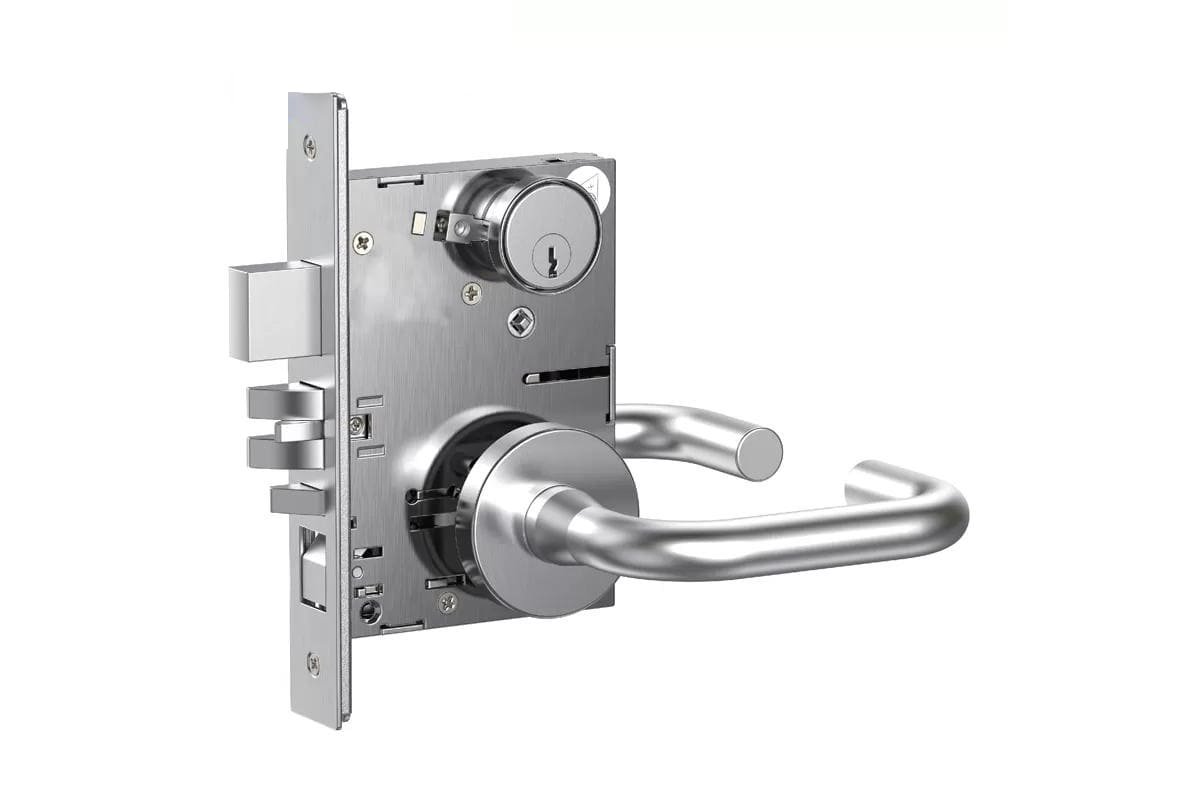
A good torque window starts with the lever handle assembly. The handle spring provides the restoring force. If the spring torque is low, the lock case must have lower operating resistance. If the handle is long or heavy, the system needs more margin.
I normally recommend measuring spring torque at the spindle because this is where the lock case interacts with the handle. Hand feel alone is too subjective. Different inspectors have different strength and expectations.
A simple engineering sequence looks like this:
- Measure handle return spring torque at the spindle.
- Measure lock case breakaway torque.
- Measure lock case running torque through the required angle.
- Check return speed and final angle.
- Repeat after preconditioning cycles.
- Repeat under temperature and lubrication variations.
- Define acceptance limits with guardbands.
Use guardbands for drift
Lock mechanisms change after break-in. Sharp edges smooth out. Grease spreads. Springs settle. Some designs improve after early cycling, while others drift upward because contact surfaces wear poorly or lubrication migrates away.
Here is an anonymized example format I use for internal discussion. These numbers are illustrative and tied to the stated conditions. They are not universal specifications.
| Data stage | Test condition | Breakaway torque trend | Running torque trend | Engineering interpretation |
|---|---|---|---|---|
| Initial | 20 ± 2°C, standard grease, 35° rotation | Medium | Stable | Normal incoming state |
| After 5,000 cycles | Same as above | Slightly lower | Stable | Acceptable break-in |
| After 50,000 cycles | Same as above | Slightly higher | Mild fluctuation | Watch wear pattern |
| Cold soak | -10°C, 4-hour soak | Higher | Higher | Check spring margin |
| Reduced lubrication | Controlled low-grease sample | Higher and unstable | Unstable | Risk of poor feel |
The exact torque values depend on lock design, latch spring, case structure, grease, follower material, handle spring, and test speed. That is why I prefer using project-specific ranges instead of copying numbers from unrelated products.
Avoid the “higher torque is better” mistake
Some buyers associate higher torque with stronger construction. I understand why. A heavy feel can seem premium during a quick showroom check. However, in lock case testing, higher operational torque can create real problems.
High operating torque can:
- Increase user effort.
- Slow handle return.
- Overload the return spring.
- Accelerate follower and pawl wear.
- Hide poor lubrication distribution.
- Increase complaints after installation.
- Reduce endurance life when spring matching is weak.
A lock case can have high daily operating torque and still fail destructive security torque. These are different failure modes. One relates to friction and return behavior. The other relates to structural resistance under abnormal force.
Procurement language that helps
For door factories and hardware brands, I suggest adding clear torque language to technical documents. A useful request might say:
“Supplier shall report lock case breakaway torque and running torque at the spindle, including test angle, speed, temperature, lubrication state, preconditioning cycles, and sample life stage. Supplier shall separately provide evidence of destructive follower torque performance according to the applicable EN 12209 grade, supported by verifiable documentation.”
This wording keeps the evaluation practical. It also prevents suppliers from using a single “torque” claim to cover every performance area.
At SDH Hardware, this approach fits our factory-direct B2B model. We can support ODM and OEM customers with product drawings, sample inspection, and customized configurations. Still, I always tell buyers that application-specific acceptance limits should be confirmed by their engineering team, installation environment, and qualified testing partners.
How Do We Test Door Lock Case Torque Reproducibly?
Door lock case torque testing fails when the protocol is vague. Two labs can produce different results if they use different rotation speeds, angles, fixtures, or lubrication states.5 This creates confusion during supplier selection and makes failure analysis harder after field complaints.
Door lock case torque should be tested with a defined fixture, spindle size, rotation angle, rotation speed, preconditioning cycle count, temperature soak, lubrication condition, and data stage. Engineers should record breakaway torque, running torque, return behavior, drift across endurance blocks, and destructive torque separately.
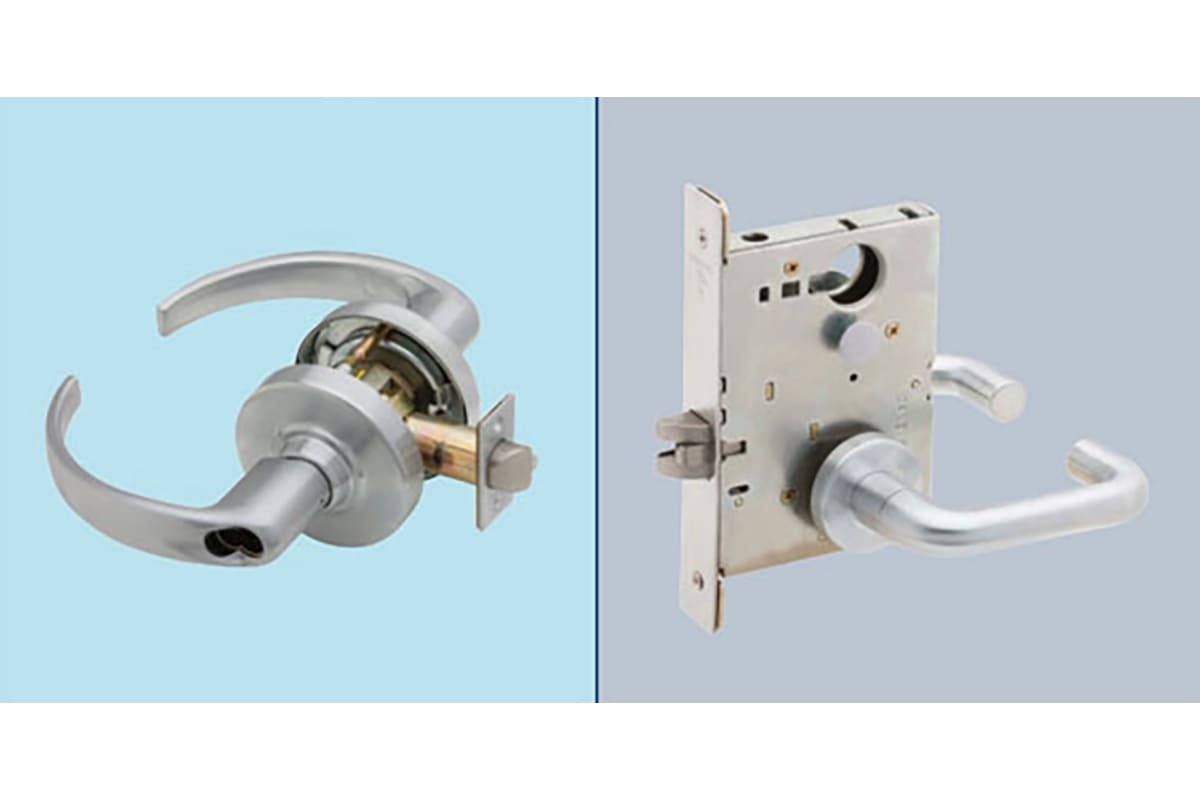
Fixture and setup details matter
A reliable test starts with a rigid fixture. The lock case should be mounted in a way that reflects the intended door preparation without adding artificial friction. The spindle should fit correctly. Misalignment can inflate torque readings and create false failures.
In my own test work, I pay close attention to:
- Spindle size and fit: Common European lever systems often use an 8 mm spindle6, but the actual project must confirm this.
- Rotation angle: The angle should match the latch retraction requirement, often around the working range of the follower.
- Rotation speed: Faster movement can change friction behavior and peak torque.
- Mounting screws: Uneven tightening can distort the case.
- Latch loading: Some tests measure the lock case alone, while others include latch contact simulation.
- Data sampling rate: Low sampling can miss breakaway peaks.
- Return measurement: Final angle and return time are useful for sag analysis.
A hand-operated torque wrench can help during troubleshooting, but it is not enough for full process control. A motorized torque tester with data capture gives better repeatability.7
Suggested test protocol format
| Test element | Example documentation item | Why it matters |
|---|---|---|
| Fixture | Lock mounted in rigid plate, aligned spindle | Prevents false friction |
| Rotation angle | Defined degrees from rest | Makes results comparable |
| Speed | Defined rpm or degrees/second | Controls dynamic effects |
| Temperature | 20 ± 2°C, cold soak, warm soak | Shows environmental sensitivity |
| Lubrication | Standard grease, reduced grease, aged grease | Shows friction risk |
| Preconditioning | Defined cycles before measurement | Separates initial burrs from stable behavior |
| Endurance blocks | Example: initial, 5k, 25k, 50k cycles | Shows drift |
| Data output | Breakaway, running, return angle | Links torque to function |
| Security test | EN 12209 destructive follower torque | Confirms forced-rotation resistance |
Example anonymized torque-life observation
I once reviewed a batch where the initial hand feel was acceptable. After endurance cycling, several samples showed delayed handle return. The torque curve explained the issue better than visual inspection.
The early curve showed a clean peak and smooth running zone. After cycling, the breakaway peak increased, and the running torque became wavy. When we opened the cases, we saw follower edge wear and uneven contact marks near the pawl. The likely cause was not one single part. It was a combination of contact geometry, spring load, and lubrication migration.
A typical anonymized curve review includes:
- Initial peak: Is the breakaway torque inside the target window?
- Running plateau: Is the torque smooth or fluctuating?
- Return curve: Does the system return with enough margin?
- Post-cycle drift: Does torque rise, fall, or become unstable?
- Failure point: Does sag start before component fracture?
- Visual evidence: Do wear marks match the torque curve?
Temperature and lubrication comparisons
Temperature can change lock behavior quickly. Grease becomes thicker in cold conditions.8 Some polymers or small components may also change stiffness. In warm conditions, grease can migrate or thin9, which may reduce friction at first but increase wear if the lubricant leaves the contact zone.
For this reason, I like to compare at least three states:
- Room condition: baseline measurement.
- Cold/dry condition: worst case for stiff operation.
- Aged or reduced-lubrication condition: worst case for wear and instability.
This matters for export markets. A lock used in a Middle East project may face heat and dust. A lock used in Europe may face colder installation conditions. A lock supplied to Southeast Asia may face humidity and corrosion challenges. The buyer should not rely on a single room-temperature value.
For SDH Hardware customers, I prefer to discuss the test plan early, especially for OEM and ODM orders. When the torque protocol is agreed before production, quality disputes become easier to solve because both sides know what data matters.
Why Is Door Lock Case Torque Under EN 12209 Different from Operational Torque?
Door lock case torque under EN 12209 is often misunderstood. Buyers may see a destructive follower torque value and assume it defines daily handle resistance. This creates poor specifications. It may also encourage suppliers to market “higher torque” without proving comfort, endurance, or spring compatibility.
Door lock case torque under EN 12209 relates to security resistance against forced follower rotation, not normal handle feel. Operational torque controls usability and return behavior. EN destructive torque should be verified as a separate floor, while daily torque should be defined by the lock-and-handle system requirements.
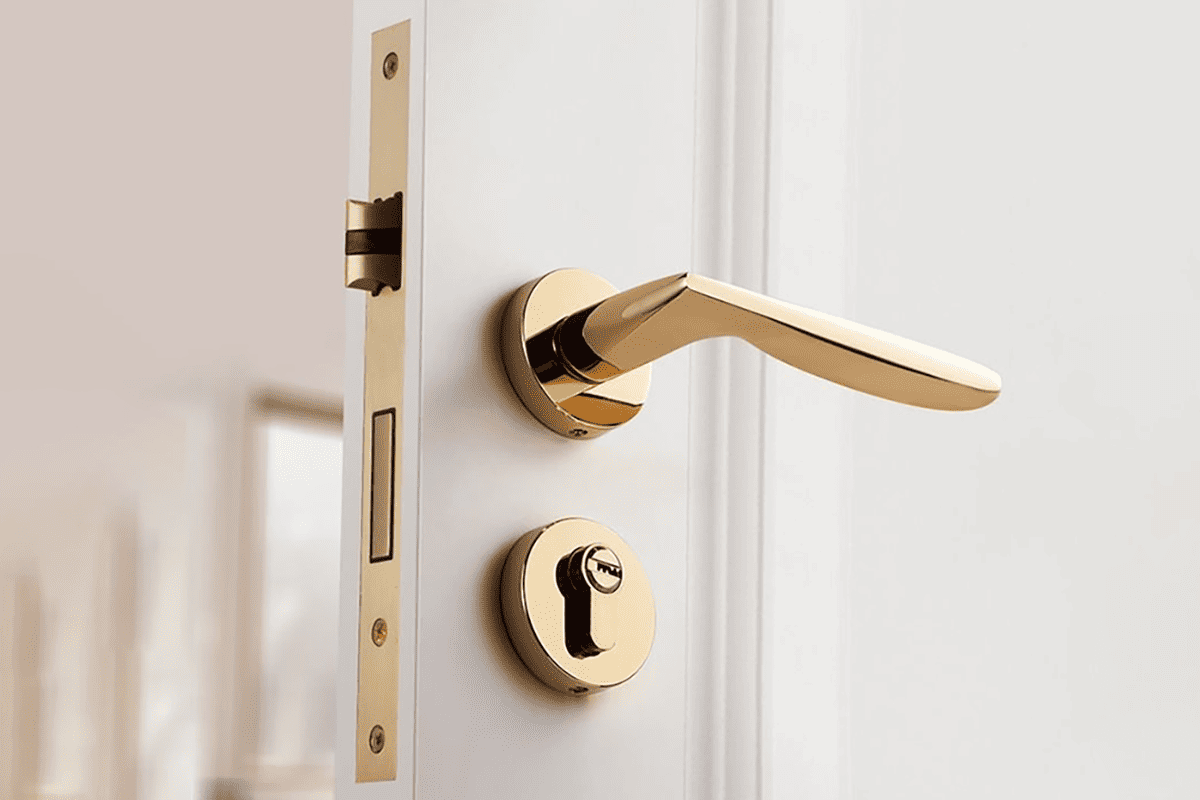
What EN 12209 helps buyers verify
EN 12209 is an important standard for mechanically operated locks and latches. It gives buyers a common reference for classification and performance verification.10 For follower torque security, buyers often discuss requirements such as 60 Nm for Grade 311, depending on the applicable classification and standard edition.
However, I do not present myself as a certification authority. Buyers should request the relevant test report, certificate, product scope, model reference, standard edition, and issuing body details. They should also confirm whether the tested configuration matches the supplied product.
For procurement evaluation, useful verification questions include:
- Does the certificate cover the exact lock case model?
- Does the report identify the relevant EN 12209 edition?
- Does the security grade match the project requirement?
- Does the tested finish, material, and configuration match the order?
- Is the fire-rated certificate separate and applicable to the intended door set?
- Does the supplier provide batch inspection data, not only a certificate?
Why destructive torque is not a comfort target
A destructive follower torque test applies abnormal force to check whether the mechanism resists attack or misuse. Normal operation should require much lower torque. The user should not need extreme force to open a door.
The failure modes are also different.
| Test type | Failure concern | Typical evidence |
|---|---|---|
| Operational torque test | Stiff operation, sag, poor return | High breakaway, unstable running torque |
| Endurance torque test | Wear, drift, spring fatigue | Torque curve changes over cycles |
| Destructive follower torque test | Forced-rotation failure | Deformed follower, broken cam, abnormal opening |
| Assembly return test | Lock-handle mismatch | Lever below horizontal, slow return |
A lock case may pass destructive follower torque but still produce handle sag if the return spring is too weak. Another lock may feel smooth but fail under forced rotation because the follower or cam lacks strength. These two facts are why I keep the specifications separate.
Supplier selection implications
For door factories, hardware brands, and wholesalers, the best supplier is not simply the one with the highest torque claim. The best supplier provides controlled manufacturing, clear test data, consistent inspection, and verifiable compliance documents.
At SDH Hardware, our core product range includes Euro mortise locks, stainless steel lever handles, butt hinges, concealed door hinges, Euro brass cylinders, and door accessories. Our team supports standardized and customized door hardware, and we can discuss CE and fire-rated documentation for relevant product lines. Buyers should still verify certificates and project suitability before final approval.
When I evaluate a lock case supplier, I look for:
- Clear separation of operational and destructive torque data.
- Torque values reported with test conditions.
- Endurance data, not only initial inspection values.
- Failure analysis records for sag, spring breakage, and follower deformation.
- Consistent material and heat-treatment control where applicable.
- Ability to adjust specifications for OEM handle pairings.
- Transparent documentation for CE, EN, and fire-rated requirements.
Conclusion
Door lock case torque is not a single “stronger is better” number. It is a two-sided specification. The operational torque window protects hand feel, return speed, and handle-sag performance. The destructive torque floor protects against forced rotation and should be verified separately through applicable EN 12209 documentation. If your team is evaluating lock bodies, lever handles, or complete door hardware sets, I recommend building a clear torque test protocol before mass production. Contact SDH Hardware to discuss OEM/ODM lock case evaluation, sample testing, and factory-direct door hardware supply.
"SIST EN 12209:2025 - Locks Performance and Test ...", https://standards.iteh.ai/catalog/standards/sist/d274bd71-c780-45dc-bd63-dd00ae5f9280/sist-en-12209-2025?srsltid=AU7gw4XutkIU3mUM0sb0iwk5tVliJHPoPBYbnhiCoPiSY3B19nTv7z5B. EN 12209 and related building-hardware standards classify mechanically operated locks and latches using separate performance categories, supporting the distinction between ordinary operation and security-resistance testing; the standard does not, by itself, define a universal comfort torque range for all lock-and-handle assemblies. Evidence role: general_support; source type: institution. Supports: A standards or institutional source should support that lock performance standards distinguish normal operating or durability performance from security resistance under abnormal force.. Scope note: Contextual support rather than direct proof of the article's specific torque-window method. ↩
"Mechanical System Reliability and Cost Integration Using a ...", https://ntrs.nasa.gov/api/citations/19970017405/downloads/19970017405.pdf. Durability provisions in building-hardware standards require repeated-cycle testing for mechanically operated locks and latches, indicating that initial operation alone is not sufficient evidence of service-life performance; such standards establish test frameworks but may not document the specific failure mode described in this article. Evidence role: general_support; source type: institution. Supports: A standards or reliability source should support the use of endurance cycling to evaluate lock durability beyond initial inspection.. Scope note: Contextual support for endurance testing, not direct evidence from the author's anonymized samples. ↩
"SIST EN 12209:2025 - Locks Performance and Test ...", https://standards.iteh.ai/catalog/standards/sist/d274bd71-c780-45dc-bd63-dd00ae5f9280/sist-en-12209-2025?srsltid=AU7gw4WXcnzVW9Vo6iYfAUkGL3k0lFf4yc94LbVRmRF4UdqaBvOtP4hP. The EN 12209 standard for mechanically operated locks and latches specifies classification and test requirements that include security-related assessment of the follower mechanism, supporting the article's description of follower torque as a standardized security test; exact requirements depend on the edition and classification grade consulted. Evidence role: definition; source type: institution. Supports: A standards-body source should verify that EN 12209 covers mechanically operated locks and latches and includes security-related testing involving the follower.. Scope note: The full clause wording may require access to the paid standard. ↩
"defectfree fatigue", https://ocw.mit.edu/courses/2-002-mechanics-and-materials-ii-spring-2004/db45866e2fc0cf164d96828936748e8f_lec21_notes.pdf. Engineering references on torsion-spring fatigue show that cyclic stress amplitude and mean stress are central determinants of fatigue life, supporting the claim that excessive operating torque can reduce return-spring durability; the reference explains the mechanism generally rather than measuring a particular lock handle. Evidence role: mechanism; source type: education. Supports: An engineering source should support that higher cyclic torque or stress range can reduce spring fatigue life.. Scope note: General spring-fatigue mechanism, not a lock-specific endurance dataset. ↩
"NIST TN 1297: Appendix D1. Terminology", https://www.nist.gov/pml/nist-technical-note-1297/nist-tn-1297-appendix-d1-terminology. Metrology guidance on repeatability, reproducibility, and measurement uncertainty states that changes in method, apparatus, operator, environment, or test conditions can affect measured results, supporting the need to define torque-test variables; it does not identify lock-case torque as a unique measurement category. Evidence role: general_support; source type: government. Supports: A metrology source should support that repeatability and reproducibility depend on controlled measurement conditions and documented procedures.. Scope note: General metrology support, not a lock-specific inter-laboratory comparison. ↩
"Standard Door Handle / Knob Square Spindle 8mm / Bundle", https://affdoorhardware.com/standard-door-handle-knob-square-spindle-8mm-bundle/?srsltid=AU7gw4Ujf01v-n1nxheUVS6WfVlnIZwbJ-HgqfwrJYM010FfYWPS5DHr. European building-hardware references commonly identify 8 mm square spindles for lever-handle operation, supporting the article's statement about typical European systems; project specifications may still require different spindle dimensions. Evidence role: definition; source type: institution. Supports: A standards or building-hardware reference should support that 8 mm square spindles are common in European lever-handle systems.. Scope note: Common-practice support rather than proof that every European system uses 8 mm spindles. ↩
"Automated torque and resistance measurements of sliding ...", https://ui.adsabs.harvard.edu/abs/1990holm.conf...35A/abstract. Measurement-engineering literature indicates that automated test stands can improve repeatability by controlling motion parameters and recording time-resolved force or torque data, supporting the article's preference for motorized torque testing; actual repeatability depends on calibration, fixture design, and sensor selection. Evidence role: general_support; source type: research. Supports: A measurement-engineering source should support that automated control and data acquisition improve consistency compared with manual testing.. Scope note: Contextual support for the testing approach, not proof for a specific tester model. ↩
"A Study of Variation in Viscosity-Temperature Relationship ...", https://www.academia.edu/88047134/A_Study_of_Variation_in_Viscosity_Temperature_Relationship_with_Time_of_Use_of_Lubricant. Tribology studies of lubricating greases report that apparent viscosity and flow resistance generally increase as temperature decreases, supporting the article's statement that cold conditions can make lock operation stiffer; the magnitude depends on grease formulation and shear history. Evidence role: mechanism; source type: paper. Supports: A tribology source should support that lubricating grease generally becomes more resistant to flow at low temperature.. Scope note: Direct quantitative values would need testing of the specific grease used in the lock. ↩
"the effect of the space environment on lubricants ...", https://ntrs.nasa.gov/api/citations/19670006719/downloads/19670006719.pdf. Research on lubricating-grease thermal behavior shows that elevated temperature can reduce apparent viscosity and contribute to oil separation or migration, supporting the article's concern that warm service conditions may alter friction and wear; the effect is formulation-specific. Evidence role: mechanism; source type: paper. Supports: A tribology source should support that elevated temperature can change grease consistency, oil separation, and migration behavior.. Scope note: General lubricant mechanism rather than direct testing of a door-lock grease. ↩
"BS EN 12209:2003 – Mechanical Operated Locks, Latches ...", https://www.hoppe.com/in-en/contacts-service/standards/bs-en-12209/. Standards-body descriptions of EN 12209 define it as a standard for mechanically operated locks and latches, including classification and performance requirements, supporting its use as a common procurement reference; compliance for a given product still depends on the tested model, edition, and certification scope. Evidence role: historical_context; source type: institution. Supports: A standards-body source should support the scope of EN 12209 as a classification and performance standard for mechanically operated locks and latches.. Scope note: Supports the role and scope of the standard, not compliance of any specific product. ↩
"SIST EN 12209:2025 - Locks Performance and Test ...", https://standards.iteh.ai/catalog/standards/sist/d274bd71-c780-45dc-bd63-dd00ae5f9280/sist-en-12209-2025?srsltid=AU7gw4VhhqvXRGMXqGgrmE52GRlYhn2XtFTQhK3Mm7jVrCUwUpUNFUza. A standards or accredited-testing reference to EN 12209 should be used to document the stated 60 N·m follower-torque value for the relevant security grade, while noting that the applicable value may vary with the standard edition, product classification, and exact test clause. Evidence role: statistic; source type: institution. Supports: A standards or accredited-testing source should confirm whether the relevant EN 12209 grade specifies a 60 Nm follower torque requirement.. Scope note: Direct support requires the specific EN 12209 edition and classification table. ↩