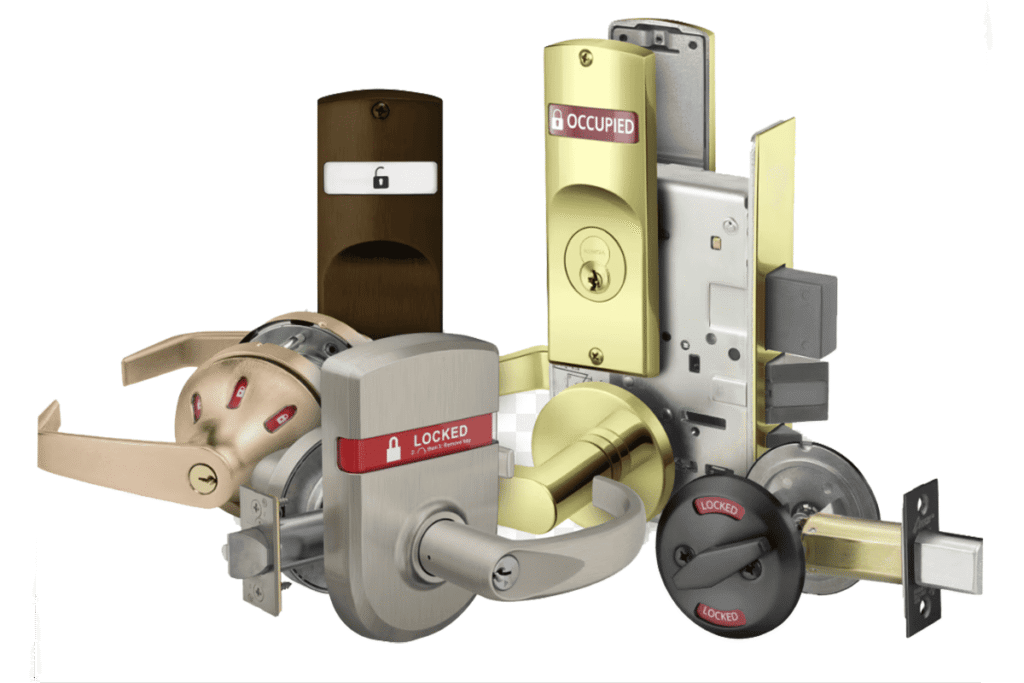
Top 10 DIN Lock Manufacturers in China (2026): Complete Guide to DIN Mortise Lock Factories?
DIN lock manufacturers in China can look similar on a sourcing spreadsheet, but the wrong supplier fit can create lock-body mismatch, certificate confusion, unstable batch quality, and delayed projects1. I have seen buyers focus only on unit price, then lose time during sampling. A better approach is to compare factories by specification match, document scope, production control, and communication reliability.
The Top 10 DIN lock manufacturers in China should be treated as a practical buyer shortlist, not an official market-share ranking. Buyers should review candidates such as ARES, Jianhua Lock, GST, HYL Hardware, SDH Hardware, Roralwand Hardware, Shihsang, Horton, MYD, and QTN, then verify each factory’s DIN mortise lock specifications, certificates, samples, QC process, OEM capacity, and delivery reliability before placing orders.
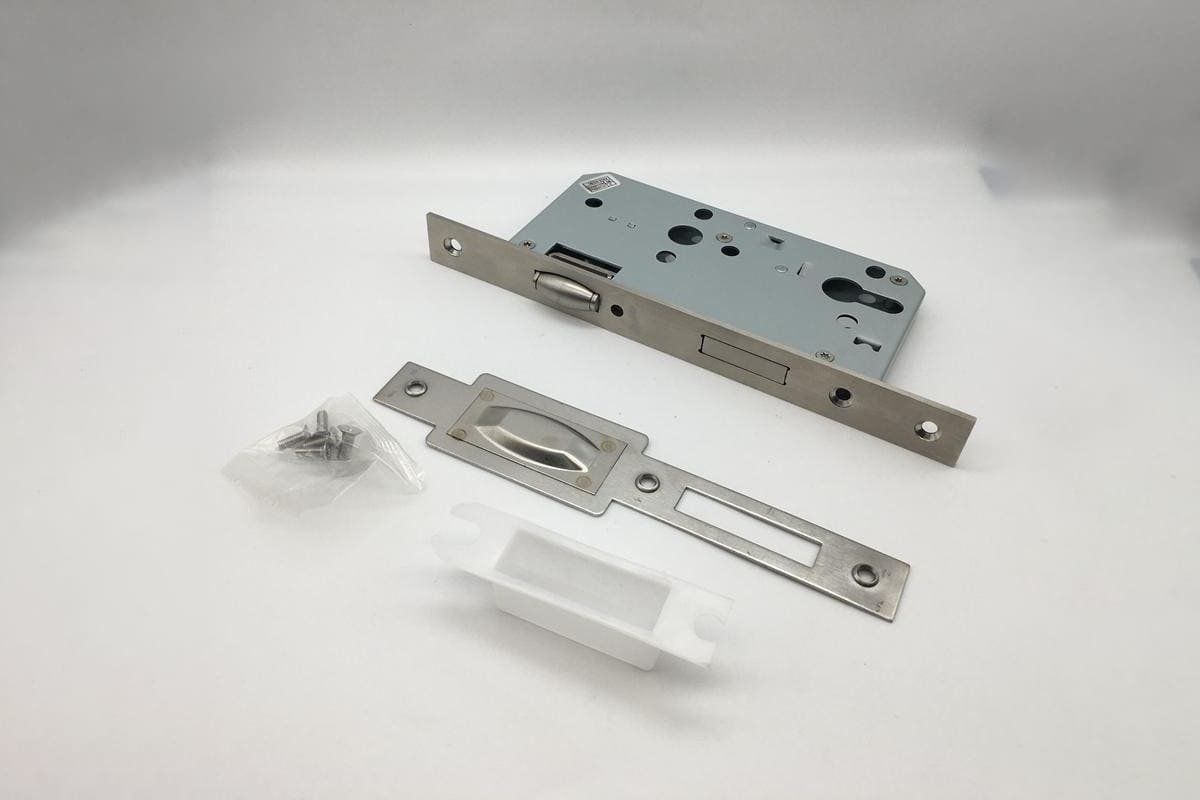
I wrote this guide from a factory-side perspective because I deal with Euro mortise locks, DIN lock bodies, magnetic locks, samples, drawings, and overseas buyer questions every week. The real sourcing question is not “Who is number one?” The better question is “Which factory fits my project, market, and quality risk?”
What makes DIN lock manufacturers in China worth shortlisting in 2026?
Sourcing DIN locks can feel simple at first. A buyer sends a photo, asks for a price, and expects every factory to quote the same product. The problem starts when the backset, center distance, faceplate, function, latch direction, or certification requirement is different. I see this gap often, and it can turn a low quote into an expensive mistake.
DIN lock manufacturers in China are worth shortlisting when they can match European-style mortise lock specifications2, provide clear drawings, support sample testing, explain certificate scope, and maintain batch consistency. Buyers should evaluate them as manufacturing partners, not only as catalog suppliers or price sources.
The buyer value is usually in factory fit
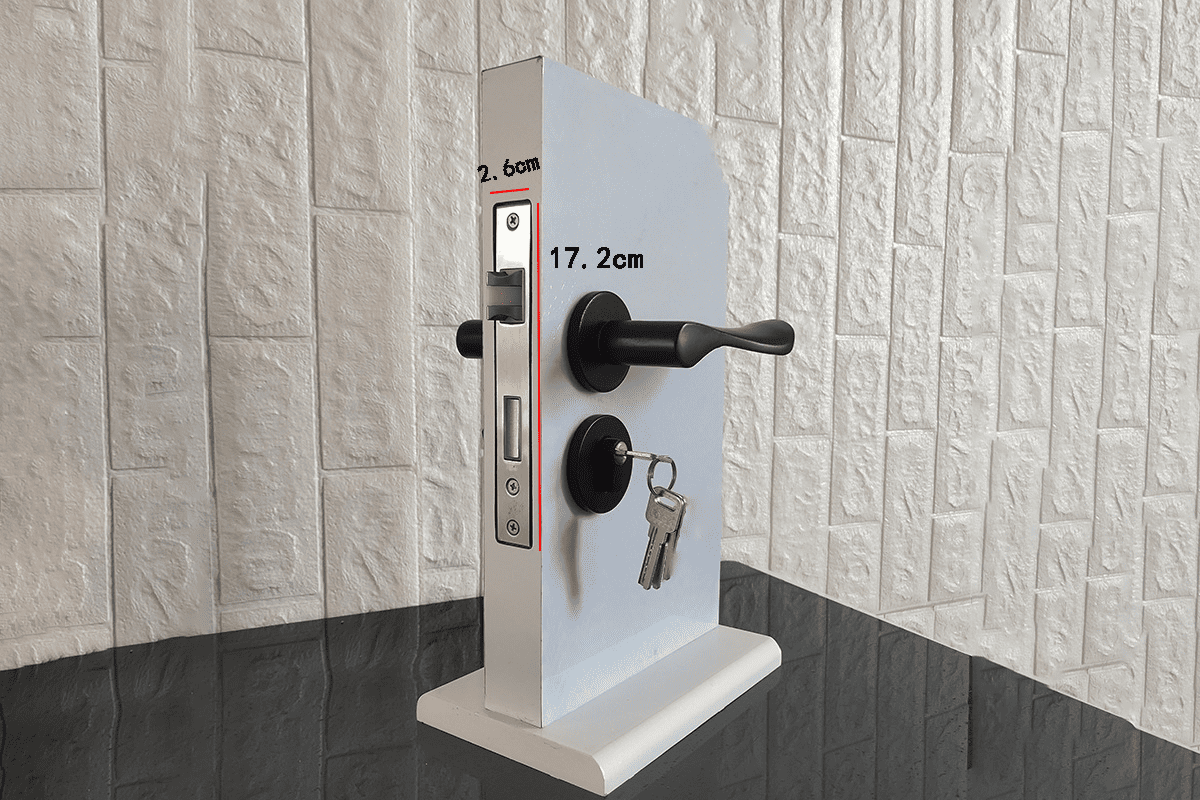
A DIN mortise lock is not just a rectangular lock case. It is part of a door system.3 It must match the door material, handle set, cylinder, strike plate, hinge clearance, installation method, and target market requirements. I have learned that the best sourcing conversations start with drawings, not only with photos.
For overseas buyers, China remains attractive for several practical reasons4:
- Broad manufacturing base: Buyers can find mechanical locks, magnetic locks, Euro profile cylinder lock bodies, bathroom locks, passage locks, privacy locks, and project lock series.
- Flexible OEM/ODM support: Many factories can adjust faceplate finish, latch type, spindle size, packaging, logo marking, and accessory configuration.
- Batch production capacity: Mature suppliers can support wholesalers, door factories, and hardware brands with repeated orders.
- Cost-performance balance: China can be competitive when specification, QC, and logistics are controlled early.
- One-stop sourcing potential: Some manufacturers also provide lever handles, cylinders, hinges, and door accessories.
However, the shortlist must still be verified. I do not recommend treating any online “Top 10” article as an official ranking unless it is backed by audited market-share data. In procurement, a useful list is only the first filter.
What “DIN lock” usually means in sourcing discussions
In many buyer conversations, “DIN lock” refers to a European-style mortise lock body designed around common DIN/Euro door hardware habits. But buyers should define the exact standard and drawing requirement. A lock can be described as DIN-style and still differ in key dimensions.5
Important compatibility points include:
| Evaluation item | Why it matters | What buyers should request |
|---|---|---|
| Backset | It affects handle and cylinder position from the door edge | Technical drawing with tolerances |
| Center distance | It must match the lever handle and cylinder layout | 72 mm, 78 mm, 85 mm, 92 mm, or project-specific confirmation |
| Faceplate size | It affects routing and door preparation | Length, width, radius/square corner details |
| Lock function | It determines application | Cylinder lock, bathroom lock, passage lock, escape function, magnetic latch |
| Latch direction | It affects installation | Reversible or left/right specific confirmation |
| Door material | It affects screw, strike, and durability needs | Wood, steel, aluminum, fire door, interior door |
| Certification scope | It affects market acceptance | CE/fire-rated documents tied to model and test scope |
At SDH Hardware, I usually ask buyers for the drawing first. If they do not have one, I ask for an existing sample, project requirement, door type, and target market. This simple step reduces misunderstanding before tooling, sampling, or mass production.
A good DIN mortise lock supplier does not only say, “Yes, we have it.” A good supplier asks, “Which version do you need, and how will you verify it?”
How should buyers define the right DIN mortise lock specification?
Many sourcing problems begin before buyers contact factories. The buyer may ask for a “DIN lock,” but the factory may quote a general Euro mortise lock from its catalog. This creates risk because small dimensional differences can cause big installation problems. I always prefer to define the lock first, then compare suppliers.
Buyers should define a DIN mortise lock by backset, center distance, faceplate dimensions, lock case size, latch and deadbolt function, spindle size, cylinder profile6, door material, finish, certification needs, and packaging requirements. A written specification sheet is better than a photo-based inquiry.
Start with function before price
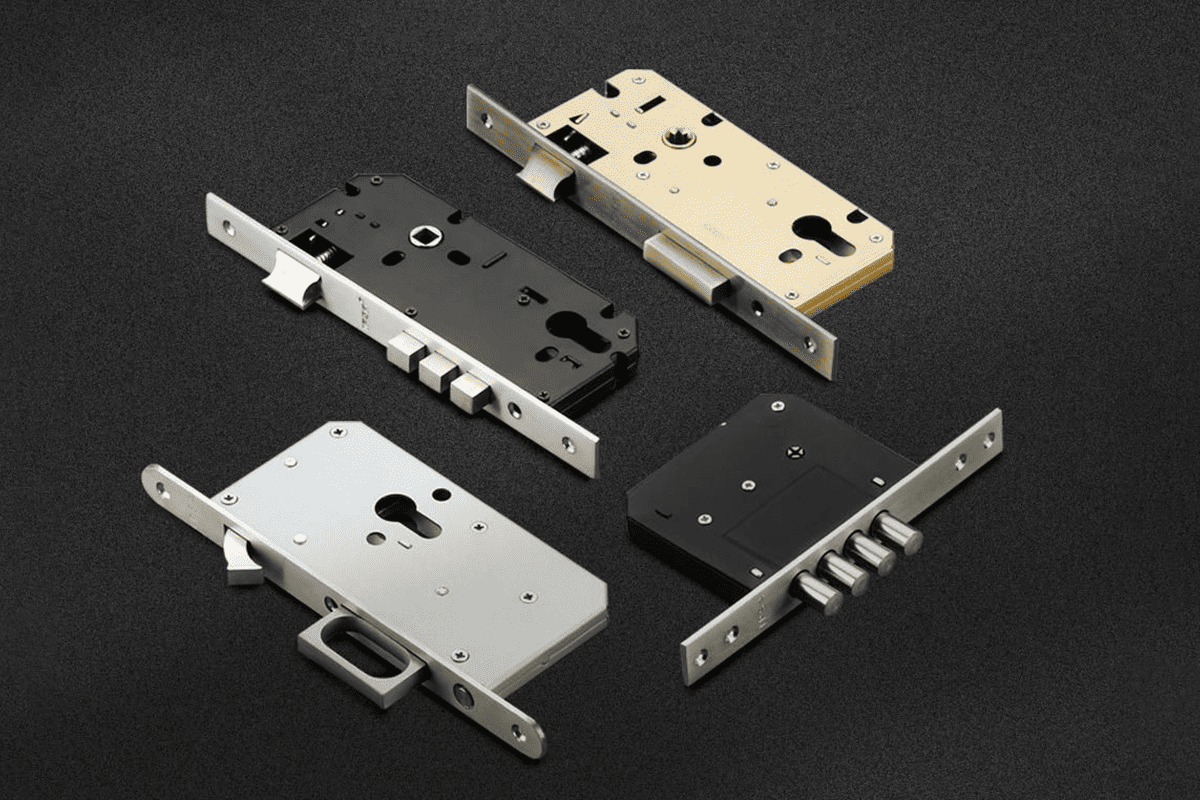
A lock body should be selected for the door application first. Price comparison should come after that. If the buyer only asks for “the cheapest DIN lock,” the factory may quote a light-duty model that does not match the market, door weight, or project requirement.
Common DIN mortise lock functions include:
Euro profile cylinder lock body
This version works with a Euro cylinder and lever handle. It is common in residential, commercial, and project doors.Bathroom/WC lock body
This version uses a privacy turn and release function. It must match the handle rose or plate design.Passage latch lock
This version may not use a cylinder. It is common for interior doors where locking is not required.Magnetic mortise lock
This version uses a magnetic latch that stays flush when the door is open. Buyers often choose it for modern interior doors and quiet closing.Fire-rated mortise lock body
This version requires careful document review. The fire-rated claim may depend on the tested model, door assembly, installation method, and standard.7
Confirm the core dimensions
I suggest that buyers prepare a simple specification sheet before requesting quotations. The sheet does not need to be complex, but it should be precise.
| Specification | Common questions to answer |
|---|---|
| Backset | Is it 45 mm, 50 mm, 55 mm, 60 mm, or another size? |
| Center distance | Is it 72 mm, 78 mm, 85 mm, 92 mm, or custom? |
| Faceplate | What are the length, width, thickness, corner type, and screw hole positions? |
| Lock case | What are the case height, case depth, and material thickness? |
| Forend finish | Is it stainless steel, plated steel, brass finish, black, satin nickel, or custom? |
| Spindle | Is it 8 mm, 9 mm, or project-specific? |
| Cylinder | Is it Euro profile? What cylinder length is required? |
| Strike plate | Is it standard, dust-proof, adjustable, or fire-door type? |
| Handing | Is the latch reversible? Is left/right orientation needed? |
| Accessories | Are screws, strike plates, plastic bags, labels, and cartons required? |
Do not treat CE or fire-rated documents as generic
This point is important. Buyers should not assume that a CE certificate or fire-rated certificate covers every lock model from a factory. Certification documents should be reviewed carefully.
A buyer should verify:
- Model number listed on the document
- Standard referenced in the test or certificate
- Test laboratory or notified body information
- Valid date and report number
- Fire rating duration, if applicable
- Door assembly or installation limitations
- Hardware combinations covered by the test
- Whether the certificate applies to the exact lock body being ordered
SDH Hardware can provide certification documents for applicable product series, but I always recommend that buyers review the document scope against their project requirements. For regulated markets or fire-door projects, buyers should involve qualified professionals, certification consultants, or local authorities where needed.
Sampling should simulate the real order
A sample is not only a sales tool. It is a risk-control tool.8 Buyers should test the sample against the actual door preparation, handle set, cylinder, strike plate, and installation method.
A practical sample checklist includes:
- The lock fits the routed pocket correctly.
- The handle spindle turns smoothly.
- The latch retracts fully.
- The deadbolt throws correctly.
- The cylinder aligns with the keyhole or escutcheon.
- The faceplate sits flush.
- The strike plate receives the latch without friction.
- The finish matches the approved sample.
- The packaging protects the lock during transport.
- The markings, logo, and labels match the buyer’s requirement.
I have seen buyers approve a lock by appearance only. Later, they discover that the faceplate screw hole location does not match their door machining. This problem is preventable when the sample test is based on a written specification.
Which Top 10 DIN lock manufacturers in China should buyers review?
A “Top 10” list can help buyers start research, but it should not replace supplier verification. The names below should be treated as candidate references for 2026 sourcing. I recommend that buyers confirm each company’s legal name, English spelling, location, founding year, product scope, certificates, export record, and factory capability before publication or procurement decisions.
Buyers can review ARES, Jianhua Lock, GST, HYL Hardware, SDH Hardware, Roralwand Hardware, Shihsang, Horton, MYD, and QTN as a starting shortlist of DIN lock manufacturers in China. The right choice depends on specification fit, document scope, sample quality, production consistency, OEM/ODM support, and communication reliability.
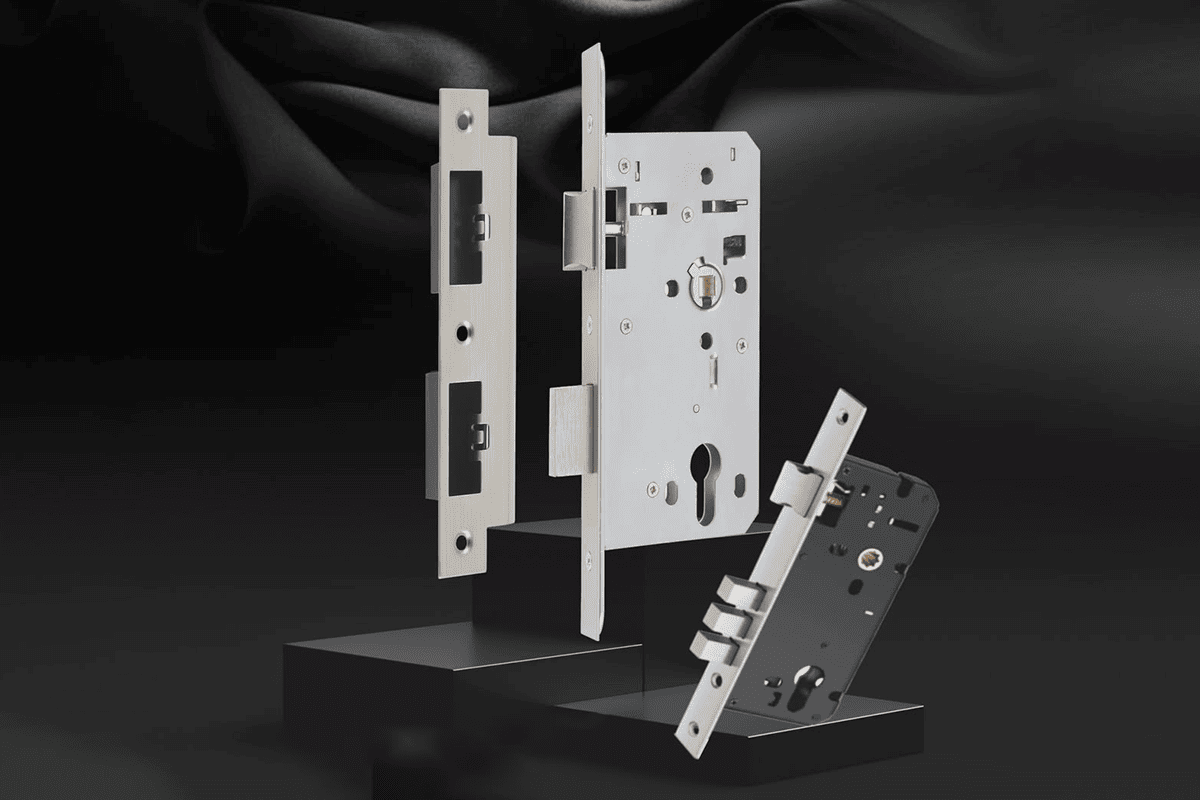
A practical shortlist, not an official ranking
I want to be clear. I am not presenting this list as an official ranking of market share, revenue, capacity, or export volume. I am using it as a buyer-oriented shortlist. In real procurement, the final decision should come from evidence, not from ranking language.
Before buyers rely on any supplier list, they should ask:
- Does the factory make the exact lock body I need?
- Does the supplier understand my market standard?
- Does the supplier provide a drawing before sampling?
- Does the certificate cover my exact model and application?
- Does the sample match the quotation and future mass production?
- Does the factory support packaging, logo, and barcode requirements?
- Does the communication team answer technical questions clearly?
- Does the factory have a stable inspection process?
Candidate reference list for 2026 sourcing
| Candidate manufacturer | How buyers can evaluate it | Key verification point |
|---|---|---|
| ARES | Review its DIN/Euro mortise lock range and export documentation | Confirm legal entity, location, model drawings, and certificate scope |
| Jianhua Lock | Check whether its lock body series matches your backset and center distance needs | Verify production consistency and sample-to-batch control |
| GST | Review lock functions, finishes, and target-market standards | Confirm test reports and product model coverage |
| HYL Hardware | Compare its mortise lock, handle, and accessory compatibility | Verify OEM/ODM flexibility and packaging support |
| SDH Hardware | Evaluate Euro mortise locks, mechanical locks, magnetic locks, cylinders, handles, hinges, and accessories | Confirm drawings, samples, CE/fire-rated documents where applicable, and inspection process |
| Roralwand Hardware | Review available lock bodies and project hardware options | Confirm English brand spelling, model scope, and factory capability |
| Shihsang | Check product categories and lock body specifications | Verify company information, export markets, and documentation |
| Horton | Review whether its hardware range fits your door system | Confirm DIN mortise lock models and production details |
| MYD | Compare product drawings, finishes, and order requirements | Verify sample quality and mass production repeatability |
| QTN | Review its catalog and target market applications | Confirm certification documents, MOQ, lead time, and QC process |
How I would compare these factories as a buyer
I would not begin with the lowest price. I would begin with the product risk. DIN lock bodies affect door preparation, installation labor, after-sales claims, and brand reputation. A small price difference may not matter if a shipment causes rework at the door factory.
I would score each supplier using a weighted framework9:
| Evaluation category | Suggested weight | What I would check |
|---|---|---|
| Specification match | 25% | Backset, center distance, faceplate, lock case, function, handing |
| Certification/document scope | 20% | CE, fire-rated reports, model numbers, standards, validity |
| Sample quality | 15% | Smooth function, finish, dimensions, packaging, accessory match |
| Production consistency | 15% | QC checkpoints, inspection reports, material control, batch records |
| OEM/ODM support | 10% | Logo, packaging, drawings, custom finish, accessory configuration |
| Communication reliability | 10% | Response clarity, technical understanding, problem-solving speed |
| Commercial terms | 5% | MOQ, lead time, payment terms, shipping support |
This scoring method keeps the decision balanced. It also prevents a common mistake: choosing a supplier because the first quotation looks attractive.
Where SDH Hardware fits in this shortlist
SDH Hardware is one of the China-based factory options buyers can evaluate for architectural door hardware sourcing. I work with DIN/Euro mortise locks, mechanical locks, magnetic locks, stainless steel lever handles, Euro brass cylinders, butt hinges, concealed hinges, and door accessories. Our business is factory-direct B2B supply, and we support OEM/ODM customization for overseas door factories, hardware brands, and wholesalers.
Our strengths are most relevant when buyers need:
- Euro mortise lock series
- Mechanical lock and magnetic lock options
- Factory-direct production
- Custom specifications and finishes
- Logo stamping or laser marking
- Custom packaging
- Product drawings after order confirmation
- Finished product inspection
- One-stop door hardware sourcing
I still encourage buyers to verify SDH the same way they verify every other factory. That means reviewing drawings, samples, certificates, inspection steps, and project fit before placing a production order.
How can buyers verify DIN lock manufacturers in China before ordering?
A supplier can have a good website, a polished catalog, and an attractive quotation, but those items do not prove that the factory can deliver the right lock consistently. Verification matters because DIN lock problems often appear after installation, not during email negotiation. I prefer to reduce this risk before the purchase order.
Buyers can verify DIN lock manufacturers in China by requesting technical drawings, sample locks, material details, certificate documents, QC procedures, production capacity information, OEM/ODM confirmation, packaging proofs, inspection reports, and project references where available. Buyers should also test samples under real installation conditions before mass production.
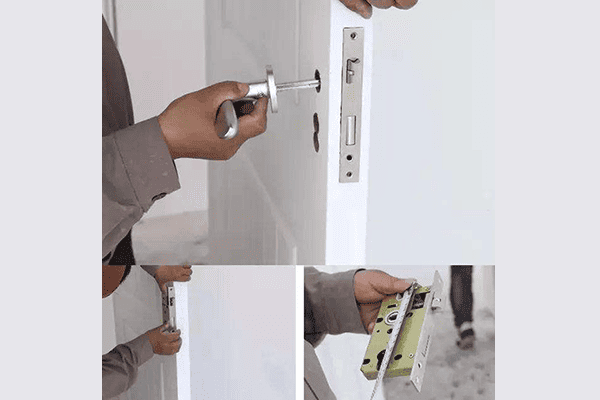
Step 1: Request drawings before samples
Drawings are the fastest way to identify mismatch. Photos can hide important dimensions. A drawing should show the lock case, faceplate, screw holes, spindle center, cylinder center, backset, center distance, latch, deadbolt, and strike plate.
A buyer should ask for:
- 2D technical drawing
- Material specification
- Finish specification
- Tolerance notes where available
- Lock function explanation
- Compatible cylinder type
- Compatible handle spindle size
- Strike plate drawing
- Packaging drawing or carton details if needed
If a supplier cannot provide a basic drawing, I would slow down the process. That does not always mean the factory is poor, but it does increase communication risk.
Step 2: Review certificates by model and scope
Certification review should be careful. A certificate is not just a marketing attachment. It is a document that must match the product, standard, and project requirement.
A practical certificate review table looks like this:
| Certificate item | Buyer question |
|---|---|
| Product model | Does the certificate list the exact lock model? |
| Standard | Which EN, CE, fire, or other standard is referenced? |
| Issuing body | Is the laboratory or notified body identifiable? |
| Validity | Is the document still valid for the intended market? |
| Test scope | Does it cover only one lock, a series, or a complete door set? |
| Application | Does it apply to timber, steel, aluminum, or fire doors? |
| Accessories | Does it include strike plate, cylinder, handle, or door closer combinations? |
| Language and traceability | Can the supplier provide clear copies and report numbers? |
For fire-rated doors, buyers should be especially cautious. Fire performance can depend on the complete door assembly. I recommend that buyers consult qualified fire-door professionals or local compliance experts for project-specific decisions.
Step 3: Test samples like a production part
A sample should be measured and installed. A buyer should not approve it only because the finish looks good.
Sample testing can include:
Dimensional inspection
The buyer checks the lock against the drawing.Functional test
The buyer cycles the latch, deadbolt, spindle, and cylinder.Installation test
The buyer installs the lock into the real or sample door.Compatibility test
The buyer checks handle, cylinder, escutcheon, and strike plate alignment.Finish review
The buyer compares color, texture, plating, or stainless-steel brushing.Packaging drop-risk review
The buyer checks whether cartons and inner packaging protect the lock.Label and barcode review
The buyer confirms retail, warehouse, or brand requirements.
At SDH, I have seen that sample approval becomes smoother when the buyer sends feedback in a table with photos, dimensions, and comments. Clear feedback helps the factory adjust before mass production.
Step 4: Confirm mass production controls
The approved sample must become the reference for mass production. This is where some sourcing projects fail. A good sample does not guarantee that every batch will match unless the supplier has production control.10
Buyers should confirm:
- Raw material inspection
- Stamping or machining control
- Lock case assembly inspection
- Latch and deadbolt movement testing
- Surface finish inspection
- Screw and accessory packing control
- Carton label verification
- Final random inspection
- AQL or buyer-specific inspection standard
- Production photos or inspection reports
For repeat orders, buyers should also keep a golden sample. The golden sample gives both sides a physical benchmark for future production.
What common mistakes should buyers avoid with DIN lock manufacturers in China?
Many procurement mistakes are predictable. Buyers often compare DIN locks as if every lock body is interchangeable. They may also assume that every certificate applies to every model, or that the first sample represents all future batches. These assumptions create risk in door manufacturing, import distribution, and brand reputation.
Buyers should avoid treating DIN locks as one standard product, comparing only price, accepting certificates without checking model scope, skipping real installation tests, ignoring packaging details, and failing to control sample-to-mass-production consistency. A disciplined sourcing process prevents most avoidable DIN mortise lock problems.
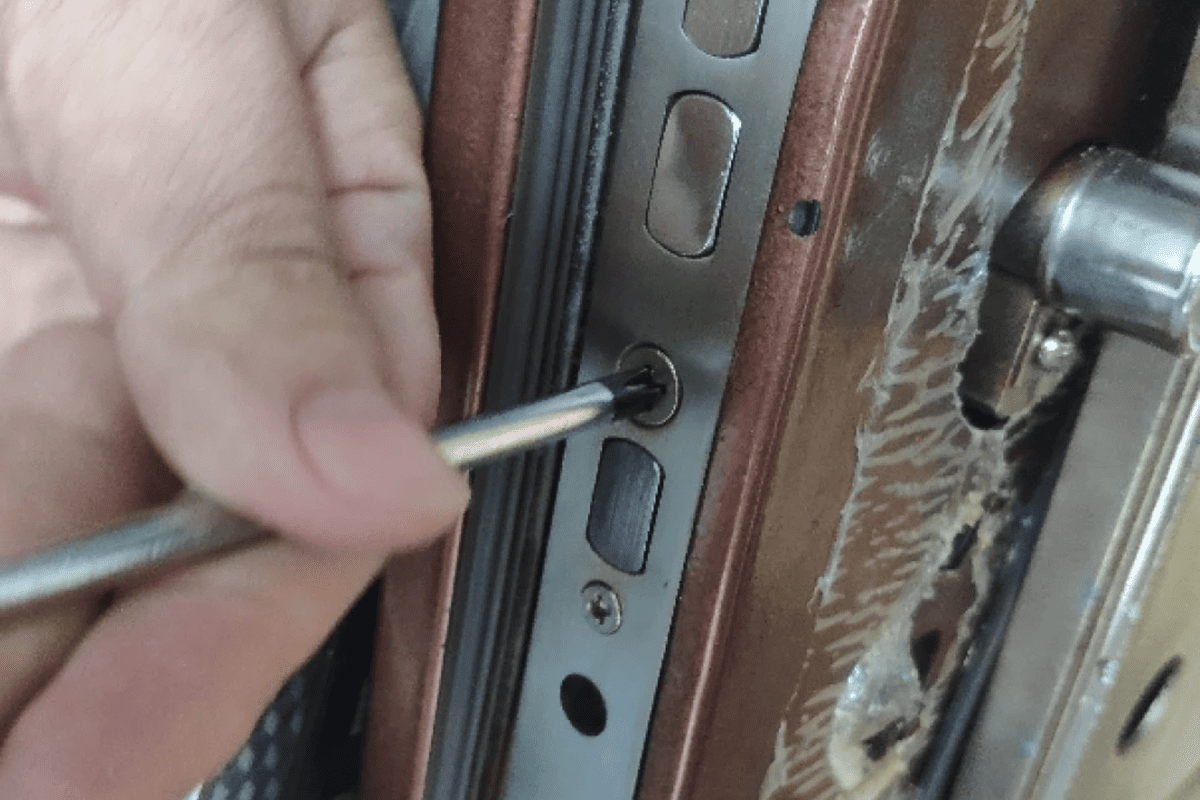
Mistake 1: Treating all DIN mortise locks as the same
DIN-style lock bodies can look similar, but they may differ in dimensions, materials, internal structure, faceplate design, and latch function. Even a few millimeters can matter. Door factories especially need strict dimensional control because door machining is often prepared before hardware arrives.
Buyers should compare:
- Backset
- Center distance
- Lock case depth
- Faceplate length
- Faceplate corner type
- Screw hole position
- Strike plate dimensions
- Spindle size
- Cylinder position
- Latch projection
- Deadbolt throw
Mistake 2: Comparing only unit price
Unit price matters. I understand that. However, the lowest quotation may not be the lowest total cost11. A cheap lock can create higher costs through poor fit, high defect rate, weak packaging, inconsistent finish, or unclear documentation.
A better cost view includes:
| Cost factor | Why it matters |
|---|---|
| Unit price | It affects purchase budget |
| Defect rate | It affects replacement cost and customer complaints |
| Installation fit | It affects door factory labor |
| Packaging quality | It affects transport damage |
| Certificate suitability | It affects market approval |
| Batch consistency | It affects brand trust |
| Communication speed | It affects project timeline |
| Lead time reliability | It affects delivery planning |
Mistake 3: Assuming certificate coverage is automatic
This is one of the most serious mistakes. A supplier may have CE-related or fire-rated documents, but the buyer must confirm whether the document applies to the exact model and use case.
Buyers should ask the supplier:
- Which model number is covered?
- Which standard was tested?
- Is this certificate for the lock body only or for a door assembly?
- Does it cover the finish and material being ordered?
- Does it cover the required fire rating duration?
- Does it apply to the buyer’s target market?
- Can the supplier provide the test report, not only a certificate image?
If the application is safety-critical, buyers should not rely only on supplier statements. They should seek qualified professional review.
Mistake 4: Ignoring sample-to-batch consistency
A sample may be carefully selected. Mass production must be controlled. Buyers should define the approved sample, inspection method, and acceptable tolerance before production.
Conclusion
DIN lock manufacturers in China can offer strong sourcing opportunities for 2026, but buyers should choose by supplier fit rather than ranking claims. I recommend that buyers define the DIN mortise lock specification first, then verify drawings, samples, certificates, production controls, OEM details, and inspection standards. If you need a factory-direct architectural door hardware partner for Euro mortise locks, magnetic locks, handles, cylinders, hinges, or complete door hardware sourcing, I welcome you to contact SDH Hardware with your drawings, samples, or project requirements.
"The Fundamentals of Supplier Quality Management (SQM)", https://www.kodiakhub.com/blog/supplier-quality-management. Research on supplier quality management and procurement risk supports the general proposition that weak supplier selection and control can contribute to nonconforming products, documentation problems, and delivery disruption. Evidence role: general_support; source type: research. Supports: Supplier selection and supplier quality controls are associated with product conformity, documentation control, and delivery performance.. Scope note: This would provide contextual support for procurement risk in general rather than direct evidence specific to Chinese DIN lock manufacturers. ↩
"Classification Code for Mechanically Operated Lock", https://www.dirock.com/EN12209-Classification-Code-for-Mechanically-Operated-Lock-id43533806.html. European standards for mechanically operated locks, including EN 12209 and related DIN mortise-lock standards, provide the technical context for evaluating mortise lock specifications such as function, dimensions, and performance classification. Evidence role: definition; source type: institution. Supports: European mortise locks are specified and classified through standards such as EN 12209 and DIN 18251, which address lock types, dimensions, and performance characteristics.. Scope note: Standards documentation may define the framework but may not validate any individual manufacturer’s compliance. ↩
"EN 12209: Building Hardware - Mechanically operated ...", https://www.intertek.com/building/standards/en-12209/. Door-hardware standards treat lock performance and suitability as dependent on the lock’s interaction with related door components, including the strike, operating furniture, cylinder, and installation conditions. Evidence role: mechanism; source type: institution. Supports: Door locks are specified and tested in relation to interacting components such as the door leaf, frame, strike plate, cylinder, and operating hardware.. Scope note: This supports the system-based reasoning but does not address any specific DIN lock model. ↩
"China - U.S. Export Controls", https://www.trade.gov/country-commercial-guides/china-us-export-controls. International trade statistics for HS 8301, covering locks and similar hardware, can substantiate China’s role as a major exporting country in this product category. Evidence role: statistic; source type: institution. Supports: China is a major exporter of locks and related hardware, indicating a substantial production and export base for sourcing.. Scope note: Trade data support the scale of China’s lock-hardware exports but do not directly prove OEM flexibility, individual factory capability, or quality level. ↩
"DIN 18251: The German Standard for Mortise Locks", https://umaylocks.com/din-18251/. Mortise-lock standards and technical specifications identify dimensions such as backset, forend size, follower position, cylinder position, and case geometry, supporting the need to verify dimensions beyond a generic DIN-style description. Evidence role: definition; source type: institution. Supports: Mortise lock specifications include multiple dimensional parameters, so a general DIN-style label is insufficient to confirm interchangeability.. Scope note: The source would support the dimensional principle, not the prevalence of mislabeling in supplier catalogs. ↩
"Mortise Lock (EN12209)", https://www.dirock.com/Mortise-Lock-EN12209-pl40667787.html. European mechanically operated lock standards and mortise-lock specifications classify locks by dimensional, functional, and performance characteristics, including case geometry, latch and deadbolt operation, follower arrangement, and cylinder compatibility. Evidence role: definition; source type: institution. Supports: Recognized lock standards and technical references use dimensional and functional attributes to define mortise-lock suitability.. Scope note: The source may not list the article’s exact checklist in the same wording, but it would support the checklist as standards-based specification practice. ↩
"Important Tips for Specifying Fire Door Assemblies", https://steeldoor.org/tips-for-specifying-fire-door-assemblies/. Fire-door testing and certification guidance treats the door leaf, frame, hardware, and installation as elements of the tested assembly, supporting the view that a fire-rated lock claim is limited by the tested configuration and standard. Evidence role: mechanism; source type: institution. Supports: Fire-door performance is evaluated for tested assemblies and may depend on hardware, installation, and the relevant fire-test standard.. Scope note: This supports the general compliance mechanism and would not establish the fire rating of any specific lock or supplier. ↩
"Risk factors in the assessment of suppliers - PMC - NIH", https://pmc.ncbi.nlm.nih.gov/articles/PMC9342744/. Quality-inspection standards such as ISO 2859 establish sampling inspection as a method for assessing conformity in production lots, supporting the broader use of samples as a sourcing risk-control measure. Evidence role: general_support; source type: institution. Supports: Sampling and inspection are accepted quality-assurance practices for evaluating whether products conform to specified requirements.. Scope note: Sampling standards support inspection logic generally; they do not prove that a single pre-production sample will predict all later production quality. ↩
"(PDF) Multi Criteria Decision Making Tools for Supplier ...", https://www.academia.edu/26034603/Multi_Criteria_Decision_Making_Tools_for_Supplier_Evaluation_and_Selection_A_Review. Procurement research on supplier selection supports the use of multi-criteria weighted evaluation models to balance price with quality, delivery, technical capability, and service performance. Evidence role: general_support; source type: paper. Supports: Supplier selection research commonly uses multi-criteria or weighted decision models that balance cost, quality, delivery, capability, and service factors.. Scope note: The literature supports the method generally but does not validate the article’s exact percentage weights. ↩
"ISO 9001 explained", https://www.iso.org/home/insights-news/resources/iso-9001-explained.html. Quality-management standards emphasize controlled production processes, monitoring, inspection, and documented procedures as mechanisms for maintaining product conformity beyond initial sample approval. Evidence role: mechanism; source type: institution. Supports: Consistent product conformity depends on controlled production processes, inspection, monitoring, and documented quality-management practices.. Scope note: This supports the production-control principle but does not assess any named lock manufacturer’s quality system. ↩
"Total Cost of Ownership (TCO) in Supply Chain: Framework ...", https://supplychainmath.com/en/total-cost-of-ownership.html. Total-cost-of-ownership research in procurement supports evaluating suppliers by costs beyond purchase price, including quality failures, logistics, service, delays, and administrative burden. Evidence role: expert_consensus; source type: paper. Supports: Procurement literature recognizes total cost of ownership as a broader evaluation method than unit price alone.. Scope note: The source would support the procurement principle generally rather than quantify cost differences for DIN mortise locks. ↩