Why Are Solid Stainless Steel Handles Becoming a Preferred Choice in Commercial Projects?
Solid stainless steel handles are gaining attention because commercial doors face constant use, rough handling, cleaning chemicals, and long maintenance cycles. If a handle bends, corrodes, or loses its finish too early, the problem becomes visible and expensive. I see buyers choosing solid construction because it reduces these project-level risks.
Solid stainless steel handles are becoming preferred in commercial projects because they offer stronger structural resistance, better long-term surface stability, practical corrosion resistance, and more design flexibility than many lighter alternatives. They are not always required for every door, but they often make sense in high-traffic buildings where durability and maintenance control matter.
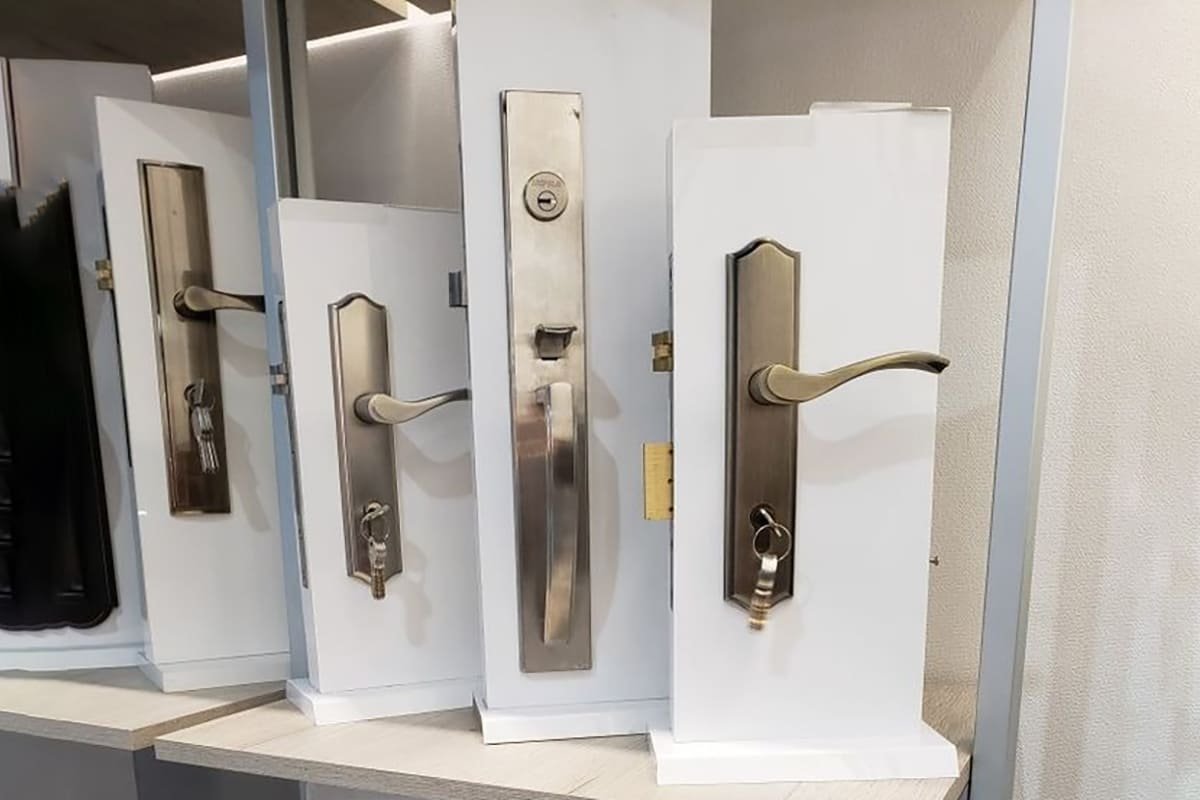
I work with stainless steel lever handles from the factory side, so I look at this topic through material structure, machining, surface finishing, and batch inspection. The key question is not only “Which handle looks good?” It is also “Which handle stays reliable after years of daily use?”
Why Do Solid Stainless Steel Handles Perform Better Under Frequent Use?
Commercial doors create a simple problem: people use them all day, and nobody handles them gently every time. This repeated force can expose weak structures quickly. I often tell buyers that a handle is not just a decorative part. It is a stressed component on the door.
Solid stainless steel handles perform better under frequent use because their full material structure provides stronger resistance to bending, looseness, and deformation1. The heavier, more substantial body can help maintain function and hand feel in hotels, offices, schools, hospitals, malls, and other high-traffic commercial buildings.
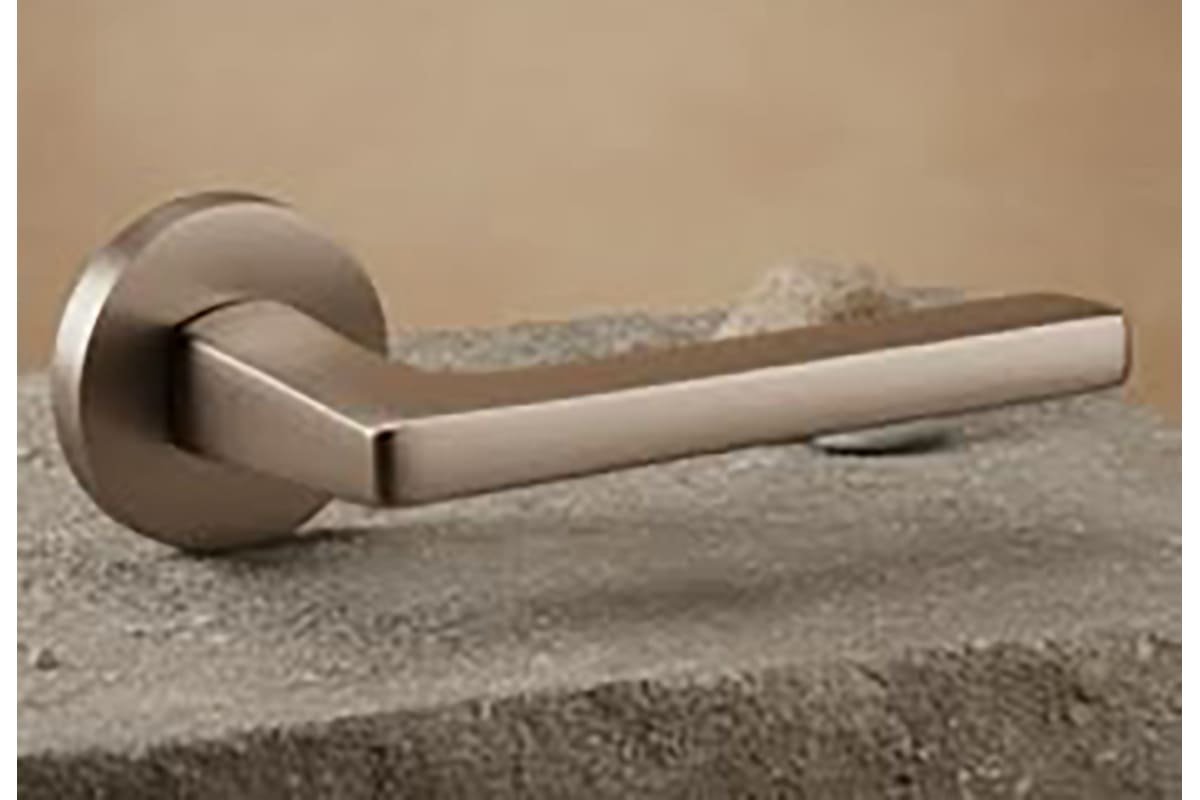
Structural Strength Matters More Than Many Buyers Expect
In commercial projects, door hardware failure is rarely only a small hardware issue. It can affect guest experience, maintenance workload, fire door operation2, and even brand image. When I inspect stainless steel lever handles in production, I pay close attention to the parts that receive stress:
- Lever body structure
- Spindle connection area
- Rose or backplate fit
- Welded or machined transition points
- Surface deformation after polishing
- Batch consistency between samples and mass production
A solid handle uses more stainless steel material through the body. This makes the product feel more substantial in the hand, but the real value is not just weight. The real value is resistance to bending and shape change during repeated operation.
A commercial door in a busy corridor may be opened hundreds of times per day.3 In hospitals, schools, office towers, and shopping centers, some doors may experience even more frequent use. In these environments, a weak handle body can create problems such as:
- Lever sagging
- Poor return action
- Loose hand feel
- Visible bending
- Misalignment with lock parts
- Higher replacement pressure
I do not suggest that hollow handles are always a poor choice. They can be suitable for lower-traffic doors, budget-sensitive projects, or decorative applications where the duty level is lighter. However, when the project specification includes heavy public use, I usually recommend that buyers compare the structure carefully instead of looking only at unit price.
What I Check During Factory Evaluation
From a manufacturing perspective, I like to evaluate solid stainless steel handles with a practical checklist:
| Evaluation Point | Why It Matters in Commercial Projects |
|---|---|
| Material grade4 | Corrosion resistance and finishing quality depend partly on grade |
| Solid body consistency | Uneven material or poor machining can affect strength and appearance |
| Lever connection | This area receives repeated force during operation |
| Surface finishing | Poor finishing can show scratches, uneven brushing, or polishing marks |
| Fit with lock body | Good alignment improves operation and reduces installation issues |
| Batch tolerance | Large projects need stable quality across hundreds or thousands of pieces |
I have seen cases where buyers first focused on appearance, then later asked about structure after a project sample felt light or unstable. That experience taught me that hand feel is often the first warning sign, but factory inspection must go deeper than hand feel. A good supplier should be able to explain the material, production process, surface treatment, and inspection method in clear terms.
For contractors and sourcing teams, the best approach is simple: request samples, test them with the actual lock body, check the lever return action, and inspect the connection area. If the project involves public buildings or fire-rated door assemblies, buyers should also verify all required certifications and application requirements with qualified professionals.
How Do Solid Stainless Steel Handles Reduce Maintenance Risk?
Maintenance teams face a difficult problem in commercial buildings. They must keep doors functional and presentable while thousands of users touch the hardware every week. If a handle stains, corrodes, peels, or feels loose, the building owner sees both a technical issue and a visible quality problem.
Solid stainless steel handles reduce maintenance risk because stainless steel has practical corrosion resistance, stable surface options, and a durable material body. Performance still depends on grade, environment, cleaning method, and finish, but the material can lower replacement pressure in many commercial applications.

Corrosion Resistance Is Useful, Not Magical
I avoid calling stainless steel “rust-proof” because that is not technically responsible. Stainless steel can still stain or corrode under aggressive conditions5, especially in coastal areas, swimming pool environments, chemical exposure, or poor cleaning conditions. However, compared with many ordinary metals, stainless steel offers better practical corrosion resistance for common commercial interiors6.
This matters because commercial handles often face:
- Frequent hand contact
- Sweat and skin oils
- Cleaning agents
- Humidity
- Public restroom environments
- Building entrance temperature changes
- Long service cycles before replacement
The stainless steel grade is important. Many architectural door handles use grades such as 304 stainless steel7 for general corrosion resistance. In more demanding environments, buyers may consider other grades after professional evaluation. I always advise project buyers to match the grade to the environment instead of assuming one material fits every building.
Surface Stability Helps Protect the Project Image
A commercial building’s door handle is one of the few hardware parts that users physically touch. If the surface fails early, people notice. With solid stainless steel handles, the visible surface is usually part of the stainless steel material itself or a treated stainless surface. This can reduce the risk of obvious coating peeling compared with products that depend heavily on external coatings.8
Common stainless steel finishes include:
| Finish Type | Typical Visual Effect | Practical Consideration |
|---|---|---|
| Brushed stainless steel | Soft linear texture | Hides small handling marks better than mirror finishes9 |
| Mirror polished stainless steel | Bright reflective surface | Shows fingerprints and scratches more easily |
| Satin finish | Balanced modern appearance | Common in commercial interiors |
| PVD finish on stainless steel | Color options such as black, gold, bronze | Quality depends on process control and surface preparation10 |
I have worked on orders where the buyer wanted the same model in several finishes for different project zones. That is where stainless steel becomes useful from a manufacturing point of view. The base material supports multiple surface treatments while maintaining a consistent structure.
Cleaning Method Still Matters
Even a good stainless steel handle can suffer if maintenance teams use the wrong cleaning method. I often remind buyers to ask suppliers for basic care guidance. For example:
- Use mild cleaning agents where possible.
- Avoid strong chlorine-based chemicals11 unless the material and finish are suitable.
- Wipe in the direction of the brushed grain.
- Remove surface contamination early.
- Do not use rough steel wool on visible surfaces.
- Test cleaning chemicals on a small area first.
This kind of guidance sounds simple, but it can protect the project investment. A high-quality handle can still look poor if it is cleaned incorrectly every day.
For procurement teams, the best maintenance decision is not only choosing a strong product. It is also choosing a supplier that can provide clear product information, finish options, sample confirmation, and batch inspection records. At SDH Hardware, I see these details as part of responsible B2B supply, not as optional extras.
Why Do Solid Stainless Steel Handles Support More Design Flexibility?
Commercial projects often need a difficult balance. The hardware must be strong, but it must also match the building design. A hotel may want a premium hand feel. A hospital may need simple, clean lines. An office tower may need consistent appearance across many door types.
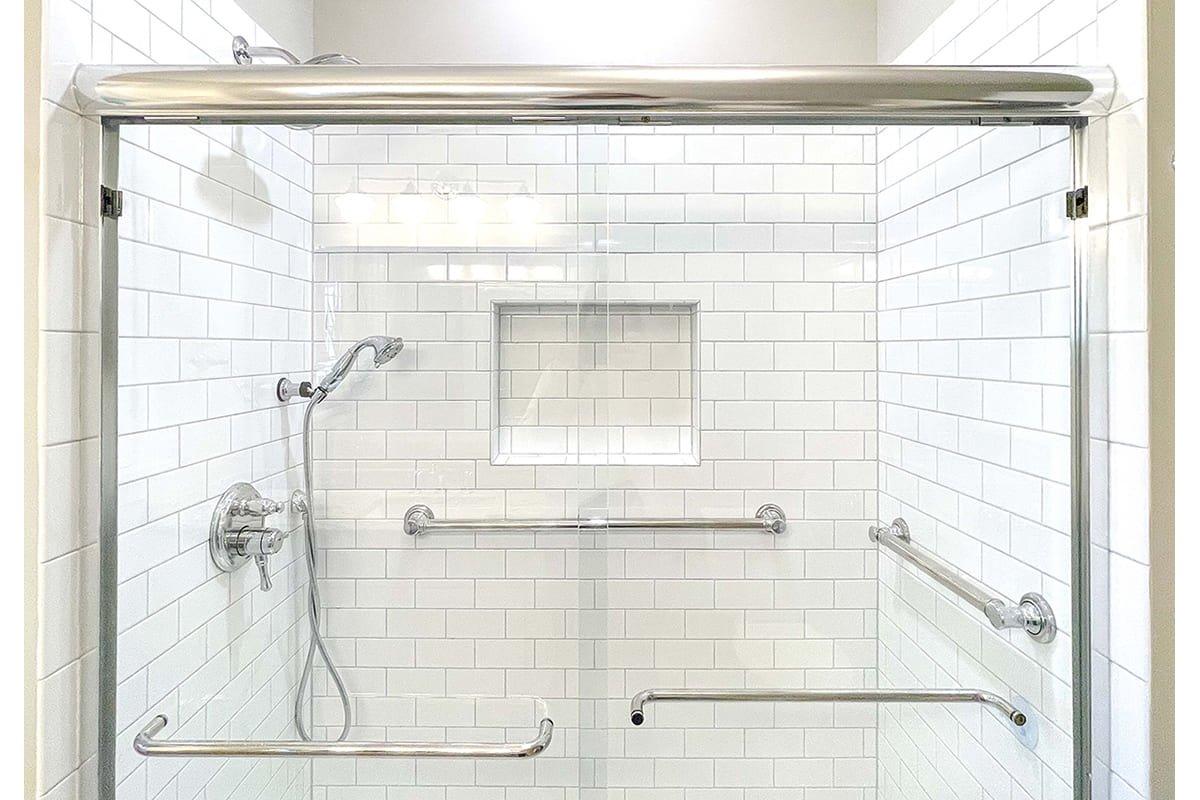
Solid stainless steel handles support more design flexibility because manufacturers are not limited by the internal space and wall thickness of hollow tubing. Solid material allows stronger profiles, varied shapes, deeper machining, and more controlled finishing options for commercial project positioning.
Solid Material Gives Manufacturers More Freedom
From the factory side, handle design is not only about drawing a nice shape. The design must survive production. It must also remain stable in repeated batches. Solid stainless steel handles give manufacturers more freedom because the material body can support:
- Squared profiles
- Rounded lever forms
- Slim but strong shapes
- Heavier luxury-style handles
- Custom lengths
- Different rose or backplate combinations
- CNC machining details
- Logo laser marking or stamping in selected areas
Hollow structures can be efficient and cost-effective, but they have internal limitations. The wall thickness, tube forming process, welding, and end connection can restrict what shapes are practical. A solid structure can reduce some of these constraints, especially for projects that require a distinctive visual identity.
Design Flexibility Must Still Respect Manufacturing Reality
I have seen buyers send elegant drawings that looked excellent on screen but needed adjustment before production. A handle may need a larger radius, a stronger neck, a different machining direction, or a more practical surface finish. These small changes can decide whether the final product is stable in mass production.
When I review a custom stainless steel handle project, I usually consider:
- Can the lever body be machined consistently?
- Will polishing change the sharpness of the design?
- Will the surface finish hide or highlight small marks?
- Can the handle pass project installation requirements?
- Will the design work with the selected lock body and spindle?
- Can the same finish be repeated across the full batch?
This is where factory experience becomes valuable. A supplier should not only say “yes” to every design. A good manufacturer should explain which design choices are practical, which details increase cost, and which areas may create quality risk.
Design Is Also a Procurement Decision
In commercial projects, design flexibility is not only for architects. It also affects procurement. If one supplier can provide lever handles, mortise locks, hinges, cylinders, and accessories in coordinated specifications, the buyer can reduce compatibility problems.
For example, a door manufacturer may need:
| Hardware Item | Design or Compatibility Concern |
|---|---|
| Lever handle | Shape, finish, spindle, spring support, hand feel |
| Euro mortise lock | Backset, center distance, latch operation, certification documents |
| Butt hinge | Load capacity, finish match, door thickness |
| Concealed hinge | Door frame compatibility and adjustment range |
| Euro brass cylinder | Key system, length, security level |
| Accessories | Door stops, escutcheons, strike plates, screws |
At SDH Hardware, my experience is that commercial buyers often prefer one-stop sourcing when the project needs consistent finish, packaging, drawings, and inspection. This does not mean one supplier is always the right answer. It means buyers should evaluate whether the supplier can control the full hardware package and provide reliable documentation.
Solid stainless steel handles fit well into this logic because they can support stronger design positioning while still serving a practical function. A high-end hotel, a corporate office, or a public building can use the handle as both a touchpoint and a long-term durability choice.
Are Solid Stainless Steel Handles Worth the Higher Upfront Cost?
Budget pressure is real in every project. Contractors and wholesalers often compare several handle options and ask why one product costs more than another. If the only comparison is unit price, solid construction may look expensive. But commercial hardware decisions should include lifecycle value.
Solid stainless steel handles can be worth the higher upfront cost when the project needs stronger durability, reduced maintenance risk, stable appearance, and a better hand feel over time. The value is not the extra weight itself. The value is fewer visible failures and lower replacement pressure in demanding applications.
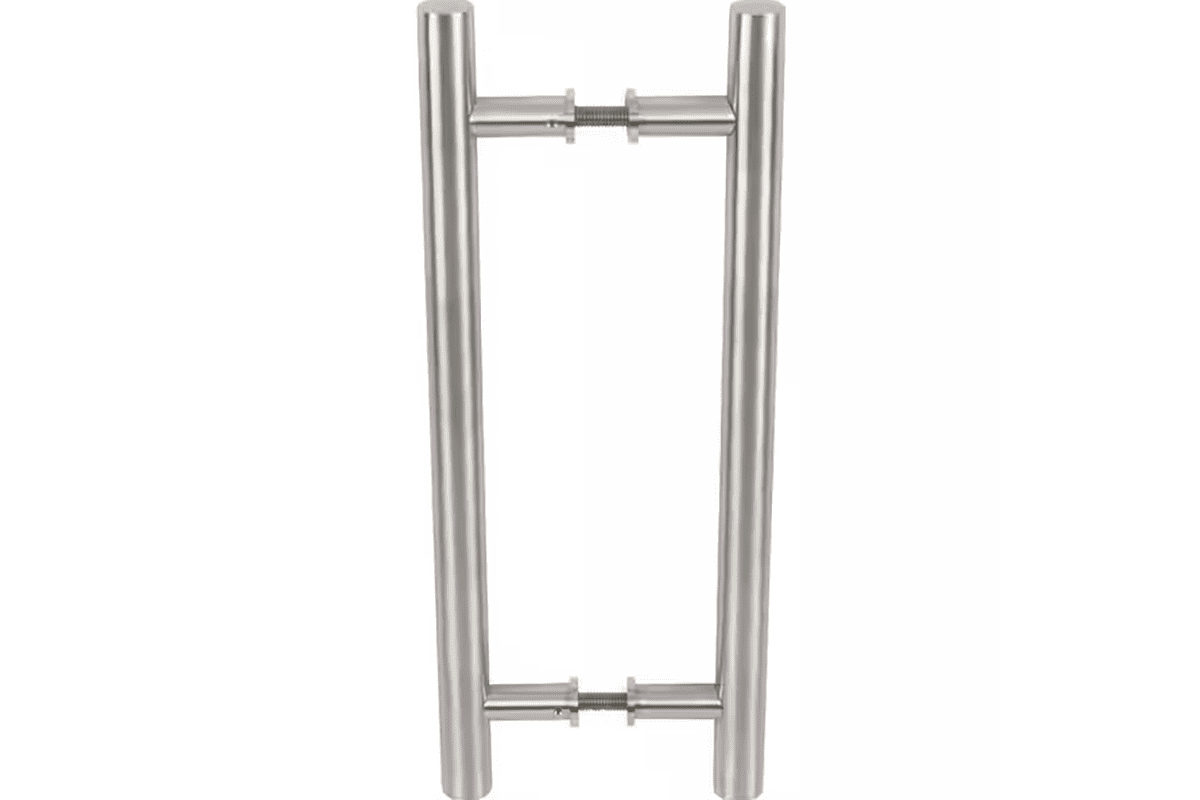
Unit Price Is Only One Part of the Cost
When I discuss pricing with B2B buyers, I always try to separate purchase price from project cost12. A cheaper handle may reduce the first invoice, but it may not reduce total cost if the product creates callbacks, replacements, complaints, or inconsistent appearance.
Commercial projects often carry hidden costs such as:
- Labor for replacement
- Building access coordination
- Tenant or guest complaints
- Brand damage from visible hardware failure
- Extra stock for maintenance
- Delays caused by inconsistent batches
- Reordering problems if the finish cannot be matched
These costs are difficult to calculate at the purchasing stage, but they are very real after installation. This is why solid stainless steel handles are often selected for high-use areas such as:
- Main entrances
- Hotel room corridors
- Office meeting areas
- School classrooms
- Hospital wards
- Shopping mall service doors
- Public restroom doors
- Fire-rated door assemblies, when compatible and properly specified
I should be clear here. Solid construction is not automatically necessary for every door in a building. A storage room, low-use office, or temporary project may not need the same hardware level as a public entrance. The best procurement choice depends on traffic level, project budget, design target, certification needs, and maintenance expectations.
How I Recommend Buyers Compare Options
A practical comparison should include more than appearance. I usually suggest that buyers create a small evaluation table before final selection.
| Selection Factor | What Buyers Should Ask |
|---|---|
| Traffic level | How many people use this door daily? |
| Environment | Is the door exposed to humidity, cleaning chemicals, or coastal air? |
| Surface requirement | Does the finish need to hide fingerprints or match other hardware? |
| Structure | Is solid, hollow, or reinforced construction more suitable? |
| Certification | Are CE, fire-rated, or other documents required for this door set? |
| Supplier ability | Can the factory provide drawings, samples, inspection, and batch control? |
| Replacement risk | What happens if the handle fails after installation? |
This kind of table helps buyers make a clear decision. It also protects sourcing teams from choosing only by catalog photos.
Supplier Evaluation Is Part of Product Evaluation
A strong handle from an unreliable supplier still creates risk. For bulk orders, buyers should evaluate the factory behind the product. I recommend checking:
- Production experience with stainless steel lever handles
- Material sourcing control
- Surface treatment capability
- Sample approval process
- Packaging method
- Logo or branding support
- Inspection procedure after production
- Ability to provide product drawings
- Certification documents for applicable products
- Export experience in the target market
At SDH Hardware, we manufacture architectural door hardware in China with independent factory operations and over 10 years of production experience. Our product range includes Euro mortise locks, stainless steel lever handles, butt hinges, concealed door hinges, Euro brass cylinders, and door accessories. For commercial buyers, I always recommend verifying certificates, sample quality, and project suitability before final approval.
The higher upfront cost of solid stainless steel handles is easier to justify when buyers look at the full lifecycle. If the handle protects durability, appearance, and maintenance efficiency, it can support the project more effectively than a lower-cost option that needs early replacement.
Frequently Asked Questions
Are solid stainless steel handles always better than hollow handles?
Solid stainless steel handles are not always necessary. They are usually better for high-traffic commercial doors where strength, hand feel, and durability matter. Hollow handles can still fit lower-traffic, decorative, or cost-sensitive applications when they are properly designed and matched to the project.
Do solid stainless steel handles rust?
Solid stainless steel handles have good corrosion resistance, but they are not completely rust-proof in every environment. Corrosion performance depends on stainless steel grade, surface finish, exposure conditions, and cleaning methods. Coastal, chemical, or high-humidity environments may require more careful material selection.
Which finish is best for commercial stainless steel handles?
Brushed or satin finishes are common choices because they balance appearance and practical maintenance. Mirror finishes look bright but show marks more easily. PVD finishes can provide color options, but buyers should confirm process quality, sample appearance, and batch consistency before large orders.
How should buyers inspect stainless steel lever handle samples?
Buyers should check the material feel, lever return action, surface finish, spindle connection, screw fit, packaging, and compatibility with the selected lock body. They should also compare approved samples with mass production pieces and verify any required CE or fire-rated certification documents.
Are solid stainless steel handles suitable for fire-rated doors?
They may be suitable when they are part of a properly specified and certified door hardware set. Buyers should not assume suitability based only on material. They should verify fire-rated documentation, door assembly requirements, local regulations, and professional project guidance before selection.
Conclusion
Solid stainless steel handles are becoming a preferred choice because commercial projects need hardware that can handle frequent use, reduce maintenance risk, support stable appearance, and offer flexible design options. They are not the lowest-cost solution, and they are not required for every door. However, they can deliver strong lifecycle value in high-traffic buildings. If you are sourcing commercial door hardware, I recommend comparing samples, verifying documents, and discussing project requirements with a factory team like SDH Hardware before placing a bulk order.
"[PDF] Basic Stress Equations - faculty.fairfield.edu", http://faculty.fairfield.edu/wdornfeld/ME311/BasicStressEqns-DBWallace.pdf. A mechanics-of-materials reference explains that resistance to bending is governed by material stiffness and cross-sectional moment of inertia, providing the engineering basis for why a solid section of the same material and external dimensions can offer greater bending resistance than a hollow section. Evidence role: mechanism; source type: education. Supports: A mechanics-of-materials source should support that bending resistance depends on cross-sectional geometry, area moment of inertia, and material properties.. Scope note: This would support the mechanical principle rather than directly test the specific handle models discussed in the article. ↩
"Fire Door Inspection & Checklist", https://steeldoor.org/fire-door-assembly-inspections-101/. Fire-door standards require fire doors to close and latch properly as part of the rated assembly, supporting the claim that malfunctioning door hardware can impair fire-door operation. Evidence role: expert_consensus; source type: institution. Supports: A fire-safety standard or code source should support that fire doors depend on properly operating hardware, including latching and closing components.. ↩
"Commercial Buildings Energy Consumption Survey (CBECS)", https://www.eia.gov/consumption/commercial/. Door-hardware standards classify commercial locks and related hardware by repeated operating-cycle tests, supporting the article's premise that high-traffic commercial doors are subject to substantial recurrent use. Evidence role: general_support; source type: institution. Supports: A building-hardware standards or facilities source should support that commercial door hardware is evaluated for large numbers of operating cycles because high-traffic doors receive repeated daily use.. Scope note: Cycle-test standards demonstrate expected durability requirements but may not provide a direct count of daily openings for every building type. ↩
"Stainless steel", https://en.wikipedia.org/wiki/Stainless_steel. Materials-engineering references describe stainless steel grades as differing in alloy composition and corrosion performance, supporting the article's statement that grade selection affects corrosion resistance and related finish performance. Evidence role: general_support; source type: education. Supports: A metallurgy or materials-engineering source should support that stainless steel grades vary in alloy composition and corrosion behavior.. Scope note: This supports the general material-selection principle rather than the quality of any individual handle batch. ↩
"Corrosion Behavior of Sensitized AISI 304 Stainless Steel in ...", https://pmc.ncbi.nlm.nih.gov/articles/PMC9740934/. Corrosion research shows that chloride-containing and otherwise aggressive environments can disrupt stainless steel passive films and initiate pitting or staining, supporting the article's caution that stainless steel is corrosion-resistant but not corrosion-proof. Evidence role: mechanism; source type: research. Supports: A corrosion-science source should support that chlorides and aggressive environments can break down stainless steel's passive film and cause localized corrosion.. ↩
"Revealing the Corrosion Resistance of 316 L Stainless Steel ...", https://pmc.ncbi.nlm.nih.gov/articles/PMC9920300/. General metallurgical references attribute stainless steel's corrosion resistance to chromium-rich passive oxide films, which explains its practical advantage over many plain carbon steels in ordinary interior environments. Evidence role: mechanism; source type: encyclopedia. Supports: A neutral reference should support that stainless steel resists corrosion because chromium forms a passive oxide layer.. Scope note: The source would explain the general mechanism and does not prove performance under all commercial cleaning or humidity conditions. ↩
"Corrosion Behavior of Sensitized AISI 304 Stainless Steel in ...", https://pmc.ncbi.nlm.nih.gov/articles/PMC9740934/. Materials references identify AISI 304 as a widely used austenitic stainless steel with good general corrosion resistance, supporting its use as a common grade for architectural hardware in non-aggressive environments. Evidence role: general_support; source type: education. Supports: A materials reference should support that AISI 304 is a widely used austenitic stainless steel with good general corrosion resistance.. Scope note: This would not establish that 304 is suitable for every building environment, especially chloride-rich or marine settings. ↩
"PVD coating Research Papers", https://www.academia.edu/Documents/in/PVD_coating. Coatings research describes adhesion loss and delamination as failure modes for applied surface coatings and identifies substrate preparation as a key factor, providing context for why a visible stainless substrate may avoid some coating-peeling risks. Evidence role: mechanism; source type: paper. Supports: A coatings-science source should support that applied coatings can fail by adhesion loss or delamination and that substrate preparation influences coating durability.. Scope note: This supports the coating-failure mechanism generally and does not compare all stainless handles with all coated alternatives. ↩
"Brushed vs Polished Stainless Steel: What's the Difference ...", https://supply.csmfg.com/brushed-vs-polished-stainless-steel-whats-the-difference-and-which-is-better-for-your-project/. Stainless-steel finishing guides commonly note that brushed or satin textures are more forgiving of minor handling marks than highly reflective mirror finishes, supporting the article's maintenance comparison. Evidence role: general_support; source type: institution. Supports: A stainless-steel industry or architectural-finishes source should support that brushed or satin finishes tend to mask minor scratches and handling marks more effectively than highly polished mirror finishes.. Scope note: The degree of mark visibility depends on lighting, cleaning practice, alloy, and the specific finish specification. ↩
"Adhesion mechanisms, evaluation techniques and ...", https://www.sciencedirect.com/science/article/pii/S2238785426002358. Peer-reviewed studies on physical vapor deposition report that coating adhesion, uniformity, and durability depend on substrate preparation and deposition parameters, supporting the article's statement that PVD finish quality is process-dependent. Evidence role: mechanism; source type: paper. Supports: A peer-reviewed coatings source should support that PVD coating adhesion and durability depend on substrate preparation and deposition parameters.. ↩
"Cleaning and Disinfecting with Bleach", https://www.cdc.gov/hygiene/about/cleaning-and-disinfecting-with-bleach.html. Stainless-steel maintenance guidance identifies chloride-containing cleaners, including some chlorine-based products, as potential contributors to staining or corrosion when used improperly, supporting the article's cleaning caution. Evidence role: mechanism; source type: institution. Supports: A stainless-steel maintenance or corrosion source should support that chloride-containing cleaners can damage stainless steel or promote corrosion if misused.. Scope note: Compatibility varies by alloy, concentration, exposure time, rinsing practice, and surface finish. ↩
"Life Cycle Cost Manual for the Federal Energy ...", https://nvlpubs.nist.gov/nistpubs/hb/2020/NIST.HB.135-2020.pdf. Life-cycle cost analysis frameworks distinguish initial acquisition cost from costs incurred over a component's service life, including maintenance and replacement, supporting the article's separation of purchase price from project cost. Evidence role: definition; source type: government. Supports: A lifecycle-costing source should support that total cost includes acquisition, operation, maintenance, replacement, and other costs over the service period.. ↩