What Is a Dummy Door Knob? The Complete Guide for Professionals?
A dummy door knob often causes confusion because it looks like normal door hardware, yet it does not work like a lockset. That confusion can lead to wrong door preparation, mismatched hardware, and purchasing delays. I use this guide to clarify how professionals should evaluate fixed door knobs before confirming specifications.
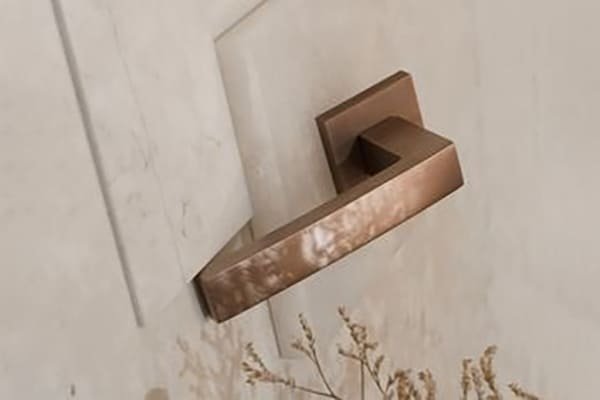
A dummy door knob is a fixed, non-operating door handle1 used when a door does not need latching, locking, or turning hardware. It provides a pull point, visual balance, or matching appearance with other door hardware. Professionals usually specify it for inactive doors, closet doors, cabinet-style doors, or paired doors where only one side needs operation.
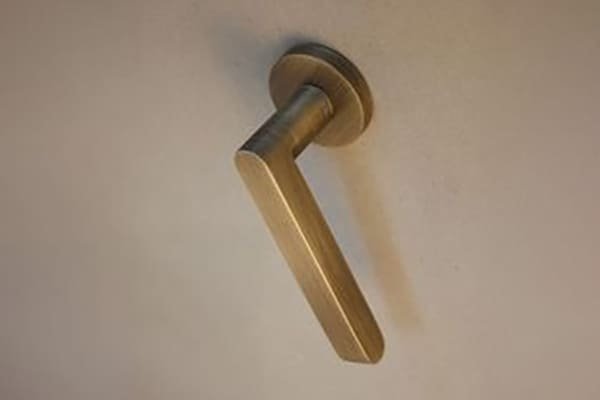
A fixed knob may look simple, but the specification decision is not always simple. I always recommend starting with door function first, then confirming configuration, finish, mounting method, and supplier capability. That sequence prevents most avoidable mistakes in bulk hardware procurement.
What Does a Dummy Door Knob Do?
A dummy door knob solves a specific problem: some doors need a handle, but they do not need a latch or lock. If buyers treat it like a simplified lockset, they may order the wrong door preparation or hardware package. I prefer to define its job clearly before discussing style.
A dummy door knob acts as a fixed pull handle and decorative matching component. It does not rotate, latch, lock, retract a bolt, or operate internal mechanics.2 Professionals use it when the door only needs pulling, pushing, visual symmetry, or consistency with the rest of the architectural hardware series.
The functional definition matters
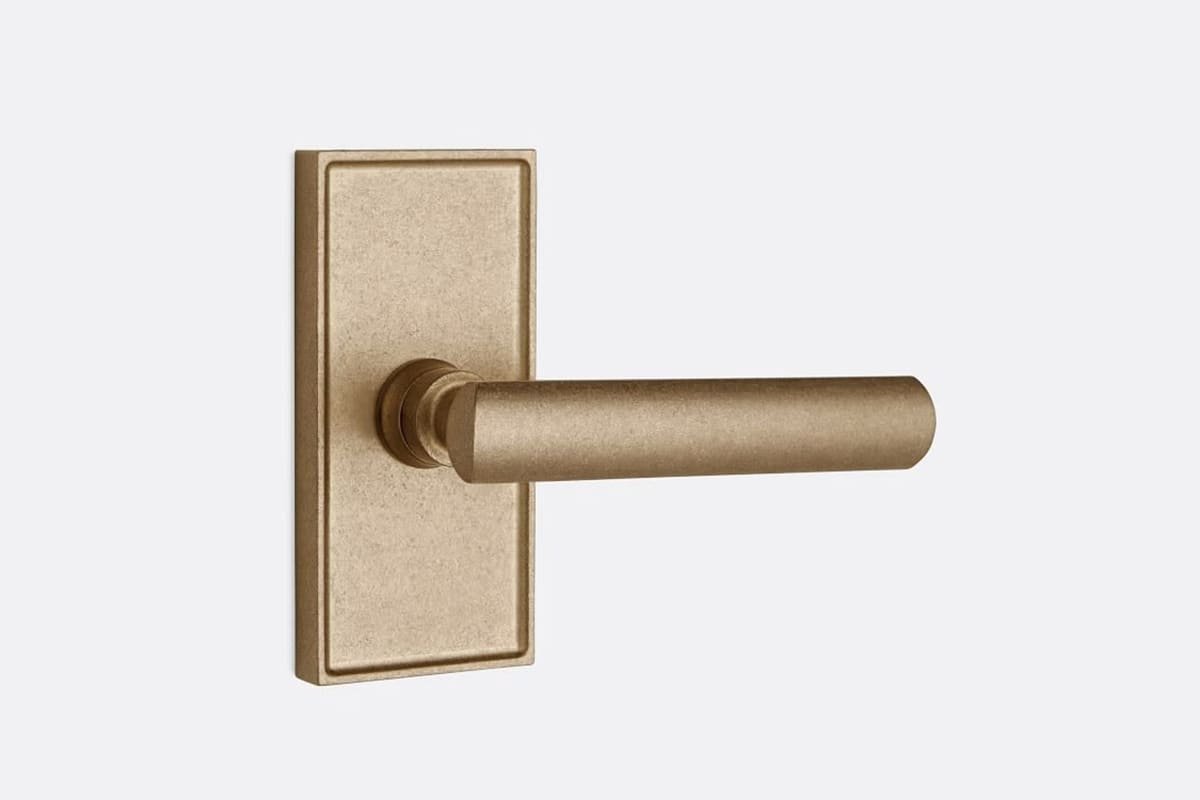
A dummy knob is best understood by what it does not do. It is not a passage knob. It is not a privacy knob. It is not an entry knob. It is a fixed handle mounted to the door surface or through the door, depending on the design.
From a manufacturer and supplier perspective, I usually ask one practical question first:
“Does this door need to hold closed with a latch, or does it only need a hand point?”
That question quickly separates active hardware from fixed hardware. If the door needs no latch, then a dummy handle may be correct. If the door must stay closed mechanically, then a latch, roller catch, magnetic catch, or another closing device3 may be needed in addition to or instead of fixed hardware.
Common functions in professional projects
A fixed door knob can support several design and use requirements:
- Pulling or pushing a lightweight or already-controlled door
- Matching nearby passage, privacy, or entrance hardware
- Completing a paired door set when one leaf is inactive
- Creating visual symmetry on wardrobes, closets, or decorative doors
- Avoiding unnecessary lock mechanics where no active operation is required
The key point is simple. The door function controls the hardware choice.
Dummy knob vs. lockset thinking
I often see confusion when buyers select hardware by appearance only. A knob shape may look identical across several functions, but the internal construction can be completely different.
| Hardware type | Rotates? | Latches? | Locks? | Typical professional use |
|---|---|---|---|---|
| Dummy knob | No | No | No | Pull point or decorative match |
| Passage knob | Yes | Yes | No | Non-locking active door |
| Privacy knob | Yes | Yes | Usually yes | Bathroom or private room |
| Entry knob | Yes | Yes | Yes | Secured exterior or controlled access door |
This distinction affects more than the product code. It affects door drilling, lock body preparation, strike plate planning, packaging, and installation sequence4. For example, a door factory preparing a batch of doors must know whether the knob set needs a bore hole for a latchset or only mounting points for a fixed handle.
A practical manufacturer view
At SDH Hardware, we supply architectural door hardware to door factories, hardware brands, and wholesalers. In specification conversations, I have found that dummy hardware decisions often appear late in the order process. That timing can create problems if the door drawings already assume an active latch.
I prefer to confirm these points early:
- Door type: single door, double door, closet, cabinet-style door, or inactive leaf
- Door function: active opening, passive pull, decorative match, or paired symmetry
- Hardware side: one side only or both sides
- Finish family: stainless steel, satin nickel, polished brass, matte black, or project-specific finish
- Mounting method: surface fixing, through-bolt fixing, or manufacturer-specific fixing
A dummy knob may be a small item in the full hardware schedule, but it still deserves clear specification. Small mistakes can multiply quickly in bulk orders.
When Should Professionals Specify a Dummy Door Knob?
A dummy door knob is appropriate when the door does not need locking, latching, or active spindle operation. The risk comes when a buyer chooses it for a door that must actually secure, latch, or self-hold. I always recommend confirming the door’s purpose before confirming the knob style.
Professionals should specify a dummy door knob for doors that only require a fixed pull point or decorative hardware match. Typical examples include inactive double-door leaves, closet doors with separate catches, wardrobe doors, pantry doors, and decorative doors where the closing function is handled by another component.
Start with the door-function decision
The most reliable selection method is not “Which knob looks good?” It is “What must this door do?”
I like to use a simple decision path:
Does the door need to lock?
If yes, a dummy knob is not the operating hardware.Does the door need to latch into a strike plate?
If yes, a passage, privacy, entry, mortise, or tubular latch solution may be needed.Does the door only need a pull or push point?
If yes, a fixed knob or dummy lever may be suitable.Does the door need matching appearance with active doors nearby?
If yes, a dummy version of the same design can create consistency.Does the door need hardware on one side or both sides?
This answer determines single dummy or double dummy configuration.
This approach works well for door manufacturers because it connects the hardware choice to door preparation. It also works well for wholesalers because it reduces returns caused by wrong-function ordering.
Common professional applications
A fixed door knob can be useful in many product and project categories.
| Door application | Why dummy hardware may be used | Important check |
|---|---|---|
| Inactive leaf of double doors | It gives a matching pull point | Confirm flush bolt or other inactive-leaf control |
| Closet door | It provides a handle without lock mechanics | Confirm whether a ball catch, roller catch, or magnetic catch is used |
| Wardrobe or cabinet-style door | It offers decorative access | Confirm screw holding strength and panel thickness |
| Pantry door | It allows pulling where privacy is not needed | Confirm whether a latch is required by design |
| Decorative interior door | It completes the visual hardware set | Confirm finish and style match |
Why visual matching matters
In architectural hardware packages, consistency is important. A hotel corridor, apartment project, villa package, or branded door collection may use the same design language across multiple doors. Some doors need locking. Some need latching. Some need only pulling.
A dummy version allows the buyer to keep the same visual family without adding unnecessary mechanisms. That point matters for professional buyers because product families often include:
- Lever handles
- Knobs
- Mortise locks
- Cylinders
- Hinges
- Door stops
- Escutcheons
- Pull handles
- Accessories
When all visible hardware follows the same finish and style, the door set looks intentional. When one inactive door uses a random handle, the entire package can look inconsistent.
Door preparation must match the decision
The specification decision also affects production. A passage set may require a latch bore, faceplate recess, strike plate location, and spindle alignment. A fixed knob may require only screw holes or a through-fixing arrangement.
Professional teams should confirm these details before mass production:
- Door thickness, such as common interior ranges around 35–45 mm5, when applicable
- Panel material, including solid wood, hollow core, metal, aluminum, or composite
- Fixing strength, especially for lightweight doors
- Required drawing, including hole pattern and fixing position
- Hardware side, especially for single dummy configurations
- Packaging list, so installers receive correct screws and accessories
I do not recommend assuming that every dummy handle fits every door. The product may be non-operating, but its mounting still needs to be stable and suitable for the door body.
How Is a Dummy Door Knob Different From Passage, Privacy, and Entry Knobs?
A dummy door knob differs from active knobsets because it has no working latch, lock, spindle operation, or turning function. The confusion is understandable because the visible knob shape may look similar. However, the internal function and door preparation requirements are different.
A dummy door knob is fixed hardware for pulling or decoration, while passage, privacy, and entry knobs are operating locksets with different latch and locking functions. Passage knobs latch without locking, privacy knobs add private-room locking, and entry knobs add security locking for controlled access doors.6
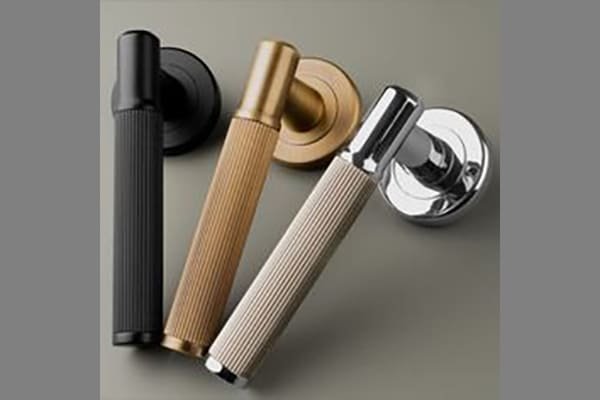
The difference is function, not only appearance
Many hardware products share the same external design. A buyer may see a round knob, square rosette, lever style, or matching finish and assume the function is the same. That assumption can cause costly errors.
The internal structure is the real difference. An active knobset normally includes components such as a latch mechanism, spindle, spring return, rose or escutcheon, screws, and sometimes a cylinder or privacy pin7. A fixed knob does not perform those functions.
Comparison table for procurement teams
| Feature | Dummy knob | Passage knob | Privacy knob | Entry knob |
|---|---|---|---|---|
| Fixed in place | Yes | No | No | No |
| Turns to retract latch | No | Yes | Yes | Yes |
| Includes latch function | No | Yes | Yes | Yes |
| Includes locking function | No | No | Usually yes | Yes |
| Common door prep | Mounting holes | Latch and knob prep | Latch and knob prep | Lockset prep |
| Procurement risk | Wrong fixing or side | Wrong backset | Wrong privacy function | Wrong security level |
This table helps teams avoid mixing functions under one product name. In my experience, that is especially important when a buyer sends only reference photos. A photo may show the style, but it does not confirm the function.
Questions I ask before quoting
For B2B orders, I usually prefer to clarify the functional requirement before price discussion. That saves time for both sides.
Useful questions include:
- Does the door need a latch tongue?
- Does the door need a lock cylinder or privacy function?
- Does the knob need to match a passage or mortise lock series?
- Is hardware required on one side or both sides?
- What is the door thickness and material?
- Does the buyer need branded packaging or neutral packaging?
- Does the finish need to match hinges, locks, and accessories?
These questions are not just technical. They affect cost, lead time, production drawings, sample approval, and after-sales service.
Why the wrong choice affects production
A dummy knob mistake can create several downstream issues.
For door factories, the biggest issue is incorrect drilling. If a door is prepared for a latchset but the project later uses fixed hardware, the unused bore can create a visual or structural problem. If the door is prepared only for a fixed knob but later needs an active latch, rework may be needed.
For wholesalers, the biggest issue is wrong inventory classification. If cartons are labeled only by style and finish, warehouse staff may confuse dummy and passage versions. Clear item coding prevents this problem.
For hardware brands, the biggest issue is catalog clarity. A product family should distinguish function codes, such as dummy, passage, privacy, and entry versions. Buyers should not need to guess from images alone.
Professional documentation helps
I recommend confirming fixed hardware with written documents, not only chat messages. A professional order file may include:
- Product code and function
- Finish code or sample reference
- Door thickness range
- Mounting drawing
- Included screws and accessories
- Logo or packaging requirements
- Inspection criteria
- Quantity by configuration
This documentation is especially useful for OEM and ODM orders. It also helps when one project combines mortise locks, cylinders, lever handles, hinges, and fixed door knobs in the same shipment.
What Dummy Door Knob Configurations Should Buyers Compare?
A dummy door knob can be supplied in different configurations, and each configuration changes the installation side, appearance, and ordering details. The risk is not usually the concept itself. The risk is ordering a single-sided product when the door needs two visible sides, or choosing the wrong fixed style.
Buyers should compare single dummy, double dummy, knob style, lever style, pull-style design, finish, material, and mounting method. A single dummy is installed on one side only. A double dummy provides fixed hardware on both sides. The best choice depends on door function, visibility, and project design.
Single dummy or half dummy
A single dummy, also called a half dummy in many markets, is installed on one side of the door.8 It is common when only one face needs a pull point or when the other side is not visible.
Typical uses include:
- Closet doors opened from one side
- Cabinet-style doors
- Inactive doors where only one face needs a handle
- Decorative panels with one visible side
The main specification check is side requirement. If the door needs hardware on both faces, a single dummy set will not be enough.
Double dummy configuration
A double dummy configuration provides fixed hardware on both sides of the door.9 It gives visual balance and allows users to pull from either side, but it still does not create latch or lock function.
Common uses include:
- Double doors with inactive leaves
- Doors visible from both rooms
- Interior doors with separate catches
- Projects requiring symmetrical hardware appearance
The buyer should confirm whether the two sides are connected through the door or independently fixed. Different manufacturers may use different fixing systems.
Style options
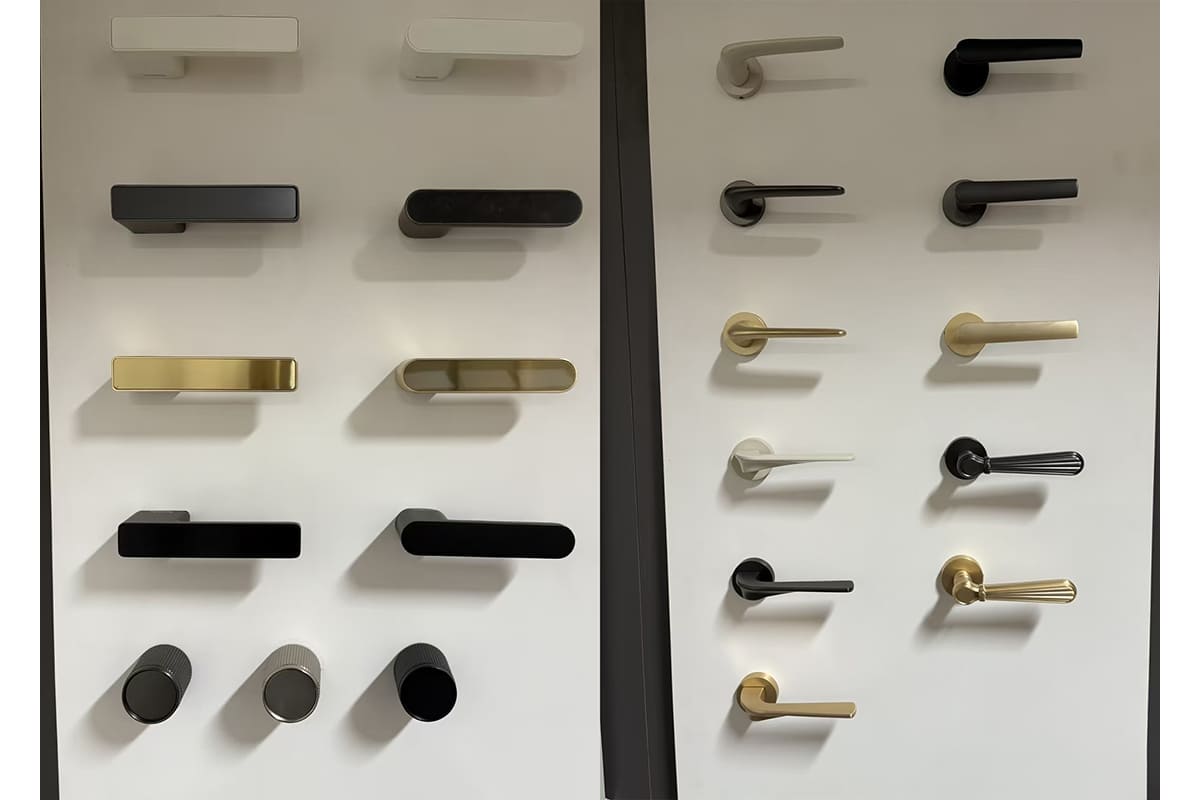
A dummy handle is not limited to one shape. Professional buyers may compare several fixed styles:
| Fixed hardware style | Visual effect | Common selection reason |
|---|---|---|
| Ball knob | Traditional and compact | Matches classic knobsets |
| Round knob | Simple and familiar | Fits broad residential or light commercial styles |
| Dummy lever handle | Modern and easy to grip | Matches lever handle series |
| Pull-style fixed handle | Strong pull appearance | Suits larger doors or contemporary design |
| Decorative knob | Design-focused | Used for wardrobes or feature doors |
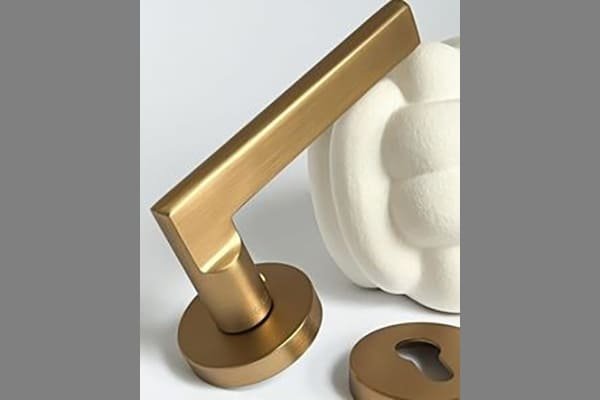
The right style depends on the rest of the hardware package. If the project uses stainless steel lever handles on active doors, a dummy lever may look more consistent than a round knob. If the project uses brass knobs, a fixed brass knob may be better.
Material and finish comparison
Material and finish decisions should follow project requirements and market expectations. At SDH Hardware, we often discuss finish matching across locks, handles, hinges, and accessories because buyers want a coordinated package.
Common finish considerations include:
- Satin stainless steel for a clean architectural look
- Polished brass for classic decorative doors
- Matte black for modern interior packages
- Antique finishes for traditional markets
- PVD or plated finishes where the buyer requires a specific appearance and performance target
I always recommend confirming finish samples under real lighting. A finish can look different in catalog images, showroom lighting, and site conditions.10
Mounting method and door body
Even though a dummy knob does not operate, it still needs secure fixing. Mounting strength depends on screw type, door material, knob base design, and usage frequency.
Professional buyers should evaluate:
- Surface fixing: Simple and common, but screw holding strength must suit the door.
- Through fixing: Stronger in many cases, but it requires accurate drilling.
- Concealed fixing: Cleaner appearance, but installation tolerance matters.
- Rose or backplate size: Larger bases can cover previous holes or provide stronger support.
- Accessory kit: Screws, mounting plates, and installation drawings should match the door.
A lightweight hollow-core door may not hold screws the same way as a solid wood door.11 A metal door may require different fasteners from a timber door. A professional supplier should help confirm these details before bulk production.
How Should B2B Buyers Evaluate a Dummy Door Knob Supplier?
A dummy door knob may be mechanically simple, but supplier evaluation should still be professional. Poor material control, inconsistent finish, weak fixing parts, unclear drawings, or mixed-function packaging can create problems in large orders. I suggest buyers evaluate the complete supply process, not only the unit price.
B2B buyers should evaluate a dummy door knob supplier by checking product function clarity, material and finish consistency, mounting drawings, sample approval process, packaging accuracy, quality inspection, customization ability, and experience supplying complete door hardware packages. Buyers should also verify any certification documents that are relevant to their project.
Function clarity and catalog accuracy
A reliable supplier should clearly separate fixed hardware from active locksets. The quotation, catalog, carton label, and order confirmation should identify whether the product is dummy, passage, privacy, or entry function.
I recommend checking whether the supplier can provide:
- Clear product code
- Function description
- Drawing or mounting diagram
- Finish code
- Material description
- Door thickness suitability
- Configuration details, such as single or double dummy
- Packaging list
If the supplier cannot distinguish functions clearly, the buyer carries the risk.
Quality control points
A fixed knob does not need latch cycle testing, but it still needs manufacturing control. Buyers should not ignore quality because the product is non-operating.
Important inspection points include:
| Inspection item | Why it matters | What buyers can request |
|---|---|---|
| Finish consistency | Mixed shades look poor in projects | Approved finish sample and batch comparison |
| Surface defects | Scratches and pits affect appearance | Visual inspection standard |
| Fixing strength | Loose handles create complaints | Mounting test on sample door material |
| Screw quality | Weak screws fail during installation | Screw specification confirmation |
| Dimensional accuracy | Wrong hole spacing delays assembly | Technical drawing confirmation |
| Packaging accuracy | Mixed functions cause site confusion | Carton labels and packing list |
Professional buyers may use their own AQL inspection plan or third-party inspection service.12 The exact sampling level should depend on order size, buyer policy, and project risk. I do not treat one inspection method as universal.
Customization and full-package matching
For OEM and ODM buyers, customization may be as important as the base product. A dummy knob may need to match a broader door hardware family. That family can include mortise locks, cylinders, lever handles, butt hinges, concealed hinges, and accessories.
Useful customization options may include:
- Customer logo stamping or laser marking
- Custom color packaging
- Project-specific finish
- Matching lever, knob, and accessory series
- Drawing confirmation before mass production
- Configuration by market requirement
- Mixed cartons for hardware sets, if professionally controlled
At SDH Hardware, our role as a factory-direct architectural hardware supplier is often to help buyers keep the full package consistent. I still recommend that buyers verify samples, drawings, and documents before confirming large orders.
Documentation and certification caution
Dummy knobs do not always fall under the same certification requirements as locks, fire-rated hinges, or fire door hardware assemblies. Project requirements can vary by country, door type, and application. Therefore, I recommend a restrained approach.
Buyers should:
- Ask which documents apply to the exact product.
- Check whether certification covers the item, series, or only related products.
- Verify fire-rated or CE documentation when the project requires it.
- Consult qualified professionals for fire door or regulated applications.
- Avoid assuming that a decorative fixed knob automatically satisfies a door assembly requirement.
SDH Hardware provides products in architectural hardware categories where CE and fire-rated documentation may be available for relevant core products. However, buyers should always verify document scope for the exact order and application.
Frequently Asked Questions
Can a dummy door knob turn?
No. A dummy door knob is fixed and non-operating. It does not rotate to retract a latch. If a door needs turning action, the buyer should consider passage, privacy, entry, mortise, or another active hardware solution.
Does a dummy door knob latch a door closed?
No. A dummy knob does not include latch operation. If the door must stay closed, the design may need a separate catch, latch, magnetic device, roller catch, flush bolt, or other closing component based on the door function.
What is the difference between single dummy and double dummy hardware?
A single dummy is installed on one side of the door. A double dummy provides fixed hardware on both sides. Both are non-operating. The right choice depends on whether one side or both sides need a visible pull point.
Where are dummy knobs commonly used?
Professionals often use dummy knobs on closet doors, inactive double-door leaves, wardrobes, pantry doors, and decorative doors. These doors usually need a pull point or matching appearance but do not need locking or latch operation from that knob.
Should buyers request samples before bulk ordering dummy knobs?
Yes. I recommend sample approval before bulk orders. Buyers should check finish, mounting method, screw quality, door thickness suitability, packaging, and visual match with the full hardware series before confirming mass production.
Conclusion
A dummy door knob is fixed, non-operating hardware used when a door needs a pull point, decorative match, or visual symmetry without latching or locking. I recommend choosing it by door function first, then confirming single or double configuration, material, finish, mounting method, and supplier documentation. If you are sourcing fixed knobs as part of a complete architectural hardware package, contact SDH Hardware to discuss drawings, samples, customization, and factory-direct B2B supply.
"Door handle", https://en.wikipedia.org/wiki/Door_handle. A hardware glossary or standards source defining dummy trim as non-operating door trim would support the article’s use of “dummy door knob” as a fixed handle rather than an active latchset. Evidence role: definition; source type: institution. Supports: A neutral hardware glossary or standards body should define dummy trim or dummy hardware as non-operating fixed door trim used for pull or appearance rather than latching.. Scope note: Terminology may vary by market and manufacturer, so the source may support the category definition rather than every product sold under the name. ↩
"Exit Device Trim Functions Guide: Dummy, Night Latch ...", https://www.camax.cn/how-to-choose-exit-device-trim-functions-from-dummy-trim-to-night-latch_2100.html. An architectural hardware glossary describing dummy trim as non-operating hardware would support the statement that a dummy knob does not rotate to retract a latch or perform a locking function. Evidence role: definition; source type: institution. Supports: The source should distinguish dummy trim from active locksets by noting that dummy hardware is non-operating and does not actuate a latch or lock.. Scope note: The source would establish the general hardware category; individual products may still differ in mounting design or decorative construction. ↩
"087100 – DOOR HARDWARE - Facilities and Campus Services", https://fcs.cornell.edu/087100-door-hardware. Architectural hardware references that define latches and catches as devices for holding doors in the closed position would support the distinction between a fixed pull knob and a separate closing device. Evidence role: definition; source type: institution. Supports: A neutral architectural hardware reference should explain the function of latches and catches as devices used to hold or secure doors closed.. Scope note: The source would support the functional distinction, while the correct device for a specific door depends on door weight, use, code requirements, and project design. ↩
"LOCKS / DOORS / DOOR HARDWARE REPLACEMENT", https://www.worcesterma.gov/sites/default/files/bids/8195-W4-Doors-Hardware-Replacement-Various-Schools-Specifications-Scope-of-Services-WPS-Final.pdf. Door-preparation standards for bored or mortise locks describe specific requirements for lock bores, latch locations, and strike preparation, supporting the article’s point that hardware function affects factory drilling and installation planning. Evidence role: general_support; source type: institution. Supports: Door preparation standards or professional installation guidance should show that active latchsets require specific bores, latch locations, and strike preparations that dummy hardware may not require.. Scope note: Such standards support the relationship between function and preparation generally, but they may not address every supplier’s dummy-knob mounting system. ↩
"Metric Data 12 – Standard Door Sizes", https://www.firstinarchitecture.co.uk/metric-data-12-standard-door-sizes/. Construction references listing common internal door thicknesses around 35 mm to 44 mm would support the article’s example range for interior-door hardware checks. Evidence role: general_support; source type: education. Supports: A construction or architectural reference should document typical interior door thicknesses in the approximate 35–45 mm range.. Scope note: The range is contextual rather than universal; door thickness varies by country, fire rating, material, and door type. ↩
"Understanding Lock Functions", https://lockdontblock.org/wp-content/uploads/2017/07/Understanding-Lock-Functions-DH-May-2015.pdf. A lockset-function glossary distinguishing passage, privacy, and entry functions would support the article’s comparison of non-locking latch operation, privacy locking, and controlled-entry locking. Evidence role: definition; source type: institution. Supports: The source should define passage, privacy, and entry lockset functions and distinguish non-locking latching from privacy or keyed locking functions.. Scope note: Specific lock functions and names can vary under ANSI/BHMA function numbers and regional product terminology. ↩
"Be In Your Mind 2PCS 6.9mmx110mm Door Handle ...", https://www.amazon.com/clp/B0CZLH3RZ3. Educational descriptions of lockset anatomy identifying components such as the latch, spindle, trim, screws, and cylinder would support the article’s explanation of why active knobsets differ mechanically from dummy knobs. Evidence role: mechanism; source type: education. Supports: The source should explain the main components of an operating lockset and how the spindle and latch mechanism interact.. Scope note: The source would describe common lockset construction; exact components vary by tubular, cylindrical, mortise, and electronic designs. ↩
"What Is a Dummy Door Knob? The Pro Guide to Non- ...", https://doorsforpros.com/blog/post/what-is-a-dummy-door-knob?srsltid=AU7gw4W5GVaL00nvHSpKGLyQ1pS_qS_EtqVxe2BhZp1n9AGsekofeJ4l. A door-hardware glossary equating half-dummy or single-dummy trim with one-sided non-operating hardware would support the article’s configuration terminology. Evidence role: definition; source type: institution. Supports: A hardware glossary or trade reference should define single or half dummy trim as fixed hardware installed on one side of a door.. Scope note: The terminology is not necessarily standardized across all countries or catalog systems. ↩
"What Is a Dummy Door Knob? The Pro Guide to Non- ...", https://doorsforpros.com/blog/post/what-is-a-dummy-door-knob?srsltid=AU7gw4WMlm99SiHbRx7oGLbX0G2qVCVWi0ME_GIAqlBAALdVgqlCGY3y. A hardware terminology source defining double-dummy trim as fixed, non-operating trim applied to both sides of a door would support the article’s explanation of the double-dummy configuration. Evidence role: definition; source type: institution. Supports: The source should define double dummy trim as non-operating trim on both sides of a door.. Scope note: The source may not specify whether the two sides are through-bolted or independently fixed, which remains manufacturer-specific. ↩
"Color rendering of light sources", https://www.nist.gov/pml/sensor-science/optical-radiation/color-rendering-light-sources. Research on color appearance and illumination shows that perceived surface color changes with lighting spectrum and viewing conditions, supporting the article’s caution that a hardware finish may look different in catalogs, showrooms, and installed settings. Evidence role: mechanism; source type: research. Supports: The source should explain that perceived color and material appearance depend on illumination conditions and color rendering characteristics.. Scope note: This evidence supports the optical mechanism generally and does not test the specific door-hardware finishes named in the article. ↩
"Wood Handbook, Chapter 08: Fastenings", https://research.fs.usda.gov/download/treesearch/37424.pdf. Wood-products research on screw withdrawal resistance indicates that fastener holding strength depends on substrate properties such as density and construction, supporting the article’s distinction between lightweight hollow-core doors and solid wood doors for fixed-hardware mounting. Evidence role: mechanism; source type: paper. Supports: The source should show that screw withdrawal or holding strength depends on material density, construction, or substrate properties.. Scope note: The evidence is contextual unless the study specifically tests the same door construction, screw type, and dummy-knob mounting arrangement. ↩
"ISO 2859-1", https://chemistry.unt.edu/~tgolden/courses/iso2859-1.pdf. ISO 2859-1 and related sampling-inspection standards define acceptance quality limit procedures for inspection by attributes, supporting the article’s reference to AQL plans as a recognized quality-control method. Evidence role: definition; source type: institution. Supports: The source should define AQL or acceptance quality limit sampling and show its use in inspection by attributes.. Scope note: The standard supports the inspection framework, but it does not determine the appropriate sampling level for a specific door-hardware order. ↩