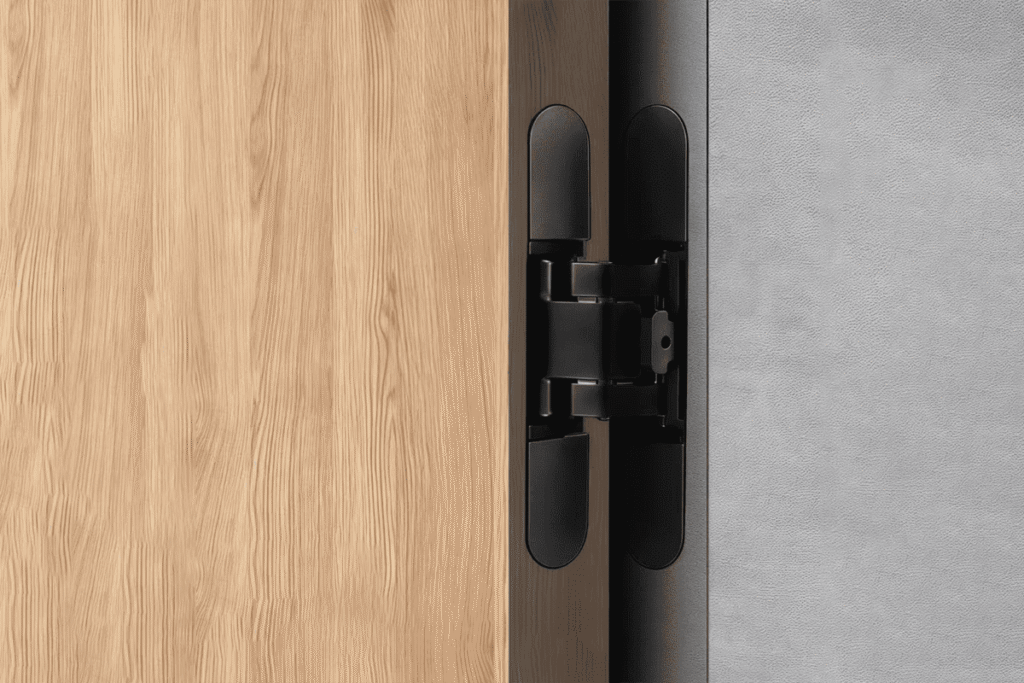
Hydraulic Door Hinges for Commercial Doors: How to Choose the Right Model and Avoid Oil Leakage?
Hydraulic door hinges can solve a real problem for commercial door manufacturers: controlled self-closing without a visible closer. But when the door is too wide, too busy, or poorly installed, the same hinge can leak oil, lose damping, and create after-sales claims. I choose them by torque, cycles, hinge category, and installation control.
Hydraulic door hinges should be selected by door torque1, usage frequency, hinge category, and installation tolerance—not by door weight alone. To reduce oil leakage risk, buyers should verify load and cycle data, allow safety margin, control mortise depth and screw torque, and choose a pivot system or door closer for heavy, wide, or high-traffic doors.
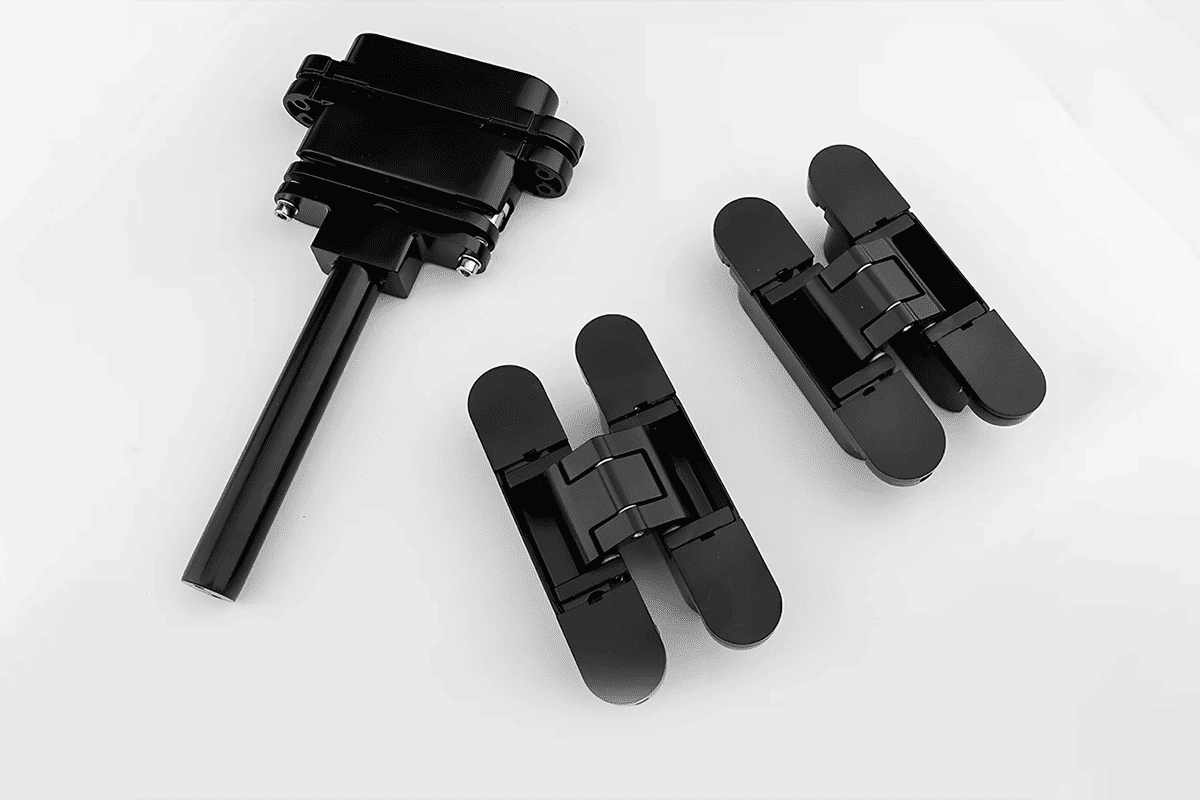
I have handled pre-sales and after-sales support for hydraulic hinges, including on-site checks and teardown discussions after leakage complaints. In many cases, the hinge was not simply “bad.” The full door system was mismatched, overloaded, or installed outside tolerance.
How Should Hydraulic Door Hinges Be Selected by Torque and Cycles?
A common buying mistake starts with one simple question: “How many kilograms can this hinge carry?” That question feels practical, but it can hide the real risk. A heavy narrow door and a lighter wide door do not stress hydraulic door hinges in the same way.
The correct selection method is to evaluate door torque, daily cycle count, hinge quantity, hinge position, and safety margin together. Door width changes leverage. Usage frequency changes wear.2 Three hinges can improve support, but they do not share load perfectly unless the door, frame, and installation are aligned.3
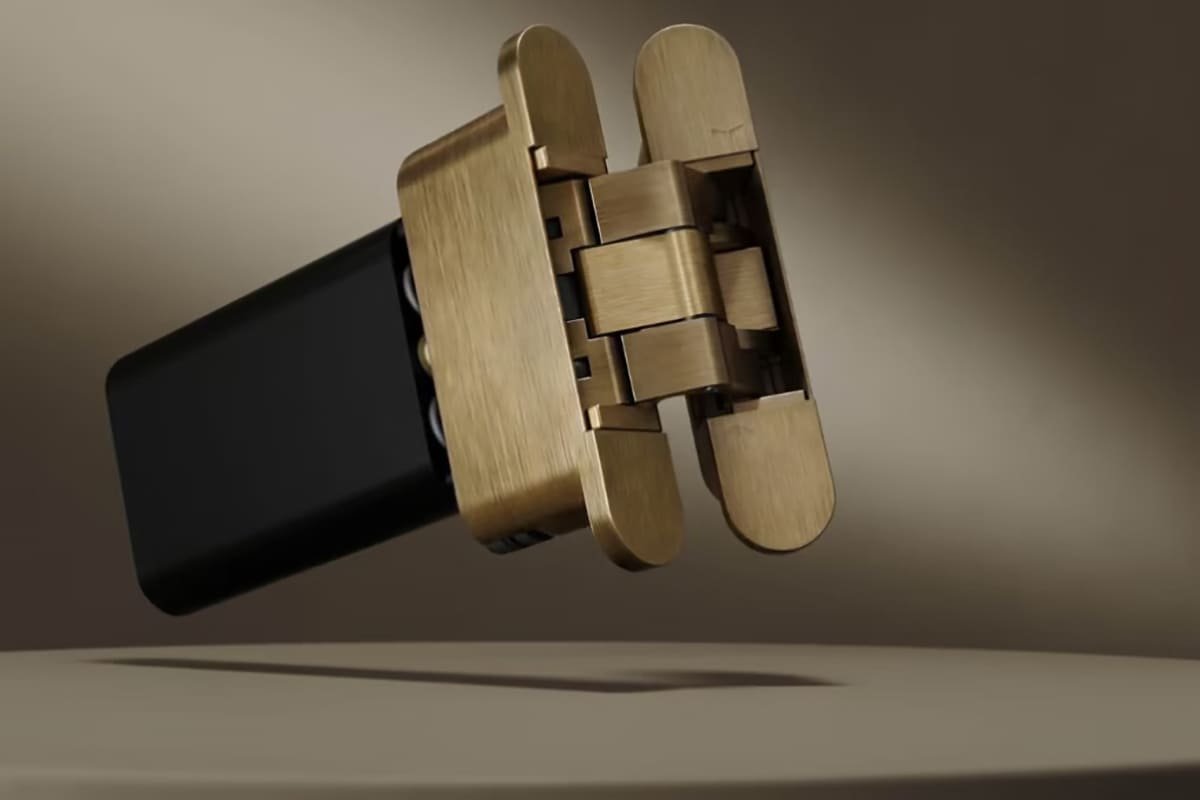
Why Weight Rating Is Not Enough
When I inspect returned hinges, I often find that the quoted door weight was technically within range. Then I check the door width and usage environment. The real issue becomes clearer. A wide commercial door creates more turning force on the hinge side. A busy corridor can multiply cycles far beyond what the original selection assumed.
A practical way to think about this is:
Door stress = door weight + door width + daily cycles + installation accuracy
Door torque is commonly understood as the turning force created by the door leaf. For procurement evaluation, you do not need to overcomplicate the formula. You need a consistent comparison method.
A simple working estimate is:
Approximate torque factor = door weight × door width
For example:
| Door Weight | Door Width | Approx. Torque Factor | Selection Comment |
|---|---|---|---|
| 60 kg | 800 mm | 48,000 | Often suitable for many interior hydraulic hinge models, if cycle count is moderate |
| 60 kg | 1,000 mm | 60,000 | Higher stress than the same weight at 800 mm |
| 80 kg | 900 mm | 72,000 | Needs stronger model family and safety margin |
| 100 kg | 1,000 mm | 100,000 | Usually requires careful review; may need closer or pivot solution |
These numbers are not universal engineering ratings. They are a buyer-side screening tool. Final selection should be confirmed with the hinge supplier’s technical data, drawings, cycle testing information, and application review.4
Add Cycle Count Before You Choose the Model
Usage frequency changes everything. A hotel guest room, a hospital corridor, a school classroom, and a shopping mall entrance all place different demands on hydraulic door hinges.
I usually ask customers to define the door by traffic level:
| Usage Scenario | Approximate Traffic | Selection Risk |
|---|---|---|
| Private office or hotel room | Low to moderate | Hydraulic hinge may be suitable if torque is within range |
| Apartment corridor door | Moderate | Check closing speed, alignment, and maintenance plan |
| School, clinic, or staff passage | High | Larger safety margin needed; closer may be better |
| Mall entrance or public lobby | Very high | Hydraulic hinges should not be treated as door closers |
Two Hinges or Three Hinges?
Three-hinge configurations are common on taller or heavier doors. However, buyers should not assume that adding one hinge automatically increases capacity in a perfect linear way.
The load sharing depends on:
- Frame straightness
- Leaf flatness
- Mortise accuracy
- Hinge spacing
- Screw tightening sequence
- Alignment before final loading
If the middle hinge is set too deep or too shallow, it may not share load properly. In some cases, it may even twist the door leaf and increase stress on the hydraulic chamber.
My Practical Selection Rule
When I review a project, I prefer to leave a safety margin instead of selecting the hinge at its maximum published rating. The margin should cover real-world variables such as site installation, seasonal movement in wooden doors, and higher-than-expected traffic.
For commercial door manufacturers, I recommend this sequence:
- Confirm door material: wooden, aluminum-profile, steel, or composite.
- Confirm door weight and width: never use weight alone.
- Estimate daily opening cycles: low, medium, high, or very high.
- Choose hinge category: concealed, butt, aluminum-profile, or pivot/closer system.
- Check model data: load, torque guidance, cycle testing, adjustment range, and drawings.
- Add safety margin: avoid selecting at the edge of the rating.
- Validate installation method: mortise depth, screws, handedness, and spacing.
- Request documentation: inspection reports, material information, and certification documents where relevant.
At SDH Hardware, I treat published load claims, CE documents, and fire-rated documents as procurement files that buyers should verify for the exact model and project requirement. That habit avoids many misunderstandings later.
Which Hydraulic Door Hinges Category Fits Your Commercial Door?
Choosing the wrong hinge category creates a hidden problem. The sample may look good on the table, but the installed door may behave differently. Commercial buyers need to match hydraulic door hinges to door material, frame structure, groove profile, and traffic level.
The right category depends on the door system. 3D concealed hydraulic hinges suit many interior wooden doors. Hydraulic butt hinges fit traditional leaf geometry. Aluminum-profile hydraulic hinges must match the Euro-groove. Extra-heavy or high-frequency doors should move to pivot systems or dedicated door closers.
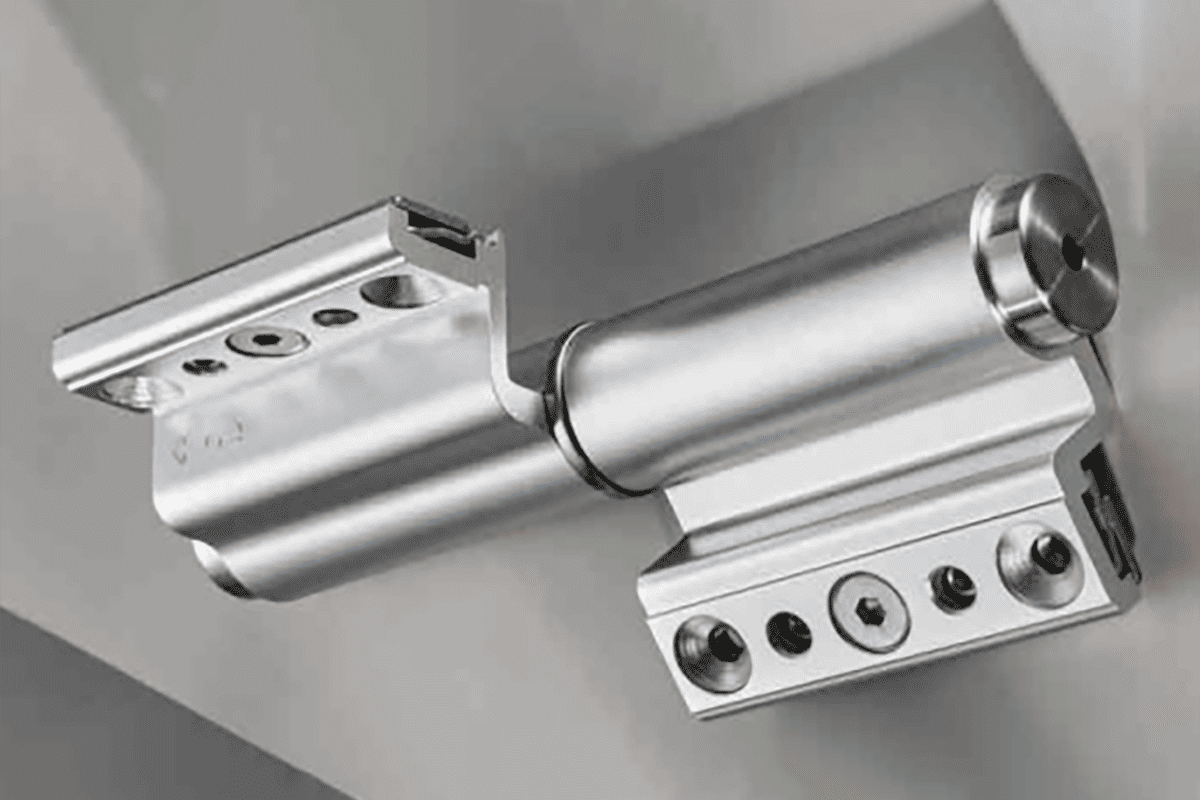
Main Categories for Commercial Door Manufacturers
Hydraulic door hinges are not one product family with one universal application. The mechanism, fixing method, adjustment range, and installation risk differ by type.
Here is a practical category map:
| Hinge Category | Typical Door Scenario | Buyer Checkpoint |
|---|---|---|
| 3D hydraulic self-closing concealed hinges | Interior wooden doors, often around 60–80 kg depending on model | Verify load, width, adjustment range, mortise drawing, and cycle data |
| Single-side mortise-free concealed variants | Faster installation on certain wooden door projects | Confirm frame compatibility and fixing strength |
| Hydraulic butt hinges | Wooden doors where traditional butt hinge geometry is preferred | Check leaf thickness, screw holding, and closing force |
| Mother-and-child hydraulic butt hinges | Retrofit or lighter-duty wooden doors in some markets | Confirm load margin and long-term stability |
| Aluminum-profile hydraulic hinges | Aluminum doors with Euro-groove profiles | Verify groove compatibility before ordering |
| Pivot systems | Extra-heavy, wide, or premium doors | Use for applications beyond normal hinge capacity |
| Door closer + standard hinge | High-traffic commercial doors | Better for controlled closing under frequent use |
3D Hydraulic Self-Closing Concealed Hinges
For many interior wooden doors, 3D hydraulic self-closing concealed hinges offer a clean appearance and adjustable installation. In SDH’s product range, examples include models such as SDH SC80D and CH60D, depending on the door specification and project requirement.
These types are often considered for commercial wooden doors around 60–80 kg, but buyers should not treat that as a universal rule. The door width, cycle count, and hinge count must still be checked.
Important review points include:
- 3D adjustment range
- Minimum door thickness
- Mortise size and depth
- Closing angle and damping behavior
- Left/right or universal orientation
- Cycle test information
- Fire-rated document availability, if required
Some single-side mortise-free variants can reduce installation time. They can be helpful for door factories that need faster assembly. However, the fixing method still needs validation. Faster installation should not mean weaker screw holding or looser alignment.
Hydraulic Butt Hinges
Hydraulic butt hinges are useful when the door design needs a traditional hinge leaf appearance. They may be plain butt types or mother-and-child types. These can be attractive for wooden doors in markets where installers are familiar with butt hinge preparation.
The main advantage is familiarity. The main risk is overconfidence. Installers may treat them like ordinary butt hinges and ignore the hydraulic mechanism inside. That can lead to wrong screw torque, forced adjustment, or hinge stress during fitting.
For hydraulic butt hinges, I usually check:
- Door thickness and screw holding strength
- Leaf size and knuckle clearance
- Closing speed control range
- Door stop position
- Risk of over-opening
- Maintenance access after installation
Aluminum-Profile Hydraulic Hinges
For aluminum doors, profile compatibility is critical. The hinge must match the groove system. A small mismatch can create poor seating, frame twist, or uneven load transfer.
When a customer sends an aluminum door project, I ask for:
- Profile section drawing
- Euro-groove dimensions
- Door weight and width
- Frame reinforcement details
- Opening angle
- Expected cycles per day
This step prevents sample approval mistakes. A hinge may be strong enough, but it still fails if the profile connection is wrong.
A Simple Category Selection Flow
Use this go/no-go flow before placing an order:
Is the door heavy, wide, or very high traffic?
If yes, review pivot or door closer systems first.Is the door an interior wooden door with moderate traffic?
If yes, review 3D concealed hydraulic hinges or hydraulic butt hinges.Is the door aluminum-profile based?
If yes, match the hinge to the Euro-groove and verify drawings.Does the project require fire-rated performance?
If yes, verify the exact model’s fire-rated documentation with the supplier.Does the model lack torque, load, or cycle evidence?
If yes, do not approve it for commercial supply without further testing or supplier confirmation.
This flow is simple, but it catches many risks before production.
Why Do Hydraulic Door Hinges Leak Oil After Installation?
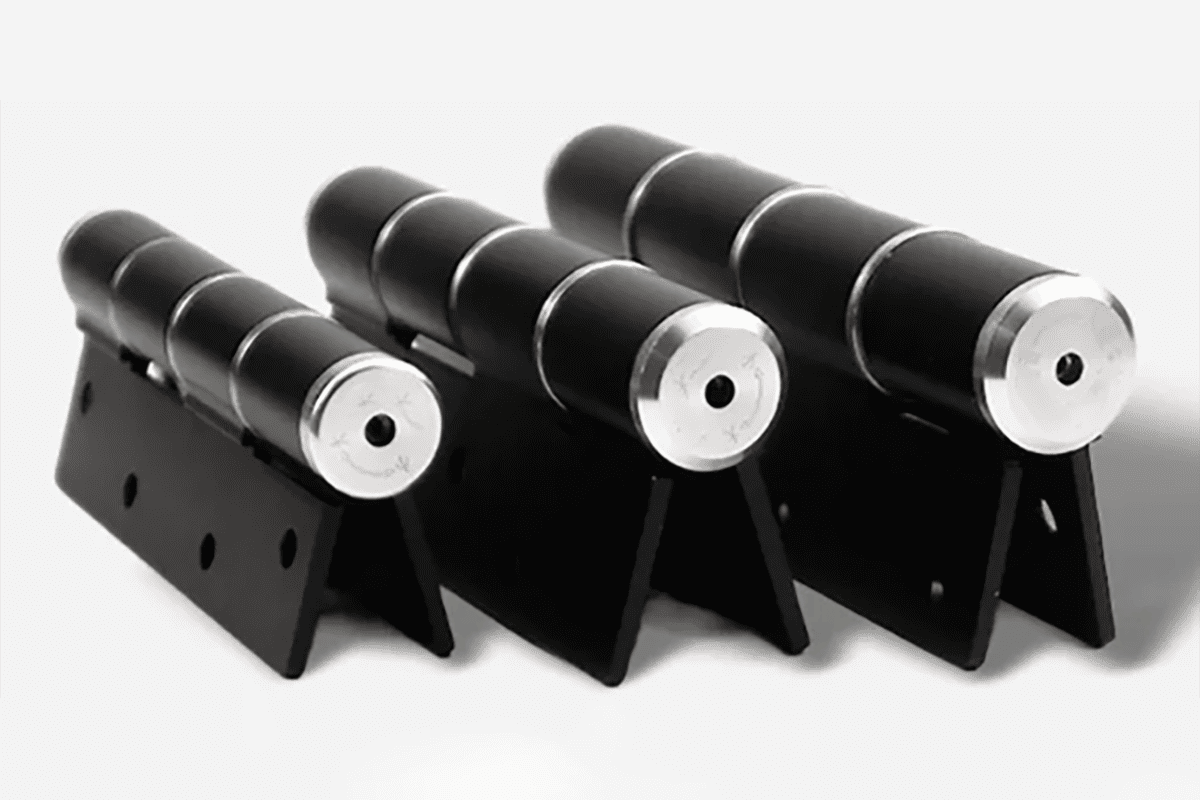
Oil leakage feels like a product defect when it appears on site. Sometimes it is. But in my field experience, leakage often comes from a chain of causes. The hinge is overloaded, misaligned, over-tightened, or used like a full door closer.
Hydraulic door hinges can leak oil because of excess torque, high cycle use, seal damage, weak seal design, oil viscosity mismatch, machining tolerance issues, or installation errors. Buyers can reduce risk by selecting with margin, verifying life-test evidence, enforcing installer QA, and inspecting alignment and damping behavior regularly.
What I Usually See During Failure Checks
I have seen leakage complaints where the hinge looked “normal” from the outside. Then we checked the door and found a different story. The door was wider than the original quotation. The site had no door stopper. The installer had over-cut the mortise. Or the door was used in a high-traffic passage where a door closer should have been specified.
The most common root causes include:
- Misuse or overload
- Door width creating excess torque
- High daily cycle count
- Pressure imbalance inside the damping chamber
- Weak or simplified seal stack5
- Oil viscosity not suited to the temperature range6
- Machining tolerance variation
- Over-deep mortise
- No pilot holes before screw fixing
- Wrong screw torque
- Reversed handedness or orientation
- Poor hinge spacing
- Door sag after installation
Some causes belong to the manufacturer. Some belong to the buyer’s selection process. Some belong to the installer. A good procurement process should control all three.
Installation Tolerance Is the No. 1 Field Lever
I place heavy emphasis on installation because hydraulic mechanisms are less forgiving than ordinary hinges. A normal hinge may survive a rough installation. A hydraulic hinge may not.
Here is a practical acceptance checklist for door factories and project installers:
| Check Item | Acceptance Requirement | Why It Matters |
|---|---|---|
| Mortise depth | Match supplier drawing; avoid over-deep cutting | Prevents hinge body distortion and poor alignment |
| Mortise flatness | Seat hinge evenly without rocking | Reduces twisting force on the mechanism |
| Pilot holes7 | Drill before screw fixing based on screw size and material | Prevents splitting and angled screws |
| Screw torque8 | Tighten firmly but do not over-compress hinge body | Protects chambers, seals, and leaf geometry |
| Handedness/orientation | Confirm left/right or universal setting before fitting | Prevents reverse force on the damping system |
| Hinge spacing | Follow door height and supplier guidance | Improves load distribution |
| Three-hinge distribution | Align all hinges before final tightening | Prevents one hinge carrying too much load |
| Free swing test | Test movement before full operational use | Finds binding before damage occurs |
| Door stop | Install where needed | Prevents over-opening and impact shock |
| Closing speed | Adjust within allowed range only | Avoids forcing the hydraulic valve |
Common Installer Errors That Lead to Leakage
The most damaging mistakes are often small.
Over-deep mortises can pull the hinge out of its designed seating position. This creates uneven pressure when the door closes.
No pilot holes can make screws enter at an angle. The hinge then twists when tightened.
Wrong screw torque can deform the hinge leaf or body. Some installers tighten until the visible gap disappears, but that can stress the internal hydraulic chamber.
Reversed orientation can make the hinge work against its intended motion. This can quickly damage the damping structure.
Poor hinge spacing can overload the top hinge. In many door systems, the top hinge already carries high stress because it resists door sag. If the spacing is wrong, the hydraulic part suffers.
Buyer-Side Controls That Reduce Returns
Buyers cannot control every site detail, but they can build a stronger specification. I recommend adding these items to purchase and installation documents:
- Door weight and width range
- Approved door material and frame type
- Maximum recommended daily cycle range
- Required hinge quantity and spacing
- Mortise drawing with tolerance
- Pilot-hole and screw instructions
- Closing speed adjustment limits
- Inspection steps after installation
- Maintenance schedule
- Required documents for certification or fire rating, if applicable
A quarterly inspection routine is also useful for commercial projects. The maintenance team should check:
- Loose screws
- Door sag
- Frame movement
- Abnormal noise
- Oil marks
- Slower or faster damping than before
- Closing failure at the latch point
No supplier should promise “zero leakage” or “maintenance-free” performance. A professional supplier should help you reduce risk through correct selection, controlled production, and clear installation standards.
When Should You Avoid Hydraulic Door Hinges and Use a Door Closer or Pivot System?
Hydraulic hinges are useful, but they are not universal. The biggest mistake is using them as a one-to-one replacement for door closers. That decision can create leakage, weak closing control, and short service life in demanding commercial environments.
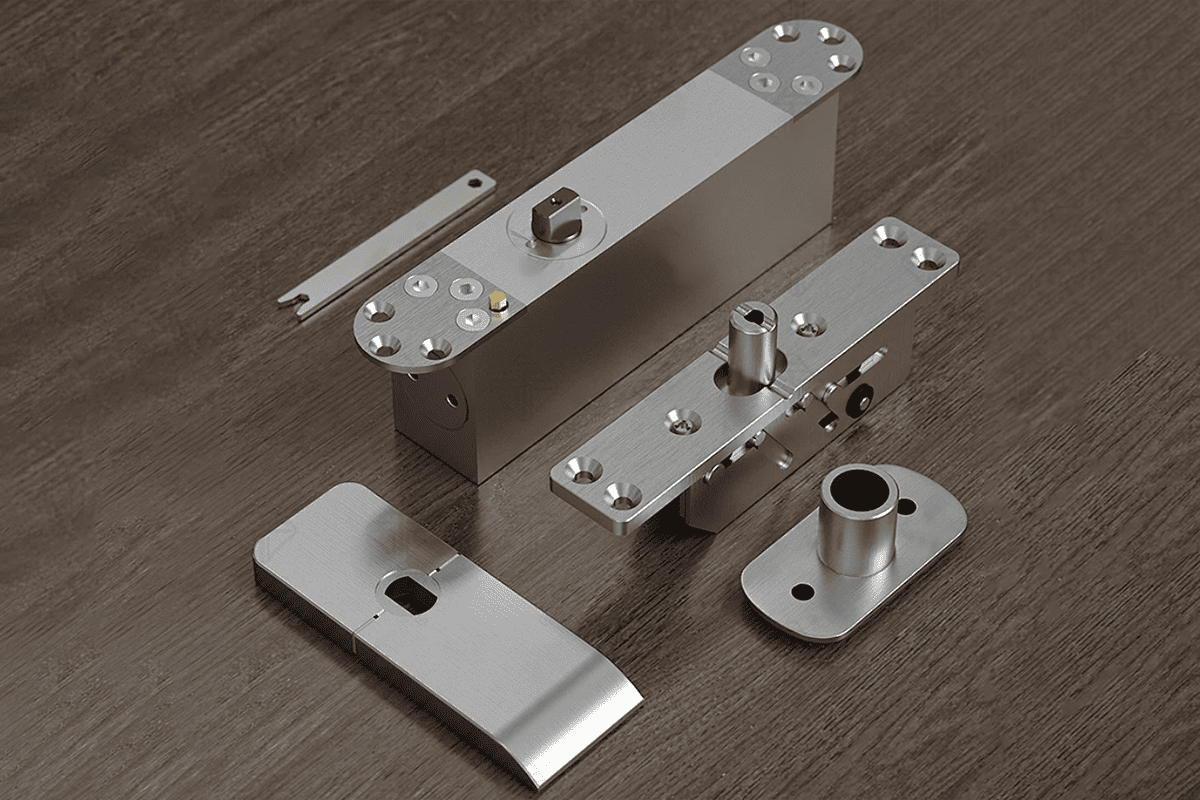
You should avoid hydraulic door hinges when the door is extra-heavy, very wide, exposed to very high traffic, or needs strong closing control. In those cases, a certified door closer, floor spring, or pivot system is usually more appropriate. The final choice should be verified by a qualified project professional.
The Go/No-Go Flow for Heavy Commercial Doors
Before approving hydraulic door hinges, I like to use a basic decision flow.
Go toward hydraulic hinges when:
- The door is an interior wooden or aluminum door.
- The door weight and width sit comfortably within the model range.
- The expected cycles are low to moderate.
- The project values concealed appearance.
- The closing requirement is gentle self-closing, not heavy-duty control.
- The installer can follow tolerance requirements.
Stop and review another system when:
- The door is extra-heavy.
- The door is unusually wide.
- The entrance has high public traffic.
- The door must close reliably against air pressure.9
- The project needs strong latch control.
- The door is used in a hotel banquet hall, conference center, mall, hospital, or school main passage.
- The model has no transparent load, torque, or cycle data.
Pivot Systems for Extra-Heavy Leaves
For premium extra-heavy doors, pivot systems may be more suitable. Some external pivot brands publish heavy-door ranges. For example, certain FritsJurgens System M+ Class F–G references are often discussed in the market for approximately 350–500 kg door classes, but that data should be verified directly with the brand’s current documents and project conditions.
The point is not to recommend a competitor. The point is to show the category boundary. If a door is in the hundreds of kilograms, a small hydraulic hinge should not be forced into that role.
Pivot systems can offer:
- Better support for very heavy leaves
- Controlled movement for premium doors
- Cleaner floor and ceiling integration in some designs
- More appropriate engineering for wide doors
However, pivot systems also need professional design review. Floor structure, ceiling fixing, door thickness, and fire requirements can affect the final decision.
Door Closers for High-Traffic Entrances
For high-frequency entrances, a door closer is often the safer solution. A good closer is designed to control door speed, latch action, and repeated cycles.10 Hydraulic hinges can provide self-closing, but they should not be expected to perform the same job as a commercial door closer in a busy public entrance.
A closer may be better when the door needs:
- Adjustable sweep speed
- Adjustable latch speed
- Backcheck
- Delayed action
- Stronger closing force
- Better performance under air pressure
- More predictable maintenance
The hardware set can still use quality butt hinges or concealed hinges for support, while the closer handles closing control. That separation of functions often improves reliability.
How I Explain This to Customers
When a customer asks for hydraulic door hinges on a wide, busy door, I do not reject the idea immediately. I ask for the door drawing, weight, width, traffic level, and opening environment. Then I explain the risk.
I usually say something like:
“The hinge can close the door, but the question is whether it should be the main closing control device for this application.”
That sentence changes the discussion. It moves the buyer from product price to system reliability. It also protects their brand from after-sales complaints.
For B2B buyers, this is especially important. A small saving on hardware can become expensive when a full batch of finished doors needs site service.
How Can Buyers Qualify a Hydraulic Door Hinges Supplier Before Bulk Orders?
Supplier selection is not only about unit price. A low-cost hinge can become expensive if the supplier cannot provide drawings, material control, cycle evidence, production consistency, or after-sales support. Commercial door manufacturers need suppliers who understand the full door system.
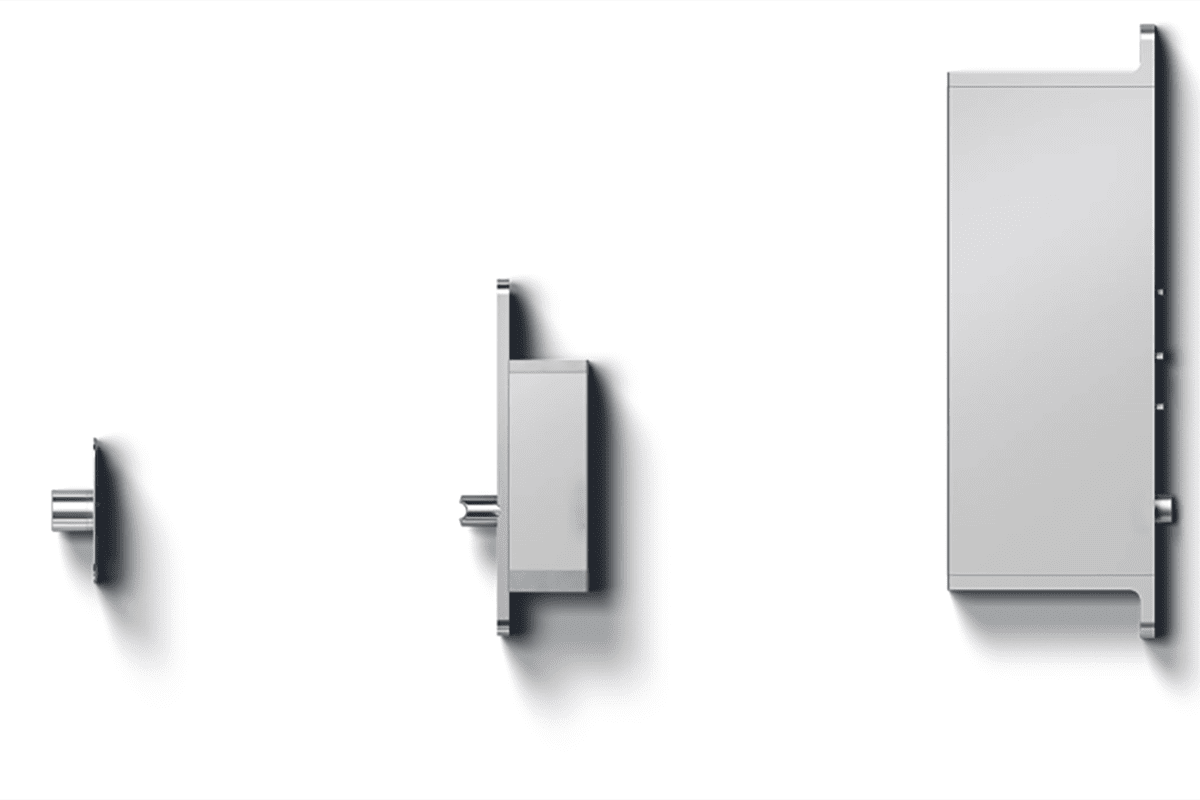
A qualified hydraulic door hinges supplier should provide clear technical drawings, load and cycle guidance, material and finish options, inspection procedures, and model-specific documents. Buyers should also verify factory capability, quality control steps, customization support, packaging, and certification documents before approving bulk production.
What I Recommend Checking First
When I support a new project, I prefer to review technical fit before discussing mass production. A beautiful catalog does not prove that the hinge fits the door.
Buyers should request:
- 2D or 3D product drawings
- Mortise and installation drawings
- Door thickness requirements
- Load and door width guidance
- Cycle or life-test evidence, where available
- Material and surface finish information
- Screw and accessory configuration
- Adjustment instructions
- Packing details
- Inspection report format
- CE or fire-rated documents, if required for the project
For certifications, buyers should verify that the document applies to the exact product, configuration, and intended market. This is especially important for fire-rated doors. A similar-looking hinge does not automatically carry the same project approval.11
Factory Capability Matters
SDH Hardware operates as a professional architectural door hardware manufacturer in China, with more than 10 years of specialized production experience. Our team focuses on R&D, precision manufacturing, and global sales for standardized and customized hardware.
For hydraulic hinges and related architectural hardware, factory capability matters because small variations can affect performance. Machining tolerance, seal selection, oil filling, surface treatment, and final inspection all influence reliability.
A strong supplier should be able to explain:
- How raw materials are screened
- How production is supervised
- How hinge movement is tested
- How finished products are inspected
- How nonconforming goods are controlled
- How customized orders are documented
- How after-sales feedback is analyzed
Conclusion
Hydraulic door hinges work best when buyers treat them as part of a complete door system, not as a simple weight-rated accessory. The safest selection process checks torque, door width, cycle count, hinge category, installation tolerance, and maintenance access. If the door is too heavy, too wide, or too busy, a closer or pivot system may be the better choice. If you need factory-direct support for commercial door hardware, I can help you review drawings, choose suitable SDH models, and prepare samples for project testing.
"28.18 -- Open door to demonstration preparation area - UCSB Physics", https://web.physics.ucsb.edu/~lecturedemonstrations/Composer/Pages/28.18.html. An engineering mechanics source defines torque as the product of force and perpendicular distance from the axis of rotation, supporting the use of door width as a factor in hinge loading; this supports the mechanical principle rather than a specific hinge model rating. Evidence role: definition; source type: education. Supports: A source should define torque as the moment produced by a force acting at a distance from an axis, which explains why door width matters in hinge loading.. Scope note: Contextual support for the physics principle, not direct proof of a particular hydraulic hinge selection formula. ↩
"Studies on tribology - PMC", https://pmc.ncbi.nlm.nih.gov/articles/PMC3722018/. Research on mechanical wear and fatigue describes repeated loading and sliding cycles as contributors to material degradation, supporting the article’s claim that usage frequency affects hinge service life; the evidence is general to mechanical systems rather than hydraulic door hinges specifically. Evidence role: mechanism; source type: paper. Supports: A source should explain that repeated mechanical cycling contributes to fatigue, wear, or degradation in moving components.. Scope note: General mechanical-wear evidence, not product-specific hydraulic hinge test data. ↩
"087100 – DOOR HARDWARE - Facilities and Campus Services", https://fcs.cornell.edu/087100-door-hardware. Architectural hardware guidance on door-hinge installation emphasizes alignment, spacing, and proper seating as conditions for reliable support, supporting the article’s statement that additional hinges do not automatically share load equally; the source provides installation context rather than measured load-share percentages. Evidence role: general_support; source type: institution. Supports: A source should support that hinge performance and load distribution depend on proper alignment, spacing, and installation.. Scope note: Contextual installation support, not a direct experimental measurement for three hydraulic hinges. ↩
"SECTION 087111 - DOOR HARDWARE (SCHEDULED BY ...", https://fpm.usc.edu/wp-content/uploads/2021/11/087102-USC-HSC-door-hardware-Guide-Specification_1.pdf. Door hardware standards such as ANSI/BHMA hinge standards include performance and durability test criteria, supporting the practice of checking model-specific drawings and cycle-test information before selection; the standard supports the evaluation method rather than any supplier’s published rating. Evidence role: general_support; source type: institution. Supports: A source should show that hinges and door hardware are evaluated through standardized performance criteria, including cycling or durability tests.. Scope note: Supports the need for standardized verification, not the accuracy of any individual supplier document. ↩
"Experimental Analysis of Mechanical Seal Design with ...", https://repository.lsu.edu/cgi/viewcontent.cgi?article=3133&context=gradschool_theses. Research on hydraulic sealing identifies seal geometry, material condition, and contact behavior as factors influencing leakage, supporting the article’s claim that seal-stack design can affect oil loss; the evidence is drawn from hydraulic sealing generally rather than concealed door hinges specifically. Evidence role: mechanism; source type: paper. Supports: A source should support that seal design, seal condition, and sealing interfaces influence leakage in hydraulic systems.. Scope note: Hydraulic-system evidence, not a direct comparison of hinge seal-stack designs. ↩
"An assessment of three different fire resistance tests for ...", https://nvlpubs.nist.gov/nistpubs/Legacy/IR/nbsir81-2395.pdf. Hydraulic-fluid references note that viscosity is temperature dependent and influences flow resistance and system performance, supporting the article’s discussion of temperature-range suitability for damping oil; the evidence is general to hydraulic systems rather than door hinges alone. Evidence role: mechanism; source type: research. Supports: A source should explain that hydraulic fluid viscosity changes with temperature and can affect flow, sealing, and damping behavior.. Scope note: General hydraulic-fluid support, not a door-hinge-specific leakage test. ↩
"[PDF] The Wonderful World of Wood Glossary - OSU Extension Service", https://extension.oregonstate.edu/sites/extd8/files/2023-07/Glossary_2.pdf. Wood construction guidance from educational sources explains that pilot holes help guide screws and reduce splitting in wood, supporting the article’s instruction to drill before hinge screw fixing; the evidence applies most directly to wooden doors and frames. Evidence role: mechanism; source type: education. Supports: A source should support that pilot holes reduce splitting and improve screw placement in wood or similar materials.. Scope note: Most applicable to wood substrates; less direct for metal or composite frames. ↩
"[PDF] Fasteners and Specialty Hardware", https://wp.optics.arizona.edu/optomech/wp-content/uploads/sites/53/2016/08/20-Fasteners.pdf. Engineering fastener references explain that applied tightening torque controls clamping force and that excessive torque can damage fasteners or joined components, supporting the article’s warning about screw-torque control during hinge installation; the source supports the fastening principle rather than a specific hinge failure mode. Evidence role: mechanism; source type: education. Supports: A source should explain the relationship between tightening torque, clamping force, and risk of component deformation or fastener damage.. Scope note: General fastener mechanics, not direct test evidence on hydraulic hinge bodies. ↩
"The importance of door closers for building fire safety", https://www.assaabloy.com/kz/en/stories/access-stories/choosing-the-right-door-closer-for-fire-safety. Building and fire-safety guidance notes that pressure differentials and airflow can affect whether doors close and latch reliably, supporting the article’s caution about doors that must close against air pressure; this supports the environmental concern rather than specifying a hinge type. Evidence role: general_support; source type: government. Supports: A source should show that pressure differentials or building air movement can affect door operation and reliable closing.. Scope note: Contextual building-safety support, not a hydraulic-hinge performance test. ↩
"A156.4 - 2024 Door Closers and Pivots", https://buildershardware.com/ANSI-BHMA-Standards/Hardware-Highlights/A1564-2024-Door-Closers-and-Pivots. ANSI/BHMA door-closer standards address closing performance, adjustment functions, and durability testing, supporting the article’s statement that closers are intended to control speed, latching, and repeated operation; the standard does not establish that every closer outperforms every hydraulic hinge in all applications. Evidence role: expert_consensus; source type: institution. Supports: A source should document that door closers are evaluated for controlled closing functions and durability through recognized standards.. Scope note: Standard-level support for door-closer functions, not a universal product comparison. ↩
"Doors, Windows and Related Hardware Application Guide", https://www.ul.com/thecodeauthority/knowledge/ul-fire-rated-doors-guide. Fire-door standards and listing guidance treat hardware approval as dependent on listed or labeled components within a rated assembly, supporting the article’s warning that a visually similar hinge does not automatically have the same approval; the source supports certification practice rather than any particular project decision. Evidence role: general_support; source type: institution. Supports: A source should support that fire-door hardware must be listed, labeled, or approved for the specific assembly or application.. Scope note: Supports the certification principle; final acceptance depends on the applicable code, listing, and authority having jurisdiction. ↩