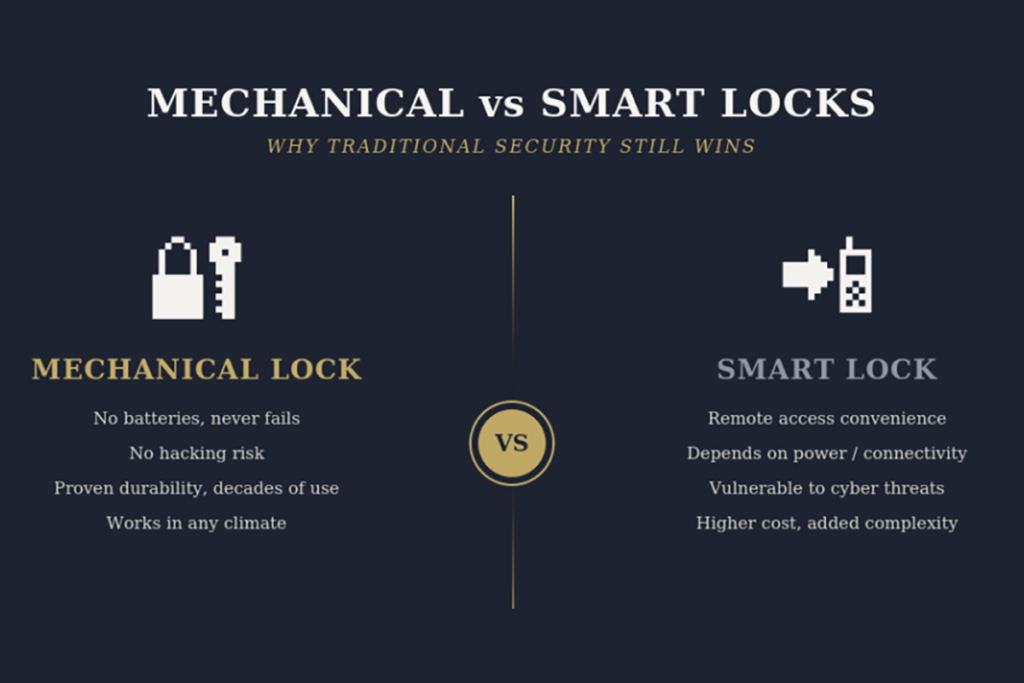
Mechanical Locks vs. Smart Locks: Why Traditional Security Still Wins?
Mechanical locks vs. smart locks is no longer a simple debate about old technology against new technology. Buyers face real pressure to offer convenience, but they also carry the cost of failures, credential leakage, and after-sales complaints. I believe the better solution is to evaluate security through risk, reliability, and long-term control.
Mechanical locks still win in many B2B security applications because they offer clearer physical permission control, fewer electronic failure points, lower exposure to power-related disruption, and more predictable maintenance1. Smart locks can add convenience and remote management, but traditional mechanical locks often provide a more stable risk profile for bulk door projects.
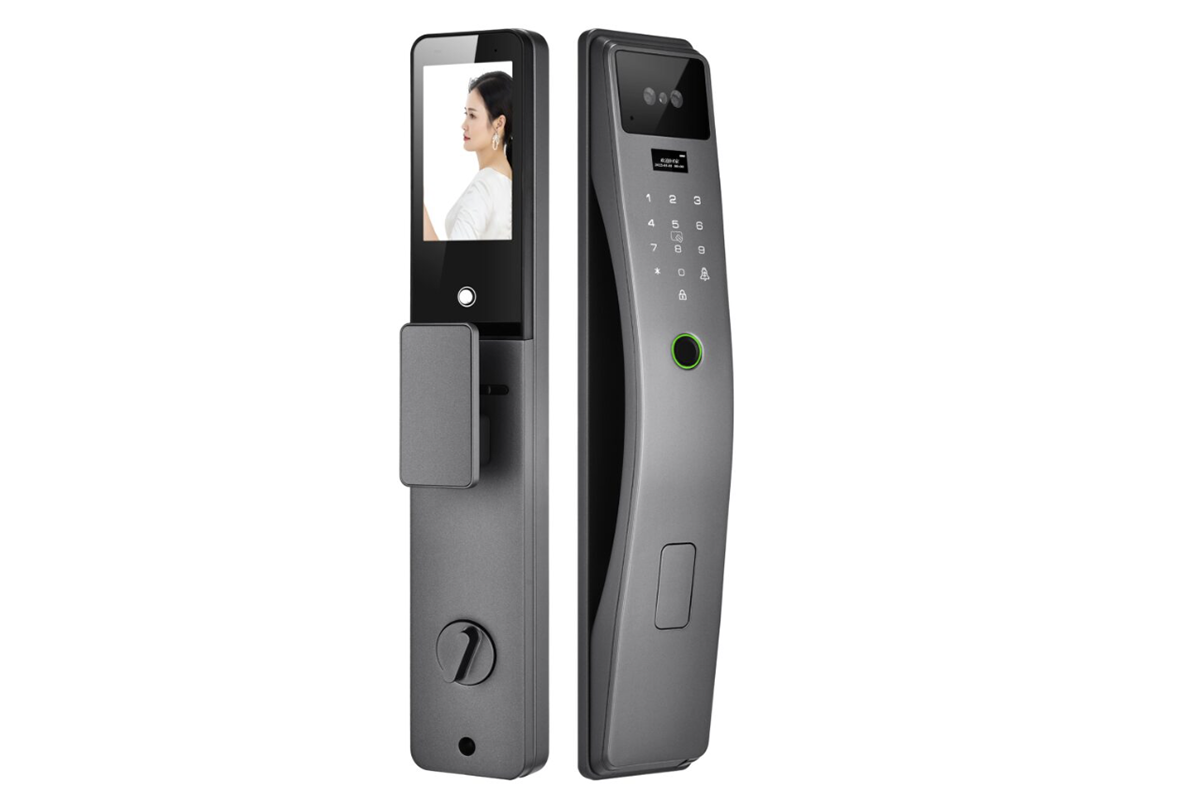
The real question is not whether smart locks are useful. They are useful in many projects. The better question is whether their added convenience justifies the added dependency on batteries, electronics, software, sensors, and digital credentials. From a manufacturing and procurement view, that difference matters.
Why Do Mechanical Locks vs. Smart Locks Differ in Credential Exposure?
Credential control looks simple until a project scales across hundreds or thousands of doors. A lost key is visible and physical, but a shared password, copied card, or app permission can spread quietly. That creates pressure for buyers who must manage both user access and liability.
Mechanical locks vs. smart locks differ because mechanical locks rely mainly on physical key possession, while smart locks rely on digital or electronic credentials2. A smart lock can be opened by anyone who obtains the password, card, fingerprint permission, or app access.3 This does not make smart locks unsafe, but it changes the exposure risk.
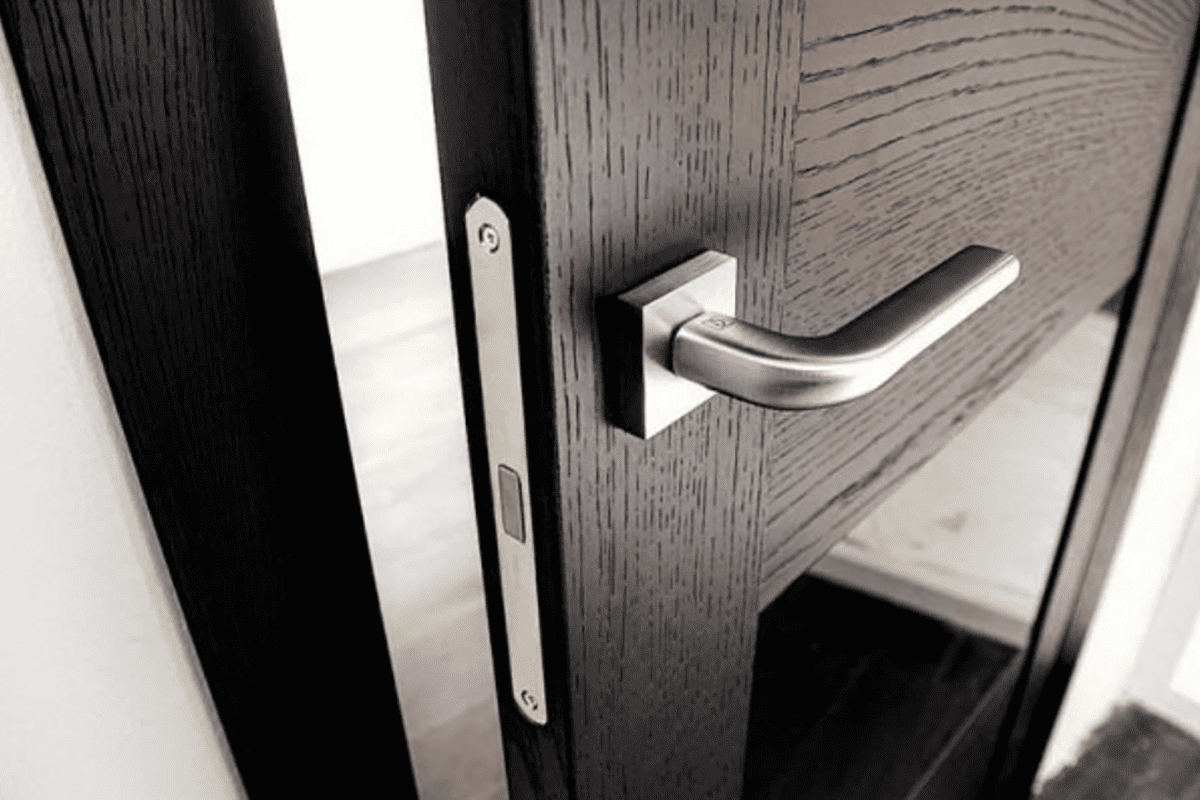
Physical Permission Is Easier to Understand
In many B2B discussions, I have noticed one common concern from door manufacturers and hardware brands: who can open the door after the product is installed? With a mechanical lock, the answer is usually clear. The person needs the correct physical key. If the key is missing, damaged, or not issued, access is limited.
That does not mean a mechanical key is perfect. Keys can be lost, copied, or stolen. A poor-quality cylinder can also be vulnerable to picking, drilling, bumping, or forced attack. However, the permission model remains easy to understand:
- Key issued means access is granted.
- Key returned means access is removed.
- Cylinder replaced or rekeyed means previous keys can be invalidated.
- Master key systems can organize access levels across buildings.
Smart locks work differently. Their permission model may involve:
- PIN codes
- RFID cards
- Fingerprints
- Mobile apps
- Bluetooth access
- Wi-Fi or gateway permissions
- Cloud-based administrator settings
Each method can be convenient. However, each method also creates a new question: how is that credential created, stored, shared, deleted, and audited?
Credential Exposure Risk Matters in Bulk Supply
For a single apartment, a smart lock may be easy to manage. For a hotel, office building, residential project, or door factory product line, the situation becomes more complex. A password can be shared in a message. A card can be lent to another person. An app account can remain active after an employee leaves. A fingerprint template may raise privacy concerns in some markets.4
This is why I prefer the phrase credential exposure risk instead of saying “smart locks are insecure.” The issue is not that every digital lock fails. The issue is that the credential is no longer only a physical object. It may become information, a file, an app permission, or a record inside a management system.
| Access Method | Main Benefit | Main Exposure Risk | B2B Evaluation Point |
|---|---|---|---|
| Mechanical key | Clear physical control | Lost or copied key | Cylinder quality, key control, master key planning |
| PIN code | Easy sharing | Code leakage | Code reset process and admin control |
| RFID card | Fast access | Card loss or duplication risk | Card encryption and replacement process |
| Fingerprint | User convenience | Sensor failure or privacy concern | Recognition reliability and data handling |
| App access | Remote control | Account misuse or software dependency | Permission logs, app support, cybersecurity review |
What Buyers Should Ask Suppliers
When comparing mechanical locks vs. smart locks, procurement teams should ask different questions for each product type.
For mechanical locks, I suggest asking:
- What cylinder standard does the product follow?
- Is the cylinder tested for durability and attack resistance?
- What key profile is used?
- Can the supplier support keyed-alike or master key systems?
- What material is used for the lock body, latch, deadbolt, and strike plate?
- Are CE, fire-rated, or other certificates available for verification?
For smart locks, I suggest asking:
- What happens when the battery fails?
- Is there a mechanical override?
- How are PIN codes stored and reset?
- What encryption method protects RFID or app access?
- What happens if the app provider stops support?
- Can permissions be removed quickly after staff turnover?
- What is the expected warranty and after-sales process?
From SDH Hardware’s manufacturing perspective, I see mechanical locks as easier to evaluate in the factory. We can inspect the lock body, cylinder tolerance, latch movement, spring force, surface finish, and cycle durability. Smart locks require those same mechanical checks, plus electronic and software validation. That added layer can be valuable, but it must be managed carefully.
How Do Mechanical Locks vs. Smart Locks Compare in Failure Predictability?
Failure is not only a technical issue. Failure becomes an after-sales issue, a replacement cost, and sometimes a project reputation problem. A lock that fails at the wrong time can block access, delay handover, or create complaints that travel back through the supply chain.
Mechanical locks vs. smart locks compare differently because mechanical locks depend mainly on physical components, while smart locks depend on both mechanical and electronic systems. Mechanical locks can still fail, but their failure modes are usually more visible and predictable. Smart locks add batteries, circuit boards, sensors, and software as extra failure points.5
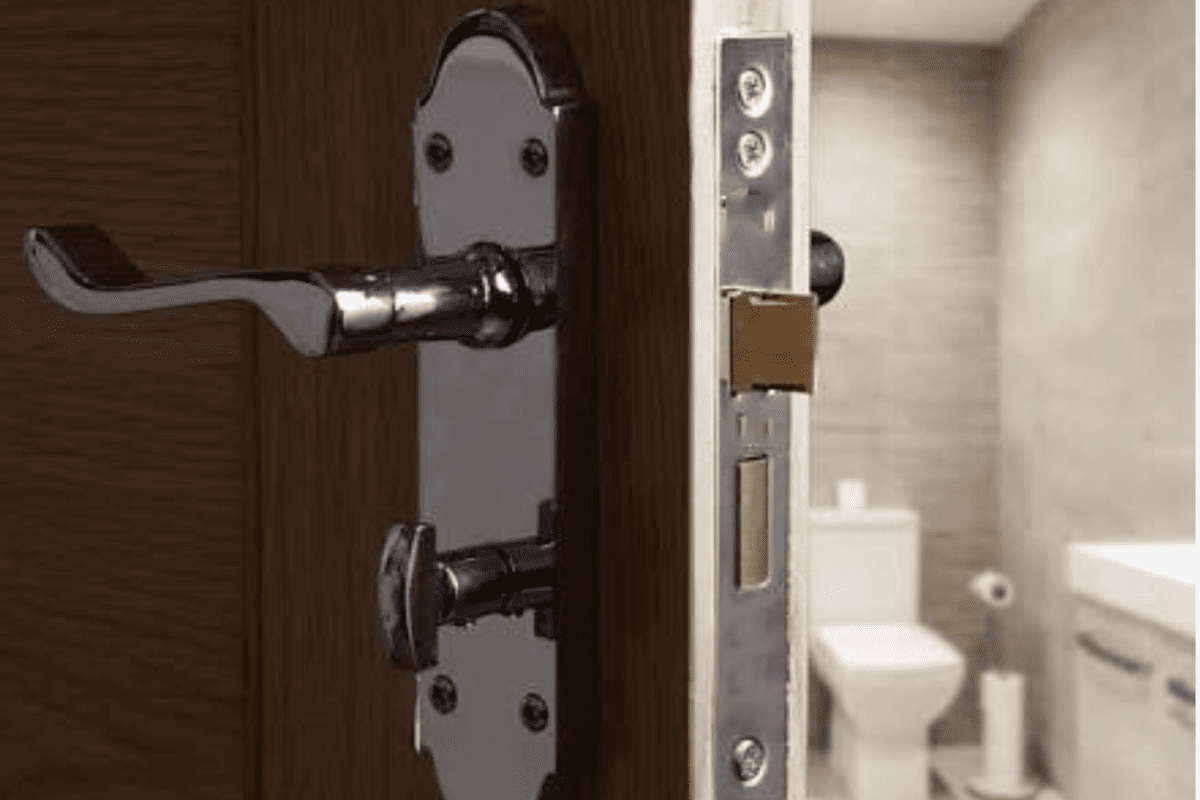
Mechanical Failure Is Usually Easier to Trace
A high-quality mechanical lock is not magic. It depends on material strength, machining accuracy, and assembly quality. If the lock body is poorly made, it can jam. If the cylinder is low grade, it can wear quickly. If the latch spring is weak, the door may not close smoothly. If the surface treatment is poor, corrosion can reduce performance.
However, most mechanical issues can be traced to physical causes:
- Worn key or keyway
- Poor cylinder tolerance
- Misaligned door and frame
- Loose fixing screws
- Damaged latch or deadbolt
- Corrosion from harsh environments
- Incorrect installation
- Low-quality zinc alloy or soft internal parts
These issues are serious, but they are usually inspectable. A technician can remove the lock, check alignment, test the cylinder, inspect the latch, and replace parts. In production, we can also test these features through repeatable quality control.
At SDH Hardware, our quality team focuses on this practical chain: raw material screening → production supervision → finished product inspection. For Euro mortise locks, stainless steel lever handles, butt hinges, concealed hinges, and Euro brass cylinders, the goal is not to claim that products never fail. The goal is to reduce unpredictable failure and make performance consistent across bulk orders.
Smart Locks Add More Failure Dependencies
Smart locks still need a mechanical body. They still need a latch or bolt. They still need a housing, handle, spindle, and installation accuracy. But they also add electronic systems. These may include:
- Battery compartment
- Circuit board
- Motor or actuator
- Fingerprint sensor
- Keypad
- RFID reader
- Bluetooth or Wi-Fi module
- App or cloud platform
- Firmware
- Emergency power interface
Each component has a useful function. However, each component can also fail or create support questions. A battery may drain earlier than expected. A keypad may become unresponsive. A motor may weaken. A firmware update may create confusion. A mobile app may not work well in a specific region or phone system.
This is why mechanical locks vs. smart locks is important for importers and wholesalers. The issue is not only the purchase price. The issue is the total support burden.
| Evaluation Factor | Mechanical Lock | Smart Lock |
|---|---|---|
| Power requirement | No battery needed | Battery or wired power often required |
| Basic access during power loss | Normally unaffected | Depends on override design |
| Failure diagnosis | Usually physical inspection | Mechanical + electronic + software diagnosis |
| Spare parts | Cylinders, keys, springs, screws | Mechanical parts + boards, sensors, motors |
| Installer skill requirement | Moderate | Often higher |
| After-sales complexity | Usually lower | Often higher |
Battery Failure Is a Business Issue
In consumer marketing, battery warnings may sound simple. In B2B projects, they can become operational problems. If hundreds of locks are installed across a building, someone must monitor, replace, and document battery condition6. If users ignore low-battery warnings, access can be disrupted.
Many smart locks include emergency power options, such as a USB power port, external battery contact, or mechanical key override. These features are important. Buyers should verify them before purchase. However, emergency access is not the same as normal long-term reliability. It is a backup plan.
For door manufacturers, this point affects product positioning. If the target market values convenience and accepts electronic maintenance, smart locks may fit well. If the market includes fire doors, public buildings, high-turnover rental units, remote job sites, or low-maintenance projects, a strong mechanical lock may be the safer baseline.
Standards and Testing Should Be Verified
For mechanical locks, buyers can often request documents related to European standards such as EN 12209 for mechanically operated locks and latches7, or EN 1303 for cylinders8. Fire-rated applications may require project-specific lock and door assembly compatibility.9 CE and fire-rated certificates should always be verified against the actual product model, test scope, and intended application.
For smart locks, buyers should ask for both mechanical and electronic evidence. This may include mechanical durability testing, environmental testing, electrical safety review, EMC testing, battery performance data, and software support information. A smart product line should not be selected only by appearance or app features.
In my view, reliability is not a slogan. Reliability is the ability to explain how a product behaves after installation, after repeated use, and after years of maintenance pressure.
Are Mechanical Locks vs. Smart Locks Equally Exposed to Electronic Interference?
Electronic interference is easy to exaggerate, so buyers should treat it carefully. Some market stories make every smart lock sound vulnerable, which is not fair. Still, any lock that depends on electronics needs proper circuit design, shielding, testing, and fail-safe planning10.
Mechanical locks vs. smart locks are not equally exposed to electronic interference because traditional mechanical locks do not rely on circuit boards, sensors, or software to unlock. Some poorly protected smart locks may be affected by strong electromagnetic interference, but the real risk depends on product design, testing, and component quality.
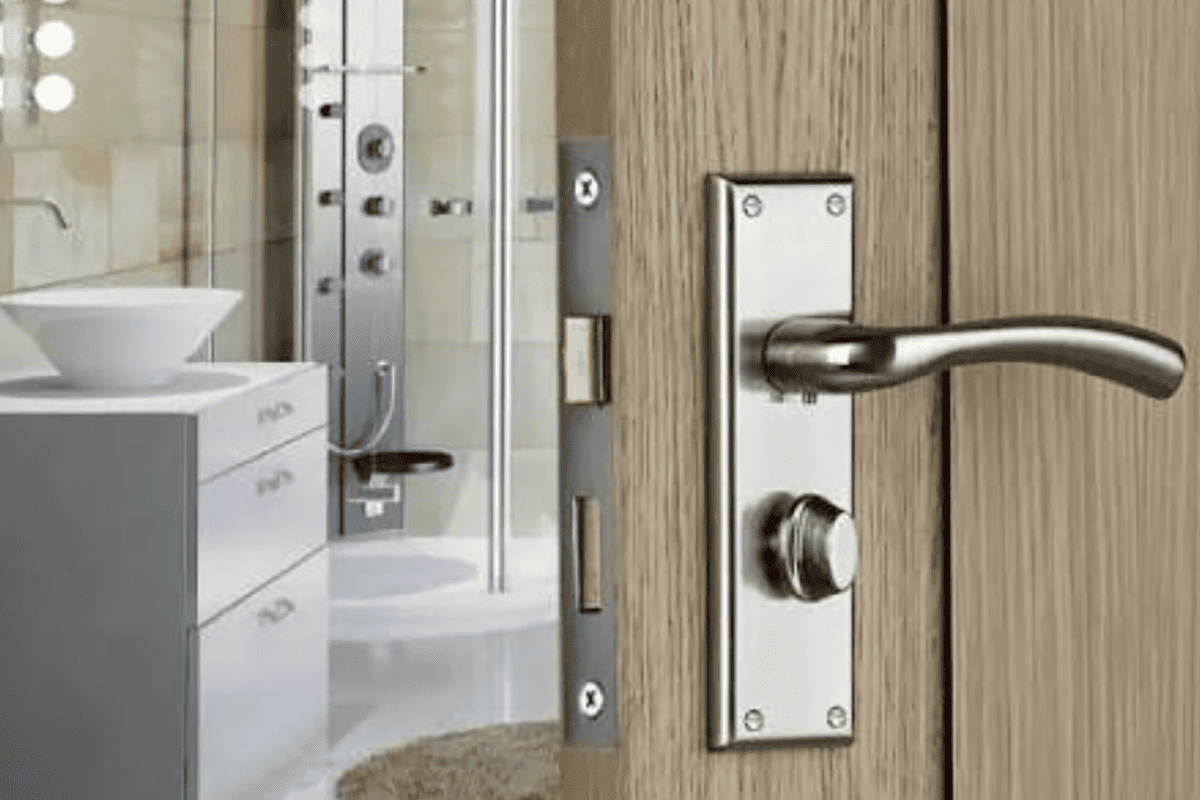
What “Black Box” Concerns Really Mean
In some markets, people use the phrase “black box attack” to describe a strong electromagnetic interference method used against poorly protected electronic locks11. The details vary, and buyers should avoid assuming that every smart lock is exposed to the same risk. Well-designed smart locks may include shielding, circuit protection, watchdog circuits, proper firmware logic, and compliance testing.
However, the concern is still useful for procurement. It reminds buyers that smart locks need security evaluation beyond the lock body. A beautiful housing and smooth handle do not prove electronic resilience.
When I discuss this topic with hardware buyers, I usually frame it as a question:
If the electronic module behaves abnormally, does the lock remain secure, remain closed, and provide a controlled recovery method?
That question is more practical than arguing about one attack method.
Mechanical Locks Have a Different Attack Surface
A mechanical lock faces physical attack risks. These may include:
- Picking
- Bumping
- Drilling
- Snapping
- Pulling
- Torque attack
- Forced latch attack
- Poor strike plate fixing
- Door and frame deformation
A smart lock may face many of the same mechanical risks, plus electronic and digital risks:
- Battery failure
- Circuit malfunction
- Sensor failure
- Keypad failure
- Credential leakage
- App permission misuse
- Weak wireless configuration12
- Poor electromagnetic protection
- Software support discontinuation
This comparison does not mean mechanical locks are automatically stronger in every case. A premium smart lock may outperform a very cheap mechanical lock. A high-security cylinder may outperform a low-cost electronic lock with weak hardware. The fair comparison must be quality level against quality level.
| Risk Type | Mechanical Lock Exposure | Smart Lock Exposure | Buyer Action |
|---|---|---|---|
| Physical force | Yes | Yes | Check material, bolt design, strike plate, installation |
| Key compromise | Yes | Sometimes, if override exists | Review cylinder and key control |
| Digital credential leakage | No or very limited | Yes | Review access management and reset process |
| Power failure | No normal dependency | Yes | Verify backup power and mechanical override |
| Electronic interference | Not applicable to unlocking | Possible in poorly protected designs | Request EMC/protection testing evidence |
| Software lifecycle | Not applicable | Yes | Confirm app support and firmware policy |
Electronic Testing Is Harder for Traditional Hardware Buyers
Many door manufacturers and hardware importers are excellent at evaluating metal parts. They know how to check plating, stainless steel grade, handle return, hinge bearing, lock case thickness, cylinder key combinations, and packaging. However, smart locks require additional evaluation skills.
A buyer may need to review:
- EMC performance
- Battery life claims
- Circuit board protection
- Wireless protocol security
- App permission logic
- Firmware update policy
- Cloud server location and stability
- Data privacy requirements in target markets
- Emergency opening method
- Failure behavior under abnormal conditions
This creates a supplier selection problem. A hardware factory may produce strong mechanical parts but outsource electronics. An electronics supplier may build smart modules but lack experience with architectural door hardware standards. A strong smart lock supplier must manage both sides.
Why Mechanical Locks Remain Attractive for Core Product Lines
For wholesalers and brand enterprises, mechanical locks remain attractive because they are easier to stock, explain, install, repair, and replace. A Euro mortise lock, brass cylinder, lever handle set, and hinge package can serve many project types with fewer electronic questions.
At SDH Hardware, our product portfolio includes more than 3,000 architectural hardware articles. This gives us a practical view of product-line planning. Many customers want smart lock options, but they also keep mechanical locks as their stable base category. That strategy makes sense.
A balanced product portfolio may include:
- Mechanical lock bodies for standard residential and commercial doors
- Euro brass cylinders for clear key-based access control
- Stainless steel lever handles for durable daily use
- Butt hinges and concealed hinges for complete door hardware systems
- Smart locks for selected projects where convenience and management features justify added complexity
Mechanical locks vs. smart locks should not become a fashion argument. It should become a risk allocation decision.
How Should B2B Buyers Evaluate Mechanical Locks vs. Smart Locks for Product Lines?
Product selection becomes harder when the market demands both convenience and durability. A buyer may feel pressured to chase smart lock trends, but the wrong choice can increase returns, training needs, and warranty costs. A structured evaluation process reduces that risk.
Mechanical locks vs. smart locks should be evaluated by application, user behavior, maintenance capability, certification requirements, supplier quality control, and after-sales resources. Smart locks may fit access-managed projects, while mechanical locks often remain better for stable, low-maintenance, high-volume door hardware programs.
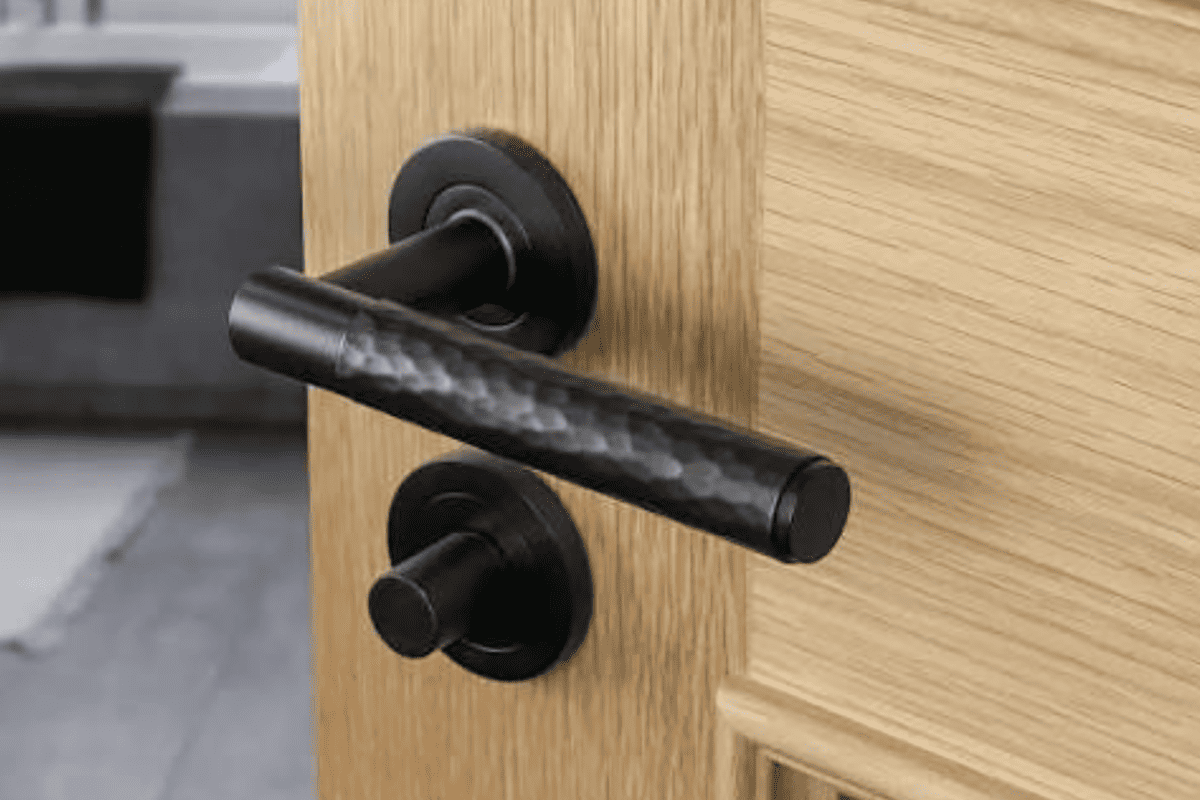
Start With the Door Application
Every lock decision should begin with the door, not the catalog. A lock used on an apartment entrance has different requirements from a hotel room, warehouse door, office door, fire door, or interior passage door. Buyers should define the use case before comparing products.
I recommend a simple application checklist:
- Door type: timber, steel, aluminum, fire-rated, interior, exterior
- Traffic level: low, medium, high, public use
- User turnover: fixed users or frequent changes
- Maintenance ability: on-site technician or limited support
- Environment: dry indoor, coastal, humid, dusty, high temperature
- Access control need: simple key, master key, audit trail, remote unlock
- Compliance need: CE, fire-rated test evidence, regional standards
- Budget model: purchase price only or total lifecycle cost
This checklist prevents a common mistake: choosing a lock because it looks advanced rather than because it fits the door system.
Compare Stable Risk Profile Against Added Convenience
Smart locks offer real advantages. I do not ignore them. They can support remote access, temporary codes, user logs, card management, and modern consumer appeal. These benefits matter in apartments, hotels, offices, and rental properties.
Mechanical locks offer different advantages. They usually provide:
- No battery dependency
- Simple user education
- Lower electronic support needs
- Easier spare-part management
- Predictable installation process
- Clear physical credential control
- Long service life when made and installed well
The right choice depends on whether the buyer values convenience features more than operational simplicity.
| Buyer Priority | Better Fit in Many Cases | Reason |
|---|---|---|
| Lowest electronic dependency | Mechanical lock | No battery, board, sensor, or app needed |
| Remote user management | Smart lock | Digital permissions can be changed quickly |
| Simple wholesale distribution | Mechanical lock | Easier to stock, train, and service |
| Modern user appeal | Smart lock | App and PIN features attract some markets |
| Fire-door hardware planning | Often mechanical, subject to tested assembly | Buyers must verify certification scope |
| Low-maintenance bulk projects | Mechanical lock | Fewer electronic failure points |
| Audit trail requirement | Smart lock | Access records may be available |
Evaluate the Mechanical Core First
Even when a buyer selects smart locks, the mechanical core still matters. A smart lock with weak mechanical construction is not a strong security product. The lock body, bolt, handle spindle, cylinder override, fixing system, and strike plate must be robust.
For mechanical locks, I suggest checking:
- Lock case thickness: A stronger case resists deformation better.
- Latch and deadbolt material: Material affects wear and resistance.
- Cylinder quality: Brass cylinder construction, pin quality, and key precision matter.
- Machining tolerance: Poor tolerance causes rough operation and early wear.
- Handle compatibility: Spindle, spring force, and rose or plate design must match.
- Surface finish: Stainless steel, PVD, electroplating, and powder coating should match market needs.
- Cycle testing: Durability should be supported by internal or third-party test data.
- Certificate traceability: Documents must match the product model, not just the supplier name.
At SDH Hardware, I often see buyers focus first on surface finish because it is visible. Finish matters, especially for brand positioning. However, the hidden structure usually decides long-term satisfaction. A lever handle must return smoothly. A latch must engage cleanly. A cylinder must operate consistently after repeated use. A hinge must keep the door aligned so the lock does not carry extra stress.
Supplier Selection Is Part of Security
A lock is only as reliable as the supplier’s production control. Buyers should evaluate whether the supplier can produce consistent quality across batches. This is especially important for door factories and hardware brands that place repeat ODM or OEM orders.
A strong supplier should provide:
- Clear product drawings after order confirmation
- Material and surface treatment options
- Sample approval before mass production
- In-process inspection
- Finished product inspection
- Packaging customization
- Logo stamping or laser marking
- Test reports or certificates for verification
- Stable communication for after-sales issues
For smart locks, supplier selection should also include electronics capability. Buyers should ask whether electronic modules are made in-house or sourced from another supplier. They should also ask who handles firmware, app support, and warranty diagnosis.
Conclusion
Mechanical locks vs. smart locks should be judged by risk, reliability, and application fit, not by trend alone. Smart locks offer useful convenience, but they also add batteries, electronics, software, and digital credential management. Mechanical locks remain strong because they provide clear physical access control, predictable maintenance, and stable long-term performance. If you need factory-direct architectural door hardware support, I invite you to contact SDH Hardware for mechanical locks, cylinders, handles, hinges, and customized OEM/ODM solutions.
"Mechanical vs Electronic Locks for Schools", https://fliplok.com/mechanical-vs-electronic-locks-for-schools. A comparative access-control or security-engineering source supports that electronic locking systems introduce dependencies on power supply, firmware or software, sensors, and credential administration, while mechanical locks primarily depend on physical components and key control; this provides contextual support rather than proving that mechanical locks are superior in every installation. Evidence role: general_support; source type: research. Supports: A comparative security-engineering or building-access-control source should support that electronic locks add power, software, and credential-management dependencies that are absent or reduced in purely mechanical locks.. Scope note: Contextual support only; product quality, installation, and application can reverse the comparison in specific cases. ↩
"SP 800-157r1 Derived PIV Credentials", https://pages.nist.gov/800-157r1/sp800-157.html. NIST access-control and digital-identity guidance supports the distinction between possession-based physical credentials, such as keys or cards, and electronic authenticators or credentials, such as PINs, biometrics, and app-based permissions. Evidence role: definition; source type: government. Supports: A government digital-identity or physical-access-control source should define electronic credentials and distinguish them from physical key possession.. ↩
"NIST Special Publication 800-63B", https://pages.nist.gov/800-63-4/sp800-63b.html. NIST authentication guidance supports that access-control systems rely on authenticators or credentials and that compromise, disclosure, or unauthorized retention of those credentials can permit unauthorized access until the credential is revoked or otherwise invalidated. Evidence role: mechanism; source type: government. Supports: A NIST authentication source should support that possession or knowledge of a valid credential can allow access unless credentials are revoked, protected, or bound to the legitimate user.. ↩
"What is special category data? | ICO", https://ico.org.uk/for-organisations/uk-gdpr-guidance-and-resources/lawful-basis/special-category-data/what-is-special-category-data/. European data-protection law treats biometric data processed for the purpose of uniquely identifying a natural person as a special category of personal data, supporting the article’s statement that fingerprint templates can raise privacy concerns in some markets. Evidence role: general_support; source type: institution. Supports: An EU data-protection source should support that biometric data used to uniquely identify a person is treated as sensitive or special-category personal data.. ↩
"NIST Cybersecurity for IoT Program", https://www.nist.gov/itl/applied-cybersecurity/nist-cybersecurity-iot-program. Government IoT-security guidance describes connected devices as systems that combine hardware, software or firmware, interfaces, and operational dependencies, supporting the view that smart locks add electronic and software failure modes to the mechanical lock body; the guidance is contextual and not limited to door locks. Evidence role: mechanism; source type: government. Supports: An IoT or embedded-device guidance source should support that connected electronic devices depend on hardware, firmware, software, interfaces, and power sources in addition to any mechanical function.. Scope note: Contextual support only; IoT guidance applies broadly to connected devices and does not quantify smart-lock failure rates. ↩
"Battery replacement starts simple… until it becomes a daily ...", https://www.facebook.com/61575529847471/posts/battery-replacement-starts-simple-until-it-becomes-a-daily-routine-across-multip/122118809468850994/. Institutional guidance on electronic access-control or battery-powered door hardware supports that battery condition must be monitored and batteries replaced as part of routine operation; this supports the maintenance burden generally rather than establishing a universal frequency for all smart locks. Evidence role: general_support; source type: institution. Supports: A standards or facility-management source should support that battery-powered electronic locking or access-control devices require periodic battery monitoring and replacement.. Scope note: Contextual support only; replacement intervals vary by lock model, battery chemistry, usage, and environment. ↩
"EN 12209: Building Hardware - Mechanically operated ...", https://www.intertek.com/building/standards/en-12209/. The EN 12209 standard is described by European standards bodies as covering mechanically operated locks, latches, and locking plates, supporting its relevance for evaluating mechanical lock products. Evidence role: definition; source type: institution. Supports: A standards-body page should confirm that EN 12209 covers mechanically operated locks, latches, and locking plates and specifies requirements or classification.. ↩
"Understanding the BS EN 1303 Lock Cylinder Standard", https://umaylocks.com/bs-en-1303/. European standards descriptions identify EN 1303 as the standard for cylinders for locks, including classification and performance requirements, supporting the article’s reference to the standard when evaluating cylinder quality. Evidence role: definition; source type: institution. Supports: A standards-body source should confirm that EN 1303 concerns cylinders for locks and includes classification or performance requirements.. ↩
"Fire Doors and NFPA 80 FAQs", https://www.nfpa.org/news-blogs-and-articles/blogs/2025/04/11/fire-doors-faqs. Fire-door standards such as NFPA 80 treat the door, frame, and hardware as parts of a fire-door assembly, supporting the need to verify that locks and latches are compatible with the specific rated assembly and listing. Evidence role: general_support; source type: institution. Supports: A fire-door standard or testing-laboratory source should support that fire-door hardware must be compatible with the tested or listed fire-door assembly.. ↩
"List of common EMC test standards", https://en.wikipedia.org/wiki/List_of_common_EMC_test_standards. Electromagnetic-compatibility standards, including the IEC 61000 series, support the principle that electronic equipment should be designed and tested for immunity to electromagnetic disturbances, providing contextual support for shielding, circuit protection, and controlled failure behavior in electronic locks. Evidence role: mechanism; source type: institution. Supports: An EMC standards source should support that electronic equipment is evaluated for electromagnetic compatibility and immunity, with design measures such as shielding and protection used to reduce susceptibility.. Scope note: Contextual support only; EMC standards establish testing frameworks and immunity concepts but do not by themselves certify a specific lock model. ↩
"A Beginner-Friendly Introduction to Fault Injection Attacks", https://arxiv.org/html/2509.18341v1. Academic work on electromagnetic interference or electromagnetic fault-injection attacks against embedded access-control devices supports the feasibility of such effects in inadequately protected designs; the evidence is product- and test-condition-specific and does not show that all smart locks are vulnerable. Evidence role: case_reference; source type: paper. Supports: A peer-reviewed or academic security paper should document that electromagnetic interference or electromagnetic fault injection can affect some embedded electronic access devices under certain conditions.. Scope note: Contextual and case-specific; attack feasibility depends on lock design, shielding, circuit protection, firmware behavior, and test conditions. ↩
"NIST Cybersecurity for IoT Program", https://www.nist.gov/itl/applied-cybersecurity/nist-cybersecurity-iot-program. Government IoT-security guidance identifies network interfaces, configuration settings, and device communications as important cybersecurity considerations, supporting the article’s statement that weak wireless configuration can be a risk for smart locks; the guidance is general to IoT devices rather than a direct evaluation of every smart-lock model. Evidence role: general_support; source type: government. Supports: A government IoT-security source should support that wireless interfaces and insecure configuration can create cybersecurity risks in connected devices.. Scope note: Contextual support only; actual exposure depends on the lock’s protocol, configuration, implementation, and update practices. ↩