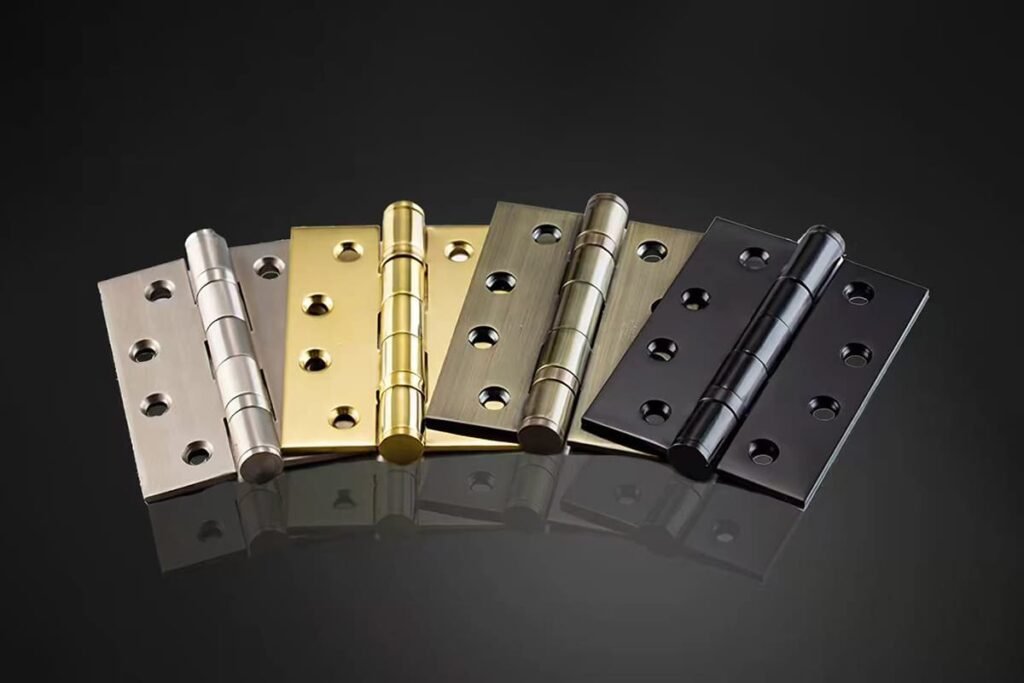
High vs. Low Quality Flush Hinges: What Makes the Real Difference?
Flush hinges can look almost identical on a quotation sheet, but their real quality may be very different. That creates a problem for buyers who compare only unit price. The risk grows when a hinge fails after installation. The solution is to check the hidden variables: material, thickness, shaft, bearing, surface treatment, and load capacity.
The real difference between high- and low-quality flush hinges is whether the hinge specification matches the door’s weight, usage frequency, environment, and durability requirements. Buyers should verify hinge leaf material, leaf thickness, bearing and shaft construction, surface protection, and stated load capacity before comparing price.
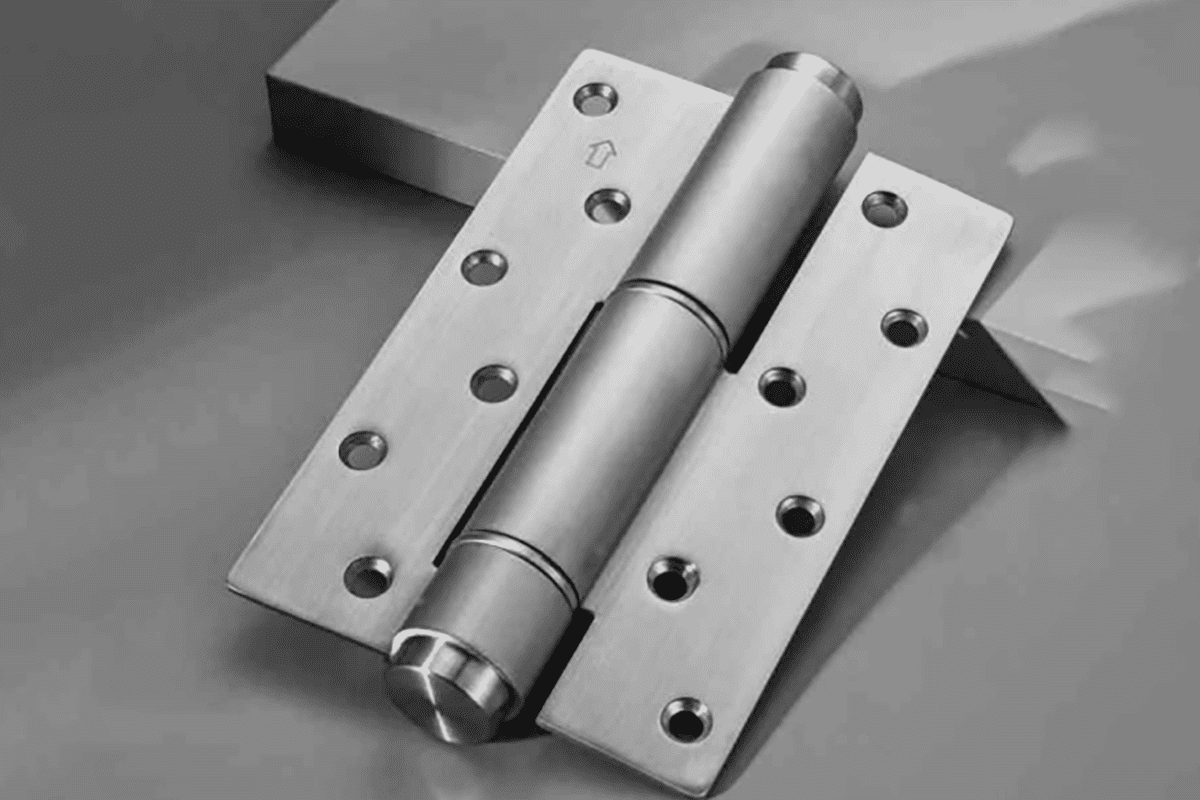
I have seen many buyers hold two flush hinges in their hands and say, “They look the same.” At first glance, they often do. But in factory production and inspection, I have learned that hinge quality is usually decided by details that are easy to miss.
How Do Material Choices Separate High and Low Quality Flush Hinges?
Material is the first quality divider, but it is not always obvious from a product photo. A hinge may look clean and bright, yet still use a lower-grade base material. If buyers do not confirm the material, they may accept a hinge that cannot handle the target market or door application.
High-quality flush hinges usually use stronger and more corrosion-resistant materials, such as 201 or 304 stainless steel1, while lower-cost versions may use zinc-plated iron hinge leaves with iron shafts and bearings. The right choice depends on the door type, environment, budget, and performance requirement.
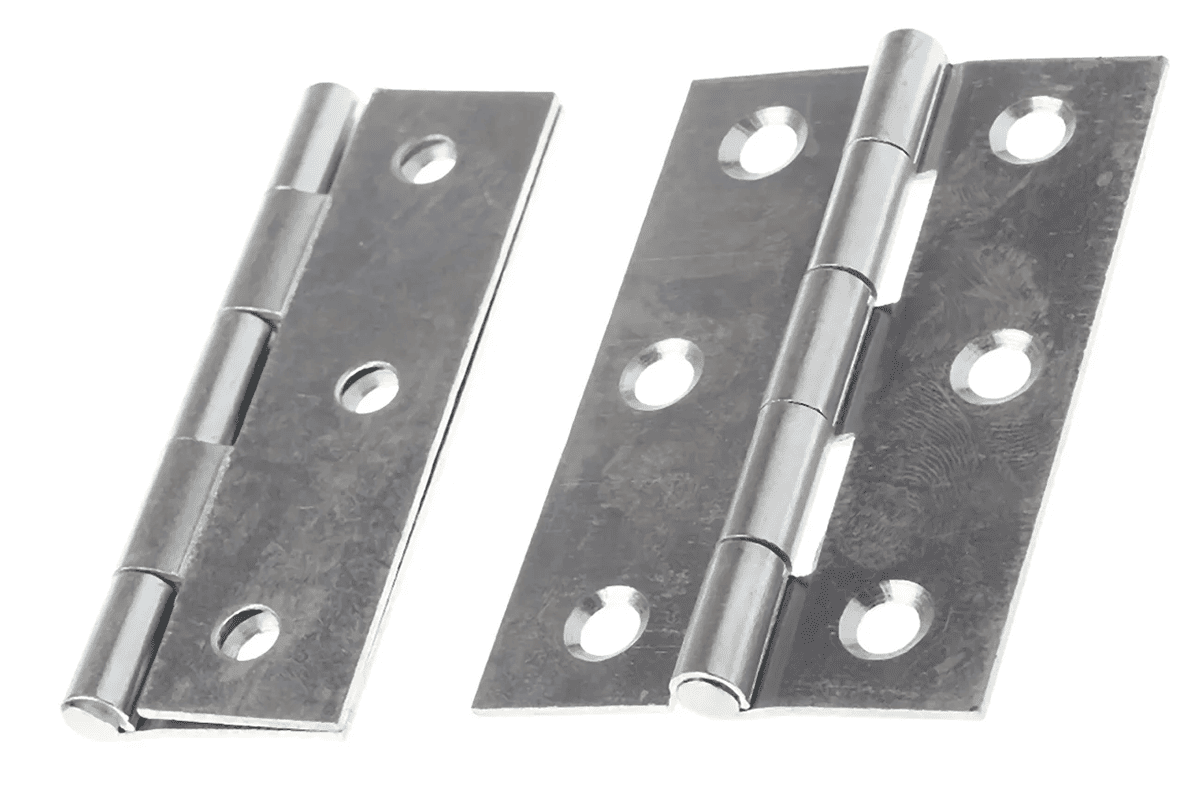
In my factory-side experience at SDH Hardware, material verification is one of the first checks I recommend for technical purchasers. It is simple, practical, and directly connected to long-term performance. A hinge leaf made from iron with zinc plating may be acceptable for some dry, light-duty applications.2 However, it should not be treated as equal to stainless steel in terms of corrosion resistance or long service life.
Common Material Options in Flush Hinges
Buyers often see the following material combinations:
| Component | Lower-Cost Version | Higher-Quality Version | Why It Matters |
|---|---|---|---|
| Hinge leaf | Zinc-plated iron | 201 or 304 stainless steel | Affects strength and corrosion resistance |
| Bearing | Iron | 201 stainless steel | Affects smooth movement and rust resistance |
| Shaft | Iron | 201 stainless steel | Affects hinge rotation and service life |
| Surface | Zinc plating | Stainless steel finish or treatment | Affects appearance and durability |
This comparison does not mean every iron hinge is unusable. It also does not mean every stainless steel hinge is automatically suitable for every project. A buyer should connect the material to the door’s expected use.
For example, a light interior cabinet or low-frequency door may not require the same specification as a heavy commercial door. However, if the project involves humid air, frequent operation, wider doors, or long-term warranty expectations, stainless steel becomes much more important.
What Buyers Should Ask Suppliers
When I help buyers compare flush hinges, I suggest asking direct questions:
- What is the hinge leaf material?
- Is the shaft iron or stainless steel?
- Is the bearing iron or stainless steel?
- Is the surface zinc plated, brushed, polished, or treated in another way?
- Can the supplier provide drawings, specifications, or inspection records after order confirmation?
These questions prevent vague answers like “good quality” or “standard model.” In B2B purchasing, a clear specification is more useful than a broad claim.
At SDH Hardware, I prefer to discuss product-level variables rather than use simple labels like cheap or premium. A lower-cost zinc-plated iron flush hinge can have a reasonable place in the market. But if a buyer expects the same corrosion resistance, smoothness, and load performance as a stainless steel version, the purchasing decision becomes risky.
The key point is simple: material is not only a cost factor. It is a performance factor.
Why Does Leaf Thickness Matter in Flush Hinges?
Leaf thickness is easy to overlook because a small difference may not look important. But when a door is heavy or used often, the hinge leaf must resist bending, deformation, and stress.3 If the hinge is too thin for the application, long-term alignment can become a problem.
For flush hinges, a 2.5 mm hinge leaf may be suitable for lighter-duty applications, while a 3.0 mm hinge leaf offers stronger structural support4. The correct thickness should be selected according to door weight, door width, installation method, and expected usage frequency.
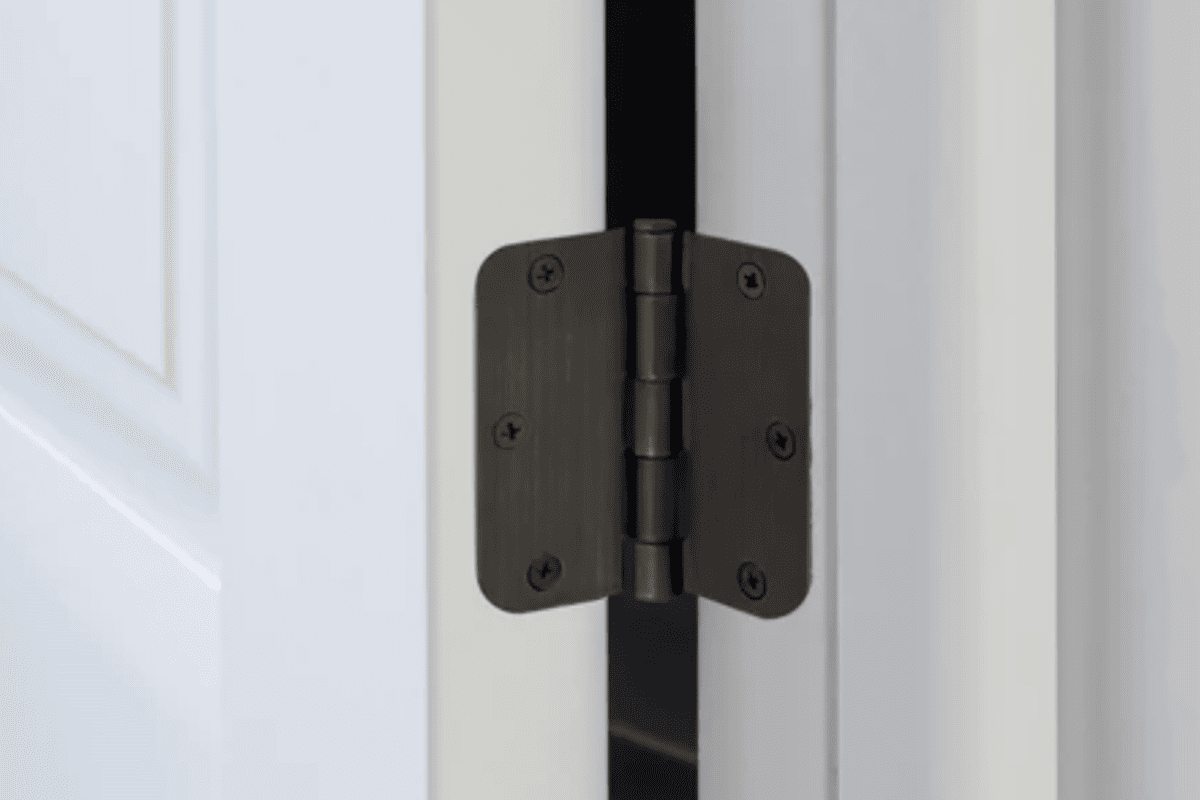
In a practical product comparison, I often explain the difference between a 2.5 mm zinc-plated iron flush hinge and a 3.0 mm stainless steel flush hinge. The difference is only 0.5 mm on paper. But in hardware, small dimensional changes can affect stiffness, stability, and resistance to deformation.
Why 0.5 mm Can Matter
A hinge leaf carries load through the fixing points and the rotating axis. When the door opens and closes, force is not applied in a perfectly static way. The hinge experiences:
- Vertical load from the door weight
- Rotational force during opening and closing
- Pulling force around the screw holes
- Side stress if installation is not perfectly aligned
- Repeated fatigue after thousands of cycles
A thicker hinge leaf can usually provide better resistance against bending. It can also help the hinge maintain better alignment when the door is heavier or used more frequently.
Practical Comparison
| Specification Point | 2.5 mm Version | 3.0 mm Version |
|---|---|---|
| Hinge leaf thickness | 2.5 mm | 3.0 mm |
| Typical material in this comparison | Zinc-plated iron | Stainless steel |
| Approximate load rating in this comparison | Around 40 kg | Around 60 kg |
| Best suited for | Lighter-duty use | Heavier or higher-use doors |
| Main advantage | Lower cost | Better structural support |
This table describes a confirmed product-level comparison. It should not be treated as a universal rule for every flush hinge model. Different hinge sizes, screw designs, materials, and installation conditions will also affect performance.
How Buyers Should Evaluate Thickness
I recommend that buyers avoid asking only, “How thick is it?” A better question is:
“Is this thickness suitable for my door weight, door size, frame material, and usage frequency?”
For example, a narrow and light interior door may perform well with a lighter hinge specification. But a wider door creates more leverage. A high-frequency commercial door also creates more wear. In those cases, the stronger hinge leaf may be worth the additional cost.
Door factories and hardware importers should also check dimensional consistency. If the hinge leaf thickness varies too much across production batches, installation and brand reputation can suffer. For ODM and OEM orders, it is useful to confirm drawings and inspection standards before mass production.
At SDH Hardware, I usually treat thickness as part of a full hinge selection process, not as a single isolated number. Material, shaft, bearing, screws, and installation all matter. Still, when buyers compare high and low quality flush hinges, leaf thickness is one of the clearest signs of structural difference.
How Do Bearing and Shaft Materials Affect Flush Hinges?
A flush hinge does not only need to hold the door. It also needs to move smoothly. Buyers sometimes focus on the hinge leaf and forget the bearing and shaft. That creates a hidden risk because the rotating parts often decide how the hinge feels after repeated use.
Bearing and shaft materials affect smoothness, friction, rust resistance, and service life. Iron bearings and shafts are more vulnerable to corrosion and rough movement5, while 201 stainless steel bearings and shafts usually provide better durability and more stable operation in demanding applications.
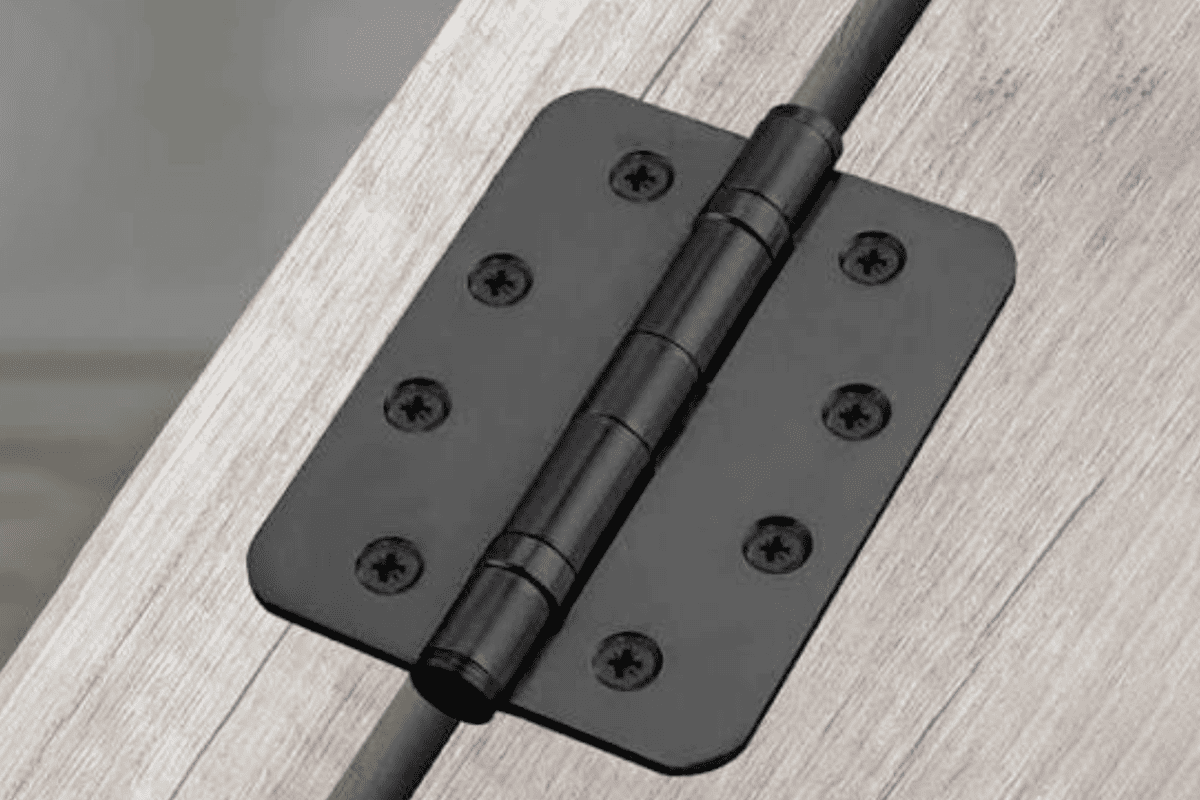
When I inspect flush hinges, I do not stop at the outside appearance. I also check the rotation. A hinge can have a nice surface but still feel rough if the shaft or bearing quality is weak. This is especially important for buyers who sell to door manufacturers or brand distributors, because their customers will feel the hinge every day.
The Role of the Shaft
The shaft is the central rotating part of the hinge. It connects the hinge leaves and allows movement. If the shaft rusts, wears quickly, or lacks proper dimensional accuracy, the hinge may become noisy or stiff.
A good shaft should support:
- Smooth rotation
- Stable alignment
- Low friction
- Resistance to rust
- Consistent performance after repeated use
In the lower-cost comparison from our confirmed product knowledge, the hinge uses an iron shaft. In the higher-quality version, the hinge uses a 201 stainless steel shaft. The stainless steel option gives better resistance against rust and friction-related deterioration.
The Role of Bearings
Bearings help reduce friction between moving parts.6 In flush hinges, bearing quality affects how easily the door opens and closes. Poor bearing material can lead to rough operation, faster wear, and reduced long-term reliability.
| Component | Lower-Cost Option | Higher-Quality Option | Buyer Impact |
|---|---|---|---|
| Shaft | Iron | 201 stainless steel | Better rust resistance and smoother rotation |
| Bearing | Iron | 201 stainless steel | Less friction and improved durability |
| Movement feel | May be acceptable at first | More stable over time | Better user experience |
| Maintenance risk | Higher in humid or frequent-use settings | Lower when properly specified | Fewer complaints |
Why This Matters for B2B Buyers
A homeowner may describe a hinge as “noisy” or “not smooth.” But for a door factory or brand importer, those complaints become commercial problems. They can lead to returns, warranty claims, or pressure from downstream customers.
This is why I recommend that buyers test hinge movement before confirming a large order. The test does not need to be complicated at the quotation stage. A buyer can request samples and check:
- Whether the hinge opens smoothly
- Whether movement feels loose or unstable
- Whether there is visible rust risk on the shaft or bearing
- Whether the hinge creates noise during rotation
- Whether the supplier can keep the same construction in mass production
For project-specific performance, especially fire-rated doors or special door systems, buyers should request relevant documents and consult qualified technical professionals. A supplier’s statement is useful, but it should be supported by product specifications, certificates where applicable, and inspection procedures.
Bearing and shaft materials are not decorative details. They are central to performance. If two flush hinges look the same from the outside, the shaft and bearing may still make them very different products.
How Should Buyers Read Load Capacity for Flush Hinges?
Load capacity is one of the most quoted hinge specifications, but it is also one of the easiest to misunderstand. A buyer may see “40 kg” or “60 kg” and make a quick decision. That can be risky because load rating must be connected to real installation conditions.
For flush hinges, load capacity should be matched to door weight, door width, usage frequency, frame strength, screw fixing, and installation accuracy.7 In one practical comparison, a lower-cost version supports around 40 kg, while a stronger stainless steel version supports around 60 kg.
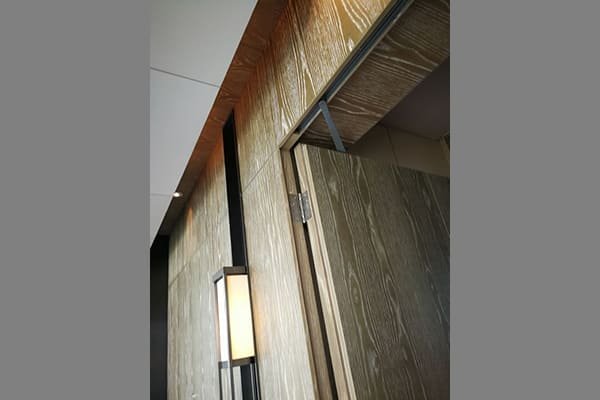
I always remind buyers that load capacity is not just a number printed in a catalogue. It is a selection guide. The actual performance of flush hinges depends on the full door system.
Why Door Weight Is Only One Factor
Door weight matters, but it is not the only factor. A 40 kg door may place different stress on hinges depending on door width, height, and daily use. A wider door creates more leverage.8 A frequently used door creates more repeated movement. A poorly installed hinge may fail earlier than expected.
Buyers should consider:
- Door weight
- Door width and height
- Number of hinges used per door
- Door frame material
- Screw type and screw holding strength
- Opening frequency
- Indoor or humid environment
- Installer skill and accuracy
If a door is near the stated load limit, I usually recommend moving to a stronger specification or using an approved hinge arrangement. This is especially important for commercial projects, hospitality doors, school doors, office doors, and other higher-use applications.
Practical Load Comparison
| Product Variable | Lower-Cost Flush Hinge | Higher-Quality Flush Hinge |
|---|---|---|
| Leaf material | Zinc-plated iron | Stainless steel |
| Leaf thickness | 2.5 mm | 3.0 mm |
| Shaft material | Iron | 201 stainless steel |
| Bearing material | Iron | 201 stainless steel |
| Approximate load rating | Around 40 kg | Around 60 kg |
| Better for | Light-duty doors | Heavier or more frequent-use doors |
Again, this is a practical comparison from confirmed product-level variables. It is not a universal performance claim for every hinge in the market. Buyers should always verify the supplier’s specification and request suitable documentation when required.
How Many Hinges Should Be Used?
Many doors use two or three hinges, but the right number depends on the door structure and project requirement. More hinges do not automatically solve every problem if the hinge is poorly made or badly installed. However, correct hinge quantity and spacing can improve load distribution9.
A buyer should ask:
- What is the recommended door weight for this hinge model?
- How many hinges are required for the stated load?
- What screw size and fixing method are recommended?
- Has the hinge been tested or inspected according to the supplier’s internal quality system?
- Can the specification be customized for the target market?
At SDH Hardware, our work with door factories and hardware brand enterprises has shown me that successful hinge selection is rarely based on price alone. A good buyer connects load capacity to the actual door system. A good supplier provides clear specifications, not vague promises.
For critical applications, buyers should consult qualified engineers, project consultants, or door system specialists. This is especially important where fire-rated performance, public safety, or building code compliance is involved.
Is Surface Treatment Enough to Judge Quality Flush Hinges?
Surface treatment can make a hinge look attractive, but appearance alone does not prove long-term quality. A bright zinc-plated hinge may look acceptable in a showroom. The problem appears later if the base material and coating cannot handle the environment.
Surface treatment is important, but it should not be judged only by appearance. Zinc plating on iron can improve initial appearance and basic protection, while stainless steel usually provides stronger long-term corrosion resistance, especially in humid, coastal, or higher-use environments.
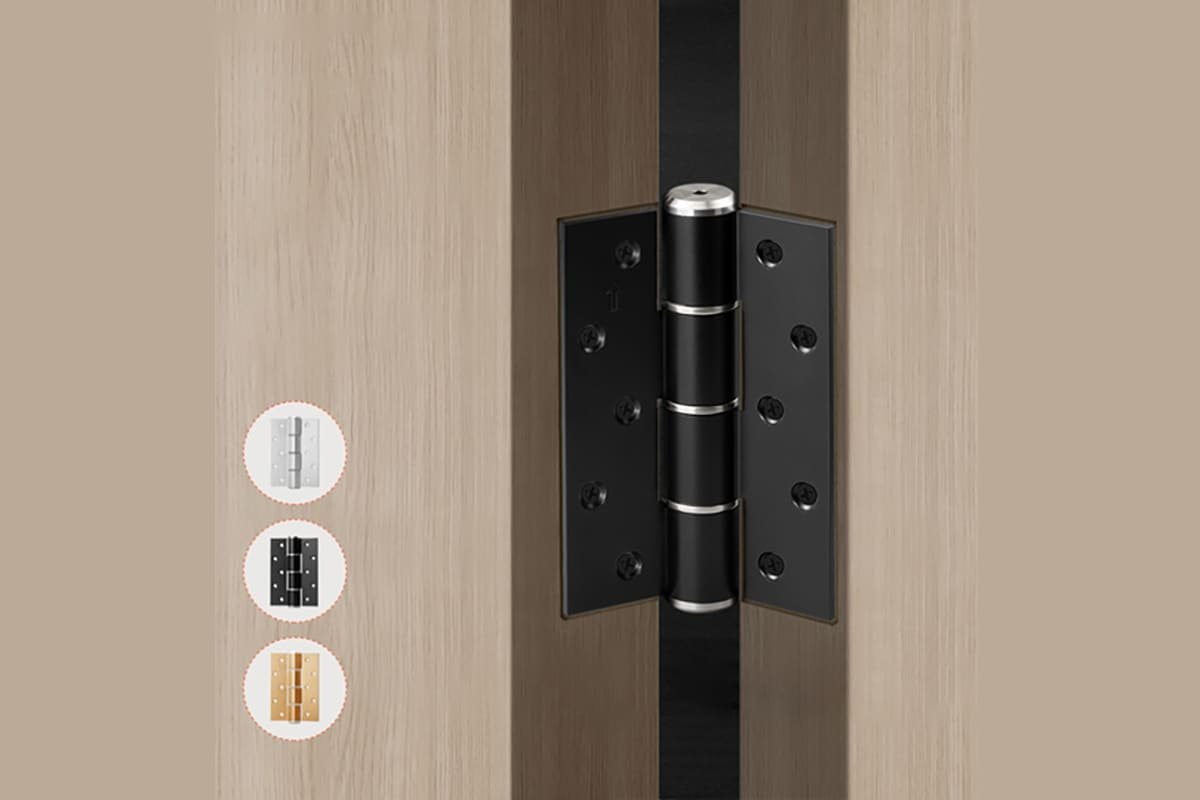
I have seen buyers compare samples under office lighting and choose the one that looks brighter. I understand why. A clean finish helps sell hardware. But in procurement, the better question is not “Which hinge looks better today?” The better question is “Which hinge will still perform after months or years of real use?”
Zinc Plating vs. Stainless Steel
Zinc plating is a common surface treatment for iron hardware. It can improve appearance and provide a level of corrosion protection.10 It is also cost-effective. However, if the plating is damaged or the environment is humid, the iron base material may be more vulnerable to rust.11
Stainless steel has corrosion resistance built into the material itself. This does not mean stainless steel can never corrode. Grade, environment, cleaning chemicals, and exposure conditions all matter. But for many architectural hardware applications, stainless steel gives stronger long-term protection than zinc-plated iron.
| Surface / Material Type | Main Advantage | Main Limitation | Best-Fit Use |
|---|---|---|---|
| Zinc-plated iron | Lower cost and acceptable appearance | Lower corrosion resistance if coating is damaged | Dry, lighter-duty applications |
| 201 stainless steel | Better corrosion resistance and strength | Less corrosion-resistant than 304 in harsh environments | General architectural hardware |
| 304 stainless steel | Stronger corrosion resistance | Higher cost | Humid, coastal, or higher-spec projects |
What Buyers Should Inspect
A buyer should inspect both surface quality and base construction. Important checks include:
- Surface uniformity
- No obvious scratches or dents
- No peeling or plating defects
- Consistent color across batch
- Clean edges and holes
- Confirmed base material
- Confirmed shaft and bearing material
For brand importers, consistency matters as much as the first sample. A beautiful sample does not help if mass production varies. That is why I recommend confirming finish standards, packaging protection, and final inspection procedures before shipment.
Environment Changes the Requirement
A hinge used in a dry interior room has a different risk profile from a hinge used near humidity, cleaning chemicals, or coastal air. Buyers in the Middle East, Europe, and Southeast Asia often face different climate and project needs. The same flush hinges may not be equally suitable for every region.
For example:
- Humid markets need stronger corrosion resistance.
- High-use commercial doors need better movement stability.
- Budget-sensitive projects may accept zinc-plated options if the environment is controlled.
- Brand programs usually need stable finish consistency across orders.
Surface treatment should be evaluated together with material, thickness, shaft, bearing, and load. If buyers only compare the visible finish, they may miss the real quality structure behind the product.
Frequently Asked Questions
Are stainless steel flush hinges always better than iron flush hinges?
Stainless steel flush hinges usually offer better corrosion resistance and durability, but they are not automatically required for every project. Iron hinges with zinc plating may be acceptable for lighter-duty, dry applications. Buyers should match material to door weight, environment, usage frequency, and budget.
Is a 3.0 mm flush hinge always necessary?
A 3.0 mm hinge leaf usually provides stronger support than a 2.5 mm leaf, but it is not always necessary. Light doors may perform well with a thinner hinge if the material, shaft, bearing, and installation are suitable. Heavier or high-use doors often need stronger specifications.
Why do bearing and shaft materials matter so much?
Bearing and shaft materials affect smoothness, friction, rust resistance, and service life. Iron shafts and bearings may wear or rust faster in demanding conditions. Stainless steel shafts and bearings usually provide smoother long-term operation when the hinge is correctly selected and installed.
How should I compare flush hinge load capacity between suppliers?
You should compare load capacity together with hinge size, material, thickness, shaft, bearing, number of hinges per door, screw fixing, and installation conditions. A 40 kg or 60 kg rating is only meaningful when it matches the full door system and real usage frequency.
What documents should buyers request before bulk ordering flush hinges?
Buyers should request product drawings, material specifications, finish details, load information, packaging requirements, and inspection standards. For regulated or project-specific applications, buyers should also verify certificates and consult qualified professionals before final selection.
Conclusion
High and low quality flush hinges differ in more than surface appearance. The real difference comes from material, leaf thickness, shaft and bearing construction, surface protection, and load capacity. A 2.5 mm zinc-plated iron hinge rated around 40 kg may suit some lighter applications, while a 3.0 mm stainless steel hinge rated around 60 kg can offer stronger support for more demanding use. If you are comparing suppliers, I recommend checking the full specification before comparing price. Contact SDH Hardware for factory-direct flush hinge evaluation, OEM/ODM customization, and bulk supply support.
"Revealing the Corrosion Resistance of 316 L Stainless Steel ...", https://pmc.ncbi.nlm.nih.gov/articles/PMC9920300/. Materials references describe stainless steel corrosion resistance as arising from a chromium-rich passive film, supporting the distinction between stainless hinge components and iron-based alternatives, while noting that performance depends on alloy grade and exposure conditions. Evidence role: expert_consensus; source type: research. Supports: The source should explain that stainless steels resist corrosion through chromium-rich passive films and that corrosion resistance varies by alloy grade.. Scope note: This supports the general material comparison, not the performance of any specific hinge model. ↩
"The Effect of Zinc Bath Formulation on the Corrosion ... - PMC", https://pmc.ncbi.nlm.nih.gov/articles/PMC11923840/. Corrosion-control references identify zinc coatings as sacrificial protection for ferrous metals and indicate that service life is strongly exposure-dependent, which contextualizes the use of zinc-plated iron in dry, light-duty settings. Evidence role: general_support; source type: government. Supports: The source should show that zinc coatings provide sacrificial corrosion protection for steel but that coating life depends strongly on exposure conditions.. Scope note: The source would support environmental suitability in general rather than certify a particular flush hinge application. ↩
"2.080 Structural Mechanics Lecture 7: Bending Response ...", https://ocw.mit.edu/courses/2-080j-structural-mechanics-fall-2013/f8fd2ad49d100766335b4e129a8a4791_MIT2_080JF13_Lecture7.pdf. Engineering mechanics texts describe bending stress and deformation in load-bearing members, supporting the claim that hinge leaves must resist bending and stress under door weight and repeated operation. Evidence role: mechanism; source type: education. Supports: The source should explain how structural members under load experience bending stress and deformation, relevant to hinge leaves carrying door loads.. Scope note: This is a mechanics-based contextual citation rather than a hinge-specific laboratory result. ↩
"Bending of plates", https://en.wikipedia.org/wiki/Bending_of_plates. Mechanics of materials references show that bending stiffness is governed by the second moment of area and increases strongly with section thickness, supporting the statement that a thicker hinge leaf can offer greater structural support. Evidence role: mechanism; source type: education. Supports: The source should support that bending stiffness of plate-like or beam-like members increases substantially with thickness.. Scope note: The citation explains the underlying mechanism and does not quantify the load rating of the specific 3.0 mm hinge described. ↩
"Evaluation of Corrosion and Its Impact on the Mechanical ...", https://pmc.ncbi.nlm.nih.gov/articles/PMC11278749/. Tribology and corrosion studies report that corrosion products and surface degradation can increase friction and wear in ferrous moving components, supporting the link between iron hinge internals, corrosion risk, and rougher movement. Evidence role: mechanism; source type: research. Supports: The source should support that corrosion and wear on ferrous moving components can increase friction, surface roughness, and performance degradation.. Scope note: The evidence is mechanism-based and may not measure the exact bearing and shaft designs discussed in the article. ↩
"Bearing (mechanical)", https://en.wikipedia.org/wiki/Bearing_(mechanical). Standard mechanical references define bearings as machine elements used to reduce friction and support relative motion, directly supporting the description of their role in hinge movement. Evidence role: definition; source type: encyclopedia. Supports: The source should define bearings as mechanical elements that constrain motion and reduce friction between moving parts.. ↩
"SECTION 087111 - DOOR HARDWARE (SCHEDULED BY ...", https://fpm.usc.edu/wp-content/uploads/2021/11/087102-USC-HSC-door-hardware-Guide-Specification_1.pdf. Architectural hardware guidance and hinge standards treat hinge selection as a function of door weight, size, usage category, mounting conditions, and hardware configuration, supporting the article’s multi-factor interpretation of load capacity. Evidence role: general_support; source type: institution. Supports: The source should show that hinge selection depends on door weight, dimensions, frequency, frame conditions, fasteners, and installation factors.. Scope note: The citation would support the selection framework rather than validate the article’s specific 40 kg or 60 kg examples. ↩
"28.18 -- Open door to demonstration preparation area", https://web.physics.ucsb.edu/~lecturedemonstrations/Composer/Pages/28.18.html. Physics references define torque as force multiplied by moment arm distance, supporting the statement that a wider door can impose greater leverage on its hinges. Evidence role: mechanism; source type: education. Supports: The source should explain that torque increases as the perpendicular distance from the pivot or axis increases.. Scope note: This explains the mechanical principle and does not calculate loads for a specific door-and-hinge assembly. ↩
"Everything you need to know about Commercial Door Hinges", https://www.mckinneyhinge.com/en/resource-library/knowledge-center/blog/blog-post.aehdynamic-everything-you-need-to-know-about-commercial-door-hinges-top-10-commercial-contractors-hinge-installation-questions-633f18001fa7df003d7c229b_mckinney.html. Door-hardware technical guidance treats hinge number and placement as variables in supporting door weight and maintaining alignment, supporting the claim that correct quantity and spacing contribute to load distribution. Evidence role: general_support; source type: institution. Supports: The source should support that hinge quantity and placement are part of load distribution and door-hardware performance.. Scope note: The source would provide general installation context and may not address flush hinges specifically. ↩
"NASA Parts Selection List (NPSL) - Zinc Plating Prohibition", https://nepp.nasa.gov/npsl/prohibited/zinc_prohibition.htm. Corrosion references describe zinc coatings on steel as protective finishes that provide sacrificial corrosion resistance and a controlled surface appearance, supporting the article’s description of zinc plating on iron hardware. Evidence role: general_support; source type: government. Supports: The source should explain that zinc plating or zinc coatings are used on ferrous metals for corrosion protection and surface finish.. Scope note: The source supports the coating function generally and does not specify the coating thickness or durability of the hinges discussed. ↩
"Effects of Ambient Temperature and State of Galvanized Layer ...", https://pmc.ncbi.nlm.nih.gov/articles/PMC10220731/. Corrosion science sources explain that iron rusting is promoted by moisture and oxygen and that breaches in protective coatings can expose the substrate, supporting the warning about damaged plating in humid environments. Evidence role: mechanism; source type: education. Supports: The source should support that moisture and oxygen promote rusting of iron and that coating damage can expose the ferrous substrate.. Scope note: The source establishes the corrosion mechanism, not the expected service life of a particular plated hinge. ↩