
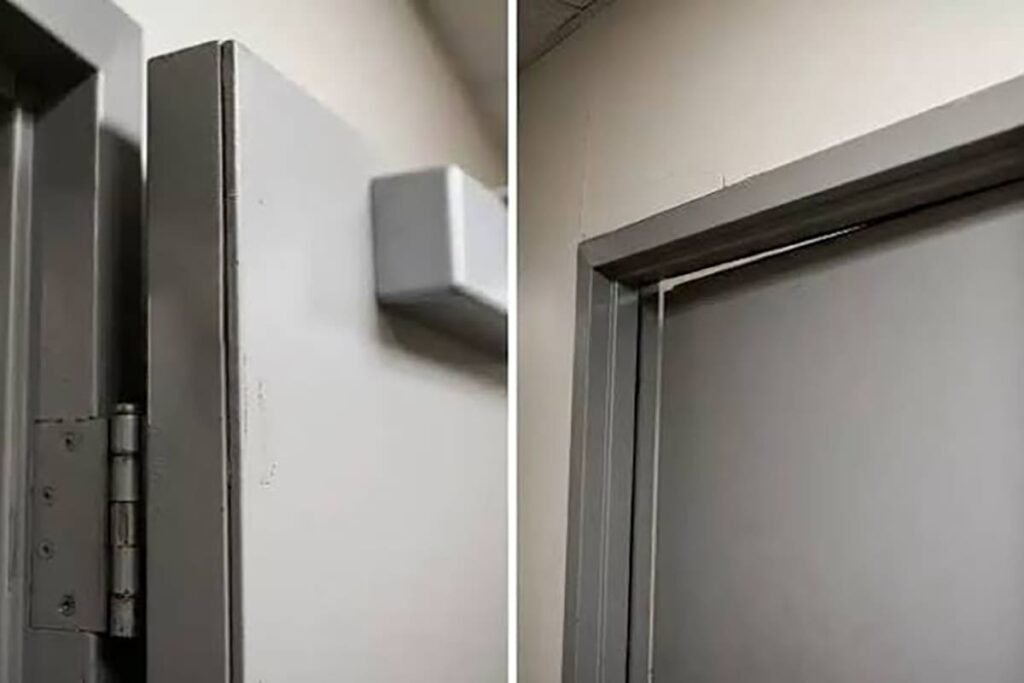
What Makes Hinges Suitable for Outdoor Industrial Use?
Hinges suitable for outdoor industrial use must do more than carry a heavy door. Many buyers only ask for “heavy-duty hinges,” but outdoor exposure adds corrosion, wind, dust, moisture, tampering, and maintenance risks.1 The better solution is to evaluate the hinge as part of the full door system and environment.
Hinges are suitable for outdoor industrial use when they combine corrosion-resistant materials or finishes, reinforced load-bearing structure, secure pin or anti-removal design, and correct matching with the door weight, width, usage frequency, and installation conditions. “Heavy-duty” alone is not enough because outdoor failure often starts with rust, loosening, sagging, or poor specification matching.
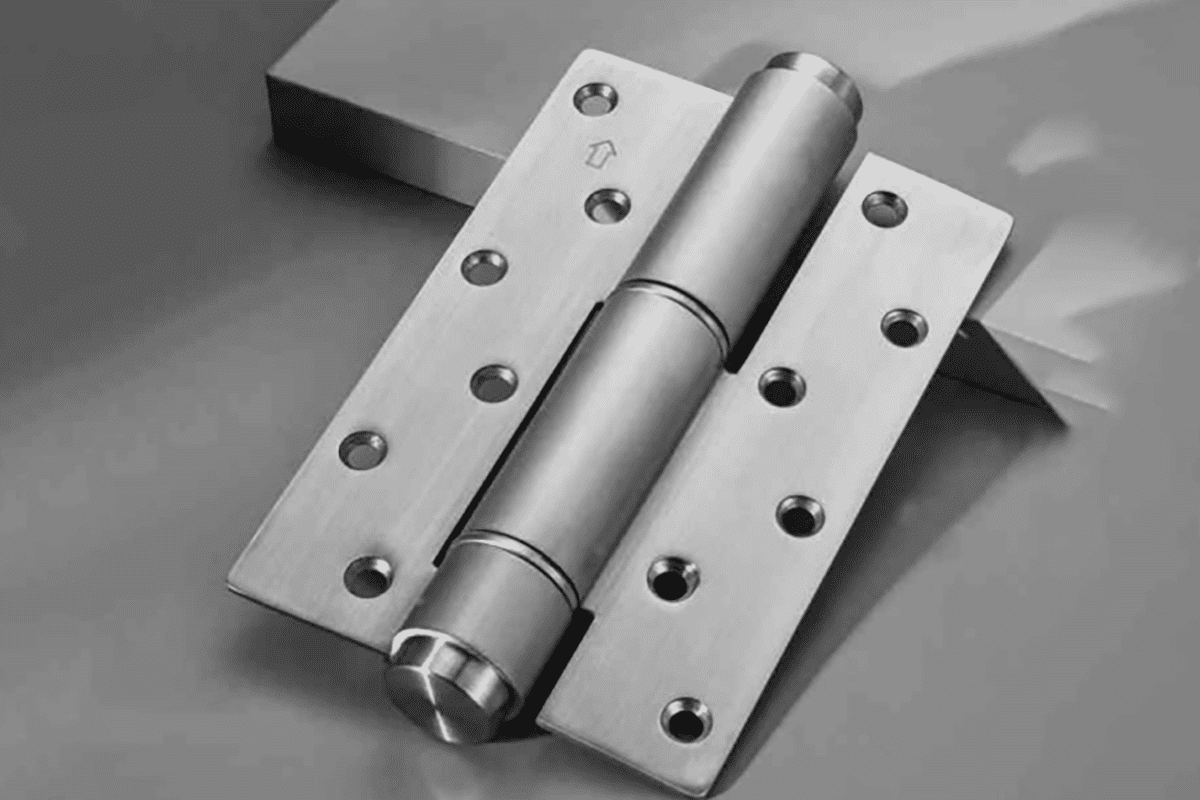
In my factory-side conversations with door manufacturers and hardware brands, I often see the same issue. The buyer asks for the strongest hinge, but the real question should be: Which hinge is suitable for this door, this environment, and this installation method?
Why Are Hinges Suitable for Outdoor Industrial Use Different From Indoor Hinges?
Indoor hinges can work well in clean, dry, stable environments. Outdoor industrial doors face harder conditions.2 Rain, humidity, dust, wind load, temperature change, and unauthorized access all create extra risk. If buyers ignore these factors, even a strong-looking hinge can fail early.
Hinges suitable for outdoor industrial use differ from indoor hinges because they must resist corrosion, support higher and more dynamic loads, reduce tampering risk, and maintain movement under harsh exposure. The hinge must be selected according to the door structure, opening frequency, installation position, and site environment.
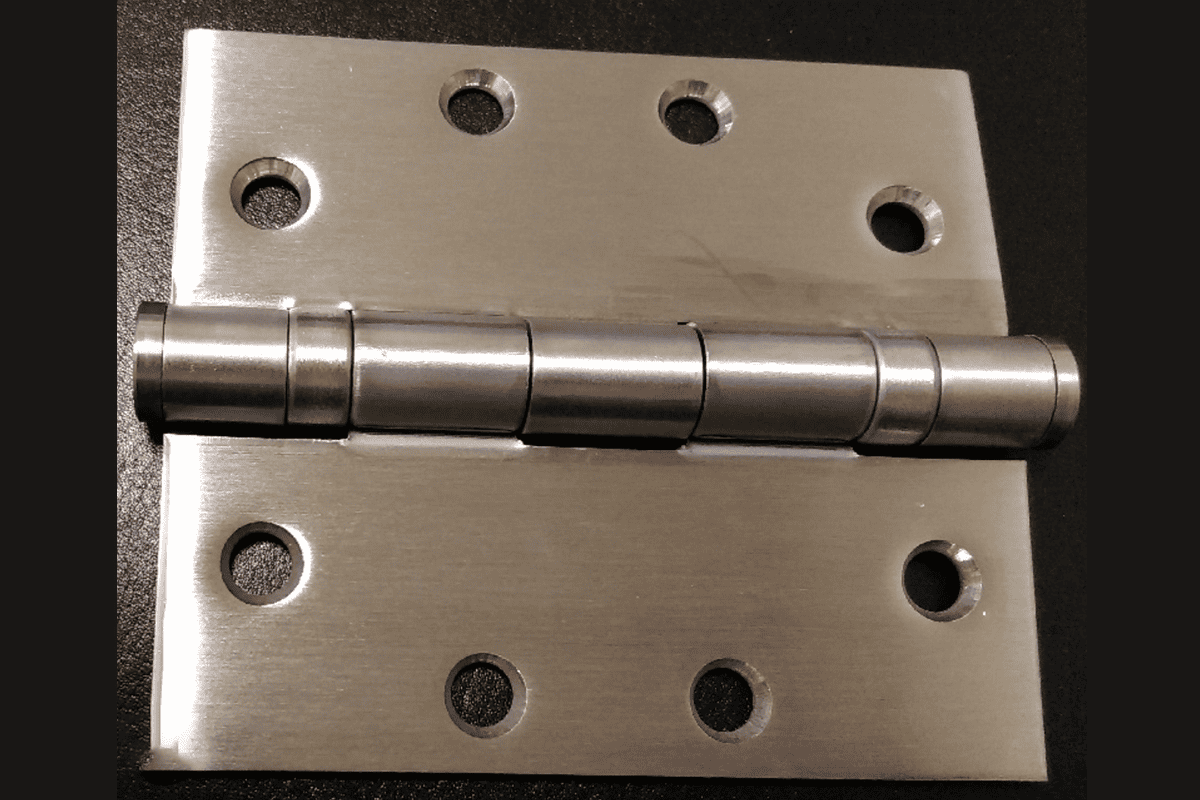
Outdoor Exposure Changes the Evaluation Standard
When I review hinge specifications with customers, I rarely start with size alone. A 4-inch hinge, 5-inch hinge, or 6-inch hinge does not automatically tell the full story. The same hinge may perform differently on a warehouse steel door, a fire-rated service door, a coastal utility room, or an exterior access gate.
Outdoor industrial doors may face:
- Rain and standing moisture
- High humidity or condensation
- Dust, sand, or airborne particles
- Temperature changes
- Wind pressure on wide doors
- Frequent opening by staff or equipment
- Possible tampering or theft attempts
- Irregular maintenance schedules
These conditions make the hinge work harder. The hinge is not only a rotating connector. It is a load-bearing, alignment-keeping, and security-supporting component.
Indoor Hinges Often Fail Outdoors for Predictable Reasons
A hinge designed for indoor use may look acceptable at first. However, outdoor conditions expose weak points quickly.
| Risk Factor | Common Result | Buyer Concern |
|---|---|---|
| Moisture and rain | Corrosion on leaves, pins, or screws | Shorter service life |
| Heavy door weight | Door sagging or rubbing | Rework and warranty claims |
| Wind load | Loosening or deformation | Unsafe operation |
| Dust and dirt | Stiff movement | Maintenance complaints |
| Exposed pin | Easier forced removal | Security risk |
| Poor screw fixing | Hinge movement at frame | Alignment problems |
The most common mistake is using the phrase “heavy-duty” as a complete specification. Heavy-duty usually suggests stronger material or thicker construction, but it does not automatically confirm outdoor suitability.
The Better Procurement Question
Instead of asking, “Which hinge is strongest?” I suggest buyers ask:
- What is the door weight and size?
- How often will the door open per day?
- Will the door face rain, humidity, salt air, chemicals, or dust?
- Is the hinge pin exposed from the outside?
- What frame material and fixing method will be used?
- Is any fire-rated or CE documentation required by the project?
- Can the supplier provide drawings, material details, finish options, and inspection support?
At SDH Hardware, we use these questions during order specification confirmation. This process helps avoid the common problem of selecting a hinge based only on appearance or catalog size. It also helps door factories and importers reduce rework before production begins.
How Does Corrosion Resistance Make Hinges Suitable for Outdoor Industrial Use?
Corrosion is one of the main reasons outdoor hinges fail.3 A hinge may have enough strength at delivery, but rain, humidity, or harsh air can attack the surface, pin, screw area, and knuckle joint. Once corrosion starts, movement and alignment can suffer.
Corrosion resistance makes hinges suitable for outdoor industrial use by protecting the hinge leaves, pin, knuckle area, and fixing points from moisture-related damage. Buyers should evaluate stainless steel grade, surface treatment, plating quality, coating coverage, and environmental exposure before confirming the hinge specification.
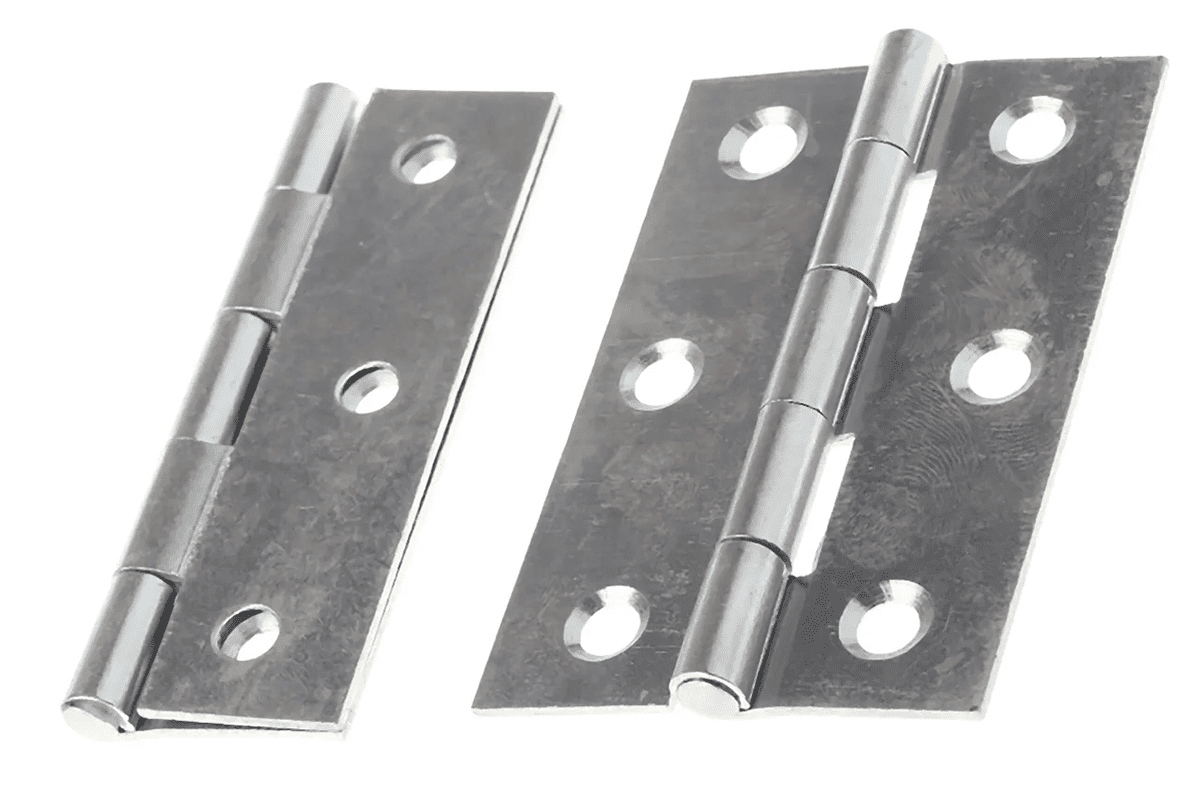
Corrosion Protection Starts With Material Selection
Stainless steel is a common choice for outdoor hinges, but I avoid saying that stainless steel is always rust-proof. It is more accurate to say that stainless steel offers improved corrosion resistance compared with many ordinary steels, depending on the grade, environment, surface condition, and maintenance.4
For procurement teams, this distinction matters. A hinge used in a mild inland environment may not need the same protection as a hinge used near the sea, in a chemical plant, or in a high-humidity industrial zone.
Common protection approaches include:
- Stainless steel material
- Galvanized steel
- Zinc plating
- Powder coating
- PVD or other decorative finishes
- Special anti-corrosion surface treatment
- Material and finish combinations
Each option has trade-offs. Stainless steel may improve corrosion resistance, but buyers still need to consider grade and exposure. Coatings can protect the base material, but scratches, edge coverage, and installation damage may affect performance.5
Key Areas Buyers Should Inspect
Corrosion does not only appear on the flat hinge leaf. It often begins at more vulnerable points.
| Hinge Area | Why It Matters | What Buyers Should Check |
|---|---|---|
| Hinge leaf surface | Main exposed area | Finish consistency and coverage |
| Knuckle joint | Moisture can collect here | Smooth rotation and protection |
| Pin or axis core | Critical movement part | Material and anti-corrosion design |
| Screw holes | Coating may be thinner at edges | Burrs, rust risk, and fit |
| Cut edges | Exposed base material risk | Edge treatment quality |
| Welded or assembled areas | Possible weak protection point | Surface preparation and finish |
When I check hinge samples, I pay close attention to the knuckle and screw holes. These areas are easy to overlook, but they often affect long-term satisfaction after installation.
Match the Finish to the Environment
The correct finish depends on the project. A warehouse door under a roof canopy has different needs from an exterior door fully exposed to rain. A coastal project is different again.
Buyers should define:
- Indoor, semi-outdoor, or fully outdoor use
- Direct rain exposure
- Humidity level
- Salt-air exposure
- Chemical exposure
- Expected maintenance interval
- Required appearance after installation
For B2B sourcing, I also recommend asking the supplier for material information, finish description, product drawings, and available certification documents where relevant. If the project requires CE or fire-rated documents, the buyer should verify whether the specific hinge model, configuration, and application are covered.6 Certification should not be assumed across all products or all installation conditions.
A corrosion-resistant hinge is not selected by material name alone. It is selected by matching material, finish, exposure, maintenance, and project requirements.
How Do Load Capacity and Structure Make Hinges Suitable for Outdoor Industrial Use?
A hinge can corrode slowly, but load failure can create faster and more visible problems. Outdoor industrial doors are often heavier, wider, and used more aggressively than residential doors. If the hinge structure is not matched correctly, the door may sag, bind, scrape, or loosen.
Load capacity and structure make hinges suitable for outdoor industrial use by supporting the door’s weight, resisting deformation, and maintaining alignment during repeated opening. Important factors include hinge leaf thickness, pin strength, knuckle design, bearing structure, number of hinges, screw fixing, and door-frame compatibility.
Load Capacity Is More Than a Catalog Number
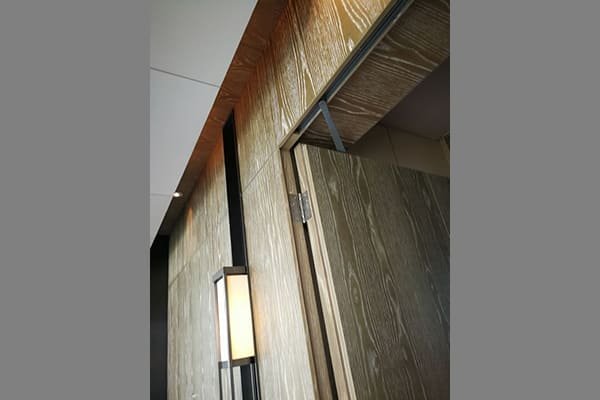
Many buyers ask for load capacity first. That is reasonable, but the number only helps when the door details are clear. A hinge does not work alone. It works with the door leaf, frame, screws, reinforcement plates, and installation quality.7
Important door data includes:
- Door weight
- Door height
- Door width
- Door thickness
- Door material
- Frame material
- Opening angle
- Opening frequency
- Wind exposure
- Number of hinges per door
- Fixing method
A narrow, heavy door and a wide, medium-weight door may create different stress on the hinge. A wide door can create greater leverage on the hinge side, especially in outdoor wind.8 This is why buyers should not compare hinges only by leaf size.
Structural Features That Improve Load Support
For outdoor industrial hinges, the structure should be reinforced according to the actual application. Common features include:
- Thicker hinge leaves
- Stronger pin or axis core
- Optimized knuckle arrangement
- Wider leaf design for better load distribution
- Bearing or washer design for smoother movement
- More fixing holes or stronger fixing layout
- Precision machining for better alignment
- Compatible screws or bolts
These features reduce common risks:
| Structural Feature | Practical Benefit | Risk Reduced |
|---|---|---|
| Thicker leaves | Better resistance to bending | Door sagging |
| Stronger pin | Better rotation support | Axis wear or breakage |
| Optimized knuckles | More stable force distribution | Misalignment |
| Bearing support | Smoother high-frequency use | Friction and noise |
| Strong fixing points | Better frame connection | Loosening |
| Proper machining | Better fit between parts | Uneven movement |
At SDH Hardware, our production discussions often focus on these practical details. A buyer may request a custom hinge size, surface treatment, or hole position. In those cases, we confirm drawings and specifications before production because small design details can affect installation and long-term performance.
The Number of Hinges Matters
A common procurement mistake is choosing a strong hinge but using too few hinges on the door. The load should be distributed correctly. Heavy or tall industrial doors may need additional hinges, depending on the door design and project standard.
Buyers should confirm this with the door manufacturer or a qualified project engineer. I can explain hinge options from a manufacturing perspective, but application-specific load calculations should be checked by professionals when safety or compliance is involved.
Installation Can Make or Break the Hinge
Even a well-made hinge can fail if installation is poor.9 Loose screws, weak frame material, misaligned hinge positions, and missing reinforcement plates can cause early problems.
A practical installation checklist includes:
- Confirm hinge spacing before drilling.
- Use fixing screws or bolts suitable for the door and frame.
- Check that the frame has enough reinforcement.
- Align all hinge axes accurately.
- Avoid damaging the protective finish during installation.
- Test opening and closing before final handover.
- Plan maintenance access for lubrication or inspection if needed.
The hinge should not compensate for a weak frame or poor installation. For outdoor industrial use, the full door assembly must work together.
Why Do Anti-Removal Features Matter for Outdoor Industrial Hinges?
Outdoor industrial doors often protect warehouses, factories, equipment rooms, service areas, and restricted zones. In these locations, hinges may be visible and accessible from the outside. If the pin can be removed easily, the door may be more vulnerable to tampering.10
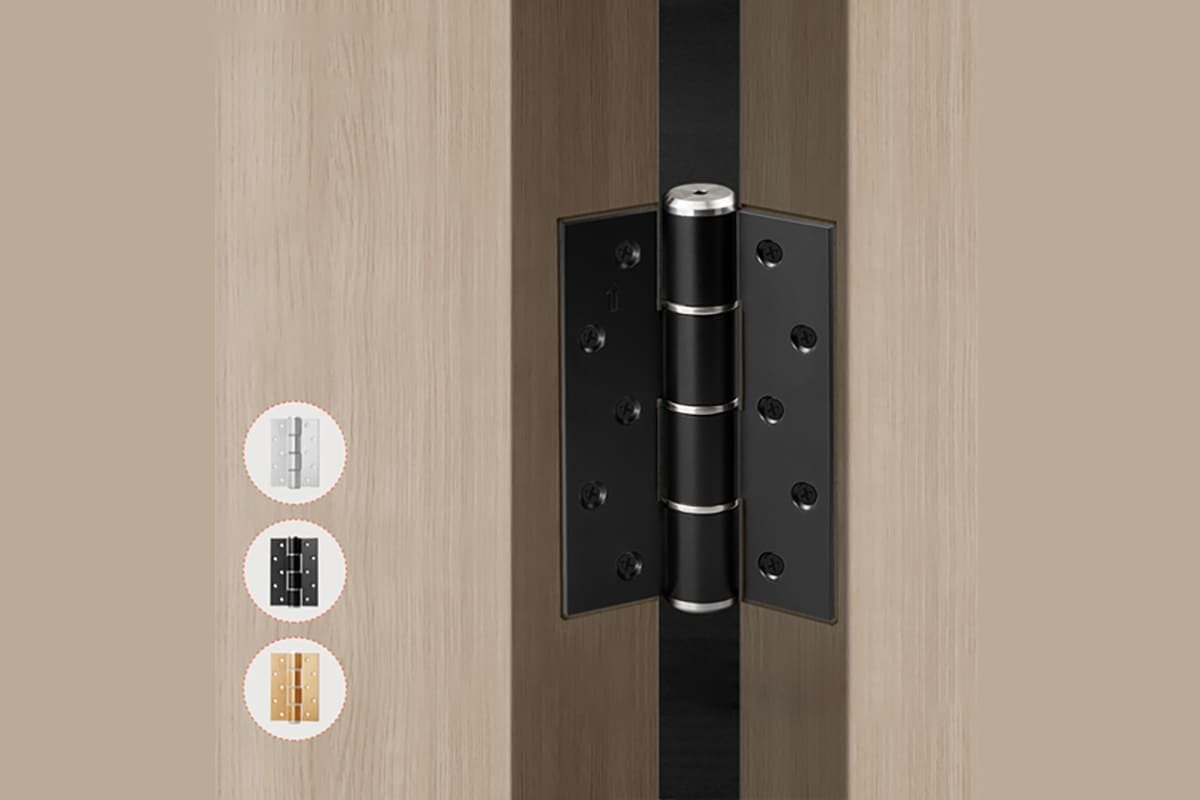
Anti-removal features matter for outdoor industrial hinges because they help reduce the risk of forced hinge removal, door lifting, or tampering. Non-removable pins, anti-lift designs, concealed fixing, stronger fasteners, and secure installation can improve protection, although they should be part of a wider security system.
Security Is a Practical Hinge Requirement
When buyers specify outdoor hinges, they often focus on corrosion and load. Security sometimes comes later. I think that is risky. For many industrial doors, the hinge side is as important as the lock side.
If a door opens outward and the hinge pin is exposed, someone may try to remove the pin. If the hinge or screws are weak, someone may try to pry or lift the door. Anti-removal hinge design does not make a door completely secure, but it can reduce obvious weak points.11
Common anti-removal features include:
- Non-removable pin design
- Fixed pin or riveted pin
- Security stud or dog bolt feature
- Anti-lift structure
- Concealed hinge option where applicable
- Tamper-resistant screw choices
- Stronger fixing points
- Reinforced door and frame connection
Match Security Features to the Door Type
Not every industrial door needs the same hinge security level. A storage room door, warehouse side door, school service entrance, and factory utility door may all have different risks. The hinge selection should match the access control plan.
| Door Application | Common Risk | Useful Hinge Feature |
|---|---|---|
| Exterior service door | Exposed hinge pin | Non-removable pin |
| Warehouse door | Tampering or forced access | Security stud and strong fixing |
| Utility room door | Unauthorized access | Anti-lift hinge design |
| Public industrial entrance | High use and abuse | Reinforced hinge with secure fasteners |
| Equipment enclosure door | Theft of parts | Concealed or fixed-pin hinge |
Security also depends on locks, cylinders, door closers, frame strength, strike plates, and access control devices. Since SDH Hardware also manufactures related door hardware such as Euro mortise locks, lever handles, brass cylinders, and door accessories, I often see how these components need to work together. A strong hinge cannot solve a weak lock, and a strong lock cannot solve an exposed removable hinge.
Do Not Overstate Anti-Theft Performance
I prefer to describe anti-removal design carefully. It is a risk-reduction feature, not a complete security guarantee. Industrial buyers should consider local building requirements, insurance requirements, and security consultant recommendations.
For procurement, the useful questions are:
- Is the hinge side exposed from outside?
- Does the door open outward?
- Can the pin be removed after installation?
- Are the screws accessible?
- Does the hinge include anti-lift or security studs?
- Is the frame strong enough to resist prying?
- Does the full door set include suitable locks and cylinders?
The answer helps buyers avoid a common problem: purchasing a strong hinge that still leaves an easy tampering point.
How Should Buyers Specify Hinges Suitable for Outdoor Industrial Use?
A clear specification reduces mistakes. If buyers only send a photo or ask for “strong outdoor hinges,” suppliers may need to guess. That creates risk in material selection, size, finish, fixing holes, packaging, and compliance documentation.
Buyers should specify hinges suitable for outdoor industrial use by sharing door dimensions, door weight, material, opening direction, usage frequency, outdoor exposure level, security needs, finish requirements, certification needs, packaging requirements, and target market standards. Clear drawings and sample confirmation can prevent costly rework.
A Practical Specification Checklist
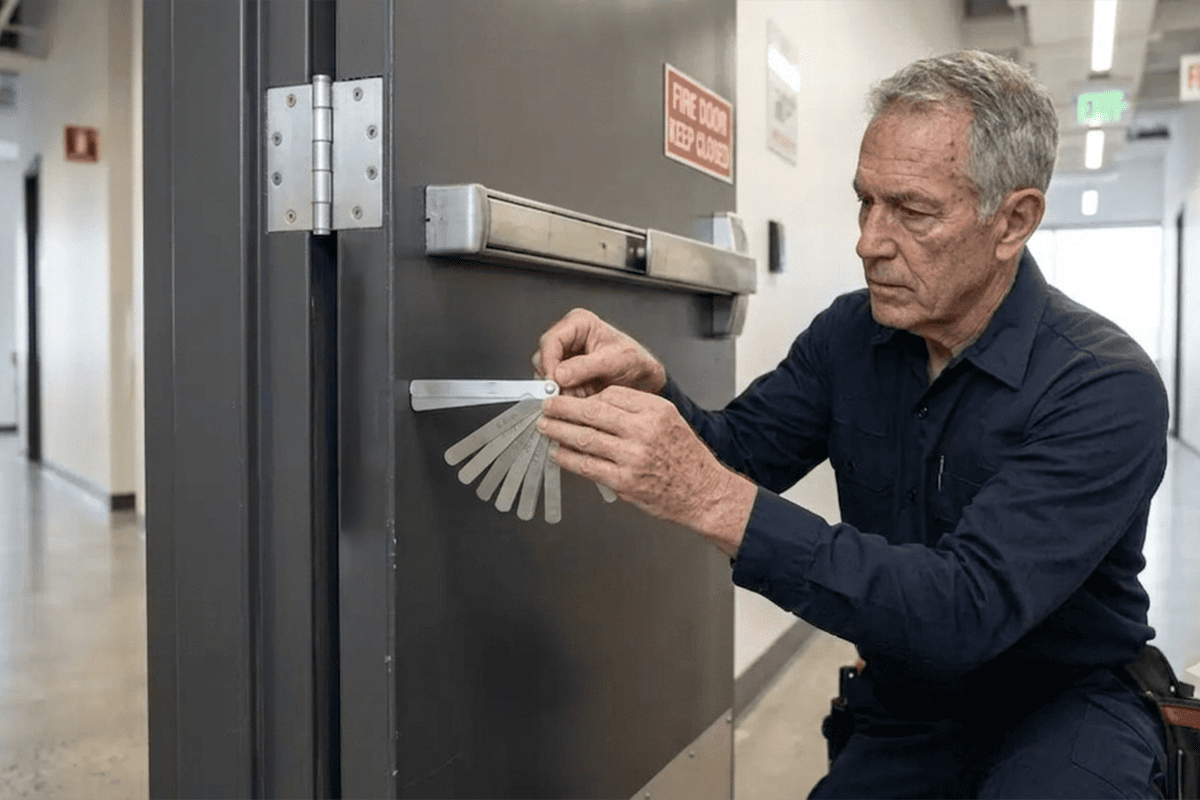
When I support hinge selection discussions, I like to collect basic information first. This step saves time for both the buyer and the factory. It also helps us recommend whether a standard hinge is enough or whether a customized hinge is more suitable.
Buyers should prepare:
- Door type: steel door, aluminum door, wooden industrial door, fire-rated door, service door, gate, or enclosure
- Door size: height, width, and thickness
- Door weight: estimated or confirmed
- Opening direction: inward or outward
- Opening frequency: occasional, daily, or high-cycle use
- Installation position: indoor, semi-outdoor, or fully outdoor
- Environmental exposure: rain, humidity, salt air, dust, chemical exposure
- Security requirement: standard pin, fixed pin, anti-lift, or concealed design
- Finish requirement: stainless steel, satin, polished, powder coated, plated, or custom finish
- Fixing method: screws, bolts, welding support, or reinforcement plate
- Required documents: drawings, inspection report, CE document, fire-rated document, or other buyer-required files
- Packaging: bulk packaging, branded box, barcode, label, or color carton
- Branding: customer logo stamping or laser logo if needed
At SDH Hardware, we offer ODM and OEM support, so these details are important. Custom color packaging, logo service, product drawings, and inspection after order completion all depend on confirmed specifications.
Standard Hinges vs Customized Hinges
Some buyers can use standard hinge models. Others need adjustments for regional standards or project requirements.
| Option | Best For | Buyer Benefit | Buyer Risk |
|---|---|---|---|
| Standard hinge | Common doors and regular projects | Faster selection and easier repeat orders | May not fit special doors |
| Customized size | Non-standard door dimensions | Better installation matching | Needs drawing confirmation |
| Customized finish | Brand or environment requirement | Better market fit | Finish must match exposure |
| Customized hole pattern | Existing door production line | Easier factory assembly | Incorrect drawings cause rework |
| Anti-removal design | Exposed exterior doors | Improved tamper resistance | Must match full security design |
Customization is useful, but it should be controlled. I always suggest confirming drawings before mass production. A small hole-position error can delay assembly at the door factory. A wrong finish can create customer complaints after outdoor installation.
Supplier Evaluation Matters
For outdoor industrial hinges, supplier selection is part of risk control. Buyers should not only compare unit price. They should also evaluate production capability, quality control, testing equipment, communication accuracy, and document support.
A good supplier should be able to discuss:
- Material options
- Surface treatment choices
- Hinge structure
- Pin design
- Load-related concerns
- Fixing method
- Packaging and branding
- Inspection process
- Relevant certification documents for the specific product
SDH Hardware operates independent production lines and supports full-process quality control, from raw material screening to finished product inspection. However, buyers should still verify documents, samples, and specifications for their own application. This is especially important for fire-rated or regulated projects.
What Quality Control Checks Help Reduce Outdoor Hinge Failure?
Outdoor hinge failure often starts before installation. It can begin with inconsistent material, poor machining, weak finish coverage, loose pin fit, burrs, or inaccurate hole positions. Quality control helps catch these problems before the hinges reach the project site.
Quality control checks for outdoor industrial hinges should include material verification, dimensional inspection, surface finish review, pin and knuckle fit check, rotation testing, fixing hole inspection, packaging review, and final batch inspection.12 Buyers should request inspection details that match their order requirements.
Factory Inspection Should Match Real Risks
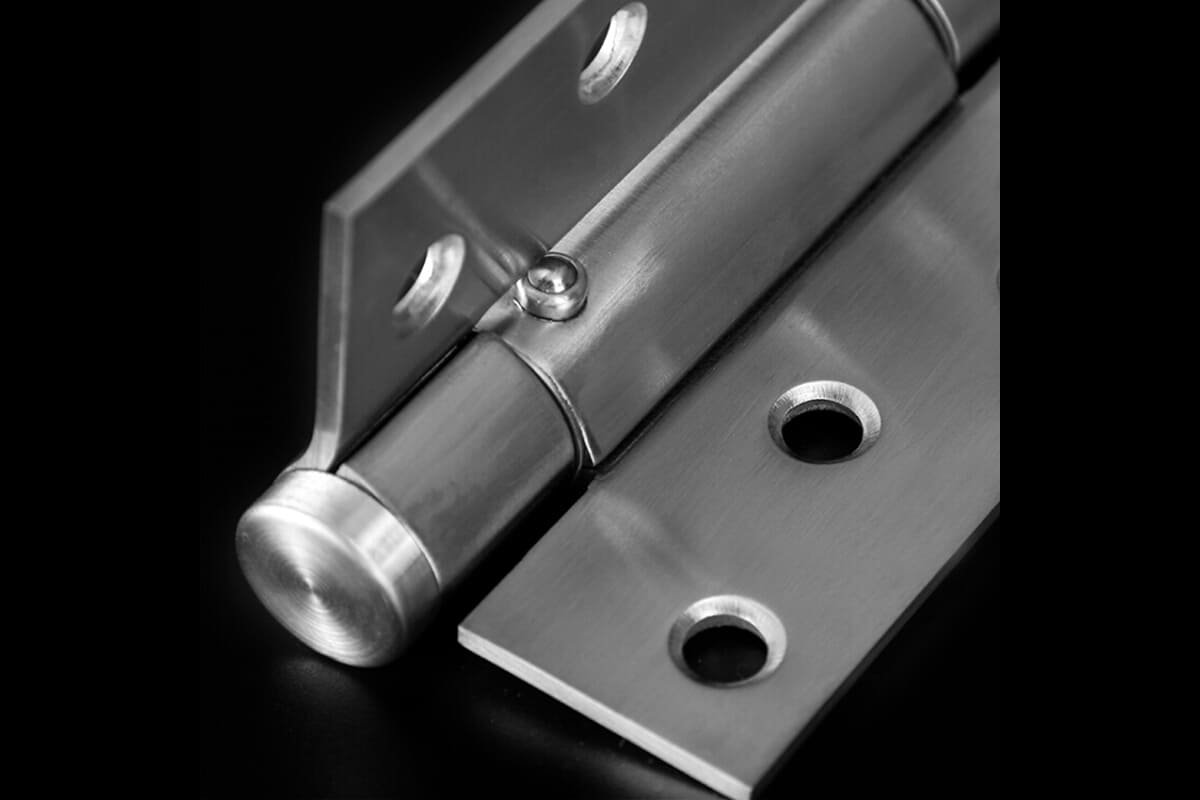
From a manufacturer’s point of view, hinge inspection is not only about appearance. A hinge can look clean but still have practical issues. The pin may be too loose. The leaf may not sit flat. The holes may not align with the buyer’s drawing. The finish may be inconsistent around edges.
Important inspection points include:
Material check
The material should match the confirmed order requirement.Dimension check
Length, width, thickness, hole diameter, hole position, and knuckle size should follow the drawing or approved sample.Surface inspection
The finish should be even, clean, and suitable for the agreed standard.Rotation check
The hinge should open and close smoothly without abnormal binding.Pin fit check
The pin or axis core should be stable and suitable for the design.Flatness check
The hinge leaves should sit properly against the door and frame.Burr and edge check
Sharp burrs can affect installation and safety.Packaging check
Packaging should protect the finish during shipping and storage.
Inspection Is Especially Important for OEM and ODM Orders
Custom hinge orders need tighter communication. If a buyer requests a private brand logo, special finish, non-standard hole pattern, or special accessory configuration, inspection should follow the approved drawing and sample.
Conclusion
Hinges suitable for outdoor industrial use are defined by the full combination of corrosion resistance, reinforced structure, secure anti-removal design, correct installation, and application matching. A strong hinge is useful, but strength alone does not prevent rust, sagging, loosening, or tampering. If you are sourcing hinges for outdoor industrial doors, I recommend confirming the door data, environment, finish, fixing method, and document requirements before ordering. Contact SDH Hardware to discuss standard or customized hinge solutions for your project or product line.
"Moisture Control Guidance for Building Design, ...", https://www.epa.gov/sites/default/files/2014-08/documents/moisture-control.pdf. Institutional guidance on exterior door assemblies and door hardware identifies moisture exposure, wind effects, contamination, maintenance access, and physical security as relevant design considerations, supporting the article's broad risk framing; it does not evaluate any particular hinge product. Evidence role: general_support; source type: institution. Supports: Exterior door assemblies and hardware are exposed to environmental loads, moisture, contaminants, maintenance demands, and security risks that differ from indoor applications.. Scope note: Contextual support only; the source may address door assemblies generally rather than industrial hinges specifically. ↩
"Impact of temperature and humidity on chemical and ...", https://pubmed.ncbi.nlm.nih.gov/10439557/. Atmospheric-corrosion and building-material durability references describe outdoor exposure as involving humidity, wetting, temperature variation, pollutants, and particulate contamination, supporting the distinction between indoor and outdoor hinge service conditions. Evidence role: general_support; source type: institution. Supports: Outdoor atmospheres generally impose more severe exposure conditions on metal components than clean, dry indoor settings.. Scope note: The source supports environmental severity in general and may not discuss hinge products directly. ↩
"Analysis of Mechanical Property Degradation of Outdoor ...", https://pmc.ncbi.nlm.nih.gov/articles/PMC8782030/. Corrosion studies of exposed metal components show that moisture and atmospheric contaminants can reduce section integrity, increase friction, and degrade moving joints, supporting corrosion as a credible failure mechanism for outdoor hinges; the source may not rank hinge failure modes by frequency. Evidence role: mechanism; source type: paper. Supports: Corrosion degrades exposed metal components and can impair mechanical function, alignment, and service life.. Scope note: Mechanistic support; direct statistics on outdoor industrial hinge failures may not be available. ↩
"Guide to the Selection and Use of High Performance ...", https://www.nrc.gov/docs/ML0334/ML033490048.pdf. Metallurgical references explain that stainless steels form a chromium-rich passive film that improves corrosion resistance compared with carbon steels, while performance varies with alloy grade, surface condition, chloride exposure, and maintenance. Evidence role: mechanism; source type: encyclopedia. Supports: Stainless steels resist corrosion through alloy composition and passive-film behavior, but resistance varies by grade and exposure conditions.. ↩
"Self‐Warning and Self‐Repairing Mechanisms in Functional ...", https://pmc.ncbi.nlm.nih.gov/articles/PMC12380070/. Coatings research shows that discontinuities such as scratches, holidays, and thin edge coverage can expose the substrate and provide initiation sites for localized corrosion, supporting the article's caution about damaged or incomplete finishes. Evidence role: mechanism; source type: paper. Supports: Scratches, holidays, thin edges, and installation damage can expose the substrate and initiate corrosion beneath or around protective coatings.. ↩
"Missing CE Marking on Fire Door Hinges & Locks", https://fyrup.co.uk/articles/missing-ce-marking-fire-door-hinges-locks. Official construction-product and fire-door guidance indicates that conformity or fire-performance documentation applies to specified products, intended uses, and tested or assessed configurations, supporting the need to verify that a particular hinge model and application are covered. Evidence role: general_support; source type: government. Supports: Regulatory or standards documentation for construction products and fire-door hardware is tied to defined products, intended uses, and tested or assessed configurations.. Scope note: Requirements differ by jurisdiction and standard, so the cited source may not cover every target market. ↩
"Commercial Door Installation", https://steeldoor.org/english-install-commercial-steel-door/. Door-assembly technical guidance treats hinges, fasteners, reinforcements, door leaves, and frames as interacting components whose installation affects performance, supporting the article's system-level approach to hinge selection. Evidence role: expert_consensus; source type: institution. Supports: Door-hinge performance is governed by the complete door assembly and installation, not by the hinge alone.. Scope note: The source may be based on standard door assemblies and may need interpretation for unusual industrial installations. ↩
"28.18 -- Open door to demonstration preparation area", https://web.physics.ucsb.edu/~lecturedemonstrations/Composer/Pages/28.18.html. Engineering mechanics texts define moment as force multiplied by perpendicular distance from the axis, and wind-load references treat doors as surfaces subject to pressure, supporting the statement that wider exterior doors can impose greater hinge-side moments under wind. Evidence role: mechanism; source type: education. Supports: For a given force, increasing distance from the hinge axis increases torque, and wind pressure can add external load to door panels.. Scope note: The evidence supports the physical mechanism; actual hinge loads require project-specific calculations. ↩
"Common Door Hinge Issues and How to Fix Them", https://www.hardwaresource.com/a/blog/post/common-door-hinge-issues-and-how-to-fix-them. Door-installation and maintenance guidance identifies hinge alignment, fastener condition, frame preparation, and reinforcement as factors affecting door operation, supporting the claim that installation quality can determine hinge service performance. Evidence role: expert_consensus; source type: institution. Supports: Misalignment, inadequate fasteners, weak reinforcement, or improper installation can impair hinge and door performance.. Scope note: The source may focus on commercial or fire-door assemblies rather than all outdoor industrial doors. ↩
"Security Hinges - NRP and Sec Tab - HingeOutlet", https://www.hingeoutlet.com/collections/security-hinges-nrp-and-sec-tab/stainless-steel-hinges?srsltid=AU7gw4WxhgpNfX-O4h_xC14VgJ-TLri9cWRV17dQ_mlXm4XIu9BwAYIT. Government physical-security guidance commonly treats exposed exterior hinges and removable pins as potential forced-entry vulnerabilities, supporting the article's statement that easily removable hinge pins can increase tampering risk. Evidence role: general_support; source type: government. Supports: Physical-security guidance recognizes exposed or removable hinge pins on exterior doors as a potential vulnerability and recommends protective measures.. ↩
"How to Prevent Break-Ins With Layered Security", https://www.armorconcepts.com/blog/security-expert-blog-6/how-to-prevent-break-ins-with-layered-security-302. Physical-security guidance describes doors as part of a layered system involving hinges, locks, frames, glazing, access control, and monitoring, supporting the article's statement that anti-removal hinge design reduces specific weak points but is not a complete security guarantee. Evidence role: expert_consensus; source type: government. Supports: Door security depends on multiple components and controls, so hinge security features mitigate only part of the overall forced-entry risk.. Scope note: Contextual support; security effectiveness depends on threat model, installation, and the rest of the door assembly. ↩
"Dimensional inspection planning based on product data ...", https://nvlpubs.nist.gov/nistpubs/Legacy/IR/nistir5183.pdf. Manufacturing quality-management references describe incoming material checks, dimensional verification, surface inspection, functional testing, packaging controls, and final inspection as standard controls for mechanical products, supporting the article's proposed hinge inspection categories. Evidence role: expert_consensus; source type: institution. Supports: Mechanical-component quality control commonly includes verification of materials, dimensions, surface condition, functional fit, packaging protection, and final acceptance inspection.. Scope note: The source supports general manufacturing inspection practice and may not prescribe this exact hinge-specific checklist. ↩
