
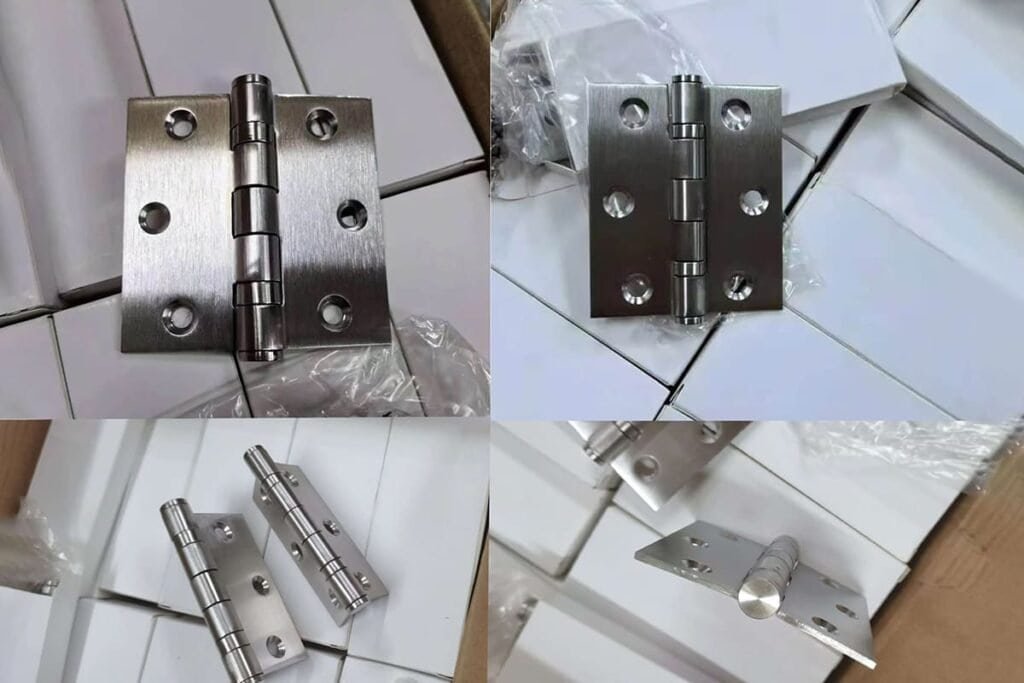
Mirror Polishing for Stainless Steel Hinges: Benefits, Limits, and Alternatives?
Mirror polishing for stainless steel hinges can make a hardware product look bright, clean, and high-end. The problem is that many buyers treat it as the automatic “premium” choice. That can create complaints later when scratches, fingerprints, or cleaning marks become obvious. I usually recommend matching the finish to the project environment first.
Mirror polishing for stainless steel hinges is best when buyers need a highly reflective appearance, easier surface cleaning, and a cleaner visual impression. However, it is not ideal for every project because scratches, fingerprints, and handling marks show clearly. Brushed, sandblasted, 2B, or passivated finishes may suit rough-use or industrial applications better.
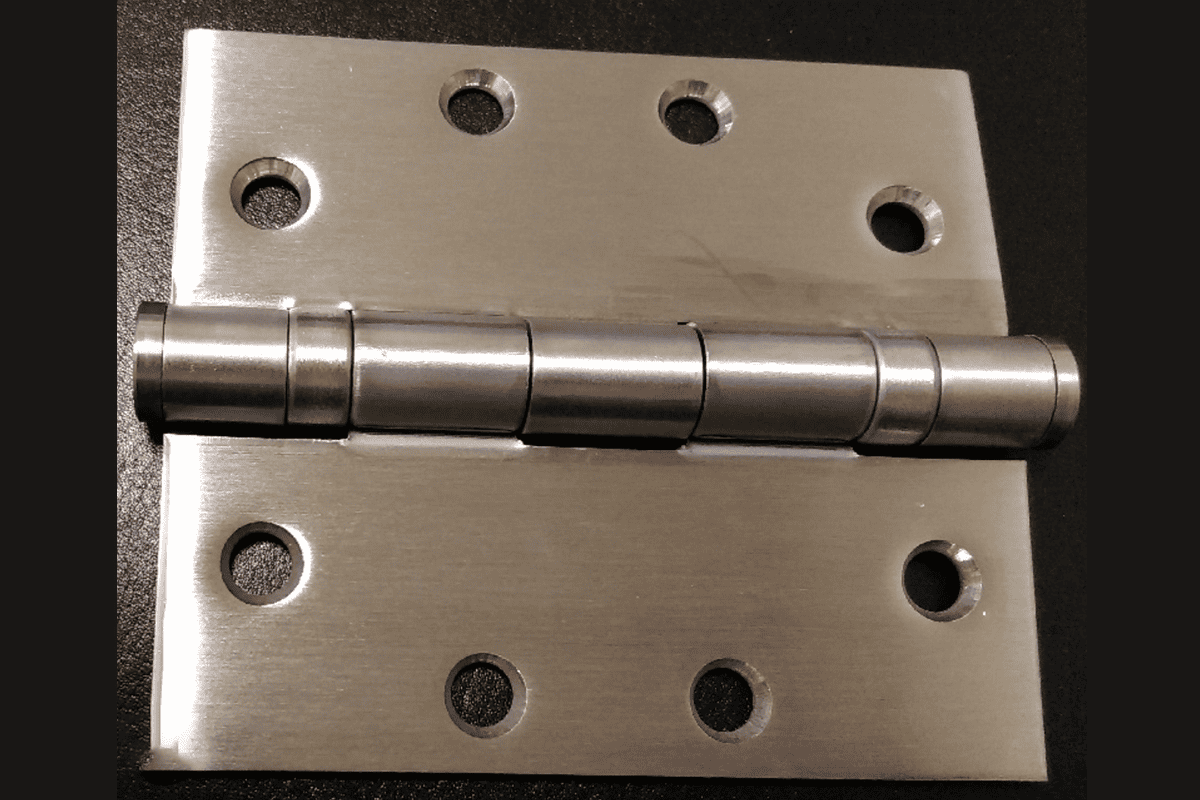
In our factory conversations with door manufacturers, hardware brands, and importers, I have seen one pattern repeat often. The finish decision is not only about beauty. It also affects inspection standards, packaging, after-sales expectations, and long-term customer satisfaction.
What Is Mirror Polishing for Stainless Steel Hinges?
Many buyers ask for a shiny hinge because the sample looks impressive. The problem starts when “shiny” is not clearly defined. If the buyer, supplier, and final customer use different standards, the shipment may pass production inspection but still disappoint at installation.
Mirror polishing for stainless steel hinges is a mechanical surface finishing process that creates a bright, reflective surface by gradually reducing surface roughness.1 It is mainly an appearance and cleanability-related finish. It should not be confused with corrosion-focused treatments such as passivation or with certification requirements that must be verified separately.2
Dive Deeper
Mirror polishing usually involves several polishing steps. The factory removes visible surface marks through abrasive treatment, then refines the surface until it becomes highly reflective. The exact result depends on the base material, stamping or machining quality, polishing skill, polishing compounds, and inspection criteria.
In simple terms, mirror polishing changes the surface appearance and smoothness of the stainless steel hinge. It does not magically change the grade of stainless steel.3 It also does not remove the need for proper cleaning, careful handling, and correct application selection.
When I discuss this finish with B2B customers, I usually separate the decision into three layers:
Material selection
The buyer should confirm the stainless steel grade, such as commonly used 304 or 316 stainless steel, based on application needs and local market expectations.4Surface treatment selection
Mirror polishing, brushing, sandblasting, 2B finish, or passivation each serves a different purpose.Inspection and acceptance standard
The buyer should define what level of reflection, scratch tolerance, color consistency, and handling trace is acceptable.
Here is a simple comparison:
| Finish Type | Main Purpose | Visual Effect | Common Buyer Concern |
|---|---|---|---|
| Mirror polishing | Bright appearance and clean look | Highly reflective | Scratches and fingerprints are obvious |
| Brushed finish | Practical decorative surface | Linear satin texture | Direction and grain consistency |
| Sandblasting | Matte decorative texture | Low reflection | Texture uniformity |
| 2B finish | Basic mill finish | Smooth, low-reflection | Visual grade may be too plain |
| Passivation | Corrosion-resistance-related process | Not mainly decorative | Process verification and application suitability |
I always remind buyers that a beautiful hinge sample is only one part of procurement. The finish must survive the real installation, cleaning routine, and end-user expectations.
For architectural door hardware, mirror polishing for stainless steel hinges often works best when the project has controlled handling and clear cleaning procedures. It can be attractive for commercial doors, hygienic spaces, and visible interior applications. However, it needs realistic acceptance standards. If the end user expects the hinge to stay flawless after heavy daily contact, rough installation, or abrasive cleaning, the expectation may be too high.
What Benefits Does Mirror Polishing for Stainless Steel Hinges Offer?
A bright hinge can help a product line look more refined. The problem is that many finish discussions stop at appearance. Buyers may miss practical advantages and limits. That creates incomplete specifications and weak supplier comparisons during procurement.
Mirror polishing for stainless steel hinges offers three main benefits: a reflective high-visual-impact appearance, relatively easy cleaning due to a smoother surface, and a cleaner presentation for controlled environments. These benefits are most valuable when hygiene perception, showroom appearance, or visible door hardware quality matters to the buyer.
Dive Deeper
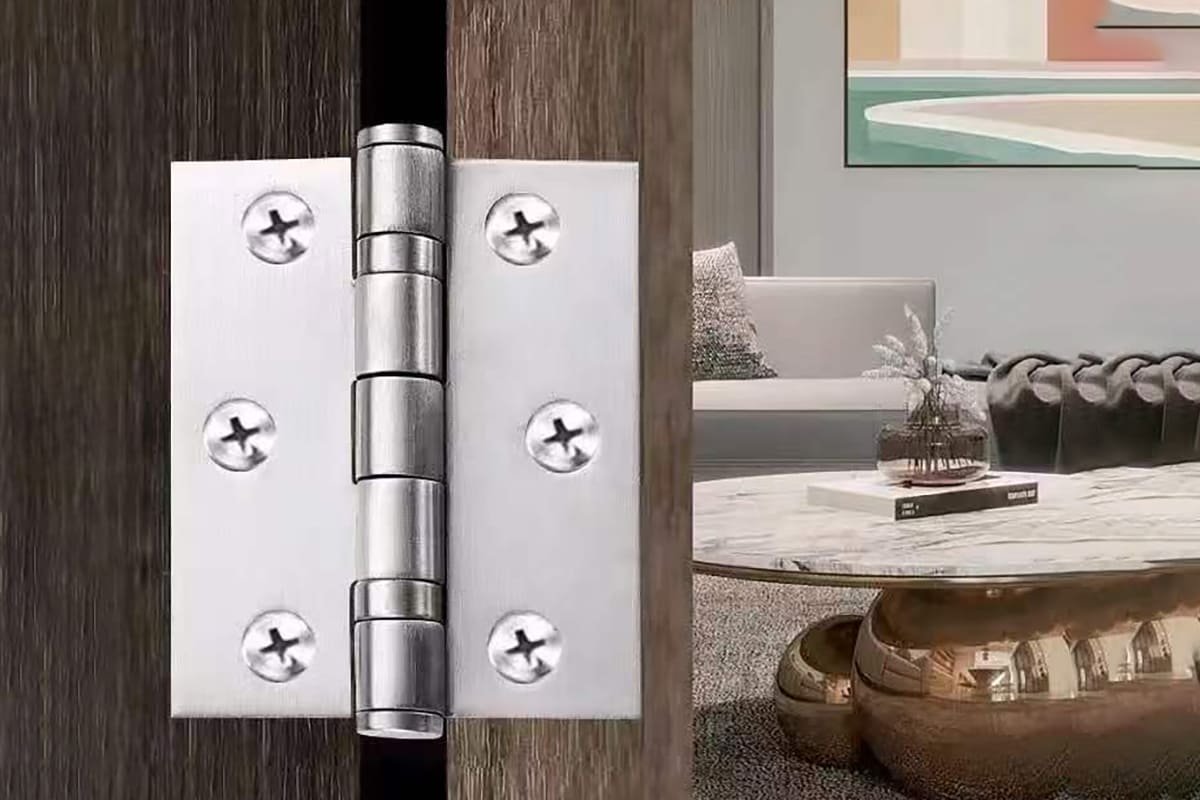
The strongest reason to choose mirror polishing is visual impact. A mirror-polished hinge catches light. It can make stainless steel hardware look cleaner, brighter, and more refined. For some door manufacturers and hardware brands, that appearance helps position a product as a higher-grade option in a catalog or showroom.
However, I do not describe mirror polishing as “the best” finish. I describe it as a high-visibility finish. That wording is more accurate because the same reflective surface that looks beautiful also makes small defects easier to notice.
Key Benefits for B2B Buyers
1. Strong shelf and sample appeal
A mirror-polished sample often looks impressive during customer meetings. Hardware brands may use it for product lines aimed at hotels, commercial interiors, medical-related buildings, or high-cleanliness spaces.
2. A cleaner visual impression
The bright surface can support a clean appearance. This matters for buyers supplying projects where the end user cares about sanitation perception or regular cleaning.
3. Reduced dirt adhesion compared with rougher textures
A smoother polished surface can make some dirt easier to wipe away.5 This does not mean the hinge becomes self-cleaning or hygienic by default. It simply means the surface may be easier to maintain under suitable cleaning routines.
4. Better fit for controlled environments
Mirror polishing for stainless steel hinges may suit projects such as:
- Food processing support areas
- Pharmaceutical-related facilities
- Cleanroom-adjacent spaces
- Laboratories
- Commercial kitchens
- Medical building interiors
- Premium commercial doors
The buyer should still verify any hygiene, cleanroom, or industry-specific requirements with qualified professionals. A surface finish alone does not prove regulatory compliance.6
Where the Benefit Is Most Visible
| Application Scenario | Why Mirror Polishing May Help | Important Check |
|---|---|---|
| Commercial interior doors | Bright decorative appearance | Fingerprint tolerance |
| Food-related areas | Easier visual cleaning inspection | Cleaning chemical compatibility |
| Pharmaceutical facilities | Clean, reflective appearance | Project-specific hygiene requirements |
| Brand showroom samples | Strong visual impression | Batch consistency |
| Premium hardware catalogs | Clear product differentiation | Surface acceptance standard |
In our SDH Hardware experience, mirror-polished hinges often attract attention during sample review. Buyers like the clean shine. But during order confirmation, I always ask practical questions:
- Who will install the hinges?
- Will workers wear gloves during handling?
- How often will the doors be used?
- What cleaning agents will the end user use?
- Will the hinge be inspected under strong light?
- What level of small scratch is acceptable?
These questions prevent misunderstandings. They also help buyers compare suppliers more fairly. A supplier that gives a cheaper quote may use a lower polishing standard, weaker packaging, or less strict inspection. That difference may not be obvious in a photo, but it can appear clearly when the goods arrive.
What Limits Should Buyers Expect from Mirror Polishing for Stainless Steel Hinges?
A shiny hinge can create high expectations. The problem is that the reflective surface shows almost everything. If the buyer does not prepare for fingerprints, scratches, and handling traces, even normal use may look like a quality issue.
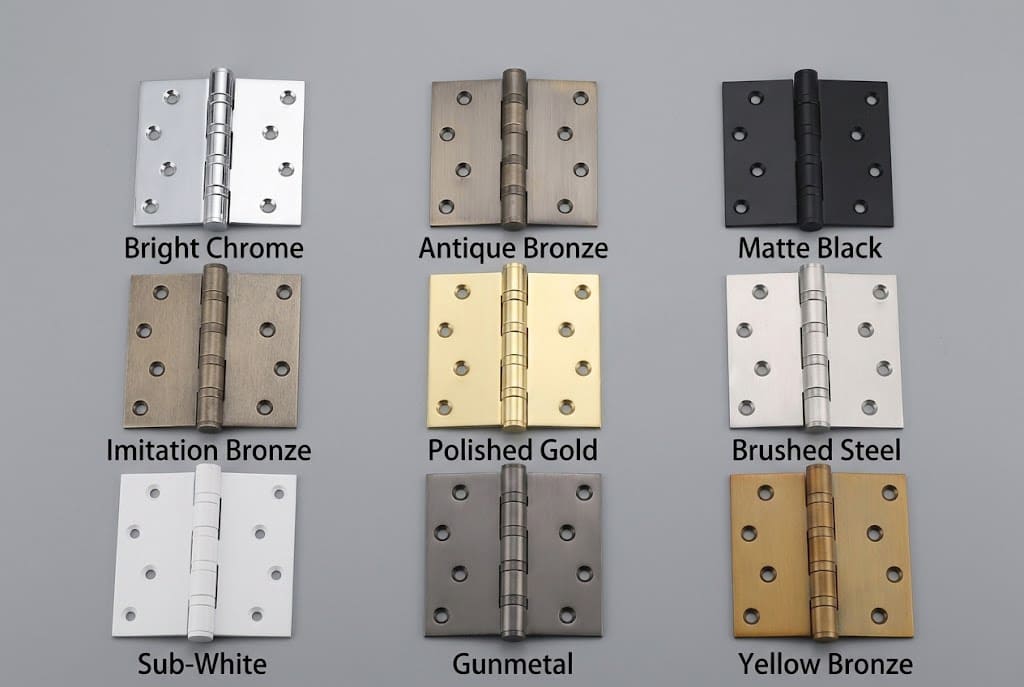
Mirror polishing for stainless steel hinges has clear limits. It can show scratches, fingerprints, polishing marks, cleaning swirls, and installation damage more visibly than matte or brushed finishes. It may require more careful packaging, handling, cleaning, and customer communication than more practical surface treatments.
Dive Deeper
The main trade-off of mirror polishing is visibility. A reflective surface acts almost like a small mirror. That means it reflects light strongly, but it also exposes surface changes clearly. Small marks that would blend into a brushed texture may stand out on a mirror-polished hinge.7
This point matters in B2B supply because complaints often start after handling, installation, or cleaning. The hinge may leave the factory in good condition. Then it may pass through packing, transport, warehouse checks, installer handling, and site cleaning. Each step creates risk.
Common Limits and Complaint Sources
1. Fingerprints are easy to see
Mirror-polished stainless steel surfaces can show fingerprints quickly.8 This is especially true when the hinge is handled without gloves.
2. Fine scratches are more visible
A small scratch may not affect hinge function, but it may affect appearance. If the project has strict visual standards, the buyer should define scratch tolerance before mass production.
3. Cleaning marks may appear
Abrasive pads, rough cloths, or unsuitable chemicals can leave marks.9 The final user should use appropriate cleaning methods.
4. Packaging must be stronger
Mirror-polished products often need protective film, individual wrapping, or careful separation. Otherwise, parts can rub against each other during transport.
5. Batch consistency needs attention
A large order may involve many polishing workers or production batches. The buyer should agree on approved samples and inspection rules.
Here is a practical risk table:
| Risk | Why It Happens | Procurement Control |
|---|---|---|
| Fingerprints | Direct hand contact | Use gloves and protective film |
| Fine scratches | Handling or part-to-part rubbing | Improve packing method |
| Cleaning swirls | Abrasive cleaning tools | Provide cleaning guidance |
| Uneven reflection | Different polishing pressure | Approve golden sample |
| Customer complaints | Unrealistic appearance expectations | Define acceptance standard |
Mirror Finish Does Not Mean Maintenance-Free
I have seen buyers choose mirror polishing because they want a clean product. That logic is understandable. However, the buyer must also accept the maintenance side. A mirror finish can be easier to wipe, but it also asks for more careful wiping.
For high-frequency industrial doors, warehouse doors, workshop doors, and rough construction environments, mirror polishing may not be the best default choice. Heavy use can quickly create visible marks. In these cases, the end user may prefer a brushed or matte finish because it hides daily wear better.
Inspection Should Match Real Use
For B2B hinge orders, inspection standards should be realistic and written clearly. I recommend defining:
- Inspection distance, such as 30 cm or 50 cm
- Lighting condition, such as normal indoor light
- Acceptable fine polishing lines
- Acceptable tiny handling marks
- Rejection criteria for deep scratches
- Packaging method
- Reference sample or signed sample board
This protects both sides. The buyer gets clearer quality control. The supplier avoids subjective disputes. If the application has safety, fire-rated, hygiene, or corrosion requirements, the buyer should verify relevant documents and consult qualified professionals. A mirror surface alone does not replace product testing, CE documentation, fire-rated certification, or application-specific evaluation.
When Should You Choose Alternatives to Mirror Polishing for Stainless Steel Hinges?
Many buyers compare finishes only by appearance. The problem is that the most attractive sample may not be the most suitable finish for the door’s working environment. A rough-use project needs durability in real life, not just shine in a catalog.
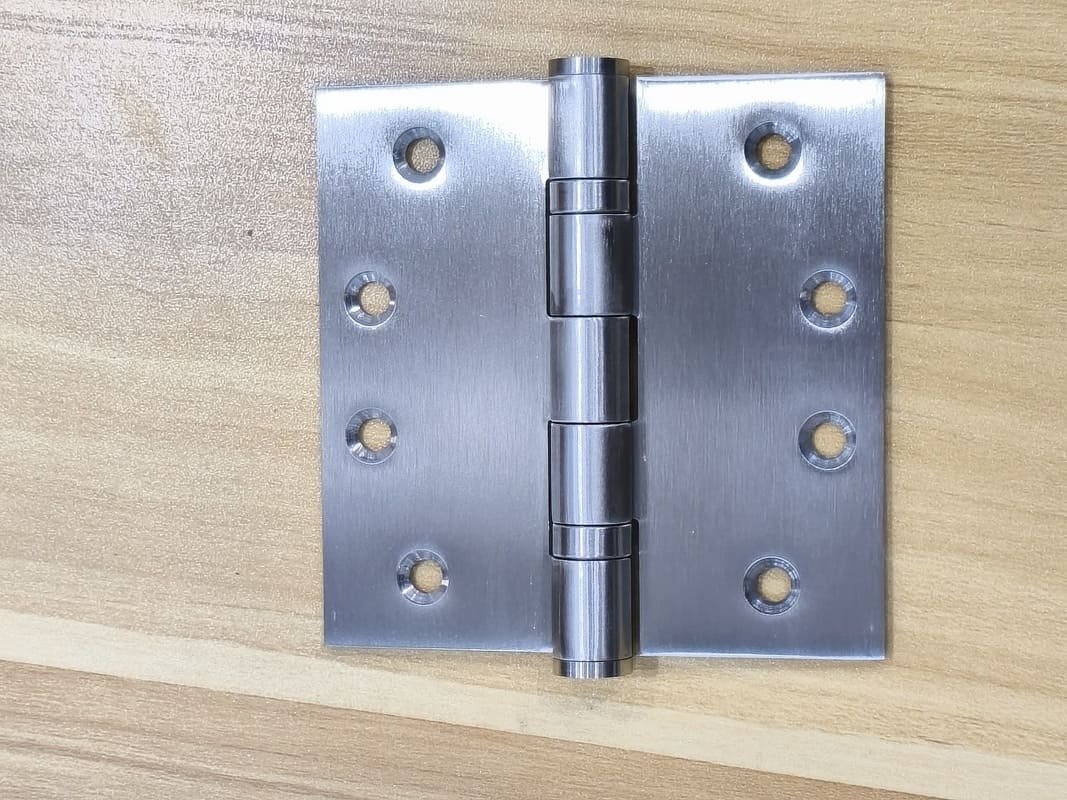
Alternatives to mirror polishing for stainless steel hinges make sense when scratch tolerance, low maintenance, industrial handling, or cost control matters more than high reflectivity. Brushed stainless steel, passivation, sandblasting, and 2B finishes can be better choices depending on usage frequency, hygiene needs, and visual expectations.
Dive Deeper
The best surface finish depends on the buyer’s real selection criteria. In procurement, I usually ask customers to choose the finish after defining the application. This prevents the common mistake of using mirror polishing everywhere.
Brushed Stainless Steel Finish
A brushed finish has a linear grain. It gives the hinge a satin appearance and hides fine scratches better than a mirror surface. It is popular for commercial architectural hardware because it looks clean but not overly delicate.
Brushed finish may be suitable when:
- The door will be touched often
- The buyer wants a modern satin look
- Small scratches should be less obvious
- Maintenance should be simple
- The project includes many doors and needs stable visual consistency
The buyer should still confirm the brushing direction, roughness, and sample standard. A poor brushed finish can show uneven grain or color differences.
Sandblasted Finish
Sandblasting creates a matte texture. It reduces reflection and can hide fingerprints better than mirror polishing. It may suit modern design projects or applications where a soft matte appearance is preferred.
Sandblasting may be suitable when:
- The project wants low glare
- Fingerprints should be less visible
- A decorative matte texture is preferred
- The hinge will be used in visible but not luxury-reflective areas
The buyer should check texture uniformity. If the blasting process is not controlled well, the surface may look patchy.
2B Finish
A 2B finish is a common stainless steel mill finish. It is smooth but not highly reflective.10 It is practical and cost-conscious, but it may not meet decorative expectations for premium visible hardware.
2B may be suitable when:
- The hinge is less visible
- Cost control matters
- The application is functional rather than decorative
- The buyer accepts a standard stainless steel appearance
For brand products, many buyers prefer additional finishing beyond 2B because catalog images and customer expectations may require a more refined look.
Passivation
Passivation is different from decorative polishing. It is a chemical process used to support stainless steel’s corrosion resistance by removing free iron and promoting a passive surface layer.11 It is not mainly chosen for beauty.
Passivation may be suitable when:
- Corrosion resistance is a key concern
- The project environment requires extra surface preparation
- The buyer has technical requirements beyond appearance
- The stainless steel part needs process verification
The buyer should not treat passivation as a visual replacement for mirror polishing. It may not create a bright decorative surface. Also, corrosion performance depends on stainless steel grade, environment, design, cleaning, and process control. Buyers should verify test reports or supplier documents when corrosion resistance is critical.
Finish Selection Table
| Buyer Priority | Better Finish Option | Why It May Fit |
|---|---|---|
| High shine and clean appearance | Mirror polishing | Strong reflective effect |
| Low visible scratches | Brushed finish | Grain hides fine marks better |
| Low reflection | Sandblasting | Matte surface reduces glare |
| Cost-conscious functional use | 2B finish | Standard and practical |
| Corrosion-resistance-related preparation | Passivation | Functional surface process |
| Heavy industrial handling | Brushed, sandblasted, or 2B | More practical than mirror finish |
In my experience, the best finish is the one that reduces future complaints. Mirror polishing for stainless steel hinges can be excellent in the right place. But for rough industrial doors, frequent tool contact, construction-site handling, or low-maintenance requirements, a less reflective finish often gives better long-term satisfaction.
How Should Buyers Specify Mirror Polishing for Stainless Steel Hinges Before Ordering?
A buyer may approve a beautiful sample and still receive a batch that causes debate. The problem is usually not bad faith. It is often unclear specification. Surface finish quality must be described, sampled, packed, and inspected with the same standard.
Buyers should specify mirror polishing for stainless steel hinges by confirming the stainless steel grade, visual sample, polishing level, inspection distance, scratch tolerance, packaging method, cleaning expectations, and batch consistency rules. Clear acceptance standards reduce disputes and help suppliers quote accurately.
Dive Deeper
For B2B orders, I like to treat surface finish as a controlled specification, not a general description. Words like “good polish” or “high quality shine” are too subjective. They may work in casual conversation, but they are weak for production.
A Practical Specification Checklist
Before placing an order, buyers should confirm:
Base material
- Stainless steel grade
- Thickness
- Hinge size
- Load and door application requirements
Finish requirement
- Mirror polished surface area
- One-side or full-visible-area polishing
- Reflection expectation
- Approved sample reference
Visual inspection
- Inspection distance
- Lighting condition
- Acceptable polishing lines
- Acceptable minor marks
- Rejection criteria
Packaging
- Protective film
- Individual bag or sleeve
- Carton separation
- Pallet protection for export shipments
Documentation
- Product drawings
- Material declaration if required
- CE or fire-rated documents if applicable
- Inspection report after order completion
At SDH Hardware, we usually discuss these points during sampling and order confirmation. I have learned that a five-minute conversation about inspection standards can prevent a long complaint chain later.
Sample Approval Matters
A signed or approved sample gives both sides a reference. For hardware brands and importers, this is especially important because they often sell to another customer. If their customer rejects the surface, the importer needs a clear basis for discussion.
A useful sample approval process includes:
- One approved sample kept by the buyer
- One approved sample kept by the supplier
- Photos or videos under agreed lighting
- Written notes about acceptable surface marks
- Confirmed packaging method
Packaging Should Match the Finish
Mirror-polished hinges need more careful protection than many matte finishes. If hinges move inside the carton, they can scratch each other. If protective film leaves residue, the buyer may face cleaning work. If workers touch the parts without gloves, fingerprints may appear before packing.
Good packaging may include:
- Protective film on visible surfaces
- Soft inner bags
- Individual compartments
- Foam or paper separation
- Strong export cartons
- Clear handling labels
Packaging adds cost. However, it often costs less than rework, discount claims, or customer dissatisfaction.
Use Supplier Experience, But Verify Critical Claims
A manufacturer can give practical advice based on production experience. For example, we can explain which finishes are easier to control in batches and which ones need stricter packing. However, buyers should verify certification and compliance documents for their own markets.
For fire-rated doors, CE-marked hardware systems, cleanroom projects, or hygienic facilities, the buyer should not rely only on surface appearance.12 The buyer should review test reports, certificates, project specifications, and professional recommendations. This is especially important when the hinge is part of a larger door assembly.
Frequently Asked Questions
Is mirror polishing for stainless steel hinges the most durable finish?
No. Mirror polishing for stainless steel hinges creates a bright, reflective surface, but it is not always the most durable-looking finish in daily use. Fine scratches and fingerprints can show clearly. For high-frequency or rough-use doors, brushed, sandblasted, or 2B finishes may look better over time.
Does mirror polishing improve corrosion resistance?
Mirror polishing may reduce surface roughness, but it should not be treated as a corrosion-resistance process by itself. Corrosion performance depends on stainless steel grade, environment, design, cleaning, and treatments such as passivation. Buyers should verify test reports or technical documents when corrosion resistance is critical.
Where is mirror polishing most suitable for stainless steel hinges?
Mirror polishing is often suitable for projects that need a clean, bright, easy-to-wipe appearance. Examples include food processing support areas, pharmaceutical-related interiors, laboratories, commercial kitchens, and premium commercial doors. The buyer should still confirm hygiene or cleanroom requirements separately.
How can buyers reduce scratches on mirror-polished hinges?
Buyers can reduce scratches by using protective film, individual packaging, soft separators, glove handling, and clear installation guidance. They should also define inspection distance and scratch tolerance before production. Mirror-polished surfaces need careful handling from factory packing to final installation.
What finish should I choose for industrial doors?
For industrial doors, I usually recommend evaluating brushed, sandblasted, 2B, or passivated options before choosing mirror polishing. These alternatives may handle visible wear better. The final decision should consider usage frequency, cleaning method, corrosion exposure, appearance requirements, and project specifications.
Conclusion
Mirror polishing for stainless steel hinges is a strong choice when the project needs a bright, reflective, and clean-looking surface. However, it is not the default answer for every door. Buyers should consider scratches, fingerprints, cleaning routines, handling conditions, batch consistency, and acceptance standards before ordering. In my experience, the best finish is the one that matches the real environment. If you are comparing stainless steel hinge finishes for an OEM, ODM, wholesale, or project order, SDH Hardware can help you review samples, specifications, packaging, and production options before mass production.
"Super-polished aluminum mirrors through the application ...", http://ui.adsabs.harvard.edu/abs/2006SPIE.6288E..0LM/abstract. Materials-engineering literature describes mechanical polishing of stainless steel as a progressive abrasive process that lowers surface roughness and can produce a specular, mirror-like finish. Evidence role: definition; source type: paper. Supports: Mirror polishing is a mechanical surface-finishing method that reduces roughness and can increase specular reflectivity.. ↩
"astm-a-967.pdf", https://www.galvanizeit.com/uploads/resources/astm-a-967.pdf. ASTM passivation standards define passivation as a chemical treatment for stainless steel surfaces, distinct from mechanical polishing and from independent product certification requirements. Evidence role: definition; source type: institution. Supports: Passivation is a corrosion-related chemical treatment, whereas polishing is a surface-finishing operation and does not substitute for certification.. Scope note: This supports the technical distinction between processes but does not evaluate any specific hinge product. ↩
"SAE 316L stainless steel", https://en.wikipedia.org/wiki/SAE_316L_stainless_steel. Reference descriptions of stainless steel grades identify grades such as 304 and 316 by alloy composition, indicating that a surface-polishing operation does not itself alter the material grade. Evidence role: general_support; source type: encyclopedia. Supports: Stainless steel grades are defined by chemical composition and alloy family, not by a later polishing operation.. Scope note: The source would support the general materials principle rather than test a polished hinge directly. ↩
"SAE 316L stainless steel", https://en.wikipedia.org/wiki/SAE_316L_stainless_steel. Stainless-steel technical references distinguish 304 and 316 by composition and corrosion-resistance performance, supporting application-specific grade selection rather than finish-based selection alone. Evidence role: general_support; source type: institution. Supports: 304 and 316 are widely used stainless grades with different compositions and corrosion-resistance characteristics relevant to application selection.. Scope note: This supports material selection generally and does not determine the correct grade for a particular project. ↩
"Processes of bioadhesion on stainless steel surfaces ... - HERO", https://hero.epa.gov/reference/2821833/. Studies of stainless-steel surface roughness and cleanability report that smoother surfaces can reduce contaminant retention and facilitate removal during cleaning under controlled conditions. Evidence role: mechanism; source type: paper. Supports: Smoother metal surfaces can reduce retention of soil or microorganisms and may be easier to clean than rougher surfaces.. Scope note: The evidence is contextual because cleanability also depends on soil type, cleaning chemistry, contact time, and cleaning method. ↩
"Validation of Cleaning Processes (7/93)", https://www.fda.gov/inspections-compliance-enforcement-and-criminal-investigations/inspection-guides/validation-cleaning-processes-793. Standards such as ISO 14644 for cleanrooms and construction-product conformity frameworks specify measurable performance or documentation requirements, illustrating that surface appearance alone is not evidence of compliance. Evidence role: general_support; source type: institution. Supports: Regulatory or standards compliance is based on defined performance criteria, documentation, or testing, not visual surface finish alone.. Scope note: This supports the compliance principle across regulated contexts rather than a single rule for all stainless steel hinges. ↩
"(PDF) Influence of surface texturing on scratch/mar visibility ...", https://www.academia.edu/103226113/Influence_of_surface_texturing_on_scratch_mar_visibility_for_polymeric_materials_a_review. Surface-appearance research links high gloss and specular reflection with increased visibility of surface defects, whereas textured finishes can scatter light and reduce the contrast of minor marks. Evidence role: mechanism; source type: research. Supports: High-gloss specular surfaces tend to reveal defects more readily, while textured surfaces can reduce or mask their visibility.. Scope note: This supports the optical mechanism and may not quantify visibility for a specific hinge geometry. ↩
"Development of latent fingerprints on non-porous surfaces ...", https://pmc.ncbi.nlm.nih.gov/articles/PMC5514182/. Forensic and surface-analysis studies of fingermarks on stainless steel show that skin residues can remain on smooth metal surfaces and be visually detectable under suitable lighting. Evidence role: mechanism; source type: paper. Supports: Smooth metallic surfaces can retain visible fingermarks, and reflectivity can make residues noticeable.. Scope note: The evidence concerns fingermark deposition and visibility generally, not the complaint rate for hinge products. ↩
"How to Clean Stainless Steel", https://www.pinesol.com/cleaning-surfaces/how-to-clean-stainless-steel/. Stainless-steel maintenance guidance from industry and public technical sources advises avoiding abrasive pads and inappropriate chemicals because they can scratch the surface or impair corrosion performance. Evidence role: general_support; source type: institution. Supports: Abrasive cleaning tools and unsuitable chemicals can scratch stainless steel or damage its surface condition.. Scope note: The source would support general care practice, while actual damage depends on cleaner composition, pressure, and exposure time. ↩
"2B, 2D and BA Cold Rolled Finishes", https://www.assda.asn.au/stainless-steel/surface-finishes/2b-2d-and-ba-cold-rolled-finishes. Stainless-steel finish standards and technical references define 2B as a smooth cold-rolled mill finish, generally less reflective than mechanically polished mirror finishes. Evidence role: definition; source type: institution. Supports: 2B is a standard cold-rolled stainless steel mill finish with a smooth surface and limited reflectivity compared with mirror-polished finishes.. ↩
"Alternative to Nitric Acid Passivation of Stainless Steel Alloys", https://ntrs.nasa.gov/api/citations/20140002809/downloads/20140002809.pdf. ASTM A967/A967M describes chemical passivation treatments for stainless steel as processes intended to remove free iron from the surface and establish a passive condition favorable to corrosion resistance. Evidence role: mechanism; source type: institution. Supports: Passivation of stainless steel is a chemical treatment intended to remove free iron and promote a passive surface condition that supports corrosion resistance.. ↩
"Standard: EN 1935: Building hardware - Single-axis hinges", https://www.intertek.com/building/standards/en-1935/. Standards for door hardware and controlled environments, including EN 1935 for hinges and ISO 14644 for cleanrooms, use performance, classification, and documentation criteria rather than visual finish alone. Evidence role: general_support; source type: institution. Supports: Fire-rated door hardware, CE-marked hinges, cleanrooms, and hygienic facilities are governed by standards or verification requirements that go beyond surface appearance.. Scope note: This supports the need for verification in regulated contexts but does not identify every requirement applicable to a particular country or project. ↩
