
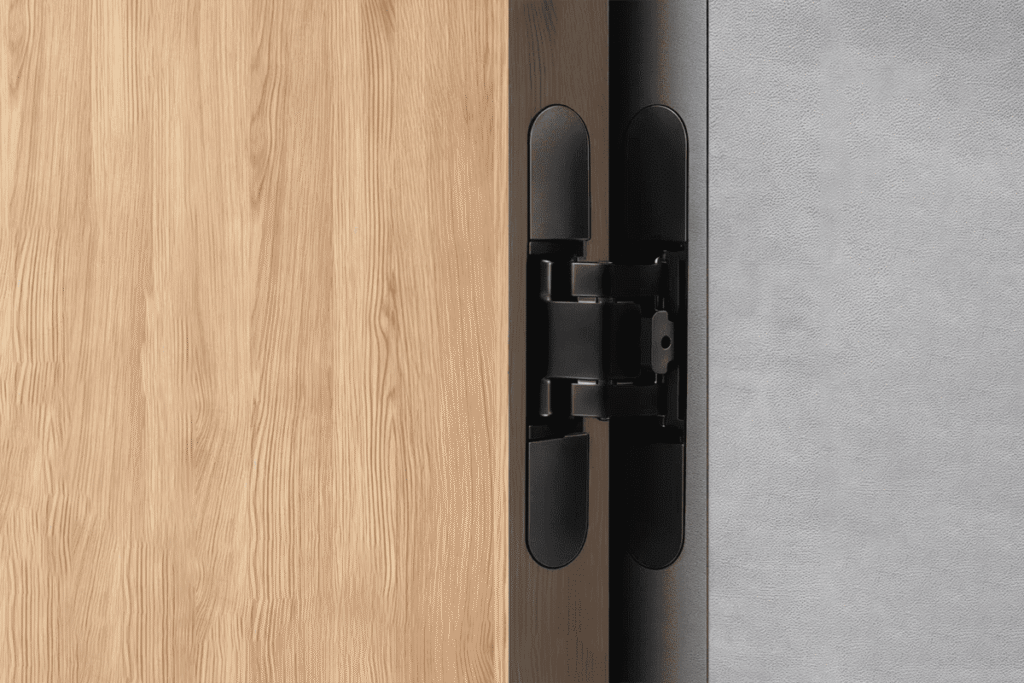
Multi Functional Hydraulic Hinge: What It Is and How to Choose One
A multi functional hydraulic hinge can solve poor closing control, noisy door movement, and slow assembly decisions, but the wrong model can create sagging, rework, or project mismatch. I often see buyers focus only on “soft closing.” A better approach is to match the hinge structure, force, angle, and functions to the real door.
A multi functional hydraulic hinge is a door hinge with built-in hydraulic control and optional functions such as soft closing, adjustable speed, adjustable force, positioning, 3D adjustment, and different mortise structures. It should be chosen by checking door weight, thickness, width, opening angle, installation method, material, and usage scene—not by function names alone.
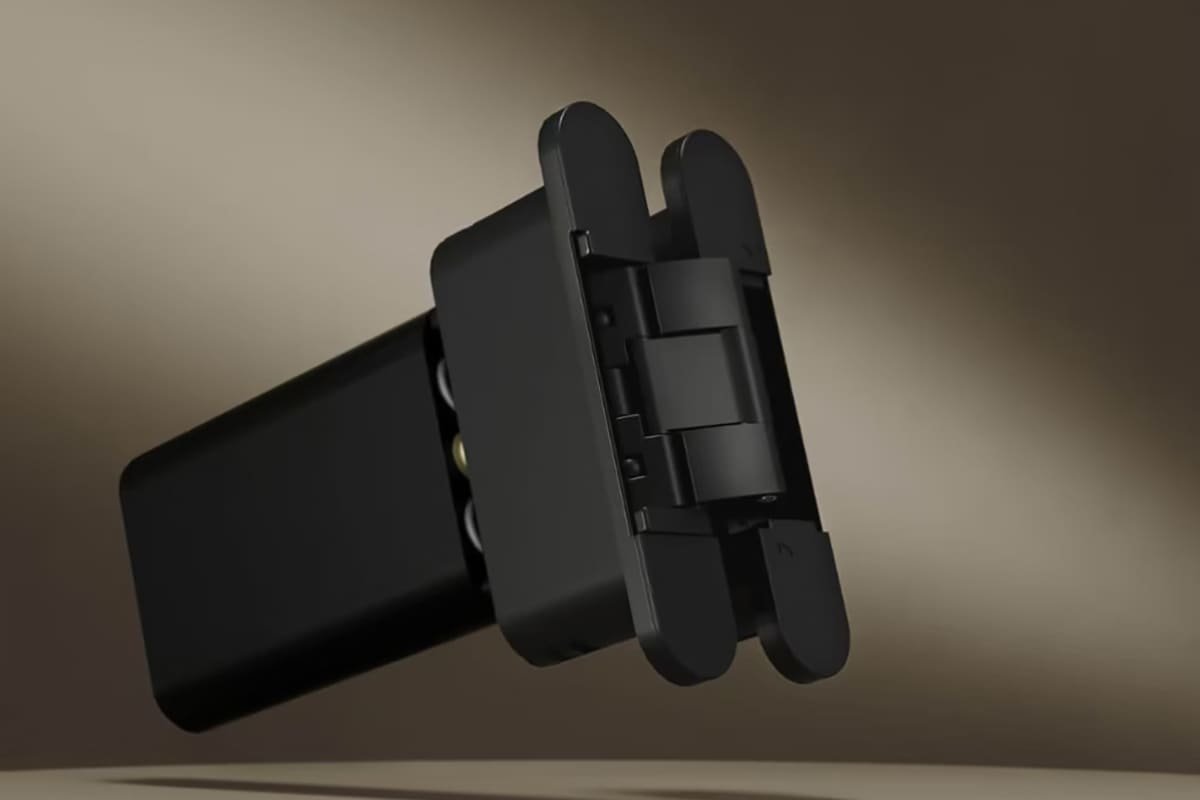
I write this from a factory-side view, because I know a hinge is not only a catalog item. It must fit the door leaf, frame, machining process, packing plan, and final user experience. Let’s break down the practical points I normally confirm before recommending a model.
What Is a Multi Functional Hydraulic Hinge?
A multi functional hydraulic hinge sounds simple, but the name can create confusion. Some buyers expect it to replace a door closer in every situation. That expectation can cause problems, especially on heavy doors, high-traffic entrances, or projects with strict closing force requirements.
A multi functional hydraulic hinge is a hinge that combines normal door rotation with hydraulic closing control and selected extra functions. Depending on the model, it may offer soft closing, speed adjustment, force adjustment, hold-open positioning, 3D alignment, and different installation structures. However, not every hinge includes every function.
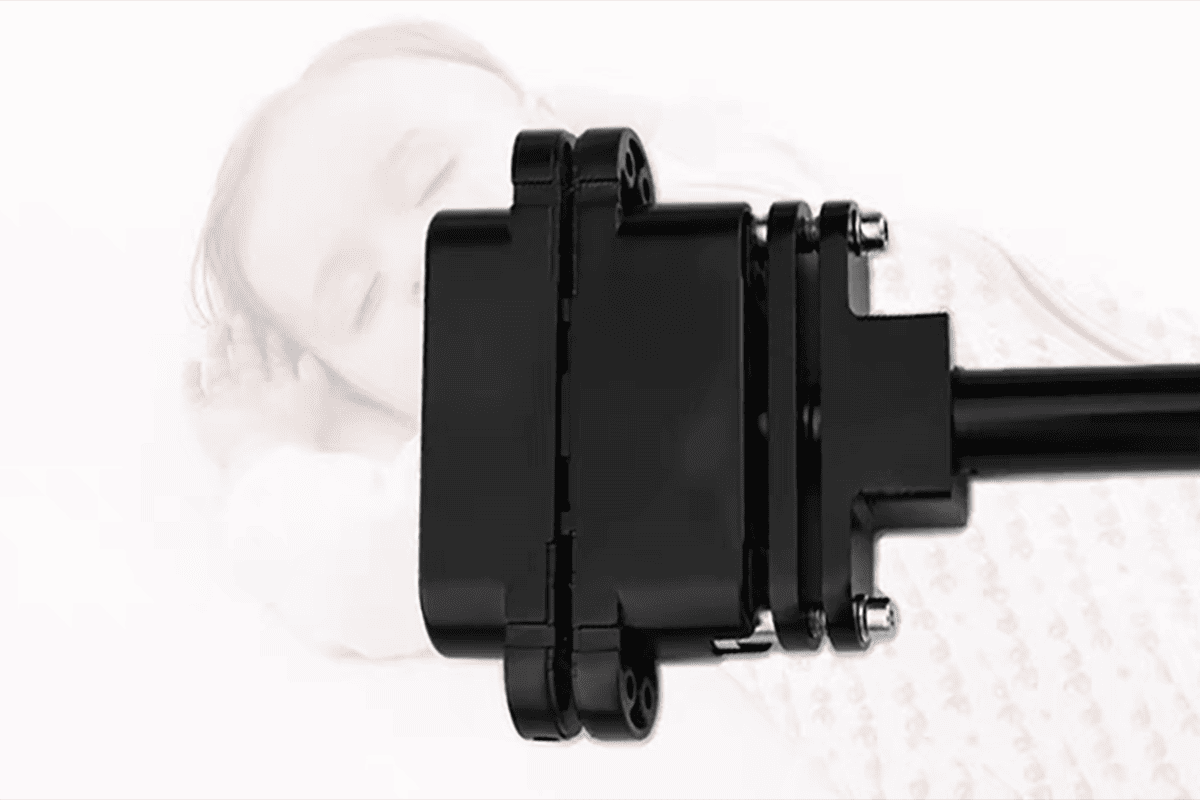
The Product Definition Matters
I define this product carefully when I speak with door factories. A normal butt hinge mainly supports door rotation. A hydraulic hinge adds controlled closing behavior through an internal damping or hydraulic mechanism.1 A multi functional version adds extra features that help with installation, alignment, comfort, or project adaptation.
Common function groups include:
- Soft closing for smoother final closing movement.
- Adjustable closing speed for controlling how fast the door closes.
- Adjustable closing force for adapting to different door weights.
- Positioning or hold-open function for keeping the door open at selected angles.
- 3D adjustment for fine-tuning the door position after installation.
- Different mortise structures for matching door and frame machining.
- Wide opening angle options, commonly within a 90°–180° design range depending on model and site conditions.
The key point is that the product name does not guarantee the full function set. I have seen buyers ask for “hydraulic hinge” and later discover that they also needed hold-open or 3D adjustment. Those are different requirements. They must be confirmed before sampling or batch production.
A Hydraulic Hinge Is Not Always a Door Closer Replacement
A multi functional hydraulic hinge can improve closing control, but I do not treat it as a universal substitute for an overhead door closer. A door closer is often selected for specific closing force, fire door compliance, traffic frequency, latching performance, and site regulations.2 A hydraulic hinge may be suitable for many interior doors, project doors, apartment doors, hotel doors, or selected commercial doors, but each case needs evaluation.
Here is a practical comparison:
| Item | Multi Functional Hydraulic Hinge | Traditional Door Closer |
|---|---|---|
| Main role | Door support plus controlled closing | Dedicated closing control |
| Appearance | More concealed or cleaner | Visible arm/body in many designs |
| Installation | Depends on mortise and hinge structure | Mounted on door and frame surface |
| Best use | Doors needing cleaner appearance and moderate controlled closing | Doors needing stronger, dedicated closing control |
| Selection basis | Door weight, thickness, width, angle, function, slotting | Door size, weight, fire rating, traffic, power size |
| Risk if mismatched | Sagging, weak closing, noise, rework | Poor latching, wrong force, user discomfort |
Why Buyers Should Confirm the Exact Function List
When I support OEM or ODM door hardware orders, I prefer to ask for a full door application picture instead of only a product photo. A buyer may say, “I need a hydraulic hinge with positioning.” That is useful, but I still need to know the door weight, door thickness, slotting method, and opening angle. If the hinge cannot carry the door or match the machining design, the function does not solve the real problem.
I usually recommend that buyers prepare these details:
- Door material, such as wood, metal, aluminum, or composite.
- Door leaf weight and thickness.
- Door width and height if available.
- Opening direction and maximum opening angle.
- Required function, such as soft closing, hold-open, or 3D adjustment.
- Mortise structure and machining ability.
- Usage scene, such as hotel room, apartment, office, school, or commercial area.
- Surface finish and corrosion resistance expectation.
- Certification documents required by the market or project, if applicable.
This process sounds basic, but it prevents many mistakes. In my experience, the most expensive problem is not a slightly higher hinge price. The most expensive problem is batch rework after the door factory has already cut the hinge slots.
How Should You Match a Multi Functional Hydraulic Hinge to Door Weight and Thickness?
A multi functional hydraulic hinge must first match the door’s physical condition. If I choose only by appearance or function name, the hinge may close poorly, sag over time, or create noise. Door weight, thickness, and width decide whether the hinge can work safely and smoothly.3
You should match the hinge to the door weight, door thickness, door width, and usage frequency before comparing functions. The supplier should confirm the number of hinges, hinge size, adjustment range, and installation method according to the real door application. A sample test is recommended before batch production.
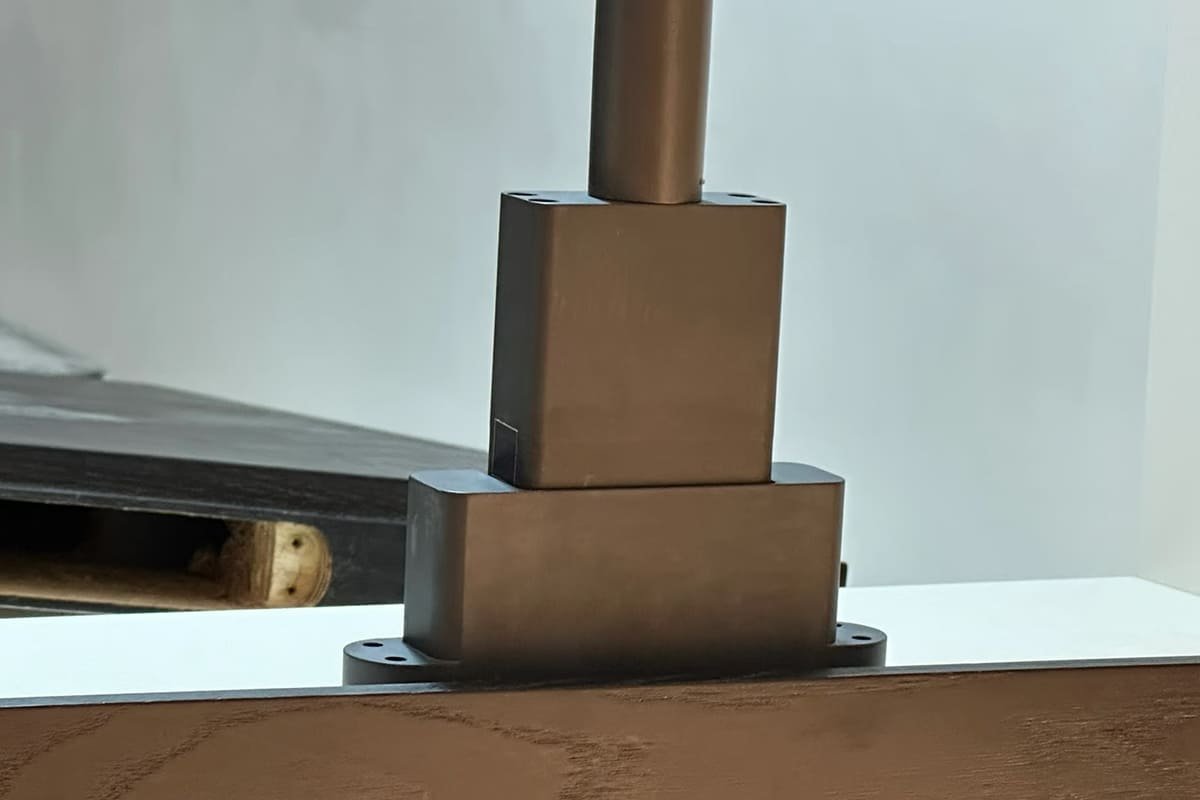
Start with the Door, Not the Catalog
I always start with the door condition. The hinge is only one part of the door system. The door leaf, frame, screws, slotting accuracy, and installation quality all affect the final result.4 A well-made hinge cannot fix a weak frame or incorrect machining.
For door factories, the minimum selection data should include:
- Door weight
- Door thickness
- Door width
- Door height
- Door material
- Frame material
- Opening direction
- Expected usage frequency
- Indoor or outdoor location
- Project type
A hotel room door and a school corridor door may use similar-looking hardware, but the usage frequency is very different. A heavy solid wood door and a light aluminum-framed door also create different hinge stress. This is why I avoid recommending one model for every door.
Door Weight Affects Force and Quantity
Door weight influences both support and closing behavior. A heavier door needs stronger hinge support and suitable closing control.5 If the hinge force is too low, the door may close slowly or fail to latch. If the force is too high, users may feel resistance when opening the door.
The number of hinges also matters. Many door systems use two, three, or more hinges depending on door size and weight.6 However, the final decision should follow the hinge model, door structure, and supplier recommendation. I do not suggest guessing based only on habit.
A practical checking table can help:
| Door Factor | Why It Matters | What I Confirm |
|---|---|---|
| Weight | Affects load support and closing control | Hinge model, quantity, force range |
| Thickness | Affects mortise depth and screw holding | Hinge body size and slotting method |
| Width | Affects leverage on hinge side | Hinge strength and adjustment need |
| Height | Affects alignment and stability | Number and spacing of hinges |
| Material | Affects screw fixing and machining | Screw type, finish, corrosion needs |
| Usage frequency | Affects wear expectation | Function and QC requirement |
Door Thickness Affects Installation Feasibility
Door thickness is not just a dimension. It controls whether the hinge body can fit correctly. Some hydraulic hinges require deeper or wider slotting than standard hinges. If the door is too thin, the hinge may weaken the door edge or create machining difficulty.7
This is especially important for engineering door manufacturers. If a factory makes 500 door leaves and cuts the wrong hinge pocket, the cost is not only the hinge cost. The factory may need to repair, remake, or reject the door leaves. That is why I recommend confirming CAD drawings, samples, and slotting instructions before mass production.
Usage Scene Changes the Selection Logic
I view usage scene as a technical factor, not only a sales category. For example:
- Hotel rooms often need quiet closing and good appearance.
- Apartments may need comfortable daily use and stable alignment.
- Office doors may need clean design and moderate traffic performance.
- Healthcare or education projects may need safer movement and careful opening control.
- Public commercial areas may require stronger dedicated closing devices instead of relying only on hydraulic hinges.
If the door is high-traffic or safety-critical, I recommend professional project evaluation. A hardware supplier can recommend a hinge, but the project designer, door manufacturer, or qualified professional should confirm whether it meets the final application requirements.
Why Does Installation Structure Matter for a Multi Functional Hydraulic Hinge?
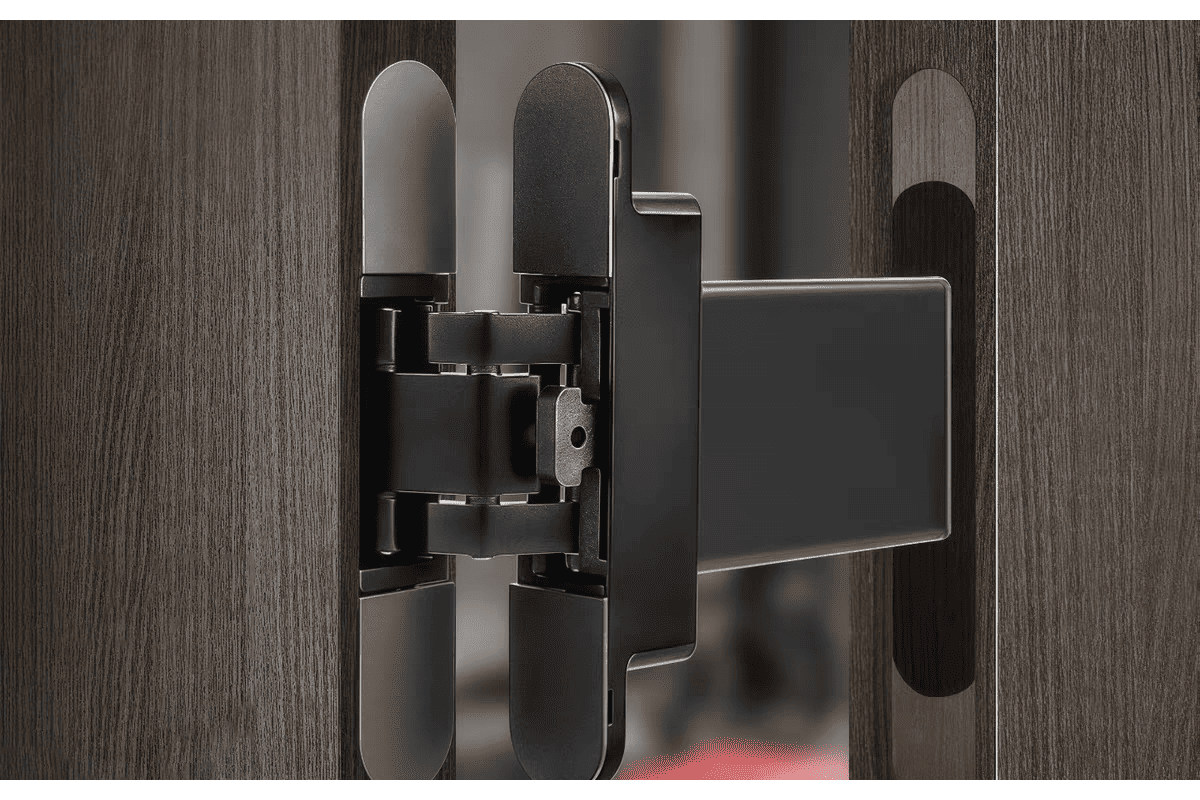
A multi functional hydraulic hinge can fail in practice if the installation structure is wrong. I have seen buyers choose a good hinge but use the wrong mortise design. The result is difficult assembly, uneven gaps, poor closing, or batch rework.
Installation structure matters because hydraulic hinges may require different door and frame machining methods, including non-mortise, double-side mortise, single-side mortise, or single-side shallow mortise designs. The correct structure must match the door material, frame profile, factory equipment, and project installation process.
Mortise Design Is a Production Decision
For door factories, a hinge is not only installed at the final site. It affects CNC programming, drilling fixtures, frame processing, packaging, and assembly speed. If the hinge requires precise slotting, the factory must know that before production starts.
Common installation structures include:
- Non-mortise installation
- Double-side mortise installation
- Single-side mortise installation
- Single-side shallow mortise installation
Each method has benefits and limitations. The best choice depends on the door and frame design.
| Installation Structure | Basic Meaning | Typical Benefit | Main Risk |
|---|---|---|---|
| Non-mortise | Hinge installs without deep slotting | Faster installation and less machining | May not suit all appearance or gap requirements |
| Double-side mortise | Both door and frame are cut | Better flush fit and stable appearance | Higher machining accuracy required |
| Single-side mortise | One side is cut more than the other | Useful for selected door/frame designs | Must match hinge geometry exactly |
| Single-side shallow mortise | One side uses shallow cutting | Reduces machining depth | May have limits on strength or alignment |
Why Wrong Slotting Causes Rework
Slotting errors are painful because they happen before the hinge is tested on the finished door. A few millimeters can matter.8 If the hinge pocket is too deep, the door gap may become uneven. If it is too shallow, the hinge may bind. If the screw holes are offset, the hinge may pull the door out of alignment.
I once reviewed a project discussion where the buyer focused only on finish color and closing speed. The slotting drawing came later, and the frame profile could not accept the original hinge structure. That type of issue is avoidable. I now prefer to check installation drawings early, even when the buyer says the project is “still comparing models.”
What Door Factories Should Confirm Before Machining
Before cutting the door or frame, I suggest confirming:
- Hinge body length, width, and depth.
- Door-side and frame-side mortise dimensions.
- Screw hole position and screw specification.
- Required clearance between door leaf and frame.
- Opening angle after installation.
- Adjustment direction if the hinge has 3D adjustment.
- Whether the hinge is left/right handed or reversible.
- Surface finish protection during assembly.
I also recommend sample installation before batch orders. A sample does not only test the hinge. It tests the full production process. The factory can check whether workers can install the hinge quickly, whether the door gap is acceptable, and whether the closing movement feels stable.
Installation Quality Affects Hydraulic Performance
Hydraulic control depends on smooth door movement. If the hinge axis is not aligned, the door may rub the frame or create extra resistance.9 Then the soft closing function may feel weak or inconsistent. In some cases, buyers blame the hydraulic hinge when the real issue is poor alignment or incorrect slotting.
This is why I connect installation structure with function. A hinge with adjustable speed still needs correct positioning. A hinge with hold-open still needs correct opening clearance. A hinge with 3D adjustment still needs a reasonable starting installation. Adjustment is not a replacement for good machining.
For bulk wholesalers and brand customers, I recommend asking the supplier for clear installation instructions and drawings. For OEM or ODM orders, I prefer to confirm drawings after order details are fixed. This reduces misunderstanding and helps keep batch consistency.
Which Functions Should You Choose for a Multi Functional Hydraulic Hinge?
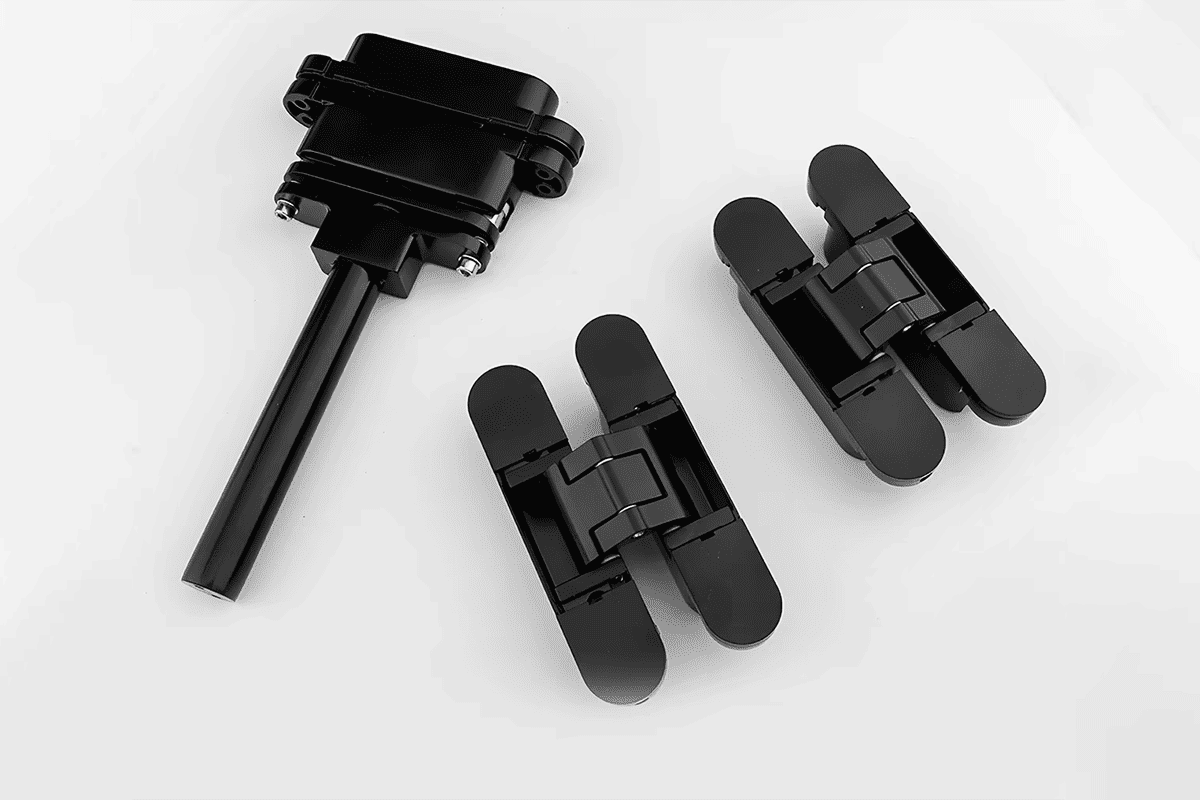
A multi functional hydraulic hinge should not be selected by collecting the longest function list. Each function should solve a real door problem. I usually ask what the door must do in daily use, then I match the functions to that requirement.
You should choose functions based on the door application: soft closing for comfort, speed adjustment for user experience, positioning for doors that need to stay open, 3D adjustment for alignment correction, and adjustable force for different door weights. A simpler hinge may be better when extra functions are not needed.
Soft Closing and Speed Adjustment
Soft closing is often the first reason buyers ask about hydraulic hinges. It can reduce slamming and create a smoother door experience. However, soft closing must match user expectation. A hotel guest may prefer a quiet, gentle close. A busy office may need a faster close to maintain privacy or air-conditioning control.
Adjustable closing speed helps the buyer fine-tune this experience. It can be useful when:
- Door weight varies across models.
- The same hinge is used on several door series.
- The project needs a specific closing feel.
- The door must close quietly but not too slowly.
Speed adjustment should be tested after installation. If the door is misaligned, adjustment may not solve the problem.
Adjustable Force
Adjustable force helps adapt the hinge to different door weights or user needs. A light door may not need strong closing force. A heavier door may require more control. The goal is not maximum force. The goal is suitable force.
I recommend checking adjustable force when the buyer has:
- Multiple door weights in one project.
- Different door materials in the same series.
- Doors with wider leaves.
- Projects where opening comfort matters.
- A need to reduce inventory complexity.
However, the adjustment range must be verified with the supplier. I do not suggest assuming one hinge can cover all weights.
Positioning or Hold-Open Function
A positioning function can hold the door open at a certain angle, depending on model design. This can be useful in homes, hotel rooms, offices, storage rooms, or project spaces where people often move items through the doorway.
Common use cases include:
- A hotel housekeeping team needs the door to remain open during cleaning.
- A resident wants the door open while carrying packages.
- An office staff member needs temporary ventilation or movement.
- A door factory wants a premium function for a higher-end series.
Still, positioning is not always desirable. Some fire-rated or controlled-access doors may need to close reliably and should not stay open unless the system is designed and approved for that purpose.10 Buyers should verify project rules and certification documents where applicable.
3D Adjustment
3D adjustment helps fine-tune the door in multiple directions after installation. This is valuable for door factories because real installation conditions are rarely perfect. Small deviations in frame squareness, door leaf machining, or wall installation can affect the final gap.
3D adjustment can help with:
- Door gap correction.
- Vertical alignment.
- Side pressure control.
- Reducing rubbing.
- Improving final appearance.
It does not replace precise manufacturing, but it gives installers a practical correction range. In my view, this function is especially useful for batch production because it reduces the pressure on final assembly teams.
Function Selection Matrix
| Function | Best For | Buyer Benefit | Check Before Ordering |
|---|---|---|---|
| Soft closing | Hotel, apartment, office doors | Quieter, smoother closing | Door weight and alignment |
| Speed adjustment | Projects needing controlled feel | Flexible user experience | Adjustment method and range |
| Force adjustment | Mixed door weights | Better adaptation | Door weight range |
| Positioning | Doors that need temporary hold-open | Convenience | Angle and project rules |
| 3D adjustment | Door factories and project doors | Easier final alignment | Adjustment range and access |
| Wide opening angle | Site-specific access needs | More movement space | Wall clearance and hinge design |
The best choice is practical. I prefer a hinge with the right functions over a hinge with every possible function. Too many unnecessary functions can increase cost, installation complexity, or maintenance questions.
How Do Opening Angle and Material Affect Hydraulic Hinge Selection?
A multi functional hydraulic hinge must match both the required opening angle and the material expectation. These details look secondary in a catalog, but they affect site usability, durability, corrosion resistance, surface appearance, and project budget.
Opening angle and material affect whether the hinge fits the site and performs consistently. A 90°–180° opening range must match wall clearance and door movement needs. Stainless steel, aluminum alloy, or other materials should be selected according to strength, corrosion resistance, appearance, and cost requirements.
Opening Angle Is a Site Requirement
The opening angle should be confirmed before product selection. Some doors only need to open around 90°. Others need wider access for furniture movement, equipment, cleaning, or user convenience. If the hinge cannot support the required angle, the door may hit the wall, bind, or fail to meet the project need.
Important questions include:
- Does the door need to open to 90°, 120°, 150°, or 180°?
- Is there wall clearance behind the door?
- Will the handle or lever hit the wall?
- Does the positioning function work at the desired angle?
- Does the frame design limit the opening movement?
- Will the door be installed with a stopper?
I like to confirm the opening angle with a simple drawing. A photo or plan can prevent misunderstanding. In export projects, buyers sometimes describe angles differently, so a drawing is safer than text only.
Material Selection Affects Strength and Corrosion Resistance
Material choice is also important. Common options may include stainless steel, aluminum alloy, zinc alloy, or other engineered combinations depending on the hinge type and supplier design. The material affects strength, machining, finish quality, corrosion resistance, and price.
For example, stainless steel is often valued for corrosion resistance and strength.11 Aluminum alloy may offer a lighter structure and attractive finishing options.12 Other materials may support specific design or cost targets. The right choice depends on the market and project.
| Material Option | Common Strength | Common Consideration |
|---|---|---|
| Stainless steel | Good corrosion resistance and strength | May cost more depending on grade and process |
| Aluminum alloy | Lightweight and good appearance options | Strength must match door load |
| Zinc alloy or mixed materials | Flexible design and cost control | Must verify strength and finish durability |
| Custom material structure | Project-specific optimization | Requires sample testing and clear drawings |
I avoid saying one material is always best. A coastal hotel, an interior apartment door, and a budget wholesale door line may need different material decisions.
Surface Finish and Appearance
Door hardware is visible, so finish matters. Buyers may request satin stainless steel, polished finish, matte black, gold, bronze, or other surface treatments. A good finish supports the door design and brand positioning. However, finish selection should consider the usage environment.
For example:
- Satin finishes often hide fingerprints better than mirror finishes.
- Dark finishes may need careful scratch control during installation.
- Gold or special colors may need stricter batch color consistency.
- Outdoor or humid environments need more attention to corrosion resistance.
At SDH Hardware, I treat surface finish as part of product quality, not only decoration. For batch supply, the buyer should confirm approved samples, packaging protection, and inspection standards.
Conclusion
A multi functional hydraulic hinge is a practical solution when it is matched to the real door, not just selected from a catalog. I recommend starting with door weight, thickness, width, usage scene, opening angle, installation structure, material, and required functions. Then you can compare soft closing, speed adjustment, force adjustment, positioning, and 3D adjustment in a useful way. If you need factory-side support for batch door hardware selection, contact SDH Hardware to review your door specifications, drawings, and sourcing requirements.
"Effective Viscous Damping Enables Morphological ...", https://pmc.ncbi.nlm.nih.gov/articles/PMC7805837/. A technical source on hydraulic or viscous damping supports the statement that hydraulic mechanisms can regulate closing motion by dissipating energy; this supports the hinge mechanism generally rather than proving the performance of any specific hinge model. Evidence role: mechanism; source type: paper. Supports: Hydraulic or viscous damping mechanisms dissipate kinetic energy and can be used to control closing or rotational motion.. Scope note: Contextual support for the damping principle, not direct proof of a particular product design. ↩
"Chapter 4: Entrances, Doors, and Gates", https://www.access-board.gov/ada/guides/chapter-4-entrances-doors-and-gates/. Building and accessibility standards support the view that door closers are selected with reference to regulated performance factors such as closing force, closing speed, latching, and fire-door operation; these standards provide compliance context rather than a model-specific selection rule. Evidence role: expert_consensus; source type: government. Supports: Codes and standards treat door closing force, closing speed, latching, accessibility, and fire-door self-closing requirements as regulated or specified performance factors.. Scope note: Contextual standards support; exact requirements vary by jurisdiction and door type. ↩
"Hinge Load Capacity Factors: A Technical Guide for Industrial ...", https://hingesmanufacturers.com/blog/hinge-load-capacity-guide/. Engineering mechanics sources support that the load and moment on a hinge increase with door mass and lever arm geometry, making door weight and width relevant to hinge performance; door thickness is additionally relevant to mounting and fastening rather than to torque alone. Evidence role: mechanism; source type: education. Supports: Door weight and geometry affect the moment and load imposed on hinges, influencing support requirements and smooth movement.. Scope note: Mechanics-based support; detailed load capacity still depends on the hinge design and installation. ↩
"SECTION 087111 - DOOR HARDWARE (SCHEDULED BY ...", https://fpm.usc.edu/wp-content/uploads/2021/11/087102-USC-HSC-door-hardware-Guide-Specification_1.pdf. Architectural door and hardware installation guidance supports the claim that hinge performance depends on the coordinated preparation and installation of the door leaf, frame, fasteners, and mortises; such guidance addresses general installation quality rather than hydraulic hinge performance specifically. Evidence role: general_support; source type: institution. Supports: Door hardware performance depends on correct preparation, fastening, alignment, and installation of the door and frame assembly.. Scope note: General door-hardware installation support, not product-specific testing. ↩
"How much weight can door hinges hold?", https://www.hingeoutlet.com/blogs/news/how-much-weight-can-door-hinges-hold?srsltid=AYCX9vKlDQmrMpkAcd-jT1KSLN_xVTPQM2NMcCsysUYmfa3kbD4eco8q. Door-hardware standards and engineering references support that heavier doors impose greater loads on hinges and require closing hardware sized to the door’s mass and dimensions; the source should be applied as sizing context, not as validation of one manufacturer’s hinge range. Evidence role: mechanism; source type: institution. Supports: Door mass affects hinge loading and is commonly considered in hinge or door-closer sizing.. Scope note: Supports the sizing principle; exact capacity must come from the tested product specification. ↩
"Everything you need to know about Commercial Door Hinges", https://www.mckinneyhinge.com/en/resource-library/knowledge-center/blog/blog-post.aehdynamic-everything-you-need-to-know-about-commercial-door-hinges-top-10-commercial-contractors-hinge-installation-questions-633f18001fa7df003d7c229b_mckinney.html. Architectural hardware guidance supports that hinge quantity is determined by door dimensions, weight, and service conditions; this provides general selection context rather than a universal rule for all hydraulic hinge models. Evidence role: general_support; source type: institution. Supports: Hinge quantity is commonly determined by door height, width, weight, and usage conditions.. Scope note: General guidance only; final hinge count depends on tested hinge capacity and project requirements. ↩
"SECTION 087111 - DOOR HARDWARE (SCHEDULED BY ...", https://fpm.usc.edu/wp-content/uploads/2021/11/087102-USC-HSC-door-hardware-Guide-Specification_1.pdf. Door manufacturing and architectural woodwork guidance supports that hardware preparation must suit the door’s thickness and edge construction, because excessive or incompatible mortising can compromise fit and integrity; this is general preparation guidance rather than a measured threshold for every hinge. Evidence role: mechanism; source type: institution. Supports: Door preparation and mortise depth must be compatible with door thickness to preserve structural integrity and allow correct hardware installation.. Scope note: Contextual support; the critical thickness depends on door construction and hinge dimensions. ↩
"Hinge Pin Clearance: Fit, Tolerance and Binding Risk", https://manufactorhinge.com/hinge-pin-clearance/. Door installation tolerance guidance supports the claim that small dimensional deviations in preparation or alignment can materially affect door clearances and operation; the source provides tolerance context rather than documenting the specific rework scenario described in the article. Evidence role: general_support; source type: institution. Supports: Door and frame installation tolerances are small enough that millimeter-scale deviations can affect clearances, gaps, and operation.. Scope note: Contextual tolerance support, not a case study of hydraulic hinge slotting. ↩
"How to Fix a Rubbing Door That Sticks | Easy Hinge Adjustment",
. Mechanical and door-installation references support that hinge misalignment can cause binding, rubbing, and increased operating resistance; this explains the mechanism generally and does not quantify the effect for a specific hydraulic hinge. Evidence role: mechanism; source type: education. Supports: Misaligned hinges can introduce binding or friction because the door rotates around inconsistent axes or contacts the frame.. Scope note: Mechanism-level support; severity depends on the degree of misalignment and door assembly details. ↩"Self-Closing Doors - HPD", https://www.nyc.gov/site/hpd/services-and-information/self-closing-doors.page. Fire-safety codes and official guidance support that fire-rated doors are generally required to close and latch reliably, and that hold-open arrangements must be part of an approved automatic release system; requirements vary by jurisdiction and door classification. Evidence role: expert_consensus; source type: government. Supports: Fire-door rules generally require self-closing or automatic-closing operation and restrict hold-open use to approved release systems.. Scope note: Compliance context only; local code and project approvals determine the exact requirement. ↩
"Revealing the Corrosion Resistance of 316 L Stainless Steel ...", https://pmc.ncbi.nlm.nih.gov/articles/PMC9920300/. Materials references support that stainless steels are valued for corrosion resistance associated with chromium passivation and for useful mechanical strength; the exact performance depends on alloy grade, finish, and environment. Evidence role: general_support; source type: government. Supports: Stainless steels derive corrosion resistance from chromium-rich passive films and are used where corrosion resistance and mechanical properties are required.. Scope note: General materials support; not all stainless grades perform equally in corrosive environments. ↩
"Toward a Strong, Lightweight, and Ductile Aluminum Alloy", https://www.aps.anl.gov/APS-Science-Highlight/2020-02-05/toward-a-strong-lightweight-and-ductile-aluminum-alloy. Materials science sources support that aluminum alloys are lightweight compared with many steels and can accept surface treatments such as anodizing or coating for appearance and protection; this supports material selection context rather than hinge load capacity. Evidence role: general_support; source type: education. Supports: Aluminum alloys have relatively low density and can be finished by processes such as anodizing or coating for appearance and surface protection.. Scope note: Contextual materials support; structural suitability depends on alloy, section design, and tested hinge capacity. ↩
