
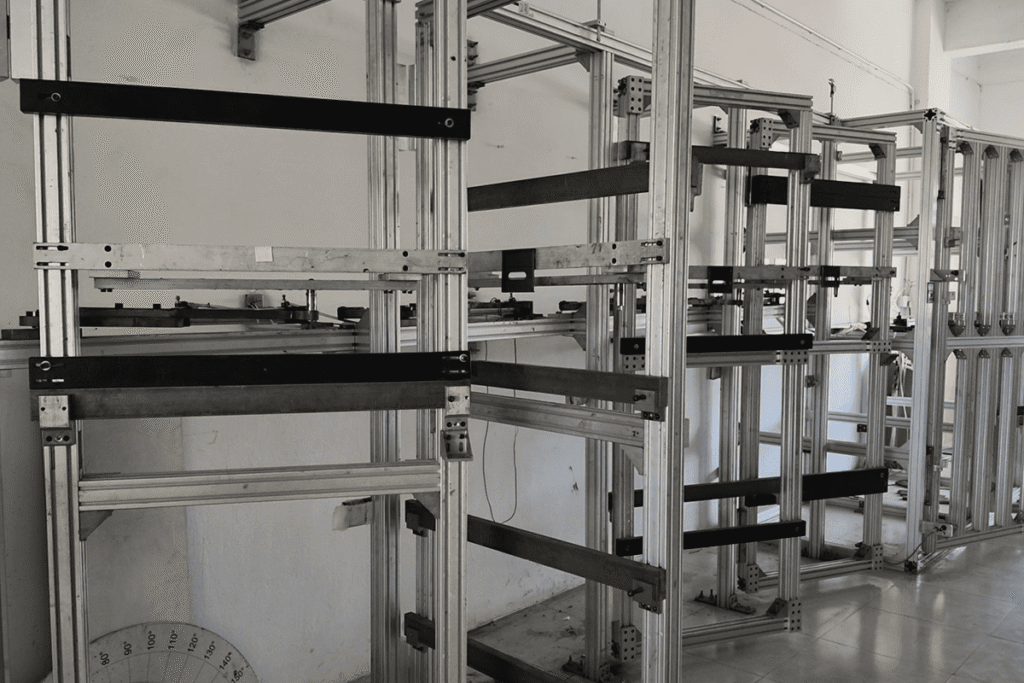
What Is a Hinge Cycle Test? A Complete Guide to Door Hinge Durability Testing
A hinge cycle test often becomes confusing when buyers only see a big cycle number on a quotation. That number can feel reassuring, but it can also hide risk if the test conditions do not match the real door. I use this guide to explain how durability testing helps buyers choose hinges more safely.
A hinge cycle test is a controlled durability test that repeatedly opens and closes a door hinge assembly1 to check for wear, loosening, deformation, sagging, noise, rough movement, or functional failure. It helps compare hinge durability, but buyers should evaluate the cycle count together with door weight, width, hinge quantity, fixing method, and project usage2.
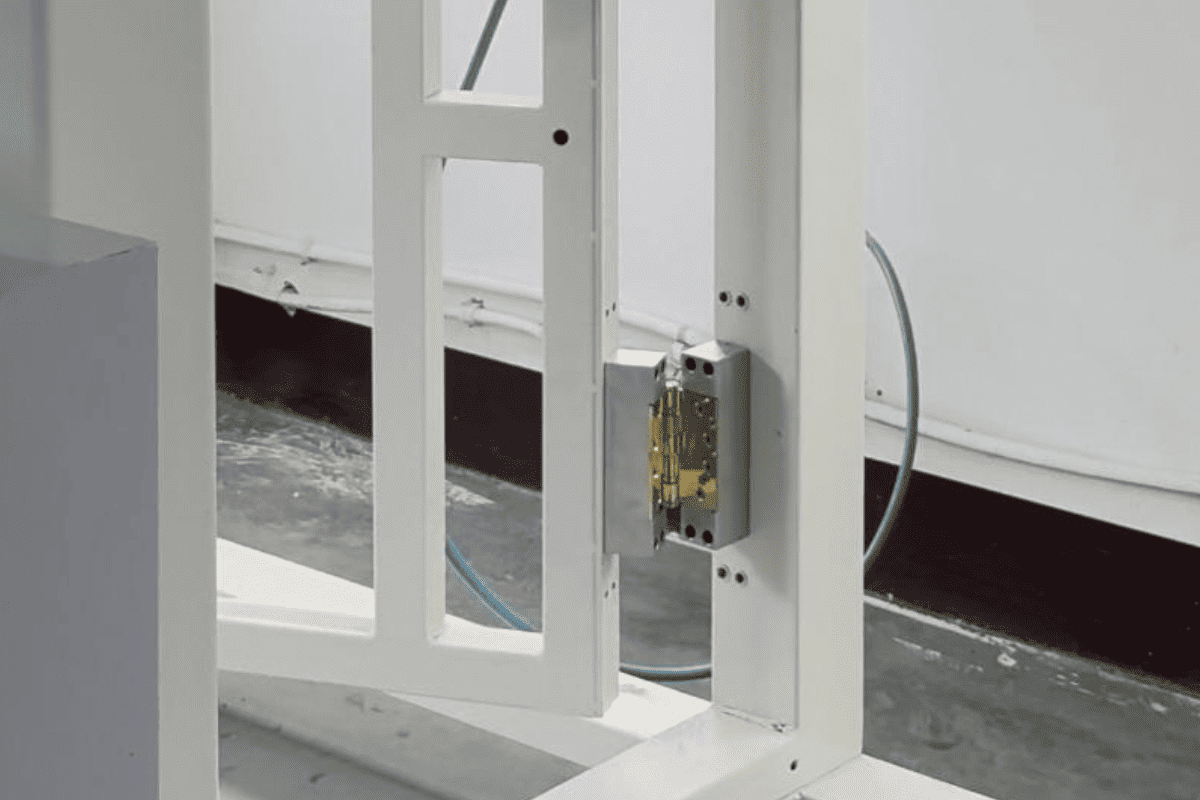
The important point is simple: a cycle test is not a magic number. It is a screening method. When I review hinge performance in a factory context, I always connect the test result with the door system, because the same hinge can behave differently under different loads and installation conditions.
What does a hinge cycle test actually check?
A hinge cycle test can appear to check only opening and closing movement. That view is too narrow. The real problem is that small changes in movement, alignment, and fixing strength can become serious after-sales issues when doors are installed in hotels, apartments, offices, schools, or commercial projects.
A hinge cycle test checks how a hinge performs during repeated movement under controlled conditions. It usually observes durability-related symptoms such as loose screws, hinge leaf deformation, pin wear, abnormal noise, door sagging, rough rotation, excessive clearance, or failure to support the intended door load.
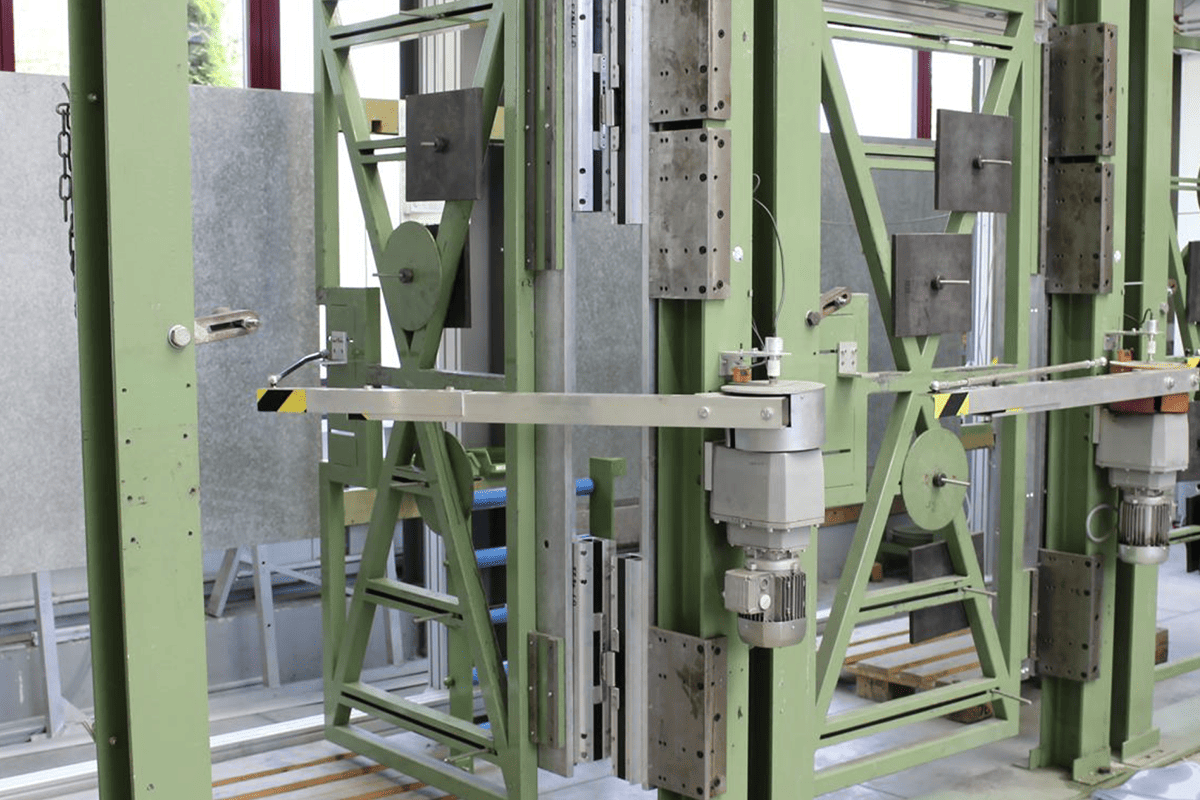
The test is about repeated stress, not just movement
In simple terms, the test repeats what happens when a door opens and closes many times. However, the value comes from the observation, not only the counting. In our factory-side quality checks, I do not treat the cycle counter as the whole story. I look at how the hinge behaves before, during, and after the repeated operation.
A useful test may examine several areas:
- Movement smoothness: Does the hinge still rotate without sticking?
- Noise level: Does squeaking, clicking, or grinding appear?
- Door position: Does the door drop, rub, or lose alignment?
- Fixing stability: Do screws loosen or fixing points deform?
- Hinge geometry: Do the leaves bend, twist, or open unevenly?
- Pin and bearing condition: Does wear create excessive play?
- Surface condition: Does the finish crack, peel, or expose corrosion risk?
Common durability problems found during testing
In my experience, the most useful part of durability testing is that it makes weak points visible earlier. A hinge may look solid on a sample table, but repeated movement can reveal hidden design or production issues.
| Test observation | Possible cause | Buyer concern |
|---|---|---|
| Door gradually sags | Insufficient hinge strength, poor bearing design, weak fixing | Door rubbing, poor closing, after-sales claims |
| Screws loosen | Wrong screw type, weak fixing area, vibration | Unsafe installation, unstable door set |
| Movement becomes rough | Pin wear, poor lubrication, misalignment | Poor user experience, noise complaints |
| Hinge leaf deforms | Material thickness or structure mismatch | Reduced load capacity |
| Clearance increases | Wear in pin or knuckle area | Door shaking, inaccurate closing |
| Noise appears | Friction, coating wear, contamination | Perceived low quality |
Why controlled conditions matter
A proper test needs controlled conditions. The door weight, door size, hinge quantity, fixing method, opening angle, and cycle speed all affect the result. If these details are missing, the test claim is incomplete.
For example, a hinge tested on a narrow, moderate-weight door may not perform the same on a wide and heavy door. A wider door creates more leverage.3 That leverage increases stress on the hinge and fixing points. This is why I always suggest asking about the test setup, not only the headline cycle number.
A cycle count without the test conditions is like a load rating without the load direction. It may sound useful, but it does not tell the full application story.
Why is a hinge cycle test not the same as real service life?
A hinge cycle test can help buyers compare durability, but it should not be converted directly into exact years of service life4. That mistake creates false confidence. A project door may face impacts, poor installation, humidity, cleaning chemicals, door closers, misalignment, or user abuse5 that a lab test may not fully reproduce.
A hinge cycle test is a durability screening tool, not an exact service-life calculator. It helps identify weak designs and compare hinges under defined conditions, but real-world performance still depends on door weight, door width, traffic frequency, installation quality, environment, maintenance, and matching hardware components.
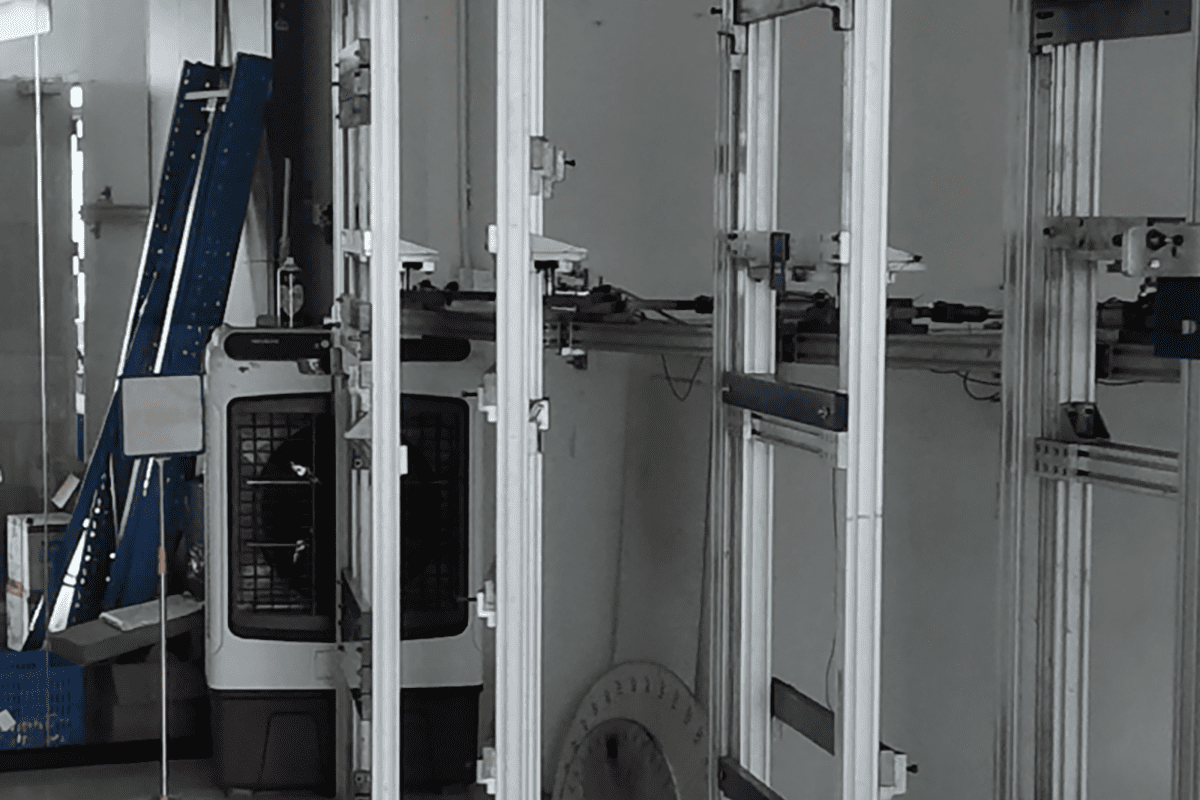
Lab testing controls variables
Testing has value because it controls variables. The hinge can be installed in a consistent position. The movement can follow a defined pattern. The load can be kept stable. The inspector can observe changes over time.
This controlled setup helps manufacturers and buyers answer important questions:
- Does the hinge design survive repeated movement?
- Does the hinge maintain alignment under the selected load?
- Does the fixing area remain stable?
- Does noise or rough movement appear after repeated use?
- Does the sample show deformation or wear that could become a field problem?
These answers are useful. However, they do not cover every real-world condition.
Real doors face more variables
A project door rarely lives in a perfect test environment. A hotel corridor door, for example, may have a door closer, smoke seal, heavy lever handle, access control hardware, or uneven frame installation. A school door may face frequent impact and rough handling. A coastal building may expose metal parts to humidity and corrosion risk.
Here are several real-world variables that can change hinge performance:
- Door width: A wider door increases leverage on the hinge.
- Door weight: A heavier door increases vertical load and stress.
- Hinge quantity: Two, three, or four hinges distribute load differently.6
- Frame material: Timber, steel, and aluminum frames hold screws differently.
- Screw specification: Length, diameter, and thread type affect fixing strength.
- Door closer force: Closing speed and backcheck can increase dynamic stress.
- Installation accuracy: Misalignment can overload one hinge.
- Usage pattern: Frequent opening creates different wear from occasional use.
- Environment: Humidity, dust, salt air, and temperature can affect durability.
Why years-based claims can mislead buyers
I sometimes see buyers ask, “How many years will this hinge last?” I understand the concern. They want fewer complaints and lower after-sales risk. However, a direct conversion from test cycles to years can be misleading.
For example, two buildings may use the same door hinge. One door opens 20 times per day. Another opens 500 times per day. The hinge sees very different stress levels. Also, one installer may use the correct screws and frame reinforcement, while another may install the hinge into a weak or misaligned frame.
This is why I prefer a more practical question:
“Does this hinge specification match this door application and project usage?”
That question leads to better evaluation. It connects the test result to the door system. It also helps buyers avoid overbuying or under-specifying. A very high cycle claim is not helpful if the hinge does not match the actual door weight, door width, or installation method.
How should buyers match hinge cycle test results to the door system?
A hinge cycle test becomes meaningful only when it is matched to the actual door system. Buyers create risk when they compare hinges by cycle count alone. A hinge that passes one setup may be unsuitable for a heavier, wider, thicker, or more frequently used door.
Buyers should match hinge cycle test results with door weight, door width, door thickness, hinge size, hinge quantity, fixing method, frame material, opening angle, and project traffic level. The best hinge is not always the one with the highest cycle number; it is the one specified correctly for the full door assembly.

Start with the door, not the hinge
When I discuss hinge selection with door manufacturers, I like to start from the door schedule. The door schedule tells us more than a product photo. It shows the door size, material, thickness, weight, and project environment. Those details help narrow the hinge type.
A useful hinge evaluation should include:
- Door material: timber, steel, aluminum, composite, fire-rated core
- Door weight: estimated or confirmed weight per leaf
- Door width and height: especially for tall or wide doors
- Door thickness: affects hinge size and screw positioning
- Opening frequency: residential, commercial, public, or high-traffic use
- Hardware combination: lock, closer, seal, panic device, or access control
- Frame type: timber frame, steel frame, aluminum frame, or reinforced frame
- Regulatory requirements: CE documents, fire-rated documentation, or project-specific approvals that buyers should verify
A practical evaluation table
The following table gives a simple way to connect test information with purchasing decisions. It is not a replacement for engineering judgment, but it helps buyers ask better questions.
| Buying question | Why it matters | What I would ask the supplier |
|---|---|---|
| What door weight was used in the test? | Load affects sagging and wear | “Was the hinge tested under a load similar to my door?” |
| What door width was used? | Width changes leverage | “Was the test door similar in width to my project door?” |
| How many hinges were installed? | Load distribution changes | “Was the result based on two, three, or more hinges?” |
| What fixing method was used? | Screws and frame strength affect stability | “What screw type, frame, and reinforcement were used?” |
| What failure criteria were checked? | Cycle count alone is incomplete | “What was considered pass or fail?” |
| What standard or internal method was followed? | Test quality depends on method | “Can I review the test method or report?” |
Hinge quantity affects the result
Hinge quantity is often underestimated. A heavy door with three hinges may perform differently from the same door with two hinges. The middle hinge can help share load and improve stability, but only if it is installed correctly and aligned with the others.7
However, adding hinges does not automatically solve every problem. Poor alignment can cause one hinge to carry more load than expected. Incorrect screw fixing can still lead to loosening. A thin frame or weak reinforcement can also fail before the hinge itself fails.
Door width can be as important as door weight
Many buyers focus on weight, but door width is also critical. A wide door creates more torque on the hinge side. That force can increase sagging risk, especially at the top hinge and fixing points.
For example, a medium-weight but very wide door may create more stress than a narrow door with similar weight. This is why I avoid selecting hinges from weight alone. I prefer to consider weight + width + usage + fixing conditions together.
Match the hinge family to the application
Different hinge types serve different needs. Butt hinges, concealed hinges, and heavy-duty architectural hinges may all be tested, but they do not behave the same way. Their installation methods, load paths, and adjustment features differ.
For B2B procurement, I suggest checking:
- Is the hinge type suitable for the door construction?
- Is the hinge size suitable for the door thickness and weight?
- Is the material suitable for the environment?
- Is the finish suitable for the project aesthetic and corrosion expectations?
- Are certification documents available and relevant to the project?
At SDH Hardware, we manufacture butt hinges and concealed door hinges as part of a wider architectural hardware range. From a factory perspective, I find that hinge durability discussions are most useful when buyers provide full door information instead of only asking for the highest cycle figure.
What failure symptoms matter during door hinge durability testing?
Door hinge durability testing matters because small symptoms can become expensive project complaints. A door that makes noise, drops slightly, or feels rough may still “work,” but it can damage the buyer’s brand reputation. I believe a good inspection should look beyond complete breakage.
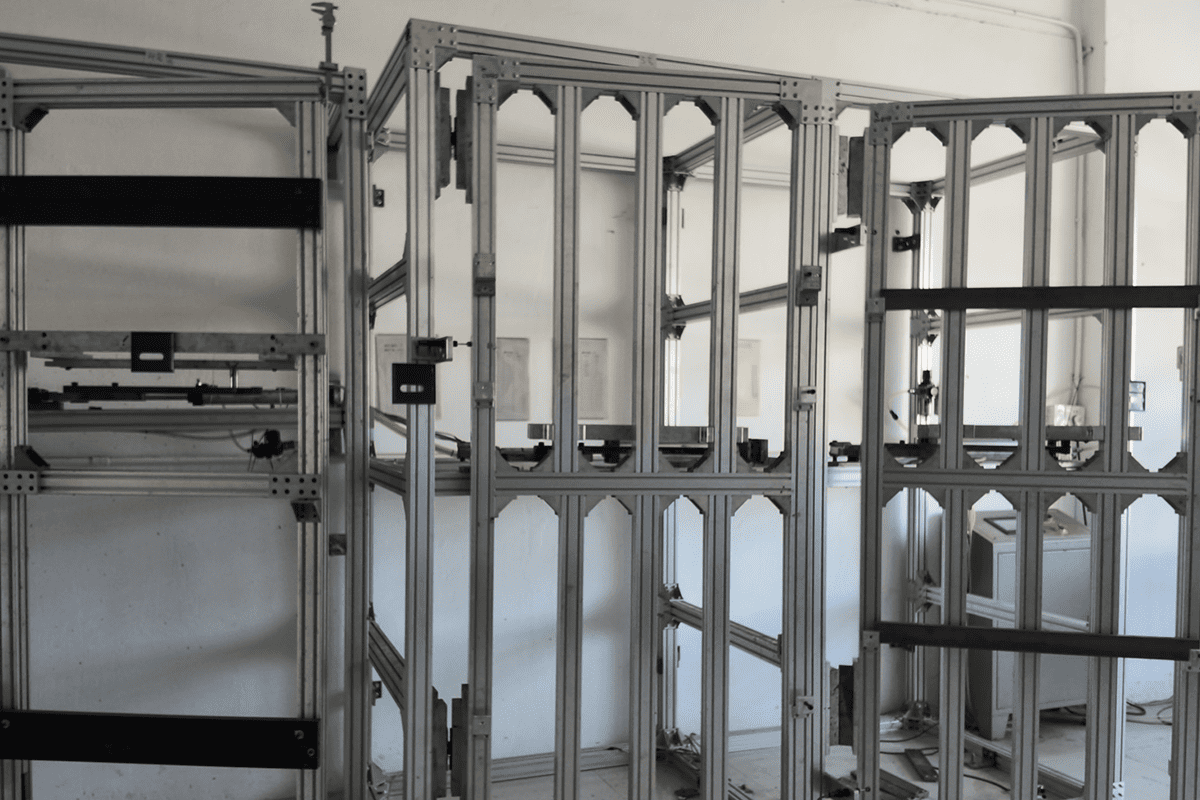
The most important failure symptoms during door hinge durability testing include sagging, loosening, deformation, excessive clearance, rough operation, abnormal noise, unstable closing, and visible wear8. These symptoms show whether the hinge can maintain practical door performance, not only whether it can continue moving.
Sagging is one of the clearest warnings
Door sagging is a common after-sales concern. It can cause the door leaf to rub the floor, strike the frame, or fail to latch smoothly. In durability testing, sagging may appear gradually. The inspector should measure or observe alignment before and after repeated cycling.
Sagging can come from several sources:
- The hinge leaf may deform.
- The pin or bearing area may wear.
- The screws may loosen.
- The frame fixing area may compress or crack.
- The installation may not distribute load evenly.
A buyer should not assume sagging is always a hinge material problem. Sometimes the hinge is underspecified. Sometimes the fixing method is wrong. Sometimes the door is wider or heavier than the hinge application range.
Noise tells buyers about friction and fit
Noise is not only a comfort issue. It can indicate friction, poor lubrication, pin movement, surface wear, or misalignment.9 A small squeak during early cycling may become a serious complaint in quiet environments such as hotels, hospitals, offices, or residential buildings.
In factory checks, I pay attention to when noise appears. Noise at the beginning may suggest assembly or lubrication issues. Noise after repeated cycles may suggest wear. Noise only at a certain opening angle may suggest alignment or clearance problems.
Loosening is a system-level failure
Loose hinges can create safety and warranty risk. However, loosening may involve more than the hinge. The screw material, screw length, thread engagement, pilot hole, frame reinforcement, and installer practice all matter.10
For procurement teams, this point is important. A supplier may show a strong hinge body, but the final door set may still fail if the fixing method is weak. Buyers should ask whether the test used a fixing method similar to the real project.
Deformation changes door performance
A hinge does not need to break to fail. If the hinge leaf bends, twists, or opens out of shape, the door can lose alignment. Deformation can be caused by insufficient material thickness, poor geometry, unsuitable material selection, or a mismatch between hinge and door load.
The following inspection checklist helps buyers evaluate failure symptoms more clearly:
| Symptom | What to check | Why it matters |
|---|---|---|
| Sagging | Door gap before and after test | Shows load support stability |
| Loosening | Screw tightness and hinge movement | Shows fixing reliability |
| Noise | Sound during full opening range | Shows friction and wear risk |
| Rough movement | Resistance or sticking | Shows pin, bearing, or alignment issue |
| Deformation | Leaf flatness and knuckle alignment | Shows structural stability |
| Clearance | Side play and vertical play | Shows wear and fit quality |
| Finish damage | Cracking, peeling, exposed metal | Shows surface durability concerns |
Buyers should define failure criteria in advance
A clear pass/fail rule makes testing more useful. Without failure criteria, the cycle number becomes subjective. One supplier may consider a noisy but moving hinge acceptable. Another supplier may treat noise as a failure symptom.
I recommend that B2B buyers define practical criteria before confirming orders. The criteria may include acceptable door gap change, movement smoothness, no visible deformation, no abnormal noise, no screw loosening, and no functional interference. For certified or fire-rated doors, buyers should also verify the relevant certification documents and installation requirements with qualified professionals.
How should B2B buyers verify a supplier’s hinge cycle test claims?
A hinge cycle test claim should be checked carefully before bulk purchasing. Buyers face risk when quotations list cycle counts without method, load, door size, or failure criteria. A professional supplier should be able to explain the test context clearly and provide documents for review when required.
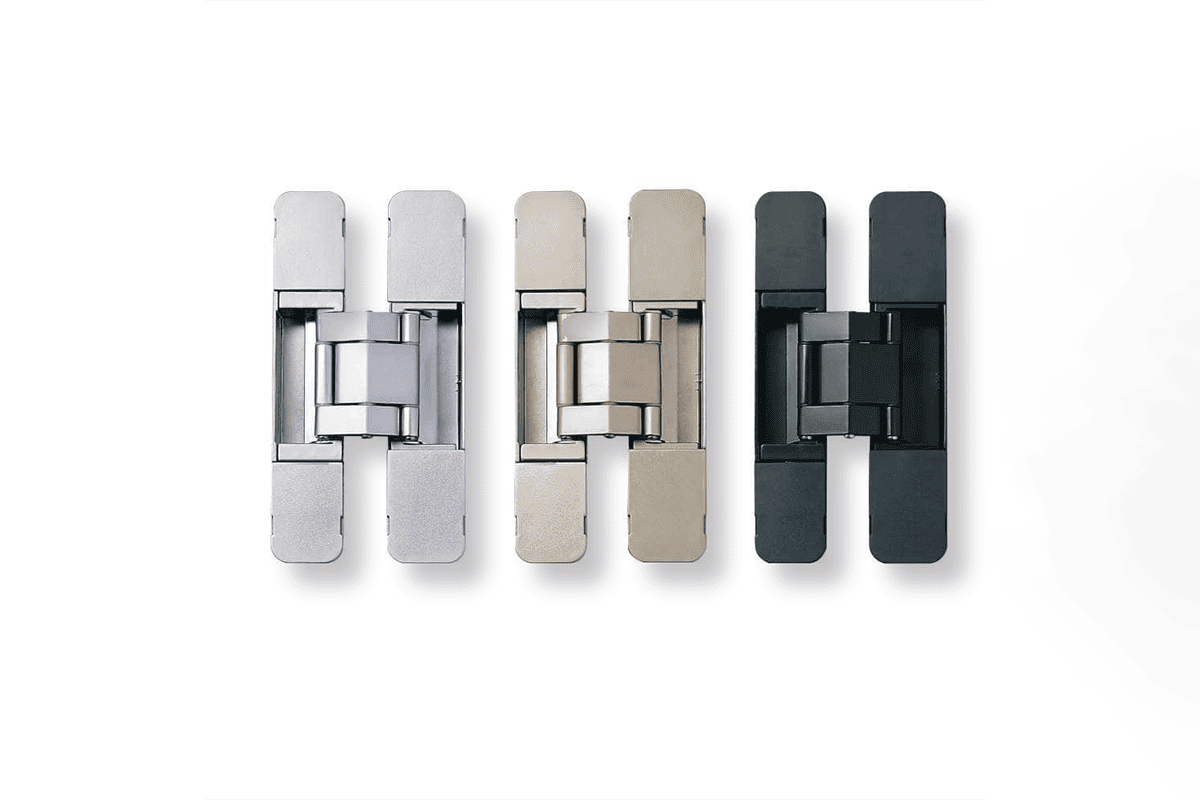
B2B buyers should verify hinge cycle test claims by asking for the test method, applicable standard or internal procedure, door load, door width, hinge quantity, fixing conditions, cycle speed, opening angle, failure criteria, sample specification, and test report. They should also confirm that the hinge matches the actual project door system.
Ask for the method, not only the number
A cycle number has limited meaning without the method. A buyer should ask what standard, customer requirement, or internal testing procedure was followed. If a supplier refers to CE, fire-rated, or other compliance documents, the buyer should verify the documents and confirm that they apply to the exact hinge model and door application.
I recommend asking these questions:
- What test method was used?
- Was the test performed internally or by a third-party laboratory?
- What door weight and width were used?
- How many hinges were installed on the test door?
- What screw and frame conditions were used?
- What opening angle and cycle speed were applied?
- What symptoms were checked after testing?
- What was defined as failure?
- Does the tested hinge match the quotation model exactly?
- Can the supplier provide drawings, material details, and inspection records?
Compare identical conditions where possible
A fair comparison needs similar conditions. If Supplier A tests a hinge on one door size and Supplier B tests on a different door size, the cycle numbers may not be directly comparable. A lower cycle number under tougher conditions may be more meaningful than a higher number under lighter conditions.
This issue appears often in B2B sourcing. Procurement teams receive several quotations. Each supplier presents a different claim. The buyer then tries to rank products by the highest number. That method can lead to a poor decision.
A better approach is to compare:
| Comparison item | Better buying practice |
|---|---|
| Cycle count | Compare only with similar test setups |
| Hinge size | Match to door thickness and weight |
| Material | Confirm grade, thickness, and structure |
| Finish | Confirm corrosion and aesthetic requirements |
| Fixing | Match screws and frame to real installation |
| Certification | Verify documents, model coverage, and validity |
| QC process | Check incoming material, production, and final inspection |
Review supplier quality control capability
Testing is one part of quality control. Stable production matters just as much. A good sample does not guarantee every shipment will perform the same. Buyers should ask how the supplier controls raw material, machining, assembly, surface treatment, and final inspection.
At SDH Hardware, we operate as a factory-direct architectural door hardware manufacturer with in-house production and inspection processes. In my role, I see why full-process control matters. Hinge durability depends on many small details, including stamping accuracy, material consistency, pin fit, bearing structure, hole position, finish control, and packaging protection.
For bulk orders, buyers can request:
- Product drawings after order confirmation
- Material and finish confirmation
- Pre-production samples
- Inspection reports
- Function test records
- Packaging confirmation
- Logo or branding approval
- Final inspection before shipment
Treat certificates as documents to verify
Certificates can be important for project approval, especially in Europe, the Middle East, and Southeast Asia. However, buyers should review them carefully. A certificate may apply to a specific model, size, configuration, fire door assembly, or installation method.11 It may not automatically cover every customized version.
I suggest that buyers verify:
- The exact product model listed
- The issuing body or laboratory
- The validity period
- The standard or test method named
- The scope of application
- The door assembly or hardware combination
- The installation conditions
If the project has safety, fire, acoustic, or regulatory requirements, the buyer should consult qualified professionals or the relevant approval authority. A manufacturer can provide product information and documents, but project-specific compliance decisions should be made through proper technical review.
Frequently Asked Questions
Is a higher hinge cycle test number always better?
No, a higher number is not always better. The test conditions matter. A hinge tested under a lighter load may show more cycles than a hinge tested under a heavier or wider door. Buyers should compare door weight, width, hinge quantity, fixing method, and failure criteria.
Can a hinge cycle test predict exact service life?
No, a cycle test cannot predict exact real-world service years. It provides a controlled durability comparison. Real service life depends on usage frequency, installation quality, door weight, door width, maintenance, environment, door closer force, and other hardware in the door system.
What should I ask a hinge supplier before placing a bulk order?
You should ask for the test method, load, door size, hinge quantity, fixing details, failure criteria, product drawings, material information, finish details, and available certification documents. You should also confirm that the tested hinge specification matches your actual project door.
Why do hinges pass testing but still fail on site?
Hinges may fail on site because the real door system differs from the test setup. Common causes include heavier doors, wider doors, weak frames, incorrect screws, poor alignment, aggressive usage, unsuitable environments, or mismatched door closers and hardware.
Should fire-rated hinges be evaluated differently?
Yes, fire-rated hinges should be evaluated as part of the complete door assembly and project requirements. Buyers should verify fire-rated documentation, model scope, installation conditions, and applicable local requirements. A qualified professional should review application-specific compliance before final project approval.
Conclusion
A hinge cycle test is a valuable tool for evaluating door hinge durability, but it should never be treated as a simple “higher number means better hinge” ranking. Buyers should connect cycle results with door weight, door width, hinge quantity, fixing conditions, usage frequency, and project requirements. If you are sourcing architectural hinges for door manufacturing or bulk supply, I recommend sharing your door specifications first. SDH Hardware can help review hinge options, customization needs, and quality control documents for your next project.
"Understanding BS EN 1935:2002 single-axis hinge grades", https://uk.sfs.com/resources/article/understanding-bs-en-1935. A door-hardware testing standard describes hinge durability assessment as repeated cycling of a hinge or hinged door assembly under specified test conditions to evaluate continued function and wear-related performance. Evidence role: definition; source type: institution. Supports: A recognized door-hardware standard or institutional source should support that hinge durability testing involves repeated operation of a hinged door or hinge assembly under defined conditions.. Scope note: The source may define the procedure for a particular standard or hinge class rather than every possible factory test method. ↩
"Understanding BS EN 1935:2002 single-axis hinge grades", https://uk.sfs.com/resources/article/understanding-bs-en-1935. Door-hardware classification systems evaluate hinges by durability and load-related application factors, supporting the view that cycle results should be interpreted with door mass, configuration, fixing, and intended use rather than as an isolated number. Evidence role: general_support; source type: institution. Supports: A standards or technical source should show that hinge ratings and durability classifications are tied to door mass, duty level, hinge type, installation, or similar application variables.. Scope note: This supports the general evaluation principle; it may not list every variable named in the article. ↩
"28.18 -- Open door to demonstration preparation area", https://web.physics.ucsb.edu/~lecturedemonstrations/Composer/Pages/28.18.html. Basic mechanics texts define torque as the product of force and moment arm, which explains why increasing the distance from the hinge line increases the turning moment applied to the hinge side of a door. Evidence role: mechanism; source type: education. Supports: An educational mechanics source should support that torque increases with the perpendicular distance from the pivot or hinge, explaining why a wider door can impose greater moment on hinges.. Scope note: The source supports the mechanical principle; it does not directly test a specific hinge model. ↩
"Service Life Prediction -Why is this so hard?", https://www.nist.gov/publications/service-life-prediction-why-so-hard. Reliability engineering literature treats accelerated or controlled durability tests as comparative or predictive tools whose translation into field service life depends on assumptions about operating conditions, stress levels, and environment. Evidence role: expert_consensus; source type: research. Supports: A reliability engineering source should support that accelerated or laboratory durability testing estimates performance under defined assumptions and cannot be directly equated to exact field service life without usage and environmental data.. Scope note: This is contextual support from reliability testing principles, not hinge-specific proof. ↩
"Marine Atmospheric Corrosion of Carbon Steel: A Review - PMC", https://pmc.ncbi.nlm.nih.gov/articles/PMC5506973/. Materials and building-maintenance literature identifies moisture, corrosive agents, mechanical loading, and installation conditions as factors that can influence the durability of metal building hardware in service. Evidence role: general_support; source type: research. Supports: A materials or building-hardware source should support that environmental exposure, chemicals, mechanical accessories, installation alignment, and user loading can affect durability of door hardware.. Scope note: This supports the general risk factors; it may not quantify their individual effects on the specific hinge designs discussed. ↩
"Everything you need to know about Commercial Door Hinges", https://www.mckinneyhinge.com/en/resource-library/knowledge-center/blog/blog-post.aehdynamic-everything-you-need-to-know-about-commercial-door-hinges-top-10-commercial-contractors-hinge-installation-questions-633f18001fa7df003d7c229b_mckinney.html. Engineering guidance on hinged supports explains that adding supports changes reaction forces and load sharing, which is consistent with door-hardware practice in which hinge number and placement affect how a door leaf is supported. Evidence role: mechanism; source type: education. Supports: An engineering or architectural hardware source should support that multiple hinges share support of the door leaf and that hinge count and placement influence load distribution.. Scope note: This is partly contextual mechanical support unless the source specifically addresses architectural door hinges. ↩
"How To Fix a Sagging Door that's Rubbing or Won't Close!!!",
. Structural mechanics principles and door-installation guidance indicate that additional aligned supports can share load, while misaligned supports may introduce uneven reactions or binding rather than uniform load distribution. Evidence role: mechanism; source type: education. Supports: A technical source should support that additional hinges can contribute to load sharing but alignment affects whether supports carry load as intended.. Scope note: The source may support the principle generally and may not provide direct test data for all door and hinge configurations. ↩"Accelerated Life Testing to Predict Service Life and Reliability ...", https://epublications.marquette.edu/cgi/viewcontent.cgi?article=1162&context=mechengin_fac. Door-hardware durability standards evaluate hinges after repeated operation for continued function and degradation-related criteria, supporting inspection of symptoms such as wear, deformation, looseness, clearance, and impaired operation. Evidence role: general_support; source type: institution. Supports: A hinge testing standard or institutional technical source should support that durability assessment includes functional performance, wear, deformation, loosening, or other signs of degradation after cycling.. Scope note: The exact list of symptoms may differ by standard and hinge type. ↩
"Tribology: Friction, Wear, Lubrication, and Design", https://professional.mit.edu/course-catalog/tribology-friction-wear-lubrication-and-design. Tribology research links frictional contact, lubrication condition, wear, and alignment of moving parts with vibration and noise generation, supporting the use of abnormal hinge noise as a possible indicator of mechanical degradation. Evidence role: mechanism; source type: paper. Supports: A tribology or mechanical diagnostics paper should support that friction, lubrication state, wear, and misalignment can generate or change noise in moving mechanical contacts.. Scope note: The source may address mechanical contacts generally rather than door hinges specifically. ↩
"Impact of Drill Bit Wear on Screw Withdrawal Resistance in ...", https://pmc.ncbi.nlm.nih.gov/articles/PMC11642299/. Research on screw and fastener connections shows that holding capacity depends on fastener geometry, embedment or thread engagement, pilot-hole preparation, substrate properties, and installation conditions. Evidence role: mechanism; source type: paper. Supports: A fastener or structural connection source should support that screw holding capacity and loosening resistance are influenced by screw geometry, engagement length, pilot holes, substrate strength, and installation quality.. Scope note: This supports the fixing mechanism generally; hinge-specific performance also depends on door and frame design. ↩
"Important Tips for Specifying Fire Door Assemblies", https://steeldoor.org/tips-for-specifying-fire-door-assemblies/. Certification and fire-door standards describe listings as applying to specified products, assemblies, ratings, and installation conditions, supporting the need to verify that a certificate covers the exact hinge model and application. Evidence role: expert_consensus; source type: institution. Supports: A certification or fire-door standards source should support that listed or certified door hardware is evaluated within defined scope, assemblies, models, and installation conditions.. Scope note: This directly supports regulated or listed products; non-regulated internal test certificates may follow different documentation practices. ↩
