

Strong Antimicrobial Coating for Public Safety
An antimicrobial coating can sound like a simple upgrade for public safety, but buyers quickly face a problem: many technologies make similar claims. If the wrong coating is chosen, the finish may wear, the claim may be hard to support, and the product may disappoint end users. I prefer to evaluate the coating system first, not the marketing phrase.
A strong antimicrobial coating for public safety is the coating system that fits the substrate, use environment, cleaning routine, durability target, and verified claim. For high-touch door hardware, buyers should compare nylon, metal, powder-coated, sprayed, photocatalytic, quaternary ammonium, and superhydrophobic options based on manufacturability, wear resistance, and test evidence.
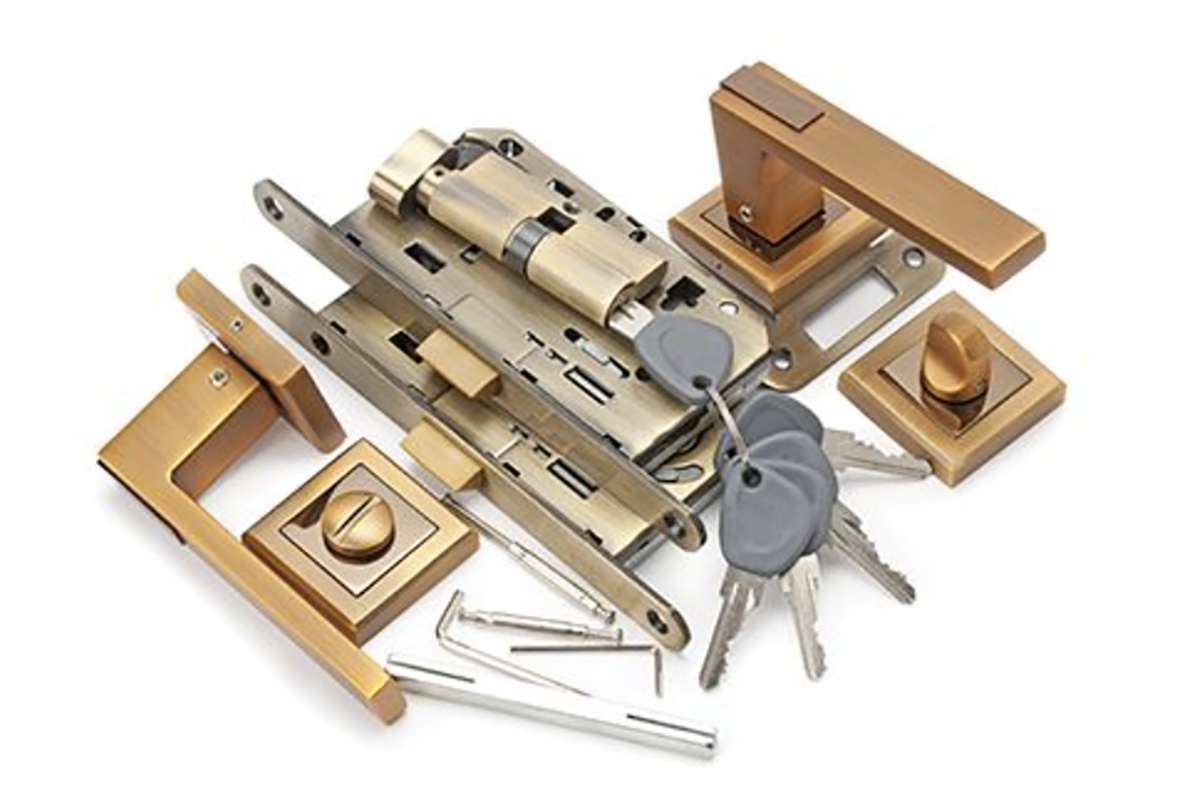
The real question is not only “Which chemistry is strongest?” The better question is “Which surface solution stays credible after months of touching, cleaning, abrasion, sweat, and public use?” That is where procurement teams, door factories, and hardware brands should focus.
What Makes an Antimicrobial Coating Strong for Public Hardware?
Public hardware faces a difficult problem. A handle, lock trim, push plate, or pull handle may be touched hundreds or thousands of times each day.1 If an antimicrobial coating cannot survive that real use, its technical claim becomes weak in the market.
A strong antimicrobial coating for public hardware combines verified antimicrobial performance, substrate compatibility, coating adhesion, wear resistance, chemical resistance, and responsible product communication2. Buyers should review test reports, cleaning assumptions, abrasion data, and finish consistency before treating any coating as suitable for hospitals, schools, transport hubs, or offices.
Strength Is More Than a Lab Claim
In manufacturing, I often see buyers focus first on the most impressive claim. They may ask for a very high inhibition rate, a special additive, or a popular surface technology. I understand that instinct. Public safety products need confidence. However, I have also learned that a surface claim is only useful when the coating survives real handling.
For architectural door hardware, strength has several layers:
| Evaluation Point | Why It Matters for Public Hardware | Buyer Question |
|---|---|---|
| Substrate fit | Nylon, zinc alloy, stainless steel, aluminum, and brass behave differently | Is the coating designed for this material? |
| Adhesion | Poor bonding causes peeling, edge wear, or uneven appearance | What adhesion test is available? |
| Abrasion resistance | Handles face constant hand contact and friction | How does the finish perform after repeated cycles? |
| Cleaning resistance | Public facilities use alcohol, detergents, and disinfectants | Which cleaning agents were tested? |
| Visual durability | Public hardware must still look acceptable after use | Does the color or texture change over time? |
| Claim evidence | Marketing language must be supported | Which third-party test report can be verified? |
The Door Hardware Reality
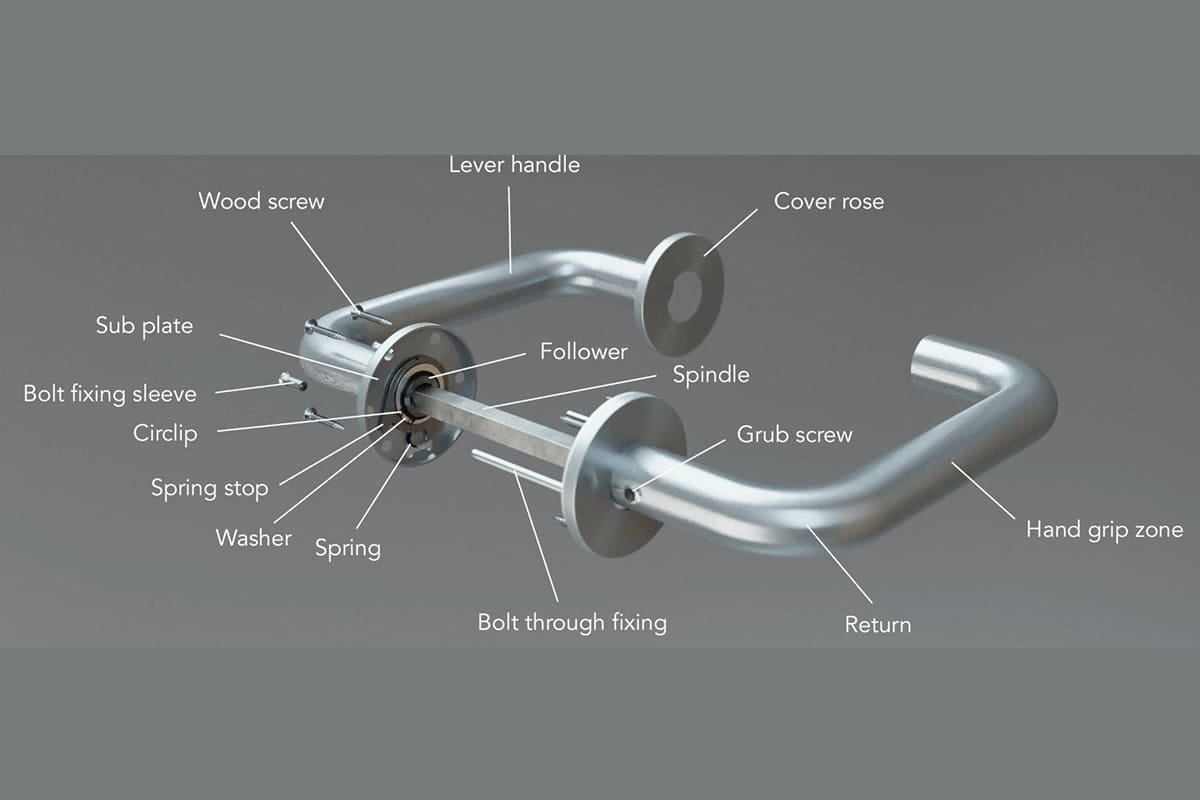
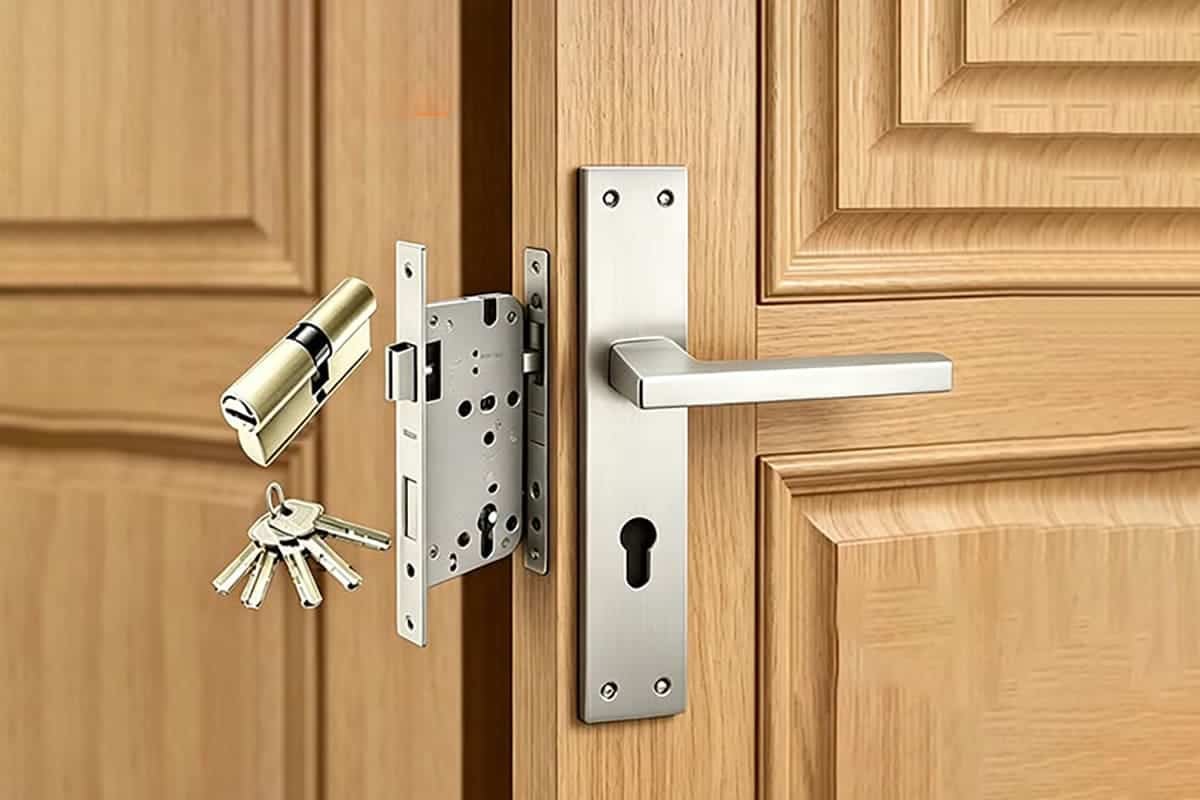
Door hardware is different from a flat laboratory coupon. A lever handle has curves, edges, holes, contact zones, and sometimes mixed materials. A coating may look excellent on a flat sample but become inconsistent on a complex handle geometry.
In my own factory-side experience with special surface-treated hardware, I pay close attention to:
- Coating uniformity on curved areas
- Edge coverage near screw holes and spindle areas
- Color consistency across batch production
- Resistance to sweat and frequent hand oils
- Compatibility with later assembly processes
- Packaging protection during bulk shipping
These points matter because B2B buyers do not purchase one sample. They purchase hundreds or thousands of sets. A finish that looks strong in a small trial must also be repeatable in batch supply.
Responsible Public Safety Language
An antimicrobial coating should not be presented as a replacement for cleaning, disinfection, or hygiene management. It is better described as an additional surface feature that may help reduce microbial growth or attachment under defined test conditions.
For procurement documents, I recommend cautious language such as:
“This product is available with an antimicrobial surface treatment. Performance depends on the coating system, substrate, cleaning routine, and verified test data. Regular cleaning and facility hygiene procedures remain necessary.”
This type of wording helps hardware brands protect trust. It also gives project owners a more accurate understanding of what they are buying.
Which Antimicrobial Coating Technologies Fit Different Substrates?
Many buyers face confusion because “antimicrobial” is not one technology. It is a broad category. An antimicrobial coating may use silver ions, antimicrobial powder coating additives, sprayed treatment, titanium dioxide photocatalysis, quaternary ammonium compounds, or special surface structures.
The best antimicrobial coating technology depends on the substrate.3 Nylon handles, plastic parts, stainless steel hardware, zinc alloy components, powder-coated metal parts, and sprayed surfaces do not share the same coating limits. Buyers should match the technology to the base material, shape, use condition, and production process.
Common Technology Options
The table below gives a practical buyer’s view. It is not a microbiology ranking. It is a procurement and manufacturing comparison.
| Technology | Common Substrate Fit | Practical Strength | Common Limitation |
|---|---|---|---|
| Silver-ion antimicrobial coating | Nylon, plastics, some coated parts | Familiar option for hospitals and schools | Needs verified test data and durability checks |
| Antimicrobial powder coating | Metal parts suitable for powder coating | Good for batch consistency and color range | Heat process may limit substrate options |
| Sprayed antimicrobial coating | Various prepared surfaces | Flexible application method | Durability depends heavily on adhesion and topcoat |
| Titanium dioxide photocatalytic coating | Selected surfaces exposed to light | Interesting for special environments | Performance may depend on light conditions4 |
| Quaternary ammonium coating | Selected treated surfaces | Can be used in defined coating systems | Wear and cleaning resistance must be checked |
| Superhydrophobic surface | Special surfaces, sometimes non-door applications | May reduce attachment under certain conditions | Abrasion and long-term public use can be challenging5 |
Nylon Handles With Silver-Ion Systems
For hospitals, schools, and public buildings, nylon handles with silver-ion antimicrobial treatment are often discussed because nylon can provide a warm touch, corrosion resistance, and design flexibility. In some markets, buyers also like nylon handles because they are less cold to touch than metal hardware.
However, the important question is not whether silver sounds strong. The important question is whether the additive or coating is properly integrated, tested, and stable under cleaning and handling conditions. Buyers should ask for:
- Material specification
- Antimicrobial test method and test report
- Cleaning resistance information
- Color stability data
- Batch production sample approval
- Packaging and storage recommendations
Metal Hardware Needs a Different Logic
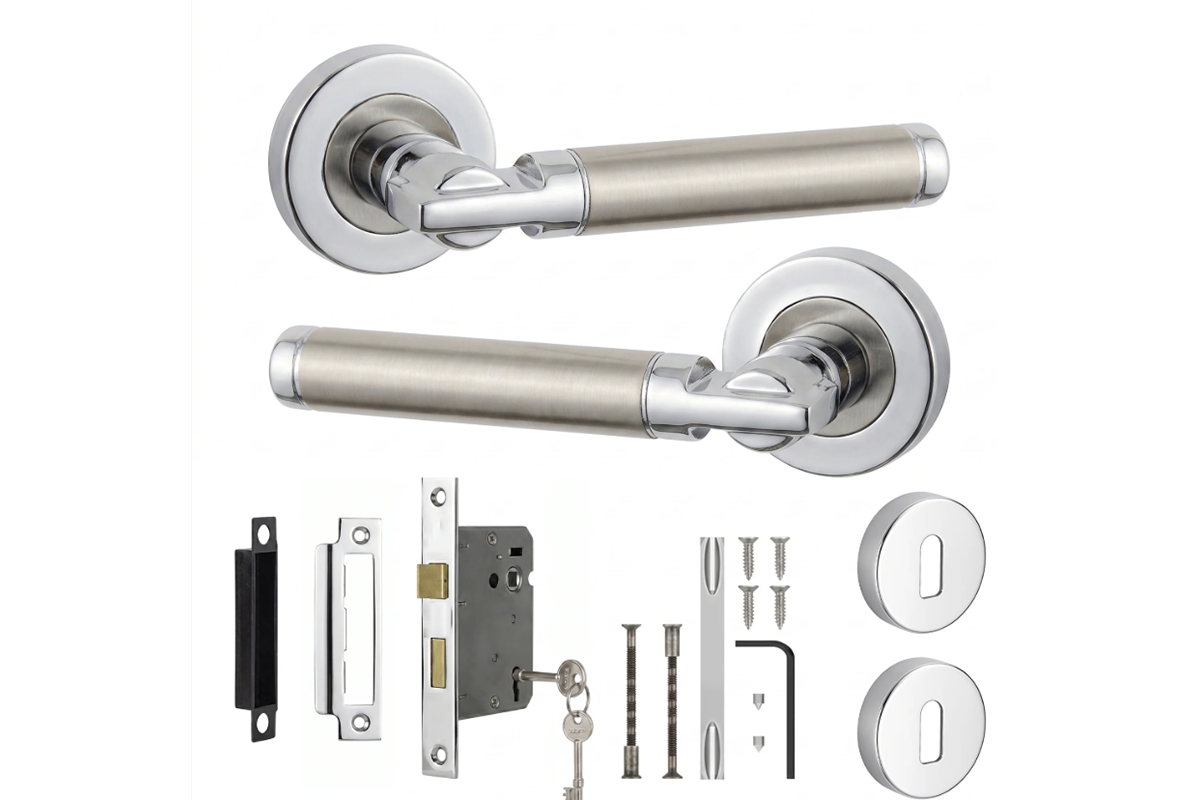
Metal door hardware has other concerns. Stainless steel lever handles, brass cylinders, zinc alloy handles, and aluminum trims may need plating, PVD, anodizing, powder coating, or spray finishing. Each process has a different relationship with antimicrobial additives.
For example, a stainless steel handle may already be valued for durability and clean appearance. If a buyer adds an antimicrobial surface treatment, the supplier should explain how the treatment affects:
- Surface gloss
- Color tone
- Fingerprint visibility
- Scratch resistance
- Salt spray performance, where relevant
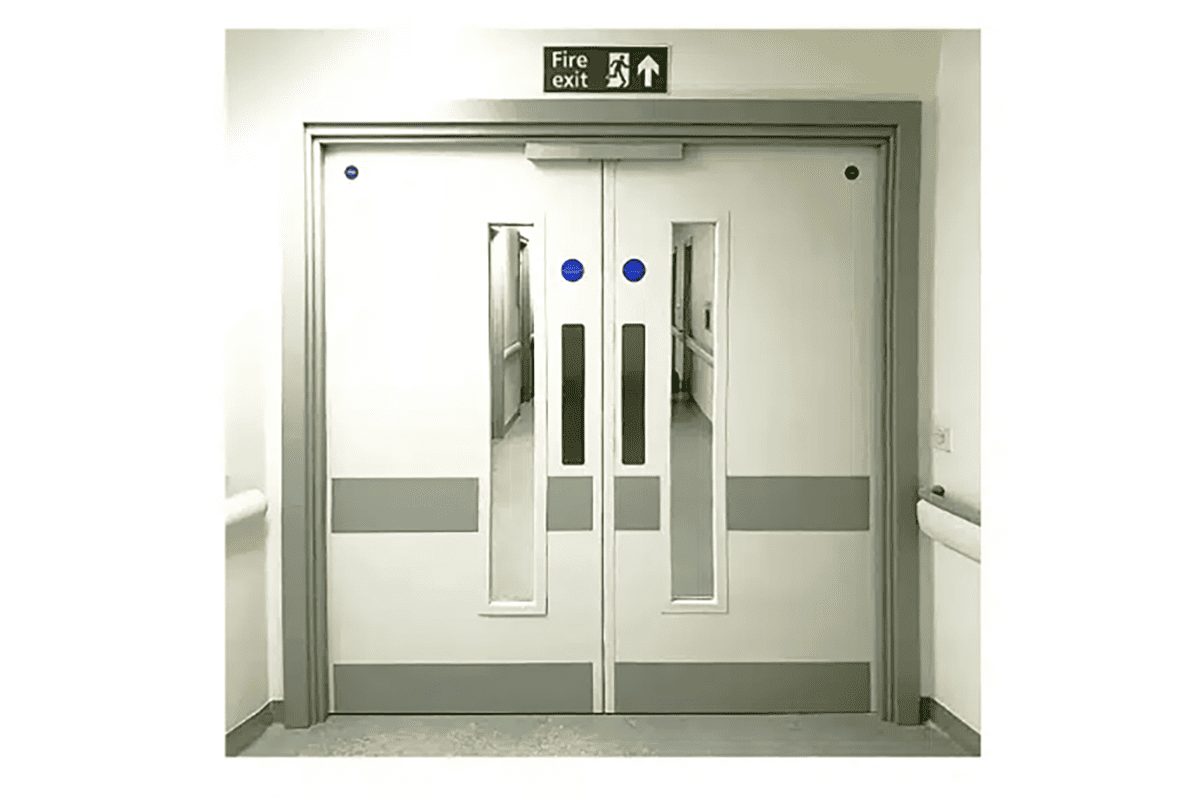
- Fire-rated door hardware compatibility, where applicable
- Long-term replacement consistency
At SDH Hardware, our buyer discussions often start with the door type and project environment. A hospital corridor, a school classroom, a hotel public area, and a public restroom may require different finishes. I prefer that approach because it reduces the risk of overselling one “strongest” answer.
Powder-Coated and Sprayed Parts
Powder coating can be practical for certain metal components because it supports stable batch color and efficient production.6 Antimicrobial additives may be incorporated into some powder systems, subject to supplier data and testing.
Sprayed coatings offer flexibility, especially for complex designs or lower-volume custom work. However, sprayed systems should be evaluated carefully. A sprayed antimicrobial coating may perform well only if the surface preparation, curing, adhesion, and topcoat structure are controlled.
For B2B buyers, the key is not to collect technology names. The key is to connect each technology with the correct production route.
How Should Buyers Evaluate Antimicrobial Coating Durability?
A public project creates a hard problem for any finish. Hardware is touched, cleaned, bumped, packed, installed, and used for years. If an antimicrobial coating loses appearance or wears away too quickly, the buyer may face complaints from contractors, facility managers, or brand customers.
Buyers should evaluate antimicrobial coating durability through abrasion resistance, adhesion, cleaning chemical resistance, sweat resistance, corrosion-related tests when relevant, color consistency, and post-cleaning performance. They should request samples, production references, third-party reports, and clear maintenance instructions before confirming bulk orders.
Durability Is a Commercial Risk
For architectural hardware brands, durability is not only a technical point. It is a brand protection issue. A handle may still function mechanically, but if the surface looks patchy, faded, or scratched, the end customer may believe the whole product is poor.
I have seen this happen with ordinary finishes too. A sample board can look perfect in the showroom. Then the first mass production batch reveals small color differences or weak edge coverage. With antimicrobial products, the risk is higher because the buyer is also communicating a public safety feature.
That is why I recommend a two-track evaluation:
- Antimicrobial performance evidence
- Surface durability evidence
Both tracks matter. One cannot replace the other.
Practical Tests Buyers Can Discuss
Different projects require different standards, and qualified labs should confirm the right test method. Still, buyers can use the following checklist when comparing suppliers.
| Test or Check | Purpose | What Buyers Should Ask |
|---|---|---|
| Adhesion test | Checks bonding between coating and substrate | Does the coating peel or flake? |
| Abrasion test | Simulates repeated hand contact or rubbing | How many cycles were tested? |
| Chemical resistance | Checks cleaning agent impact | Which detergents or disinfectants were used? |
| Sweat resistance | Simulates hand contact exposure | Was artificial sweat considered? |
| Color difference check | Controls batch consistency | What is the acceptable tolerance? |
| Aging exposure | Reviews long-term surface change | Was UV, humidity, or heat tested? |
| Post-cleaning performance | Reviews claim after maintenance | Was the antimicrobial property tested after cleaning cycles? |
Cleaning Routines Matter
Public buildings may use alcohol-based cleaners, chlorine-containing disinfectants, neutral detergents, or other cleaning agents.7 Some coatings tolerate these routines better than others. A buyer should never assume that a surface treatment survives every chemical.
A responsible supplier should be able to discuss:
- Recommended cleaning method
- Chemicals to avoid
- Wiping frequency assumptions
- Expected finish changes over time
- Warranty limits
- Replacement or maintenance guidance
This is especially important for hospitals and schools. These environments may clean frequently, and cleaning teams may not always follow ideal instructions. A coating system should be selected with that reality in mind.
Batch Supply and Inspection
B2B buyers usually need stable repeat orders. For this reason, I care about production control as much as initial sample performance. A good antimicrobial hardware project should include:
- Pre-production sample approval
- Confirmed finish code or color standard
- Defined inspection points
- Packaging method for coated surfaces
- Production lot traceability
- Final inspection before shipment
At SDH Hardware, we use full-process quality control from raw material screening to standardized production supervision and finished product inspection. For special surface-treated products, I would also suggest buyers confirm coating-specific inspection criteria before order confirmation. This keeps expectations clear on both sides.
How Can Brands Make Antimicrobial Coating Claims Responsibly?
Marketing creates a serious challenge. A strong phrase may sell faster, but an unsupported claim can create risk. An antimicrobial coating should be explained with care, especially when the product is used in hospitals, schools, elderly care facilities, or other sensitive public spaces.
Brands should make antimicrobial coating claims responsibly by using verified test reports, naming the test conditions, avoiding guaranteed protection language, and stating that cleaning remains necessary. Any kill rate, inhibition rate, antiviral statement, certification, or compliance document should be reviewed and verified for the exact product and coating system.8
Avoid Overpromising
I prefer cautious B2B communication because public safety language affects trust. Buyers should avoid phrases such as:
- “Prevents infection”
- “Eliminates all bacteria”
- “Permanent protection”
- “No cleaning required”
- “Hospital-grade safety guaranteed”
- “Kills viruses” without verified antiviral data
Instead, brands can use more responsible wording:
- “Available with antimicrobial surface treatment”
- “Designed to help reduce microbial growth under defined test conditions”
- “Performance depends on verified coating data and proper maintenance”
- “Regular cleaning remains required”
- “Test reports available for buyer review”
This language may seem less dramatic, but it is more professional. It also helps door factories and hardware brands answer questions from architects, contractors, and facility owners.
Documents Buyers Should Request
For procurement evaluation, I recommend asking for a document package. The exact documents depend on the product, destination market, and claim.
Useful documents may include:
- Product specification sheet
- Material declaration
- Coating process description
- Antimicrobial test report
- Durability or abrasion test information
- Cleaning and maintenance guide
- CE documentation where relevant
- Fire-rated certification where relevant
- Batch inspection report
- Packaging and handling instructions
For our core door hardware categories, SDH Hardware can provide products that comply with EU standard specifications, and core products are available with CE certification and fire-rated certification. However, I always advise buyers to verify certificates and match documents to the exact product model, finish, door type, and project requirement.
Certification Is Not a Shortcut
A certificate is useful, but it is not a substitute for project review. A certification may apply to a product family, a specific configuration, a fire door assembly, or a defined test condition.9 If the buyer changes the material, coating, size, accessory, or installation context, the original document may not answer every question.
This is especially true when public safety claims are involved. A buyer should check:
- Does the report cover the exact coating?
- Does the report cover the exact substrate?
- Was the test performed before or after wear exposure?
- Does the report include cleaning cycles?
- Does the marketing claim match the test result?
- Is the document still valid for the target market?
How I Would Explain It to a Customer
If a door factory asked me to help develop an antimicrobial handle line, I would not start by promising the strongest chemistry. I would first ask:
- Where will the hardware be installed?
- What material does the customer prefer?
- What cleaning routine will the building use?
- What finish appearance is required?
- What claim does the brand want to print?
- What documents does the destination market require?
- What annual quantity and batch consistency are expected?
After that, I would recommend a coating route. This practical method helps avoid mismatches. It also keeps the project grounded in manufacturable, testable, and explainable product design.
When Is an Antimicrobial Coating Worth Choosing for a Project?
Not every building needs an antimicrobial coating, and not every hardware line should carry the added cost. The problem appears when buyers select special coatings only because competitors mention them. That approach may create extra expense without a clear project benefit.
An antimicrobial coating is worth choosing when the project involves high-touch surfaces, sensitive public environments, clear maintenance procedures, credible test evidence, and a buyer who can communicate the feature responsibly.10 Hospitals, schools, laboratories, care facilities, and selected public buildings may consider it as part of a wider hygiene strategy.

Good-Fit Project Scenarios
An antimicrobial coating may be considered for:
- Hospital ward doors
- Clinic consultation rooms
- School classroom doors
- Kindergarten common areas
- Elderly care facilities
- Public restroom entrances
- Laboratory support areas
- Transport facility service zones
- High-traffic office buildings
- Government or public service buildings
However, the choice should still be project-based. A luxury hotel may care more about premium finish depth and scratch resistance. A school may care more about durability and easy cleaning. A hospital may require stricter documentation and maintenance compatibility.
Cost Versus Value
Special surface treatment usually adds cost. The added value should be clear. Buyers can use this simple decision table.
| Project Condition | Antimicrobial Surface Value | Buyer Priority |
|---|---|---|
| High-touch public hardware | Higher potential value | Durability and verified claims |
| Low-traffic private area | Lower potential value | Standard finish may be enough |
| Frequent chemical cleaning | Conditional value | Chemical resistance is critical |
| Strong public safety messaging | Higher commercial value | Claim evidence must be strong |
| Harsh outdoor exposure | Conditional value | Weathering and corrosion matter |
| Budget-sensitive project | Depends on positioning | Compare lifecycle value |
Selection Flow for B2B Buyers
I suggest a simple process for door manufacturers and hardware brands.
Define the use environment
The buyer should confirm building type, traffic level, cleaning routine, and expected service life.Choose the base hardware material
Nylon, stainless steel, zinc alloy, aluminum, and brass each lead to different coating choices.Shortlist suitable coating systems
The buyer should not force one technology onto every product.Request samples and documents
Samples should include finish appearance, touch feel, and basic durability information.Check test evidence
Any inhibition rate, kill rate, antiviral claim, or certification should be treated as project-specific and verified.Run pilot approval if possible
A small production batch can reveal coating consistency and assembly issues.Confirm packaging and inspection
Coated surfaces need protection through shipping, warehousing, and installation.
Supplier Selection Matters
A coating technology is only one part of the project. The supplier’s production control, communication, and inspection process matter as much as the coating name.
For architectural hardware buyers, a suitable supplier should offer:
- Factory-direct production capability
- Stable batch supply
- ODM/OEM flexibility
- Surface treatment experience
- Product drawings after order confirmation
- Logo and packaging customization
- Finished product inspection
- Clear communication about limits and test data
SDH Hardware works with door manufacturers, hardware brands, and bulk wholesalers in markets such as the Middle East, Europe, and Southeast Asia. Our product range includes Euro mortise locks, stainless steel lever handles, butt hinges, concealed door hinges, Euro brass cylinders, and door accessories. For antimicrobial or special surface-treated hardware projects, I would position the discussion around product fit, surface durability, and documentation—not a one-size-fits-all claim.
Frequently Asked Questions
Does an antimicrobial coating replace regular cleaning?
No. An antimicrobial coating should not replace cleaning, disinfection, or hygiene management. It should be treated as an additional surface feature that may help reduce microbial growth or attachment under defined conditions, depending on verified test data and correct maintenance.
Is silver-ion coating always the best option for door handles?
No. Silver-ion systems can be a mainstream option, especially for nylon or plastic handles in hospitals and schools. However, the best choice depends on substrate, cleaning routine, durability requirement, finish appearance, test evidence, and project budget.
Can metal door hardware use antimicrobial coating?
Yes, some metal hardware can use antimicrobial surface systems, including powder-coated or sprayed solutions. Buyers should confirm adhesion, abrasion resistance, cleaning chemical resistance, appearance stability, and verified antimicrobial performance for the exact metal substrate and coating process.
What documents should buyers request before ordering antimicrobial hardware?
Buyers should request product specifications, material information, coating details, antimicrobial test reports, durability data, cleaning instructions, inspection reports, and relevant CE or fire-rated documents where applicable. All certificates and claims should be verified against the exact product and project use.
Are antimicrobial coatings suitable for every public building?
No. They are project-based options. They may be useful for high-touch environments such as hospitals, schools, clinics, care facilities, and selected public areas. Standard durable finishes may be more suitable when traffic is low or when antimicrobial claims are not needed.
Conclusion
A strong antimicrobial coating for public safety is not simply the coating with the strongest-sounding chemistry. It is the surface system that fits the substrate, cleaning routine, durability target, production method, and verified claim. For door hardware buyers, the best decision comes from comparing real use conditions, test evidence, finish consistency, and supplier reliability. If you are developing antimicrobial-coated handles or public-use hardware lines, SDH Hardware can support OEM/ODM evaluation, surface treatment discussion, sample development, and batch supply planning.
"Microbial Contamination of Door Handles: A Global ... - PMC", https://pmc.ncbi.nlm.nih.gov/articles/PMC12035165/. Observational studies of high-touch environmental surfaces identify door handles and similar hardware as frequently contacted items in public and healthcare environments, supporting the article's characterization of door hardware as a high-contact surface; reported touch counts vary by building type and traffic level. Evidence role: statistic; source type: paper. Supports: A study or review should document that door handles are classified as high-touch surfaces and, where possible, provide observed contact frequencies in public or healthcare settings.. Scope note: The source may support high-touch classification more directly than the exact 'hundreds or thousands' daily count. ↩
"Antimicrobial non-porous surfaces: a comparison of the ... - PMC", https://pmc.ncbi.nlm.nih.gov/articles/PMC11288859/. Standards for antimicrobial activity testing and coating-performance evaluation treat microbial reduction, substrate conditions, adhesion, abrasion, and chemical exposure as distinct test considerations, while regulatory guidance requires claims to match verified conditions; these sources support the article's multi-factor evaluation framework rather than proving any single coating is superior. Evidence role: general_support; source type: institution. Supports: Recognized standards and regulatory guidance should show that antimicrobial performance, coating durability, substrate conditions, and claim wording are separate but relevant evaluation dimensions.. Scope note: The support is contextual because no single standard covers every listed evaluation point for door hardware. ↩
"Recent Advances in Metal-Based Antimicrobial Coatings for ...", https://pmc.ncbi.nlm.nih.gov/articles/PMC8835042/. Materials-science reviews report that coating adhesion, durability, and antimicrobial activity are influenced by substrate chemistry, surface preparation, roughness, and processing conditions, supporting the article's statement that coating choice is substrate-dependent. Evidence role: mechanism; source type: paper. Supports: A materials-science review should explain how substrate chemistry, surface energy, roughness, and preparation affect coating adhesion and antimicrobial function.. ↩
"Using visible light to activate antiviral and antimicrobial ... - PMC", https://pmc.ncbi.nlm.nih.gov/articles/PMC9904533/. Studies of TiO2 photocatalytic antimicrobial coatings show that reactive oxygen species generation depends on illumination conditions, including wavelength and intensity, supporting the article's note that performance may vary with available light. Evidence role: mechanism; source type: paper. Supports: A scientific review should explain that TiO2 antimicrobial activity is photocatalytic and is affected by illumination wavelength and intensity.. ↩
"Improving the Mechanical Durability of Superhydrophobic ...", https://www.academia.edu/75590559/Improving_the_Mechanical_Durability_of_Superhydrophobic_Coating_by_Deposition_on_to_a_Mesh_Structure. Reviews of superhydrophobic coatings identify mechanical abrasion and loss of micro- or nanoscale surface texture as major durability challenges, supporting the article's caution about long-term public-use applications. Evidence role: mechanism; source type: paper. Supports: A review should describe mechanical abrasion as a known limitation for superhydrophobic coatings and explain why surface texture can be damaged during use.. ↩
"Powder Coating Technology Update", https://19january2017snapshot.epa.gov/sites/production/files/2016-01/documents/powdercoatingstechupdate.pdf. Technical descriptions of powder coating characterize it as a widely used metal-finishing process that can provide durable coatings, controlled color, and efficient batch application, supporting the article's manufacturing rationale for selected metal components. Evidence role: general_support; source type: government. Supports: A neutral technical source should describe powder coating as a common metal finishing process with production efficiency and durable, consistent finishes.. Scope note: The source may address powder coating generally rather than antimicrobial powder-coating formulations specifically. ↩
"Environmental Cleaning Procedures | HAIs", https://www.cdc.gov/healthcare-associated-infections/hcp/cleaning-global/procedures.html. Environmental cleaning guidance from public health authorities lists detergents, alcohol-based disinfectants, chlorine compounds, and other registered disinfectants among agents used for surface cleaning and disinfection, supporting the article's examples of cleaning chemicals in public buildings. Evidence role: general_support; source type: government. Supports: Cleaning and disinfection guidance should identify alcohols, chlorine compounds, detergents, and other disinfectants as common agents for environmental surface cleaning.. ↩
"Consumer Products Treated with Pesticides", https://www.epa.gov/safepestcontrol/consumer-products-treated-pesticides. Regulatory guidance on antimicrobial products requires claims to be substantiated and consistent with the tested product, use pattern, and approved or documented conditions, supporting the article's instruction to verify kill-rate, antiviral, certification, and compliance claims for the exact coating system. Evidence role: expert_consensus; source type: government. Supports: Regulatory guidance should show that antimicrobial claims must be substantiated and must correspond to the tested product, use pattern, and claimed effect.. ↩
"General Use Products: Certification and Testing", https://www.cpsc.gov/Business--Manufacturing/Testing-Certification/General-Use-Products-Certification-and-Testing. Certification and listing schemes generally define the covered product, configuration, assembly, and test conditions, supporting the article's statement that a certificate may not automatically extend to modified materials, coatings, sizes, or installation contexts. Evidence role: general_support; source type: institution. Supports: A certification or standards body should explain that certificates and listings are issued for defined products, configurations, assemblies, or test conditions.. Scope note: The source may discuss certification scope generally or in fire-safety contexts rather than antimicrobial coatings specifically. ↩
"Environmental Cleaning Procedures | HAIs", https://www.cdc.gov/healthcare-associated-infections/hcp/cleaning-global/procedures.html. Public health guidance prioritizes high-touch environmental surfaces in healthcare and other sensitive settings for cleaning and infection-control attention, and reviews of antimicrobial surfaces describe them as supplementary technologies requiring evidence and maintenance controls; this supports the article's project-based selection criteria. Evidence role: expert_consensus; source type: institution. Supports: Public health or institutional guidance should support prioritizing high-touch surfaces in sensitive settings and treating antimicrobial surfaces as supplementary to cleaning and evidence-based maintenance.. Scope note: The support is contextual because guidance on high-touch cleaning does not by itself prove that any particular antimicrobial door-hardware coating improves health outcomes. ↩
