
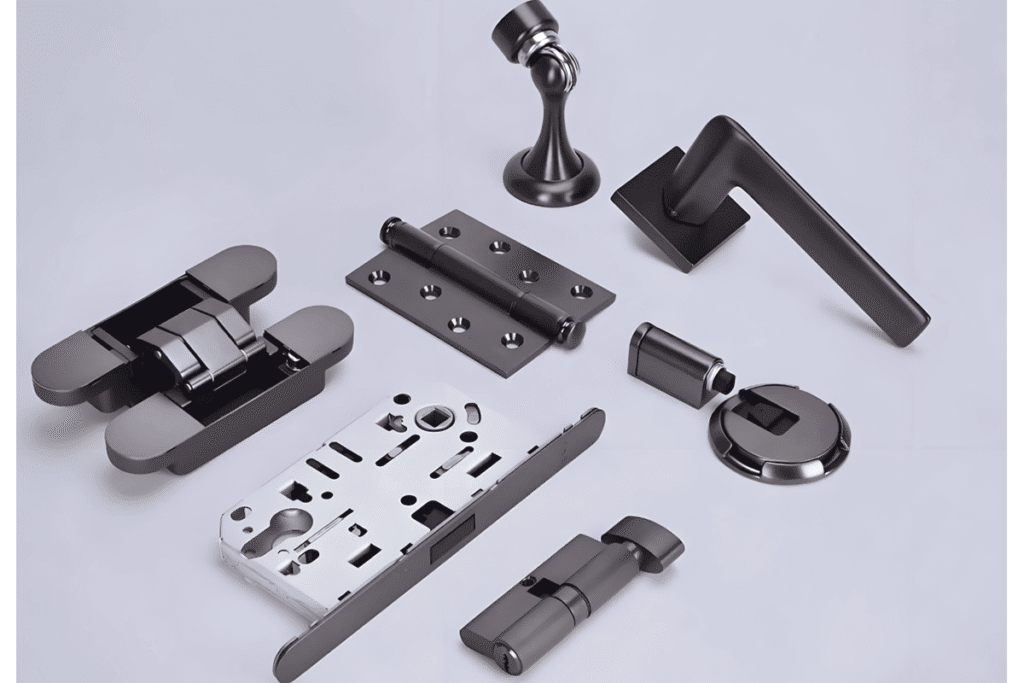
How to Build a Reliable Door Hardware Schedule for Commercial Tender Projects
A door hardware schedule can make or break a commercial tender because one missing lock function, hinge grade, or fire-rated requirement may cause pricing errors, compliance delays, or supplier disputes1. In my experience with architectural hardware projects, the safest approach is to build the schedule from drawings, door types, standards, and verified supplier data.
A reliable door hardware schedule lists every door opening, required hardware set, material specification, finish, certification requirement, quantity, and supplier reference in one controlled document. It helps tender teams compare quotations fairly, reduce technical gaps, confirm compliance, and give factories enough detail to manufacture or source the correct commercial door hardware.
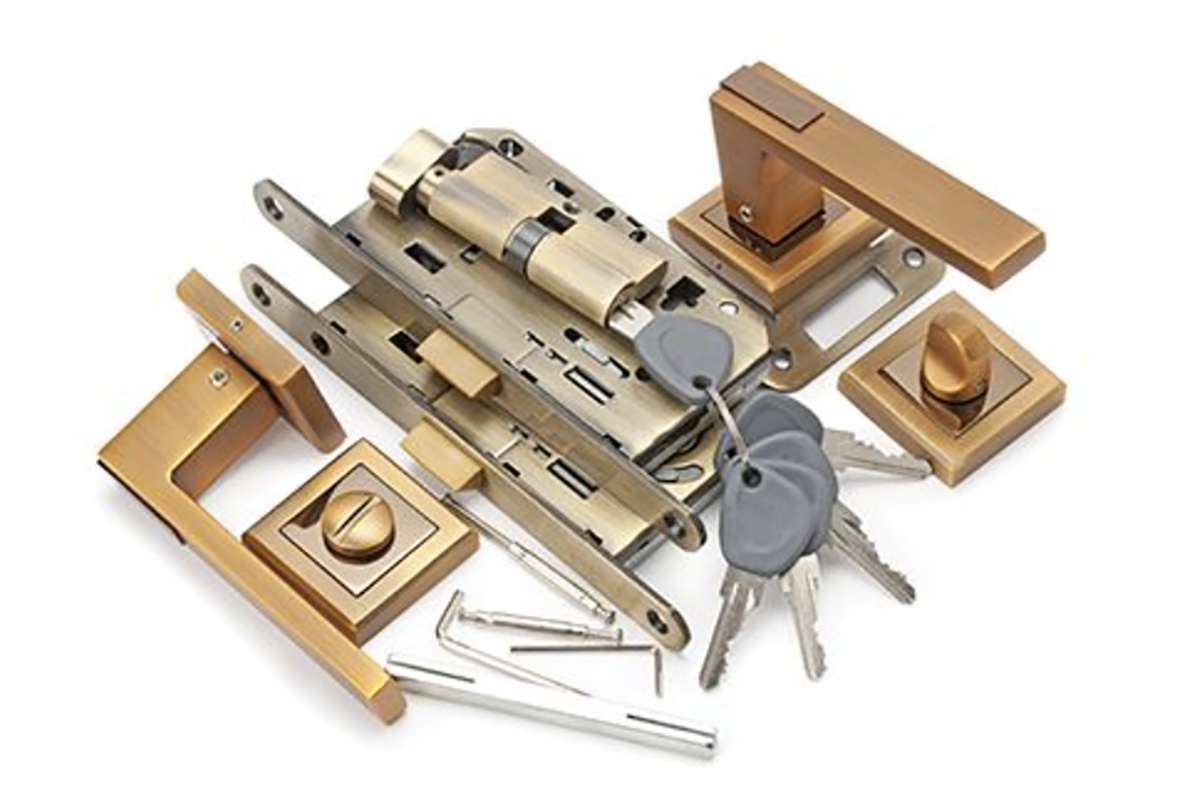
Many tender problems do not start in the factory. They start in unclear documents. When I review project requirements, I always look for the same risks first: vague item descriptions, missing standards, inconsistent finishes, and hardware sets that do not match the door application.
What Is a Door Hardware Schedule in a Commercial Tender?
A door hardware schedule looks simple at first, but it carries a heavy responsibility. If the document is too general, suppliers guess.2 If suppliers guess, quotations become hard to compare. Then buyers may select the lowest price without seeing hidden technical differences.
A door hardware schedule is a structured list of hardware requirements for each door opening in a project. It connects door numbers, locations, fire ratings, lock functions, hinges, handles, cylinders, closers, accessories, finishes, quantities, and compliance documents so contractors and suppliers can tender on the same technical basis.
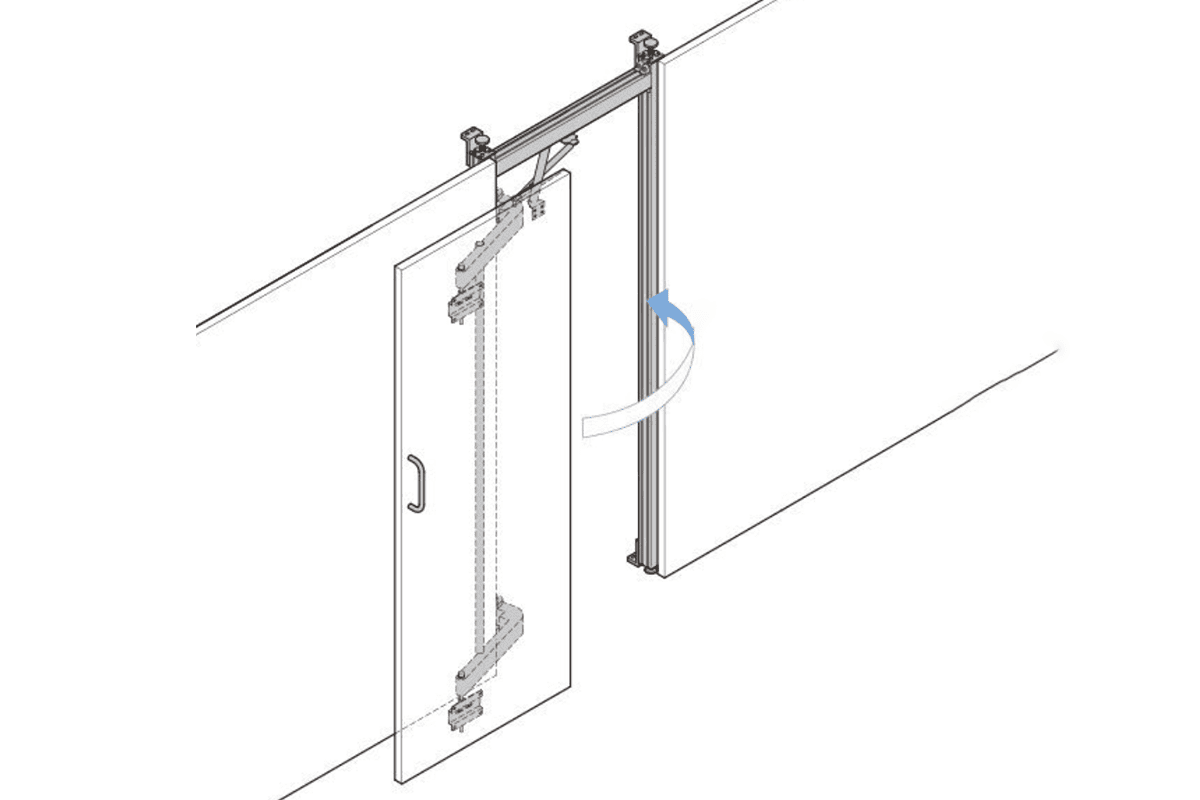
A good schedule is not only a purchasing list. It is also a technical communication tool between the project owner, architect, contractor, door manufacturer, and hardware supplier. In commercial projects, every door has a function. A hotel guest room door is different from a fire stair door. A hospital corridor door is different from a warehouse service door. The schedule must translate those different needs into clear hardware sets.
What a basic schedule should include
At minimum, I recommend including these fields:
| Schedule Field | Why It Matters |
|---|---|
| Door number | Links hardware to the architectural drawing |
| Door location | Helps confirm traffic level and security need |
| Door material | Wood, steel, aluminum, or fire-rated doors need different hardware |
| Door size and thickness | Affects lock body, spindle, cylinder, hinge, and closer selection |
| Fire rating | Determines whether certified fire-rated hardware is required |
| Hardware set number | Groups common hardware combinations |
| Product description | Defines the required item clearly |
| Standard or certification | Helps buyers verify compliance |
| Finish | Prevents color and surface treatment confusion |
| Quantity | Supports accurate tender pricing |
| Supplier reference | Helps compare approved or proposed products |
Why tender teams need this document
A tender usually attracts several suppliers. Each supplier may interpret the drawings differently unless the schedule is specific. For example, one supplier may quote stainless steel lever handles with a spring cassette, while another may quote a lighter zinc alloy handle. Both may call the item “door handle,” but the performance, lifespan, and cost are not the same.
I have seen buyers save time when they issue a complete schedule at the beginning. Suppliers ask fewer questions. Quotations arrive in a more comparable format. Technical clarifications become easier because the project team can point to one line item instead of searching through drawings, bills of quantities, and email threads.
How it supports supplier selection
For B2B procurement, the schedule also helps evaluate manufacturers. A qualified supplier should be able to respond with:
- Product codes or drawings
- Material specifications
- Finish options
- Packaging details
- Test reports or certificates where applicable
- Lead time and MOQ
- OEM or ODM capability
- Inspection plan before shipment
At SDH Hardware, our business context includes more than 3,000 architectural hardware articles, including Euro mortise locks, stainless steel lever handles, butt hinges, concealed hinges, Euro brass cylinders, and door accessories. For tender evaluation, I would still advise buyers to verify each certification document, sample, and drawing against the actual project requirement before approval.
How Should You Read Project Drawings Before Making a Door Hardware Schedule?
Project drawings can hide important hardware information in different places. If I only check the door list, I may miss fire compartment notes, access control details, or finish requirements. That creates tender errors that are difficult to fix after pricing.
You should read architectural plans, door schedules, elevations, fire strategy drawings, and specification documents together3 before building a door hardware schedule. The goal is to identify each opening’s function, rating, door material, handing, size, access requirement, and environmental condition before assigning hardware.
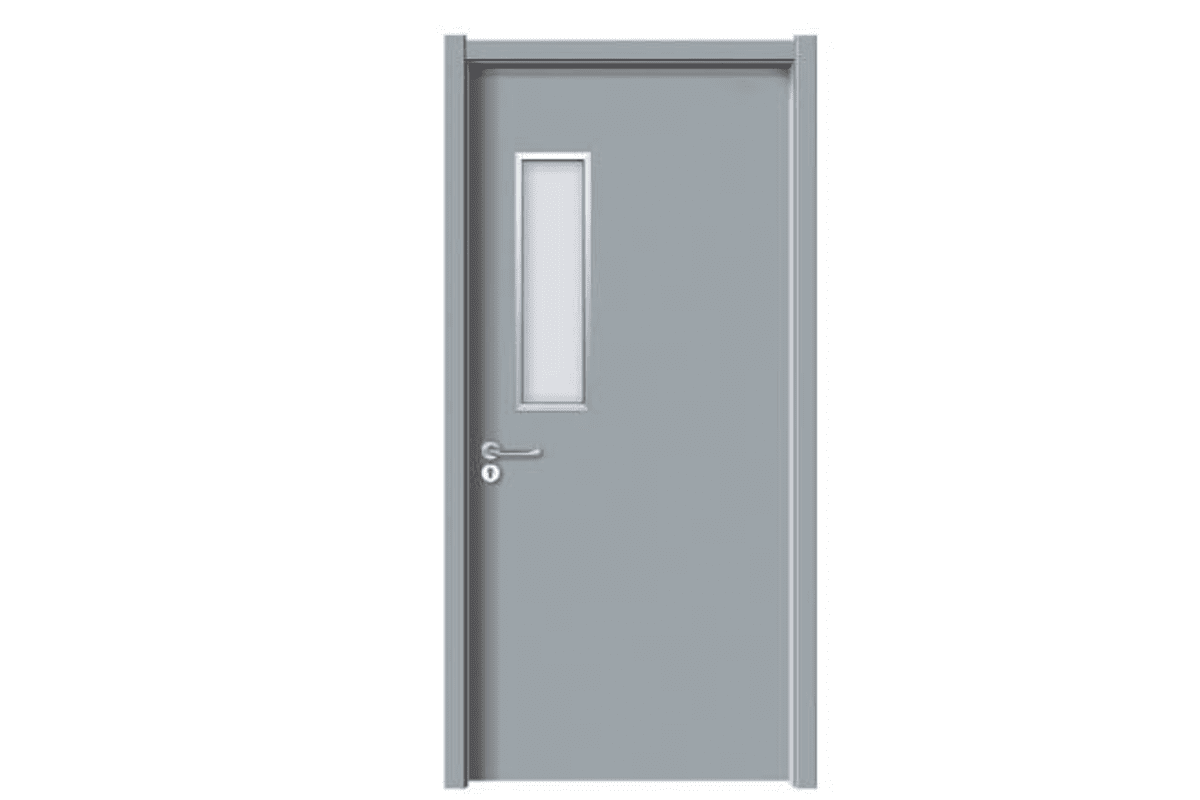
The first step is to treat the drawings as a connected system. A door number on one page may link to several other documents. The architectural door schedule may show size and material. The fire drawing may show a required fire rating.4 The security consultant’s notes may require a cylinder type or access control preparation. The interior finish schedule may define stainless steel, satin nickel, PVD, or powder coating.
My usual drawing review sequence
When I help structure a tender schedule, I like to review documents in this order:
Door schedule
- Door number
- Width, height, and thickness
- Door material
- Frame type
- Fire rating
- Acoustic rating if shown
Floor plans
- Door location
- Traffic flow
- Room function
- Escape route position
- Public or restricted access area
Fire and life safety drawings
- Fire door locations
- Exit routes
- Stair doors
- Smoke control zones
- Panic or emergency exit requirements
Interior design documents
- Finish requirement
- Design style
- Handle shape preference
- Color matching needs
Security or access control documents
- Cylinder system
- Master keying
- Electric strike or magnetic lock interface
- Card reader location
- Door contact or exit button
Project specification
- Required standards
- Acceptable brands or equivalent
- Testing requirements
- Warranty expectations
- Submission format
Common drawing conflicts
Tender drawings often contain small conflicts. A door may appear as fire-rated in one drawing but non-rated in another. A door thickness may be 45 mm in the schedule and 50 mm in the detail. A finish may be described as “SSS” in one document and “satin nickel” elsewhere.
I do not recommend guessing. Instead, I suggest creating a technical clarification list before final tender pricing. A simple table can prevent major mistakes:
| Issue | Example | Action |
|---|---|---|
| Missing fire rating | Door D-105 has no rating shown | Ask consultant to confirm |
| Conflicting finish | SSS in BOQ, black in interior schedule | Request final finish selection |
| Unclear lock function | “Lockset” only | Confirm passage, privacy, classroom, storeroom, or entrance function |
| Missing door thickness | Door size shown, thickness omitted | Confirm with door supplier |
| Access control conflict | Mechanical lock and electric strike both shown | Confirm security design intent |
Why this matters for manufacturing
Factories need stable details. A mortise lock case, cylinder length, spindle size, strike plate, hinge leaf, screw pack, and faceplate finish can all change depending on door design. If the schedule changes after production starts, costs and lead times may increase.
For example, Euro mortise locks usually require specific backset, center distance, faceplate size, and follower size. Euro profile cylinders need correct length based on door thickness and escutcheon thickness. Butt hinges need the right leaf size, thickness, bearing type, pin design, and fire-rated status. These are not details buyers should leave until the last minute.
Which Hardware Items Should a Door Hardware Schedule Include?
A tender can look complete while still missing essential accessories. If a schedule lists only locks and handles, the buyer may later discover missing cylinders, hinges, door stops, flush bolts, seals, coordinators, or signage. These gaps create variation claims and delivery delays.
A complete door hardware schedule should include all functional and supporting items for each opening: locks, lever handles, cylinders, hinges, closers, panic devices, door stops, bolts, seals, plates, viewers, signage, and required fasteners.5 It should also show quantities and hardware sets for repeated door types.
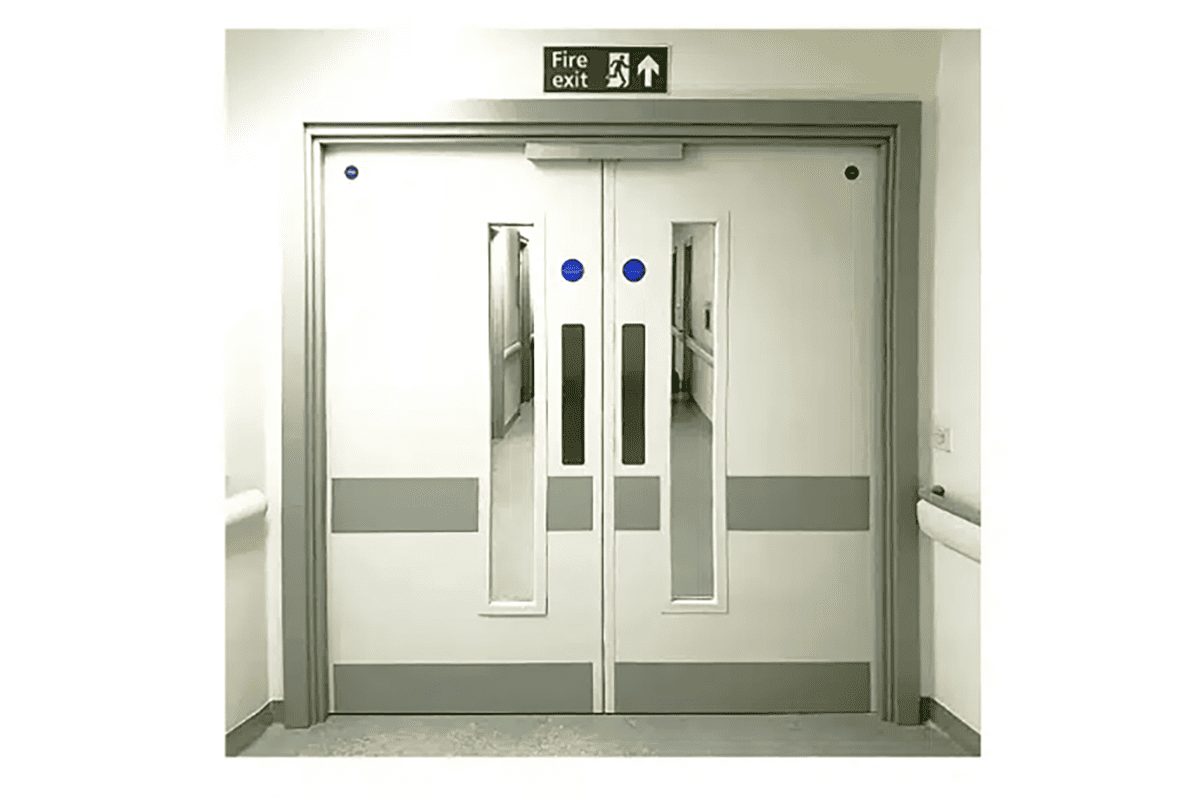
Commercial hardware is usually organized by hardware sets. A hardware set is a repeatable group of products assigned to similar doors. For example, all standard office doors may use the same lock, handle, cylinder, hinges, and door stop. All fire stair doors may use a different set with fire-rated hinges, door closer, panic exit device, and smoke seal.
Main product categories to check
Here is a practical checklist:
| Category | Common Items | Tender Notes |
|---|---|---|
| Locking hardware | Mortise lock, latch, deadlock, bathroom lock | Confirm backset, center distance, function, and standard |
| Operating trim | Lever handle, pull handle, escutcheon, rose | Confirm material, spring structure, finish, and fixing method |
| Keying hardware | Euro cylinder, thumbturn cylinder, master key cylinder | Confirm length, key system, security level, and finish |
| Hinges | Butt hinge, concealed hinge, pivot hinge | Confirm load capacity, door weight, fire rating, and finish |
| Closing devices | Door closer, floor spring, coordinator | Confirm door width, weight, traffic level, and hold-open rules |
| Exit hardware | Panic bar, emergency exit device | Confirm local code and exit route requirement |
| Accessories | Door stop, flush bolt, viewer, kick plate, signage | Confirm mounting position and material |
| Seals | Smoke seal, acoustic seal, drop seal | Confirm fire, smoke, acoustic, or weather requirement |
Typical hardware sets
A commercial project may include many door types. Below are simplified examples for tender planning. A qualified professional should confirm final selections against building codes and project-specific requirements.
| Door Type | Typical Hardware Set |
|---|---|
| Standard office door | Mortise latch lock, lever handle pair, Euro cylinder, 3 butt hinges, door stop |
| Hotel room door | Mortise lock body, hotel electronic lock trim, cylinder override, hinges, door viewer, door closer |
| Fire stair door | Fire-rated lock or latch, fire-rated hinges, door closer, smoke seal, panic device if required |
| Bathroom door | Privacy mortise lock, lever handle, indicator turn, hinges, door stop |
| Double-leaf service door | Lock, flush bolts, coordinator, hinges, door closer, kick plates |
| Store room door | Storeroom function lock, lever trim, cylinder, heavy-duty hinges, closer |
Critical details buyers often miss
I always pay special attention to small technical points because they often cause the biggest problems later.
1. Door handing
Some products are reversible. Others are left-hand or right-hand specific. Handles, locks, closers, and panic devices may need handing confirmation.
2. Door thickness
A 40 mm wooden door and a 55 mm fire-rated steel door may require different spindles, screws, cylinders, lock cases, and fixing packs.
3. Finish matching
“Silver” is not a specification. Tender documents should use clear finish codes where possible, such as satin stainless steel, polished stainless steel, black powder coating, PVD brass, or satin nickel. Buyers should request samples for approval.
4. Fire-rated compatibility
Fire-rated doors require compatible hardware.6 It is not enough for one component to have a certificate in isolation. Buyers should verify test evidence, intended application, door material, rating duration, and installation requirements.
5. Regional standards
Different markets may request different standards. In Europe and the Middle East, buyers often ask for CE-marked products or fire-rated documentation.7 In Southeast Asia, specifications may combine European-style lock dimensions with local finish and packaging preferences.
How SDH Hardware fits into this process
Based on SDH Hardware’s stated business context, we manufacture and supply a broad range of architectural door hardware for door factories, hardware brands, and wholesalers. Our product scope includes Euro mortise locks, stainless steel lever handles, butt hinges, concealed hinges, Euro brass cylinders, and accessories. For tender use, I would present product drawings, material details, finish samples, and available CE or fire-rated documents for buyer verification before order confirmation.
How Do You Specify Quality Standards in a Door Hardware Schedule?
Quality language can be dangerous when it is vague. Words like “heavy duty,” “high quality,” or “European standard” sound useful, but they do not define measurable requirements.8 Suppliers may interpret them differently, and the tender comparison becomes unclear.
A door hardware schedule should specify quality through measurable criteria: material grade, product dimensions, load capacity, cycle testing, corrosion resistance, fire-rated documentation, CE documents where applicable, finish thickness, packaging requirements, and inspection standards.9 Buyers should verify certificates and test reports before technical approval.
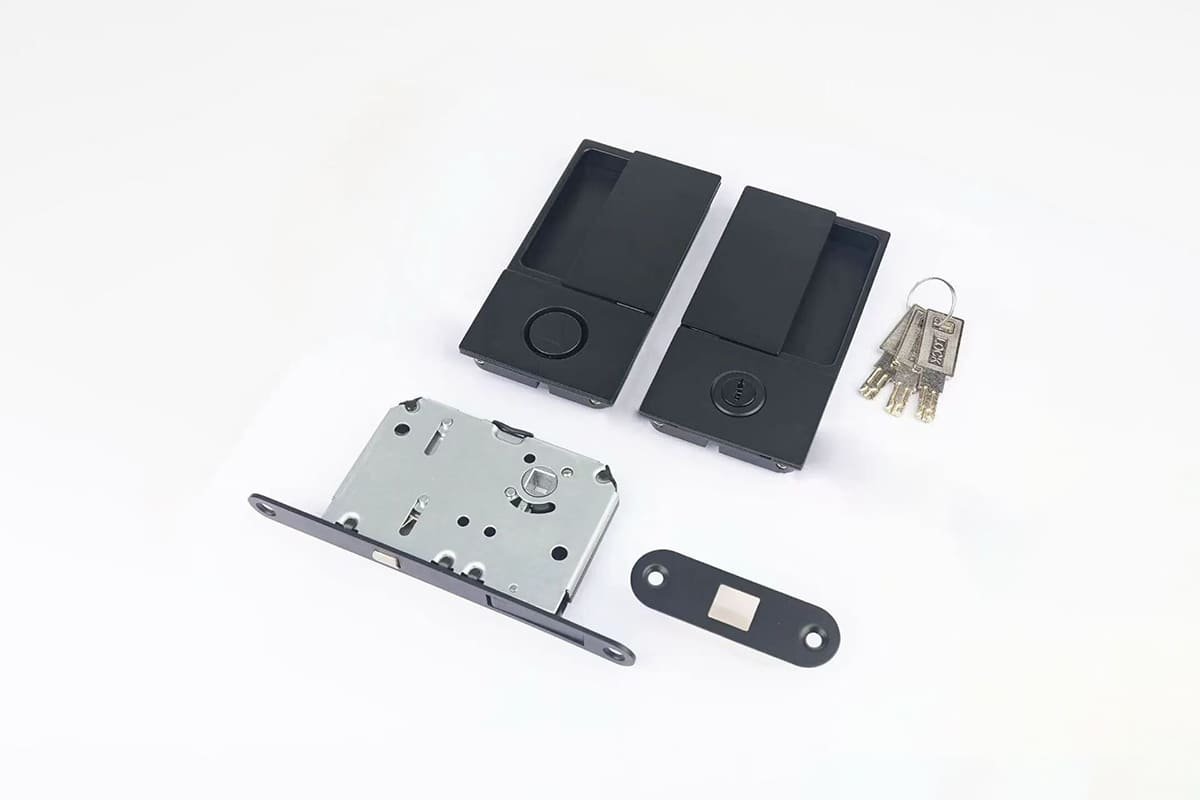
Clear quality requirements help buyers avoid comparing different product levels. For example, two lever handles may look similar in a catalogue. One may use thicker stainless steel, stronger internal springs, better fixing screws, and more stable surface finishing. The other may be designed for lower-traffic residential use. Without measurable specifications, both may appear equal on paper.
Useful quality criteria by product type
| Product | Key Quality Points to Specify |
|---|---|
| Mortise lock | Case material, faceplate material, latch material, cycle test, backset, center distance, fire rating if needed |
| Lever handle | Stainless steel grade, tube thickness, spring mechanism, rose size, spindle size, finish, fixing type |
| Butt hinge | Material, leaf size, thickness, bearing type, pin type, load rating, fire rating |
| Concealed hinge | Opening angle, 3D adjustment, load capacity, door thickness, milling details |
| Euro cylinder | Brass grade, pin system, key type, length, cam type, security level, finish |
| Door accessory | Material, dimensions, fixing method, finish, packaging |
Standards and documents to request
For commercial tender projects, buyers often request documentation such as:
- CE certification documents, where applicable
- Fire-rated test reports or certificates
- Material declarations
- Product technical drawings
- Installation instructions
- Finish sample approvals
- Factory inspection reports
- Pre-shipment quality control reports
- Packaging specifications
I always recommend treating certifications as documents to verify, not slogans. A certificate should match the product type, model, size range, intended use, and standard claimed.10 If a fire-rated document applies only to a specific door assembly or test condition, the buyer should not assume it covers every application.
For application-specific compliance, especially fire doors and emergency exits, buyers should consult the project architect, code consultant, door manufacturer, or qualified testing authority.
Inspection points before shipment
A schedule should also help shape the final inspection. This is especially important for bulk wholesalers and brand enterprises because one project may include hundreds or thousands of sets.
A practical inspection plan can include:
Quantity check
- Confirm item count against the approved schedule.
- Check left-hand and right-hand quantities where relevant.
Dimension check
- Measure lock backset, center distance, faceplate size, cylinder length, hinge size, and handle spindle.
Function check
- Test latch movement, lock operation, key rotation, handle return, hinge movement, and closer action.
Finish check
- Compare with approved samples.
- Check scratches, color difference, plating quality, and coating consistency.
Packaging check
- Confirm labels, item codes, screw packs, installation sheets, and customer branding.
Document check
- Match certificates, drawings, packing list, and inspection records.
Why manufacturing capability matters
A schedule is only useful if the supplier can produce consistently. In SDH Hardware’s business context, the factory has independent production operations, 150 professional employees, and full-process quality control from raw material screening to finished product inspection. I would still encourage buyers to audit production capability, request samples, and confirm quality control procedures before placing large ODM or OEM orders.
For large commercial tenders, I prefer suppliers who can provide both standardized hardware and custom configurations. Projects often need adjusted finishes, special packaging, private logos, modified drawings, or market-specific accessory packs. If the supplier cannot manage these details, the tender may look successful at quotation stage but become difficult during production.
How Can You Compare Supplier Quotations Using a Door Hardware Schedule?
Low prices can be attractive, but they can also hide missing products, weaker materials, lower-grade finishes, or unclear compliance. If the quotation format is inconsistent, buyers may struggle to identify what is truly included.
You can compare supplier quotations by using the door hardware schedule as a controlled pricing template. Ask every supplier to quote against the same line items, quantities, specifications, finishes, certificates, packaging, and delivery terms. Then evaluate technical compliance before comparing final commercial pricing.
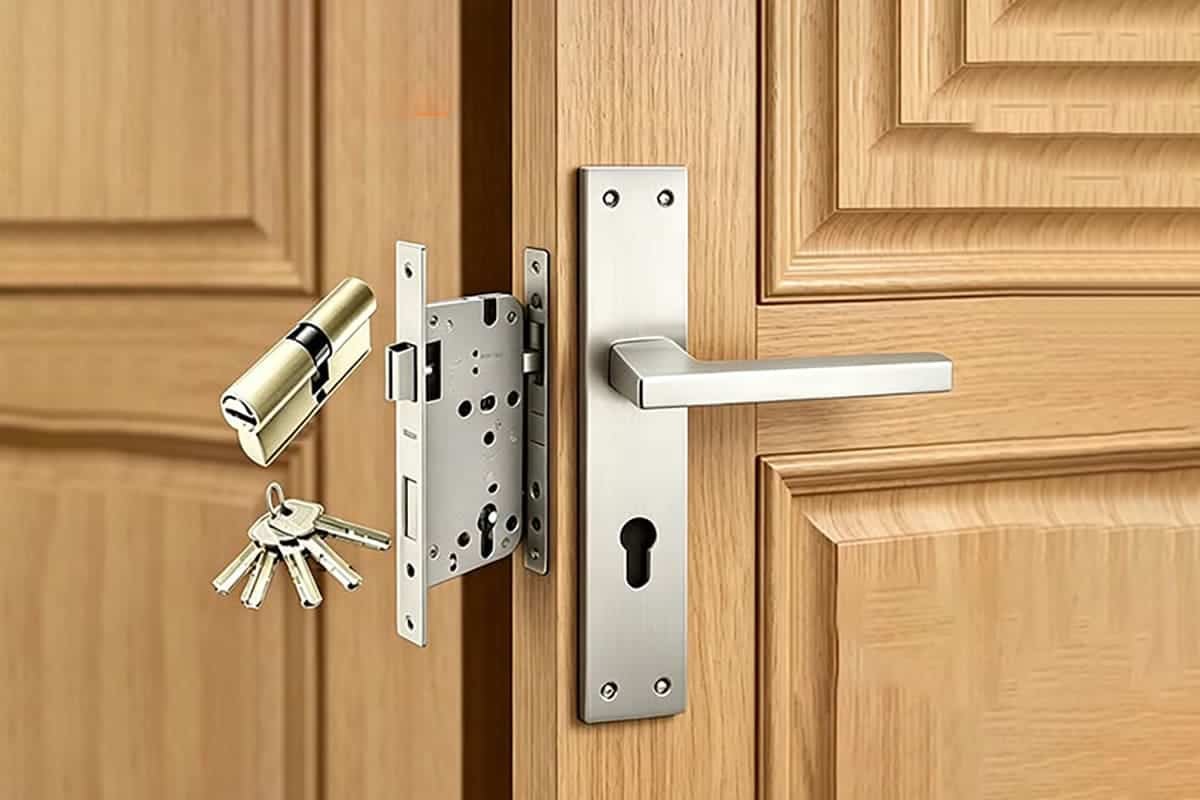
A good tender comparison separates technical compliance from commercial cost.11 If buyers compare only total price, they may overlook exclusions. One supplier may include cylinders, screws, and packaging. Another may quote only lock bodies and handles. One supplier may include fire-rated hinges. Another may include standard hinges without saying so clearly.
A practical quotation comparison table
| Evaluation Point | Supplier A | Supplier B | Supplier C |
|---|---|---|---|
| Quoted all schedule lines | Yes | Partial | Yes |
| Product drawings included | Yes | No | Yes |
| CE/fire documents provided for verification | Yes | Not complete | Yes |
| Finish sample available | Yes | Yes | No |
| OEM logo service | Yes | No | Yes |
| Packaging design support | Yes | Basic | Yes |
| Lead time | 35 days | 25 days | 45 days |
| Warranty terms | Clear | Vague | Clear |
| Pre-shipment inspection | Included | Extra | Included |
| Technical deviations listed | Clear | Not listed | Clear |
Questions to ask suppliers
I usually ask suppliers to answer these questions in writing:
- Does your quotation include all items in the schedule?
- Which products are alternatives to the specified items?
- What materials are used for each item?
- Which finishes are included in the price?
- Are certificates available for buyer verification?
- Are fire-rated products suitable for this exact door application?
- What is the MOQ for customized finishes or branding?
- What is the estimated production lead time?
- Can you provide technical drawings after order confirmation?
- Can you support inspection after order completion?
How to handle alternatives
Many tenders allow “approved equivalent” products. This can be useful because it gives buyers access to competitive factory-direct solutions. However, alternatives must be controlled.
An alternative proposal should include:
- Original specified item
- Proposed alternative item
- Material comparison
- Dimension comparison
- Performance comparison
- Finish comparison
- Certification or test document comparison
- Price difference
- Lead time difference
- Technical deviation notes
If the alternative changes door preparation, lock cut-out, hinge routing, cylinder length, or accessory fixing, the door manufacturer must review it before approval. A cheaper product may become expensive if it forces rework.
Factory-direct procurement advantages
A manufacturer like SDH Hardware can be valuable for tender projects because buyers often need a combination of standard products, customized items, and documentation support. According to our business context, SDH Hardware supports ODM/OEM orders, customer stamping or laser logos, custom color packaging, detailed drawings after order confirmation, and inspection service after order completion.
For door factories, this can simplify coordination because hardware and doors must match physically. For hardware brands, factory-direct supply can support private label development. For bulk wholesalers, one-stop sourcing can reduce the number of suppliers needed for locks, handles, hinges, cylinders, and accessories.
Still, I would advise buyers to perform normal procurement checks:
- Request samples before mass production.
- Confirm drawings before tooling or customization.
- Verify documents against project standards.
- Approve finish samples.
- Review packaging and labeling.
- Inspect goods before shipment.
What Mistakes Should You Avoid When Building a Door Hardware Schedule?
Most schedule mistakes are not dramatic at first. They are small omissions that become expensive later. A missing cylinder length or wrong hinge grade may seem minor during tender, but it can delay installation and damage buyer confidence.
Conclusion
A reliable door hardware schedule helps commercial tender teams control cost, quality, compliance, and supplier communication from the start. The best schedules connect drawings, door functions, product specifications, finishes, quantities, and verification documents in one clear format. If you are sourcing locks, handles, hinges, cylinders, or complete architectural hardware sets, I recommend preparing the schedule early and reviewing it with qualified technical partners. Contact SDH Hardware to discuss factory-direct OEM/ODM door hardware support for your next tender project.
"EXHIBIT I - Errors & Omissions (E&O) Claims Process", https://www.oregon.gov/odot/Business/Procurement/DocsPSK/xbti.pdf. Research on construction documentation quality links incomplete or inconsistent tender information with pricing uncertainty, rework, claims, and project delay; this supports the general risk mechanism, although it may not study door hardware schedules specifically. Evidence role: general_support; source type: paper. Supports: Incomplete or inconsistent construction tender documentation is associated with procurement uncertainty, rework, claims, and delay.. Scope note: Contextual support unless the source specifically examines door hardware or architectural ironmongery schedules. ↩
"DOJ Guide to Procurement Procedures", https://www.ojp.gov/doj-guide-to-procurement-procedures. Procurement guidance commonly states that specifications should be clear and unambiguous so bidders price the same requirement and evaluators can compare bids on an equal basis; this supports the claim at a general procurement level. Evidence role: general_support; source type: institution. Supports: Clear, unambiguous specifications reduce bidder interpretation and support comparable tender responses.. Scope note: Contextual support because general procurement guidance may not mention door hardware schedules directly. ↩
"How to Review Construction Drawings: Step-by-Step (2026)", https://www.inspectmind.ai/education/how-to-review-construction-drawings. Architectural construction-document guidance describes drawings, schedules, and specifications as complementary project records that must be coordinated and read together to understand the full design intent. Evidence role: general_support; source type: education. Supports: Construction drawings, schedules, and specifications are complementary documents that should be interpreted together.. Scope note: Contextual support because it applies broadly to construction documentation rather than only to door hardware. ↩
".06 Fire Protection. | Library of Maryland Regulations", https://regs.maryland.gov/us/md/exec/comar/05.04.02.06. Building-code guidance on fire-resistance-rated construction requires opening protectives such as fire doors to meet specified ratings for their location, supporting the need to check fire-safety drawings for rating requirements. Evidence role: general_support; source type: government. Supports: Building and fire-code documentation commonly identifies rated assemblies and opening protectives, including fire doors, by required fire-resistance or protection rating.. Scope note: The source may establish code requirements for ratings rather than prescribe the exact content of every project’s fire drawings. ↩
"087100 – DOOR HARDWARE - Facilities and Campus Services", https://fcs.cornell.edu/087100-door-hardware. Architectural hardware scheduling references describe hardware sets as coordinated groups of items assigned to openings, typically covering operating, hanging, locking, closing, protective, sealing, and accessory hardware. Evidence role: definition; source type: institution. Supports: Hardware schedules and hardware sets typically identify the range of items required for each door opening, including locks, hinges, closers, exit devices, seals, and accessories.. ↩
"Fire Doors and NFPA 80 FAQs", https://www.nfpa.org/news-blogs-and-articles/blogs/2025/04/11/fire-doors-faqs. Fire-door standards such as NFPA 80 require components of a fire door assembly, including hardware, to be listed, labeled, or otherwise suitable for the intended rated assembly and installed in accordance with their listings. Evidence role: mechanism; source type: institution. Supports: Fire-door hardware must be suitable for and installed as part of a listed or approved fire door assembly to maintain the assembly rating.. ↩
"CE Marking for Construction Products", https://www.intertek.com/building/ce-marking/. European Commission guidance on the Construction Products Regulation explains that CE marking applies to construction products covered by harmonised European standards, supporting the European part of the claim; fire-rated documentation requirements in Middle Eastern projects are more project- and jurisdiction-specific. Evidence role: general_support; source type: government. Supports: CE marking is required for construction products covered by harmonised European standards, and project specifications may require fire-rated documentation for door hardware.. Scope note: Direct support is strongest for Europe; Middle East practice requires separate local-code or project-specification evidence. ↩
"Developing Specifications | Procurement Services", https://procurement.colostate.edu/developing-specifications-2/. Public-procurement specification guidance generally instructs buyers to state objective, measurable requirements so bidders can price and evaluators can verify compliance, rather than relying on subjective terms such as “high quality.” Evidence role: expert_consensus; source type: government. Supports: Procurement specifications should use clear, measurable, and objective requirements rather than vague quality descriptors.. Scope note: Contextual support because general procurement guidance may not use the article’s exact examples. ↩
"Understanding BS EN 1935:2002 single-axis hinge grades", https://uk.sfs.com/resources/article/understanding-bs-en-1935. European door-hardware standards for hinges, mechanically operated locks, and cylinders use measurable classifications such as durability, corrosion resistance, load or door mass, security grade, and fire or smoke suitability, supporting the use of objective quality criteria in schedules. Evidence role: general_support; source type: institution. Supports: Door hardware standards classify products using measurable criteria such as durability cycles, corrosion resistance, mass/load, security grade, dimensions, and fire or smoke suitability.. Scope note: The standards support the technical criteria generally; packaging and inspection requirements may need separate procurement-quality references. ↩
"General/Specific Intended Use - Guidance for Industry", https://www.fda.gov/regulatory-information/search-fda-guidance-documents/generalspecific-intended-use-guidance-industry. Conformity-assessment guidance for product certification treats certification as scope-limited, meaning the certificate applies only to the products, models, standards, and intended uses that were assessed. Evidence role: general_support; source type: institution. Supports: Product certification is limited to the scope stated on the certificate, including the product type, models, standards, and intended application assessed.. ↩
"14 FAH-2 H-360 TECHNICAL EVALUATION CRITERIA ...", https://fam.state.gov/fam/14fah02/14fah020360.html. Public-procurement evaluation guidance commonly separates assessment of technical responsiveness from financial comparison, so non-compliant offers are not treated as equivalent merely because they are lower in price. Evidence role: general_support; source type: institution. Supports: Tender evaluation commonly first assesses technical responsiveness or compliance before comparing financial offers.. Scope note: Contextual support because formal public procurement procedures may differ from private B2B tender evaluation. ↩
