
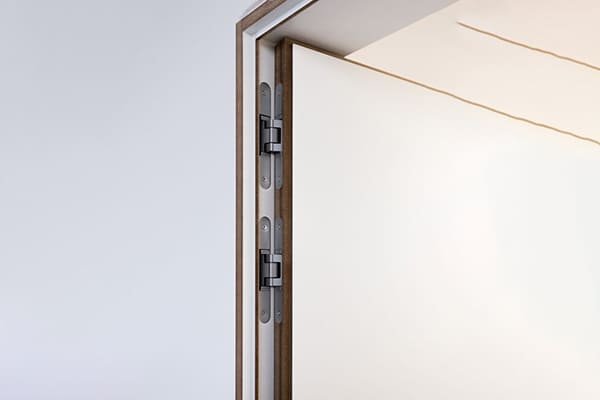
Adjustable Hinges: Tailoring Door Functionality to User Preferences
Adjustable Hinges solve a common door problem: small alignment errors can become daily friction. A door may rub, sag, fail to latch, or create uneven gaps.1 For buyers, that means callbacks, complaints, and extra labor. The right hinge design helps installers fine-tune door movement after fitting.2
Adjustable hinges allow controlled door alignment in one or more directions, such as height, depth, or side-to-side positioning. They help installers correct small frame, leaf, and site tolerances without replacing hardware. For B2B buyers, they can reduce installation time, improve door performance, and support more consistent project quality.
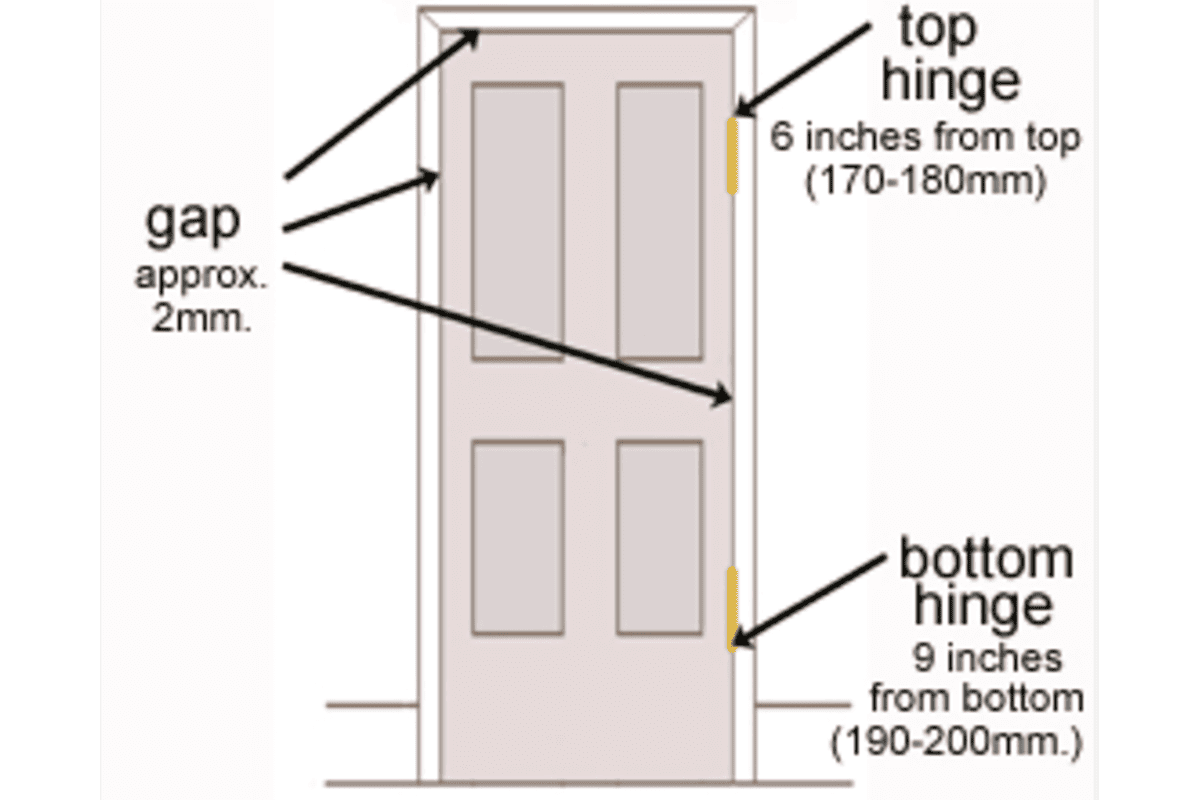
For door factories, hardware brands, and bulk wholesalers, hinge selection is not only about opening and closing. It is also about tolerance control, service costs, certification documents, and supplier reliability. I have seen small hinge decisions affect entire project timelines, so I always recommend evaluating them carefully.
What Are Adjustable Hinges and Why Do They Matter?
Door gaps look simple, but they often expose deeper issues. Frames can shift. Door leaves can vary slightly. Wall openings may not be perfectly square.3 When standard hinges leave no room for correction, installers may spend more time forcing a door to behave.
Adjustable hinges are door hinges designed with built-in adjustment mechanisms. These mechanisms allow installers to move the door leaf in controlled directions after installation. Depending on the hinge type, adjustment may include vertical height, horizontal gap, compression, or depth alignment.
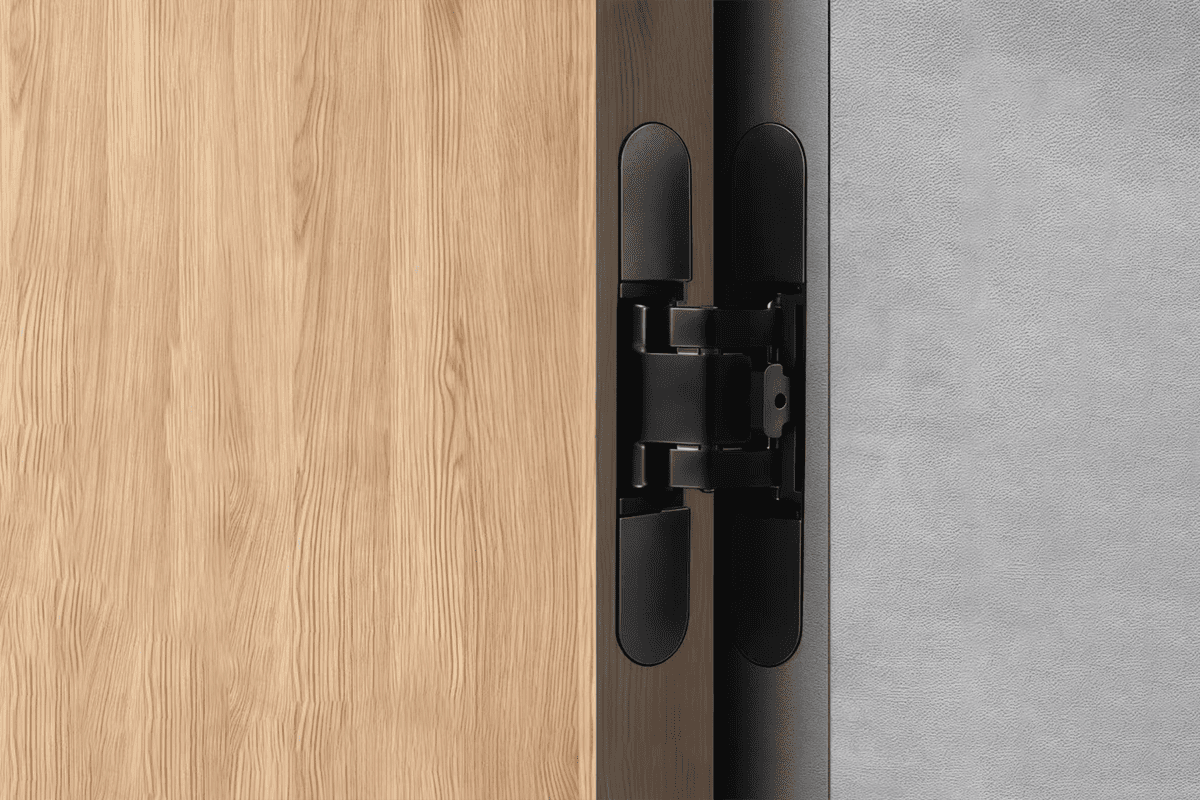
The basic idea behind adjustable door hardware
A conventional butt hinge fixes the door position based on screw placement, hinge leaf geometry, and frame preparation. If everything is perfect, the result is good. If the frame is slightly out of tolerance, correction becomes harder.
Adjustable Hinges add one important benefit: post-installation correction. They usually include screws, cams, slots, or concealed mechanisms that let the installer shift the door without removing the full hardware set.
In practical purchasing terms, this matters because door systems are rarely installed in laboratory conditions. Real projects include:
- Slightly uneven wall openings
- Frame movement during transport
- Door leaf swelling or minor dimensional variation
- Heavy doors that settle after installation4
- Installation teams with different skill levels
- Site conditions that change after final adjustment
I once reviewed a project where the door leaf itself met the drawing tolerance, but the installed frame was slightly twisted. The hinge became the adjustment point that saved the installation team from reworking the frame. That experience changed how I look at hinge value. I no longer see it as only a metal component. I see it as a tolerance management tool.
Common adjustment directions
Different hinge designs offer different adjustment ranges. Buyers should confirm these details before ordering.
| Adjustment type | What it corrects | Common buyer concern |
|---|---|---|
| Vertical adjustment | Door height and floor clearance | Door rubbing on floor or threshold |
| Horizontal adjustment | Side gap between door and frame | Uneven reveal or latch misalignment |
| Depth adjustment | Door position in or out of frame plane | Poor compression or flushness |
| Compression adjustment | Seal pressure on gasket | Acoustic, smoke, or weather performance |
| Angular correction | Minor door tilt | Visual alignment and latch function |
Not every project needs every adjustment direction. However, buyers should match hinge capability to door type, frame material, and installation environment. For example, interior residential doors may only need simple vertical adjustment. Heavier commercial doors may require stronger load-bearing structure and more controlled 3D adjustment.
For B2B procurement, I suggest treating adjustable hinges as part of a complete door system. The hinge should work with the lock, lever handle, cylinder, gasket, closer, and frame. If one component forces another out of alignment, the entire door experience suffers.
How Do Adjustable Hinges Improve Door Installation and Alignment?
Installation problems create direct costs. A rubbing door may require a second site visit. A latch that does not engage may delay handover. A visible uneven gap may trigger rejection from a contractor or brand customer. Small issues can become expensive quickly.
Adjustable hinges improve installation by giving technicians controlled ways to correct the door position after the hinge is mounted. This reduces dependence on perfect site conditions and allows fine adjustment of gaps, latch alignment, floor clearance, and door compression.
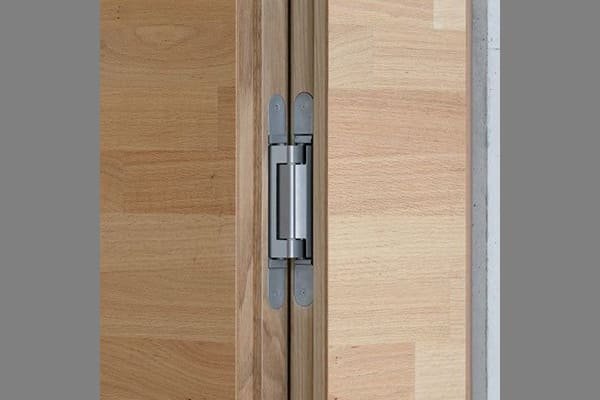
Why post-installation adjustment matters
In production, a factory can control many variables. It can use drawings, jigs, gauges, and inspection standards. On site, the installer faces a different reality. Floors may not be level. Frames may move during fixing. Door leaves may be heavy. Even a small deviation of 1–2 mm can affect the feel of a door.5
Adjustable Hinges help bridge that gap between factory precision and site conditions.
For buyers, this benefit can show up in several ways:
Fewer installation corrections
Installers can adjust the hinge instead of removing screws, filling holes, or trimming the door.Better visual consistency
Door gaps can be adjusted to look more uniform across a project.Improved lock engagement
The latch and strike plate can align more accurately, reducing closing force.6Reduced complaints
End users usually notice door problems quickly. Smooth closing improves perceived quality.Faster project completion
Small adjustments are faster than hardware replacement or frame repair.
Installation tolerance and user experience
A door is a moving object. Users judge it through touch, sound, and effort. A door that closes smoothly feels better than one that drags, slams, or needs lifting. This is where the title idea becomes important: tailoring door functionality to user preferences.
Different users may prefer different results:
- Hotels may want quiet closing and consistent reveal lines.
- Offices may prioritize durability and easy maintenance.
- Hospitals may need smooth operation with reliable latch engagement.
- Residential developers may focus on clean aesthetics and easy adjustment after settlement.
- Fire-rated projects may require verified compatibility with tested door assemblies.
I always remind buyers that “adjustable” does not mean “unlimited correction.” It means controlled fine-tuning within the manufacturer’s stated range.
Example adjustment scenario
| Site issue | Possible adjustment | Expected result |
|---|---|---|
| Door rubs at top corner | Horizontal or depth adjustment | More even side gap |
| Door scrapes floor | Vertical adjustment | Improved floor clearance |
| Latch misses strike plate | Height or side adjustment | More reliable closing |
| Door is not flush with frame | Depth adjustment | Better surface alignment |
| Seal pressure is too tight | Compression adjustment | Easier closing force |
For door manufacturers and wholesalers, this feature can reduce after-sales stress. However, it must be supported by clear installation instructions. I recommend asking suppliers for diagrams, torque guidance where relevant, and adjustment range data. A hinge that is technically adjustable but poorly documented may still create confusion on site.
At SDH Hardware, based on our factory context, we focus on production control, finished product inspection, and supporting documents for buyers who need consistent door hardware sourcing. For project-specific use, buyers should still verify samples under their own door, frame, and installation conditions.
Which Specifications Should Buyers Check Before Ordering Adjustable Hinges?
A hinge may look strong in a catalog, but the wrong specification can create project risk. Buyers may focus only on finish and price, then discover later that the load rating, screw pattern, or adjustment range does not match the door system.
Before ordering adjustable hinges, buyers should check load capacity, material, hinge size, adjustment range, opening angle, finish, screw type, fire-rating documents, corrosion resistance, and compatibility with the door and frame. Samples should be tested before bulk purchase.
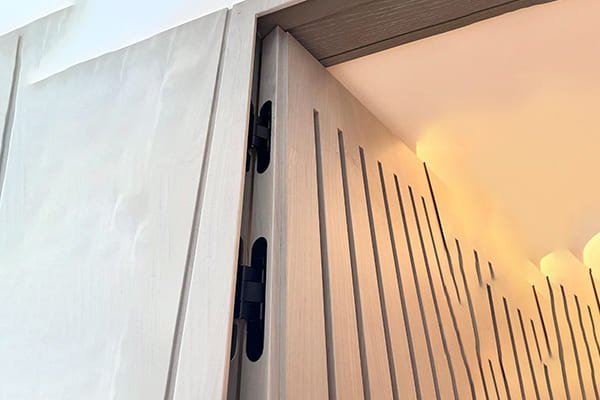
Core specifications for procurement review
For B2B buyers, specifications should be written clearly before negotiation. I prefer to work from a checklist because it prevents unclear assumptions. A small mismatch in hinge size or screw placement can cause major production changes.
Here are the main details I recommend confirming:
Door weight range
Confirm the maximum supported door leaf weight and the number of hinges required.Door thickness
Check compatibility with common door thicknesses, such as 35 mm, 40 mm, 45 mm, or project-specific sizes.Material
Common options include stainless steel, zinc alloy, brass, steel, or aluminum alloy depending on hinge type.Adjustment range
Ask for exact values, such as ±2 mm, ±3 mm, or more. Do not rely on vague terms like “easy adjustment.”Opening angle
Confirm whether the hinge supports 90°, 110°, 180°, or another required opening angle.Fixing method
Check screw size, fixing plate, frame preparation, and reinforcement needs.Surface finish
Popular finishes may include satin stainless steel, polished chrome, matte black, PVD colors, or customized coating.Cycle testing
Ask whether the hinge has been tested for durability cycles and under what load.7Certification documents
For CE or fire-rated applications, request copies of valid certificates and test reports. Buyers should verify documents with the issuing body or a qualified consultant.
Specification comparison table
| Specification | Why it matters | Buyer action |
|---|---|---|
| Load capacity | Prevents sagging and failure | Match hinge rating to real door weight |
| Adjustment range | Determines correction ability | Confirm exact millimeter values |
| Material grade | Affects strength and corrosion resistance | Request material details or test data |
| Finish | Affects appearance and market positioning | Approve physical samples |
| Cycle performance | Indicates durability | Ask for test method and result |
| Fire rating | Critical for fire door assemblies | Verify certificates and assembly compatibility |
| Screw fixing | Affects installation strength | Check frame reinforcement requirements |
Material and finish considerations
Material choice depends on the door environment. For humid areas, corrosion resistance is important. For premium interior doors, finish consistency may matter more. For heavy-use commercial doors, load and cycle performance may be the priority.
Stainless steel can be attractive for corrosion resistance and appearance, but not every stainless steel part performs the same.8 Zinc alloy can support complex shapes in some designs, but buyers should evaluate structural requirements carefully. Steel can offer strength, but finish and anti-rust treatment become important.
For finish selection, I suggest approving golden samples before mass production. A catalog image is never enough. Lighting, surface texture, plating thickness, and batch consistency can all affect the final look.
Fire-rated and compliance-related specifications
If adjustable hinges are used on fire-rated doors, the evaluation must be more careful. Fire performance is not based only on the hinge itself.9 It depends on the complete door assembly, including the door leaf, frame, seals, locks, closers, and installation method.
SDH Hardware states that core products comply with EU standard specifications and are available with CE certification and fire-rated certification. As a buyer, you should still request and verify the actual documents for the exact product, size, material, and intended application.
For serious projects, I recommend involving:
- A qualified door hardware consultant
- The door manufacturer’s technical team
- A fire testing or certification body
- The project’s compliance authority
- A professional installer familiar with local standards
This approach protects both the buyer and the end user.
How Should Buyers Evaluate an Adjustable Hinges Supplier?
A good product can fail when the supplier cannot control quality, delivery, or documentation. Buyers may receive attractive samples, then face inconsistent bulk goods later. Supplier evaluation is therefore just as important as hinge design.
Buyers should evaluate an adjustable hinges supplier by reviewing factory capability, quality control process, testing equipment, certification documents, customization support, production consistency, packaging, delivery performance, and after-sales communication. Factory-direct suppliers should also provide stable samples and clear technical drawings.
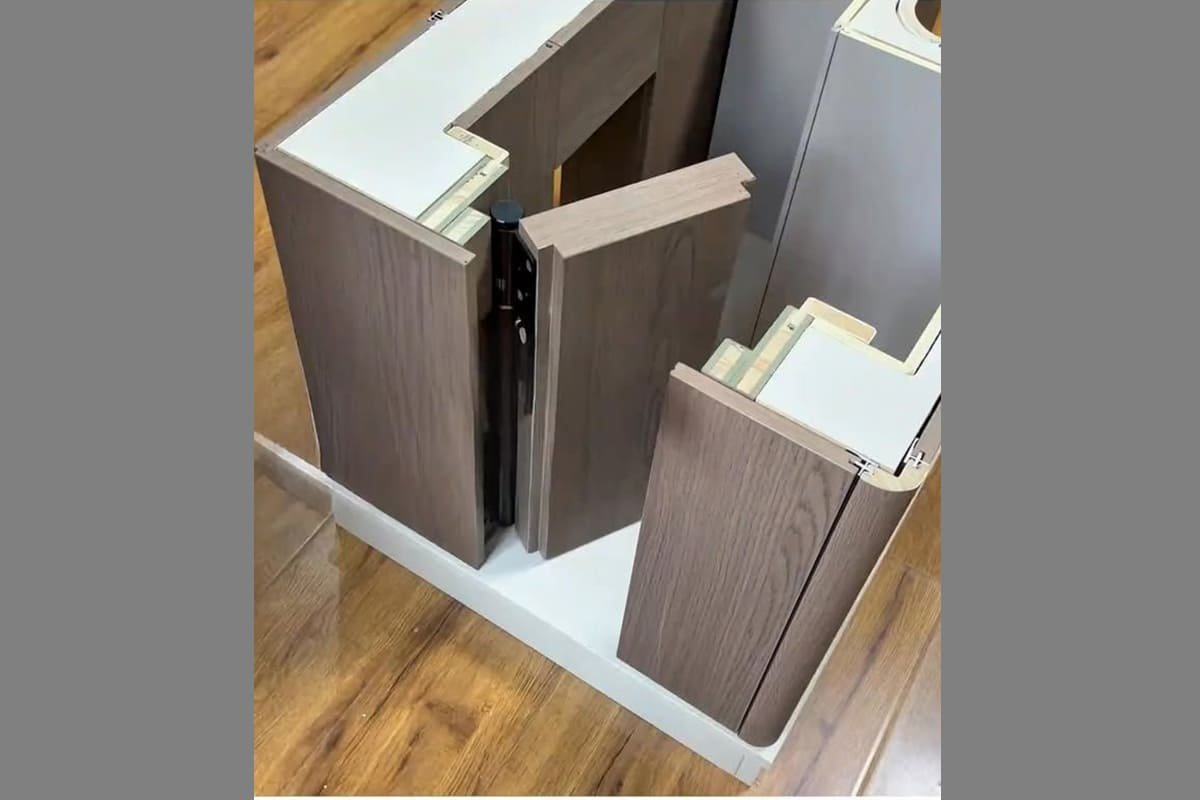
Factory capability matters
For B2B door hardware sourcing, I prefer suppliers with clear manufacturing control. Trading companies may be useful in some cases, but factory-direct supply often gives buyers better access to technical details, production changes, and quality feedback.
SDH Hardware is positioned as a professional architectural door hardware manufacturer in China, with more than 10 years of specialized production experience and independent factory operations. Based on the supplied business context, the company has a team of 150 employees and covers R&D, precision manufacturing, and global sales.
That matters because hinge quality depends on repeatable processes. A reliable supplier should be able to control:
- Raw material sourcing
- Die-casting, stamping, machining, or forming
- Surface treatment
- Assembly
- Adjustment mechanism inspection
- Salt spray testing where relevant
- Load and function testing
- Final visual inspection
- Packaging protection
Supplier evaluation checklist
| Evaluation area | What to ask | Why it matters |
|---|---|---|
| Production capacity | What is monthly output? | Supports stable bulk orders |
| QC process | What inspections are done? | Reduces batch variation |
| Testing machines | What functions are tested? | Confirms performance claims |
| Sample policy | Can you provide pre-production samples? | Helps verify fit and finish |
| Documentation | Can you provide drawings and certificates? | Supports project approval |
| Customization | Can you adjust finish, logo, or packaging? | Supports brand positioning |
| Export experience | Which markets do you serve? | Reduces communication risk |
| After-sales support | How are claims handled? | Protects long-term cooperation |
Why documentation should be checked early
I have seen buyers wait until late in a project to ask for test reports or certificates. That creates pressure for everyone. It is better to ask during the quotation stage.
For adjustable hinges, request:
- Product drawing with dimensions
- Material specification
- Finish description
- Adjustment range data
- Installation instructions
- Load or cycle test information
- CE or fire-rated documents where applicable
- Packaging details
- Inspection standard or AQL agreement
- Sample approval record
A professional supplier should welcome clear specifications. Clear requirements reduce misunderstandings and help both sides control risk.
Customization and branding
Many door hardware buyers need more than standard products. They may require private label packaging, laser logos, custom colors, special screw packs, or regional standards. SDH Hardware’s stated business model includes ODM/OEM orders, one-stop sourcing, flexible customization, customer stamping or laser logos, custom color packaging, product drawings after order confirmation, and inspection service after order completion.
For wholesalers and hardware brand enterprises, this can be valuable. However, buyers should define customization in writing. I suggest confirming:
- Logo position and size
- Surface finish code
- Packaging artwork
- Label language
- Barcode requirements
- Screw and accessory configuration
- Carton strength and pallet method
- Inspection photos before shipment
Adjustable Hinges are precision hardware, so even small packaging issues can cause scratches or missing parts. Good packaging is part of product quality.
Are Adjustable Hinges Right for Fire-Rated or High-Traffic Projects?
Fire-rated and high-traffic doors have stricter demands. A hinge that works well on a light interior door may not be suitable for a heavy commercial opening. Buyers can face safety, compliance, and maintenance problems if they choose based only on appearance.
Adjustable hinges may be suitable for fire-rated or high-traffic projects only when the exact hinge model is tested, documented, and approved for the intended door assembly. Buyers should verify certification documents, load ratings, cycle performance, installation conditions, and local code requirements before approval.
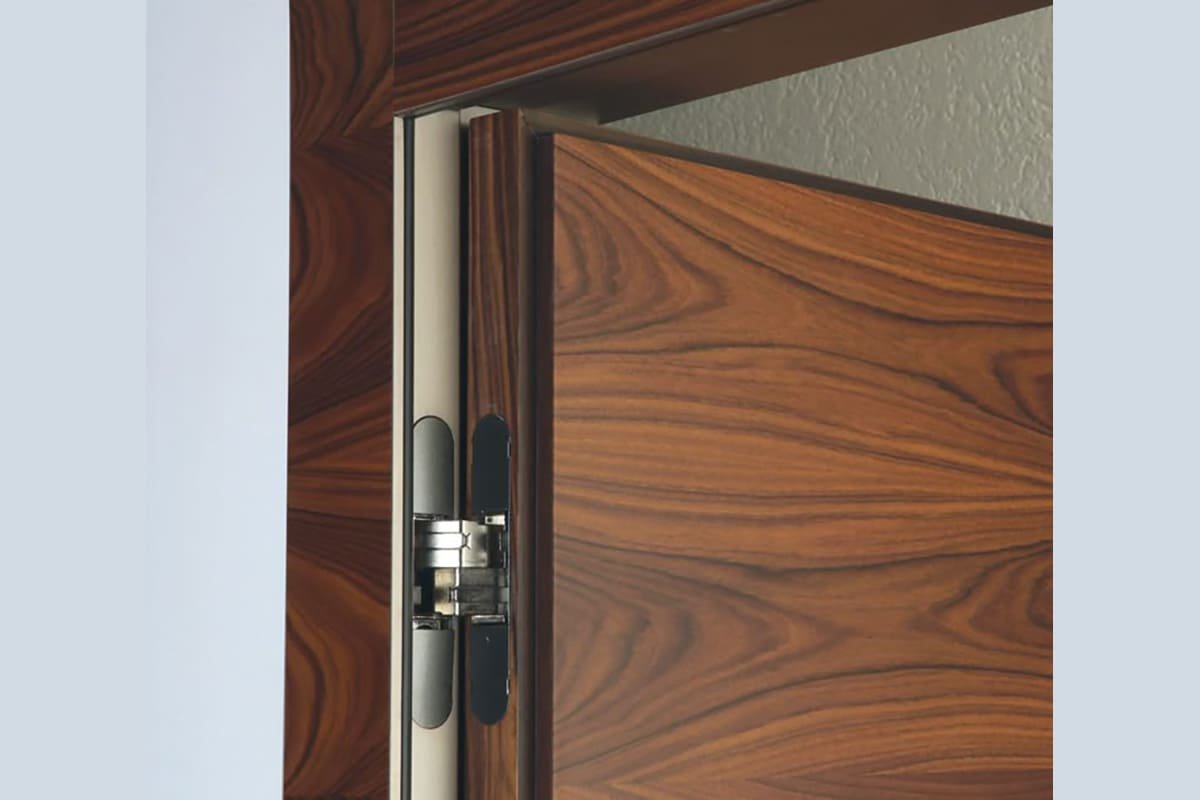
Fire-rated doors require system thinking
Fire-rated doors are tested as assemblies, not as isolated parts.10 This point is important. A hinge may have a fire-rated document, but that does not automatically approve it for every door, frame, and installation condition.
Buyers should check:
- Fire test standard referenced in the report
- Tested door material and thickness
- Door size and weight covered
- Number of hinges used in the test
- Hinge material and dimensions
- Fixing method and screw type
- Intumescent pad requirements, if any
- Approved rating duration, such as 30, 60, 90, or 120 minutes
- Validity and issuing organization of the document
I always recommend professional evaluation for fire-rated applications. A qualified consultant or certification body can confirm whether the hinge is acceptable for the specific project. This is especially important when selling into Europe, the Middle East, or Southeast Asia, where project requirements and enforcement can differ.
High-traffic performance factors
High-traffic doors need durability. These doors may open and close hundreds of times per day.11 Examples include office corridors, hotel rooms, schools, hospitals, apartment entrances, and commercial buildings.
For these applications, buyers should look beyond basic adjustment. They should ask about:
- Cycle testing under a stated load
- Wear resistance of the adjustment mechanism
- Screw retention after repeated movement
- Bearing or pivot structure
- Resistance to sagging
- Maintenance requirements
- Replacement part availability
If a hinge is adjustable but the adjustment screw loosens easily, the benefit disappears. If the material is too soft, repeated load may cause movement over time. If the finish wears quickly, the door may look old before its service life is complete.
When adjustable hinges make the most sense
| Project type | Suitability | Reason |
|---|---|---|
| Premium interior doors | High | Clean gaps and refined feel matter |
| Hotels | High | Consistent installation across many rooms |
| Offices | Medium to high | Maintenance access is useful |
| Hospitals | Project-dependent | Smooth function is important, but compliance must be verified |
| Fire-rated doors | Conditional | Must match tested assembly and documents |
| Heavy exterior doors | Conditional | Load rating and corrosion resistance must be confirmed |
| Low-cost temporary doors | Low to medium | Added cost may not be justified |
Cost versus lifecycle value
Adjustable Hinges may cost more than basic hinges. However, the purchase price is only one part of the total cost.12 Buyers should consider installation labor, callback costs, rejection risk, and customer satisfaction.
A simple example helps:
| Cost factor | Standard hinge | Adjustable hinge |
|---|---|---|
| Unit price | Usually lower | Usually higher |
| Installation correction | May require rework | Often easier to fine-tune |
| Visual gap control | Depends heavily on site accuracy | More controllable |
| Maintenance adjustment | Limited | Better post-installation correction |
| Project risk | Higher when tolerances vary | Lower when specified correctly |
For bulk buyers, even a small reduction in installation problems can justify the upgrade. If a project has 1,000 doors and only 5% need rework, that means 50 problem openings. Reducing those cases can save time, labor, and reputation.
Frequently Asked Questions
What is the main advantage of adjustable hinges?
The main advantage is post-installation door alignment. Adjustable hinges allow installers to fine-tune the door position after fitting. This helps correct small gaps, rubbing, latch misalignment, or uneven reveal lines without replacing the entire hinge set.
Are adjustable hinges better than standard butt hinges?
Adjustable hinges are better when alignment flexibility, premium appearance, or easier maintenance is important. Standard butt hinges may still be suitable for simple, low-cost, or highly controlled installations. Buyers should compare door weight, project tolerance, cost, and installation conditions before deciding.
Can adjustable hinges be used on fire-rated doors?
They can be used only when the exact hinge model is tested and approved for the relevant fire-rated door assembly. Buyers should verify certificates, test reports, installation conditions, and local code requirements. Professional review is recommended before project approval.
What information should I request from a hinge supplier?
You should request drawings, material details, adjustment range, load capacity, finish samples, installation instructions, test data, packaging details, and certification documents where required. For bulk orders, you should also approve samples and define inspection standards before production.
Do adjustable hinges require special maintenance?
Most adjustable hinges need basic periodic inspection, especially in high-traffic areas. Installers or maintenance teams should check screw tightness, hinge movement, alignment, and visible wear. Maintenance frequency depends on door weight, traffic level, environment, and hinge design.
Conclusion
Adjustable Hinges give buyers a practical way to improve door alignment, installation efficiency, and user experience. They are especially useful when projects demand clean gaps, smooth closing, and controlled post-installation correction. However, buyers should evaluate specifications, testing, documentation, and supplier capability before bulk purchasing. If you source architectural door hardware for door factories, hardware brands, or wholesale projects, contact SDH Hardware to discuss OEM/ODM hinge solutions, samples, finishes, and supporting certification documents.
"Fix ANY Door Problems With These 7 Magic Tricks",
. A door-hardware maintenance source describes rubbing, sagging, uneven reveals, and latch misalignment as common symptoms of door, frame, or hinge alignment problems; this supports the mechanism but does not quantify how often these problems occur in projects. Evidence role: mechanism; source type: institution. Supports: A neutral door-hardware or facility-maintenance source should support that hinge, frame, or door-leaf misalignment commonly causes rubbing, sagging, latch misalignment, and uneven reveals.. Scope note: Contextual support for typical symptoms, not direct evidence of frequency or cost. ↩"How to Adjust in 3D", https://www.tectushinges.com/how-to-adjust-in-3d. Technical descriptions of adjustable door hinges identify screw, cam, or slotted mechanisms that permit post-installation movement of the door leaf in one or more directions; this supports the functional principle rather than the performance of any specific hinge model. Evidence role: mechanism; source type: other. Supports: A technical patent, standard description, or engineering source should show that adjustable hinge mechanisms can move a door leaf after fitting through screws, cams, slots, or similar features.. Scope note: Contextual mechanism support, not proof that every adjustable hinge performs equally well. ↩
"081433", https://online2.ogs.ny.gov/dnc/masterspec24/docs/Division08Openings/081433.0StileandRailWoodDoors.docx. Construction and architectural-woodwork tolerance guidance recognizes allowable deviations in installed openings, frames, and door components, providing context for why post-installation alignment may be necessary. Evidence role: general_support; source type: institution. Supports: A construction or architectural woodwork standard should support that doors, frames, and wall openings are governed by tolerances and may deviate from nominal dimensions.. Scope note: Supports the existence of tolerances generally, not the exact conditions of the article’s described projects. ↩
"Easy Fix For Sagging Doors",
. Door-hardware guidance links door weight, hinge selection, fastener support, and alignment stability, indicating that heavy doors can sag or shift when hinge support is inadequate; this is a general mechanism rather than a measurement for the article’s product category. Evidence role: mechanism; source type: institution. Supports: A door-hardware or engineering source should explain that heavier doors place greater load on hinges and fasteners, which can contribute to sagging or alignment changes if not properly specified or installed.. Scope note: General mechanism support, not a quantified probability of settling. ↩"Fig. 25 Maneuvering Clearances at Doors", https://archive.ada.gov/descript/reg3a/fig25des.htm. Door installation and fire-door guidance commonly specifies perimeter gaps and clearances in millimetres, supporting the view that 1–2 mm deviations can be operationally relevant; the source would contextualize sensitivity to small gaps rather than prove user perception directly. Evidence role: general_support; source type: institution. Supports: A door installation or fire-door standard should show that operational clearances are often specified in millimetres, making small deviations relevant to fit and function.. Scope note: Contextual support for millimetre-level tolerances, not direct proof of perceived feel. ↩
"Chapter 4: Entrances, Doors, and Gates", https://www.access-board.gov/aba/guides/chapter-4-entrances-doors-and-gates/. Accessibility and building guidance treats door operating force as a measurable performance condition and recognizes that hardware operation affects usability; this supports the relevance of latch alignment to closing effort, though it does not isolate adjustable hinges as the sole cause. Evidence role: mechanism; source type: government. Supports: An accessibility or building guidance source should support that door operating force and latch operation are affected by hardware adjustment, alignment, or resistance.. Scope note: Contextual mechanism support; it may not directly test latch-strike alignment in adjustable hinge installations. ↩
"Understanding BS EN 1935:2002 single-axis hinge grades", https://uk.sfs.com/resources/article/understanding-bs-en-1935. Recognized hinge standards classify hinge performance using durability-cycle testing and door-mass or load-related criteria, supporting the article’s emphasis on verifying cycle performance under stated conditions. Evidence role: definition; source type: institution. Supports: A hinge standard such as EN 1935 or ANSI/BHMA A156.1 should establish that hinges are classified or tested by durability cycles, door mass, and related performance criteria.. ↩
"Stainless steel", https://en.wikipedia.org/wiki/Stainless_steel. Materials-science sources explain that stainless steel corrosion resistance depends on alloy composition, surface condition, and environment, so different stainless steel parts may perform differently despite sharing the same broad material name. Evidence role: general_support; source type: education. Supports: A university or materials-science source should support that stainless steels resist corrosion through alloy composition and passive films, while different grades have different corrosion performance.. ↩
"NFPA 80 Fire Door Requirements: Code Guide", https://www.cdfdistributors.com/blog/post/nfpa-80-fire-door-requirements?srsltid=AYCX9vKUS18HWYRQk7fxZhHkOU18_y90FUnZGXMop9C7LbgzdDNmhiTU. Fire-door standards and listing guidance treat the rated opening as an assembly of door, frame, hardware, and installation details, supporting the statement that hinge performance alone does not determine fire performance. Evidence role: expert_consensus; source type: institution. Supports: A fire-door authority should support that fire-rated performance depends on the door leaf, frame, hardware, glazing, seals, and installation as a listed or tested assembly.. ↩
"UL 10C: Standard for Positive Pressure Fire Tests of Door ...", https://www.intertek.com/building/standards/ul-10c/. Fire-door test standards such as UL 10C and NFPA 252 address fire tests of door assemblies, supporting the claim that rated performance is established for an assembled opening rather than for an isolated hinge alone. Evidence role: definition; source type: institution. Supports: A standard such as UL 10C, NFPA 252, or equivalent guidance should confirm that fire-door testing evaluates door assemblies/openings under specified conditions.. ↩
"Operating Room Traffic, Door Opening and Closing", https://pubmed.ncbi.nlm.nih.gov/41527873/. Empirical studies of building or healthcare door use can report repeated daily door operations in high-use locations, providing context for hundreds of cycles per day; such figures are setting-specific and should not be generalized to all doors. Evidence role: statistic; source type: paper. Supports: An observational study or building-use paper should document door operation frequencies in commercial, institutional, or healthcare environments.. Scope note: Contextual statistical support; actual cycle counts vary by building type, location, and user flow. ↩
"Life-Cycle Cost Comparison of the NIST Net Zero Energy ...", https://nvlpubs.nist.gov/nistpubs/specialpublications/nist.sp.1172.pdf. Life-cycle cost guidance for building-related investments evaluates costs beyond initial purchase price, including installation, operation, maintenance, repair, and replacement, supporting the article’s total-cost framing. Evidence role: general_support; source type: government. Supports: A lifecycle cost source should support that procurement decisions should consider acquisition, installation, operation, maintenance, repair, and other costs over time.. ↩
