
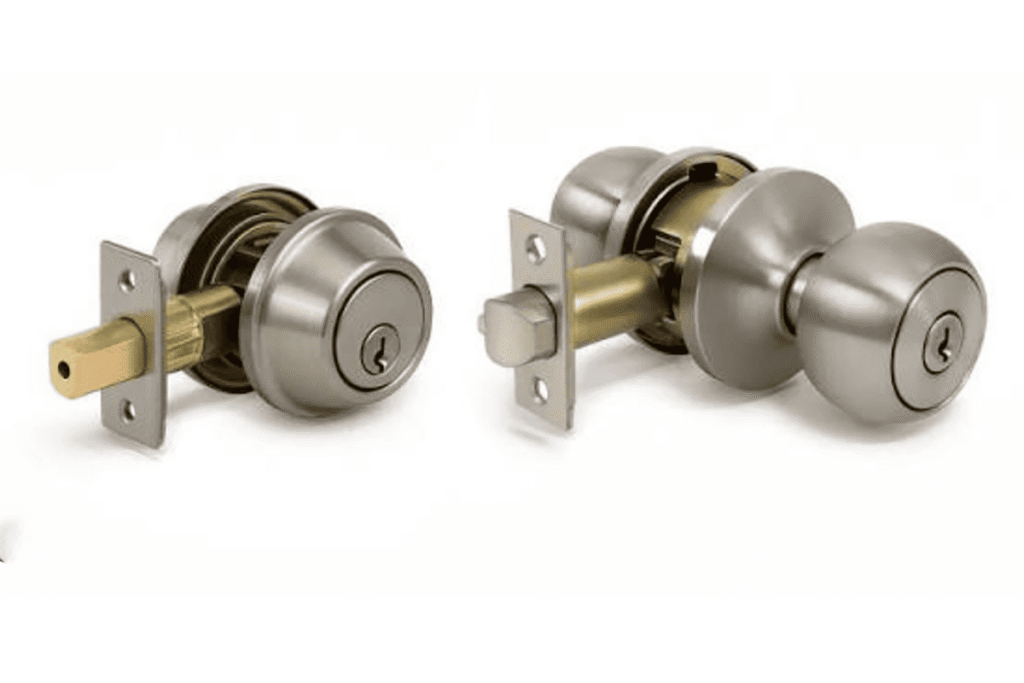
which deadlock is best for a steel door
A deadlock for a steel door can look simple on paper, but the wrong choice can cause fitting problems, delayed production, failed project checks, and customer complaints. Steel doors need more than a strong-looking lock.1 They need a lock body, cylinder, dimensions, materials, and certificates that match the real door application.
The best deadlock for a steel door is usually a heavy-duty Euro mortise deadlock matched with the correct Euro profile cylinder. However, the “best” option depends on door thickness, backset, center distance, lock case size, faceplate size, certification requirements, and existing door cut-outs.2 Buyers should confirm all specifications before ordering.
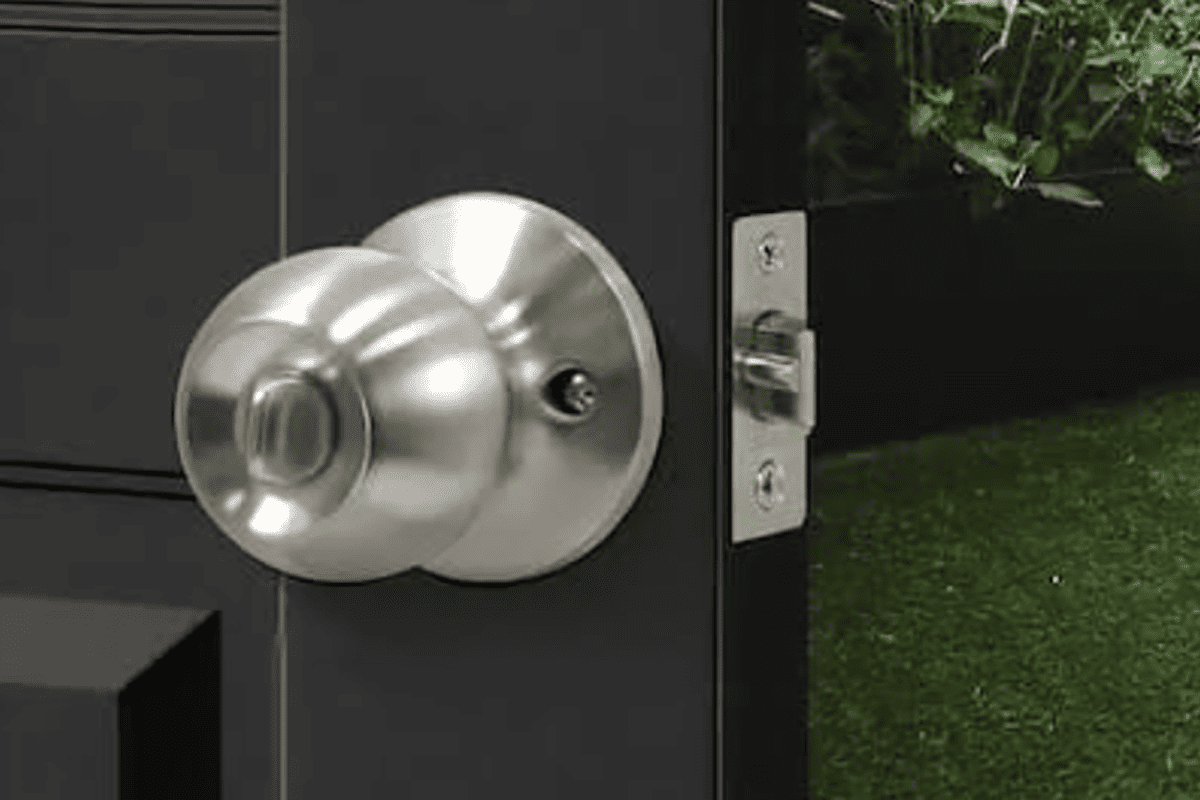
In my experience supplying architectural door hardware to door factories, hardware brands, and wholesalers, the safest answer is not a single model number. The better question is: which deadlock specification fits this steel door, this market, and this project risk?
What makes the best deadlock for a steel door?
A buyer often starts with a security question, but the problem quickly becomes a specification question. If the lock is too large, too shallow, or incompatible with the cylinder, even a high-quality product becomes a problem. This is where many steel door projects lose time and money.
The best deadlock for a steel door is one that fits the door structure, accepts the correct cylinder, meets the required regional standard, and performs consistently across batches. For many commercial and residential steel doors, that means a heavy-duty Euro mortise deadlock with verified dimensions and stable manufacturing quality.3
Start with fit, not just strength
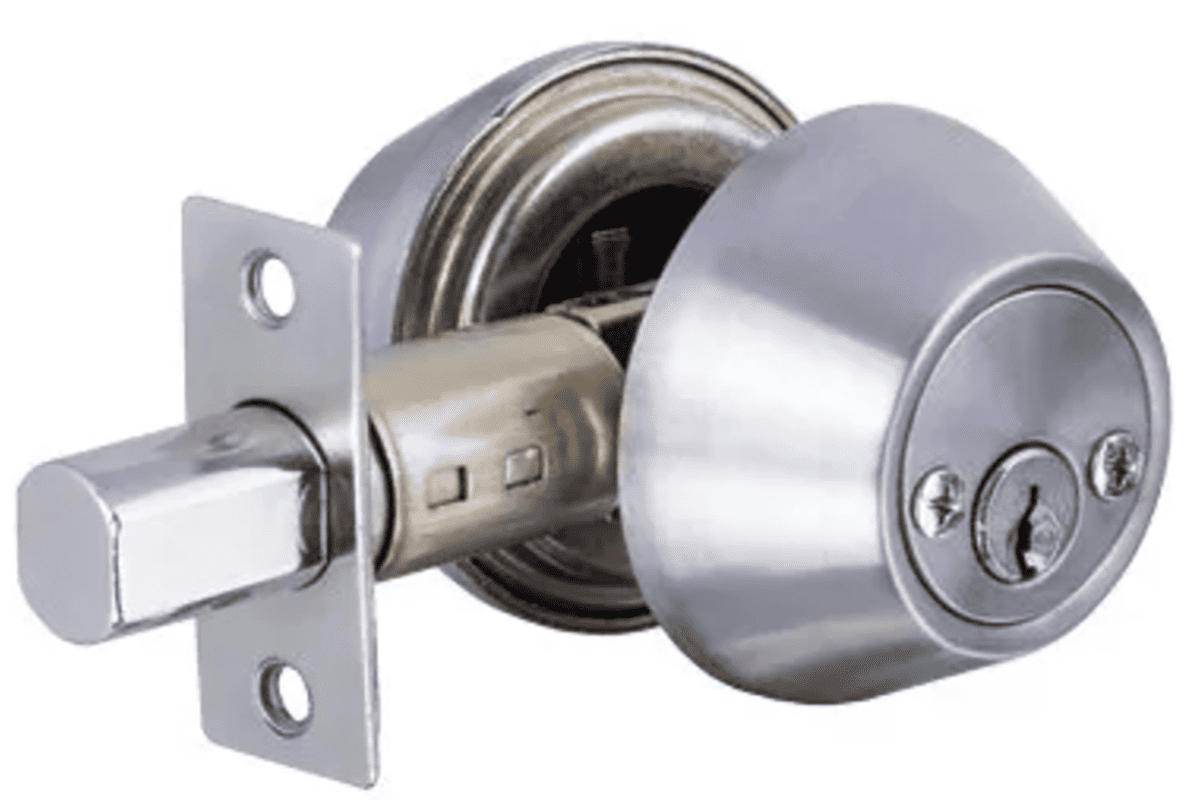
I have seen buyers ask for “the strongest deadlock” before confirming the steel door structure. That approach feels logical, but it can create the wrong result. A steel door is not only a door leaf. It is a complete structure with internal reinforcement, edge preparation, frame design, and sometimes fire-rated or acoustic requirements.4
Before I recommend any deadlock for a steel door, I usually ask for these details:
- Door thickness
- Door material and internal reinforcement
- Backset
- Center distance
- Lock case height and depth
- Faceplate width and length
- Forend shape
- Cylinder type and length
- Bolt projection
- Opening direction and handing
- Existing cut-out drawing or sample
- Required certification or test report
These details decide whether the lock can be installed cleanly and repeatedly.
Common specification terms buyers should check
| Specification | Why it matters for steel doors |
|---|---|
| Backset | Controls the distance from door edge to cylinder centerline |
| Center distance | Important when the lock is paired with handles or full locksets |
| Lock case depth | Must fit inside the door leaf without conflict |
| Faceplate size | Must match the door edge preparation |
| Bolt throw | Affects engagement with the frame strike plate |
| Cylinder profile | Must match the lock body and market standard |
| Door thickness | Determines cylinder length and fixing screw choice |
Why Euro mortise deadlocks are often preferred
A Euro mortise deadlock is common in many B2B steel door projects because it separates the lock body from the cylinder. This gives buyers more flexibility. A door factory can use one lock body specification and pair it with different cylinder grades, finishes, or keying systems for different markets.
For example, one customer may need a standard Euro brass cylinder for a residential steel door. Another may need a higher-grade cylinder with special key control. The deadlock body can stay similar, but the cylinder choice changes.
That said, I would not say every steel door must use the same Euro mortise deadlock. Some markets use different standards. Some projects need special fire-rated locksets. Some doors have existing cut-outs that limit the lock body size. The best approach is always specification matching first, then price comparison.
A strong lock that does not fit the steel door is not a strong solution. It is a sourcing mistake waiting to happen.
How do I choose the right deadlock for a steel door specification?
A steel door buyer can easily compare catalog pictures, but pictures do not show whether the lock will fit. The risk becomes bigger when the order is for hundreds or thousands of doors. One wrong dimension can affect production, packaging, installation, and after-sales service.
To choose the right deadlock for a steel door, confirm the door preparation drawing first, then match the mortise lock body, cylinder length, faceplate, bolt throw, and certification needs. A sample approval process is strongly recommended before mass production, especially for OEM, ODM, or project orders.
Step 1: Confirm the door construction
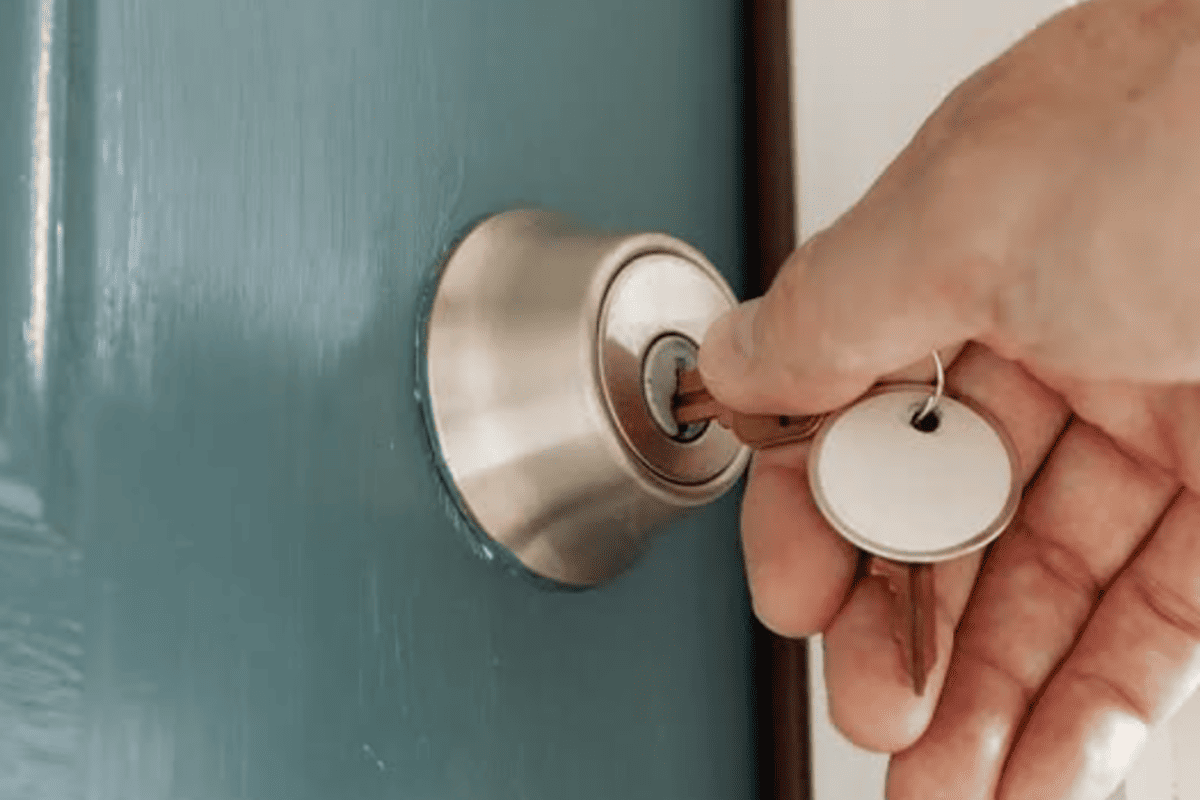
Steel doors can look similar from outside, but their internal structures can be very different. Some doors use honeycomb paper. Some use rock wool. Some use polyurethane foam.5 Some have internal steel reinforcement plates around the lock area.
The lock area is critical because the deadlock body needs stable support. If the lock case moves inside the door, the bolt may not align well with the frame.6 Over time, this can create noisy operation, hard locking, or customer complaints.
For steel doors, I usually want to know:
- Is there reinforcement around the lock pocket?
- What is the actual door leaf thickness?
- Does the door have a pre-cut mortise pocket?
- Is the frame strike plate already fixed by design?
- Does the door need fire-rated hardware compatibility?
A lock supplier cannot make a reliable recommendation without these basics.
Step 2: Match the lock body dimensions
The lock body is the mechanical core of the deadlock. In a Euro mortise deadlock, the cylinder drives the deadbolt. The case dimensions must match the door pocket.
Important lock body dimensions include:
- Case height
- Case depth
- Backset
- Faceplate length
- Faceplate width
- Faceplate thickness
- Deadbolt size
- Bolt projection
A small difference can matter. For example, a faceplate that is 2 mm wider than the prepared door edge may require rework. A lock case that is too deep may interfere with the internal door structure. A backset mismatch may place the cylinder hole in the wrong position.
Step 3: Specify the cylinder together with the deadlock
A deadlock, mortise lock, cylinder, and handle set are related, but they are not the same item.
| Term | Meaning | Buyer note |
|---|---|---|
| Deadlock | Locking function using a deadbolt | Often used without latch function |
| Mortise lock | Lock body installed inside the door edge | Can include latch, deadbolt, or both |
| Cylinder | Key-operated component that drives the lock | Must match profile and length |
| Handle set | Lever or pull hardware for operation | May be separate from deadlock |
| Door hardware system | Complete set of lock, cylinder, hinges, handles, accessories | Best evaluated as a whole |
For a steel door, the lock body and cylinder should be specified together. If the cylinder is too short, users may struggle to operate the key. If it is too long, it may project too far from the door surface. In some markets, excessive cylinder projection can also be a security concern7, so local requirements should be checked.
Step 4: Approve samples before bulk orders
For B2B buyers, sample approval is not a formality. It is a risk-control step. I usually suggest checking:
- Fit in the actual steel door sample
- Smooth bolt movement
- Cylinder operation from both sides
- Screw alignment
- Faceplate finish
- Strike plate engagement
- Packaging protection
- Marking and logo requirements
- Batch inspection criteria
This process protects both sides. The buyer gets confidence before mass ordering. The supplier gets a clear approved standard to follow in production.
Is security rating enough when selecting a deadlock for a steel door?
Security rating matters, but it does not solve every purchasing problem. A lock can have a strong design and still be wrong for the door, the market, or the project file. If buyers focus only on one rating claim, they may miss installation and compliance risks.
Security rating alone is not enough when selecting a deadlock for a steel door. Buyers should also verify dimensional compatibility, cylinder quality, material consistency, fire-rated or CE documentation where required, and batch inspection records. The best choice balances security, fit, compliance, supply stability, and total project risk.
Security is part of a system
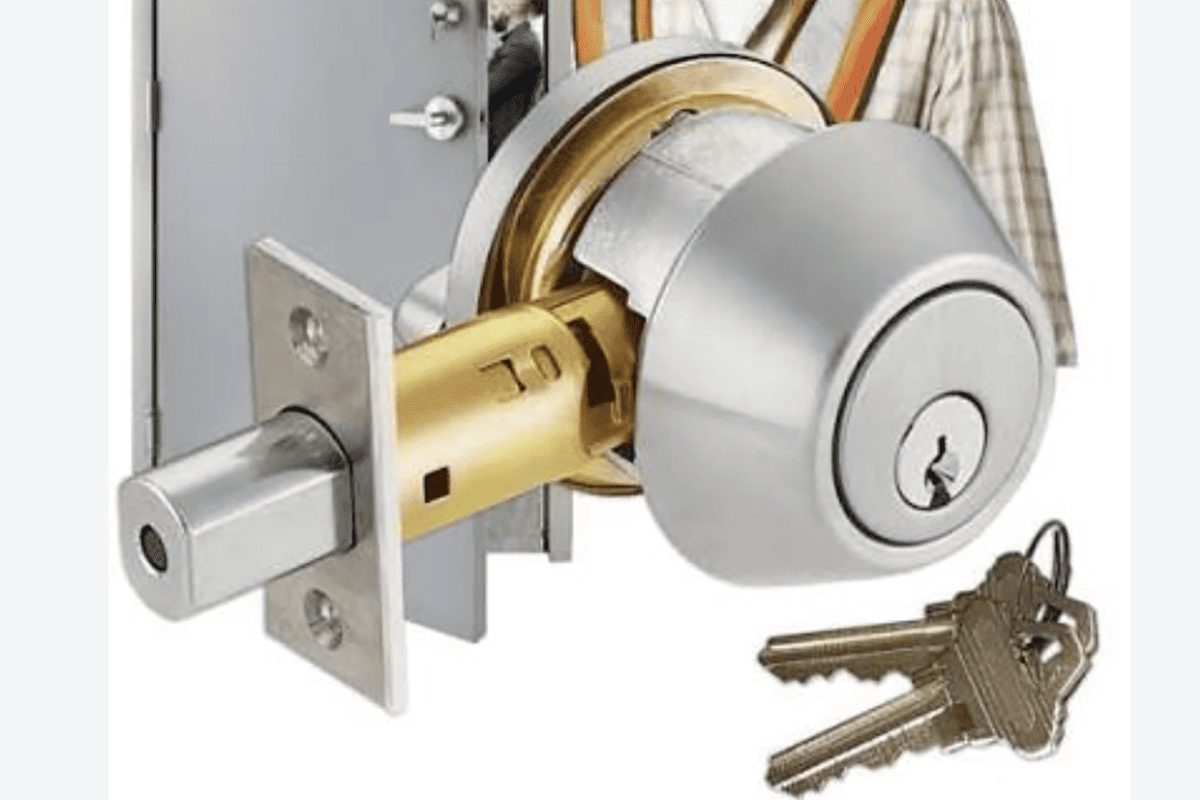
A deadlock does not work alone. It works with the cylinder, strike plate, fixing screws, door leaf, frame, hinges, and installation quality.8 If one part is weak or mismatched, the whole door opening can suffer.
For example, a heavy-duty deadbolt may not perform well if:
- The strike plate is too thin
- The frame has poor reinforcement
- The cylinder quality is low
- The door edge preparation is inaccurate
- The bolt does not fully extend
- The fixing screws are too short
- The door is misaligned after installation
This is why I prefer to discuss the complete door hardware system with buyers, not only one lock body.
Certification documents should be verified
Many buyers ask about CE certification, fire-rated certification, or other market documents. This is reasonable, especially for Europe, the Middle East, and project-based supply. However, certificates must be checked carefully.
- Certificate holder
- Product model covered
- Test standard
- Test scope
- Expiry date or validity
- Laboratory or notified body
- Whether the lock, cylinder, and door assembly are all included
At SDH Hardware, our core products are available with CE and fire-rated certification according to applicable product and project requirements. Still, I always advise buyers to confirm whether a specific certificate matches the exact product model and intended market. A document is only useful when it applies to the actual order.
Security-related features to compare
Different projects may require different performance levels. A wholesale buyer may focus on dependable mid-range locks. A hardware brand may need upgraded cylinders or custom branding. A door factory may need repeatable dimensions and stable installation.
Useful features to compare include:
| Feature | Why it matters |
|---|---|
| Deadbolt material | Affects strength and wear resistance |
| Lock case thickness | Supports durability and rigidity |
| Cylinder key system | Influences user convenience and key control |
| Anti-drill features | May improve resistance depending on design |
| Bolt projection | Affects frame engagement |
| Cycle testing | Indicates long-term operation stability |
| Corrosion resistance | Important for humid or coastal markets |
| Fire-rated compatibility | Required for certain fire door projects |
Do not overpay for the wrong feature
Buyers sometimes request the most expensive lock because they assume it reduces risk. I understand that feeling. However, the wrong high-spec lock can create more trouble than a properly selected standard lock.
For B2B supply, I suggest ranking requirements in this order:
- Door compatibility
- Market standard
- Certification requirement
- Security performance
- Production consistency
- Finish and branding
- Price
Price matters, but price should come after the lock is technically correct. A cheap lock that causes returns is expensive. A premium lock that does not fit is also expensive. The best deadlock for a steel door is the one that meets the real application without unnecessary risk.
Which cylinder should be paired with a deadlock for a steel door?
Many purchasing mistakes happen because the buyer chooses the lock body first and treats the cylinder as a minor accessory. That approach is risky. The cylinder is the part users touch every day, and it controls the deadbolt movement.
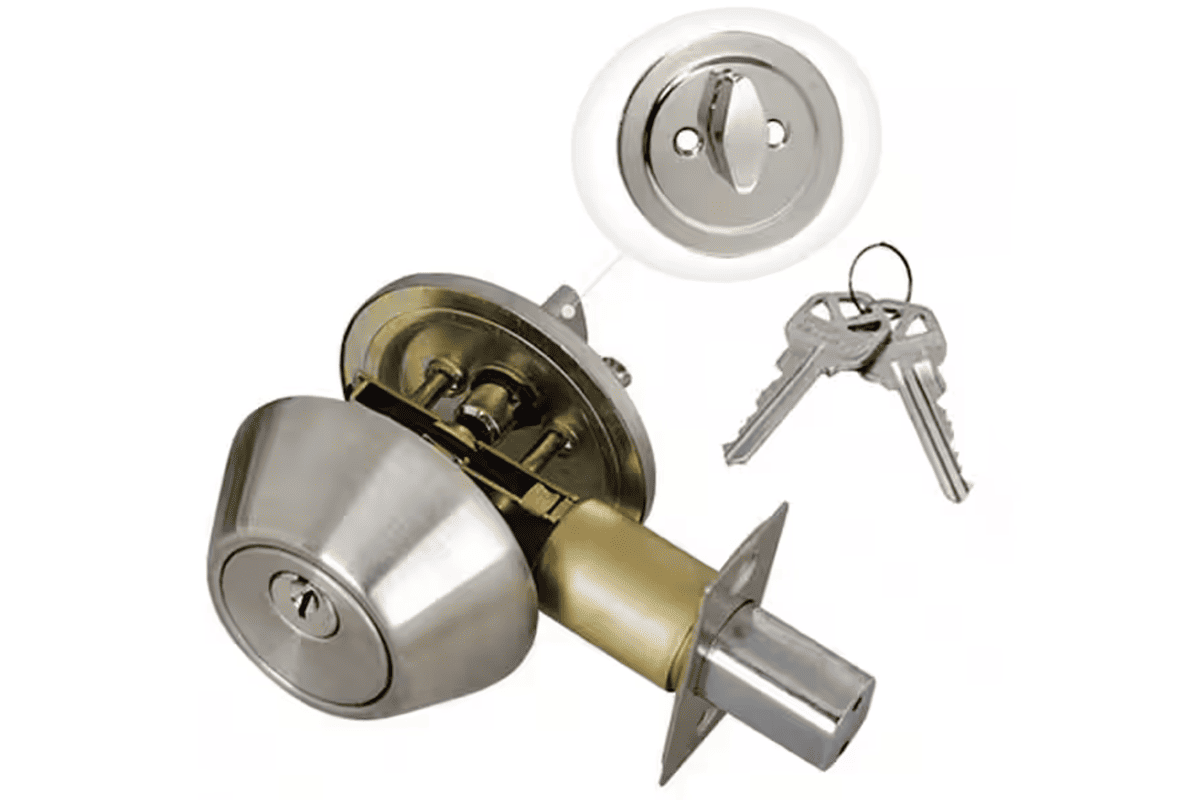
A deadlock for a steel door should be paired with a Euro profile cylinder that matches the door thickness, lock body profile, keying requirement, finish, and security expectation. Cylinder length is especially important because incorrect projection can affect appearance, operation, and security-related requirements.
The cylinder is not an afterthought
The lock body provides the mechanism, but the cylinder provides key operation. If the cylinder is poor, the whole lock feels poor. I have had B2B conversations where the buyer approved a good mortise deadlock, then selected a very low-cost cylinder to reduce price. Later, the complaints were not about the lock case. They were about key smoothness, finish wear, and inconsistent cylinder length.
A good cylinder specification should include:
- Profile type
- Total length
- Inside and outside length split
- Material
- Finish
- Key type
- Number of keys
- Cam type
- Security features
- Packaging
- Logo or marking requirements
For steel doors, cylinder length must match door thickness plus escutcheon or rosette thickness. If the door is 50 mm thick, the cylinder may not be exactly 50 mm. The final size depends on trim hardware and desired projection.
Common cylinder configurations
| Door situation | Possible cylinder choice | Buyer consideration |
|---|---|---|
| Standard steel door | Standard Euro brass cylinder | Cost-effective for common markets |
| Brand product line | Logo-marked Euro cylinder | Supports brand consistency |
| Project door | Cylinder with verified documentation | Check project requirements |
| Higher-security market | Upgraded anti-drill or anti-pick cylinder | Confirm local expectations |
| Master key system | Custom keying cylinder | Requires detailed key plan |
| Double-sided access | Double cylinder | Key operation from both sides |
| Interior thumbturn need | Cylinder with thumbturn | Check safety and code requirements |
Material and finish consistency
Brass cylinders are widely used because brass has good machinability and corrosion resistance.10 However, cylinder quality depends on more than material name. Pin quality, machining accuracy, cam movement, plug tolerance, and finish control all affect the user experience.
For B2B buyers, finish consistency is important. A hardware brand does not want one batch of satin nickel cylinders to look warm and the next batch to look cold. A door factory does not want mixed finishes packed into a single order. A wholesaler does not want returns because the cylinder finish does not match the handle or escutcheon.
Common finishes include:
- Satin nickel
- Polished brass
- Satin brass
- Chrome
- Black
- Antique finishes
- Customized surface treatments
At SDH Hardware, we normally discuss surface finish together with the full door hardware set, including locks, handles, hinges, cylinders, and accessories. This helps keep the final door package visually consistent.
Keying requirements need early confirmation
Keying can affect production time. If the buyer needs keyed alike, keyed different, master key, or construction key systems, this should be confirmed before order approval. It is not something to decide after packing.
I suggest buyers prepare:
- Door quantity
- Room or unit schedule
- Keying hierarchy
- Spare key requirements
- Packaging label requirements
- Replacement cylinder plan
This level of planning helps reduce confusion during installation and after-sales support.
How can B2B buyers reduce risk when sourcing a deadlock for a steel door?
The biggest risk in B2B hardware sourcing is not always one defective piece. The bigger risk is inconsistency across many pieces. A buyer needs stable dimensions, stable materials, stable finish, stable packaging, and stable inspection.
B2B buyers can reduce risk when sourcing a deadlock for a steel door by using detailed drawings, approved samples, verified certificates, clear material specifications, production inspection, and supplier batch control. A factory-direct supplier with mature quality control can help reduce repeatability problems across bulk orders.
Repeatability matters more than a single perfect sample
A beautiful sample is helpful, but it is not enough. A serious buyer needs to know whether the supplier can repeat the same quality across the full order. This is especially important for door factories and wholesalers because they do not sell one door or one lock. They sell batches.
I usually recommend checking three layers:
- Pre-order evaluation
- Production control
- Final inspection
Each layer reduces a different type of risk.
Pre-order evaluation checklist
Before placing a bulk order, buyers should confirm:
- Final drawing with dimensions
- Lock body material and thickness
- Deadbolt material
- Cylinder specification
- Finish sample
- Logo position
- Packaging artwork
- Certificate requirements
- Testing requirements
- Delivery schedule
- Spare parts requirements
This stage prevents misunderstanding. It also creates a shared reference for inspection.
Production quality control
A good supplier should have a clear production process, not only a sales catalog. In our own factory work, we focus on raw material screening, standardized production supervision, and finished product inspection. That does not remove every possible risk, but it gives buyers a structured way to evaluate consistency.
Important quality checks may include:
| Inspection point | What buyers should look for |
|---|---|
| Raw material | Correct material grade and stable supply |
| Lock case assembly | Smooth movement and proper riveting or fastening |
| Deadbolt operation | Full throw without jamming |
| Cylinder fit | Correct cam movement and screw alignment |
| Faceplate finish | No major scratches, color difference, or deformation |
| Dimension check | Backset, case depth, and faceplate tolerance |
| Salt spray or corrosion test | Useful for humid markets, depending on requirement |
| Cycle testing | Confirms repeated operation performance |
| Packaging drop resistance | Helps reduce shipping damage |
Supplier selection questions
A buyer should ask practical questions, not only price questions. For example:
- Can you provide drawings before production?
- Can you make OEM or ODM specifications?
- Can you match my existing door cut-out?
- Can you provide CE or fire-rated documents for review?
- Can you support custom logo or packaging?
- What inspection is done before shipment?
- Can you keep the same finish across repeat orders?
- Can you supply matching handles, hinges, cylinders, and accessories?
These questions reveal whether the supplier understands B2B supply or only sells standard items.
Why factory-direct sourcing can help
Factory-direct sourcing can reduce communication layers. It can also make customization easier. For example, SDH Hardware supports ODM and OEM orders, custom surface treatments, logo stamping or laser marking, color packaging design, product drawings after order confirmation, and finished product inspection services.
However, buyers should still verify every important point. Factory-direct does not mean buyers can skip technical review. It means the buyer may have better access to production details, drawings, samples, and batch control.
Avoid these common sourcing mistakes
I often see these mistakes in early buyer conversations:
- Choosing by catalog photo only
- Ignoring door thickness
- Forgetting cylinder length
- Mixing standards from different markets
- Requesting certificates after production
- Comparing prices without comparing materials
- Approving finish by name instead of sample
- Skipping sample installation
- Not defining inspection criteria
- Treating the deadlock as separate from the door hardware system
Most of these mistakes are preventable. A clear specification sheet can save weeks of correction later.
Frequently Asked Questions
Is a mortise deadlock better than a rim deadlock for a steel door?
A mortise deadlock is often preferred for steel doors because it is installed inside the door edge and can provide a cleaner, stronger-looking hardware solution. However, the best choice depends on the door structure, existing preparation, regional standard, and project requirements. Buyers should confirm drawings first.
What is the best cylinder length for a steel door deadlock?
The best cylinder length depends on door thickness and trim thickness. Buyers should calculate the total door leaf thickness plus escutcheon or rosette projection. The cylinder should operate smoothly without excessive projection. For bulk orders, I recommend confirming the final length with a physical door sample.
Does a fire-rated steel door need a special deadlock?
A fire-rated steel door may require hardware that is tested or approved as part of a fire-rated assembly. Buyers should not assume any deadlock is acceptable. They should verify the applicable standard, certificate scope, door type, lock model, and project requirement before ordering.
Can I use the same deadlock for different steel door models?
You can use the same deadlock only if the door models share compatible thickness, cut-out, backset, faceplate, lock case space, and certification requirements. For factory production, I suggest creating a standard hardware schedule to avoid mixing similar but incompatible specifications.
What should I check before ordering deadlocks in bulk?
Before ordering in bulk, check drawings, samples, cylinder length, faceplate size, finish, certificates, packaging, logo requirements, inspection standards, and delivery schedule. A small trial order or approved pre-production sample can reduce the risk of batch problems and after-sales claims.
Conclusion
The best deadlock for a steel door is not one universal product. It is usually a heavy-duty Euro mortise deadlock paired with the right cylinder and selected according to door thickness, lock body dimensions, faceplate size, certification needs, and batch quality control. For B2B buyers, repeatability matters as much as strength. If you need factory-direct support for steel door locks, cylinders, handles, hinges, or complete architectural hardware sets, I can help review your specification and recommend a suitable solution.
"Hardware Preparation in Steel Doors & Frames", https://steeldoor.org/ansi-250-14/. Industry guidance and lock-performance standards describe steel-door locking hardware in terms of door preparation, dimensions, installation conditions, and tested performance requirements, supporting the article’s view that apparent lock strength alone is insufficient. Evidence role: general_support; source type: institution. Supports: A neutral industry or standards source should support that lock selection for steel doors depends on hardware preparation, dimensions, and applicable performance requirements, not only lock appearance or strength.. Scope note: This would provide contextual support for the selection principle, not proof that any specific deadlock model is best. ↩
"Classification Code for Mechanically Operated Lock", https://www.dirock.com/EN12209-Classification-Code-for-Mechanically-Operated-Lock-id43533806.html. Standards for mechanically operated locks and mortise locks classify products by dimensional, functional, durability, and security characteristics, which supports treating door thickness, backset, case size, faceplate, and certification scope as selection criteria. Evidence role: general_support; source type: institution. Supports: A lock standard should show that mortise lock products are specified by dimensional and performance characteristics such as backset, case dimensions, faceplate, and classifications.. Scope note: The standard may define requirements and classifications without ranking one deadlock type as universally best. ↩
"En 1303 Mortise Euro Profile Standard Door Lock Cylinder ...", https://wuxigmb.en.made-in-china.com/product/SjInvyfrblcE/China-En-1303-Mortise-Euro-Profile-Standard-Door-Lock-Cylinder-Brass-Cylinder-GMB-CY-08-.html. European standards such as EN 12209 for mechanically operated locks and EN 1303 for lock cylinders define performance and classification requirements for these hardware categories, providing context for specifying a Euro mortise deadlock with a compatible Euro-profile cylinder. Evidence role: general_support; source type: institution. Supports: A standards source should support that Euro-profile cylinders and mechanically operated mortise locks are standardized hardware categories with defined performance and dimensional expectations.. Scope note: This supports the technical basis for the specification but does not independently establish that this option is best for every steel door. ↩
"Hardware Preparation in Steel Doors & Frames", https://steeldoor.org/ansi-250-14/. Steel-door industry guidance treats doors, frames, reinforcements, and hardware preparations as coordinated parts of an opening, supporting the article’s statement that lock selection must account for the door assembly rather than the leaf alone. Evidence role: general_support; source type: institution. Supports: A steel-door industry source should support that steel doors are specified with frames, reinforcements, hardware preparations, and performance requirements.. Scope note: The source would support the assembly concept generally, not the author’s specific purchasing workflow. ↩
"Frequently Asked Questions: Answers from the Steel Door ...", https://steeldoor.org/faqs/. Steel-door technical references list multiple core constructions, including honeycomb, foam, and mineral-based cores, supporting the article’s statement that similar-looking steel doors may have different internal structures. Evidence role: general_support; source type: institution. Supports: A steel-door industry source should identify common steel-door core materials such as honeycomb, polyurethane or polystyrene foam, and mineral-based cores.. Scope note: Terminology may vary by region and manufacturer, and the source may refer to mineral core rather than specifically rock wool. ↩
"DIY Secure your door and align strike plate/door knob. TIPS!",
. Door-hardware installation guidance emphasizes proper alignment of the lock, bolt or latch, and strike in the frame, supporting the article’s explanation that movement or poor support at the lock case can impair locking operation. Evidence role: mechanism; source type: institution. Supports: An installation or fire-door hardware source should support that proper alignment between the lock bolt or latch and the strike/frame is necessary for correct operation.. Scope note: The source may address alignment generally rather than specifically measuring lock-case movement inside a steel door. ↩"Secure by Design", https://www.cisa.gov/securebydesign. Security guidance for Euro-profile cylinders commonly treats excessive external projection as a vulnerability because it can expose the cylinder to attack, supporting the article’s caution that projection should be checked against local requirements. Evidence role: general_support; source type: institution. Supports: A police, standards, or security-certification source should support that cylinder projection is considered in security guidance for Euro-profile cylinders.. Scope note: The precise acceptable projection limit depends on the applicable national standard, door furniture, and security scheme. ↩
"Fire Doors and NFPA 80 FAQs", https://www.google.com/goto?url=CAESigEBxCJF17kddcK_r5zK2dJgqYjuqVbrZnJZl8QYHaiDGEuV7e4Y6kPXhseylLNQp7oluvseTOy6wgigeHRsA9XN8s5v2868LbB5Du9mul4qOJUVbhYQ1RHF1YeeDnQqTc4SlArrV9VKO1D27G2zQ7DeAmTmM_Ecm6CNVbX0aVrS1UPbu4jQGDGJNfs. Door-assembly standards and installation guidance treat locks, strikes, hinges, frames, fasteners, and installation conditions as interacting elements of the opening, supporting the article’s statement that a deadlock’s performance depends on more than the lock body alone. Evidence role: mechanism; source type: institution. Supports: A door-assembly standard or installation guide should support that hardware components and installation quality interact in the performance of a door opening.. Scope note: The source may focus on fire-door or general door assemblies, so the support is contextual for non-fire-rated steel security doors. ↩
"CE Marking", https://www.trade.gov/ce-marking. European Commission guidance on CE marking and the Construction Products Regulation links conformity documentation to the specific product, declared performance, applicable standard, and notified-body involvement where required, supporting the article’s recommendation to verify certificate scope and identity. Evidence role: general_support; source type: government. Supports: An official EU source should support that CE marking and construction-product documentation are tied to a product, declared performance, harmonised standards, and notified bodies where applicable.. Scope note: This supports CE-document verification in the EU context; other regions may use different certification systems. ↩
"Major Properties of Brass You Need to Know Before ...", https://www.sogaworks.com/blogs/major-properties-of-brass/. Materials references describe brass alloys as readily machinable and generally corrosion resistant, supporting the article’s explanation for the common use of brass in precision lock-cylinder components. Evidence role: general_support; source type: encyclopedia. Supports: A materials reference should support that brass is valued for machinability and corrosion resistance.. Scope note: Material properties vary by alloy and manufacturing quality, so brass alone does not determine cylinder performance. ↩
