Batch Colour Consistency: Matching PVD Finish Across Handles, Hinges & Lock Plates
Batch colour consistency becomes difficult when one project needs handles, hinges, and lock plates to match under the same light. Buyers expect “brushed gold” or “black” to look uniform. Yet different base materials can react differently. I solve this by treating colour matching as a controlled project process, not a simple finishing order.
Batch colour consistency in PVD door hardware depends on base material, surface preparation, finishing parameters, approved samples, and batch planning. Putting handles, hinges, and lock plates into one finishing batch does not automatically create the same colour.1 Buyers should confirm material combinations, seal reference samples, agree visual tolerance, and finish project hardware together when possible.

I have seen many projects where the hardware looked correct as separate items but uneven after installation. The difference only became obvious when the lever handle sat beside the lock plate and hinge line. That is why I prefer to discuss colour control before mass production starts.
Why Does Batch Colour Consistency Fail Across Different Door Hardware Materials?
Colour mismatch feels like a small detail until a project buyer rejects installed hardware. The problem becomes worse when a door set combines stainless steel handles, steel hinges, and brass or zinc alloy plates. I see this most often when teams assume one colour name creates one visual result.
Batch colour consistency fails because each base material has a different surface structure, reflectivity, hardness, and coating response2. Even with the same PVD colour name, handles, hinges, and lock plates may show different tones if their raw material, polishing, brushing, and finishing parameters are not controlled separately.
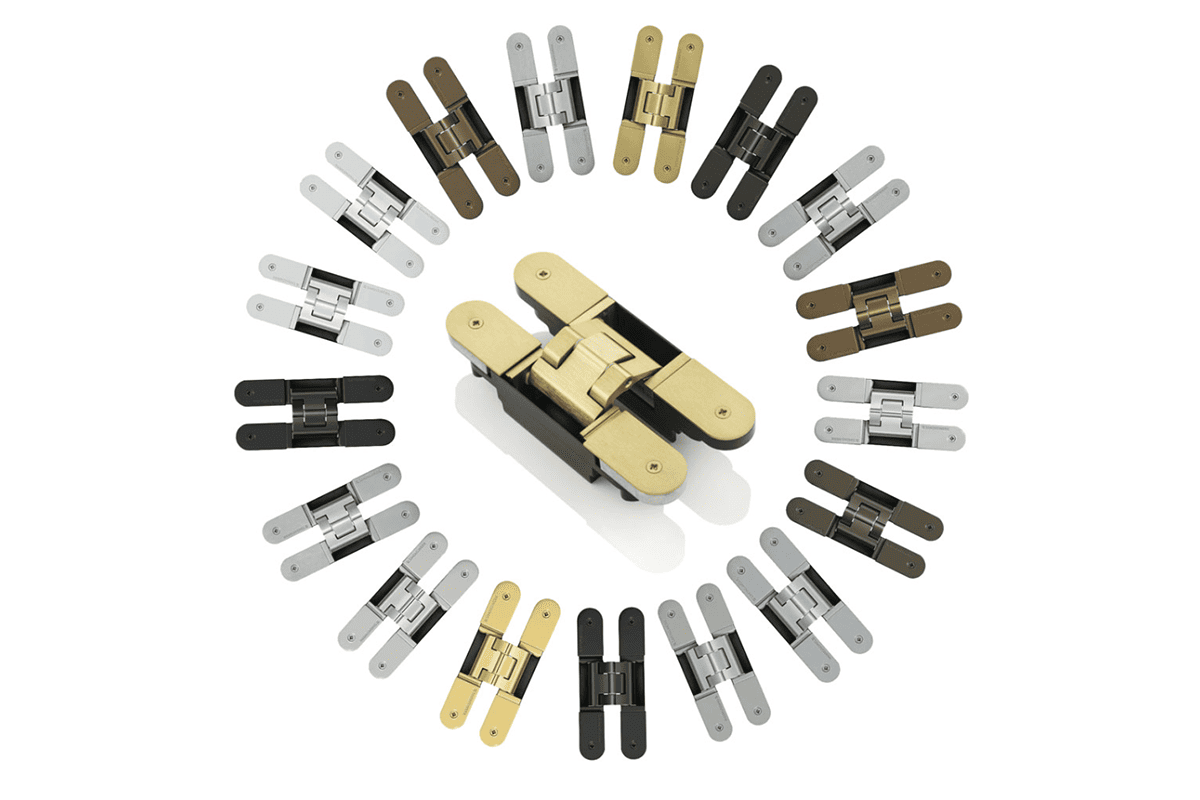
Same Colour Name Does Not Mean Same Colour Result
In architectural door hardware, names like brushed gold, champagne, bronze, black, and gunmetal are commercial colour descriptions3. They are useful for quotation and catalogue selection, but they are not enough for project acceptance.
A “brushed gold” handle can look warmer than a matching hinge because:
- The handle may be made from stainless steel or brass.
- The hinge may be made from stainless steel, carbon steel, or brass.
- The lock plate may have a different polishing or brushing direction.
- The surface under the PVD coating may reflect light differently.
- The coating process may need different settings for different substrates.
I usually explain this to buyers with a simple example. If I paint the same transparent colour over white paper, grey paper, and mirror paper, the final colour will not look identical. PVD finish is more technical than paint, but the visual principle is similar. The base surface still matters.4
Common Material Combinations in One Project
Many project hardware sets mix categories. This is normal, but it creates a colour control challenge.
| Hardware Item | Common Base Materials | Colour Matching Risk | Buyer Checkpoint |
|---|---|---|---|
| Lever handles | Stainless steel, brass, zinc alloy | Medium to high | Confirm material and surface texture |
| Butt hinges | Stainless steel, steel, brass | High | Confirm material grade and finishing route |
| Lock plates | Stainless steel, brass, zinc alloy | Medium | Confirm thickness, brushing, and coating |
| Escutcheons | Stainless steel, brass, zinc alloy | Medium | Compare beside handle sample |
| Cylinder trims | Brass, zinc alloy, stainless steel | Medium | Check tone under project lighting |
Batch colour consistency becomes more reliable when visible parts use same or similar base materials. If a project uses stainless steel lever handles and stainless steel lock plates, the finish can be controlled more easily than a project using stainless steel handles, steel hinges, and zinc alloy lock plates.
Why One Generic PVD Setup Is Not Enough
PVD finishing depends on controlled preparation and process settings. I do not present mixed-material processing as a shortcut because that creates risk. Different materials may need adjusted pretreatment, polishing, cleaning, coating time, or colour tuning.
For example:
- Stainless steel often gives a clean, bright base for PVD.
- Brass may create a warmer visual tone.
- Zinc alloy can require careful surface preparation because defects may become visible after coating.
- Steel hinges may need another protective base layer before decorative finish.
This does not mean mixed-material projects cannot work. It means buyers and suppliers must treat them as sample-led projects. At SDH Hardware, I normally recommend confirming the full material list first. Then I suggest preparing reference samples for the visible components before bulk production.
My practical rule is simple: I do not approve colour by colour name alone. I approve colour by physical sample, material list, and final project position.
That approach reduces misunderstanding between the door factory, hardware buyer, installer, and final project owner.
How Should Buyers Define Batch Colour Consistency Before Mass Production?
Project teams often ask for “same colour” but do not define how the colour will be judged. This creates pressure later. If the buyer, supplier, and project owner use different standards, even acceptable production variation can become a dispute.
Buyers should define batch colour consistency by confirming physical reference samples, material combinations, viewing conditions, acceptable visual tolerance, and inspection method before mass production. A sealed sample should become the practical colour reference for handles, hinges, lock plates, and related trims.
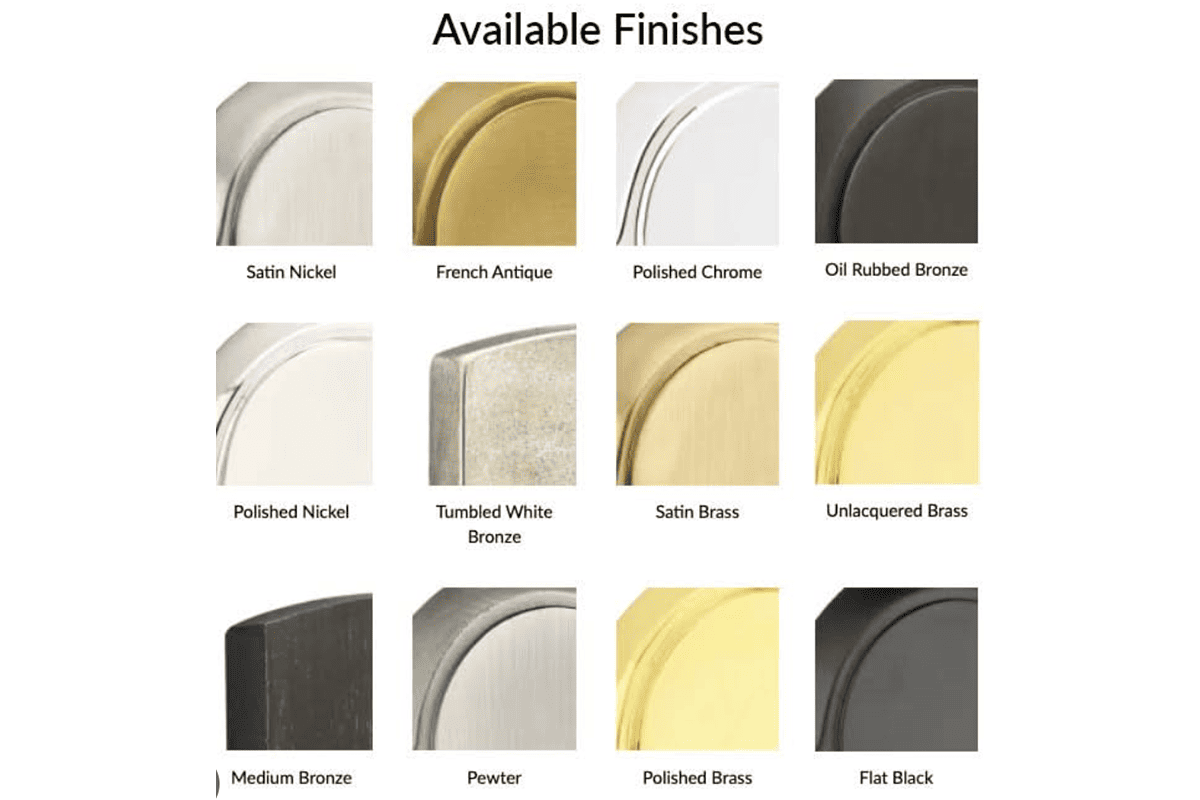
Start With the Hardware Schedule
I prefer to begin with the full hardware schedule, not only one handle model. A door project usually includes many visible items. If these items are ordered separately, the colour risk increases.
A useful hardware schedule should include:
- Product category
- Model number or drawing
- Base material
- Surface finish name
- Surface texture, such as brushed, satin, polished, or matte
- Door location or room type
- Quantity
- Required certifications, if applicable
- Packaging and marking requirements
For technical procurement, I also suggest separating visible decorative components from less visible functional components. A hinge leaf and a lever handle may both be visible, but the handle usually receives more user attention. A strike plate may be less visible after installation, but it can still create a complaint if it sits near a bright trim.
Use Sealed Samples, Not Only Photos
Photos are useful for communication, but they are poor final references for PVD finish. A phone camera, monitor, light source, and viewing angle can all change the apparent colour.5
For batch colour consistency, I recommend a sealed sample process:
- Supplier prepares samples using the intended material and finish route.
- Buyer reviews samples under relevant lighting conditions.
- Both sides confirm one approved reference for each key material group.
- Samples are labelled and sealed with project name, finish code, date, and item category.
- Mass production is compared against the sealed reference before shipment.
This process is especially important for OEM and ODM customers. When I work with brand customers, the final finish often becomes part of their market identity. A slightly warmer or cooler black may affect how their product line looks in a showroom.
Define Practical Acceptance Conditions
Colour tolerance should be practical. I avoid promising zero colour difference because different materials may never look absolutely identical. Instead, I prefer to define how the parts should look when installed and viewed normally.
| Acceptance Item | Practical Recommendation | Why It Matters |
|---|---|---|
| Viewing distance | Confirm at normal installation distance | Close inspection can exaggerate minor differences |
| Lighting | Check under daylight and common indoor light | Warm and cool lights change colour perception6 |
| Angle | Compare at similar viewing angles | PVD reflectivity changes with angle7 |
| Surface texture | Match brushing direction where possible | Texture affects perceived tone |
| Material group | Compare same material separately if needed | Different substrates may need different references |
I have handled projects where the buyer approved a handle sample but did not approve hinge and plate samples. Later, the handle looked fine, but the hinge appeared slightly darker. The finish was not “wrong” in isolation. The problem was that the project had no cross-category acceptance reference.
Keep the Commercial Language Clear
For procurement, vague words create risk. I suggest replacing general descriptions with clearer wording.
Instead of:
- “All hardware must be same brushed gold.”
Use:
- “Lever handles, hinges, lock plates, and escutcheons shall follow the approved brushed gold reference samples. Slight visual variation may occur between different base materials. Supplier shall submit pre-production samples for approval before mass production.”
This wording helps both sides. It gives the buyer a reference for inspection, and it gives the supplier a realistic framework for production control.
Can Same-Batch Finishing Guarantee Batch Colour Consistency?
Many buyers believe same-batch finishing is the safest solution. I understand this thinking because batch-to-batch variation is real. However, same-batch processing is only one part of control. It cannot remove all colour differences between different materials.
Same-batch finishing can reduce batch-to-batch variation, but it does not guarantee batch colour consistency across handles, hinges, and lock plates made from different materials. The best result comes from coordinated production timing plus material-specific preparation, adjusted finishing parameters, approved samples, and final visual inspection.

Why Same Batch Still Matters
Although same-batch finishing is not a guarantee, it is still useful. When possible, I recommend finishing one project’s visible hardware together or within a controlled production window.
This reduces variation caused by:
- Different coating material lots
- Different machine conditions
- Different operator settings
- Different pretreatment timing
- Different polishing batches
- Different environmental conditions
For a hotel, apartment, school, hospital, or commercial building, the visible hardware should look coordinated across many doors. If the first 500 sets are finished in January and the next 500 sets are finished in April, the second batch may show a small tone change8. That change may be acceptable, but buyers should understand the risk.
Why Same Batch Does Not Solve Material Differences
Same-batch finishing controls the timing. It does not make all materials behave the same.
A stainless steel handle and a carbon steel hinge may need different preparation before decorative coating. A brass lock plate may reflect a warmer tone than stainless steel. A zinc alloy accessory may need extra attention to surface defects. If all items enter one generic process without adjustment, the colour may still look uneven.
I often use this table when discussing project planning:
| Control Method | What It Helps | What It Cannot Fully Solve |
|---|---|---|
| Same-batch finishing | Reduces batch-to-batch variation | Different substrate colour response |
| Same material selection | Improves visual consistency | Normal process tolerance |
| Sealed samples | Creates acceptance reference | Poor communication after changes |
| Adjusted parameters | Improves material-specific matching | Absolute zero colour difference |
| Final inspection | Catches obvious mismatch | Late design changes or mixed orders |
Better Planning for One Project
For batch colour consistency, I prefer a project planning sequence like this:
Confirm visible hardware categories.
I list lever handles, hinges, lock plates, escutcheons, cylinders, and accessories that affect the final look.Confirm base materials.
I check whether the project can use same or similar materials for the most visible components.Prepare finish samples.
I avoid relying on catalogue colour alone.Approve cross-category samples.
I compare handle, hinge, and plate together, not separately.Plan production together.
I arrange raw material, machining, polishing, and finishing schedules to reduce time gaps.Inspect before packing.
I compare finished goods against the approved reference and against each other.
This is especially important for factory-direct OEM and ODM orders. If a customer requests custom logo stamping, custom packaging, and complete door hardware sets, the finish coordination should be included in the order plan from the beginning.
A Factory-Side Example
I once reviewed a project where the buyer wanted a dark bronze finish across lever handles, butt hinges, and lock plates. The handle base was stainless steel, while the hinge was a different material. The first samples were acceptable as individual pieces, but the hinge looked cooler when placed near the handle.
The solution was not simply “put them in one batch.” The better action was to adjust the finishing approach by material, confirm a new hinge sample, and then plan the project production together. The final result was visually coordinated enough for the project requirement, but I would still never describe it as zero difference.
That distinction matters. Responsible suppliers should not promise perfection across mixed materials. They should provide a controlled process that reduces risk and supports clear acceptance.
What Is the Best Procurement Process for Batch Colour Consistency in PVD Door Hardware?
Colour mismatch is expensive because it appears late. The buyer may discover it only after assembly, delivery, or installation. At that stage, replacement costs are higher than sample approval costs9. I prefer to prevent this through a clear procurement process.
The best procurement process for batch colour consistency is to confirm material selection early, approve physical PVD finish samples, seal references, agree inspection conditions, coordinate one-project production, and verify finished hardware before shipment. This process is more reliable than approving colour names or catalogue photos.
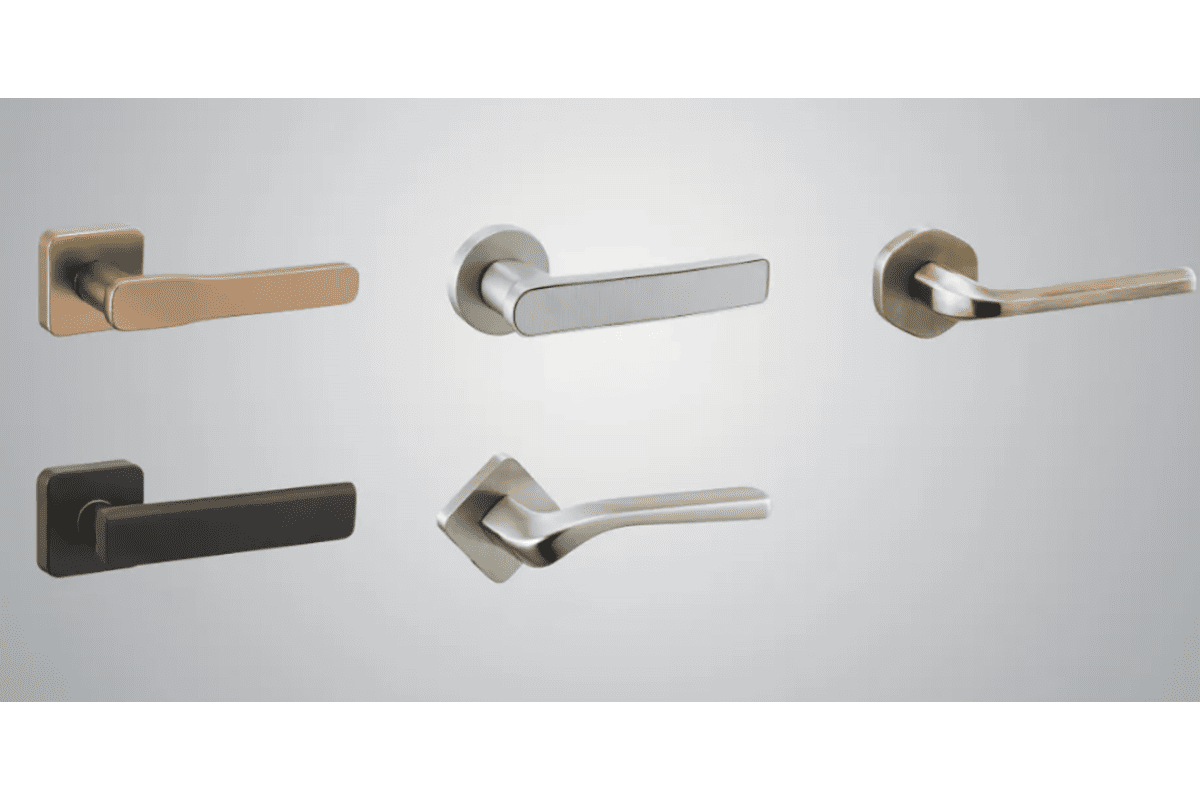
Step 1: Choose Same or Similar Materials Where Possible
The most effective colour decision happens before finishing. If a project needs tight visual coordination, I recommend keeping visible hardware in the same or similar material whenever possible.
For example:
- Stainless steel handle + stainless steel lock plate = easier coordination
- Brass handle + brass escutcheon = warmer and more consistent tone
- Stainless handle + steel hinge + zinc alloy trim = higher matching risk
This does not mean every component must use the same material. Cost, strength, fire requirements, door type, and regional standards also matter. However, buyers should know that mixed materials usually require more sample control.
Step 2: Confirm Surface Preparation
PVD colour is affected by the surface underneath. A brushed surface and a polished surface can show the same coating differently.10 Even the direction and depth of brushing can change the final appearance.
Key surface factors include:
- Brushing line direction
- Polishing level
- Surface roughness
- Edge finishing
- Weld or machining marks
- Cleaning before coating
- Protective base layers, if used
For lock plates and escutcheons, flat surfaces can reveal tone differences more clearly. For lever handles, curves can reflect light in many directions, which may make colour appear lighter or darker depending on angle. For hinges, knuckle shape and leaf brushing also influence visual appearance.
Step 3: Approve Samples as a Set
I strongly prefer reviewing samples as a set. A single handle sample cannot represent a complete door opening.
A practical sample approval set may include:
- One lever handle pair
- One hinge sample
- One lock plate
- One escutcheon or rose
- One cylinder trim, if visible
- One accessory sample, if it sits near the handle
The buyer should place these parts together under normal light. The question should not be, “Are they exactly identical under close inspection?” The better question is, “Do they look coordinated after installation?”
Step 4: Agree on Inspection and Communication
Before shipment, inspection should compare finished goods against the approved sample. At SDH Hardware, our normal production approach includes raw material screening, production supervision, and finished product inspection. For finish-sensitive projects, I believe the inspection plan should pay special attention to visible parts.
A simple inspection checklist can include:
| Inspection Point | Check Method | Buyer Benefit |
|---|---|---|
| Colour tone | Compare with sealed sample | Reduces wrong finish shipment |
| Surface texture | Check brushing and gloss | Improves visual coordination |
| Visible defects | Inspect scratches, stains, spots | Protects project appearance |
| Cross-category match | Place handle, hinge, plate together | Prevents installed mismatch |
| Packaging labels | Mark finish and project batch | Avoids mixing goods on site |
Buyers should also verify relevant documents when they matter to the project. CE documents, fire-rated documents, drawings, and test reports should be checked separately from colour approval. A good finish does not replace functional and compliance verification.
Step 5: Avoid Split Orders When Colour Is Critical
Split orders create colour risk. If a buyer orders handles first, hinges later, and lock plates from another batch, the final installation may show variation. This is especially risky for visible finishes like black, gold, bronze, champagne, and rose gold.
For batch colour consistency, I recommend that buyers:
- Place project hardware orders together when possible.
- Keep spare parts in the same planned production order.
- Avoid changing material after sample approval.
- Avoid changing surface texture after colour approval.
- Keep a sealed reference sample for future reorders.
Future reorders are always more difficult than first production. If a project needs maintenance stock, it is better to order extra pieces with the main batch. If later replenishment is needed, the sealed sample helps, but buyers should still allow for possible tone variation.
Frequently Asked Questions
Does PVD finish look the same on stainless steel, brass, and zinc alloy?
No. PVD finish can look different on stainless steel, brass, zinc alloy, or steel because each base material has different reflectivity, surface structure, and pretreatment needs. I recommend approving physical samples for each visible material group before mass production.
Is same-batch finishing enough for batch colour consistency?
Same-batch finishing helps reduce variation between production runs, but it is not enough by itself. Batch colour consistency also depends on material selection, polishing, brushing, cleaning, adjusted finishing parameters, approved samples, and final inspection.
What should buyers approve before mass production?
Buyers should approve the base materials, surface texture, PVD colour sample, cross-category hardware set, packaging labels, and inspection method. I prefer to seal physical samples for handles, hinges, lock plates, and other visible trims before bulk production starts.
Can SDH Hardware match handles, hinges, and lock plates for one project?
Yes, I can support coordinated project hardware matching through material review, sample preparation, sealed references, production planning, and finished product inspection. However, I do not promise zero colour difference across different materials. I focus on practical visual coordination and clear acceptance standards.
How can buyers reduce colour mismatch in future reorders?
Buyers should keep sealed reference samples, record material and finish details, order spare parts with the main project batch, and avoid changing suppliers or materials. Future reorders can be matched more closely when the original colour standard and production information are available.
Conclusion
Batch colour consistency is a project control issue, not only a finishing-batch issue. Handles, hinges, and lock plates can show different PVD tones because their base materials, surface textures, and finishing responses are different. I recommend confirming material combinations early, approving sealed samples, agreeing visual tolerance, and arranging project hardware together when possible. If you need factory-direct OEM or ODM door hardware with coordinated finishes, contact SDH Hardware to review your project schedule, material choices, and sample approval plan.
"PVD for Decorative Applications: A Review - PMC - NIH", https://pmc.ncbi.nlm.nih.gov/articles/PMC10381906/. A technical study of PVD coatings indicates that substrate material, surface condition, and deposition parameters influence coating morphology and optical appearance, supporting the view that shared batch timing alone does not ensure identical colour across dissimilar hardware components. Evidence role: mechanism; source type: paper. Supports: A source should explain that PVD coating appearance and properties depend on substrate material, surface condition, and deposition parameters, so one batch cannot by itself ensure identical visual results across dissimilar materials.. Scope note: The evidence is contextual if it concerns PVD coatings generally rather than door handles, hinges, and lock plates specifically. ↩
"Decorative Chromium Coatings on Polycarbonate Substrate ...", https://pmc.ncbi.nlm.nih.gov/articles/PMC10051204/. Research on physical vapour deposition reports that substrate roughness, composition, and pretreatment can alter coating adhesion, microstructure, and optical response, which supports the claim that different hardware materials may not show the same final tone. Evidence role: mechanism; source type: paper. Supports: A source should support the mechanism that substrate surface structure and physical properties can affect PVD coating behavior and optical appearance.. Scope note: The source may not evaluate architectural door hardware directly, so it supports the underlying coating mechanism rather than a project-specific acceptance rule. ↩
"CIE Fundamentals for Color Measurements", https://www.nist.gov/publications/cie-fundamentals-color-measurements-0. CIE colorimetry standards describe colour in defined measurement spaces rather than by informal commercial names, supporting the distinction between catalogue colour labels and measurable project acceptance criteria. Evidence role: definition; source type: institution. Supports: A source should explain that objective colour communication normally uses defined colorimetric systems or measurements rather than informal colour names.. Scope note: This supports the need for objective colour specification generally, not the legal meaning of any particular hardware finish name. ↩
"Effect of aging on color, gloss and surface roughness ...", https://pubmed.ncbi.nlm.nih.gov/36642325/. Studies of coated surfaces show that substrate roughness and surface preparation can change reflectance and gloss after deposition, supporting the statement that the base surface remains visually important beneath a PVD finish. Evidence role: mechanism; source type: paper. Supports: A source should support that the substrate surface affects optical properties such as gloss, reflectance, and perceived colour after coating.. Scope note: The evidence supports the physical principle and may not quantify acceptable colour variation for door hardware. ↩
"Effect of camera distance and angle on color of diverse skin ...", https://pmc.ncbi.nlm.nih.gov/articles/PMC10247498/. Colour-science guidance from standards bodies explains that colour appearance depends on illuminant, viewing geometry, and device reproduction, supporting the article’s caution that photographs are not reliable final references for finish approval. Evidence role: expert_consensus; source type: institution. Supports: A source should explain that perceived colour depends on illumination, observer/viewing geometry, capture device, and display reproduction.. Scope note: The source supports colour communication generally and does not directly test PVD door hardware photographs. ↩
"Correlated color temperature", https://en.wikipedia.org/wiki/Correlated_color_temperature. CIE colour-appearance and metamerism guidance shows that changes in illuminant spectrum and colour temperature can alter perceived colour, supporting inspection under relevant daylight and indoor lighting conditions. Evidence role: mechanism; source type: institution. Supports: A source should support that illuminant spectrum and colour temperature affect perceived colour and can produce metameric differences.. Scope note: The source provides general colour-science support rather than a door-hardware-specific tolerance. ↩
"Thin-film interference", https://en.wikipedia.org/wiki/Thin-film_interference. Thin-film optics research documents that coated surfaces can exhibit angle-dependent reflectance and colour shifts, supporting the recommendation to compare PVD-finished parts at similar viewing angles. Evidence role: mechanism; source type: paper. Supports: A source should explain that thin-film coatings can show angle-dependent reflectance or colour due to optical properties and surface geometry.. Scope note: The evidence is strongest for optical thin films generally and may not quantify the visible shift for every decorative PVD hardware finish. ↩
"Influence of Commercial Pvd Deposition Parameters when ...", https://ui.adsabs.harvard.edu/abs/2006IJMPB..20.4267B/abstract. Studies of decorative PVD coatings report that deposition parameters such as gas composition, bias, temperature, and coating thickness influence colour and optical properties, supporting the possibility of tone differences between separate production runs. Evidence role: general_support; source type: paper. Supports: A source should support that PVD coating colour or optical properties are sensitive to process parameters, making separate production runs susceptible to variation.. Scope note: The source may not compare January and April hardware batches directly; it supports the general process sensitivity behind batch variation. ↩
"What is Cost of Quality (COQ)?", https://asq.org/quality-resources/cost-of-quality?srsltid=AYCX9vKI106cdmizpTT5Ypap5H5GvFDlQWamejvM6uploV6ohSoAxhWd. Cost-of-quality frameworks distinguish prevention and appraisal costs from internal and external failure costs, supporting the article’s view that early sample approval can be less costly than correcting finish problems after production or installation. Evidence role: general_support; source type: institution. Supports: A source should explain the cost-of-quality framework in which prevention and appraisal costs are generally incurred to reduce larger internal or external failure costs.. Scope note: The source supports the general quality-management economics and may not provide a door-hardware-specific cost comparison. ↩
"The effects of surface gloss and roughness on color ...", https://pubmed.ncbi.nlm.nih.gov/24563527/. Research on surface roughness and optical appearance shows that texture changes specular and diffuse reflection, which supports the claim that brushed and polished surfaces can display the same coating differently. Evidence role: mechanism; source type: paper. Supports: A source should support that surface texture and roughness influence gloss and reflectance, affecting perceived colour after coating.. Scope note: The source may address coated or metallic surfaces generally rather than the exact PVD finishes used on door hardware. ↩