
Batch Colour Consistency: Matching PVD Finish Across Handles,cylinder, Hinges & Lock Plates
PVD finish colour matching becomes difficult when a complete door hardware set includes handles, cylinders, hinges, and lock plates made from different materials. Buyers often expect one colour name to create one visual result, but the installed set may show shade differences. The solution is controlled sampling, material-specific pretreatment, and clear inspection standards.
PVD finish colour consistency across handles, cylinders, hinges, and lock plates depends on more than one plating batch. The supplier must consider base materials, surface pretreatment, coating formulation, approved samples, and agreed inspection rules to reduce visible colour differences across the complete door hardware set.
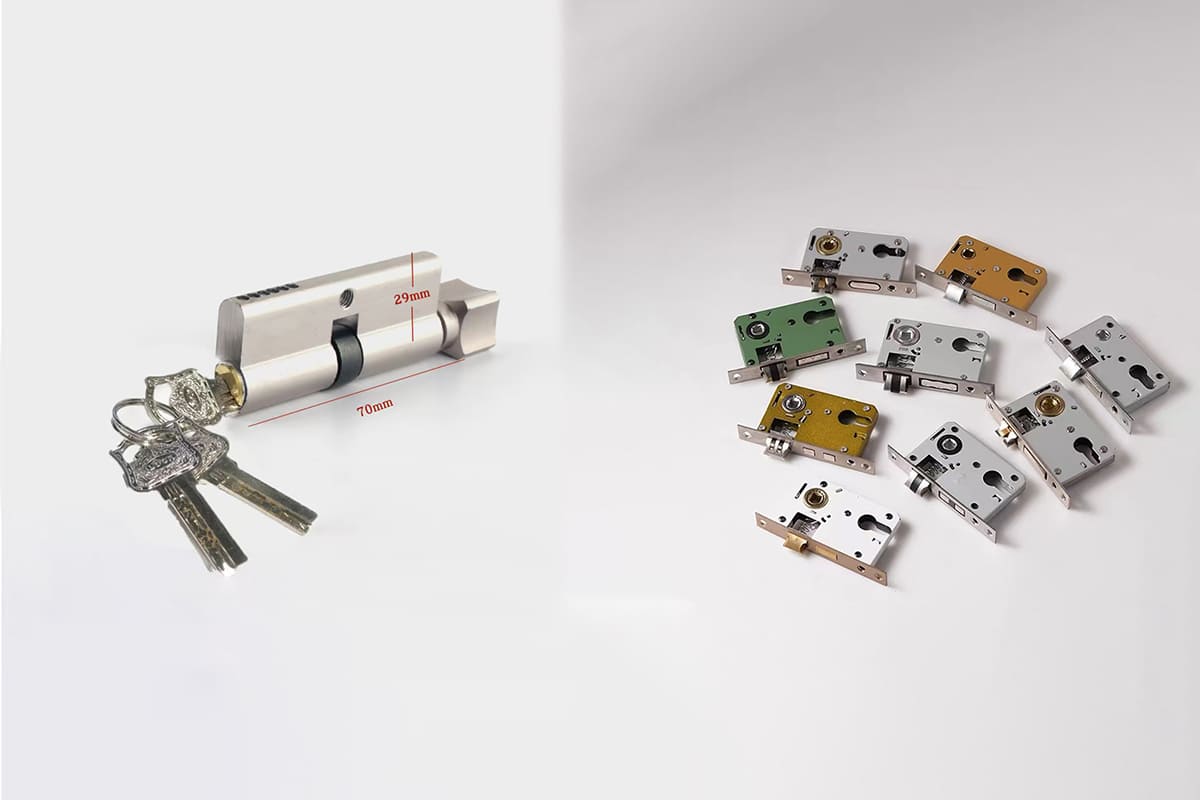
In my factory work, I have seen many colour issues appear only after buyers place different hardware parts side by side. A handle may look correct alone. A cylinder may look correct alone. But the real test starts when all parts are installed on the same door.
Why Does PVD Finish Colour Vary Across Handles, Cylinders, Hinges, and Lock Plates?
PVD finish variation often surprises buyers because the colour name sounds simple. “Titanium gold” or “black PVD” may look like one standard colour, but the door hardware set may include stainless steel, brass, and zinc alloy parts. These materials do not react in the same way.
PVD finish colour varies because each base material has a different surface condition, reflection level, and reaction during pretreatment and coating.1 Stainless steel lock plates, brass cylinders, zinc alloy handles, and stainless steel or zinc alloy hinges can show different shades even when processed under similar colour targets.
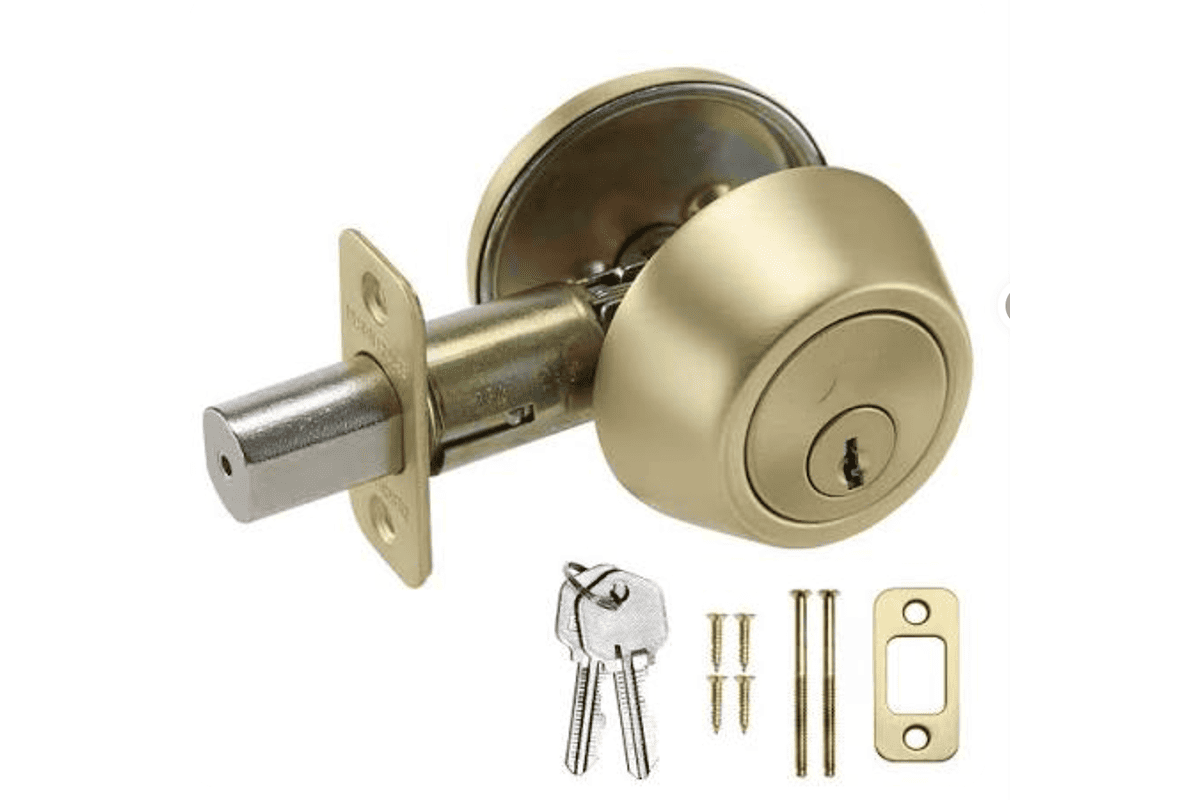
The same colour name is not the same colour result
Many buyers ask one very reasonable question at the beginning:
“Can you make this PVD colour?”
I understand why they ask this. It is a practical sourcing question. However, for a full door hardware package, I prefer a more precise question:
“Can you match this PVD finish across the handle, cylinder, hinge, lock plate, and related accessories?”
That second question is much more useful. It tells the supplier that the project requires visual consistency across categories, not just a single attractive sample.
A complete door hardware set may include:
- Lever handles made from zinc alloy, stainless steel, brass, or aluminium
- Euro profile cylinders commonly made from brass
- Lock bodies and lock plates often made from stainless steel or steel with surface treatment
- Butt hinges or concealed hinges made from stainless steel, steel, or zinc alloy
- Accessories such as escutcheons, strike plates, thumb turns, and covers
Each part has its own manufacturing process before PVD coating. The surface may be polished, brushed, sandblasted, plated, cleaned, or treated in another way. These earlier steps affect the final colour.
Why base material matters so much
PVD coating is a thin surface layer.2 It does not completely hide the base material’s surface character.3 The colour depends on both the coating and the surface below it.
| Hardware part | Common base material | Colour matching challenge |
|---|---|---|
| Lever handle | Zinc alloy or stainless steel | Zinc alloy often needs careful pretreatment for smooth colour |
| Cylinder | Brass | Brass can show a warmer undertone |
| Lock plate | Stainless steel or steel | Reflection and brushing direction affect appearance |
| Hinge | Stainless steel, steel, or zinc alloy | Large flat surfaces reveal shade difference easily |
| Escutcheon | Zinc alloy, brass, or stainless steel | Small parts may look darker or brighter beside handles |
In our production experience at SDH Hardware, the most common problem is not that the supplier cannot make a nice PVD colour. The problem is that different components do not look consistent when assembled as one door set.
For example, a brushed stainless steel lock plate may reflect more light than a zinc alloy handle. A brass cylinder may look slightly warmer beside a cooler stainless steel hinge. A large hinge leaf may show colour variation more clearly than a small cylinder ring because it has a bigger visible surface.
Same batch does not guarantee same appearance
Buyers sometimes assume that one plating batch will automatically solve the issue. This assumption is risky. A same-batch process may help with control, but it cannot remove the influence of different base materials.
If a supplier places stainless steel, brass, and zinc alloy parts into one coating process without adjusting pretreatment and coating conditions, the results may still vary. In some cases, the variation becomes more obvious because every part is compared under the same project expectation.
So the better goal is not “zero colour difference.” That is not a realistic promise across mixed materials. The better goal is:
- Reduce visible colour difference
- Match all parts against an approved sample
- Agree on acceptable tolerance before mass production
- Inspect parts under consistent lighting
- Separate critical visible parts from less visible parts
This approach is more professional and easier to manage in real procurement.
How Should a Supplier Match PVD Finish Across Different Base Materials?
PVD finish matching should start with the approved sample, not only with a colour name. The supplier should study the target colour, identify each part’s base material, prepare the correct surface pretreatment, and adjust the PVD coating formulation to improve consistency across the complete set.
A supplier matches PVD finish across different materials by treating each material properly before coating, then adjusting the coating ratio and process according to the approved colour sample. Physical sample comparison is essential because stainless steel, brass, and zinc alloy do not produce identical visual results.
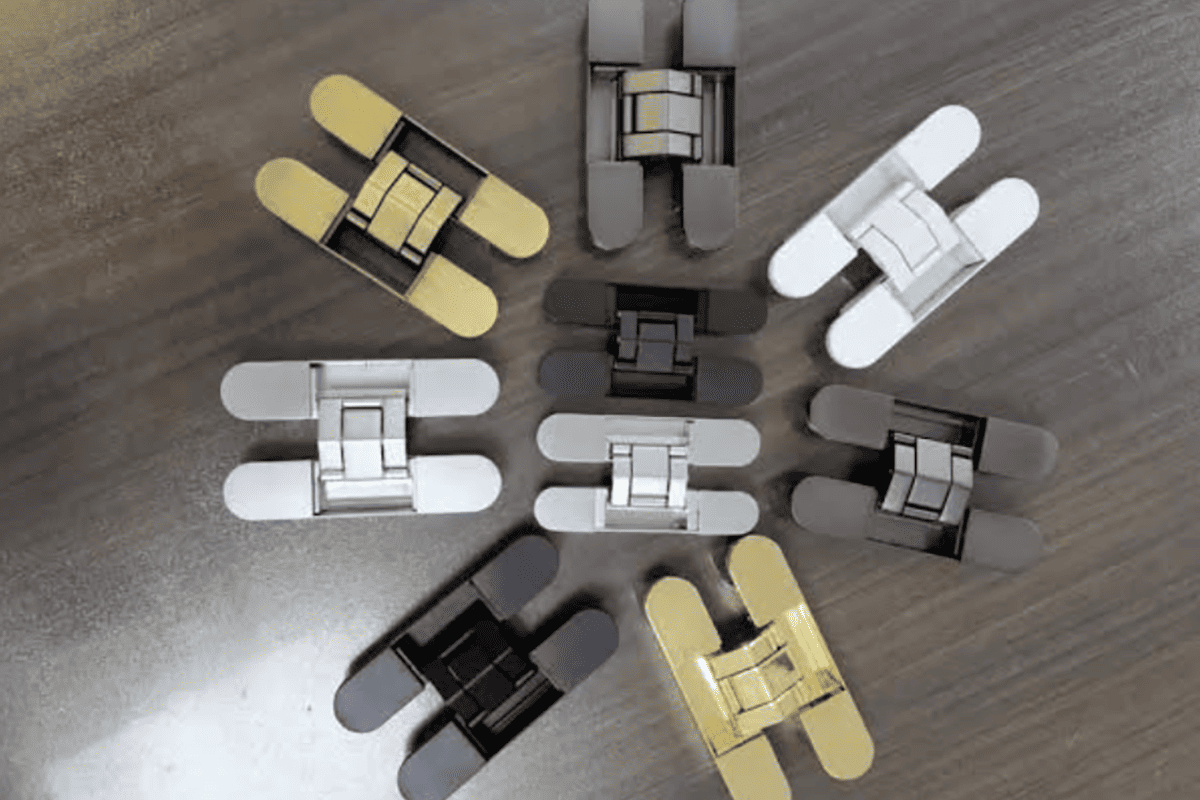
Step 1: Confirm the approved colour sample
The first step is always the colour reference. This can be:
- A physical sample from the buyer
- A previous approved production part
- A supplier-made colour chip
- A project mock-up sample
- A reference from an existing hardware set
I always prefer a physical sample over a digital photo. A photo can be affected by lighting, camera settings, phone screens, and editing.4 A colour that looks warm gold on one screen may look champagne on another.
For serious projects, buyers should send a real sample or approve a real pre-production sample. This gives both sides a shared standard.
Step 2: Identify the base materials before quoting final colour risk
A good supplier should not treat all parts as one material. Before confirming the PVD finish, the supplier should list the base materials by product category.
For example:
| Item | Base material | Pretreatment focus | Matching note |
|---|---|---|---|
| Lever handle | Zinc alloy | Polishing, cleaning, base layer control | May need special pretreatment for even tone |
| Euro cylinder | Brass | Surface cleaning, anti-oxidation, base tone control | Brass may produce warmer colour impression |
| Lock plate | Stainless steel | Brushing direction, surface uniformity | Reflection level affects visual match |
| Butt hinge | Stainless steel or zinc alloy | Flatness, polishing, cleaning | Large surface shows colour differences quickly |
| Strike plate | Stainless steel | Edge condition, brushing, cleaning | Should match lock plate closely |
This table is simple, but it prevents many sourcing mistakes. If the buyer knows the handle is zinc alloy and the cylinder is brass, the buyer will not expect them to behave exactly the same during coating.
Step 3: Use material-specific pretreatment
Pretreatment is the preparation before PVD coating. It may include polishing, brushing, cleaning, degreasing, surface activation, base plating, or other steps depending on the part and material.
In buyer-friendly terms, pretreatment decides whether the surface is ready to receive the final colour evenly.
Different materials need different preparation:
- Stainless steel often needs controlled brushing or polishing because reflection strongly affects colour perception.
- Brass needs careful cleaning and surface control because its natural tone can influence the final appearance.
- Zinc alloy often needs stable base treatment because surface porosity and casting quality can affect coating uniformity.
- Steel components may need suitable anti-corrosion preparation before decorative finish work.
This is why a uniform process is not always the best process. A supplier may need to prepare different categories separately, then bring them closer together through coating adjustment.
Step 4: Adjust the PVD coating formulation
PVD colour comes from the coating material and process conditions.5 A factory may adjust the coating material ratio, process time, temperature, or other controlled parameters to move the colour closer to the approved standard.
I do not describe this as a laboratory-level formula because buyers usually do not need that level of detail. What buyers need to confirm is whether the supplier has the experience and production control to make adjustments across mixed materials.
A practical matching workflow may look like this:
- Buyer provides target sample.
- Supplier checks product drawings and base materials.
- Supplier makes trial samples by category.
- Supplier compares samples under agreed lighting.
- Supplier adjusts pretreatment or PVD process.
- Buyer approves the final physical sample.
- Supplier keeps approved samples for mass production inspection.
This process takes more effort than simply choosing a colour from a catalogue. However, it is much safer for door factories, hardware brands, and importers who sell complete hardware sets.
What Inspection Standards Help Control PVD Finish Colour Consistency?
PVD finish consistency needs agreed inspection standards because visual judgment can change with lighting, angle, distance, and surface texture.6 Buyers and suppliers should define the approved sample, viewing conditions, acceptance range, and inspection method before production, especially for complete sets using mixed base materials.
The best inspection standard for PVD finish colour matching is a physical approved sample combined with clear visual inspection rules. Buyers should agree on lighting, viewing distance, angle, acceptable colour tolerance, and which parts must match most closely after installation.
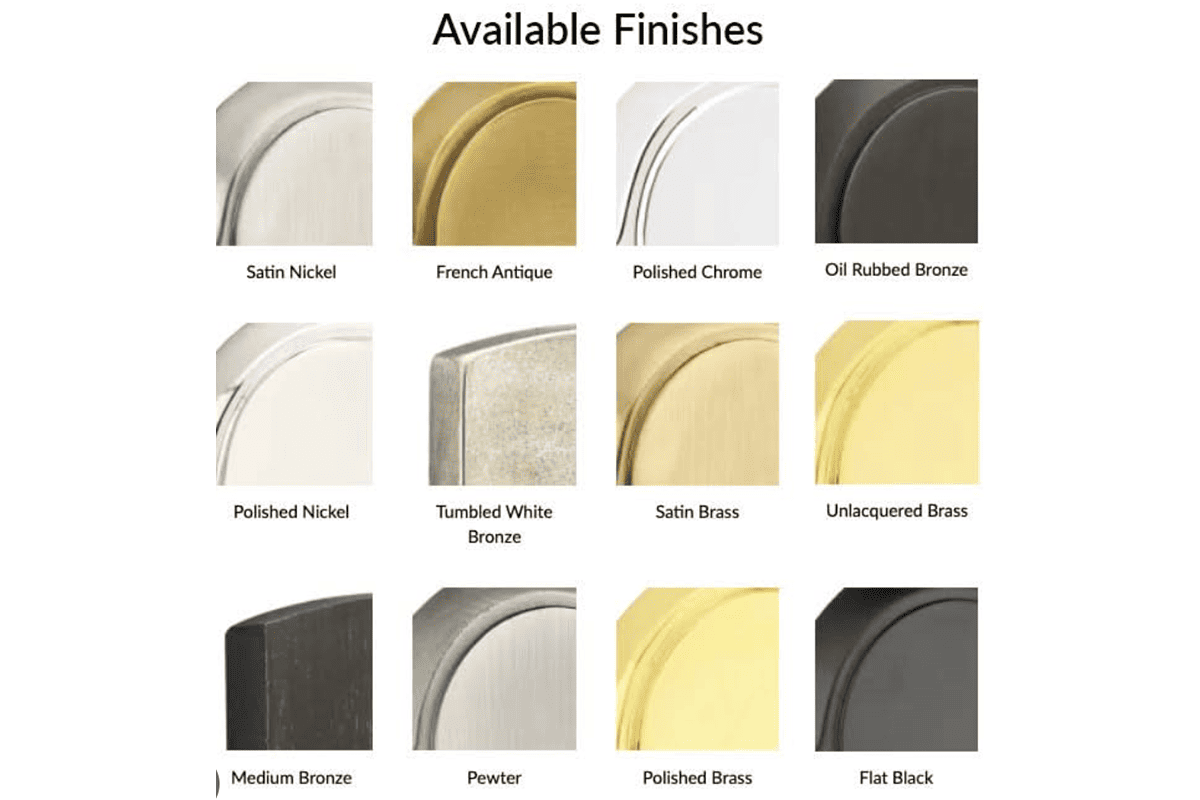
Visual inspection must be controlled
PVD colour is affected by light. A handle may look darker indoors and warmer under yellow light. A hinge may look brighter near a window. A lock plate may reflect surrounding colours because it has a flatter surface.
This is why inspection should not happen randomly.
A basic visual inspection method should define:
- Light source: natural daylight, D65 light box7, or agreed factory lighting
- Viewing distance: for example, 50–100 cm for decorative hardware
- Viewing angle: straight view and angled view if needed
- Inspection background: neutral grey or white background
- Sample position: parts placed side by side in the same direction
- Surface direction: brushed lines aligned where possible
- Approval sample: master sample kept by both buyer and supplier
The purpose is not to make inspection complicated. The purpose is to prevent arguments caused by different viewing conditions.
Not all parts need the same tolerance
A complete hardware set has different visual priorities. Some parts are more visible after installation. Some parts are hidden most of the time.
For example, a lever handle and escutcheon are seen immediately. A hinge is visible from the door edge. A lock plate may be seen only when the door is open. A strike plate may have less visual importance than the handle, depending on the project.
A practical priority table may help:
| Priority level | Parts | Matching requirement |
|---|---|---|
| High | Lever handle, escutcheon, visible cylinder face | Should match approved sample closely |
| Medium | Hinges, lock faceplate, strike plate | Should be visually consistent when installed |
| Lower | Internal lock body areas, hidden screws, concealed components | Functional quality may matter more than decorative colour |
This does not mean lower-priority parts can be poor quality. It means inspection should match the actual use condition. Buyers should spend the highest control effort on the most visible parts.
Physical master samples are essential
For PVD finish matching, a master sample is one of the most useful tools. It becomes the shared reference for production and inspection.
I recommend that buyers confirm:
- One approved master sample for the target colour
- One approved sample for each important product category
- One retained sample at the factory
- One retained sample at the buyer’s office
- Clear photos for communication, but not as the only standard
Photos are useful for quick discussion. They are not enough for final approval.
If the buyer is sourcing from a China-based manufacturer like SDH Hardware, physical samples become even more important because they reduce long-distance communication risk. A photo sent from a factory floor may not show the same colour that the buyer sees in an office or showroom.
Use measurable tools when the project requires it
For large projects, buyers may request colour measurement tools such as a colorimeter or spectrophotometer. These tools can help record colour difference values.8 However, the reading must still be interpreted carefully because metallic finishes and reflective PVD coatings are harder to judge than flat painted surfaces.9
A practical approach is to combine:
- Instrument reading
- Visual comparison
- Approved sample matching
- Installation-based judgment
For architectural door hardware, the final question is usually simple:
“Will the installed set look consistent enough for the project standard?”
That question should guide the inspection plan.
What Should Buyers Provide Before Confirming a PVD Finish Order?
PVD finish orders become easier to control when buyers provide complete product information before production. The supplier needs the target colour sample, product list, base material requirements, visible surface expectations, packaging needs, project quantity, and approval process to match the finish across hardware categories.
Buyers should provide a physical colour sample, full hardware list, material specifications, surface texture requirements, target market standards, and approval timeline before confirming a PVD finish order. This information helps the supplier reduce colour difference across handles, cylinders, hinges, and lock plates.
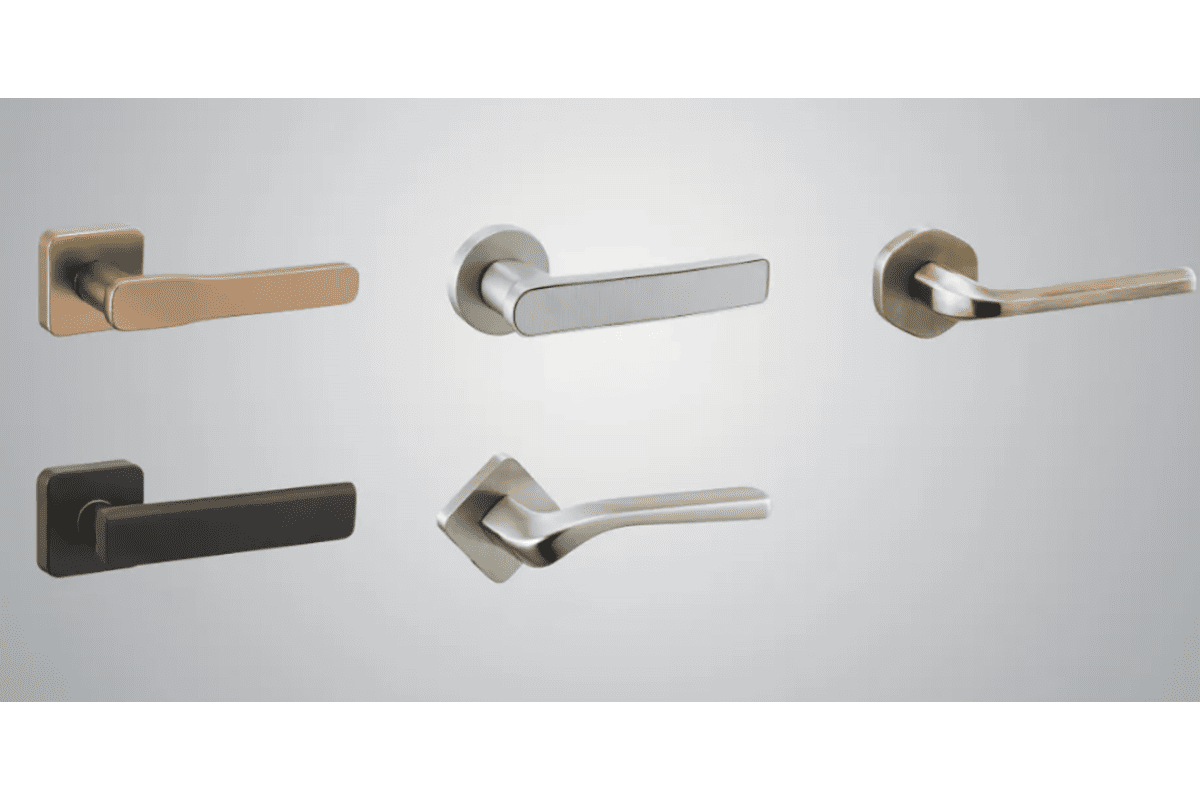
A clear product list prevents hidden mismatch
Many colour matching issues start because the buyer approves one handle sample, then later adds hinges, cylinders, lock plates, and accessories. The original colour sample may not cover those parts.
Before production, buyers should prepare a full door hardware set list.
A complete set may include:
- Lever handle
- Rose or backplate
- Escutcheon
- Euro mortise lock body
- Lock faceplate
- Strike plate
- Euro brass cylinder
- Cylinder thumb turn
- Butt hinges or concealed hinges
- Door stops
- Flush bolts
- Screws and visible accessories
This list helps the supplier check which parts need decorative matching and which parts are less visible.
Buyers should state the base material requirement
Some buyers focus only on colour and forget material. However, base material affects appearance, cost, durability, and certification needs.
For example:
- A stainless steel handle may have a different colour depth than a zinc alloy handle.
- A brass cylinder will not behave like a stainless steel hinge.
- A steel lock body faceplate may need different surface preparation than stainless steel.
- A zinc alloy accessory may need extra pretreatment before PVD coating.
If the buyer requires a specific material for strength, price, or market preference, the supplier should know this early. If the buyer is flexible, the supplier may suggest material combinations that improve colour consistency.
Buyers should define the surface texture
PVD colour is not only about shade. It is also about surface texture.
Common surface effects include:
- Polished PVD
- Satin PVD
- Brushed PVD
- Matt PVD
- Sandblasted PVD
- Antique or darker tone effects
A brushed gold handle and a polished gold cylinder may look like different colours, even if the coating target is similar. Surface texture changes how light reflects.
Buyers should provide or approve texture samples, especially for visible parts. If the project requires a satin champagne PVD finish, the supplier should not produce a high-polish gold part unless the buyer has approved it.
Buyers should confirm inspection and packaging needs
After finish approval, buyers should also define how parts will be protected. PVD surfaces can be damaged by poor handling, friction, or packaging pressure. A good finish can look poor if the packaging does not protect it during transport.
For bulk wholesalers and hardware brands, packaging is also part of brand presentation. At SDH Hardware, customers often request customized packaging, logo marking, product drawings, and inspection service after production. These items should be confirmed before mass production because they affect timing and cost.
A buyer checklist may include:
| Information needed | Why it matters |
|---|---|
| Physical target sample | Sets the colour standard |
| Full product list | Prevents missing parts during matching |
| Base material of each item | Helps plan pretreatment |
| Surface texture | Controls reflection and visual tone |
| Quantity and batch plan | Supports production scheduling |
| Certification requirements | Documents should be verified before order |
| Logo and packaging needs | Affects branding and lead time |
| Inspection standard | Reduces dispute risk |
For CE certification or fire-rated documentation, buyers should request and verify the relevant documents for the specific product type and project requirement. I always suggest that buyers involve qualified professionals when the hardware is used in fire-rated doors, public buildings, or regulated applications.
Frequently Asked Questions
Can the same PVD batch guarantee the same colour across all door hardware?
No. The same PVD batch can help with consistency, but it cannot guarantee the same colour across stainless steel, brass, and zinc alloy parts. Different base materials need different pretreatment and may still show slight visual differences after coating.
What is the best way to approve a PVD finish colour?
The best way is to approve a physical sample, not only a photo or colour name. For complete door hardware sets, buyers should approve samples for the most visible parts, such as handles, escutcheons, cylinders, hinges, and lock plates.
Why does a brass cylinder look different from a stainless steel handle in the same finish?
A brass cylinder may show a warmer undertone, while stainless steel often reflects light differently. Even with similar coating targets, the base material and surface texture influence the final PVD finish appearance.
Should buyers choose one supplier for the full hardware set?
One supplier can make colour coordination easier because the supplier can manage samples, pretreatment, coating adjustment, and inspection standards together. However, buyers should still verify the supplier’s experience with complete sets and mixed base materials.
Is perfect PVD colour matching possible across all materials?
Perfect matching across all materials is not a realistic promise. A professional supplier should aim to reduce colour difference, match against an approved sample, and define acceptable inspection standards before mass production.
Conclusion
PVD finish colour consistency across handles, cylinders, hinges, and lock plates requires more than a shared colour name. Buyers should check base materials, approve physical samples, agree on inspection rules, and confirm how each part will be pretreated and coated. At SDH Hardware, I approach complete door hardware sets with this practical mindset: reduce colour difference, match the approved sample, and control production carefully. If you are sourcing a full hardware set, contact us with your sample, drawings, material needs, and target market requirements.
"PVD for Decorative Applications: A Review - PMC - NIH", https://pmc.ncbi.nlm.nih.gov/articles/PMC10381906/. Materials-science literature on decorative PVD coatings reports that substrate composition, surface preparation, and surface roughness influence optical appearance and measured colour, supporting the view that identical coating targets can appear different on different base materials; the evidence is mechanistic and does not directly test this specific door-hardware set. Evidence role: mechanism; source type: paper. Supports: A source should explain that PVD coating appearance depends on substrate material, surface preparation, roughness, and optical reflection, not only on the deposited film.. Scope note: Contextual support from coating science, not a direct door-hardware comparison. ↩
"Thin Film Physical Vapor Deposition (PVD) System", https://www.uakron.edu/soa/instruments/pvd/. Reference works describe physical vapor deposition as a thin-film process in which material is deposited as a surface coating, supporting the statement that PVD finishes are thin surface layers. Evidence role: definition; source type: encyclopedia. Supports: A source should define physical vapor deposition as a thin-film deposition process and describe the coating as a surface layer.. ↩
"PVD for Decorative Applications: A Review - PMC - NIH", https://pmc.ncbi.nlm.nih.gov/articles/PMC10381906/. Studies of thin-film and decorative PVD coatings show that substrate roughness and pre-existing surface finish can affect gloss, reflectance, and perceived colour after deposition, supporting the claim that PVD does not fully conceal the substrate’s surface character. Evidence role: mechanism; source type: paper. Supports: A source should support that thin coatings can preserve or transmit the visual effect of substrate roughness, polishing, brushing, or reflectance.. Scope note: The support is based on general thin-film behaviour rather than a test of the exact hardware materials named in the article. ↩
"CIE 1931 color space", https://en.wikipedia.org/wiki/CIE_1931_color_space. Color-imaging guidance from standards and colorimetry organizations explains that illumination, camera processing, colour management, and display calibration affect reproduced colour, supporting the caution that photographs are insufficient as sole approval standards. Evidence role: general_support; source type: institution. Supports: A source should explain that colour reproduction in digital images depends on illumination, camera capture, colour management, and display characteristics.. Scope note: This supports colour communication generally rather than PVD-specific photography. ↩
"PVD for Decorative Applications: A Review - PMC - NIH", https://pmc.ncbi.nlm.nih.gov/articles/PMC10381906/. Peer-reviewed work on decorative nitride and metal PVD coatings shows that coating composition, stoichiometry, thickness, and deposition parameters influence colour coordinates, supporting the statement that PVD colour arises from both material and process conditions. Evidence role: mechanism; source type: paper. Supports: A source should explain that decorative PVD colour varies with deposited material, stoichiometry, film thickness, and process parameters such as gas flow or temperature.. ↩
"Color appearance shifts depending on surface roughness ...", https://pubmed.ncbi.nlm.nih.gov/35079070/. Colorimetry standards and visual-evaluation guidance state that colour appearance depends on illumination, viewing geometry, observer conditions, and surface characteristics, supporting the need to control lighting, angle, distance, and texture during finish inspection. Evidence role: expert_consensus; source type: institution. Supports: A source should establish that colour appearance and visual assessment are affected by illuminant, viewing geometry, observer conditions, and surface texture.. ↩
"Standard illuminant", https://en.wikipedia.org/wiki/Standard_illuminant. The CIE defines Standard Illuminant D65 as a daylight reference illuminant used in colorimetry, supporting the article’s use of a D65 light box as a controlled viewing condition for colour comparison. Evidence role: definition; source type: institution. Supports: A source should define CIE Standard Illuminant D65 and its use as a daylight reference in colour assessment.. ↩
"What Is Delta E? And Why Is It Important for Color Accuracy?", https://www.viewsonic.com/library/creative-work/what-is-delta-e-and-why-is-it-important-for-color-accuracy/. Colorimetry references describe how colorimeters and spectrophotometers measure colour coordinates and enable calculation of colour-difference values such as CIELAB Delta E, supporting the claim that these instruments can record colour differences. Evidence role: definition; source type: institution. Supports: A source should explain that colorimeters or spectrophotometers measure colour coordinates and can be used to calculate colour differences such as Delta E.. ↩
"Color Measurements for Pearlescent Coatings", https://www.nist.gov/publications/color-measurements-pearlescent-coatings-0. Research on metallic and gonioapparent coatings shows that their measured and perceived colour can vary with illumination and viewing geometry, supporting the caution that reflective PVD finishes are harder to assess than flat diffuse painted surfaces. Evidence role: mechanism; source type: paper. Supports: A source should support that metallic, reflective, or gonioapparent coatings change appearance with illumination and viewing angle, complicating colour evaluation.. Scope note: The evidence is about metallic and gonioapparent coatings generally, not necessarily every PVD door-hardware finish. ↩