How Do Lock Cylinder Pins Affect Key Compatibility?
Lock cylinder pins affect key compatibility in a way many buyers underestimate. A key may enter the keyway smoothly, yet the cylinder may still refuse to turn. That mismatch can delay door production, confuse installers, and create project complaints. The solution is to evaluate the cylinder’s internal pinning and keying plan, not only its outside size.
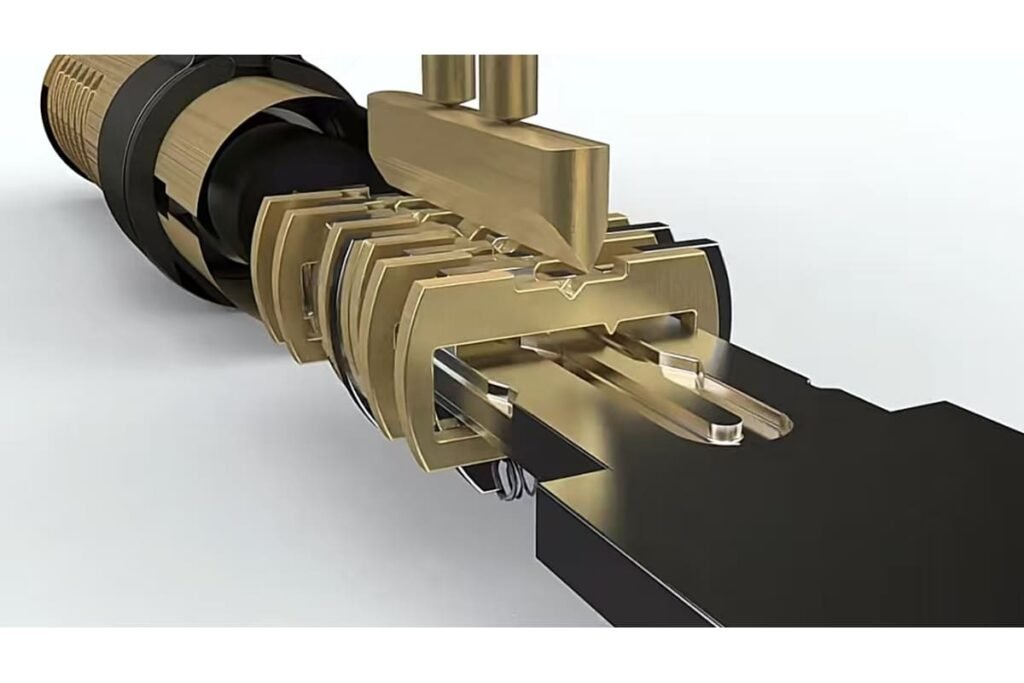
Lock cylinder pins determine key compatibility by matching the key cut depths to the internal pin-length combination.1 When the correct key is inserted, each pin stack rises to the right height, the shear line aligns, and the plug can rotate. If the cuts do not match the pins, the key may enter but will not operate the cylinder.
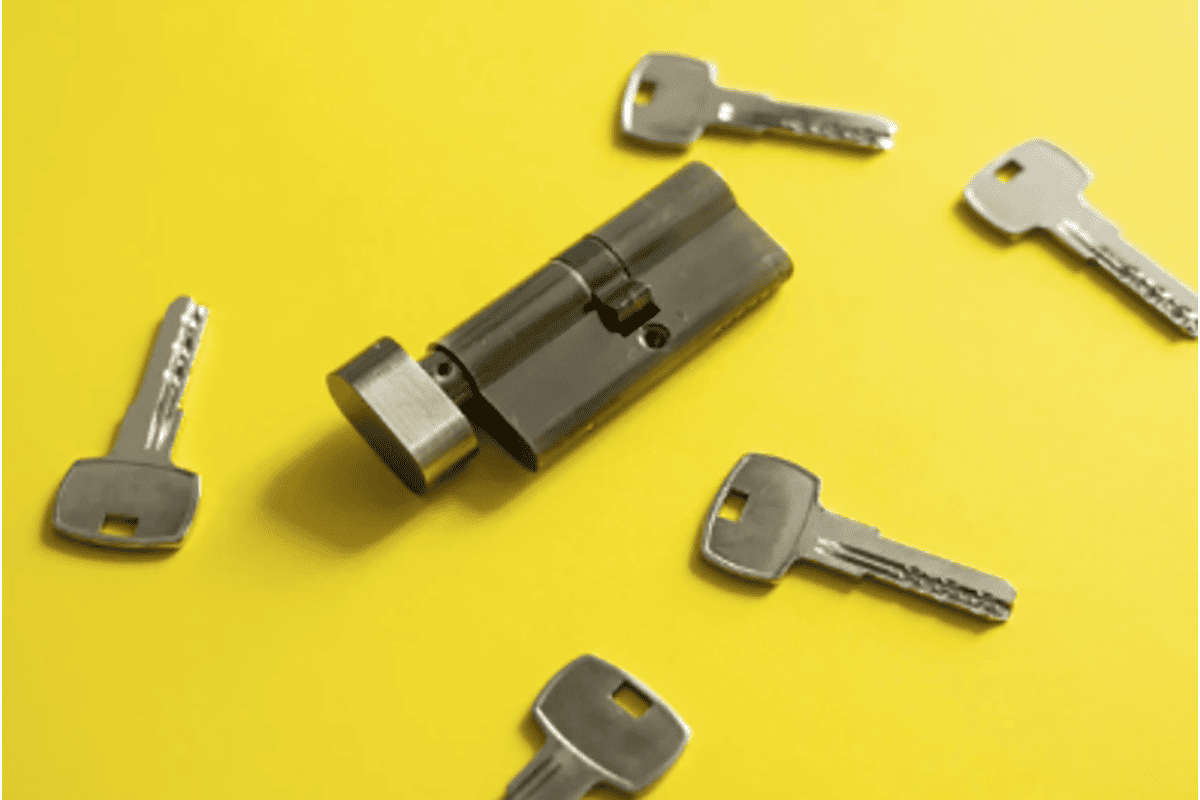
In my work with door factories, hardware brands, and wholesalers, I often see the same misunderstanding: buyers check the keyway, cylinder length, and finish, but they do not always confirm the keying system. The details below explain what really matters before placing a bulk Euro brass cylinder order.
What Do Lock Cylinder Pins Actually Do?
Lock cylinder pins look like small internal parts, but they control the whole operating logic of a pin tumbler cylinder. If buyers only focus on the brass body, cam type, or key shape, they may miss the actual reason one key works and another key fails.
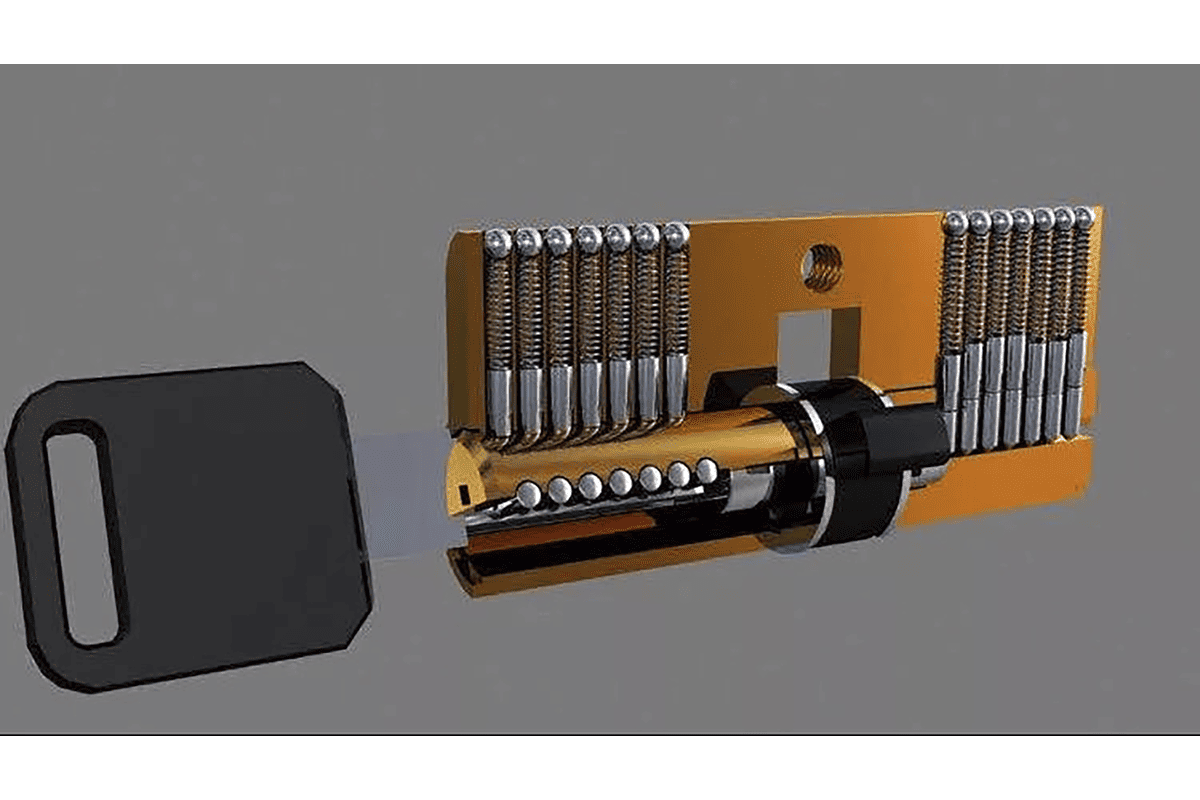
Lock cylinder pins work by forming height combinations inside the cylinder. Each key cut lifts a matching pin stack to a specific position. When all pin stacks align at the shear line, the cylinder plug can rotate.2 If even one stack is too high or too low, the key will not operate the lock.
The basic principle is simple
A common pin tumbler cylinder includes a plug, a cylinder body, a keyway, and several pin stacks. Each pin stack usually includes different pin elements arranged vertically. The exact internal arrangement depends on the cylinder design, but the buyer’s key takeaway is practical:
The key does not work because it “fits the hole.”
The key works because its cut pattern matches the internal pin-height combination.3
When the correct key enters the keyway, each cut on the key blade pushes its corresponding pin stack to the correct height. At that moment, the separation between the pin elements lines up with the shear line between the plug and the housing. The plug can then rotate.
If the cuts are wrong, the pins do not align. The plug remains blocked. This is why two keys can look similar, and even enter the same style of keyway, but only one key turns.4
What buyers should understand about pin combinations
For procurement teams, the important point is not to become locksmiths. The important point is to describe the required keying result clearly when ordering cylinders.
Here is a simple buyer-side view:
| Item buyers check | What it means | Why it matters |
|---|---|---|
| Keyway profile | The shape of the key blade and key entry | It affects whether a key can physically enter |
| Key cut depths | The height pattern along the key blade | It affects whether pins align correctly |
| Pin-length combination | The internal pin arrangement | It determines operational compatibility |
| Keying system | Keyed alike, keyed different, master key, or project grouping | It controls how keys work across many cylinders |
| Cylinder size | Euro cylinder length, cam position, and body dimensions | It affects door and lockcase installation |
I often explain this to customers with one sentence: the keyway allows entry, but the pinning allows operation.
Why this matters for Euro brass cylinders
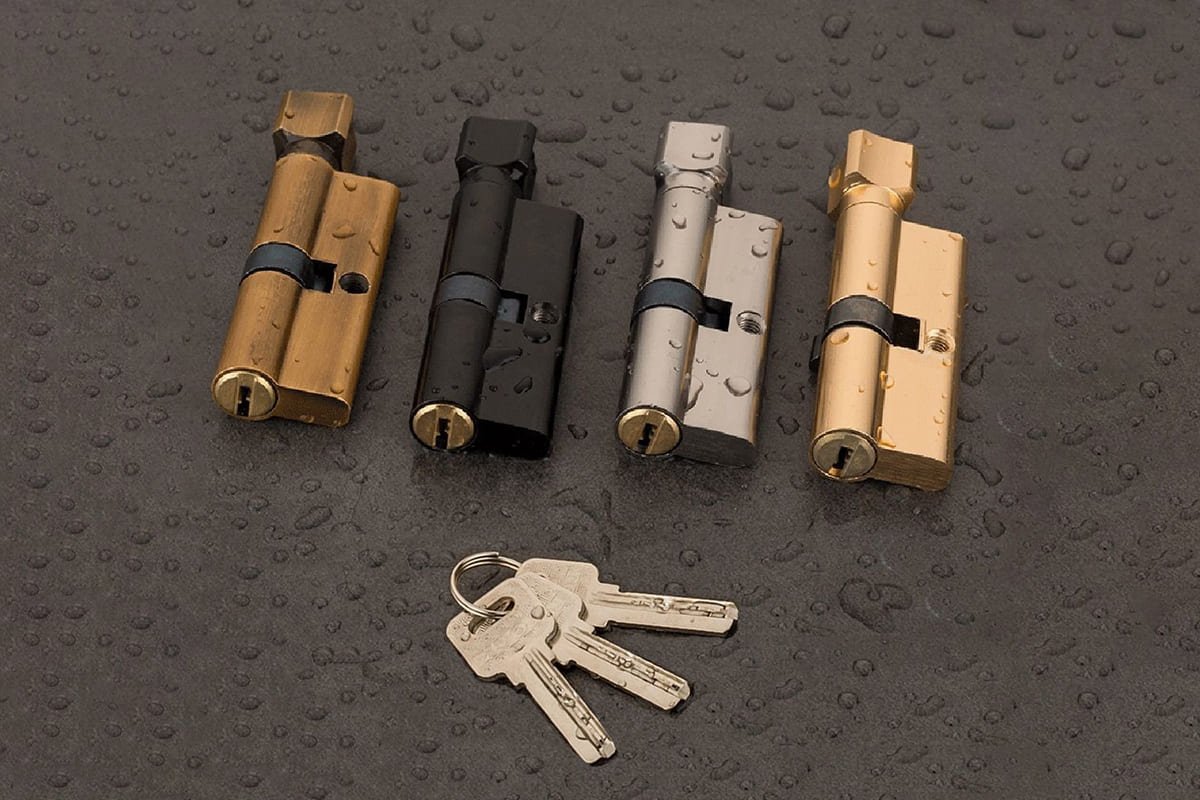
For Euro brass cylinders used in residential, commercial, and project doors, buyers usually evaluate:
- Cylinder length, such as 60 mm, 70 mm, or project-specific sizes
- Finish, such as brass, nickel, satin nickel, or customized colors
- Cam type and cam position
- Key quantity per cylinder
- Packaging and logo requirements
- Certification documents, where applicable
- Keying arrangement across a full order
Those points are all important. However, key compatibility depends on the relationship between the key cuts and the lock cylinder pins. If a wholesaler orders cylinders for several building zones, for example, the supplier must understand whether each zone needs keyed alike, keyed different, or another project-specific grouping.
At SDH Hardware, we manufacture Euro brass lock cylinders for B2B buyers, so I usually ask customers to confirm the keying requirement early. It prevents expensive misunderstandings later in production.
Why Can a Key Enter the Keyway but Still Not Turn?
A key can enter the keyway but still not turn because physical entry and operational compatibility are different conditions. This is one of the most common problems I see when customers compare similar Euro cylinders or similar key blanks from different batches or suppliers.
A key enters the keyway when its blade profile fits the keyhole shape. It turns only when its cut depths lift the internal pins to the correct shear line. So, a key blank, similar-looking key, or same-size Euro cylinder does not automatically mean the key is compatible.
Keyway fit is only the first condition
The keyway is the visible opening where the key enters. It controls the profile and shape of the key blade. If the profile is wrong, the key may not enter at all. If the profile is similar or correct, the key may slide inside.
However, this is only a mechanical entry condition. It does not confirm that the key can operate the cylinder.
The operating match happens deeper inside the cylinder. Each cut on the key must raise its corresponding pin stack to the correct height. If the key cut is too shallow, the pin may sit too high. If the key cut is too deep, the pin may sit too low.5 In either case, the shear line is blocked.
A practical example for buyers
Imagine a door factory orders 5,000 Euro brass cylinders for a regional housing project. The cylinders all have the same visible size and finish. The keys may look similar because the same general key blank family is used. But the project has three different keying groups:
- Block A cylinders
- Block B cylinders
- Maintenance room cylinders
If the keying plan is not clearly communicated, keys can be mixed, grouped incorrectly, or produced according to the wrong expectation. A key from Block A may enter some cylinders from Block B if the keyway profile is shared. But it should not operate those cylinders unless the pinning and key cuts were intentionally designed for that compatibility.
That distinction is important for wholesalers too. A reseller may stock several Euro cylinder models with the same length and similar key appearance. The buyer should not assume cross-operation between those cylinders.
Common misunderstandings I try to correct
Here are the misunderstandings I hear most often:
“The key goes in, so it should open.”
Not always. The internal pin alignment must match.“The cylinder size is the same, so the key should work.”
Cylinder size affects installation, not key compatibility.6“The key blank looks the same, so it must be compatible.”
The blank profile may allow entry, but the cut pattern must match the pinning.“The same supplier means the same key system.”
Not unless keyed alike, master keyed, or otherwise specified.“Pin quantity is the main issue.”
Pin quantity is only one design aspect. The matched pin-length and key-cut combination is the core issue.7
What this means during procurement
For B2B orders, the safe question is not:
“Can the key fit into the lock?”
The better question is:
“Is the cylinder pinned and keyed according to the required keying system?”
That question helps the supplier understand the buyer’s real need. It also reduces the chance of receiving cylinders that look correct but do not support the intended key management plan.
For application-specific decisions, especially on large projects or regulated buildings, I always recommend that buyers work with qualified hardware consultants, door system professionals, or project security specialists. A cylinder supplier can manufacture according to requirements, but the final keying strategy should fit the actual building use, risk level, and management process.
How Should B2B Buyers Specify Lock Cylinder Pins for Key Compatibility?
B2B buyers should specify lock cylinder pins indirectly through a clear keying requirement, not by trying to manage every internal detail themselves. The supplier needs to know how keys should operate across the order, which cylinders belong together, and whether the project requires keyed alike, keyed different, master key, or custom grouping.
For procurement, lock cylinder pins should be evaluated through the required keying system. Buyers should define which cylinders share keys, which cylinders stay separate, how many keys are needed, and whether future repeat orders must match the same system. Clear keying instructions prevent compatibility errors in bulk Euro cylinder orders.
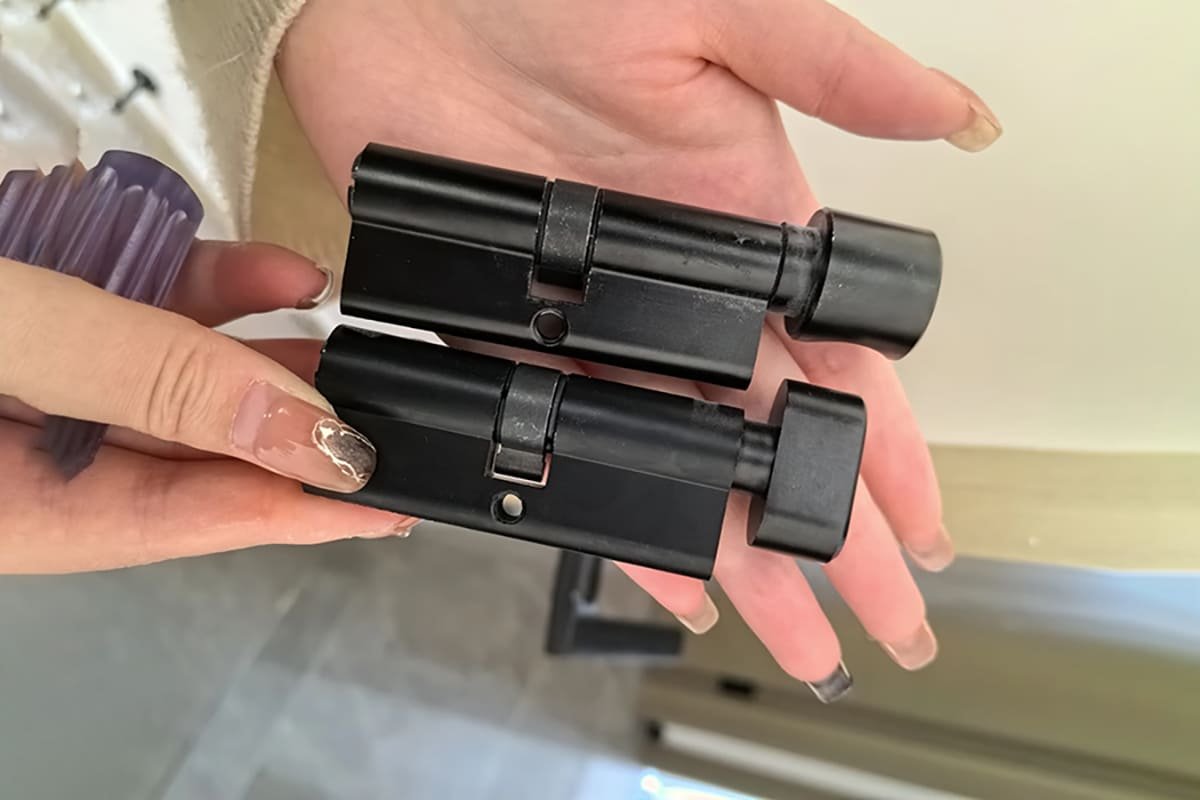
Start with the keying system
Most B2B buyers do not need to describe individual pin sizes. They need to describe the operating result. The supplier can then arrange production according to the confirmed keying plan.
Common keying arrangements include:
| Keying requirement | Buyer meaning | Typical use case |
|---|---|---|
| Keyed different | Each cylinder has its own unique key | Retail packs, individual doors, general resale |
| Keyed alike | Multiple cylinders use the same key | Apartment sets, villa doors, matched door groups |
| Master key system | Individual keys operate assigned cylinders, while a master key operates a defined group8 | Hotels, offices, managed buildings |
| Project grouping | Cylinders are divided into zones or batches | Building blocks, floors, departments, project phases |
| Repeat key code or same system order | Future orders need to match previous keying | Brand programs, maintenance stock, long-term supply |
The more organized the buyer’s key schedule is, the lower the risk of mistakes.9 I prefer to receive a simple spreadsheet for project orders. It does not need to be complicated. It just needs to show the cylinder model, size, finish, quantity, door location if available, and keying group.
Information buyers should provide
When customers ask me how to prepare a Euro brass cylinder order, I usually suggest they confirm these points first:
Cylinder type
Single cylinder, double cylinder, thumb-turn cylinder, or project-specific structure.Cylinder size
For example, 30/30, 35/35, 40/40, or another Euro profile length.Finish
Brass, nickel, satin nickel, black, antique, or custom surface treatment.Cam requirement
Standard cam or customized cam if the lockcase requires it.Key quantity
Common retail and project packs may require different numbers of keys.Keying system
Keyed alike, keyed different, master key, or grouping plan.Branding needs
Logo stamping, laser logo, packaging design, barcode, or customer label.Documentation requirements
CE documents, fire-rated documents, or other certificates should be requested and verified according to the buyer’s market and project needs.
A simple buyer-side specification example
A clear instruction might look like this:
| Model | Size | Finish | Quantity | Keying requirement | Keys |
|---|---|---|---|---|---|
| Euro brass cylinder | 30/30 | Satin nickel | 500 pcs | Keyed different | 3 keys/pc |
| Euro brass cylinder | 35/35 | Satin nickel | 200 pcs | Keyed alike in groups of 10 | 3 keys/pc |
| Euro brass cylinder | 40/40 | Brass | 100 pcs | Project Group A | Confirm by schedule |
This type of specification is much better than saying, “Please make standard cylinders.” The word “standard” can mean different things in different markets. Some buyers mean standard size. Others mean standard packaging. Others mean no master key. That ambiguity can create key compatibility problems.
Why future repeat orders need extra care
If a hardware brand plans to reorder the same Euro cylinder series over several years, key management becomes even more important. The buyer should discuss whether future batches must match previous keying systems or remain independent.
For example:
- A wholesaler may want each shipment to be keyed different from previous shipments.
- A door factory may want replacement cylinders to match a previous building phase.
- A brand customer may want stable packaging and key code management.
- A project contractor may need clear separation between different sites.
In all these cases, the internal pinning plan must support the commercial requirement. The buyer does not need to know every internal manufacturing detail, but the buyer must communicate the required outcome clearly.
At SDH Hardware, we handle ODM and OEM orders, custom packaging, logo service, and product inspection after order completion. From my experience, the best projects are the ones where the keying schedule is confirmed before mass production begins.
What Quality Checks Help Confirm the Right Keying System?
Quality checks help confirm that the cylinders received match the intended keying system, not just the ordered dimensions. Without key operation checks, a buyer may only discover key compatibility problems during door assembly, warehouse distribution, or final installation.
Buyers should check key operation by sampling cylinders against the approved keying plan, confirming labels and grouping, reviewing production inspection records, and verifying required documents.10 For project orders, the inspection should confirm that each cylinder group works as specified and that non-group keys do not operate unintended cylinders.
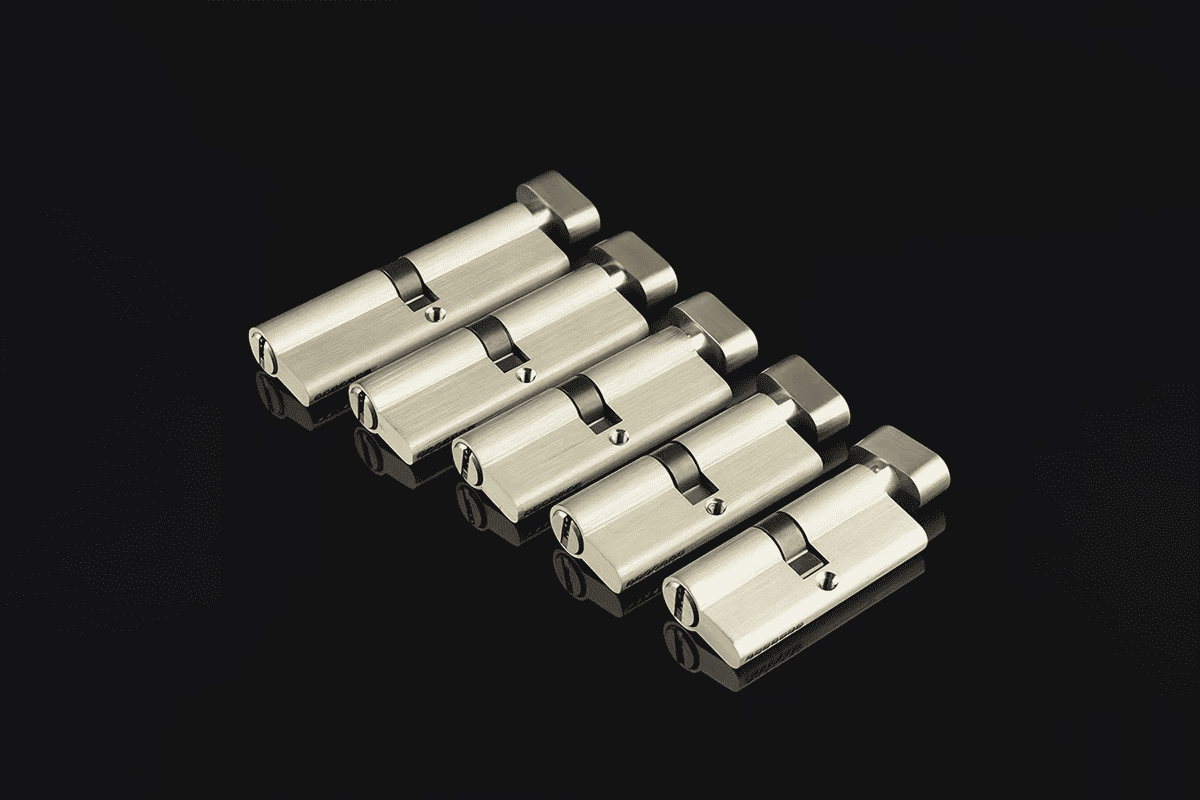
Inspection should match the business risk
Not every order needs the same inspection depth. A small wholesale order may only need routine function checking and packaging review. A large project order with keyed alike groups or master key requirements needs more careful confirmation.
Here is a practical inspection framework:
| Inspection point | What to check | Why it matters |
|---|---|---|
| Visual appearance | Finish, logo, packaging, labels | Confirms brand and commercial requirements |
| Dimensional fit | Cylinder length, cam, screw hole position | Confirms installation compatibility |
| Key operation | Supplied keys turn assigned cylinders smoothly | Confirms functional compatibility |
| Key grouping | Labels match keying schedule | Prevents warehouse and site confusion |
| Random sampling | Test samples from different cartons | Reduces batch-level risk |
| Documentation | CE or fire-rated documents, if required | Helps buyers verify market or project compliance |
Certifications should be treated as documents that buyers verify, not assumptions. If a project requires CE certification or fire-rated documentation, the buyer should request the relevant files and confirm that they apply to the product type and intended use.
What “smooth operation” should mean commercially
A buyer-side check does not need to become a locksmith training process. It should focus on practical acceptance:
- The correct key inserts smoothly.
- The correct key turns the plug without unusual resistance.
- The key can be removed in the proper position.
- The cylinder cam operates as expected.
- The cylinder finish and packaging match the order.
- The key labels or codes match the agreed schedule.
If the order includes keyed alike groups, the assigned key should operate all cylinders in that group. If the order includes keyed different cylinders, each cylinder should operate only with its assigned key, according to the agreed inspection scope.
The goal is not to publish sensitive key details or expose technical information. The goal is to confirm that the shipment matches the purchase order and keying plan.
Why labeling matters as much as mechanical checking
Many key compatibility problems are not caused by the cylinder alone. They are caused by mixing keys, cartons, labels, or groups during packing and distribution.
For example, a project may include:
- 300 cylinders for Floor 1
- 300 cylinders for Floor 2
- 100 cylinders for service rooms
- 50 cylinders for management offices
If cartons are not clearly marked, the installer may use the wrong keys on the wrong doors. The lock cylinder pins may be manufactured correctly, but the site team still experiences a compatibility problem because the grouping information is unclear.
For this reason, I recommend that buyers ask for:
- Clear carton labels
- Key group identification
- Packing list with keying groups
- Sample approval before full packing
- Final inspection photos or videos where appropriate
Supplier evaluation questions
Before selecting a Euro brass cylinder supplier, buyers can ask several practical questions:
- Can you support keyed alike, keyed different, and project grouping?
- Can you provide OEM or ODM packaging with key group labels?
- Can you maintain repeat order consistency when required?
- What inspection process do you use before shipment?
- Can you provide product drawings after order confirmation?
- Can you provide CE or fire-rated documents for buyer verification where applicable?
- How do you control raw material screening, production supervision, and finished product inspection?
These questions keep the discussion commercial and quality-focused. They also help buyers compare suppliers beyond unit price.
At SDH Hardware, our factory-direct model is built around this type of procurement support. We produce Euro mortise locks, stainless steel lever handles, butt hinges, concealed hinges, Euro brass cylinders, and door accessories. For cylinder orders, I always prefer to confirm keying needs early because the correct plan saves time for both sides.
Frequently Asked Questions
Do lock cylinder pins decide whether a key can enter the lock?
No. Lock cylinder pins decide whether the key can operate the cylinder after entry. The keyway shape mainly affects whether the key blade can enter. The key cuts and internal pin-length combination decide whether the plug can rotate.
Are same-size Euro cylinders automatically key compatible?
No. Same-size Euro cylinders may fit the same door preparation, but that does not mean their keys are compatible. Cylinder size affects installation. Key compatibility depends on the keyway, key cut pattern, and internal pinning arrangement.
What is the difference between keyed alike and keyed different?
Keyed alike means multiple cylinders operate with the same key.11 Keyed different means each cylinder has its own separate key.12 Buyers should specify this clearly before production, especially for door factories, wholesalers, and project orders.
Should buyers focus mainly on the number of pins?
Not mainly. Pin quantity is only one design feature. The more important procurement issue is whether the pin-length combination matches the required key cuts and keying system. Buyers should focus on the intended key operation across the order.
How can I avoid key compatibility problems in bulk cylinder orders?
You can avoid many problems by confirming the keying system before production, using a clear key schedule, approving samples, checking labels, and inspecting key operation before shipment. For complex buildings, you should consult qualified hardware or security professionals.
Conclusion
Lock cylinder pins affect key compatibility because they must align with the key cut depths at the shear line before the cylinder can turn. A key that enters the keyway is not automatically an operating key. For B2B buyers, the real task is to specify the correct keying system, confirm grouping, and verify quality before shipment. If you source Euro brass cylinders for door production, wholesale, or branded hardware programs, contact SDH Hardware to discuss your cylinder size, finish, packaging, and keying requirements.
"Glossary of locksmithing terms", https://en.wikipedia.org/wiki/Glossary_of_locksmithing_terms. A technical overview of pin-tumbler locks supports that a key operates the lock by raising pin stacks according to the key's bitting, so compatibility depends on the relationship between key cuts and internal pin heights. Evidence role: mechanism; source type: encyclopedia. Supports: A neutral technical overview should explain that the bitting of the key positions the pin stacks so the plug can rotate.. ↩
"Glossary of locksmithing terms", https://en.wikipedia.org/wiki/Glossary_of_locksmithing_terms. Educational descriptions of pin-tumbler locks state that the plug is blocked until the gaps between pin elements align with the shear line, at which point the plug can rotate. Evidence role: mechanism; source type: education. Supports: An educational or technical source should describe the shear line and its role in allowing plug rotation.. ↩
"Pin tumbler lock", https://en.wikipedia.org/wiki/Pin_tumbler_lock. Technical references on lock bitting support that a key's cut pattern determines how high each pin stack is lifted, which must correspond to the lock's internal pin configuration for operation. Evidence role: definition; source type: research. Supports: A source should define key bitting or cut pattern and explain how it corresponds to pin heights in a pin-tumbler lock.. ↩
"Pin tumbler lock", https://en.wikipedia.org/wiki/Pin_tumbler_lock. Locksmithing references distinguish the keyway profile from the key bitting, supporting the point that two keys may enter the same keyway while only the correctly bitted key operates the cylinder. Evidence role: general_support; source type: institution. Supports: An institutional locksmithing source should distinguish the keyway profile, which governs entry, from key bitting, which governs operation.. Scope note: This supports the mechanism generally, not the frequency of such cases in Euro cylinder procurement. ↩
"Bitting (key)", https://en.wikipedia.org/wiki/Bitting_(key). Instructional material on pin-tumbler locks supports that each key cut depth sets the height of a pin stack; if a cut is too shallow or too deep, the stack does not align with the shear line. Evidence role: mechanism; source type: education. Supports: A source should explain that each key cut depth positions a corresponding pin stack and that incorrect depths prevent shear-line alignment.. ↩
"Euro Profile Cylinder Guide: Types, Sizes, Standards And ...", https://www.dirock.com/Euro-Profile-Cylinder-Guide-Types-Sizes-Standards-And-Selection-id03084725.html. Building-hardware standards and guidance treat cylinder dimensions and key-related security or keying characteristics as distinct aspects, supporting the distinction between installation fit and key compatibility. Evidence role: general_support; source type: institution. Supports: A standards or building-hardware source should show that cylinder dimensions and keying functions are separate specification topics.. Scope note: This is contextual support; it does not prove that every same-size cylinder is incompatible with every other key. ↩
"Pin tumbler lock", https://en.wikipedia.org/wiki/Pin_tumbler_lock. Technical discussions of pin-tumbler lock design support that pin count is only one parameter; operation depends on the specific correspondence between key bitting depths and pin-stack heights. Evidence role: general_support; source type: research. Supports: A neutral source should explain that pin count is a design parameter, while operation depends on the individual pin-stack heights matching the key bitting.. Scope note: This supports the general mechanism and does not compare security levels of cylinders with different pin counts. ↩
"Master keying", https://en.wikipedia.org/wiki/Master_keying. References on master key systems support that individual or change keys operate assigned cylinders, while a master key is configured to operate a defined group of those cylinders. Evidence role: definition; source type: encyclopedia. Supports: A source should define master key systems and explain hierarchical access among change keys and master keys.. ↩
"Master Key System Design Guide", https://lsamichigan.org/Tech/Master_Key_System_Design_Guide_ASSA-ABLOY.pdf. Architectural hardware and facilities-management guidance describes keying schedules as documentation that assigns keys and cylinders to openings, supporting their role in reducing coordination errors. Evidence role: general_support; source type: institution. Supports: A building-hardware or facilities source should explain that keying schedules document which keys operate which openings and support coordination.. Scope note: This provides contextual support for error reduction rather than a quantified error-rate study. ↩
"ISO 2859-1", https://chemistry.unt.edu/~tgolden/courses/iso2859-1.pdf. Quality-management and sampling-inspection standards support the use of defined sampling, product identification, inspection records, and document verification to confirm that delivered goods conform to specified requirements. Evidence role: general_support; source type: institution. Supports: A quality-management or sampling-inspection source should support the use of sampling, traceability, records, and document verification in product acceptance.. Scope note: This supports the inspection approach generally, not a cylinder-specific sampling rate. ↩
"Keyed Alike, Keyed Differ, Keyed Master: I don't understand", https://www.reddit.com/r/Locksmith/comments/1asj6xf/keyed_alike_keyed_differ_keyed_master_i_dont/. Locksmithing terminology defines keyed alike as an arrangement in which two or more cylinders are operated by the same key. Evidence role: definition; source type: institution. Supports: A locksmithing glossary or standards source should define keyed alike as multiple cylinders operated by the same key.. ↩
"Glossary of locksmithing terms", https://en.wikipedia.org/wiki/Glossary_of_locksmithing_terms. Locksmithing glossaries describe keyed different cylinders as cylinders arranged so that each is operated by its own assigned key rather than a common key. Evidence role: definition; source type: institution. Supports: A source should define keyed different as locks or cylinders that are not operated by the same key.. ↩