
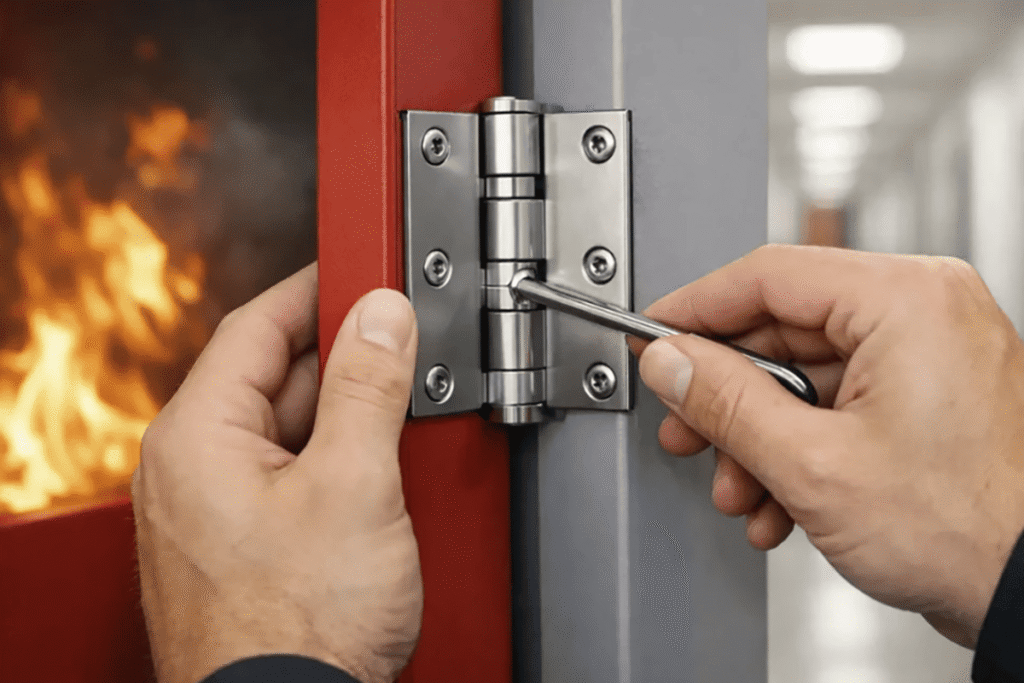
Can spring hinges be used on fire rated assemblies?
Spring hinges often look like a simple way to make a fire door close, but that assumption creates real procurement risk. If a buyer treats a self-closing hinge as a fire-door closing device, the assembly may fail inspection or perform incorrectly1. I usually advise customers to evaluate the whole certified fire-rated door system first.
No, spring hinges should not be used as the closing solution for fire-rated door assemblies. A spring hinge may pull a door toward the frame, but it does not replace a compliant fire-rated door closer. Fire doors need approved closing and control hardware that supports reliable latching, compartmentation, and project-specific compliance.
The real question is not only, “Can the hinge close the door?” The better question is, “Does this hardware keep the fire-rated door system compliant under the required conditions?” That difference matters for door factories, hardware brands, wholesalers, and project buyers.
Why are spring hinges not a substitute for fire-rated door closers?
Many buyers see a door swing shut and assume the closing requirement has been solved. That is the problem. A fire-rated opening is not judged only by movement.2 It must close, latch, and support the tested fire-door assembly. Spring hinges do not provide the same controlled function as a proper closer.
Spring hinges are not a substitute for fire-rated door closers because they provide spring force, not controlled fire-door closing performance. Fire-rated door closers are selected to close the door reliably, control speed, support latching3, and match the certified assembly documents and local approval requirements.
Self-closing force is not the same as fire-door control
I often hear one question from customers: “If the hinge closes the door, why do we still need a door closer?” I understand the logic. In normal daily use, a spring hinge may pull a lightweight door closed. However, a fire-rated door assembly needs more than movement.
A fire-rated door must help maintain fire compartmentation. That means the door must return to the closed position and usually latch correctly, depending on the door set and applicable standard. The hardware must also match the tested or approved configuration.4 A spring hinge does not normally offer the same adjustment, damping, hold-open release function, or tested closing behavior as a fire-door closer.
In procurement terms, this creates a specification gap:
| Buyer assumption | Practical problem | Better evaluation question |
|---|---|---|
| “The hinge closes the door.” | The door may slam, stop short, or fail to latch. | Does the hardware provide controlled closing and reliable latching? |
| “The hinge is strong enough.” | Force alone does not prove fire-door compliance. | Is the closer listed in the door assembly documents? |
| “The hinge is cheaper.” | Failed inspection can cost more than correct hardware. | Does the full hardware set match the project specification? |
| “It works in our sample room.” | Site pressure, seals, and door weight may change performance. | Has it been evaluated under real installation conditions? |
What a proper fire-door closer is expected to do
A compliant fire-door closer is selected for a defined role. It should help the door return to the closed position with controlled movement. It should also help the latch engage, especially when seals, air pressure, or frequent traffic affect operation.
Common project expectations include:
- Controlled closing speed
- Final latching action
- Compatibility with door weight and width
- Fire-rated assembly documentation
- Durability for project traffic
- Correct installation position
- Acceptance by the authority, consultant, or inspection body
I do not recommend that a buyer treats spring hinges as equivalent to closers. The two products may both move a door, but they do not perform the same function. A closer is a control device. A spring hinge is mainly a hinge with closing tension.
For door factories and wholesalers, the safer commercial approach is clear: specify and supply the hardware required by the certified fire door set. If the project calls for a fire-rated closer, do not replace it with a hinge-based solution unless the door system documentation and approval authority clearly allow it. In most fire-rated procurement cases I see, that replacement is not acceptable.
How should buyers evaluate spring hinges in a fire-rated door assembly?
The main risk is that buyers evaluate one component instead of the full door system. A hinge may have a material certificate or strength claim, but that does not confirm its role in a fire-rated assembly. The wrong evaluation method can lead to incorrect quotations and failed approval.
Buyers should evaluate spring hinges by checking the certified fire-rated door assembly, project specification, closer requirements, and local approval rules. They should not approve spring hinges as closing hardware only because they create self-closing force. The whole door set must remain compliant.
Start with the certified door set, not the catalog page
When I help a customer review a fire-rated hardware list, I always ask for the door assembly information first. This includes the door type, rating duration, frame construction, seal system, lock type, and required closer. A catalog page alone is not enough.
A fire door is tested or approved as a system. The components work together. The leaf, frame, hinges, lock, latch, seals, closer, and accessories all affect the result.5 If one part is changed, the assembly may no longer match the tested configuration.6
Here is a practical buyer checklist:
Confirm the fire rating requirement
- 30 minutes, 60 minutes, 90 minutes, 120 minutes, or another project requirement.
- Confirm the applicable local standard or project standard.
Check the approved hardware schedule
- Look for the specified closer type.
- Confirm whether any alternative hardware is allowed.
Verify the door weight and size
- Larger or heavier doors need properly sized closing devices.
- Do not assume spring tension can overcome site conditions.
Review latch and lock requirements
- A fire door often needs to latch securely.
- The closing device must help the latch engage reliably.
Check seals and air pressure
- Smoke seals, intumescent seals, and pressure differences can affect closing.
- A weak or uncontrolled closing action may fail in real use.
Ask for supporting documents
- Fire test reports.
- CE documents where relevant.
- Installation instructions.
- Declaration or certification documents tied to the product and assembly.
A simple procurement comparison
| Evaluation item | Spring hinge | Fire-rated door closer |
|---|---|---|
| Provides hinge function | Yes | No |
| Provides spring return force | Yes | Yes, through closer mechanism |
| Controls closing speed | Limited or no | Yes |
| Supports latching adjustment | Limited | Yes, depending on closer type |
| Suitable for normally open fire doors | No | Yes, with approved hold-open/release system |
| Commonly specified as fire-door closing hardware | No | Yes |
| Must be checked against assembly documents | Yes | Yes |
Why buyers should avoid “component-only” approval
A component may be well made and still be wrong for the application. This is important in B2B sourcing. At SDH Hardware, we manufacture architectural door hardware and provide documentation support, but I still remind buyers that final approval depends on the certified door system, the project specification, local regulations, and the authority having jurisdiction.
That is the proper boundary. A supplier can help with product selection and document checking. A supplier should not claim that a generic hinge solution automatically makes a fire door compliant.
For door manufacturers, this matters because the finished door set is what the customer receives. For wholesalers, it matters because incorrect substitutions can damage trust. For hardware brands, it matters because product positioning must be technically accurate. A spring hinge may be useful in some general architectural doors, but it should not be promoted as a fire-door closer replacement.
What is the difference between normally open and normally closed fire doors?
Many specification mistakes happen because buyers discuss fire doors as one category. In practice, the daily operating mode matters. A door that normally stays open needs very different hardware from a door that normally stays closed. Spring hinges do not solve both situations.
Normally open fire doors stay open during daily use and close automatically during a fire signal.7 Normally closed fire doors stay closed in normal conditions. Spring hinges have no approved hold-open and release function, so they do not fit the functional requirement for normally open fire doors.

Normally open fire doors
A normally open fire door is used where people or goods need regular access. Examples may include corridors, warehouses, healthcare facilities, hotels, schools, or commercial buildings. The door may stay open for convenience, ventilation, or traffic flow.
However, during a fire event, the door must close automatically to help maintain the fire compartment. This normally requires a compliant hold-open device connected to a release mechanism, often linked with a fire alarm or detection system. The exact design depends on local code, project specification, and approved system documents.
A spring hinge cannot perform this job because it does not hold the door open and release it on signal.8 If a spring hinge is strong enough to close the door, then the door will not remain open during normal use. If someone wedges the door open, the fire safety function is defeated.9 That is why I warn buyers not to confuse a “closing hinge” with a “fire-door control system.”
Normally closed fire doors
A normally closed fire door should remain closed during everyday operation. People may open it, pass through, and allow it to close again. In this case, the closing device must return the door to the closed position and support reliable latching.
Some buyers assume this is where spring hinges may be acceptable. I still recommend caution. The correct question is not whether the door can close in a showroom. The correct question is whether the closing hardware is recognized in the certified fire-door assembly and accepted by the project authority.
A normally closed door may face conditions that make closing more difficult:
- Door weight
- Frame tolerance
- Gasket compression
- Air pressure
- Floor condition
- Latch resistance
- User traffic
- Installation quality
A properly specified closer offers controlled movement and adjustment. Many projects use overhead closers, concealed closers, or floor springs depending on the door type and specification. The buyer must confirm which device is acceptable.
Simple distinction for buyers
| Fire door type | Daily position | Fire event requirement | Why spring hinges are a problem |
|---|---|---|---|
| Normally open fire door | Open | Must release and close automatically | No hold-open/release function |
| Normally closed fire door | Closed | Must close and latch after use | Spring force alone may not satisfy approved closer requirement |
I usually explain this distinction early in the quotation stage. It prevents a buyer from selecting hardware based only on price or appearance. It also helps door factories avoid redesign after consultant review.
When do spring hinges create procurement risk for wholesalers?
Wholesalers and hardware brands often manage large product ranges. That makes substitution tempting when a customer asks for a self-closing solution. The risk appears when sales teams offer spring hinges for fire-rated doors without checking the assembly documents and project requirements first.
Spring hinges create procurement risk when they are quoted as fire-door closers, used to replace specified closers, or supplied without confirming approval documents. The main risks are failed inspection, unsafe door performance, rework cost, warranty disputes, and damage to buyer confidence.
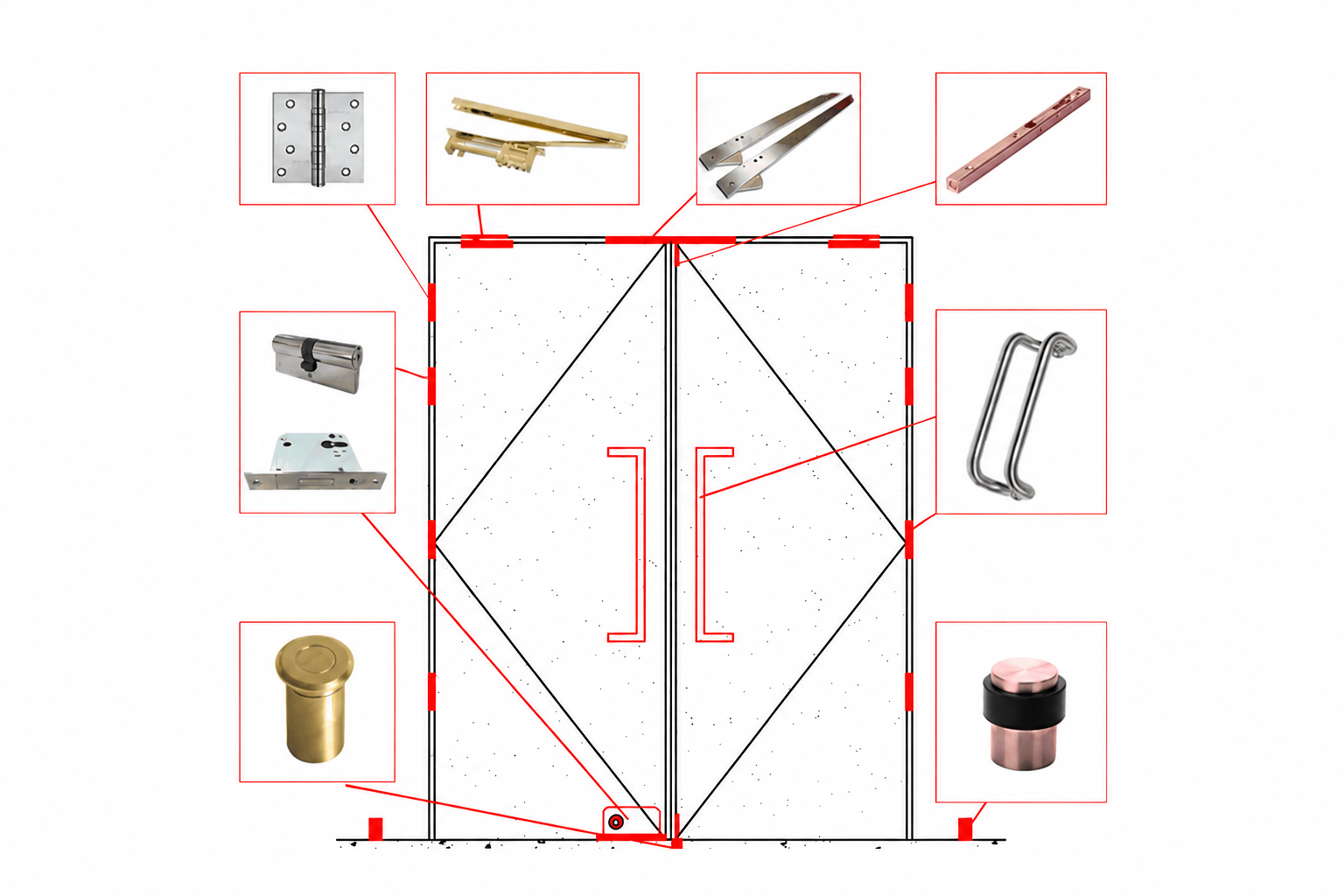
Risk 1: Failed inspection
A fire-rated project often involves review by consultants, contractors, certification bodies, or local authorities. If the hardware schedule requires a closer and the delivered door uses spring hinges instead, the door may be rejected.
That rejection creates cost beyond the component price. The buyer may need to replace hardware, rework doors, update documents, delay shipment, or pay site labor. For export orders, the cost can be even higher because the products may already be packed or shipped.
Risk 2: Incorrect product positioning
A spring hinge should not be marketed as a fire-door closer replacement. This creates a technical promise that the product may not support. It also confuses sales teams and customers.
I prefer clear product positioning:
A spring hinge can provide self-closing assistance in suitable non-fire or project-approved applications. It should not be presented as a substitute for a compliant fire-rated door closer.
This statement protects the buyer and the supplier. It also shows technical discipline.
Risk 3: Unsafe compartmentation
The purpose of a fire-rated door is not only to be a door. It is part of a building’s passive fire protection strategy. If the door fails to close and latch, smoke and fire may spread faster through the opening.10
Hardware mistakes can affect the whole system. A hinge-based closing force may be inconsistent. It may weaken over time. It may cause slamming without proper control. It may fail to overcome latch resistance. These are not small details in a fire-rated opening.
Risk 4: Warranty and responsibility disputes
A common B2B problem is unclear responsibility. The factory says the hardware was requested by the buyer. The buyer says the supplier recommended it. The contractor says the project documents required something else. Everyone loses time.
To reduce disputes, I recommend a written approval workflow:
- Buyer provides project door schedule.
- Supplier reviews hardware requirements.
- Supplier identifies any uncertain items.
- Buyer confirms local approval requirements.
- Supplier provides product documents.
- Final hardware selection is confirmed before production.
- Inspection is completed after production.
A practical quotation note
For wholesalers, I suggest adding a note to quotations for fire-rated openings:
| Quotation item | Recommended note |
|---|---|
| Fire-rated door hardware | Final suitability must be verified against certified door assembly documents and local authority requirements. |
| Closing device | Fire-rated closer or approved closing/control device must be selected according to project specification. |
| Spring hinge | Not offered as a substitute for fire-door closer unless specifically approved in the certified assembly documents. |
| Certification | Documents should be reviewed before order confirmation. |
This approach is restrained, practical, and commercially safer. It helps the customer make the right decision without overstating the supplier’s authority.
What documents should buyers verify before selecting fire-door closing hardware?
A buyer may feel pressure to confirm hardware quickly, especially when a tender deadline is close. That pressure can lead to document shortcuts. However, fire-rated hardware should not be selected only from photos, surface finishes, or general product descriptions.
Buyers should verify the fire-rated door assembly documents, hardware schedule, closer certification, test reports, installation instructions, and local approval requirements before selecting closing hardware. Certification should be treated as documentation to review, not as a slogan in a catalog.
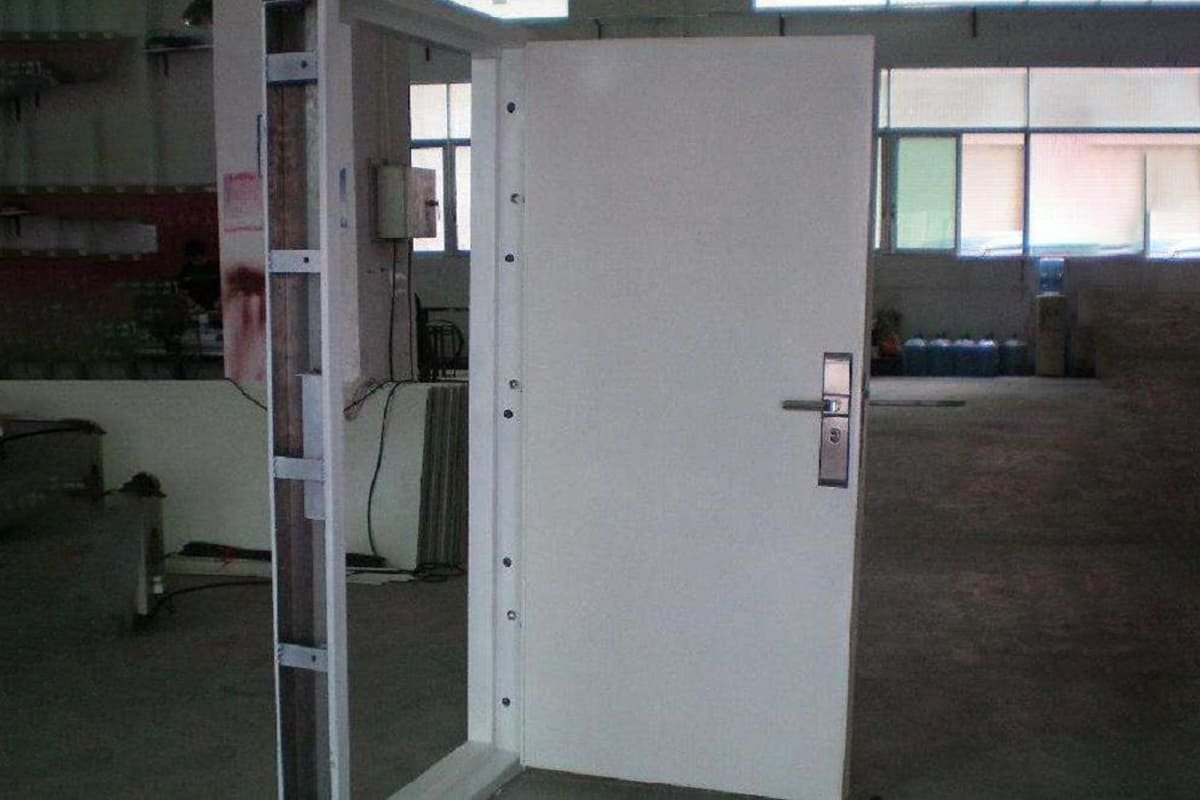
Core documents to request
When we support B2B customers at SDH Hardware, we commonly help review the hardware list and available documents. I recommend buyers request the following items before order confirmation:
- Project hardware schedule
- Fire door test report or assessment
- Door assembly certification documents
- Closer certification documents
- CE declaration or certificate where applicable
- Fire-rated certificate where applicable
- Installation instructions
- Maintenance instructions
- Product drawings
- Material and finish details
- Inspection report after production
These documents do not all have the same function. Some show product identity. Some show performance. Some show installation conditions. Some are required for local approval. Buyers should not treat them as interchangeable.
Document review table
| Document | What it helps confirm | Buyer caution |
|---|---|---|
| Fire door assembly certificate | Approved door configuration | Check hardware compatibility, not only rating duration |
| Fire test report | Tested conditions and components | Confirm whether the hardware matches the tested set |
| Hardware schedule | Project-specified products | Do not substitute without written approval |
| Closer certificate | Product compliance evidence | Check model, size, and application |
| Installation instruction | Correct fixing and adjustment | Wrong installation can affect performance |
| CE document | Relevant European conformity claim | Verify scope, standard, and product identity |
| Inspection report | Finished goods quality check | This does not replace fire approval |
Standards and local requirements
Different markets use different standards and approval systems. Many European projects reference standards such as EN 1154 for controlled door closing devices and EN 1634 for fire resistance testing of door and shutter assemblies.11 Other regions may follow different local codes or civil defense requirements.
I avoid making one global rule for every country. That would not be responsible. Instead, I recommend this decision path:
- Identify the project country or region.
- Confirm the applicable standard or authority requirement.
- Review the certified fire door assembly.
- Match the hardware to the approved configuration.
- Ask a qualified professional if the application is uncertain.
For application-specific decisions, the project consultant, certification body, or local approval authority should make the final compliance judgment. As a manufacturer and supplier, we can support the buyer with product information, drawings, inspection service, and available certificates. We should not replace the role of the approving authority.
Why installation instructions matter
Even the correct closer can fail if installed incorrectly. Arm position, fixing strength, closer size, sweep speed, latch speed, and backcheck settings may all matter. This is another reason spring hinges are a poor shortcut. They may seem simple, but simplicity does not equal compliance.
In fire-rated procurement, documentation is not paperwork for its own sake. It is part of risk control. It helps every party understand what was selected, why it was selected, and how it should be installed.
How can SDH help buyers avoid spring hinges mistakes?
Many buyers do not make this mistake because they are careless. They make it because the product categories look similar from a distance. A hinge that closes a door and a closer that closes a door can sound equivalent in a quick sales conversation. They are not equivalent.
SDH can help buyers avoid spring hinges mistakes by reviewing the door hardware requirement, identifying when a proper fire-rated closer is needed, providing product drawings and available certificates, and supporting factory-direct production with quality inspection. Final approval still depends on the certified assembly and local authority.
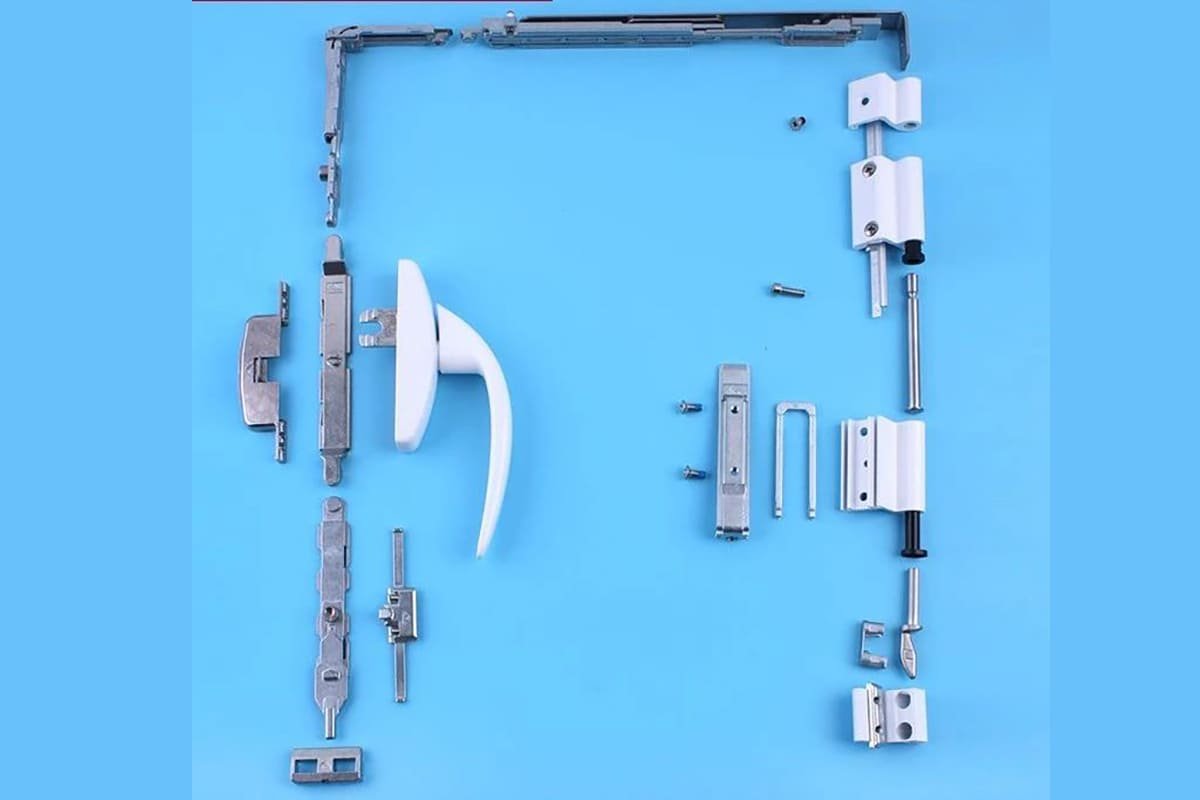
Our role as a manufacturer and supplier
SDH Hardware is a professional architectural door hardware manufacturer based in China. We work with door factories, hardware brands, and bulk wholesalers in markets such as the Middle East, Europe, and Southeast Asia. Our main products include:
- Euro mortise locks
- Stainless steel lever handles
- Butt hinges
- Concealed door hinges
- Euro brass cylinders
- Door accessories
We have more than 10 years of production experience and independent factory operations. We also provide ODM and OEM services for customers who need customized specifications, surface treatments, packaging, branding, or drawings.
However, I do not use that experience to overpromise. For fire-rated door projects, I always prefer a careful conversation. The buyer needs the right product and the right documentation. The project also needs approval by the relevant authority.
What we can help check
For fire-rated door hardware sourcing, our team can help buyers review practical questions such as:
- Is the requested product a hinge, closer, lock, handle, cylinder, or accessory?
- Does the project require a fire-rated closer?
- Does the hardware list mention a specific closer model or standard?
- Are CE or fire-rated certification documents required?
- Are the product dimensions suitable for the door design?
- Are the fixing positions and drawings clear?
- Is the finish suitable for the target market?
- Is post-production inspection needed before shipment?
This support helps customers reduce specification errors before production begins.
What we do not replace
We do not replace the certified fire-door assembly documents. We do not replace the project consultant. We do not replace the local inspection authority. This distinction matters because fire safety compliance is system-based.
A good supplier should say “check the approved door set” when the application requires it. That may sound cautious, but it protects the customer. It also prevents incorrect use of products that may be suitable in one door application but unsuitable in another.
Conclusion
Spring hinges should not be treated as the closing solution for fire-rated assemblies. A fire door needs hardware that supports the certified system, controlled closing, reliable latching, and local approval requirements. The safest buyer approach is to verify the project specification, fire-door documents, closer certification, and installation requirements before ordering. If you need factory-direct support for fire-rated door hardware selection, SDH Hardware can help review your hardware list, provide drawings and available documents, and support quality-controlled production.
"Self-Closing Doors - HPD", https://www.nyc.gov/site/hpd/services-and-information/self-closing-doors.page. Fire-door inspection guidance states that swinging fire doors are evaluated for proper closing, latching, and listed hardware conditions; this supports the compliance risk of substituting unapproved closing hardware, although it does not assess any specific spring-hinge product. Evidence role: expert_consensus; source type: institution. Supports: Fire-door inspection guidance generally requires swinging fire doors to close and latch properly and to use hardware consistent with the listed assembly.. Scope note: Provides general inspection context, not a determination for a specific project or product. ↩
"INSPECTION CHECKLIST FOR SWINGING DOOR WITH ...", https://statefire.llr.sc.gov/osfm/forms/enforcement/Fire%20Door%20Inspection%20Checklist%20and%20Form.pdf. Recognized fire-door inspection criteria treat the opening as an assembly and include checks beyond door movement, such as closing, latching, clearances, labels, and hardware condition; this supports the article's broader evaluation point but does not replace local code review. Evidence role: general_support; source type: institution. Supports: Fire-door assemblies are inspected as assemblies with multiple criteria, including closing, latching, clearances, glazing, labels, and hardware condition.. Scope note: Contextual support only; requirements vary by jurisdiction and assembly listing. ↩
"BS EN 1154 Door Closer Delay: Maximum Closing Time Explained", https://www.danddhardware.com/bs-en-1154-door-closer.html. Standards for controlled door-closing devices, such as EN 1154, address controlled closing performance and device classification, supporting the distinction between a door closer and a spring-tension hinge; the standard context does not by itself approve a particular closer for a particular fire-door assembly. Evidence role: definition; source type: institution. Supports: Controlled door-closing device standards define performance functions such as controlled closing and closing force for doors, including fire and smoke door applications where applicable.. Scope note: Supports functional classification, not project-specific product approval. ↩
"Doors, Windows and Related Hardware Application Guide", https://www.ul.com/thecodeauthority/knowledge/ul-fire-rated-doors-guide. Fire-door certification and inspection sources explain that listed fire-door assemblies depend on approved component configurations, including hardware; this supports the article's caution about substitutions, although it does not identify which substitutions are allowed in a particular listing. Evidence role: expert_consensus; source type: institution. Supports: Fire-door assembly approvals depend on the tested or listed configuration, including compatible hardware components.. Scope note: Does not determine acceptability of any specific alternate hardware without the relevant listing or assessment. ↩
"Fire door", https://en.wikipedia.org/wiki/Fire_door. Fire-resistance testing and certification literature treats door performance as an assembly property involving the leaf, frame, seals, hardware, and accessories; this supports the article's system-based procurement approach, while not proving that every listed component has equal influence in every design. Evidence role: mechanism; source type: research. Supports: Fire resistance of door assemblies is assessed as an assembly involving the door leaf, frame, hardware, seals, and related components.. Scope note: General mechanism support; the influence of each component depends on the tested assembly. ↩
"NSPIRE Standard - Door - Fire", https://www.hud.gov/sites/dfiles/PIH/documents/NSPIRE-Standard-Door-Fire-Labeled_20230811.pdf. Certification guidance for fire-door assemblies indicates that ratings are tied to tested or listed configurations and that component changes require verification against the listing or approval documents; this supports the substitution warning but does not establish that every change automatically invalidates every rating. Evidence role: general_support; source type: institution. Supports: Fire-door ratings and approvals are tied to tested or listed configurations, and component changes may require verification or approval.. Scope note: Contextual support; some substitutions may be permitted through listings, assessments, or authority approval. ↩
"Door Hold Open Devices - Facilities and Operations", https://fo.umich.edu/fosg/door-hold-open-devices/. Fire-safety guidance explains that fire doors kept open in normal use should be held by automatic-release devices that close the door when activated by fire detection or alarm systems; this supports the definition of normally open fire doors, subject to local code variations. Evidence role: definition; source type: government. Supports: Fire doors may be held open only by suitable automatic-release devices that close the door upon fire alarm or detection.. Scope note: General definition and safety guidance; permitted arrangements vary by jurisdiction. ↩
"Door Hold Open Devices - Facilities and Operations", https://fo.umich.edu/fosg/door-hold-open-devices/. Fire-door hardware guidance distinguishes automatic-release hold-open devices from self-closing hinges, supporting the article's point that spring hinges do not provide signal-controlled release; the source would not prove that no specialized hinge-based listed product exists without checking listings. Evidence role: mechanism; source type: institution. Supports: Approved normally open fire-door arrangements use hold-open devices with automatic release, a function distinct from a spring hinge's self-closing tension.. Scope note: Supports the functional distinction generally; unusual listed systems would still need separate verification. ↩
"Fire Safety - Information Technology Help - Marietta College", https://help.marietta.edu/police/fireSafety.html. Government and fire-safety guidance warns that fire doors should not be wedged open because they must be able to close to limit fire and smoke spread; this supports the safety warning generally, while actual legal duties depend on the jurisdiction. Evidence role: expert_consensus; source type: government. Supports: Official fire-safety guidance commonly warns that fire doors should not be wedged open because they must close to resist fire and smoke spread.. Scope note: General safety guidance; enforcement obligations vary by local regulation. ↩
"Close Before You Doze - Fire Department", https://fire.lacounty.gov/cbyd/. Fire-safety research and guidance indicate that closed fire doors help restrict smoke and fire movement through openings, so failure to close and latch can compromise compartmentation; this supports the mechanism, although actual spread rates depend on fire conditions and building design. Evidence role: mechanism; source type: research. Supports: Closed and latched fire doors help limit smoke and fire movement through openings, while open or unlatched doors reduce compartmentation effectiveness.. Scope note: Mechanistic support; it does not quantify spread speed for the specific doors discussed. ↩
"EN 1154:1996 - Controlled Door Closing Devices Requirements & ...", https://standards.iteh.ai/catalog/standards/cen/00f1b7c2-9cd5-4ba3-be93-e05fde567005/en-1154-1996?srsltid=AYCX9vJFCptV0ruYoUmaOu8BZ5Dajh3stMdYZwouDMicqUwwgulQ-E-Z. European standards descriptions identify EN 1154 with controlled door-closing devices and EN 1634 with fire-resistance and smoke-control testing of door, shutter, and openable-window assemblies; this supports the article's standards references but not their applicability to every European project. Evidence role: definition; source type: institution. Supports: EN 1154 concerns controlled door-closing devices, while EN 1634 concerns fire-resistance and smoke-control testing for door and shutter assemblies.. Scope note: Confirms standard scope only; project specifications determine whether the standards apply. ↩
