Door Hinges Buying Guide: What to Buy and How to Install?
Wrong hinges create door gaps, rough movement, and unhappy customers. I see this problem often when buyers choose only by price.
I buy door hinges by matching hinge type, material, finish, door use, and installation method. Exposed butt hinges suit cost-focused standard doors. Concealed or 3D adjustable hinges suit cleaner design and easier alignment adjustment. I always check the door drawing, hinge template, and supplier data before ordering.
I do not believe one hinge is best for every door. I have seen low-cost hinges work well on simple projects, and I have seen hidden hinges protect the look of high-end doors. The real question is not “which hinge is best?” The real question is “which hinge fits this door, this market, this budget, and this installation method?” I will explain how I look at hinge buying from my side as a hardware manufacturer, so you can reduce wrong samples, wrong cut-outs, and wrong bulk orders.
What Door Hinge Type Should I Buy?
A wrong hinge type can make a good door look cheap. It can also make installation slow and costly.
I choose exposed butt hinges for standard swing doors and cost control. I choose concealed or 3D adjustable hinges when the buyer wants a cleaner look and more adjustment space.
I start with the door design
When a buyer asks me what hinge to buy, I first ask where the hinge will be used. I do not start with the hinge name. I start with the door type, the visual style, the project budget, and the installer’s skill level. Exposed hinges, also called butt hinges in many orders1, are easy to understand. The hinge leaves are visible after installation. Many door factories like them because the structure is familiar and the cost is easy to control.
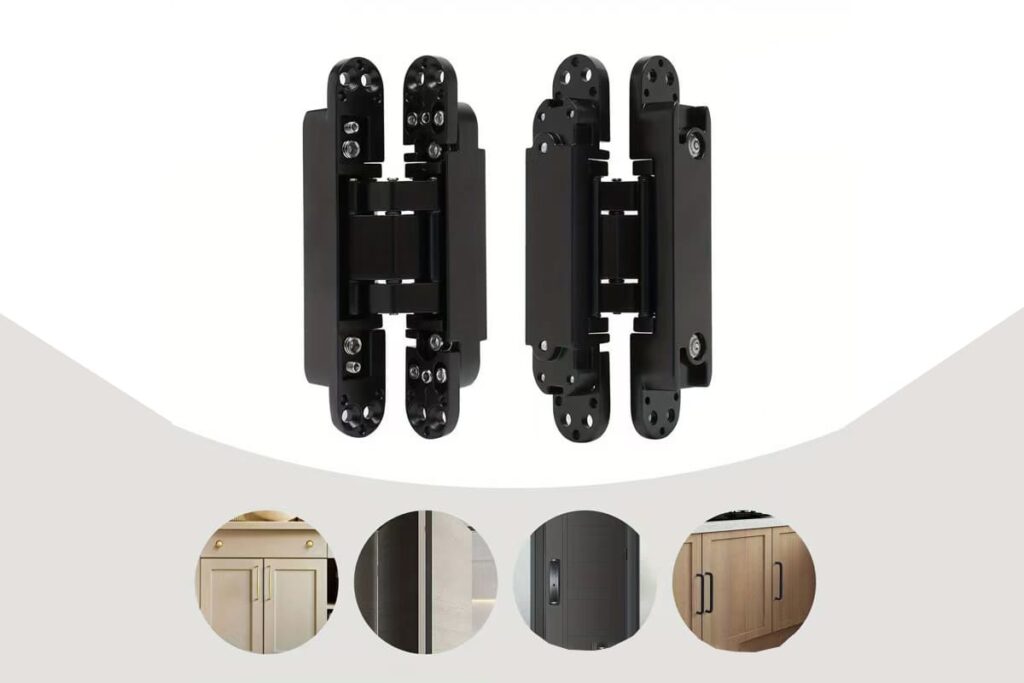
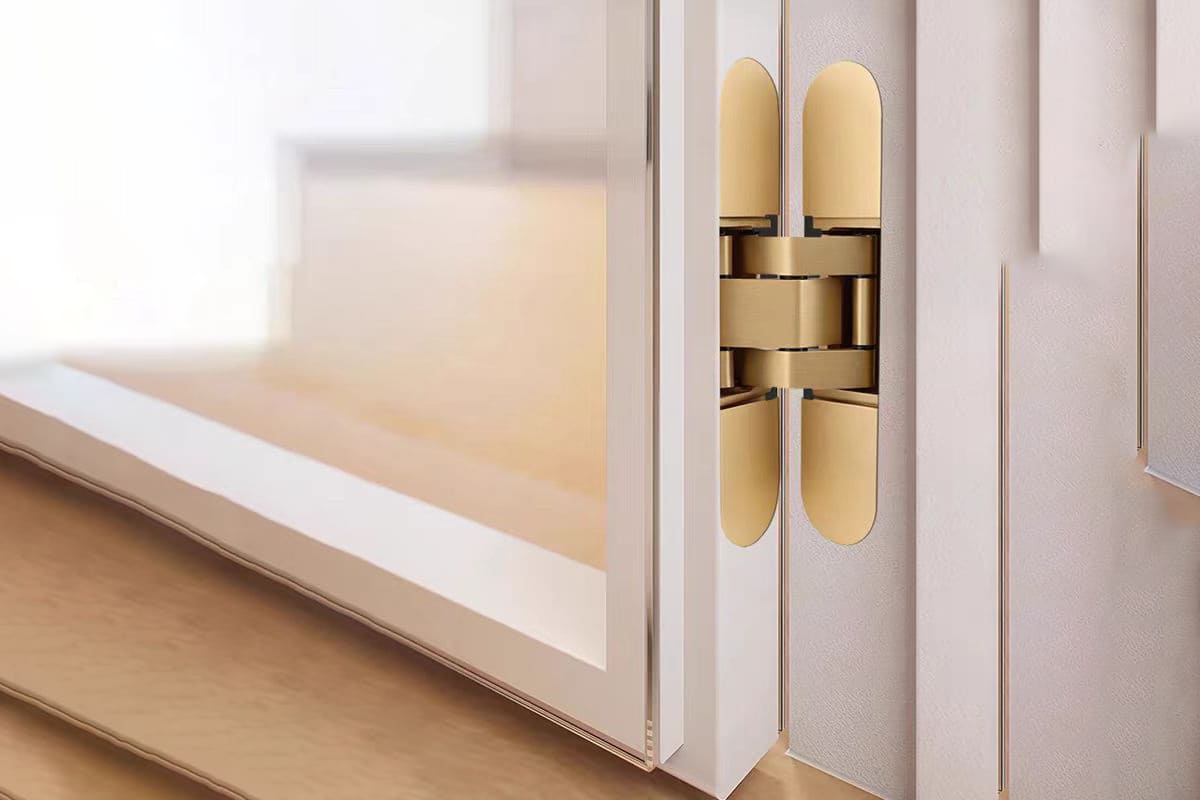
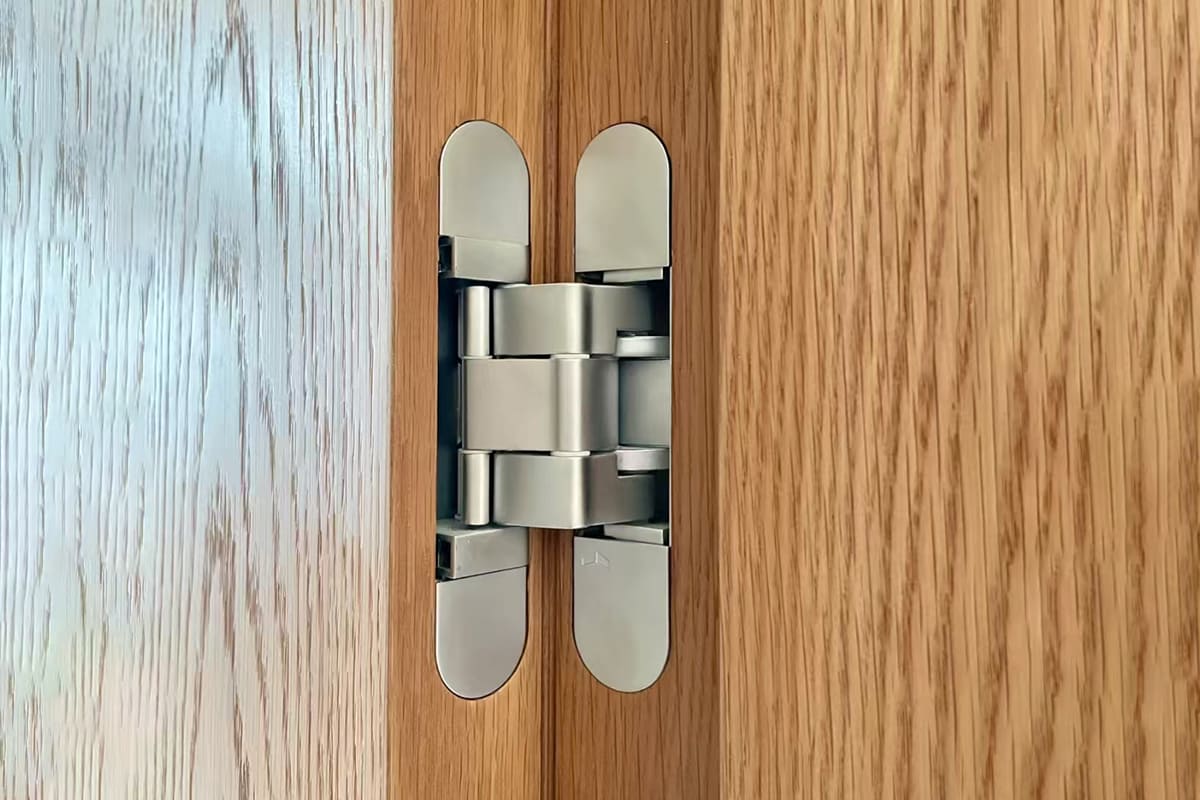
Concealed hinges are different. The hinge body stays hidden when the door is closed.2 Many buyers choose them for apartments, hotels, offices, villas, and other projects where the door face must look clean. Some concealed hinges also offer 3D adjustment. I often explain 3D adjustment as three simple directions: front and back, left and right, and up and down3.
| Hinge Type | What I See After Installation | Main Buying Reason | Main Check Before Order |
|---|---|---|---|
| Butt hinge | I can see the hinge barrel | Simple use and cost control | Door thickness, screw holes, finish, size |
| Concealed hinge | I cannot see the hinge when closed | Clean door design | Cut-out size, opening angle, door weight data |
| 3D adjustable hinge | I usually cannot see it when closed | Cleaner look and easier alignment | Adjustment range and installation template |
I match hinge type with buyer priority
If the buyer does not mind visible hardware, I usually suggest exposed butt hinges first. They are practical for many standard swing doors. If the buyer wants a premium decoration effect, I ask the buyer to check concealed hinges. I do not say concealed hinges are always better. They need correct machining. They also need the right door frame design. A small mistake in the cut-out can cause a big fitting issue.4 I have seen buyers choose a concealed hinge sample only by photo. The sample looked good, but the door factory had no matching routing tool. That order became slow before it even started.
Which Hinge Material Should I Choose?
Material mistakes are hard to hide. A finish may look nice at first, but the wrong material can create complaints later.
I compare stainless steel, iron, and zinc alloy hinges by cost, finish needs, corrosion concerns, and door application. I do not judge material without checking product data.
I compare material by real buying logic
I often see buyers ask, “Is stainless steel better than iron?” I answer with care. Stainless steel is often chosen when the buyer cares about rust resistance and a solid market image. It is common in many architectural hardware orders. But the exact corrosion result depends on grade, surface process, environment, and testing data.5 I do not promise performance without a clear product standard.
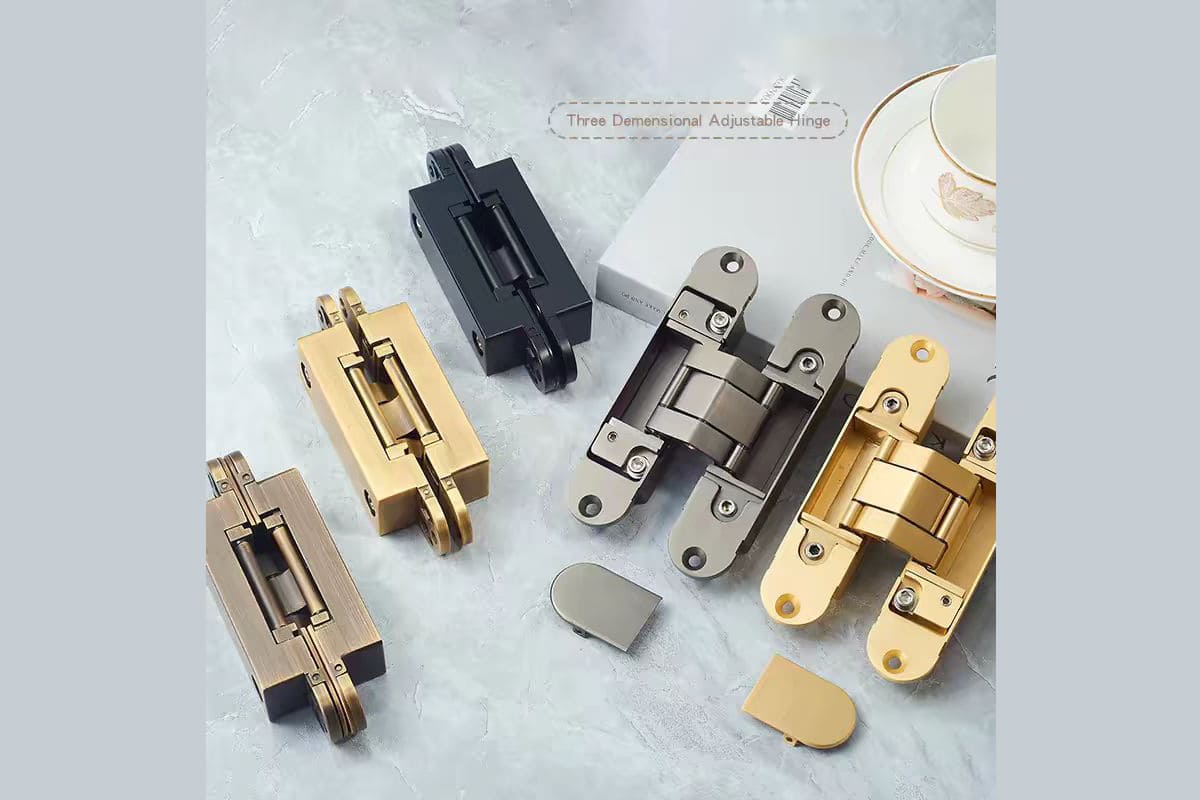
Iron hinges are common in cost-sensitive projects. They can be a good choice when the finish is controlled and the door use is suitable. Zinc alloy is often used when the design needs more shape options6 or decorative surface choices. It is common in some concealed hinge structures and furniture-style hardware, but I still check the real hinge design before judging strength or use.
| Material | Why I May Choose It | What I Must Check | Suitable Buying Situation |
|---|---|---|---|
| Stainless steel | I want better rust resistance image and clean finish | Grade, surface, test report, door use | Mid to high projects, humid markets, brand orders |
| Iron | I want better cost control | Coating quality, thickness, screw strength | Standard doors, price-sensitive bulk orders |
| Zinc alloy | I want shape flexibility and decorative finish | Structure, finish process, supplier data | Decorative hardware and selected concealed hinge designs |
I do not buy material by name only
A material name is not enough for a bulk order. I ask for drawings, surface samples, salt spray data7 if needed, and real finish approval. Some buyers only compare “stainless steel” against “iron” on a price sheet. That method is risky. A good finish on an iron hinge may serve the project well in the right place. A poor finish on a stainless steel hinge may still disappoint the buyer. I once worked with a customer who sold to two markets. The same hinge style did not fit both markets. One market cared most about price. The other market cared more about finish consistency. We adjusted the material and surface plan for each market. The order became easier to sell because the hinge matched the customer’s real channel.
How Should I Balance Appearance and Cost?
A beautiful hinge can lose the project if the price is too high. A cheap hinge can lose the customer if the door looks wrong.
I balance appearance and cost by deciding what the end customer sees, what the installer needs, and what the buyer must protect in margin.
I decide what the customer will notice first
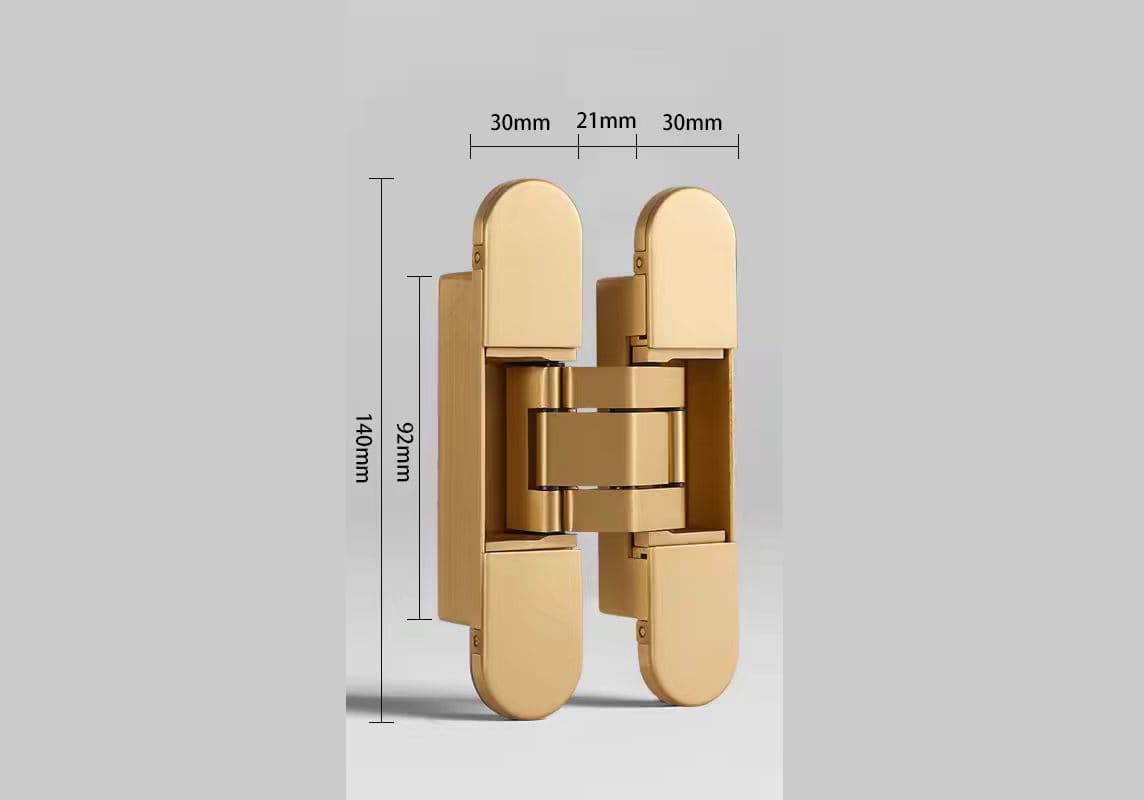
For many wholesale buyers, the hinge must support sales. The buyer may not install the hinge. The buyer must sell it to door factories, dealers, or project customers. In that case, appearance matters because it affects the first feeling of the door. A visible butt hinge becomes part of the door design. Its finish, edge, pin, and screw head must look stable. A concealed hinge is hidden when the door closes, so the door face looks cleaner. This look can help brands sell a higher design level.
But appearance has a cost. Concealed hinges may require accurate cut-outs and more careful installation. Butt hinges are usually easier for standard production lines. I do not push every buyer toward hidden hinges. I ask what the buyer’s market expects.
| Buyer Priority | My Usual Hinge Direction | Why I Choose This Direction |
|---|---|---|
| Lowest possible cost | Exposed butt hinge | The structure is simple and common |
| Clean door face | Concealed hinge | The hinge is hidden when closed |
| Easier alignment after fitting | 3D adjustable concealed hinge | I can adjust the door in three directions |
| Fast standard production | Butt hinge | Many factories already know the process |
| Premium door package | Concealed hinge with matched lock and handle finish | The whole door hardware set looks more unified |
I connect hinge choice with full hardware sets
I always look at hinges with the lock, handle, and cylinder. A hinge does not work alone in a door hardware package. If the door uses a stainless steel lever handle and a clean modern mortise lock, a rough-looking exposed hinge can lower the total look. If the project is a budget steel door, an expensive concealed hinge may not give the buyer enough sales value. This is why I ask customers to share door photos, surface colors, and target price range. I want the hinge to support the full door package. I also want the finish to stay consistent across bulk orders. In our factory work, finish consistency is a common concern for brand customers and distributors. A sample can look good, but the bulk order must match the sample as closely as possible within the agreed standard.
What Should I Check Before Ordering Door Hinges in Bulk?
A sample can open and close well on a table. The same hinge can fail the order if it does not fit the door drawing.
I check door thickness, frame type, opening direction, hinge size, finish, screw position, cut-out data, certification needs, and packing before I confirm bulk hinges.
I confirm the door before I confirm the hinge
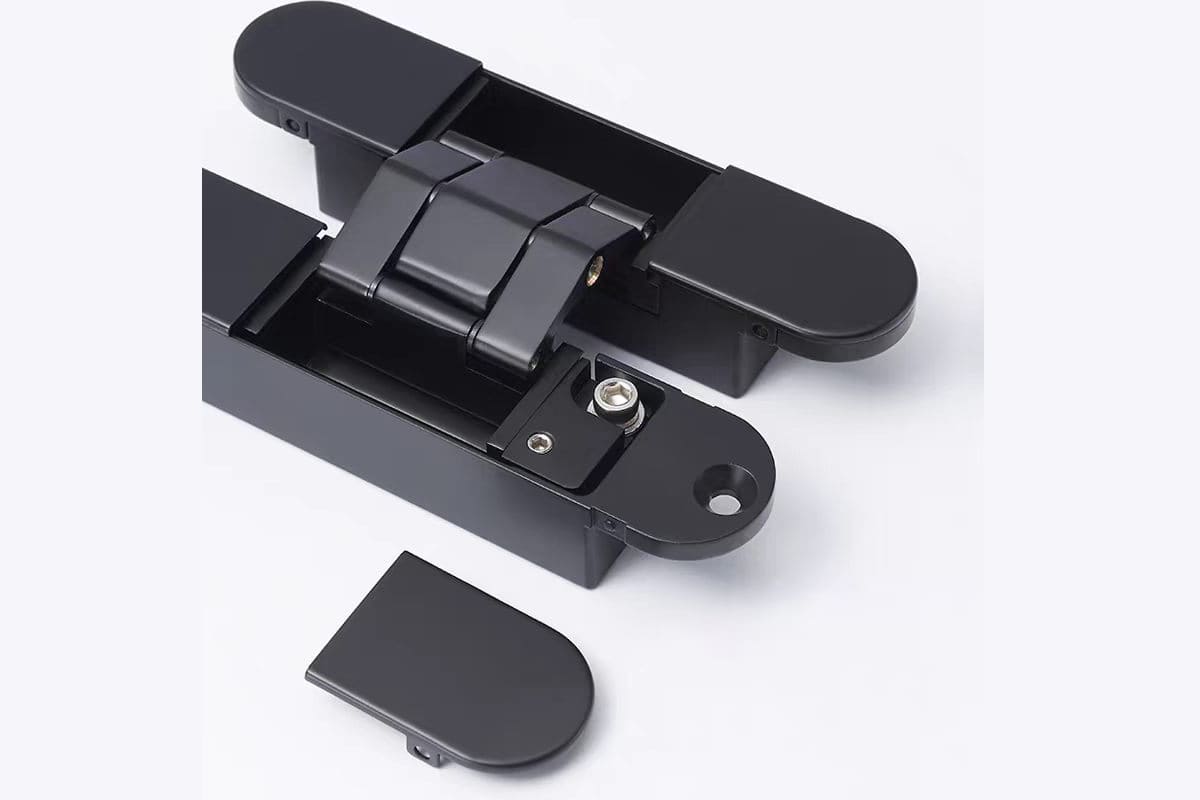
Bulk hinge buying is not only a price discussion. I need door data before I make a safe recommendation. I ask for door leaf thickness, frame material, frame profile, opening angle, and installation method. For concealed hinges, I also ask for the cut-out drawing. The hinge body must match the pre-cut opening. The screw locations must match the installer’s work. If the buyer already has a door production line, I ask whether the door factory can machine the pocket correctly.
I also ask about certification needs. Some projects need CE documents or fire-rated documents for specific hardware sets.8 I do not claim a hinge is certified unless the exact product and test scope support it. This point is important for Europe, the Middle East, and other project markets. Buyers should keep certificates, test reports, and supplier declarations in the order file.
| Check Item | Why I Check It | Risk If I Skip It |
|---|---|---|
| Door thickness | I need to match hinge body and screws | The hinge may not sit correctly |
| Frame structure | I need to know fixing space | Screws may not hold well9 |
| Opening angle | I need to match door movement | The door may hit the frame or wall10 |
| Cut-out size | I need correct concealed hinge fit | The hinge may not install |
| Finish sample | I need bulk visual control | The order may not match the buyer’s sample |
| Certification | I need project compliance support | The buyer may fail project review |
| Packing | I need safe transport and easy sorting | The buyer may face damage or confusion |
I treat samples as a test, not a decoration
I like buyers to test samples before a large order. A hinge sample should be installed on the real door or a matching test panel. It should not only be checked by hand. The installer should check door gap, movement, screw fixing, opening angle, and final appearance. If the hinge is concealed, the installer should follow the supplier’s template. The sample test should also include the planned handle, lock, and door closer if these products will be used together. I have seen doors change movement after a door closer was added.11 The hinge selection should respect the full door system. This simple sample test can save a buyer from rework, delay, and customer complaints.
How Do I Install a Concealed or 3D Adjustable Hinge?
A hidden hinge looks simple after installation. The work behind it is not simple if the cut-out and screw order are wrong.
I install a concealed hinge by following the model drawing, placing the hinge into the prepared opening, fixing the frame side first, fixing the door side second, and adjusting three directions.
I use the supplier drawing as the real rule
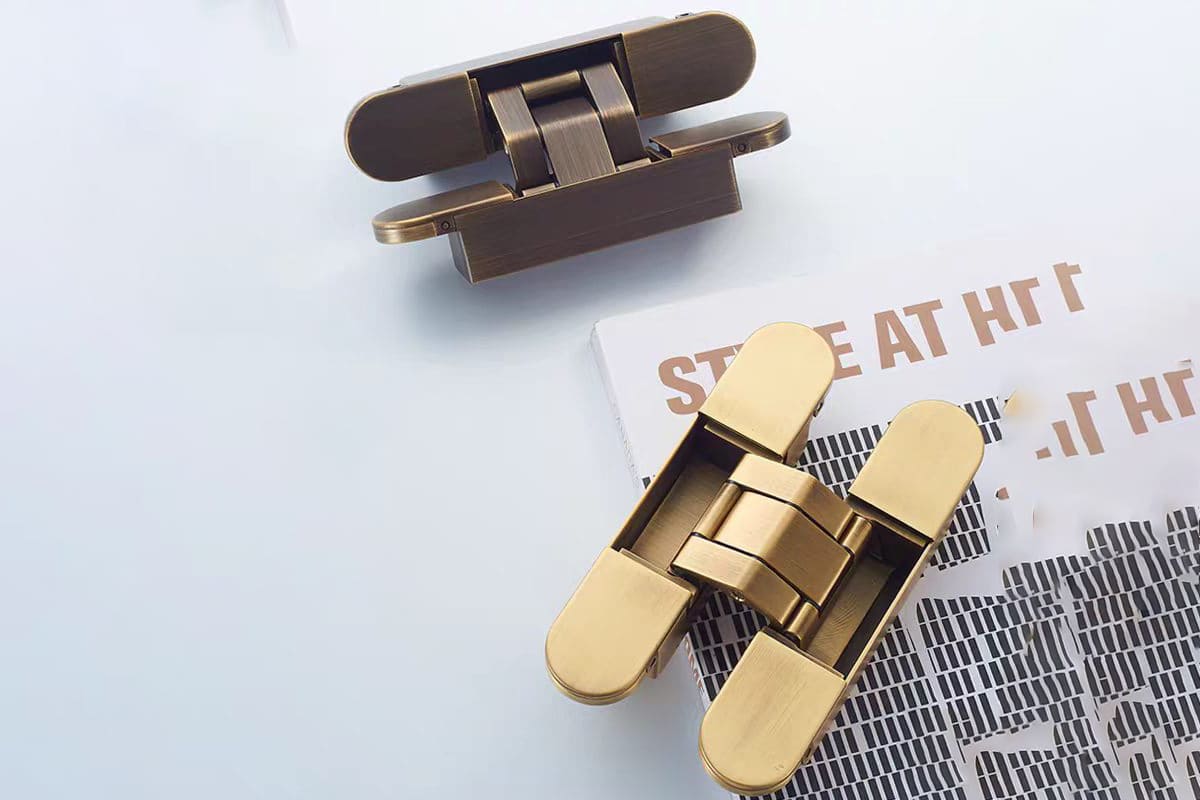
I will describe the general steps I use when I explain concealed hinge installation to buyers. This is not a full construction manual. Each hinge model may have different dimensions, screw positions, cut-out depth, and load data. I always tell buyers to follow the supplier’s installation template and product drawing.12
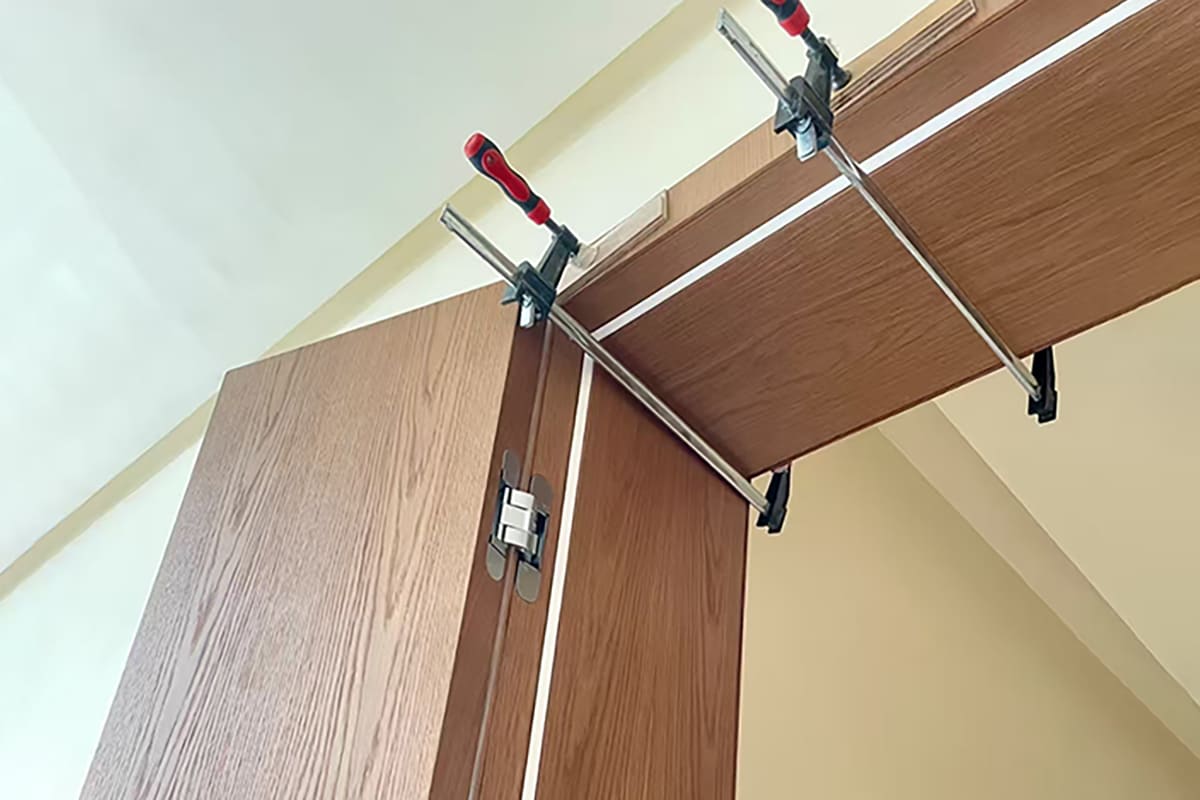
The door frame and door leaf should already have the correct pre-cut openings. I place the hinge into the frame opening and keep the hinge at about 90 degrees during fitting. This position helps me see how the hinge body sits in the pocket. I fix the screws on the frame side first. Then I fix the screws on the door panel side. After the door is hanging, I check the gap around the door. Then I adjust the hinge screws.
| Step | What I Do | Why I Do It |
|---|---|---|
| Check drawing | I compare the hinge with the template | I avoid wrong cut-outs |
| Place hinge | I put the hinge into the prepared opening | I confirm the body sits flat |
| Keep angle | I hold the hinge around 90 degrees | I make fixing easier |
| Fix frame side | I fasten the frame screws first | I create a stable base |
| Fix door side | I fasten the door panel screws second | I connect the leaf after frame fixing |
| Adjust screws | I adjust front-back, left-right, and up-down | I align the door with the frame |
| Test movement | I open and close the door slowly | I check gaps and rubbing |
I adjust slowly and check the gap often
3D adjustment is useful, but I do not treat it as a repair for poor machining. The door and frame still need accurate preparation. The adjustment screws help fine tune the final position. I adjust front and back when the door face is not flush with the frame. I adjust left and right when the side gap is uneven. I adjust up and down when the top and bottom gaps need correction. I make small changes and test the door again. If I turn one screw too much, I may create a new problem in another direction. I also make sure all locking screws are tightened after adjustment, based on the hinge model instructions. If the hinge has decorative covers, I install them only after the door movement is correct.
How Do I Choose Between Butt Hinges and Concealed Hinges for My Market?
A hinge that sells well in one market may not sell well in another. The wrong choice can slow stock turnover.
I choose butt hinges for price-sensitive and standard door markets. I choose concealed hinges for design-focused markets that accept higher machining needs and cleaner door appearance.
I look at market demand before I build stock
For distributors and wholesalers, stock choice is a business decision. Butt hinges may be easier to move in markets where door factories use standard swing door production. They are familiar. They are easier to explain. They also support different price levels. I often suggest buyers keep clear size and finish options if they sell butt hinges in bulk. The key is not to hold too many random models. The key is to hold the models that local door makers already use.
Concealed hinges need a different plan. They fit markets where customers care more about home decoration effect and clean design. They may also fit brands that sell complete door sets. But the buyer must confirm door machining ability. If local installers do not know how to cut or adjust concealed hinges, the buyer may face support problems.
| Market Situation | My Safer Choice | My Reason |
|---|---|---|
| Standard door factory customers | Butt hinge | The factory process is familiar |
| High-end interior door brand | Concealed hinge | The clean look supports the brand style |
| Price-focused wholesale channel | Butt hinge | The cost is easier to control |
| Project with strict design needs | Concealed or 3D adjustable hinge | The hinge can support hidden design and alignment |
| New market test | Start with samples and small trial order | I can test fit and demand before stock |
I do not separate sales value from installation risk
I always think about who will install the hinge. A product can look perfect in a catalog, but it still needs local installation support. Butt hinges may be easier for many installers. Concealed hinges may need better tools, better drawings, and better training. This does not make concealed hinges bad. It only means the buyer must plan the support cost. When I help a customer choose a hinge line, I ask three questions. First, does the market want visible or hidden hardware? Second, can the door factory make the correct opening? Third, can the final price still protect the buyer’s margin? These three questions often lead to a better buying decision than asking for the “best hinge.”
How Can I Reduce Risk When I Source Door Hinges from a Factory?
A low unit price can hide future cost. Wrong finish, late delivery, and weak specification control can hurt a buyer more than the hinge price.
I reduce sourcing risk by confirming drawings, samples, finish standards, material details, certificates, packaging, lead time, and after-sales support before mass production.
I make every specification clear before production
As a manufacturer, I prefer clear orders. Clear orders protect both sides. I ask buyers to confirm the hinge type, material, size, finish, screw set, packaging, label, and certificate requirement. If the buyer needs ODM changes, I confirm drawings before production. If the buyer needs a certain surface color, I ask for an approved sample or color reference. Words like “satin,” “brushed,” or “gold” can mean different things in different markets. A physical sample or agreed finish board helps reduce disputes.
I also check whether the hinge will be sold alone or as part of a complete hardware set. If the buyer orders hinges, lever handles, lock cylinders, and mortise locks together, I try to keep the finish direction aligned. This is important for door brands that sell complete sets.
| Risk Area | What I Confirm | How It Helps Me |
|---|---|---|
| Product fit | Drawing and sample | I reduce wrong size risk |
| Surface finish | Approved sample | I reduce visual difference |
| Material | Agreed material and process | I reduce wrong expectation |
| Compliance | CE or fire-rated documents if needed | I support market access |
| Packing | Box, carton, label, pallet | I reduce shipping and sorting issues |
| Delivery | Production schedule | I help buyer plan sales and projects |
| After-sales | Claim handling method | I reduce later conflict |
I use factory communication as part of quality control
Quality control does not start only at final inspection. It starts when the buyer and factory define the product. I like to confirm all important points before the deposit or production start. During production, I check material, machining, surface treatment, assembly, and final packing based on the order standard. For bulk hardware buyers, consistency is often more important than one perfect sample. The customer needs the same finish, the same hole position, and the same packing method across the order. I have seen buyers lose time because one small accessory was missing from the carton. Screws, covers, templates, and labels should be confirmed early. A hinge is a small part, but it controls a large part of the door experience.
Conclusion
I choose hinges by matching door design, material, cost, installation fit, and market needs. I test samples before I trust bulk orders.
"Hinge - Wikipedia", https://en.wikipedia.org/wiki/Hinge. An encyclopedia entry on butt hinges describes them as the common door hinge with leaves mortised into the door and frame and a visible barrel/knuckle when the door is closed, supporting the terminology and visibility described here. Evidence role: definition; source type: encyclopedia. Supports: That a butt hinge is a common exposed hinge for doors with a visible barrel when installed.. Scope note: Terminology can vary by region and trade segment. ↩
"Hinge - Wikipedia", https://en.wikipedia.org/wiki/Hinge. An encyclopedia article on invisible/concealed hinges explains that these hinges are mortised into the door and jamb and are not visible when the door is closed, aligning with the statement here. Evidence role: definition; source type: encyclopedia. Supports: That concealed (invisible) hinges are designed to be hidden from view when the door is closed.. Scope note: Specific designs vary; some cabinet-focused entries may illustrate furniture applications rather than full-size architectural doors. ↩
"Hinge - Wikipedia", https://en.wikipedia.org/wiki/Hinge. Reference material describing three-way adjustable concealed hinges notes that they commonly provide vertical, lateral, and depth (in/out) adjustment to align the door within the frame, matching the three directions listed. Evidence role: definition; source type: encyclopedia. Supports: That three-way adjustable concealed hinges typically allow vertical, lateral, and depth adjustments for alignment after installation.. Scope note: Adjustment ranges and mechanisms differ by model and manufacturer. ↩
"Concealed hinge jig - Wikipedia", https://en.wikipedia.org/wiki/Concealed_hinge_jig. An encyclopedia description of invisible/concealed hinges notes that they are installed in mortises cut into the door and jamb, so precise routing is necessary to ensure correct alignment and function, supporting the warning about small cut-out errors causing fit issues. Evidence role: mechanism; source type: encyclopedia. Supports: That invisible/concealed hinges are mortised into the door and frame and require accurate cut-outs for proper installation.. Scope note: Specific tolerances depend on the hinge model and the manufacturer’s template. ↩
"Stainless steel - Wikipedia", https://en.wikipedia.org/wiki/Stainless_steel. An encyclopedia overview of stainless steel explains that corrosion resistance is governed by alloying elements and the passive film, and varies with environment and surface condition; performance is commonly evaluated by standardized corrosion tests, supporting the caution expressed here. Evidence role: mechanism; source type: encyclopedia. Supports: That stainless steel corrosion performance depends on alloy composition, surface condition, and environment, and is commonly validated by standardized tests.. Scope note: General materials overviews do not provide hinge-specific test results or accept/reject criteria. ↩
"Die casting - Wikipedia", https://en.wikipedia.org/wiki/Die_casting. An encyclopedia article on zinc alloy (e.g., Zamak) die casting notes its suitability for complex, thin-walled shapes with good surface quality for decorative finishes, supporting the stated design rationale for using zinc alloys. Evidence role: mechanism; source type: encyclopedia. Supports: That zinc alloy die casting supports complex geometries and surface finishing commonly used in hardware components.. Scope note: This supports material capabilities generally; actual hinge strength depends on design and manufacturing quality. ↩
"Cyclic corrosion testing", https://en.wikipedia.org/wiki/Cyclic_corrosion_testing. An encyclopedia entry on the salt spray test describes it as a widely used standardized method (e.g., ASTM B117, ISO 9227) for comparing corrosion resistance of coated and plated surfaces, supporting the request for salt spray data. Evidence role: definition; source type: encyclopedia. Supports: That neutral salt spray testing (e.g., ASTM B117/ISO 9227) is a standardized method for comparative corrosion resistance evaluation of coatings and finishes.. Scope note: Salt spray results are comparative and may not predict real-world service life in all environments. ↩
"CE marking - Wikipedia", https://en.wikipedia.org/wiki/CE_marking. Regulatory and standards guidance for the EU market explains that load-bearing single-axis hinges fall under EN 1935 and, where relevant, fire performance is demonstrated by EN 1634 testing; products conforming to applicable harmonized standards are CE marked under the Construction Products Regulation, illustrating why CE and fire-test documents are required on some projects. Evidence role: expert_consensus; source type: institution. Supports: That in the European market, certain door hinges are covered by harmonized standards (e.g., EN 1935 for single-axis hinges) and fire performance may be evidenced by EN 1634 tests, allowing CE marking under the Construction Products Regulation.. Scope note: Requirements vary by jurisdiction and project; not all markets or hinge types are subject to the same conformity routes. ↩
"Screw withdrawal : a means to evaluate densities of in-situ wood ...", https://research.fs.usda.gov/treesearch/9112. Government materials guidance (e.g., the Wood Handbook by the U.S. Forest Products Laboratory) documents that screw withdrawal strength depends on substrate characteristics and installation details, supporting the point that frame structure affects screw holding. Evidence role: mechanism; source type: government. Supports: That screw withdrawal strength is governed by substrate/material properties (e.g., wood density) and installation conditions.. Scope note: Data cited typically concern wood; other frame materials (e.g., metals, composites) have different pull-out behaviors. ↩
"Hinge - Wikipedia", https://en.wikipedia.org/wiki/Hinge. An encyclopedia overview of hinges notes that hinges permit relative rotation over a limited arc, commonly about 90° or 180°, indicating that selecting an inappropriate hinge or geometry can limit swing and lead to interference with frames or walls. Evidence role: mechanism; source type: encyclopedia. Supports: That hinges constrain rotation to a limited arc (e.g., 90° or 180°), affecting the achievable door opening angle.. Scope note: Actual opening angle depends on specific hinge design and door/frame geometry. ↩
"Door closer - Wikipedia", https://en.wikipedia.org/wiki/Door_closer. An encyclopedia article on door closers explains that they control the door’s closing action (speed, latching, damping), demonstrating that adding a closer changes how the door moves. Evidence role: mechanism; source type: encyclopedia. Supports: That door closers control and alter the movement of a door, including closing speed and latching.. Scope note: Effects depend on closer type, settings, and interaction with hinges and other hardware. ↩
"Division of Building Standards and Codes Frequently Asked Questions", https://dos.ny.gov/division-building-standards-and-codes-frequently-asked-questions. A consensus standard for fire door assemblies specifies that hardware must be installed in accordance with the manufacturer’s instructions and listings, reinforcing the general practice of using the supplier’s templates and drawings for correct installation. Evidence role: expert_consensus; source type: institution. Supports: That recognized standards for door assemblies require hardware to be installed in accordance with manufacturer instructions and listings.. Scope note: This example is drawn from fire door standards; the principle is broadly applicable but specific mandates vary outside regulated assemblies. ↩