Hinges & Door Accessories: How Should I Select Them as One Door Hardware System?
I see many door problems start small. A weak match between hinges and accessories can cause sagging, noise, rework, and costly after-sales pressure.
I select hinges and door accessories as one matched hardware system. I start with door weight, thickness, opening frequency, structure, and market requirements. Then I match hinges, locks, cylinders, handles, screws, and installation parts so the door works smoothly in batch production.
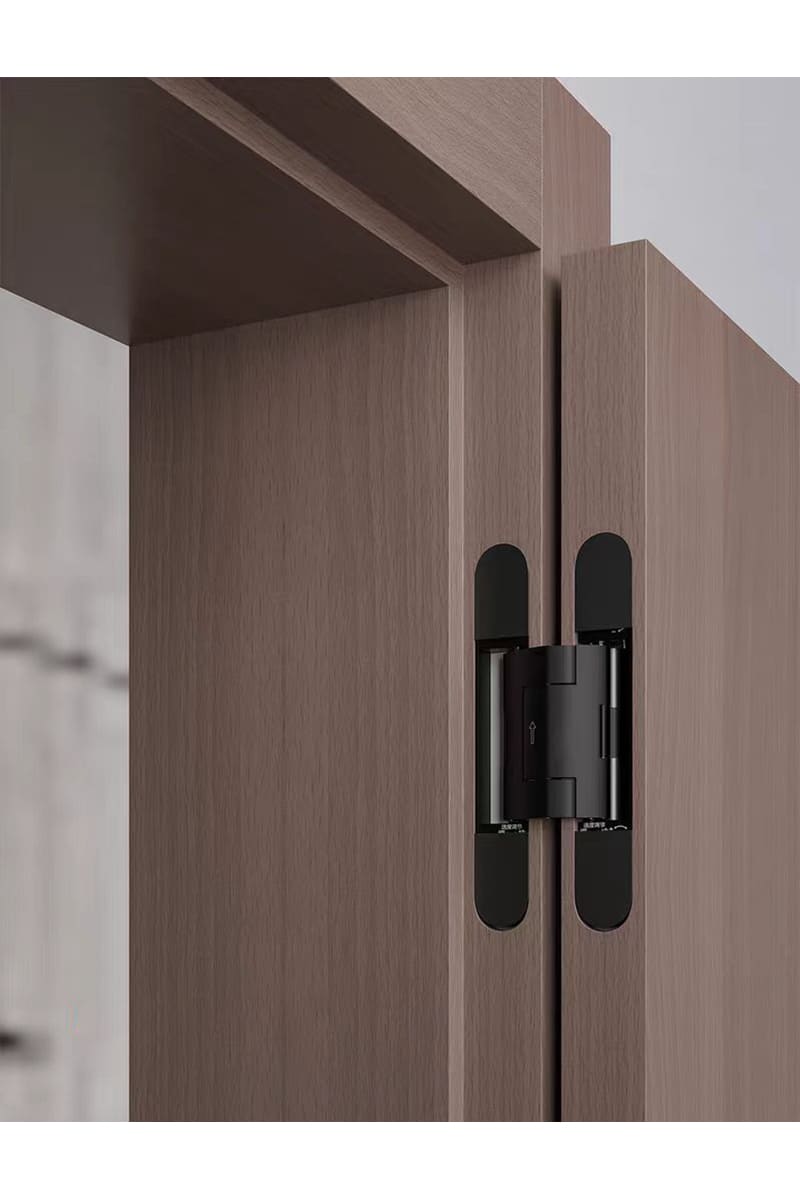
I have learned from factory production and customer sample discussions that a door rarely fails because of one part alone. The real problem often comes from parts that look acceptable by themselves but do not work well together. If I want fewer complaints, I need to think about the hinge, lock, handle, cylinder, lock body, screw, and installation position at the same time. This is where a simple hardware list becomes a real door hardware system.
What Door Accessories Should I Treat as One System?
I see buyers lose time when they treat accessories as separate items. One part may fit the drawing, but the full door may still not work.
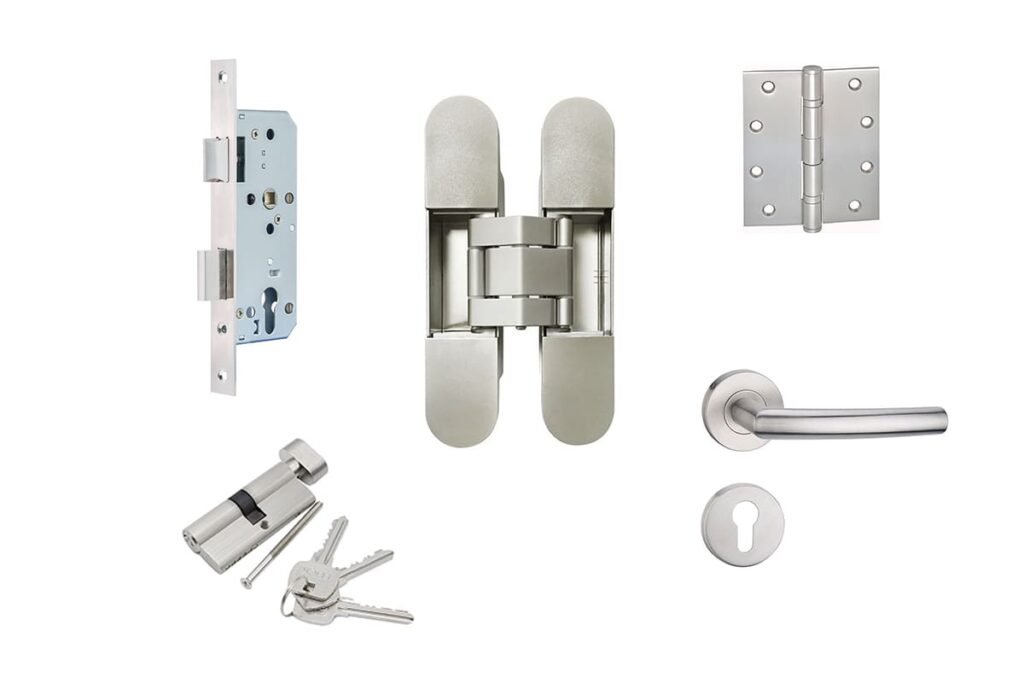
I treat fire-rated locks, handles, cylinders, lock bodies, butt hinges, concealed hinges, screws, and installation accessories as one system. I give special attention to the hinge because it carries the door leaf and affects long-term movement1.
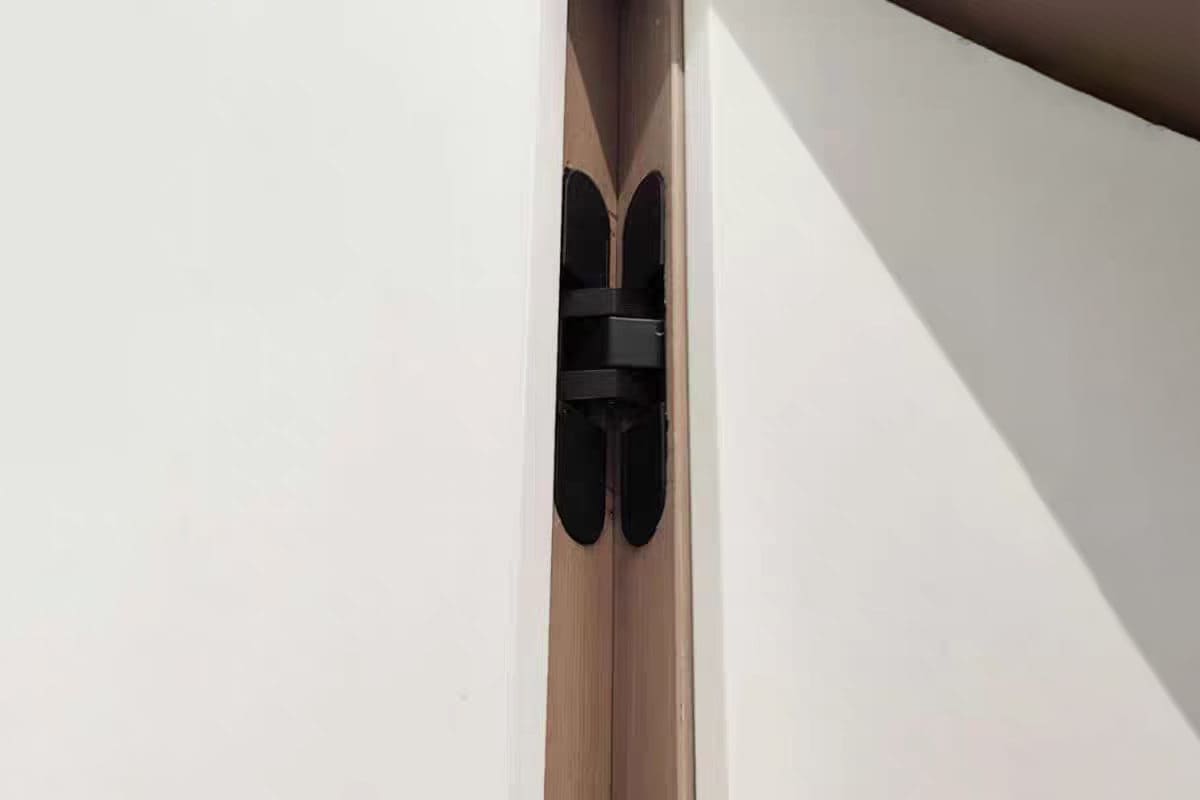
In my daily work, I do not see hinges as a small side item. I see them as the load-bearing center of the door. A handle may be touched more often by the user, but the hinge decides whether the door leaf keeps its position after many cycles. The lock body also needs the door leaf to stay aligned. If the hinge allows sagging, the latch may rub, the lock may feel tight, and the handle may be blamed by the final user. I have seen this in sample checks. The handle looked fine. The lock worked on the table. The issue appeared only after installation, because the hinge and door weight were not matched well.
| Accessory | How I view it in the system | Main risk when I ignore the match |
|---|---|---|
| Butt hinge | I use it as a visible load-bearing part for many standard doors | I may get sagging, noise, or weak alignment |
| Concealed hinge | I use it when the door design needs hidden installation or special opening | I may face wrong routing, poor support, or hard adjustment |
| Fire-rated lock | I check the model, door type, and market requirement | I may fail project needs or installation rules |
| Lock cylinder | I match it with lock body, door thickness, and security need | I may get poor fit or unstable operation |
| Handle | I match it with the lock body and finish | I may get loose feeling or inconsistent appearance |
| Screws and accessories | I check length, material, and fixing method | I may get weak fixing during batch assembly |
I also remind myself that certificates must be checked by exact model and use case2. A fire-rated lock or CE-related item should not be assumed only from a general catalog page. I ask for the matching model, door type, report scope, and market standard before I confirm a project set.
How Do I Choose Hinges by the Real Door Condition?
I see many hinge choices start with price. That is risky, because the door does not care about price when it starts to sag.
I choose hinges by door weight, thickness, opening frequency, installation structure, and application scene.3 I do not rely only on a single load-capacity number, because real use depends on the complete door condition.4
When I discuss samples with door factory customers, I ask simple questions first. I ask the door height, door width, door thickness, door core, surface material, and expected use scene. I also ask if the door is for a home, hotel, office, school, hospital, or public area. These details change the hinge choice. A residential door may open only several times a day. A public door may open many times each hour.5 The hinge may look similar, but the stress is not the same. I also pay attention to installation structure. A wood door, steel door, aluminum door, and fire-rated door may need different fixing methods and screw choices.6
| Selection point | What I ask before I quote | Why I ask it |
|---|---|---|
| Door weight | I ask the real door leaf weight, not only size | The hinge must carry the door for long use |
| Door thickness | I ask the exact thickness and tolerance | The hinge, lock body, and cylinder must fit together |
| Opening frequency | I ask the daily use level | High use needs stronger and more stable movement |
| Door structure | I ask wood, steel, aluminum, or composite structure | The fixing strength and routing method change |
| Use scene | I ask home, hotel, office, or project use | The risk level and durability need change |
| Market rule | I ask if CE, fire-rated, or other documents are needed | The exact model must meet the required standard |
For ordinary residential doors, I often see two hinges used. I still do not treat “two hinges” as a fixed rule for every door. A taller door, heavier door, special fire-rated door, or high-use door may need another configuration.7 I prefer to confirm through drawing, sample, and installation trial before batch order. This step looks slow at first, but it saves time after production starts.
When Should I Use Butt Hinges or Concealed Hinges?
I often see buyers compare butt hinges and concealed hinges as if one must be better. This creates confusion and wrong project choices.
I use butt hinges for standard visible installation. I use concealed hinges for hidden doors, folding doors, swing doors, and special designs when the door structure, model, load, and installation condition allow it.
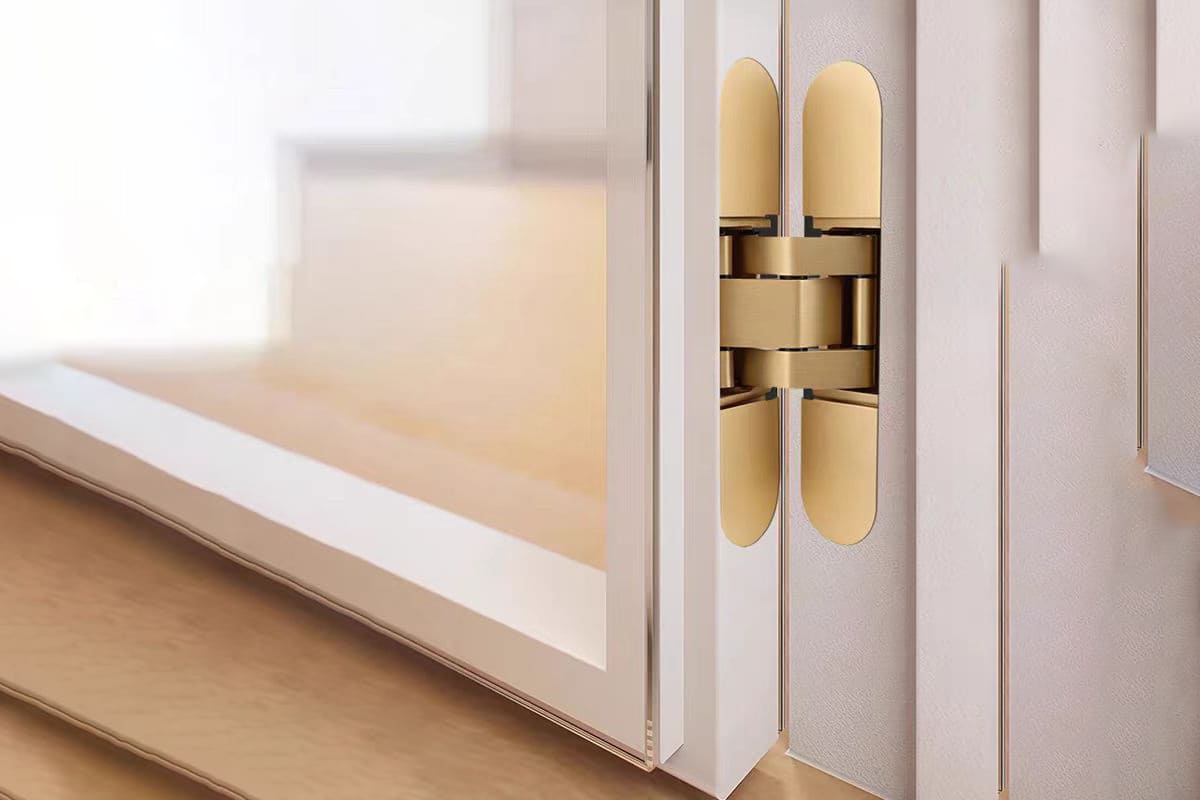
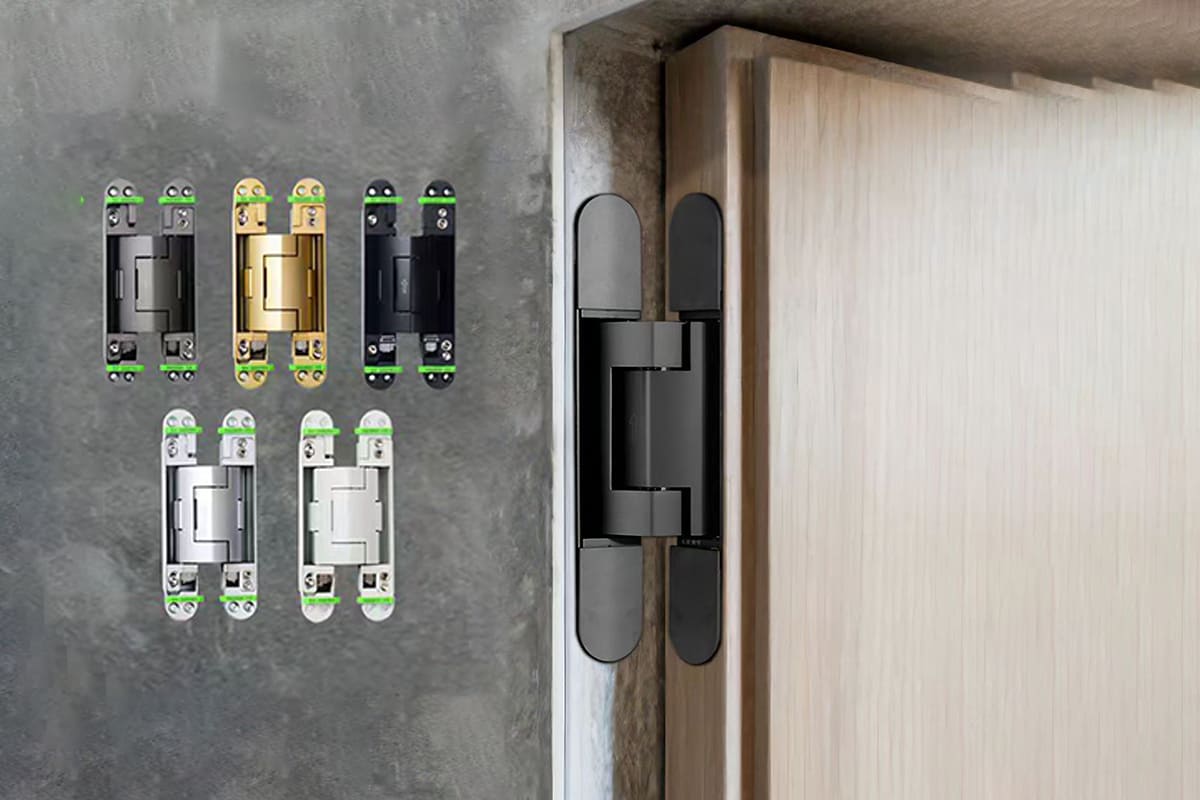
I view butt hinges as a practical and clear solution for many standard doors. They are visible after installation. They are easy to understand for installers. They can be suitable for many wood and metal door applications when the model and fixing method match the door. I view concealed hinges in a different way. They are selected for a design purpose and a structure purpose. They can hide the hinge from the front view. Some concealed hinge models can support left and right universal opening. Some models can support 180-degree opening when the model and door design allow it.8 I do not say every concealed hinge can do this, because the actual result depends on routing space, door thickness, frame structure, load need, and adjustment range.
| Hinge type | Where I often consider it | What I check before approval |
|---|---|---|
| Butt hinge | I consider it for standard visible door installation | I check thickness, material, pin, bearing, finish, and screw fixing |
| Concealed hinge | I consider it for hidden doors, folding doors, and swing doors | I check routing depth, load, opening angle, and adjustment method |
| Heavy-duty hinge | I consider it for tall or heavy doors | I check door weight, cycle need, and fixing strength |
| Fire-related hinge use | I consider it when project rules require it | I check the exact model, test scope, and door assembly need |
I once handled a sample discussion where the customer wanted a concealed hinge only because the showroom door looked cleaner. After we checked the door thickness and frame structure, the routing space was too limited. We changed the discussion from appearance to installation reality. That saved the customer from a difficult batch assembly problem. I believe this is the right way to choose. The hinge type should follow the door structure and use goal, not only the photo in a catalog.
Why Should I Match Hinges With Locks, Cylinders, and Handles?
I see many after-sales issues blamed on one part. I often find that the real cause is a mismatch between several parts.
I match hinges with fire-rated locks, cylinders, lock bodies, and handles because the door leaf must stay aligned. A mismatched set can cause rework, poor operation, uneven finish, and customer complaints.
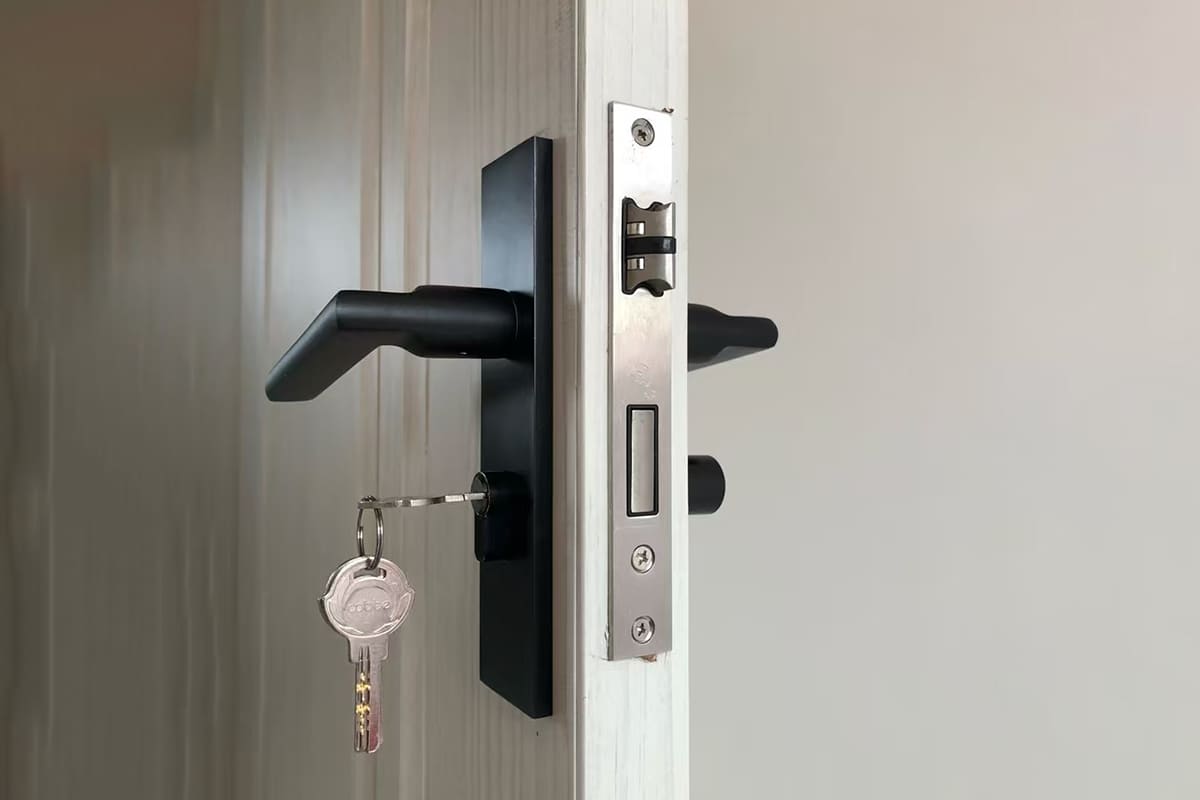
When I prepare a hardware set for a door factory, I think about the door as an assembled product. The hinge controls door position. The lock body needs a stable closing line. The cylinder needs the right length and cam position. The handle needs the right spindle and screw distance. The strike plate needs the right height and latch entry. If the hinge allows even a small drop after installation, the latch may hit the strike plate.9 Then the installer may file the strike plate, adjust the frame, or blame the lock. This creates hidden labor cost. It also makes the finished door look less professional.
| Part match | What I check in my communication | What may happen if I skip it |
|---|---|---|
| Hinge and lock body | I check door gap, latch position, and closing force | The door may rub or fail to latch smoothly |
| Lock body and handle | I check spindle size, screw distance, and handle return | The handle may feel loose or hard |
| Cylinder and door thickness | I check cylinder length and lock body type | The cylinder may stand out too much or sit too deep |
| Finish match | I check color sample and surface process | The full set may look inconsistent in batch |
| Screws and fixing points | I check screw length and base material | The hardware may loosen after use |
| Fire-rated need | I check the exact product scope and door assembly need | The set may not meet the project requirement |
Finish consistency is another issue that buyers care about. A satin stainless handle, a hinge, and a lock faceplate may look close in photos, but they may look different under project lighting. I try to confirm finish samples before bulk order when appearance matters. I also suggest checking the full door sample, not only loose hardware parts. A full door sample shows how the hardware looks and works after real installation.10
What Risks Do I Avoid When I Test the Full Hardware Set Before Batch Production?
I know buyers want fast orders. I also know one wrong batch can cost more than a slow sample check.
I avoid weak load support, wrong routing, poor lock alignment, finish difference, and missing compliance documents when I test the full hardware set before batch production.
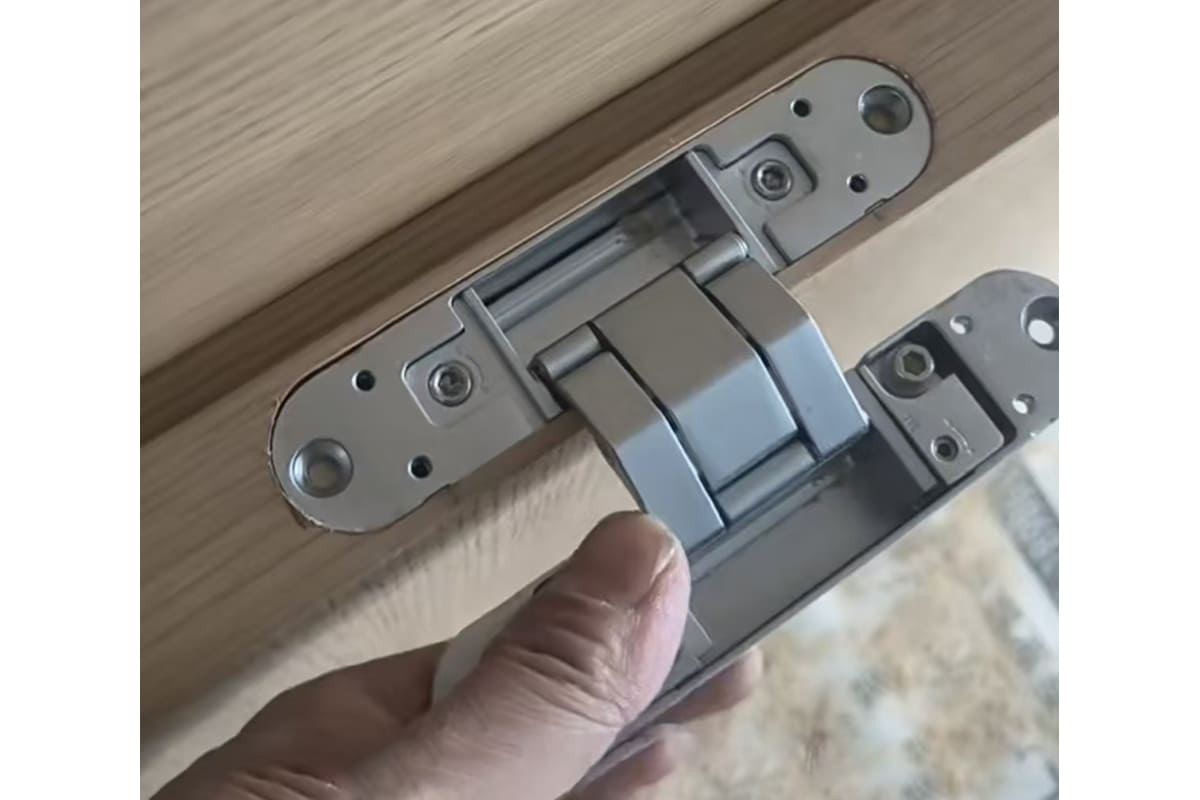
A sample test is not only a formality for me. It is the moment when drawings, catalog data, and real installation meet. I ask the customer to install the hinge, lock, cylinder, handle, strike plate, and screws on the real door structure when possible. I want to see the gap, opening angle, closing feel, handle return, latch entry, and screw fixing strength. I also want to see if the installer needs extra work. If every door in a batch needs small correction, the total labor cost becomes large.11 This is why I do not only ask whether the hinge can carry a certain number. I ask whether the complete set can support fast and stable batch assembly.
| Sample test item | What I observe | Why it matters for batch production |
|---|---|---|
| Door opening | I check smooth movement and noise | Users notice rough movement very quickly |
| Door sagging | I check the door gap after movement | Sagging creates lock and frame problems |
| Locking action | I check latch entry and key operation | Poor alignment creates complaints |
| Handle operation | I check return force and hand feeling | A loose handle makes the door feel cheap |
| Installation time | I check whether workers need extra adjustment | Extra minutes become high labor cost in bulk |
| Documents | I check model-based CE or fire-rated requirements | Project approval depends on exact compliance need |
I also talk with buyers about long-term supply. A door factory may need the same hinge and accessory set for many orders. If the finish changes, if the screw pack changes, or if the lock body size changes without notice, the factory line may face trouble. I prefer stable specifications, clear drawings, and agreed packaging details. This is not a small point. Stable supply helps the buyer keep the same product quality in different batches and reduce after-sales work.
How Do I Build a Practical Purchasing Checklist for Hinges and Door Accessories?
I see purchasing teams struggle when every project uses a different checklist. Missing details create delays, wrong samples, and unclear responsibility.
I build a practical checklist around door data, hinge type, lock set match, finish sample, installation accessories, compliance needs, packaging, and delivery plan.
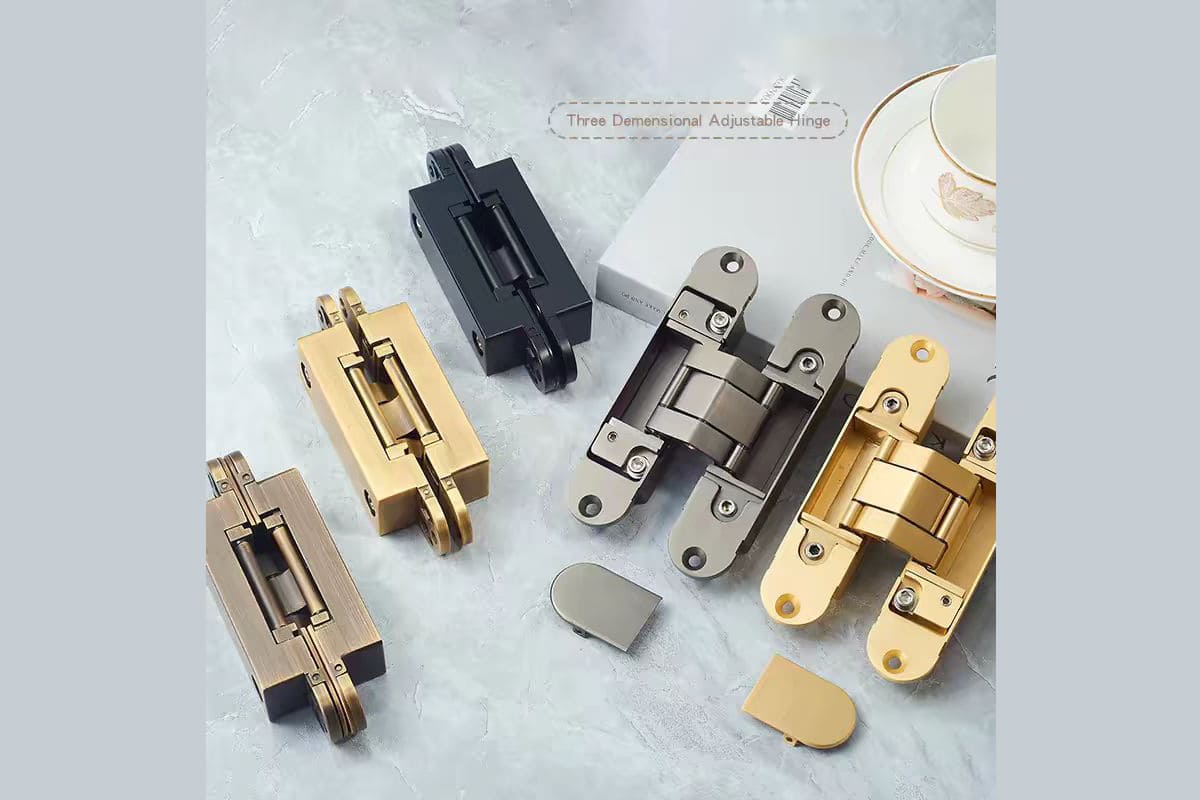
I keep my checklist simple because simple questions get answered faster. I start with the door drawing. I confirm door height, width, thickness, material, frame type, and opening direction. Then I confirm the hinge type and quantity. I do not lock the hinge decision before I understand weight and use scene. I then match the lock body, cylinder, handle, strike plate, screws, and accessories. If the door has a fire-rated need, I ask for the project rule and target market. I do not assume one certificate covers all doors.12 I check the exact product model and the required assembly condition.
| Checklist area | What I prepare or request | My reason |
|---|---|---|
| Door data | I request drawing, weight, thickness, and structure | I need the real base for selection |
| Hinge plan | I confirm type, size, material, quantity, and opening angle | I need stable support and smooth movement |
| Lock set | I match lock body, cylinder, handle, and strike plate | I need smooth closing and easy installation |
| Finish | I confirm color, sample, and surface standard | I need a consistent look in bulk |
| Accessories | I confirm screws, plates, and packing list | I need less missing-part trouble |
| Compliance | I verify required certificates by model and market | I need to reduce project approval risk |
| Batch control | I confirm drawings, tolerance, packaging, and delivery | I need stable supply for repeat orders |
I have found that this checklist also improves communication between the buyer, product manager, factory engineer, and installer. Everyone sees the same details. Everyone knows which part must match which position. This reduces back-and-forth messages. It also reduces the chance that the cheapest single part creates the most expensive project problem later.
Conclusion
I choose hinges and door accessories as one system, because stable doors need matched load support, smooth operation, clear compliance, and controlled batch installation.
"A156.1 - 2025 Butts and Hinges", https://buildershardware.com/ANSI-BHMA-Standards/Hardware-Highlights/A1561-2021-Butts-and-Hinges. Door-hinge standards such as ANSI/BHMA A156.1 and EN 1935 classify hinges according to load, durability, and use conditions, supporting the view that hinges are central to maintaining door-leaf position and movement over time. Evidence role: mechanism; source type: institution. Supports: A door hinge is evaluated as a load-bearing hardware component, with standards classifying hinges by door mass, durability, and application conditions.. Scope note: The standards support the general engineering role of hinges but do not evaluate the specific products discussed in the article. ↩
"Fire Doors and NFPA 80 FAQs", https://www.nfpa.org/news-blogs-and-articles/blogs/2025/04/11/fire-doors-faqs. Conformity-assessment guidance for construction products and fire-door assemblies treats compliance as specific to the product identification, declared performance, and intended use, supporting the need to verify certificates by exact model and application. Evidence role: expert_consensus; source type: government. Supports: Regulatory and certification systems generally require conformity to be assessed for the specific product, declared performance, and intended application rather than by broad catalog category.. Scope note: This supports the compliance principle generally; actual project acceptance still depends on the governing jurisdiction and the named certificate. ↩
"[PDF] General Hinge - BEST - Door Hardware", https://www.bestaccess.com/wp-content/uploads/2022/06/ST-HI-0007_General-Hinge-Brochure-07-22.pdf. Published hinge standards and architectural-hardware guidance classify hinges by door mass, durability, and use category, providing external support for selecting hinges according to door weight, use frequency, structure, and application. Evidence role: expert_consensus; source type: institution. Supports: Hinge selection is commonly based on door mass, durability class, application conditions, and installation requirements.. Scope note: The source would support the selection criteria, not the author’s individual purchasing process. ↩
"[DOC] Section 08 71 00 - Door Hardware", https://www.vendorportal.ecms.va.gov/FBODocumentServer/DocumentServer.aspx?DocumentId=796073&FileName=VA259-13-R-0534-A00003003.doc. Hinge-performance standards use multi-factor classifications, including durability and application conditions as well as mass, which supports the caution that a single load-capacity figure is not sufficient for complete hinge selection. Evidence role: mechanism; source type: institution. Supports: Hardware standards evaluate hinges through multiple performance attributes, including durability and application category, not only static load capacity.. Scope note: The evidence is standards-based and contextual; it does not prove failure in any specific installation. ↩
"Standards - BS EN 1906 - Aldridge Security", https://www.aldridgesecurity.co.uk/standards-bs-en-1906. Door-hardware grading systems distinguish between lower-traffic and higher-traffic applications through different use categories and cycle-test requirements, supporting the article’s distinction between residential and public-door use. Evidence role: general_support; source type: institution. Supports: Door-hardware standards distinguish use categories or grades that reflect different traffic levels and durability expectations.. Scope note: The source would support relative usage categories rather than quantify the exact number of openings per day or hour. ↩
"Fire Doors and NFPA 80 FAQs", https://www.nfpa.org/news-blogs-and-articles/blogs/2025/04/11/fire-doors-faqs. Fire-door and architectural-hardware installation guidance treats hardware fasteners and fixing methods as part of the proper installation of the door assembly, supporting the claim that material and fire-rating conditions affect screw and fixing choices. Evidence role: mechanism; source type: institution. Supports: Door material and fire-door assembly requirements influence the type of fasteners and fixing method used for hardware installation.. Scope note: The source would provide general installation requirements; specific screw choices must still follow the tested assembly or manufacturer’s installation instructions. ↩
"Everything you need to know about Commercial Door Hinges", https://www.mckinneyhinge.com/content/mckinney/us/en/resource-library/knowledge-center/blog/blog-post.aehdynamic-everything-you-need-to-know-about-commercial-door-hinges-top-10-commercial-contractors-hinge-installation-questions-633f18001fa7df003d7c229b_mckinney.html. Architectural-hardware guidance and hinge standards commonly relate hinge quantity and hinge selection to door height, door mass, rating, and expected use, supporting the statement that two hinges are not a universal configuration. Evidence role: expert_consensus; source type: institution. Supports: Architectural-hardware guidance commonly bases hinge quantity and type on door height, mass, fire rating, and expected usage.. Scope note: The cited source should be applied as design guidance; final hinge quantity may depend on the tested assembly and local code. ↩
"Invisible Door Hinge Design Explained This animation demonstrates ...", https://www.facebook.com/61561576280528/posts/invisible-door-hinge-design-explainedthis-animation-demonstrates-a-concealed-hin/122193238358385876/. Architectural-hardware technical guidance describes concealed hinges as model-specific components with defined opening angles, supporting the claim that 180-degree opening is possible only where the hinge and door design permit it. Evidence role: general_support; source type: institution. Supports: Concealed hinges are available in different opening-angle designs, and 180-degree opening depends on the hinge geometry and door-frame construction.. Scope note: This supports the general capability of some concealed hinges, not the capability of every concealed hinge or any particular product. ↩
"Door knob doesn't line up with strike plate on frame : r/DIY - Reddit", https://www.reddit.com/r/DIY/comments/18pi4iq/door_knob_doesnt_line_up_with_strike_plate_on/. Door-inspection and hardware guidance identifies alignment between the latch and strike as necessary for reliable latching, supporting the mechanism that hinge-related door drop can cause latch-to-strike interference. Evidence role: mechanism; source type: institution. Supports: Proper latch engagement depends on maintaining alignment between the door leaf, frame, latch, and strike plate; hinge sag can disturb that alignment.. Scope note: The source supports the mechanical relationship; it would not establish that hinge sag is the cause in every misaligned door. ↩
"5.4 Product Validation - NASA", https://www.nasa.gov/reference/5-4-product-validation/. Manufacturing-quality and product-validation literature treats prototype or assembly-level testing as a method for identifying fit and functional issues that component inspection alone may miss, supporting the value of a complete door sample. Evidence role: expert_consensus; source type: education. Supports: Assembly-level prototype or validation testing helps reveal fit, function, and appearance issues that may not be visible in component-level checks.. Scope note: The support is based on general manufacturing practice rather than door-hardware-specific experimental data. ↩
"Lean manufacturing - Wikipedia", https://en.wikipedia.org/wiki/Lean_manufacturing. Operations-management and quality-cost literature classifies rework as a cost of poor quality, supporting the point that small corrections repeated across a production batch can create substantial labor expense. Evidence role: general_support; source type: education. Supports: Manufacturing quality literature identifies rework as a cost of poor quality, where repeated corrections add labor time and production cost.. Scope note: The source would support the cost mechanism generally; it would not quantify costs for the specific door-production scenario. ↩
"Fire Doors and NFPA 80 FAQs", https://www.nfpa.org/news-blogs-and-articles/blogs/2025/04/11/fire-doors-faqs. Fire-door and construction-product certification systems define approval by the tested or declared scope of the product and assembly, supporting the caution that one certificate should not be assumed to cover all door configurations. Evidence role: expert_consensus; source type: institution. Supports: Certification for fire-rated or regulated door hardware is limited by the tested or declared product scope and the applicable assembly conditions.. Scope note: The exact scope must be verified in the relevant certificate, listing, test report, or declaration for the project jurisdiction. ↩