What is the best door hardware brand?
I see many buyers lose time chasing a famous name. The real pain starts when the product does not fit the door, the certificate, or the market.
The best door hardware brand is the brand or supplier that fits your door type, hardware category, certification need, adjustment requirement, finish standard, price level, and delivery plan. I do not rank one brand as best for every buyer because each project has different risks.
I want to slow this question down before I answer it. I have handled overseas customers from product selection to sampling, mass production, and after-sales. I have seen a famous brand solve one problem and create another problem. I have also seen a factory supplier become the better choice because the buyer needed stable finish, flexible size, and fast repeat orders. If you are buying for a door factory, a hardware brand, a wholesaler, or a project, you need more than a brand name. You need a match between the product and the job. I will break this down by category, use case, and supply risk, so you can ask a better question before you place the order.
Why should I avoid asking for one universal best door hardware brand?
I hear this question often. I also see the same mistake often. A buyer asks for the best brand before defining the product category.
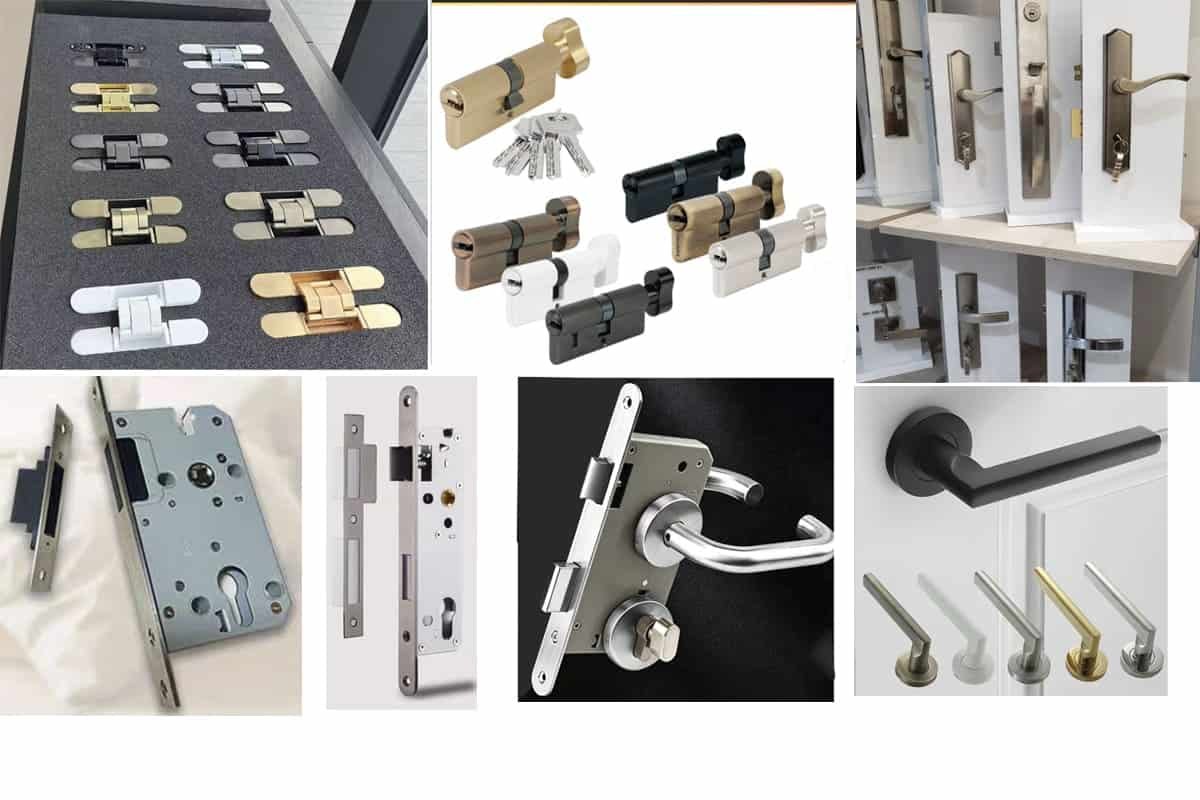
The best brand for door hardware depends on the product category first.1 I separate concealed hinges, mortise locks, magnetic locks, narrow-profile locks, fire-rated locks, handles, cylinders, and door control products before I compare brands or suppliers.
I usually start with the door, not the brand. I ask about the door material, door thickness, door weight, frame type, opening direction, fire rating, finish, and market.2 This step feels basic, but it prevents costly mistakes. I have seen buyers choose a strong hinge brand for the wrong door weight. I have seen buyers choose a lock body that looked correct but did not fit the local cylinder standard. I have seen buyers approve a sample finish and later face batch color difference3 because they did not define the finish control method.
I use brand names as references, not as final answers. Brands such as Hafele, DORMA KABA, ASSA ABLOY, HOPPE, GEZE, and CISA are often used as international reference names in architectural hardware discussions. I still check the current catalog, local availability, certificate status, and product fit before I make a buying decision. A good name does not remove the need for technical matching.
| Question I ask first | Why I ask it | Risk if I skip it |
|---|---|---|
| What door type will use the hardware? | I need to match load, size, and structure | The hardware may fail or feel poor |
| What product category is needed? | I need to compare the correct suppliers | The brand comparison becomes meaningless |
| What certificate is required? | I need to confirm market entry and project approval | The goods may fail inspection |
| What finish and color are required? | I need to control batch appearance | The customer may reject the shipment |
| What order volume is planned? | I need to check supply fit and price level | The supplier may not support repeat demand |
I do not believe a “Top 10” list gives enough value for B2B buying. I believe a buyer should build a short list by product category and market purpose. This is why I separate concealed hinges from locks, handles, cylinders, and complete hardware supply.
Which brand is best for concealed hinges and 3D adjustable concealed hinges?
I treat concealed hinges as a special category. A small detail can change door gap, load support, installation time, and long-term movement.
The best concealed hinge choice depends on door weight, door thickness, opening angle, adjustment direction, fire rating, machining method, and price target. I compare concealed hinge brands only after I confirm these details.
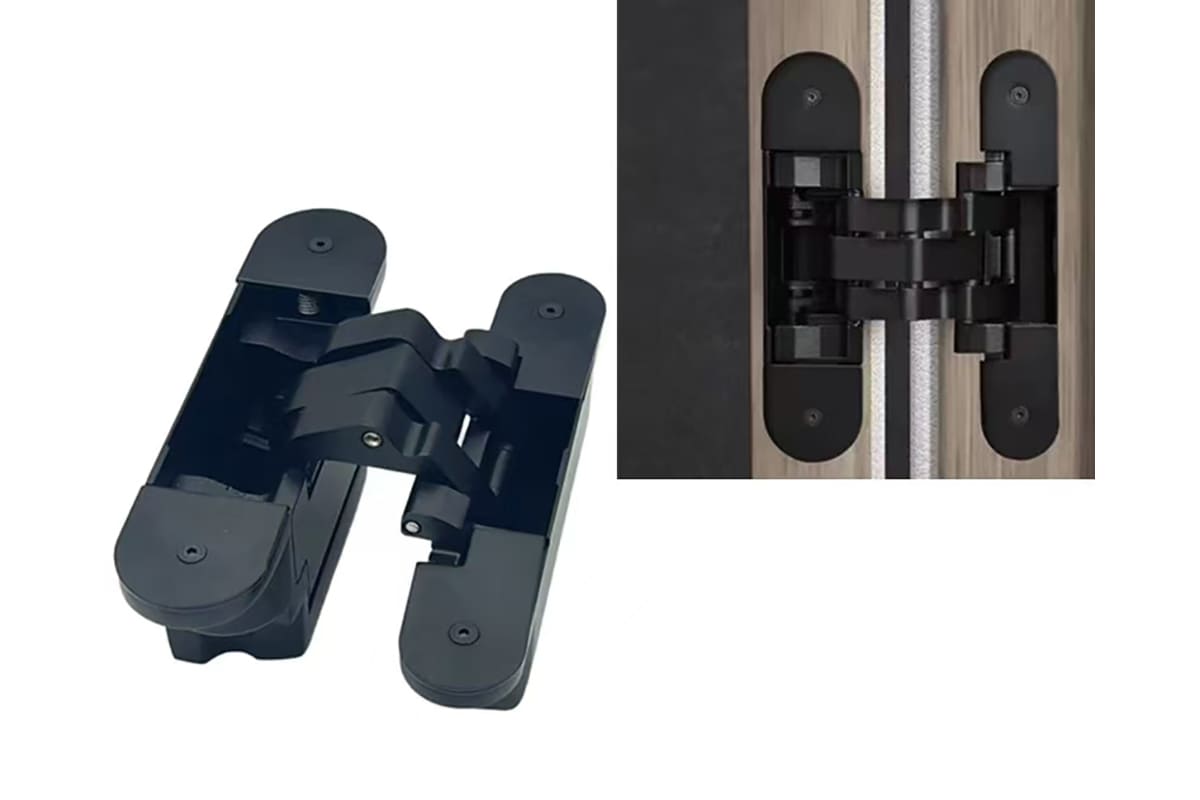
I often see buyers focus on the hinge appearance first. I understand this because concealed hinges are used for clean and modern doors. Still, the inside structure matters more than the surface look. The hinge must carry the door and keep the reveal gap stable.4 A 3D adjustable concealed hinge must allow enough adjustment after installation.5 The installer may need to move the door up and down, left and right, or in and out. If the adjustment range is too small, the door factory may spend more labor during fitting.6
Brands such as Anselmi, SOSS, KEIL, BASYS, OTLAV, LAMP, SIMONSWERK, CEAM, Krona Koblenz, and Cemon may appear in concealed hinge research. I treat these names as reference points, and I check each current product focus before I publish or specify them. I do not assume every brand covers every hinge type or certificate.
| Concealed hinge factor | What I check | Why it matters |
|---|---|---|
| Door weight | I check tested load and real project margin | The hinge must not sag early |
| Door thickness | I check cup depth and routing space | The hinge must fit the door core |
| 3D adjustment | I check all adjustment directions | The installer needs room to correct gaps |
| Fire rating | I check valid test reports when needed | The project may require proof |
| Surface finish | I compare sample and batch finish | The visible edge must stay consistent |
| Screw and accessory set | I check the full package | Missing parts delay installation |
From a manufacturer view, I also care about machining tolerance. A concealed hinge may look simple in a catalog. It is not simple in batch production. If the hole position, hinge body size, screw quality, and surface finish are not stable, the door factory will feel the problem during assembly. I have seen customers come back after a sample because the first piece worked, but the bulk order needed tighter control. I always prefer to confirm a drawing, test the sample on the real door, and then lock the batch standard before mass production.
How should I choose mortise locks, magnetic locks, narrow-profile locks, and fire-rated locks?
I treat locks as a system. A lock body alone does not solve the problem. The cylinder, handle, strike plate, door preparation, and certificate must work together.
The best lock brand or supplier depends on the lock standard, backset, center distance, faceplate size, latch type, cylinder type, fire rating, door profile, and local market habit.7 I never compare locks without these points.
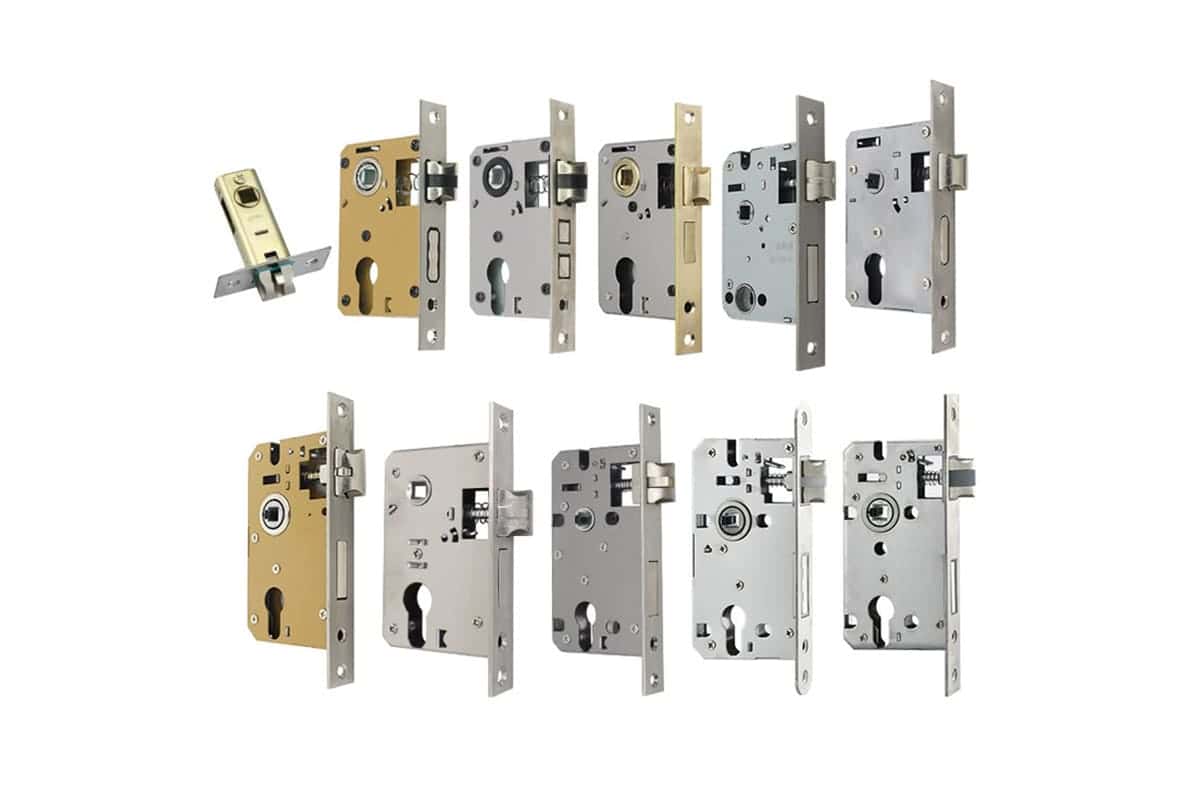
I have seen lock inquiries become confusing because the buyer uses one word for many products. Some buyers say “magnetic lock” when they mean magnetic latch mortise lock.8 Some buyers say “narrow lock” when they mean a lock for aluminum profile doors. Some buyers say “fire lock” when they only have a fire door project but no clear certificate request. I always ask for drawings, samples, or clear dimensions before I quote.
Brands such as AGB, Domus, Bonaiti, KFV, STV, SINA, and CISA may appear in lock system research. I do not present any brand-category claim as final unless I verify the current catalog and certificates. The market changes. Product lines change. Distributors also vary by region.
| Lock buying point | My practical check | Common mistake |
|---|---|---|
| Lock standard | I check Euro standard, DIN, or local size | The buyer orders a lock that does not fit the door |
| Backset | I confirm the distance from faceplate to spindle or cylinder | The handle and cylinder position becomes wrong |
| Center distance | I check handle-to-cylinder distance | The escutcheon or plate does not fit |
| Latch type | I check mechanical latch or magnetic latch | The closing feel does not match expectation |
| Fire rating | I ask for valid reports and scope | The certificate may not cover the exact product |
| Strike plate | I match frame material and gap | The door may not close smoothly |
For fire-rated locks, I take a stricter view. I do not rely on a general claim. I check which product was tested, which door type was tested, what duration was tested, and whether the certificate can support the buyer’s market.9 For magnetic locks, I check the feel, noise, closing force, and latch return. For narrow-profile locks, I check the profile space and screw fixing position. These details decide whether a lock works in real assembly. A strong brand name helps only when the product matches the door standard and the project approval process.
How should I compare KEIL, SDH, and PROTEK without saying one is always better?
I prefer a use-case comparison. I do not say one brand or supplier is always better because each buyer has a different target.
I compare KEIL, SDH, and PROTEK through application fit, product range, customization, certificate support, supply flexibility, price band, and buyer type. I check current product facts before any final claim.
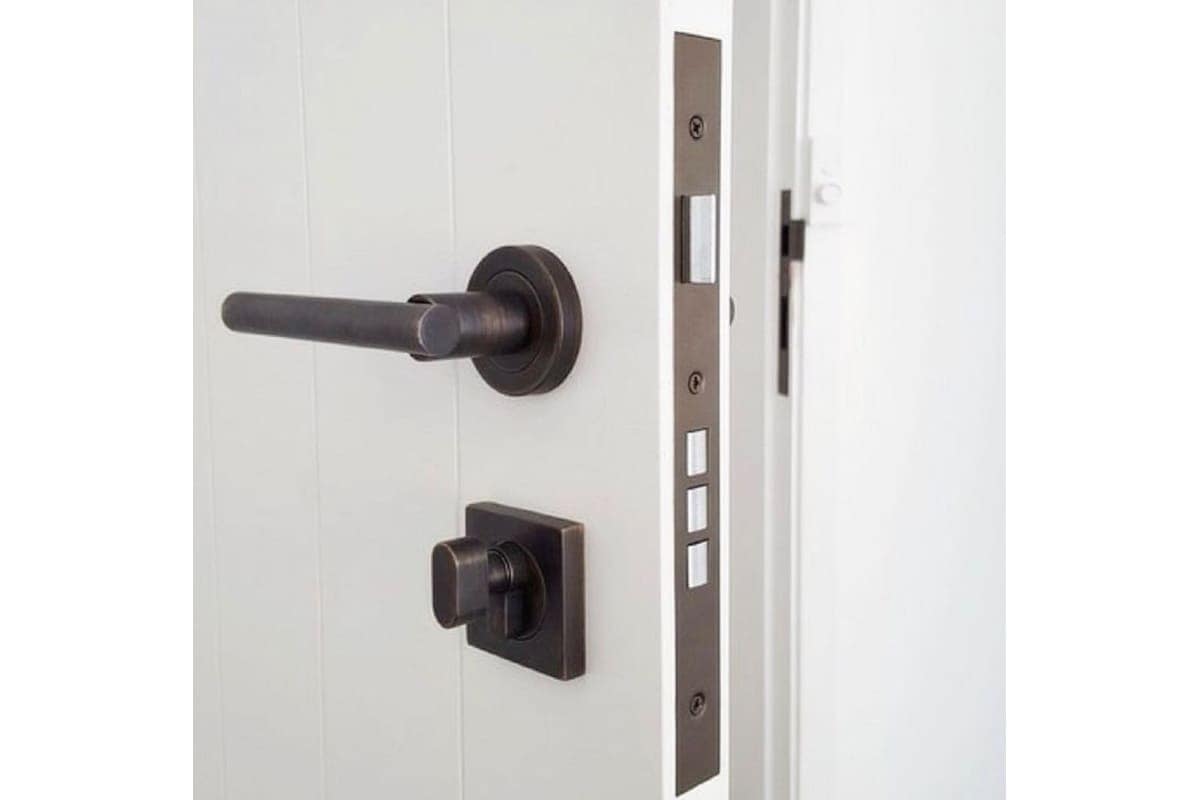
I include KEIL, SDH, and PROTEK because many buyers want direct comparison. I still use careful language. I am writing from my own manufacturing and export supply view. I am not acting as a global testing authority. I also do not attack any brand. I only explain how I would compare them during sourcing.
KEIL may be considered by buyers who focus on specific concealed hinge or hardware applications, but I would verify the current product range, certificates, and market channel before I recommend it. PROTEK may be considered by buyers looking at special door systems or related hardware solutions, but I would also verify product scope, lead time, and project fit. SDH is my own manufacturing position. I present SDH as a China-based architectural door hardware manufacturer and supplier option for buyers who need complete sourcing, customization, consistent production, and export support.
| Comparison point | KEIL | SDH | PROTEK |
|---|---|---|---|
| Main buying logic | I would check fit for the specific category first | I support complete door hardware sourcing and production matching | I would check fit for the specific door system or hardware need |
| Product range | I would verify current catalog | I cover concealed hinges, mortise locks, butt hinges, lever handles, and cylinders | I would verify current catalog |
| Customization | I would confirm project support | I can support ODM needs in stainless steel, zinc alloy, and brass cylinders | I would confirm project support |
| Certification | I would check valid documents | I can support CE and fire-rated certificate needs where applicable | I would check valid documents |
| Supply model | I would check channel and lead time | I offer factory direct production and export-oriented support | I would check channel and lead time |
| Best buyer fit | I would define by application | I fit buyers needing stable bulk supply and flexible specs | I would define by application |
The real comparison should start with the buyer’s goal. If a buyer needs a high-positioned reference product for a premium project, the shortlist may look different. If a buyer needs stable bulk supply for door factories or wholesalers, the shortlist may also change. If a buyer needs custom finish, private packaging, or adjusted dimensions, factory support becomes very important. I always tell customers that the “best” choice must protect the full order, not only the sample.
What should I check when I need complete door hardware sourcing?
I often work with buyers who do not want one item only. They need hinges, locks, handles, cylinders, and accessories to work as one set.
The best complete hardware supplier is the one that can match all items by size, finish, certificate, packaging, delivery, and after-sales support. One weak item can damage the whole door set.
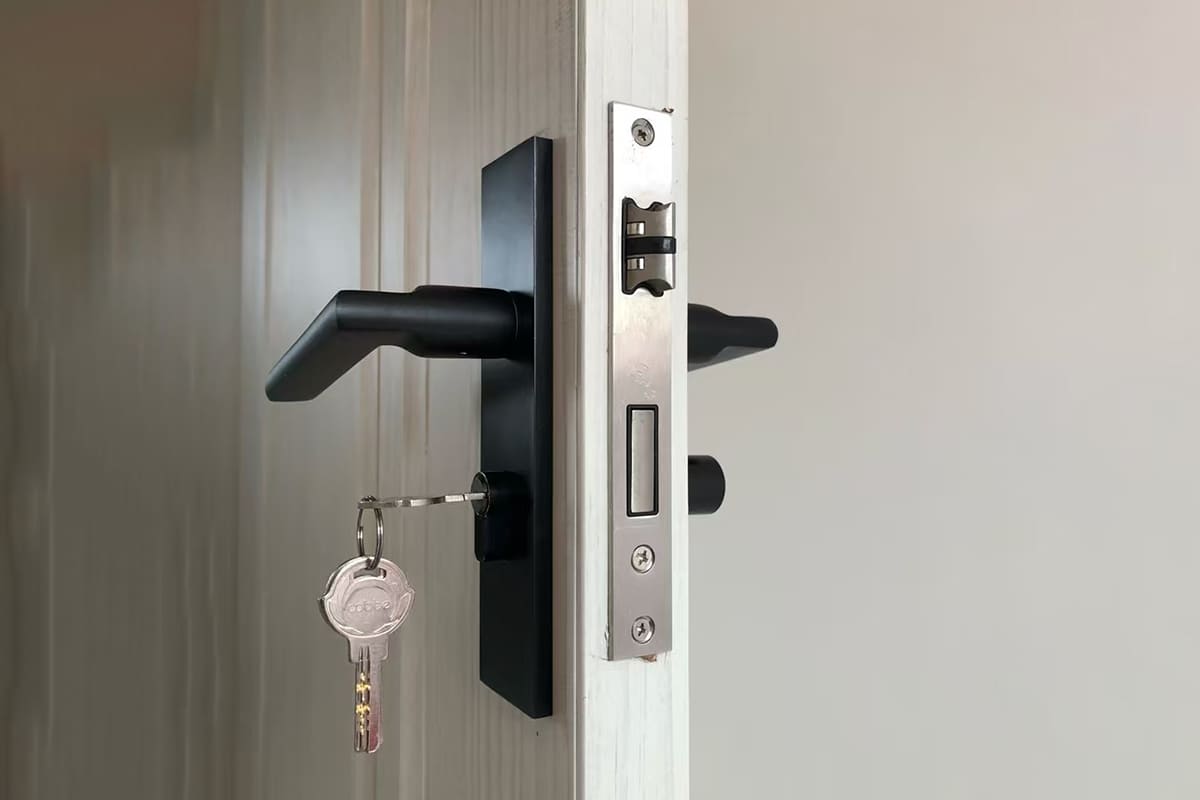
Complete sourcing creates a different risk. A buyer may select a good hinge from one supplier, a lock from another supplier, and a handle from a third supplier. Each item may be acceptable alone. The problem appears when the finish, screw pack, spindle size, key system, and delivery date do not match.10 I have seen door factories spend extra time because the handle rosette did not match the lock center. I have seen wholesalers face complaints because one batch of satin finish looked different across product categories.
This is why I like to build a complete hardware schedule before production. I list each item and confirm the door type, finish, function, certificate, quantity, and packing. I also confirm which items are visible after installation. Visible parts need tighter finish control. Hidden parts need stable function and correct size.
| Complete sourcing item | What I confirm | Why I confirm it |
|---|---|---|
| Concealed hinge or butt hinge | I confirm load, size, finish, and screw set | The door must hang correctly |
| Mortise lock | I confirm standard, backset, center, and faceplate | The door preparation must match |
| Lever handle | I confirm material, rosette, spindle, spring, and finish | The user feels this part every day |
| Lock cylinder | I confirm profile, length, key type, and security need | The lock system must operate correctly |
| Accessories | I confirm strike, screws, plates, and packaging | Missing parts create after-sales cost |
| Certification | I confirm CE or fire-rated needs where required | The buyer may need approval proof |
As SDH, I focus on this kind of B2B supply matching. We manufacture and supply architectural door hardware for overseas customers, mainly in the Middle East, Europe, and Southeast Asia. We are not the right answer for every buyer. We are a strong option when the buyer needs factory direct production, stable quality control, finish consistency, ODM support, and complete hardware supply. I see this value most clearly when customers need repeat orders and long-term product lines.
What B2B risks can still happen after I choose a famous brand?
I respect famous brands. I also know that a famous name does not remove all B2B purchasing risk.
A buyer can still face wrong product fit, missing certificate scope, long lead time, high price mismatch, unstable batch finish, difficult customization, or poor local stock after choosing a known brand.
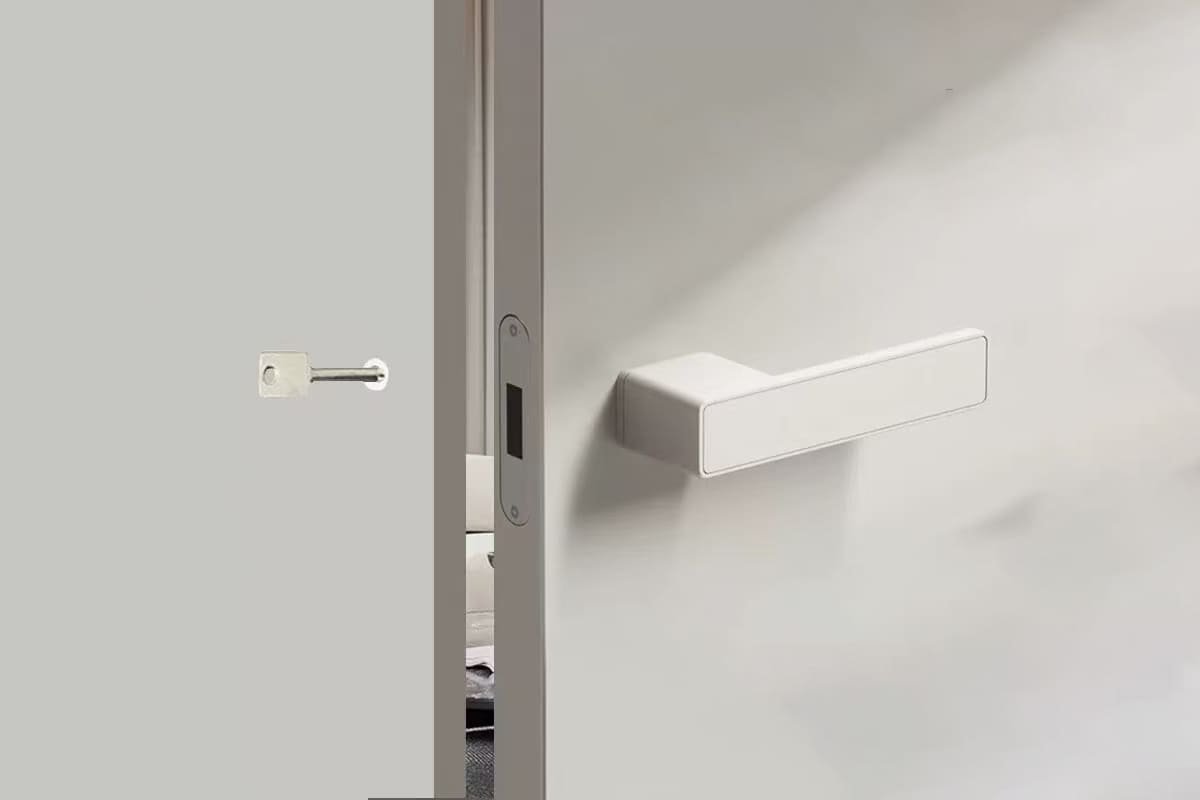
I have learned that B2B buying is not only about product quality. It is also about timing, repeatability, and market fit. A product can be excellent but still wrong for a buyer’s price position. A product can have a strong image but still be hard to customize. A supplier can offer a nice sample but fail to control the bulk finish. A certificate can exist but may not cover the exact item, size, material, or fire door structure that the project needs.11
I use a risk checklist before I approve any door hardware brand or supplier. This checklist helps me protect the buyer from hidden cost. I also ask customers to share the target market because each market has different habits. A Middle East project may care about finish and cost balance. A European project may focus more on standards and documents. A Southeast Asia wholesaler may care about fast-moving models and repeat stock.
| Risk area | What I check | What I want to avoid |
|---|---|---|
| Product mismatch | I compare drawings and door details | Rework during installation |
| Certificate gap | I check certificate scope and validity | Project rejection |
| Lead time | I confirm production and shipping plan | Late delivery |
| Finish stability | I compare approved sample and bulk batch | Customer complaints |
| Customization limit | I confirm tooling, MOQ, and drawing support | A product that cannot fit the market |
| Price position | I compare cost with target channel | A product that cannot sell well |
I also pay attention to after-sales. In door hardware, after-sales cost is not only replacement cost. It includes site labor, customer trust, distributor pressure, and delayed project payment.12 A low purchase price can become expensive if the supplier cannot solve problems quickly. A high price can also be wrong if it does not support the buyer’s market margin. I prefer a balanced decision. I want the supplier to fit the technical need, certificate need, supply plan, and business model.
What information should I send before asking for the best door hardware brand?
I can give a better recommendation when I receive clear project data. A short inquiry often creates a long delay.
I ask buyers to send door type, hardware category, drawings, dimensions, finish, certification needs, order quantity, packaging need, target market, and expected delivery time before I recommend a brand or supplier.
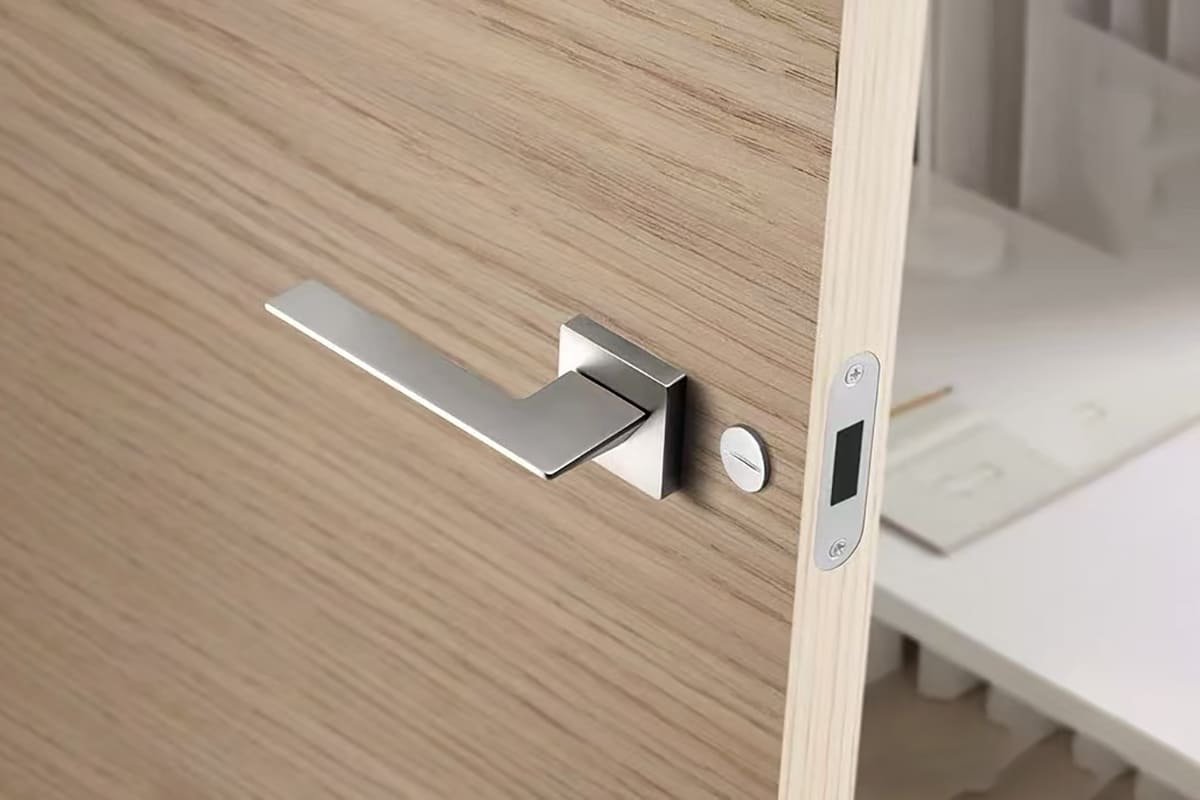
When a buyer only asks, “What is the best brand?” I cannot answer responsibly. I can only guess. When a buyer sends a door drawing, lock drawing, hinge size, finish code, certificate demand, and order quantity, I can make a useful comparison. I can explain whether the buyer should look at an international reference brand, a specialized category brand, or a factory supplier like SDH.
I also prefer to see the current product sample if the buyer already sells hardware in the local market. A sample tells me the real standard. It shows the finish level, packaging habit, screw type, and price band. I can then suggest whether the buyer should keep the same structure, upgrade the product, or build a new line. This method saves time and reduces sampling mistakes.
| Information to send | Example | How I use it |
|---|---|---|
| Door type | Wooden door, steel door, fire door, aluminum profile door | I match structure and load |
| Hardware category | Concealed hinge, mortise lock, handle, cylinder | I compare the correct suppliers |
| Dimensions | Backset, center distance, hinge size, cylinder length | I avoid wrong fit |
| Finish | Satin stainless, PVD, black, antique, custom color | I check surface process and batch control |
| Certification | CE, fire-rated, project-specific document | I check document support |
| Order quantity | Sample, trial order, container order, annual demand | I check price and production planning |
| Target market | Middle East, Europe, Southeast Asia, or other region | I match local standard and selling level |
| Packing need | Neutral packing, brand box, project packing | I plan supply details |
I always tell customers that the right recommendation becomes clear after the application becomes clear. If the buyer wants a premium reference, I may discuss known international brands. If the buyer wants a stable private-label supply line, I may discuss factory options. If the buyer needs one-stop sourcing with customization, I may explain how SDH can support concealed hinges, mortise locks, butt hinges, lever handles, and brass profile cylinders with export service and quality control. The better the information, the better the brand choice.
Conclusion
I choose the best door hardware brand only after I understand the door, product category, certificate, finish, quantity, market, and supply risk.
"[PDF] SECTION 08 71 00 – DOOR HARDWARE", https://design.missouristate.edu/_Files/Standards/Division8/087100DoorHardware.pdf. A building-specification source describes architectural door hardware as a set of distinct components—such as hinges, locks, latches, closers, and related accessories—that are selected according to the door assembly and required function, supporting the need to evaluate suppliers by hardware category rather than by brand alone. Evidence role: general_support; source type: institution. Supports: A neutral architectural or building-specification source should show that door hardware is normally specified by hardware type, function, door application, and performance requirements.. Scope note: This supports the specification logic in general; it does not prove that any particular brand is best for a specific category. ↩
"[PDF] SECTION 08 71 00 DOOR HARDWARE - Nash County", https://www.nashcountync.gov/DocumentCenter/View/13355. Door-hardware specification guidance treats door construction, dimensions, handing, opening type, and fire-rating requirements as relevant criteria for selecting and scheduling hardware, which contextualizes the article’s checklist of project data needed before supplier selection. Evidence role: expert_consensus; source type: institution. Supports: A door hardware specification guide or industry training source should support that hardware selection depends on door construction, dimensions, handing, fire rating, and operational requirements.. Scope note: The source would substantiate the relevance of these inputs, not the author's specific commercial workflow. ↩
"ASTM D2244 - Test Method for Calculating Color Differences", https://www.micomlab.com/micom-testing/astm-d2244/. Color-measurement standards such as ASTM D2244 and ISO colorimetry guidance provide methods for quantifying color differences between specimens, supporting the article’s point that finish variation between approved samples and production batches should be controlled by defined criteria. Evidence role: mechanism; source type: institution. Supports: A color-measurement or coating-quality standard should support that color differences can be measured and controlled through defined tolerances and methods.. Scope note: These standards support measurement and control of color difference generally, not a door-hardware-specific defect rate. ↩
"Understanding BS EN 1935:2002 single-axis hinge grades", https://uk.sfs.com/resources/article/understanding-bs-en-1935. Hinge performance standards such as EN 1935 and ANSI/BHMA hinge classifications rate hinges by factors including door mass, durability, and application, supporting the statement that a hinge must carry the door and maintain functional alignment. Evidence role: mechanism; source type: institution. Supports: A hinge standard or building-hardware source should support that hinges are load-bearing hardware rated for door mass, durability, and performance.. Scope note: These standards address hinge performance generally; they may not discuss the visual term “reveal gap” in the same wording. ↩
"[PDF] 3D Adjustable Concealed Hinges - Assa Abloy", https://www.assaabloy.com/ae/en/product-assets/architectural-hardware/door-hinges/concealed-hinges/assets/documents/3D_Adjustable_Concealed_Hinges_Brochure_ME.pdf. Technical descriptions of three-dimensional adjustable hinges identify adjustment in vertical, lateral, and depth axes, supporting the article’s statement that post-installation adjustment can be necessary to correct door position. Evidence role: definition; source type: other. Supports: A neutral technical glossary, patent filing, or installation-standard source should define three-dimensional hinge adjustment as adjustment in vertical, lateral, and depth directions after installation.. Scope note: Available sources may describe the mechanism rather than provide independent performance testing for every concealed-hinge model. ↩
"[PDF] Dartmouth Design & Construction Guidelines January 2023 08 71 00", https://www.dartmouth.edu/fom/docs/2023_construction_guidelines/08_71_00_door_hardware.pdf. Research on construction rework and dimensional tolerances finds that fit-up problems and installation mismatches can increase labor and rework, providing contextual support for the claim that limited hinge adjustment may raise fitting effort in door production. Evidence role: mechanism; source type: paper. Supports: A construction productivity or rework study should support that dimensional mismatches and insufficient adjustability can increase rework or labor time during installation.. Scope note: This would be contextual evidence about installation rework, not a direct study of one concealed-hinge adjustment range. ↩
"EN 12209: Building Hardware - Requirements and test methods", https://www.intertek.com/building/standards/en-12209/. Lock standards and specification guidance for mechanically operated locks classify products by dimensions, function, durability, security, and fire-related performance, supporting the need to evaluate lock suppliers against backset, center distance, latch type, cylinder compatibility, and fire-rating requirements. Evidence role: expert_consensus; source type: institution. Supports: A lock standard or architectural hardware specification source should support that mortise locks are specified by dimensions, function, fire performance, and compatibility with cylinders and doors.. Scope note: Standards may not explicitly address “local market habit,” which is a commercial and regional compatibility factor. ↩
"Magnetic keyed lock - Wikipedia", https://en.wikipedia.org/wiki/Magnetic_keyed_lock. Definitional sources describe electromagnetic locks as access-control devices using magnetic force to secure a door, while magnetic latch mortise locks use a magnetic latch mechanism within a mechanical lock body, supporting the article’s warning that the term “magnetic lock” can be ambiguous. Evidence role: definition; source type: encyclopedia. Supports: A definitional source should distinguish electromagnetic locks from magnetic latch mechanisms used in mortise locks.. Scope note: The distinction is terminological; it does not establish how often buyers misuse the term. ↩
"Fire Doors and NFPA 80 FAQs", https://www.nfpa.org/news-blogs-and-articles/blogs/2025/04/11/fire-doors-faqs. Fire-door standards and listing programs evaluate door assemblies and their hardware within defined test conditions and rated durations, supporting the need to verify the exact tested product, door type, rating period, and certificate scope before relying on a fire-rated hardware claim. Evidence role: expert_consensus; source type: institution. Supports: A fire-door standard, certification body, or code source should confirm that fire performance is tied to tested assemblies, listed components, and rated durations.. ↩
"[DOC] 087100", https://online2.ogs.ny.gov/dnc/masterspec24/docs/Division08Openings/087100.0DoorHardware.docx. Architectural hardware scheduling guidance organizes openings by hardware set, finish, function, keying, fasteners, and related accessories, supporting the article’s claim that separately sourced components can create coordination problems when specifications or delivery schedules do not match. Evidence role: general_support; source type: education. Supports: A construction specification or procurement source should support that coordinated hardware schedules are used to align finishes, functions, accessories, keying, and delivery requirements.. Scope note: This supports the coordination principle rather than documenting a specific failure case from the article. ↩
"[DOC] 081173", https://online2.ogs.ny.gov/dnc/masterspec24/docs/Division08Openings/081173.0SlidingMetalFireDoors.docx. Certification and fire-resistance assessment guidance limits approval to listed or assessed configurations, including specified products, materials, sizes, and door assemblies, supporting the article’s caution that a certificate may not cover a different project configuration. Evidence role: case_reference; source type: institution. Supports: A certification or standards source should show that listings and test reports have defined scopes and may not apply to untested configurations.. ↩
"Service Failure and Recovery in B2B Markets – A Morphological ...", https://pmc.ncbi.nlm.nih.gov/articles/PMC7543738/. Quality-management research on the cost of poor quality identifies direct costs such as rework and warranty service, as well as indirect costs such as customer dissatisfaction and commercial disruption, providing contextual support for the article’s broader view of after-sales cost. Evidence role: general_support; source type: paper. Supports: A quality-management or construction-defect study should support that product defects and rework generate direct and indirect costs beyond replacement materials.. Scope note: The evidence is likely cross-industry or construction-wide and may not quantify these costs specifically for door hardware. ↩