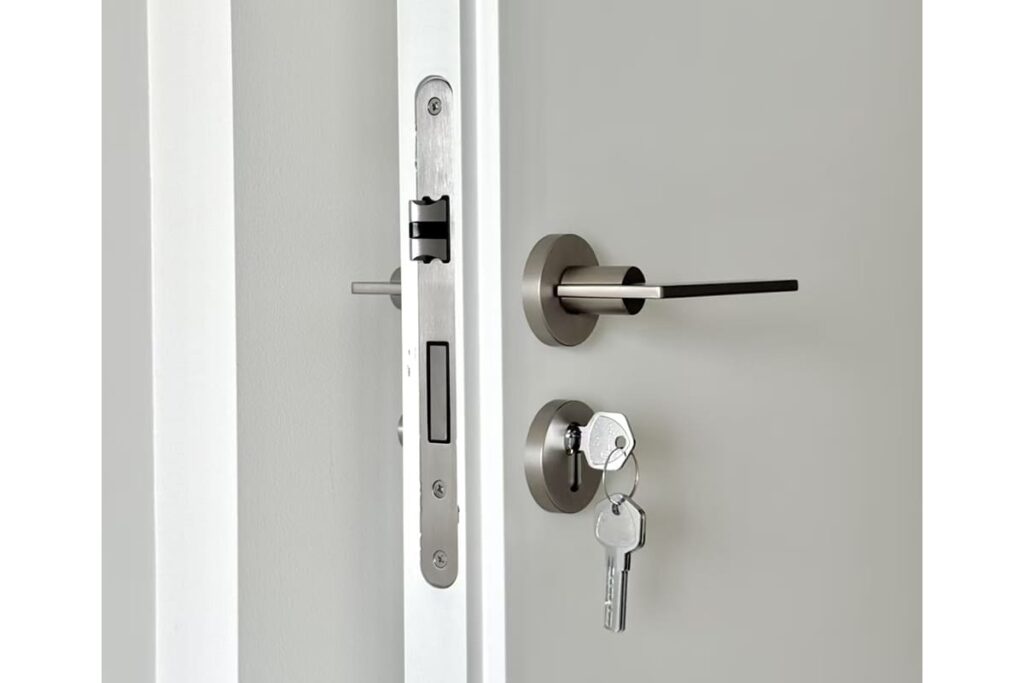
What type of lock should be used on exterior doors?
A wrong exterior door lock can raise security risk, damage the door structure, and create after-sales complaints that I could have avoided earlier.
I choose exterior door locks by matching security and durability needs with the door type, use scene, exposure level, market standard, and function. Mortise locks, smart locks, magnetic locks, and auxiliary deadbolts can all work, but only when the door structure, cylinder, installation, and certification requirements match.
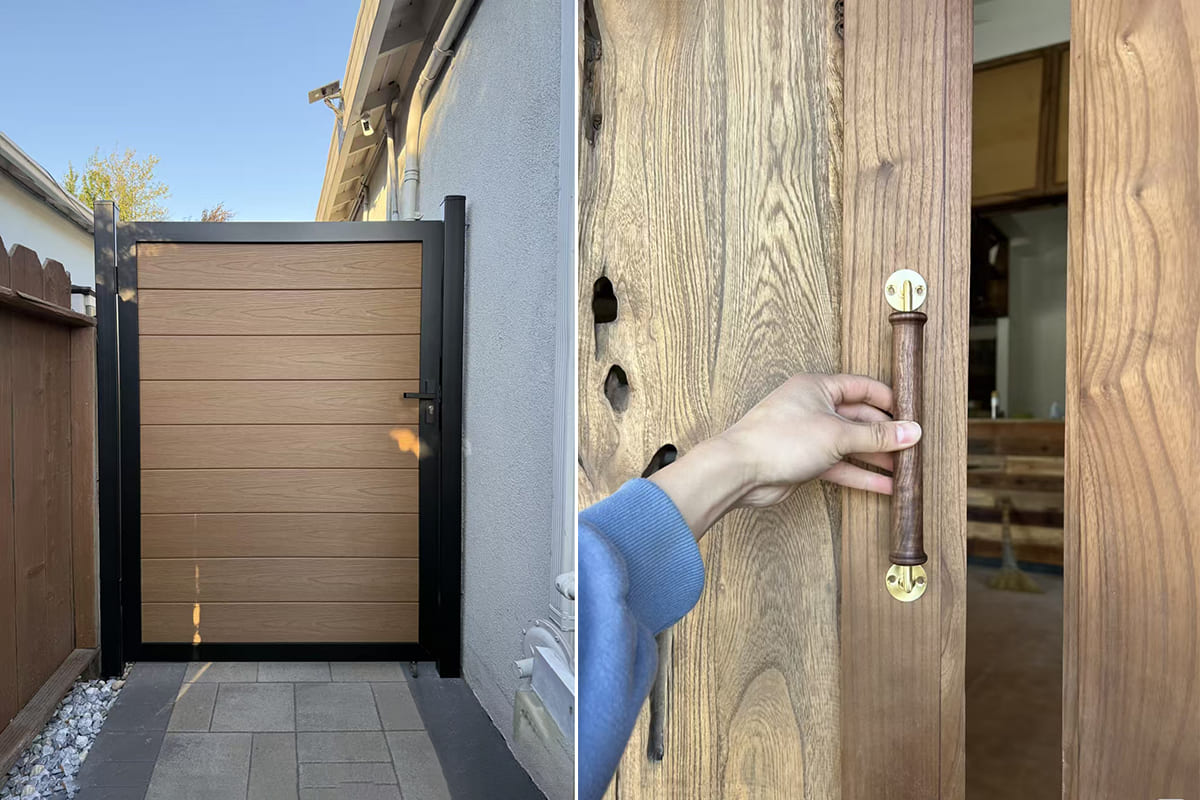
I have seen many buyers start with one simple question: “Which lock is best?” I usually change the question first. I ask what door it will be used on, who will use it, how often it opens, and what local market expects. That one change makes the lock selection much clearer, because an entrance door, a smart apartment door, a warehouse door, and an access-control office door do not need the same solution.
Why should I start with security and durability?
A low-cost exterior lock may look fine at first, but weak security or poor durability can turn into returns, complaints, and lost trust.
I start with security and durability because exterior doors face forced entry risk, frequent operation, moisture, corrosion, and long service needs.1 The right lock must resist practical use stress and match the door system, not only look good in a catalog.
How I break down the first decision
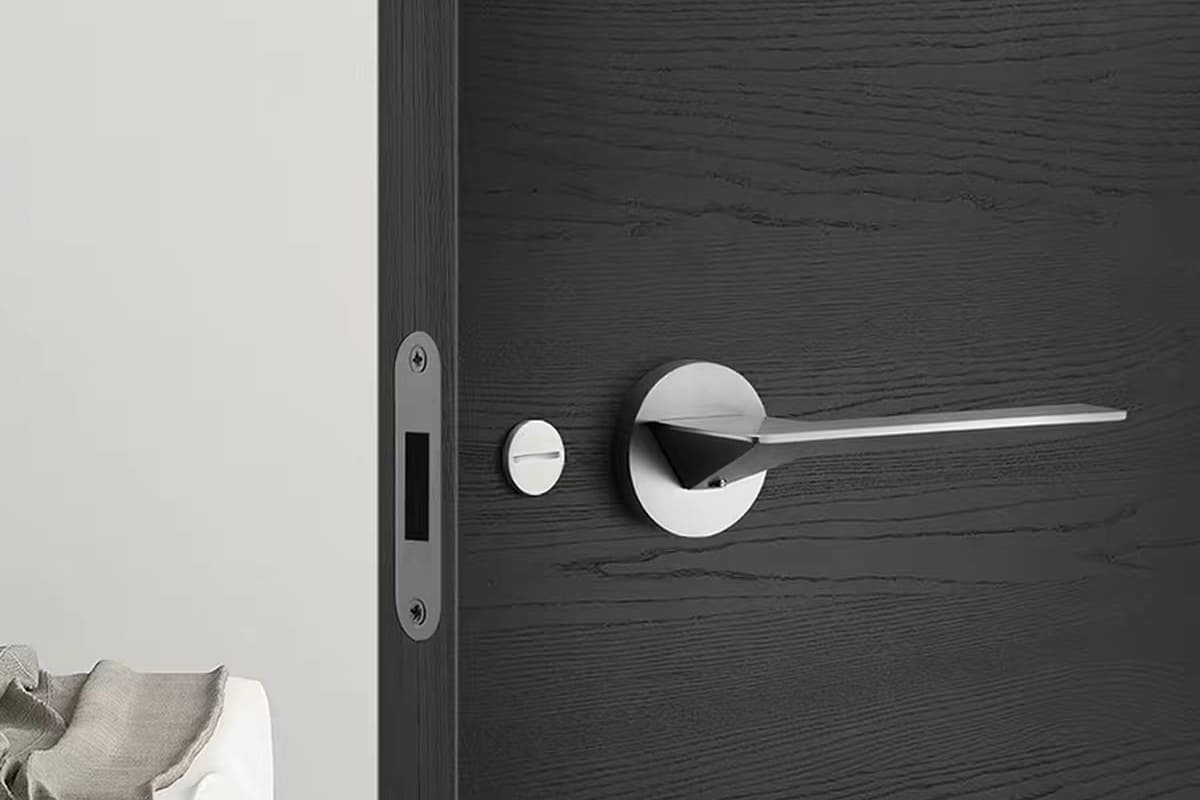
When I work with door factories and hardware brands, I do not treat security as one single feature. I look at the complete locking system. The lock body, cylinder, strike plate, handle, screw fixing, door leaf, and frame all affect performance.2 A strong lock body on a weak door structure will not give a stable result. A good cylinder with poor installation can also create risk.
Durability is the second part. Exterior doors may face rain, humidity, dust, sunlight, and heavy daily use.3 Some doors are used by families. Some doors are used by hundreds of people each day. I need to know this before I suggest a lock type.
| Decision point | What I check | Why it matters |
|---|---|---|
| Security need | Forced entry risk, cylinder grade, locking points | It affects basic protection level |
| Door structure | Wood, steel, aluminum, fire-rated door, profile door | It decides lock compatibility |
| Use frequency | Residential, apartment, commercial, warehouse | It affects lock body wear |
| Environment | Indoor corridor, outdoor exposure, coastal area | It affects corrosion and finish life |
| Market standard | CE, fire-rated need, local buyer habit | It affects product acceptance |
I always remind buyers that security claims need clear proof. If a project needs fire-rated use, CE compliance, or tested performance, I ask for the exact certificate and product specification.4 I do not assume one lock is compliant just because the lock type sounds strong.
When should I choose a mortise lock for exterior doors?
A surface-looking solution may save time, but a poor match can weaken door structure and create unstable operation after repeated use.
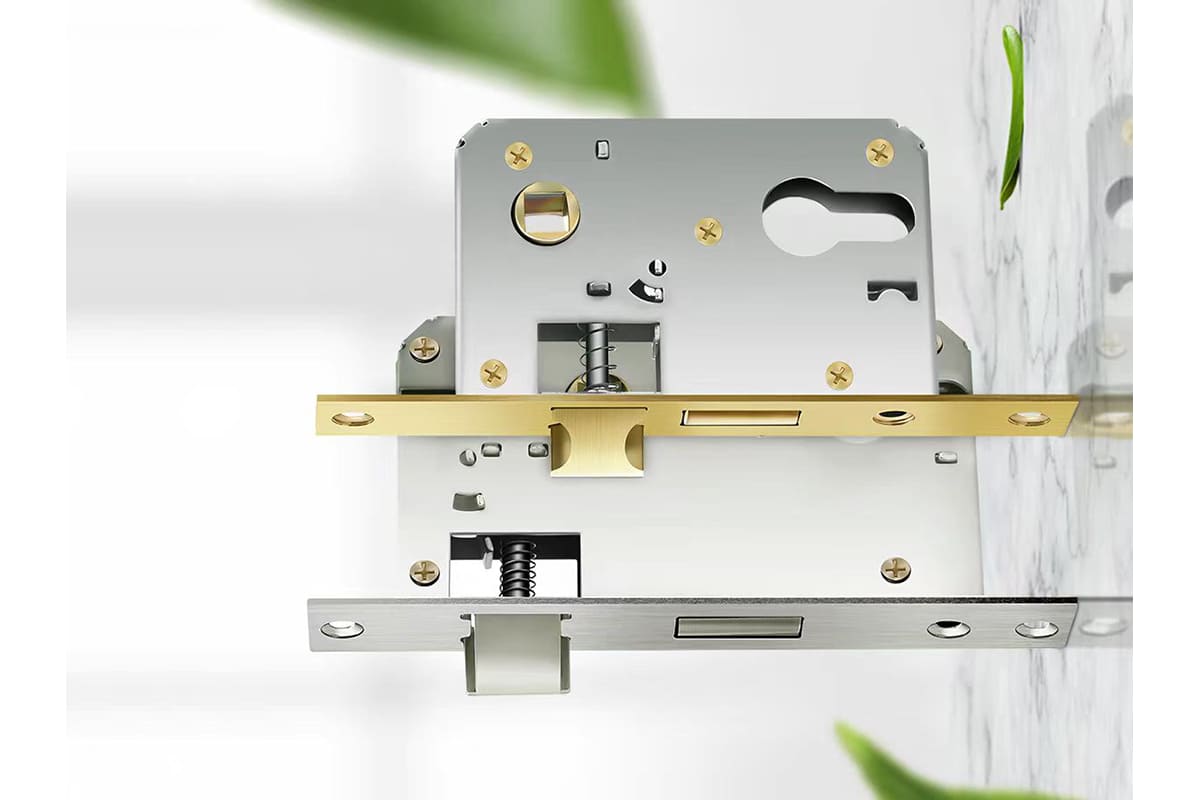
I choose mortise locks for many entrance doors, apartment doors, and commercial doors when the door leaf supports an embedded lock body. They offer an integrated structure, stable operation, and good compatibility with handles and cylinders, depending on specification and installation.
Where mortise locks fit in my product planning
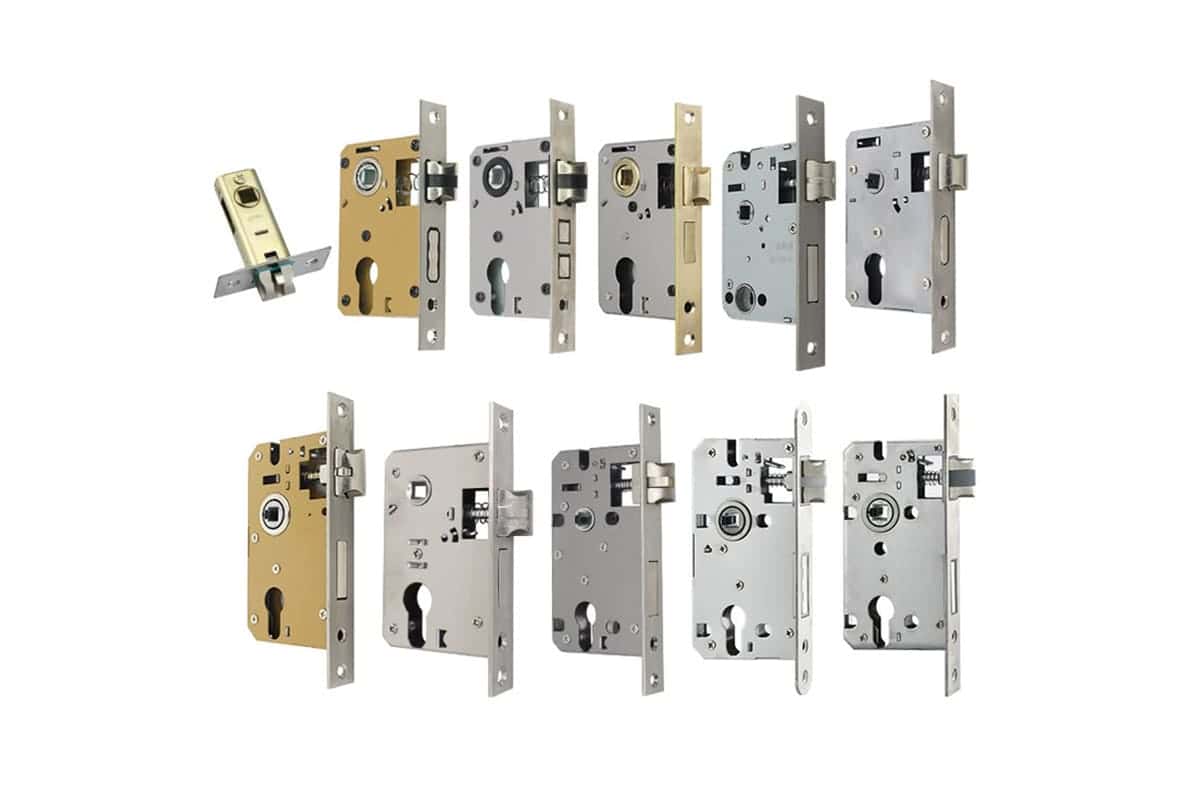
Mortise locks are often the main choice in exterior door hardware systems.5 The lock body sits inside the door leaf.6 This gives a clean appearance and a more integrated hardware layout. In many European and Middle East door projects, I see mortise locks used together with lever handles, euro profile cylinders, and matching strike plates.
I do not say that every mortise lock is automatically anti-pry or anti-pick. That depends on the lock body design, cylinder grade, door material, frame strength, and test standard.7 I also check the backset, center distance, faceplate size, latch direction, deadbolt throw, and handle spindle size before I confirm a model.
| Door type | Why I may choose a mortise lock | What I must confirm |
|---|---|---|
| Apartment entrance door | Good daily use and clean hardware layout | Cylinder, finish, door thickness |
| Villa or house entrance door | Can support higher hardware configuration | Lock body size and handle design |
| Commercial wooden door | Stable with frequent use if specified well | Latch strength and strike plate |
| Steel security door | Can match strong door structure | Cutout, fixing, and locking layout |
From my factory-side experience, mortise lock selection becomes easier when the buyer sends the door drawing first. A small difference in door thickness or lock pocket can change the lock model. If the buyer wants one lock for several product lines, I also check whether the lock can support common cylinder sizes and handle options. This reduces stock pressure and makes future supply more stable.
When does a smart lock make sense for exterior doors?
A smart lock can look modern, but wrong power design or poor weather protection can create serious after-sales pressure.
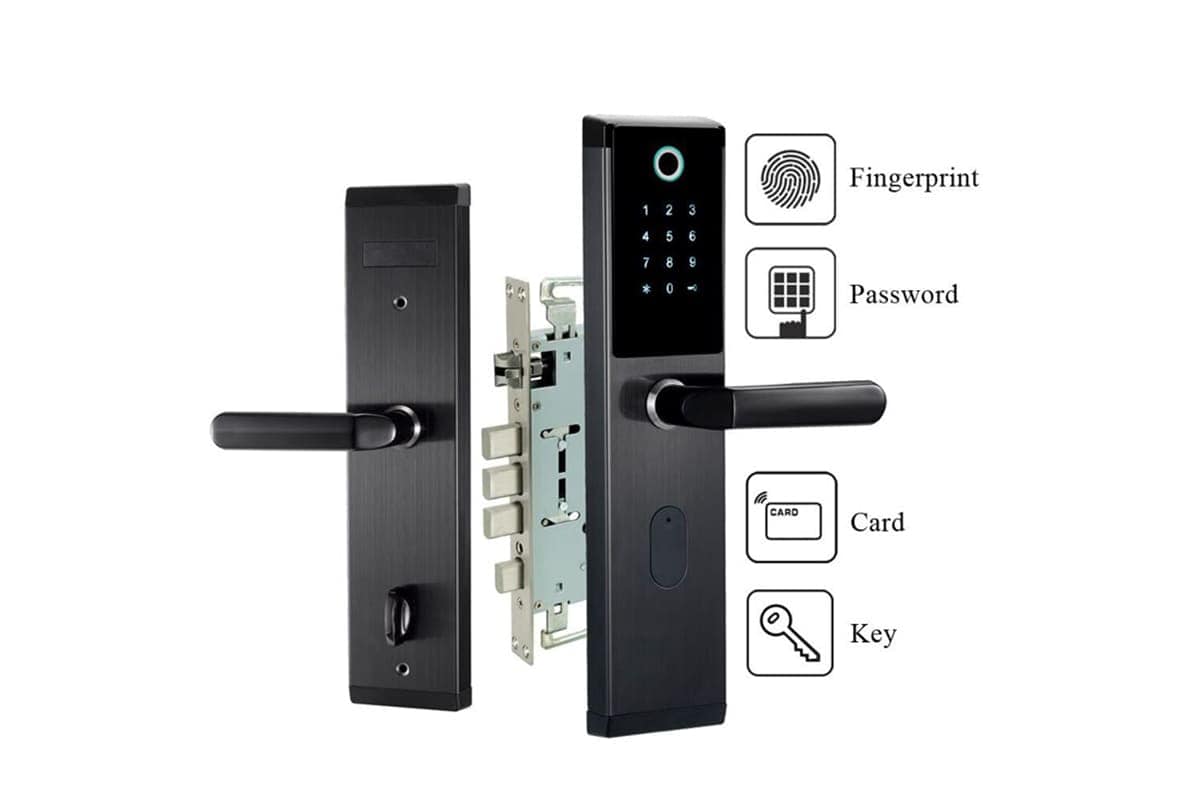
I choose smart locks for exterior doors when keyless entry, user records, electronic identification, or remote management are needed.8 I still check mechanical emergency access, battery plan, weather protection, door compatibility, and local market acceptance before I recommend one.
How I evaluate smart lock projects
Smart locks are useful for smart entrance doors, apartment projects, hotels, serviced apartments, and high-end residential door lines. Buyers like them because they can add value to the door. End users like fingerprint, card, keypad, app, or passcode access. Project managers also like access records in some controlled buildings.
Still, I treat smart locks as both mechanical and electronic products. The lock body must still work smoothly. The cylinder or emergency key function must still be practical. The battery must be easy to replace. The electronic part must fit the weather and local use habits.
| Check item | My question | Buyer risk if ignored |
|---|---|---|
| Emergency access | Can the user open the door if power fails? | Lockout complaints |
| Power supply | Is battery replacement simple? | Service cost increase |
| Weather protection | Is the lock exposed to rain or sun? | Electronic failure risk |
| Door compatibility | Does the lock fit the lock pocket and thickness? | Installation delay |
| Market habit | Do local users accept smart entry? | Slow sales or returns |
I also ask whether the smart lock uses a standard mortise lock body or a special lock body. A standard base may make replacement easier. A special structure may provide unique functions, but it can increase spare part pressure. If the smart lock is used on a true exterior exposed door, I ask for clear IP rating or product weather information from the supplier.9 I do not rely only on photos. I also check finish stability, because the front panel is visible and end users judge quality very quickly from surface appearance.
Where do magnetic locks fit exterior door projects?
A magnetic lock may solve access-control needs, but the wrong fail mode or power setup can make a project unsafe or non-compliant.
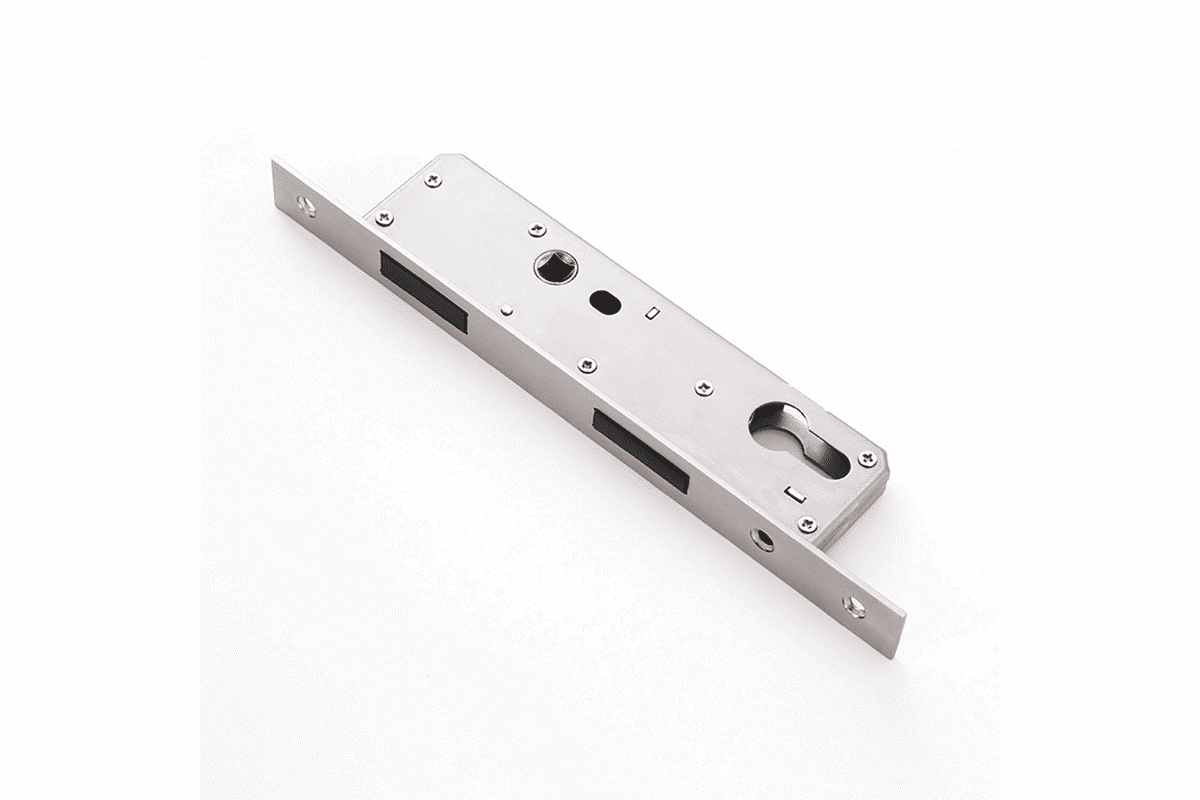
I use magnetic locks mainly for access-control doors, office entries, controlled commercial doors, and quiet-operation scenes. They need correct door matching, power supply, controller setup, and project rule review, especially for fail-safe or fail-secure requirements.
How I decide if magnetic locking is suitable
Magnetic locks work in a different way from mortise locks. They use electromagnetic force to hold the door closed.10 This makes them popular in access-control systems. They can work with card readers, keypads, push buttons, sensors, and building control systems. They are also quiet, so I see them in office and commercial projects where smooth traffic matters.
I do not treat magnetic locks as a direct replacement for every exterior door lock. They need power. They also need the correct bracket, armature plate, door closer, and frame condition. If the door is exposed to outdoor rain, I check whether the product and installation area can handle that environment. If the door is part of an emergency exit path, I ask the project team to check local safety rules and certified products.
| Project scene | Why magnetic lock may work | What I must check |
|---|---|---|
| Office entrance | Quiet access-control operation | Power and controller |
| Commercial glass door | Easy integration with access devices | Bracket and door closer |
| Controlled building entry | Central management need | Fail mode and safety rule |
| Interior-facing exterior access | Less direct weather exposure | Moisture and cable route |
The biggest question is fail-safe or fail-secure behavior. Many magnetic locks release when power is cut.11 That can be required in some safety designs, but it can also create security concerns if the project expects locking during power failure. I never decide this point alone. I ask the buyer to confirm project requirements, local rules, and access-control design. I also look at cable routing and installation quality, because a neat product can still fail if wiring is poor.
Should I add an auxiliary deadbolt or thumb-turn lock?
One main lock may not cover every door need, and unclear product terms can cause wrong orders across different markets.
I add auxiliary locks such as deadbolts, rim locks, barrel bolts, or thumb-turn locks when a secondary exterior door needs extra locking points or simple operation. I always confirm the exact local product category, door type, and inside-outside access need first.
How I avoid confusion in auxiliary lock selection
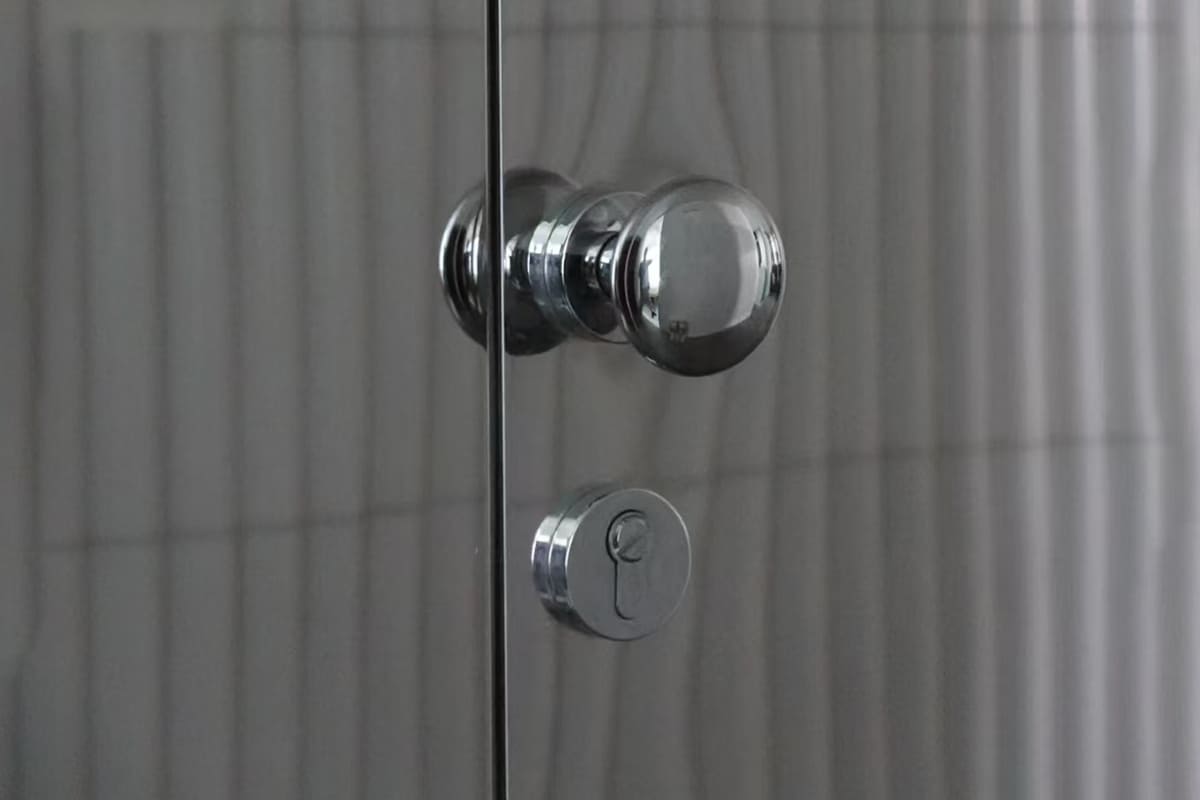
Auxiliary locks are common on garage doors, warehouse doors, back doors, service doors, and some secondary exterior doors. They can add one more locking point. They can also make operation simple for staff or residents. But I have learned that the words buyers use can be different by region. One buyer may say “deadbolt.” Another buyer may mean rim lock. Another buyer may mean barrel bolt or thumb-turn cylinder.
So I always ask for a photo, drawing, or sample. This avoids mistakes before mass production. I also check whether the door must be opened from both sides, from inside only, or by key outside and thumb-turn inside.
| Product type | Common use | Key question I ask |
|---|---|---|
| Deadbolt | Extra locking on entrance or service door | Key outside or thumb-turn inside? |
| Rim lock | Surface-mounted secondary door use | Does the door allow surface fixing? |
| Barrel bolt | Simple inside-only locking | Is outside access required? |
| Thumb-turn lock | Fast inside locking and unlocking | Is emergency release needed? |
Auxiliary locks should not hide weaknesses in the main door system.12 If the main lock, cylinder, or frame is poor, adding one small bolt does not solve the full problem. I use auxiliary locks as part of a planned system. For example, a warehouse side door may need a strong mechanical lock plus an inside bolt. A garage access door may need simple inside control and a key outside. A residential secondary door may need easy daily operation more than advanced access control. In each case, I match the product to real use, not to a general idea of “more locks means more security.”
How should I match lock type with buyer and market needs?
A lock that works in one market can fail in another market because buyers expect different standards, finishes, functions, and installation habits.
I match exterior door locks by combining door drawings, target market requirements, certification needs, finish standards, price level, and supply plan. This helps door factories, brands, and wholesalers reduce wrong inventory and quality risk.
How I make procurement decisions more stable
For B2B buyers, lock selection is not only a technical choice. It is also a supply chain choice. A door factory needs a lock that fits production. A brand needs a product that supports sales and after-sales service. A wholesaler needs stable stock, consistent finish, and clear packaging. A project buyer needs certificates, delivery control, and installation support.
I usually ask the buyer to separate “must-have” needs from “nice-to-have” needs. This keeps the budget clear. It also prevents over-design. A simple warehouse door may not need a smart lock. A smart apartment door may not be suitable for a basic mechanical lock only. A commercial access door may need magnetic locking and access control, not a normal entrance set.
| Buyer type | Main concern | My selection focus |
|---|---|---|
| Door factory | Easy installation and stable assembly | Lock size, drawing, accessories |
| Hardware brand | Product line and market positioning | Finish, packaging, model range |
| Wholesaler | Stock turnover and price level | Common sizes and durable finish |
| Project buyer | Compliance and delivery | Certificates, samples, batch control |
I also pay close attention to finish consistency. Exterior hardware is judged by appearance before it is judged by internal structure. If a buyer orders handles, cylinders, hinges, and lock faceplates from different sources, color difference can become a problem. I prefer to plan the door hardware set together. This can make the final door look cleaner and reduce communication time. When a project needs CE or fire-rated products, I ask for the exact product match. I do not use one certificate to represent a different item unless the certification scope clearly allows it.
Conclusion
I choose exterior door locks by matching security, durability, door structure, use scene, certification needs, and buyer goals, not by naming one universal best lock.
"PDR: CORR-DATA - NIST Data Repository", https://data.nist.gov/pdr/lps/54AE54FB37AC022DE0531A570681D4291851. Door-lock performance standards such as EN 12209 and ANSI/BHMA A156 classify locks by criteria including durability, security, strength, and corrosion resistance, supporting the use of tested performance attributes when specifying exterior door locks. Evidence role: general_support; source type: institution. Supports: A lock or building-hardware standard should show that durability, security, corrosion resistance, and operating cycles are recognized performance criteria for door locks used in demanding conditions.. Scope note: Such standards support the relevance of these criteria generally; they do not prove that any specific lock model satisfies them without model-specific test documentation. ↩
"[PDF] VA 08 34 53 Security Doors and Frames", https://www.wbdg.org/FFC/VA/VAASC/VA%2008%2034%2053.pdf. Forced-entry and door-security test methods assess the lock together with associated components such as the strike, fasteners, door leaf, and frame, indicating that lock performance is a property of the assembled door system rather than the lock body alone. Evidence role: mechanism; source type: institution. Supports: A standard or technical source should support that door security is assessed through interactions among the lock, strike, fasteners, door, and frame rather than through the lock alone.. Scope note: This supports the system-level principle; it does not quantify the contribution of each component for every door design. ↩
"[DOC] 084113", https://online2.ogs.ny.gov/dnc/masterspec24/docs/Division08Openings/084113.0AluminumFramedEntrancesAndStorefronts.docx. Building-envelope and materials references identify moisture, ultraviolet radiation, airborne contaminants, and repeated service loading as common exposure factors for exterior door assemblies and hardware. Evidence role: general_support; source type: research. Supports: A building-envelope or materials source should explain that exterior doors and their hardware are exposed to moisture, ultraviolet radiation, dust, and repeated service conditions.. Scope note: The source would support the general exposure conditions, not the severity level at a particular site. ↩
"SECTION 087111 - DOOR HARDWARE (SCHEDULED BY ...", https://fpm.usc.edu/wp-content/uploads/2021/11/087102-USC-HSC-door-hardware-Guide-Specification_1.pdf. Official CE-marking and construction-product guidance ties conformity claims to the specific product, applicable standard, and declared performance, supporting the need to check the exact certificate and specification for fire-rated or tested door hardware. Evidence role: expert_consensus; source type: government. Supports: An official source should show that CE marking and fire-related compliance depend on declared product performance, standards, and product scope.. Scope note: The guidance establishes documentation principles; the required standard and certificate type vary by jurisdiction and product category. ↩
"Mortise lock - Wikipedia", https://en.wikipedia.org/wiki/Mortise_lock. Reference sources define a mortise lock as a lock fitted into a mortise pocket cut into the edge of a door, supporting its characterization as a standard door-hardware format for primary locking applications. Evidence role: definition; source type: encyclopedia. Supports: A neutral reference should define mortise locks and describe their use as locks fitted into a pocket in the door edge.. Scope note: This supports the lock type and general use; it does not establish market share or prove that it is the main choice in every region. ↩
"Mortise lock - Wikipedia", https://en.wikipedia.org/wiki/Mortise_lock. A mortise lock is defined as a lock installed in a mortise, or recessed pocket, cut into the edge of the door, directly supporting the statement that the lock body sits within the door leaf. Evidence role: definition; source type: encyclopedia. Supports: A reference source should confirm that a mortise lock is recessed into the door rather than mounted entirely on the surface.. ↩
"EN 1303:2026 - Cylinders and Master-Key-Systems for Locks ...", https://standards.iteh.ai/catalog/standards/cen/bff2e636-92e6-474b-a6e0-fa3f5c0ce3ec/en-1303-2026?srsltid=AfmBOoqCNkn4anTdg3BMMnhL5sfObNEWbfO8K7sGIEMW5g2DP6V6SY0n. Cylinder and door-security standards such as EN 1303 and ASTM forced-entry test methods classify or test resistance to attack through defined product and assembly criteria, supporting the view that anti-pick or anti-pry performance depends on design, cylinder grade, door construction, frame strength, and test method. Evidence role: mechanism; source type: institution. Supports: Standards should show that cylinder attack resistance and door-lock security are tested through defined grades and assembly conditions.. Scope note: The standards support the relevant variables; they do not certify any product unless the exact tested model and configuration are identified. ↩
"Smart lock - Wikipedia", https://en.wikipedia.org/wiki/Smart_lock. Technical literature on smart locks and electronic access-control systems describes functions such as credential-based keyless entry, event logging, and remote or networked administration, supporting their use where these functions are project requirements. Evidence role: general_support; source type: research. Supports: A neutral technical source should describe smart locks or electronic access-control systems as supporting credential-based access, audit trails, and remote administration.. Scope note: This supports functional capability in general; actual functions depend on the specific lock, software platform, and deployment configuration. ↩
"IP code - Wikipedia", https://en.wikipedia.org/wiki/IP_code. IEC 60529 defines the IP Code as a classification system for enclosure protection against access, solid foreign objects, dust, and water ingress, supporting the relevance of IP ratings for electronic smart locks installed on exposed exterior doors. Evidence role: definition; source type: institution. Supports: An IEC or standards source should define IP ratings as classifications for protection against solid objects, dust, and water ingress.. Scope note: An IP rating addresses specified ingress tests only; it does not by itself prove long-term resistance to ultraviolet exposure, salt spray, temperature cycling, or vandalism. ↩
"Electromagnetic lock - Wikipedia", https://en.wikipedia.org/wiki/Electromagnetic_lock. Reference descriptions of electromagnetic locks explain that an energized electromagnet attracts an armature plate on the door, creating the holding force that keeps the door closed. Evidence role: mechanism; source type: encyclopedia. Supports: A neutral reference should explain that an electromagnetic lock uses an electromagnet and armature plate to secure a door.. ↩
"Fail Safe vs. Fail Secure Magnetic Locks: How Do They Differ?", https://www.avigilon.com/blog/fail-safe-vs-secure. Life-safety and building-code provisions for electromagnetic locking systems commonly require release upon power loss or activation of specified egress devices, supporting the statement that many magnetic locks unlock when power is interrupted. Evidence role: mechanism; source type: government. Supports: A code or technical source should support that electromagnetic locks commonly require power to remain locked and release on power loss, especially in egress applications.. Scope note: This is strongest for egress-controlled installations governed by such codes; some access-control products or configurations may use additional hardware to achieve different security behavior. ↩
"Front Door Security Strike Plate | Easy Install - YouTube",
. Public-safety and forced-entry guidance treats door security as a function of the complete assembly, including the door, frame, strike, hinges, and locks, supporting the caution that auxiliary locks cannot compensate for fundamental weaknesses in the main door system. Evidence role: expert_consensus; source type: government. Supports: A public-safety or building-security source should support that effective door security depends on the lock, strike, frame, hinges, and door construction, not merely on adding another bolt.. Scope note: The source would support the general security principle; it would not determine the adequacy of a particular auxiliary lock without an inspection or test of the installed assembly. ↩